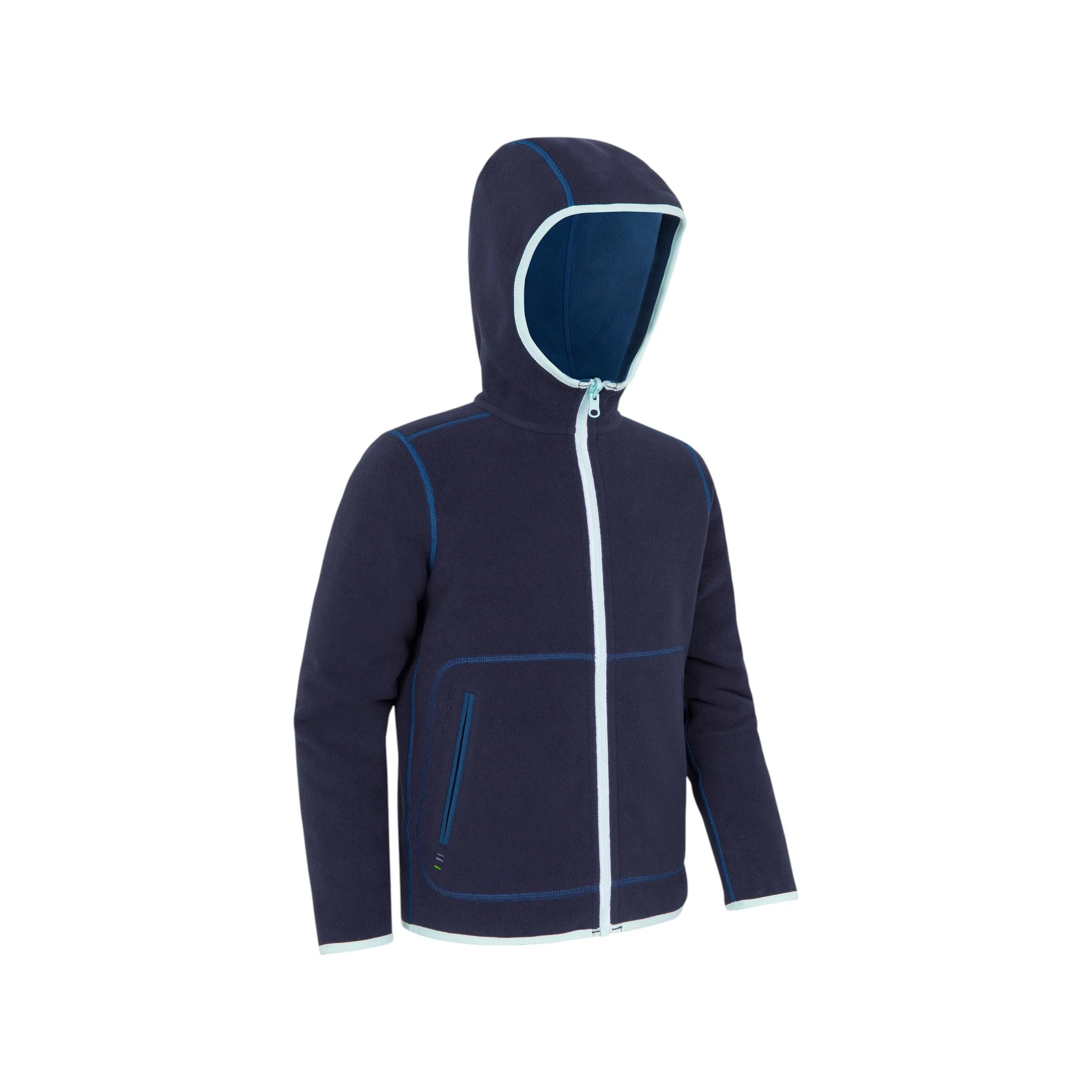
8 items

Kids' Sailing Wetsuits FAQs

Which wetsuit features matter most for kids' sailing in different conditions?

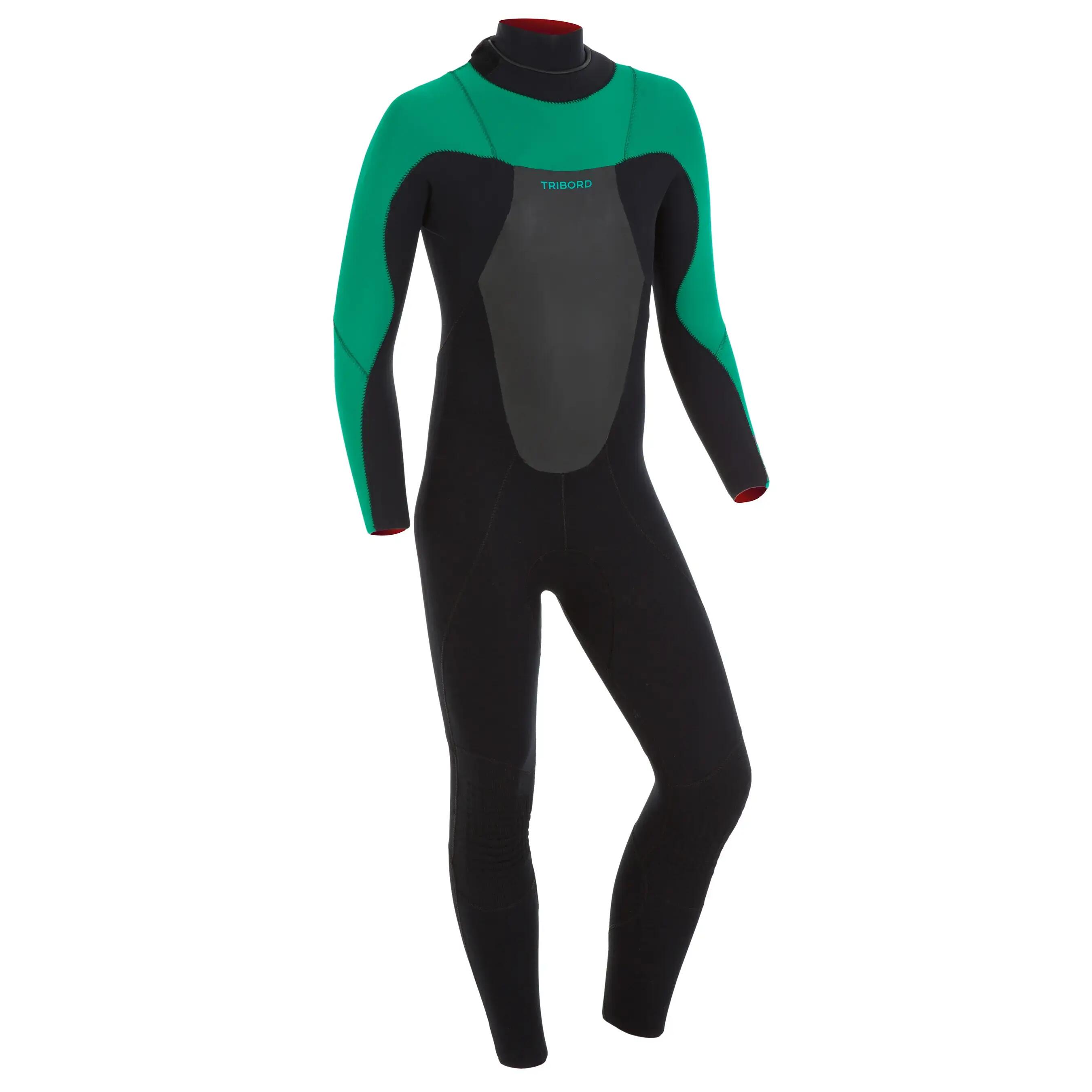
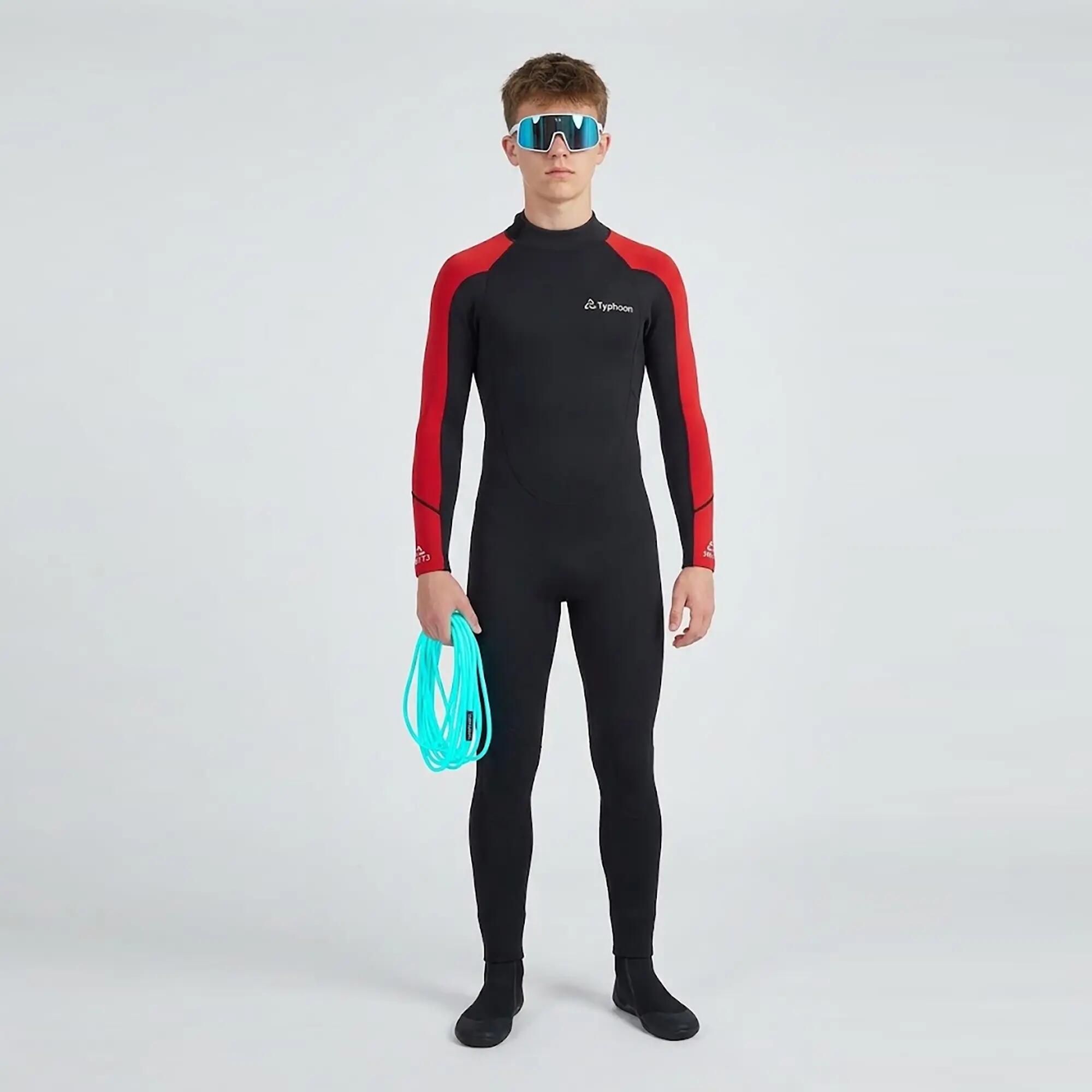
Start with water temperature, weather, the type of sailing and how much movement your child needs around the boat. A 3/2 mm wetsuit can suit regular lightweight dinghy sailing in cool conditions, while thicker 5/4 mm options provide more insulation for colder use. The live category is mainly made up of third-party brands such as Typhoon and O'Neill, so features such as stretch panels, reinforced knees and seam systems should be credited to the individual manufacturer. To complete the setup, the wider kids' sailing clothes range can help with additional layers for wind and changing weather. Pro tip: prioritise a close fit without restricting shoulders, knees or hips, as loose gaps can allow more water to circulate inside the suit.

What wetsuit thickness works well for kids' dinghy sailing?

Thickness needs to balance warmth with enough flexibility for steering, trimming sails and changing position quickly. Lighter 3/2 mm construction can suit regular dinghy sessions in cooler weather, while thicker 5/4 mm wetsuits provide greater insulation for colder conditions. Before heading out sailing, consider wind chill as well as water temperature because a wet child exposed to wind can cool quickly. Pro tip: avoid automatically choosing the thickest wetsuit available. Extra neoprene can reduce flexibility, so the best choice is usually the level of insulation that keeps your child comfortable while still allowing natural arm and leg movement.

Why are reinforced knees and seats useful on children's sailing wetsuits?

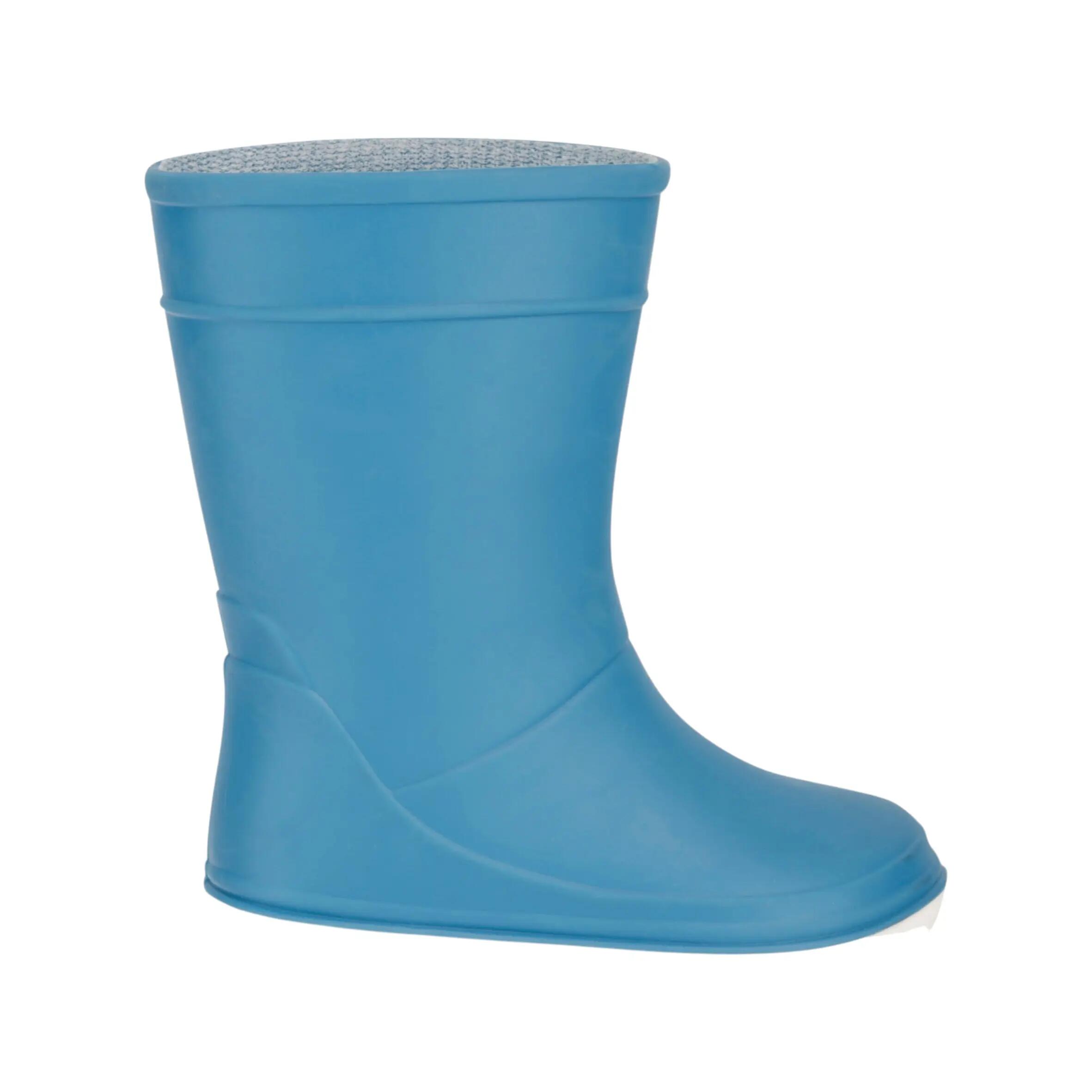
Dinghy sailing involves far more contact with hard surfaces than ordinary swimming, with children regularly kneeling, sitting and moving across decks and fittings. Some third-party wetsuits therefore reinforce the knees and seat with tougher neoprene or abrasion-resistant panels to protect high-wear areas. Wearing suitable kids' sailing boots can complement that protection by giving the feet additional coverage and grip for wet boat surfaces. Pro tip: inspect the knees, seat and seams regularly for thinning or small tears. Minor neoprene damage can sometimes be repaired with suitable adhesive before it develops into a larger split.

What is the right fit for a kids' sailing wetsuit?

A wetsuit should sit close to the body so the small amount of water inside can warm and remain relatively stable, but it should not restrict breathing or normal sailing movements. Check the fit by having your child raise their arms, squat, bend and rotate rather than assessing the wetsuit only while standing upright. Extra protection in colder, wetter or windier conditions can come from layering suitable kids' sailing jackets, smocks and overtrousers over or around the wetsuit as needed. Pro tip: pay particular attention to the shoulders, underarms, knees and neck. Excess pulling in these areas can become uncomfortable once the child starts moving repeatedly around the boat.

What other equipment should a child wear with a sailing wetsuit?

A wetsuit provides thermal protection but does not replace appropriate buoyancy equipment. Depending on the sailing activity and conditions, your child's setup should also include correctly fitted buoyancy gear, suitable footwear and additional wind or spray protection where needed. The life jacket and sailor accessories range can help complete the safety setup alongside the wetsuit. Pro tip: put the full kit on before launching and check that each layer works together. The wetsuit, buoyancy aid and outer layers should allow free arm movement and should not create bulky overlaps that make sitting, climbing back aboard or manoeuvring around the dinghy more difficult.