26 items
4.9/5 based on 12012 reviews collected online and in stores

Kids' Sailing Jacket, Smock and Overtrousers FAQs

What would you consider when selecting kids' sailing outerwear?

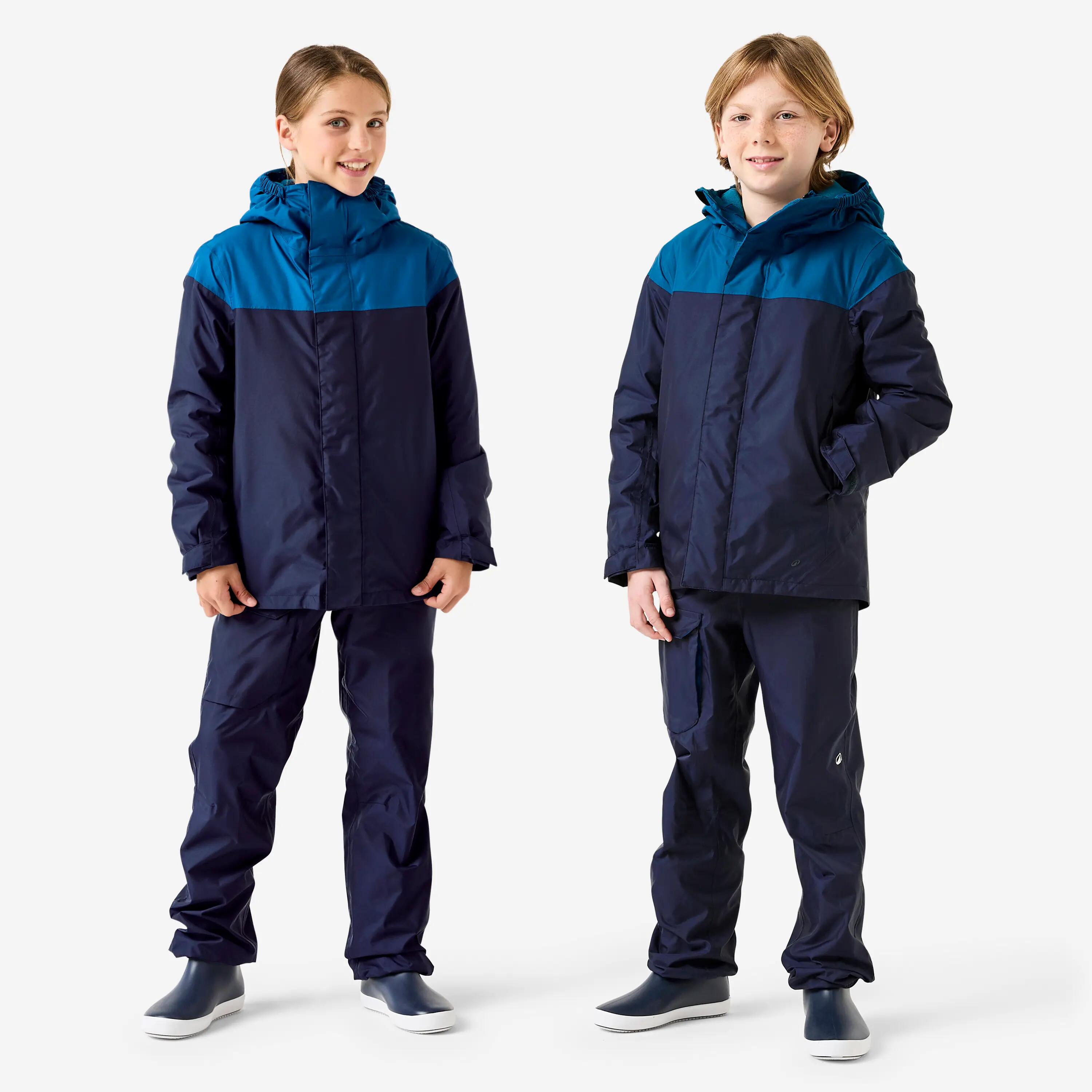
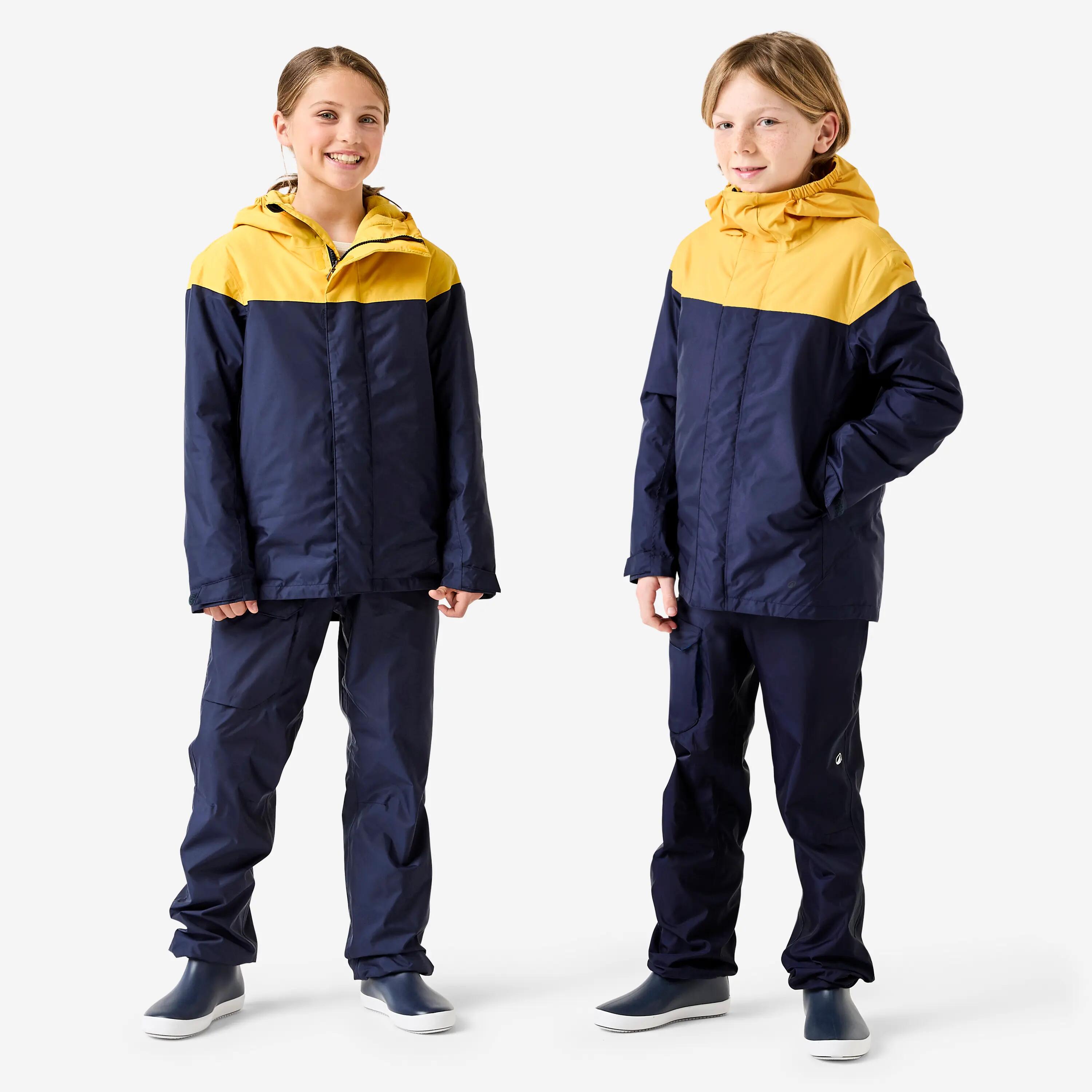
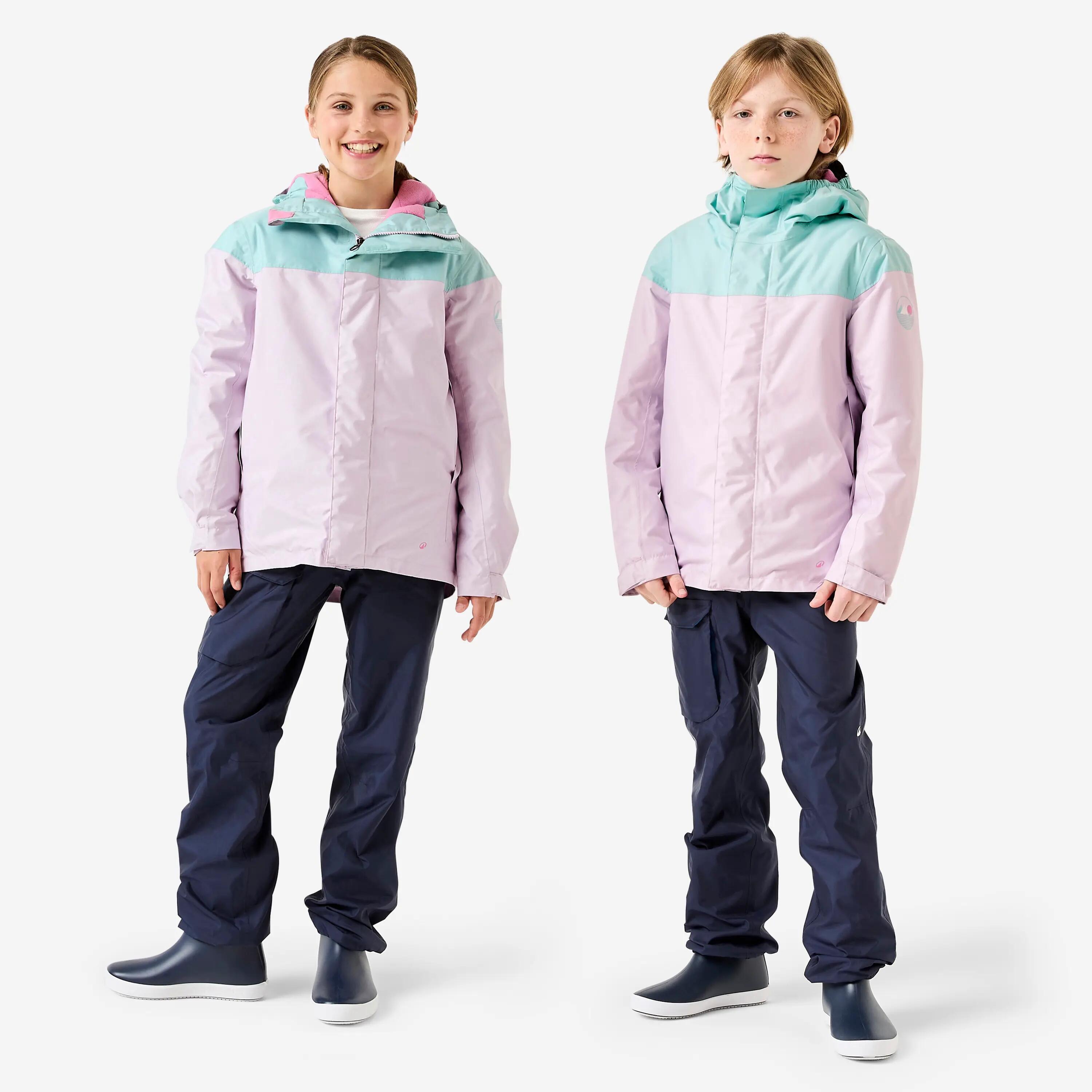
Match the outer layer to the weather, time on the water and how active your child will be while sailing. Wet and windy sessions may require jackets, smocks and overtrousers from the wider kids' sailing clothes range, depending on the level of protection your child needs. Decathlon separates lighter Sailing 100 outerwear from more protective options rather than using one construction for every situation. Waterproof performance is measured in millimetres and tested after ageing, while breathability helps moisture escape during active manoeuvres. Pro tip: think in layers rather than relying on one heavy garment. A suitable base or mid-layer under waterproof outerwear can make it easier to adjust warmth without restricting movement around the boat.

When is a sailing smock useful for kids?

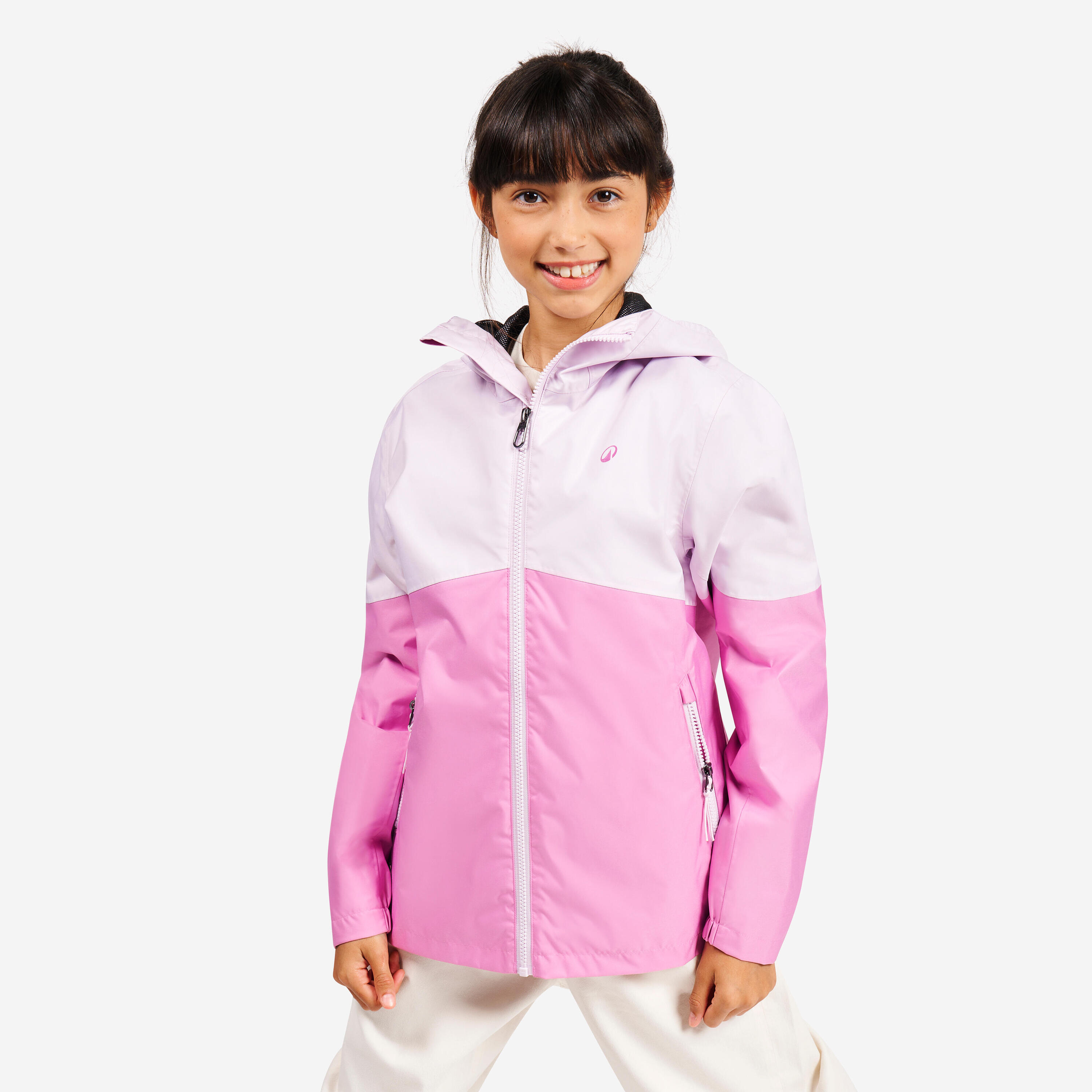
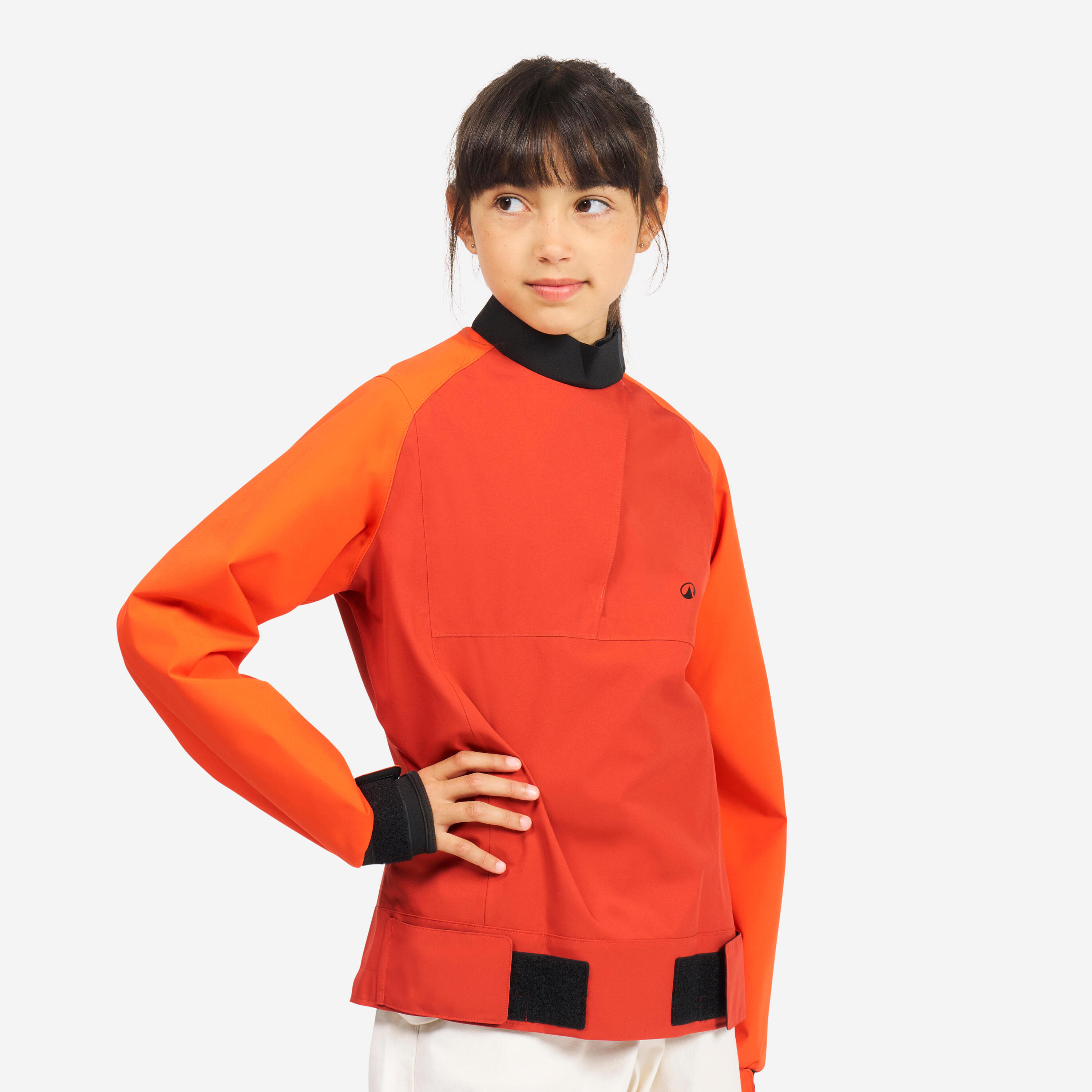
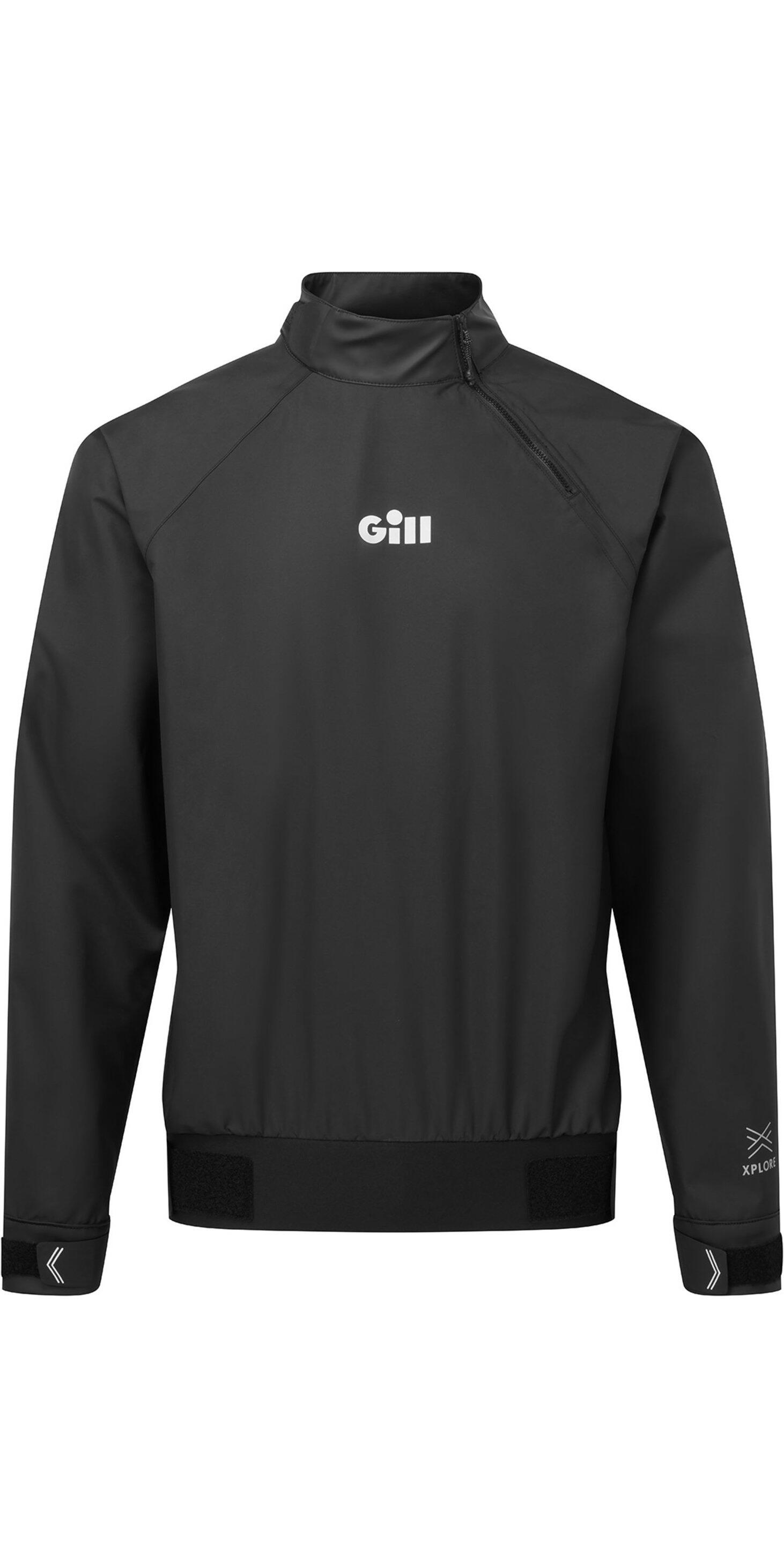
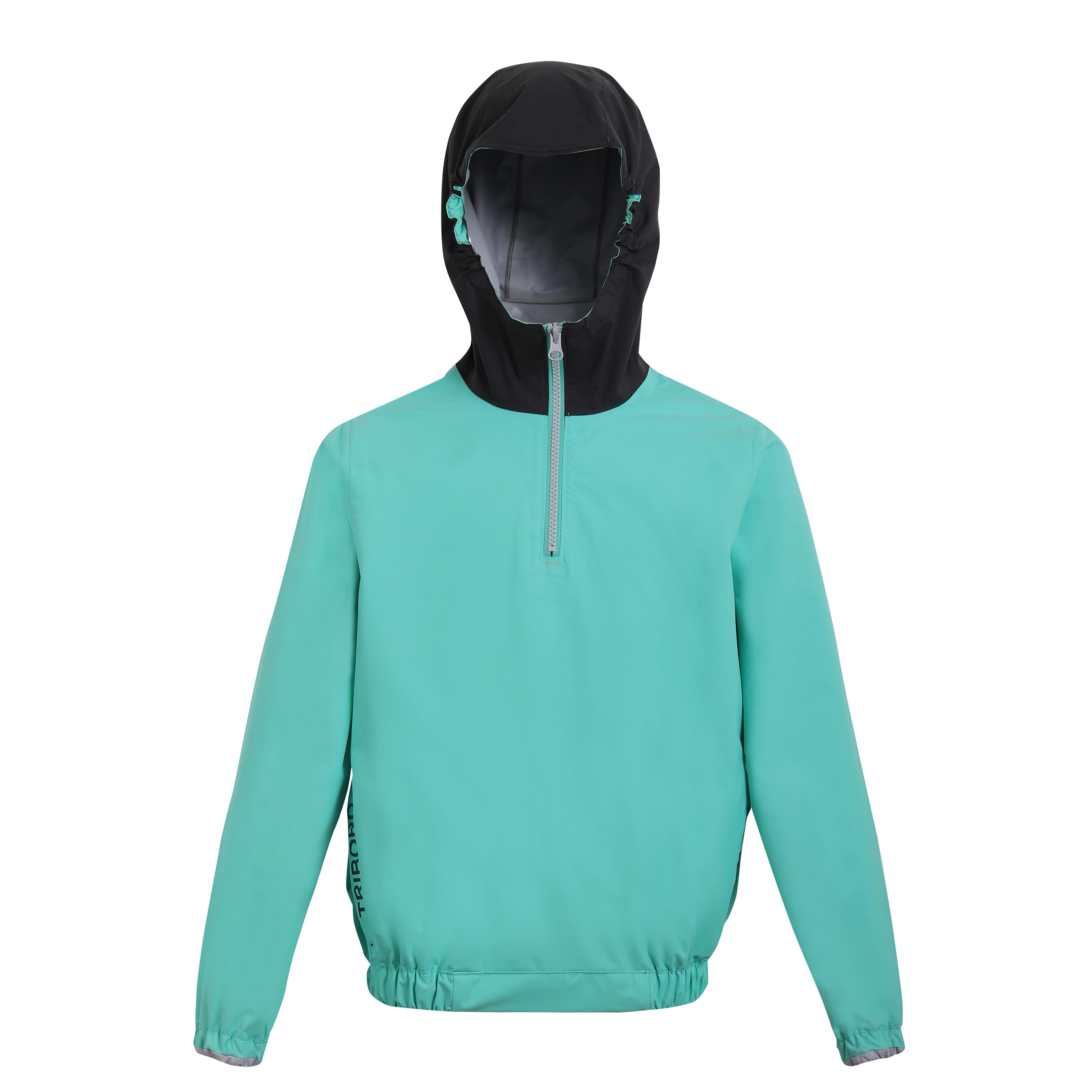
Smocks work particularly well for active dinghy sailing and kayaking where spray, wind and repeated upper-body movement are common. During those sessions, a kids' sailing and kayaking spray top can provide targeted wind and splash protection without the bulk of a heavier jacket. Adjustable openings around the neck, cuffs and waist can help reduce water entry, while shaped cuts allow easier paddling and boat manoeuvres. Pro tip: check that the smock does not bunch excessively when your child bends or reaches forward. A close but comfortable fit can help limit flapping in stronger wind while still allowing enough room for a light layer underneath.

Which waterproof sailing jacket features are useful for younger sailors?

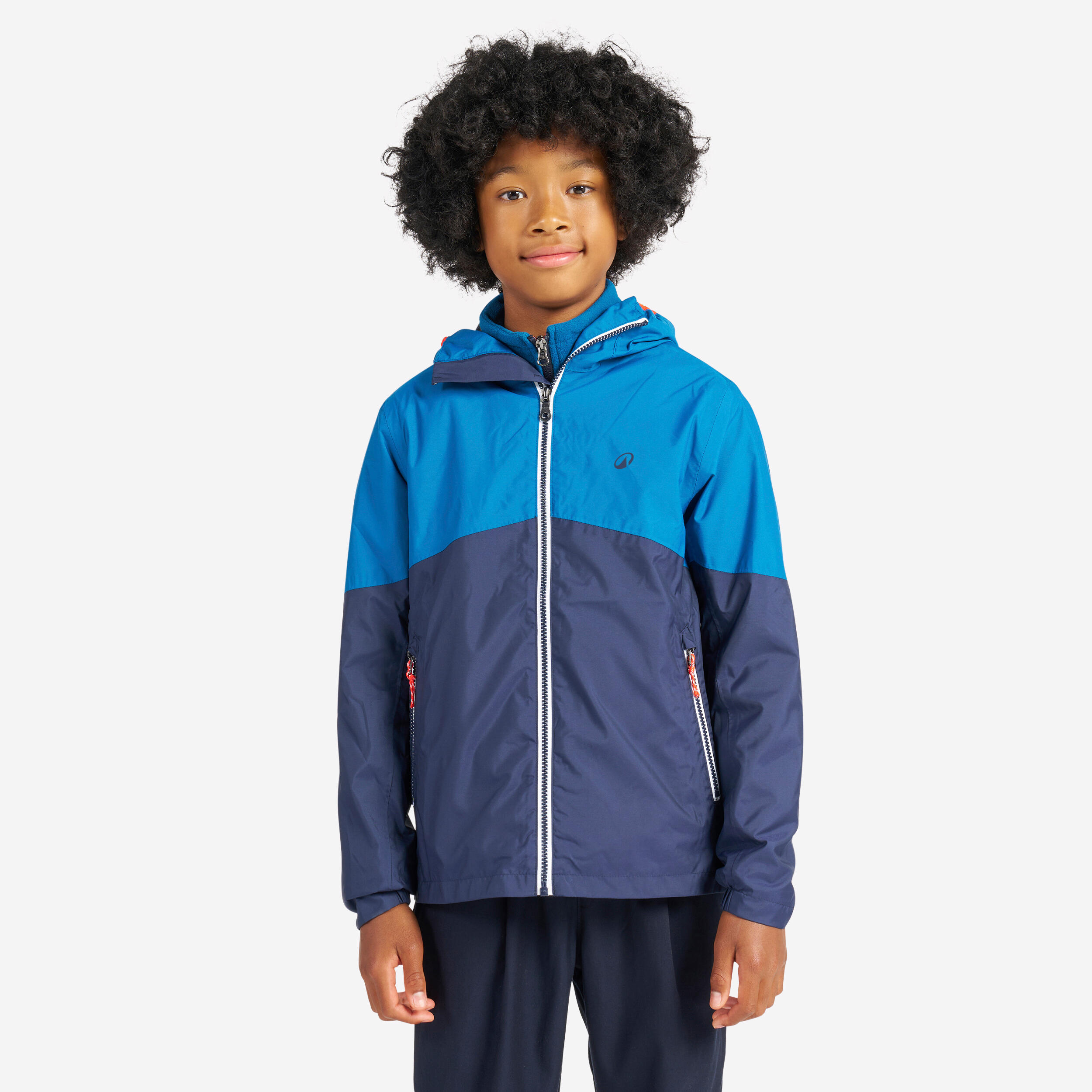
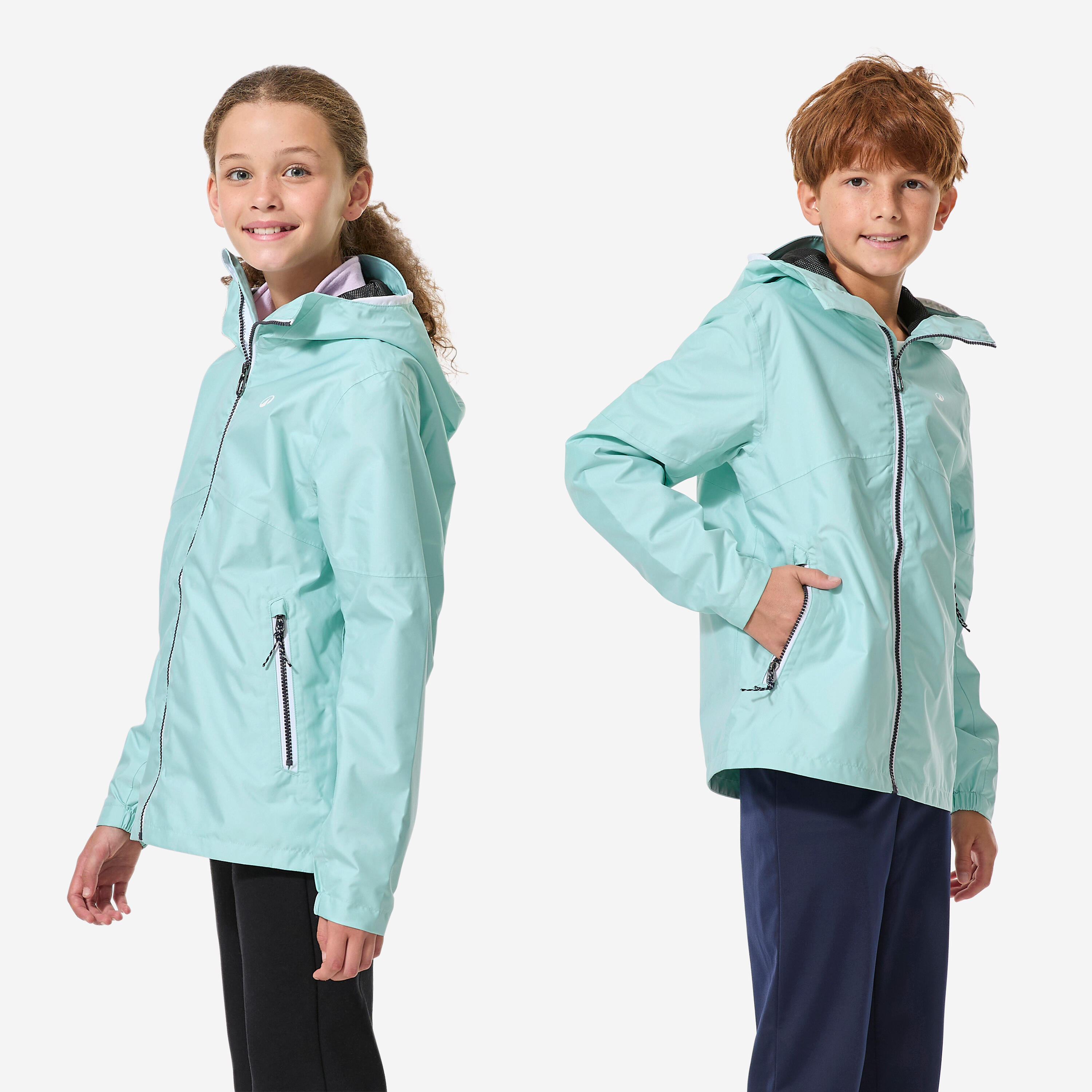
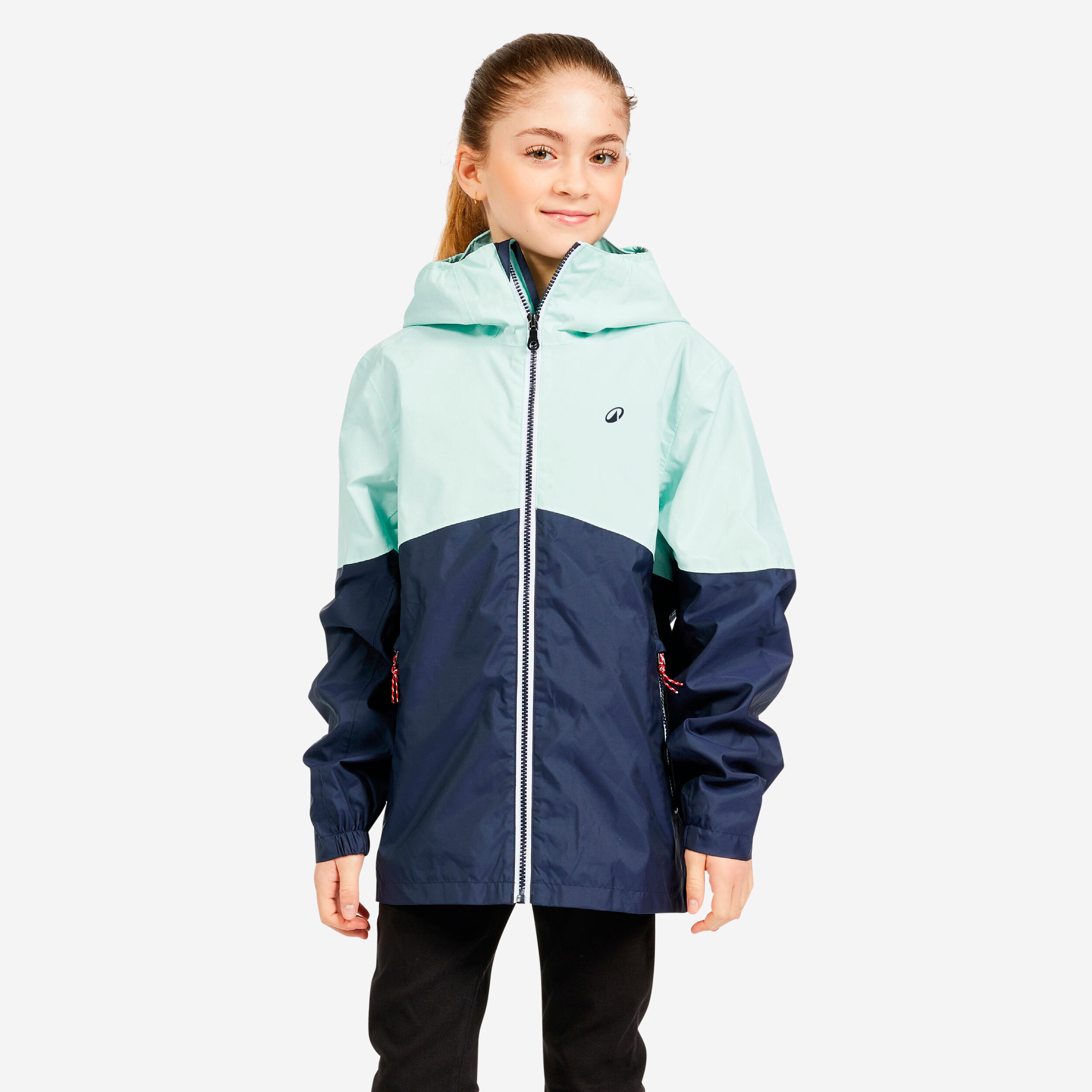
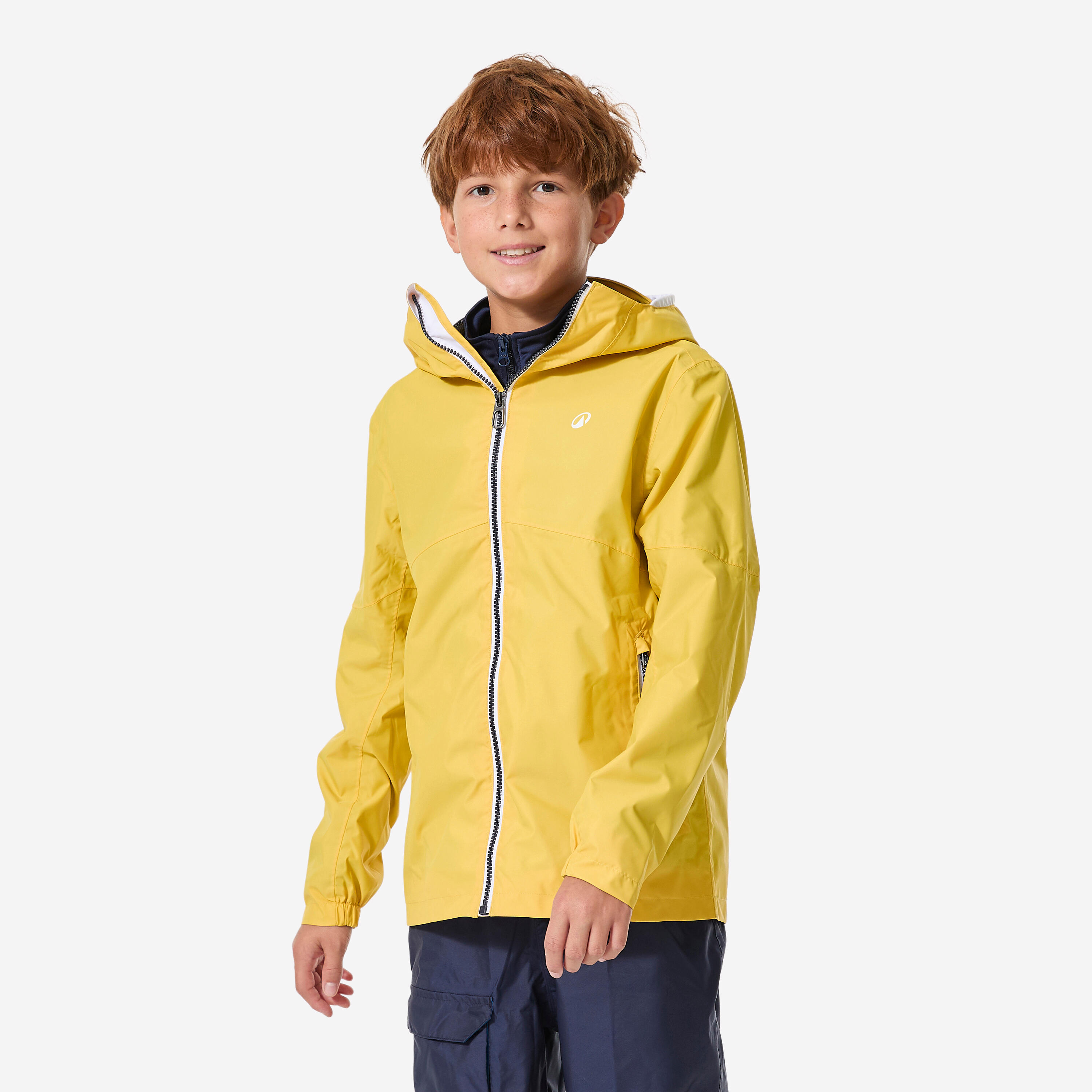
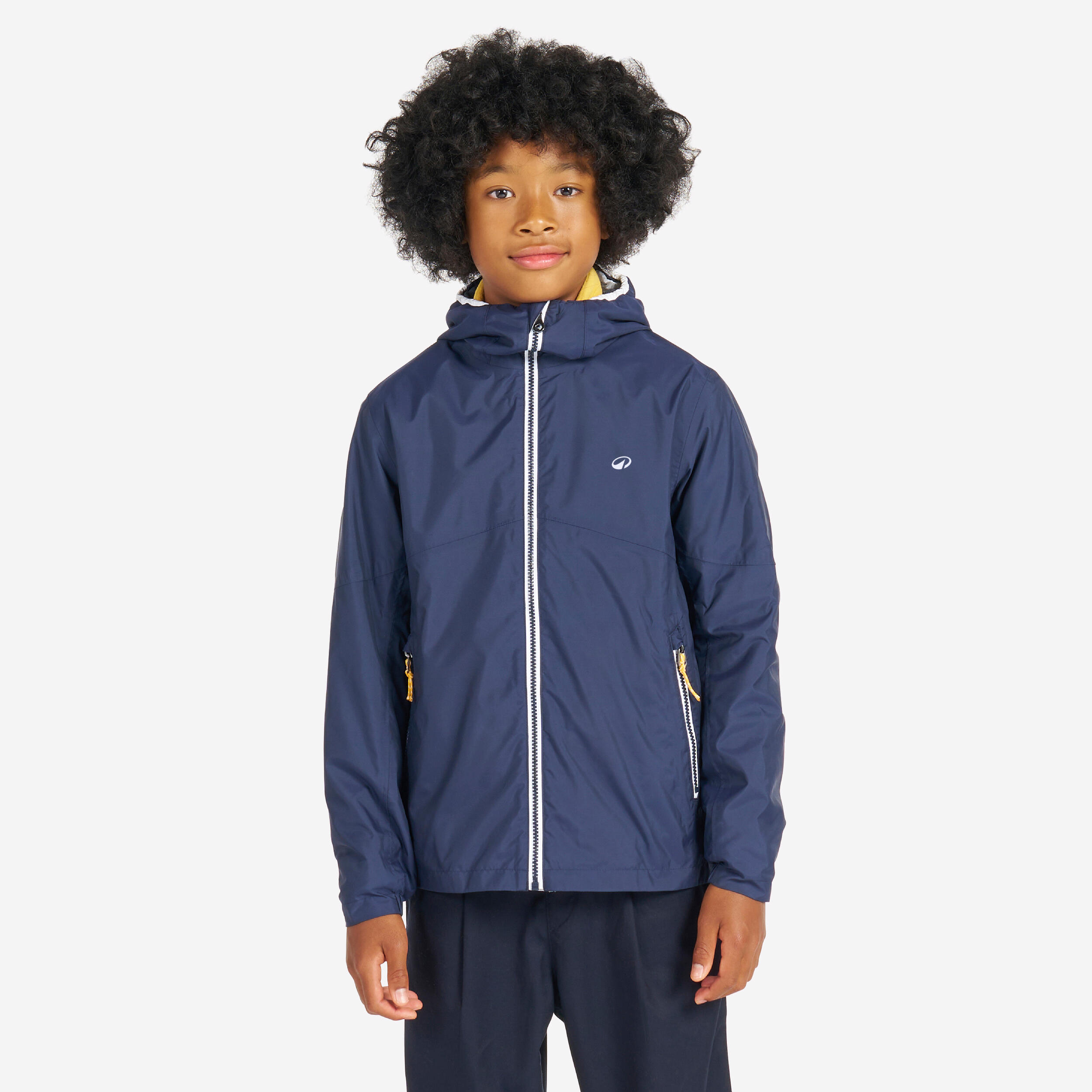
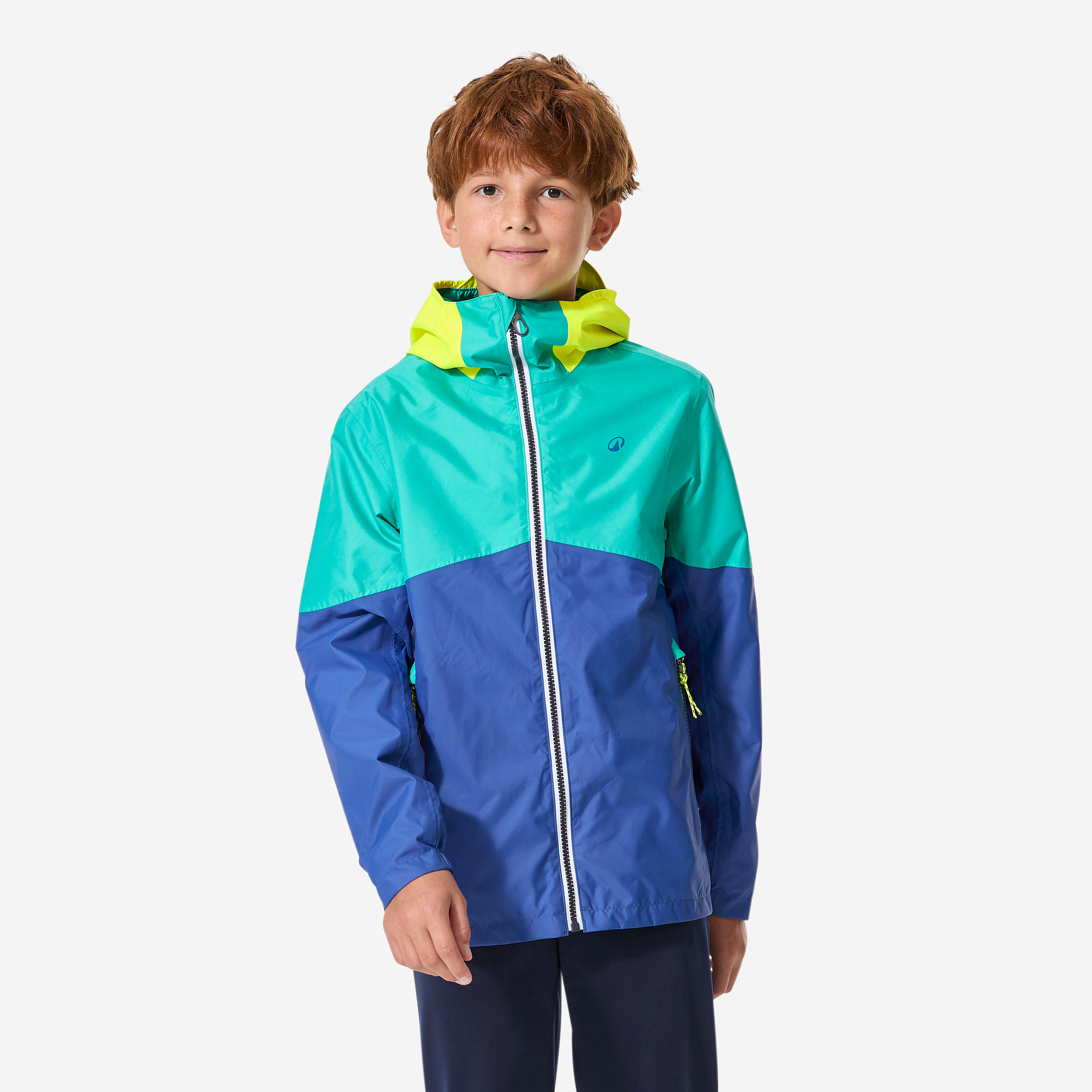
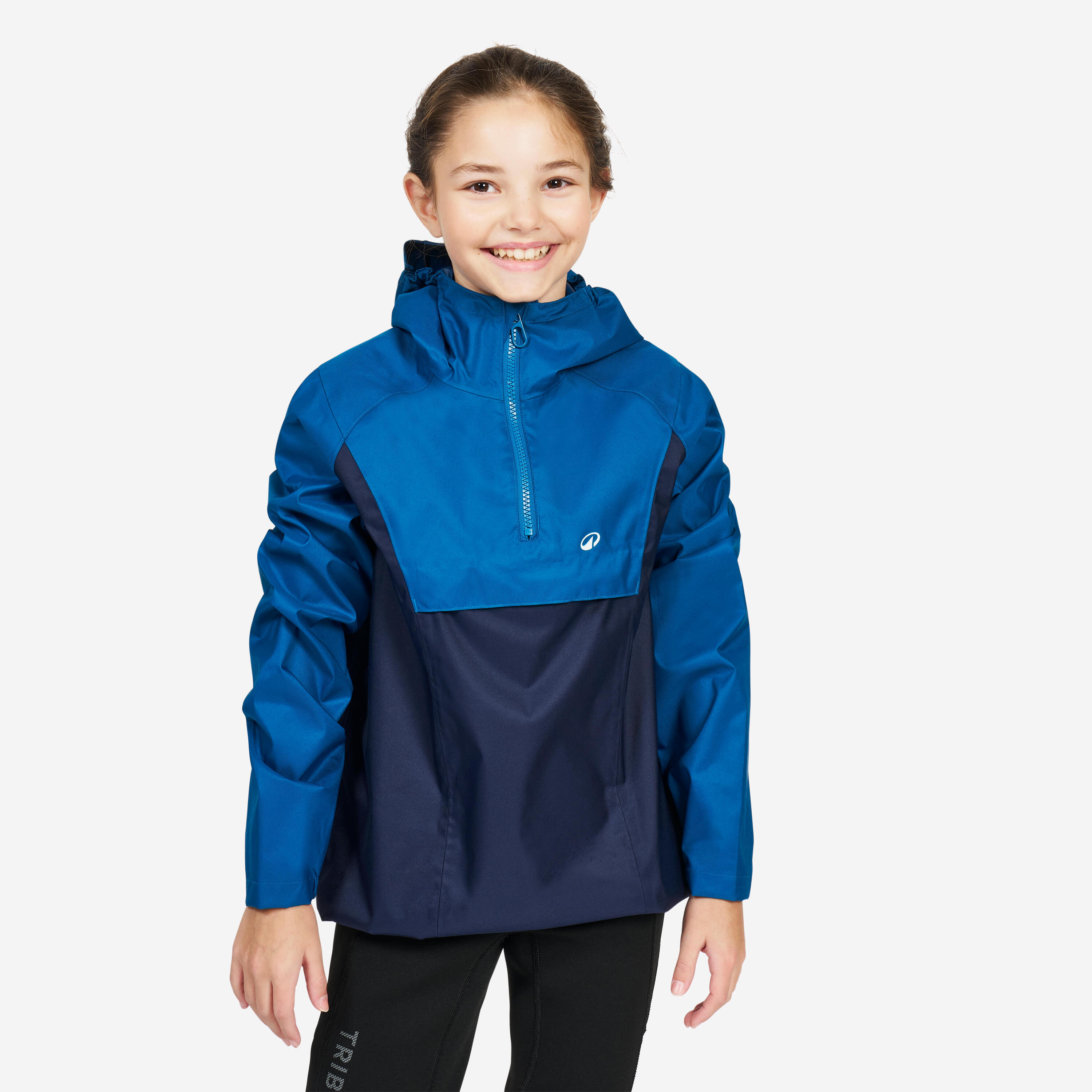
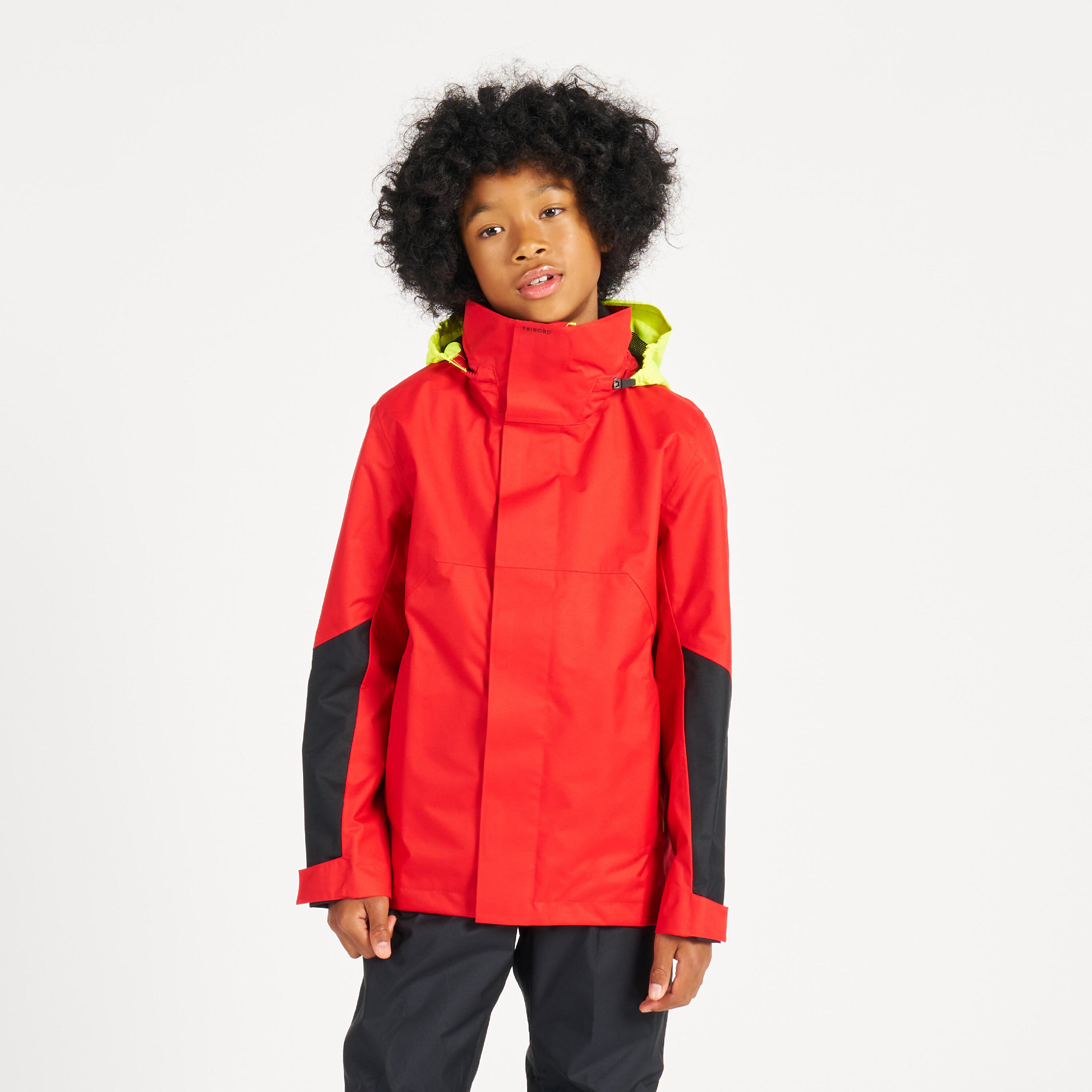
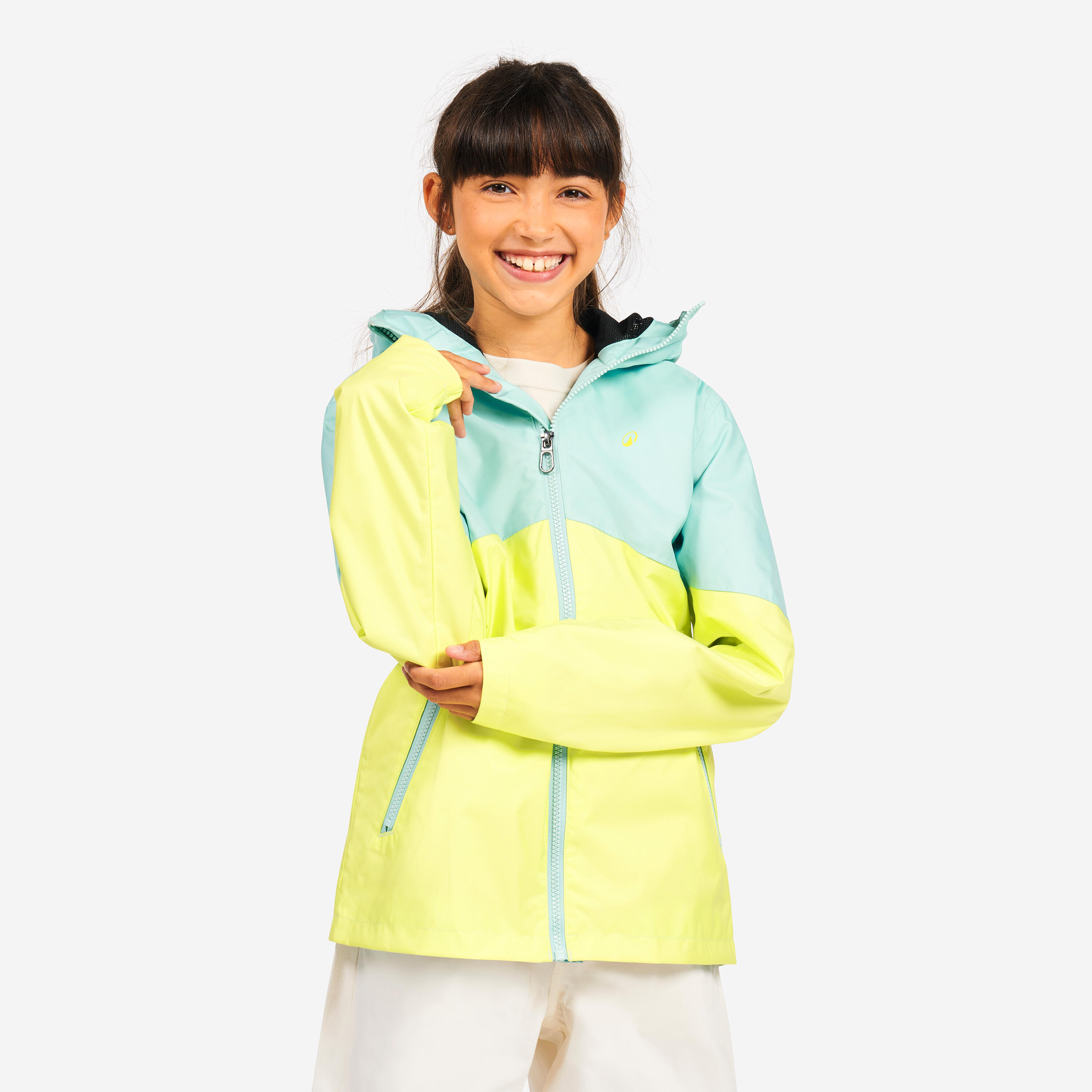
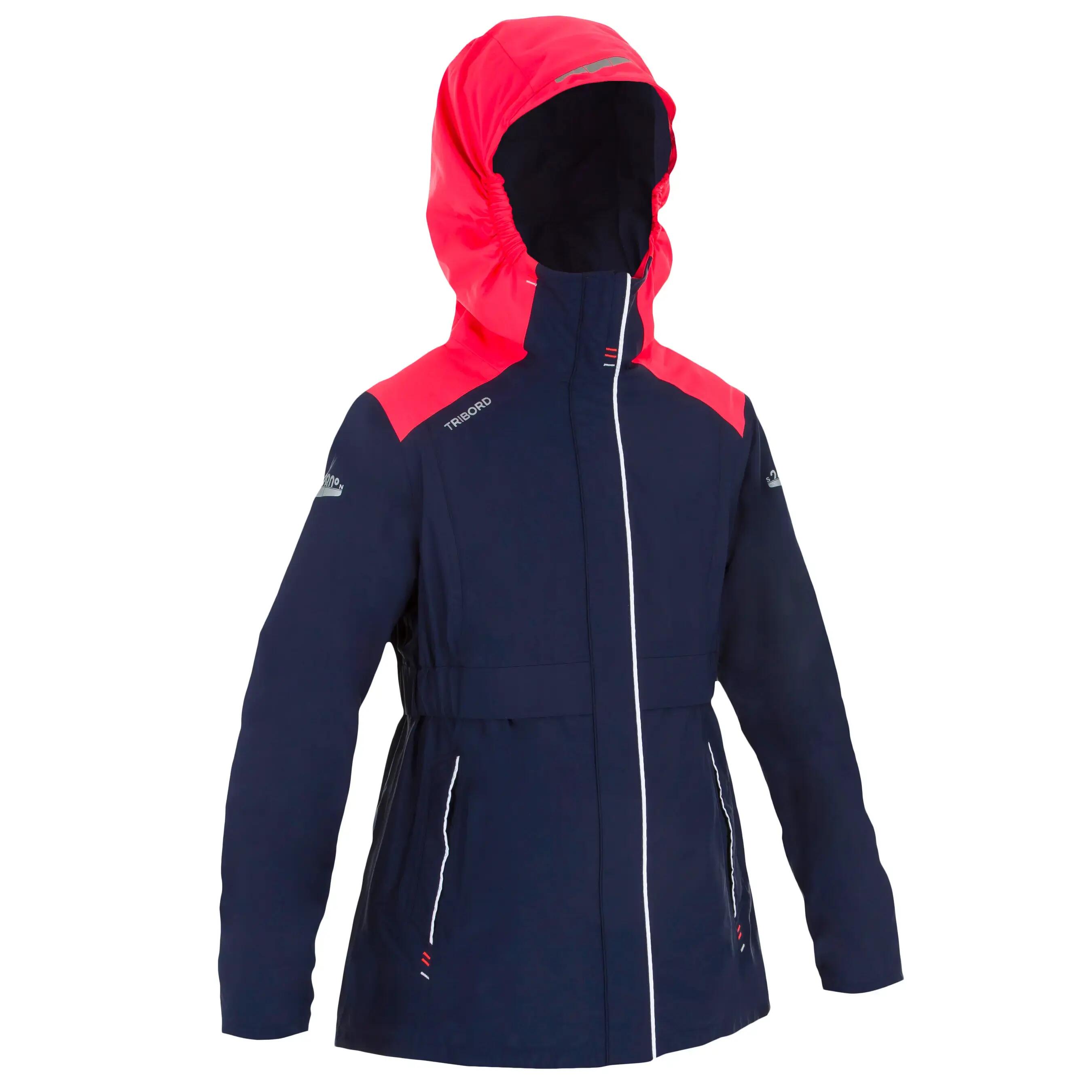
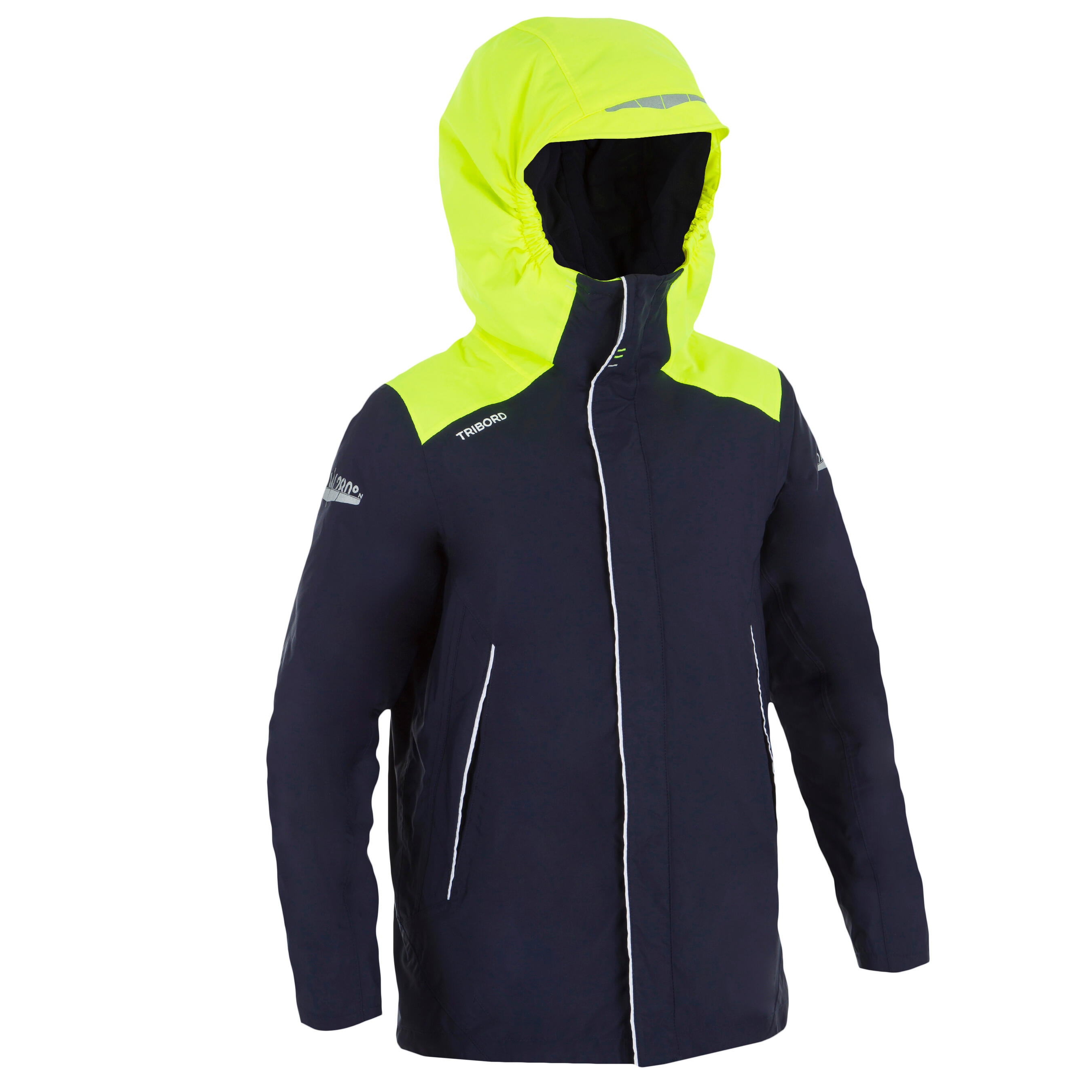
A children's sailing jacket should combine waterproof fabric with taped seams, wind protection and practical adjustments at the hood and cuffs. Wetter conditions may call for a kids' waterproof and windproof sailing jacket that provides fuller coverage than a lightweight spray top. Decathlon tests finished sailing garments in simulated rain as well as measuring the waterproof fabric itself, while higher collars and protected zips help reduce water and cold air entering around vulnerable areas. Pro tip: check the hood while your child is moving, not only standing still. It should remain stable without blocking side vision, particularly when they need to watch sails, other boats or instructors.

When does a child need a warm sailing jacket?

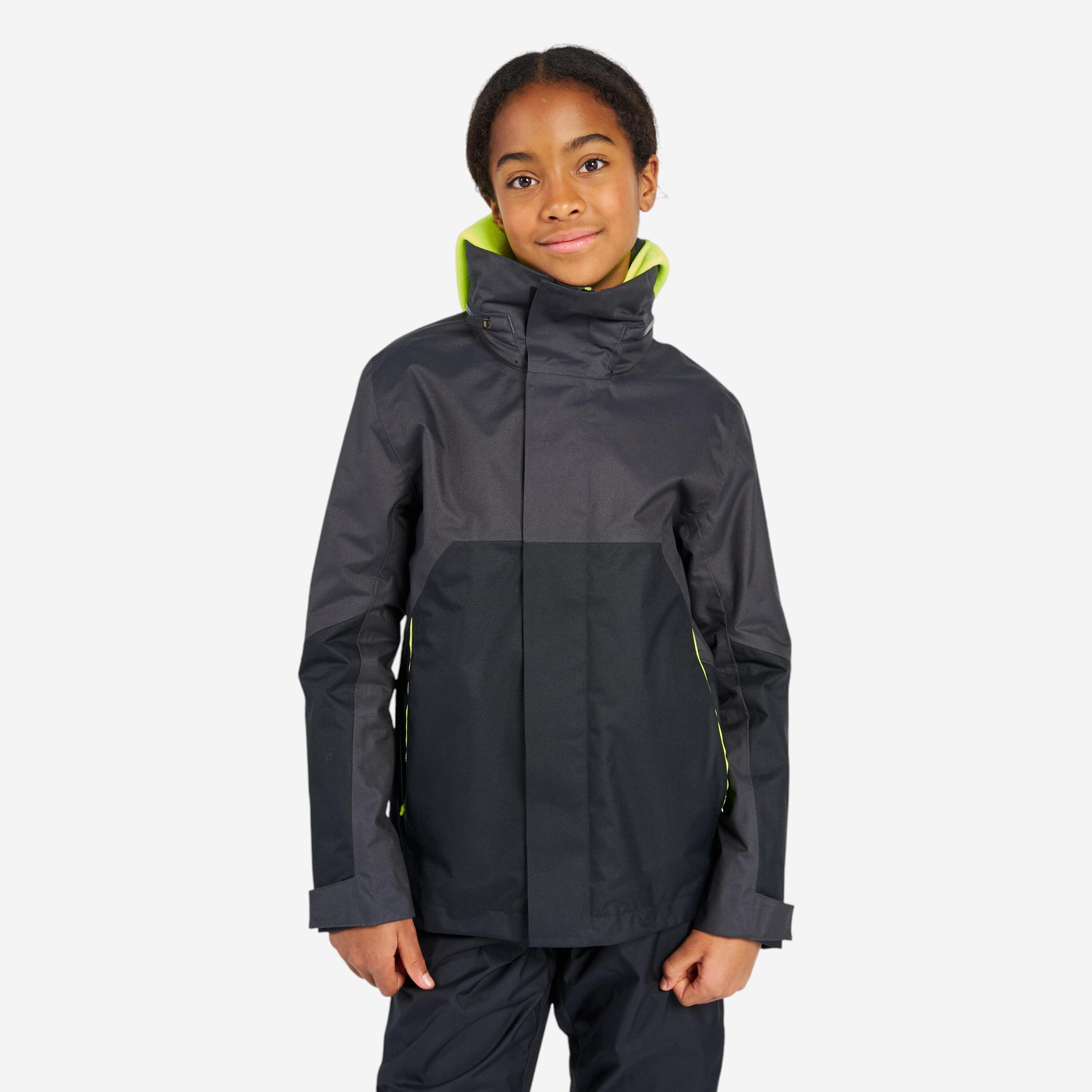
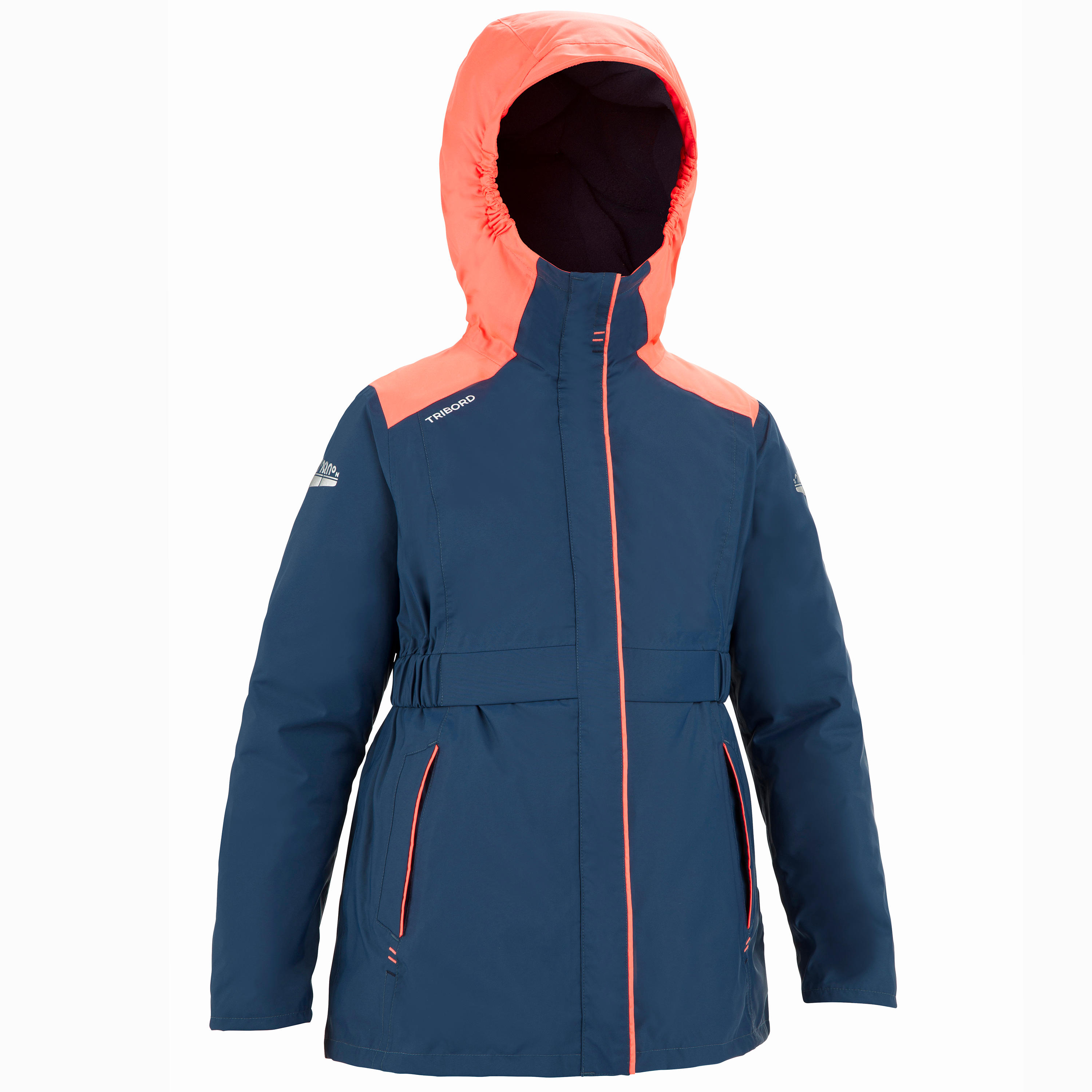
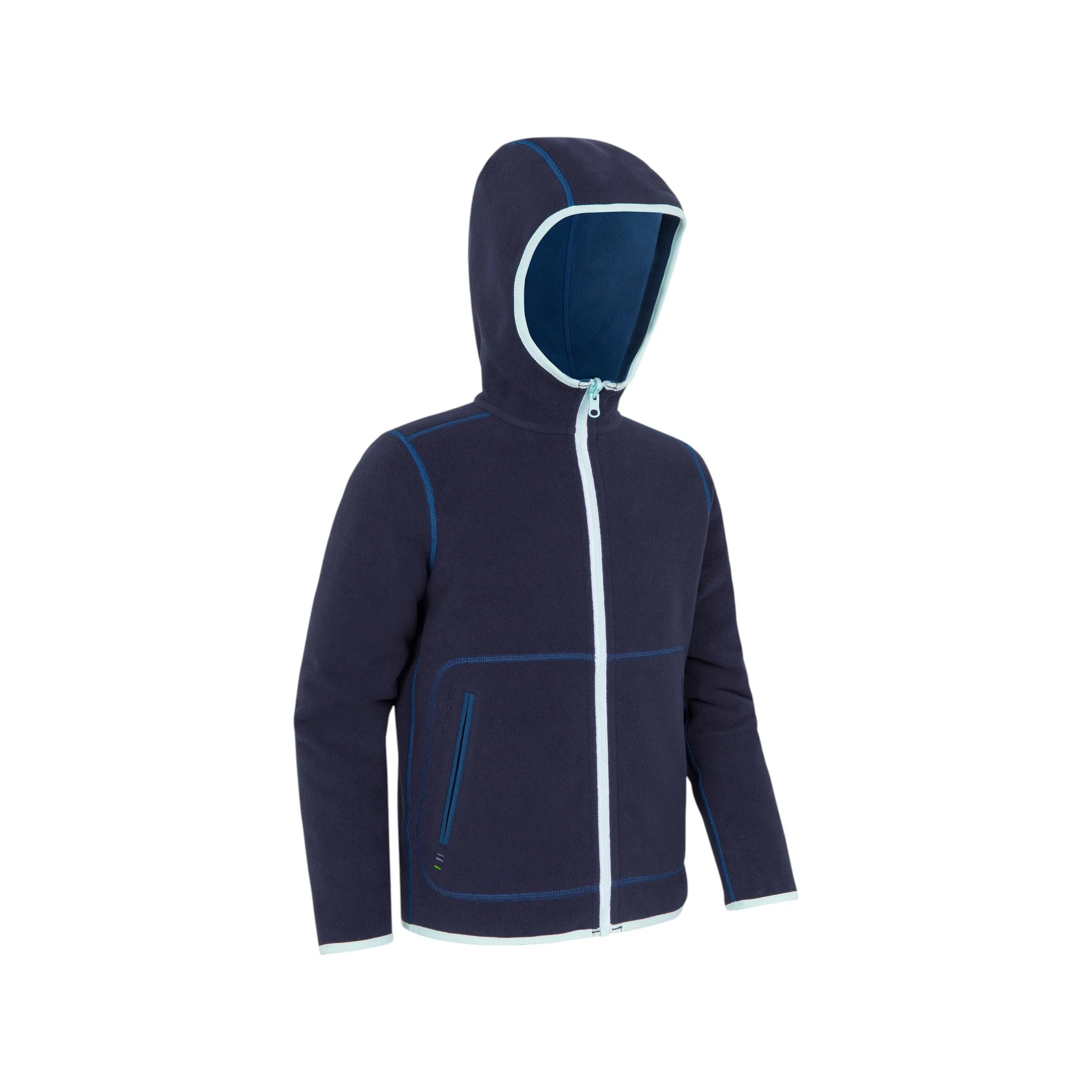
Cold and windy conditions can make a waterproof shell alone feel insufficient, especially during pauses between active sailing manoeuvres. In those conditions, a kid's warm sailing jacket adds insulation while retaining protection from wind and rain. Decathlon places more insulation around the torso and less through the arms on selected models, helping balance warmth with freedom of movement. Pro tip: remember that wind chill can make conditions feel considerably colder on the water than the air temperature suggests. Check your child's hands, neck and overall comfort regularly rather than waiting until they say they feel very cold.

How should kids' sailing waterproofs be cared for after use?

Salt water, repeated wetting and poor storage can reduce comfort and performance over time, so basic aftercare matters. Once your child finishes sailing, rinse salt-exposed outerwear with clean water where the care instructions recommend it and let the garments dry fully before storage. Avoid fabric conditioner on technical waterproof clothing because it can interfere with performance, and wash only as often as necessary. Some Decathlon sailing outerwear can also use a short low-temperature tumble-dry cycle to help reactivate the water-repellent finish. Pro tip: empty pockets and leave zips open while drying, then store jackets, smocks and overtrousers somewhere dry rather than packing them away damp in a sailing bag.