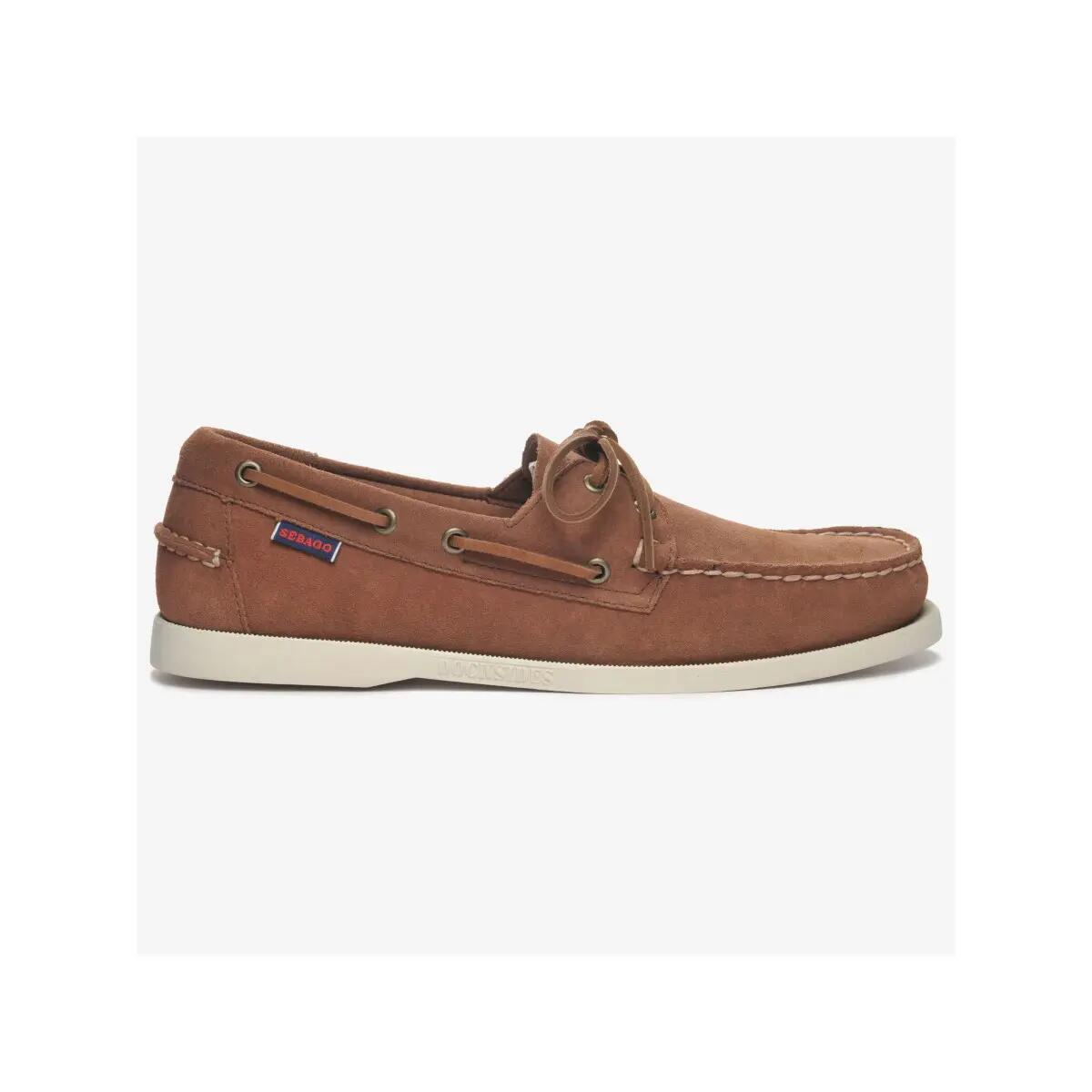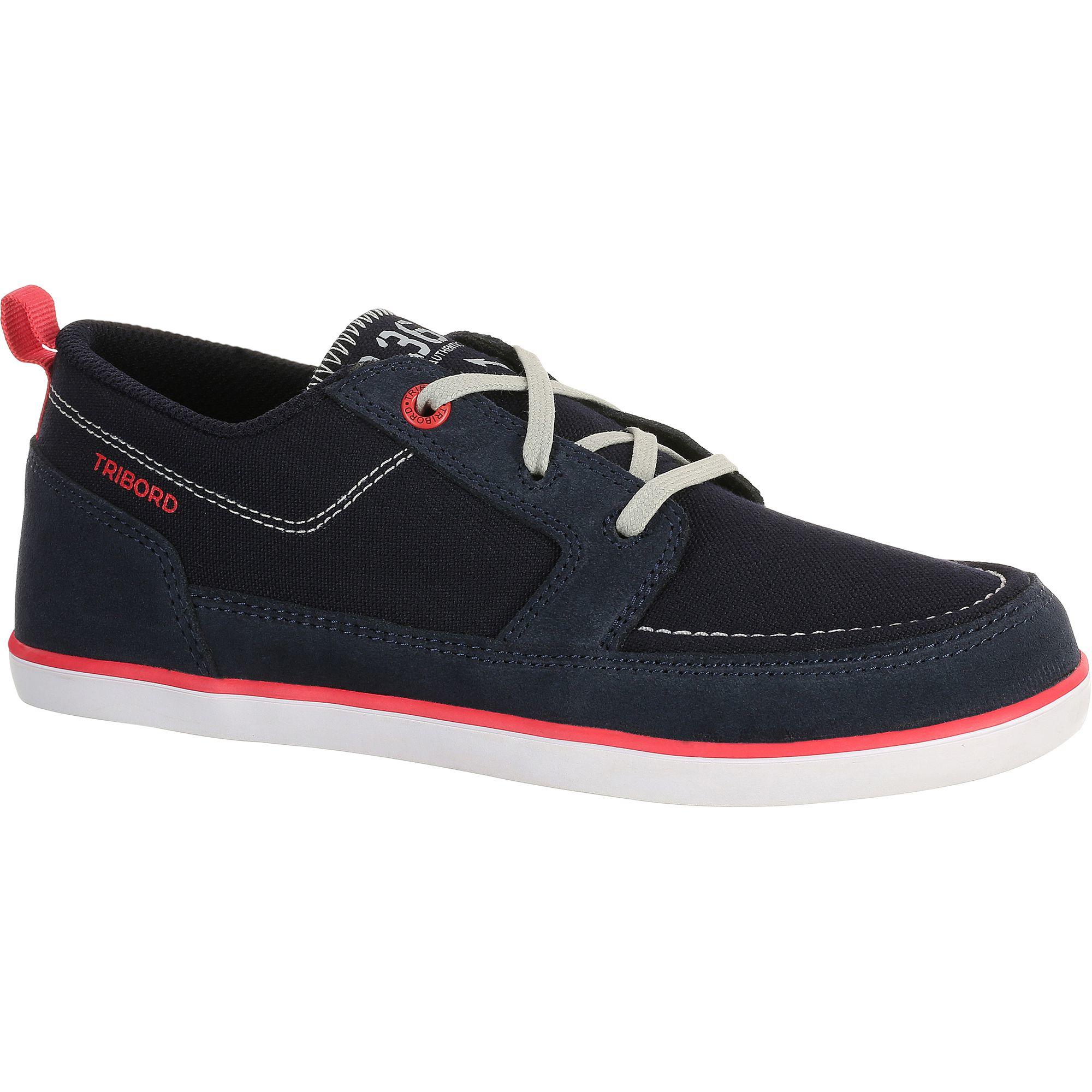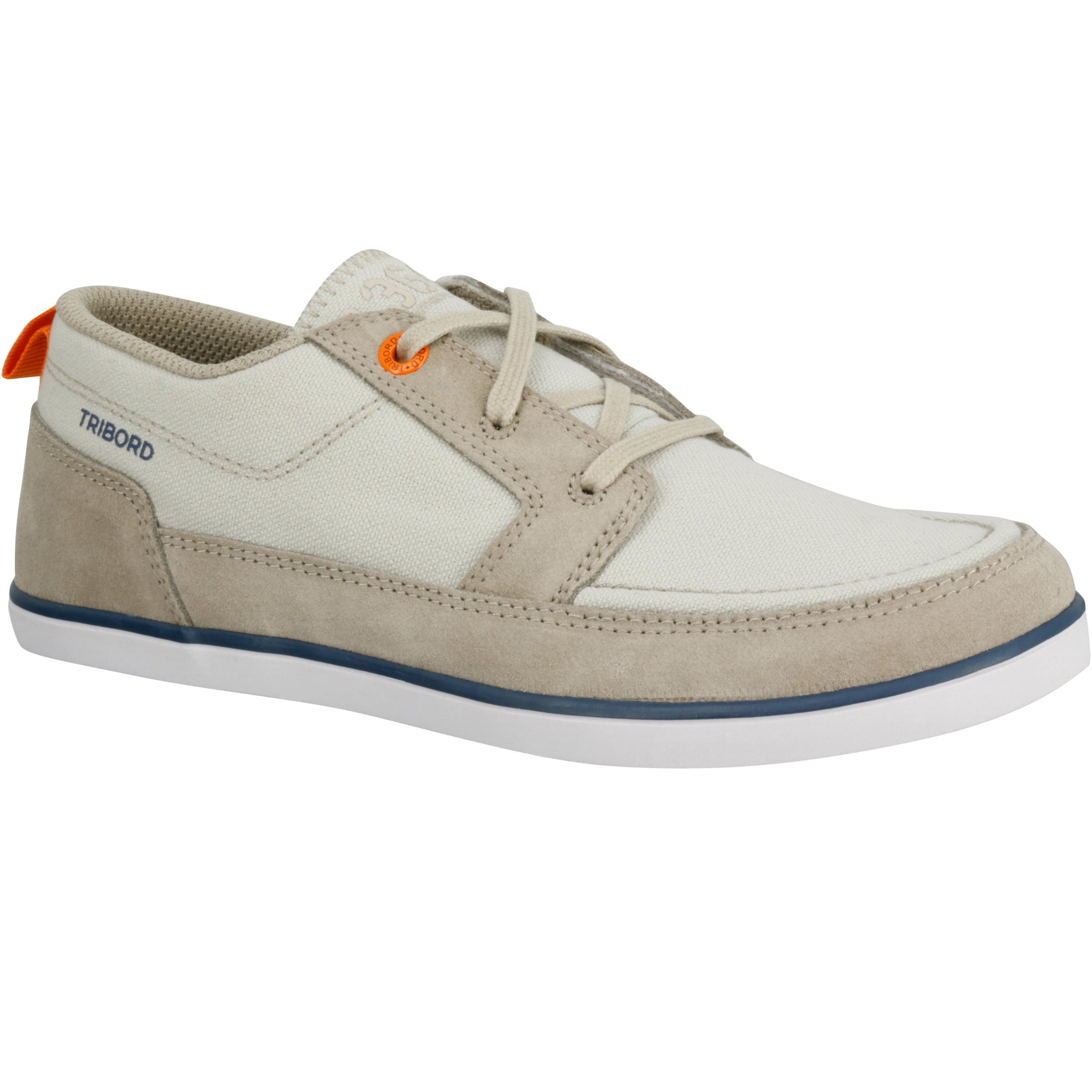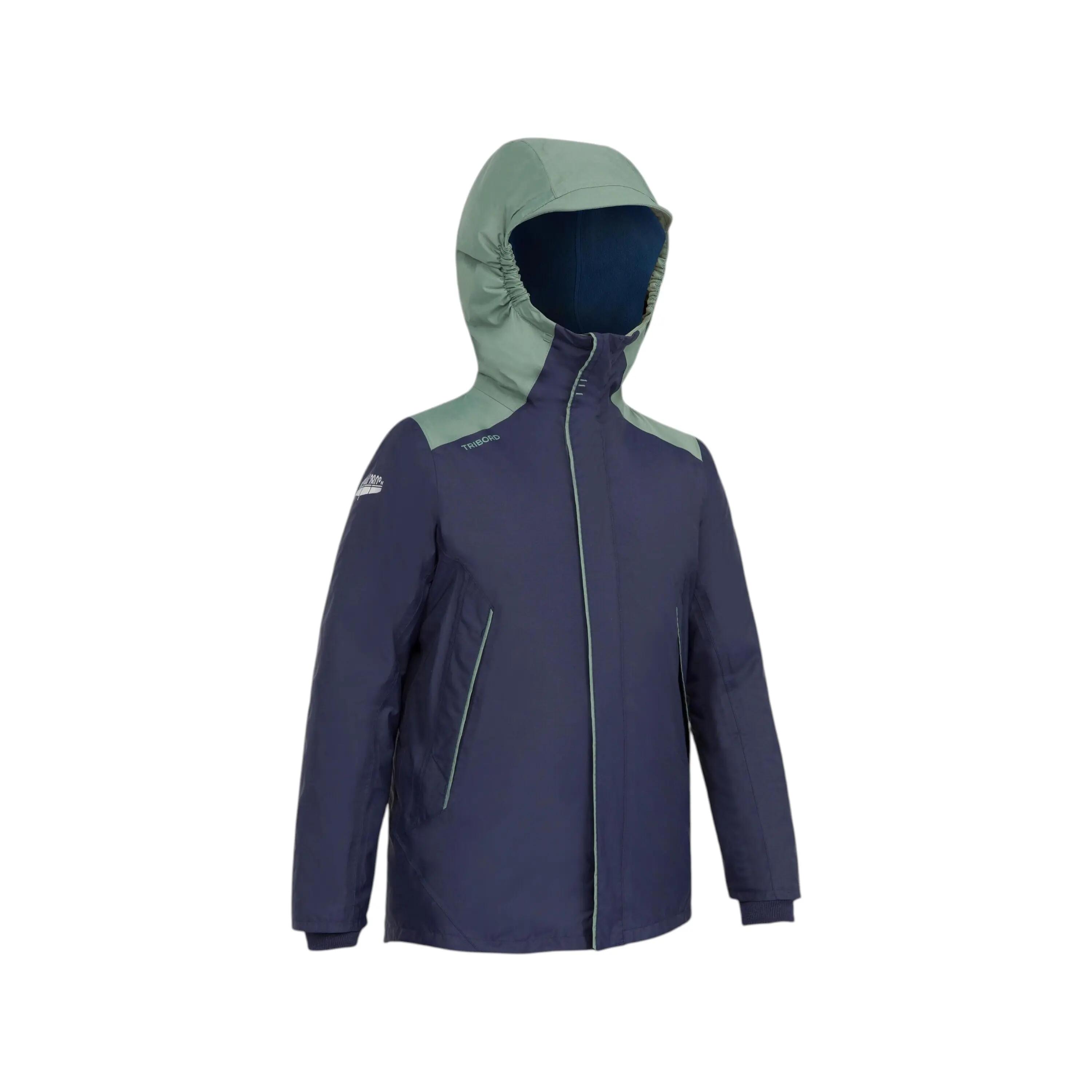
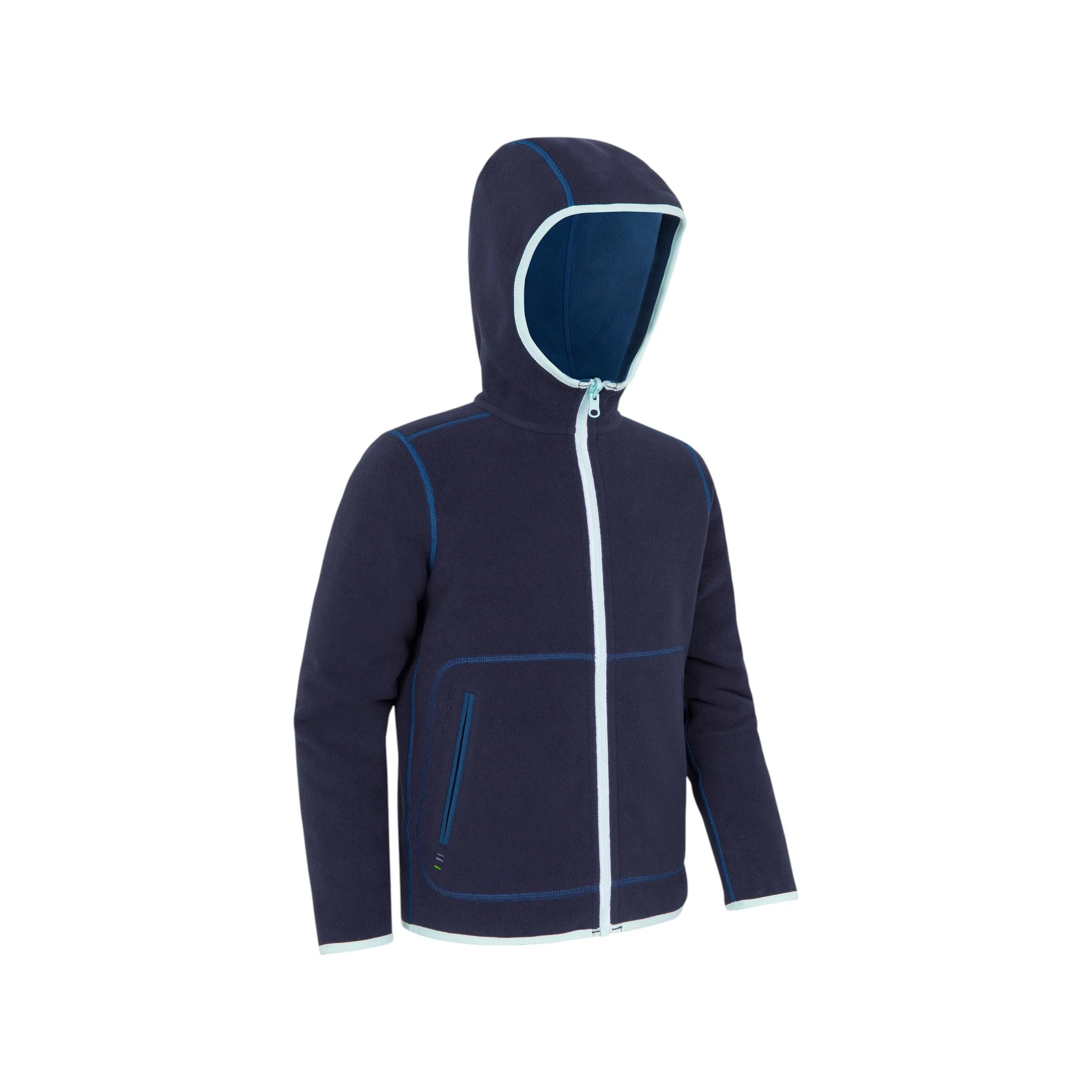
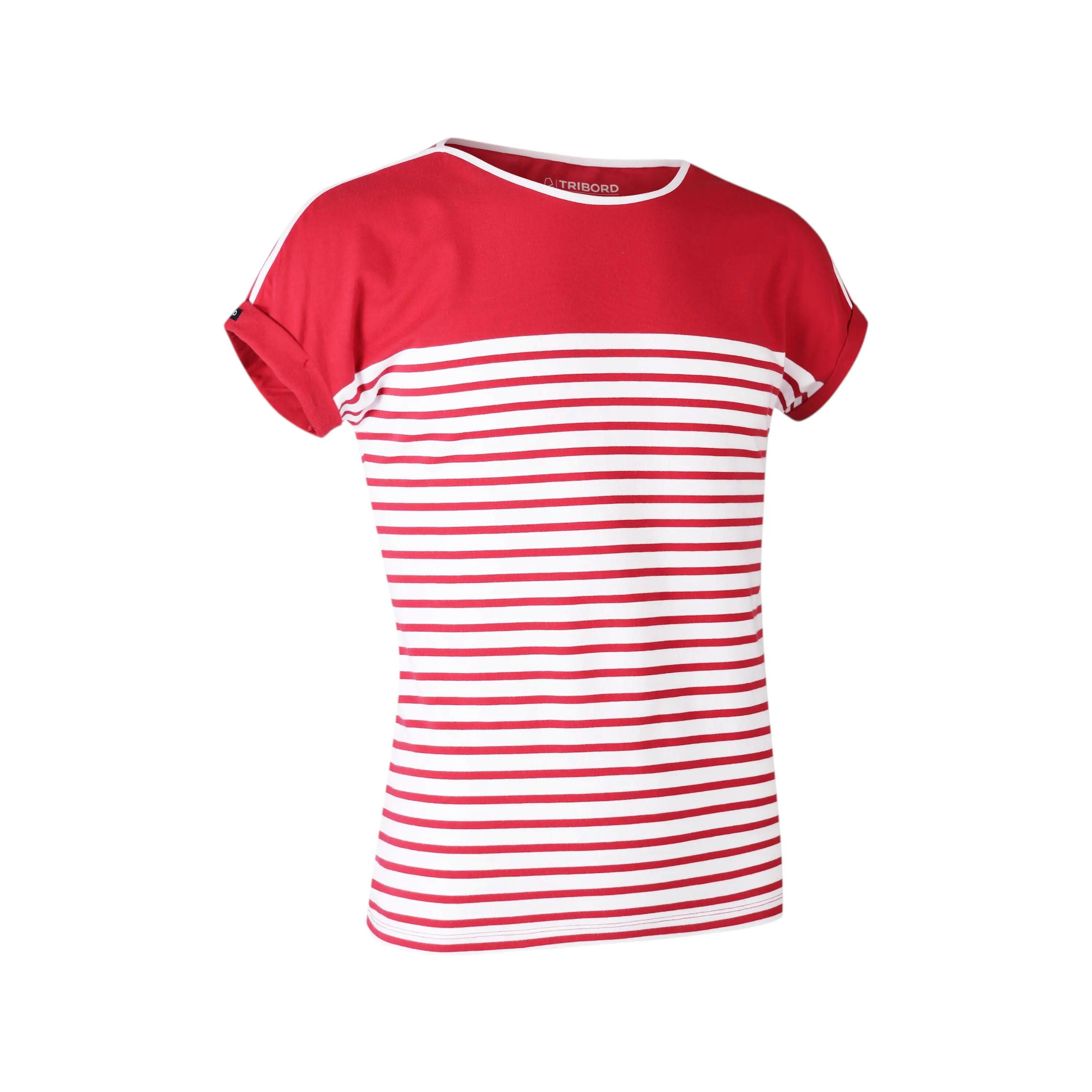
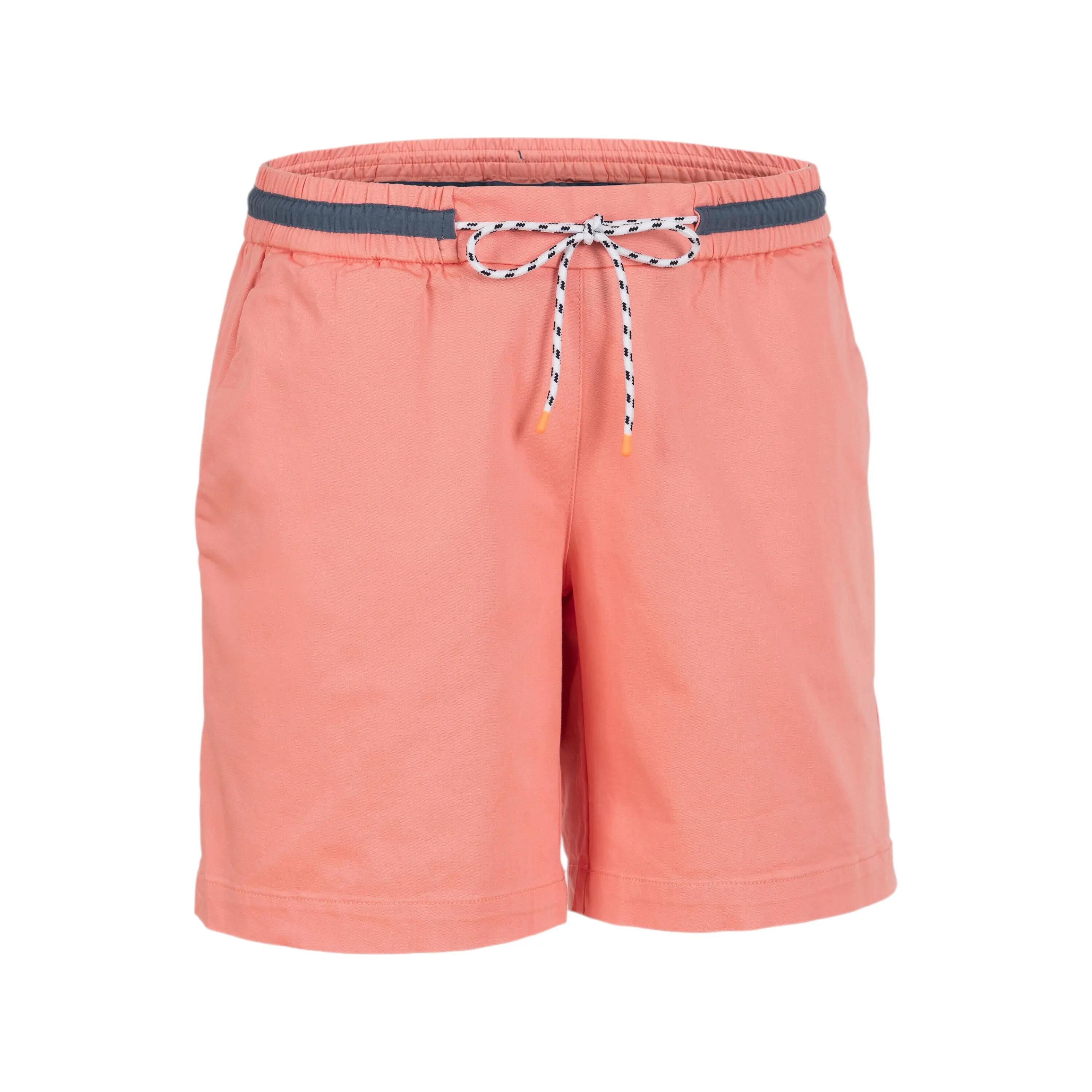
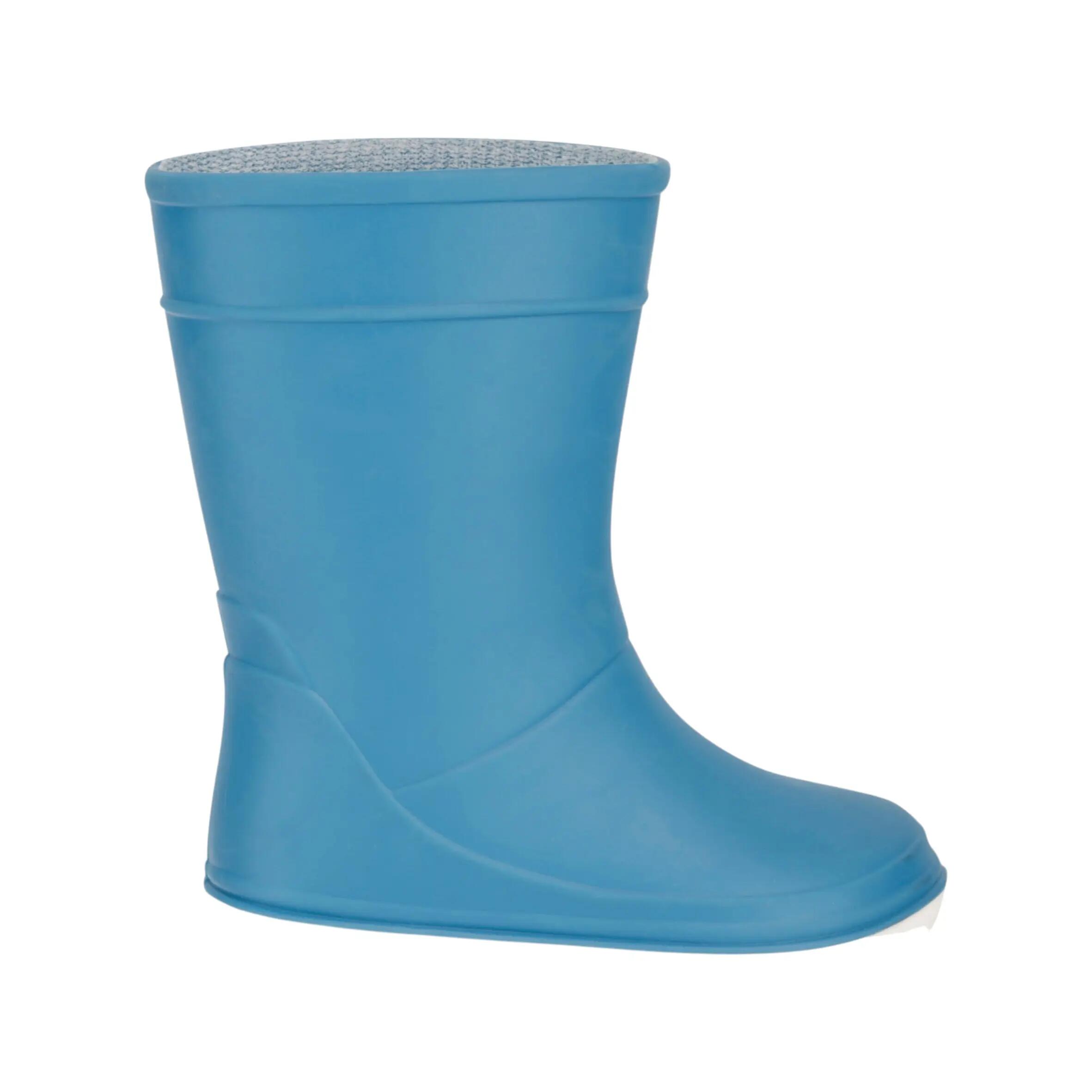
5 items
3/5 based on 1 reviews collected online and in stores

Kids' Sailing Shoes FAQs

What can you check when choosing kids' sailing shoes?

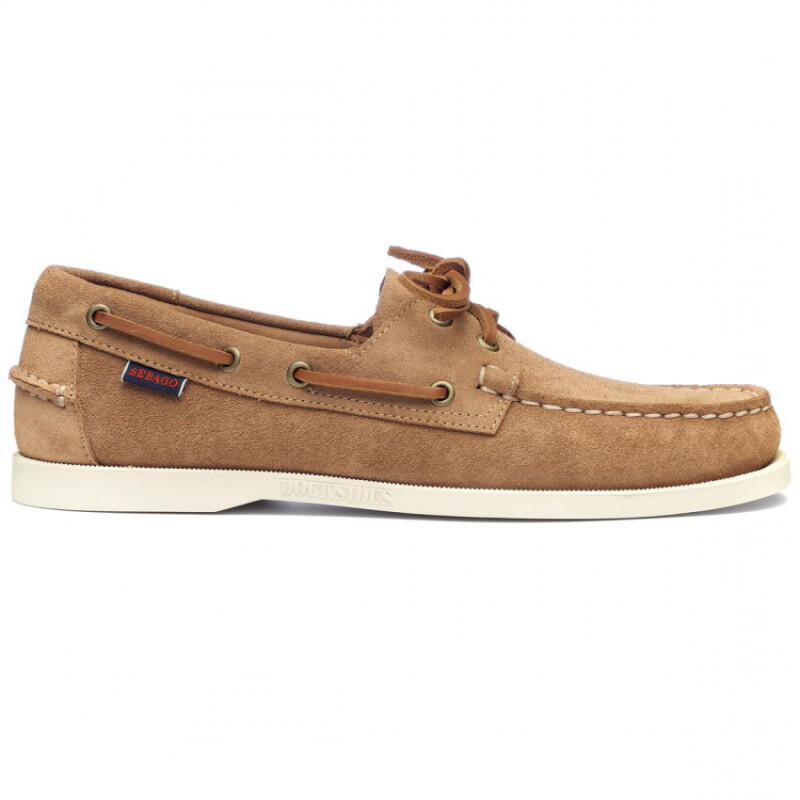
Start with the intended user, sizing, grip and the type of sailing activity, as footwear for yacht decks can differ from footwear for active dinghy sessions. The current Kids Sailing Shoes page has a very limited assortment and its live products are traditional SEBAGO men's yacht shoes rather than child-specific Decathlon footwear, so check each listing carefully before choosing for a younger sailor. Wetter or more active sailing sessions may make the wider kids' sailing boots range a more suitable place to compare footwear options. Pro tip: prioritise secure fit and reliable contact with the deck rather than choosing only by appearance or low weight. Footwear should stay comfortably in place as the child moves around the boat without creating pressure or excessive slipping inside the shoe.

What makes traditional boat shoes useful on a yacht deck?

Deck footwear needs dependable grip while limiting marks on boat surfaces. The SEBAGO models currently listed in this category use non-marking rubber outsoles with siping intended to improve grip on wet surfaces, along with traditional leather or nubuck uppers. These features suit classic yacht use more closely than highly active dinghy sailing. Preparing for sailing also means considering how often your footwear will be exposed to spray, wet decks and repeated movement around fittings. Pro tip: check outsole condition regularly because grip depends on the contact surface remaining in good condition. Sand, dirt and wear can all reduce how securely the sole meets a smooth deck.

When are sailing boots more suitable than boat shoes?

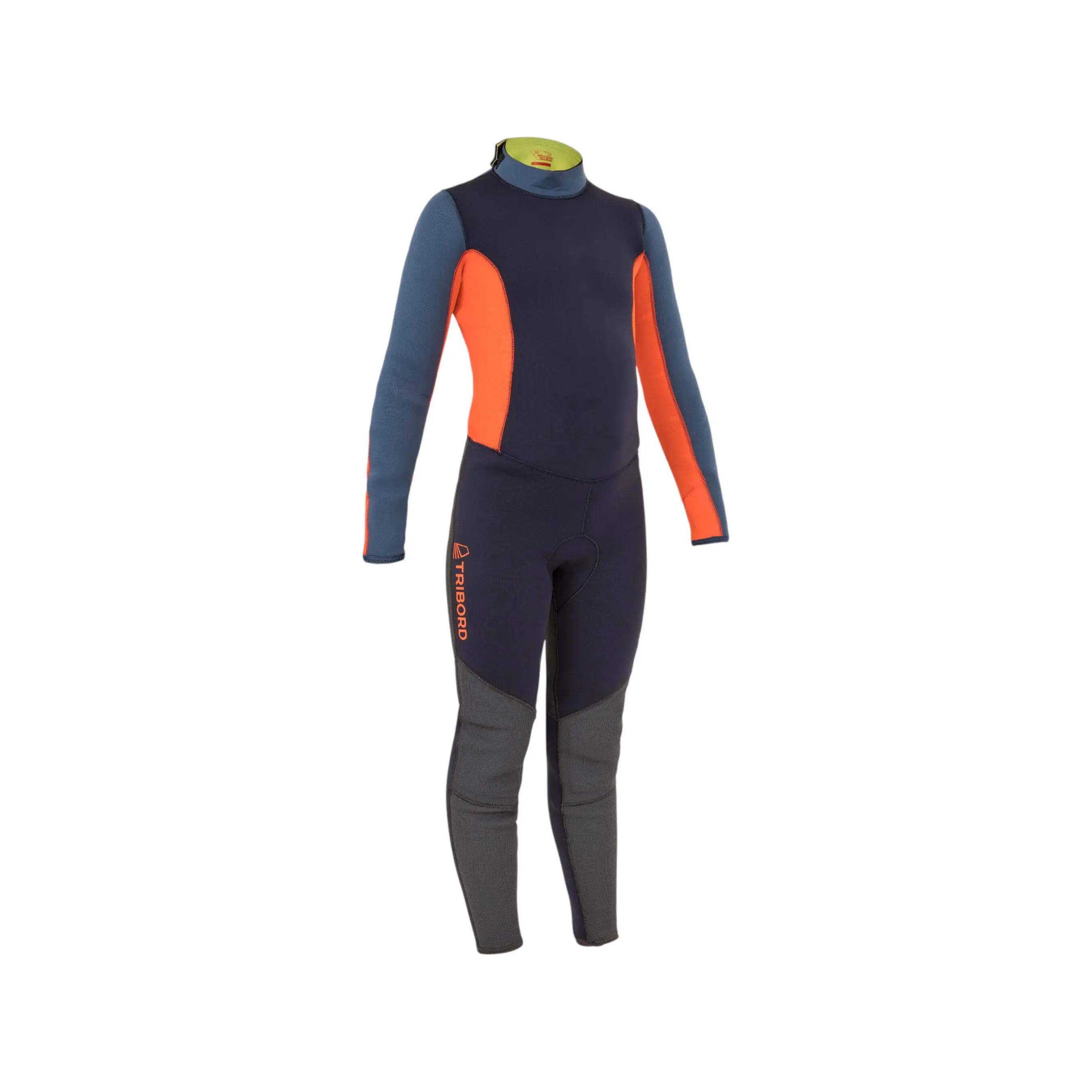
Boots can make more sense when the activity involves more spray, colder water or prolonged contact with wet conditions. Traditional leather boat shoes are better suited to yacht-style deck use and should not automatically be treated as substitutes for technical dinghy footwear. A child's overall setup should therefore match the session, with suitable kids sailing clothes chosen alongside footwear for the expected wind, temperature and water exposure. Pro tip: consider how wet the child's feet are likely to become rather than relying only on the weather forecast. A sheltered yacht deck and an active dinghy session can create very different footwear requirements on the same day.

How should sailing footwear work with waterproof outer layers?

Footwear and outerwear should overlap sensibly so water is less likely to run directly into the shoe or boot. If a child is wearing waterproof trousers or a smock, check that the cuffs and leg openings remain comfortable once footwear is on. The wider kids sailing jacket, smock and overtrousers range can help build a weather-appropriate outer layer around the footwear choice. Pro tip: have the child bend, crouch and step up while fully dressed before going afloat. This can reveal whether trouser hems catch on the footwear, whether movement is restricted or whether gaps open up where spray can enter.

What other safety equipment should children wear when sailing?

Footwear supports grip and comfort, but it is only one part of a child's sailing setup. Appropriate buoyancy equipment remains important whenever they are on or around the water, and suitable options can be compared in the sailing life jackets and buoyancy aids range. Fit should follow the individual product's intended use and sizing guidance, with straps and fastenings checked before setting off. Pro tip: put all essential equipment on before boarding so adjustments can be made on stable ground. Once everything is fitted, check that footwear, waterproof layers and buoyancy equipment work together without restricting movement around the boat.