2 items
4.9/5 based on 26 reviews collected online and in stores

Triathlon Sun Protection FAQs

What sun protection should you use for a triathlon?

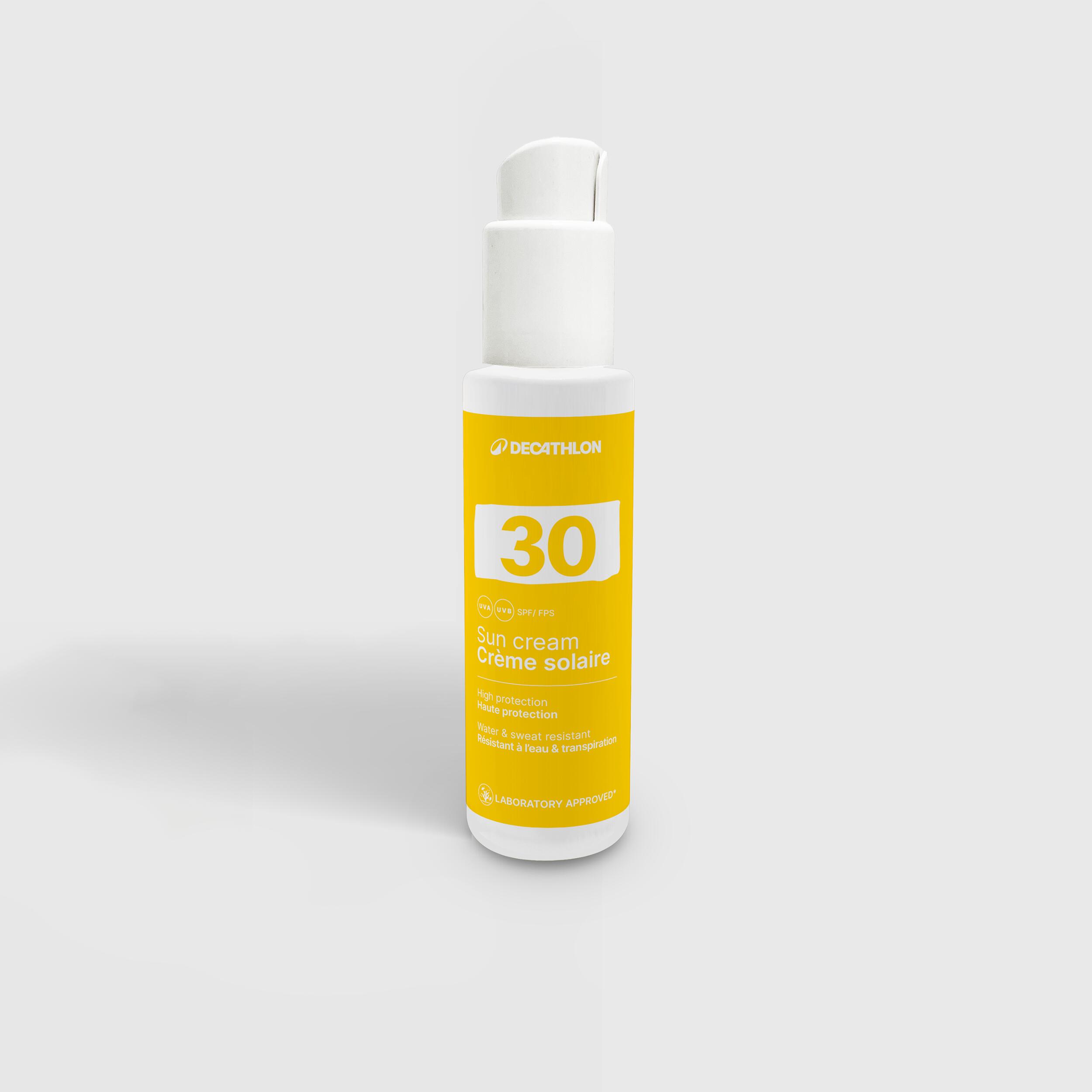
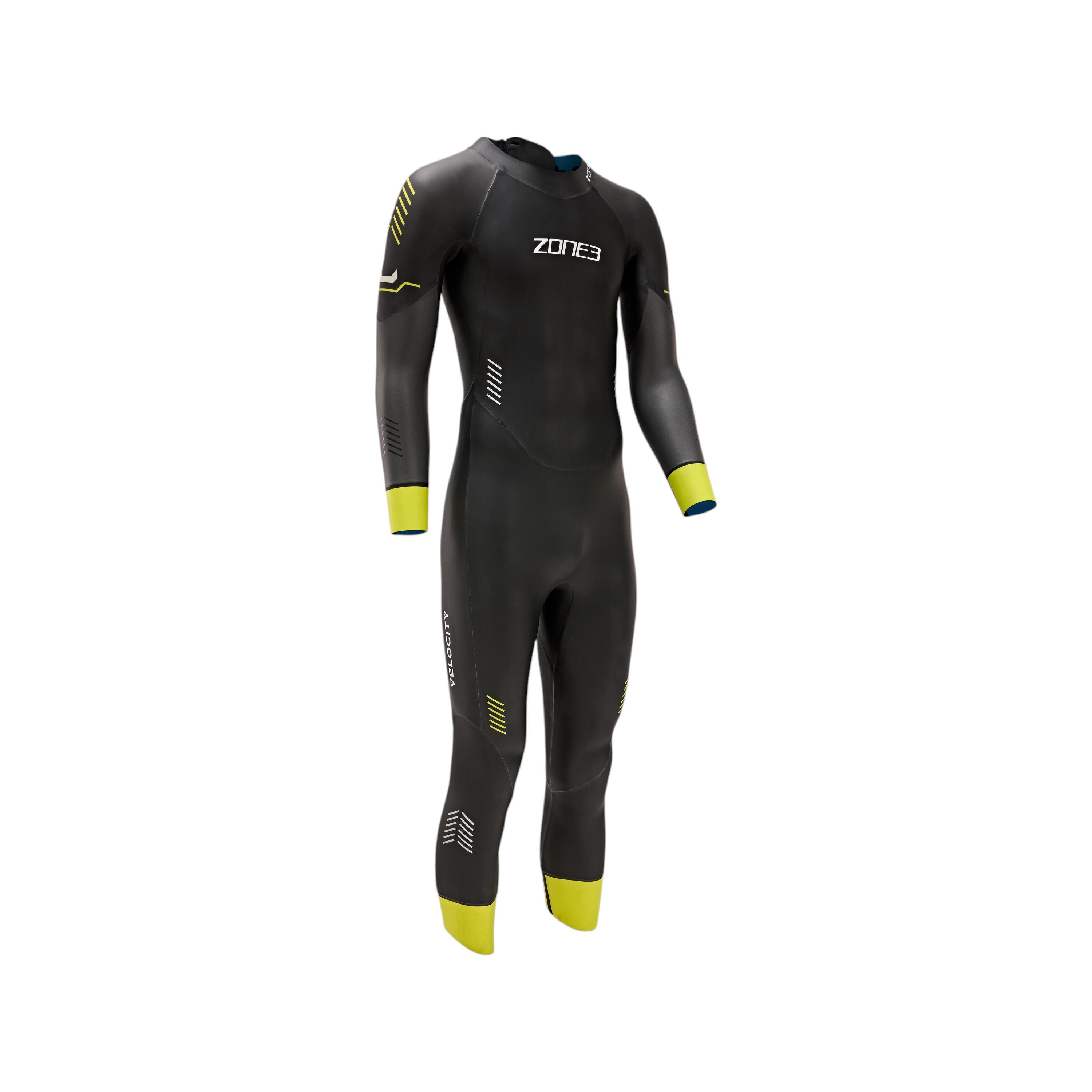
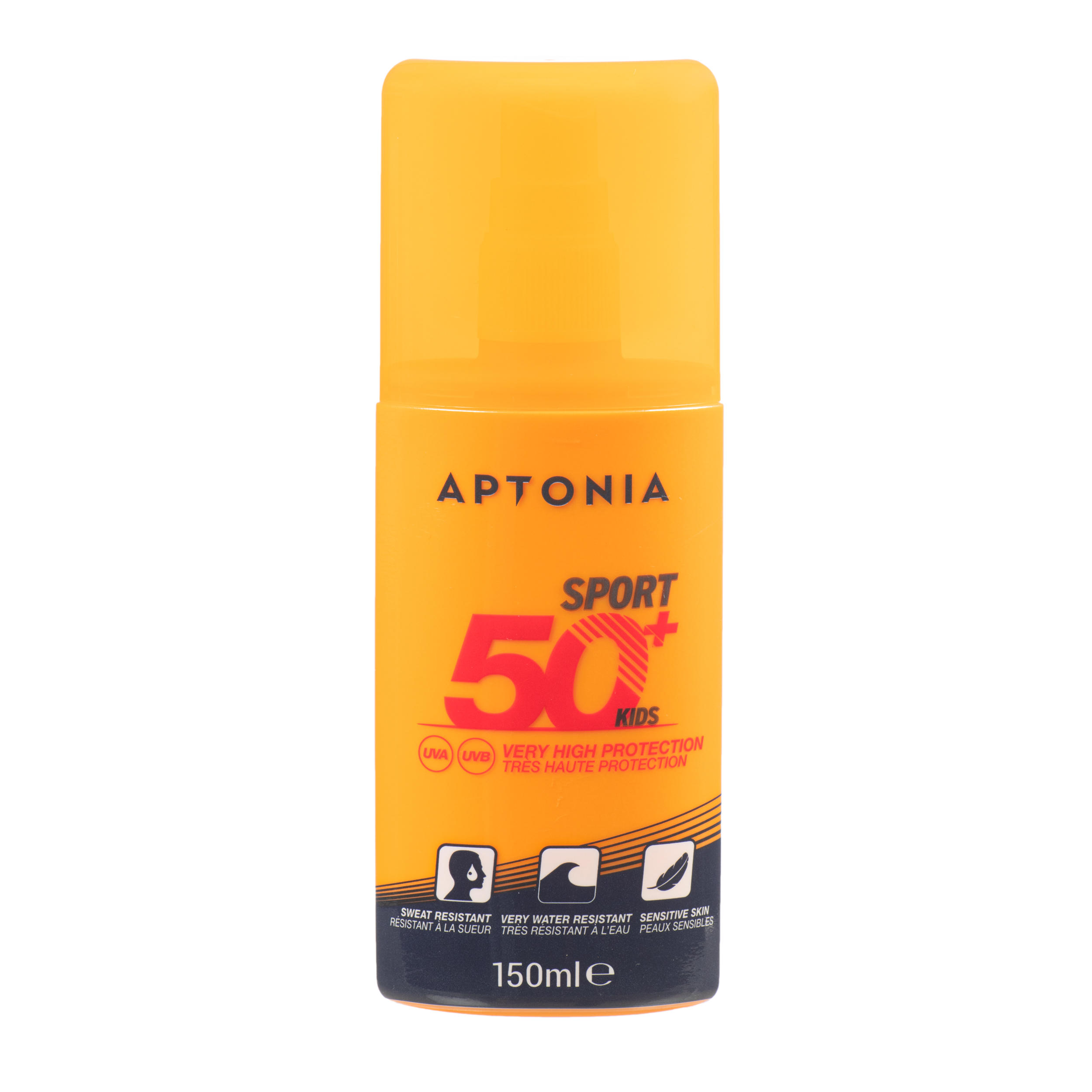
Choose broad-spectrum sports sunscreen that suits prolonged outdoor exercise, perspiration and water exposure. Triathletes need protection that can remain useful through the swim, transition, cycling and running stages rather than a light formula intended only for everyday wear. The current category contains a compact Decathlon SPF 50+ sports spray for the face and body, with high water resistance and a formula intended for active use. Apply it evenly to exposed skin before the event and follow the product instructions for reapplication. Keep other race essentials organised with suitable triathlon equipment. Pro tip: ask someone to check difficult areas such as the upper back and shoulders before you put on your tri-suit or wetsuit.

Which areas need extra sunscreen during a triathlon?

Cover all exposed skin, paying close attention to the ears, back of the neck, shoulders, arms, hands and lower legs. The edges of a tri-suit can shift while swimming, cycling or running, exposing small areas that were covered when you first applied the sunscreen. Spread a sun spray evenly by hand rather than relying on the mist alone, as missed sections may receive less protection. Avoid forgetting the hairline and areas around watch straps or race-number belts. Your sun-care plan should fit into the wider preparation for triathlon and swimrun, particularly when the event includes several transitions between water and open outdoor sections.

Should you choose SPF 30 or SPF 50+ for a triathlon?

The protection level should reflect your skin, event duration, time of day and expected UV exposure. SPF 50+ provides a higher stated level of UVB protection than SPF 30 when both are applied correctly, but no sunscreen replaces proper coverage, sufficient quantity and timely reapplication. A compact SPF 30 sun spray may suit some training sessions, while a very high-protection sports formula can be preferable for longer races or stronger sunshine. Check that the product provides UVA and UVB protection and is suitable for water and perspiration exposure. Never reduce the amount applied simply because the stated SPF is higher.