295 items
4.7/5 based on 21669 reviews collected online and in stores

Fishing Soft Lures FAQs

How do soft grubs work at slower retrieve speeds?

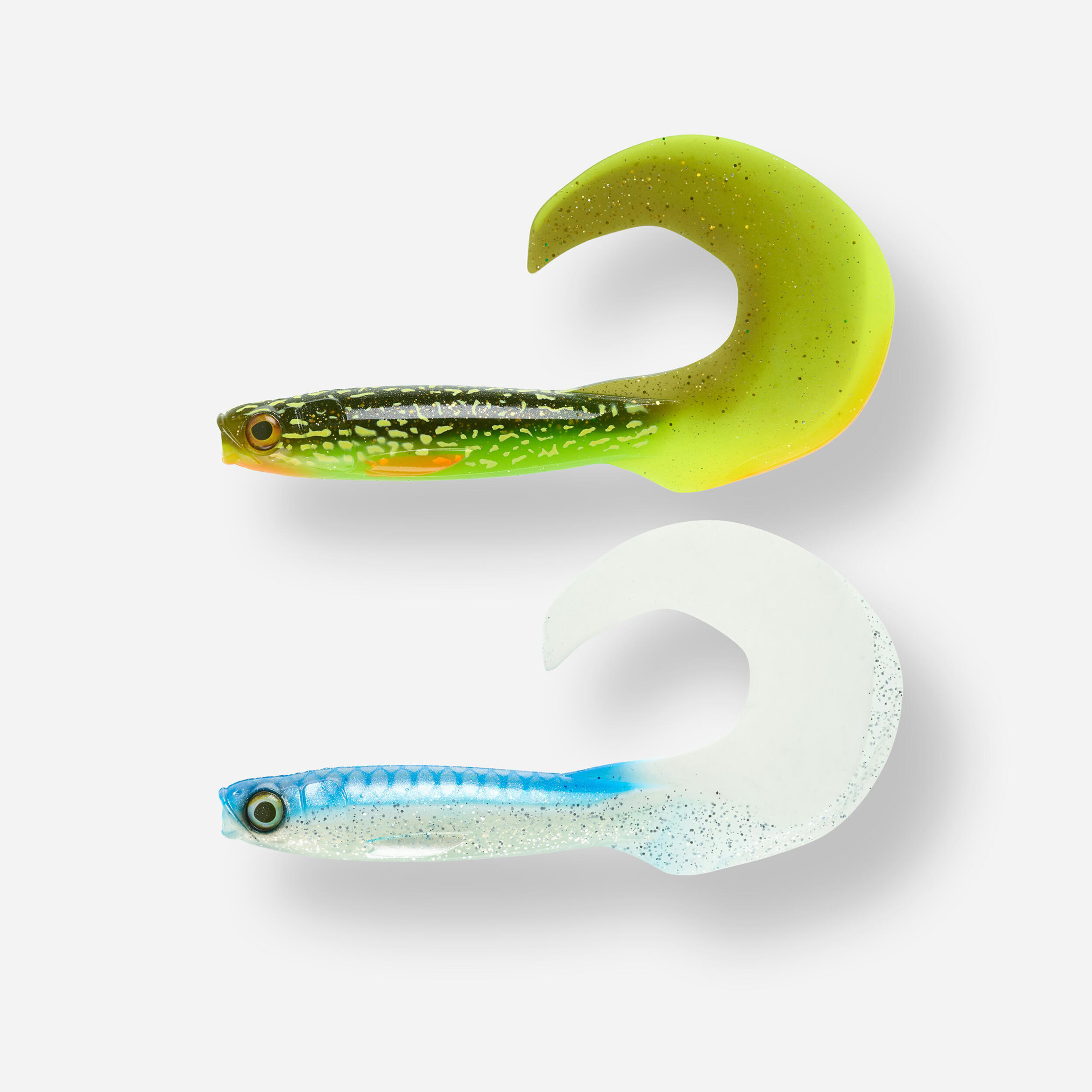
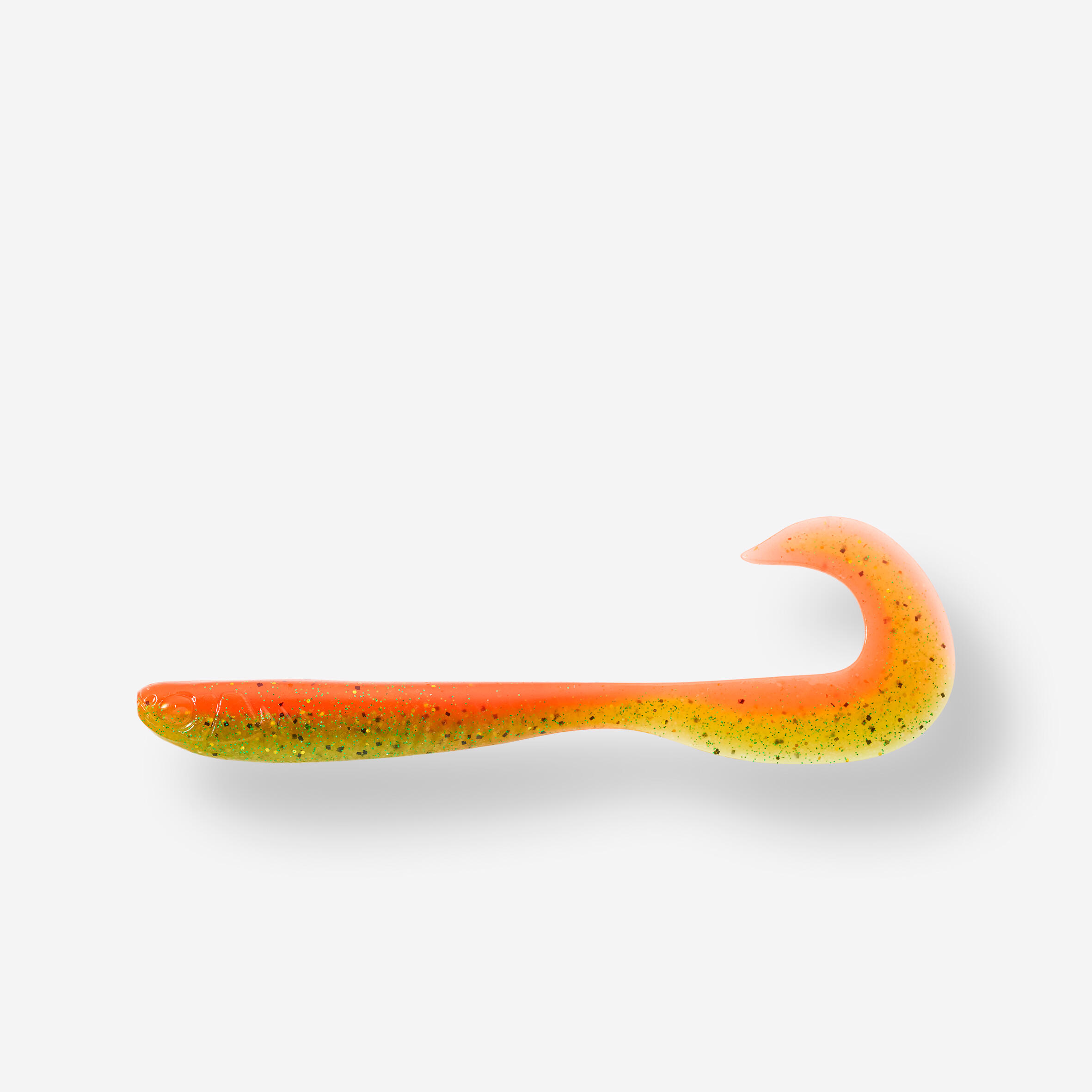
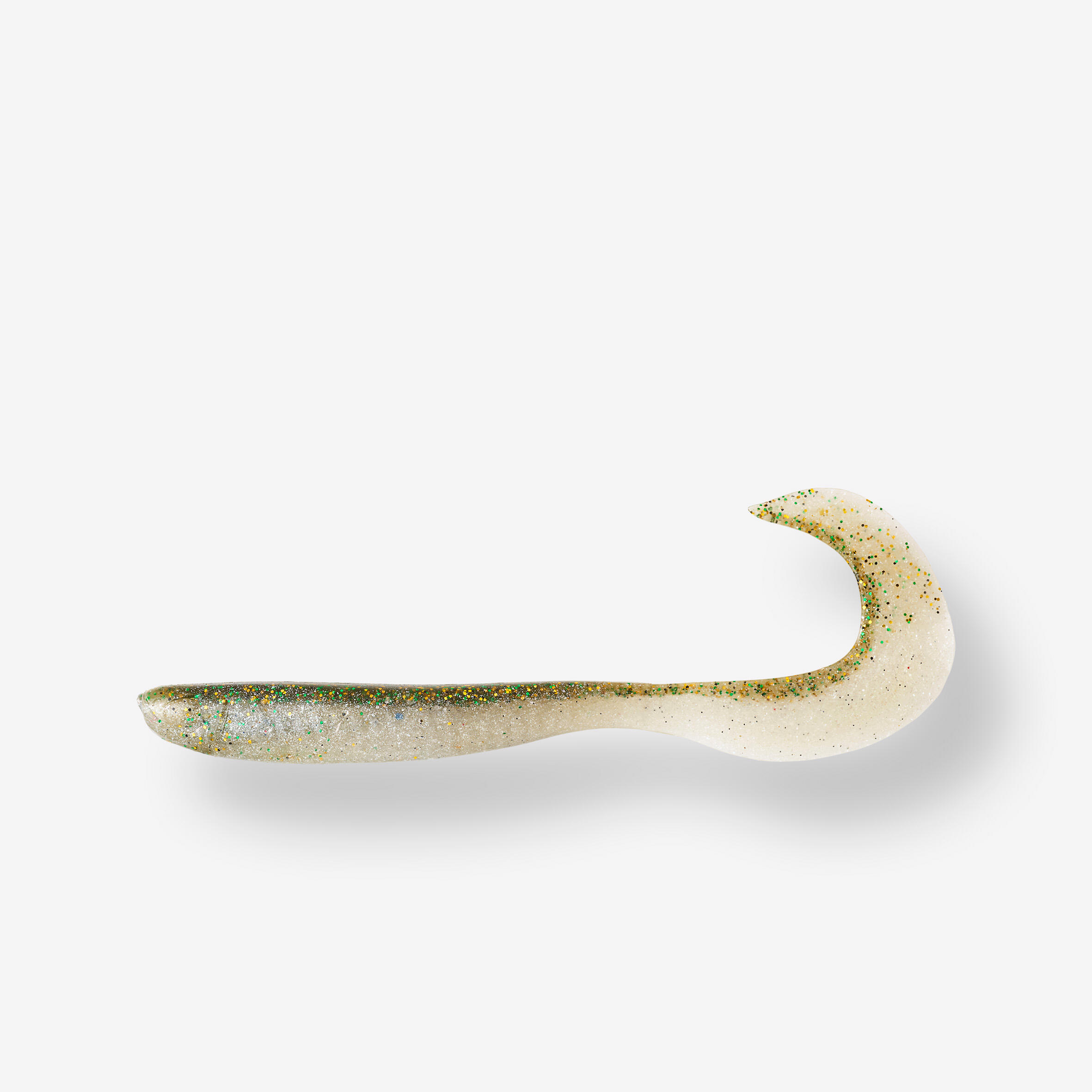
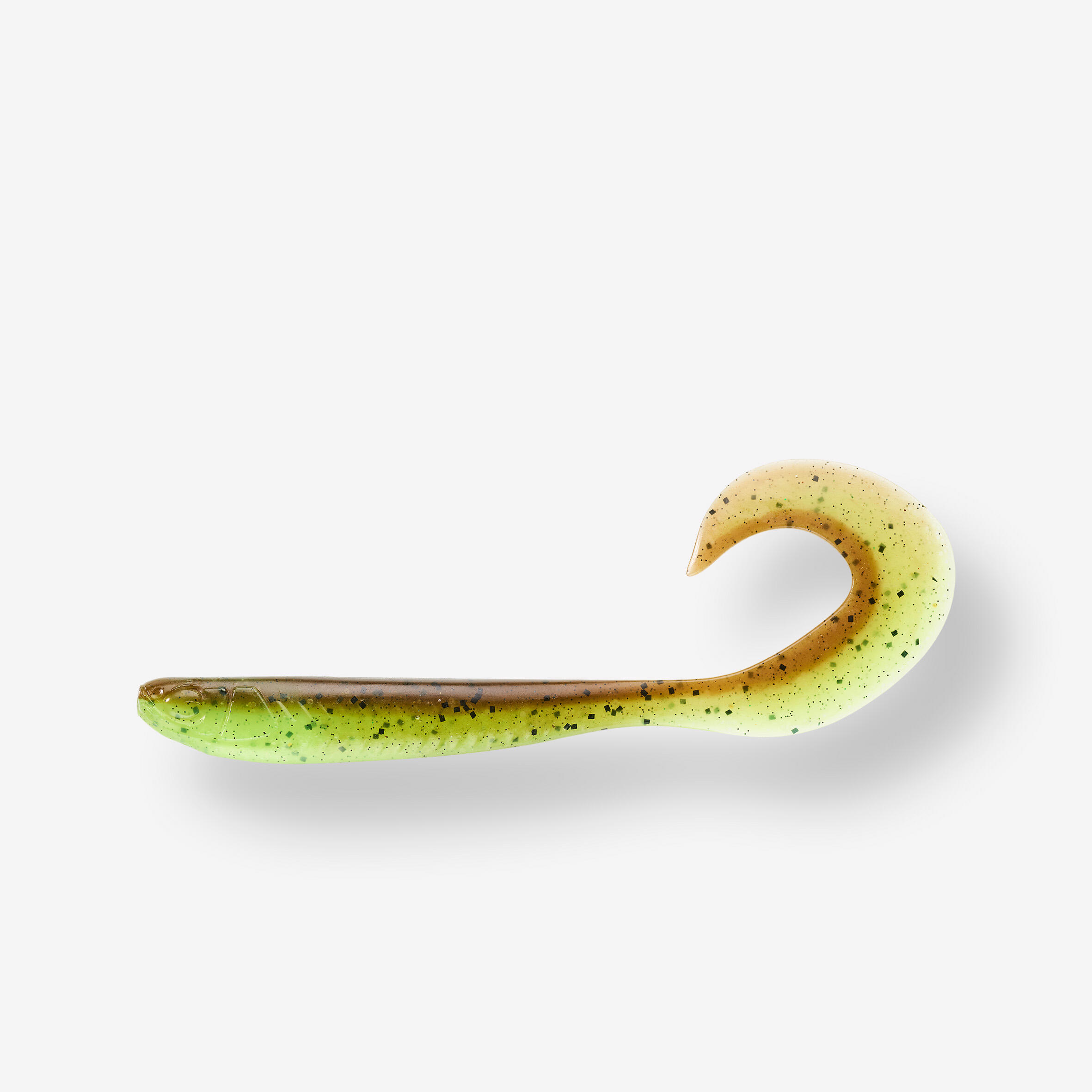
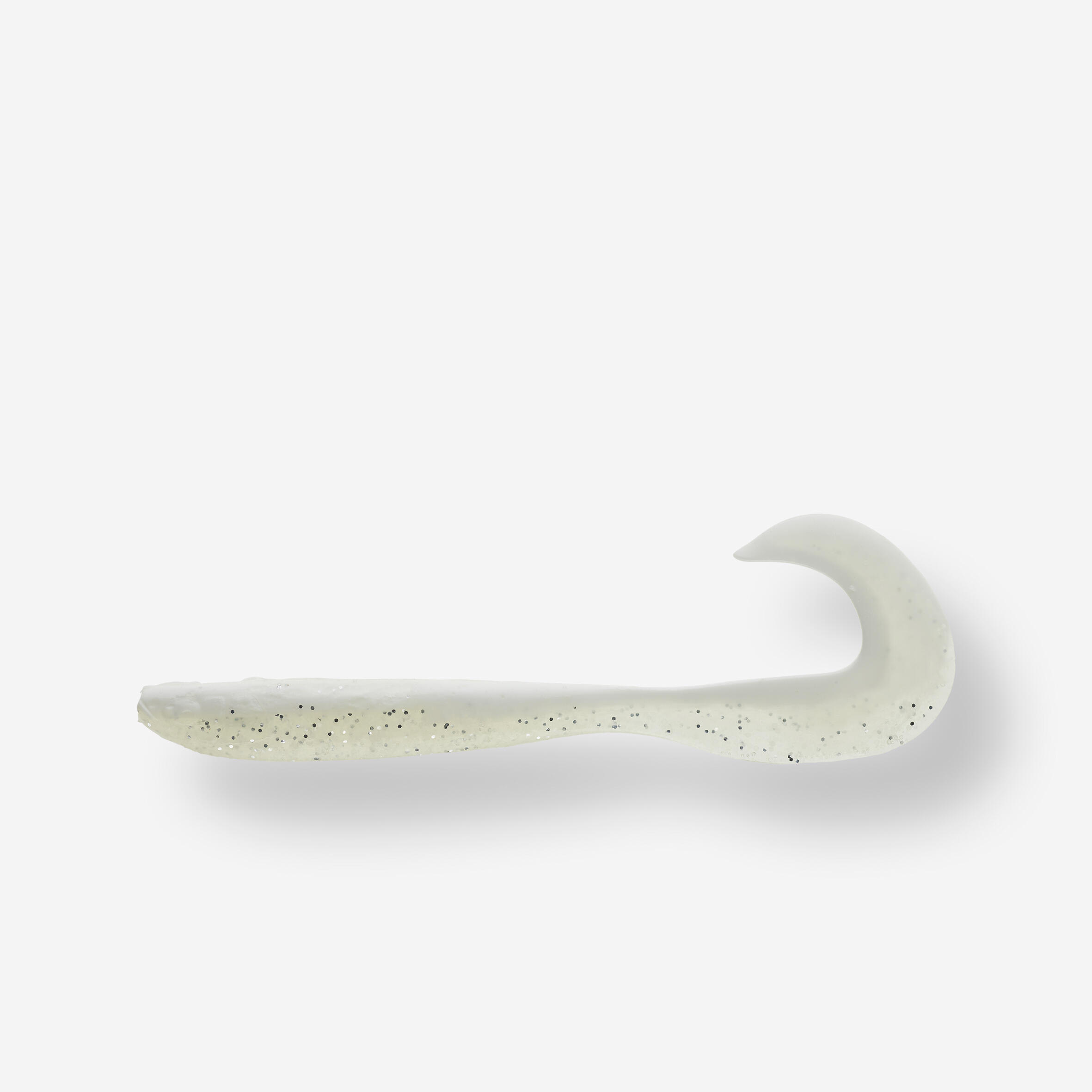
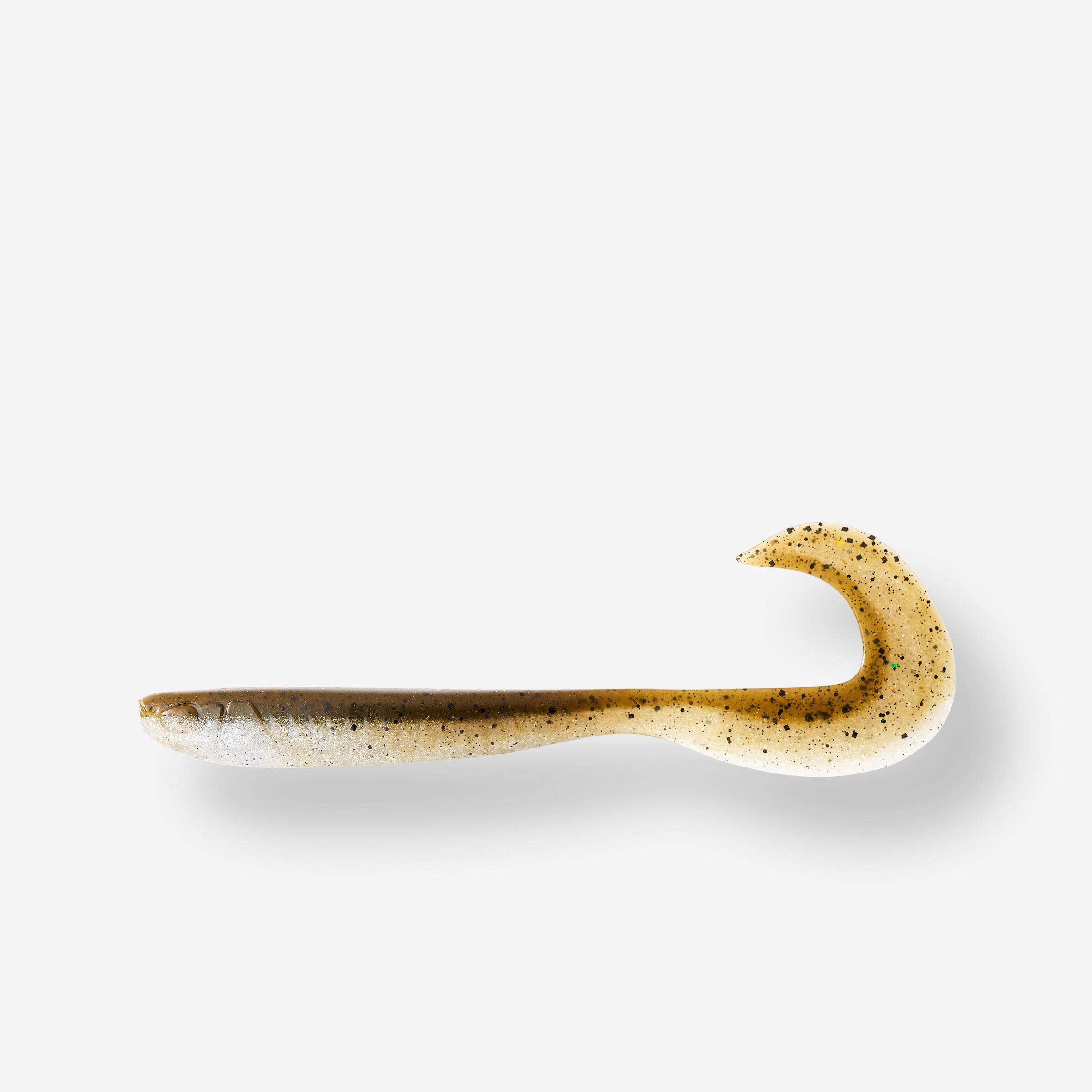
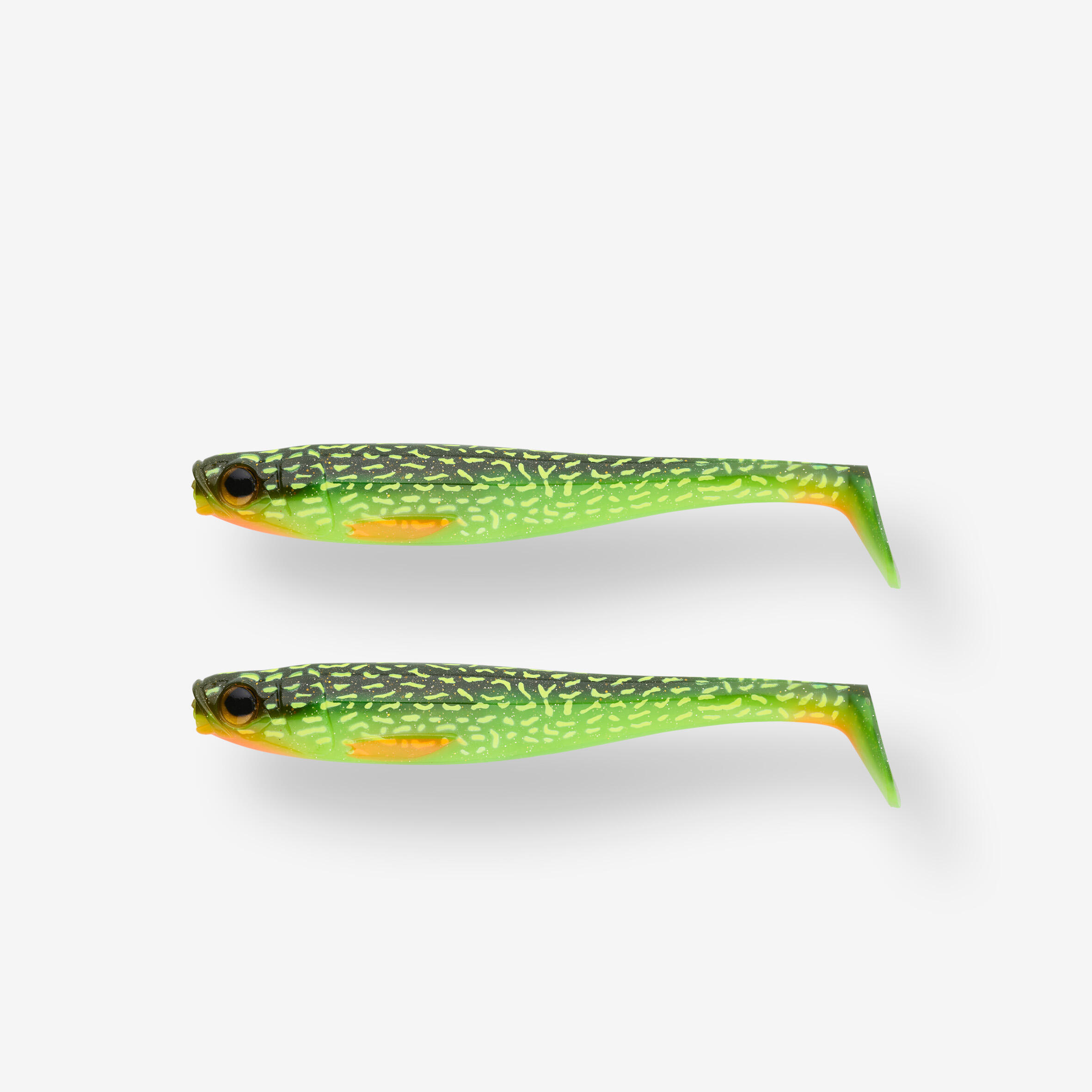
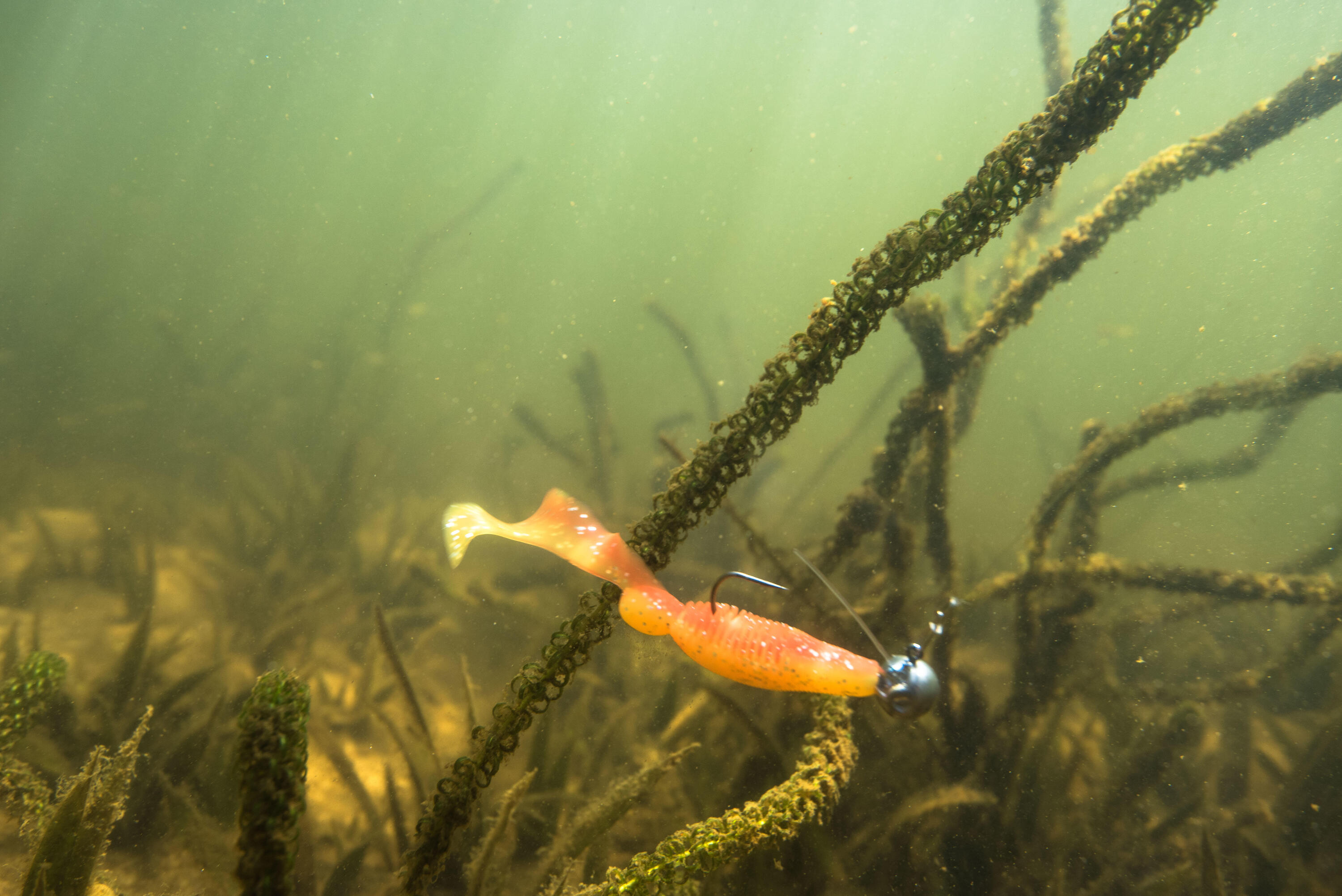
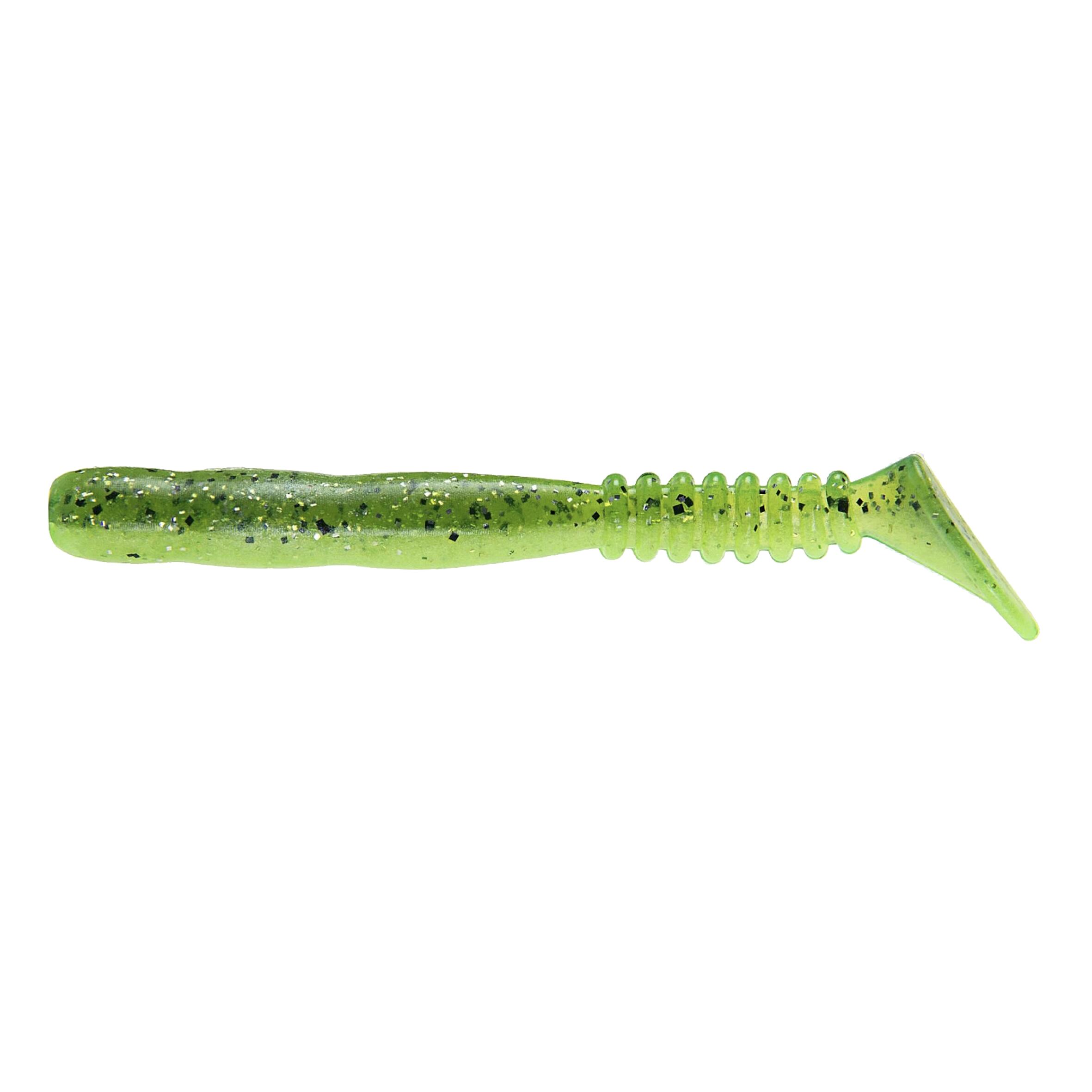
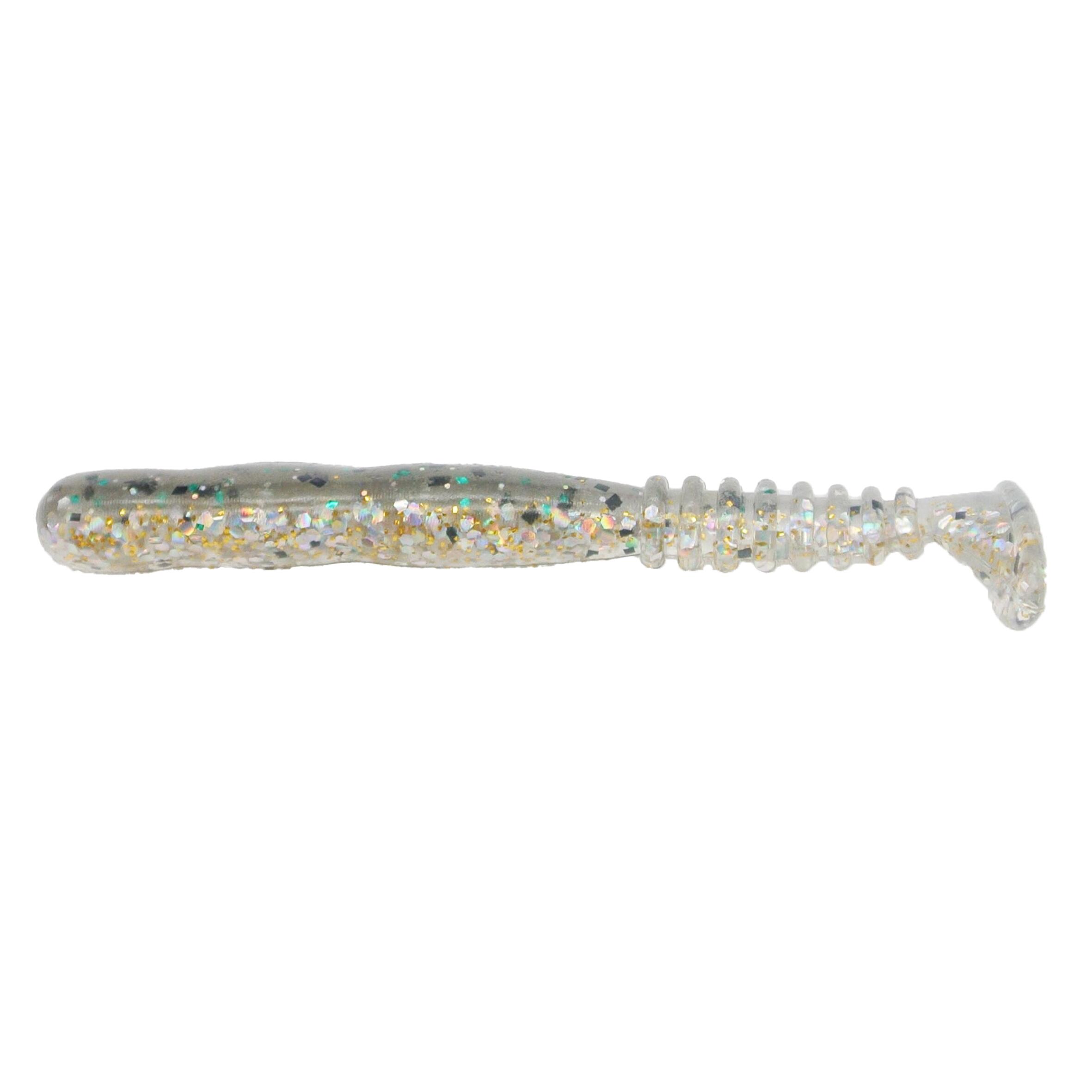
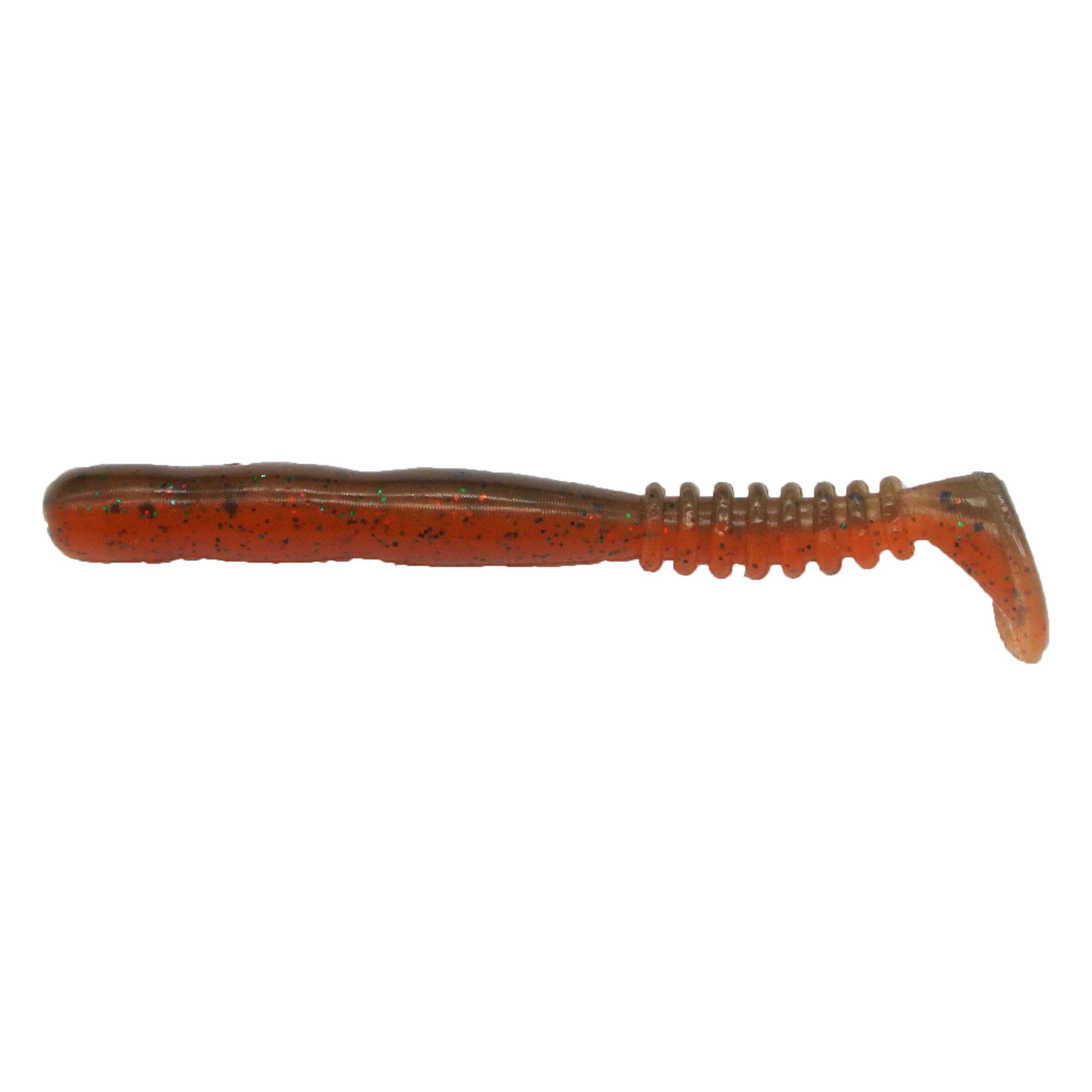
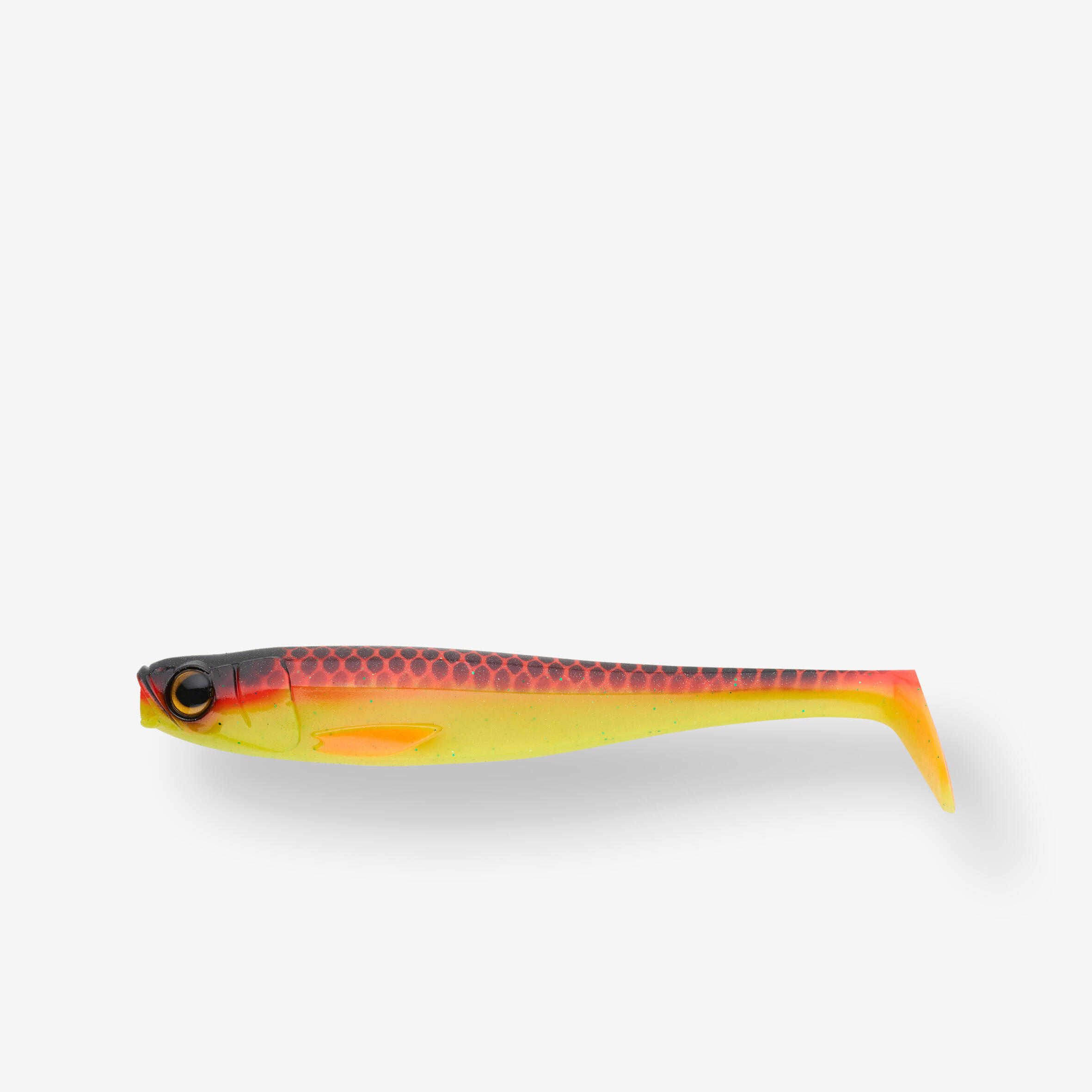
A soft grub can keep moving when you slow the retrieve, making it useful when predators are less willing to chase quickly. Caperlan's 13 cm Yubari grub uses very soft, phthalate-free PVC containing shrimp powder, salt in the lower section for balance and a fish-oil-based attractant. Its material maintains swimming action at low speed, so you can use steady retrieves, brief accelerations or slower bottom-bouncing presentations. Caperlan pairs this soft lure fishing grub with a 10-12 g jig head, size-2500 reel, MH rod and 10-12/100 braid.
How do you match a jig head to a soft lure?

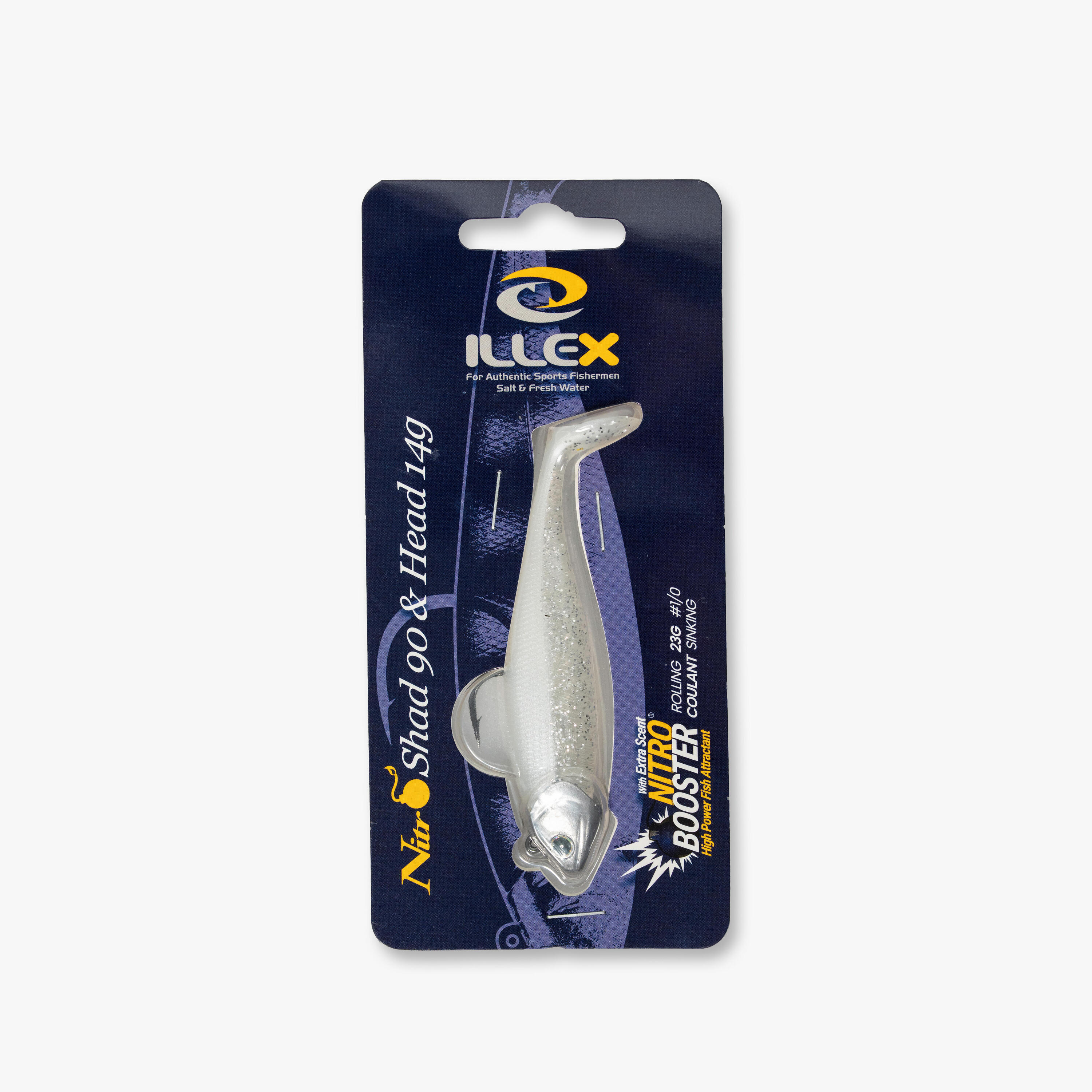
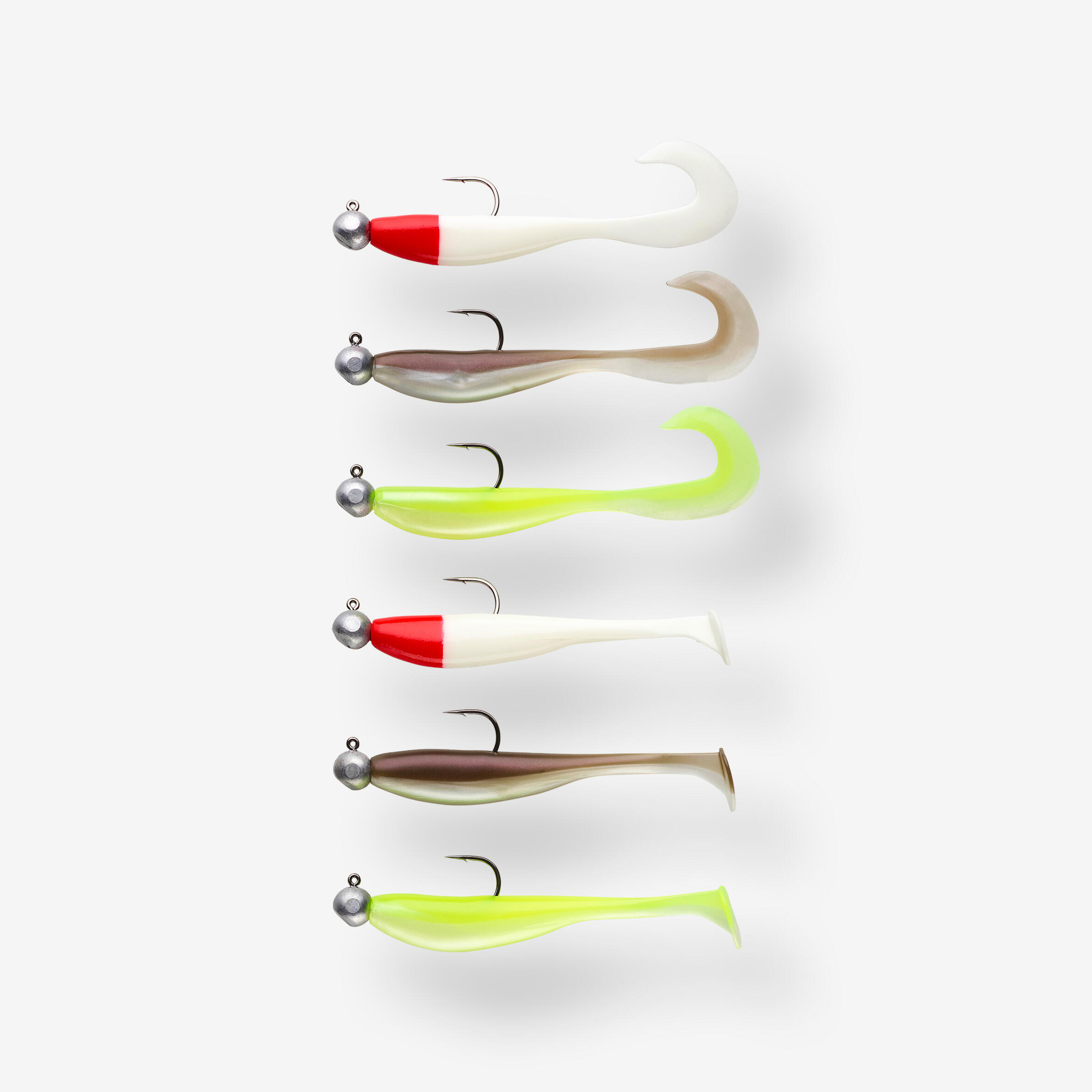
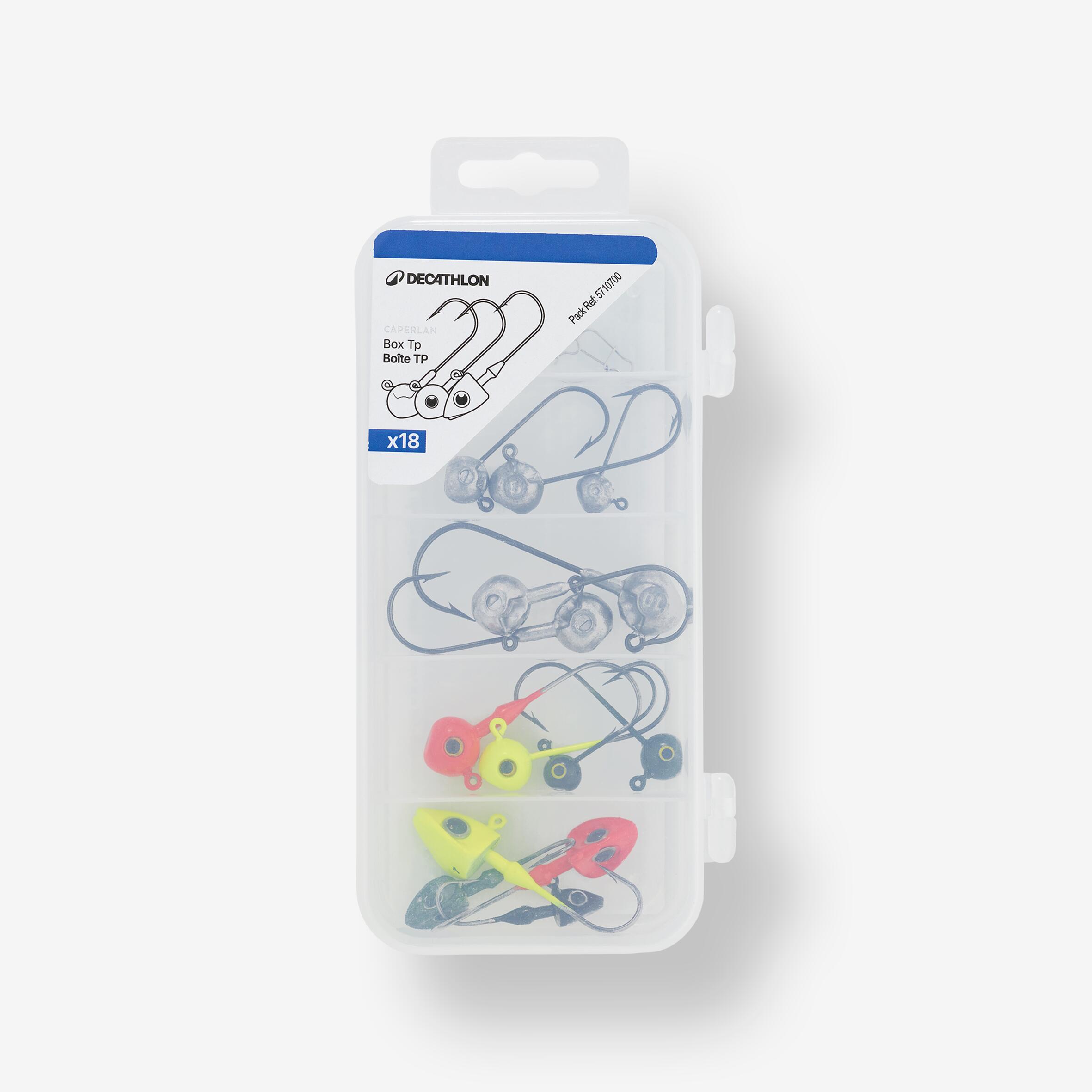
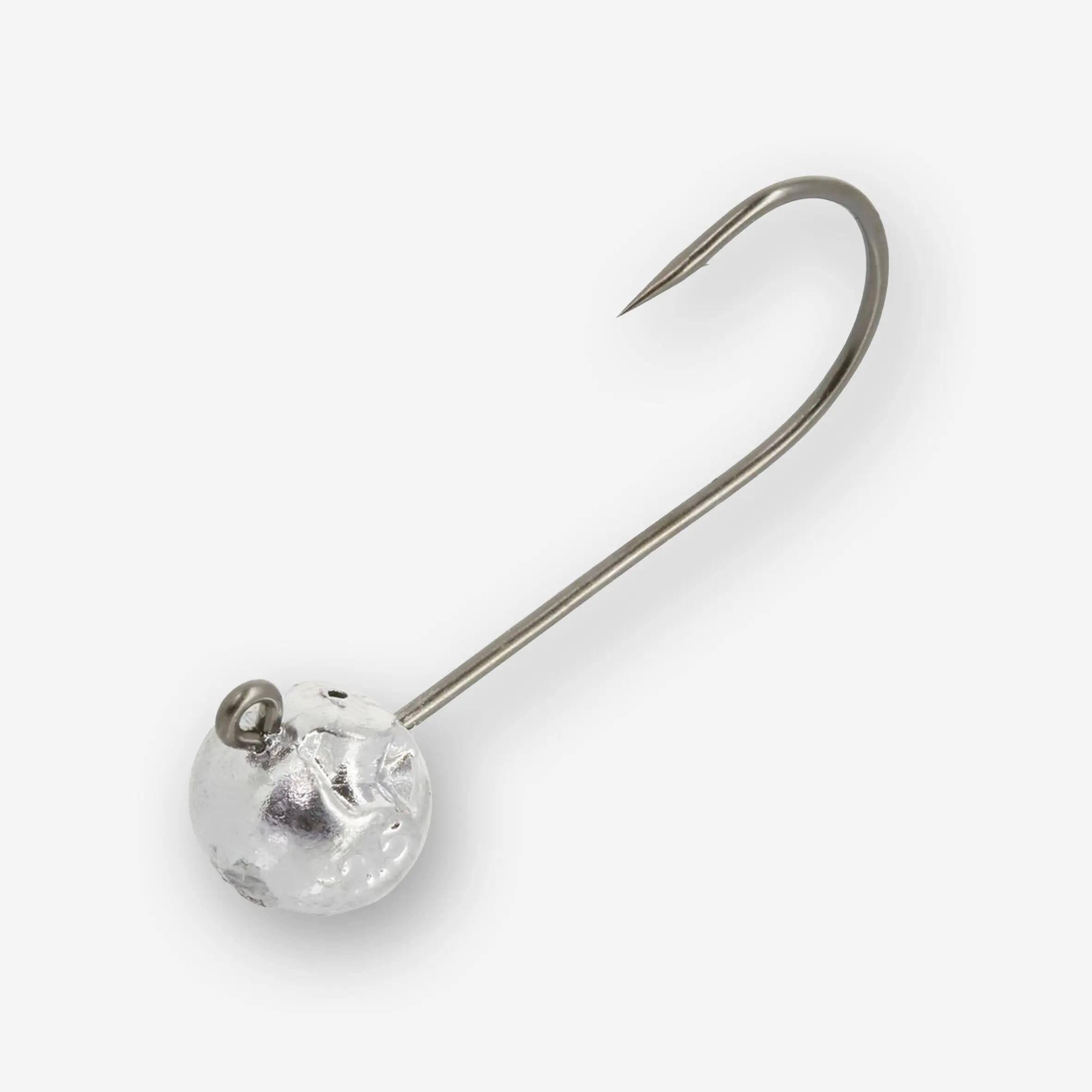
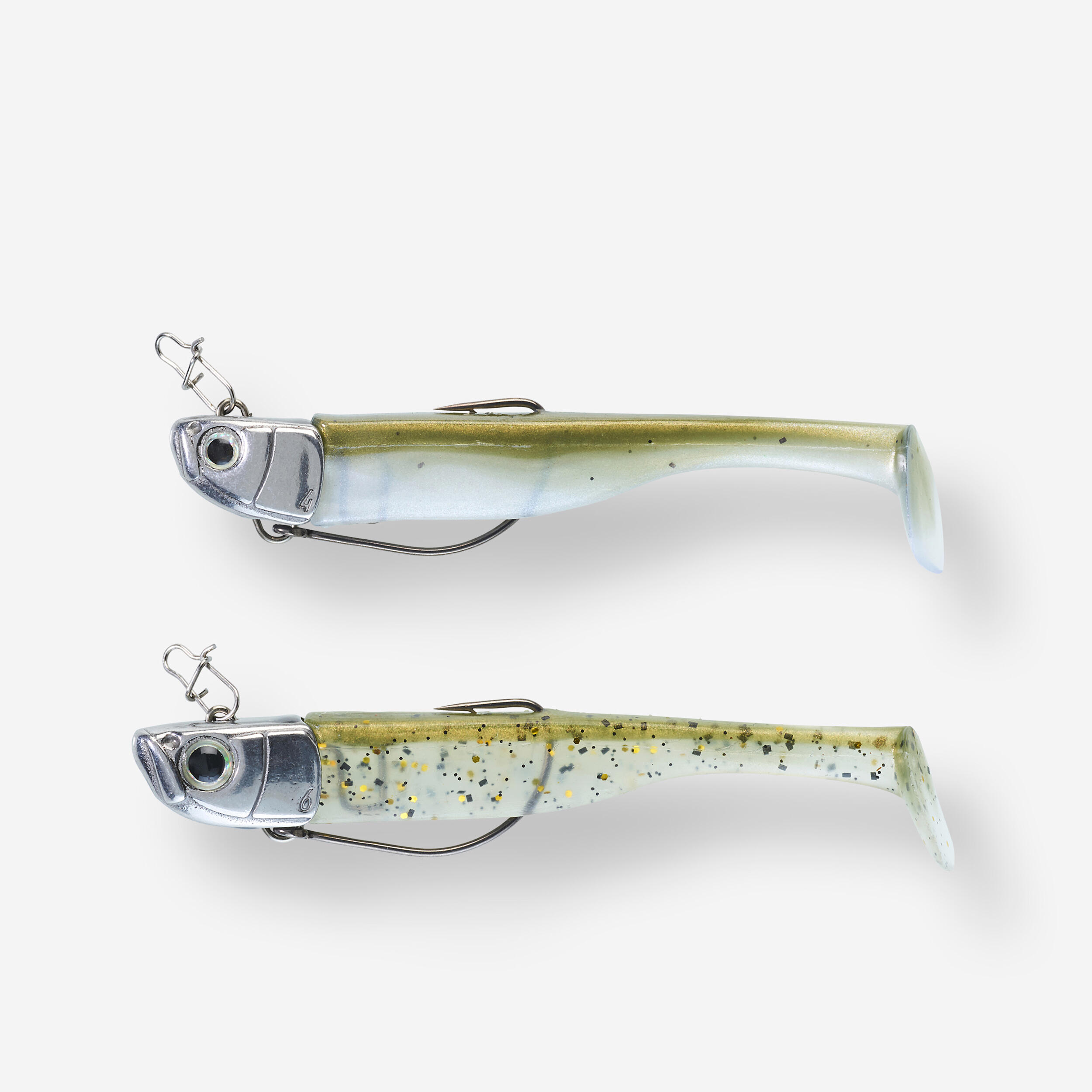
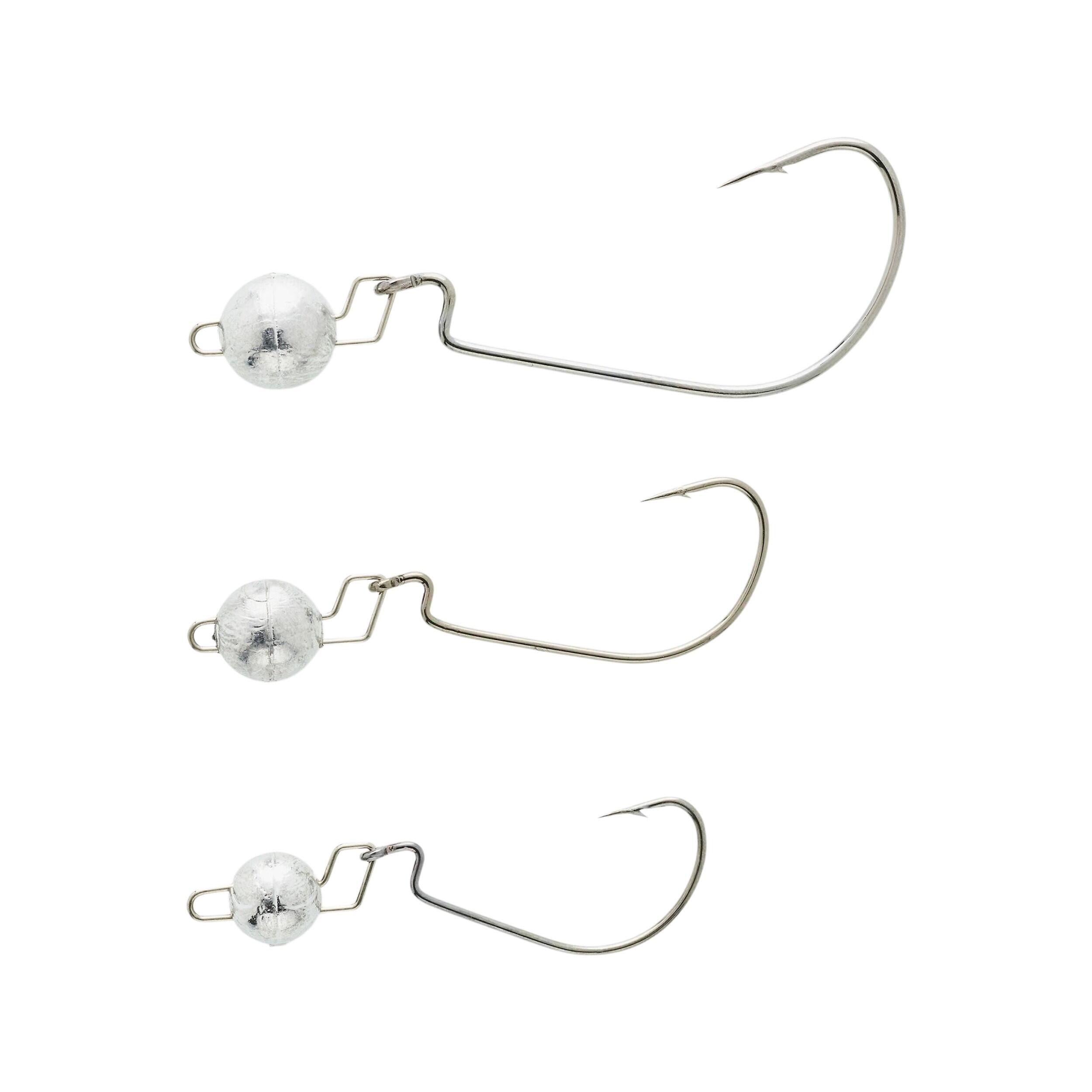
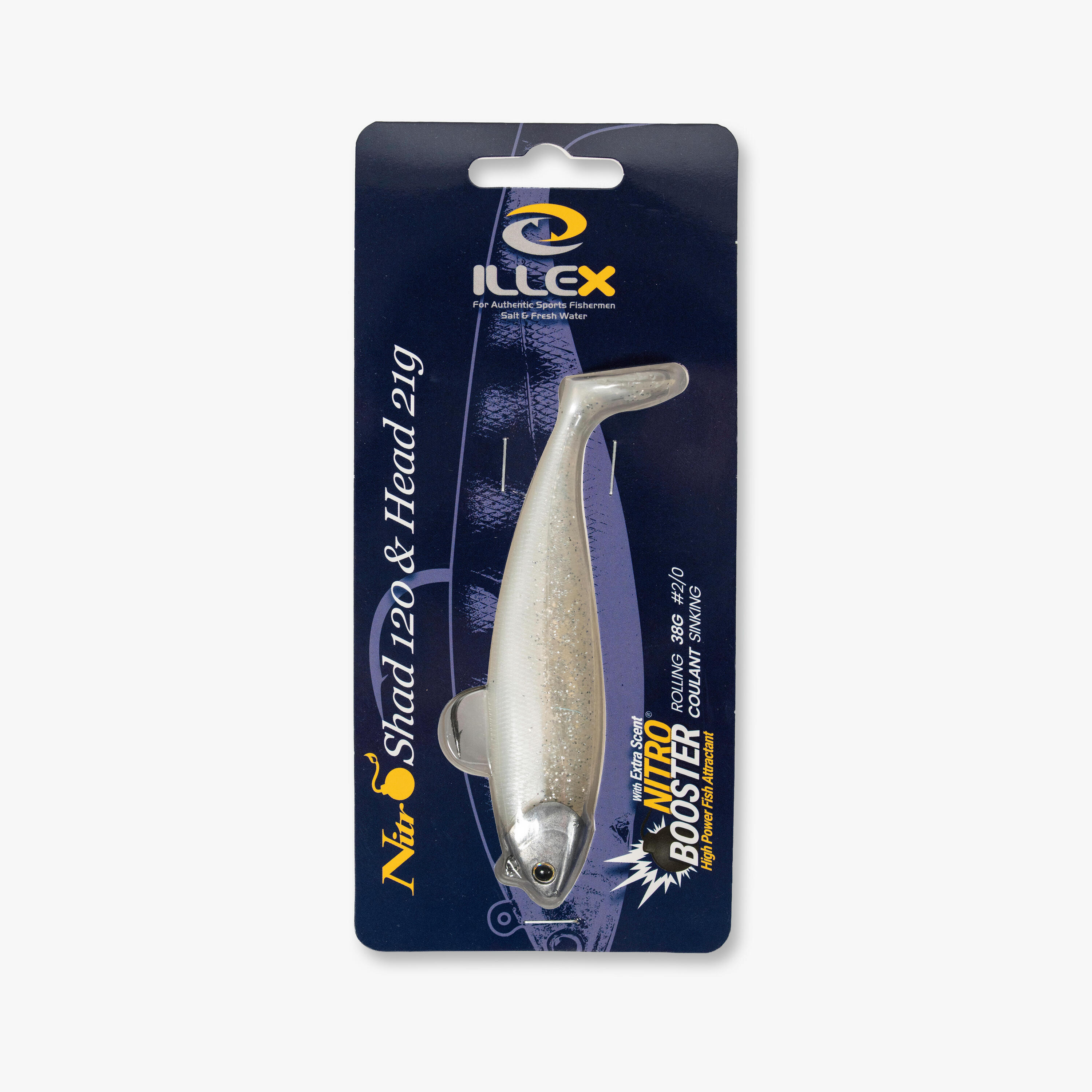
Match jig-head weight to lure size, fishing depth, current and the speed at which you want the lure to fall. Caperlan gives specific size guidance rather than treating every head as interchangeable. Its 10 g round head suits soft lures around 9-12 cm, while lighter 5 g heads work with approximately 6-9 cm bodies and 12-15 g versions suit roughly 11-13 cm lures. An integrated anti-grass system also helps reduce snagging around cover. The soft lure fishing sinker head works with shad and finesse-style bodies, giving you flexibility when changing presentation.

What design suits a large soft shad for pike?

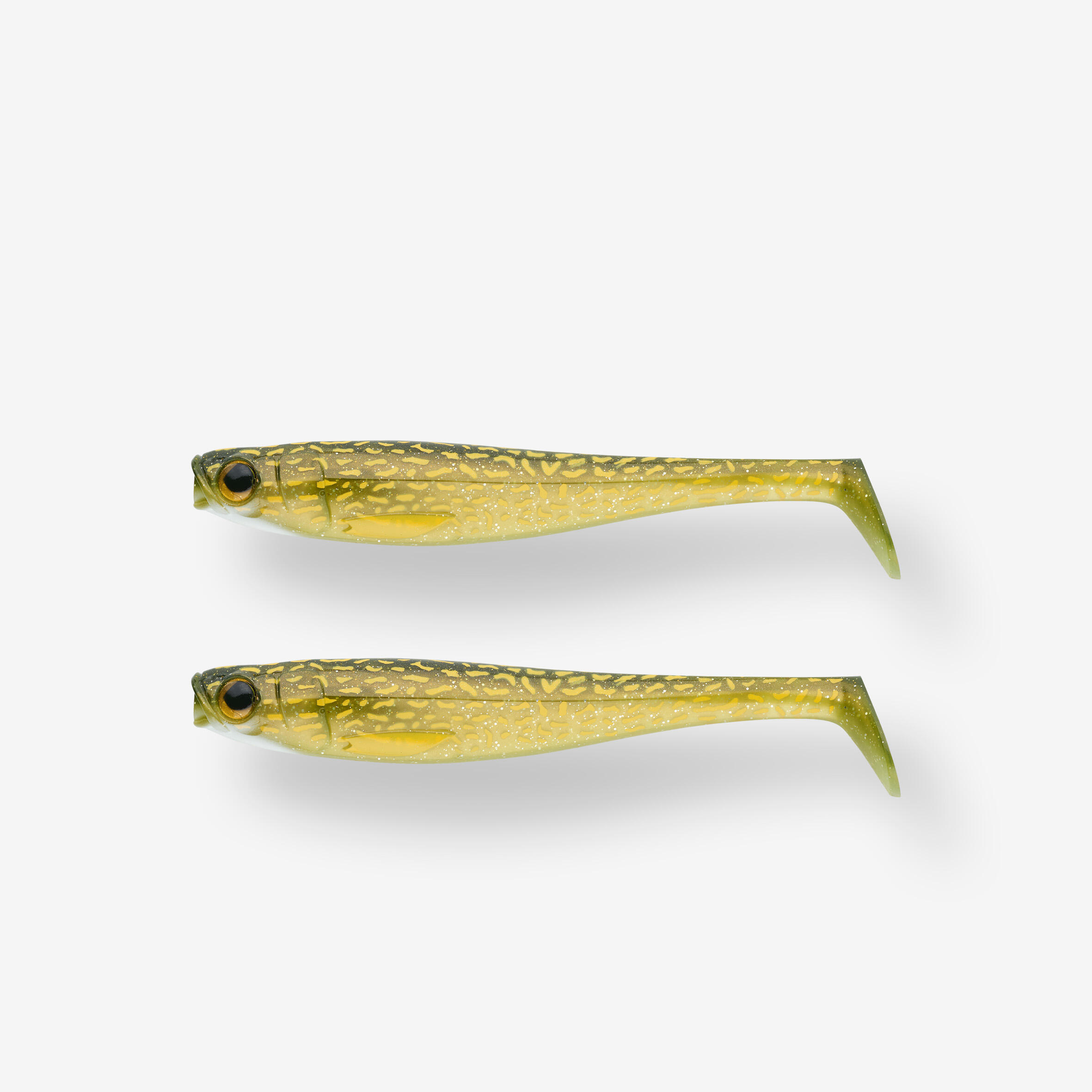
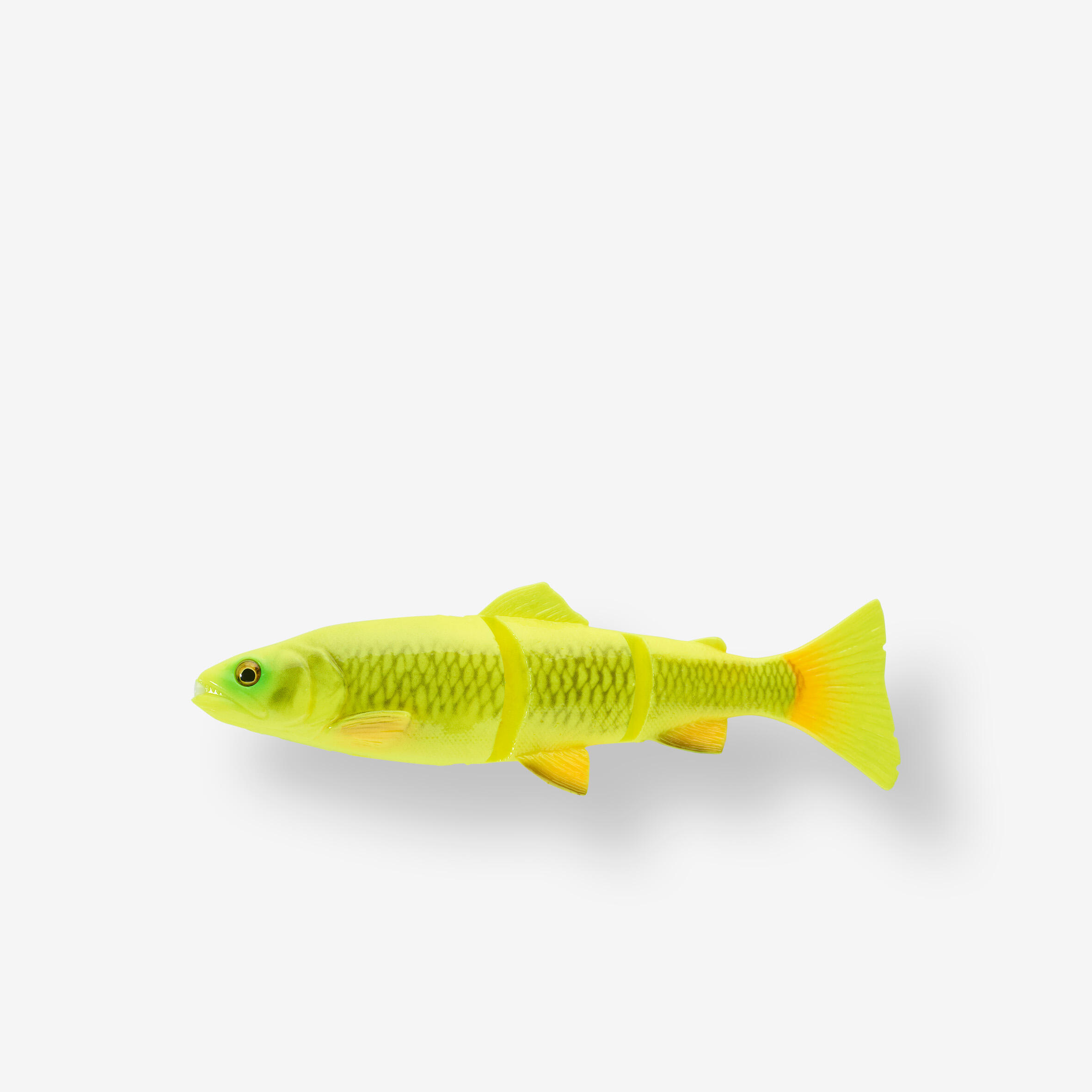
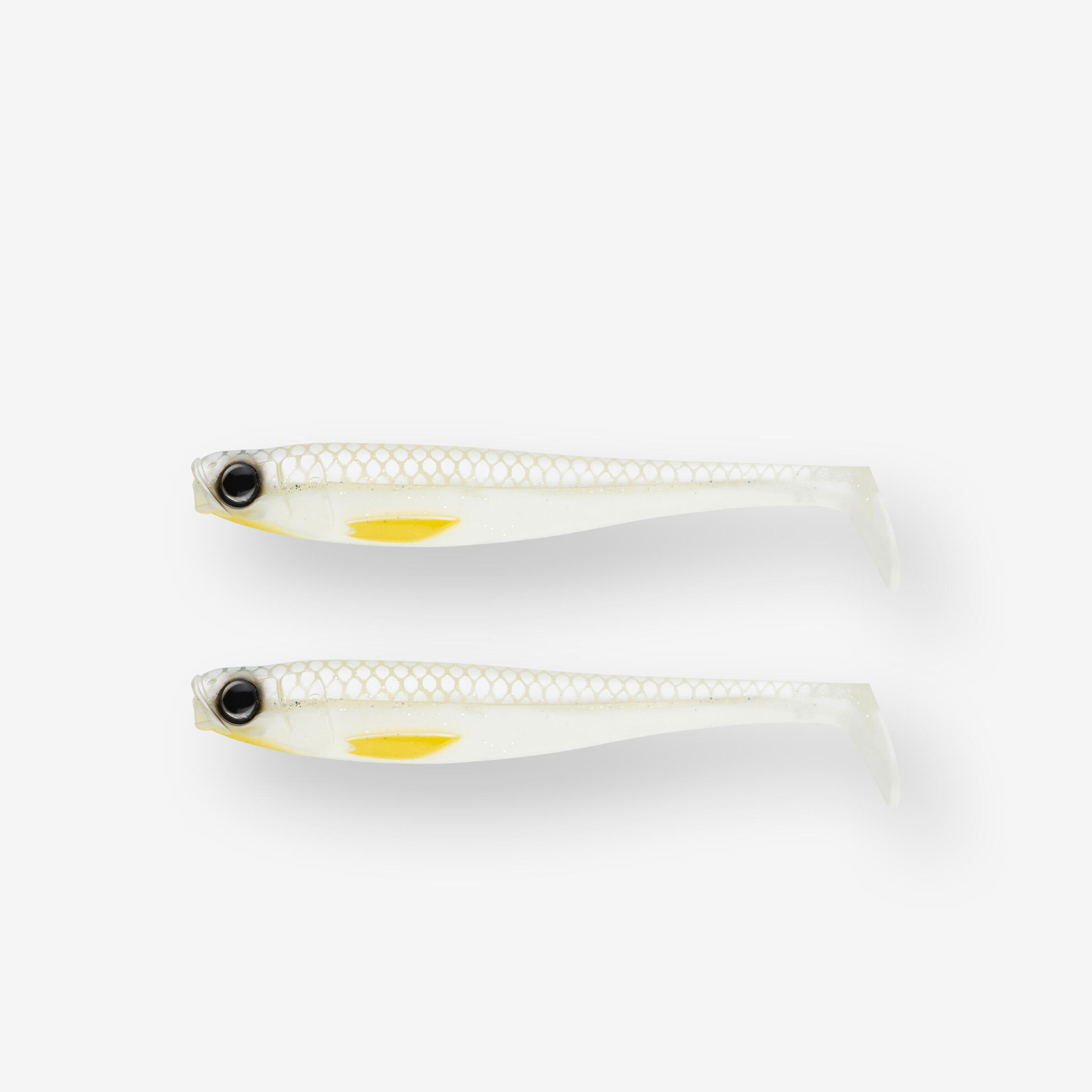
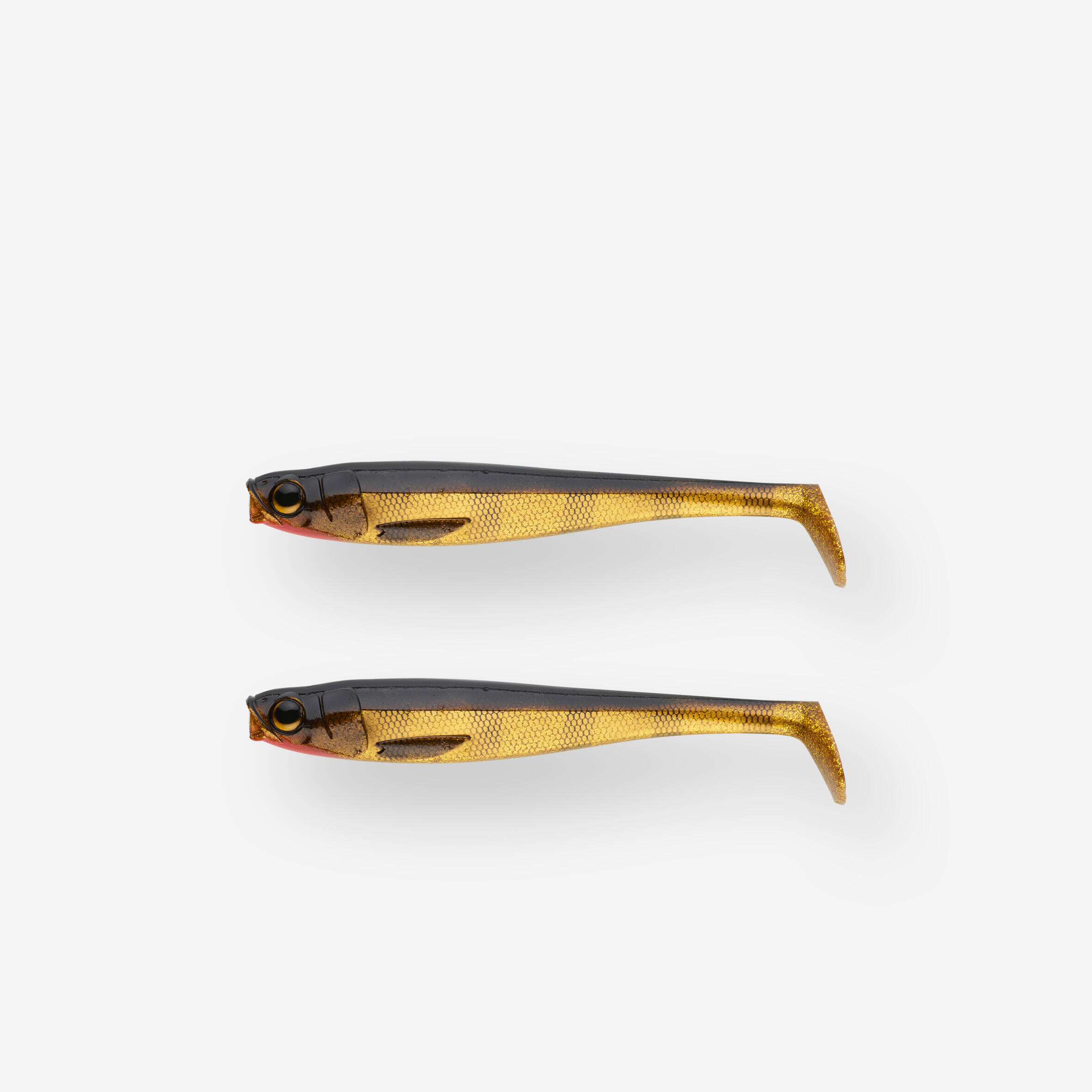
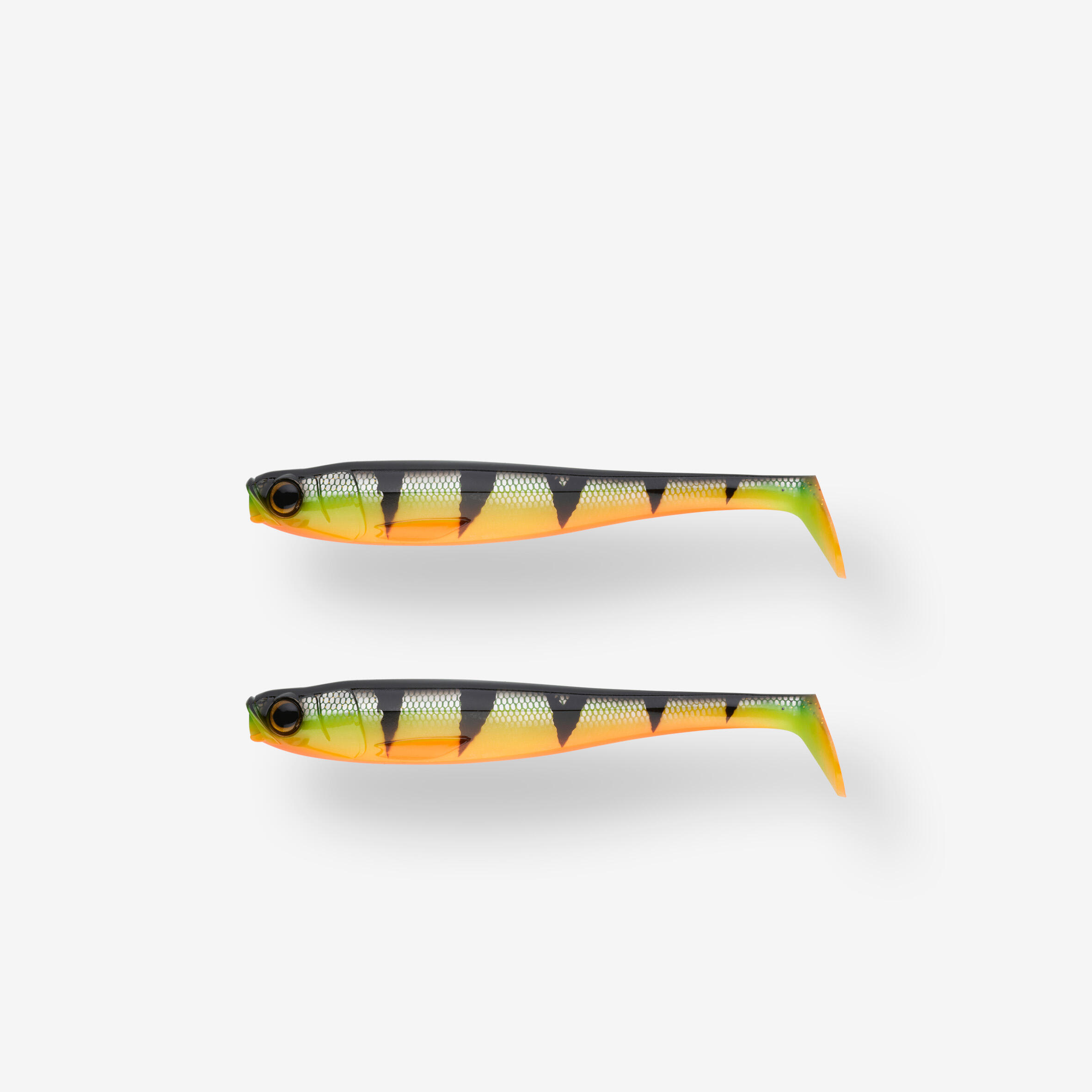
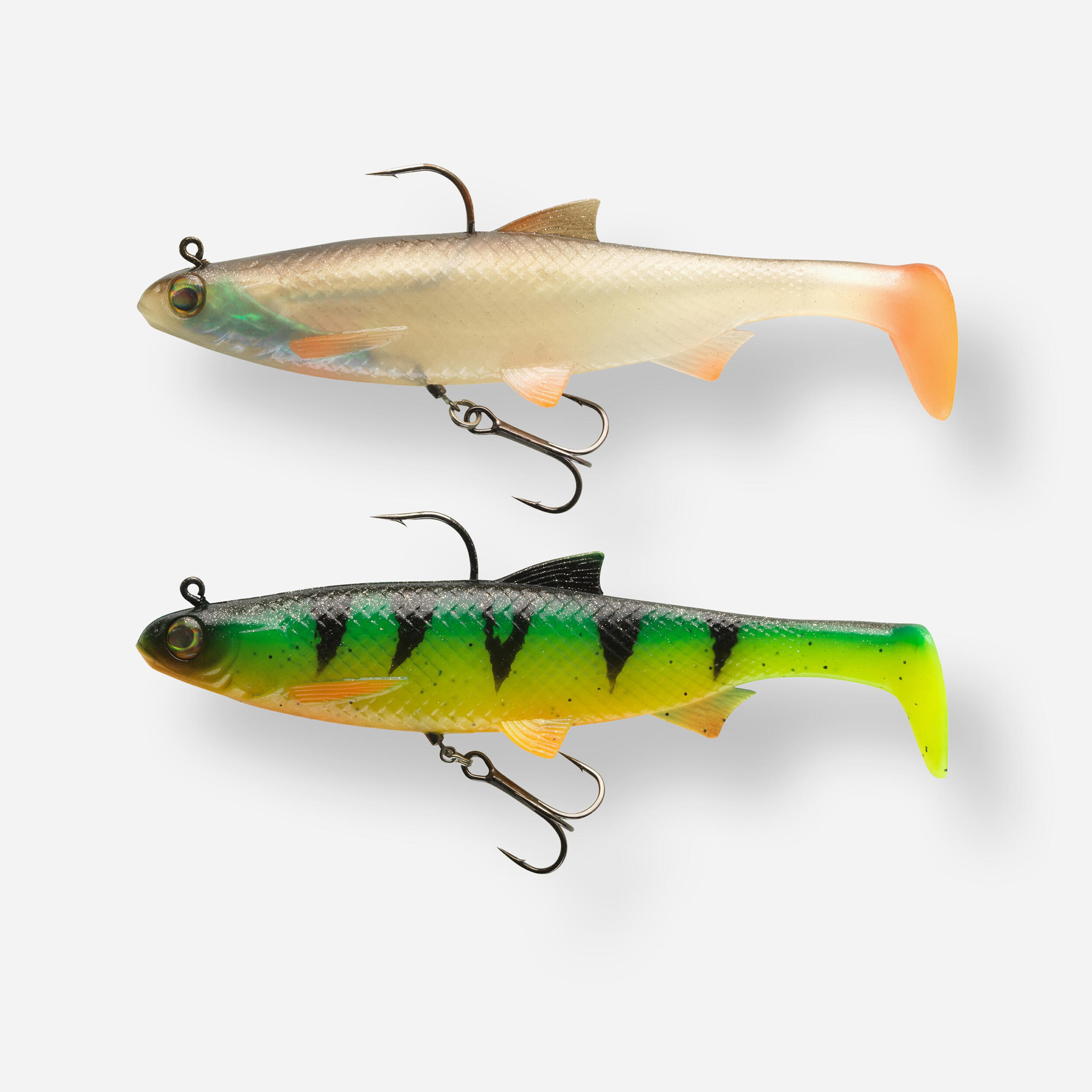
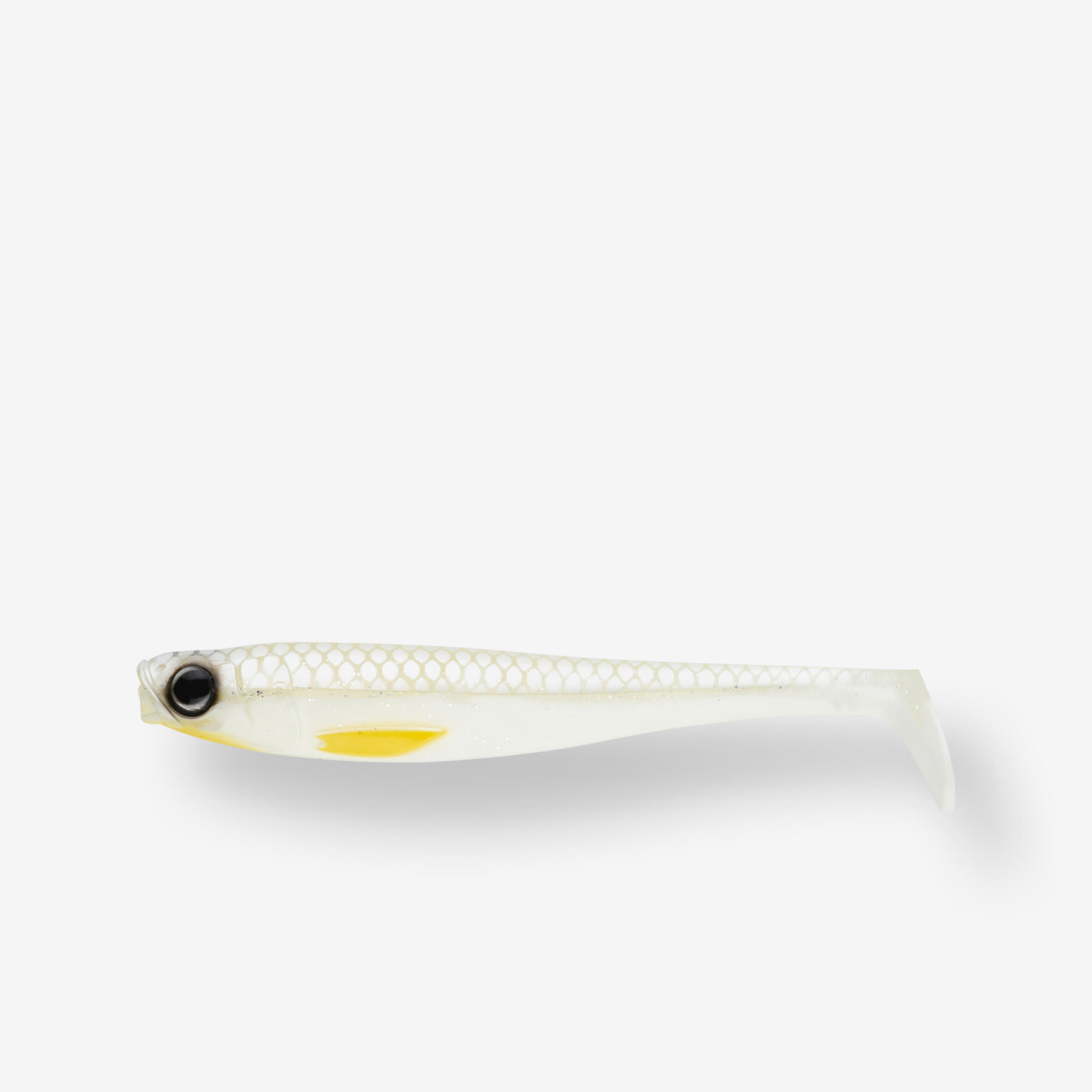
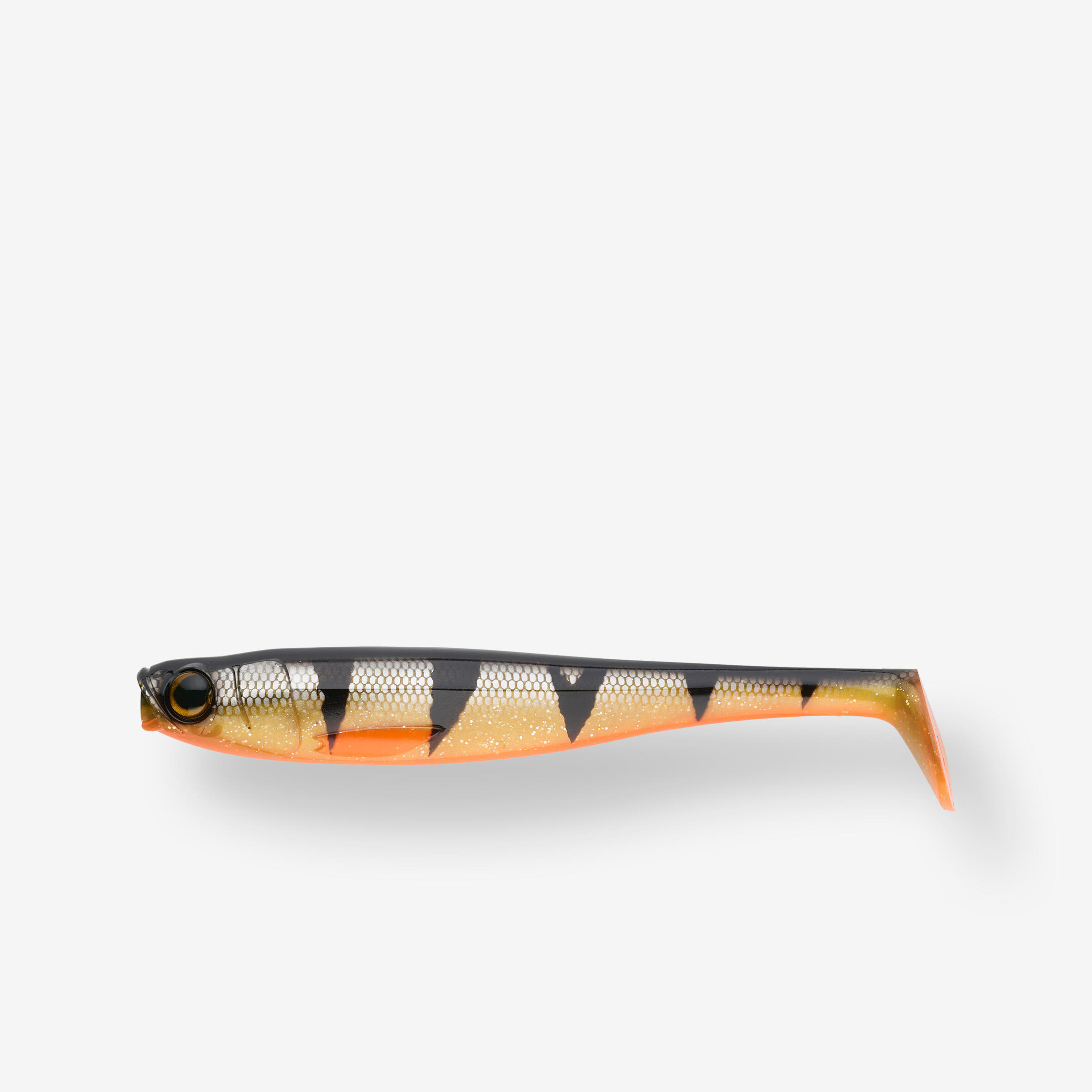
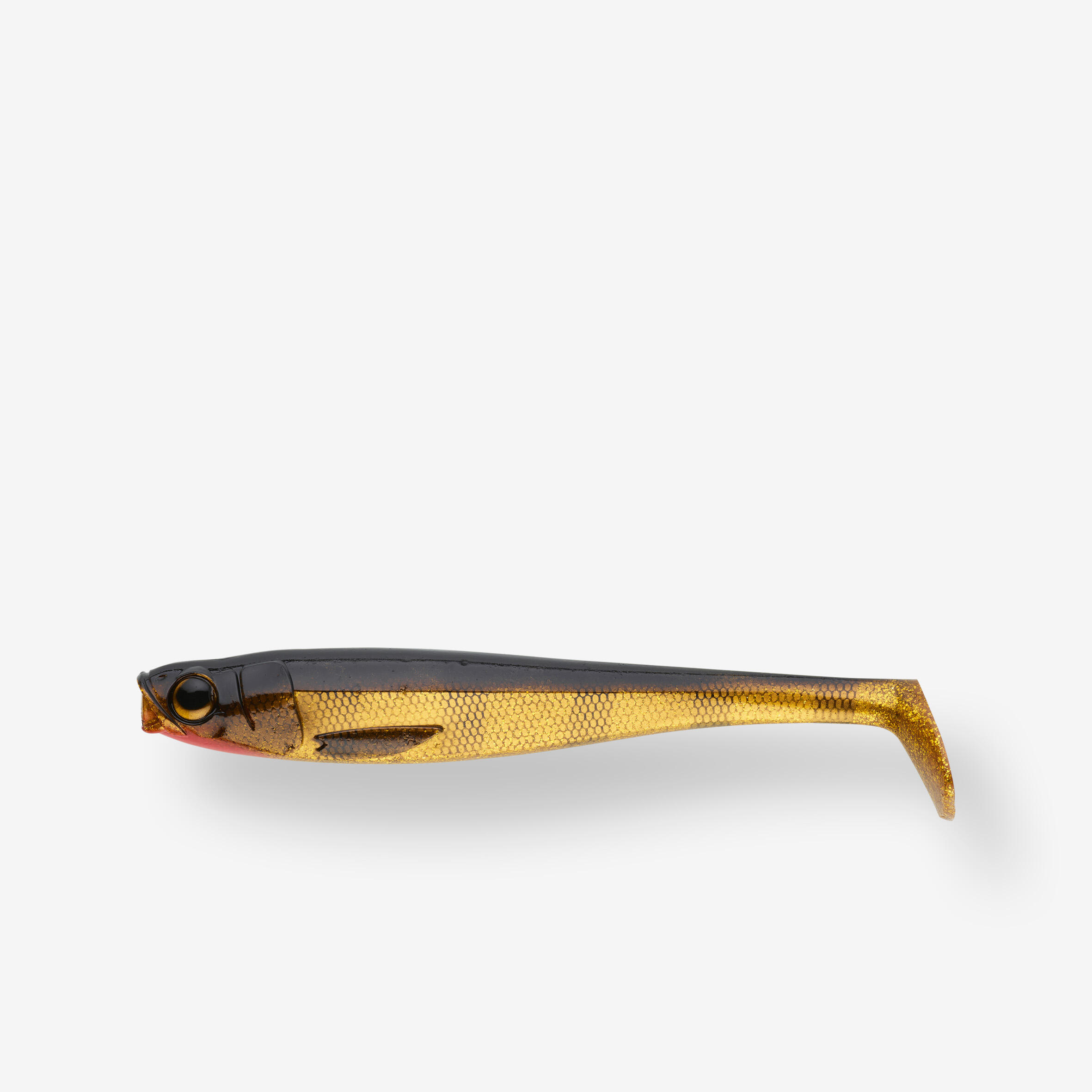
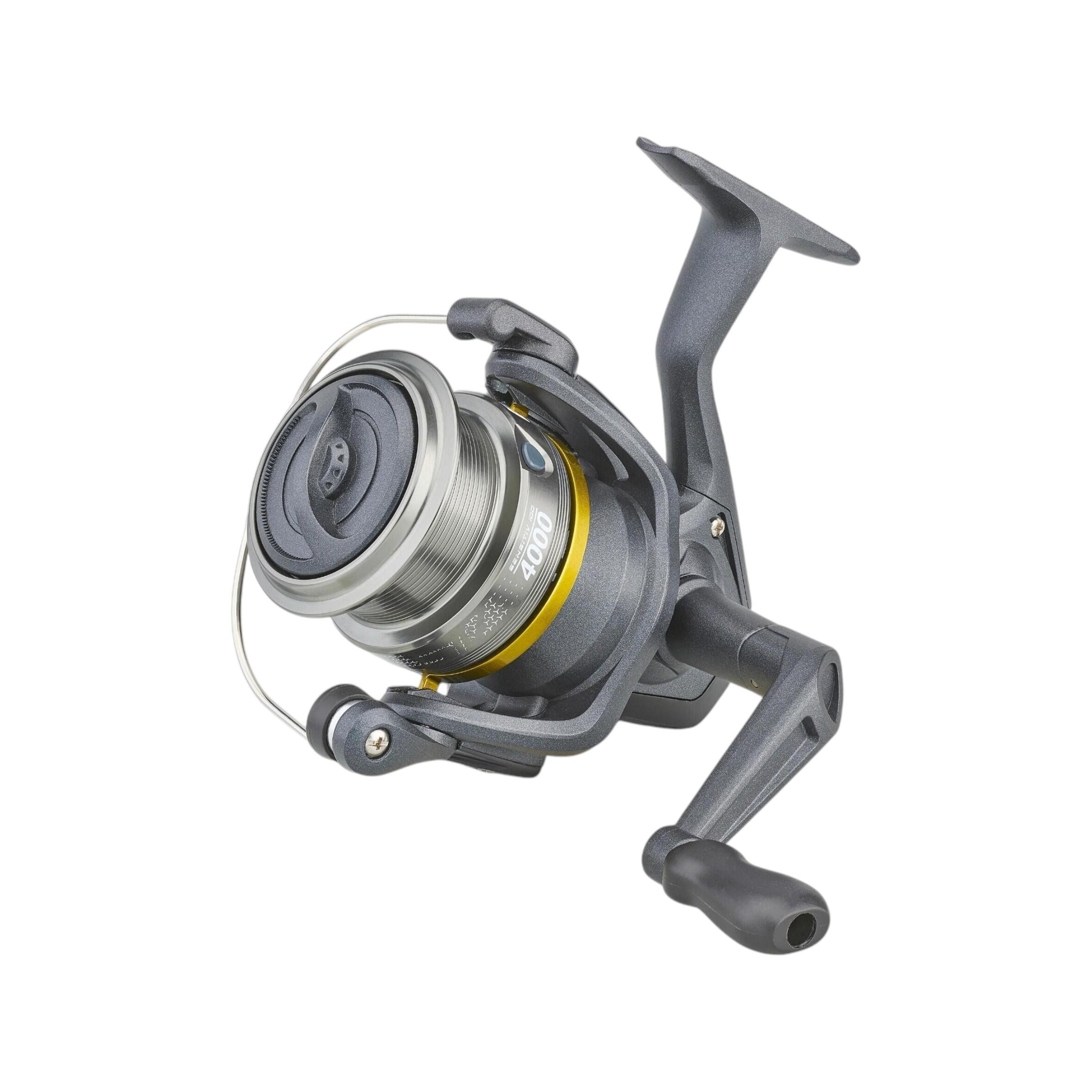
Large pike shads need substantially heavier tackle than small perch or trout lures because both the lure and added rig weight increase the casting load. Caperlan's 25 cm Rogen weighs 110 g and accepts rigs from 0 to 40 g without changing its stated swimming behaviour. Its rolling action works during a steady retrieve, while a lift-and-drop approach can place the lure around weed beds and other structure. Caperlan recommends XXH rod power, braid from 25/100 and a size-4000 spinning reel or size-300 casting reel for these soft shad pike lures.

How can you vary a soft lure presentation during a session?

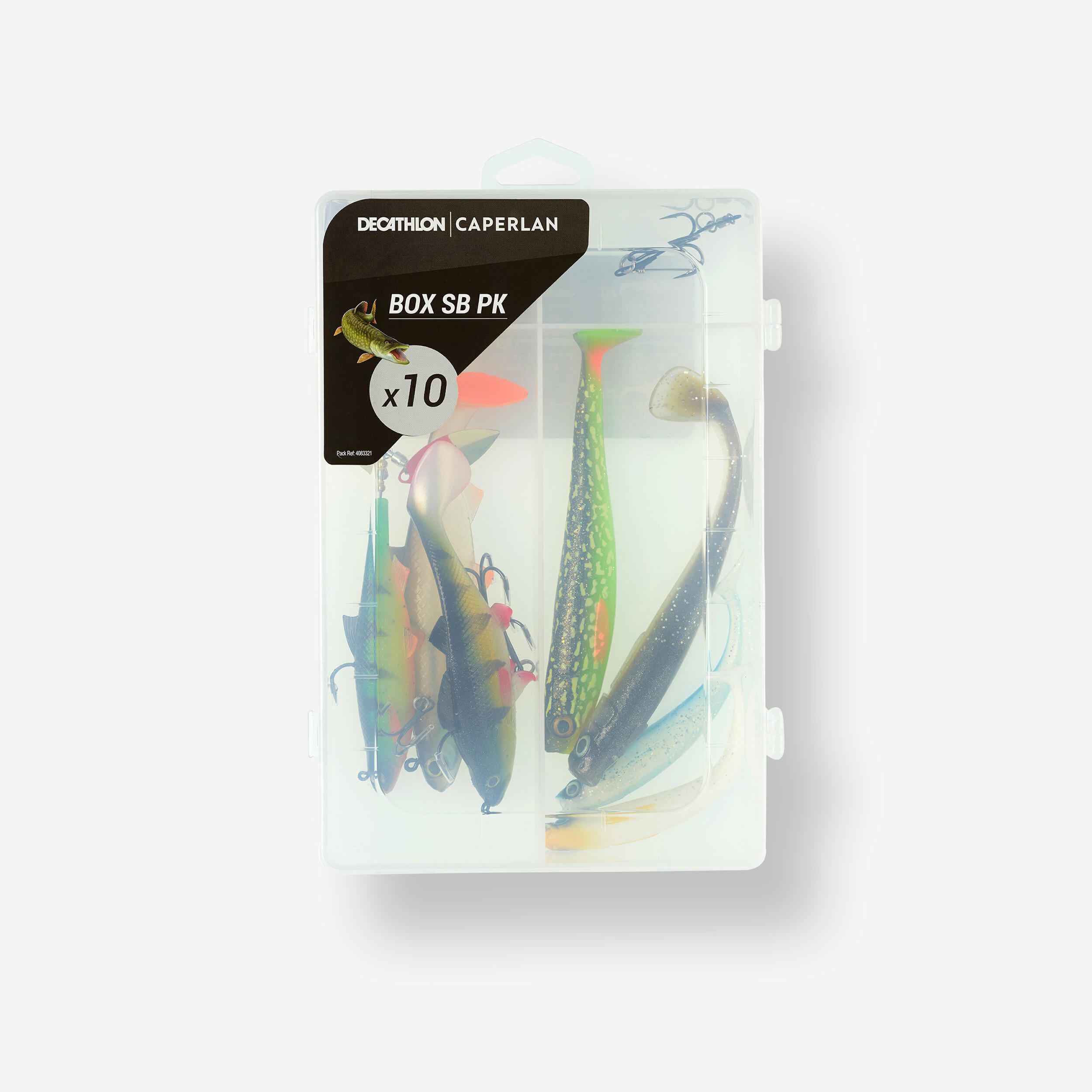
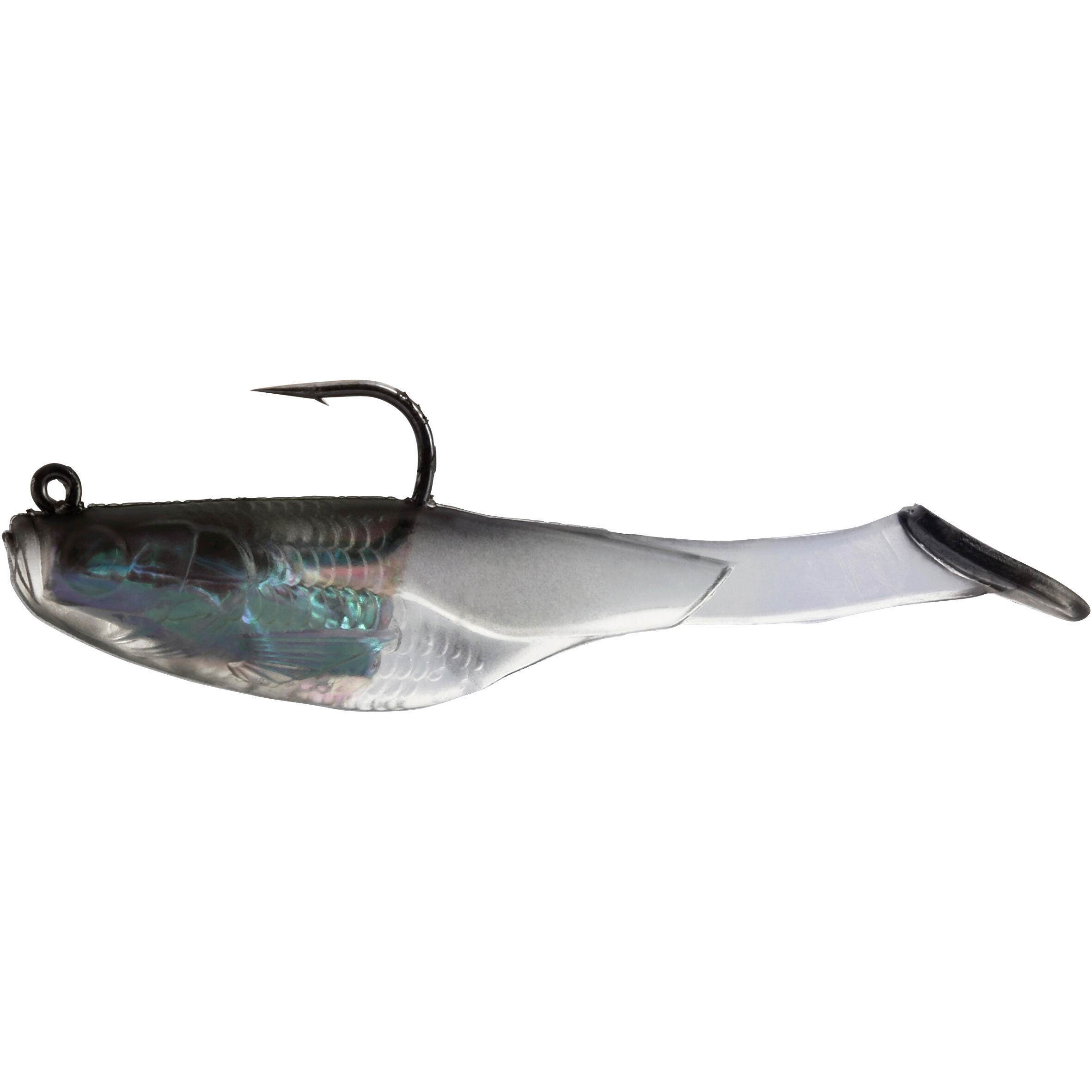
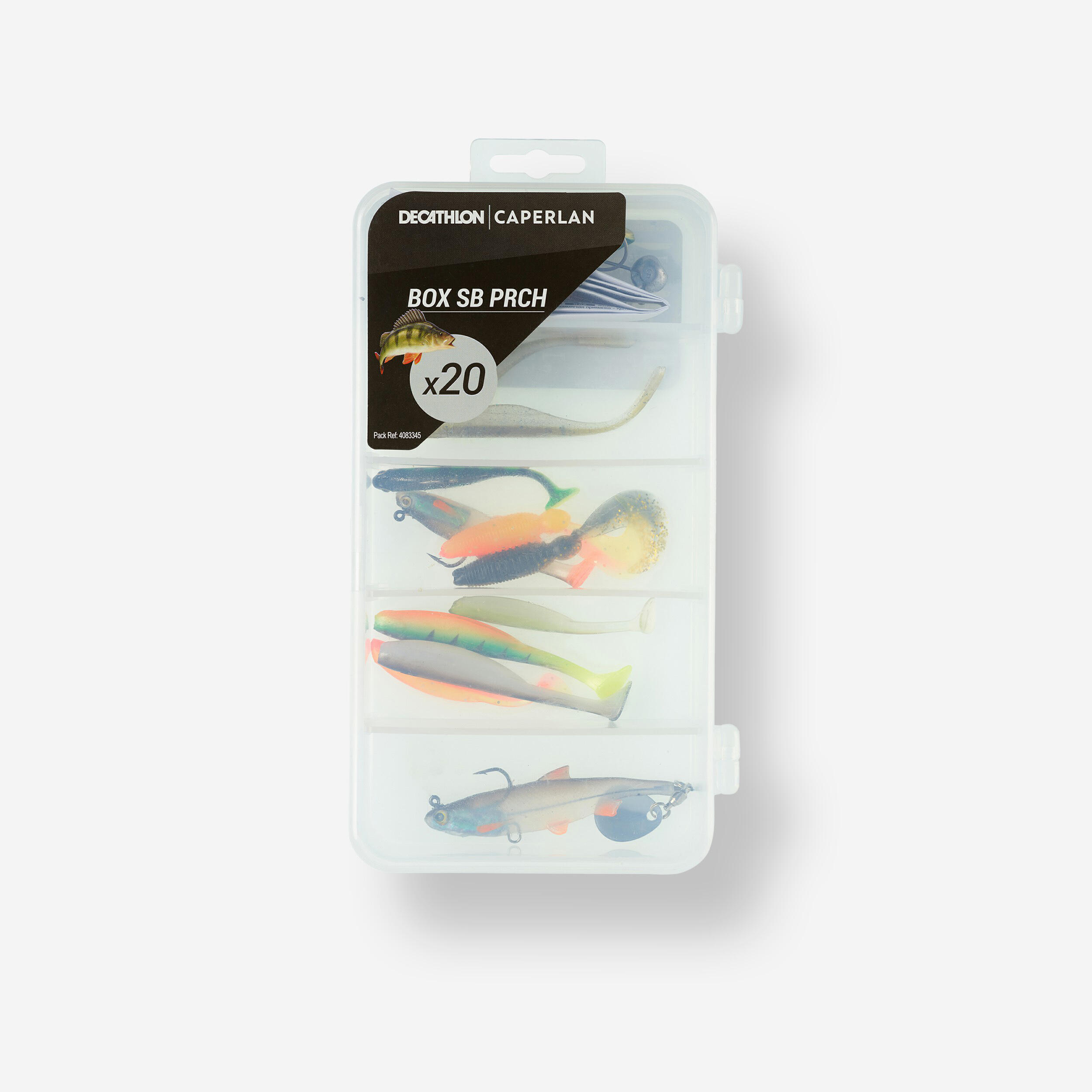
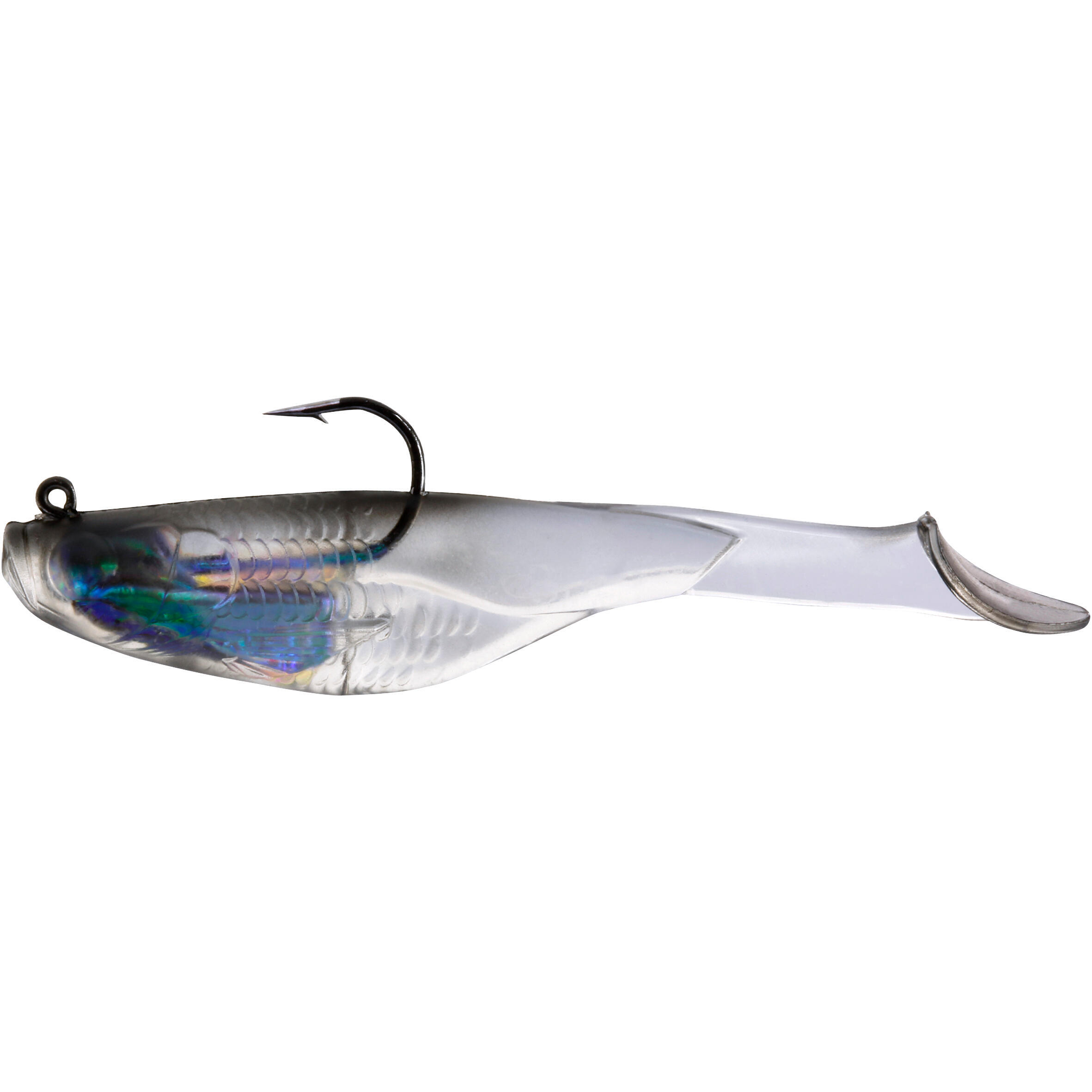
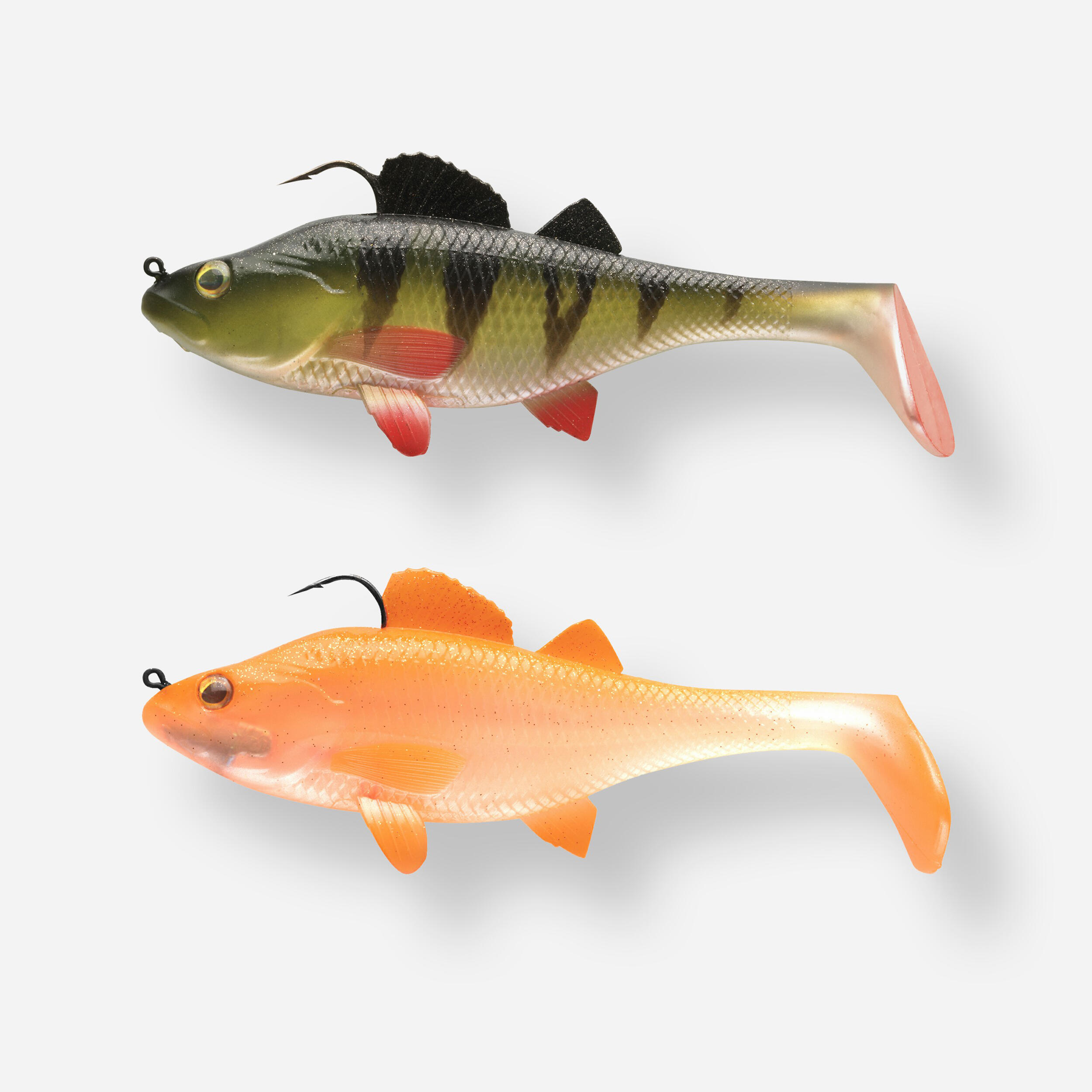
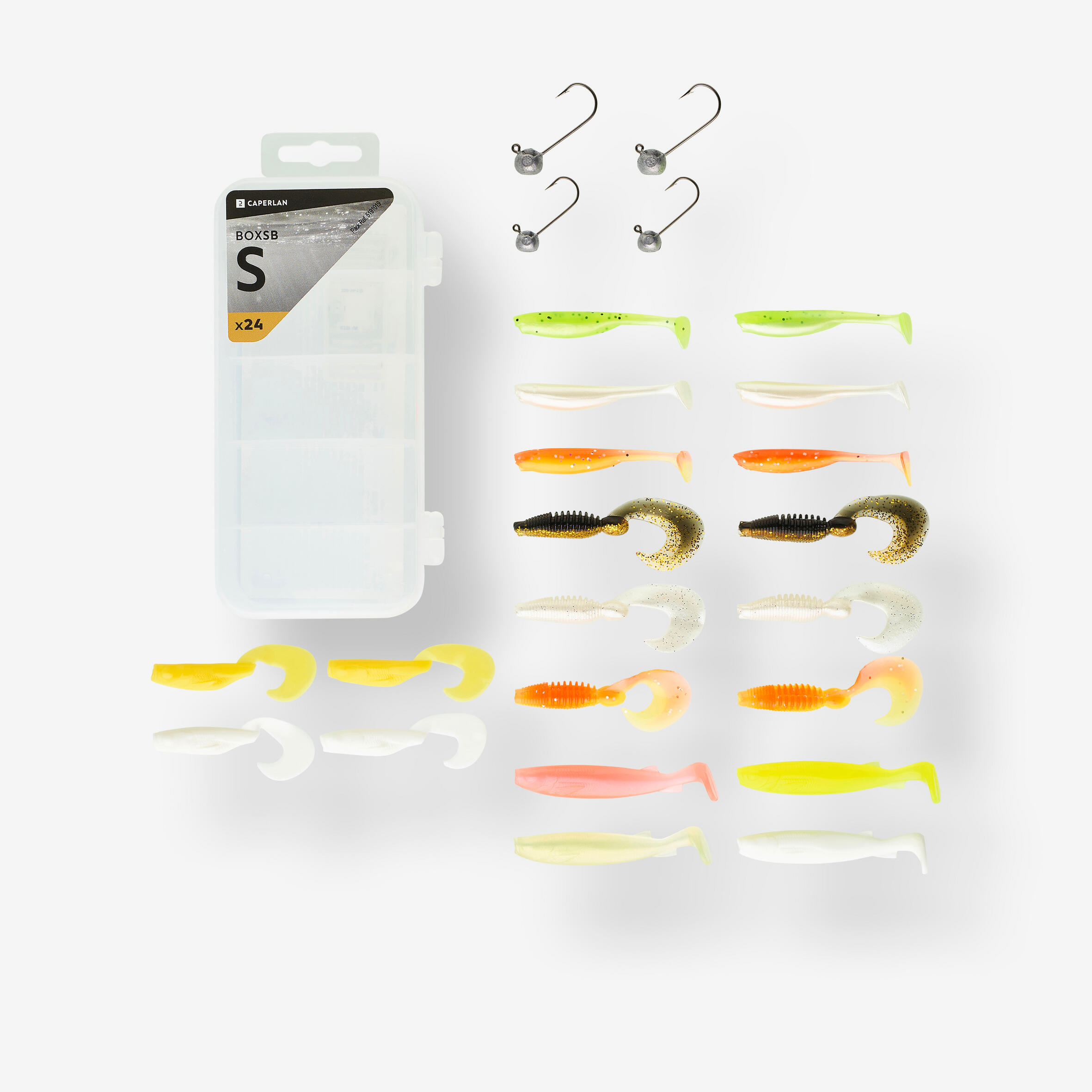
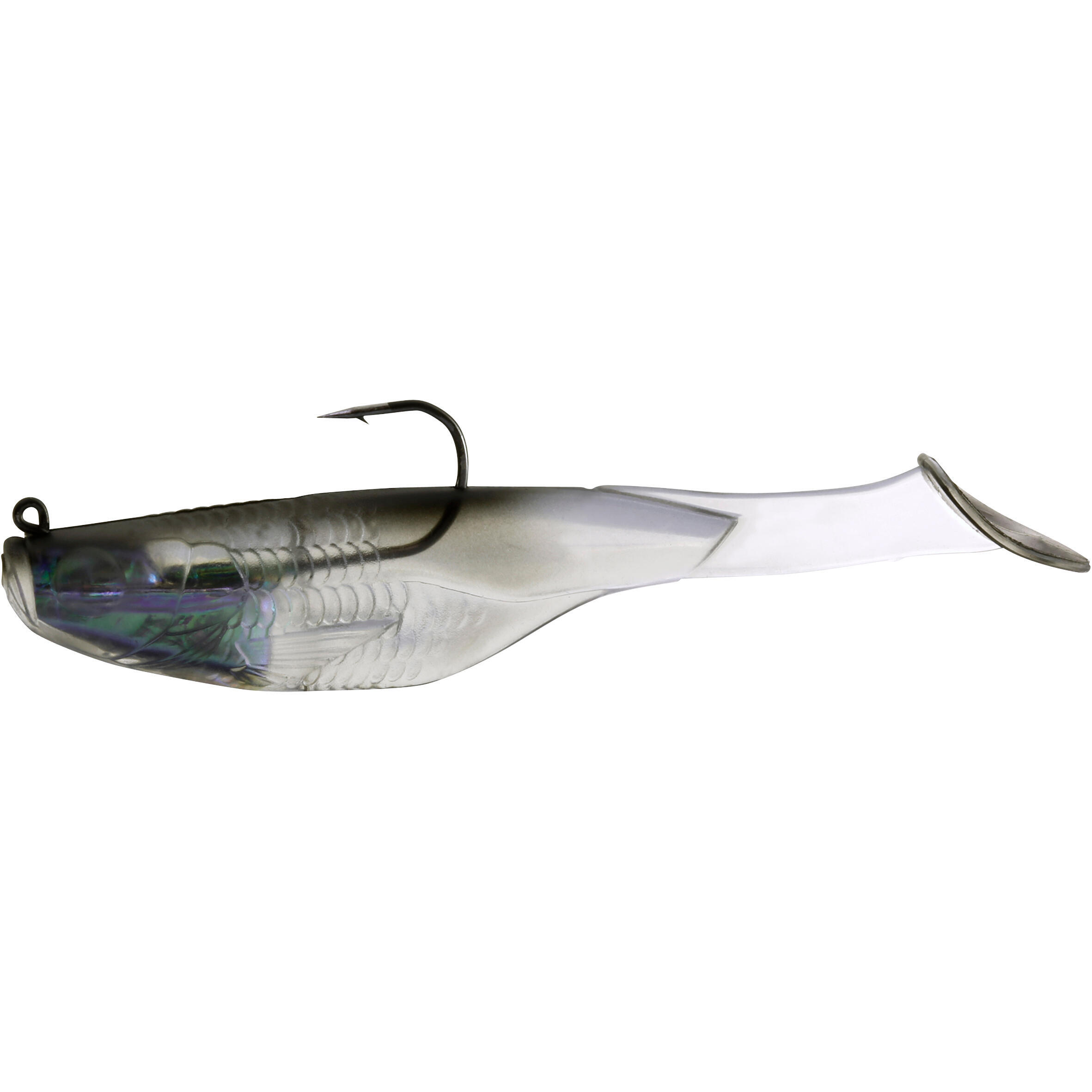
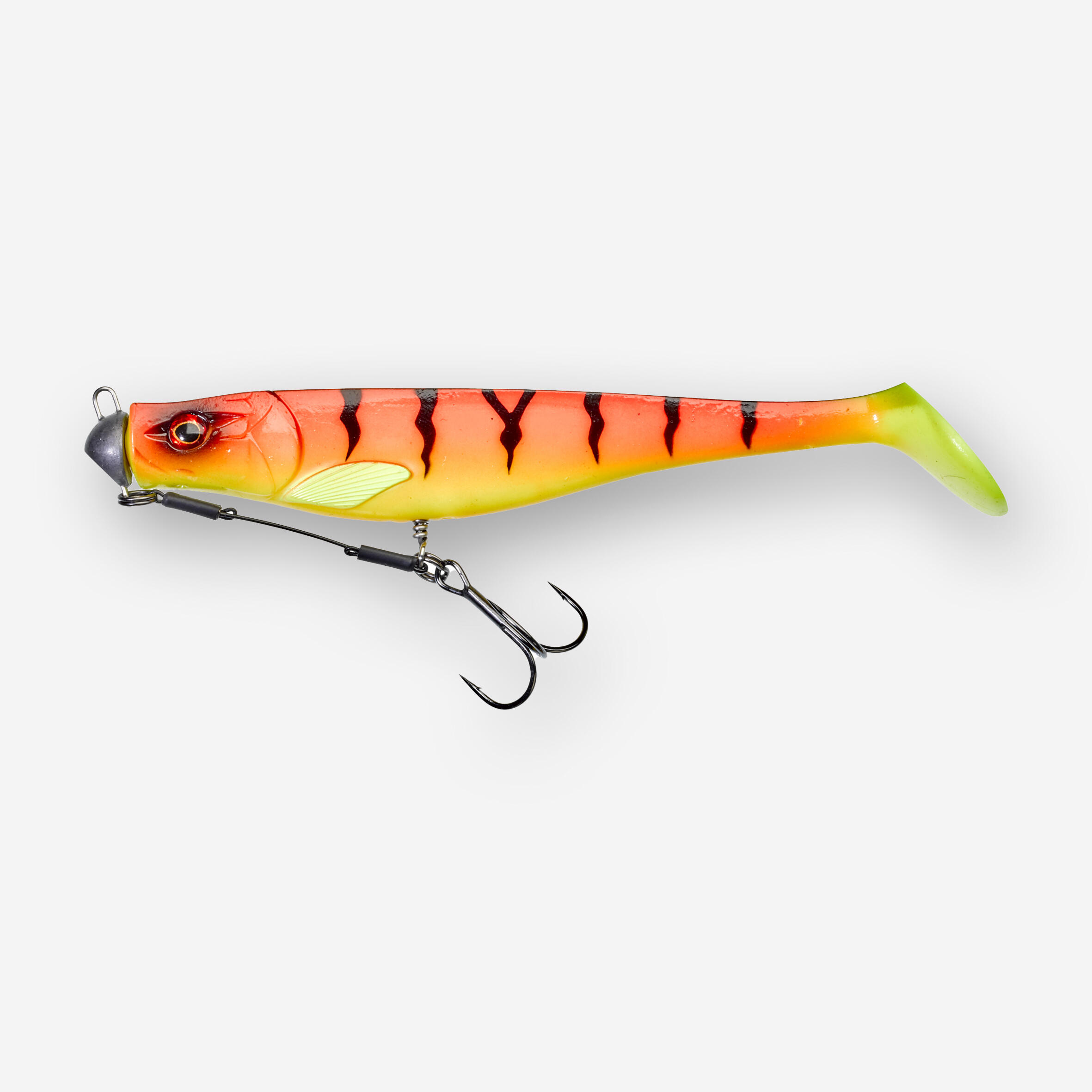
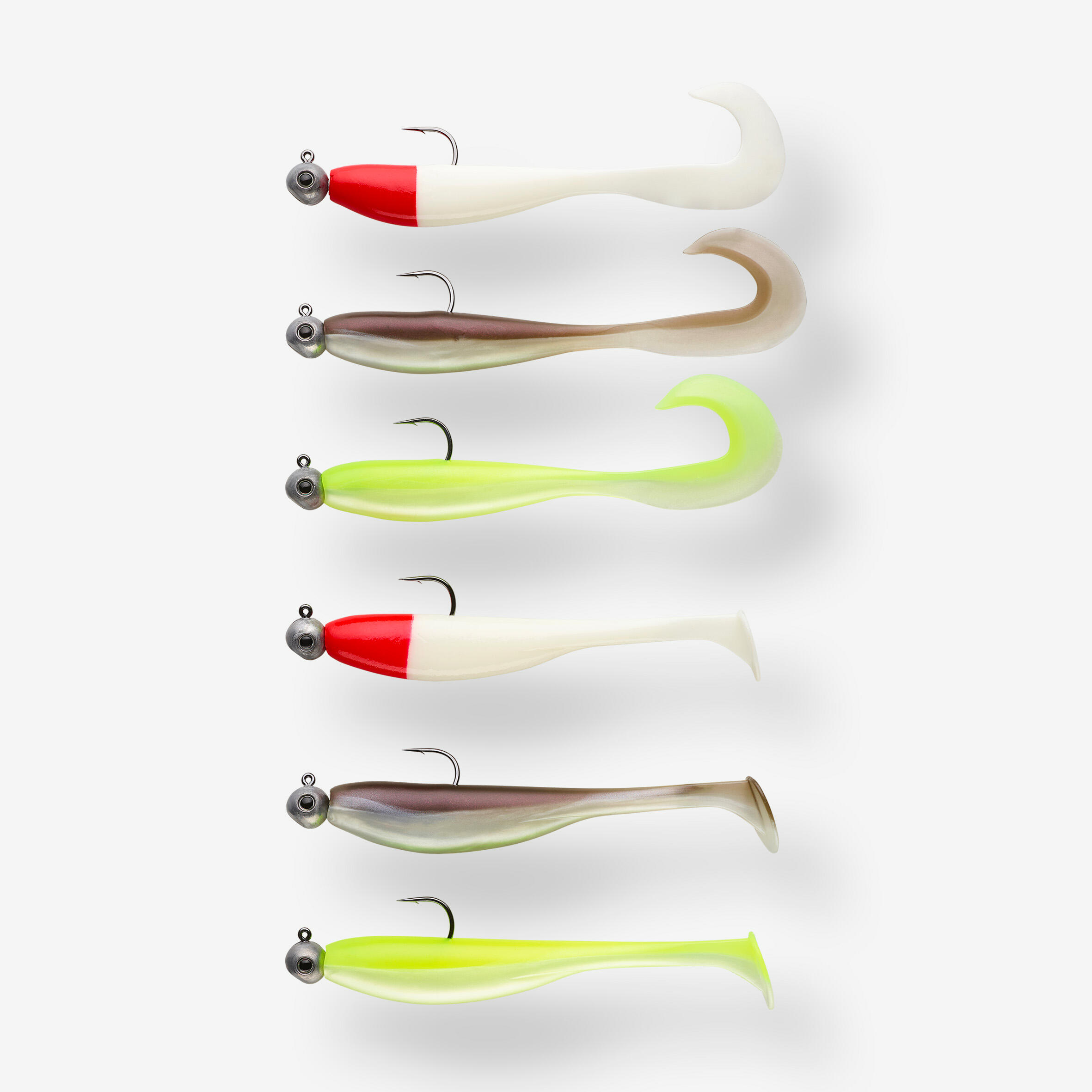
Change depth, speed and lure profile before repeatedly changing colour. A shad can provide a strong tail movement during a linear retrieve, while a grub gives a different silhouette and tail action. Ready-rigged RTC models reduce setup work because the hook and weight already form part of the lure, while species-focused boxes combine several bodies and matched jig heads for changing conditions. The wider lure fishing category also lets you combine soft lures with suitable rods, reels, leaders and terminal tackle. Keep the lure within the rod's casting rating and adjust jig-head weight when you need to fish deeper or cope with stronger current.

How do you store soft lures after predator fishing?

Keep soft lures separated and follow the storage advice for their material because some formulations react differently to heat, light or metal components. Caperlan advises keeping Yubari lures in their original pouch away from light and heat. Because the material contains salt, remove the jig head before longer periods of storage to reduce the risk of damage to the metal. Dry other rigged soft lures and hooks before putting them away, and inspect bodies for tears around the hook entry point. Organise replacements with the rest of your predator fishing tackle so damaged bodies can be changed without rebuilding the entire setup at the water.