9 items
4.7/5 based on 234 reviews collected online and in stores

Boat Fishing Weights FAQs

How does sinker shape affect boat fishing?

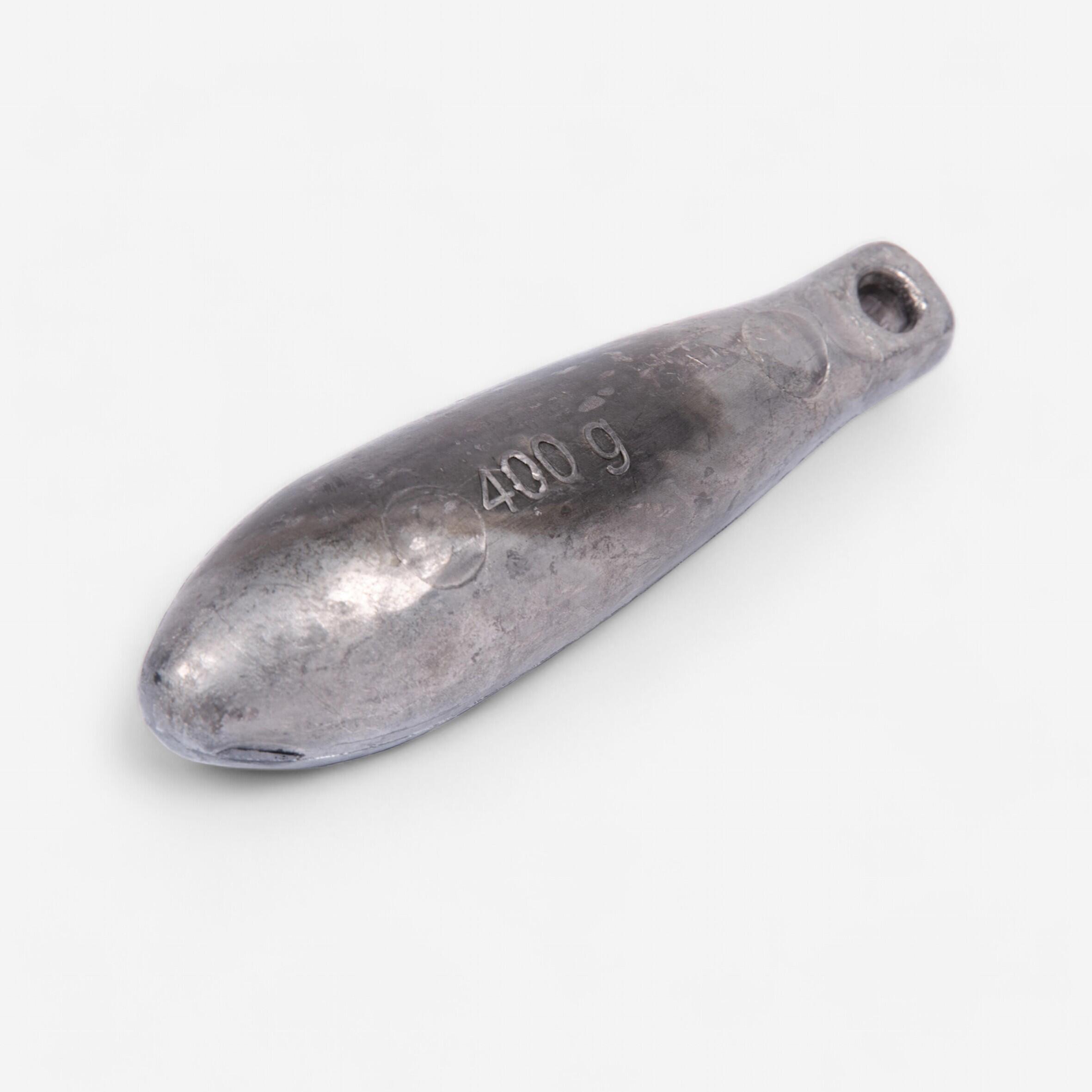
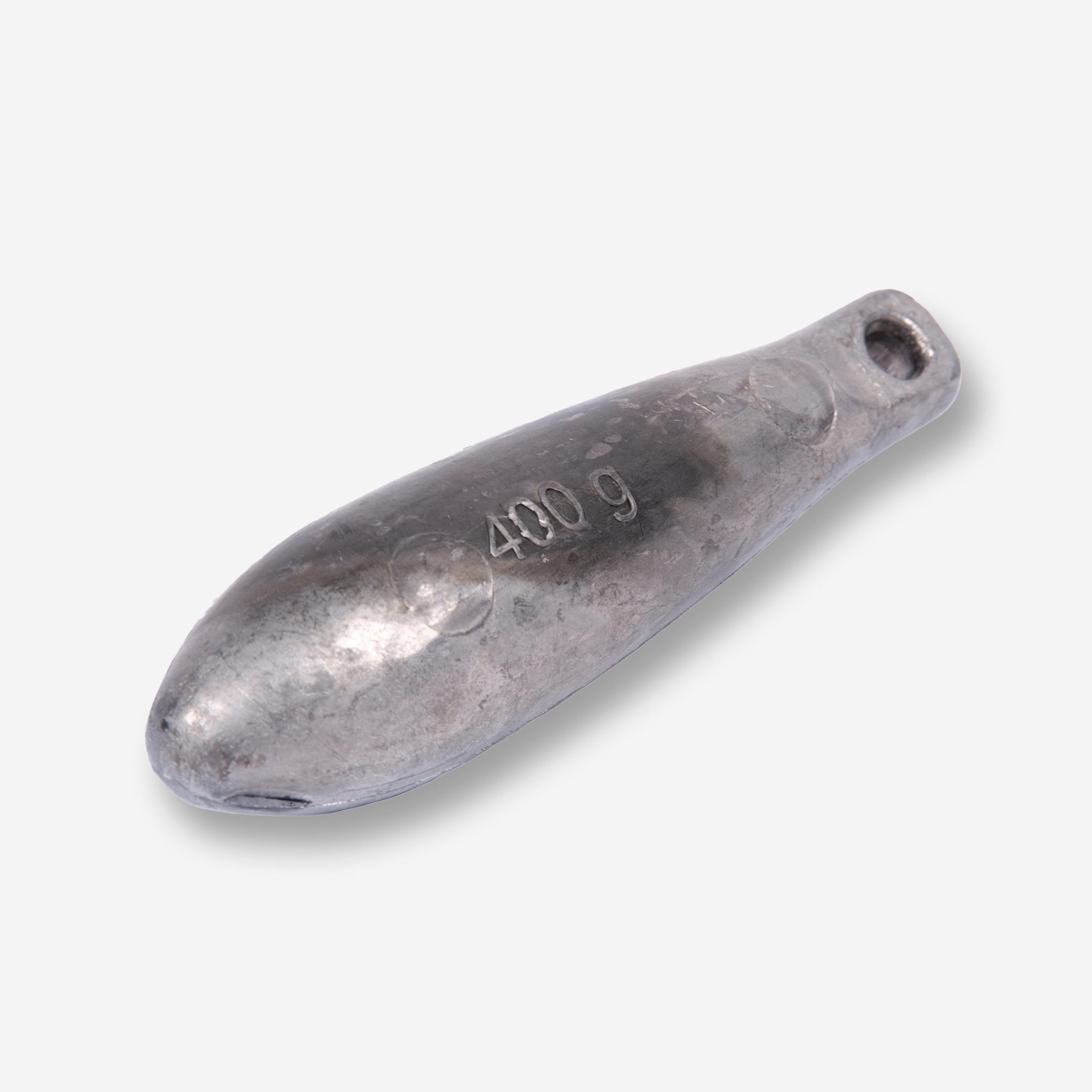
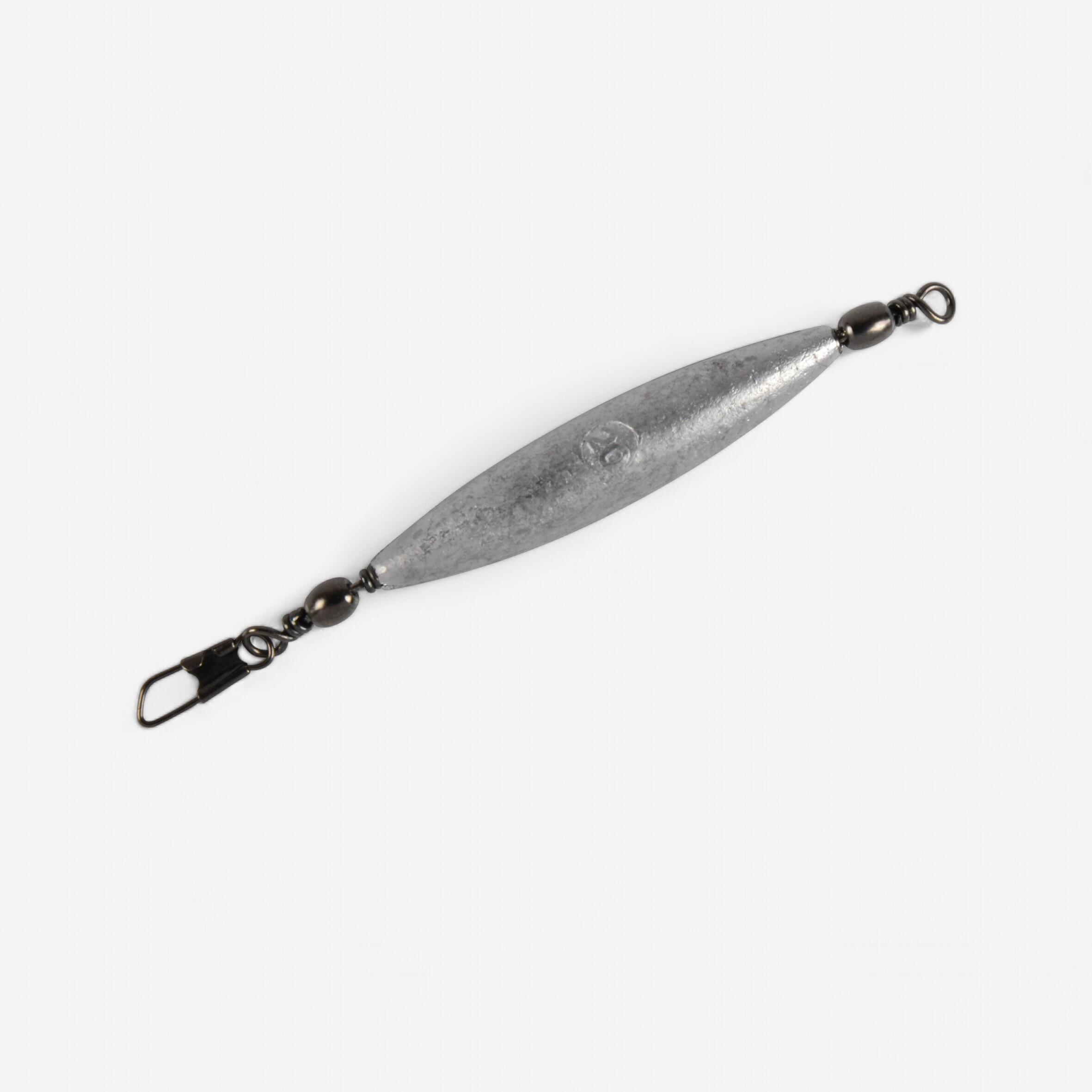
The shape of a sinker changes how it moves through the water and behaves once your rig reaches the required depth. Long profiles can help a rig remain controlled in stronger current, while streamlined olive shapes move more smoothly through midwater. The boat fishing long swivel sinker uses a streamlined profile and integrated swivel connection for fishing beneath a boat. Pear-shaped weights offer another option when bottom stability matters. Think about current, depth and how you want the rig to move before selecting the weight. A heavier sinker can reach depth faster, but shape remains important because two weights of similar mass can behave differently underwater.

When can a long sinker help in stronger currents?

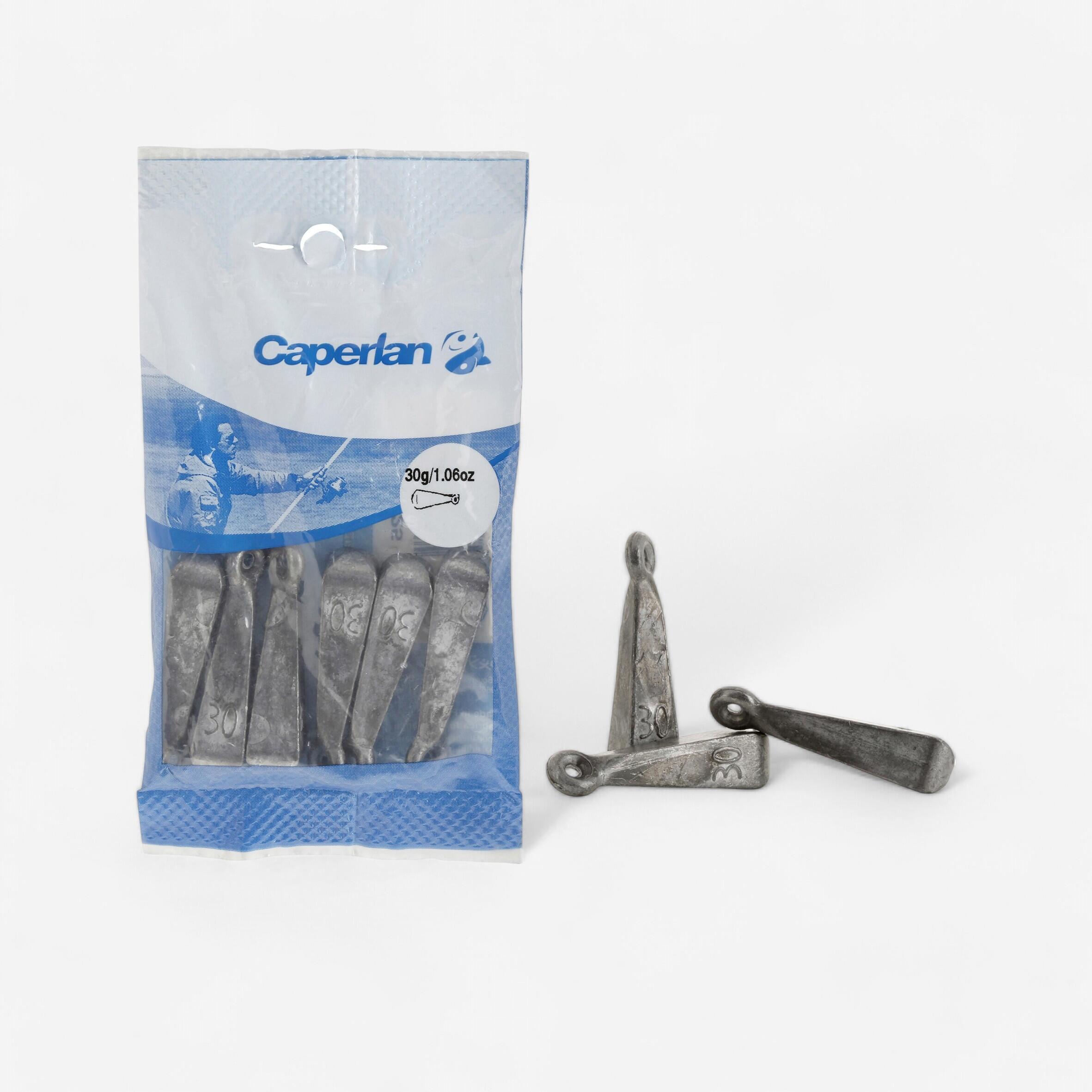
Moving water can push a vertical rig away from the fishing area, particularly when you are working deeper water from a boat. A long profile helps keep the weight controlled as it drops and can reduce unwanted movement compared with a broader shape. Caperlan's boat fishing long mackerel sinkers suit vertical sea fishing where depth and current call for a more stable weight. Match the sinker to the rod's casting or working weight and increase mass only when conditions require it. Keeping unnecessary weight out of the rig can make bites easier to recognise and reduce the load you repeatedly lift from deeper water.

What does a pear-shaped sinker add to a sea fishing rig?

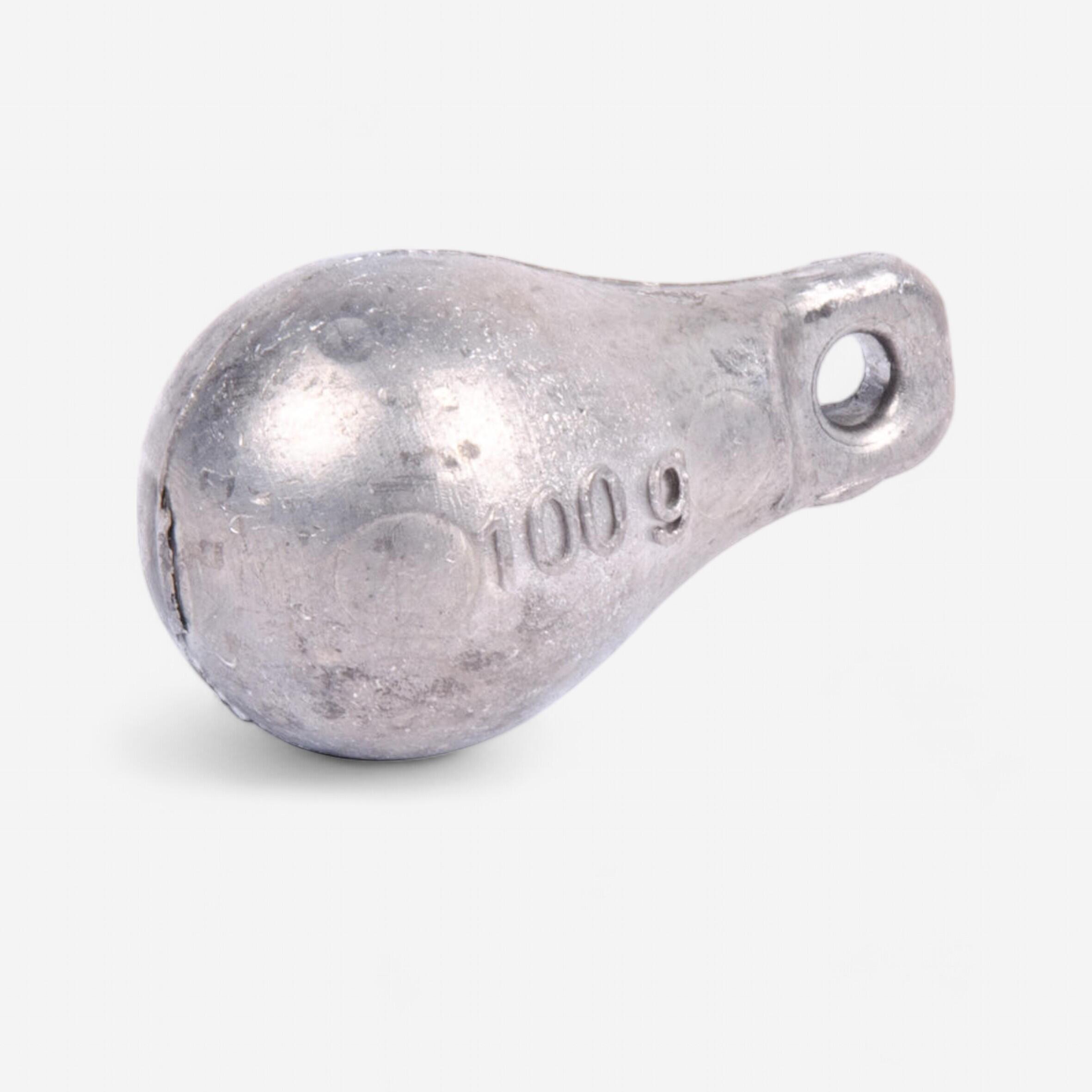
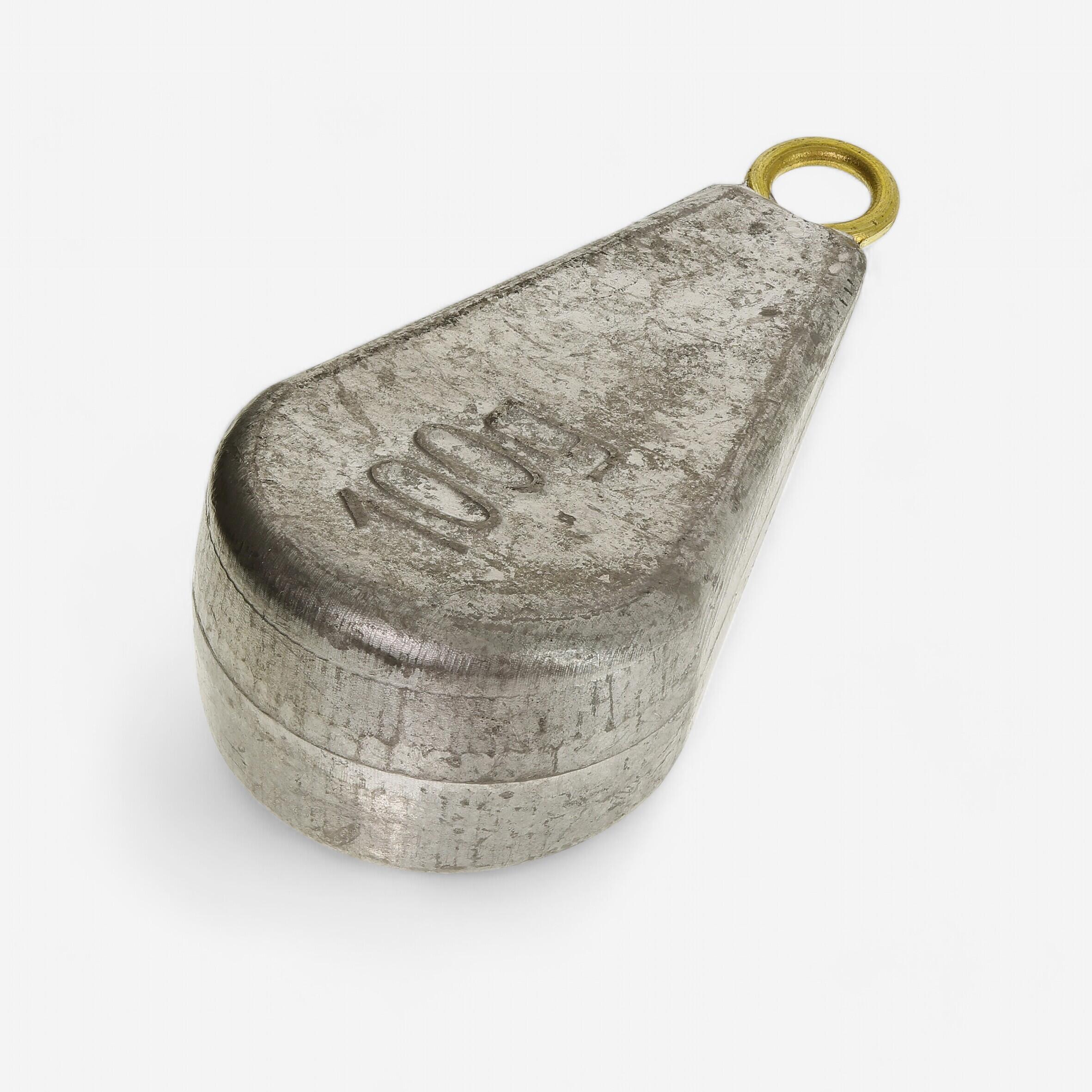
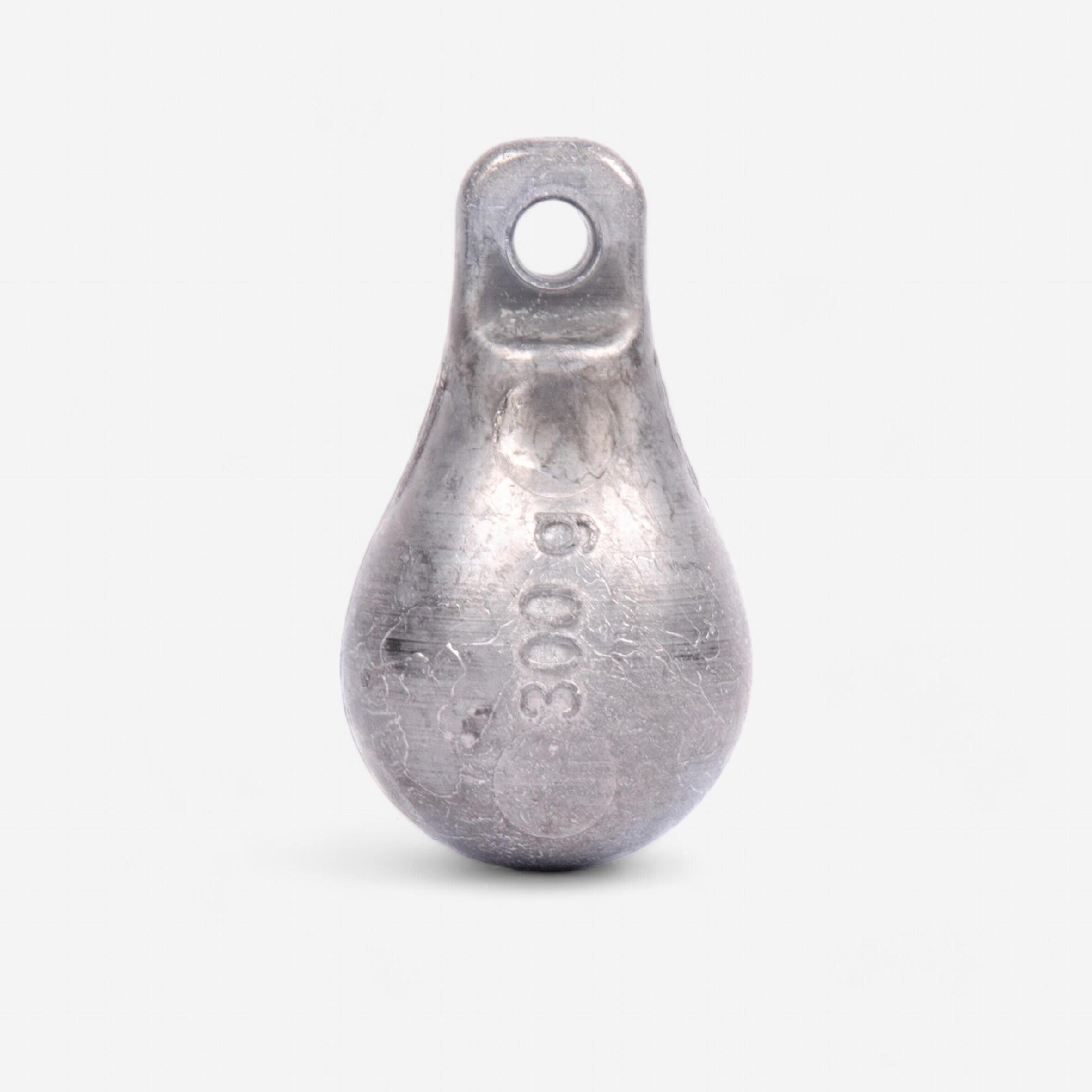
A pear-shaped profile combines a compact body with useful stability once the rig reaches the seabed. Caperlan's boat fishing pera sinkers can work for vertical boat fishing as well as shore ledgering, giving you flexibility across different sea-fishing techniques. Selected versions use a brass eyelet that creates a straightforward point for attaching the terminal connection or swivel. Other pear-shaped mackerel weights can create a cloudy sandy trail when retrieved slowly, adding movement around the rig. Before dropping the rig, consider whether you need quick sinking, bottom stability or movement during retrieval, as these requirements can point towards different sinker shapes.

How do you select the right sinker weight for boat fishing?

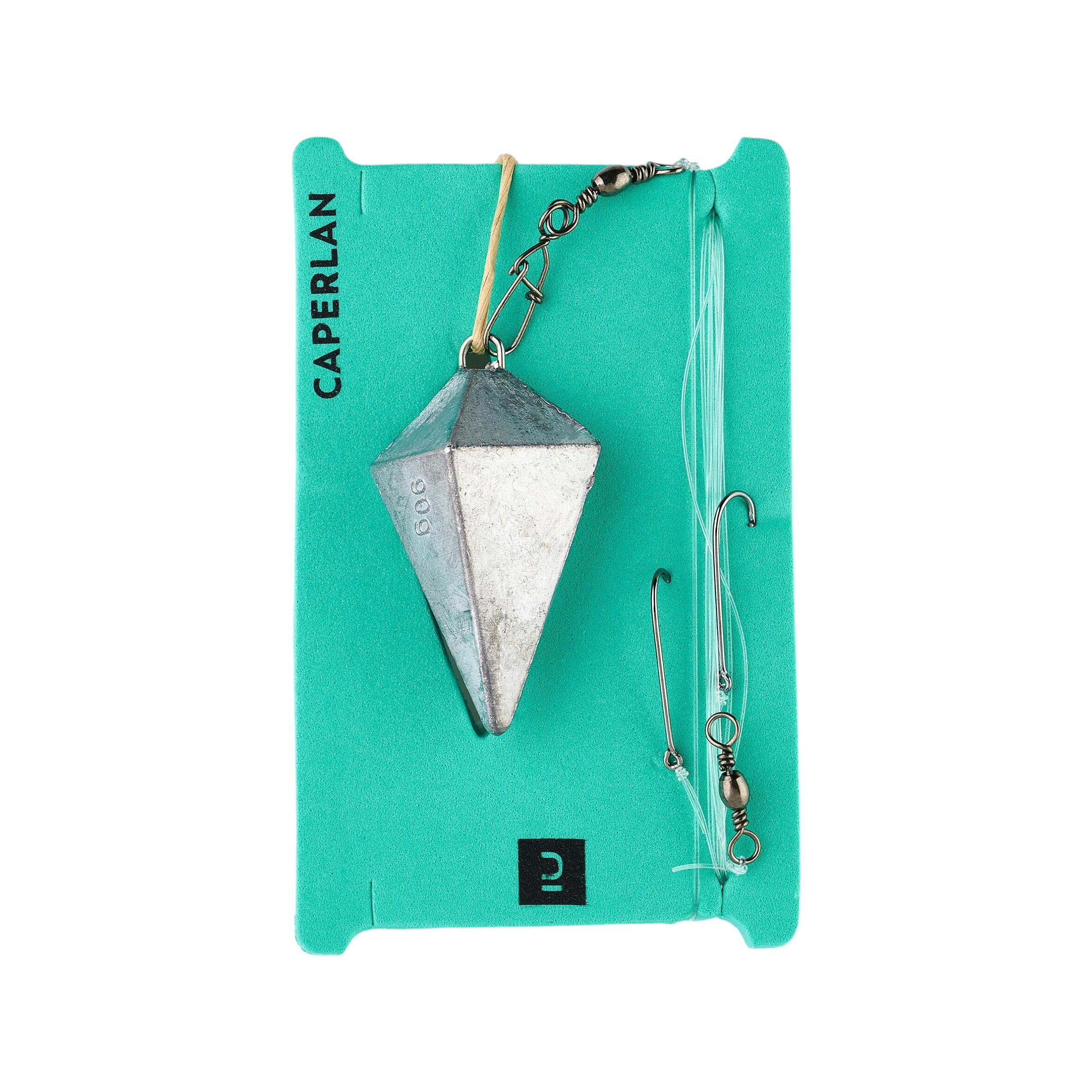
Start with the depth and strength of the current because both affect how easily your rig stays near the intended fishing area. Light weights can work in calmer or shallower water, while deeper water and stronger movement can call for more mass. The current boat fishing equipment includes typical rigs for vertical fishing and other methods, so match the sinker to your rod, line and terminal rig rather than selecting it separately. Caperlan sinkers are available in multiple weights, and the manufacturing process can produce a stated tolerance of approximately -5% to +10%. Treat the marked weight as a practical reference and focus on how the complete rig behaves once it enters the water.

How do you handle and store lead fishing weights safely?

Caperlan's boat weights use lead, so basic handling matters before and after a fishing session. Wash your hands after handling the sinkers, particularly before eating or handling food. Inspect the attachment eye or swivel for visible damage and remove a weight from your tackle if the connection no longer looks secure. Dry used weights before putting them back into a closed tackle box and organise different sizes separately so you can select them without repeatedly handling every sinker you carry. When preparing other saltwater fishing tackle, keep weights secured so they cannot move freely around the bag and damage lighter rigs, lines or accessories during transport.