13 items
4.7/5 based on 211 reviews collected online and in stores

Trolling Fishing FAQs

How does trolling line help you manage a standard arrangement behind the boat?

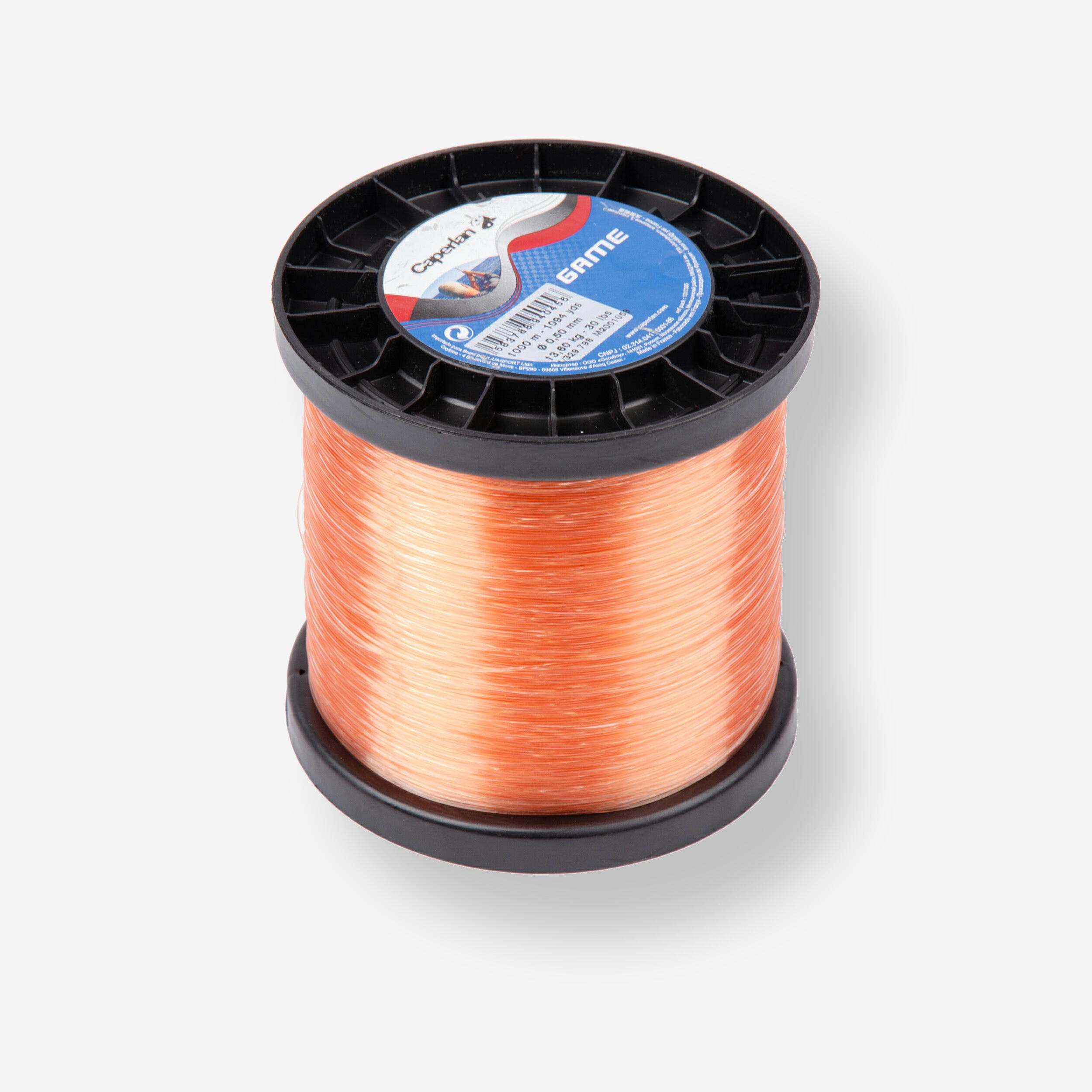
When several lines sit behind a moving boat, visibility can help you keep track of their position and reduce confusion between setups. Caperlan's trolling lines use a natural coral colour that remains easy for you to see while staying discreet to fish. The 1000 m line also combines linear and knot resistance, with stated strengths of 13.6 kg for 50/100 and 36.3 kg for 80/100. Team Caperlan develops and tests this line in Cestas, Gironde, France. Match the diameter to your reel capacity, target species and terminal tackle rather than loading heavier lines simply because the spool can accommodate it.

What way does a trolling crankbait's swimming depth affect lure choice?

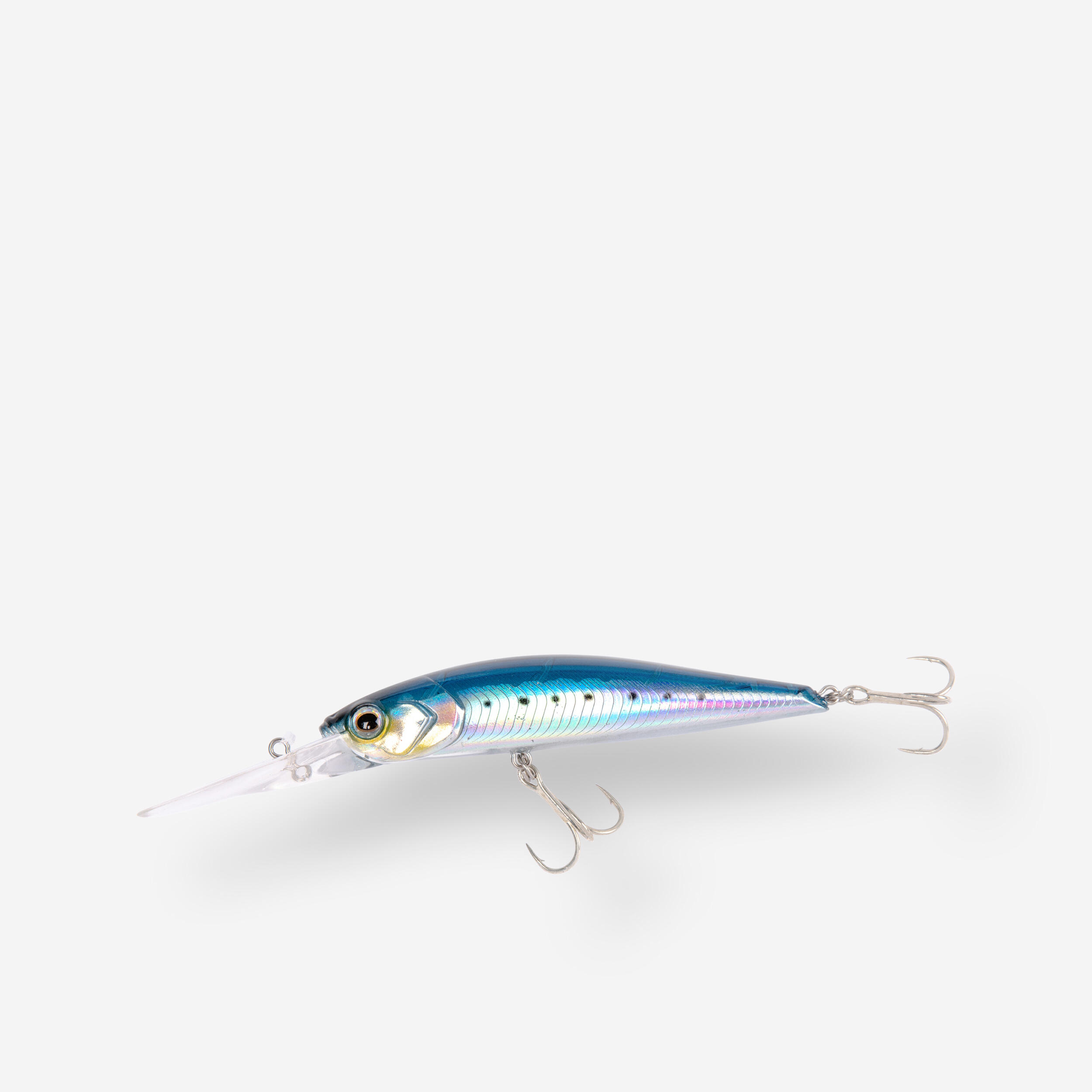
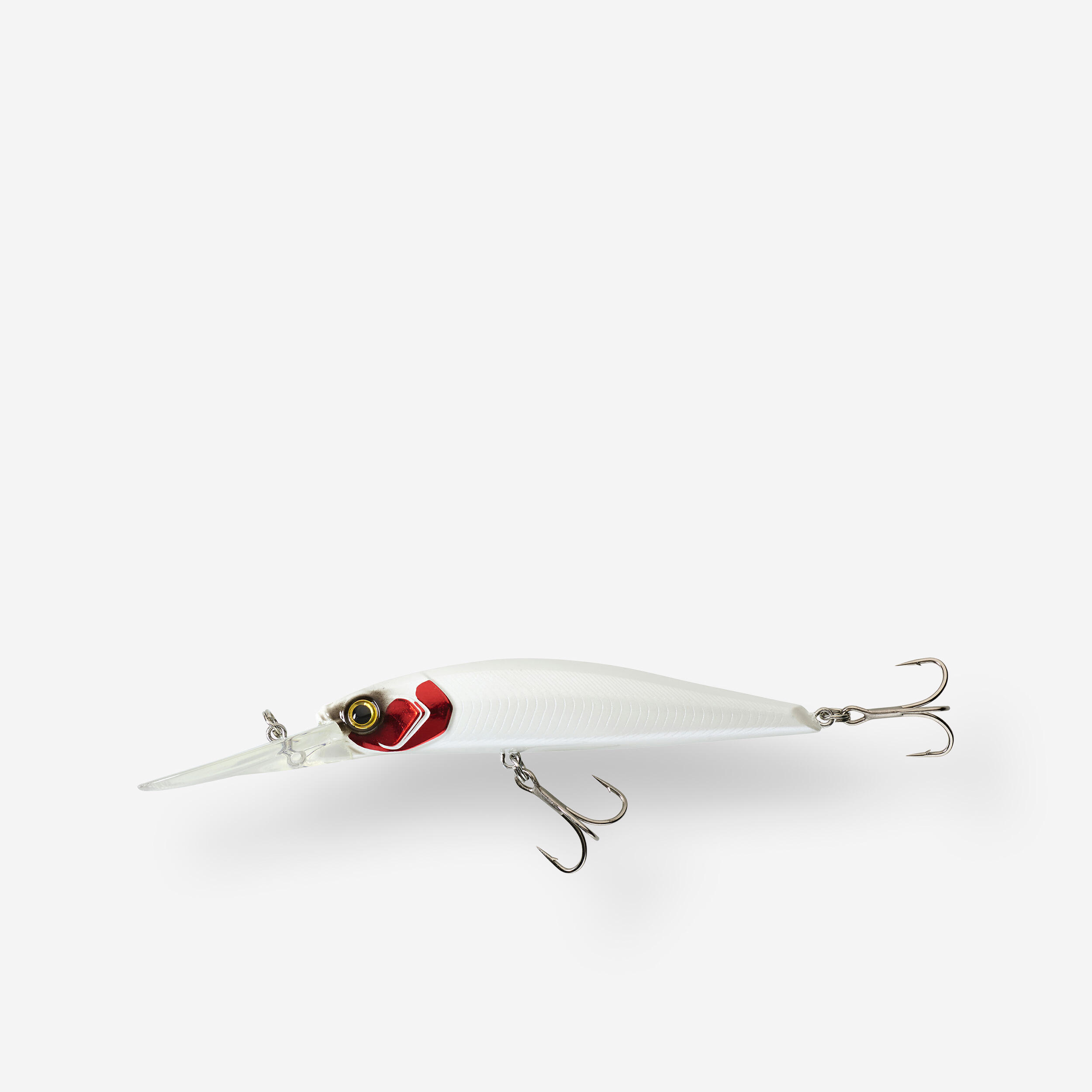
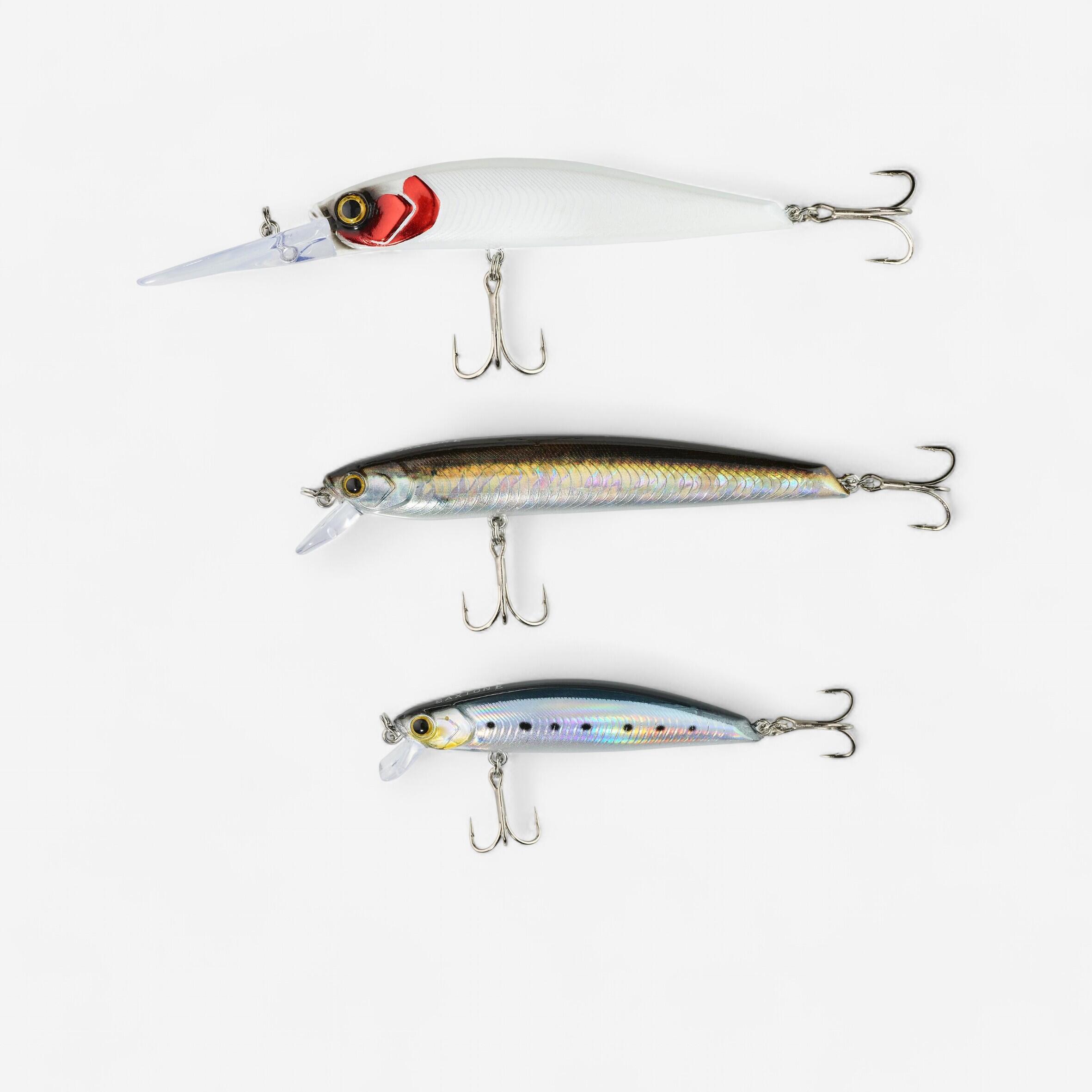
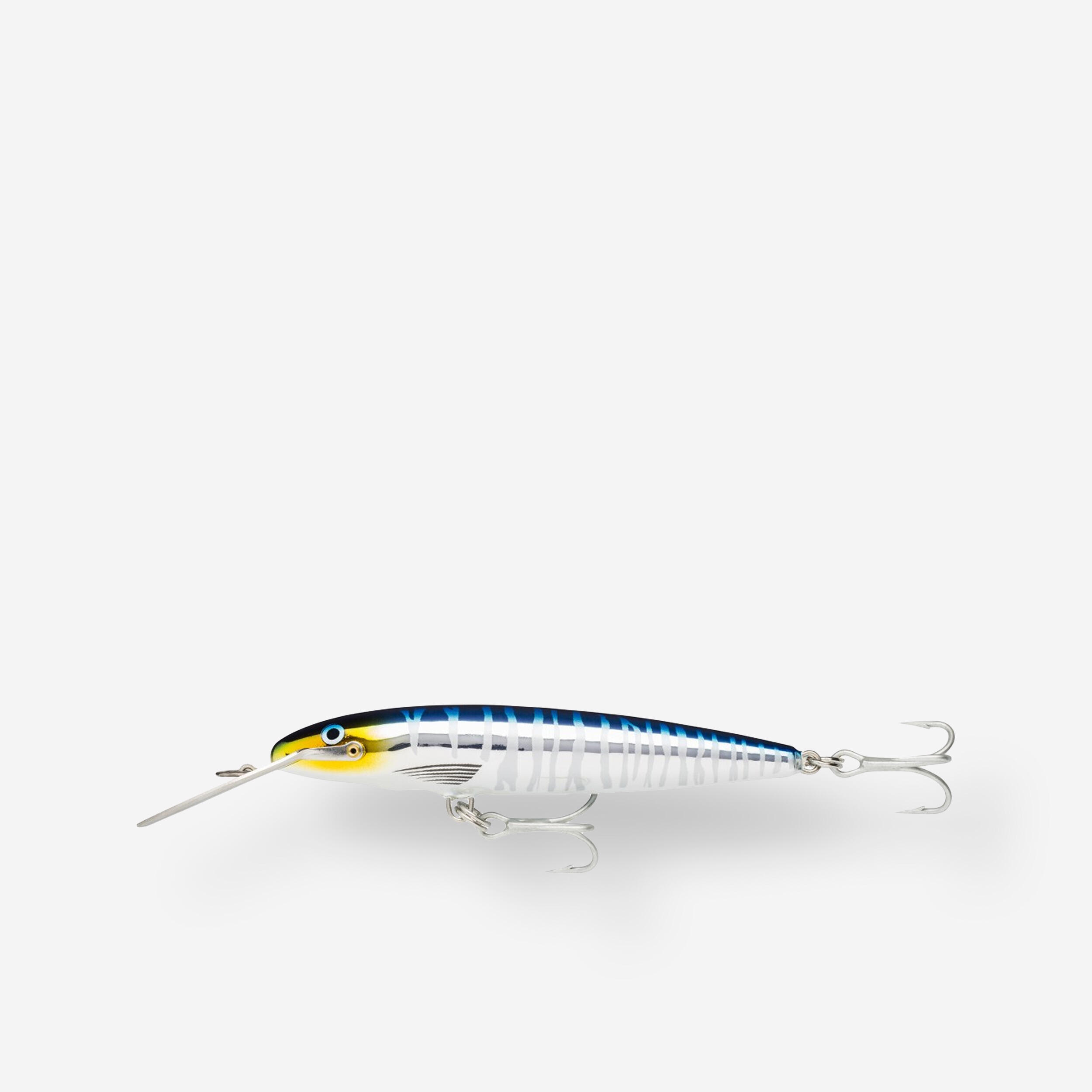
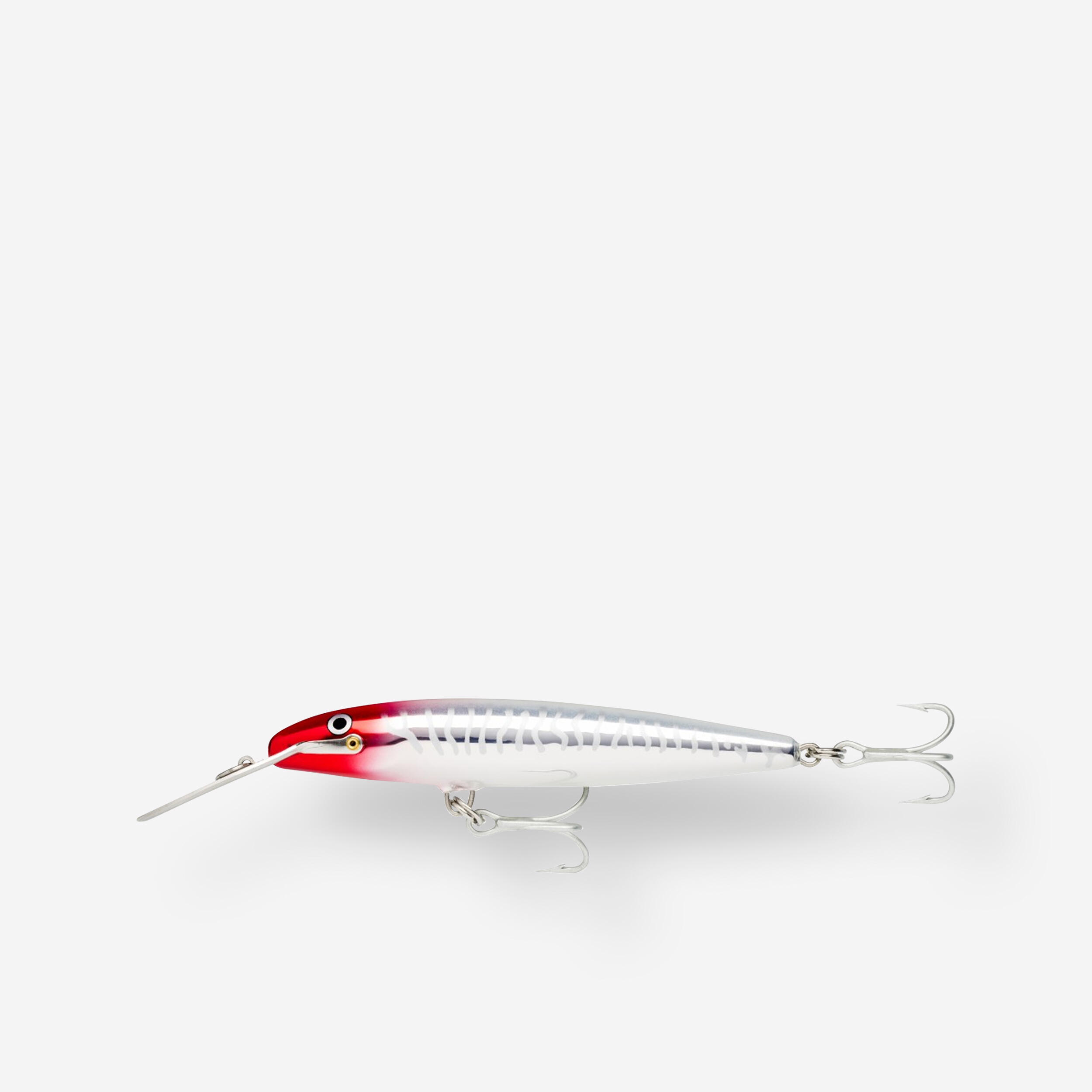
Swimming depth tells you where a lure works beneath the surface, so it helps you target fish holding at different levels without relying only on lure colour. A trolling crankbait such as the 11 cm CD Magnum runs to approximately 4.5 m and uses a jerkbait profile with two Perma Steel treble hooks. Other trolling lures can work much closer to the surface, so consider water depth and where fish are feeding before setting the lure behind the boat. Keep trolling speed consistent enough for the lure to maintain its intended action, and inspect hooks and attachment points before each trip.

What features make a rod practical for light trolling?

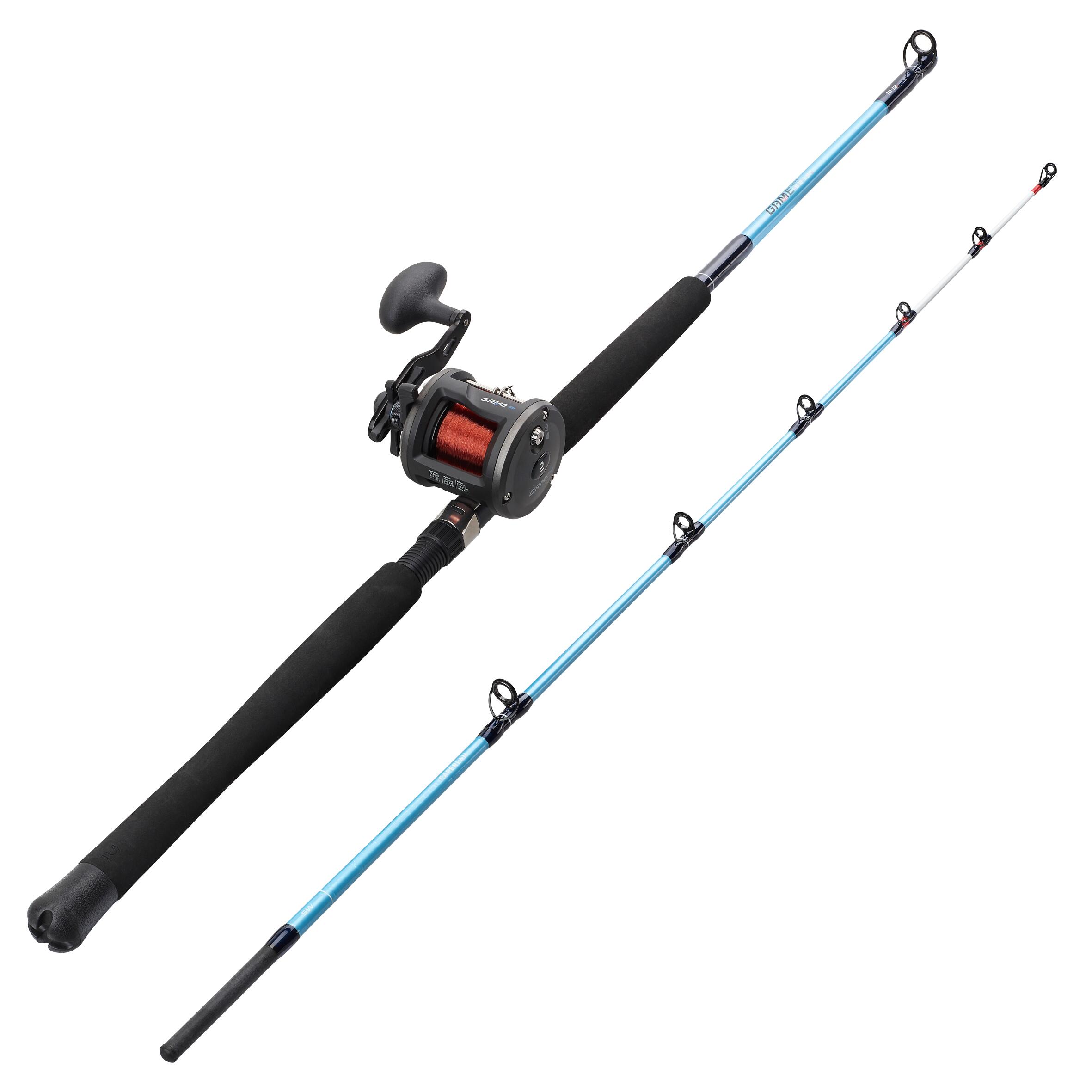
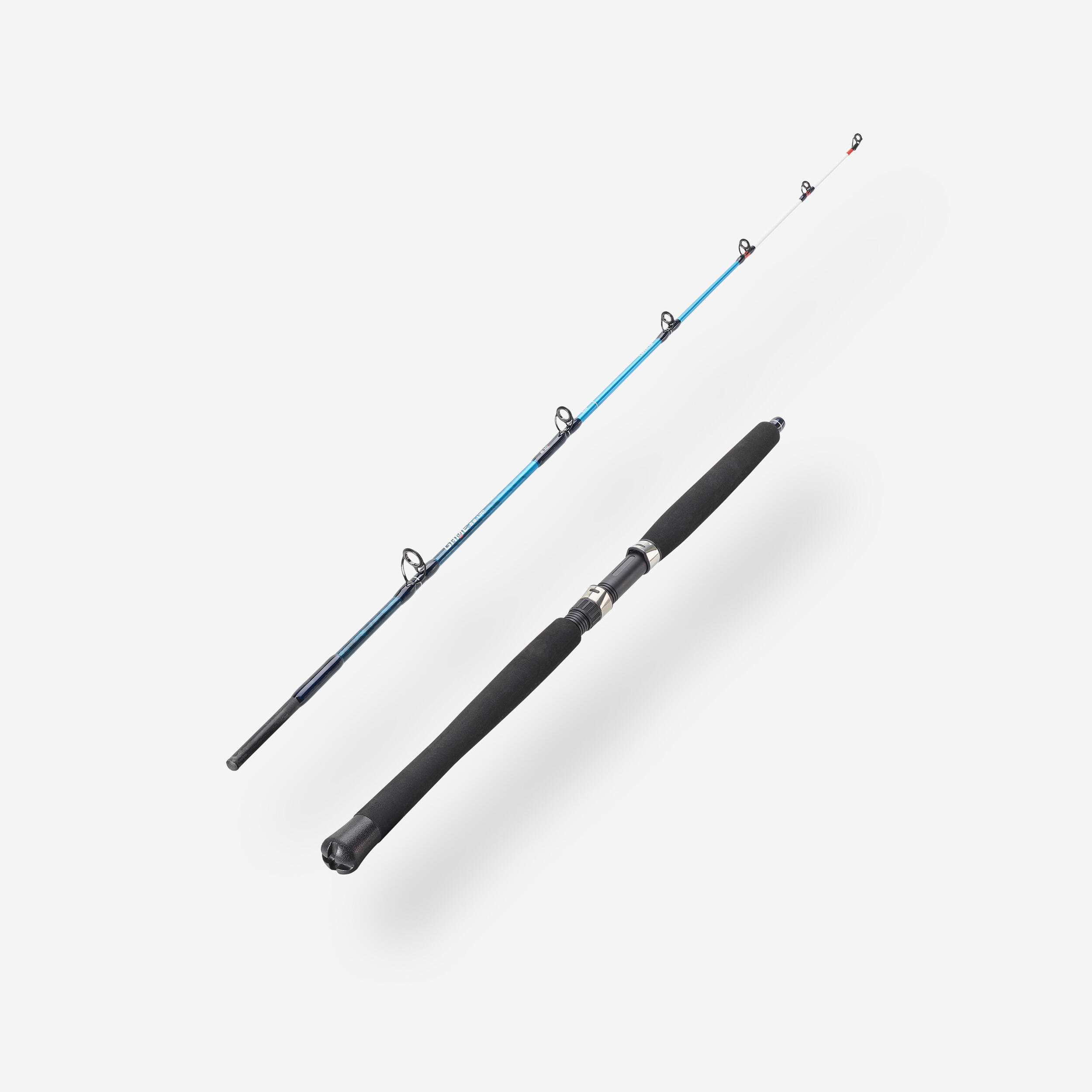
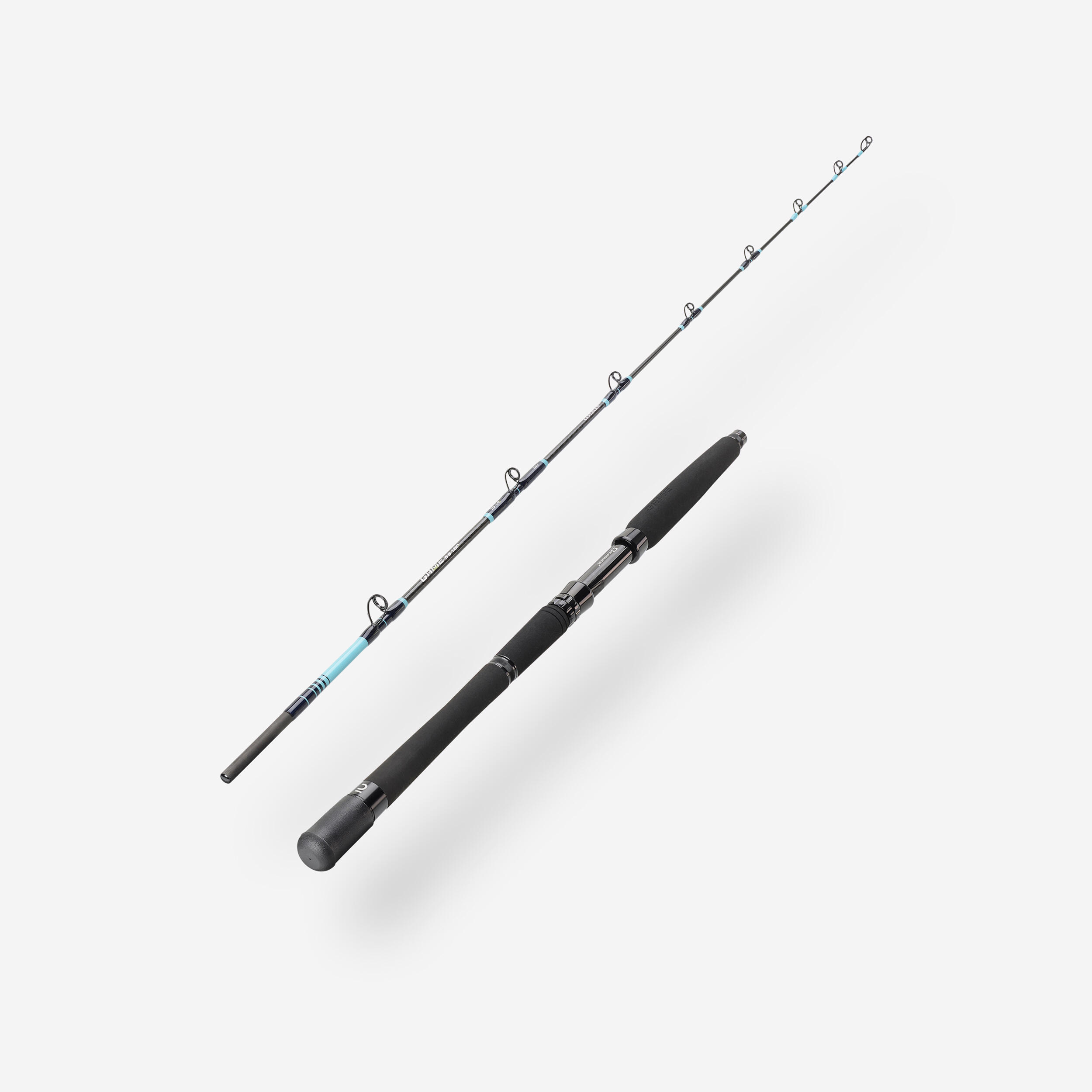
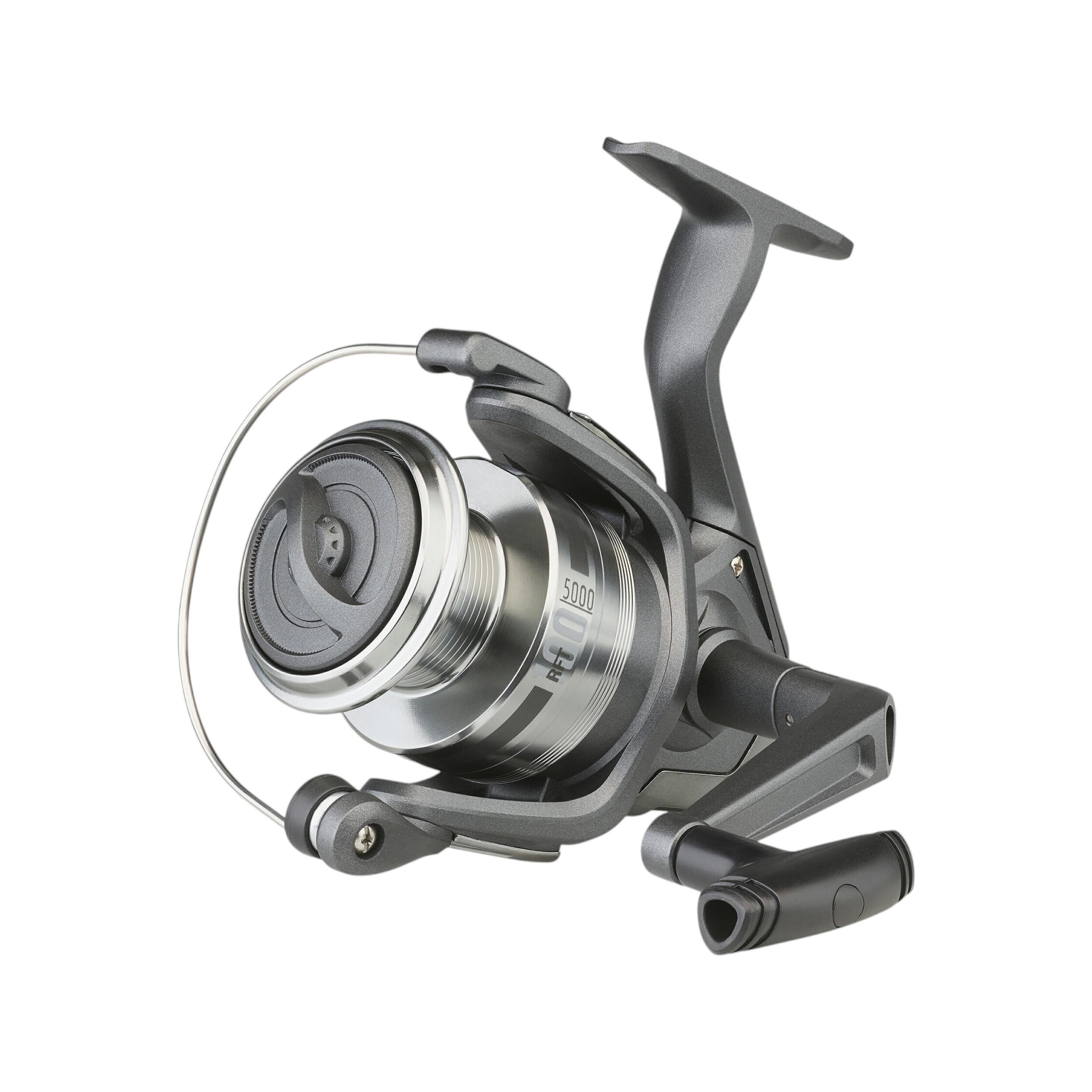
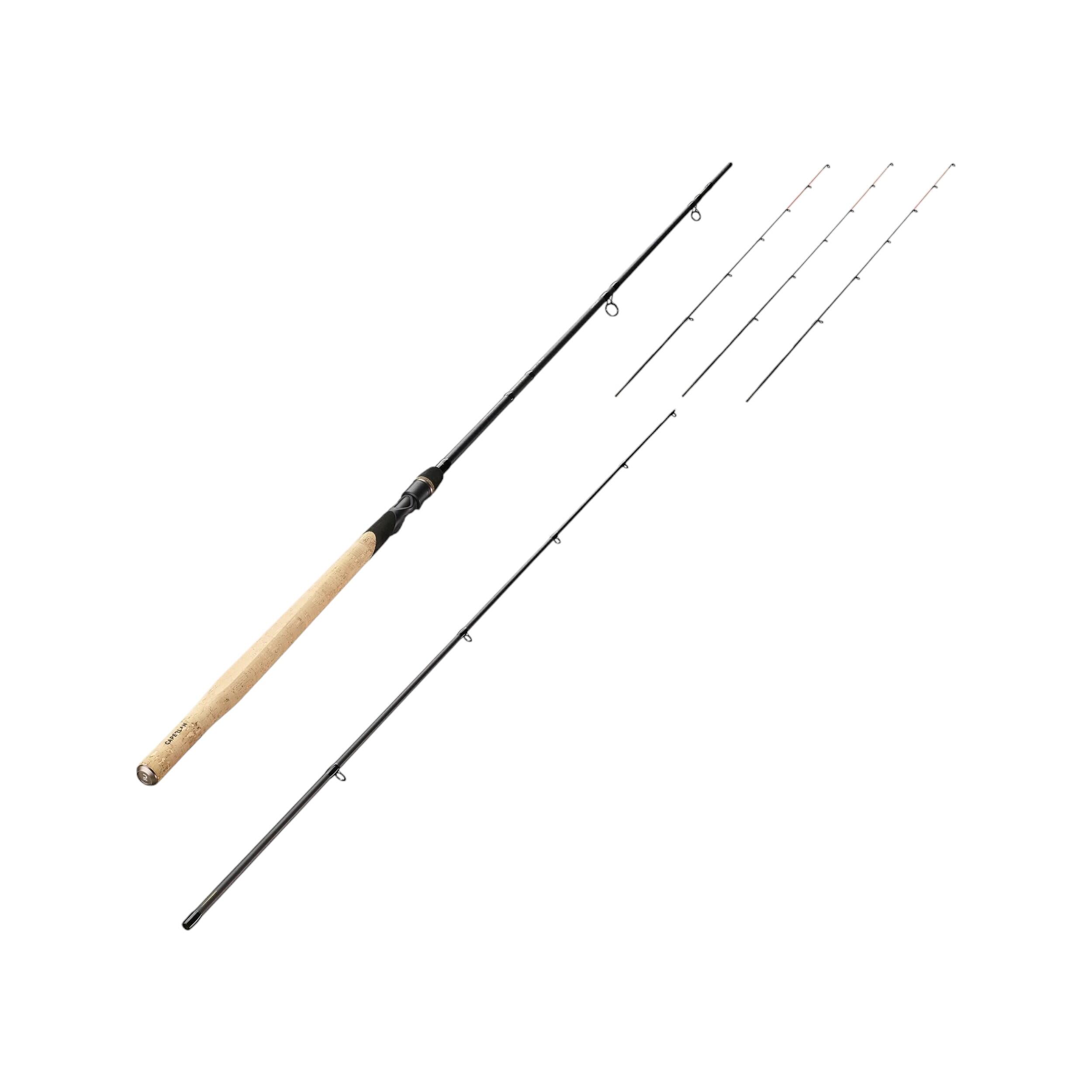
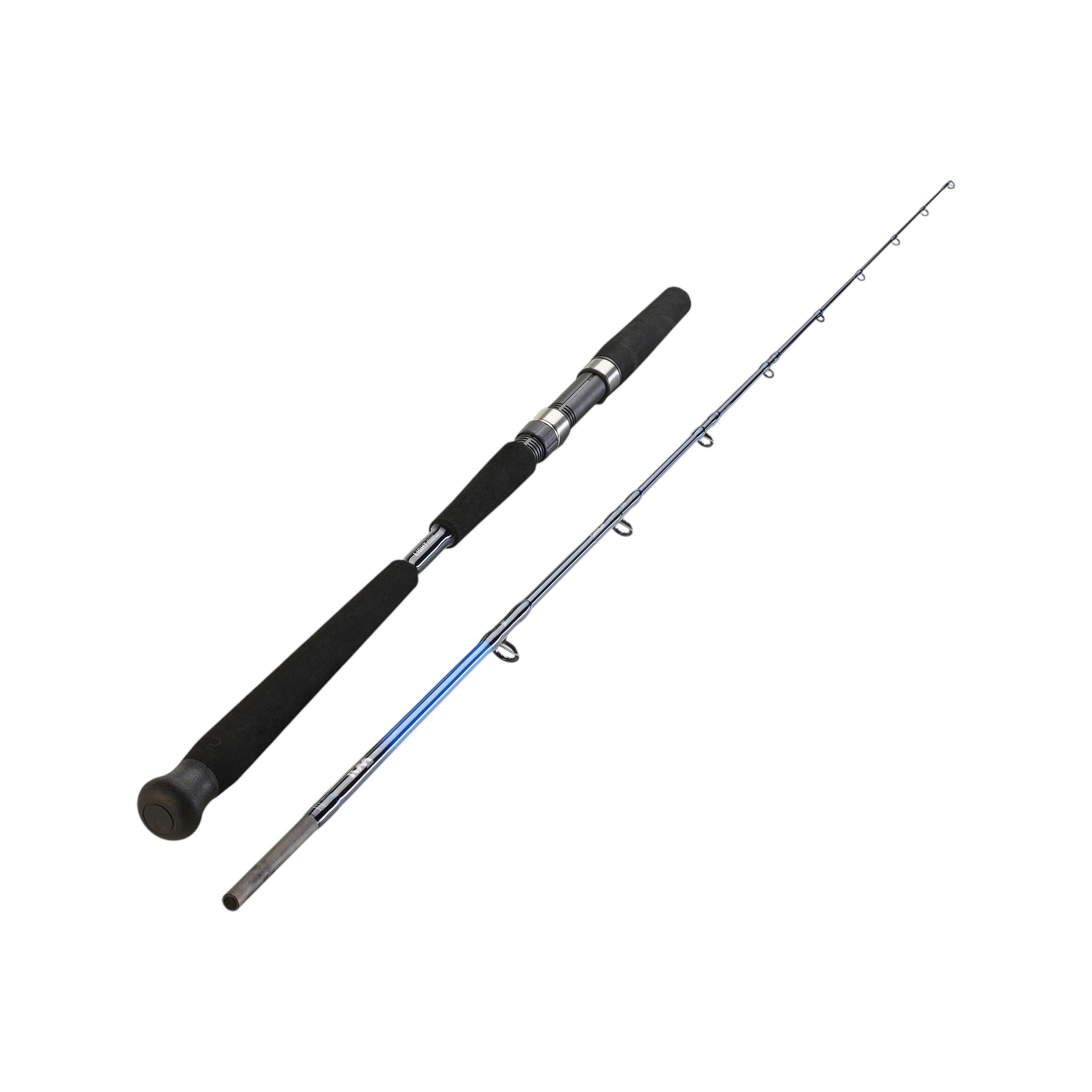
A trolling rod needs enough control for a lure working behind the boat while remaining manageable when a fish takes under steady line pressure. Caperlan's trolling rods include a 1.80 m GAME 500 with a fast semi-parabolic action and a glass-fibre and carbon-fibre blank. Its gimbal helps stop the rod from pivoting in a holder, while an EVA handle supports grip during the fight. SEAGUIDE-coated tri-leg guides add corrosion resistance for marine conditions. Caperlan recommends pairing this rod with a size 20 or 30 trolling reel and approximately 40/100 to 50/100 nylon.

How can you build a more manageable trolling system?

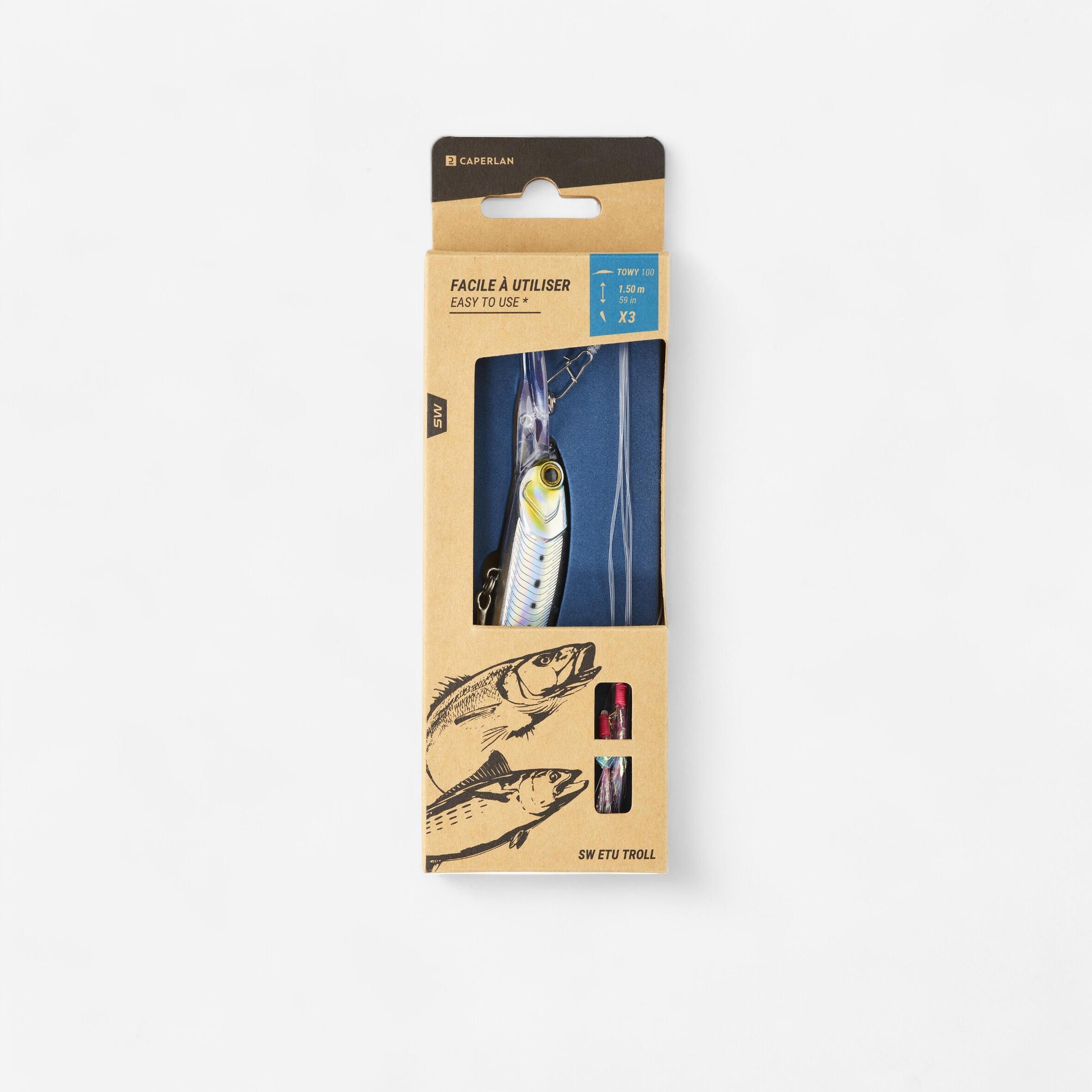
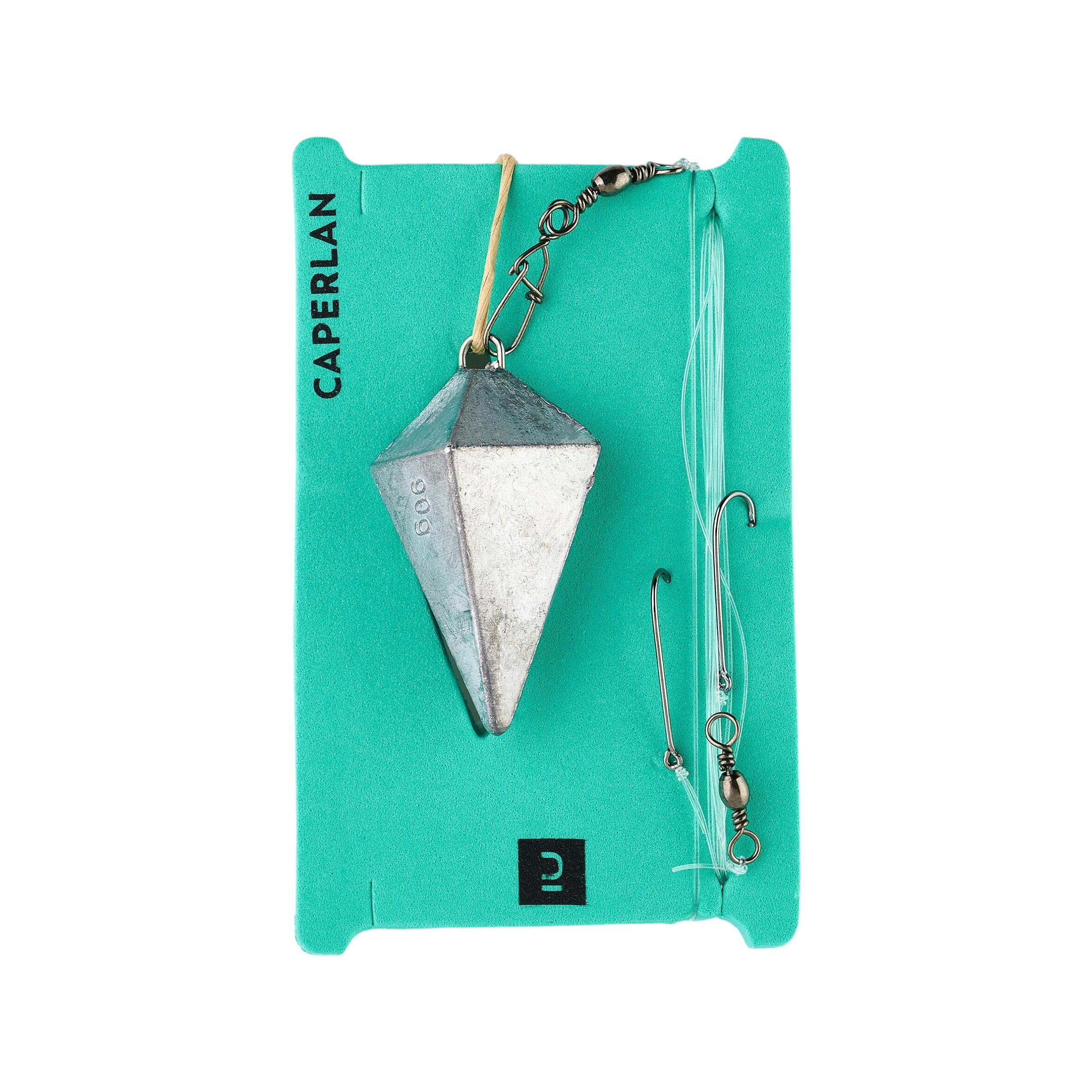
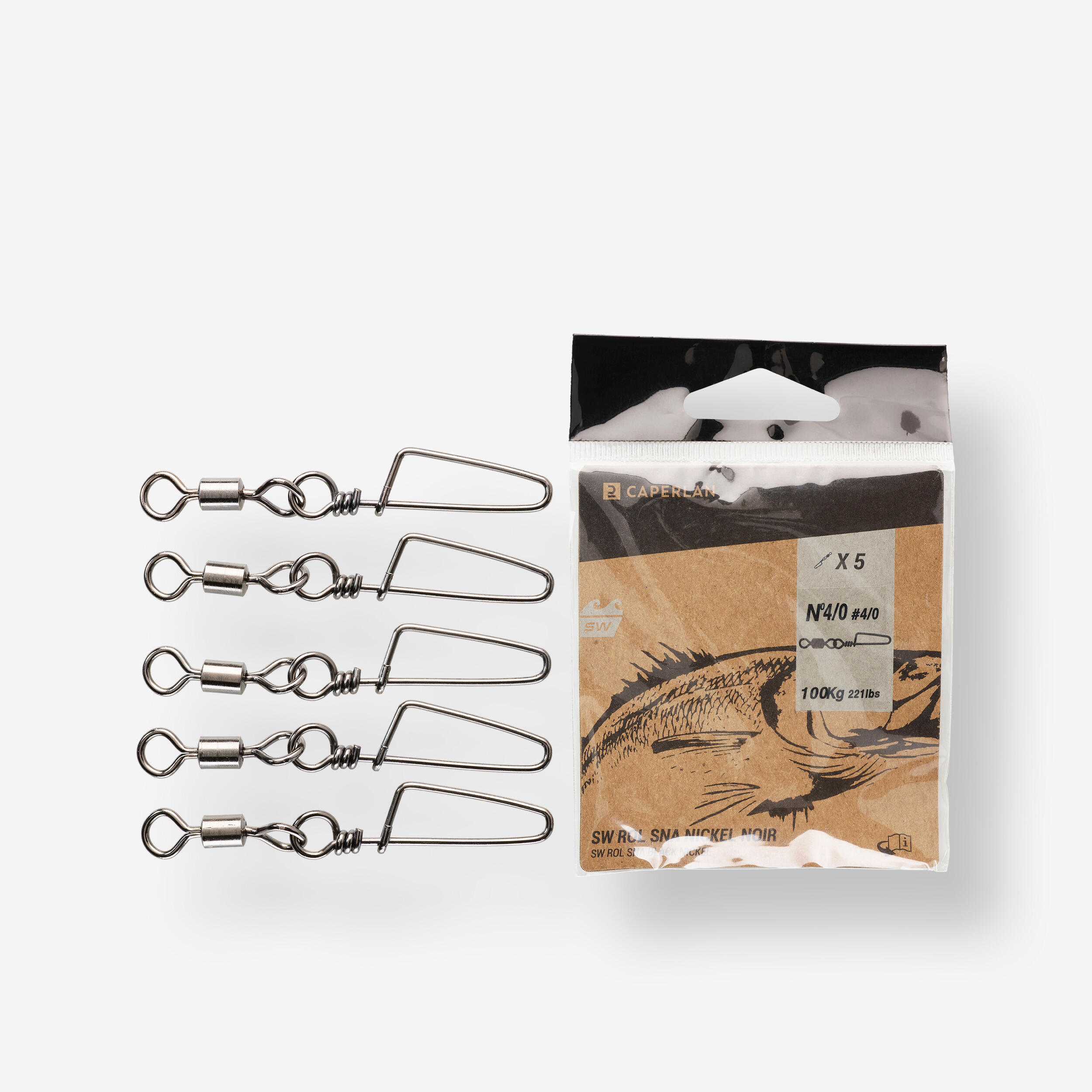
Start by matching the rod, reel and line before adding the lure and terminal connections. The line needs enough capacity and resistance for the fish you expect, while the rod needs to suit the lure size and pressure created as the boat moves. Rolling snap swivels can make lure changes quicker and help reduce line kinking as the terminal tackle moves in the water. Ready-to-fish rigs can also combine a hard lure and feather trail when you want fewer individual components to prepare. If your trip includes vertical fishing as well as trolling, organise the wider boat fishing tackle separately so lines and pre-rigged leaders stay easier to identify on board.

What routine helps maintain trolling tackle after saltwater fishing?

Salt can remain around swivels, hooks, rod guides and reel components after a day at sea, so deal with it before storing your equipment. Rinse suitable metal fittings with fresh water, dry them fully and check rolling swivels for smooth movement before using them again. Keep hard lures somewhere dry and well ventilated, and inspect treble hooks for rust, blunt points or damage. Rod guides and reel seats also benefit from a quick visual check after repeated spray exposure. Apply the same routine to other saltwater fishing tackle so corrosion, damaged connections or worn components do not remain unnoticed until your next session.