3 items
4.9/5 based on 33 reviews collected online and in stores

Rods and Combos Jig FAQs

What rod action works best for vertical jig fishing?

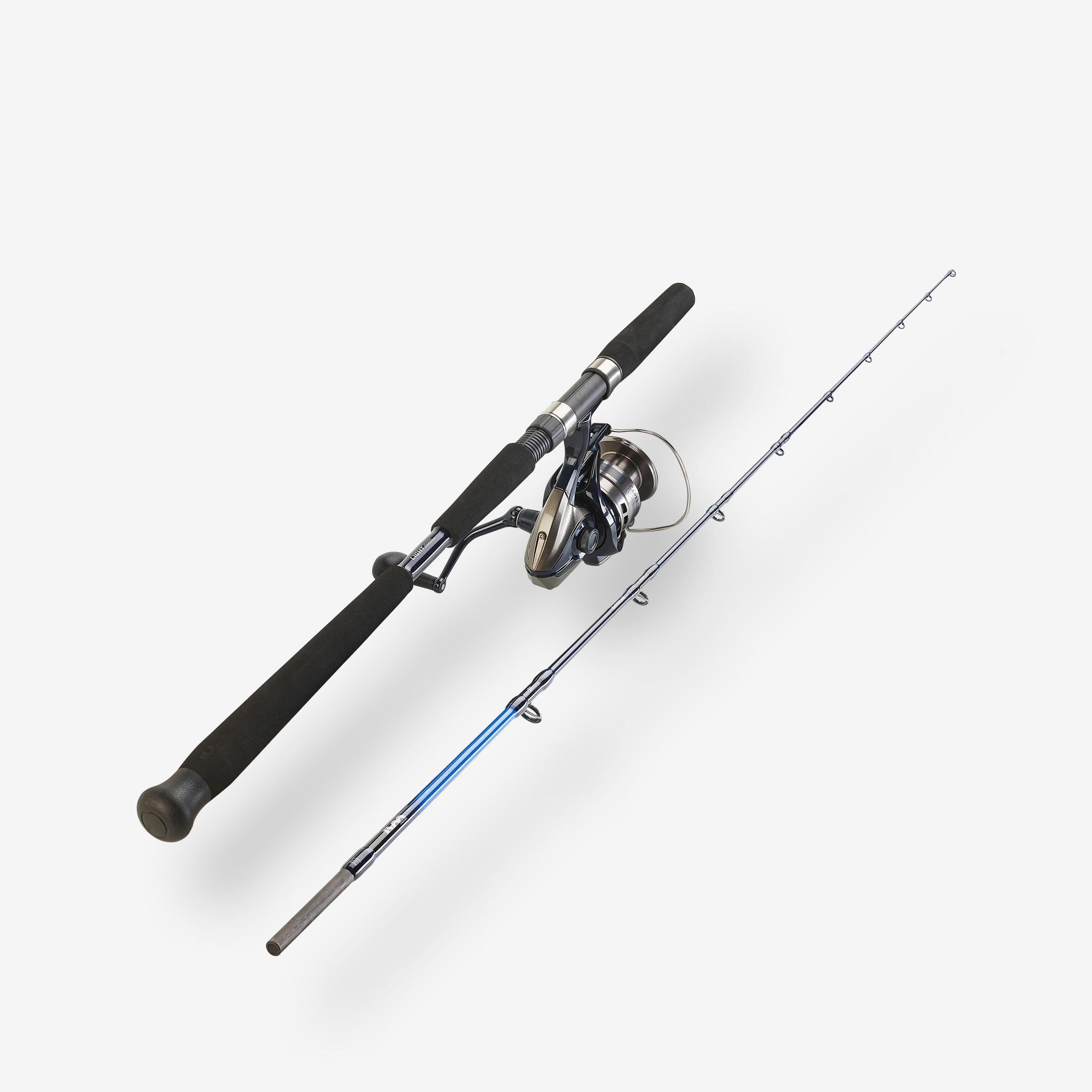
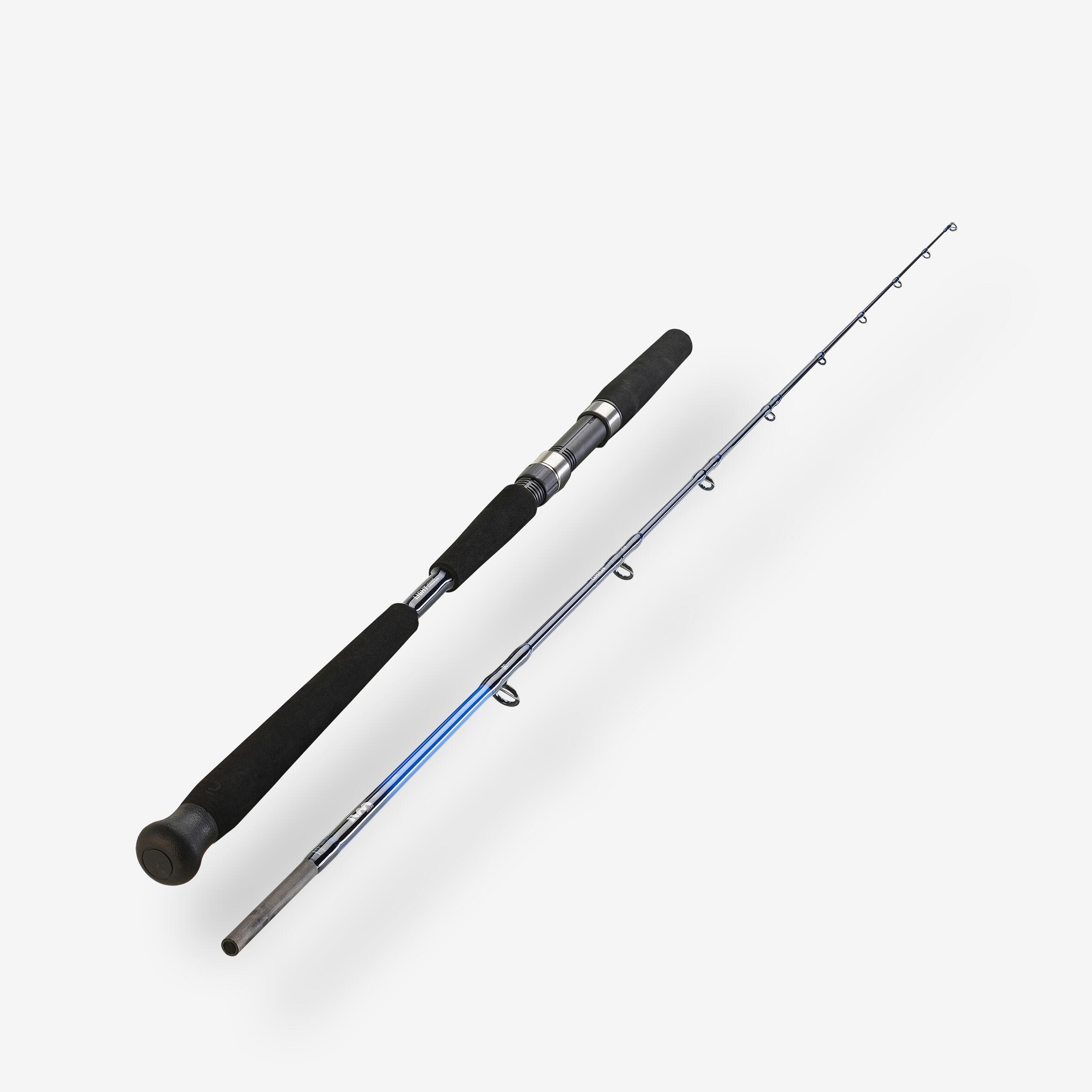
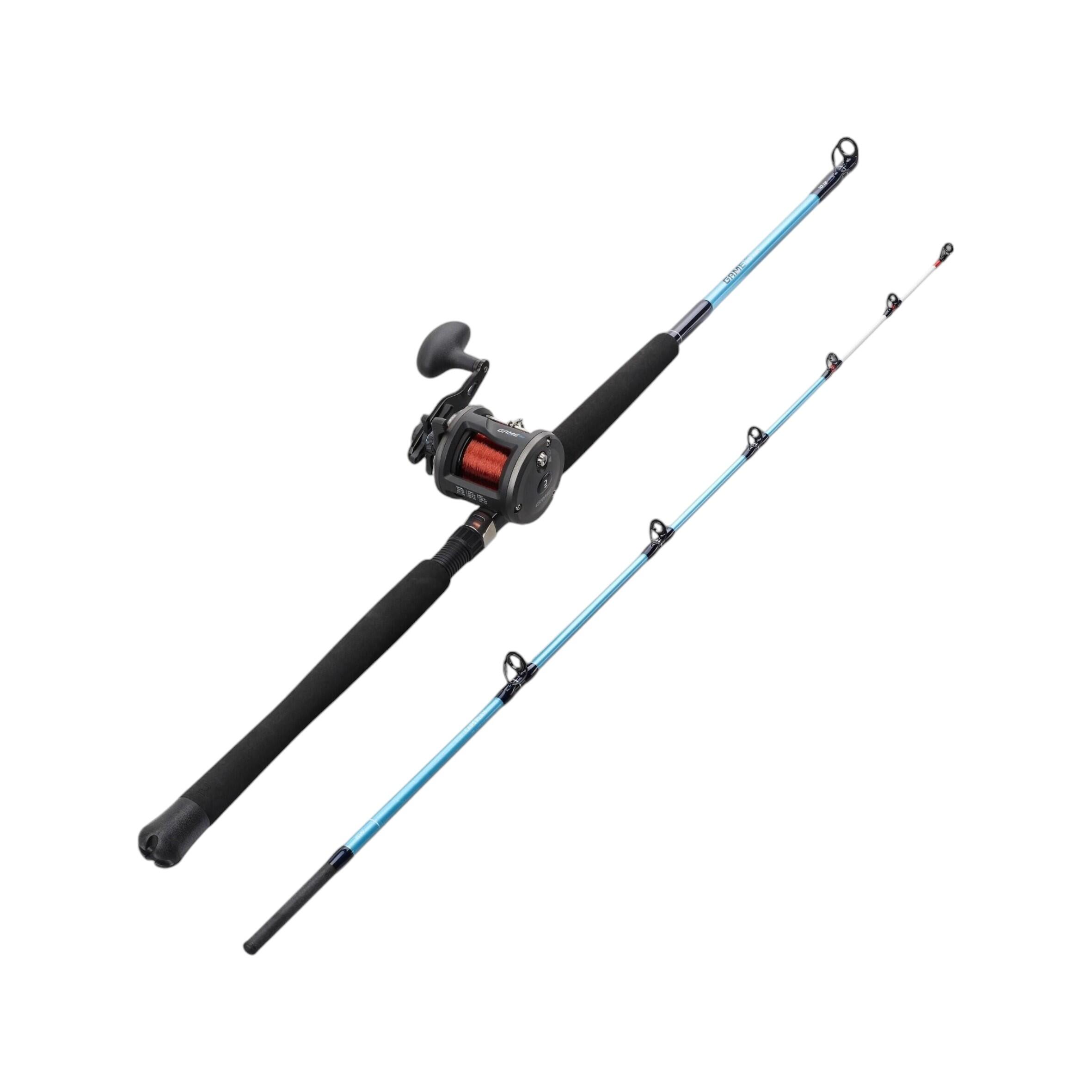
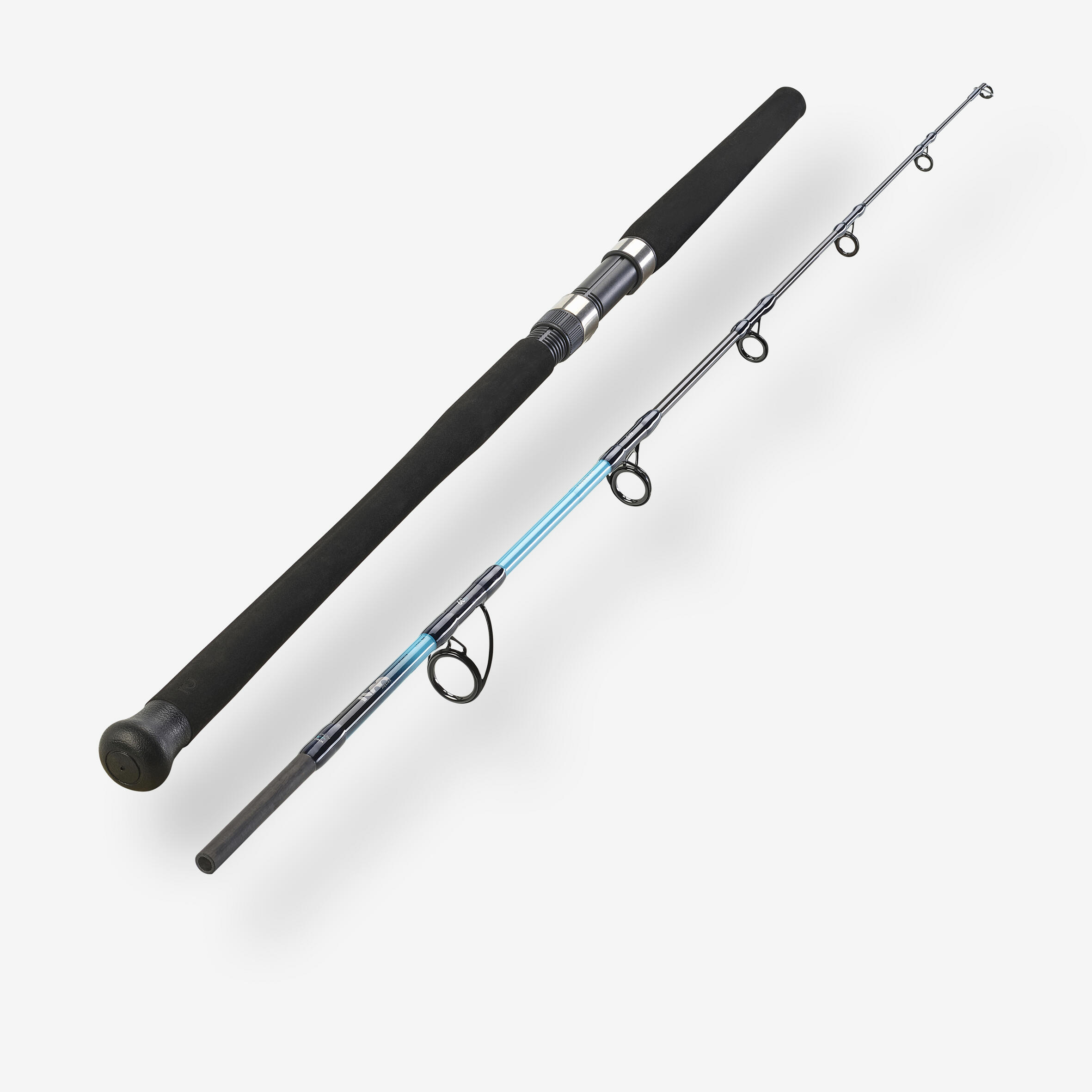
A fast, semi-parabolic action can give you the sensitivity to work a jig while keeping enough power in the blank for fighting stronger sea fish. Caperlan uses this approach across its ILICIUM jigging equipment, where the rod bends progressively under load without feeling excessively soft through repeated vertical movements. The sea lure fishing combo jig uses a 190 cm rod with 20T carbon in the blank and a working jig range of approximately 60-200 g. This gives you a useful balance between lure control and power reserve when fishing from a boat. Match the jig weight to the rod rating so the blank can work as intended throughout the lift and drop.

Why does rod length vary when jigging from a boat?

A compact rod can be easier to handle when you are fishing vertically in the restricted space of a boat. The ILICIUM Jigging 500 works at around 1.90 m, giving you enough leverage for jig movement and fish control without the extra length associated with shore casting rods. Its offset 1+1 construction also reduces transport length to roughly 1.29 m, making on-board storage and movement more manageable. When comparing other fishing rods, focus on working length, transport size, action and lure rating together. A shorter jig rod can also keep the lure closer to your vertical line beneath the boat, helping you maintain more direct contact during repeated drops.

How do reel drag and line choice affect a jigging combo?

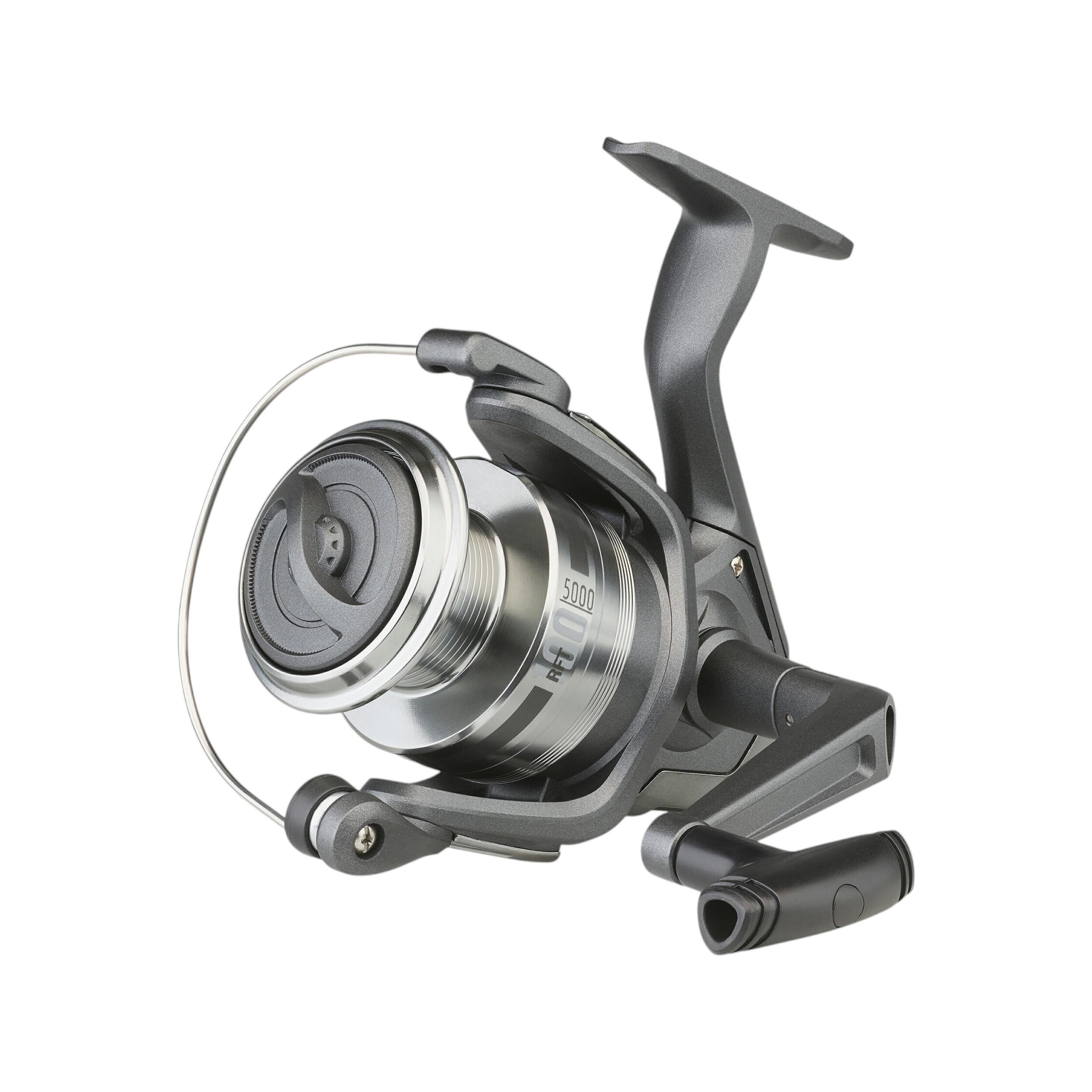
The reel, line and rod need to work as one system because heavier jigs and stronger fish can put considerable pressure through the setup. Caperlan pairs its ILICIUM Jigging 500 combo with a BAUXIT 500 size-6000 reel that provides 9 kg of usable drag, retrieves about 87 cm of line per handle turn and uses a 4.7:1 ratio. Caperlan also gives specific guidance around approximately 20/100 braid or 35/100 nylon. Braid provides more direct contact with the jig because it stretches less, while nylon offers more elasticity. When preparing equipment for boat fishing, match line diameter and reel capacity to depth, jig weight and expected fish rather than selecting each component separately.

Which components help a jigging rod cope with saltwater use?

Guides, reel seats and grip materials all matter because vertical jigging involves repeated movement and frequent exposure to spray. The ILICIUM Jigging 500 uses nine Fuji K Fazlit guides and a Seaguide DPS reel seat, while the combo includes an anti-corrosion reel for marine use. EVA foam along the handle provides a secure grip when working the jig or controlling a fish. These details can make a meaningful difference during longer saltwater fishing sessions, particularly when the rod spends much of the day exposed on deck. Check guides for damage before fishing because a chipped or rough ring can wear braid or nylon as the line repeatedly passes through it.

What is the best way to care for a jigging rod and reel after sea fishing?

Fresh water helps remove salt residue before it builds up around rod guides, reel components and fittings. Rinse the rod and reel surfaces after each sea trip, then let everything dry fully before storing it. Pay particular attention to guide frames, the reel seat and moving reel parts where salt can remain after spray dries. Loosen the reel drag before putting the combo away and inspect the line for abrasion near the terminal connection. Caperlan reel guidance also includes periodic lubrication according to the model's maintenance instructions. As you organise the rest of your sea fishing equipment, keep the jigging rod protected from heavier tackle that could damage the blank or guides during transport and storage.