6 items
4.7/5 based on 300 reviews collected online and in stores

Boat Fishing Reels FAQs

What is your method for matching reel size and line capacity to boat fishing?

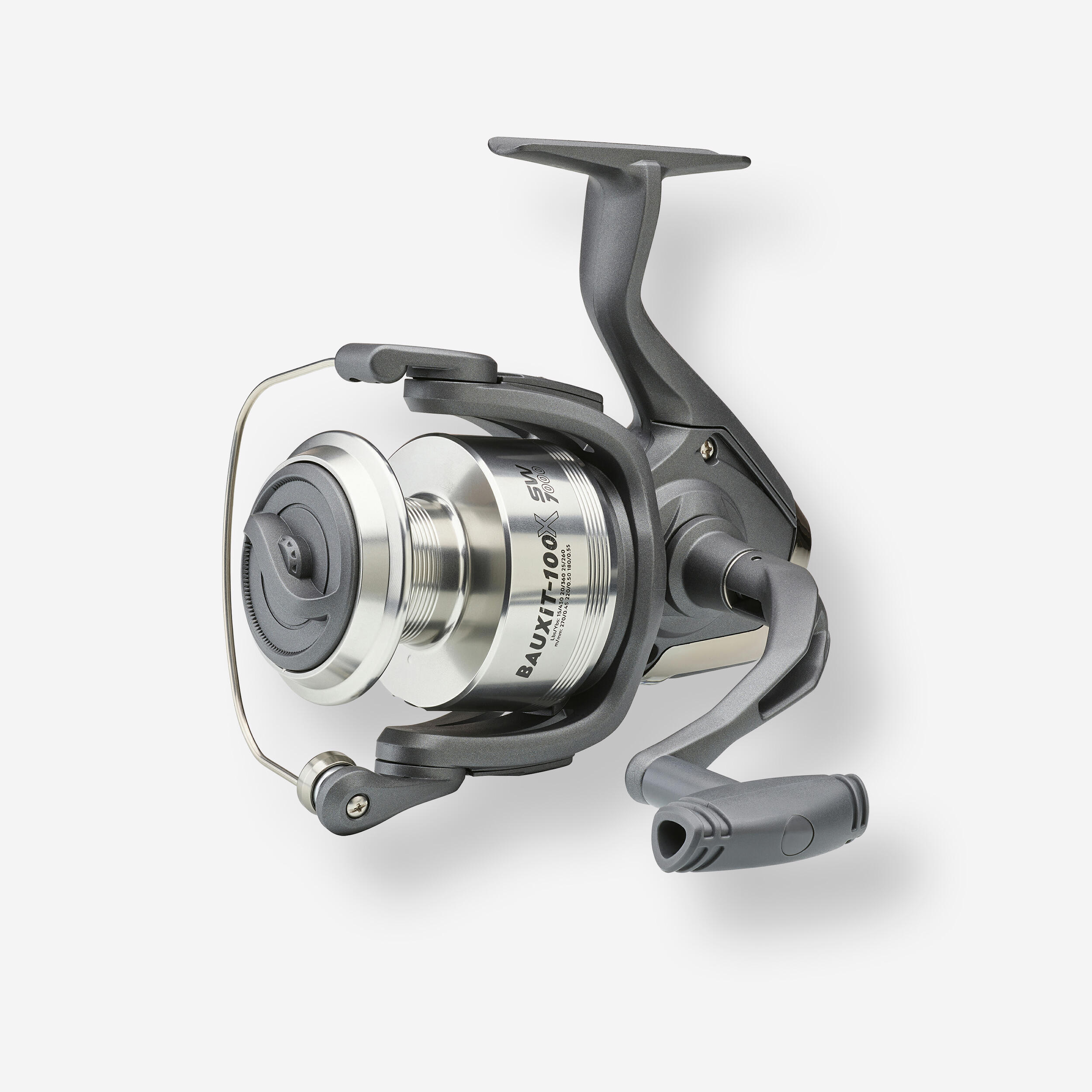
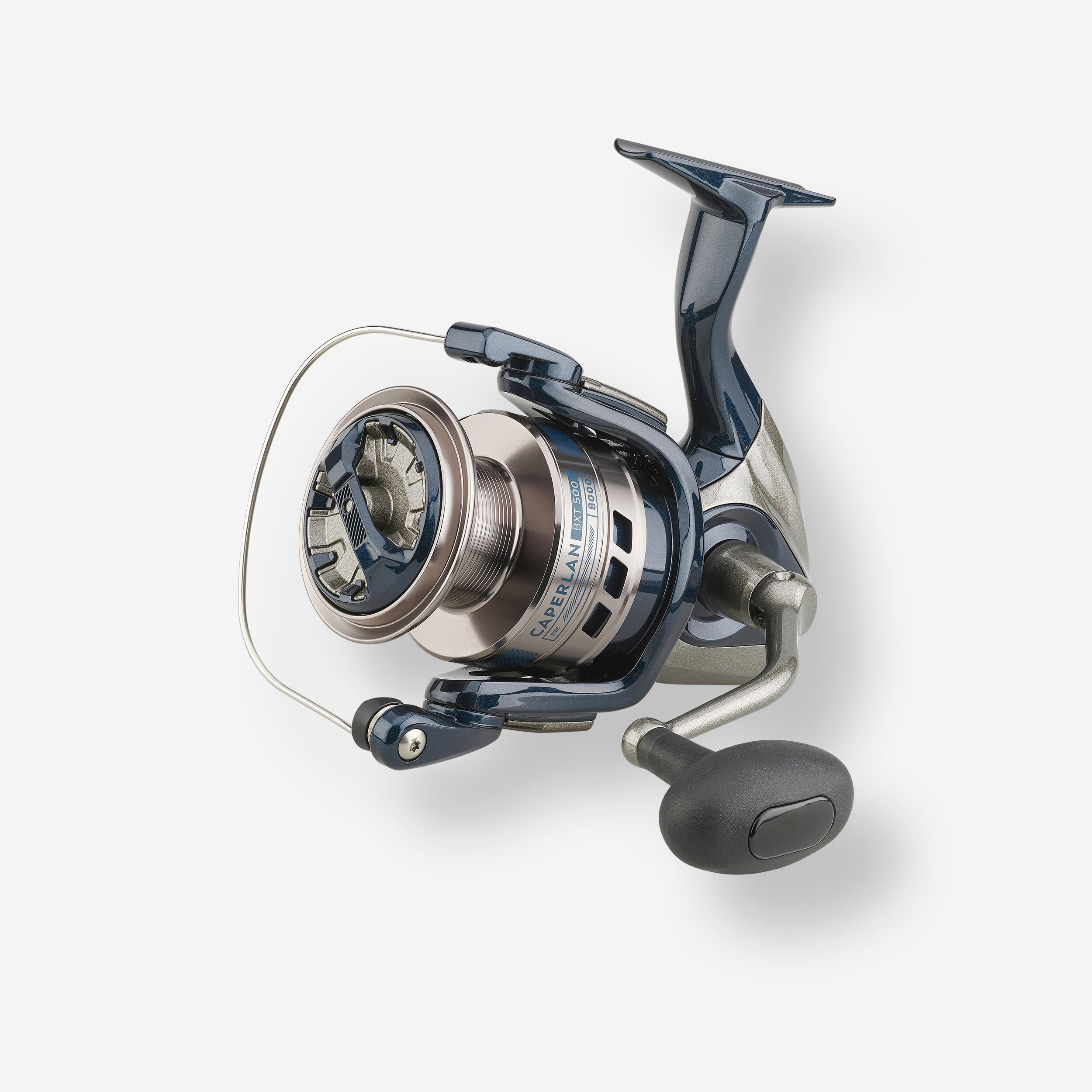
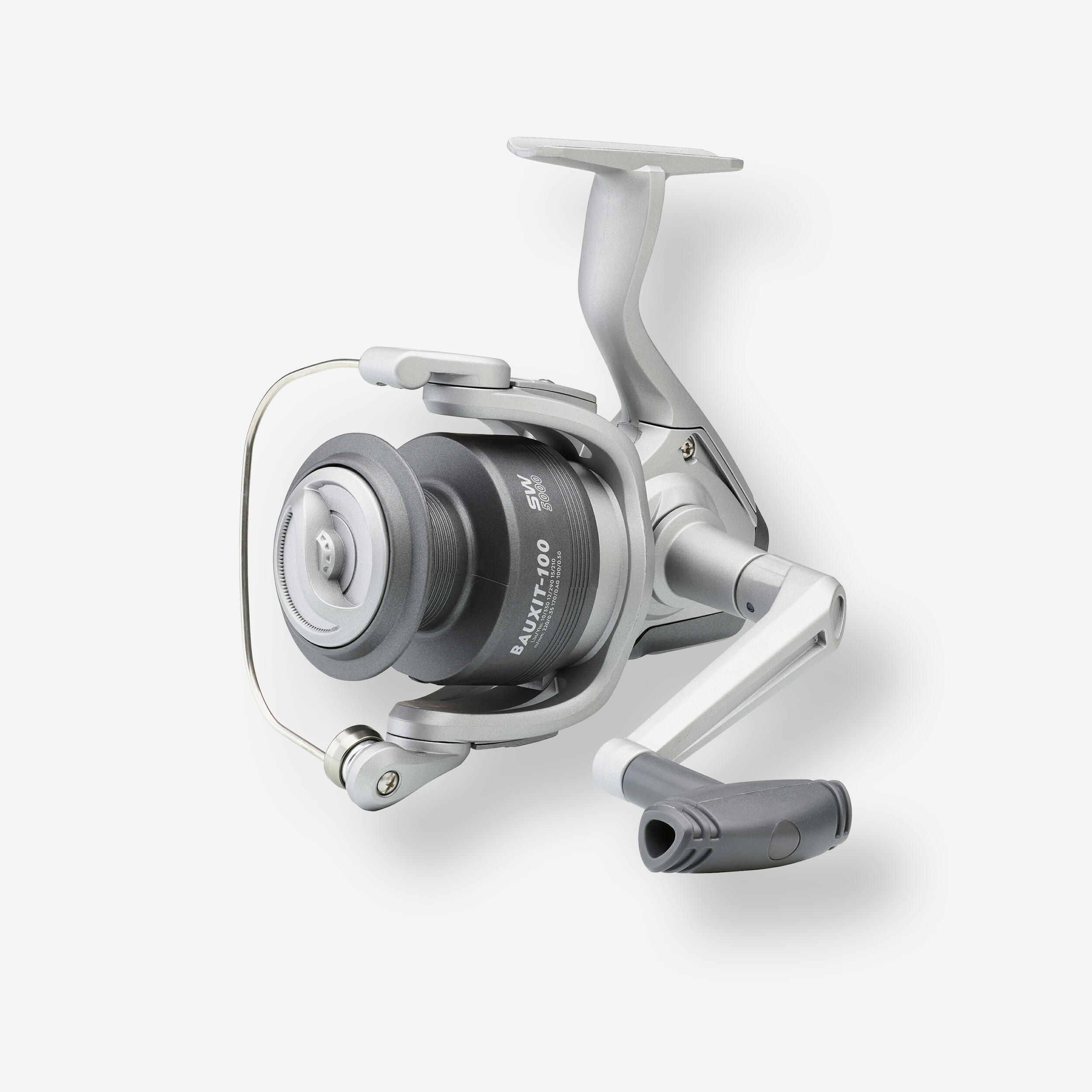
Reel size affects how much line you can carry, so it needs to suit your fishing depth, line diameter and target fish. The sea fishing reel Bauxit in size 6000 holds 320 m of 0.35 mm monofilament or 285 m of 0.20 mm braid. It uses a forged aluminium spool, graphite casing and rotor, plus 3+1 stainless-steel bearings. Larger reel sizes give you more capacity for deeper water or heavier lines, but you don't always need extra capacity. Match the reel to your rod and the amount of line your fishing method genuinely requires.

What does usable drag tell you about a boat fishing reel?

Usable drag gives you a practical measure of the resistance available when a fish pulls against the reel. Caperlan calculates this figure while accounting for movement or deformation within components such as the rotor and pick-up support. The medium heavy sea fishing reel Bauxit provides 8 kg of usable drag, while other BAUXIT models offer different levels for varied fishing demands. Set the drag according to your line and leader strength rather than tightening it fully. A balanced setting lets the line leave the spool under heavy pressure while still giving you control during the fight.

Why do retrieval rate and gear ratio affect reel handling?

Retrieval rate tells you how much line returns to the spool with one complete handle turn, while the gear ratio describes how the reel converts that movement internally. Current Caperlan boat reels retrieve roughly 85 to 97 cm per crank, depending on the model. Moderate ratios around 4.4:1 to 4.8:1 suit systems where controlled retrieval and line capacity matter. Faster retrieval can save effort when bringing a rig back from deeper water, but speed alone does not determine reel suitability. When preparing saltwater fishing tackle, consider retrieval, drag, capacity and rod compatibility together.

Can replacing reel parts extend its working life?

Replacing an individual worn component can keep a reel working without changing the complete setup. Caperlan provides reference numbers for spare spools, drag buttons, cranks and crank buttons on selected BAUXIT reels. This also gives you a practical option when a frequently handled component wears while the main reel remains serviceable. Before a boat fishing trip, turn the handle, test the drag and inspect the spool and crank for unusual movement. Addressing a damaged part before fishing reduces the chance of a small mechanical problem becoming more disruptive when you are working a rig in deeper water or fighting a stronger fish.

How can you protect a boat fishing reel between saltwater trips?

Saltwater residue can affect bearings and moving components, so a regular maintenance routine matters after every sea trip. Caperlan advises rinsing and drying the reel after fishing, loosening the drag before storage and making sure the reel is completely dry before putting it away. The mechanism also needs oiling around once a year. Avoid storing a damp reel inside a closed bag where moisture can remain around the metal components. As you organise your wider sea fishing equipment, turn the reel handle and test the drag before the next outing so stiffness, unusual resistance or damaged parts do not go unnoticed.