63 items
4.7/5 based on 11336 reviews collected online and in stores

Predator Fishing Apparel FAQs

What makes a waterproof jacket practical for predator fishing?

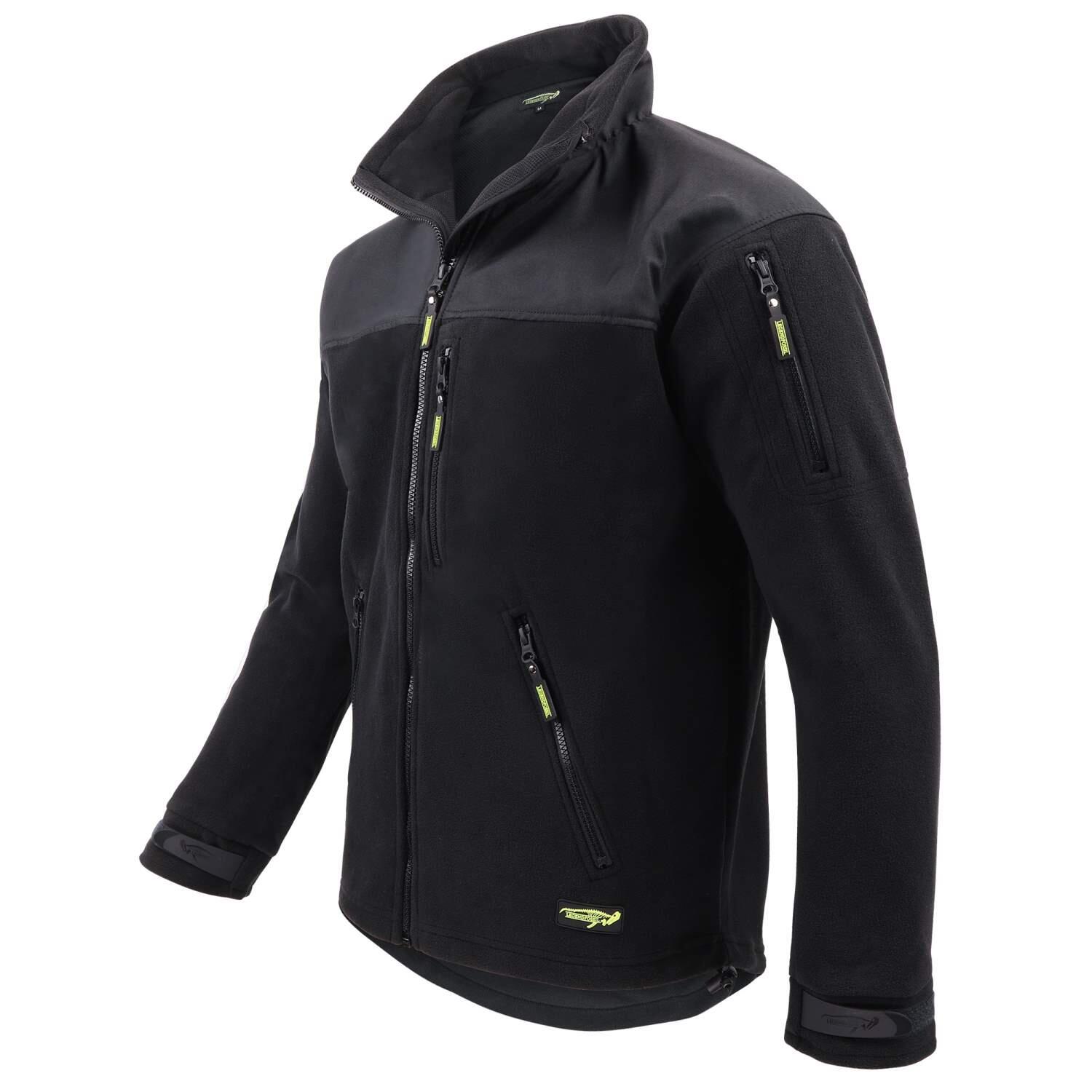
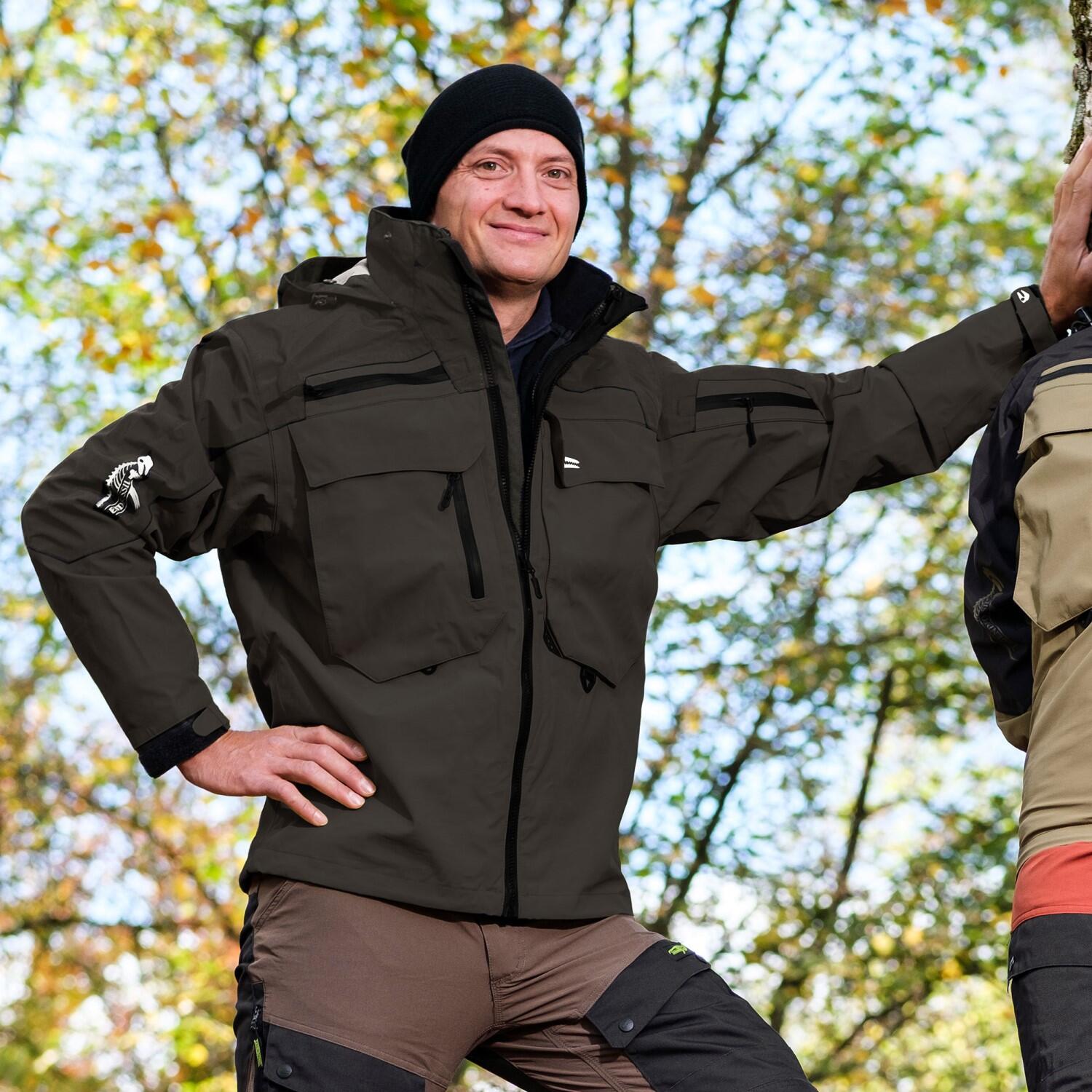
Predator fishing can keep you exposed to rain while you cast, move between swims and handle tackle, so waterproofing needs to work alongside mobility and easy access to equipment. Caperlan develops fishing clothing in Cestas, France, with field and laboratory testing supporting its technical specifications. The predator fishing jacket uses 25,000 mm waterproof fabric, taped seams and an RET 12 breathability rating. It also includes reinforced shoulders for carrying rod bags, a rear landing-net loop, attached storage for scissors and accessible plier storage. These features keep essential tools close without filling every pocket with loose tackle.

When does a fishing poncho work better than a jacket?

A poncho makes a useful compact layer when you want rain protection ready in your bag without wearing a technical jacket throughout the session. Caperlan tests the complete garment under a shower because water can enter through openings and joins even when the material itself resists rain. The predator fishing poncho uses welded, seamless EVA construction and packs into its own pocket at approximately 20 x 18 x 3 cm. At around 350 g, it is easy to keep available when the forecast looks changeable. Remove it from the storage pocket after wet use and let it dry fully before packing it away again.

How do waterproof dungarees protect you during wet fishing sessions?

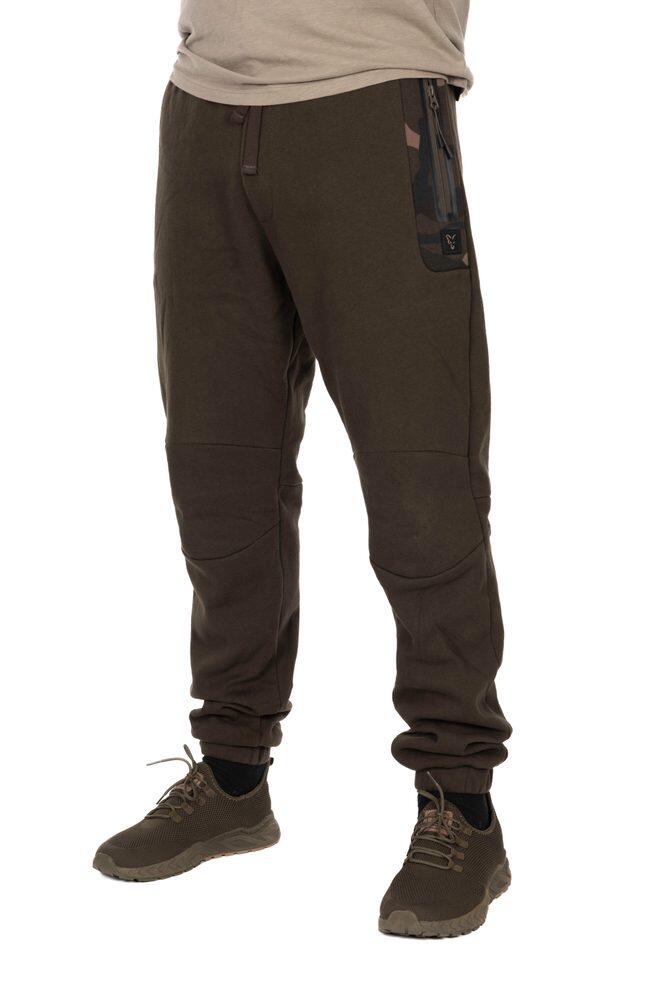
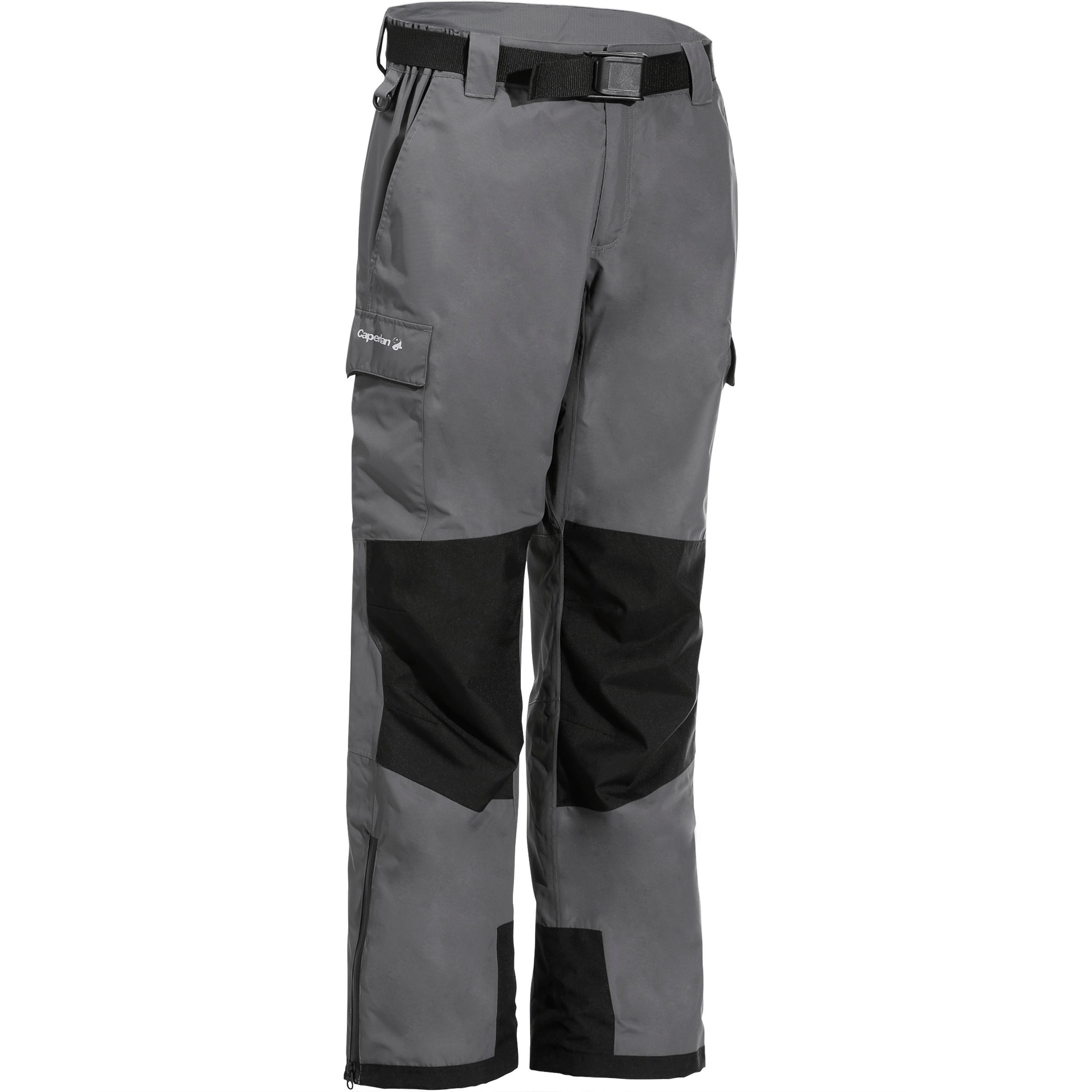
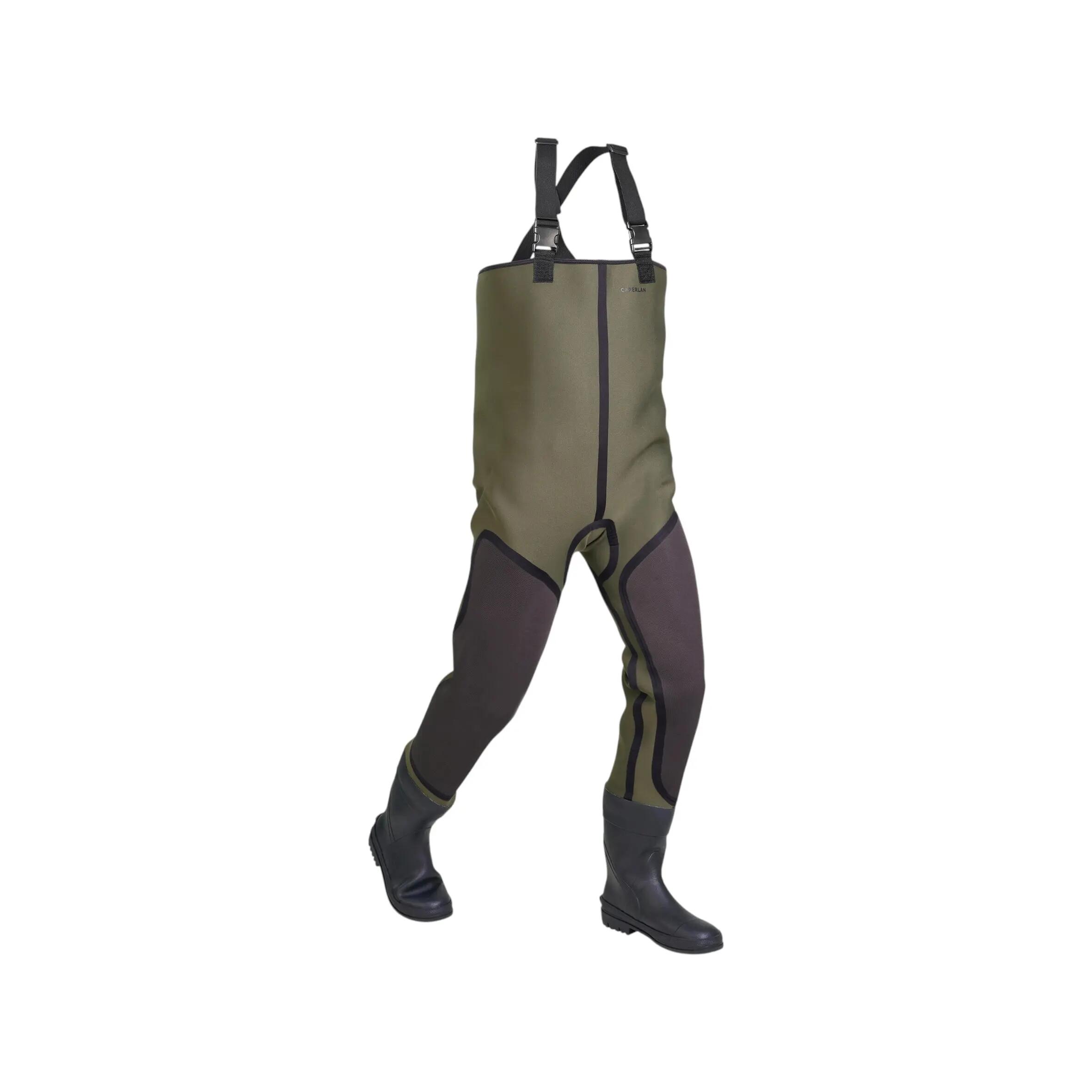
Dungarees add lower-body coverage when persistent rain, wet banks or repeated contact with damp vegetation makes ordinary trousers impractical. Caperlan's predator fishing dungarees use a 25,000 mm waterproof component with taped seams and reinforced knees and seat for areas exposed to more abrasion. Removable adjustable braces let you convert them into waterproof trousers, while large zipped leg openings make them easier to put on over footwear. Three zipped pockets provide storage for smaller accessories. Wash them at a maximum of 30 degrees Celsius and keep them away from radiators or other direct heat sources that could damage the waterproof membrane.

How can your clothing keep fishing tools easier to reach?

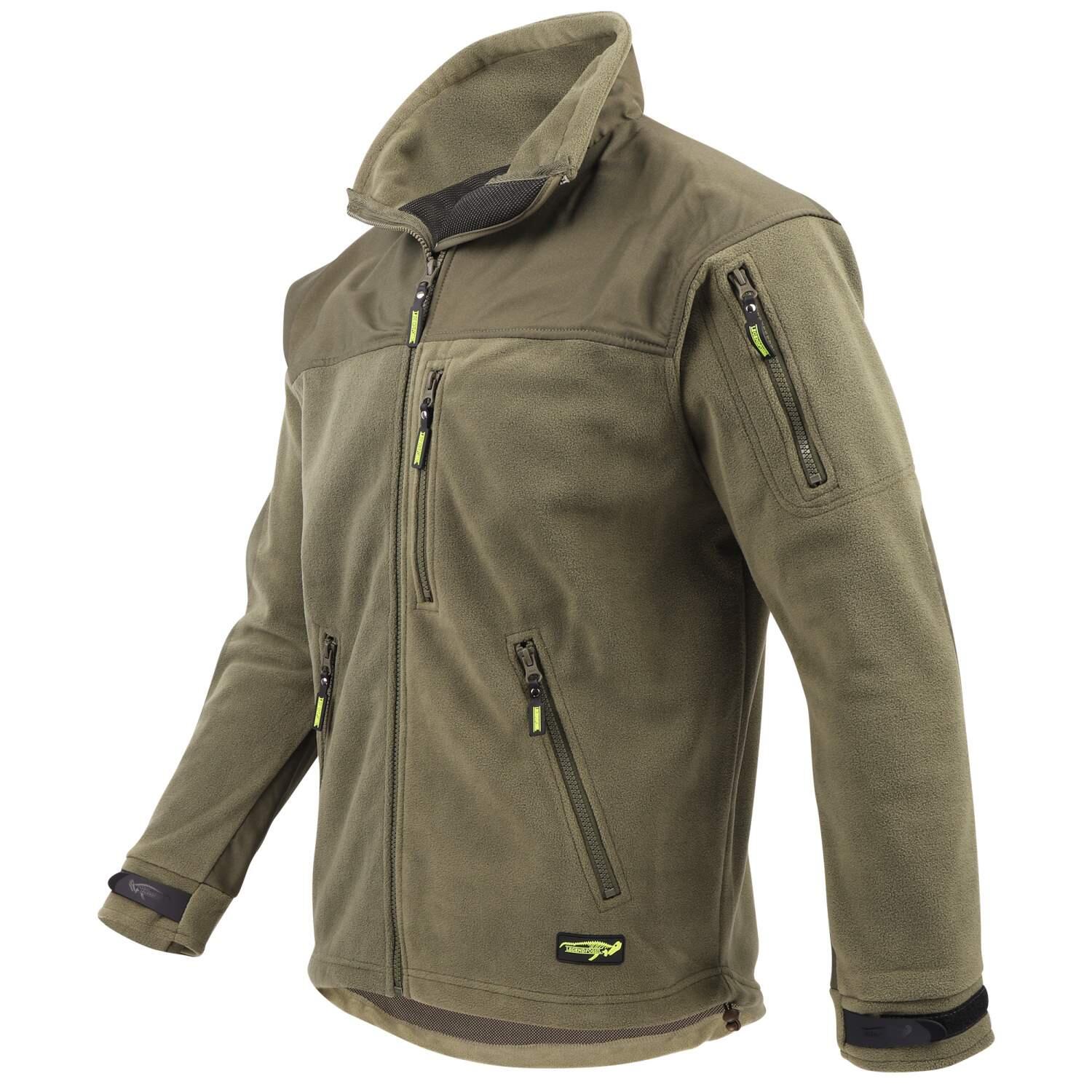
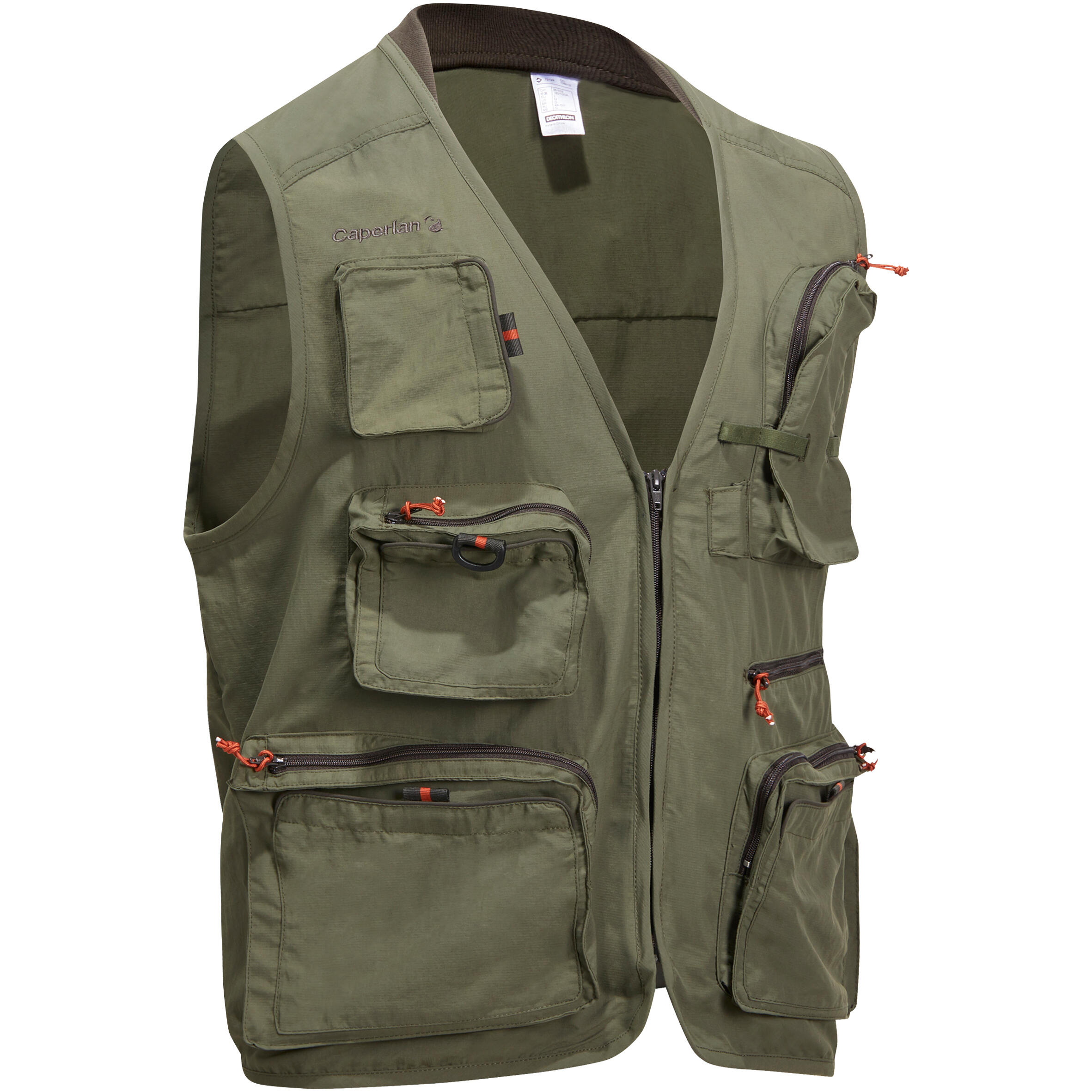
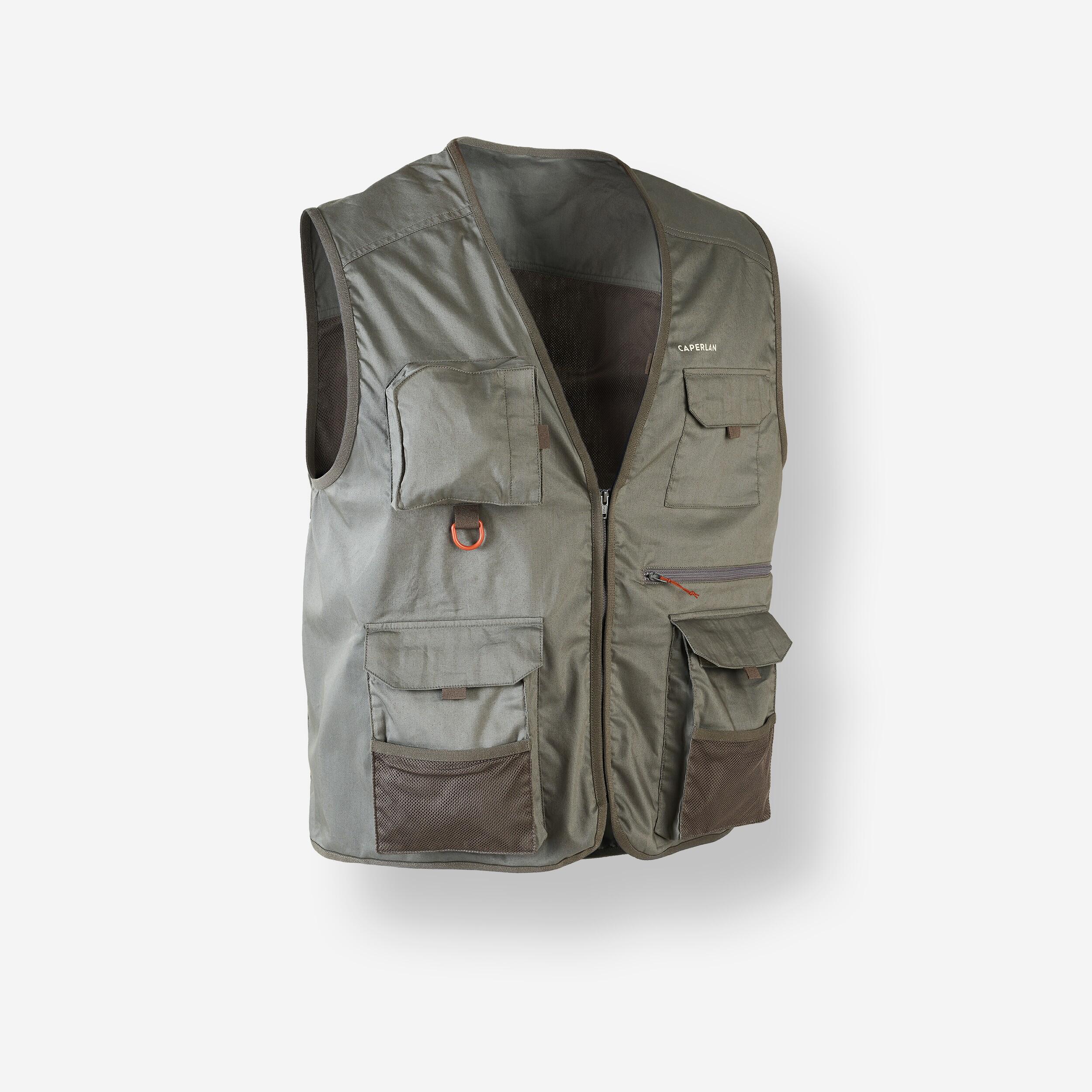
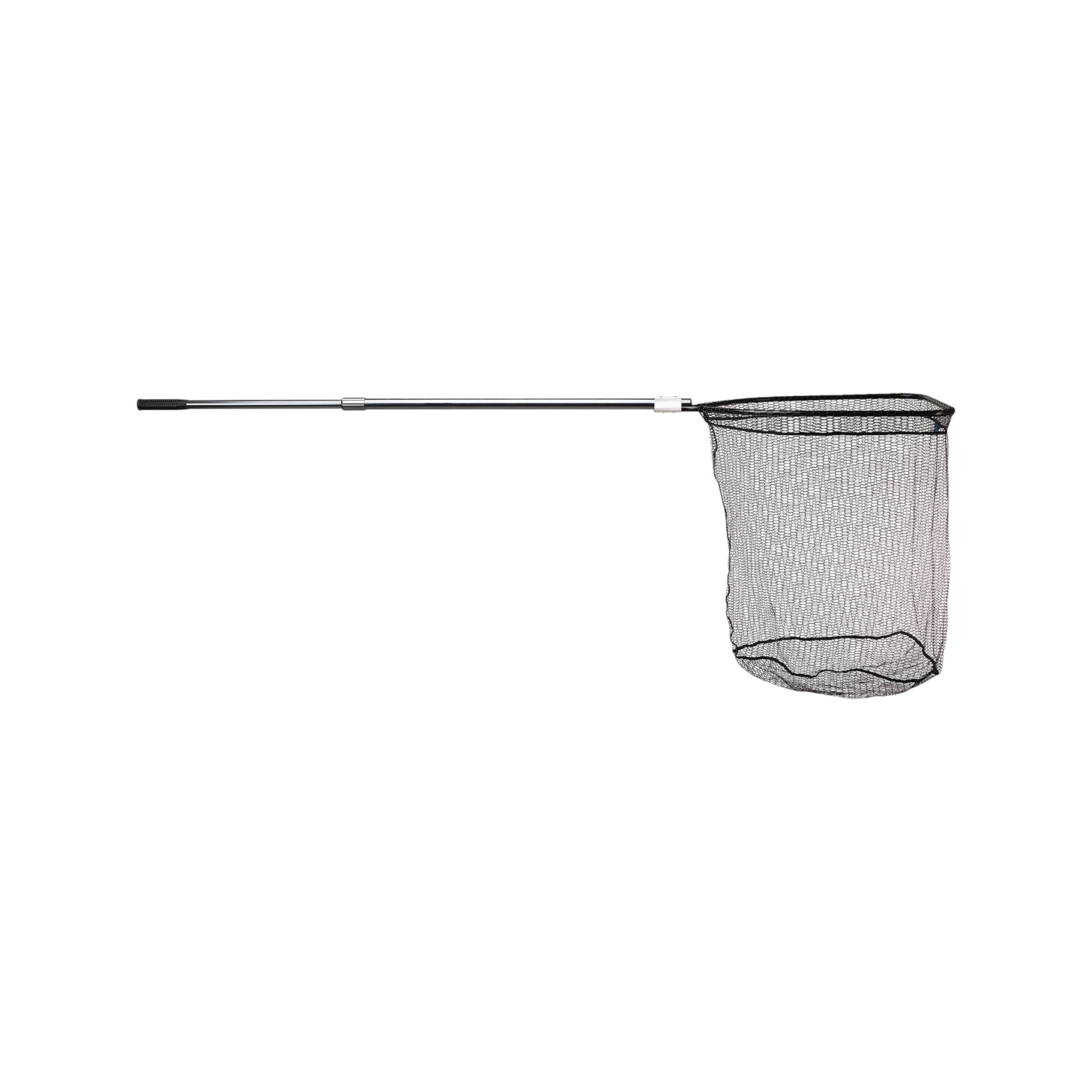
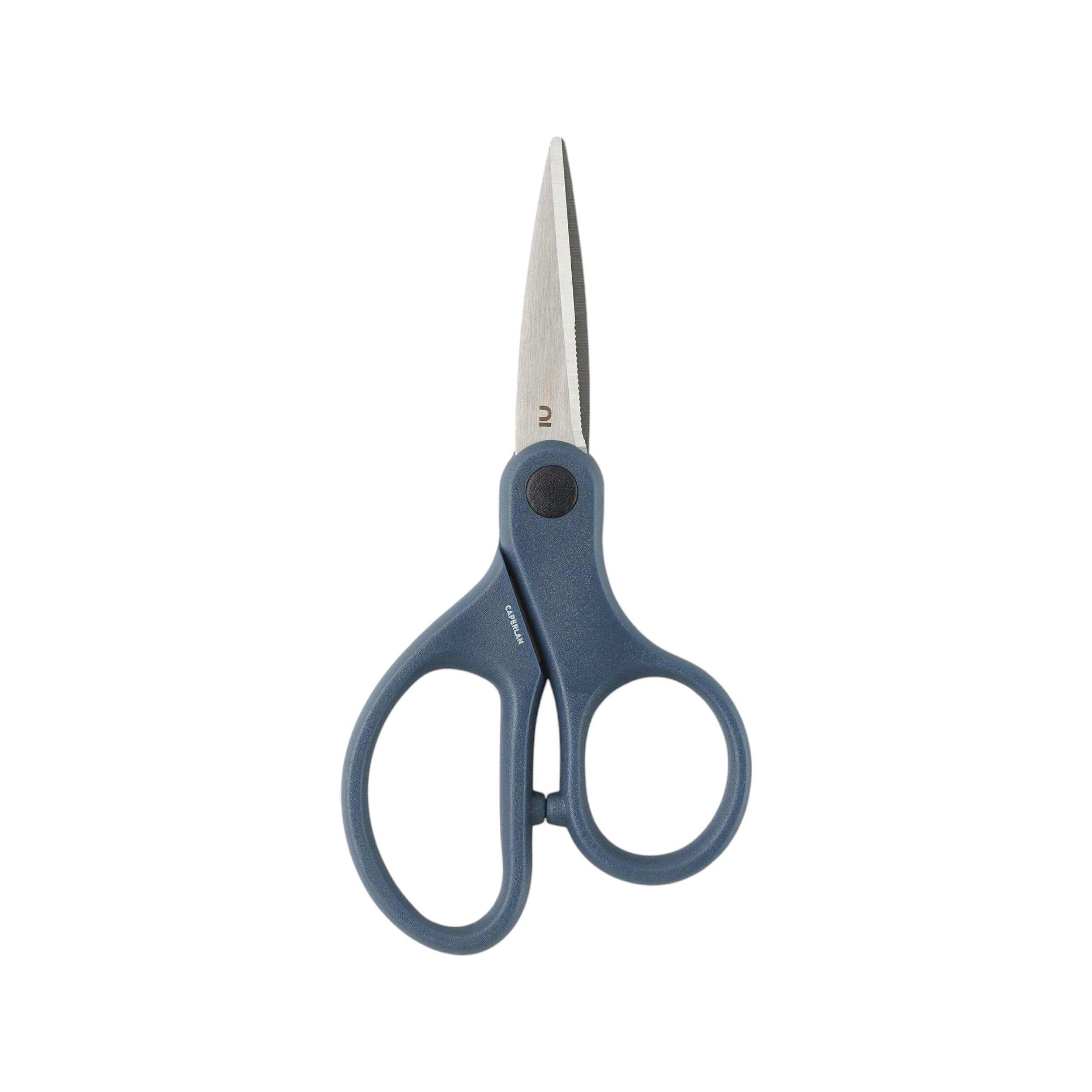
Think about where your pliers, scissors, landing net and smaller tackle will sit before you start moving along the bank. Clothing with attachment points can reduce repeated trips into a bag and keep both hands available while changing lures or handling fish. Caperlan's technical fishing jackets include features such as landing-net loops, spiral cords for scissors and dedicated plier storage. Reinforced shoulders also help where a rod bag rests against the garment. Pair these clothing features with compact predator fishing equipment rather than carrying every accessory in one large bag. Keep sharp tools secured and avoid hanging heavy objects where they can restrict your casting movement or pull the garment out of position.

Do polarised glasses help while predator fishing?

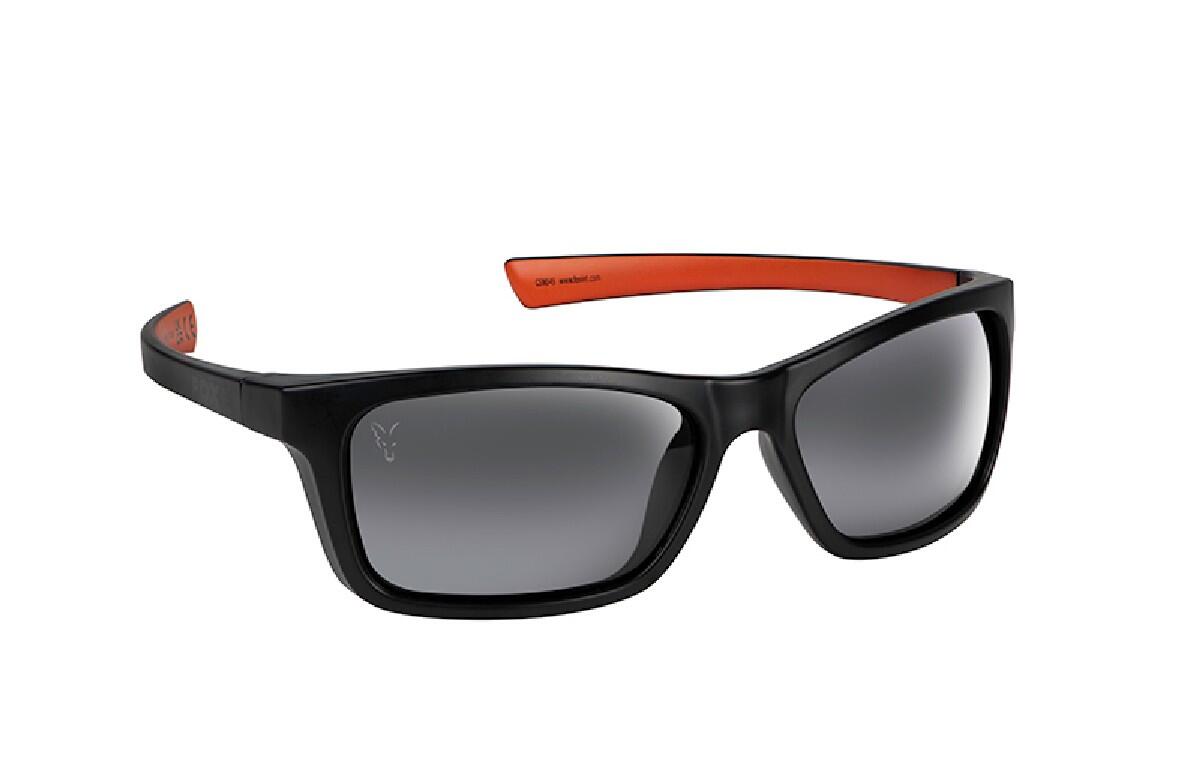
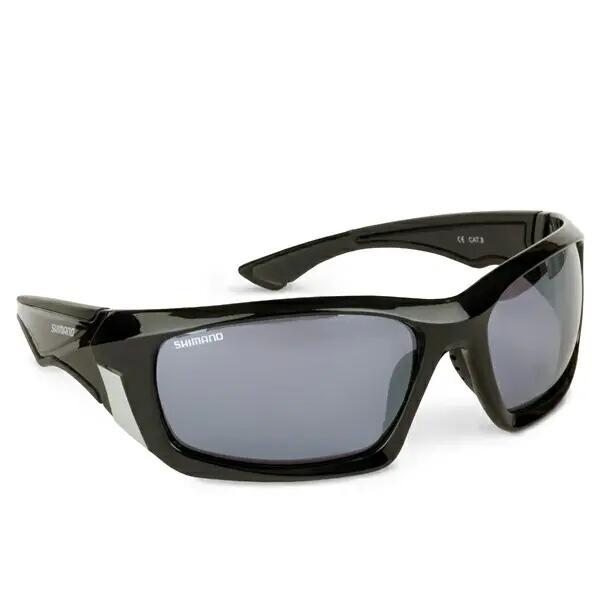
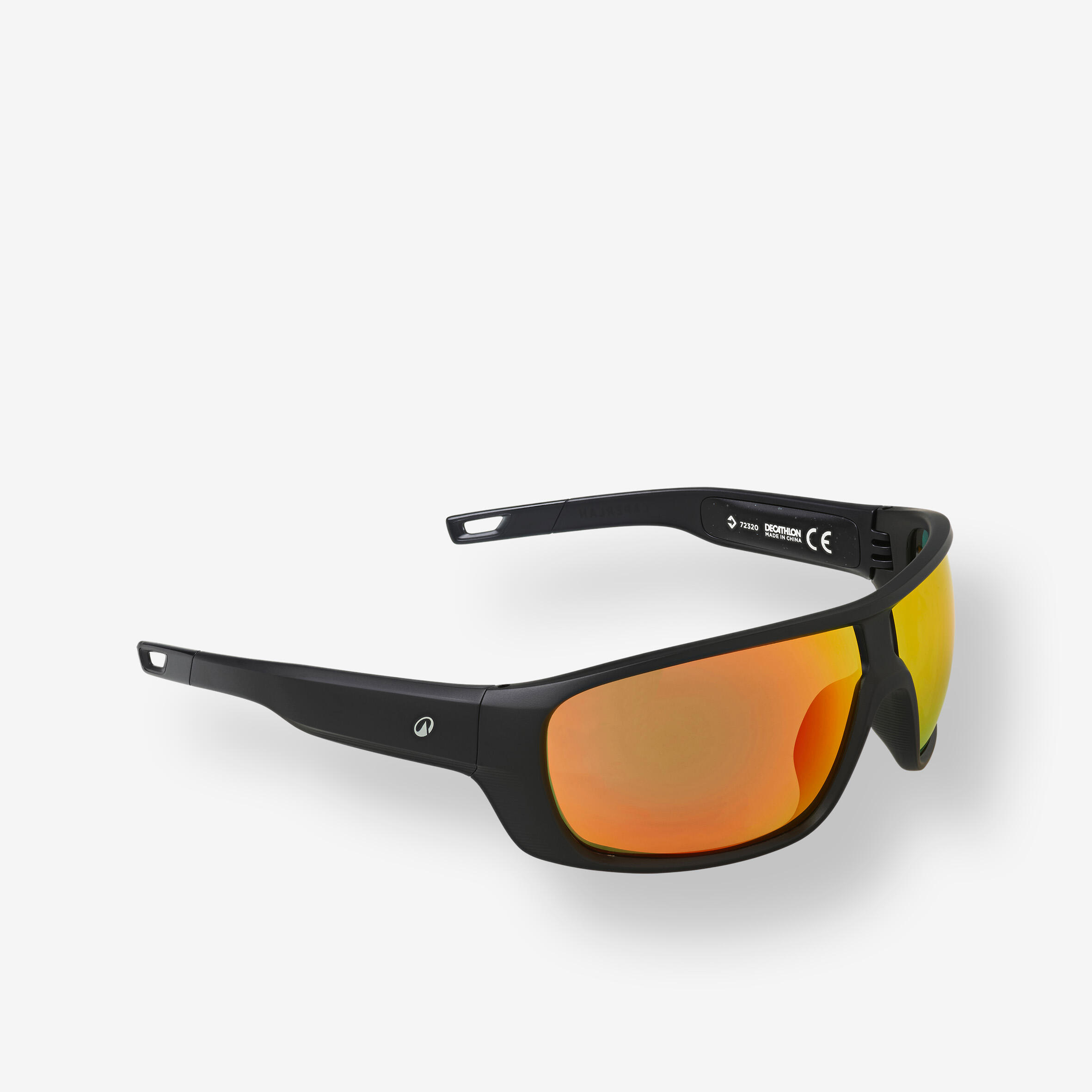
Polarised lenses reduce reflected glare from the water surface, which can make it easier to read shallow features, follow a lure and spot fish in suitable conditions. Caperlan FG 500 fishing glasses also use floating frames, so dropping them into the water does not automatically send them to the bottom. Lens options vary for brighter and lower-light conditions, while wraparound versions add protection from wind and spray. Polarisation can make some phone, GPS or depth-finder screens harder to read, so test the viewing angle when using electronics. Include suitable eyewear with the rest of your predator fishing setup when glare becomes a regular problem rather than treating glasses only as a general clothing accessory.