31 items
4.7/5 based on 4069 reviews collected online and in stores

Pole Fishing Rod Parts and Accessories FAQs

What pole elastic should you use for different fish sizes?

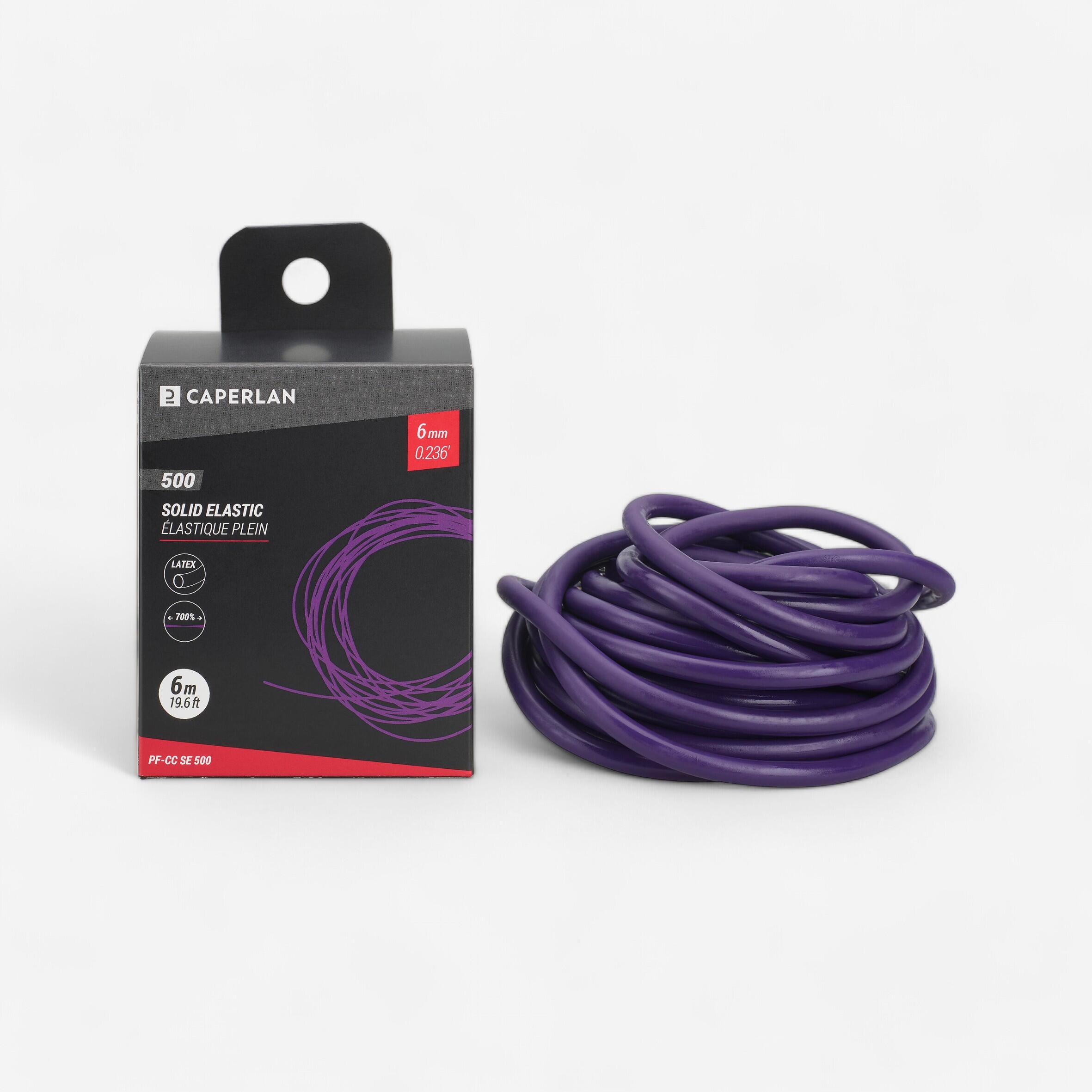
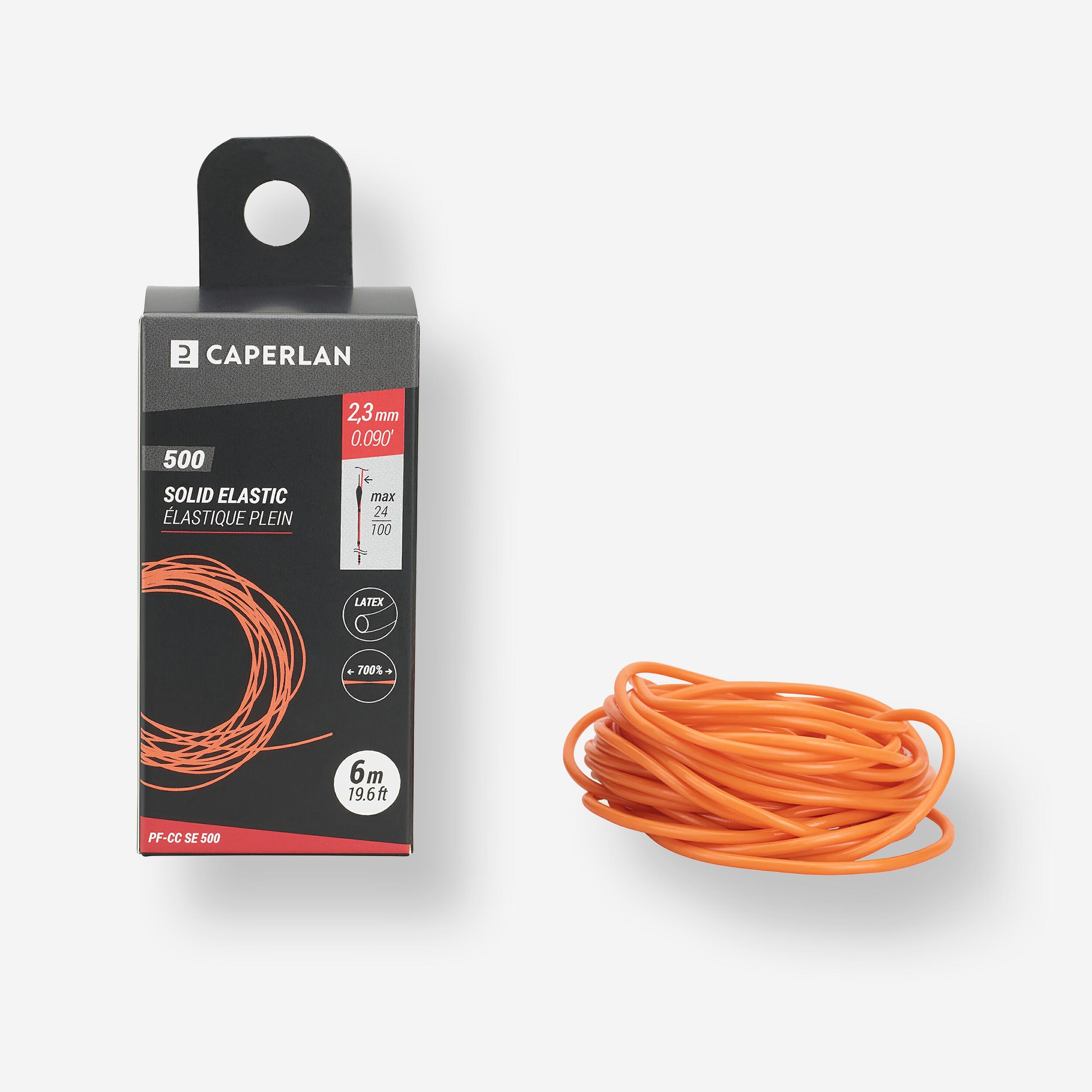
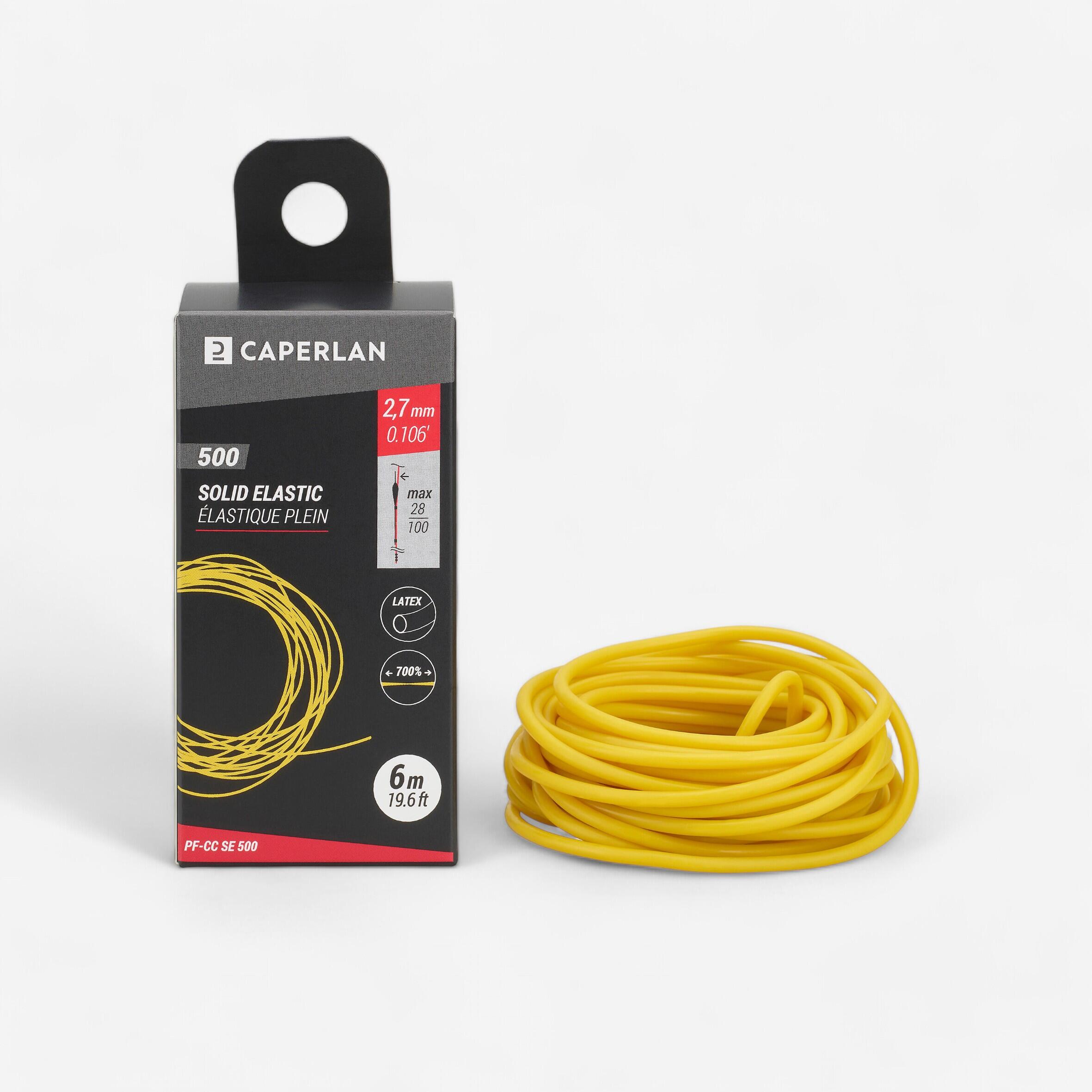
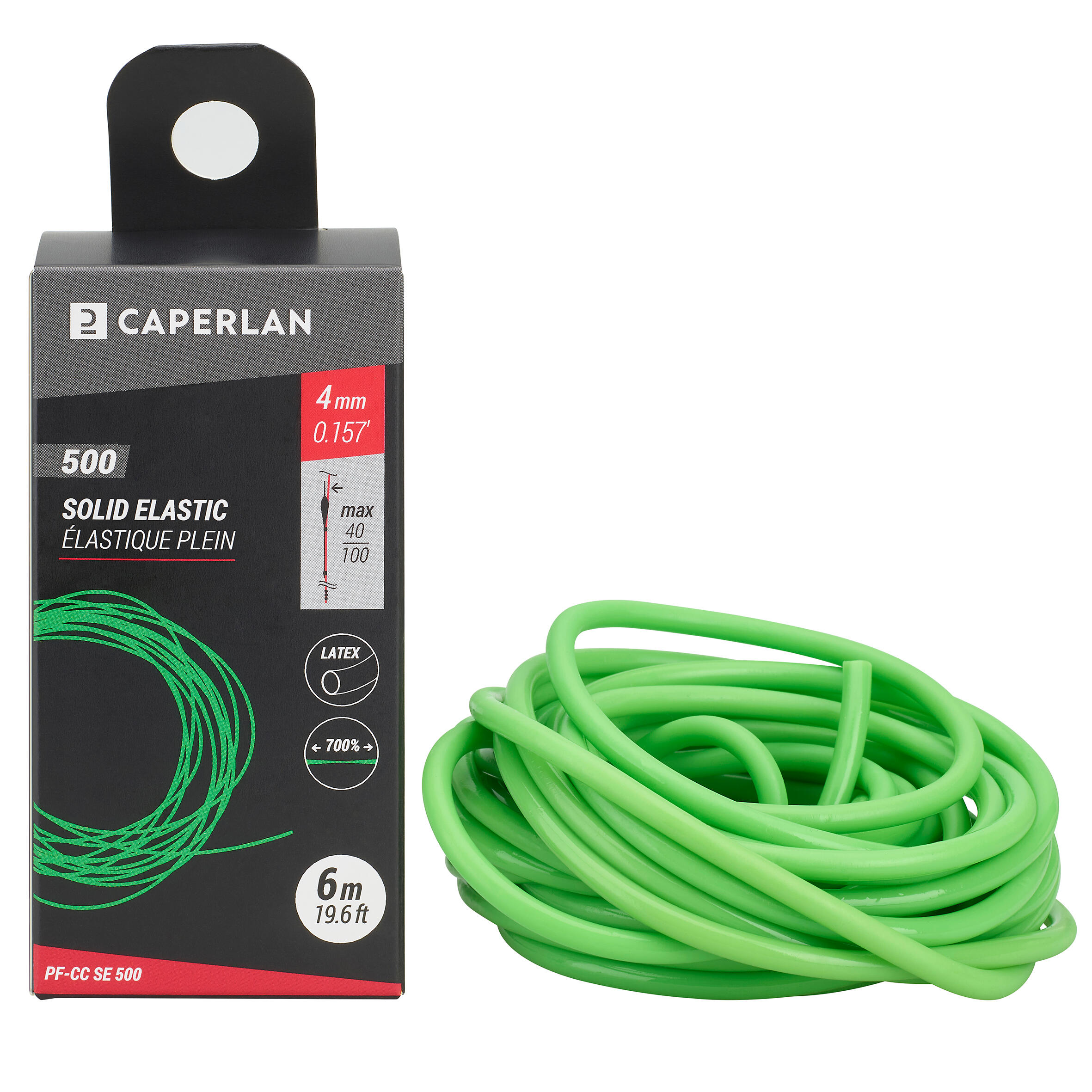
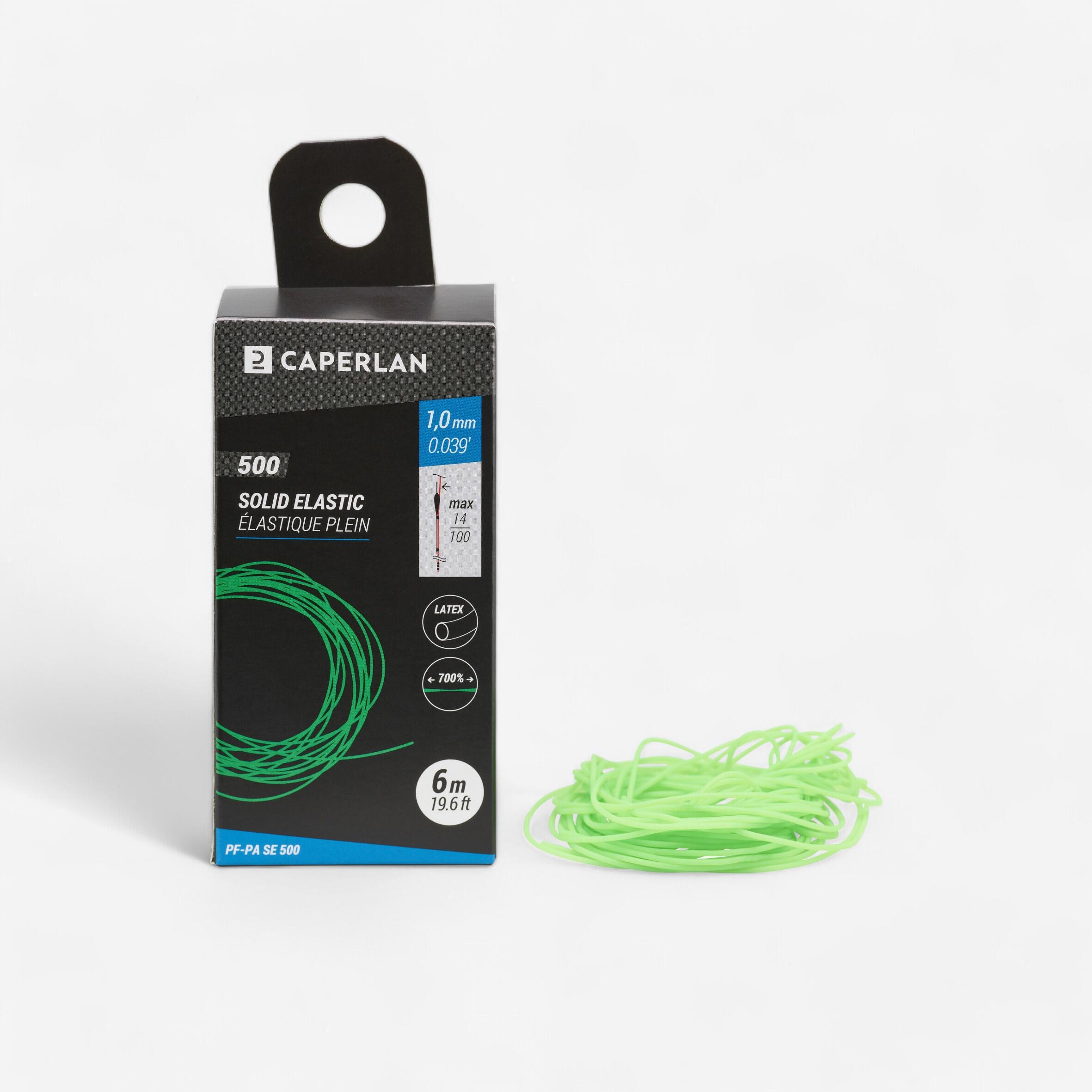
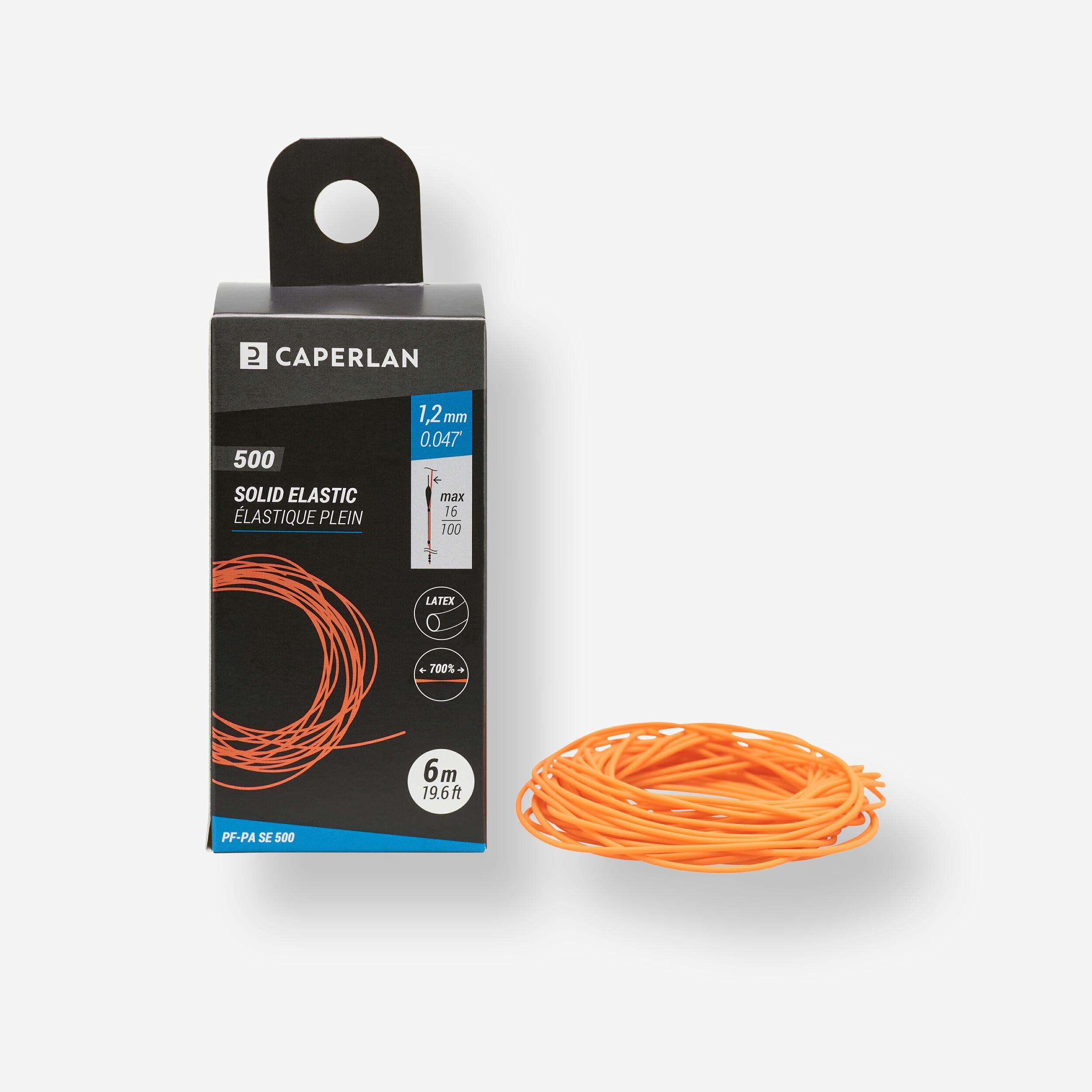
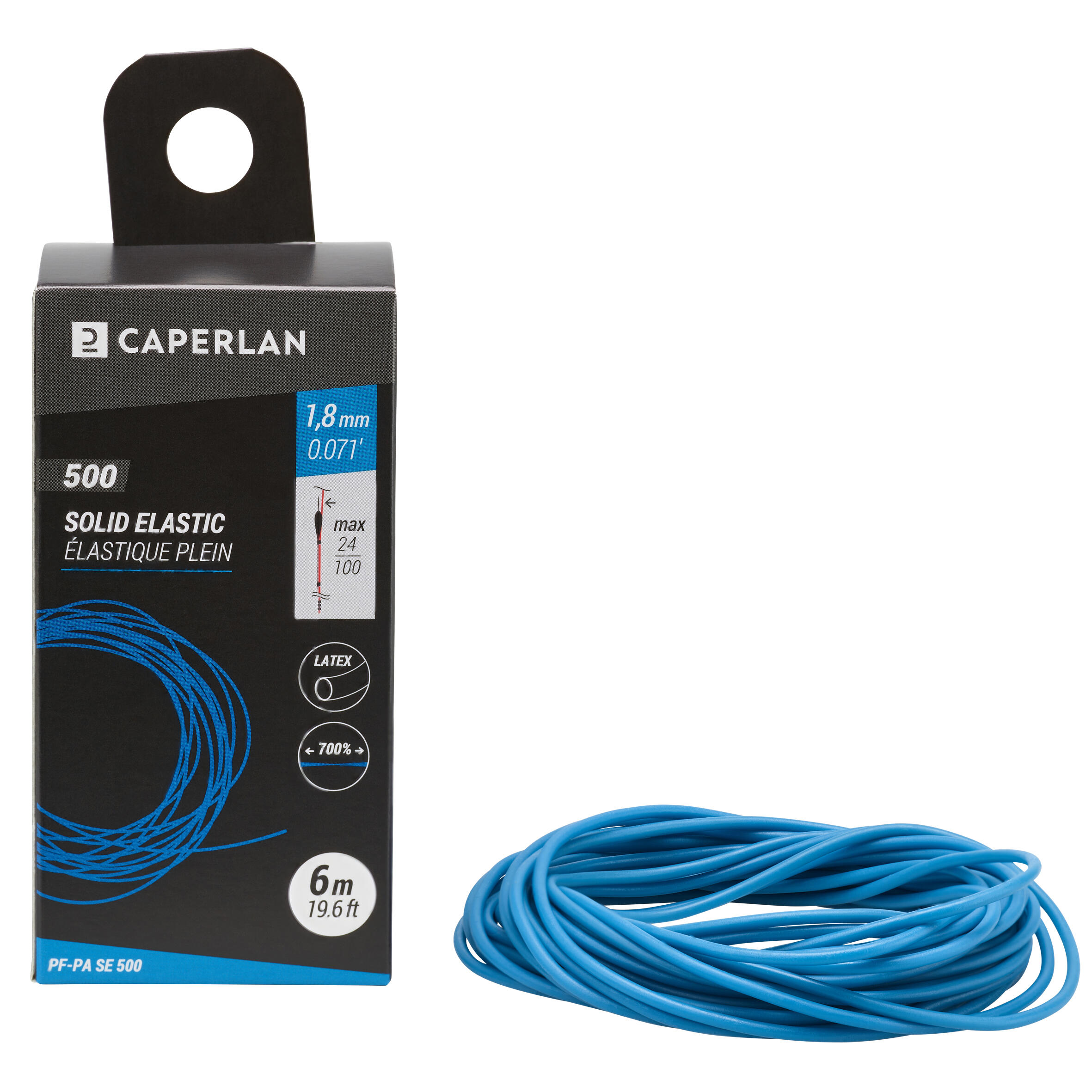
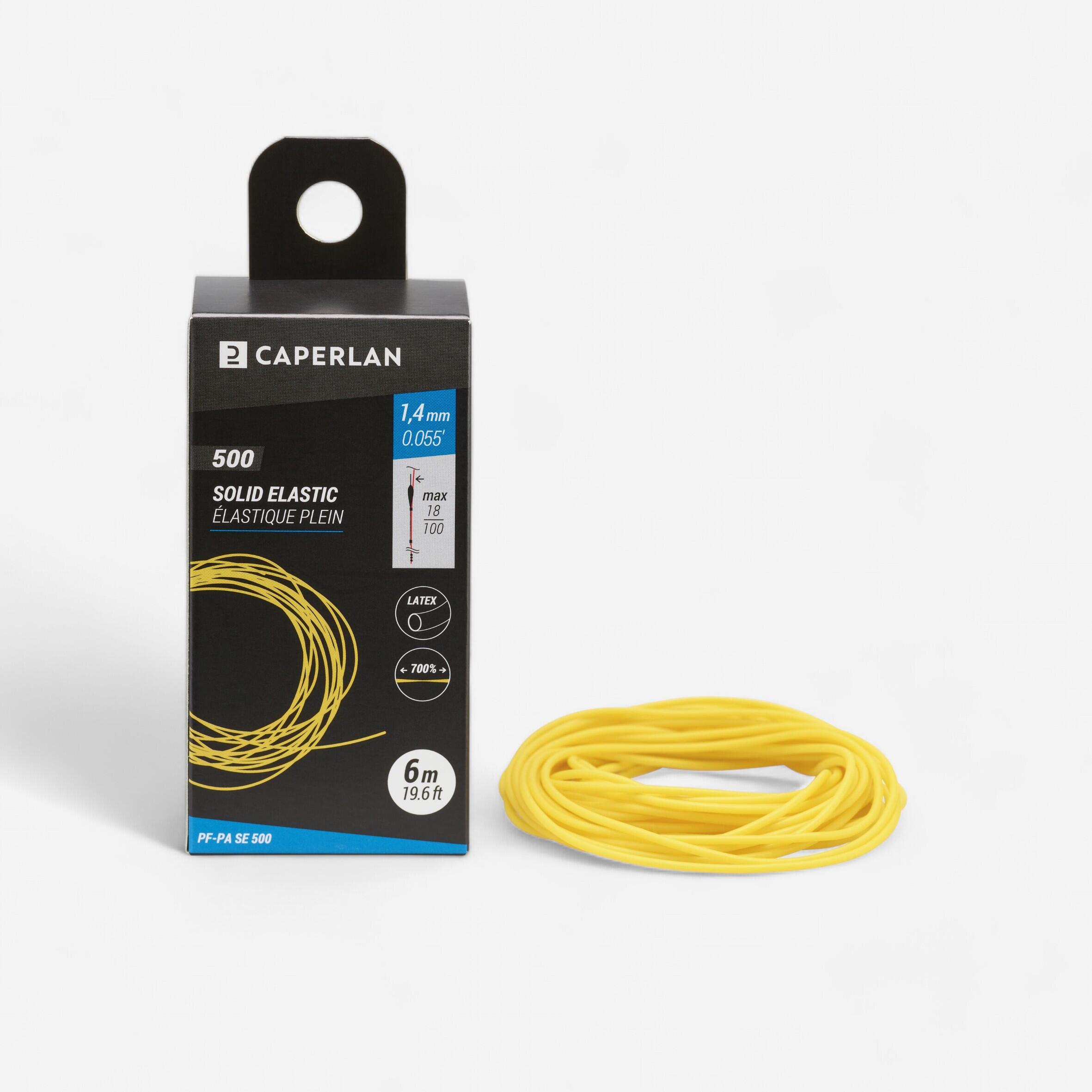
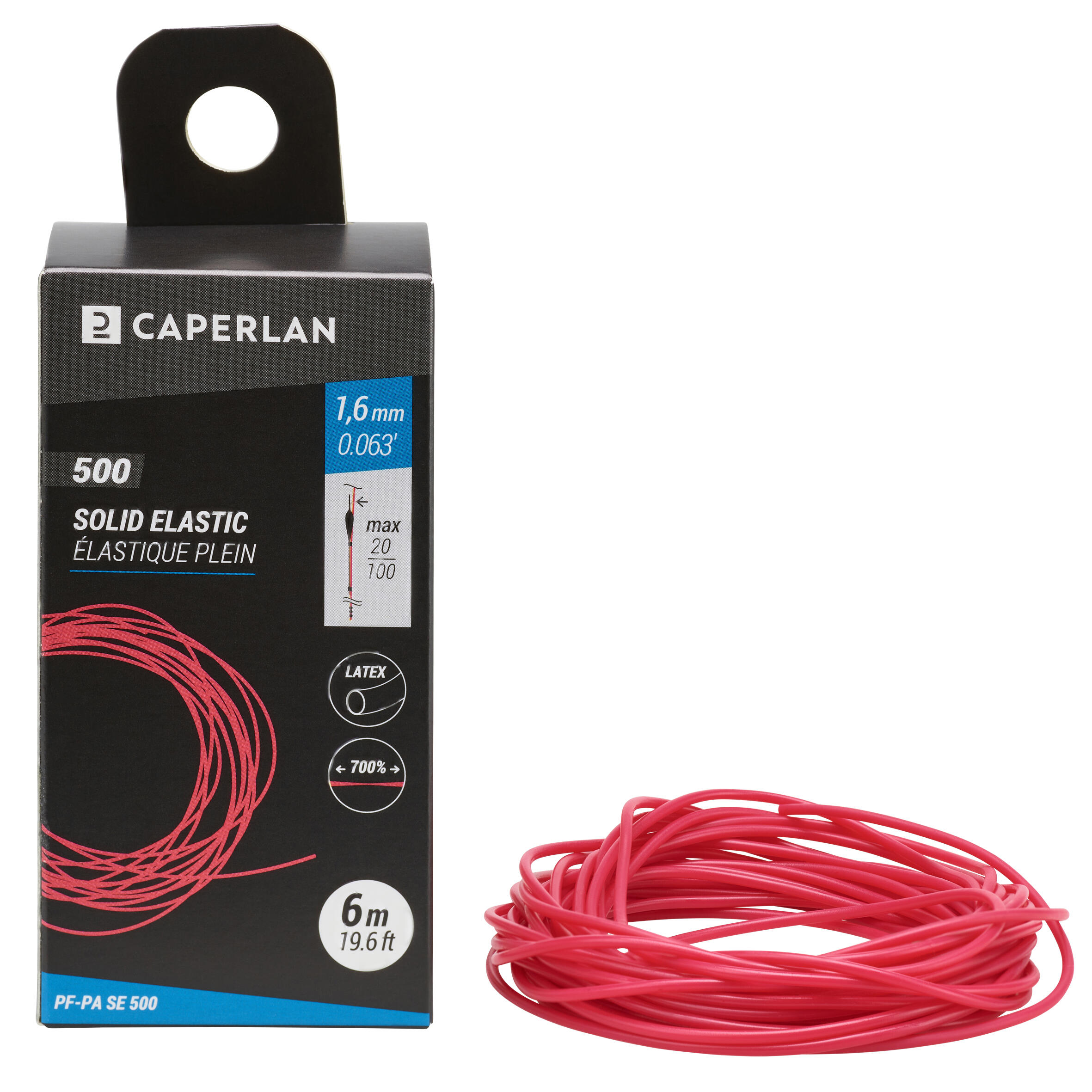
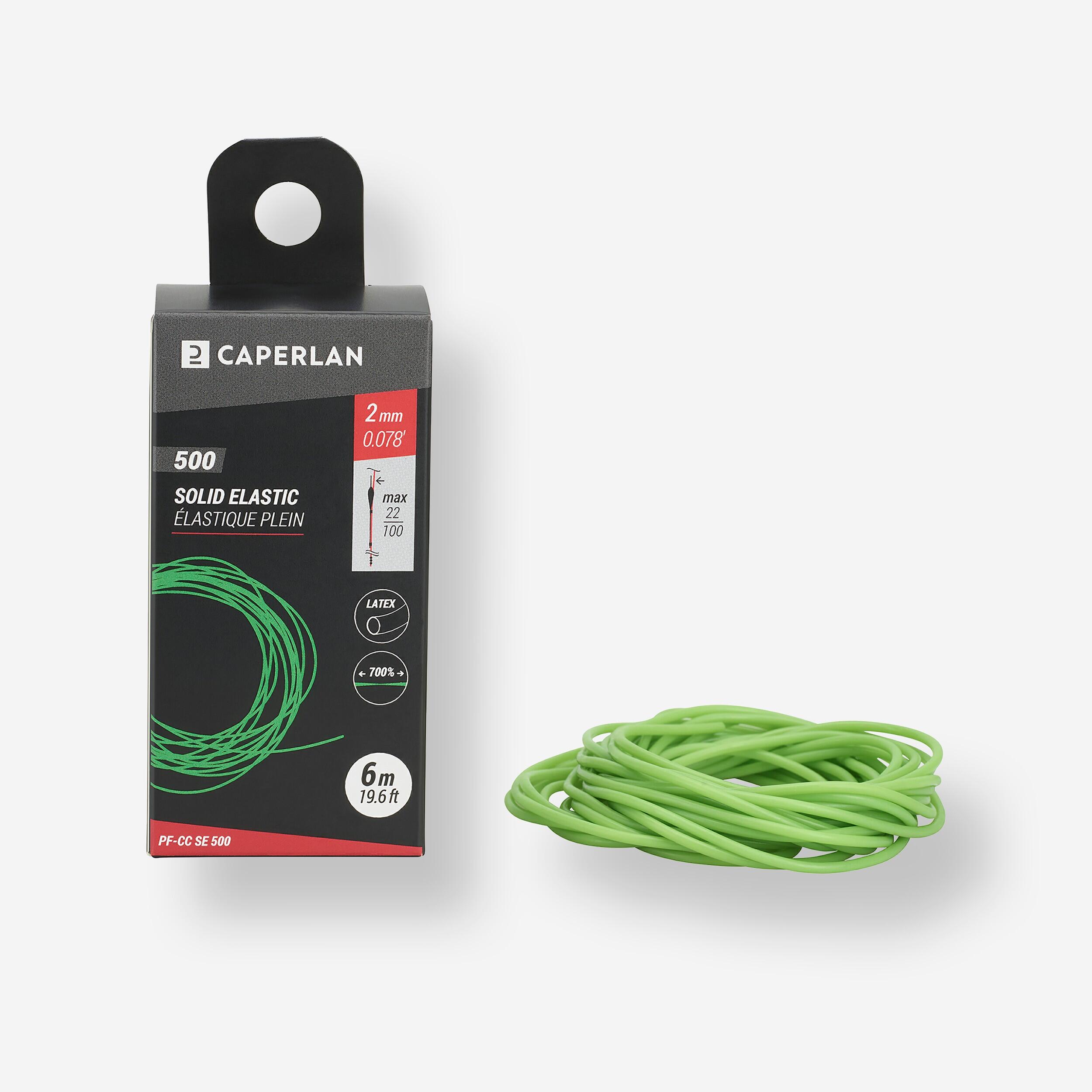
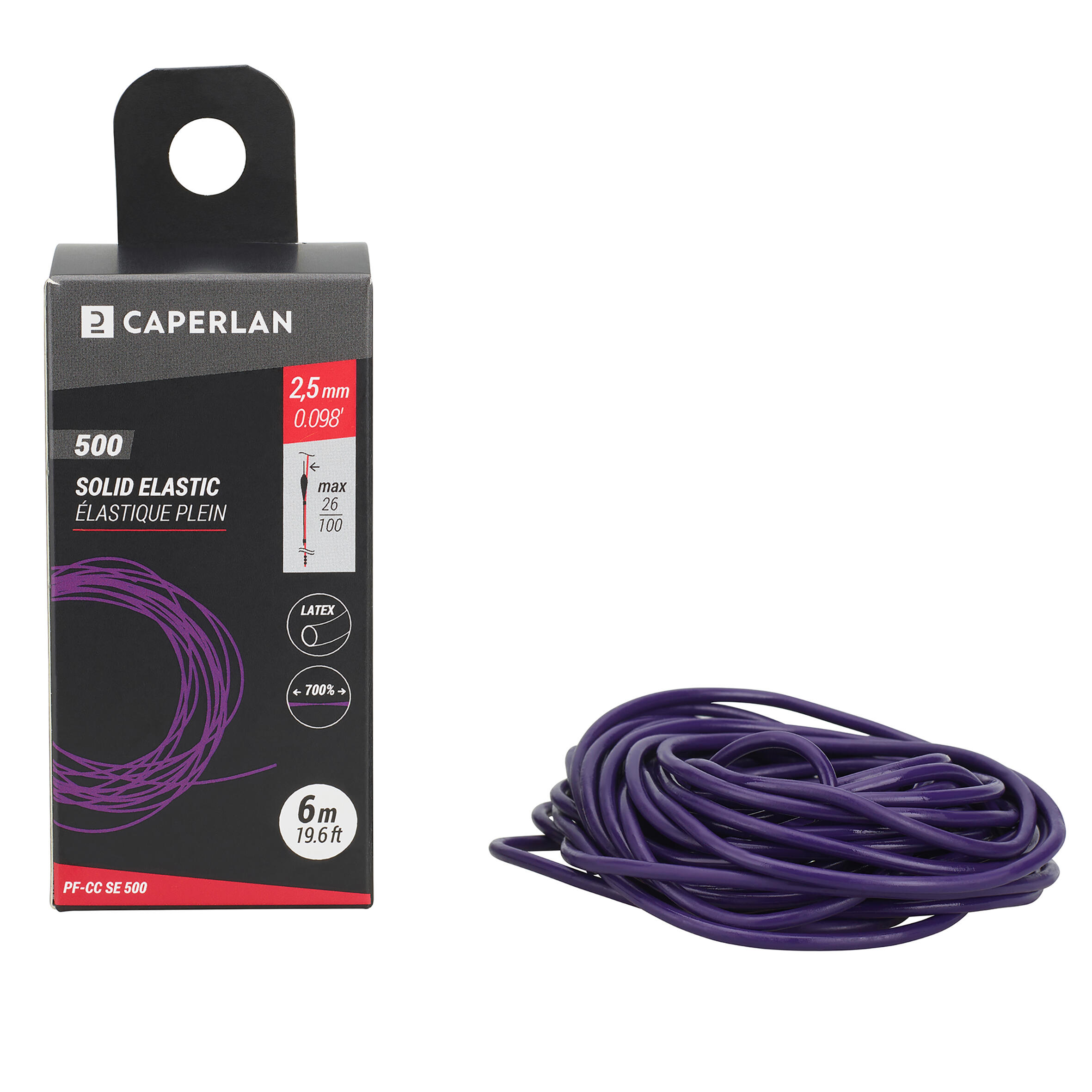
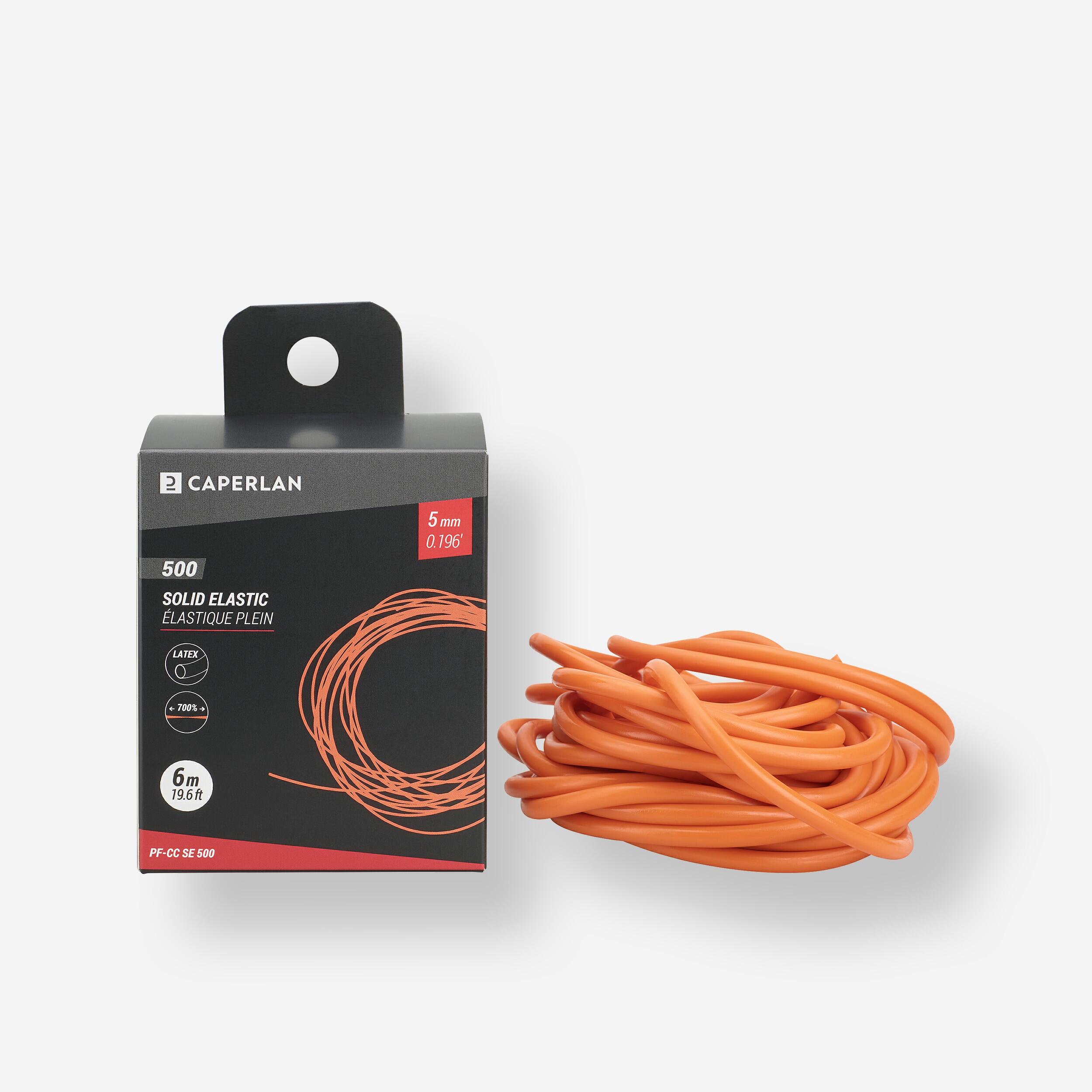
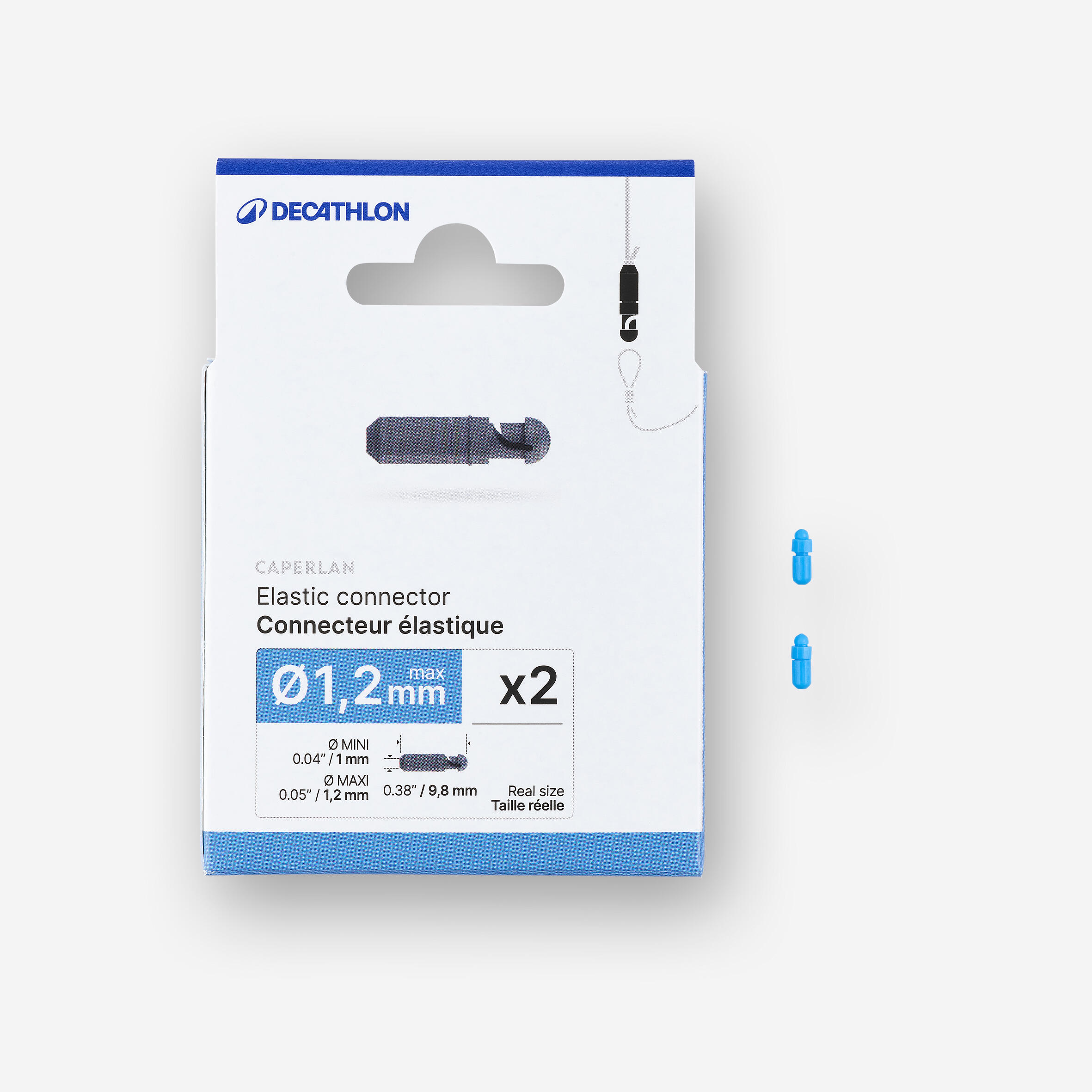
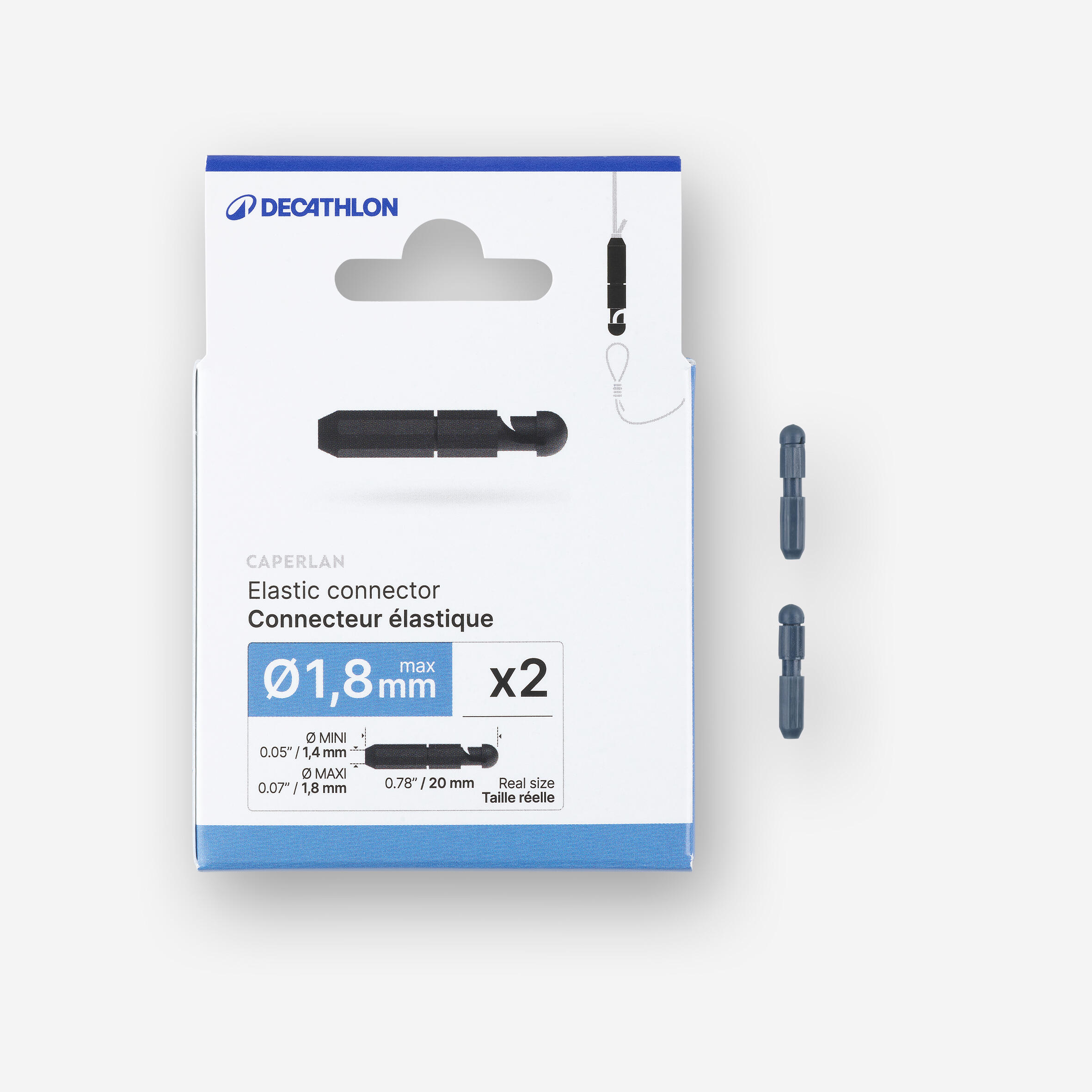
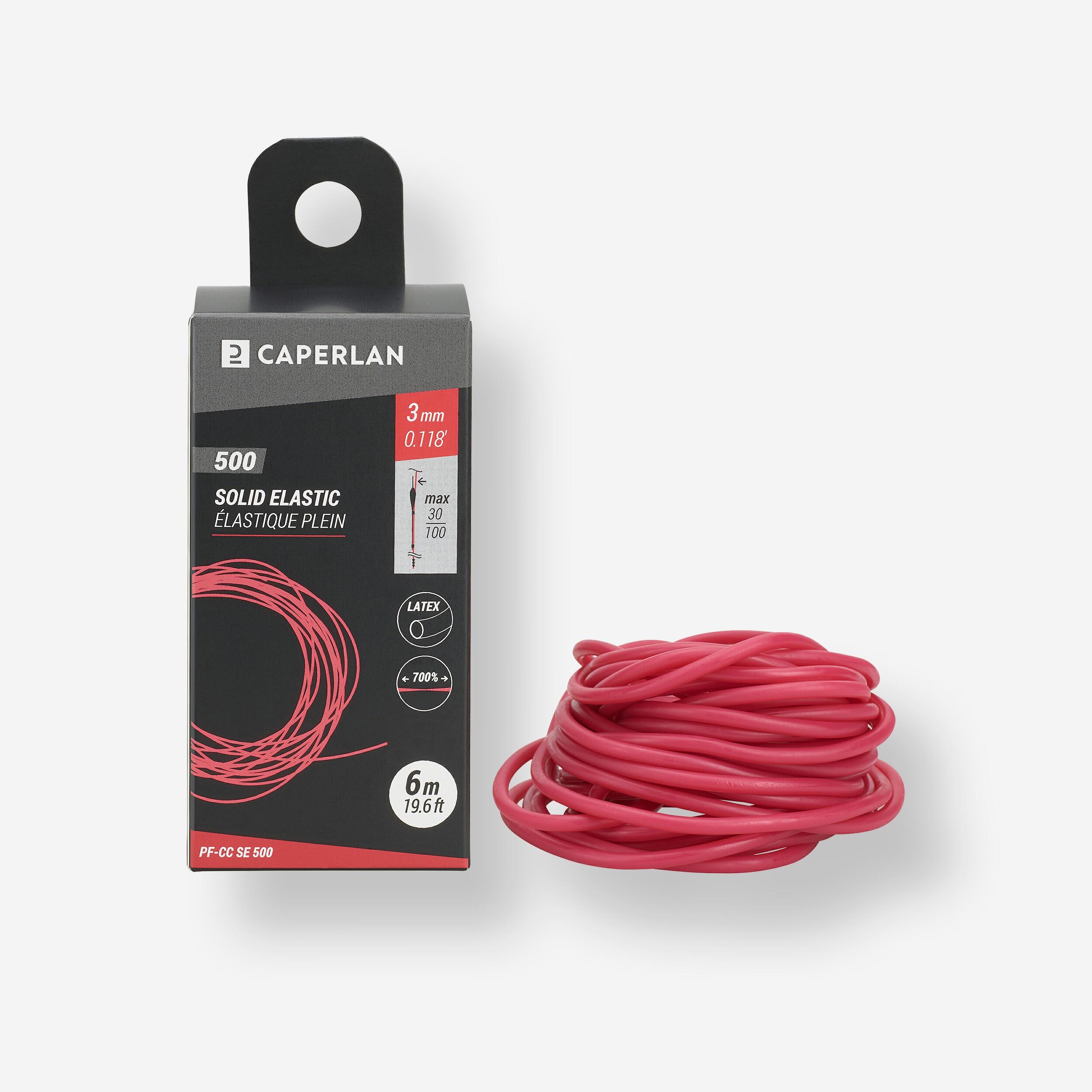
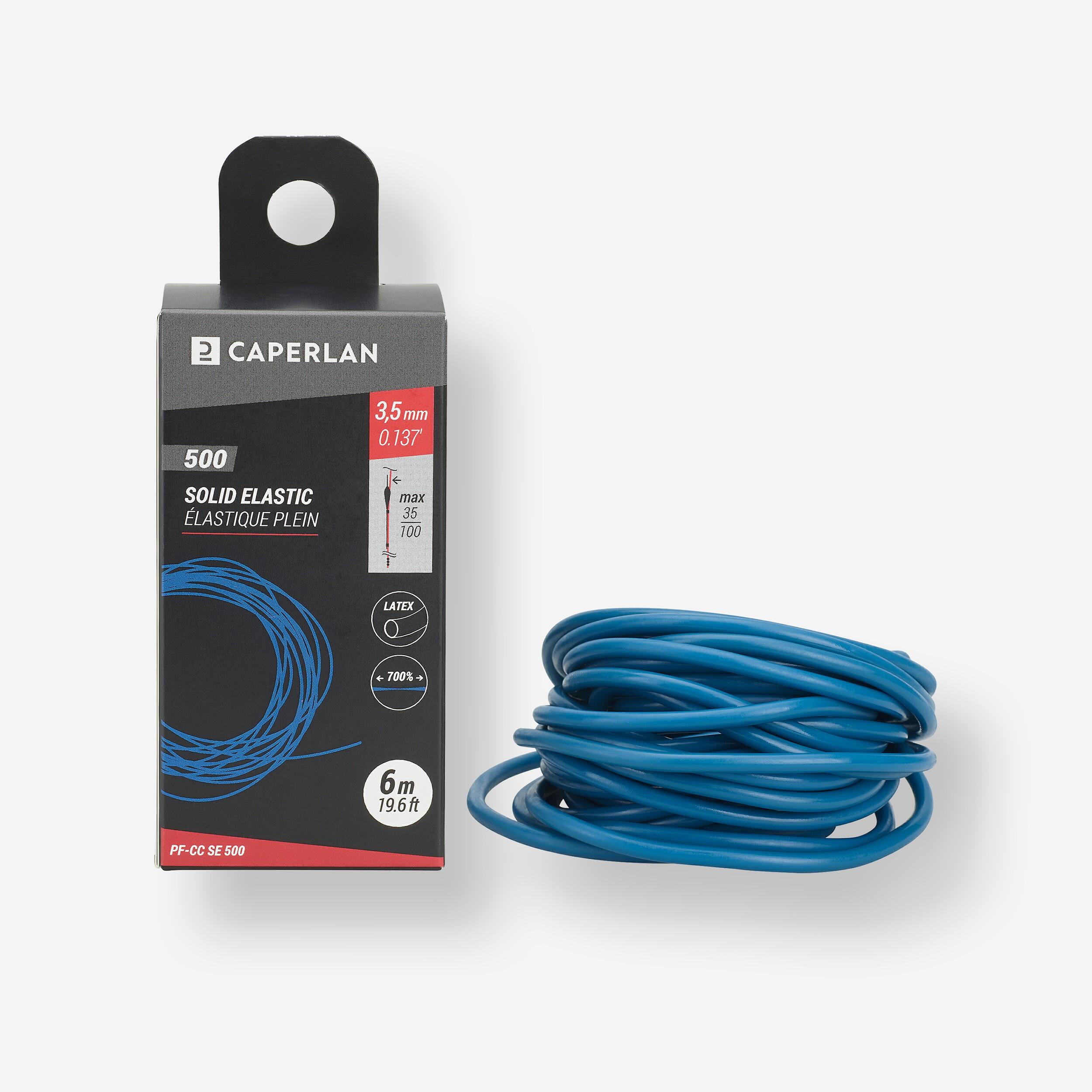
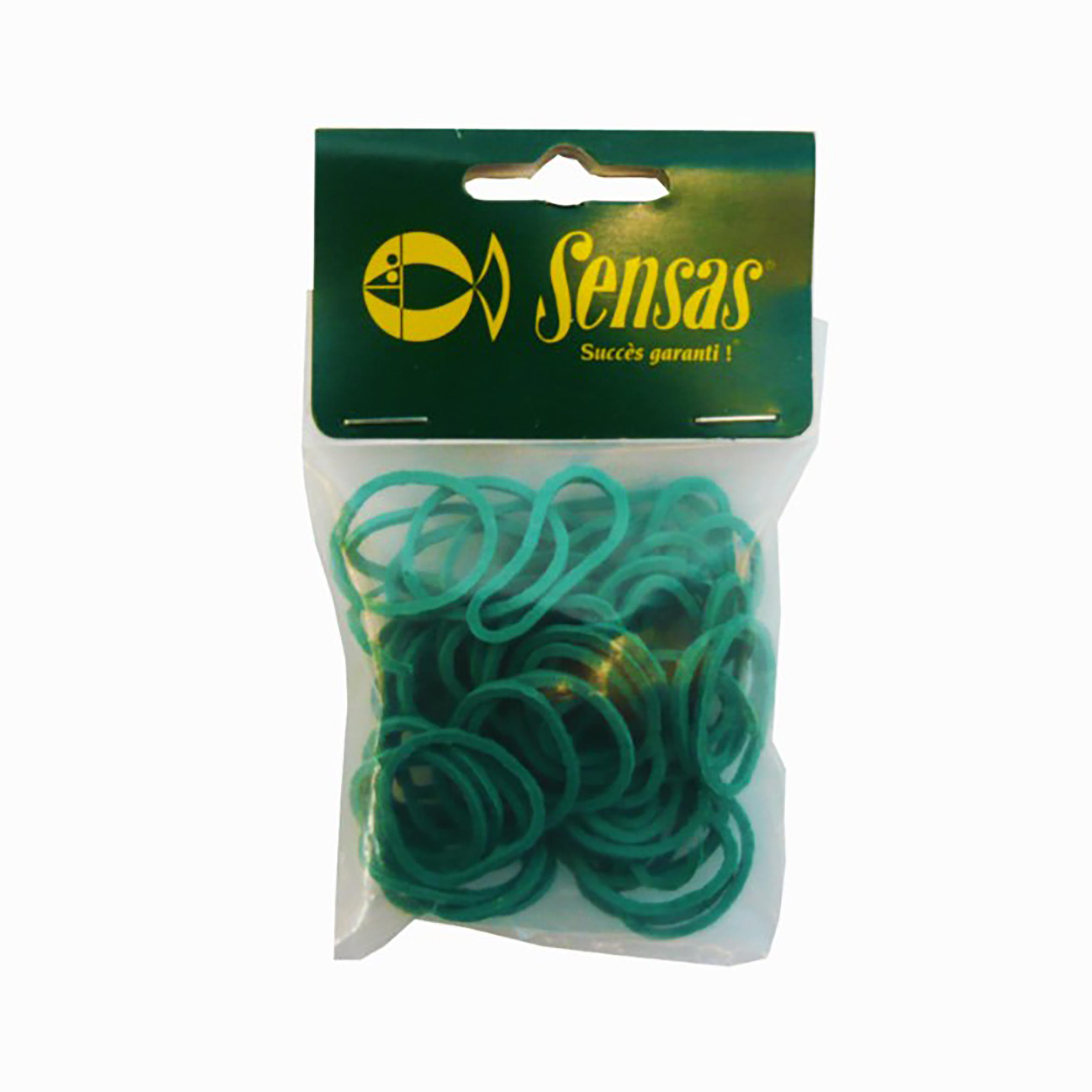
Elastic diameter should match the size and strength of the fish you expect to catch rather than simply choosing the thickest option available. Caperlan separates lighter whitefish elastics from stronger carp versions and publishes linear power figures alongside the diameter. Around 1-1.2 mm suits smaller fish such as roach and small bream, while 1.4-1.8 mm provides more resistance for tench, larger bream and carp. A pole fishing solid elastic latex band uses natural latex with approximately 700% elasticity, allowing it to stretch under load rather than transferring every sudden movement directly to the line. Match the elastic to the hook length and target fish so the complete setup remains balanced.

What does a complete pole fishing elastic rigging kit include?

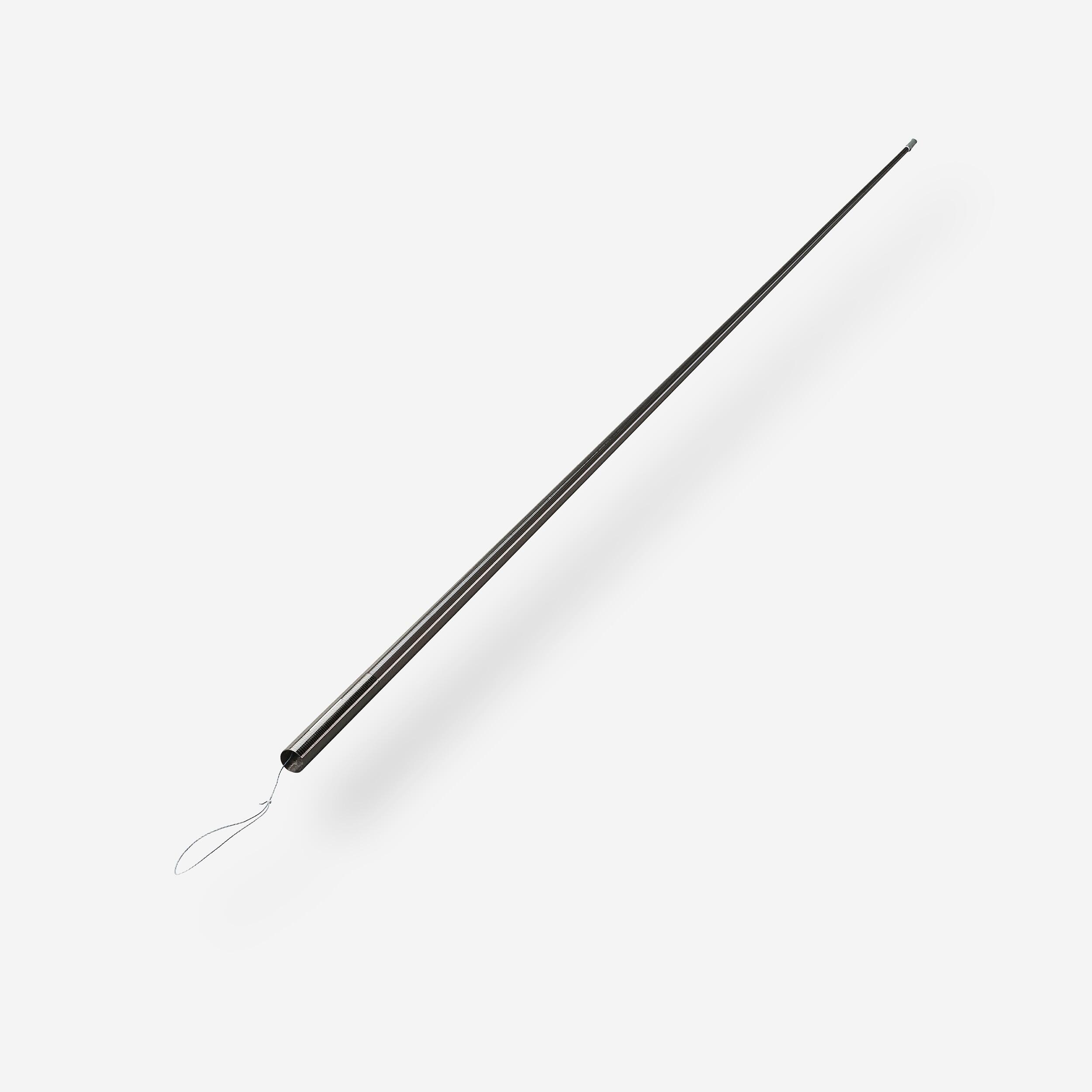
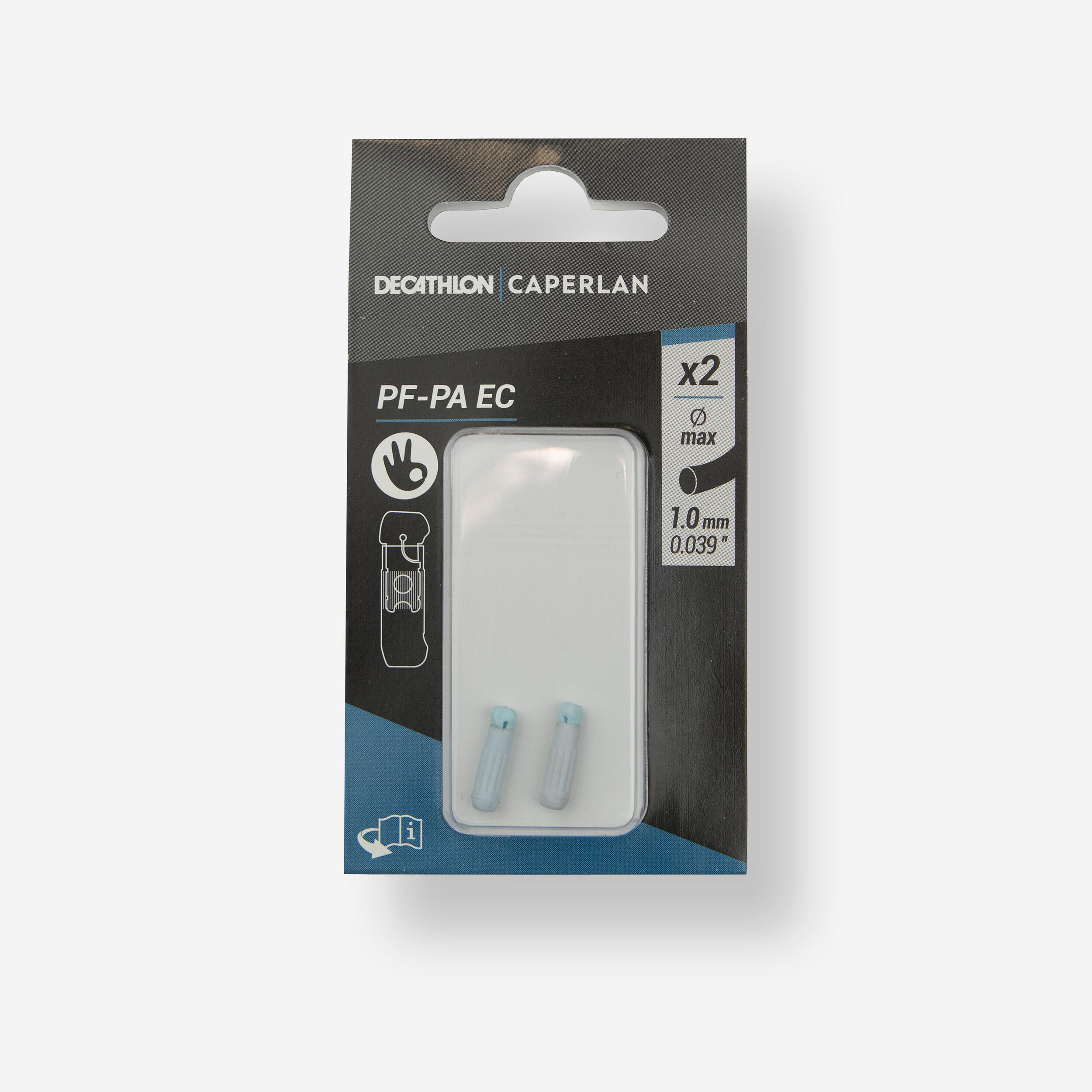
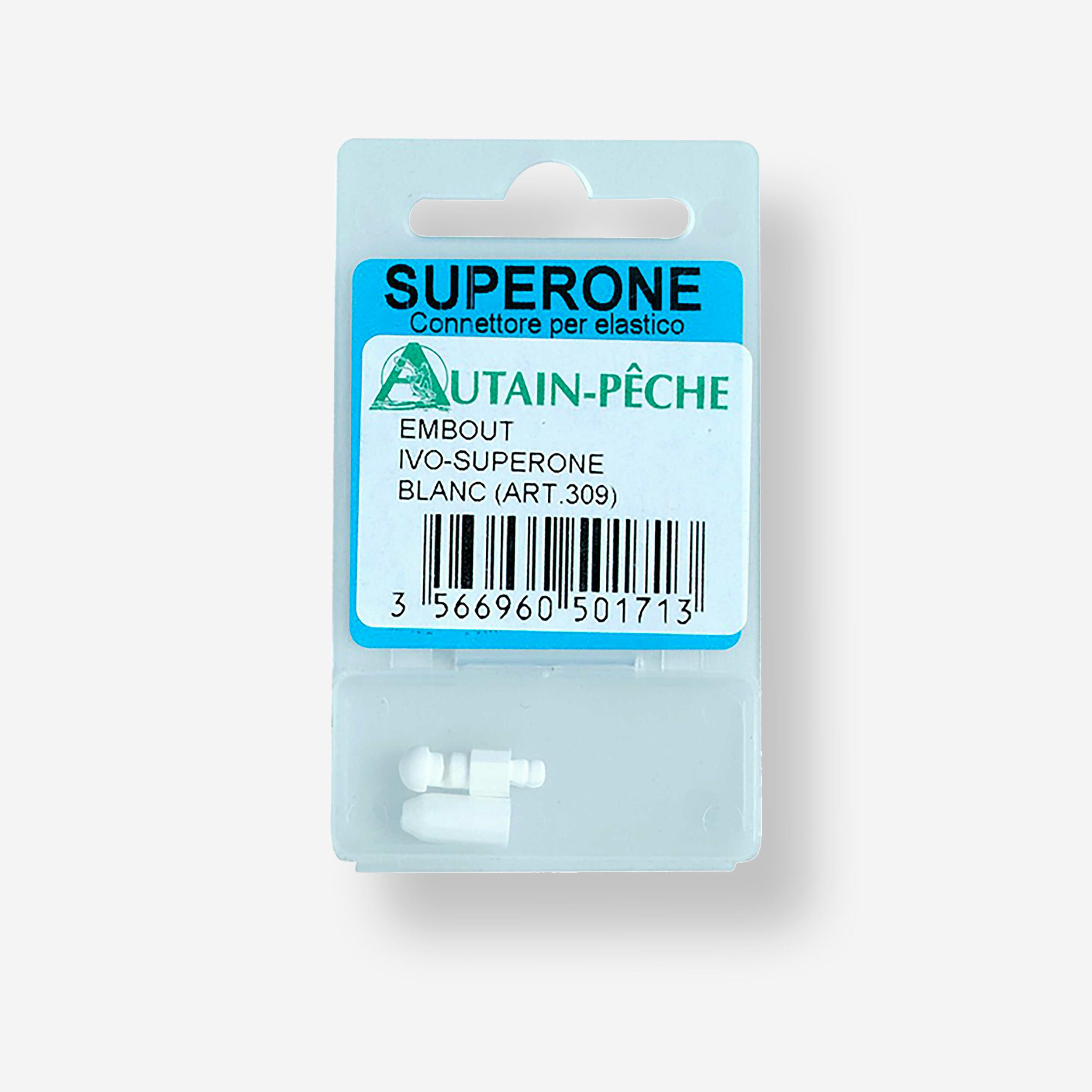
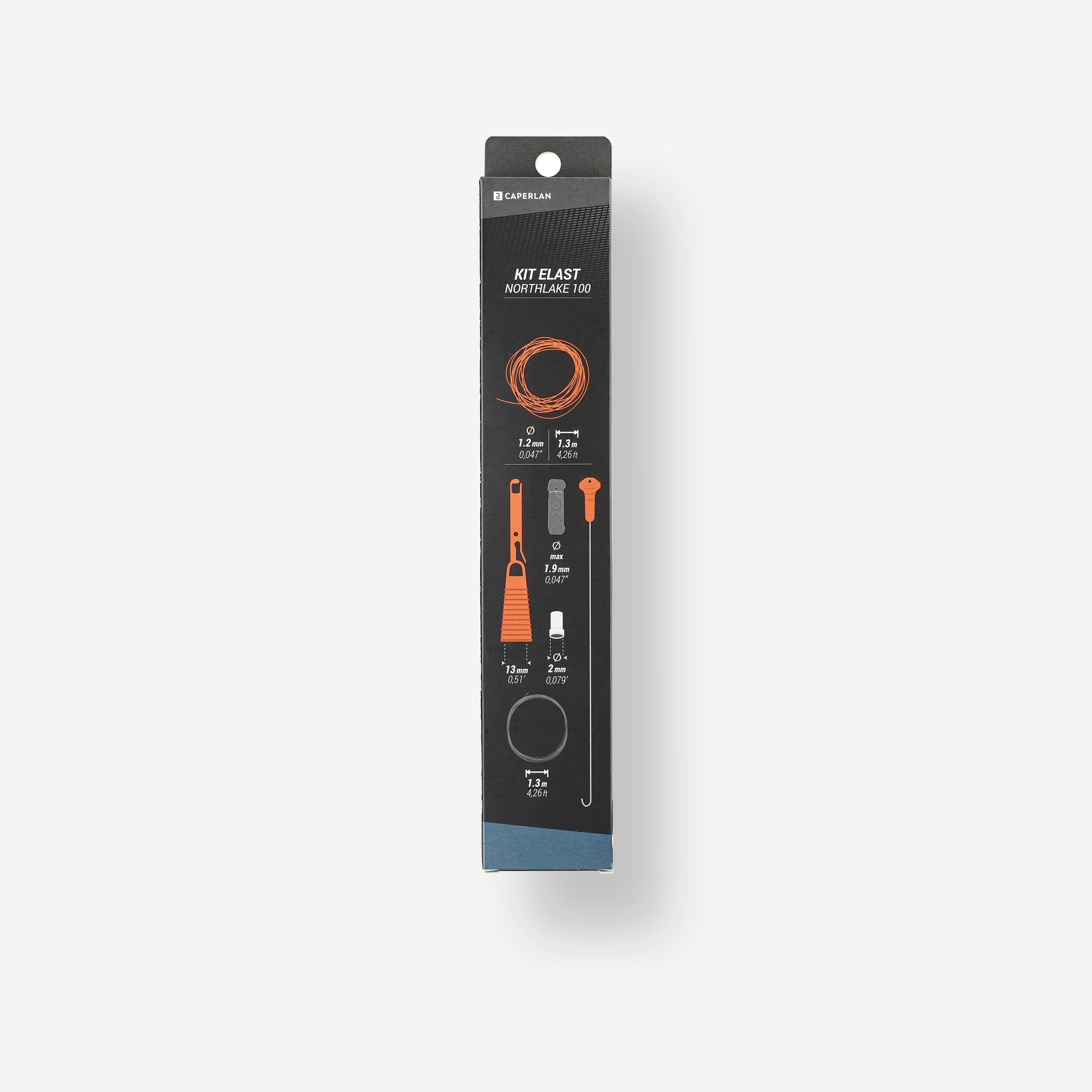
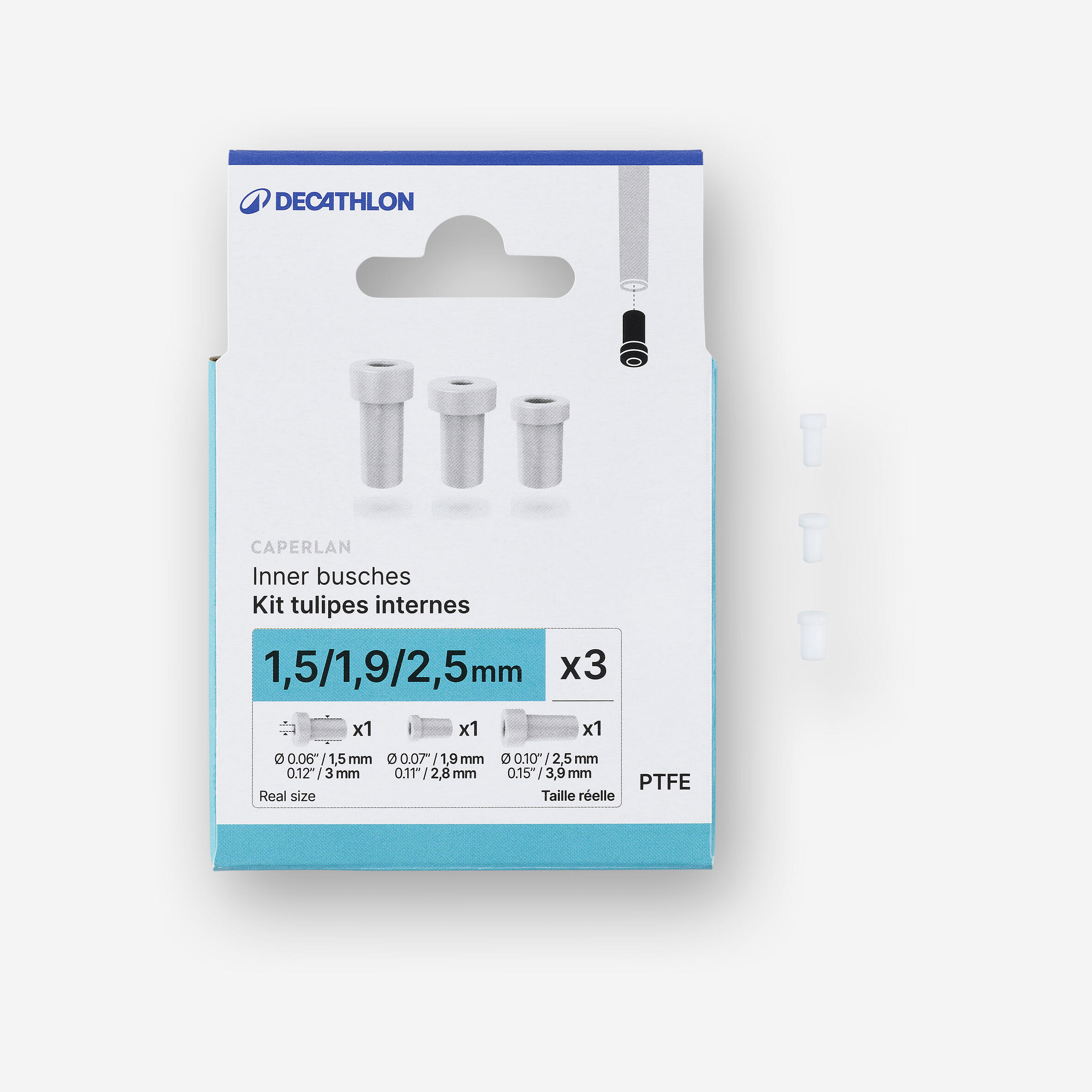
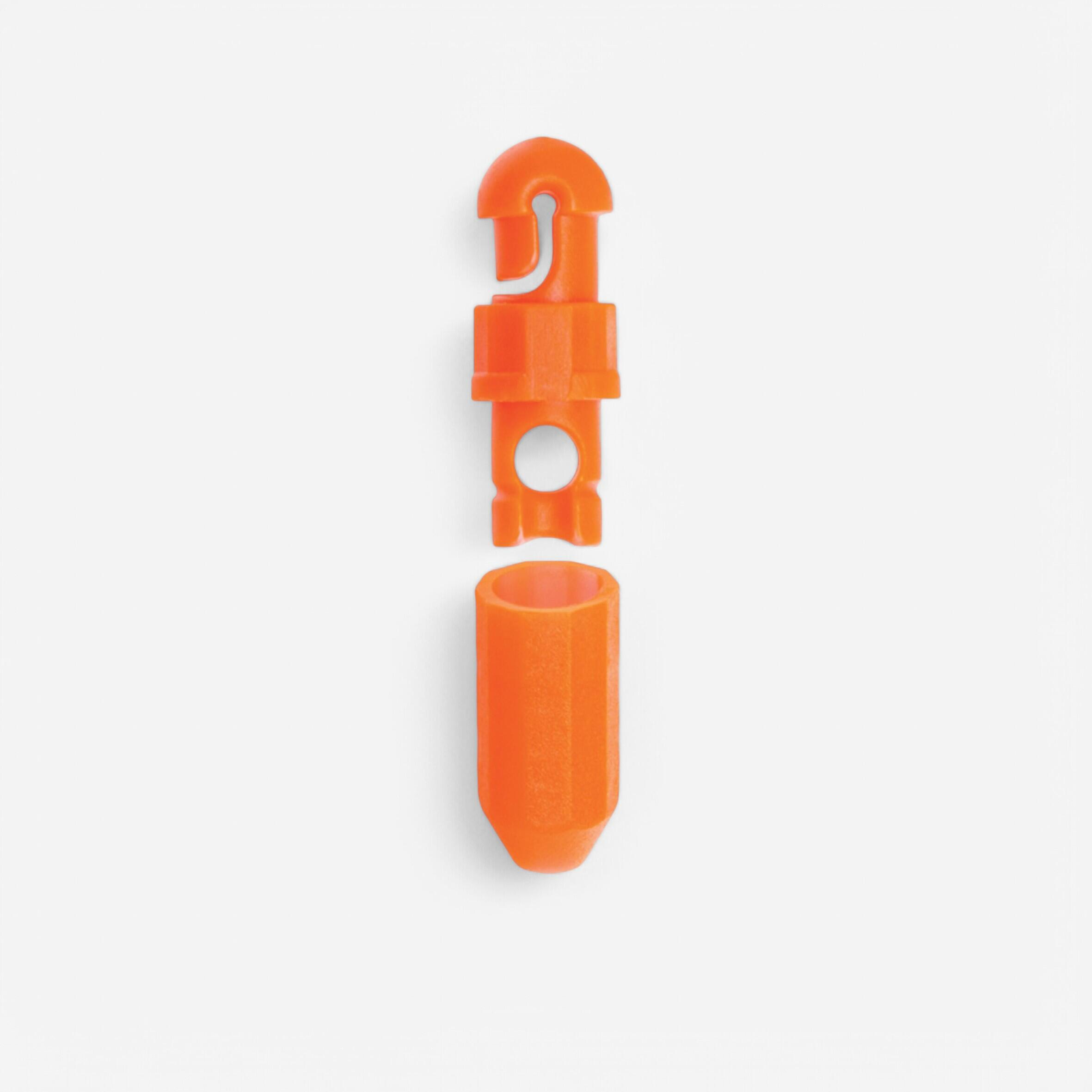
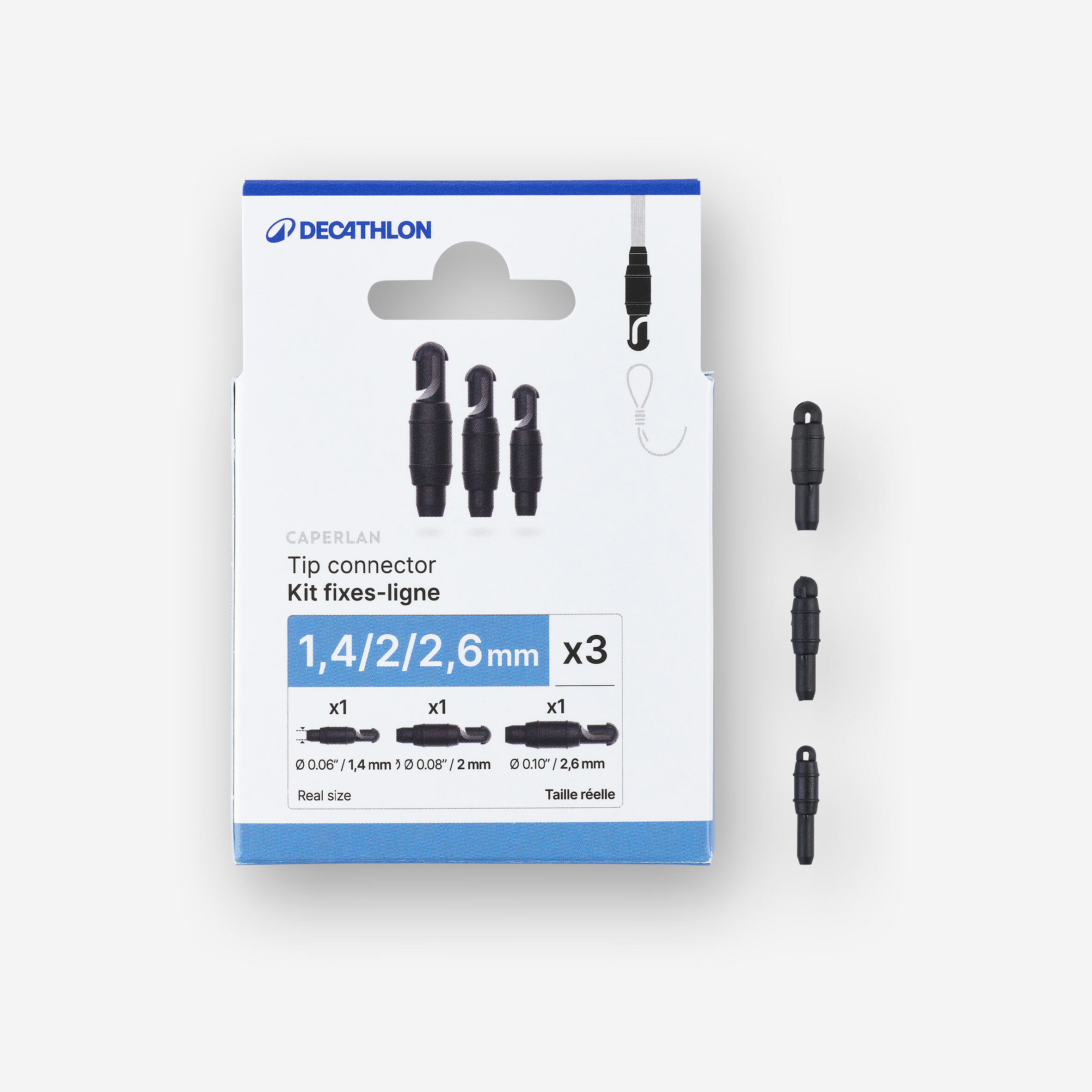
A complete kit can simplify re-elasticating a pole because it brings together the small components that need to work as one system. Caperlan's pole fishing elastic rigging kit for NORTHLAKE 100 rods includes elastic, a steel threading tool, an elastic connector, an internal pole bush, a winder bung with extractor and assembly instructions. This means you can rebuild the internal elastic system without sourcing each part separately. The kit is compatible across the NORTHLAKE 100 rod family, which reduces the need for different repair packs for every rod length. When assembling the system, make sure the elastic runs smoothly through the internal bush and that the connector and bung suit the elastic diameter before tensioning the setup.

How does a winder bung help manage elastic inside a pole?

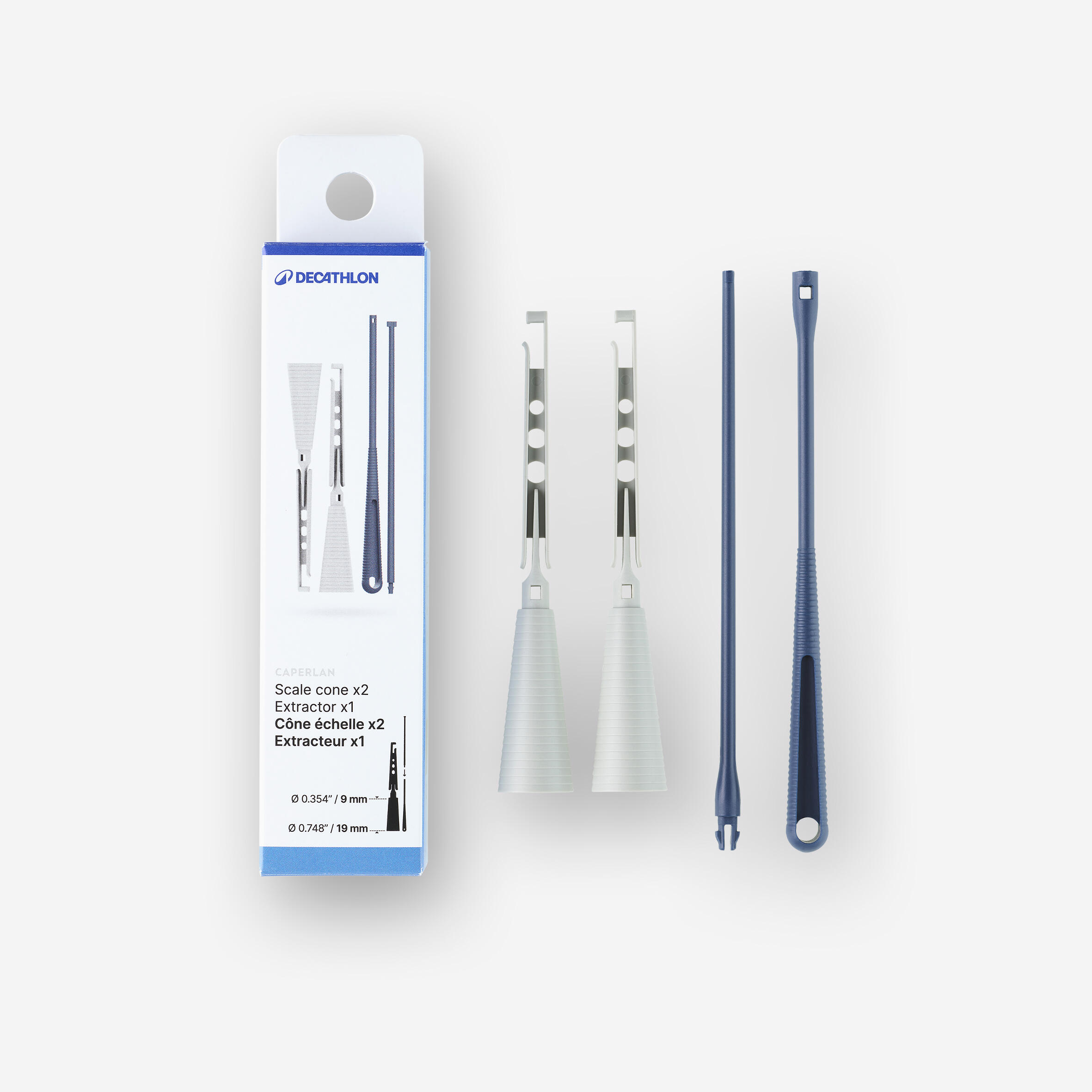
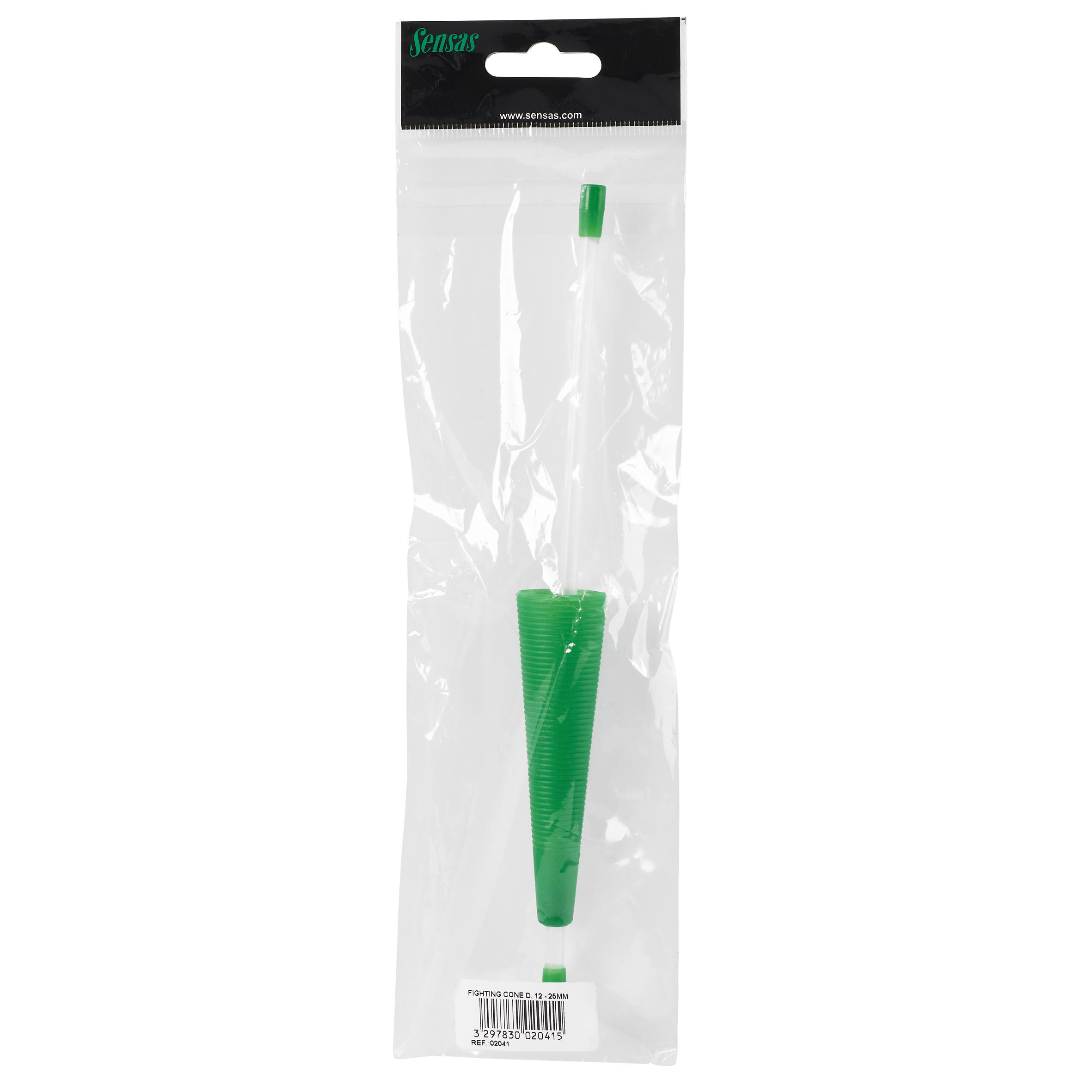
An internal bung gives the elastic an anchoring and storage point inside the pole section, helping you control tension and keep excess material organised. Caperlan uses adjustable bungs that you can cut to suit the internal diameter of the rod section, rather than relying on one fixed size. The system also includes an extractor, so you can retrieve the bung when you need to adjust or replace the elastic. Related pole fishing elastic winders help keep rigging components controlled rather than leaving spare elastic loose inside tackle storage. When fitting a bung, trim it gradually and check the fit repeatedly; removing too much material at once can leave the component too small to sit securely inside the chosen section.

How can you make pole elastic last longer between sessions?

Latex elastic is repeatedly stretched inside the rod, so storage conditions and friction can affect its usable life. Caperlan advises keeping pole elastic dry and away from direct sunlight and moonlight, as prolonged exposure can degrade the material. Lubricant can also help the elastic move more freely through the pole and internal bush, reducing friction during use. As part of regular pole fishing maintenance, inspect the elastic near connectors and bushes for flattening, cracking or loss of recovery. Replace worn material before it fails during a session, and check that the internal Teflon bush remains smooth and correctly positioned. If the elastic repeatedly sticks or returns slowly, investigate the rigging path rather than simply increasing tension, because a damaged or badly fitted component may be creating unnecessary resistance.

When do you repair pole rod parts instead of replacing the whole setup?

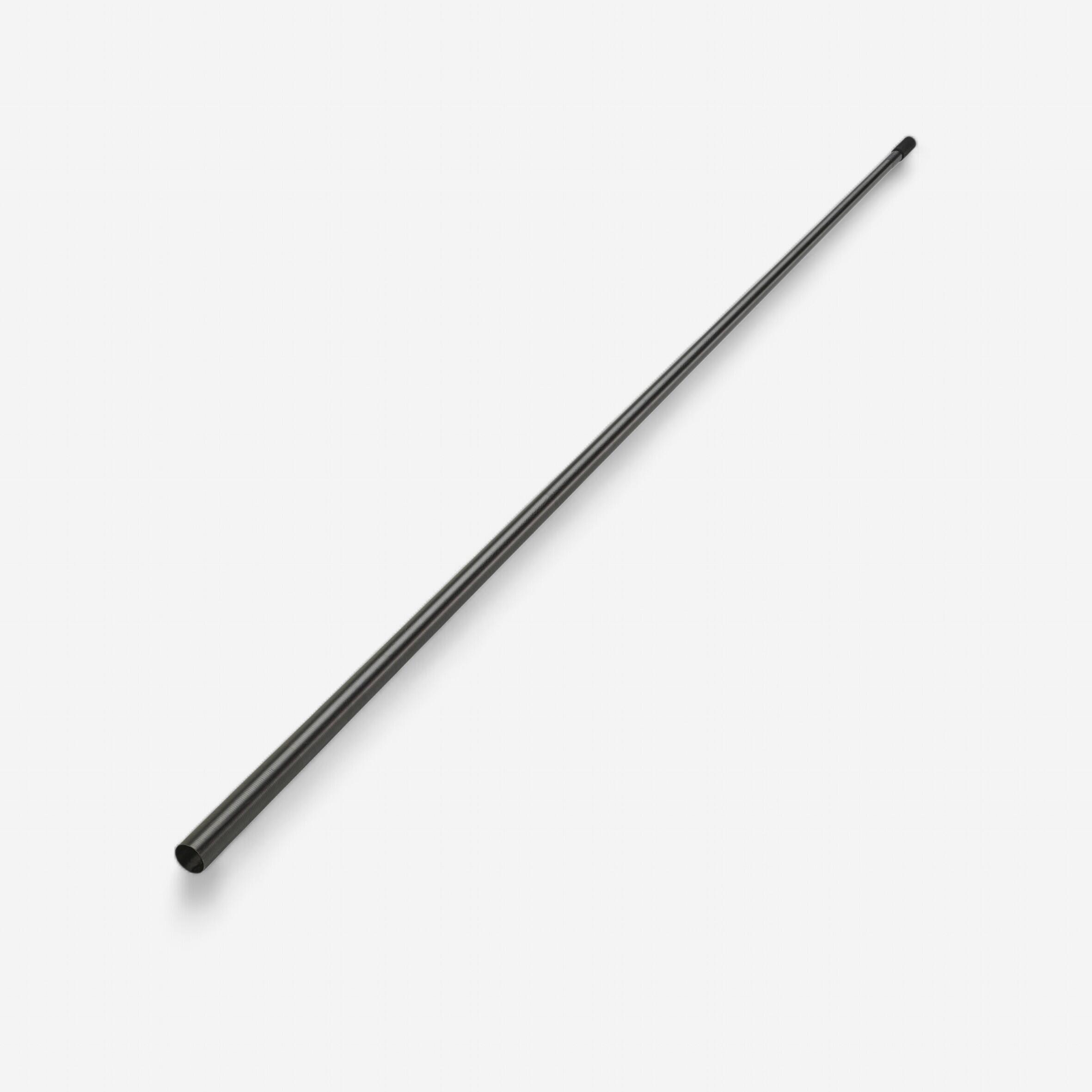
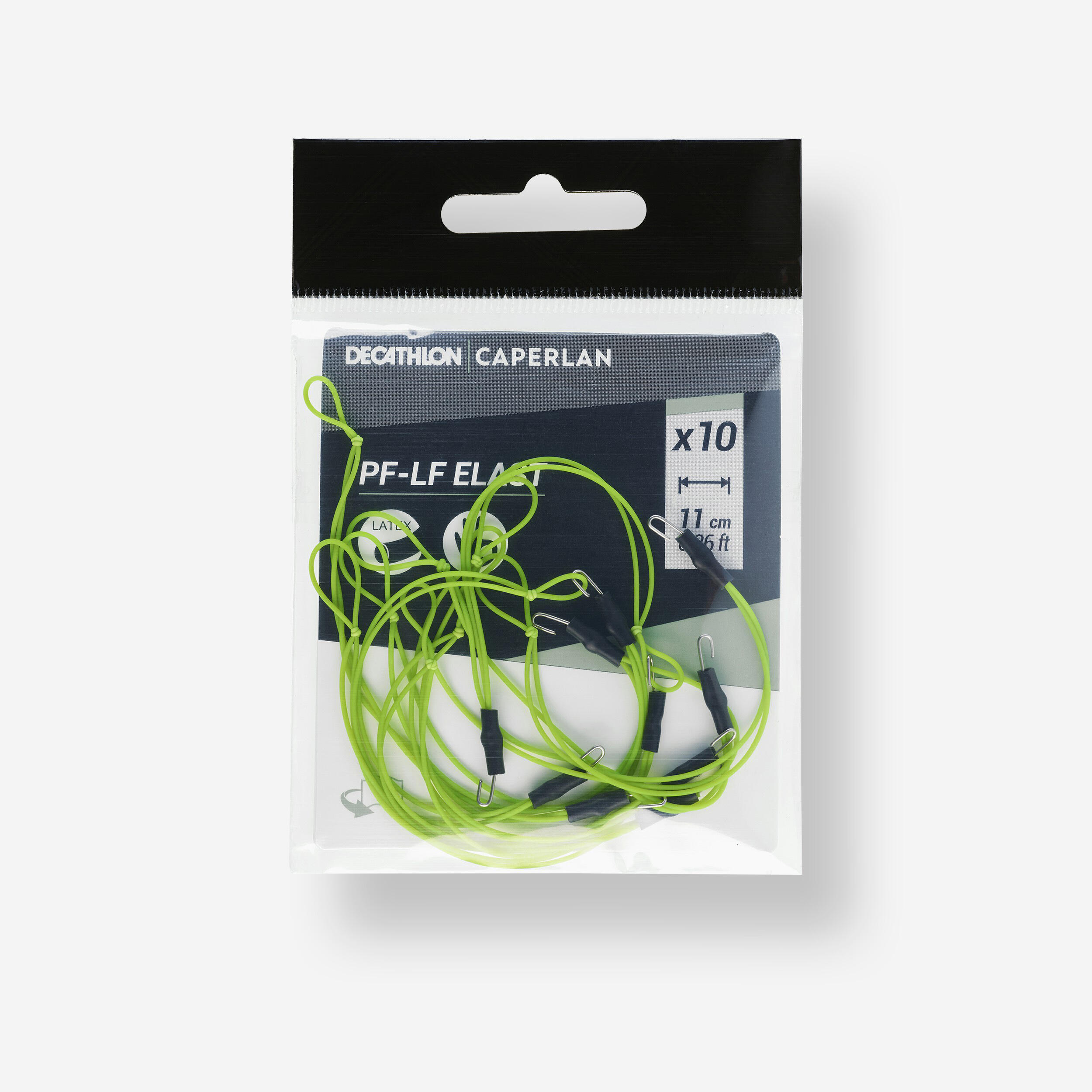
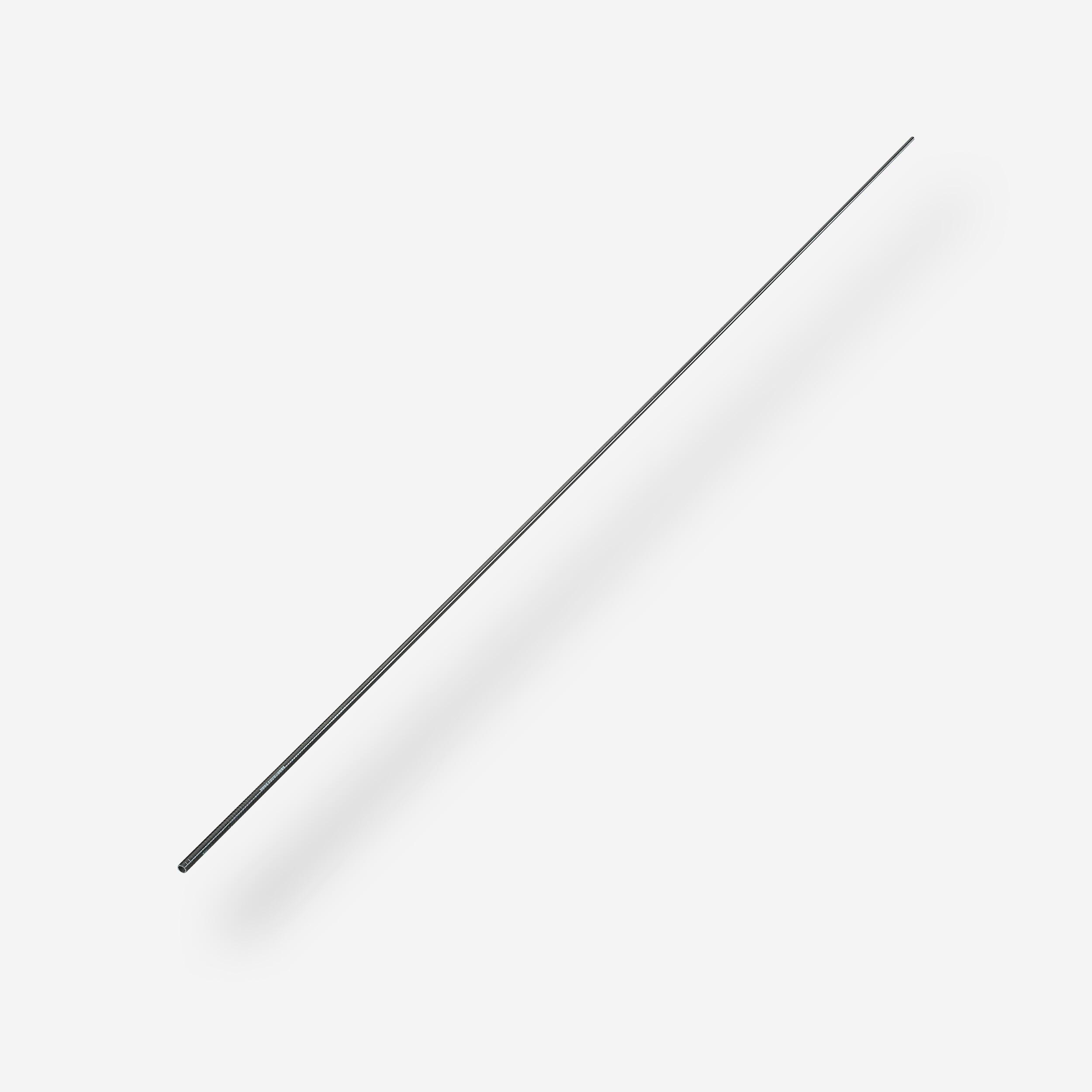
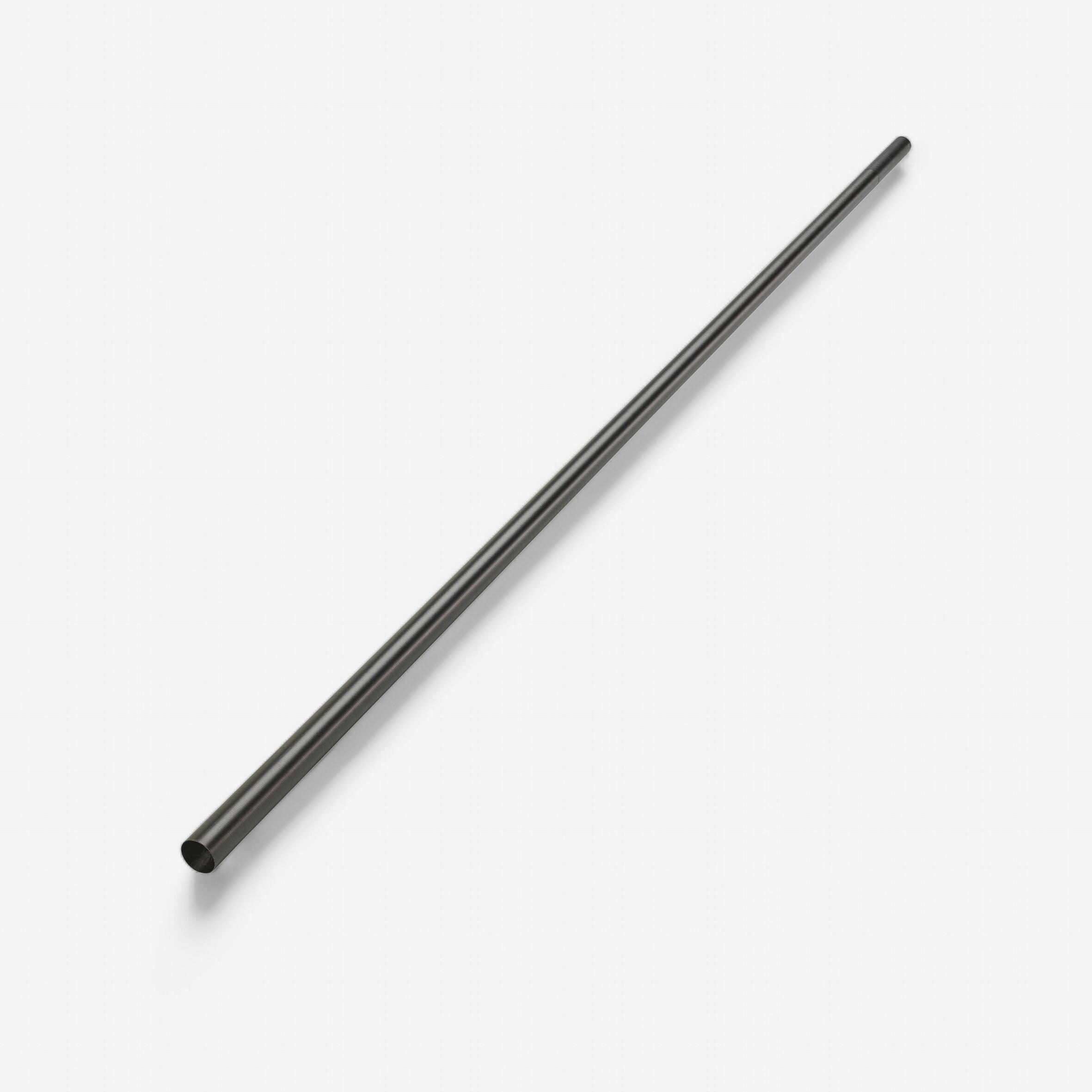
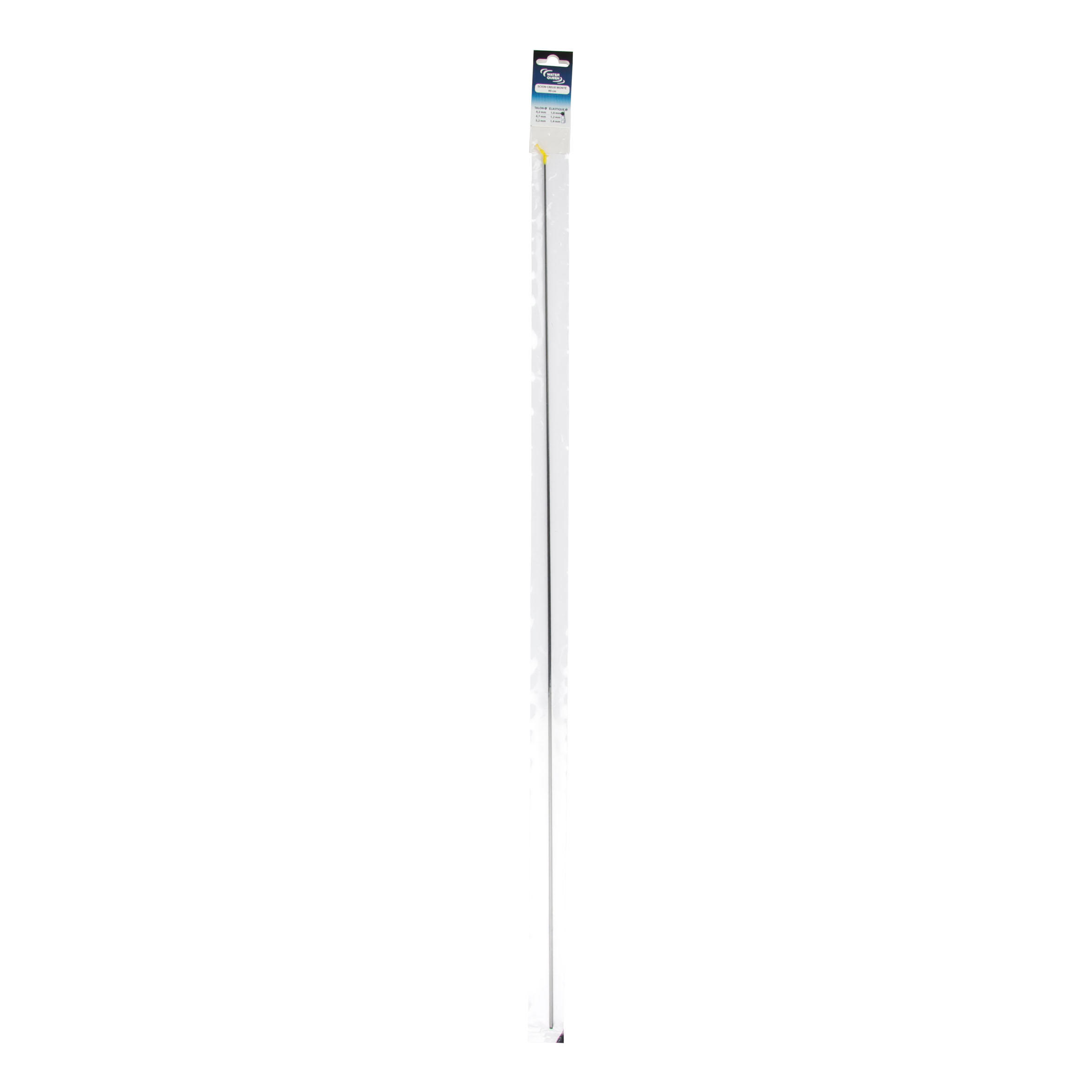
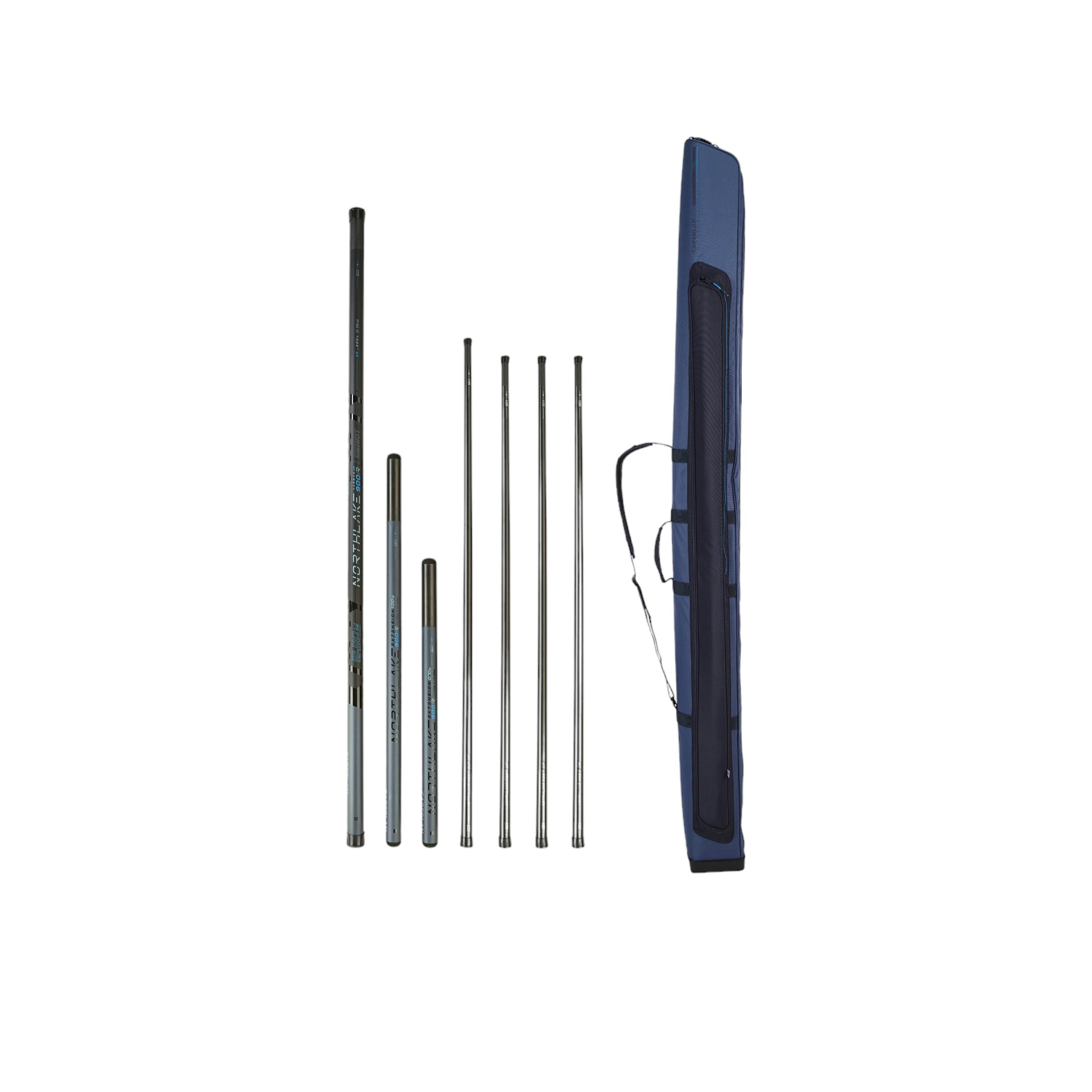
A damaged connector, worn elastic, cracked tip or faulty internal bung does not always mean the complete pole needs replacing. Caperlan's system includes individual elastics, connectors, bushes, winder bungs, rigging tools and pre-rigged replacement tips, so you can replace one worn component separately. This repair-first approach can be especially useful when the main rod sections remain structurally sound. Check the wider coarse fishing setup before the next session and inspect pole tips, elastic exits and connections for wear that could develop into a larger problem. Carbon replacement tips require the same precautions as the original rod: protect them from impact during transport, keep them away from overhead power lines and do not use them during thunderstorms. Matching the replacement to the exact rod model also helps preserve the intended fit and operation.