283 items
4.7/5 based on 17995 reviews collected online and in stores

Pole Fishing FAQs

What type of pole fishing rod works best for a first setup?

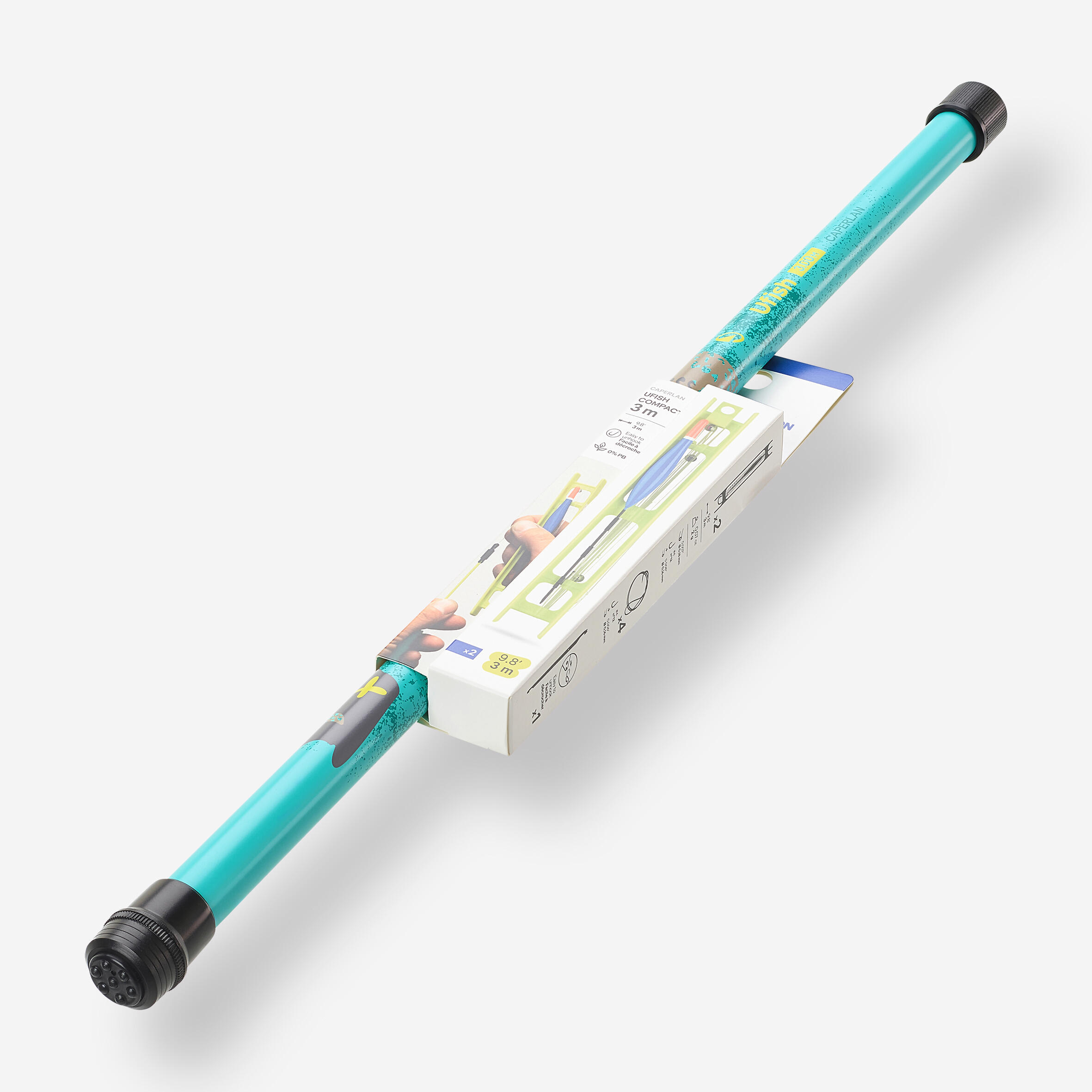
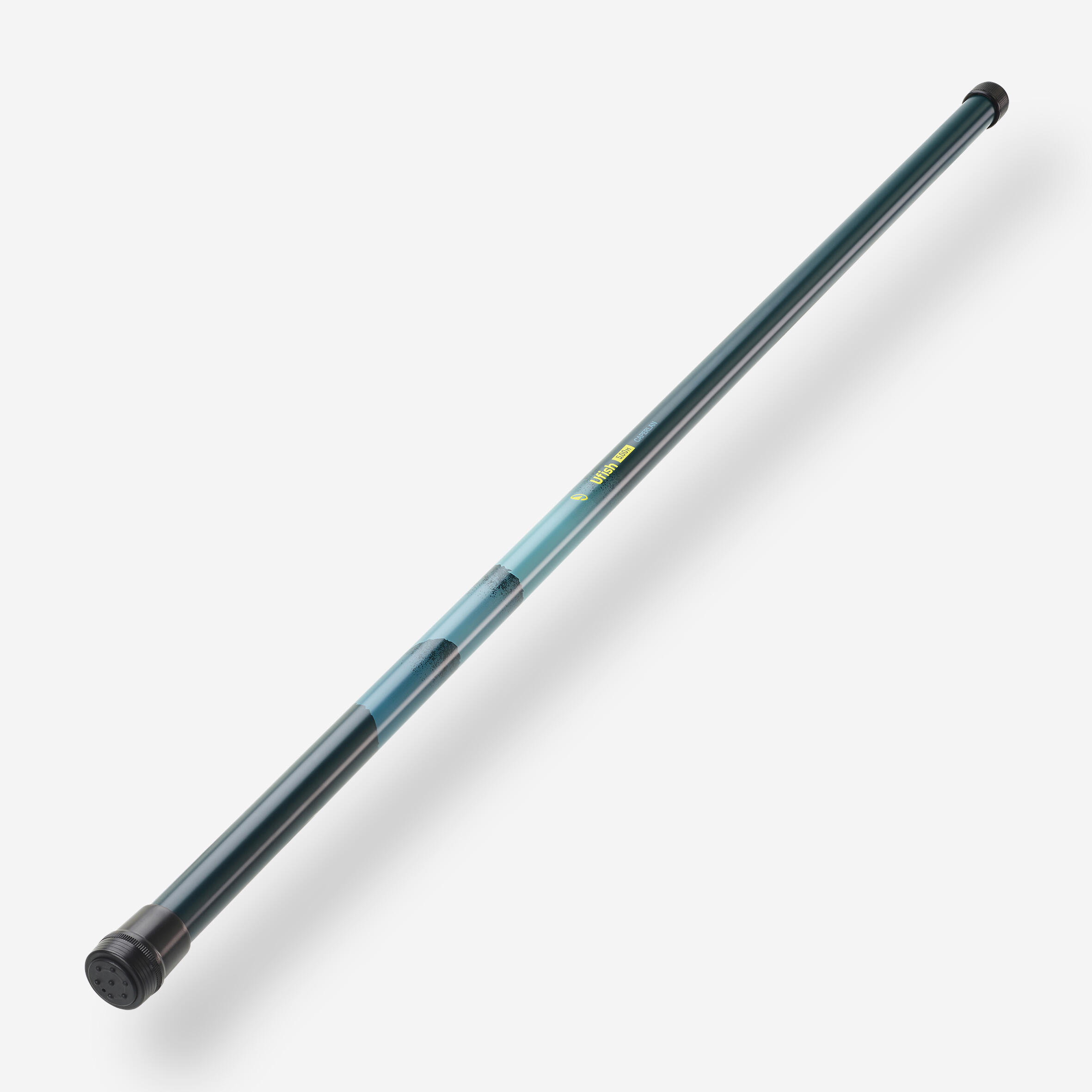
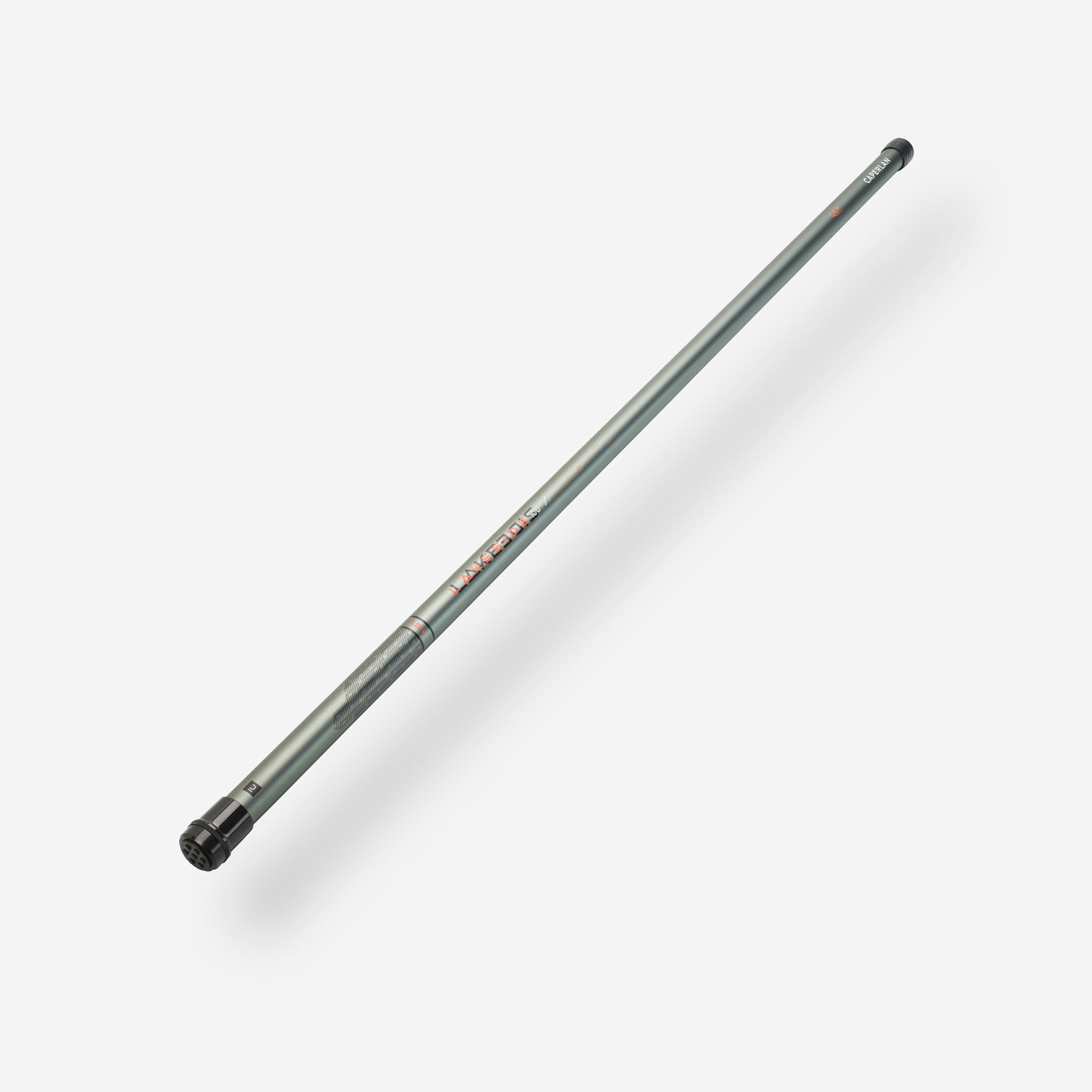
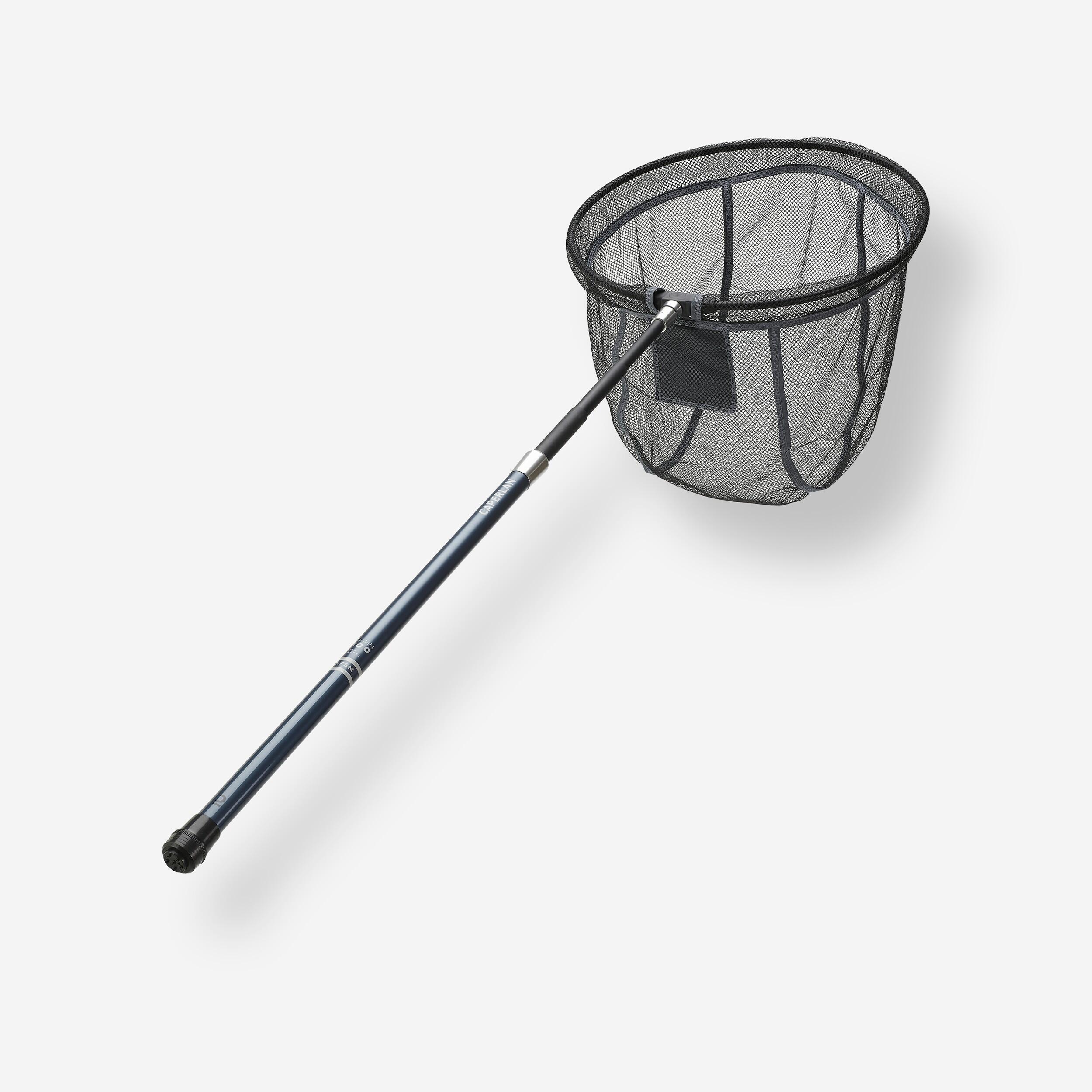
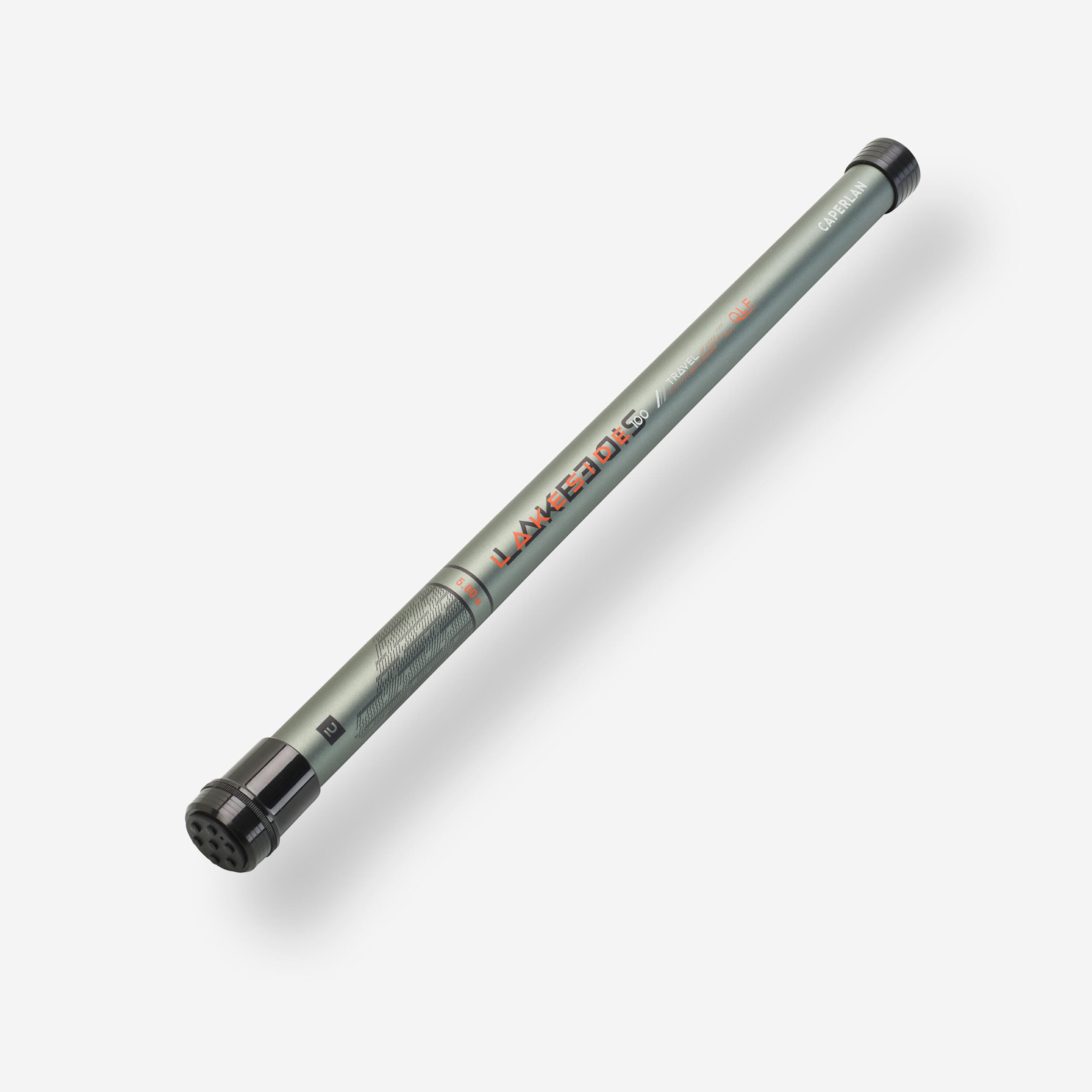
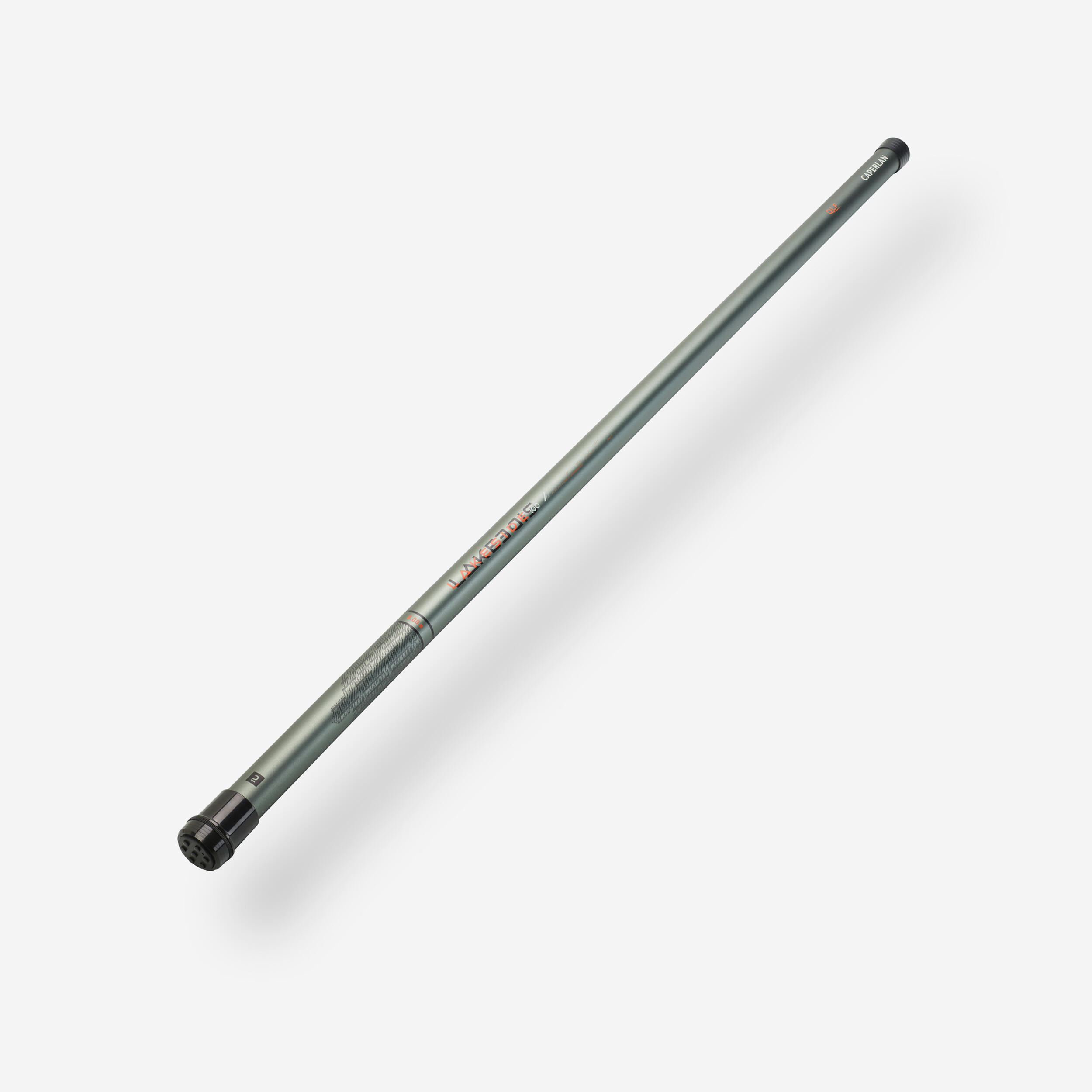
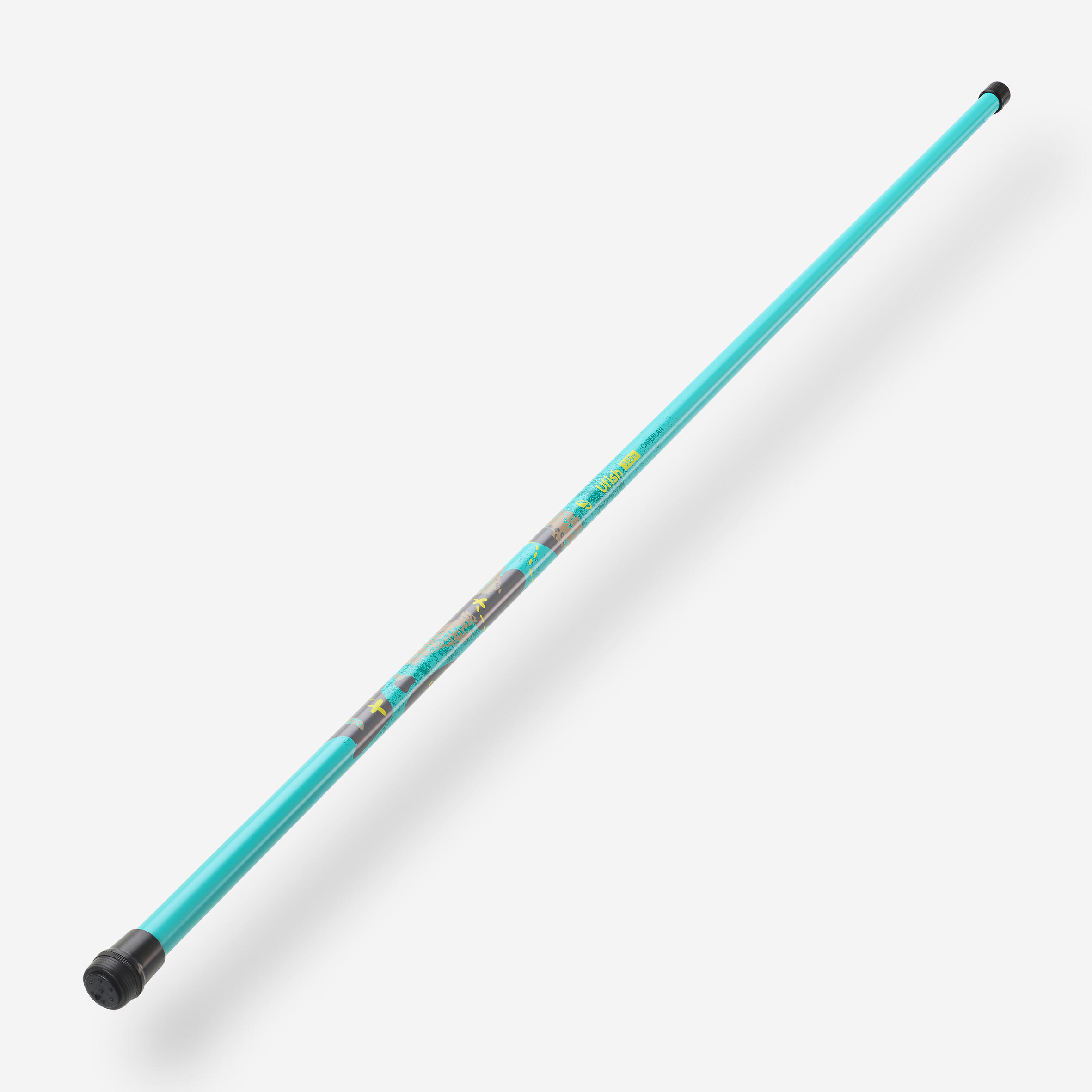
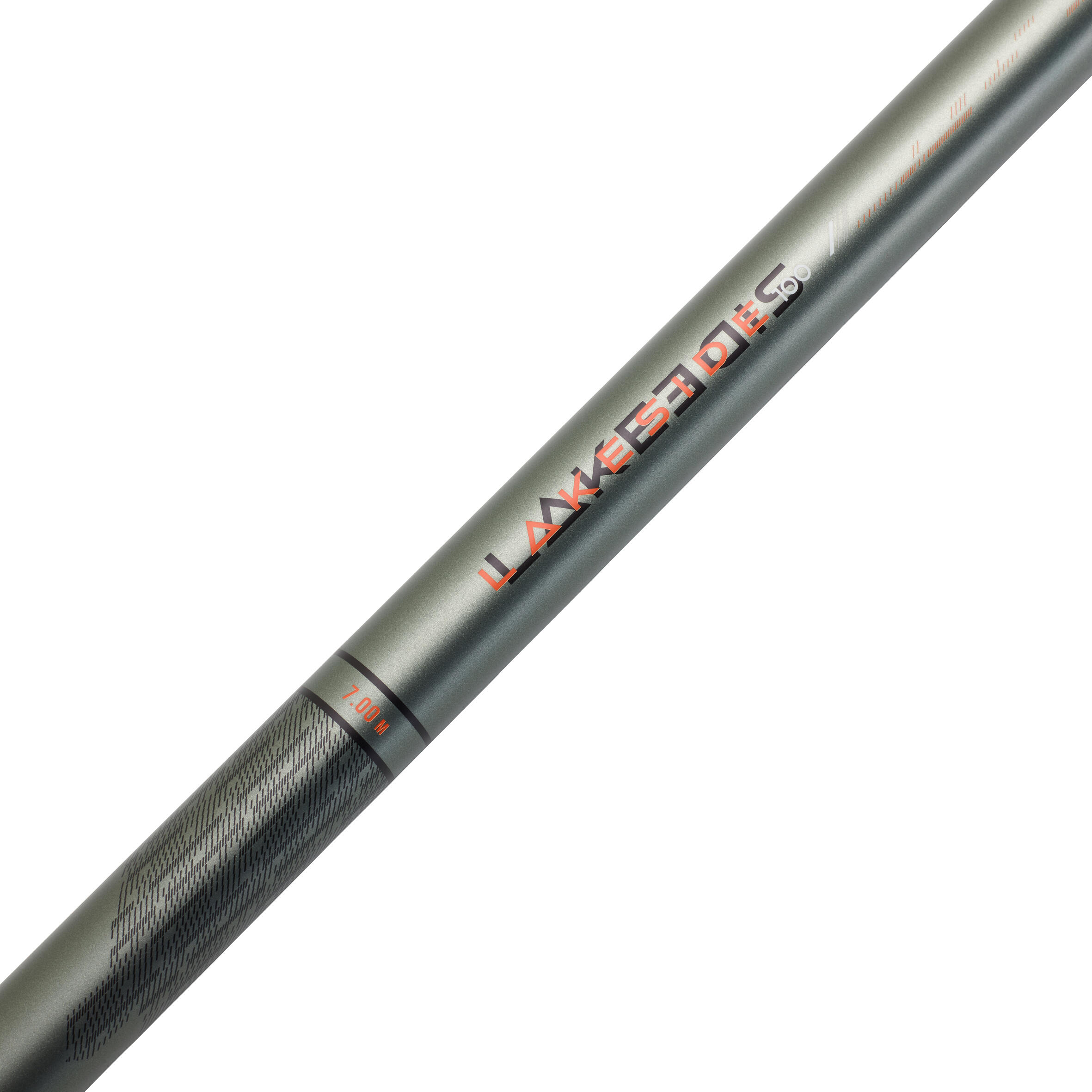
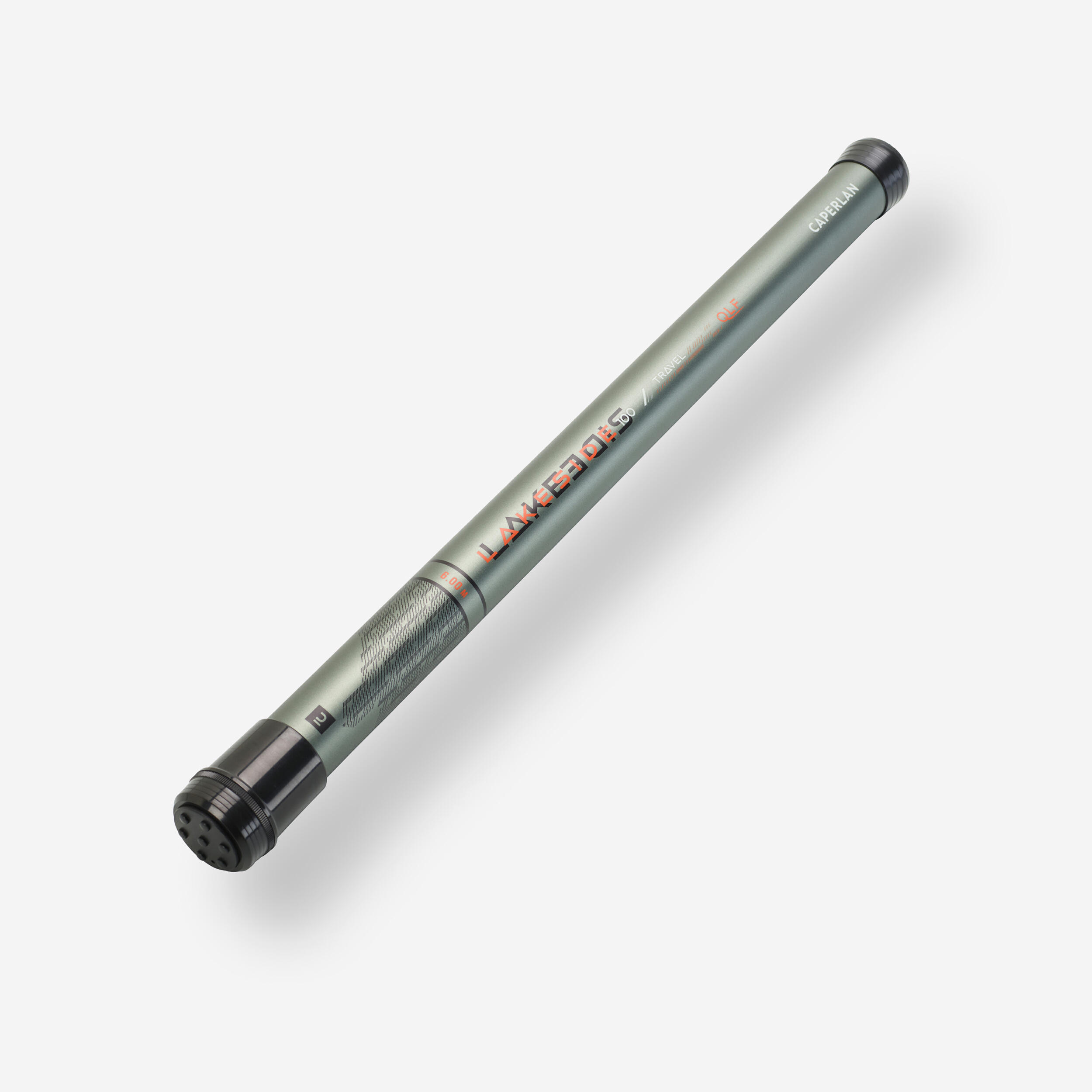
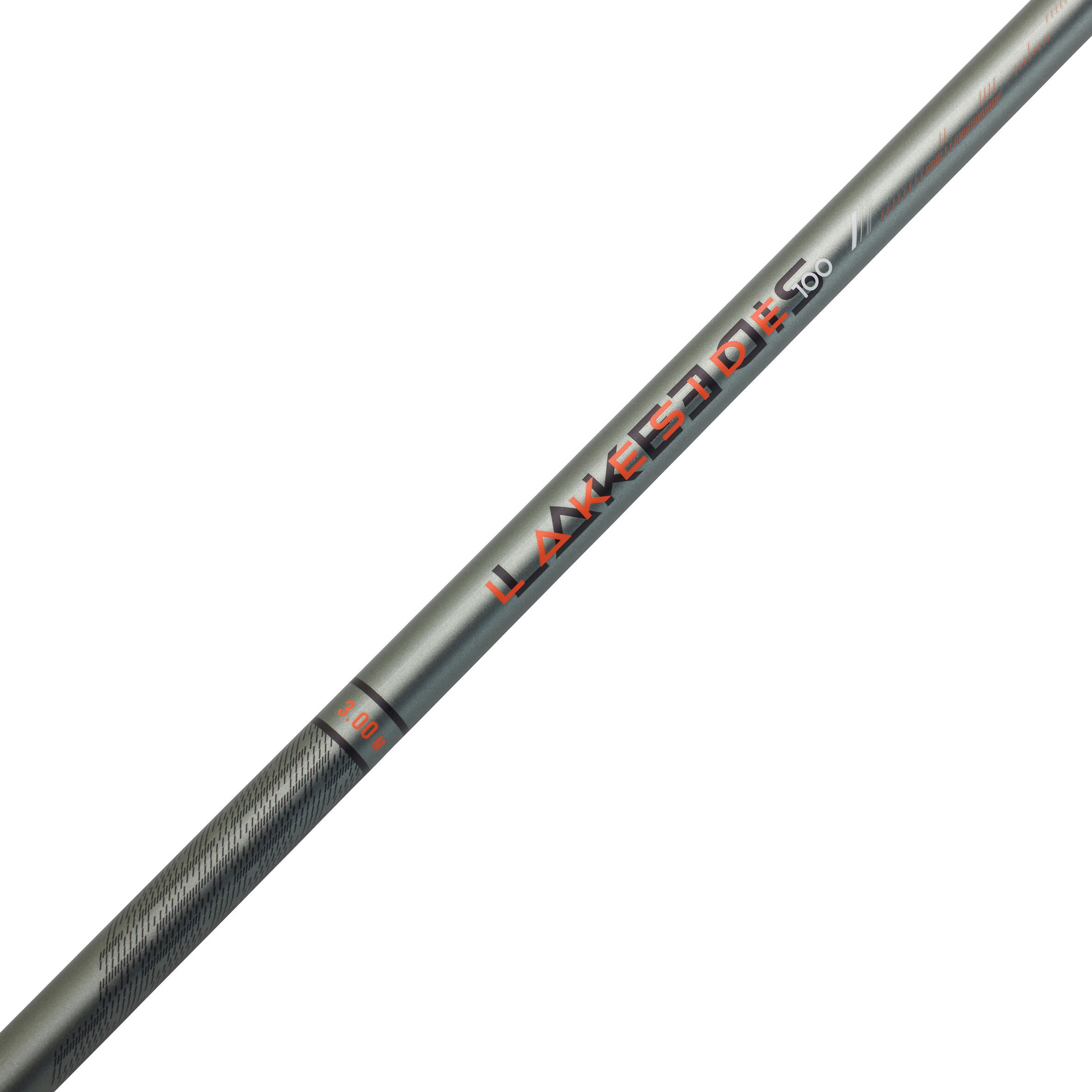
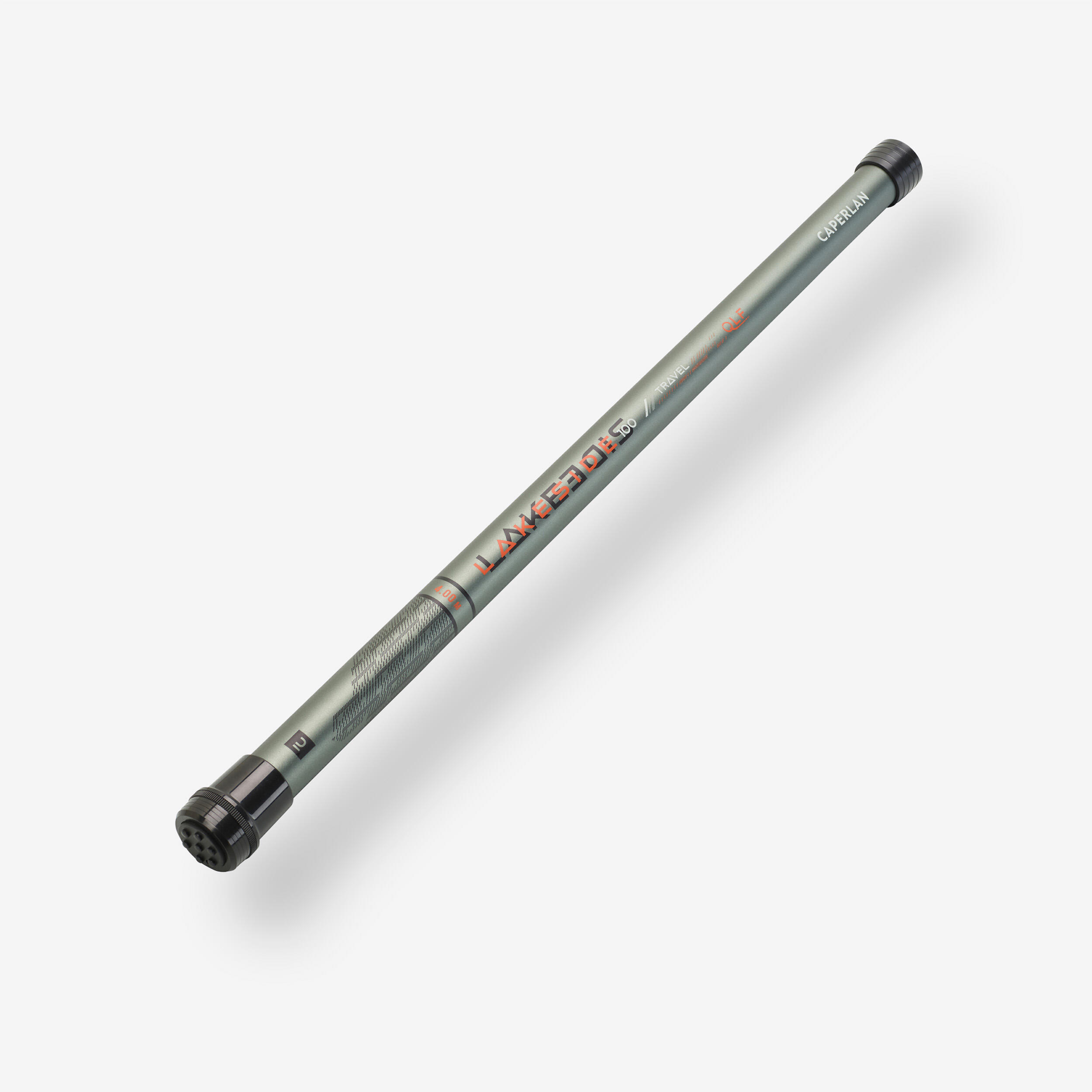
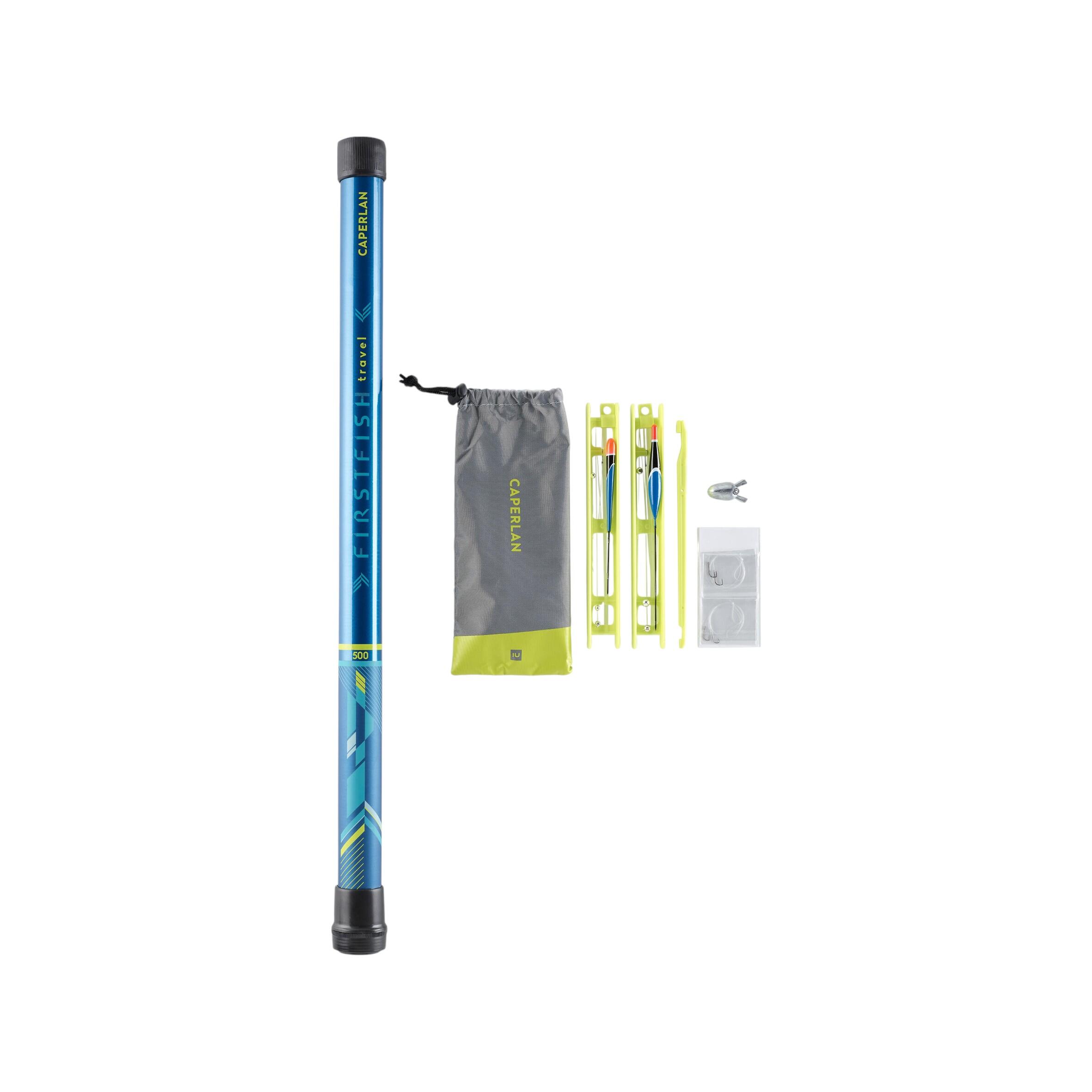
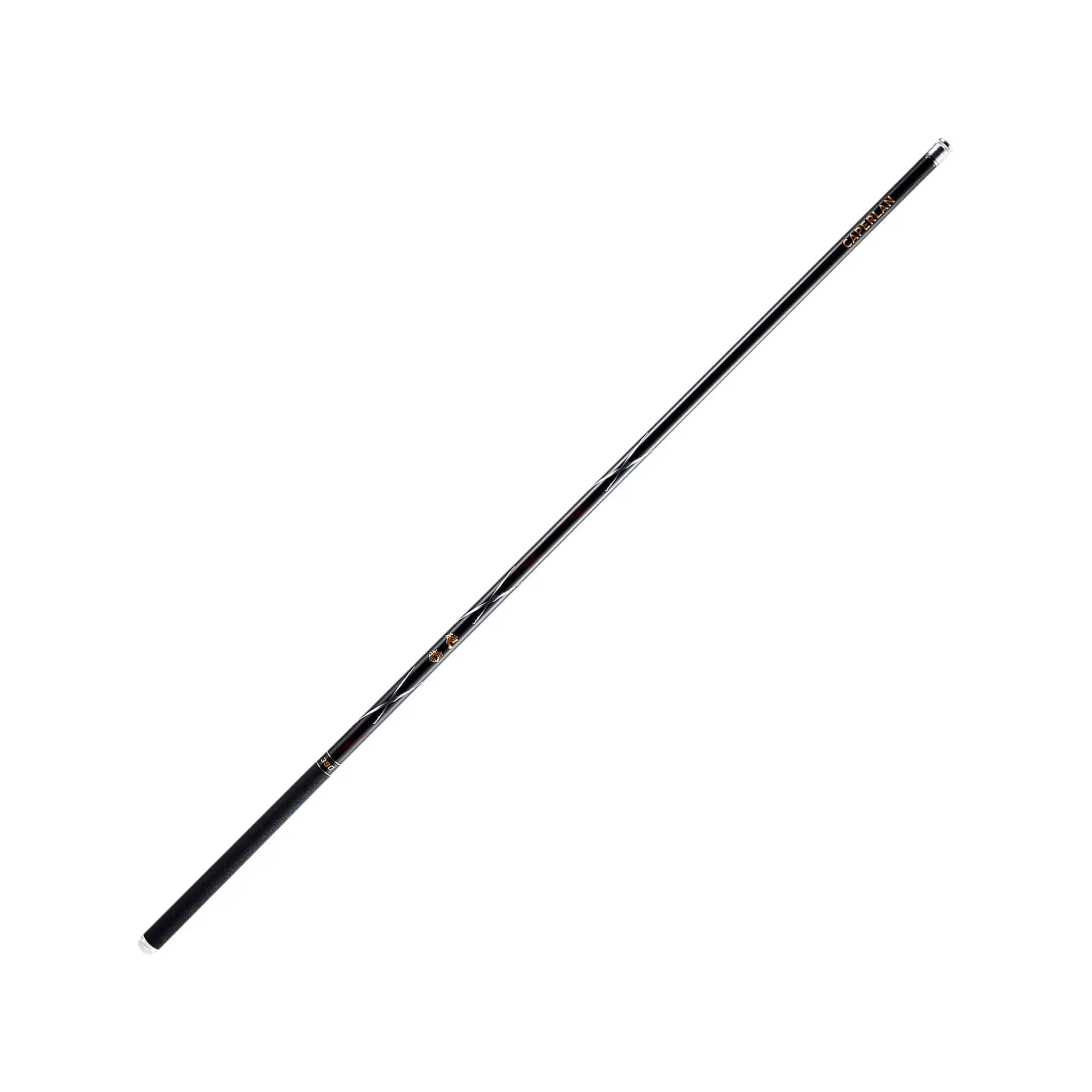
Start with the fishing distance, transport length and amount of rig preparation you are comfortable doing yourself. A shorter telescopic pole can be easier to handle when learning because you can concentrate on presenting the float and recognising bites rather than managing many long sections. Caperlan's beginner UFISH setup includes a 3 m fibreglass pole, two ready-rigged lines, barbless hooks, spare rigged hooks, a disgorger and instructions. The pole also folds to under 60 cm, making it easier to carry. As your technique develops, longer pole fishing rods give you options for reaching different areas of the swim. Match the rod to the venue and the distance you genuinely need rather than automatically choosing the longest pole available.

Which pole fishing float suits lakes, canals or rivers?

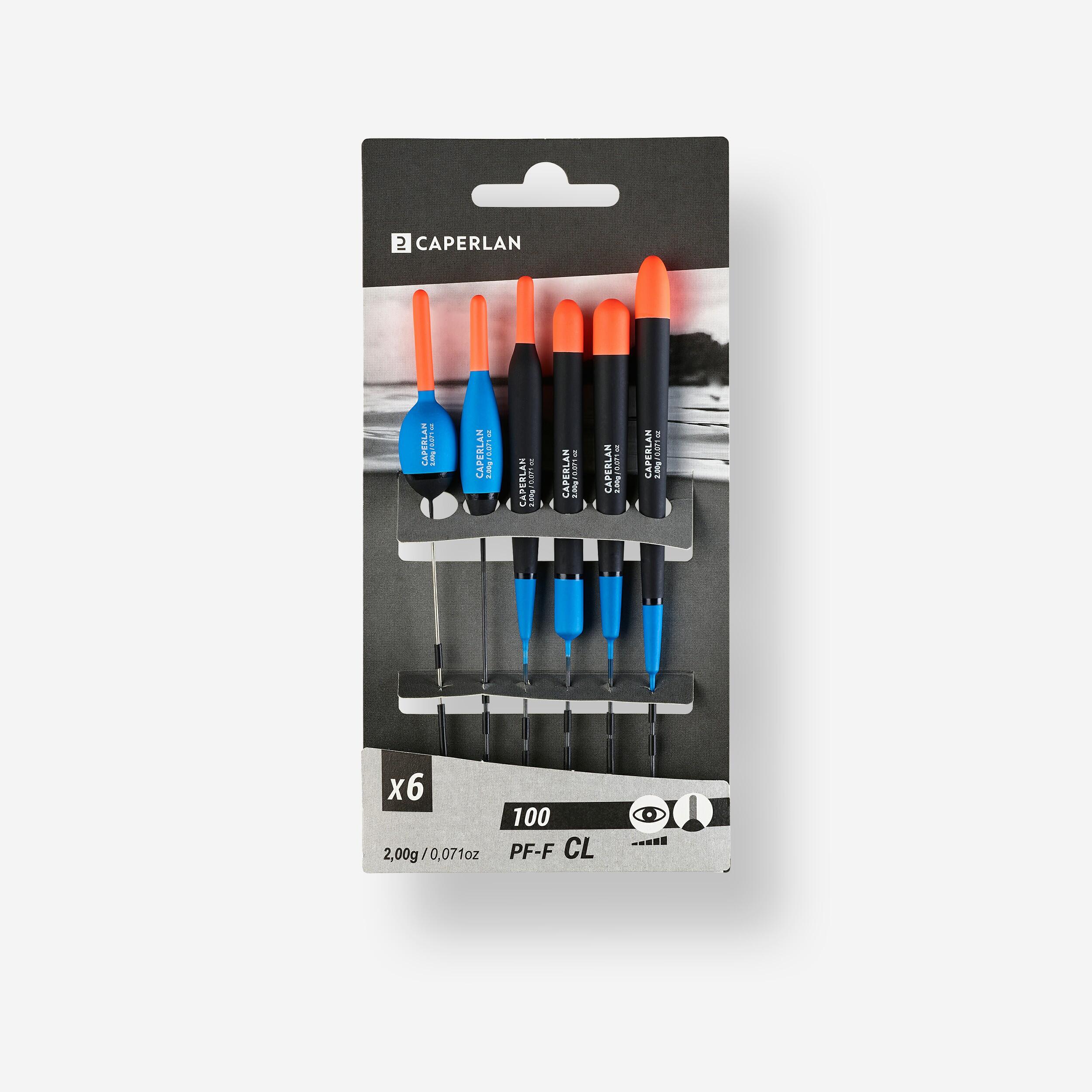
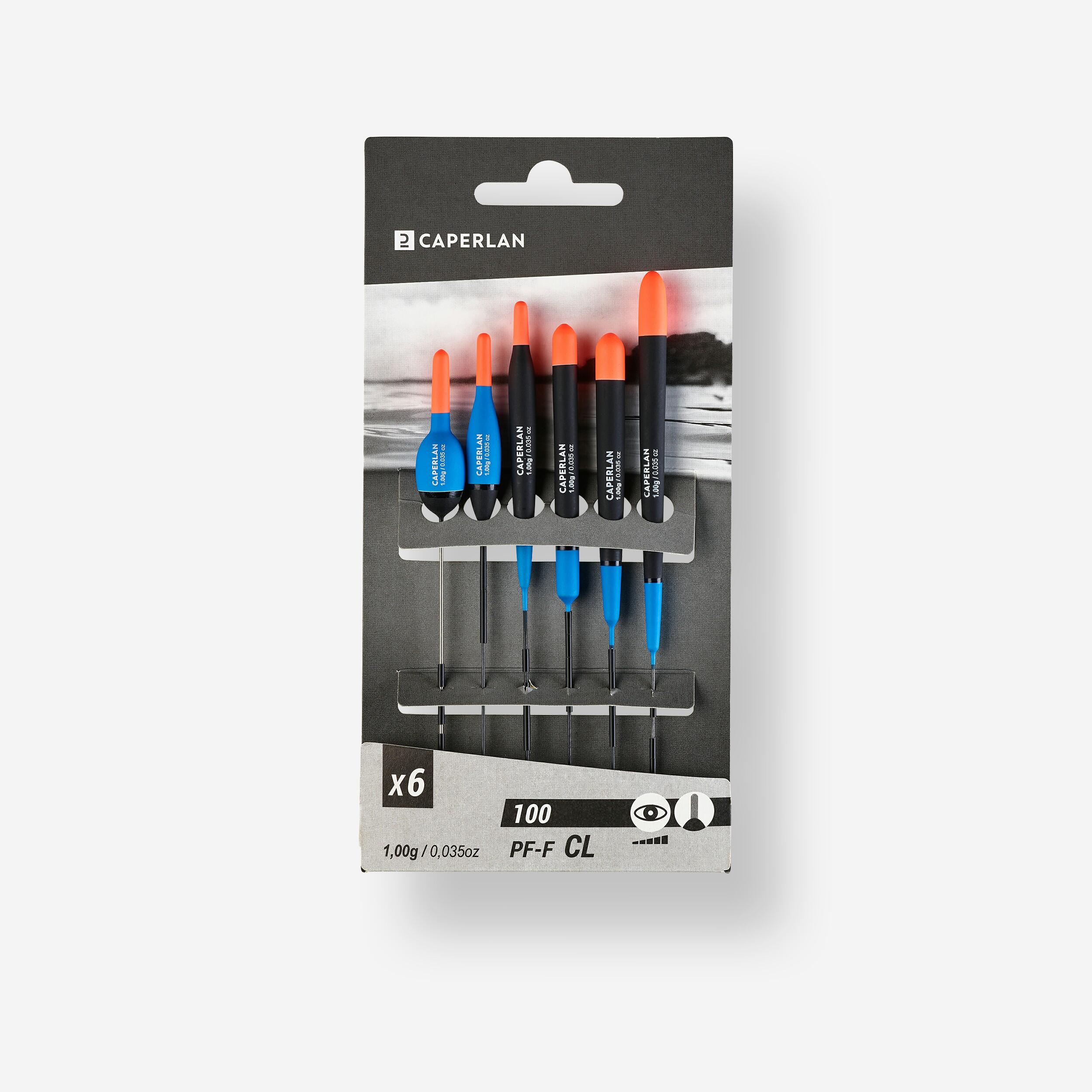
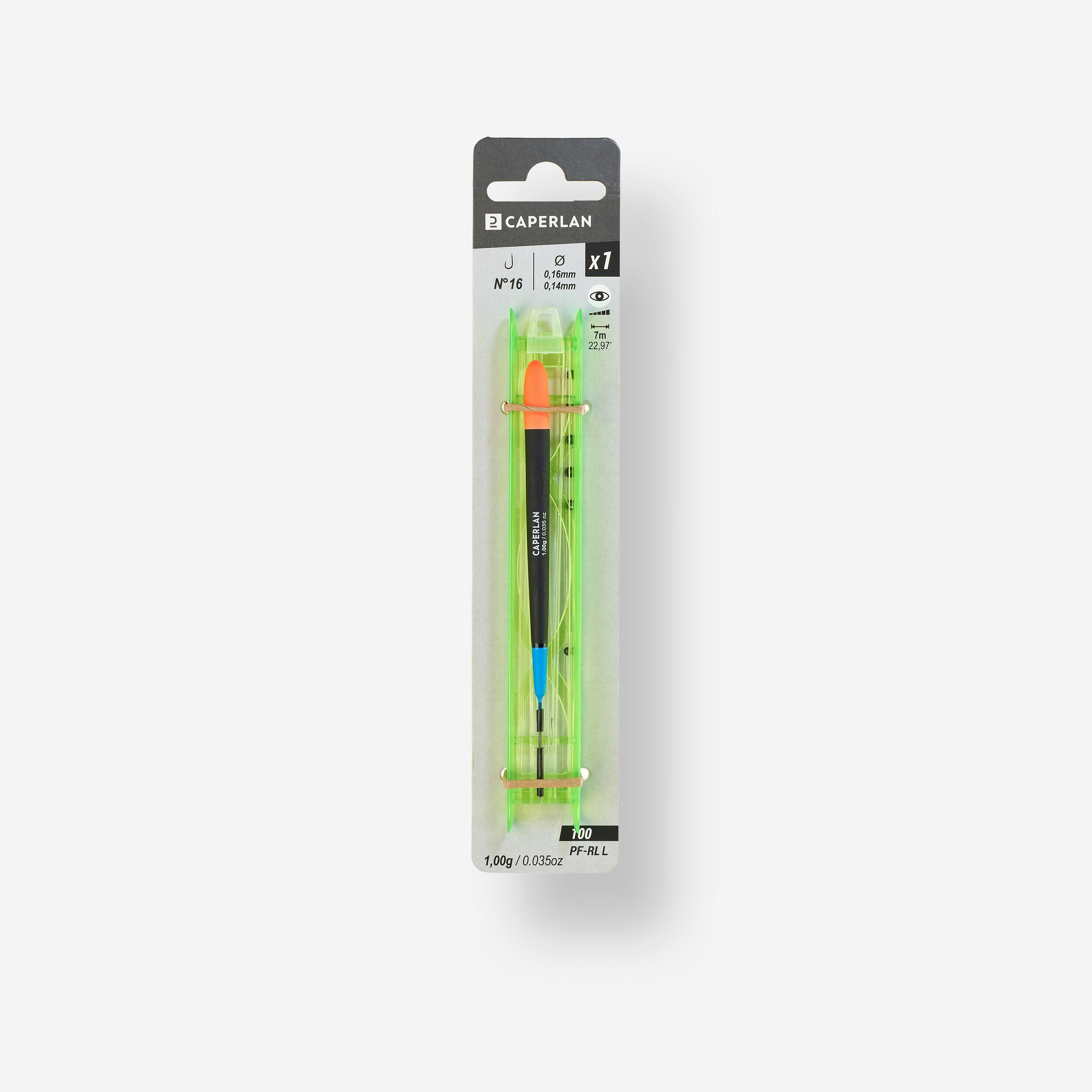
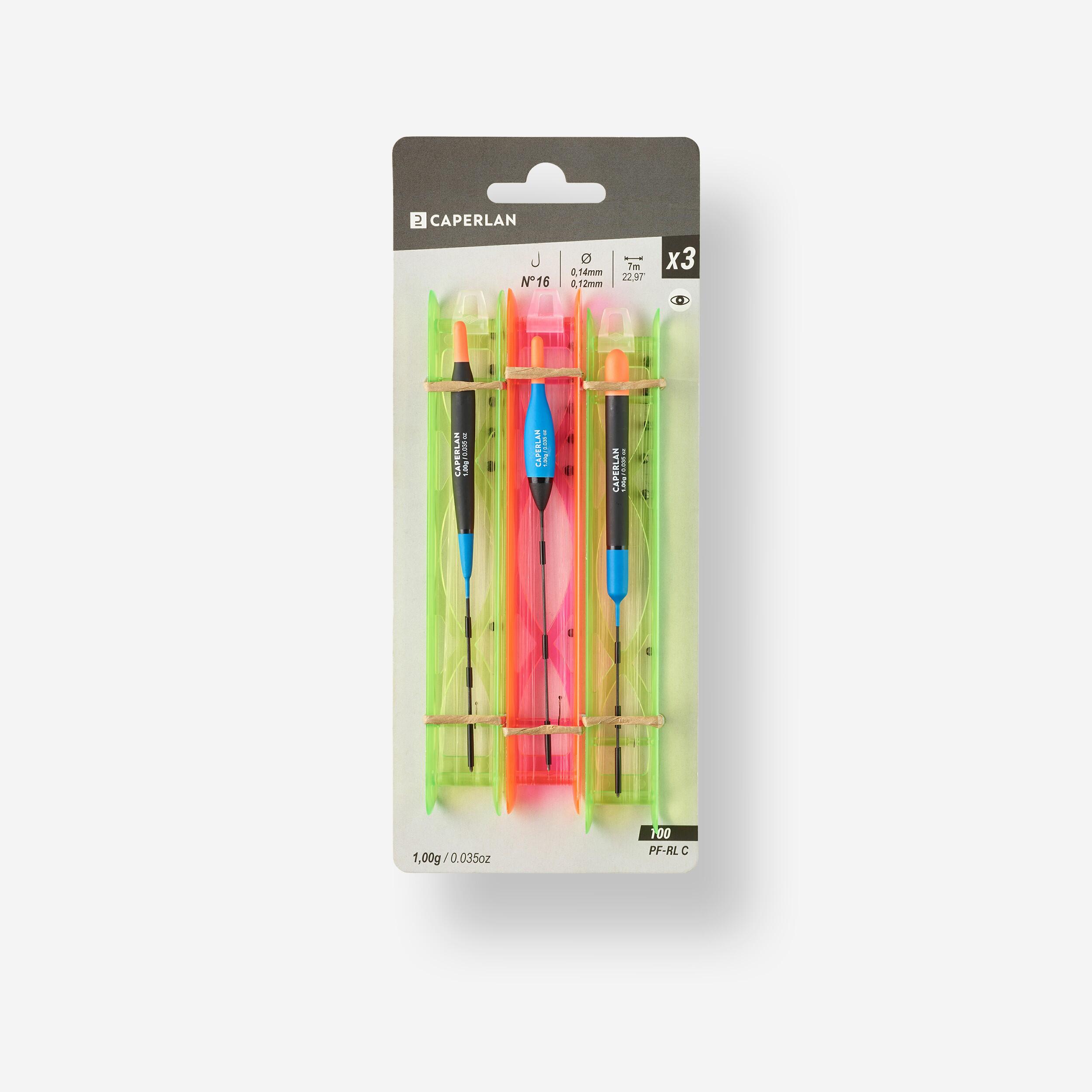
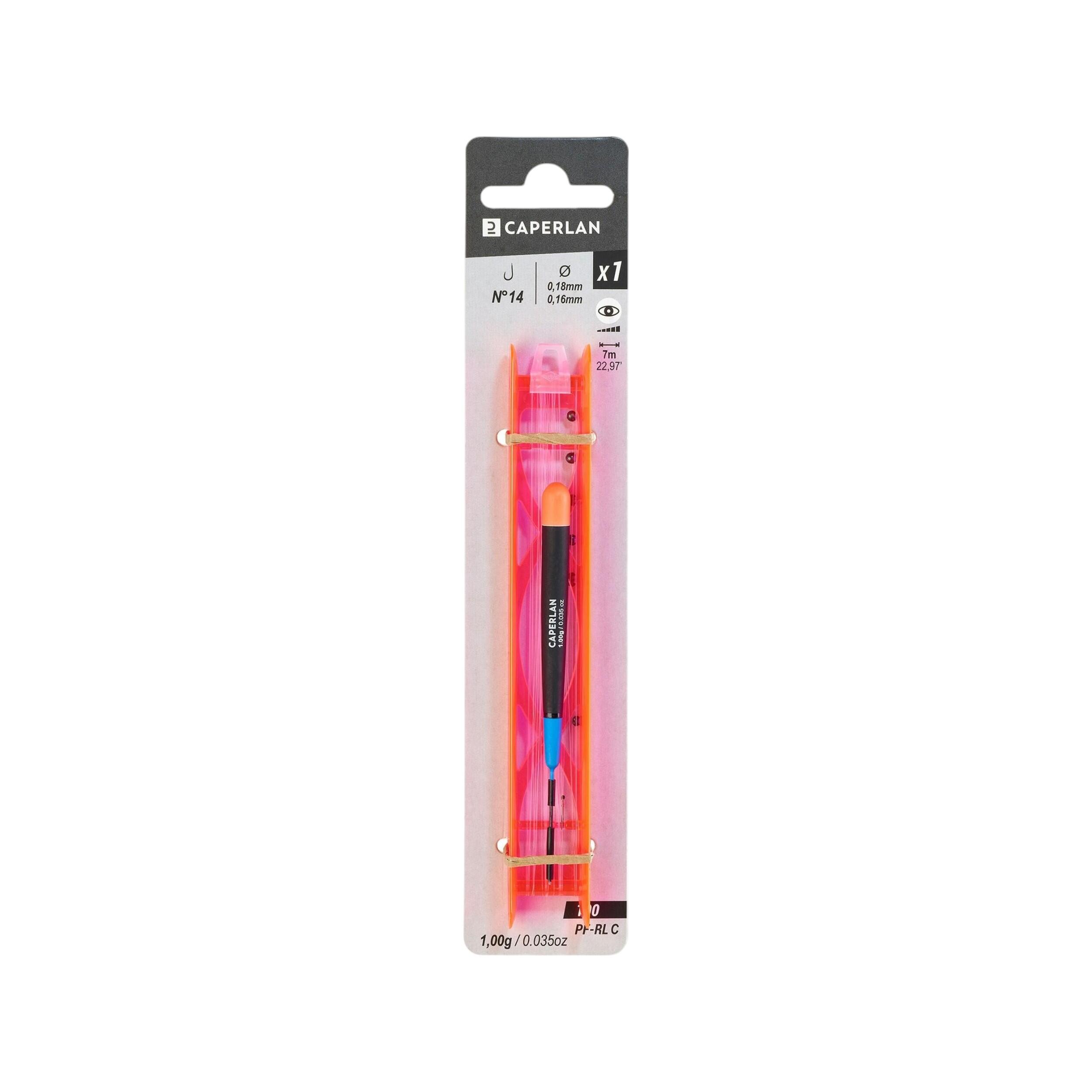
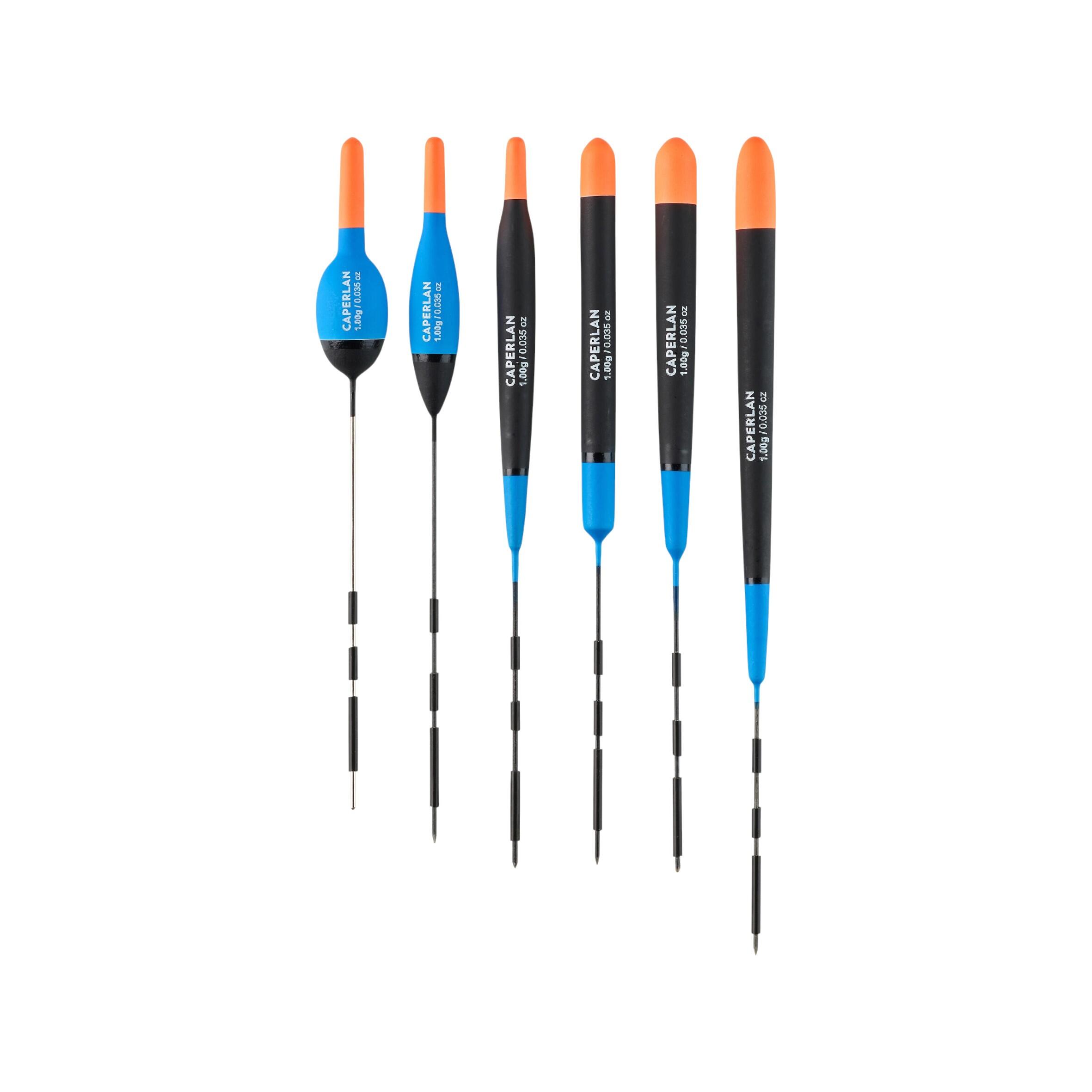
Float shape, stem length and antenna thickness affect how the rig behaves and how easily you can see bites. For calmer water, Caperlan's finer PF-F900 floats use balsa bodies, narrow fibreglass antennae and stainless-steel stems for a more sensitive presentation. They cover fine weight steps from around 0.2 g to 1.2 g, helping you adjust the rig to depth and conditions. River rigs take a different approach: squat float bodies and longer stems improve stability in moving water, while thicker multicoloured antennae remain easier to follow when the surface is disturbed. The right pole fishing float should suit the current, depth and visibility conditions rather than being chosen by weight alone. Store delicate floats in a box so narrow stems and antennae are not crushed between sessions.
How can you use sinkers to set a pole fishing float correctly?

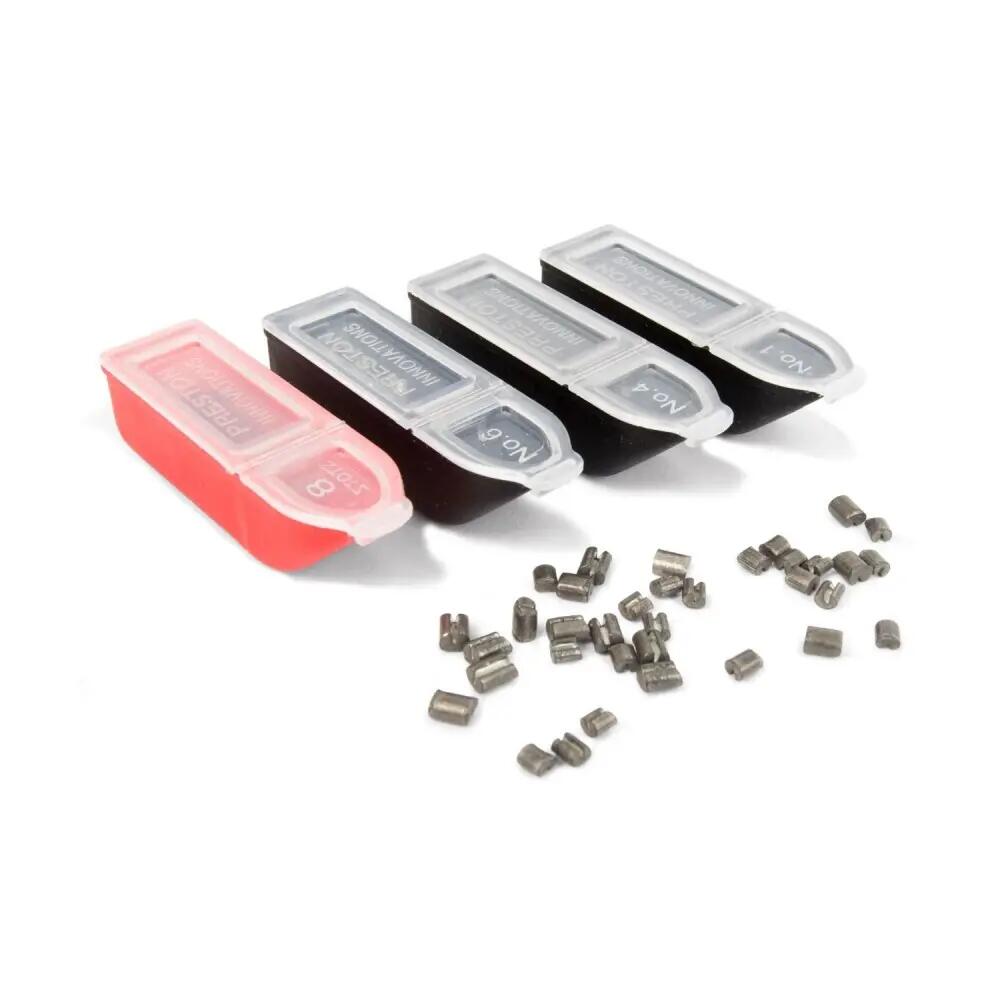
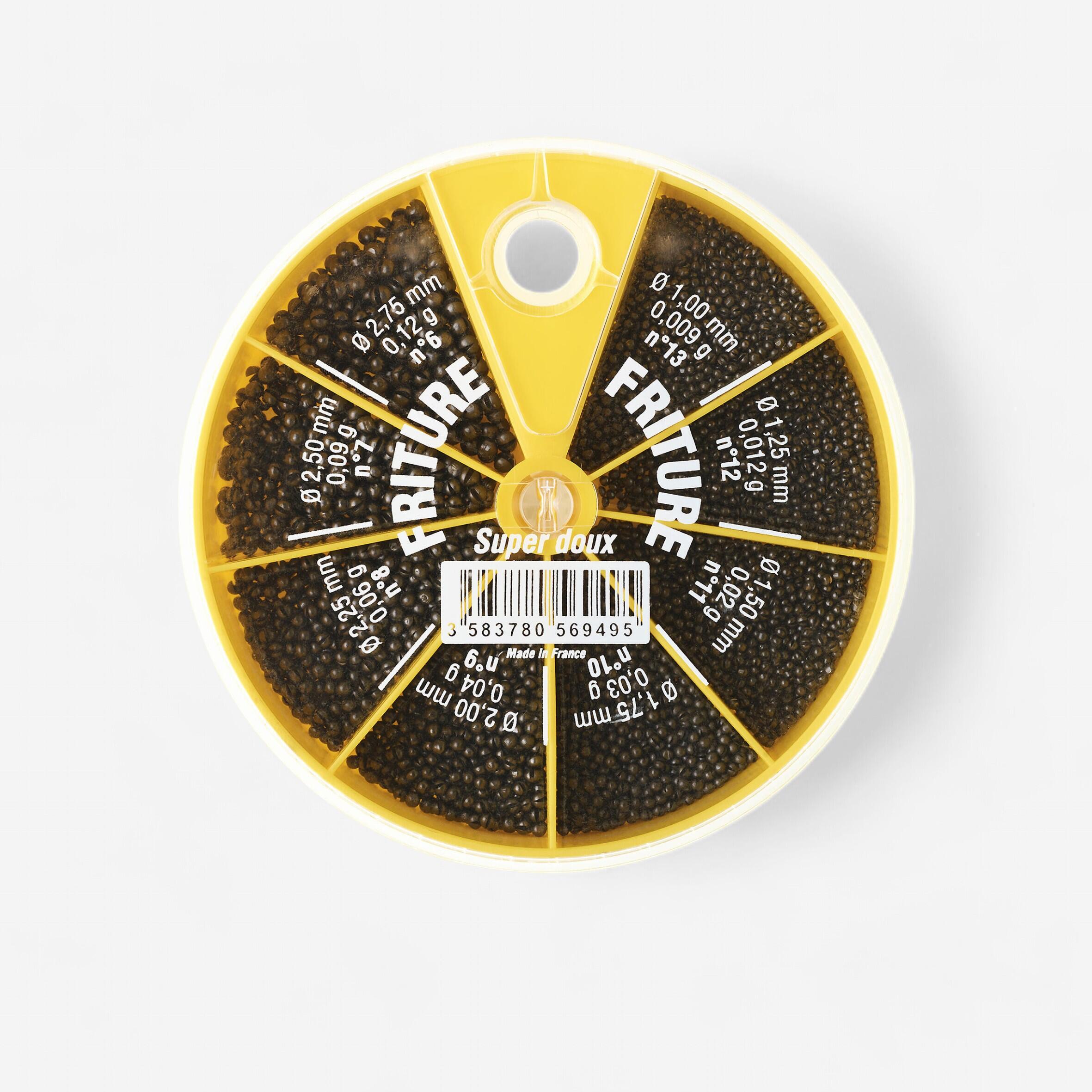
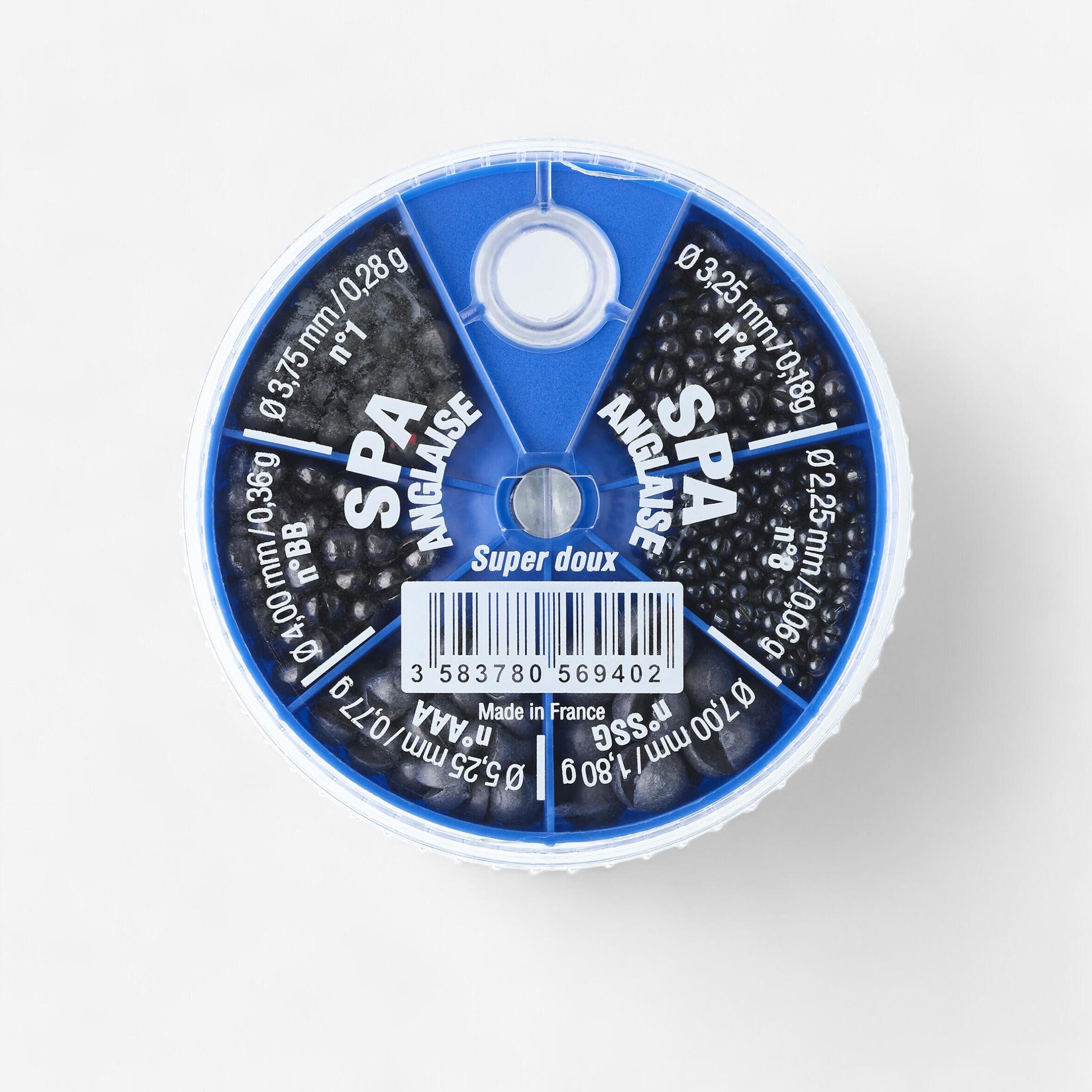
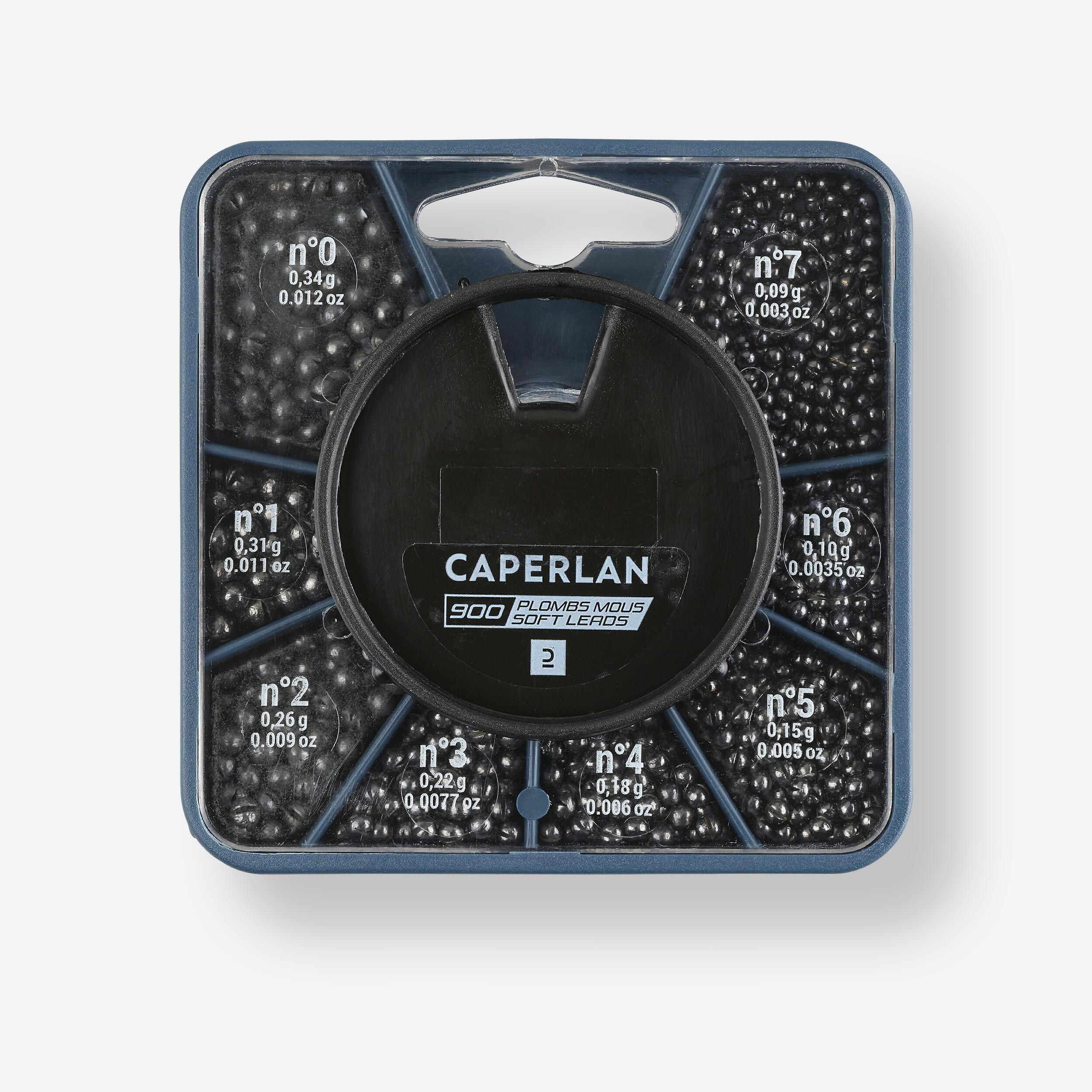
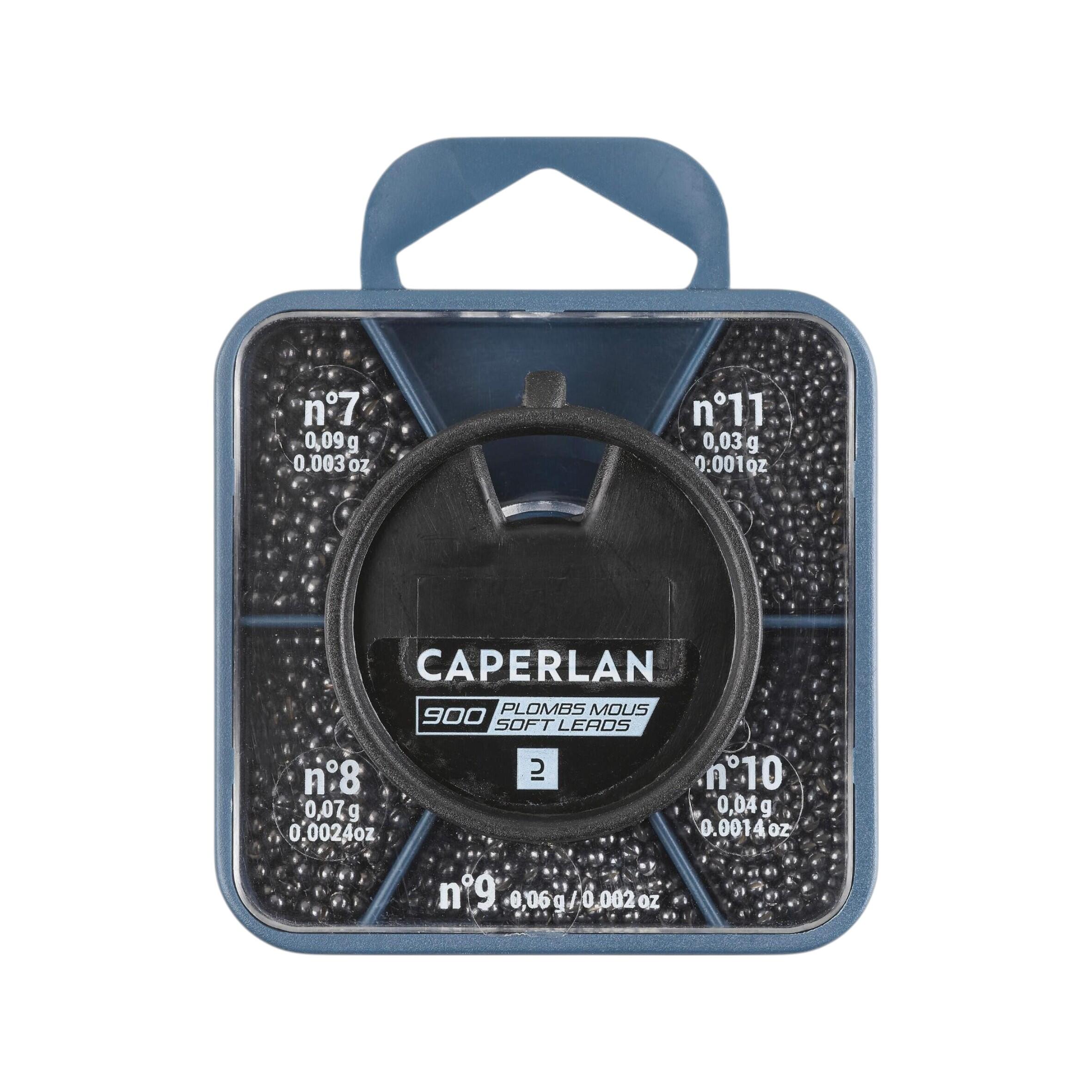
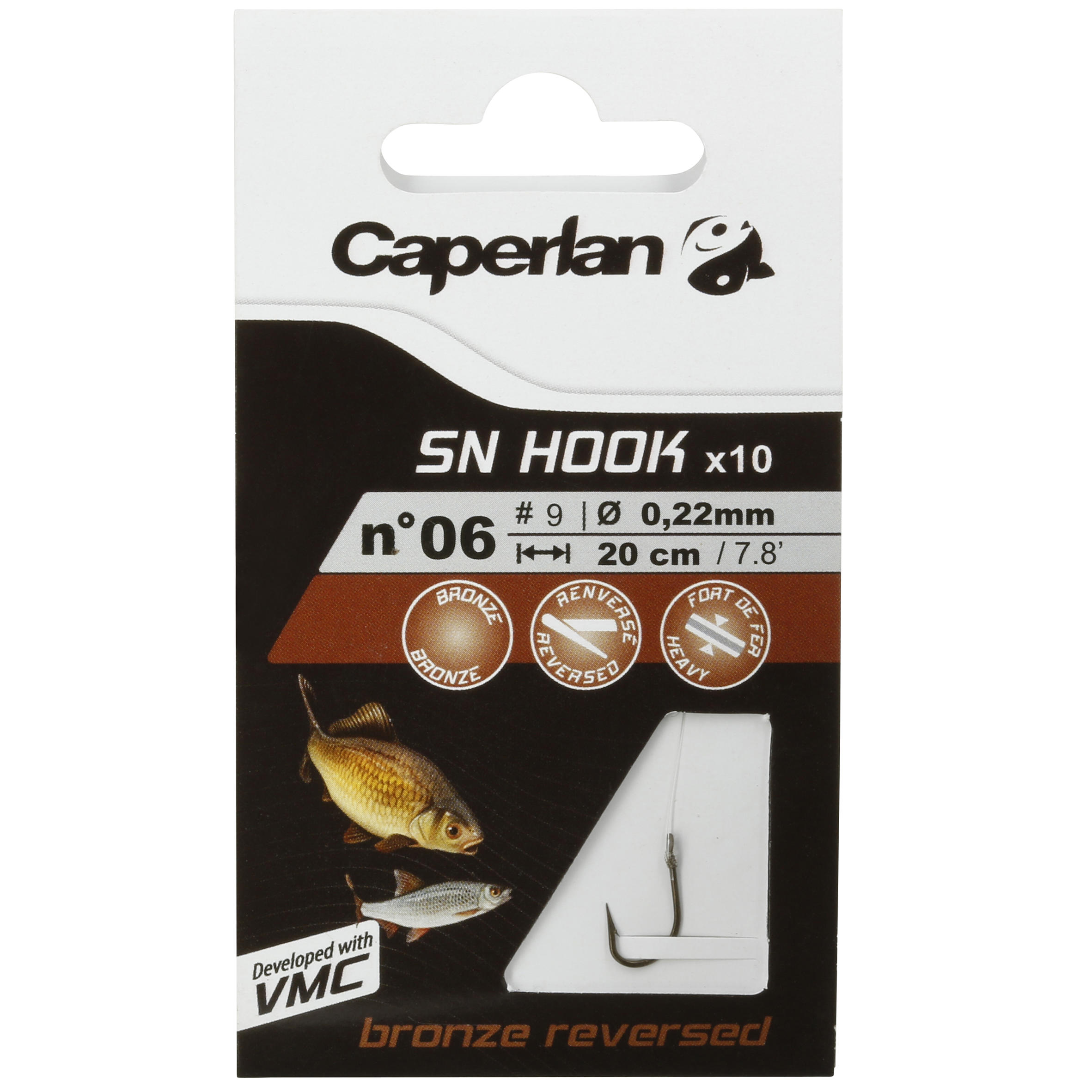
Sinkers control how quickly the bait settles and how much of the float antenna remains visible above the surface. Several smaller weights spaced along the line can create a gradual fall, while concentrating more weight lower down gets the hook bait to depth faster. Caperlan's split-shot systems provide several small weight sizes in one box, making it easier to fine-tune the rig instead of relying on one sinker size. The supplied UFISH beginner lines use tin rather than lead weighting, showing that even simple ready-rigged setups can use a matched float-and-weight arrangement. Select pole fishing sinkers that let you adjust the loading in small steps. After changing shot, place the rig in the water and recheck how much antenna remains visible before you begin fishing.

Which hook works best for the bait and fish you are targeting?

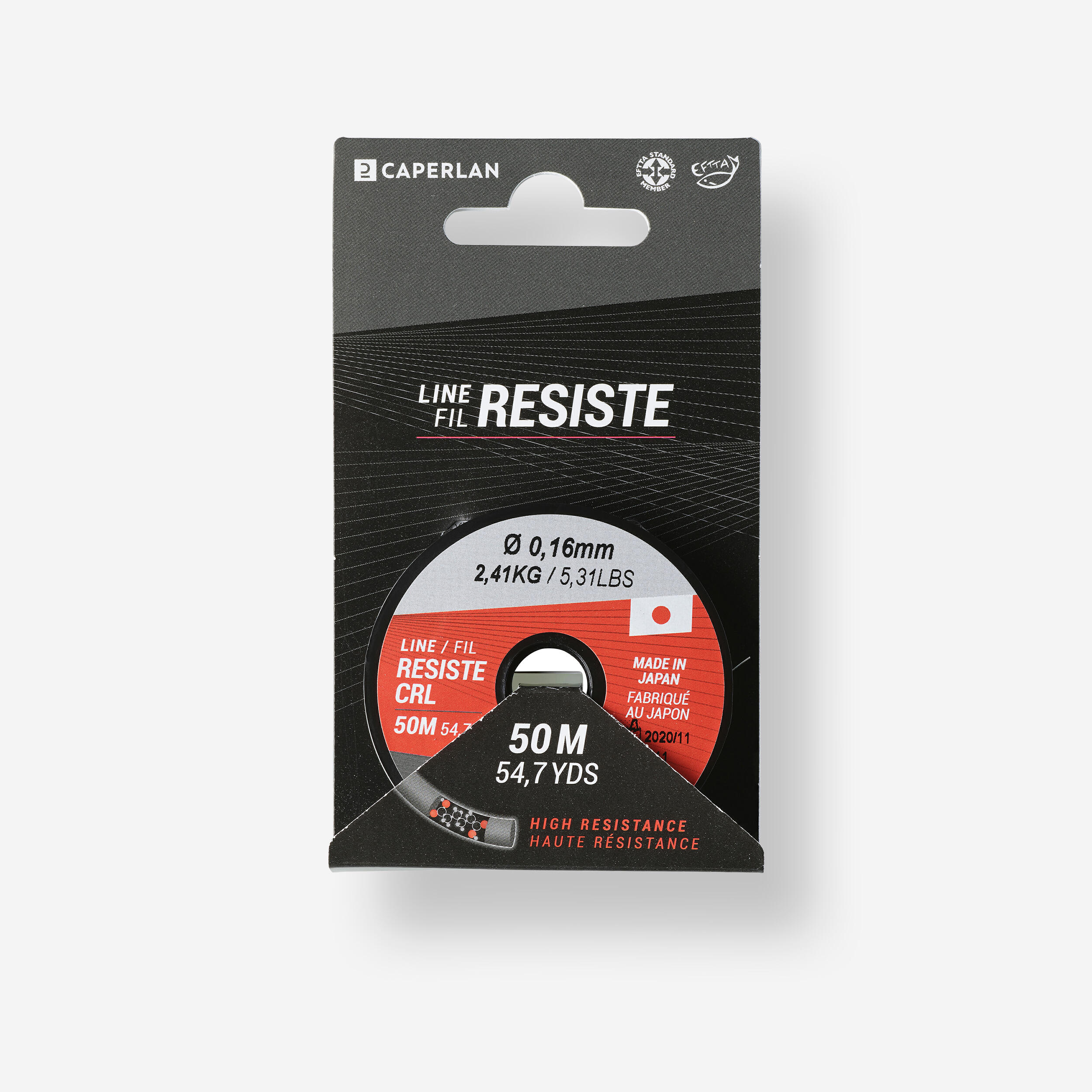
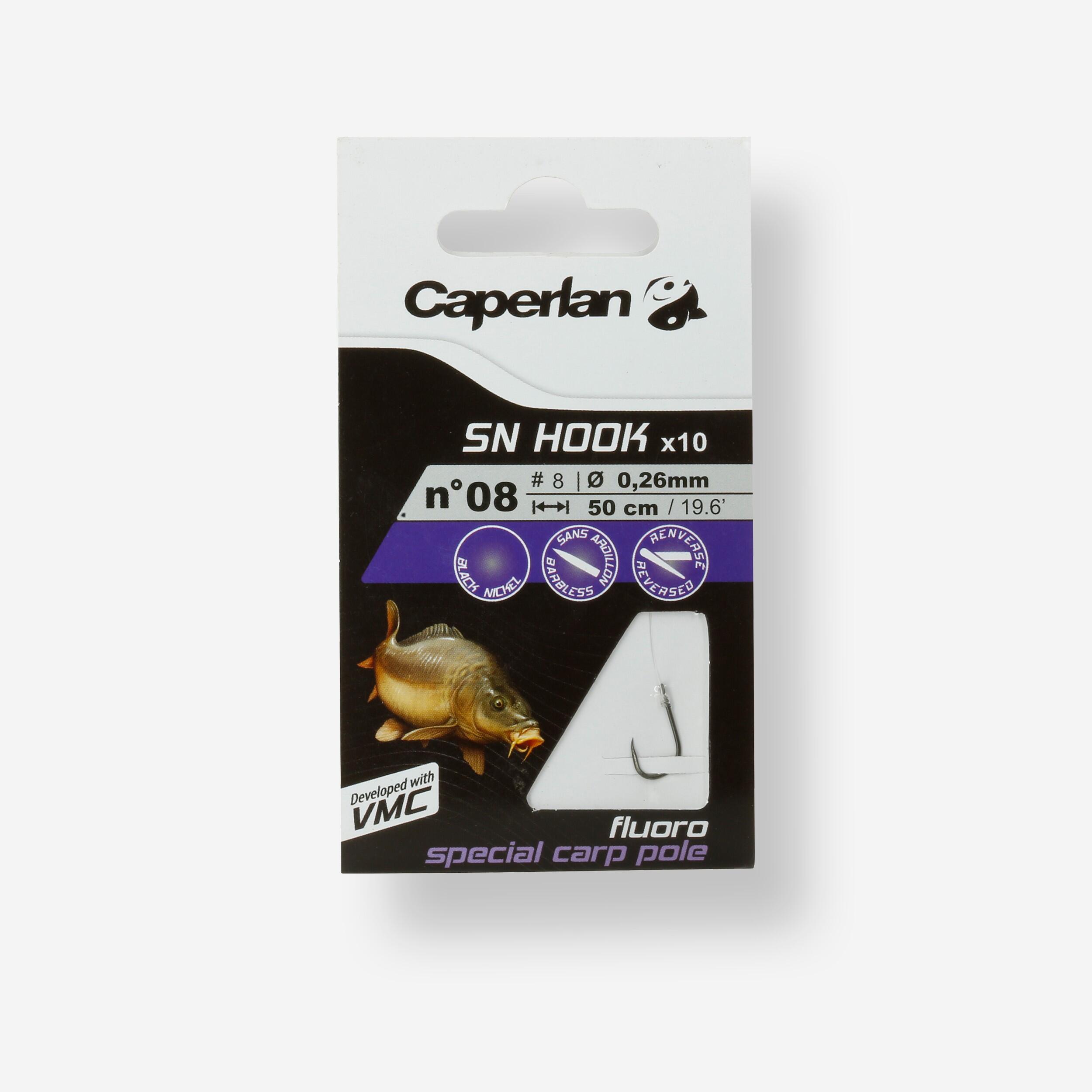
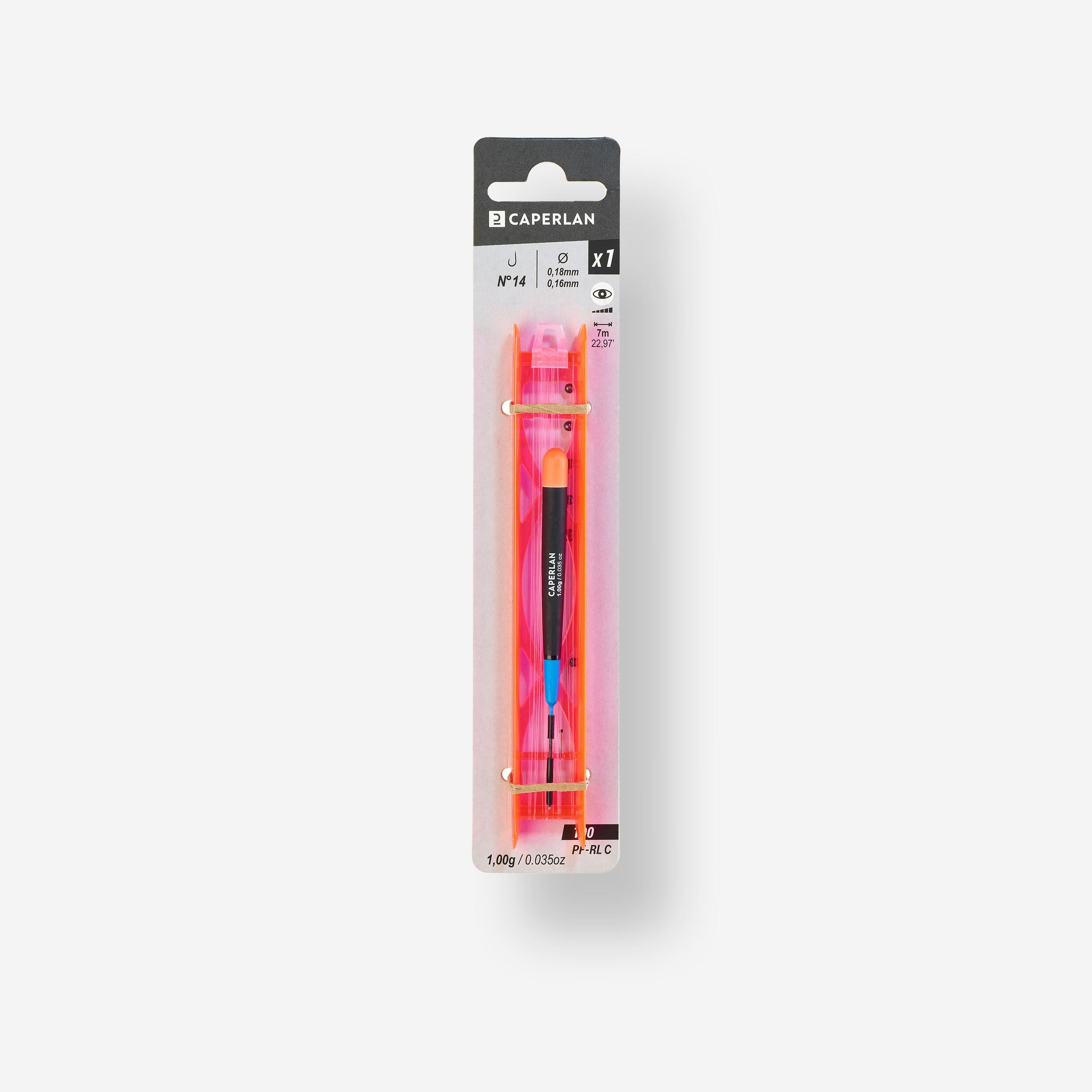
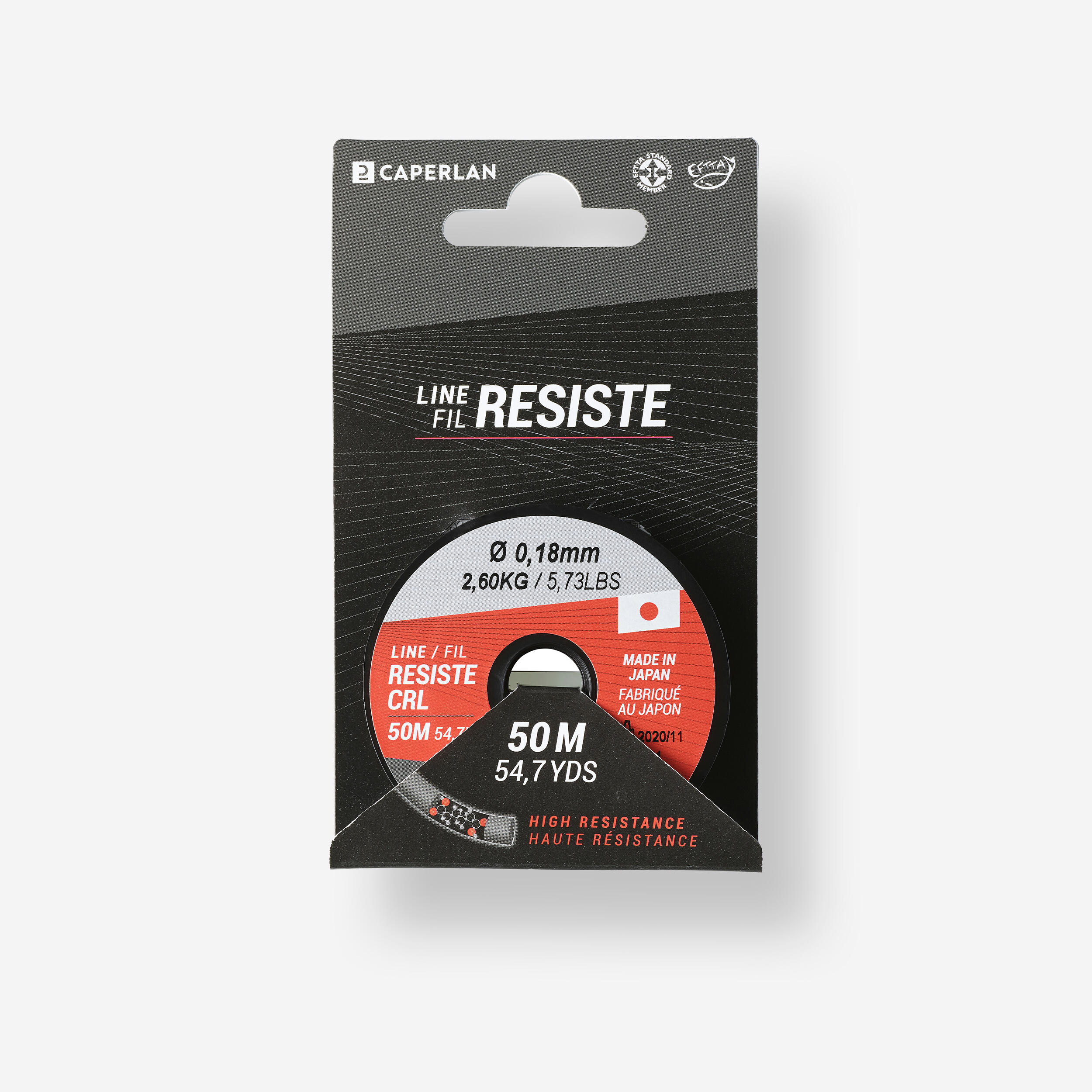
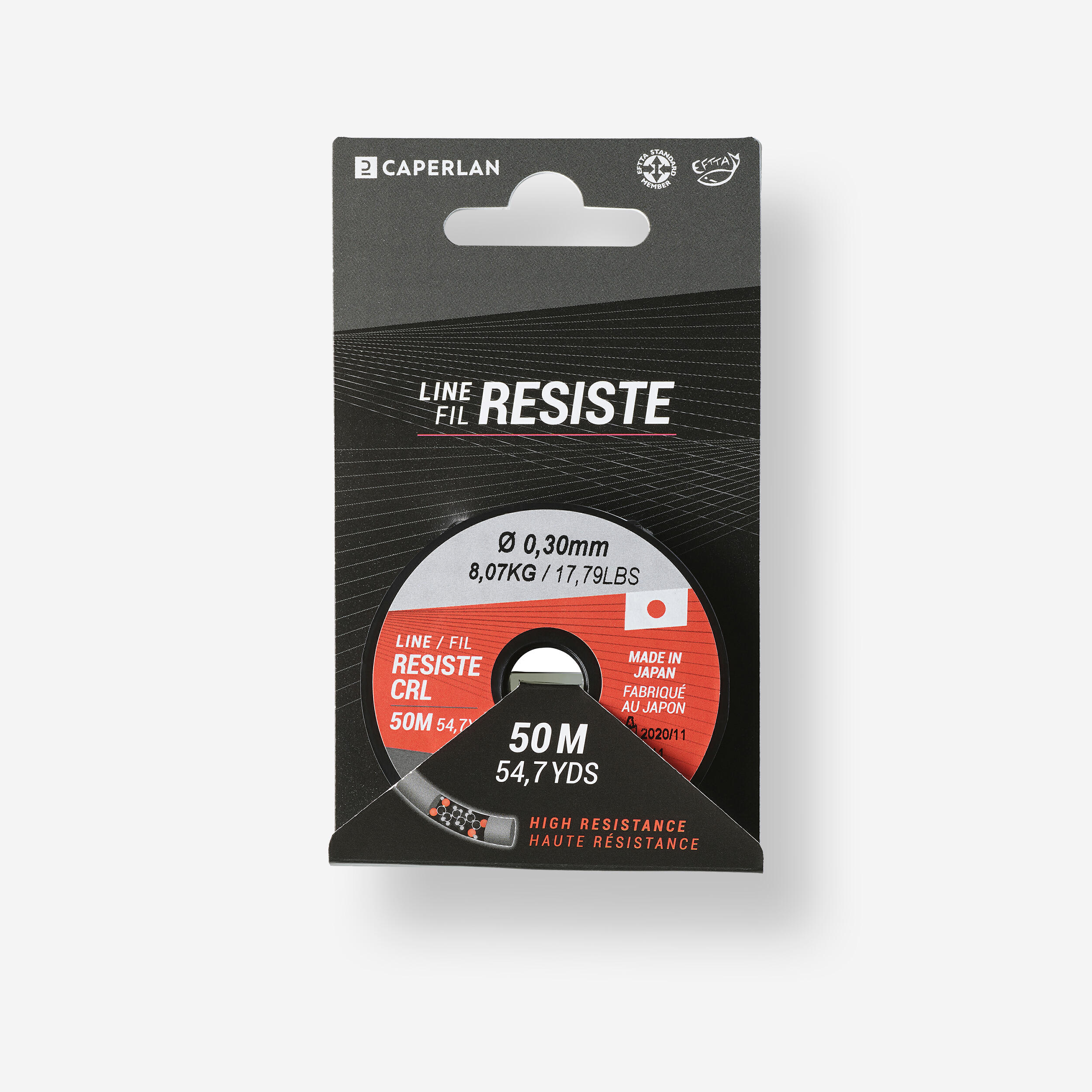
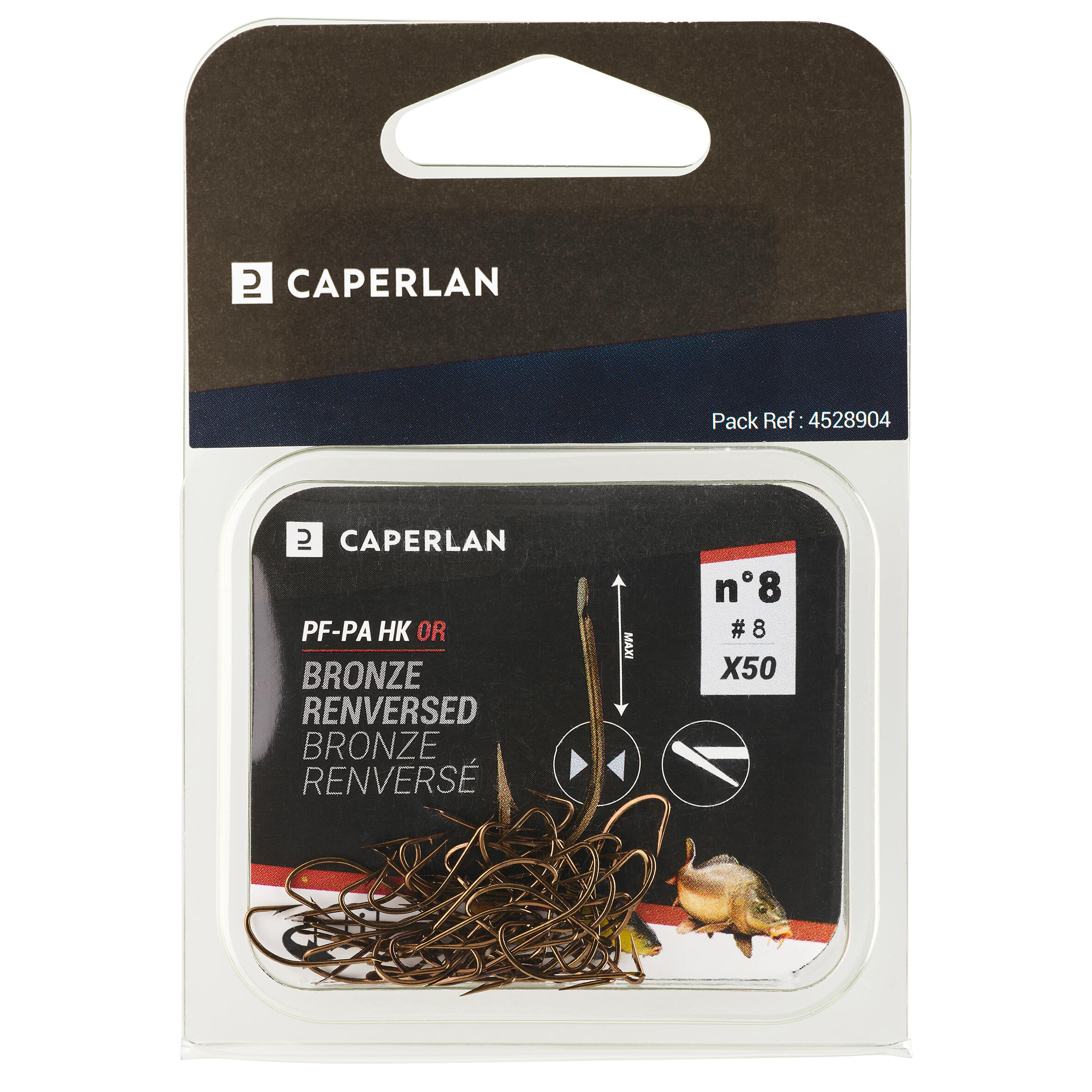
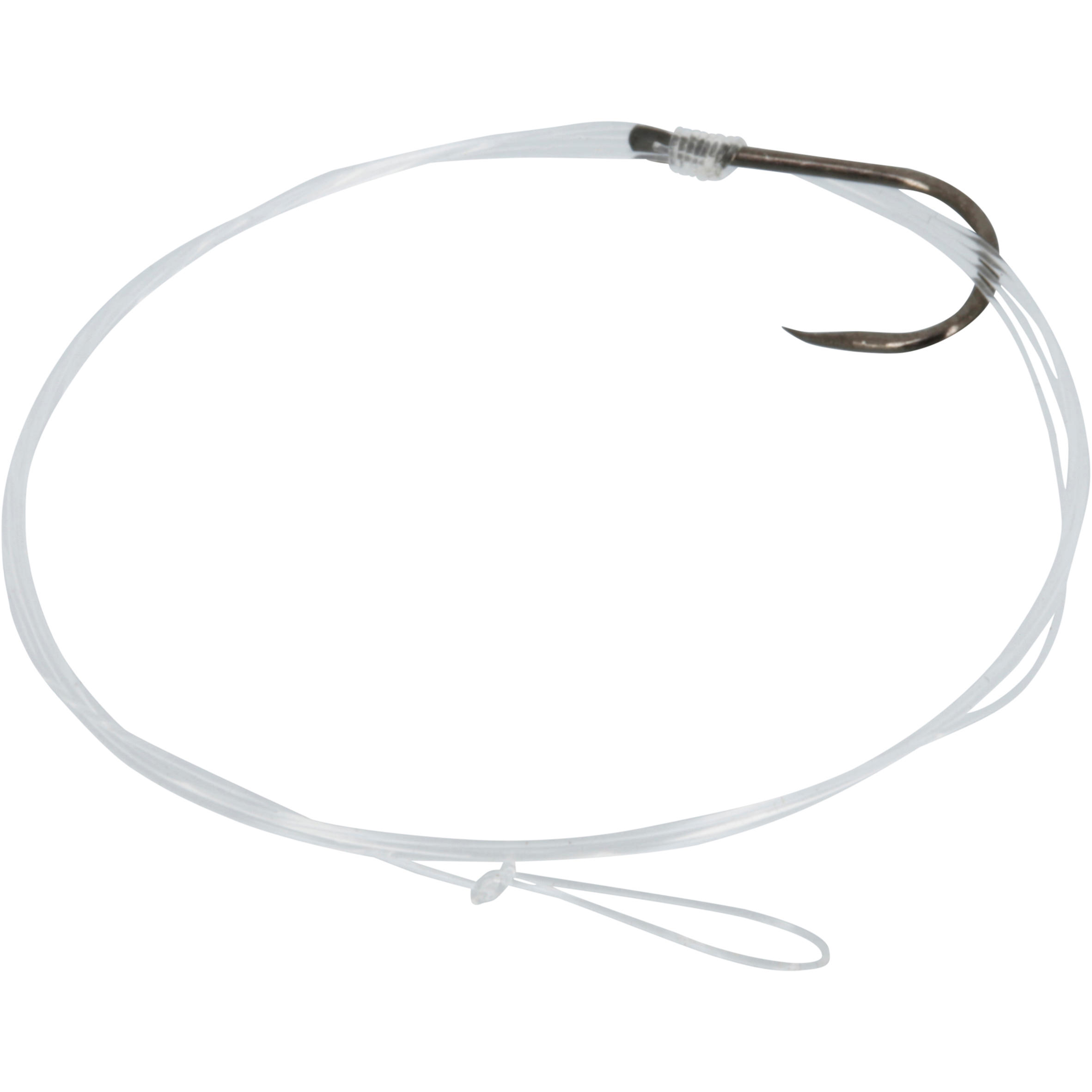
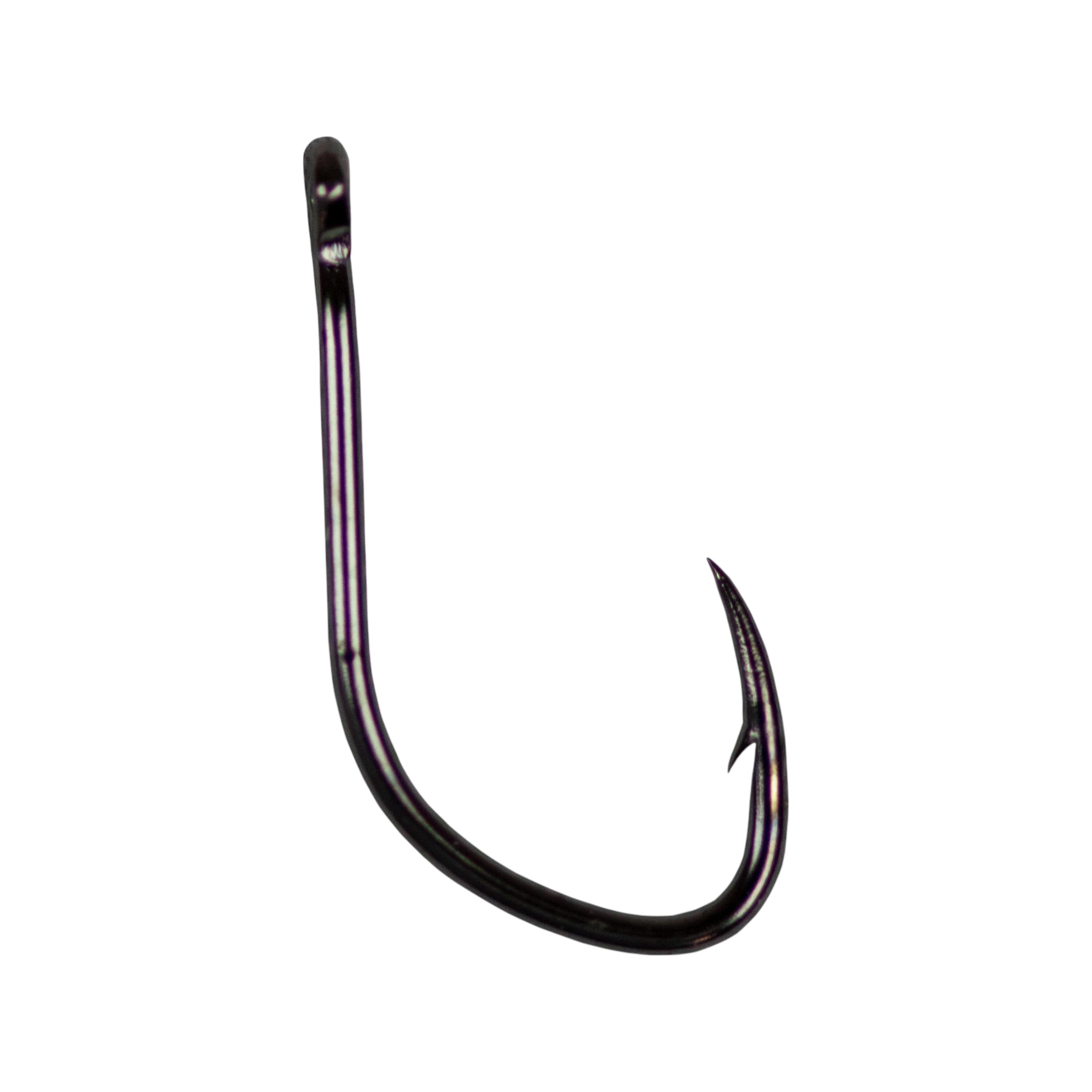
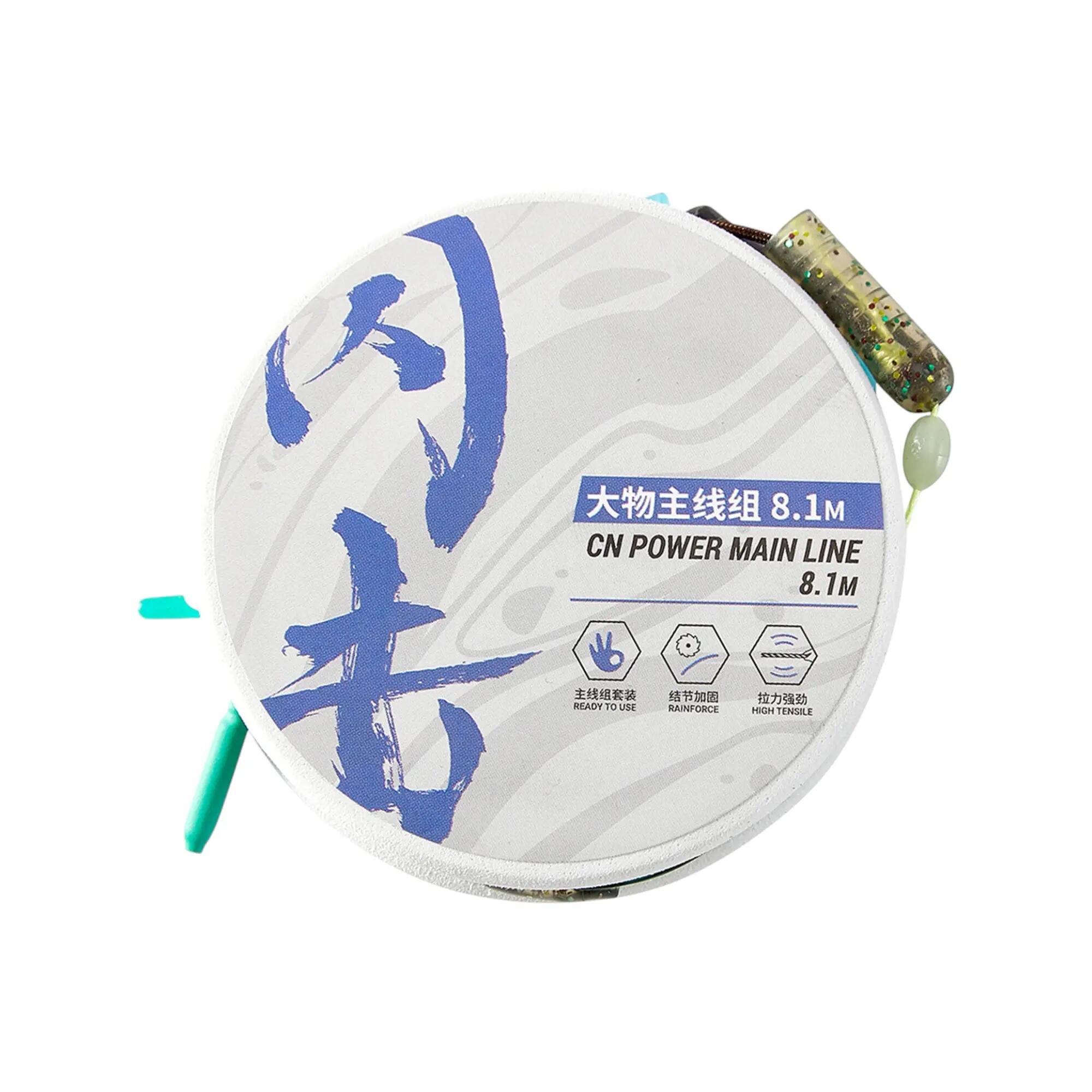
Hook size, wire thickness and leader diameter should work together rather than being selected independently. Caperlan's pre-rigged leaders pair smaller hooks with finer nylon and move towards stronger leaders as hook size increases. Fine-wire hooks with longer shanks can suit fragile baits because they reduce bulk around the presentation and give you more shank to work with when baiting. Stronger hook patterns are more appropriate when larger fish could straighten a very fine wire. Many ready-rigged Caperlan leaders use loop-to-loop connections, allowing a damaged or unsuitable hook length to be changed without tying a complete rig at the bank. Keep several sizes of pole fishing hooks available so you can respond to the fish and bait you are actually using rather than forcing one hook pattern into every situation.
What helps prevent damage to pole fishing equipment between sessions?

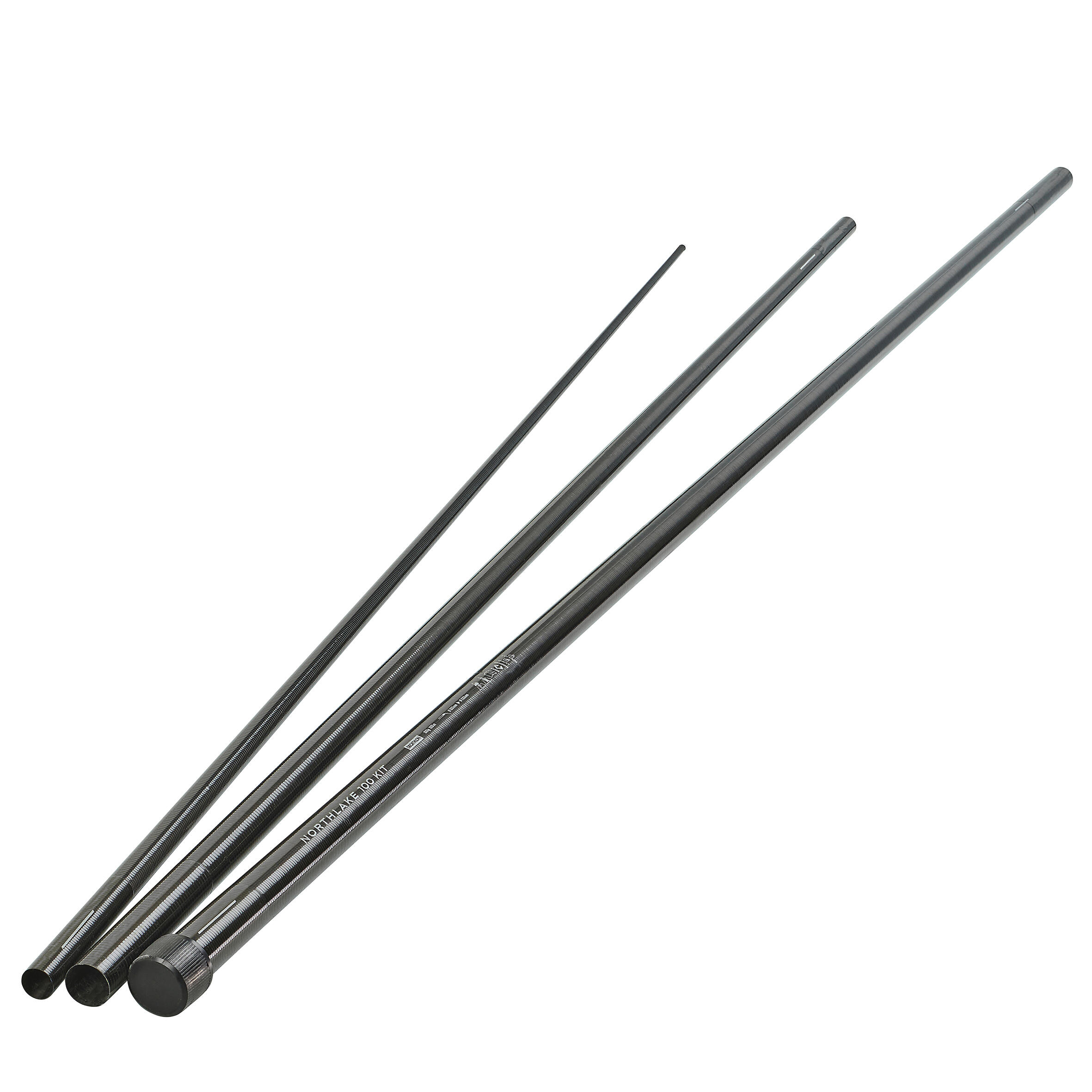
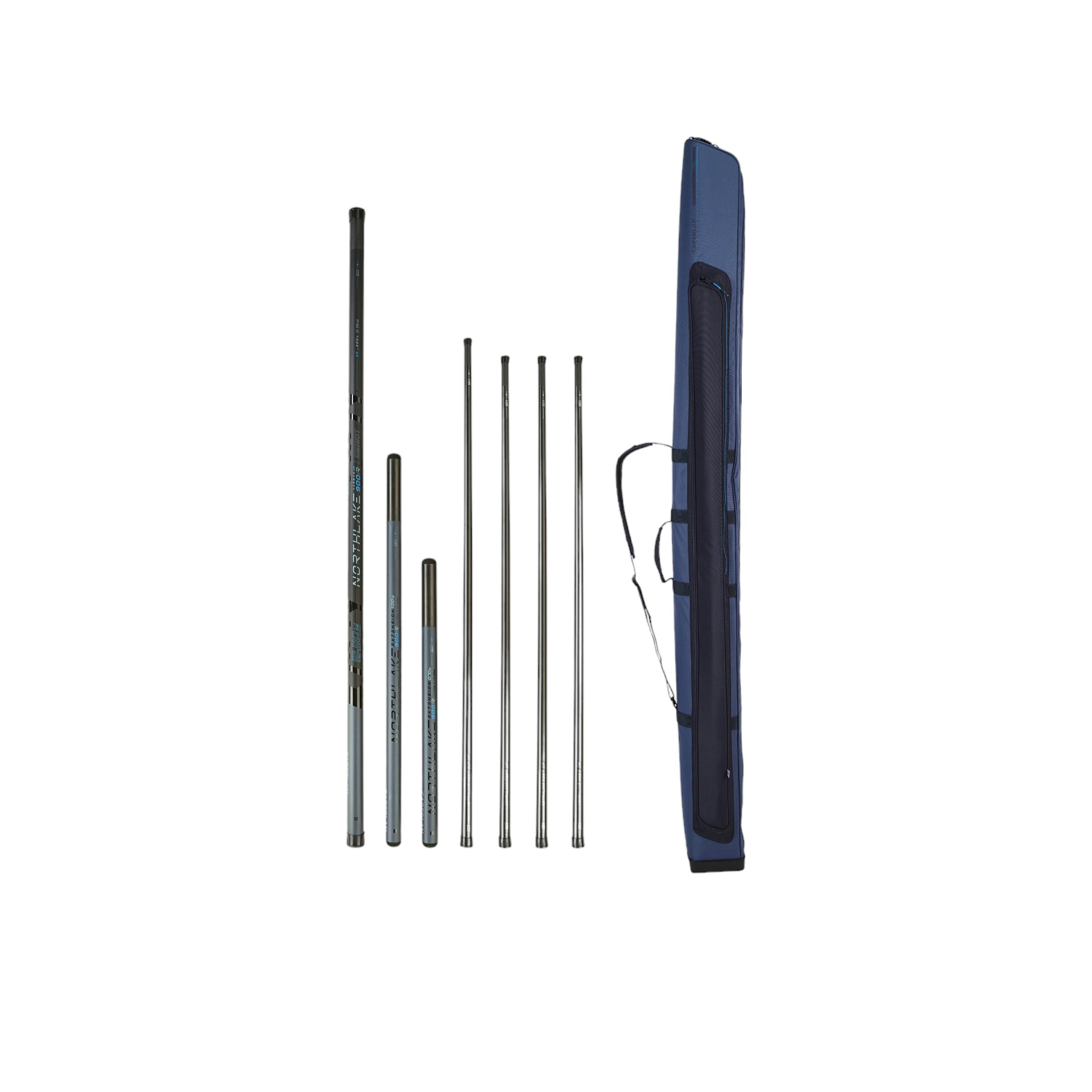
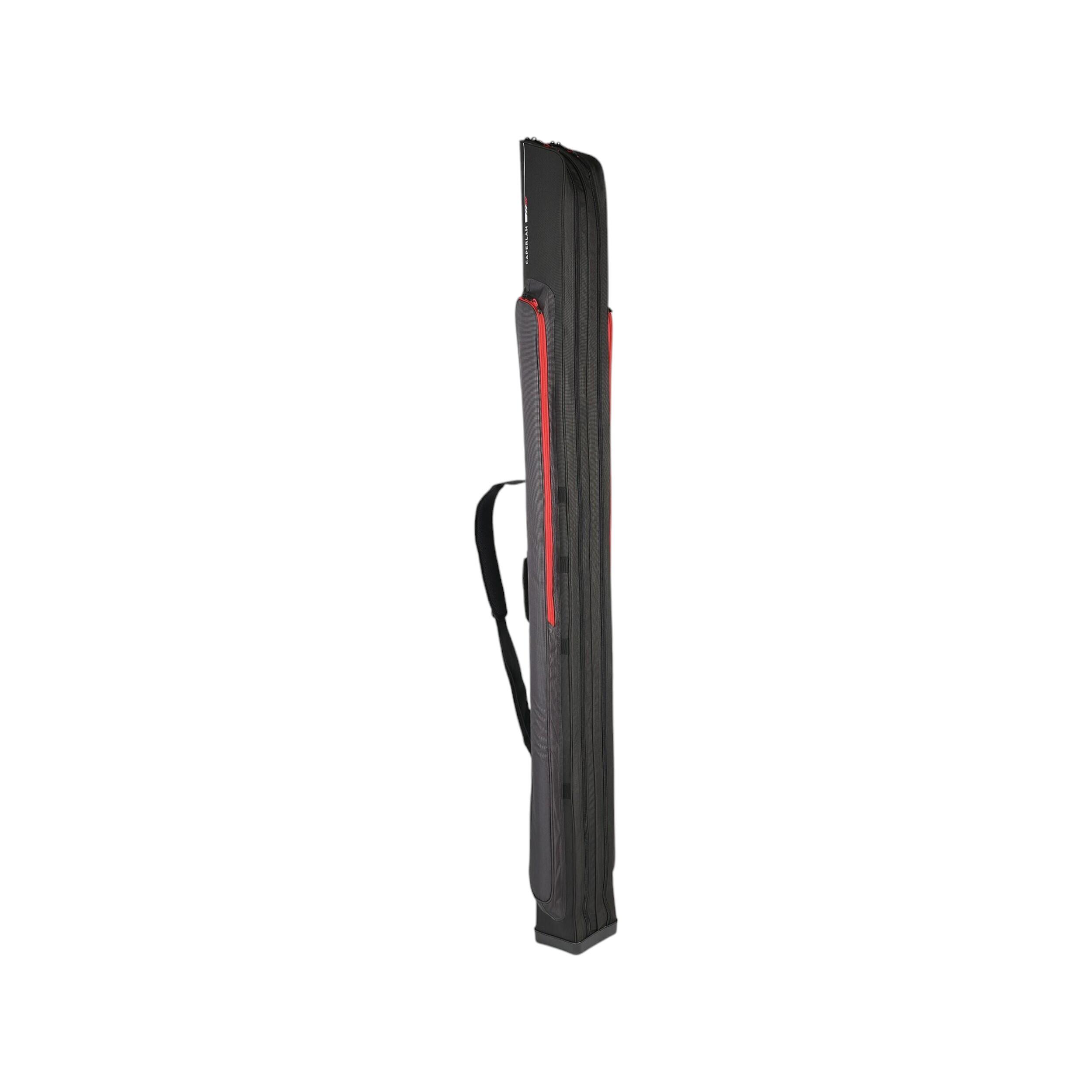
Long pole sections, fine floats and prepared rigs can be damaged by pressure or impact even when they are not being used. Break the pole down carefully, replace protective caps and keep sections away from heavy tackle boxes or banksticks that could press against them in a vehicle. Delicate balsa floats benefit from rigid storage, while rigged hooks and line should stay dry and separate so they don't tangle with other accessories. Dedicated pole fishing rod bags help keep long sections together and reduce direct contact with harder equipment during the journey to and from the swim. Before packing away, wipe dirt from pole joints and let damp accessories dry. A consistent packing routine also makes it easier to notice a missing cap, damaged section or depleted rig supply before your next session.