60 items
4.7/5 based on 4079 reviews collected online and in stores

Pole Fishing Hooks FAQs

Which pole fishing hook should you use for the fish you are targeting?

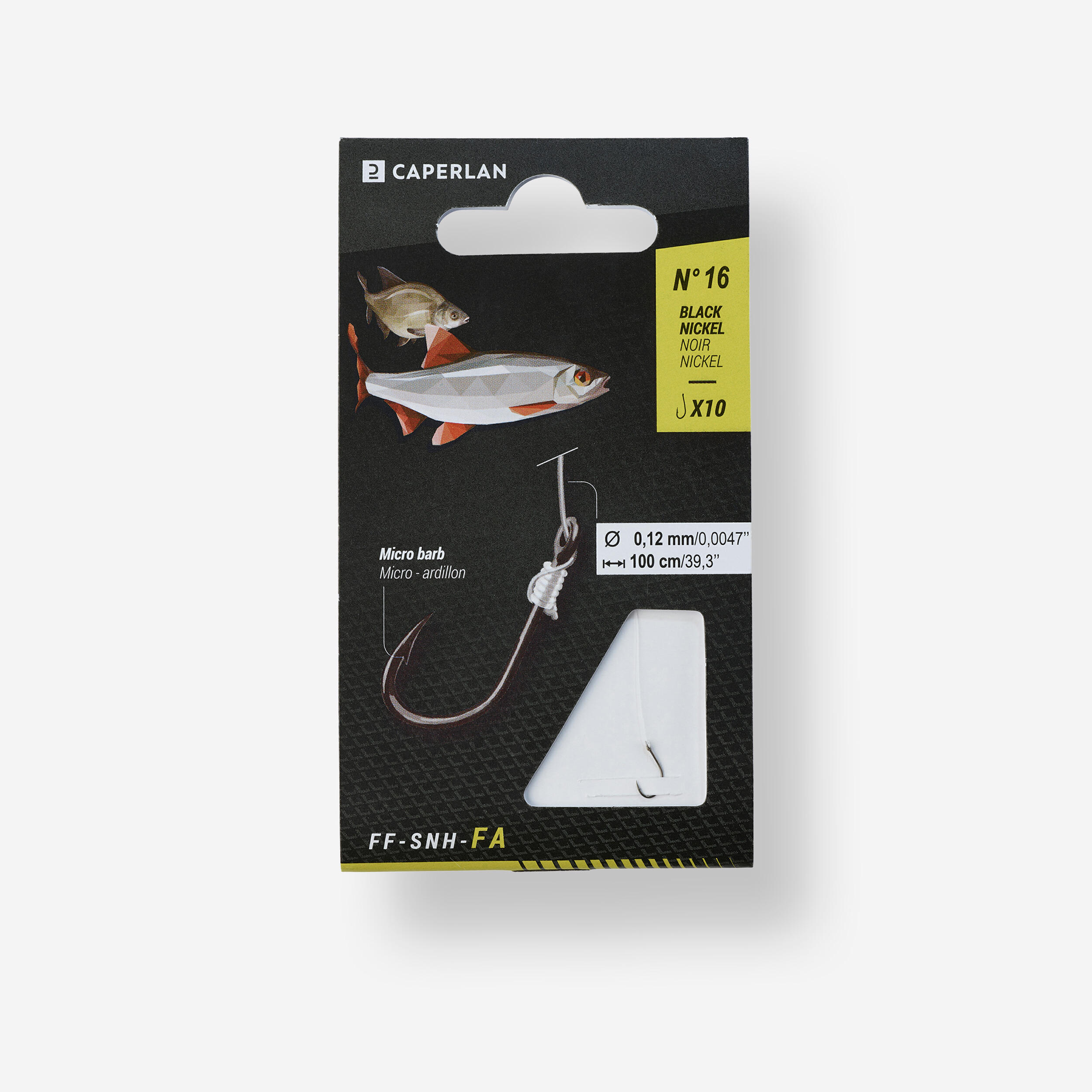
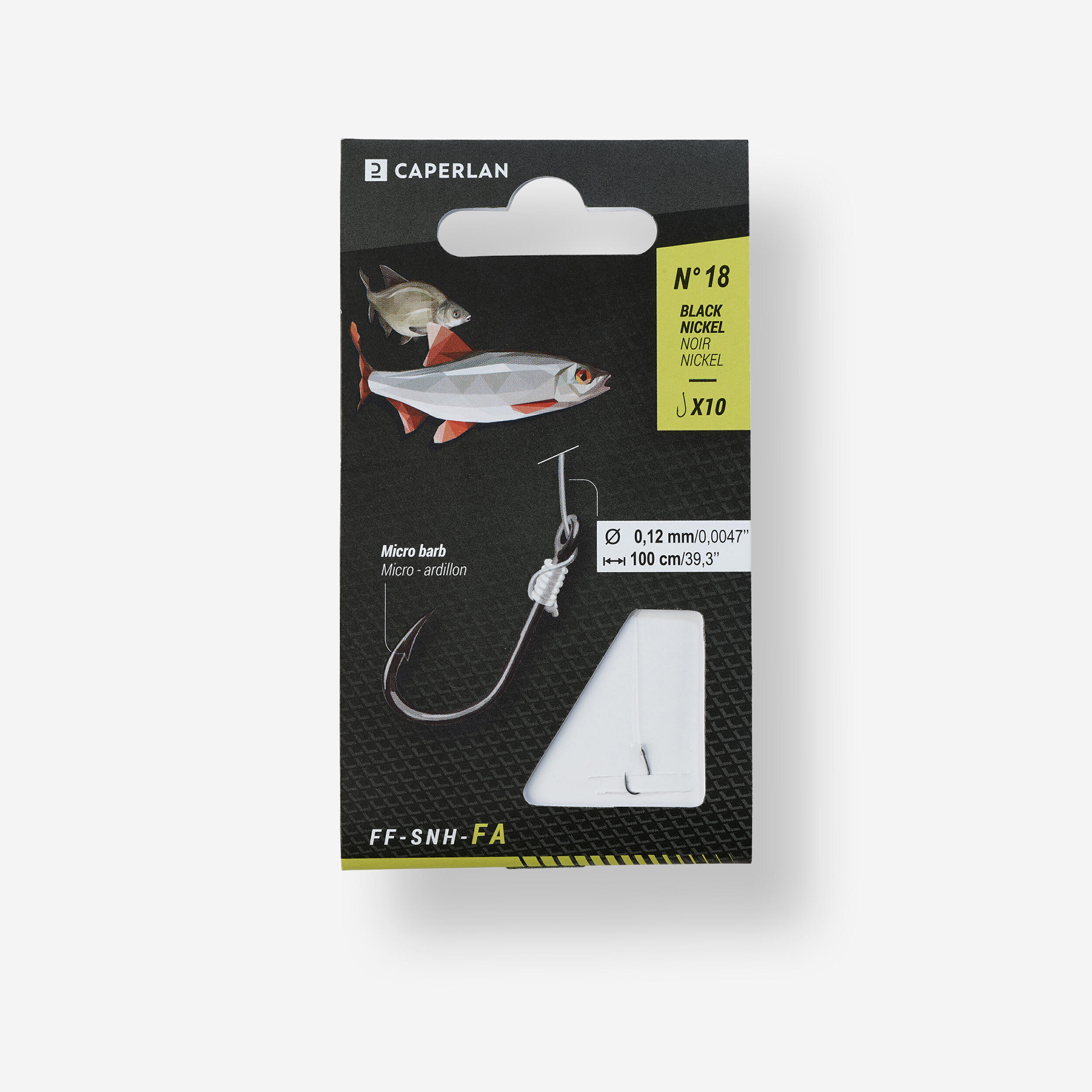
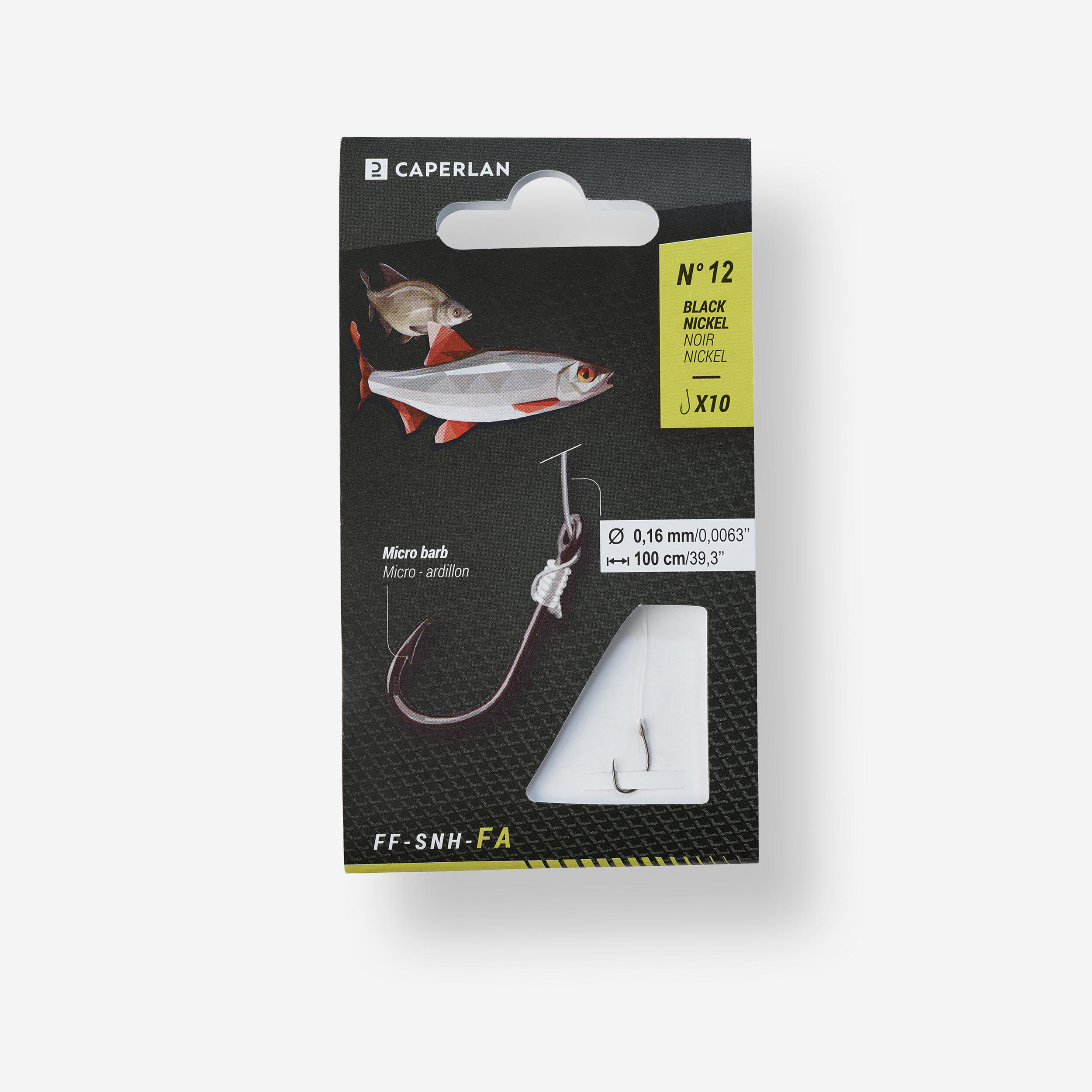
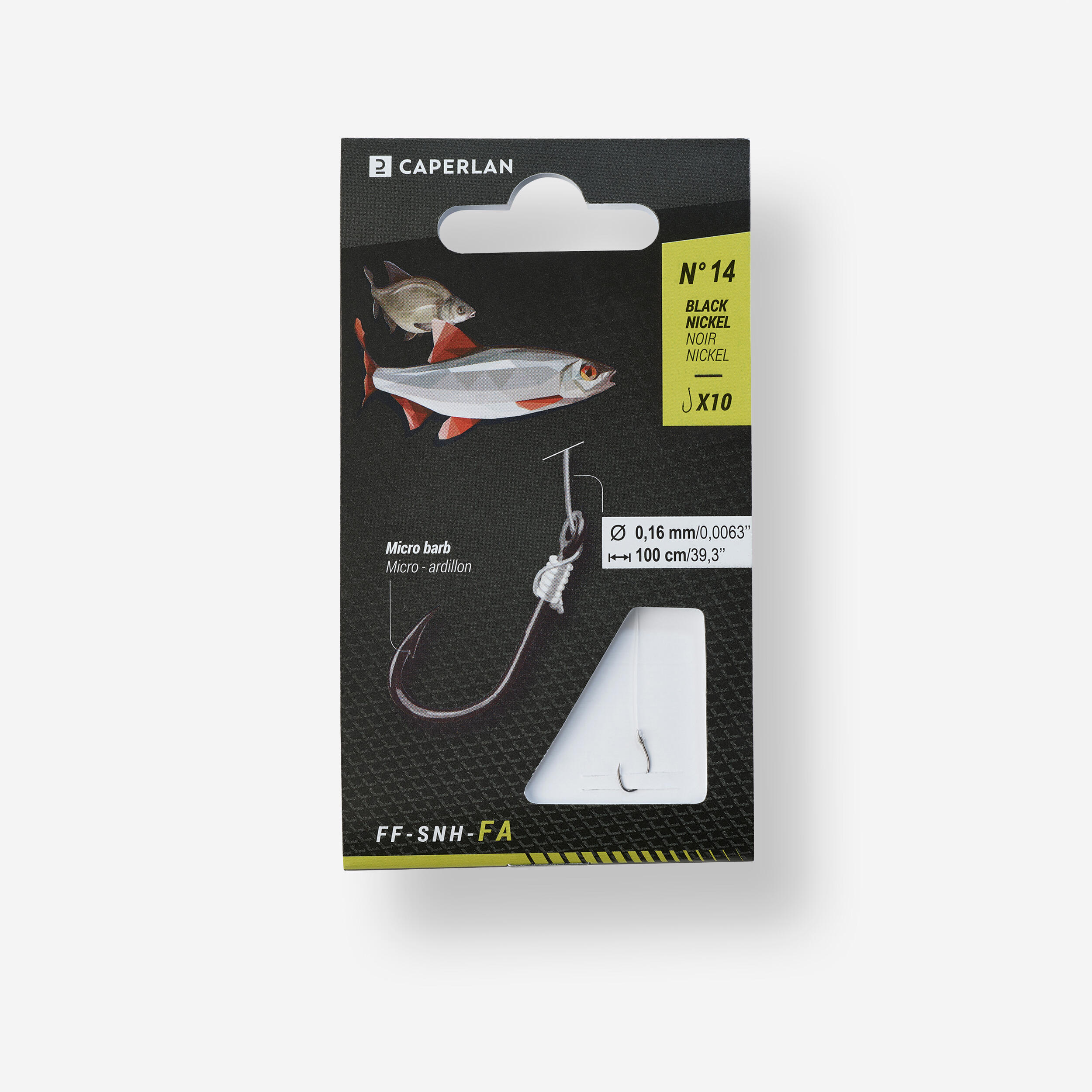
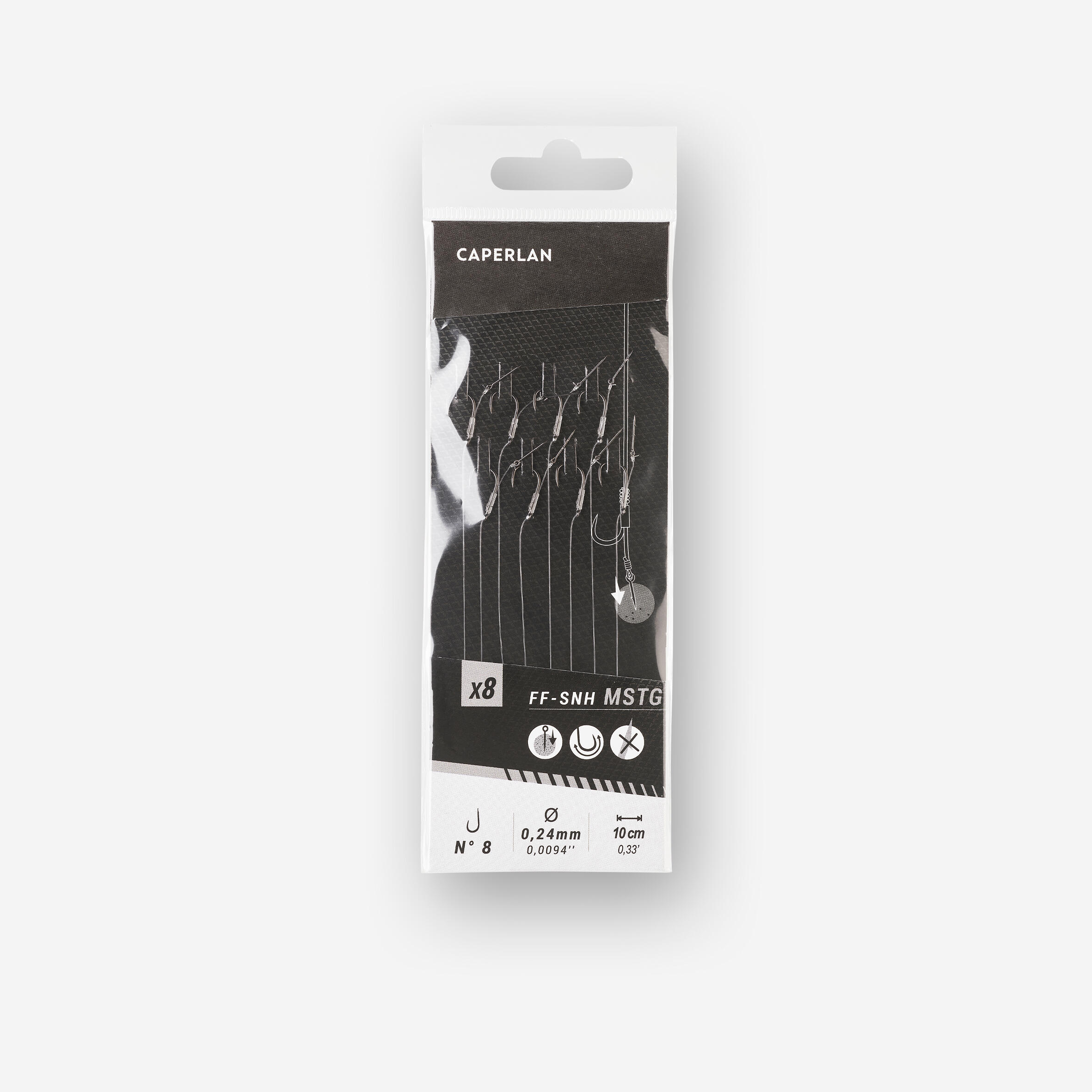
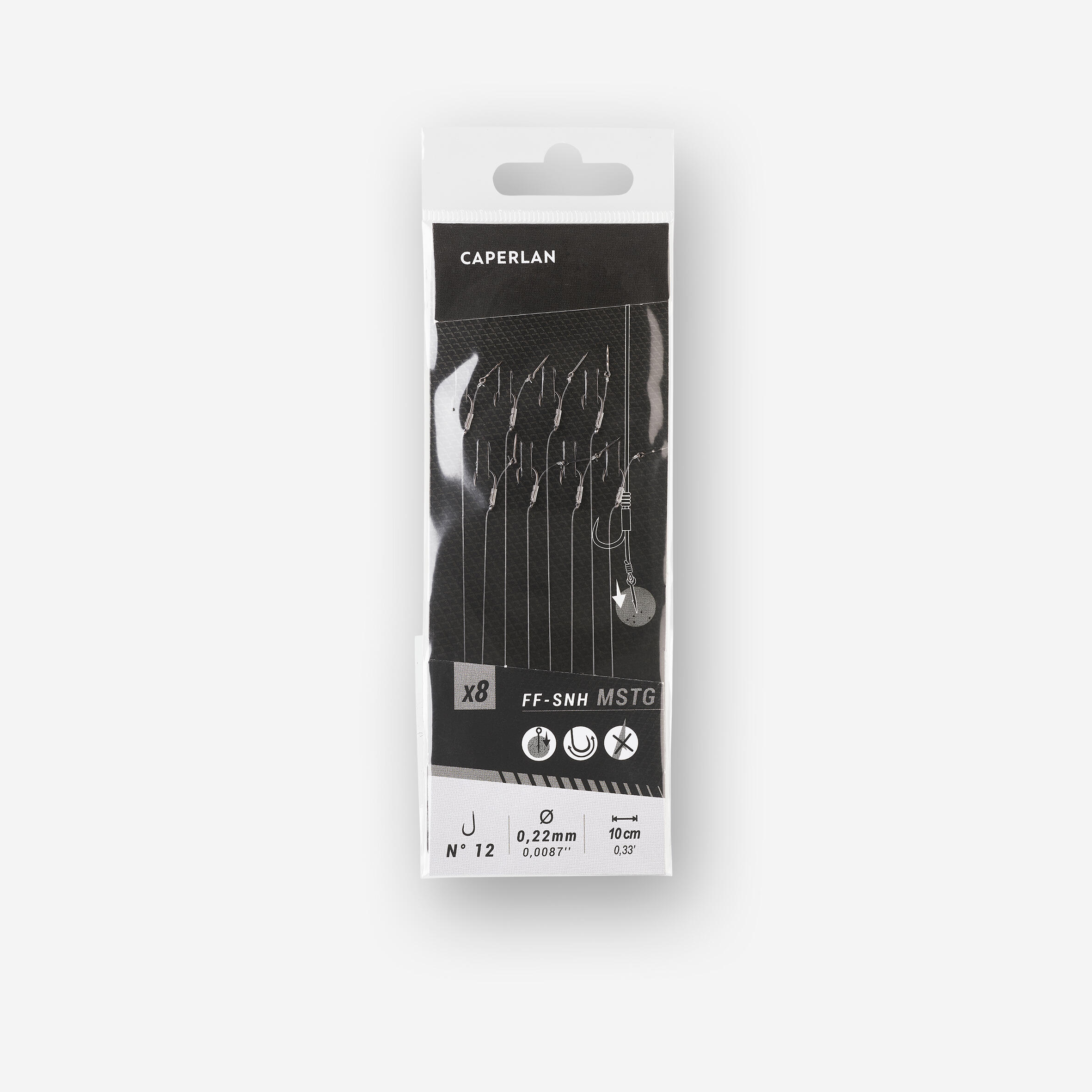
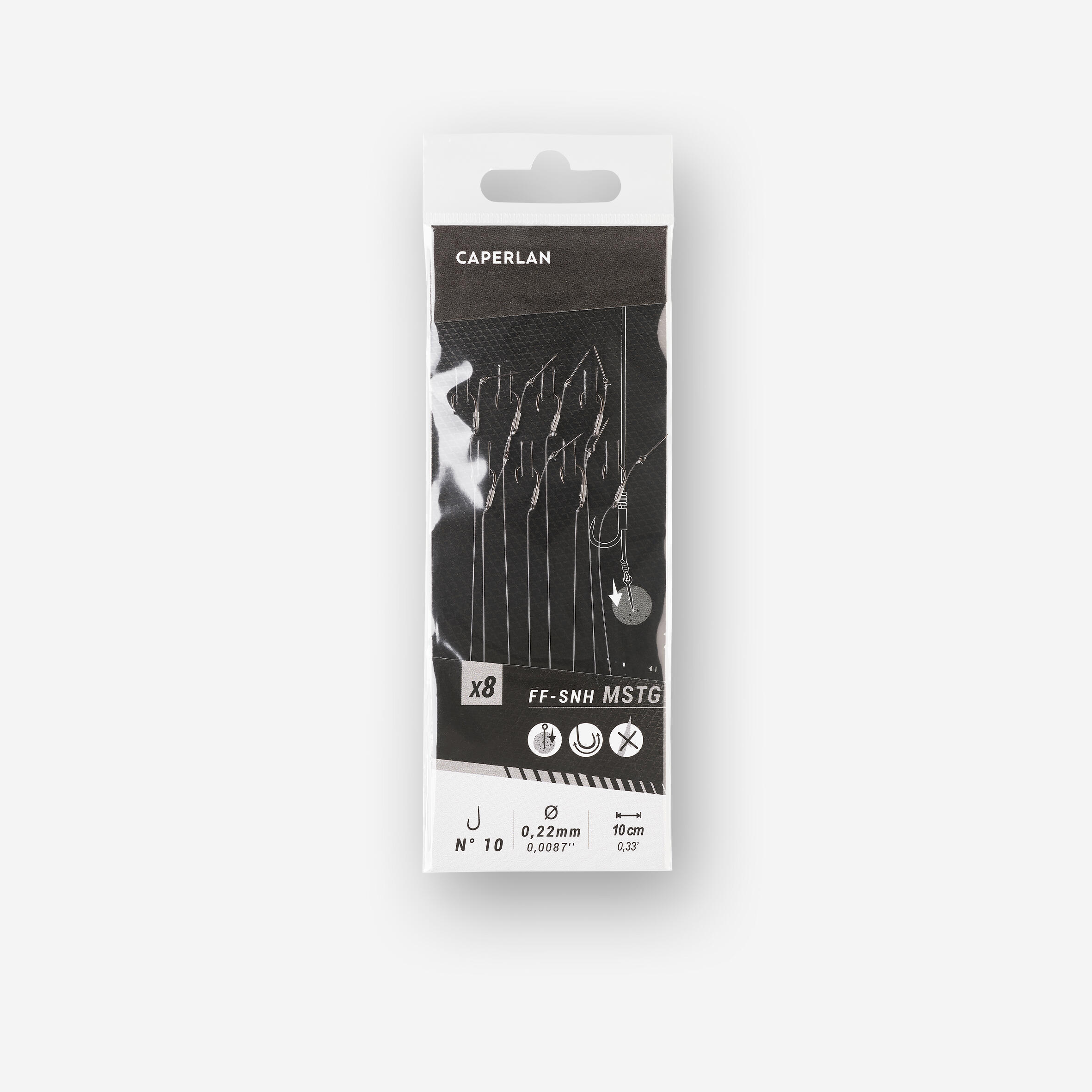
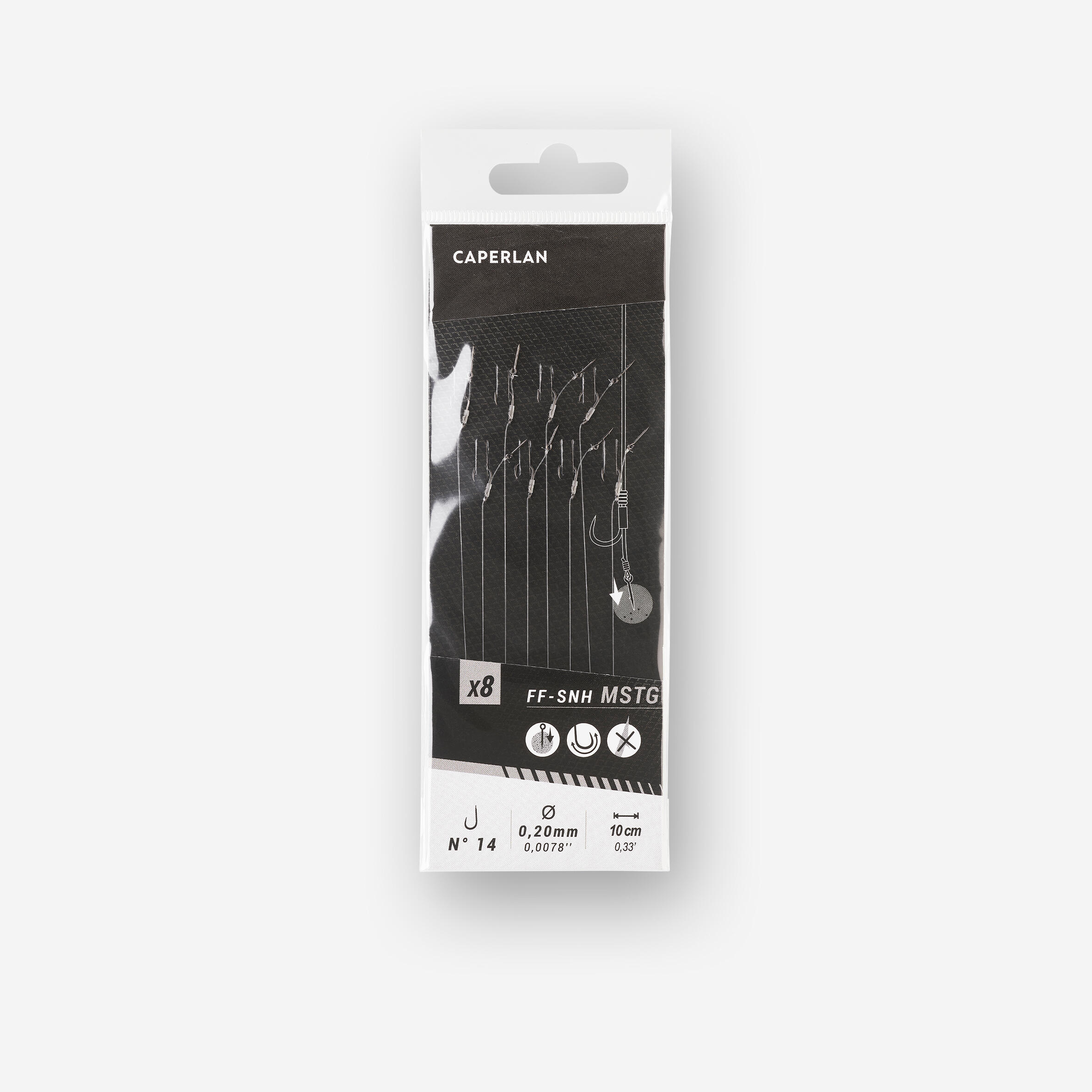
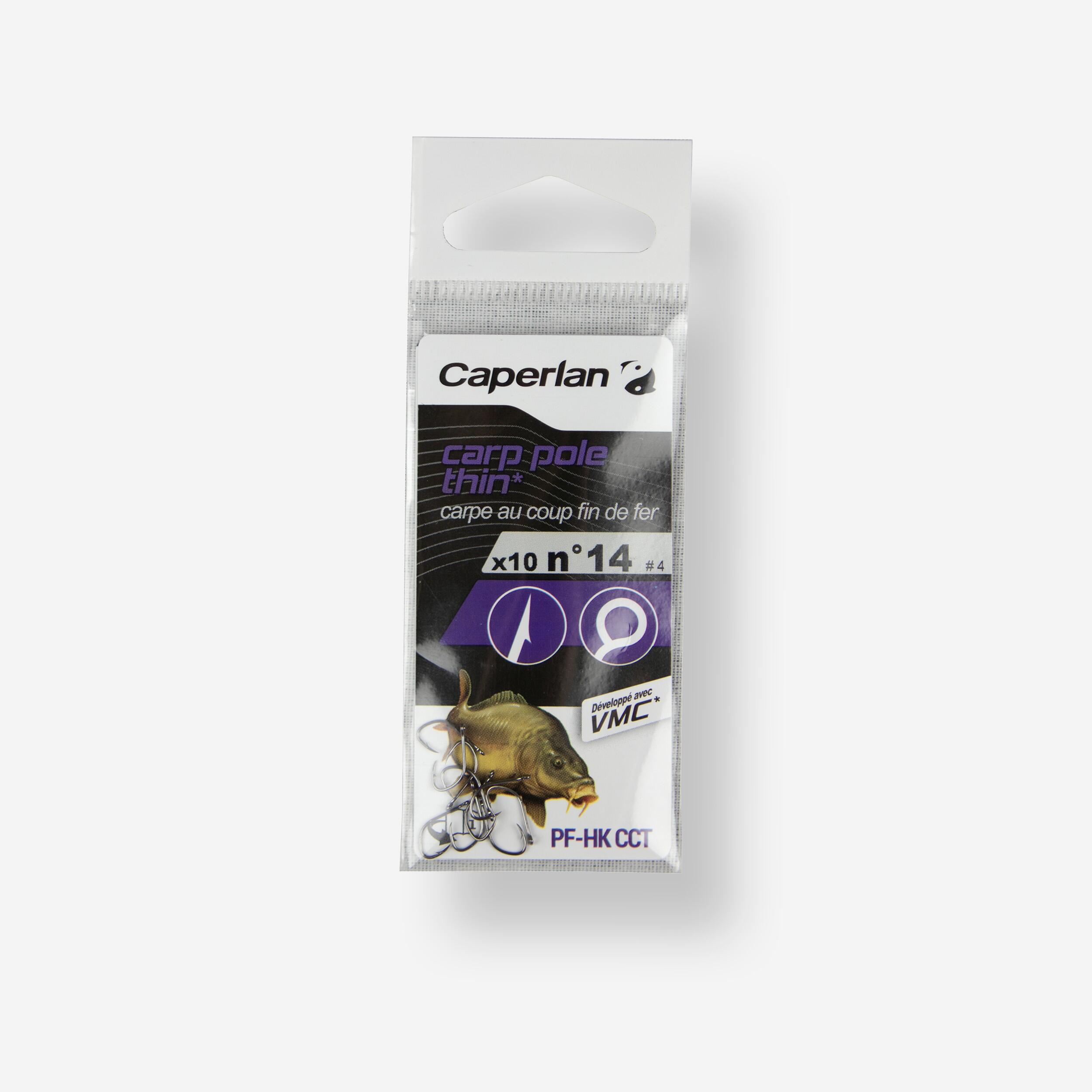
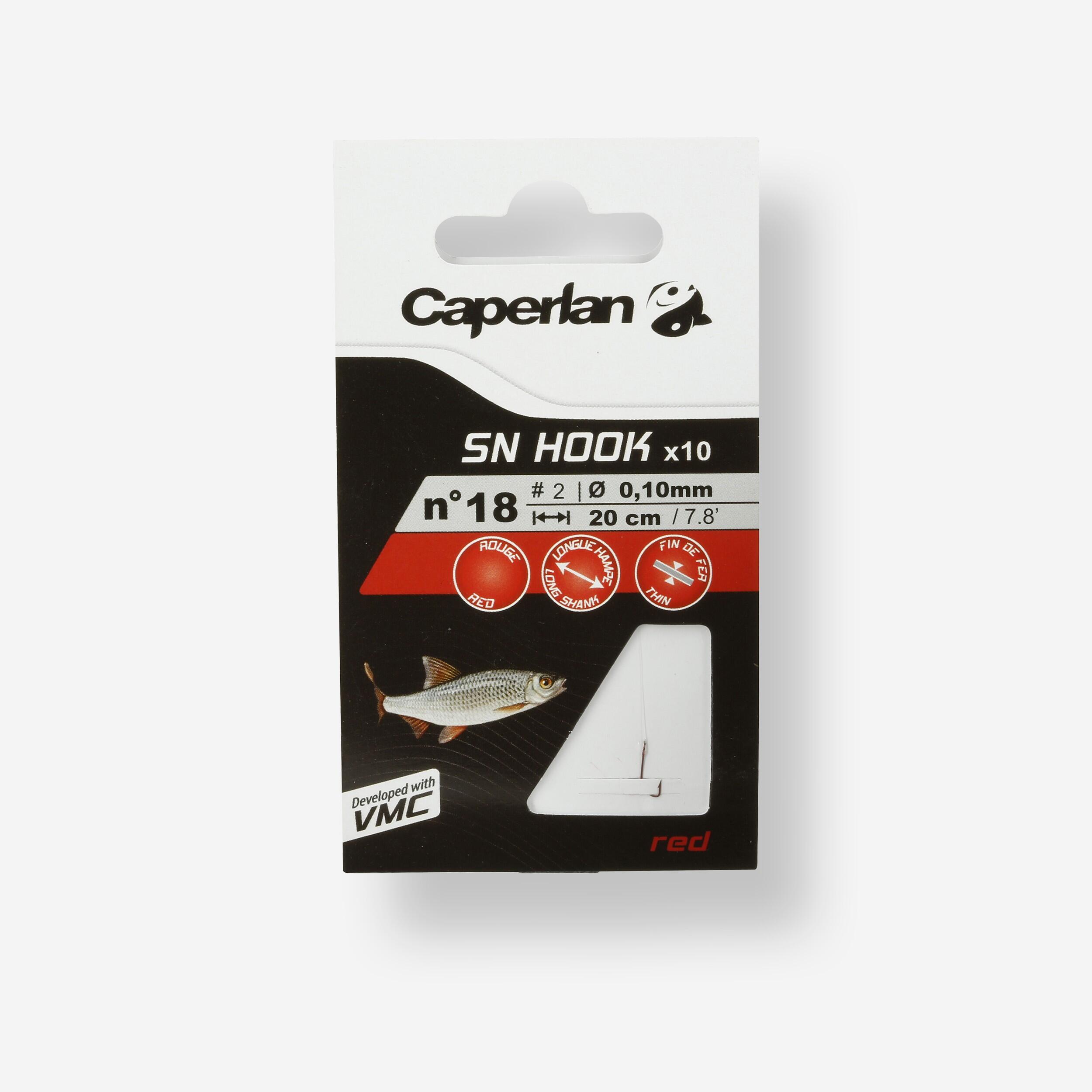
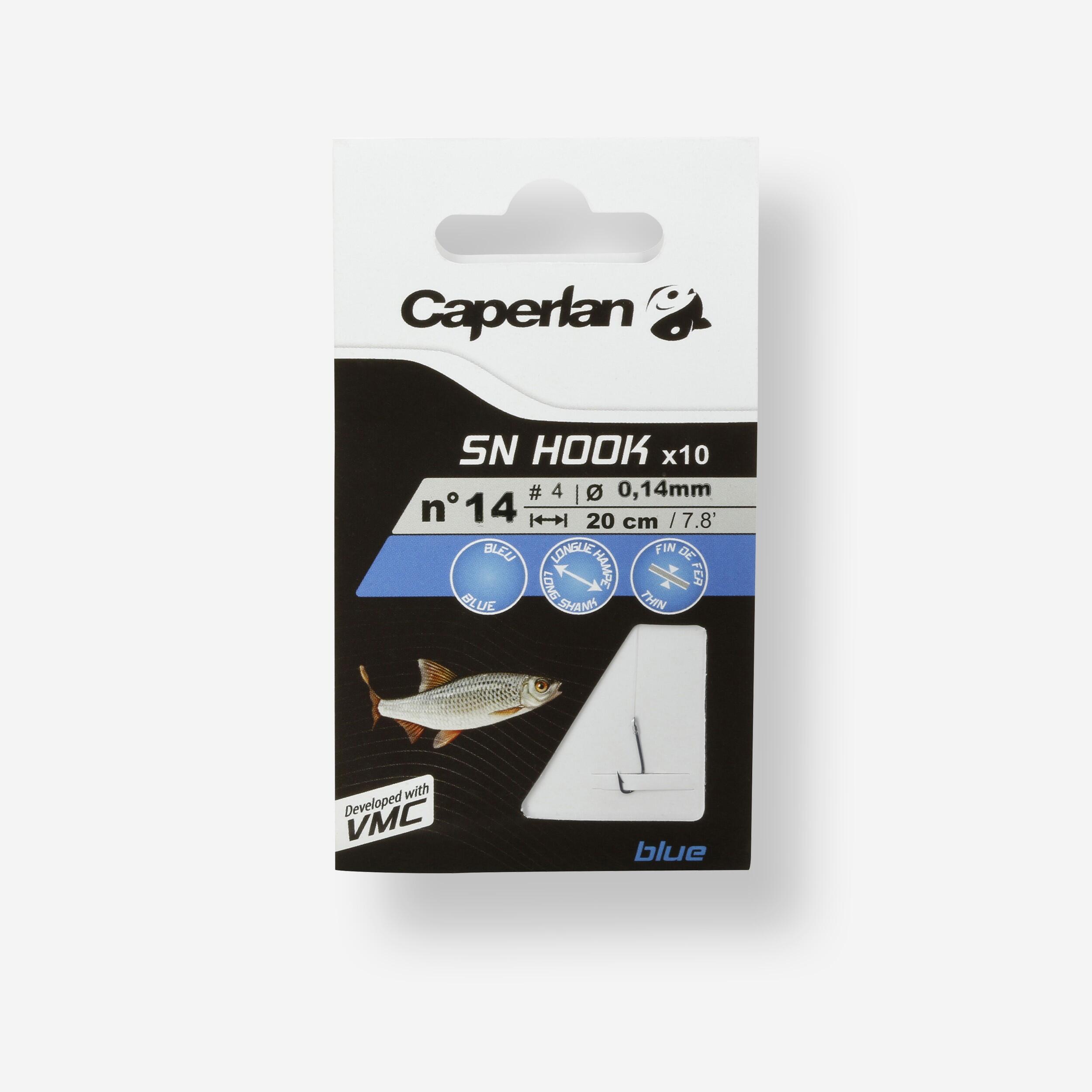
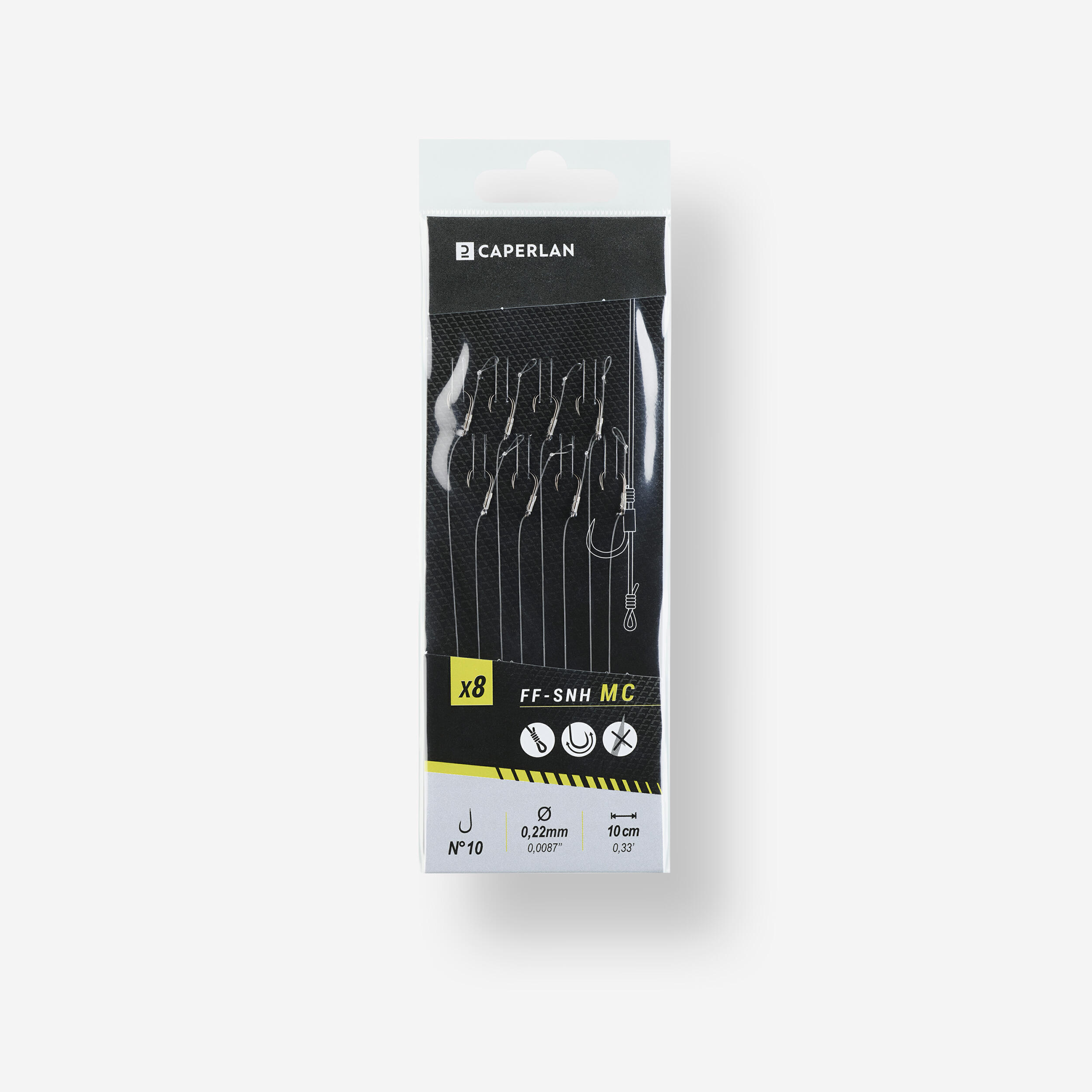
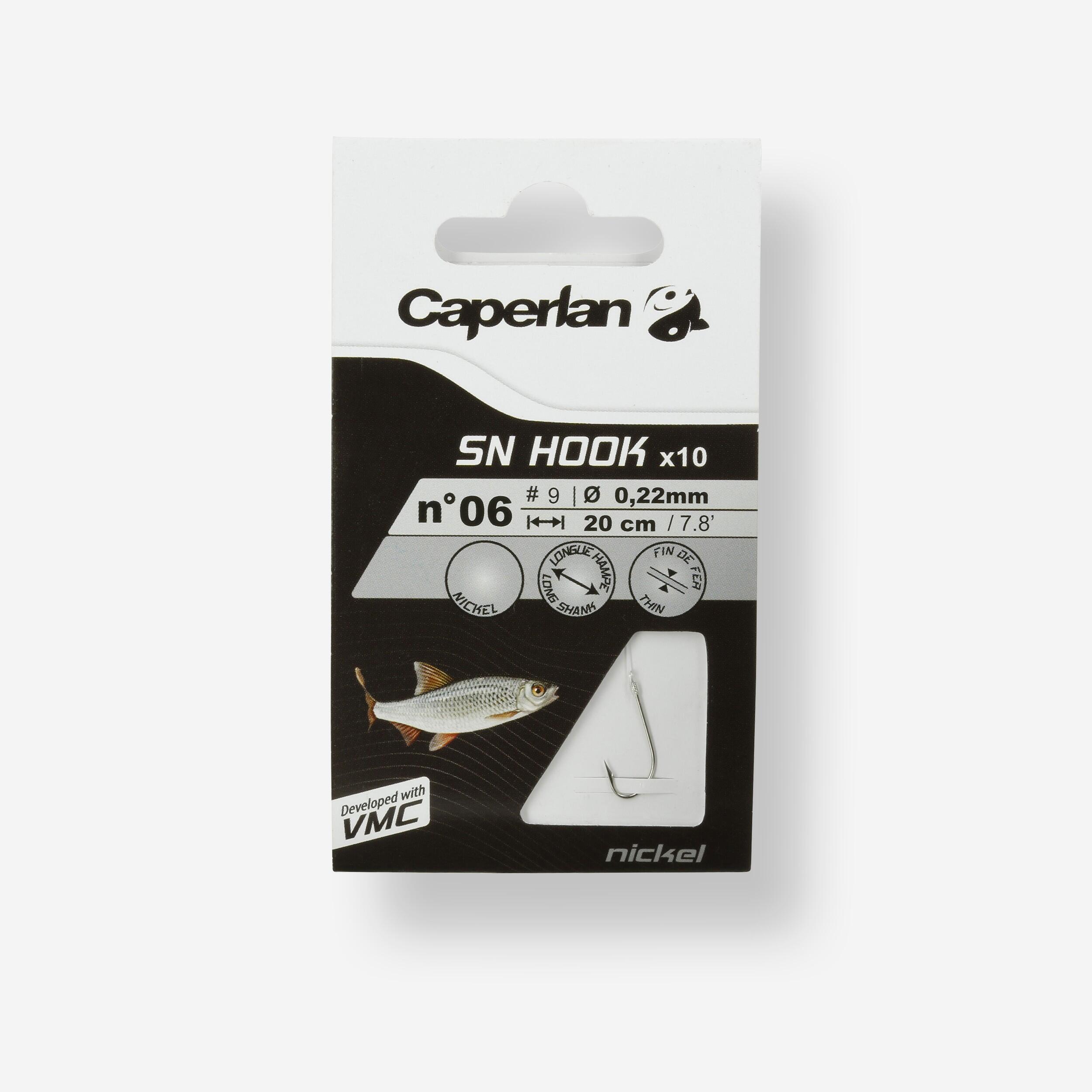
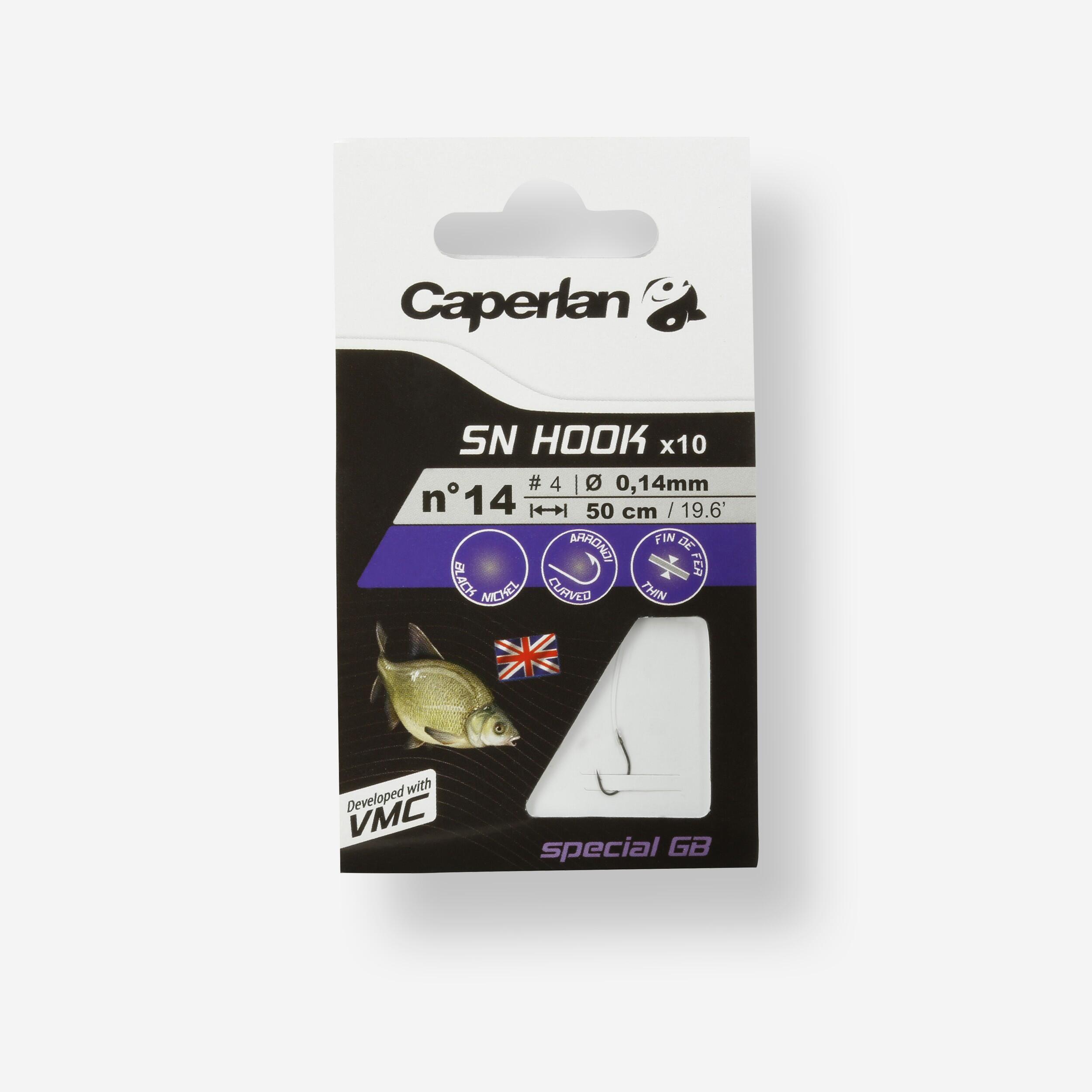
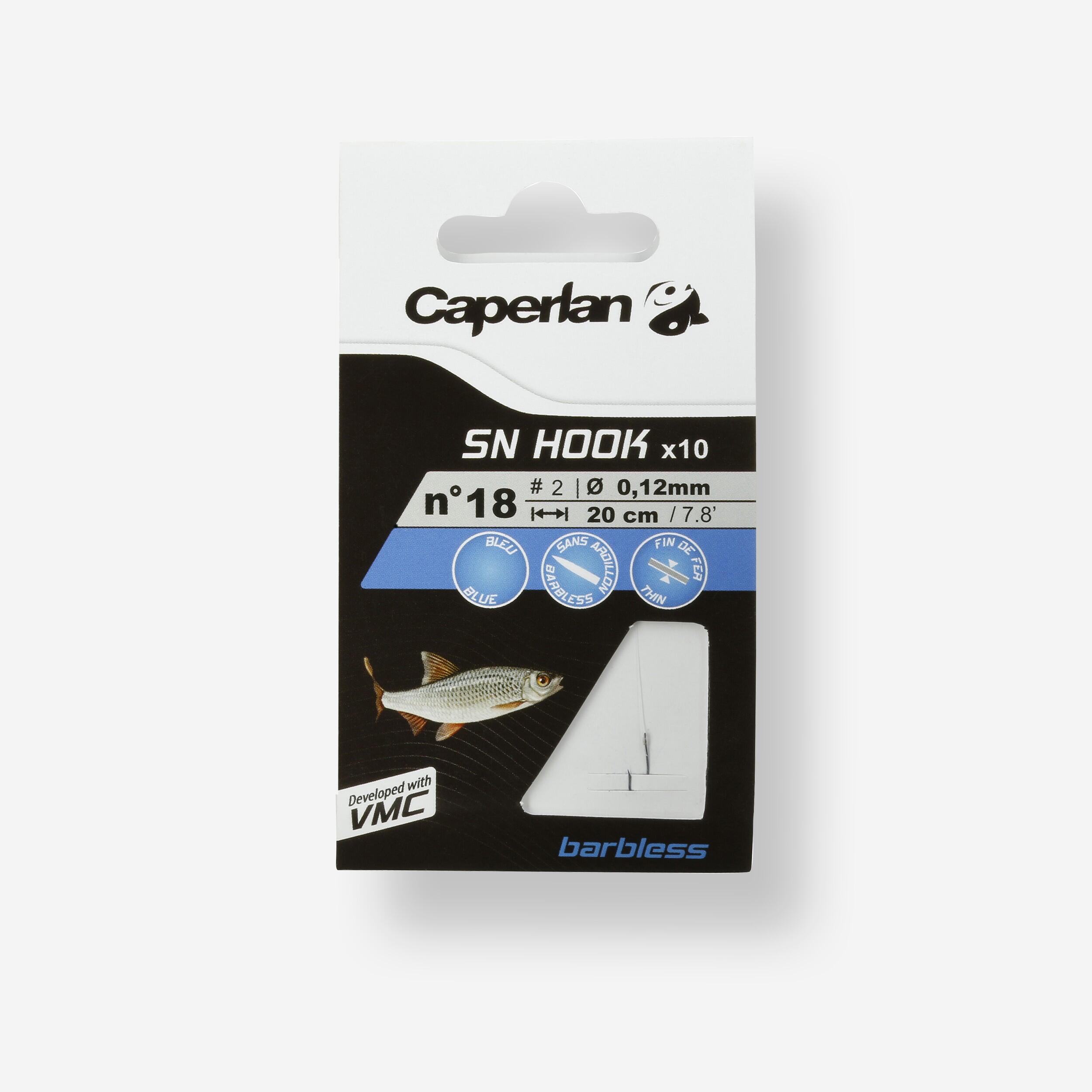
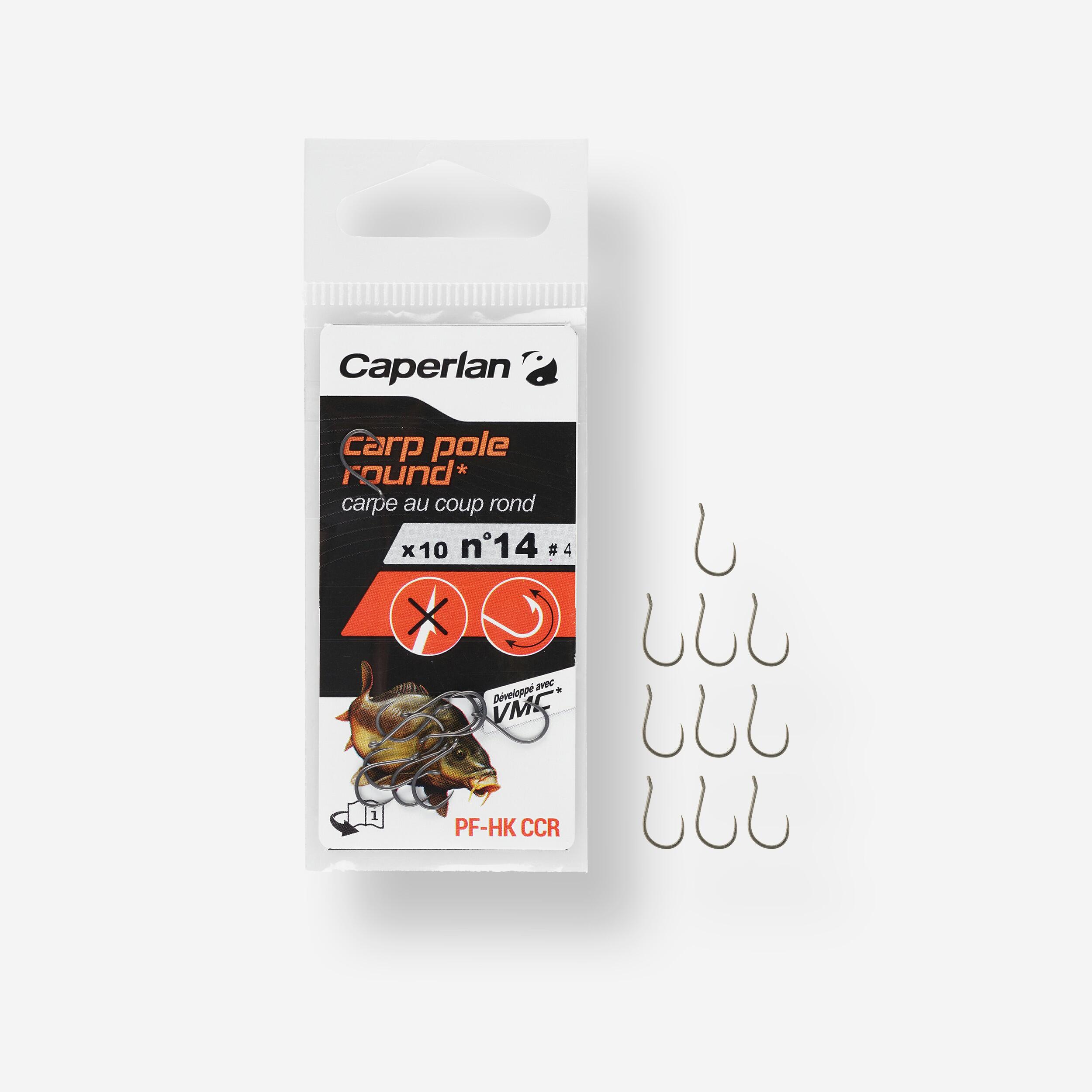
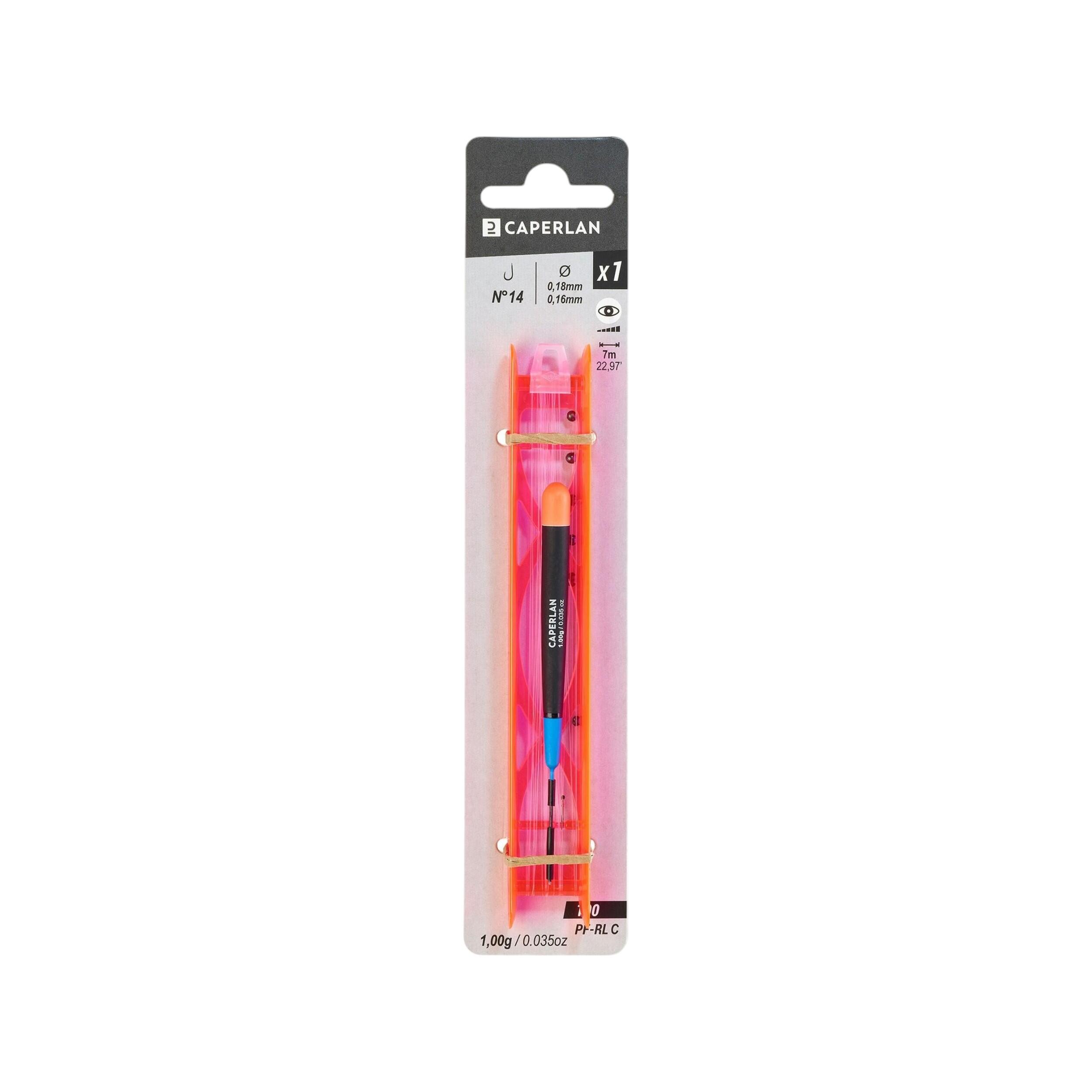
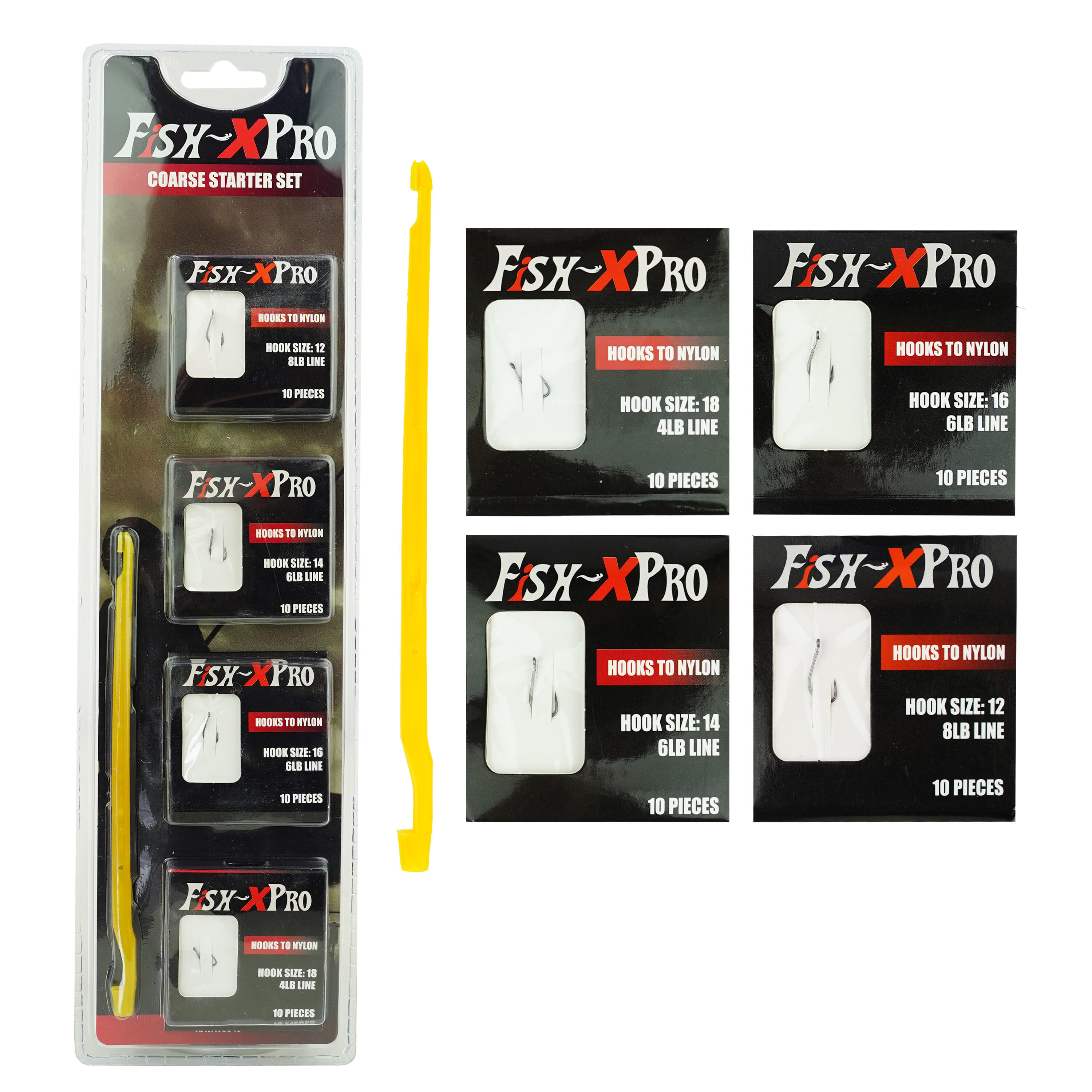
Hook size, wire thickness and leader diameter should work together so the terminal tackle suits both the bait and the fish you expect to catch. Caperlan frequently pairs smaller hooks with finer nylon and larger hooks with stronger leaders, reducing the need to select every component separately. Fine-wire patterns suit fragile baits, while stronger hooks suit fish that could open a lighter wire during the fight. Ready-tied pole fishing blue rigged hooks also give you a prepared hooklength with a loop for quicker connection to the main line. Check that the hook point is sharp and that the leader remains free from abrasion before casting, particularly after catching fish or snagging the rig.
When are barbless rigged hooks useful for pole fishing?

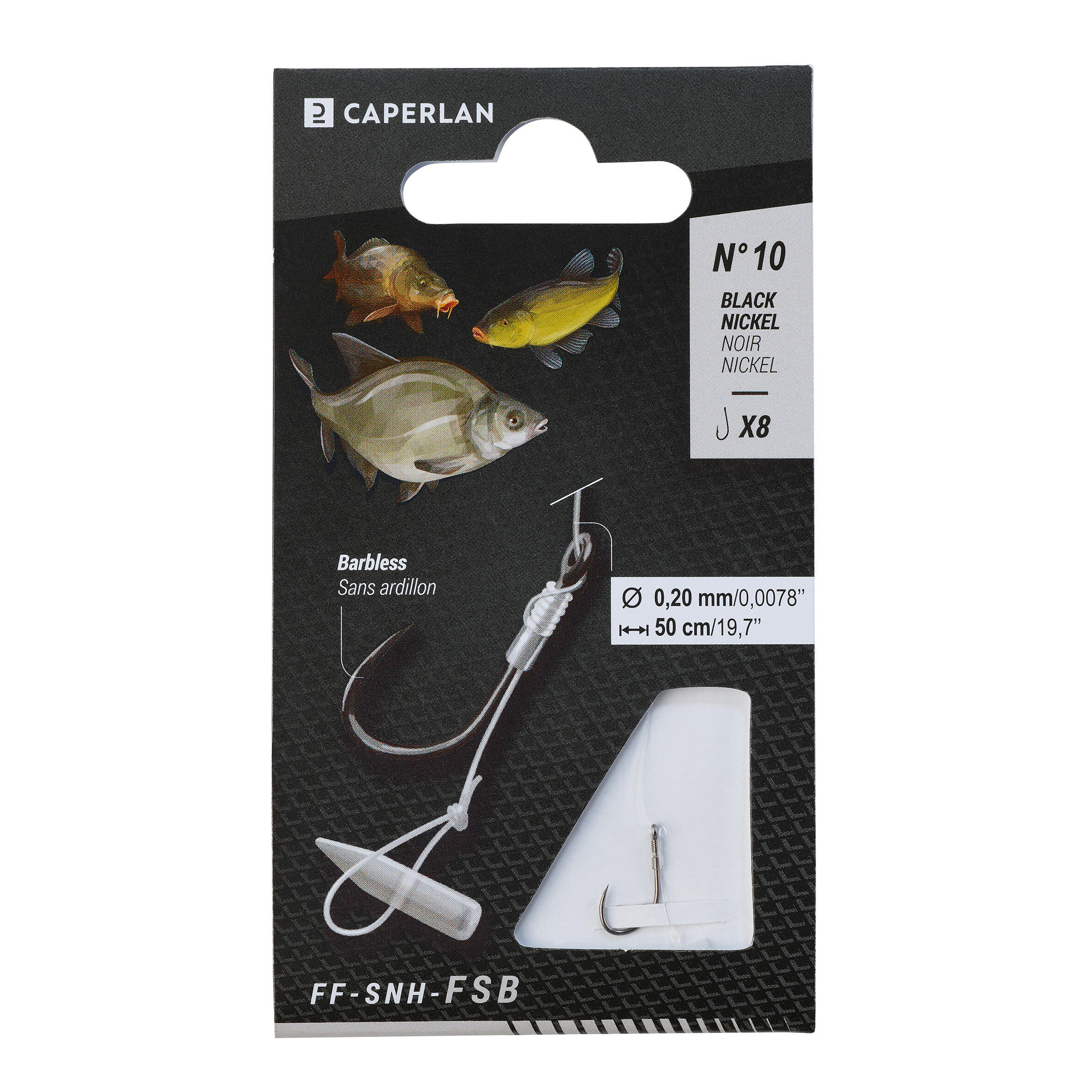
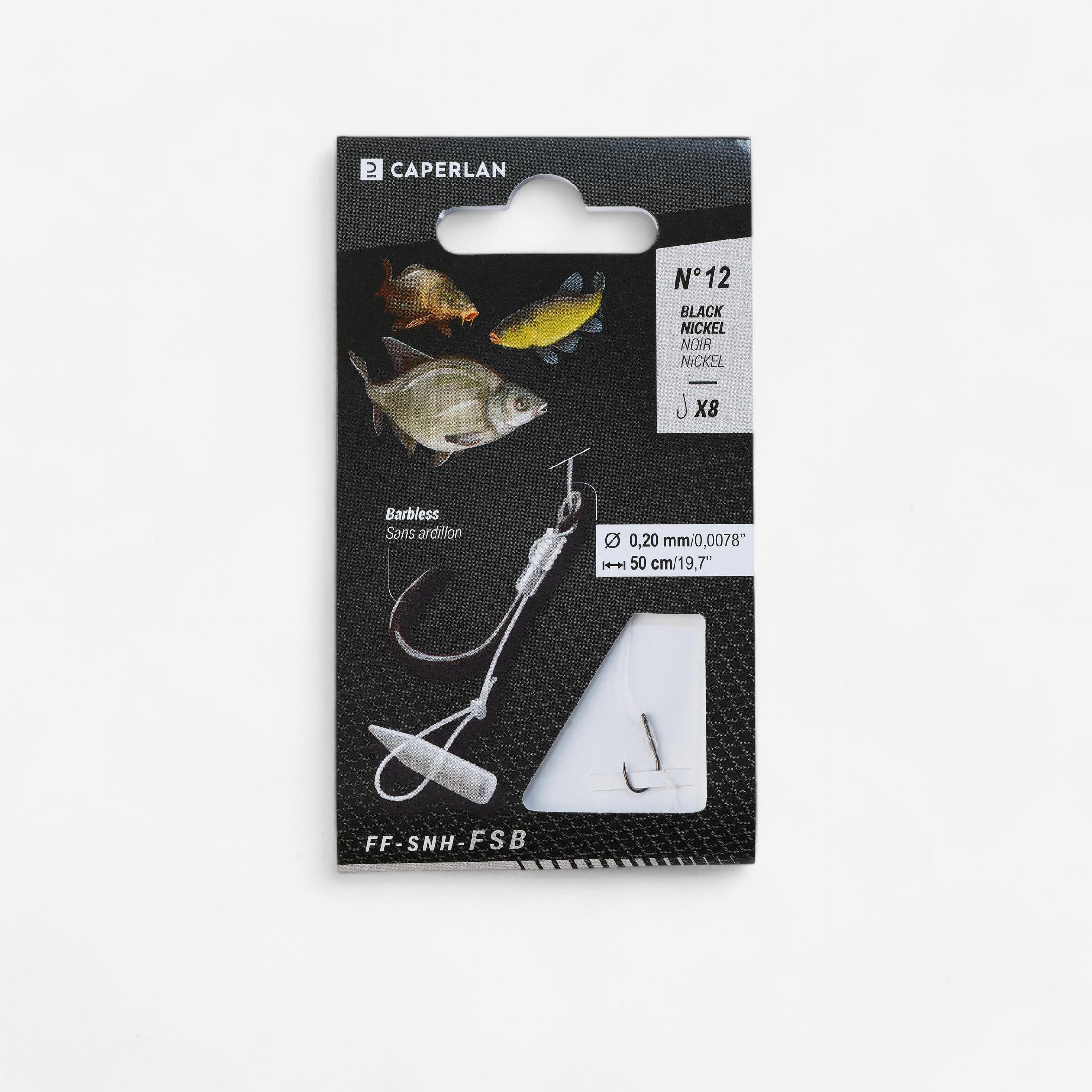
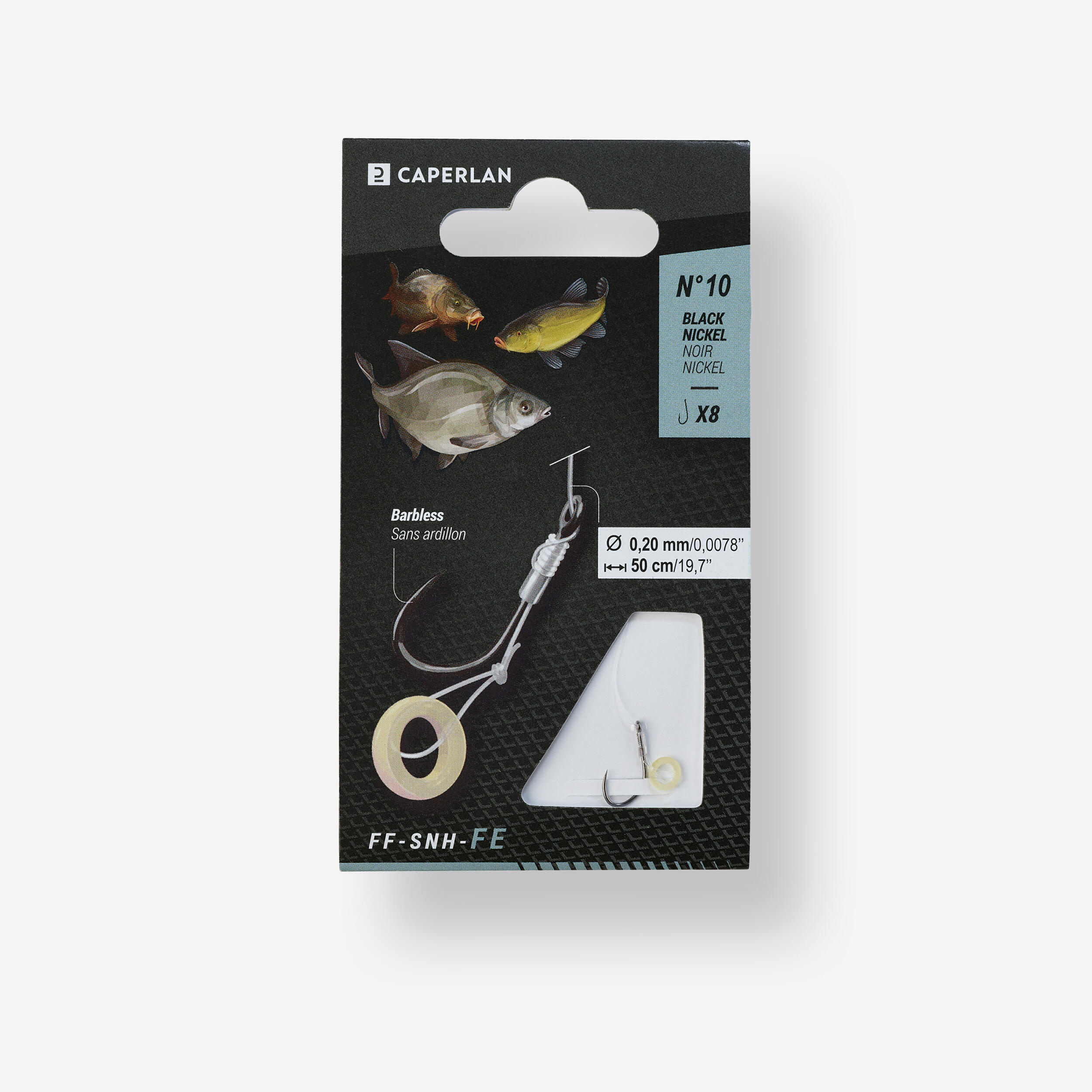
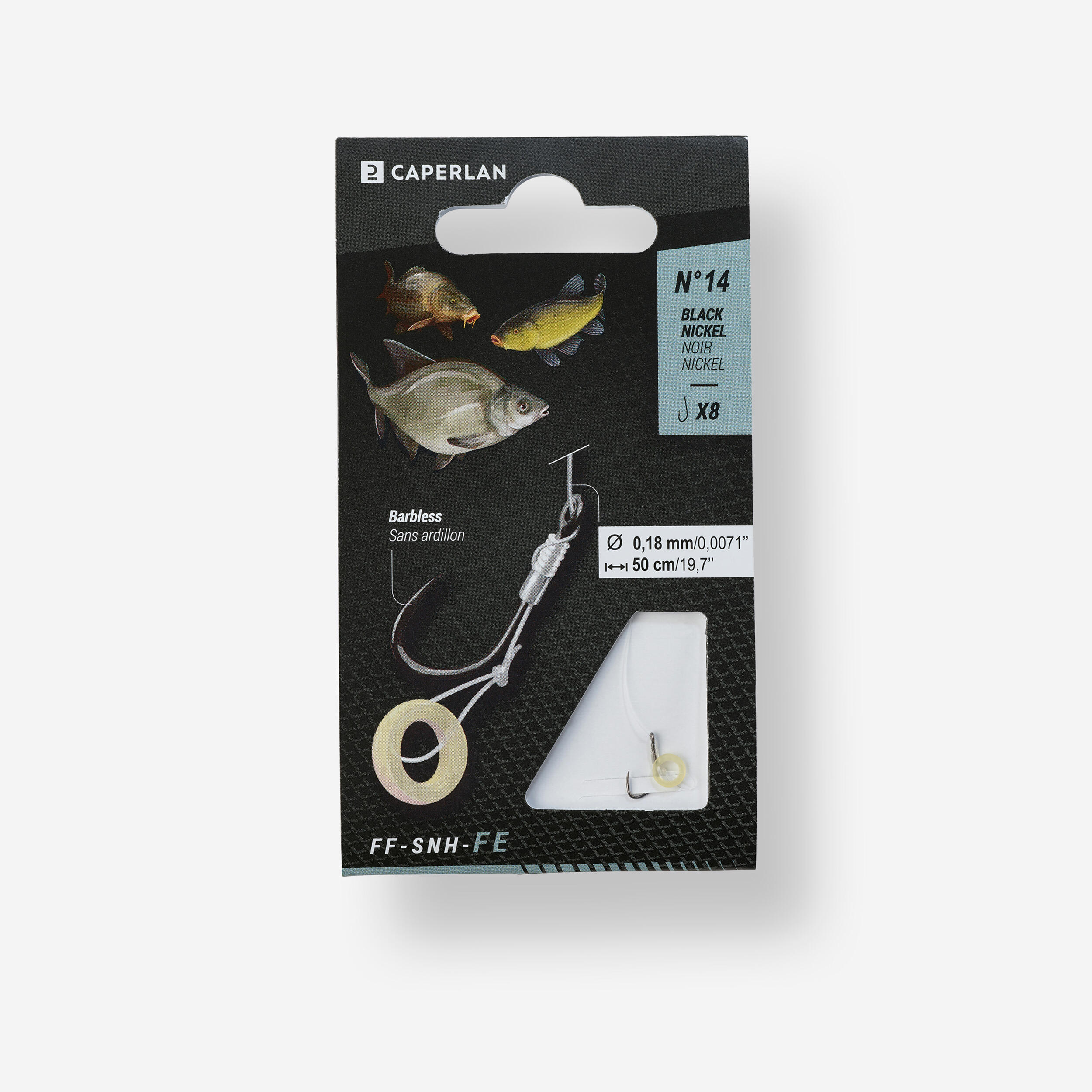
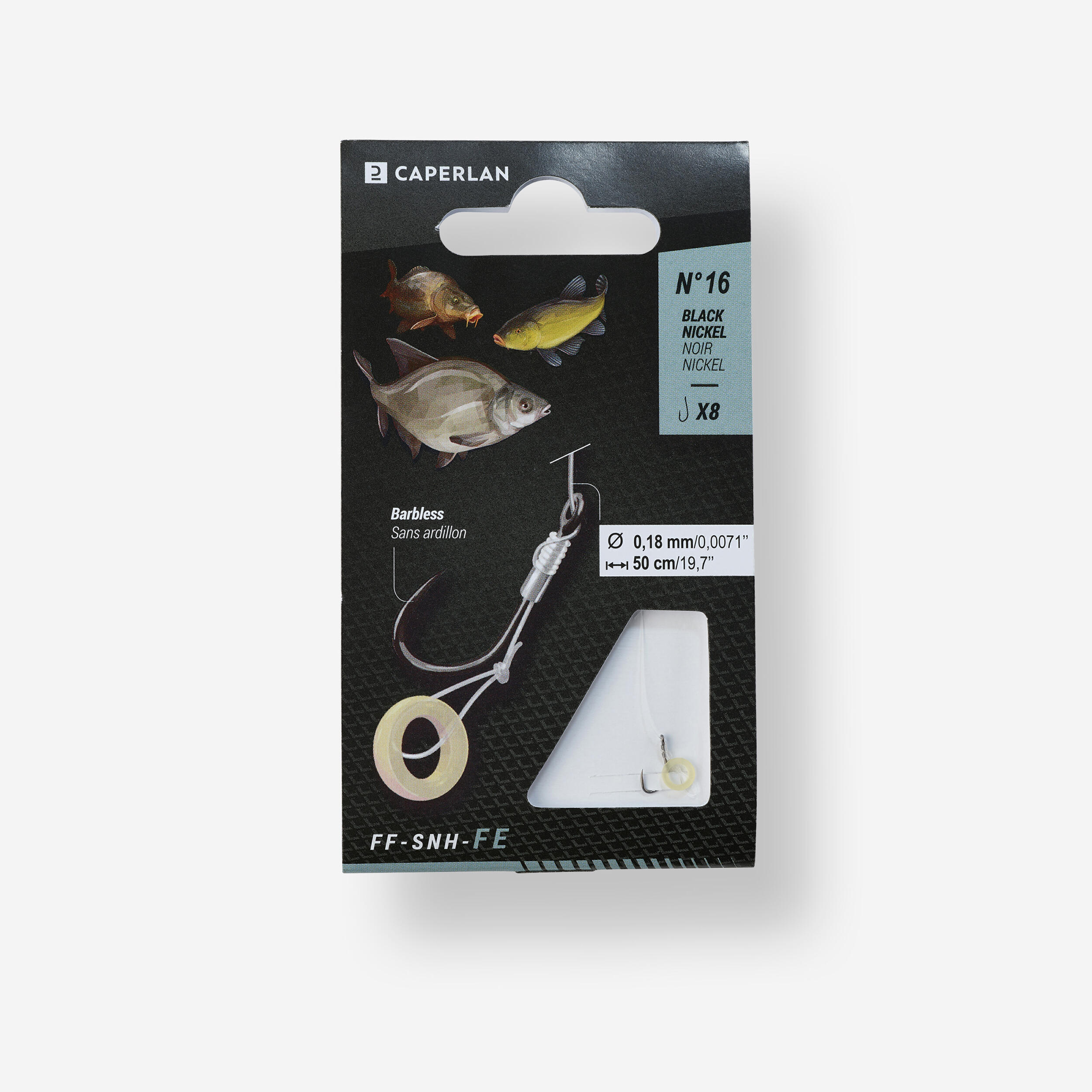
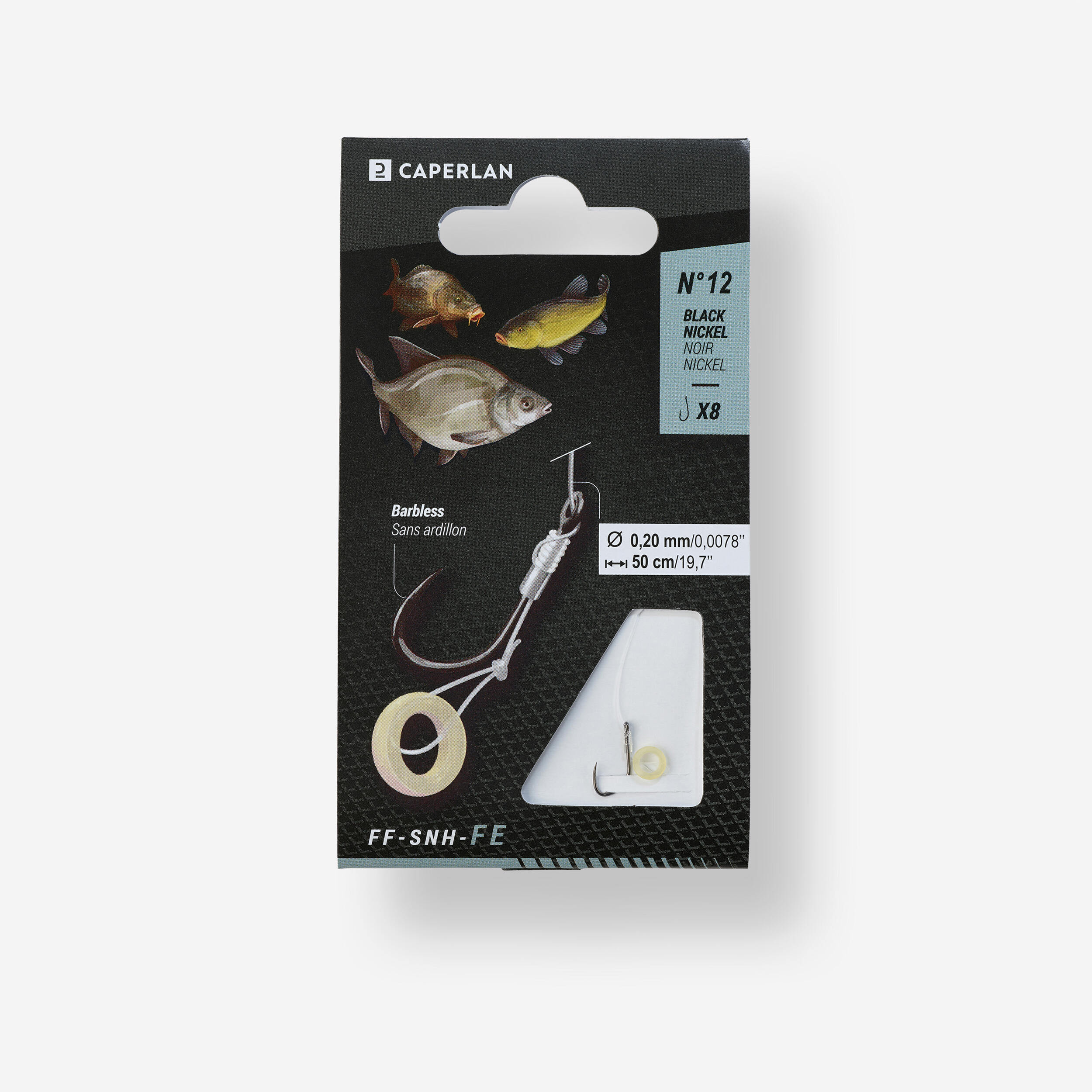
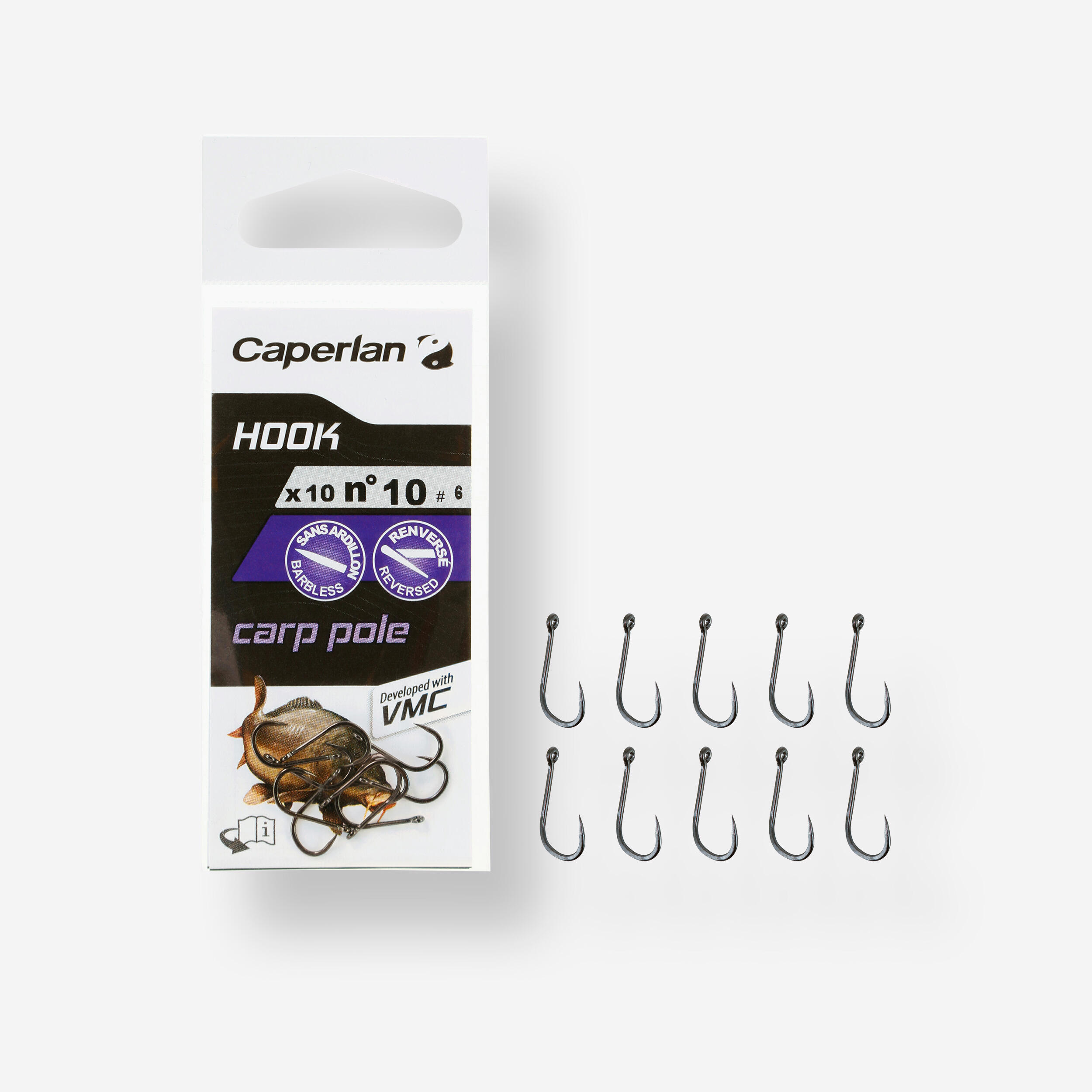
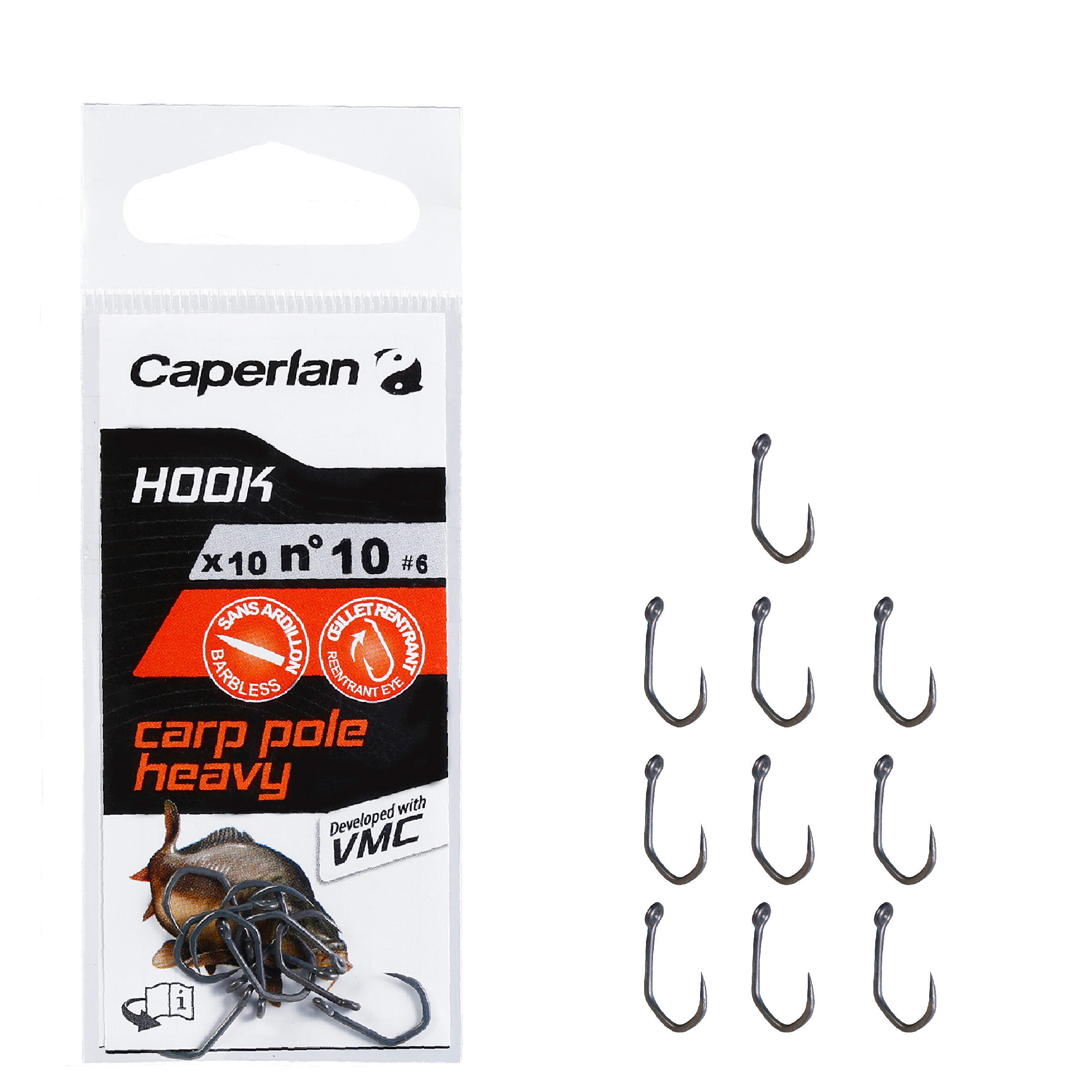
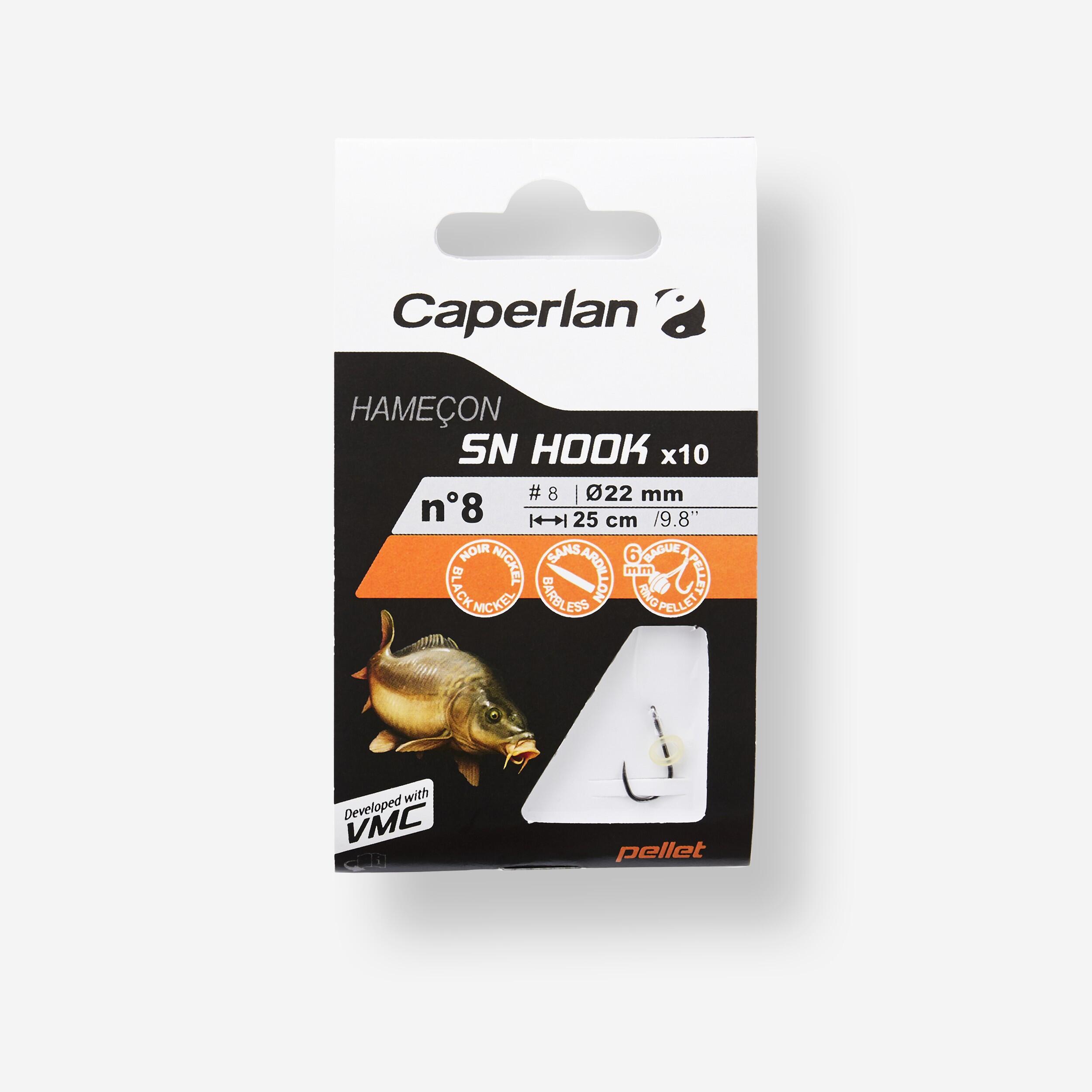
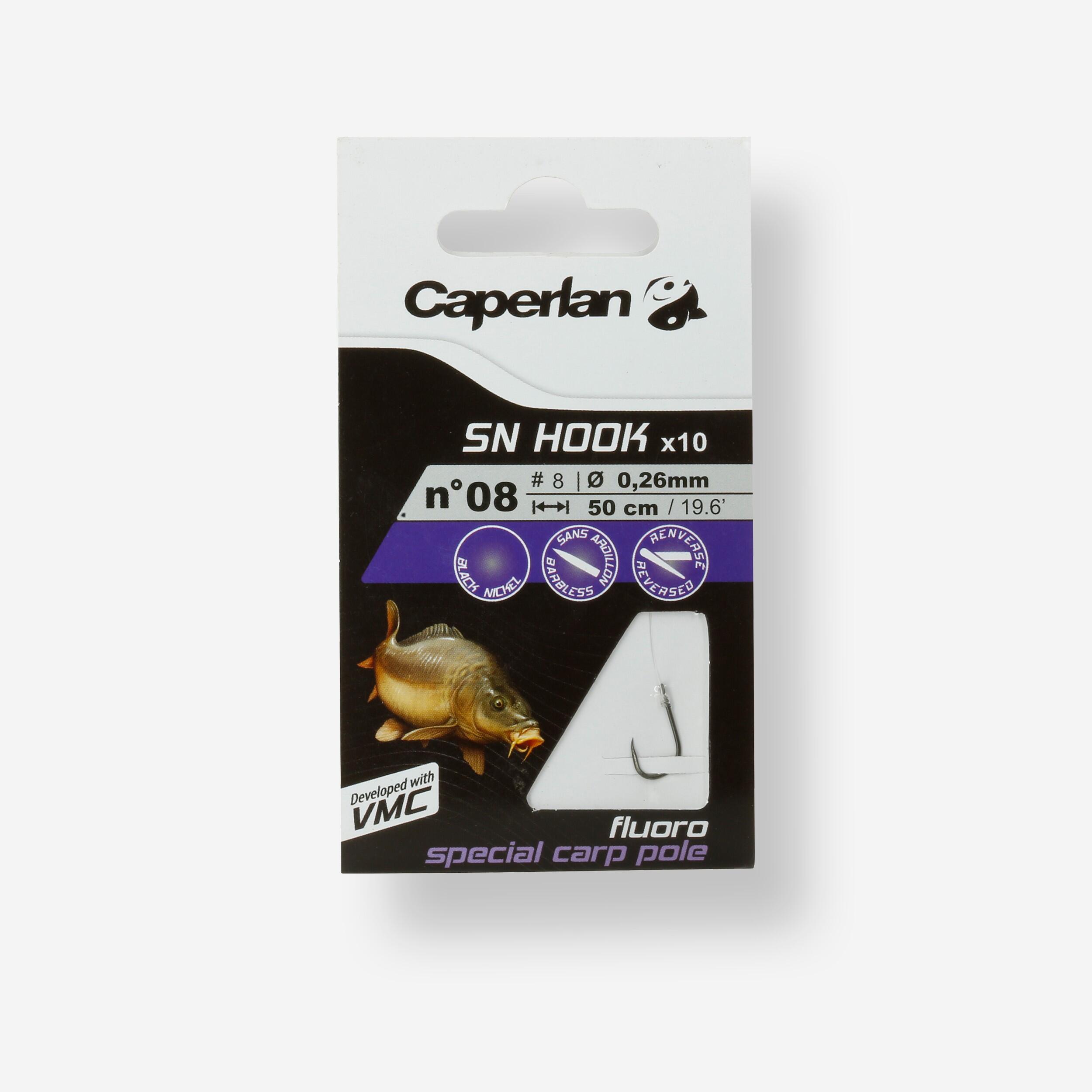
Barbless hooks can make unhooking quicker because there is no barb to work back through the point of entry. This can be especially practical when catching smaller coarse fish frequently and returning them promptly. Caperlan's pole fishing barbless rigged hooks use long-shank patterns on selected sizes, which can also make delicate bait easier to position and give you more hook shank to hold during unhooking. Keep steady pressure on the line while playing a fish because a barbless hook relies more on consistent tension to remain seated. Always check the venue rules, as some fisheries specify whether barbed, micro-barbed, or barbless hooks must be used.
What is the benefit of a reversed hook shape?

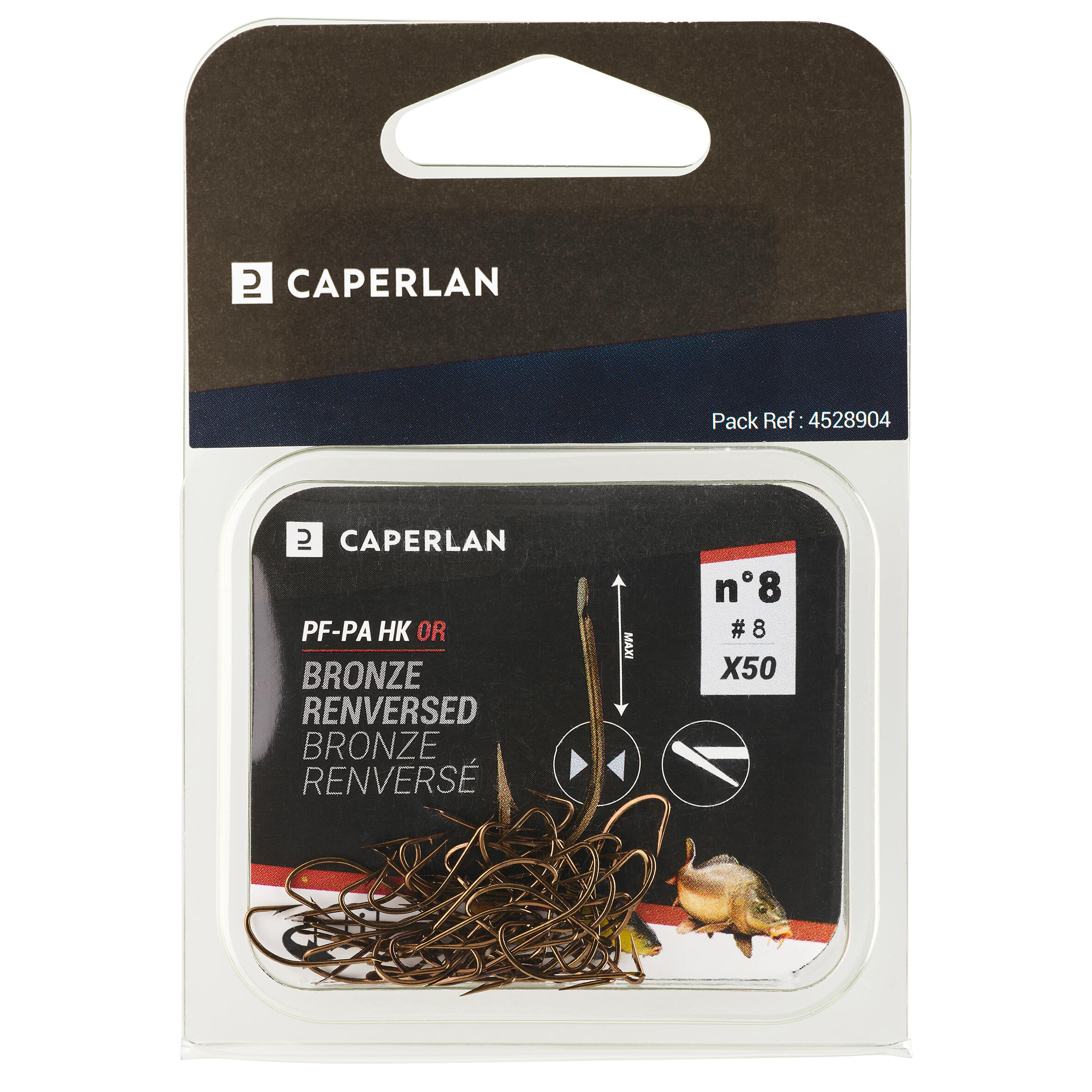
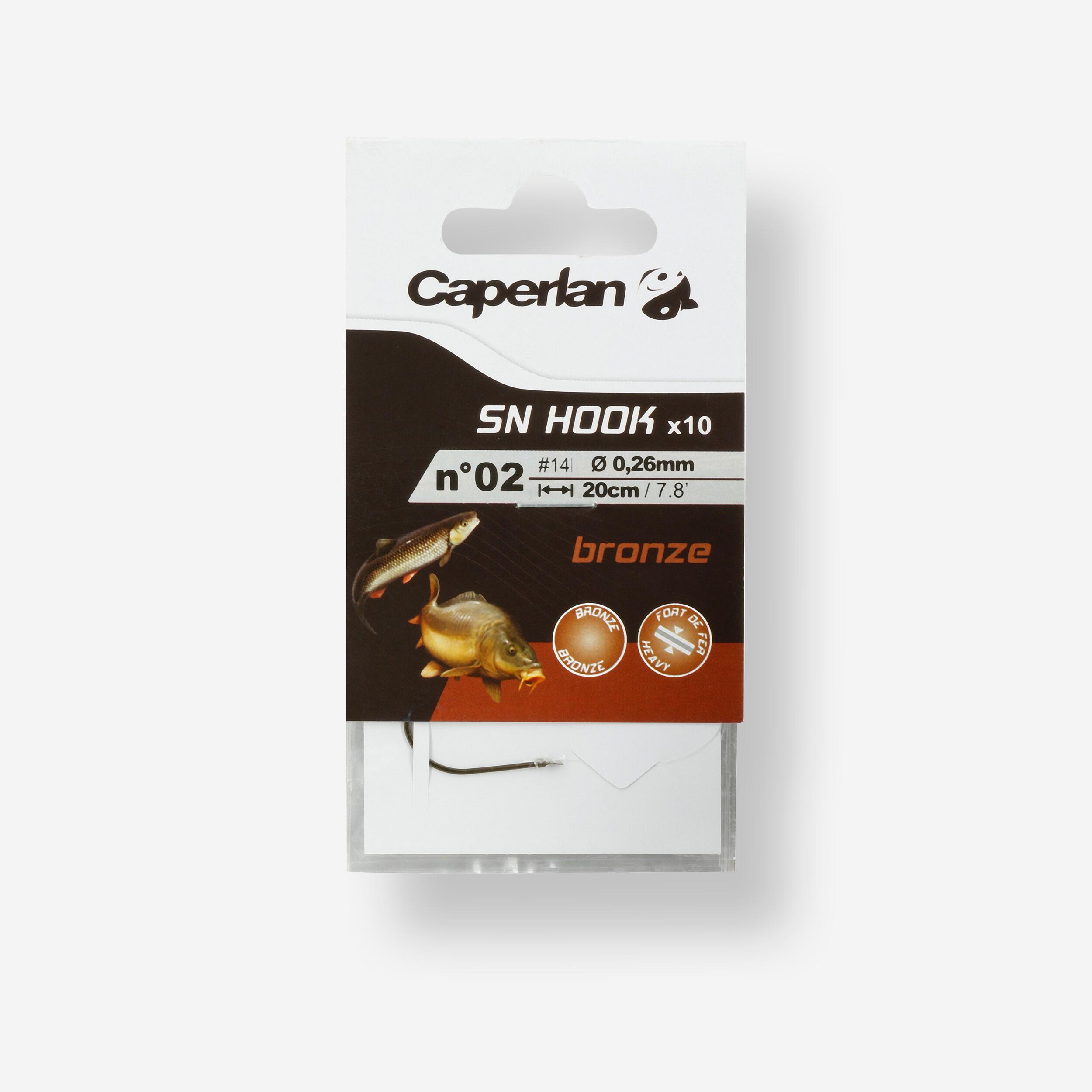
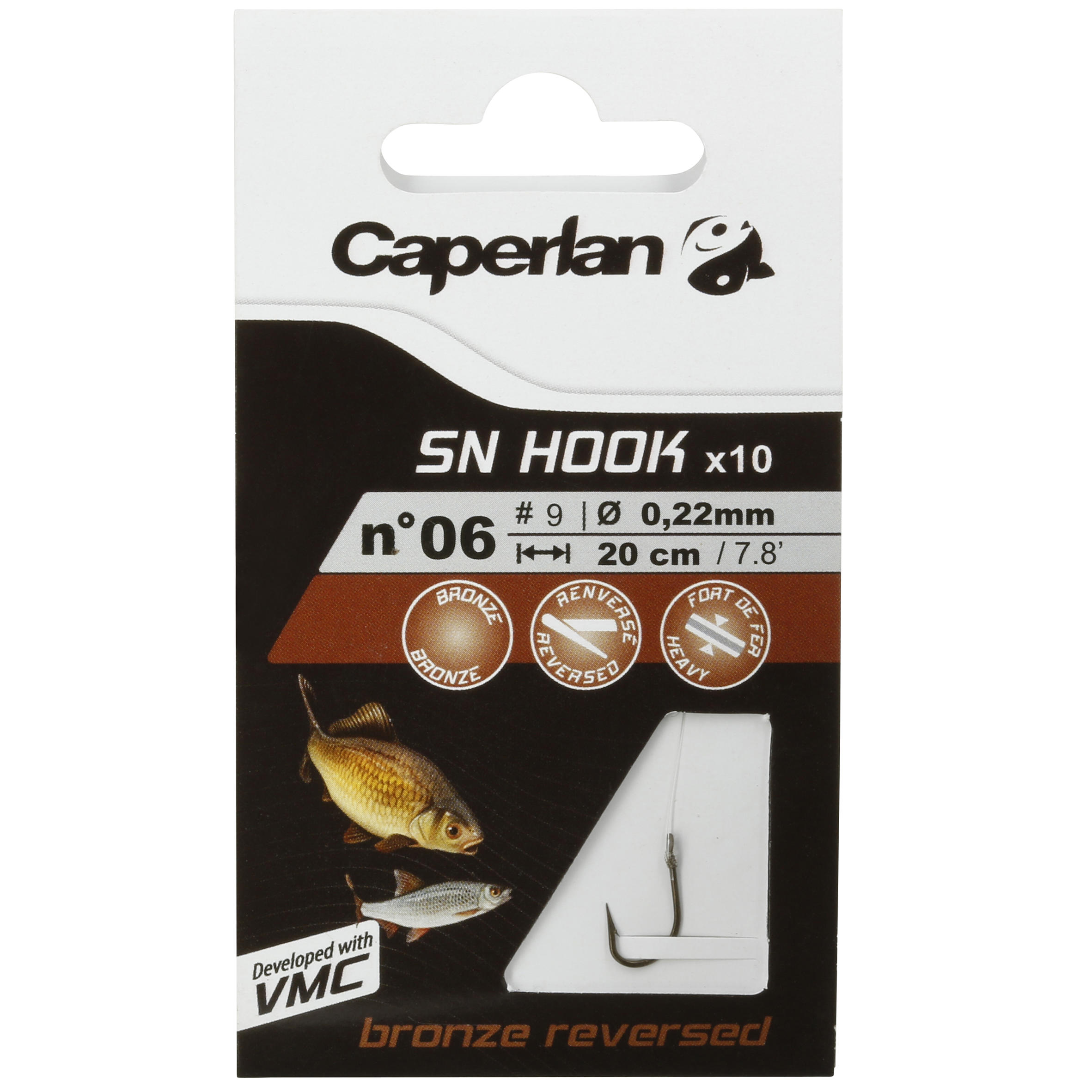
A reversed pattern changes the relationship between the hook point and shank, which Caperlan uses to improve the way the hook takes hold during the strike. The shape is also intended to reduce the chance of the fish coming off once hooked. Pole fishing reverse bronze rigged hooks arrive pre-tied, so hook size and leader are already combined in one terminal setup. They can be useful when you want a prepared rig without tying individual hook lengths at the bank. Before using a stored leader, run your fingers lightly along the nylon to check for rough areas or kinks and replace it if the line has been weakened.

Why use a fluorocarbon hooklength for carp pole fishing?

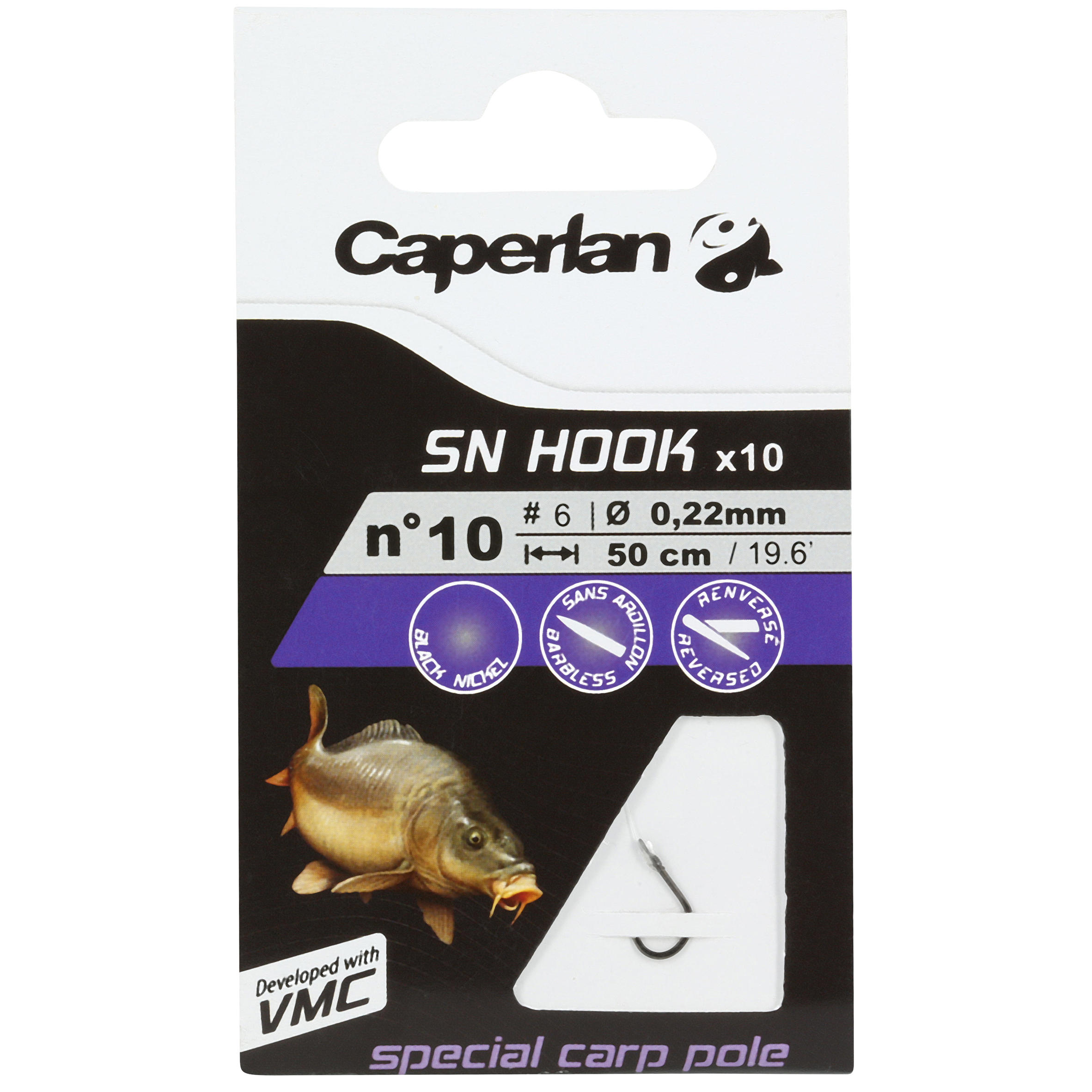
Fluorocarbon can be useful when you want a less conspicuous hooklength close to the bait. Caperlan combines stronger carp hooks with a 50 cm fluorocarbon leader on its pole fishing fluoro rigged hooks, giving you a ready-made terminal section for stronger pole setups. The hook and leader still need to match the rest of the rig, especially the main line and pole elastic, so one component doesn't carry far more load than the others. Check the fluorocarbon after playing a fish because contact with snags, net frames or rough margins can mark the leader. Replace any damaged section rather than relying on its original breaking strength once abrasion is visible.

What maintenance do pre-rigged pole fishing hooks need between fishing trips?

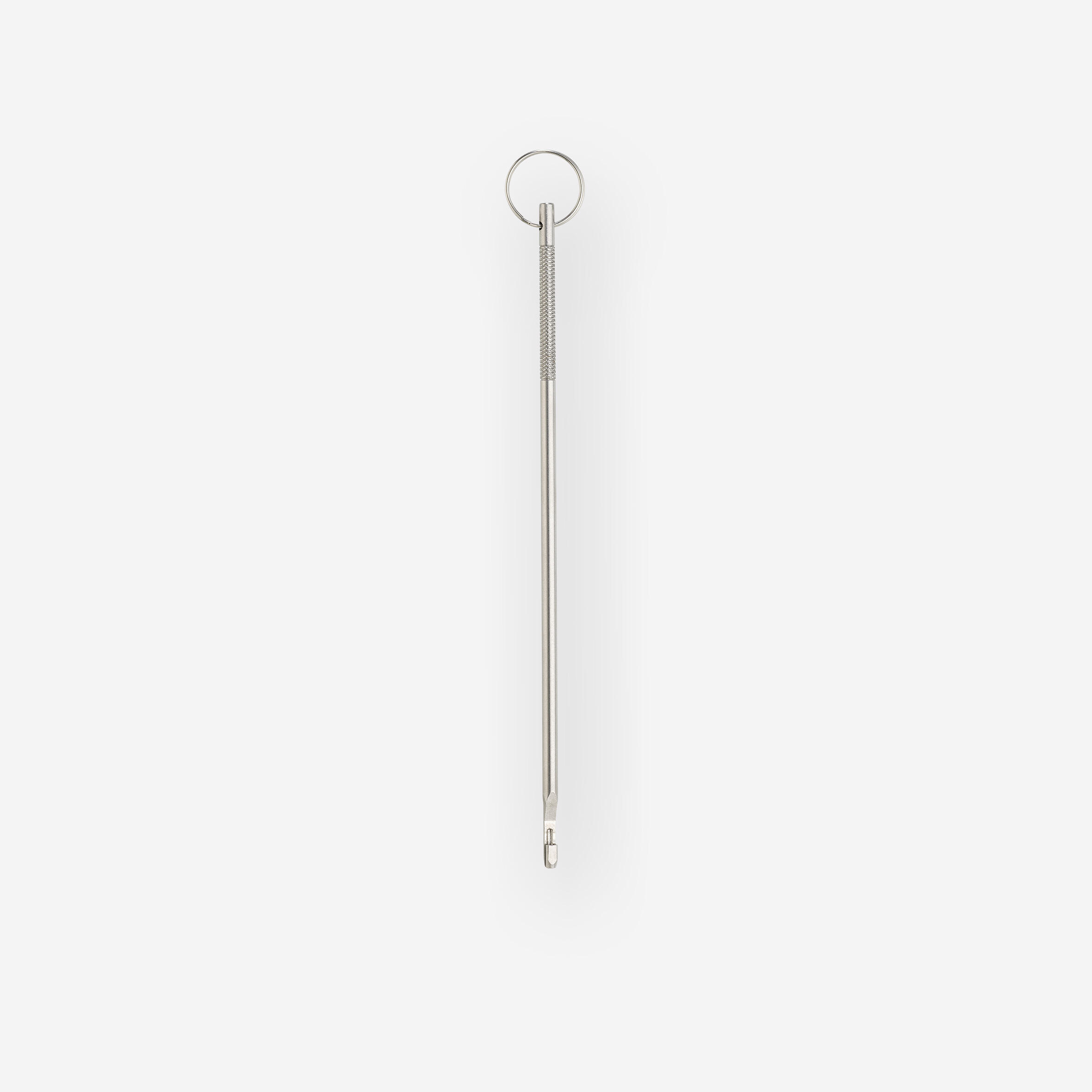
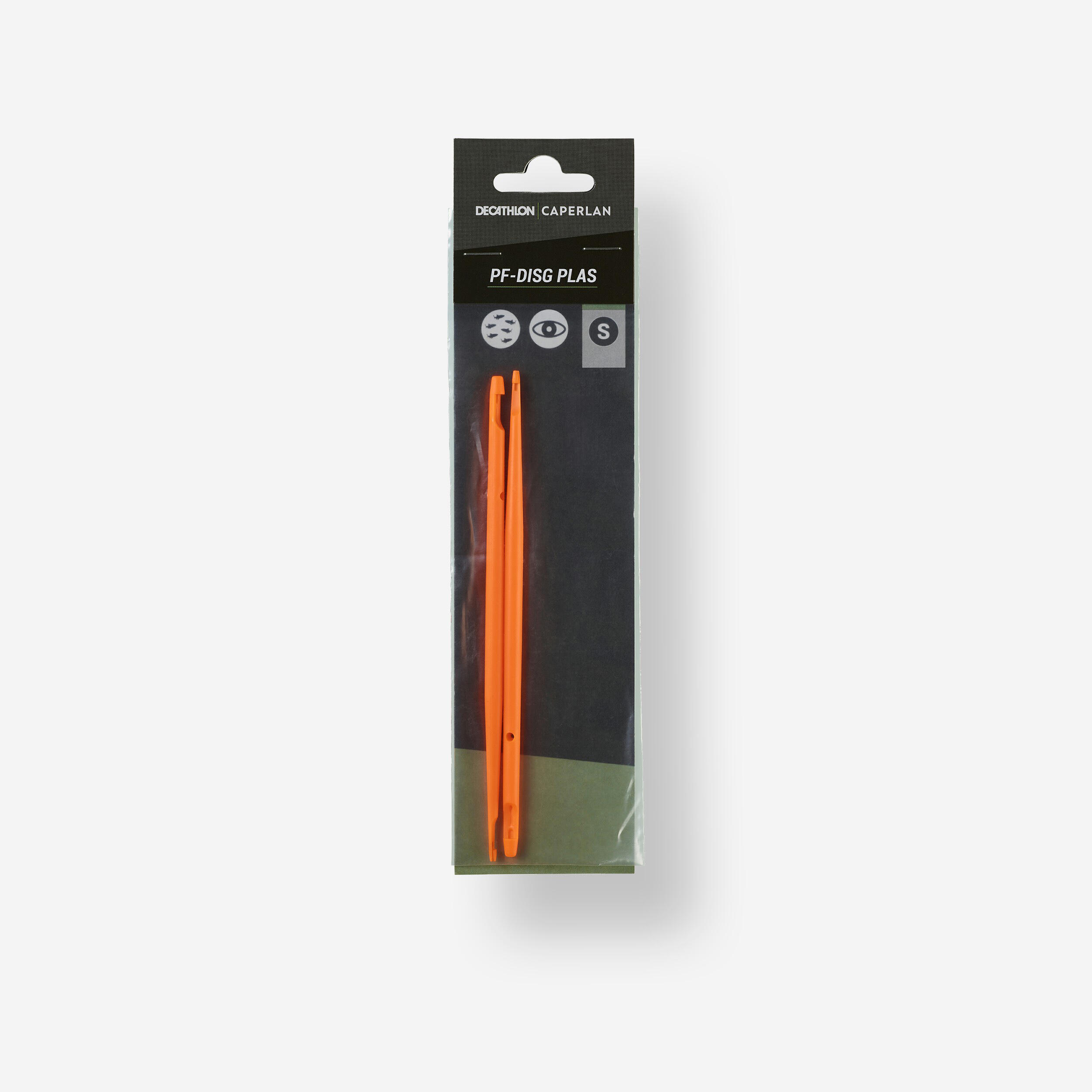
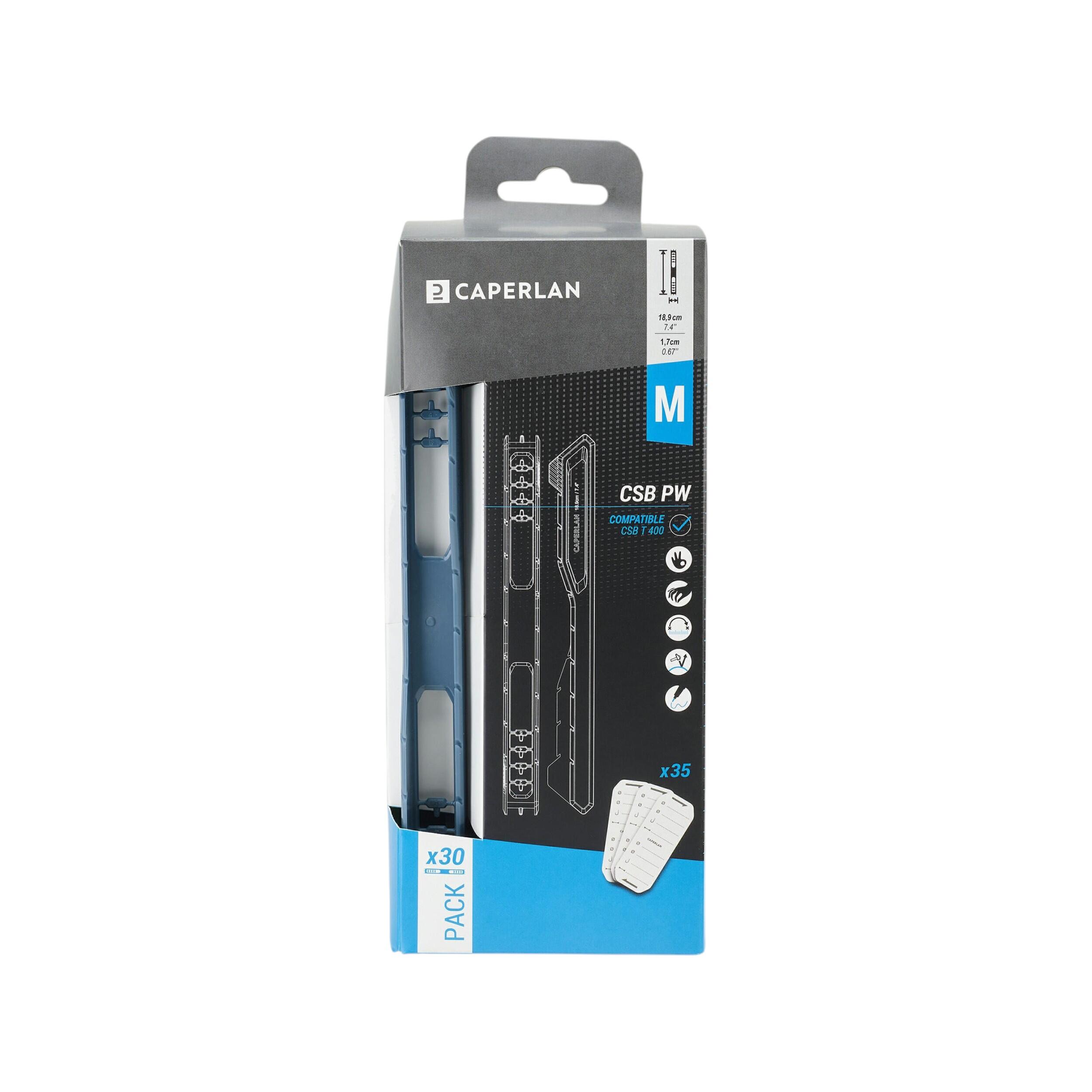
Keep hooklengths dry and separated so the hooks do not corrode and the leaders do not become tangled around one another. Caperlan repeatedly recommends dry storage for its pre-rigged hooks, so a closed rig box or winder system is more suitable than leaving them loose in a damp tackle bag. Organise hooklengths by size, leader diameter or intended bait so they are easier to select during pole fishing. Before each session, check hook points, leader knots and loops, and discard any hook that is bent or blunt. A disgorger sized to the fish can also make hook removal easier while reducing unnecessary handling. Dry the tool before packing it with the rest of your terminal tackle.