37 items
4.7/5 based on 2415 reviews collected online and in stores

Pole Fishing Floats FAQs

Which pole fishing floats suit lakes, canals and rivers?

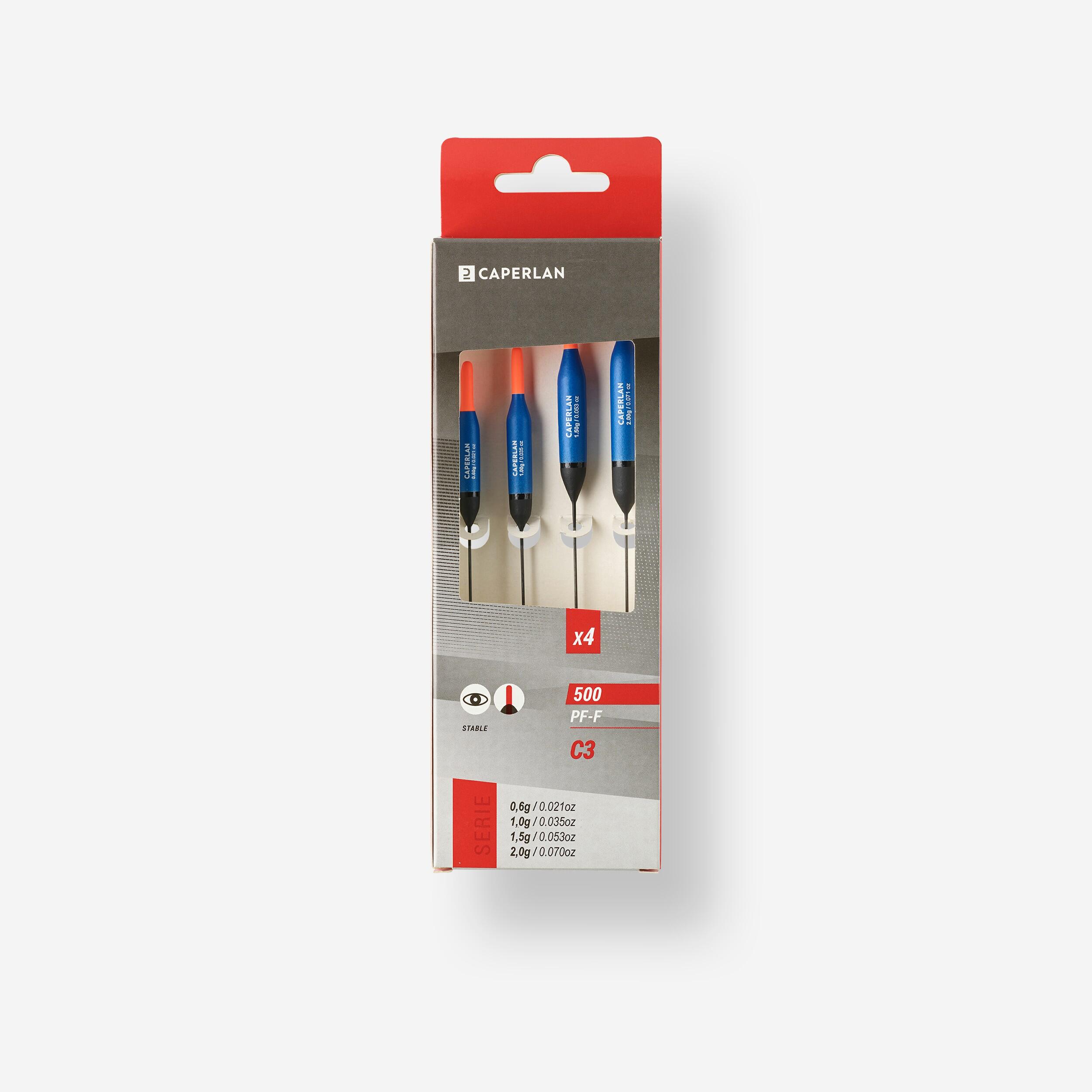
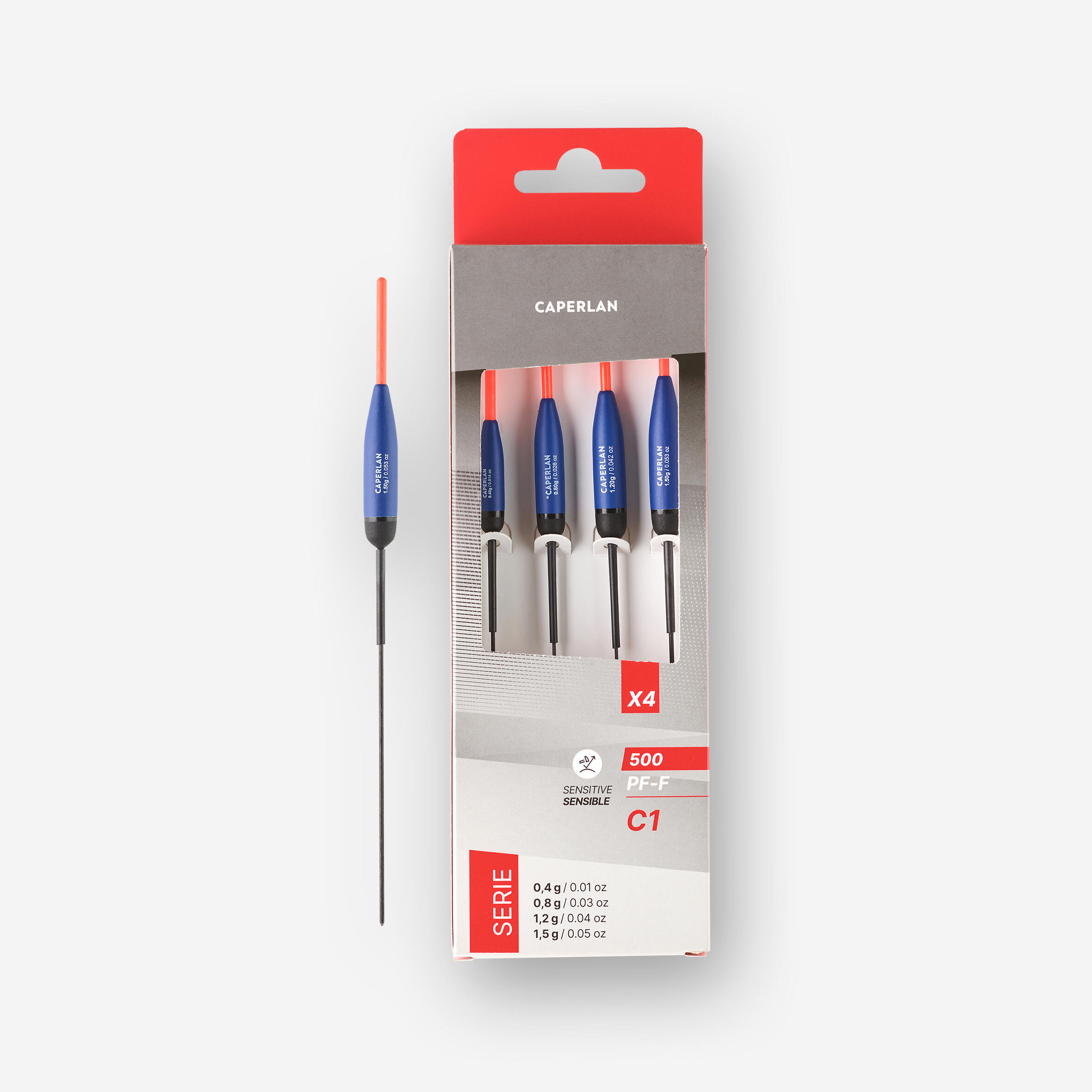
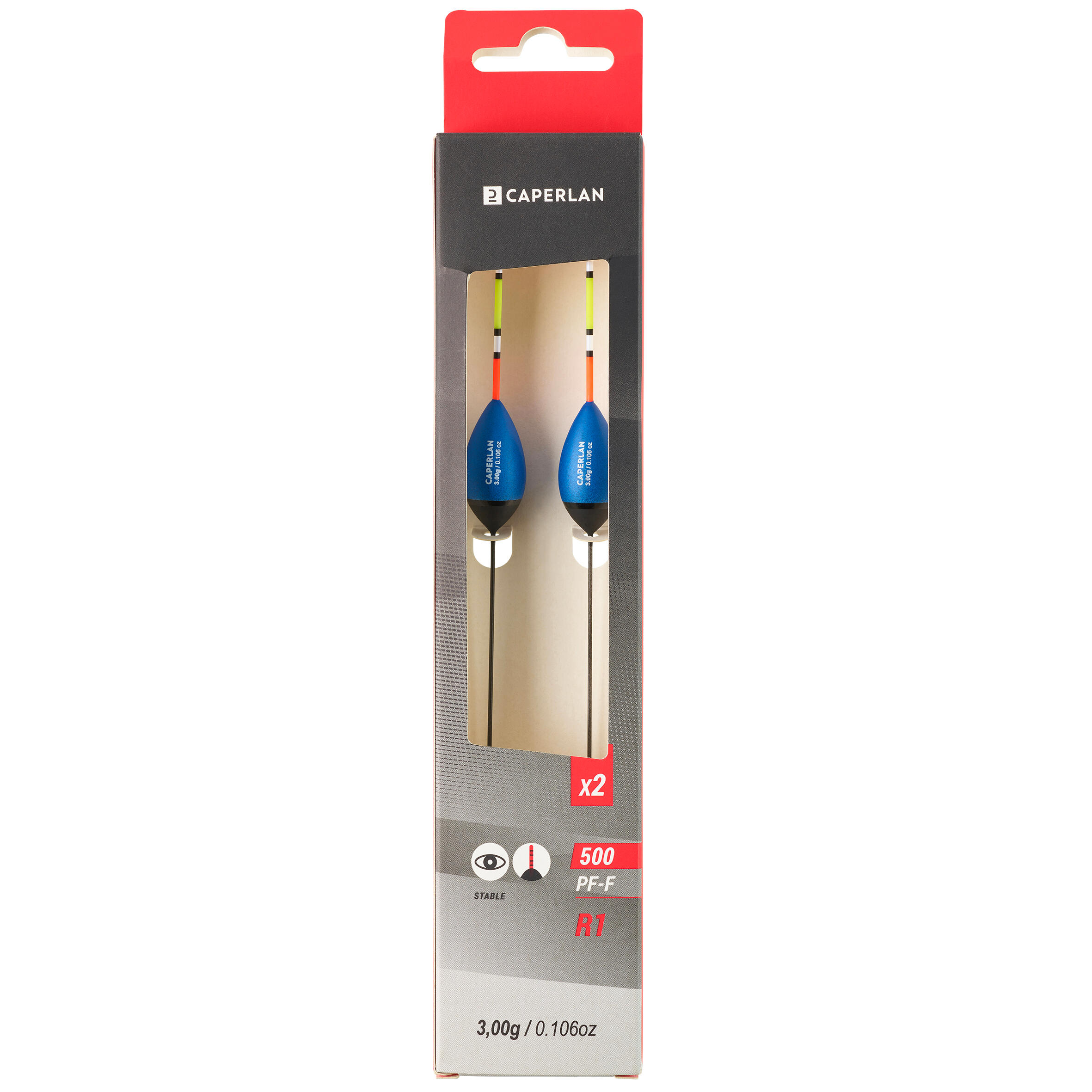
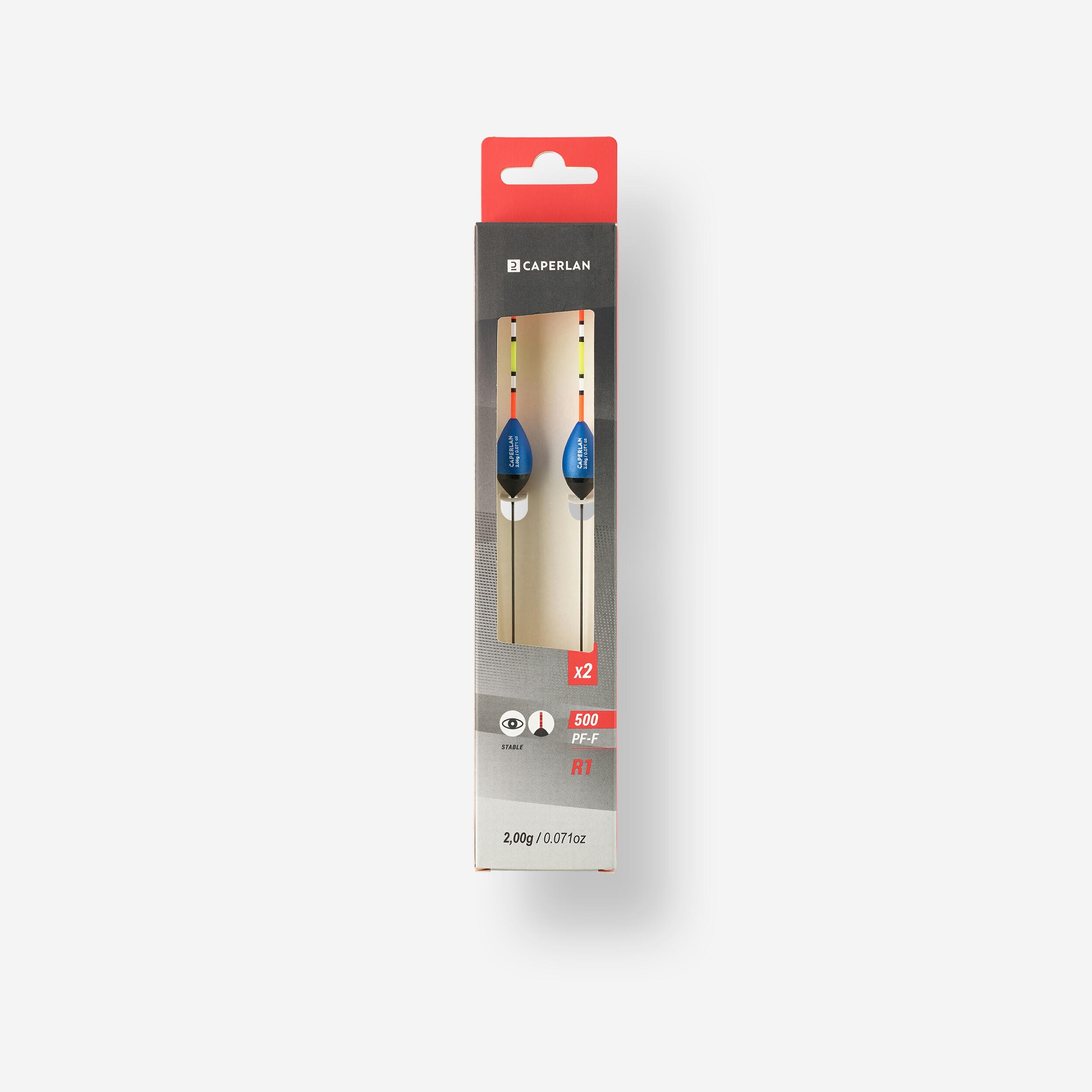
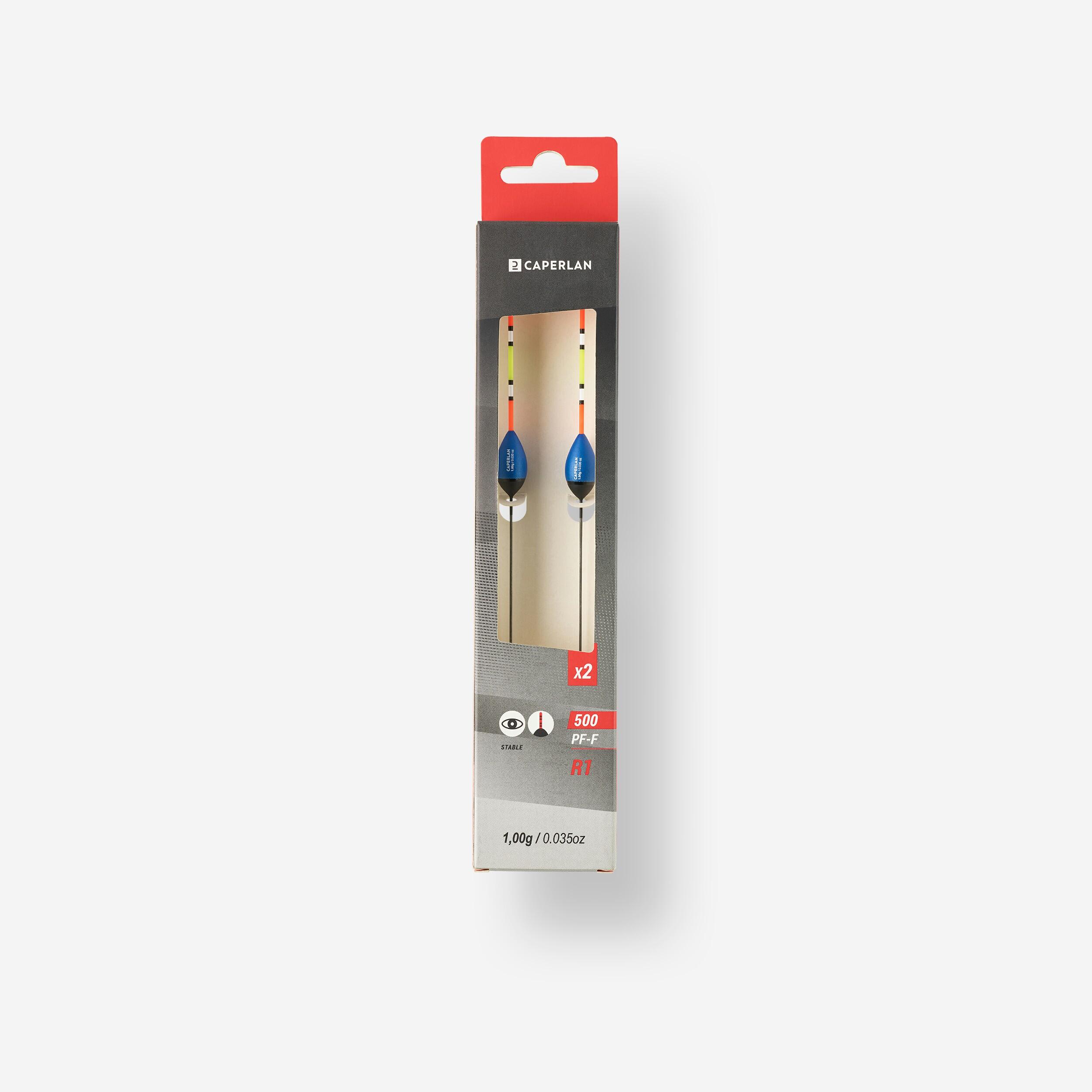
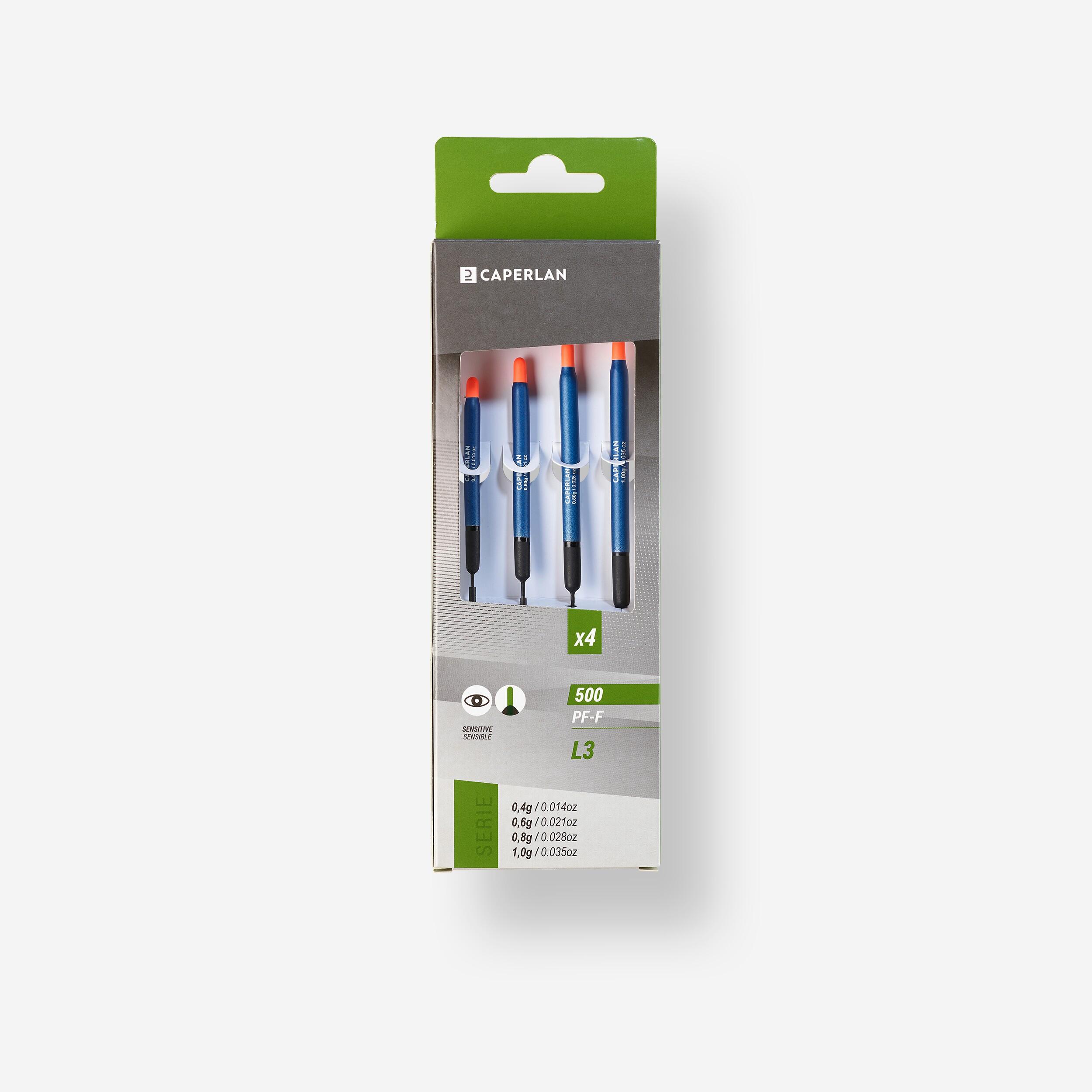
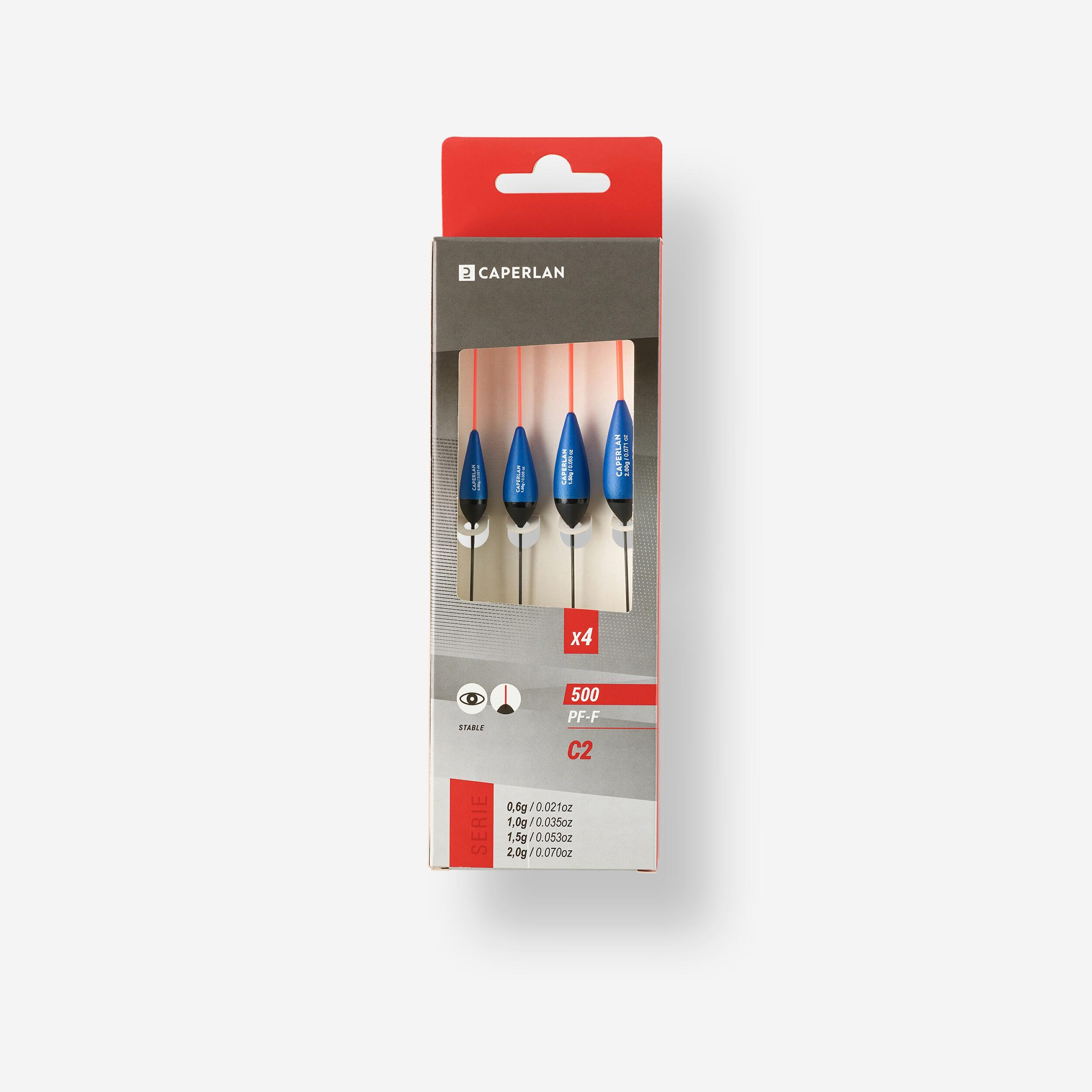
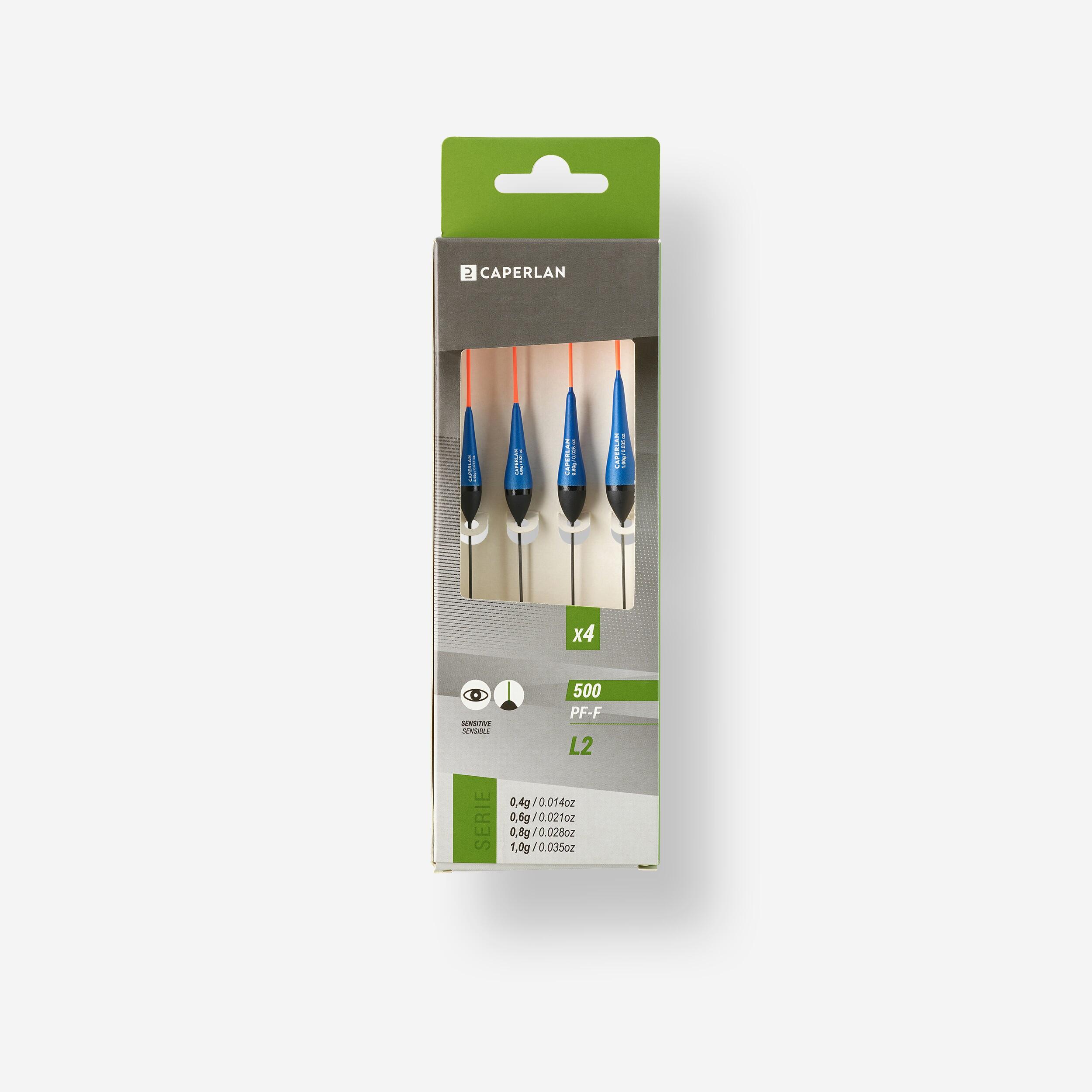
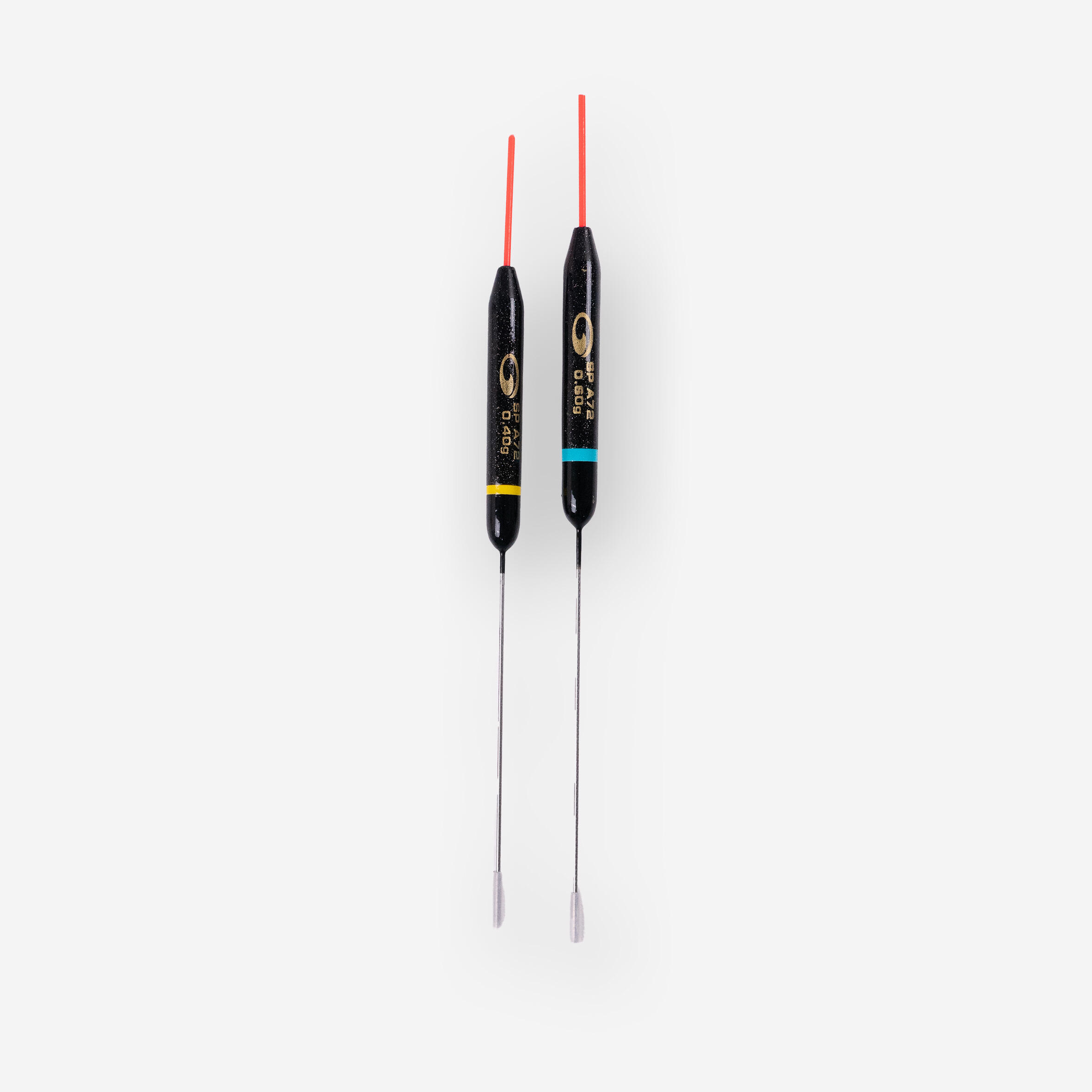
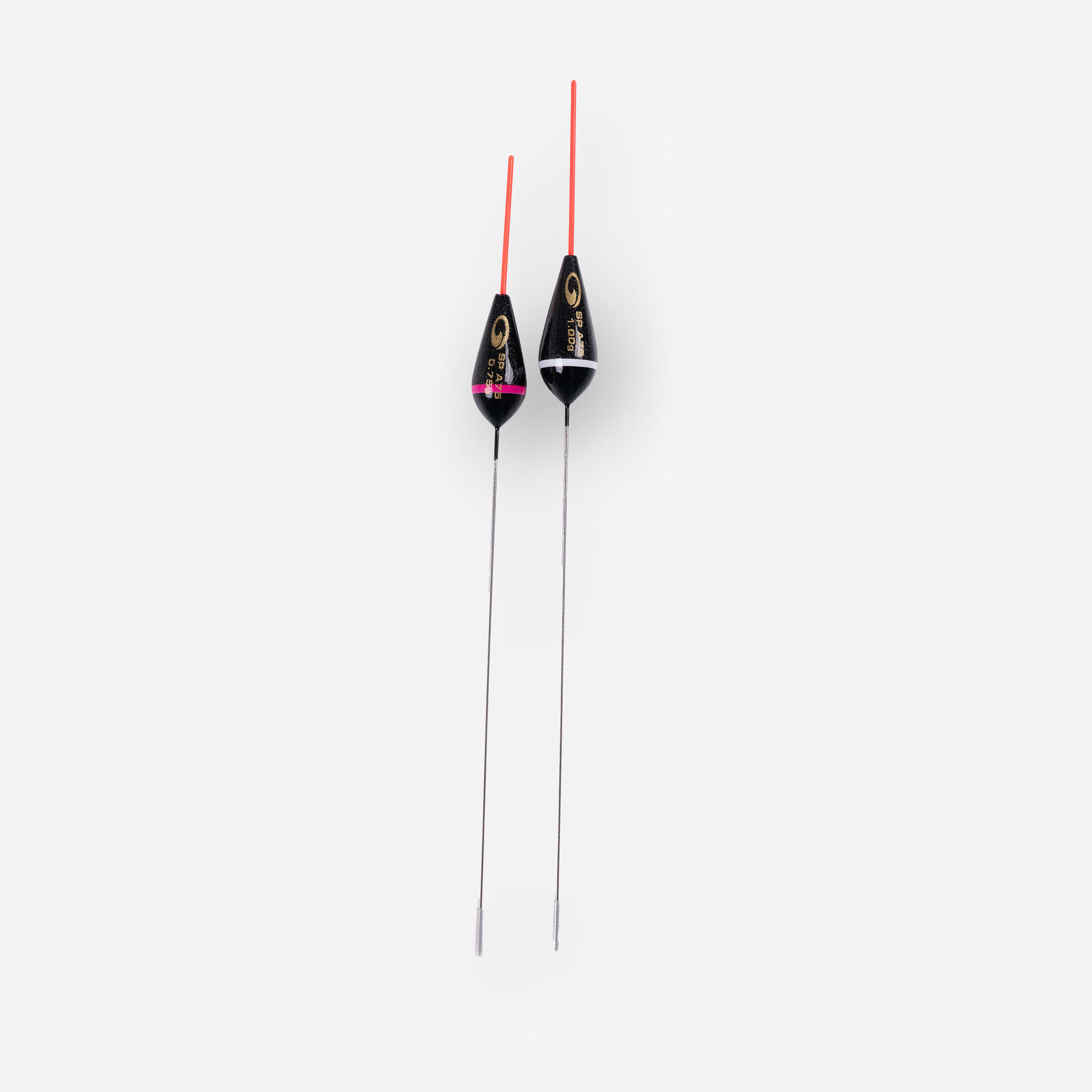
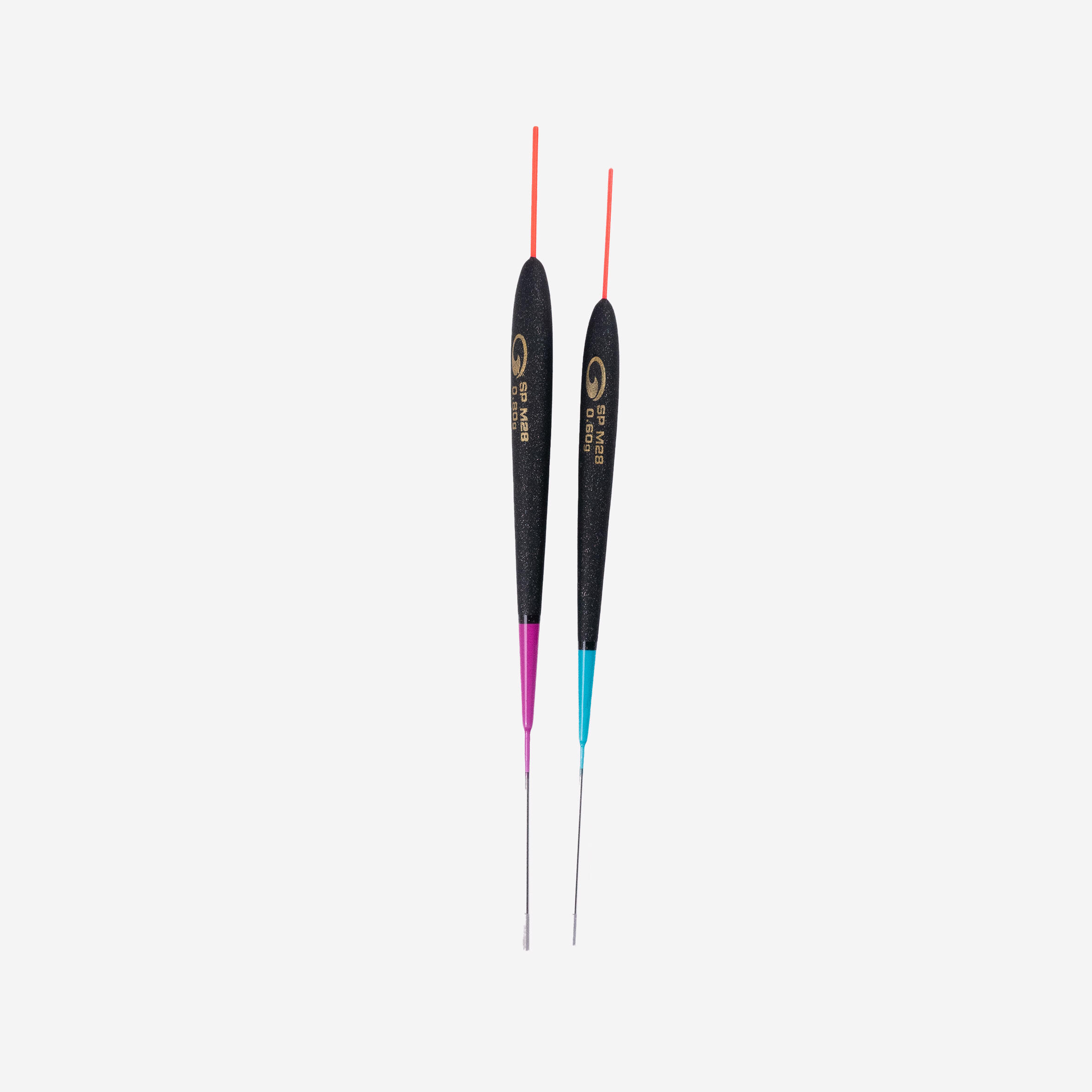
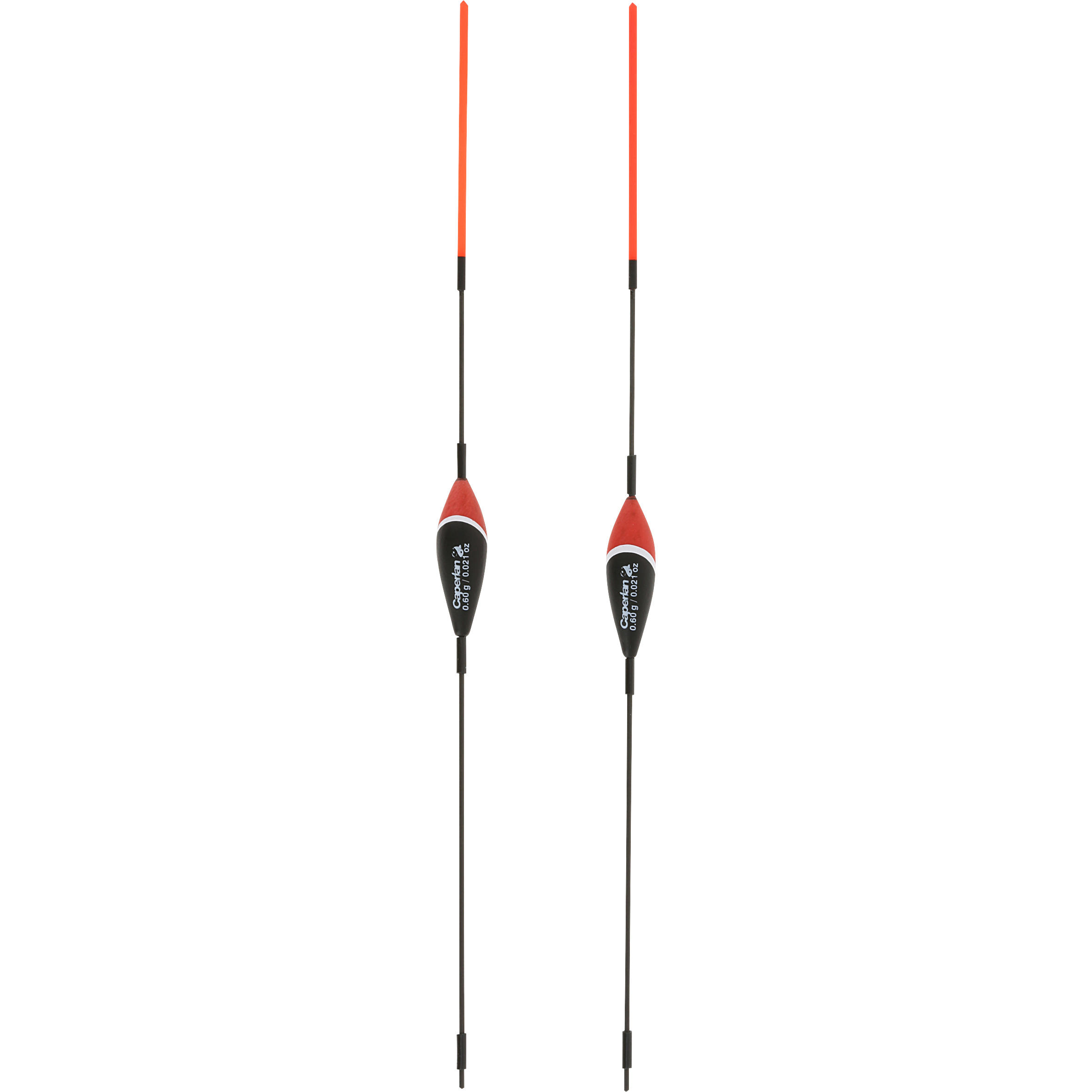
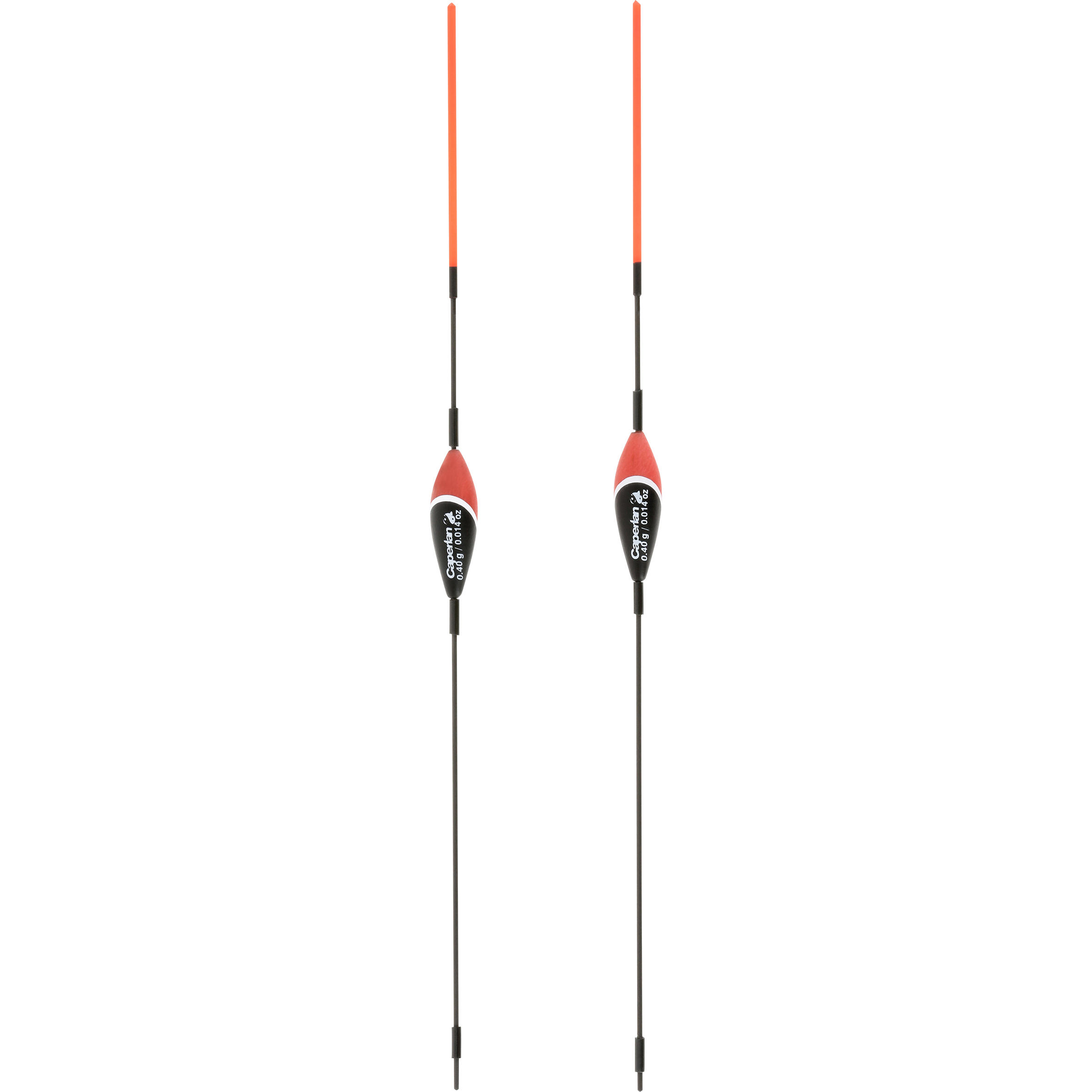
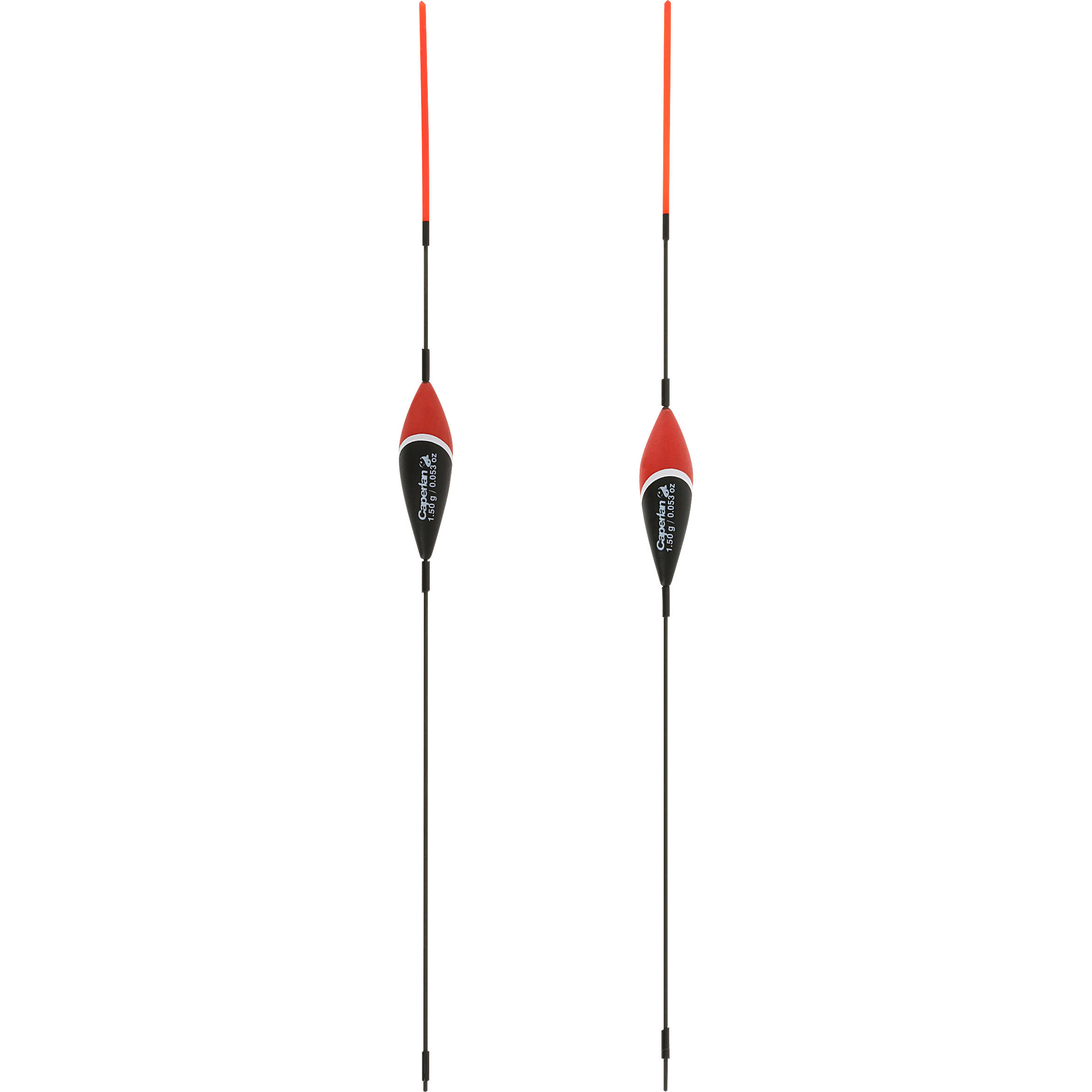
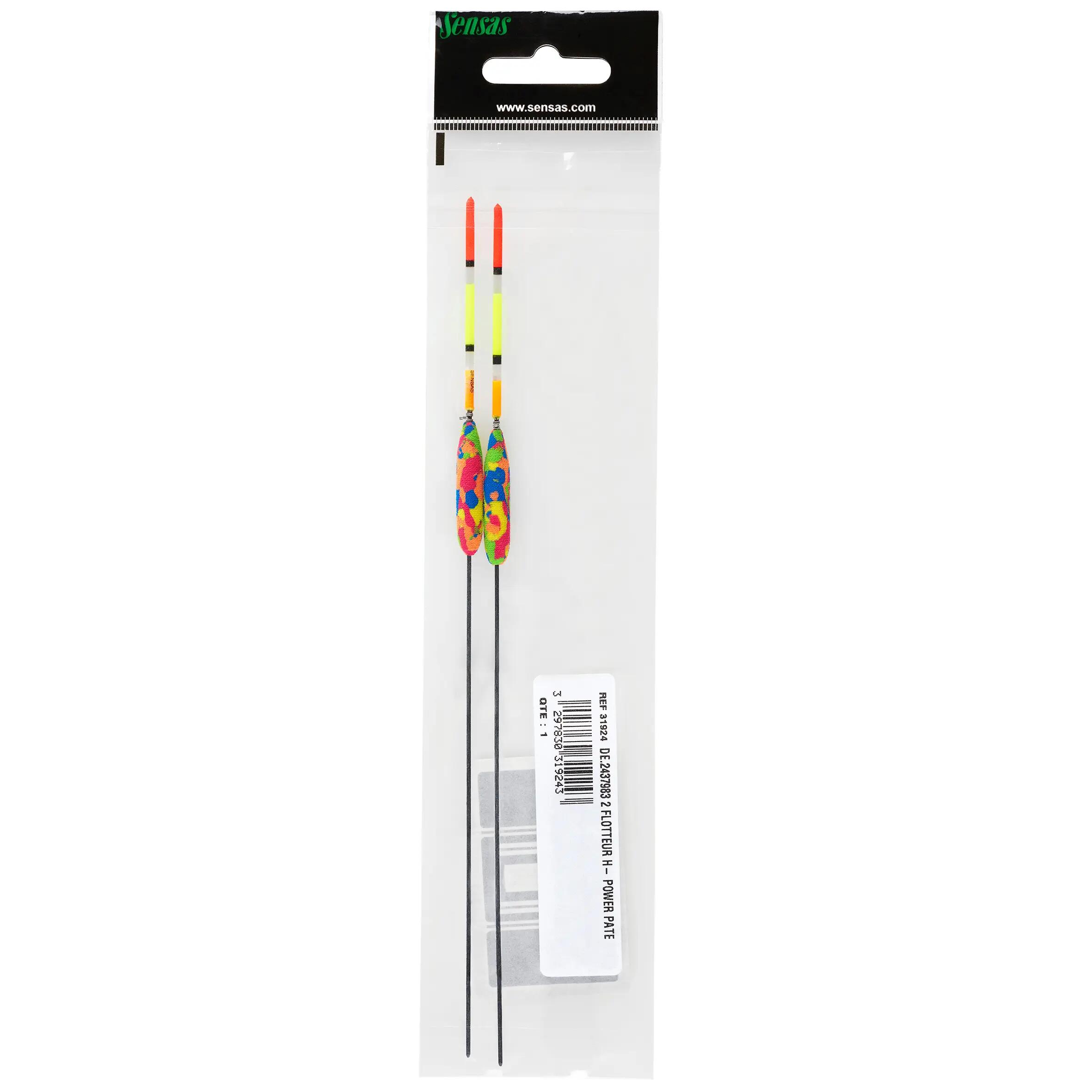
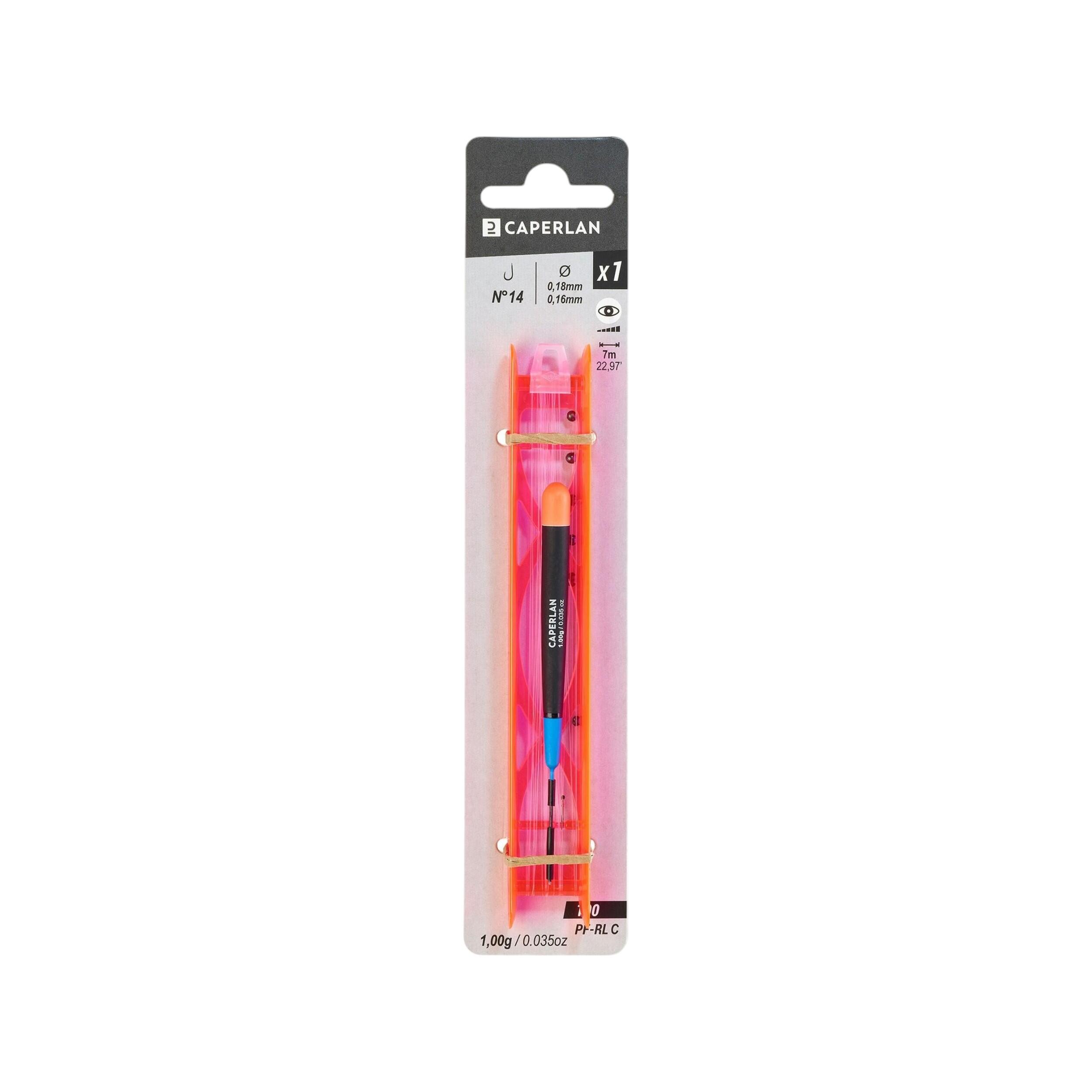
Water movement should be one of the first things you consider because float shape affects stability and bite indication. Caperlan separates its PF-F500 family by fishing environment, using lake, canal and river formats rather than treating every float as interchangeable. Lake floats can use slimmer, more sensitive shapes for calmer water, while canal patterns balance sensitivity with enough stability for a weak current. A canal pole fishing floats set provides several weights from 0.4 g to 1.5 g, helping you adjust the rig when depth, tow or wind changes. In stronger current, a more stable river-specific body and longer stem can make the float easier to control.

What is the difference between foam and balsa pole fishing floats?

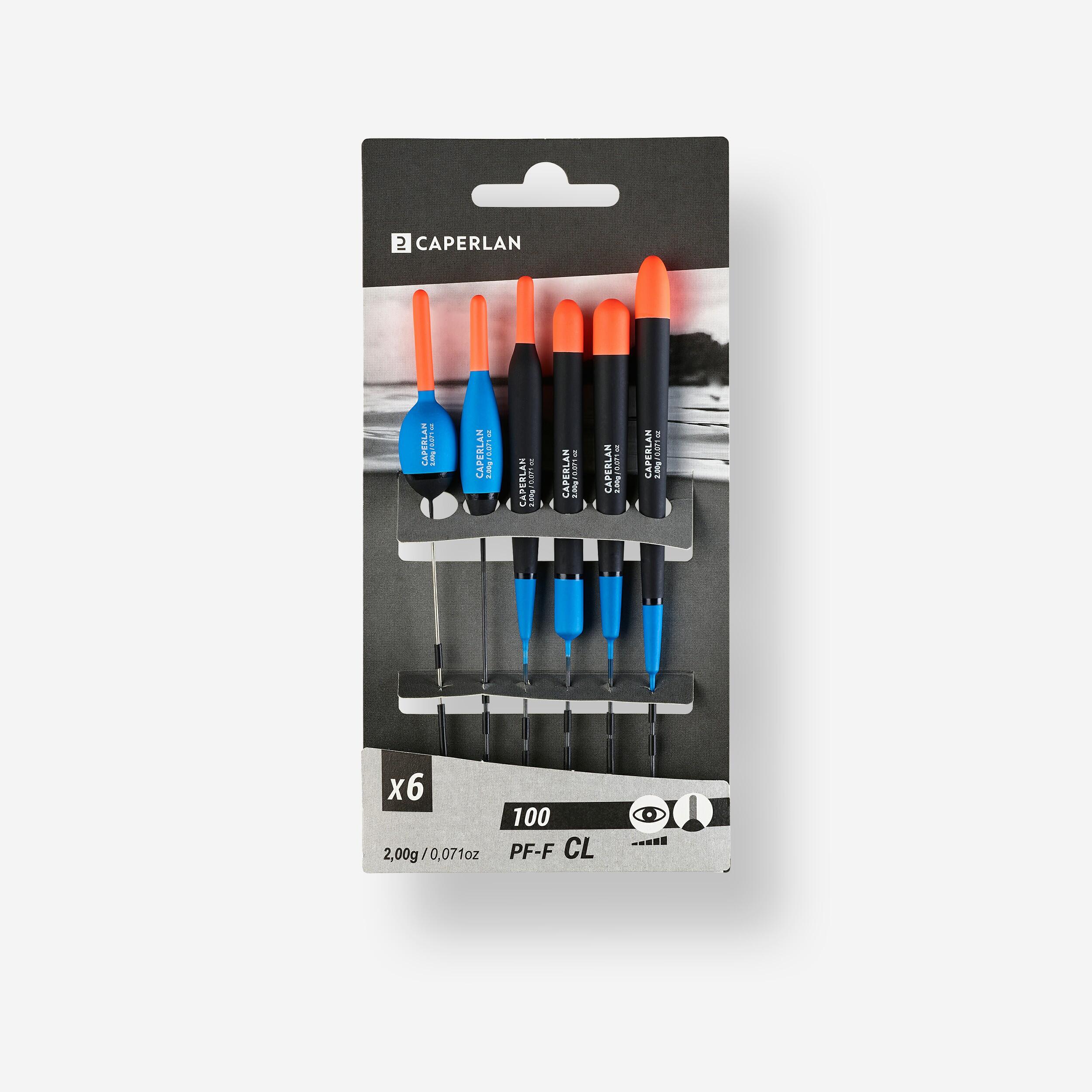
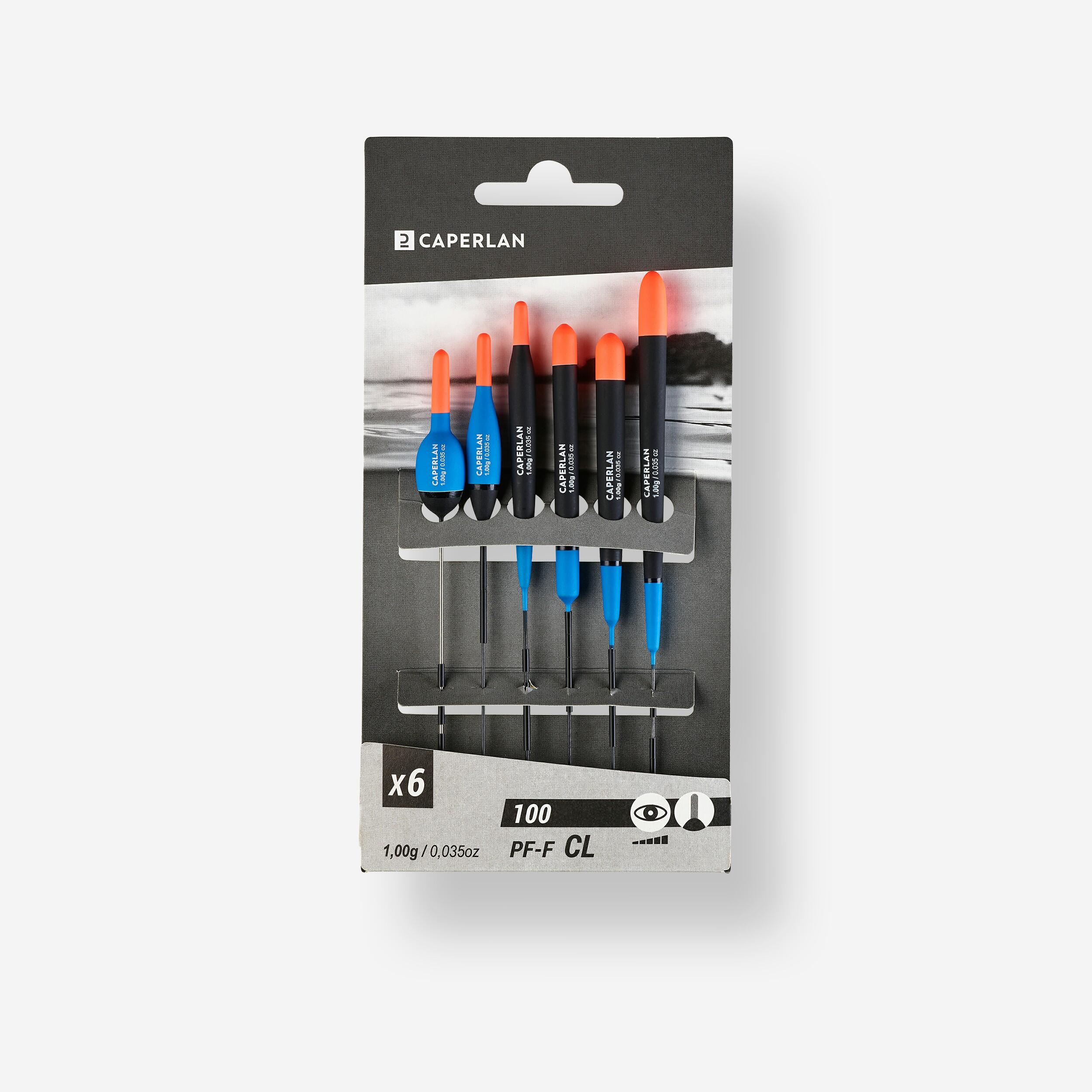
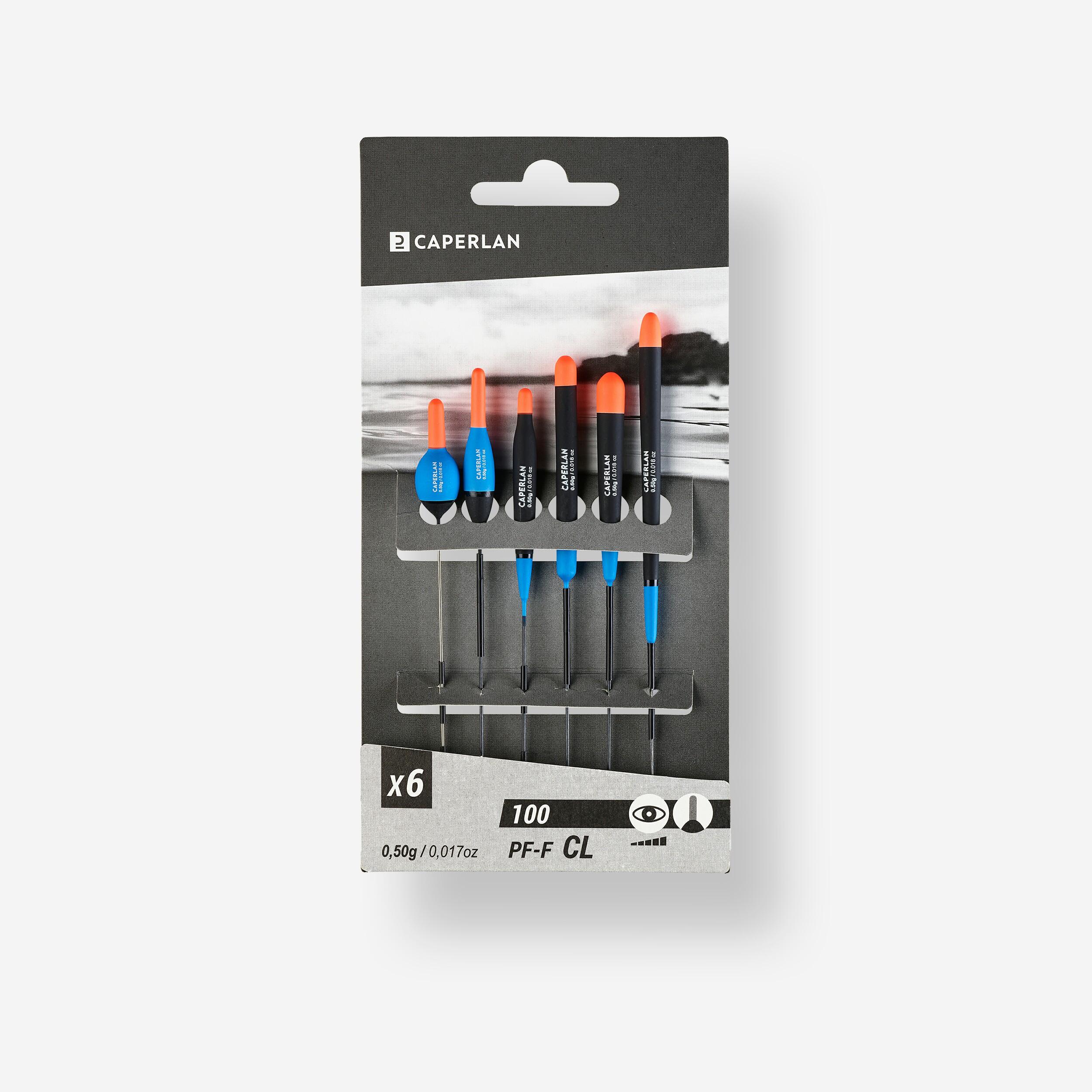
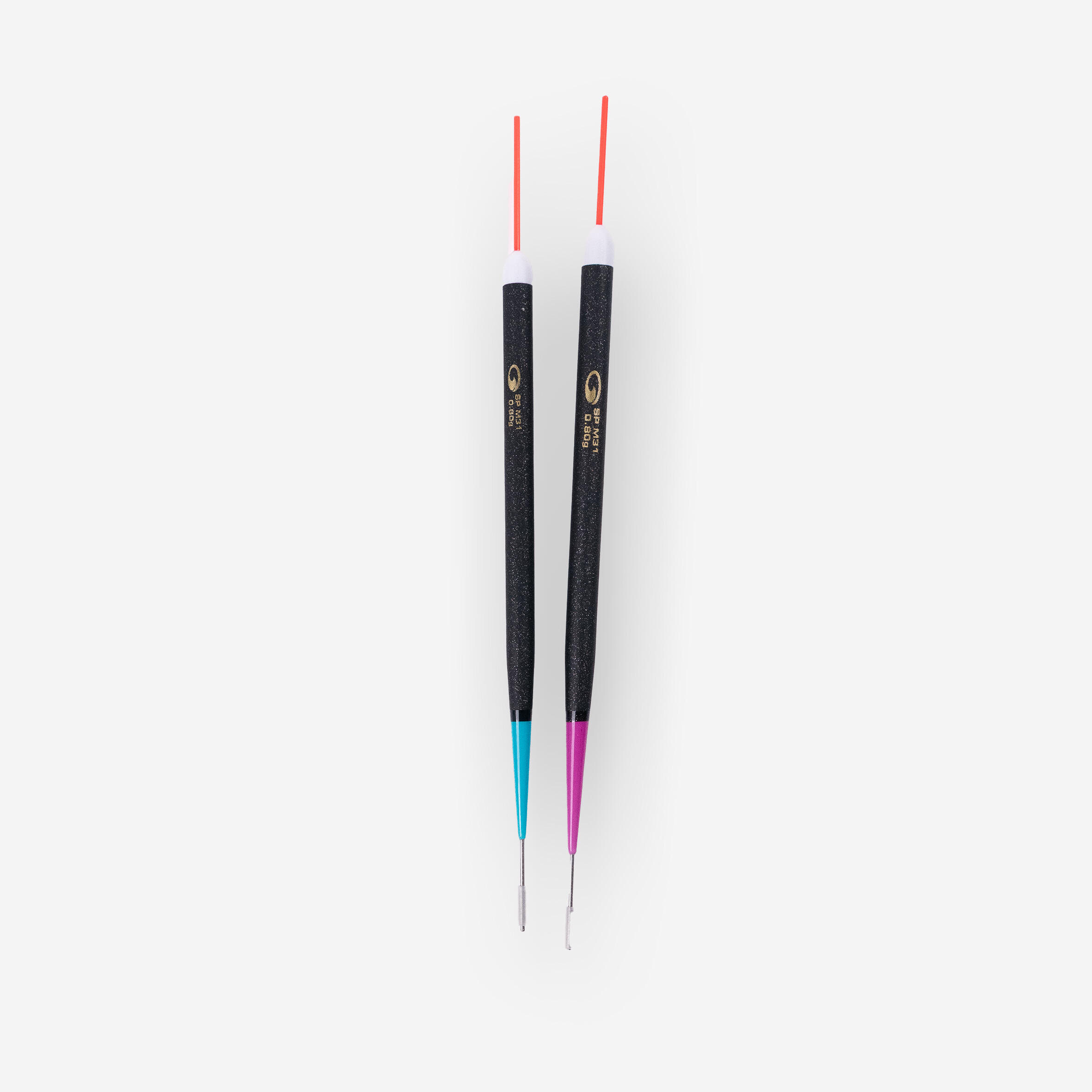
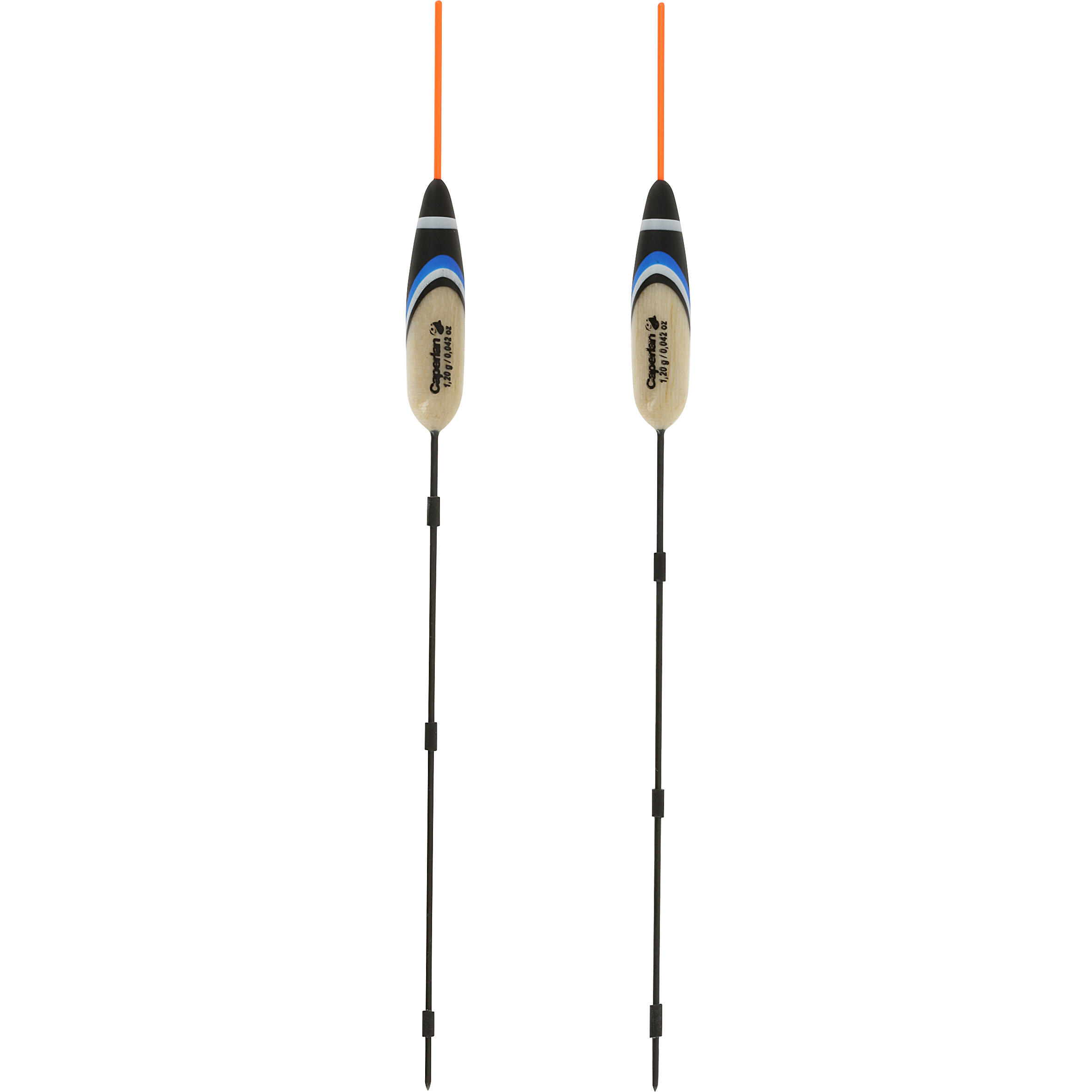
Foam and balsa suit different priorities. Caperlan's simpler F100 floats use foam bodies with relatively thick foam antennae, giving you a robust float that is easier to see when learning or fishing a little farther. More technical PF-F500 and PF-F900 models move towards balsa bodies, finer fibreglass antennae and slim metal stems when sensitivity matters more. A pole fishing floats set with several body shapes can be useful when you want one pack to cover different still-fishing situations. Choose thicker, more visible antennae when reading the float is difficult, and finer tips when you need to register lighter bites in calmer conditions.

What float weight should you use for pond pole fishing?

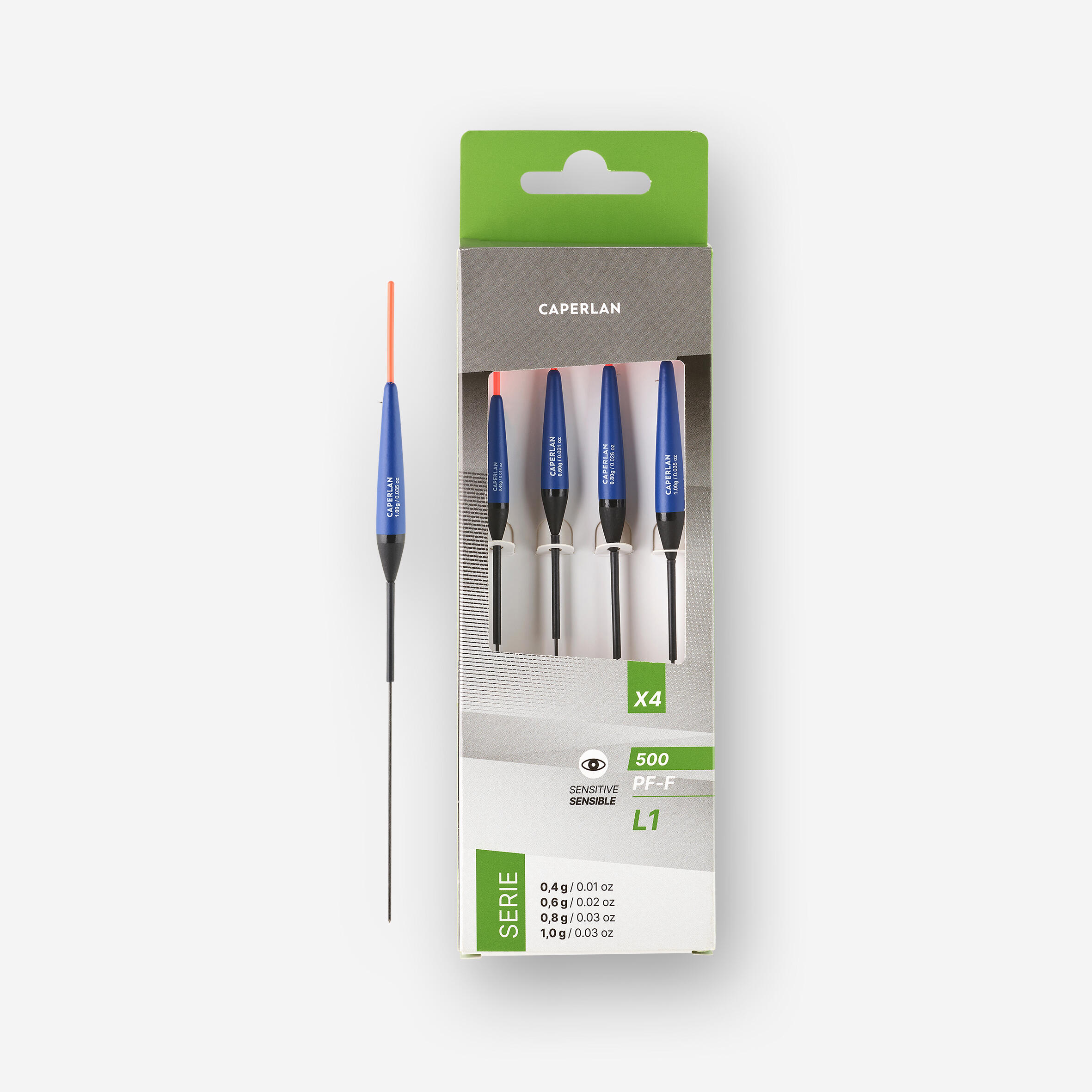
Lighter floats can give a more delicate presentation, while heavier floats help when you need extra stability, greater depth control or more positive loading in wind. Caperlan groups several useful weights together so you can change the rig without moving to a completely different float family. A pond pole fishing floats set includes 0.4 g, 0.6 g, 0.8 g and 1 g options, giving you a practical progression for calm still-water fishing. Start with the lightest float that remains stable and easy to read. If wind, depth or surface movement makes the rig difficult to control, move up in weight rather than adding excessive shot to a float that is already too light for the conditions.

What line diameter and silicone tubing suit a pole fishing float?

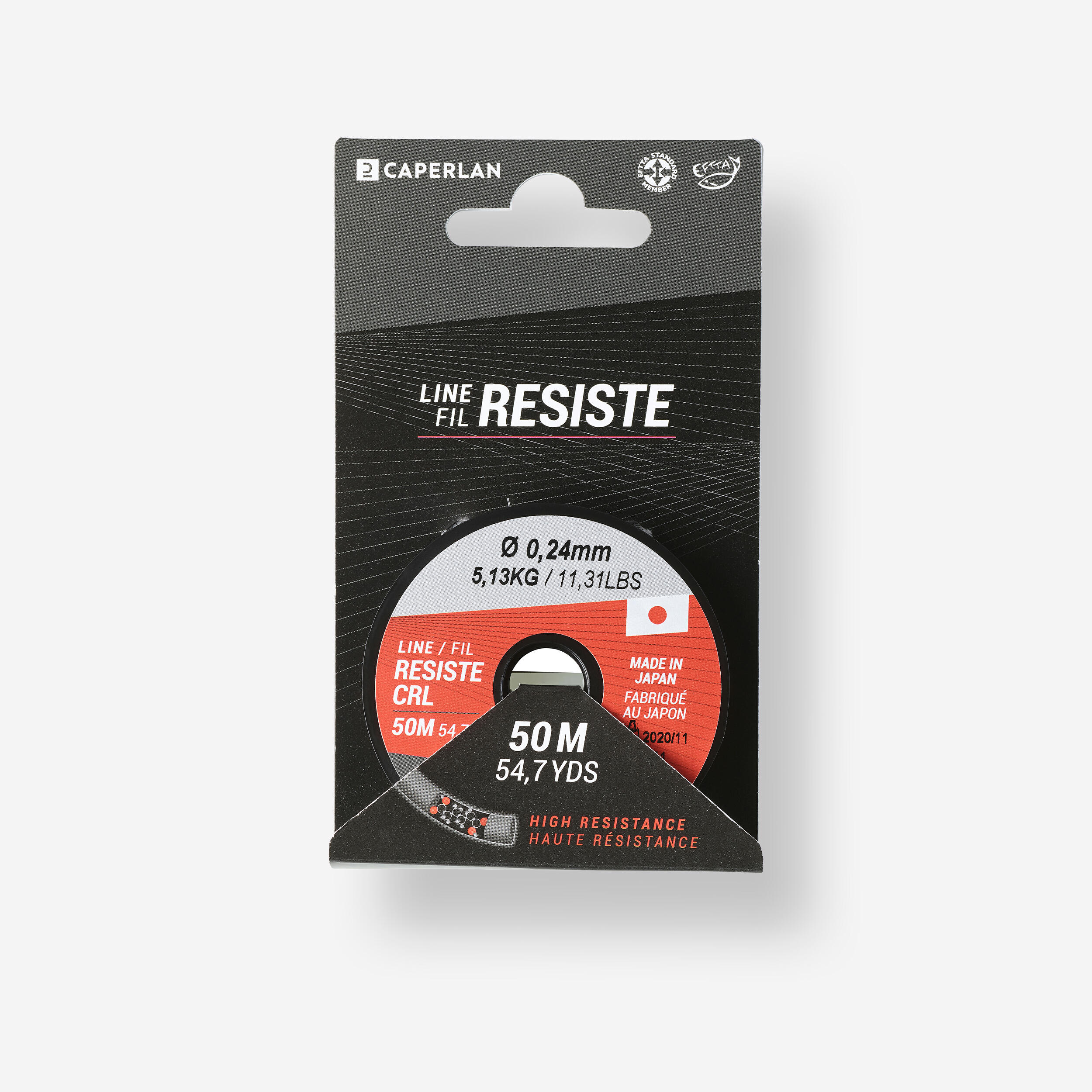
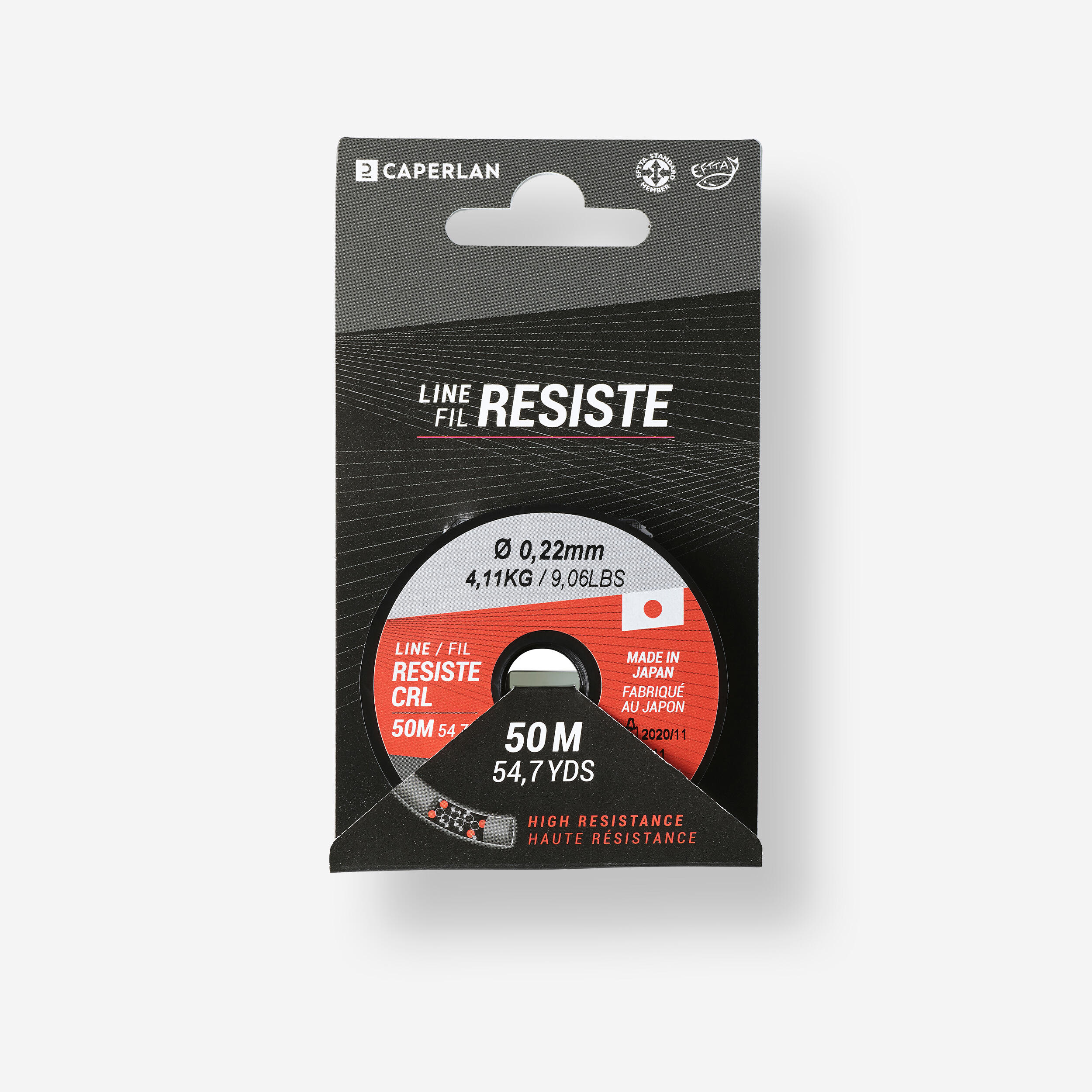
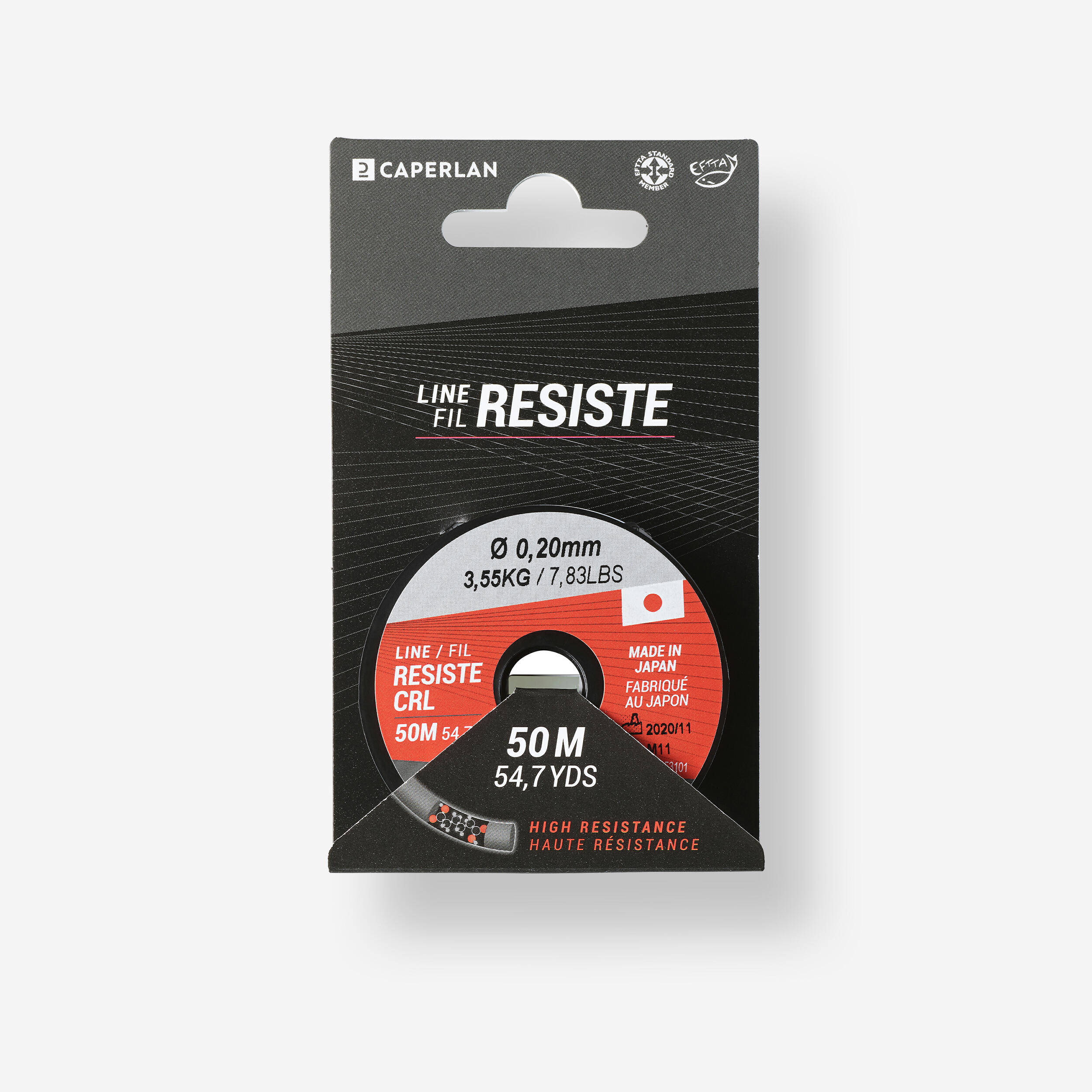
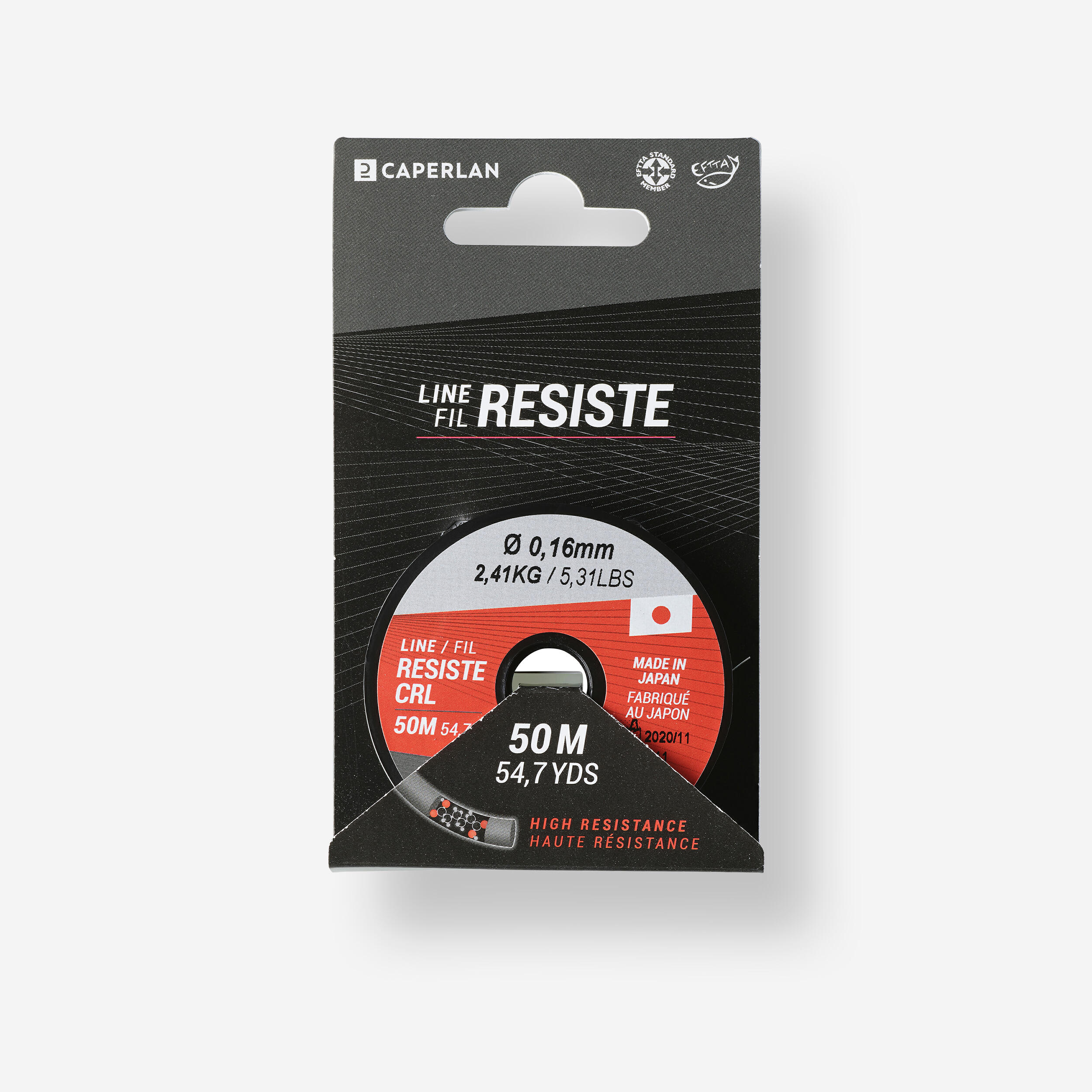
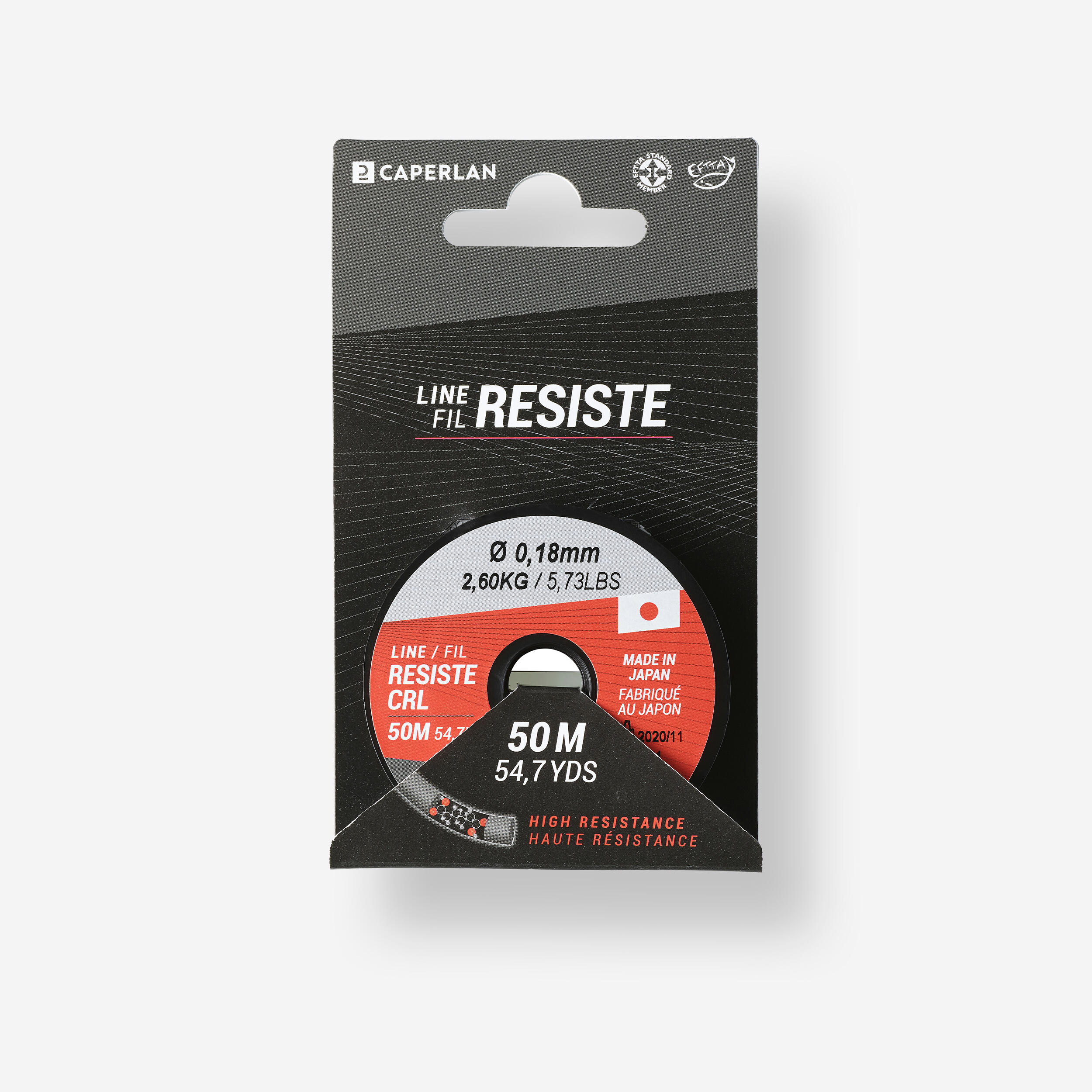
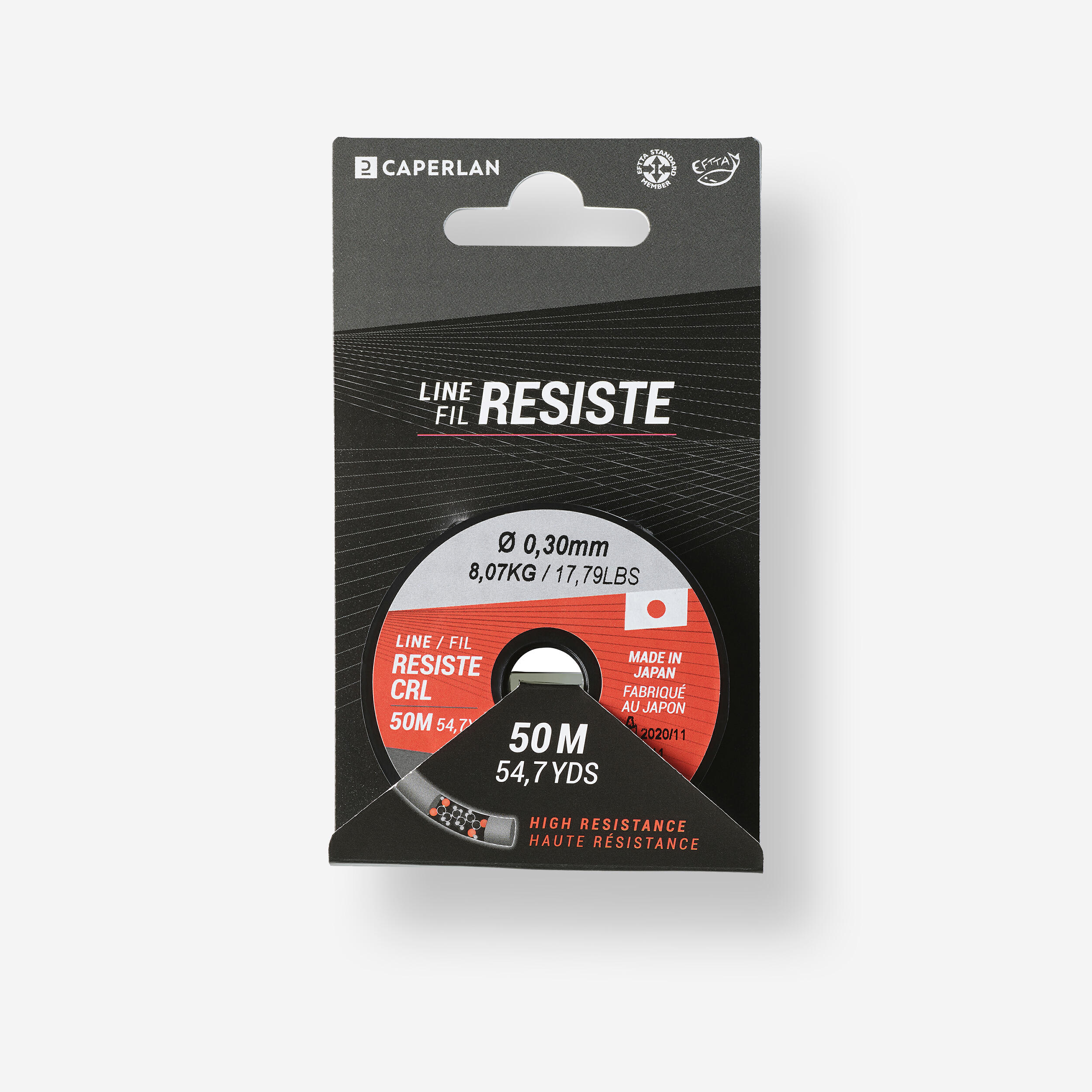
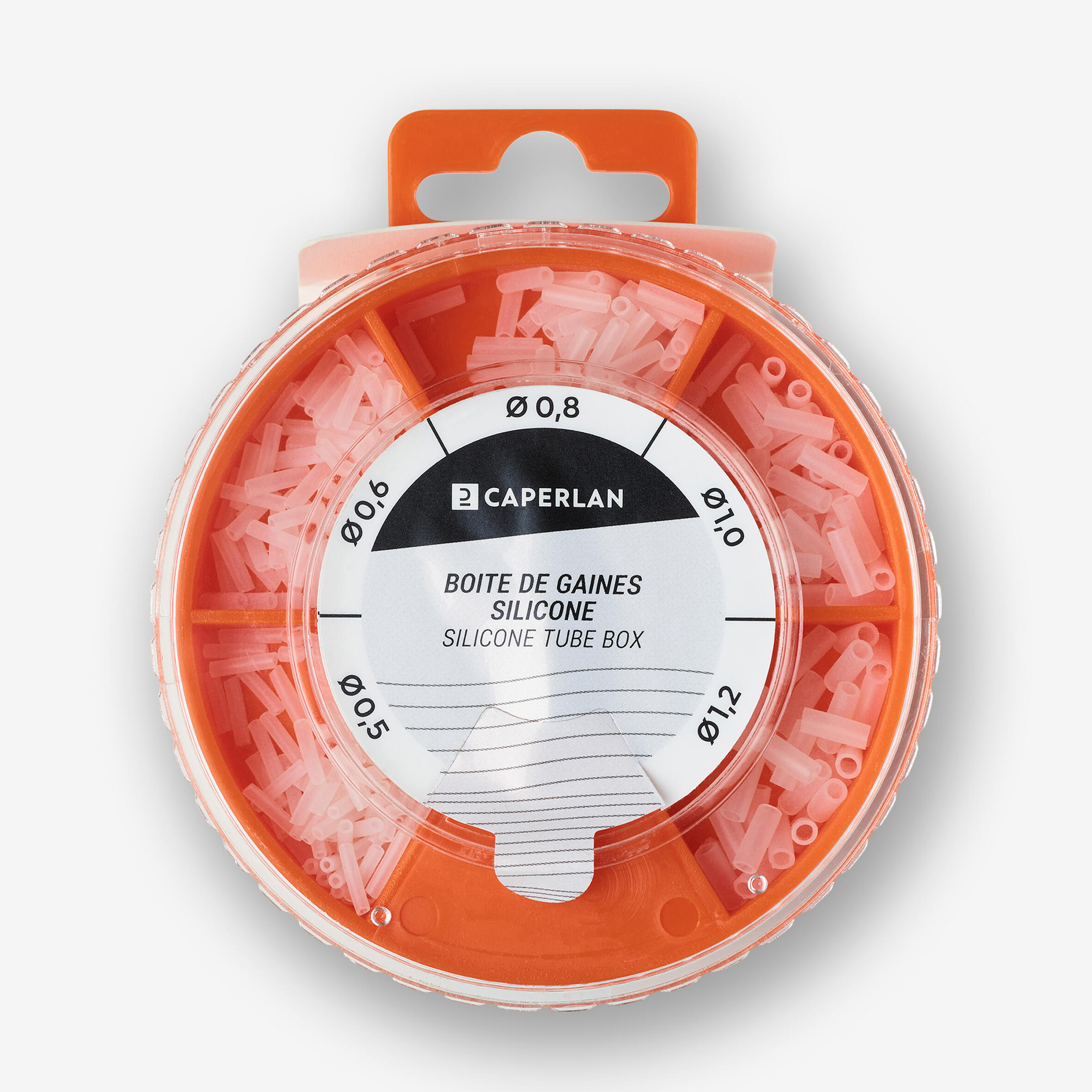
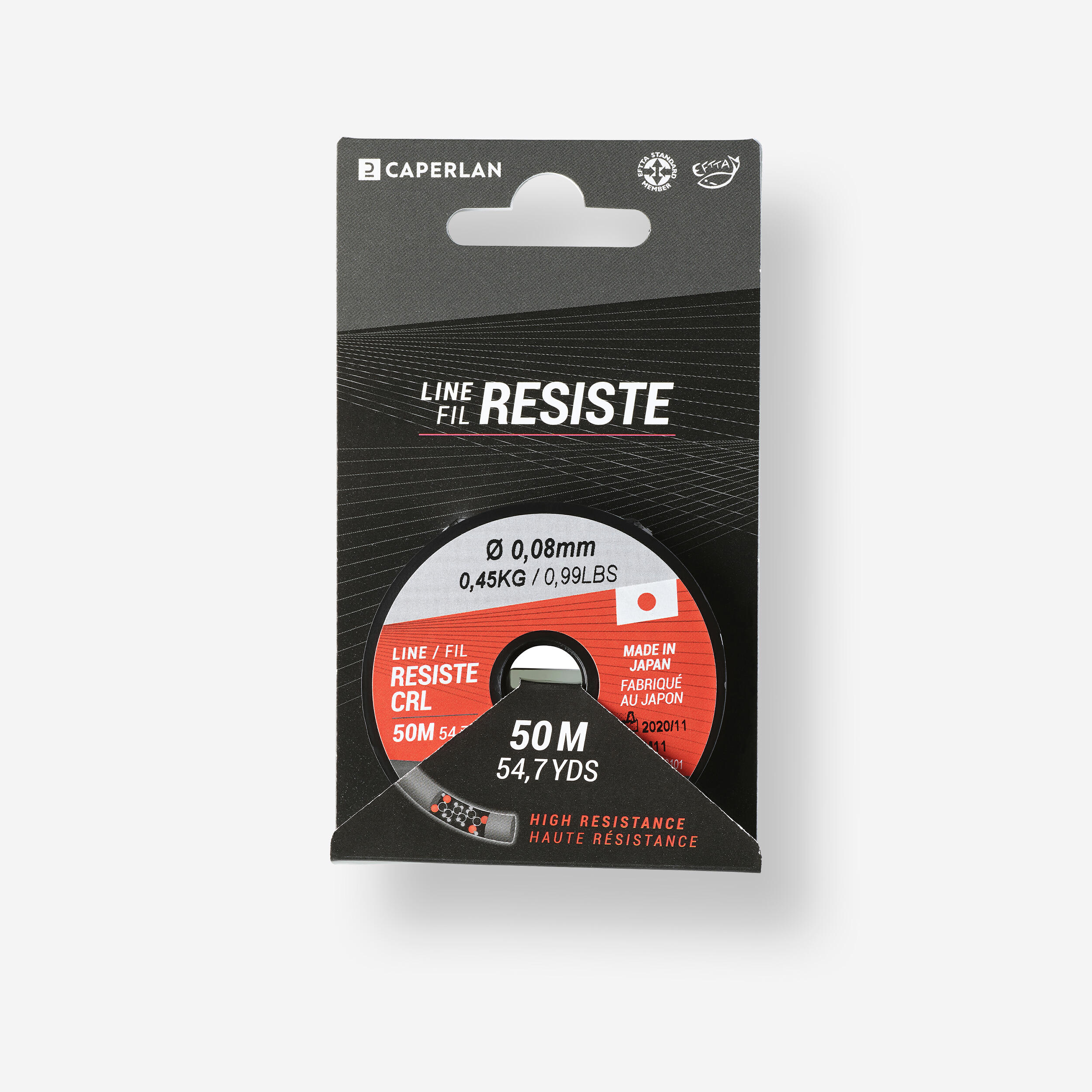
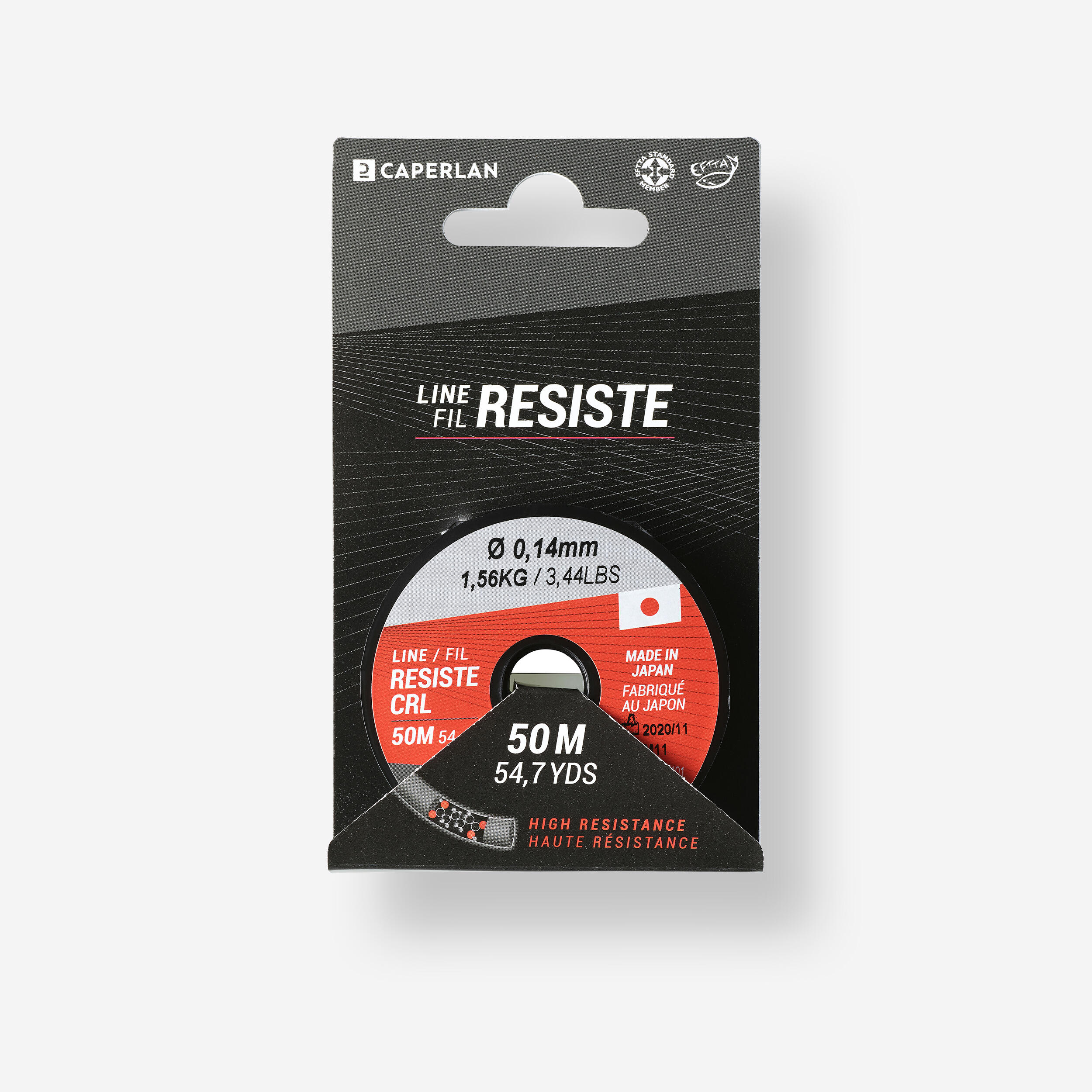
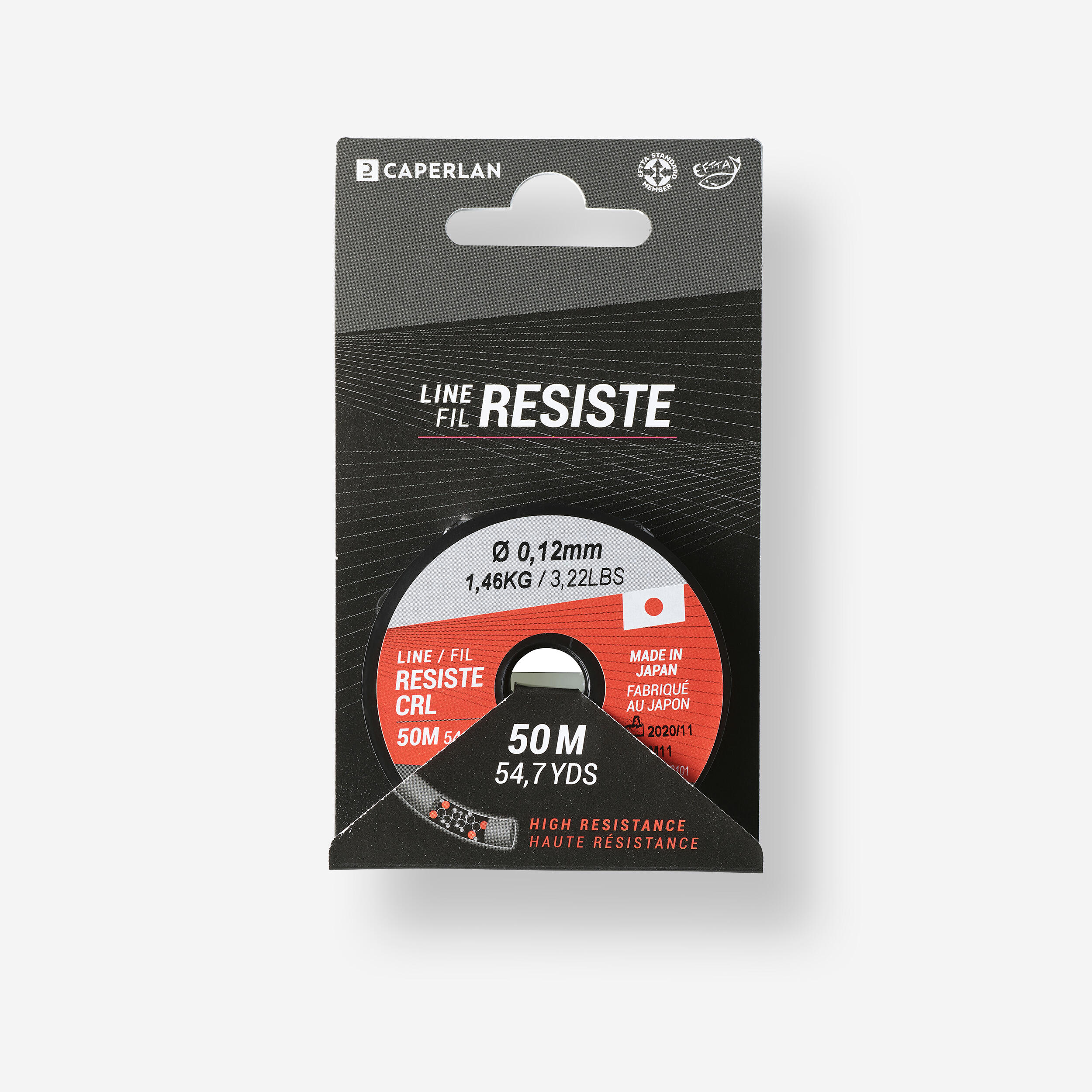
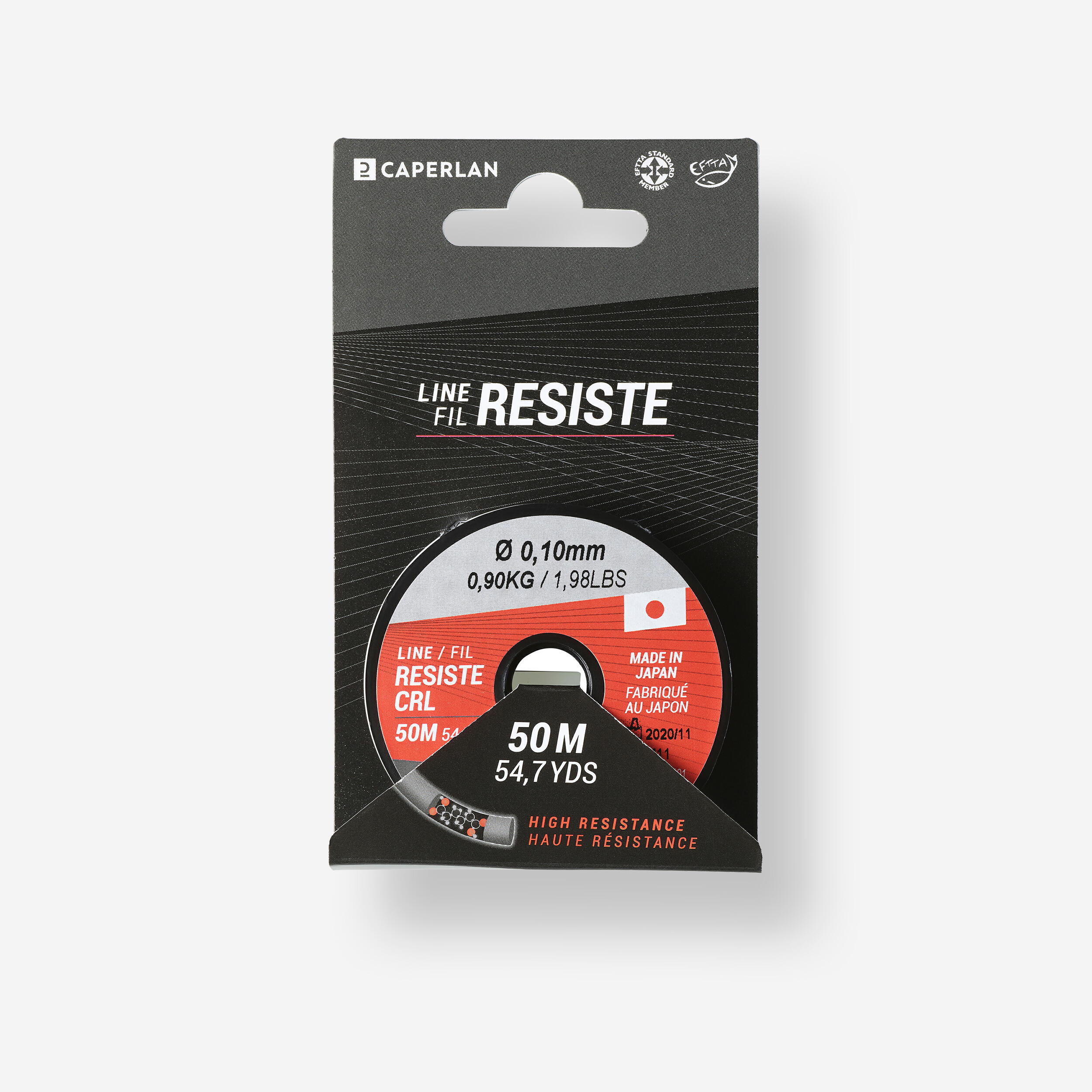
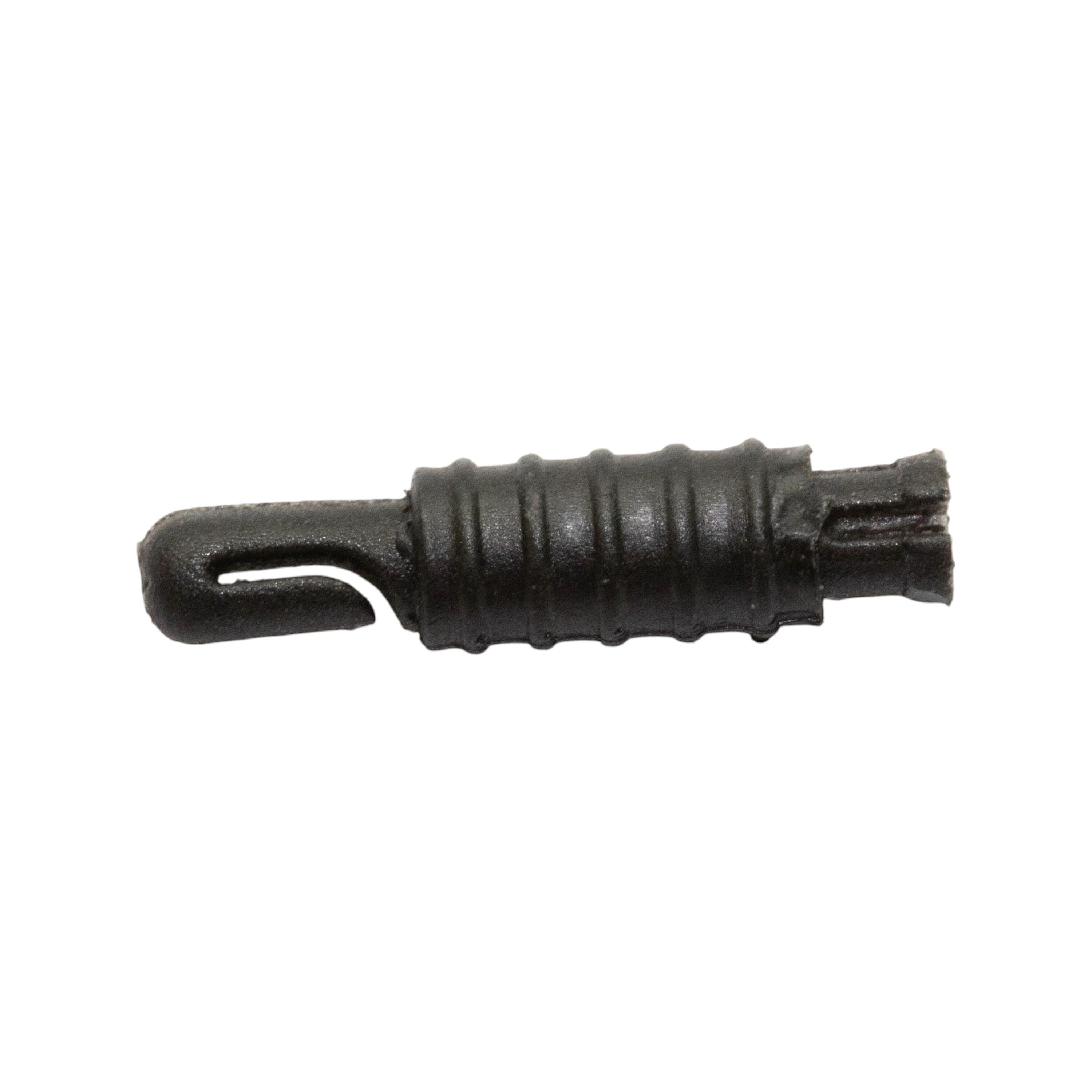
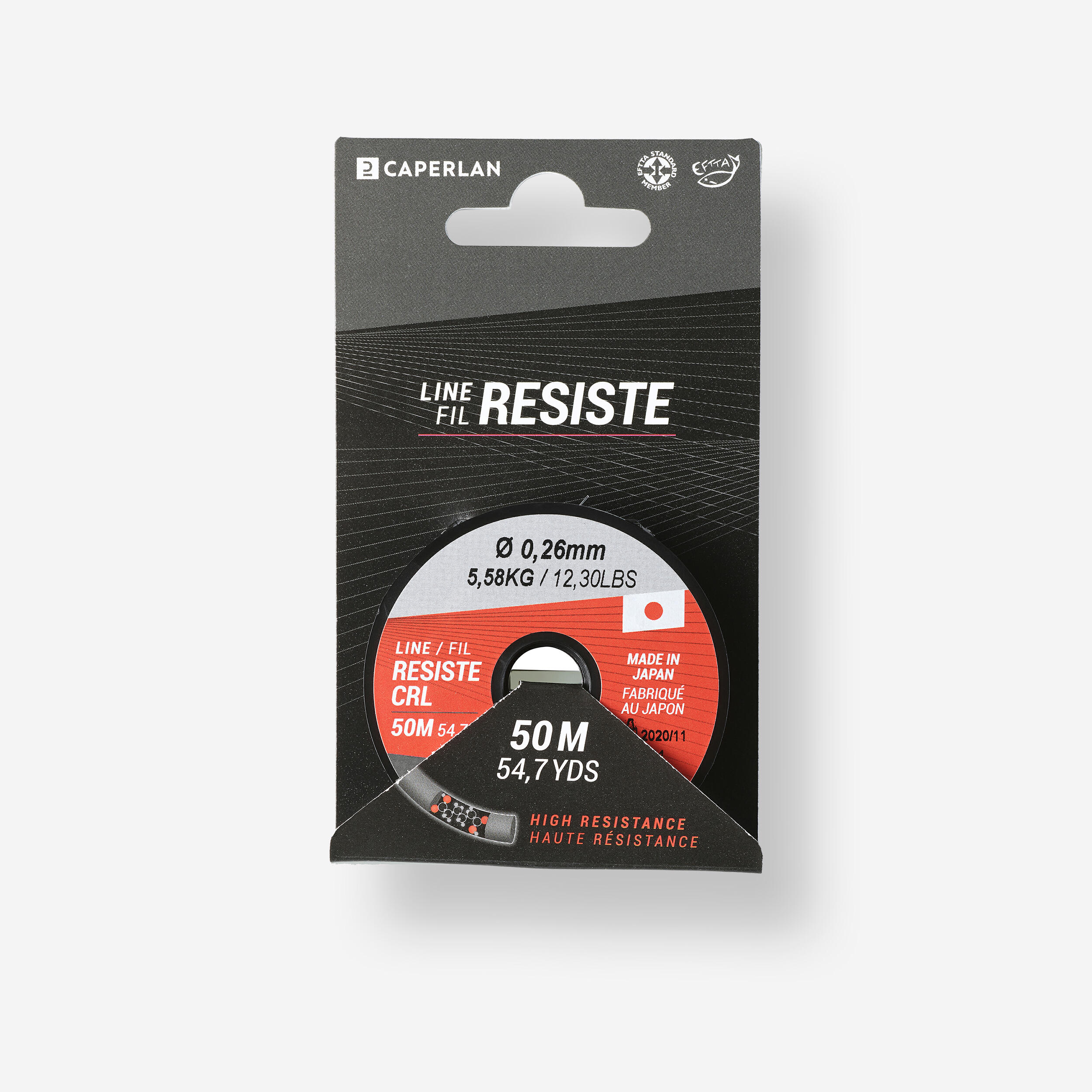
Fine pole floats work best when the rest of the rig is proportionate. A thick main line can make a delicate float harder to present naturally, which is why Caperlan gives line-diameter guidance on selected PF-F500 models. Some fine lake floats should not be paired with line thicker than 14/100. Caperlan also supplies transparent silicone tubing with selected floats so you can cut short sections to secure the float stem to the line. This approach forms part of a balanced pole fishing setup where float weight, line diameter, sinkers and hook size work together. Use tubing that grips the stem without stretching too much, and replace it if it splits or becomes too loose to hold the float securely.

Where should you keep pole fishing floats when they are not in use?

Fine antennae and stems can be damaged by pressure from sinkers, hooks or heavier tackle, so store delicate floats in a rigid box rather than leaving them loose in a bag. Caperlan specifically recommends protecting PF-F500 and PF-F900 floats during transport, which is particularly important for balsa bodies, fibreglass antennae and slender stainless-steel stems. Let wet floats dry before closing the box, check the silicone attachment points and remove any line that has wrapped tightly around the antenna. Keeping floats organised by water type or weight also makes the next coarse fishing session quicker to set up. Handle finer floats by the body rather than bending the antenna when removing them from storage, and replace damaged silicone tubing before rebuilding the rig.