14 items
4.7/5 based on 781 reviews collected online and in stores

Pole Fishing Winders FAQs

How can winders keep prepared pole fishing rigs organised?

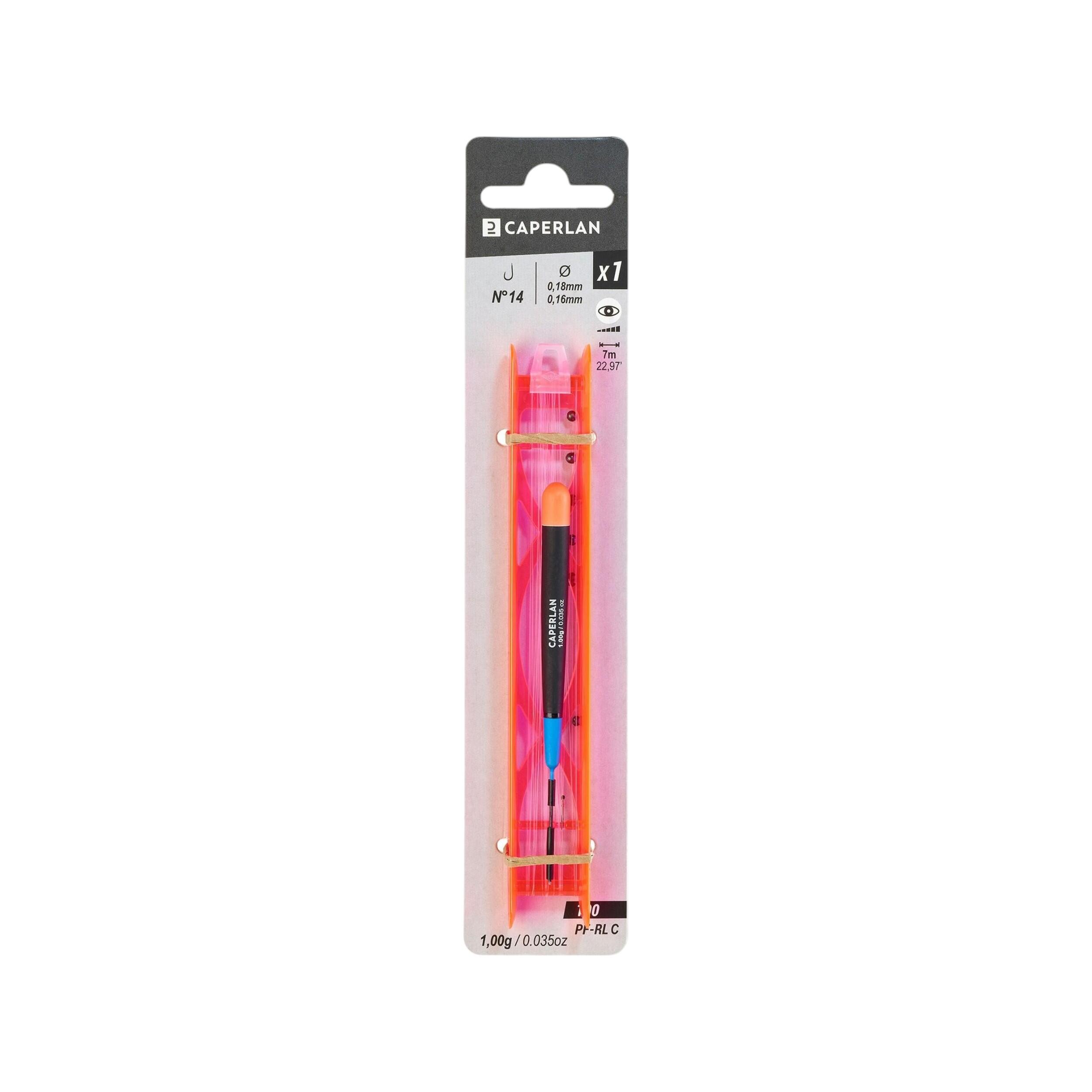
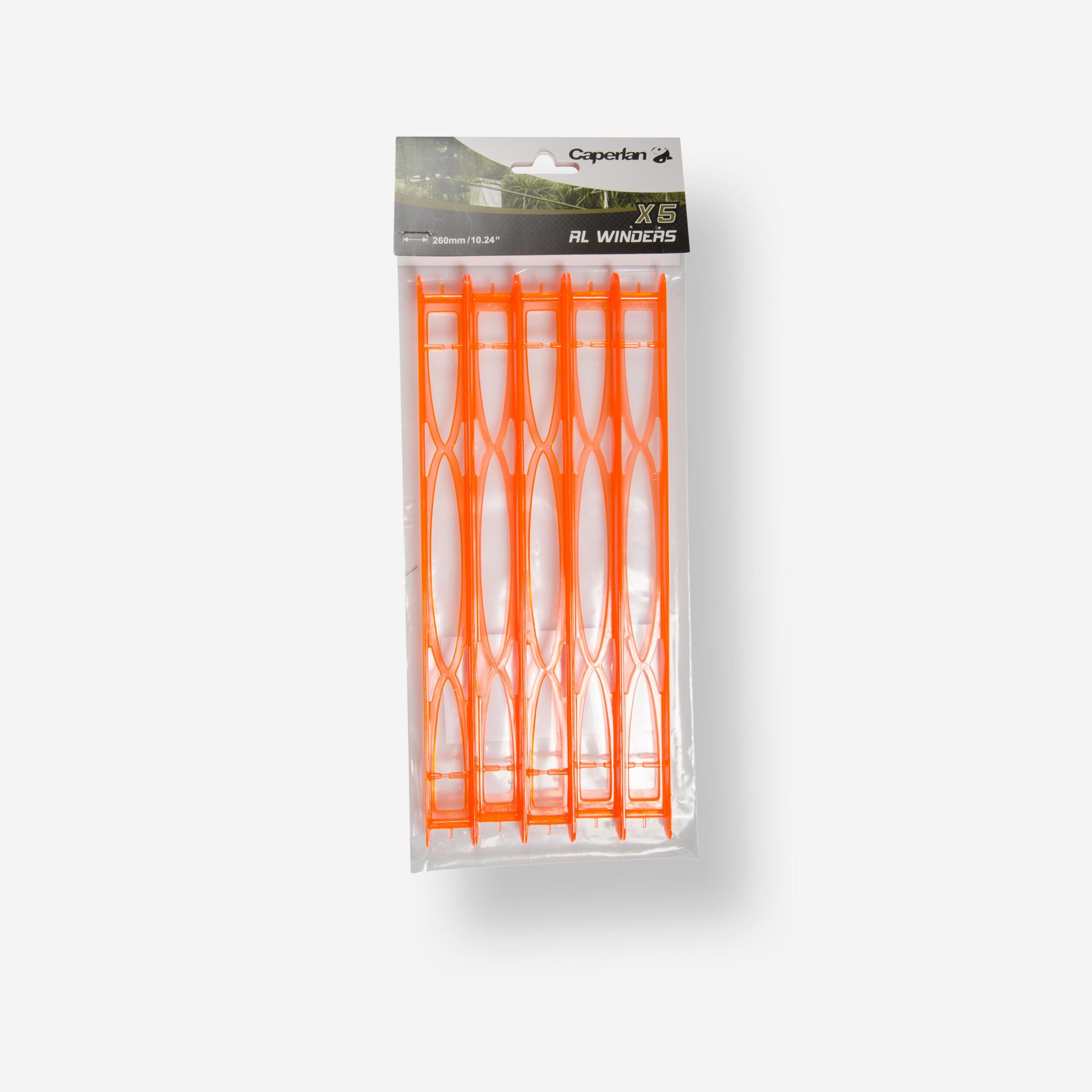
A winder gives each prepared line its own storage surface so the float, hooklength and main line do not become tangled with other rigs. Caperlan's pole fishing winders kit adds a built-in line-length indicator and identification stickers, which can help you recognise a rig without measuring it again before the next session. Lateral notches secure the line end without a separate elastic retaining band, while the double-entry design can hold two prepared lines on one winder. Label rigs by float weight, line diameter, venue or length so you can select the right setup quickly instead of unwinding several similar-looking lines at the bank.

Which winder size suits different pole fishing rigs?

Winder length and width should suit the size of the float and the amount of terminal tackle stored on the rig. Caperlan WDR 900 winders come in S, M and L widths, while 19 cm and 26 cm lengths offer more options for compact rigs or bulkier float assemblies. Wider or longer winders give larger float bodies more room without forcing them against the edges. The 26 cm WDR 900 format is also made to fit Caperlan's 4 cm CSB station storage units, helping prepared rigs stay together inside the wider pole fishing setup. Use the smallest format that fits the float comfortably, as oversized winders take up unnecessary drawer space when you carry many prepared lines.

When is an elastic line connector useful on a pole?

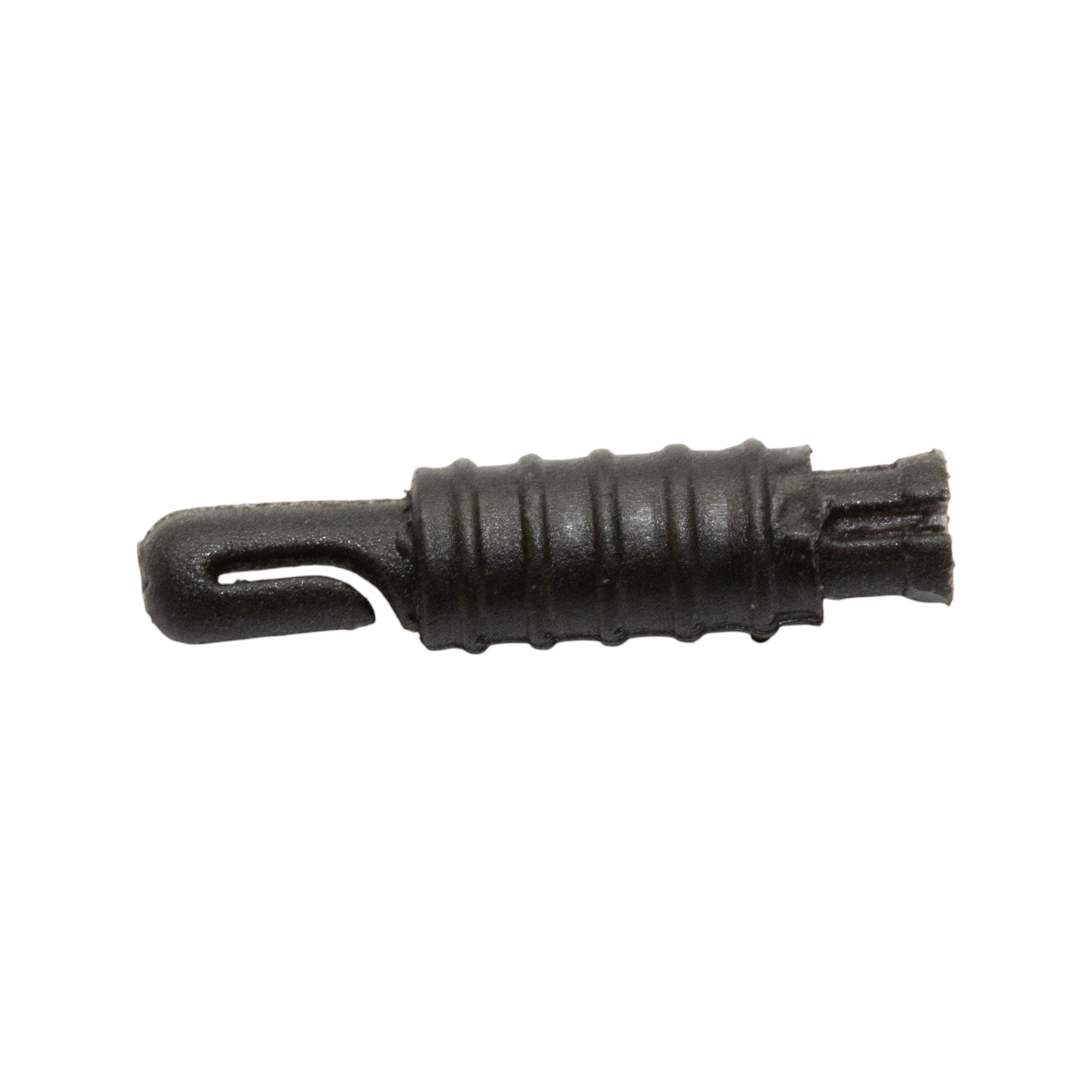
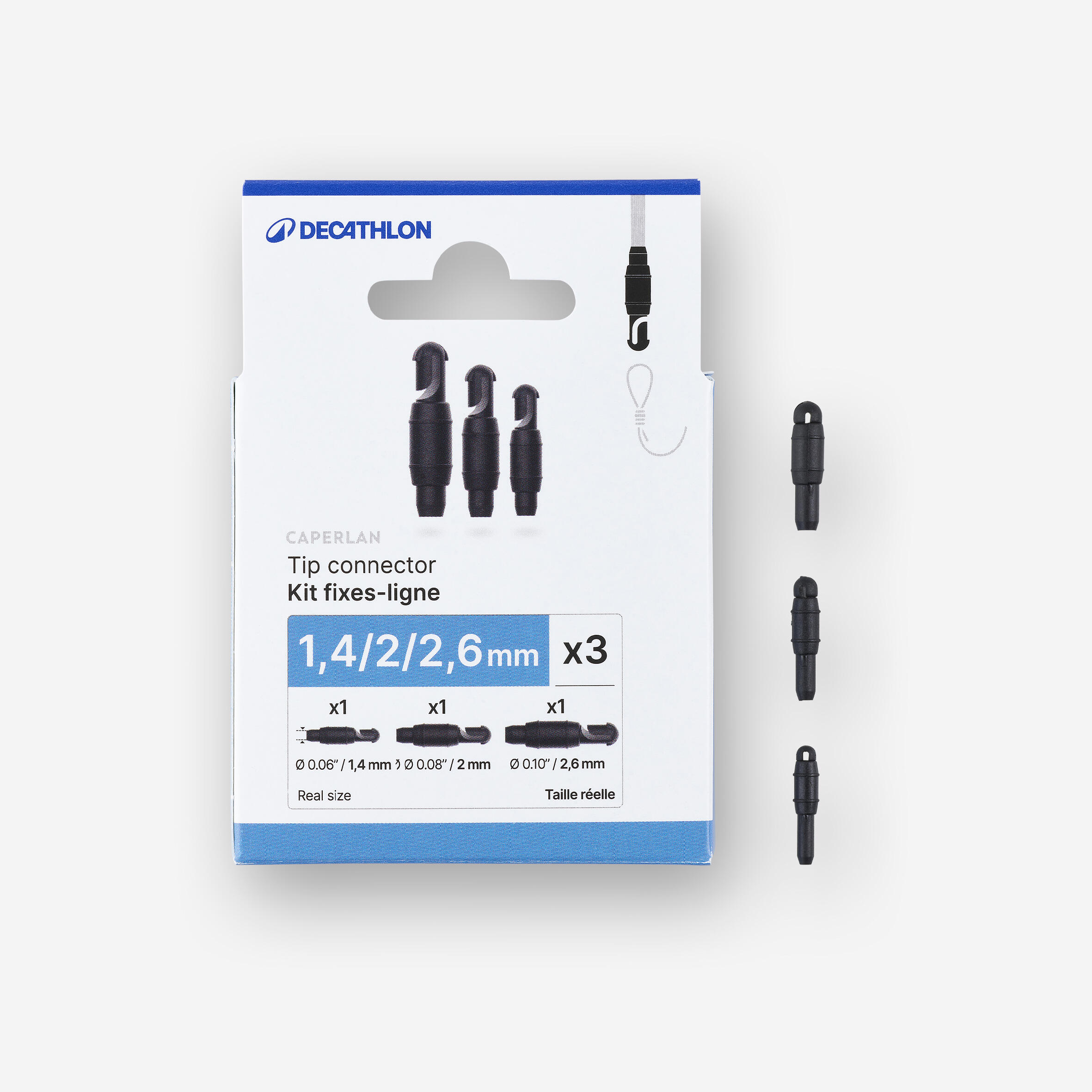
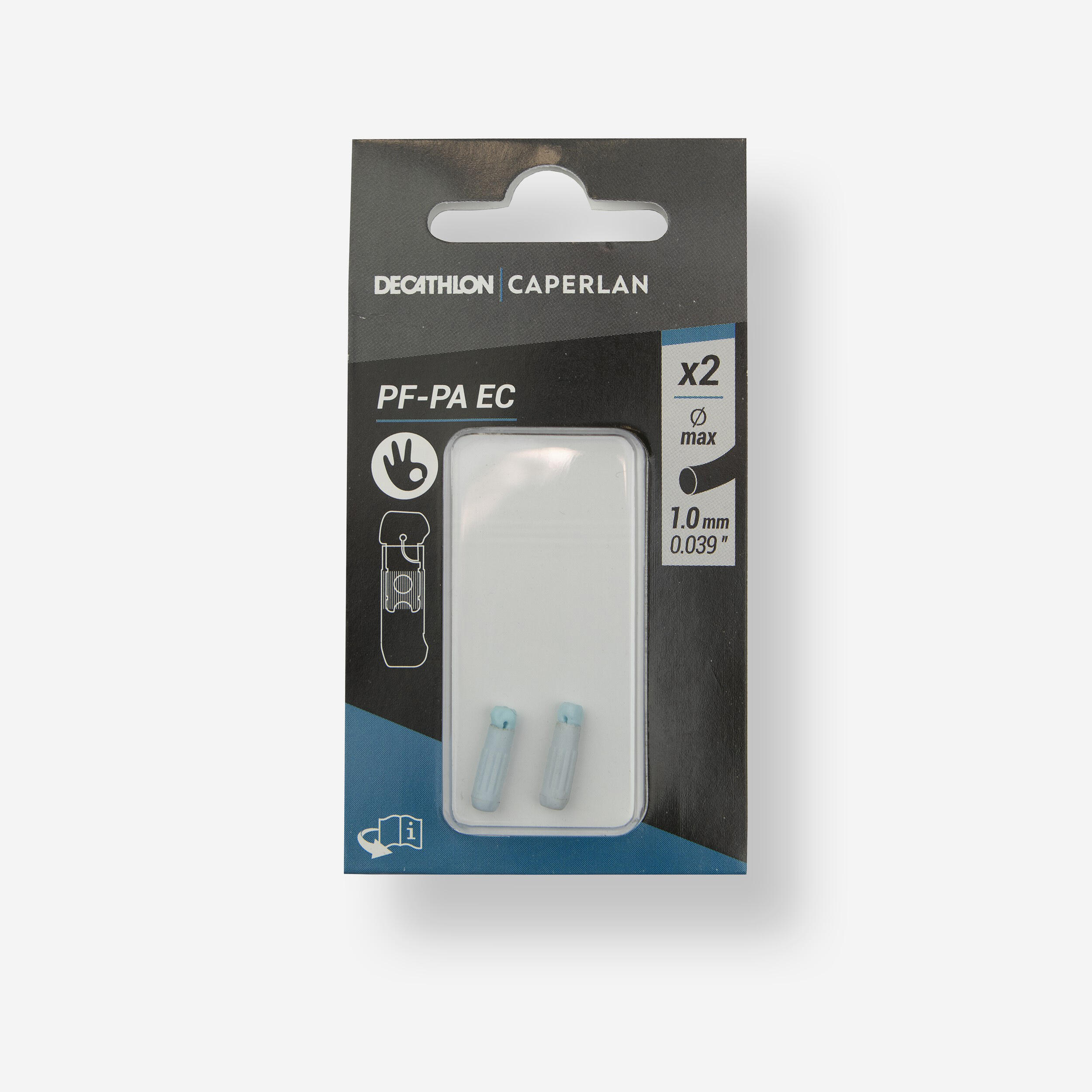
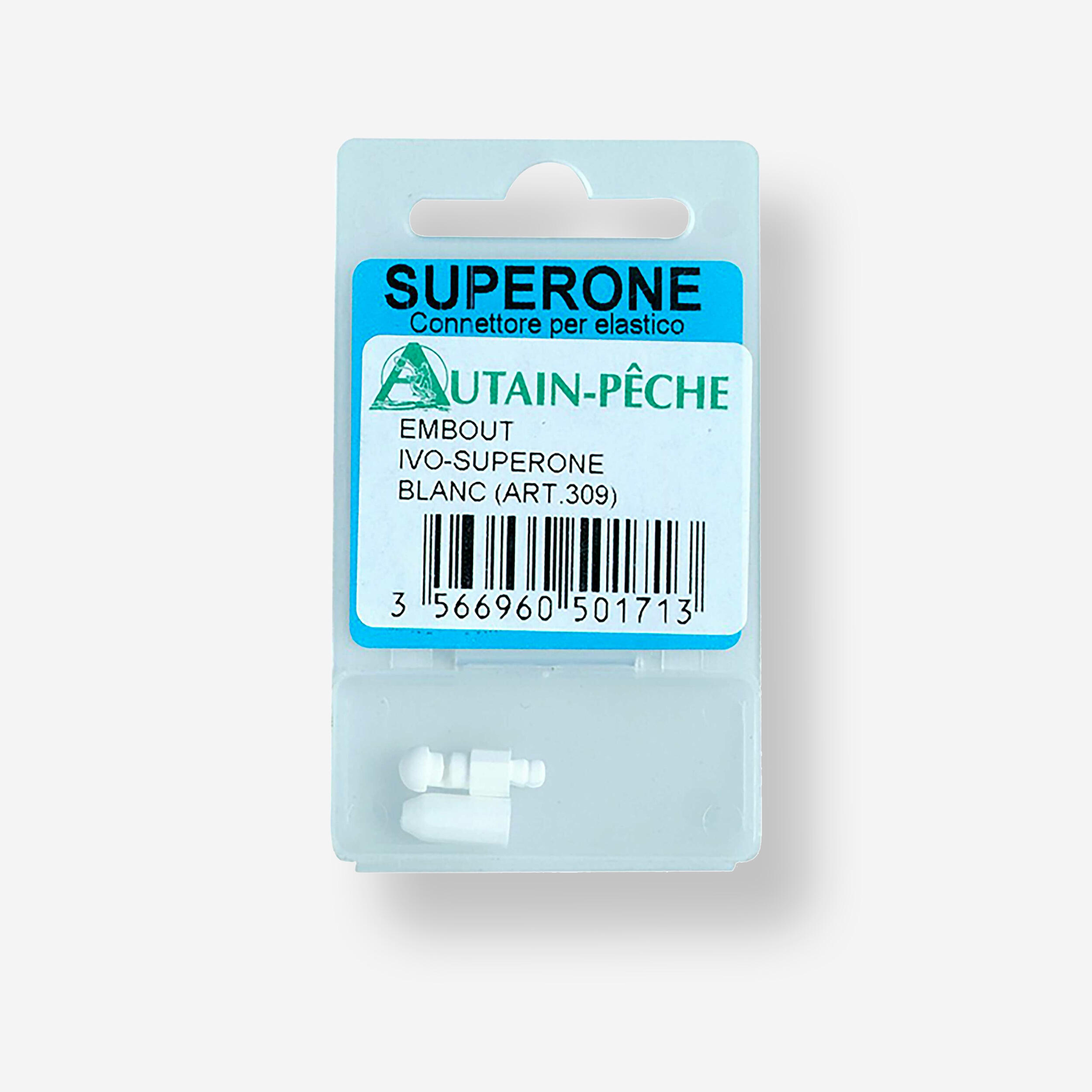
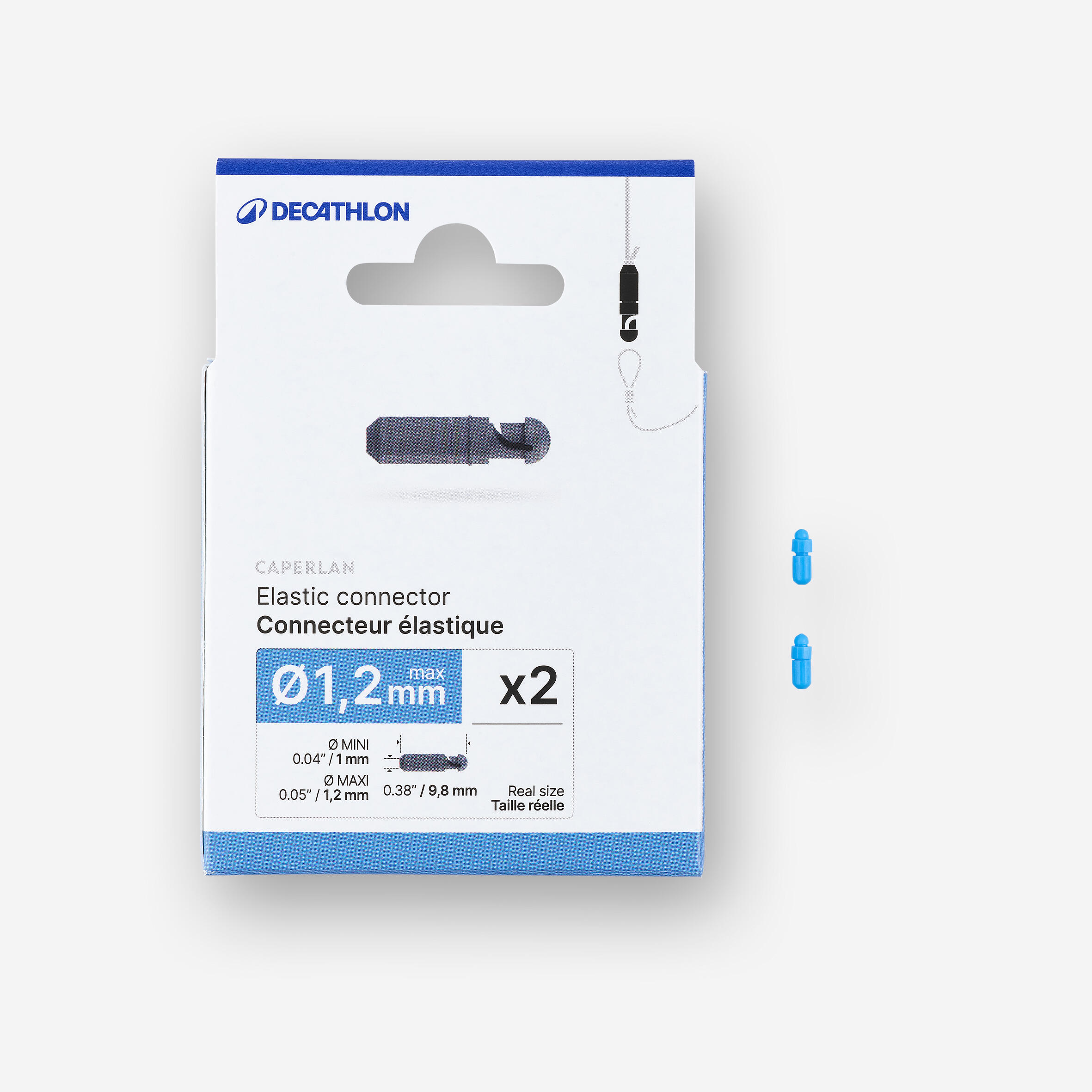
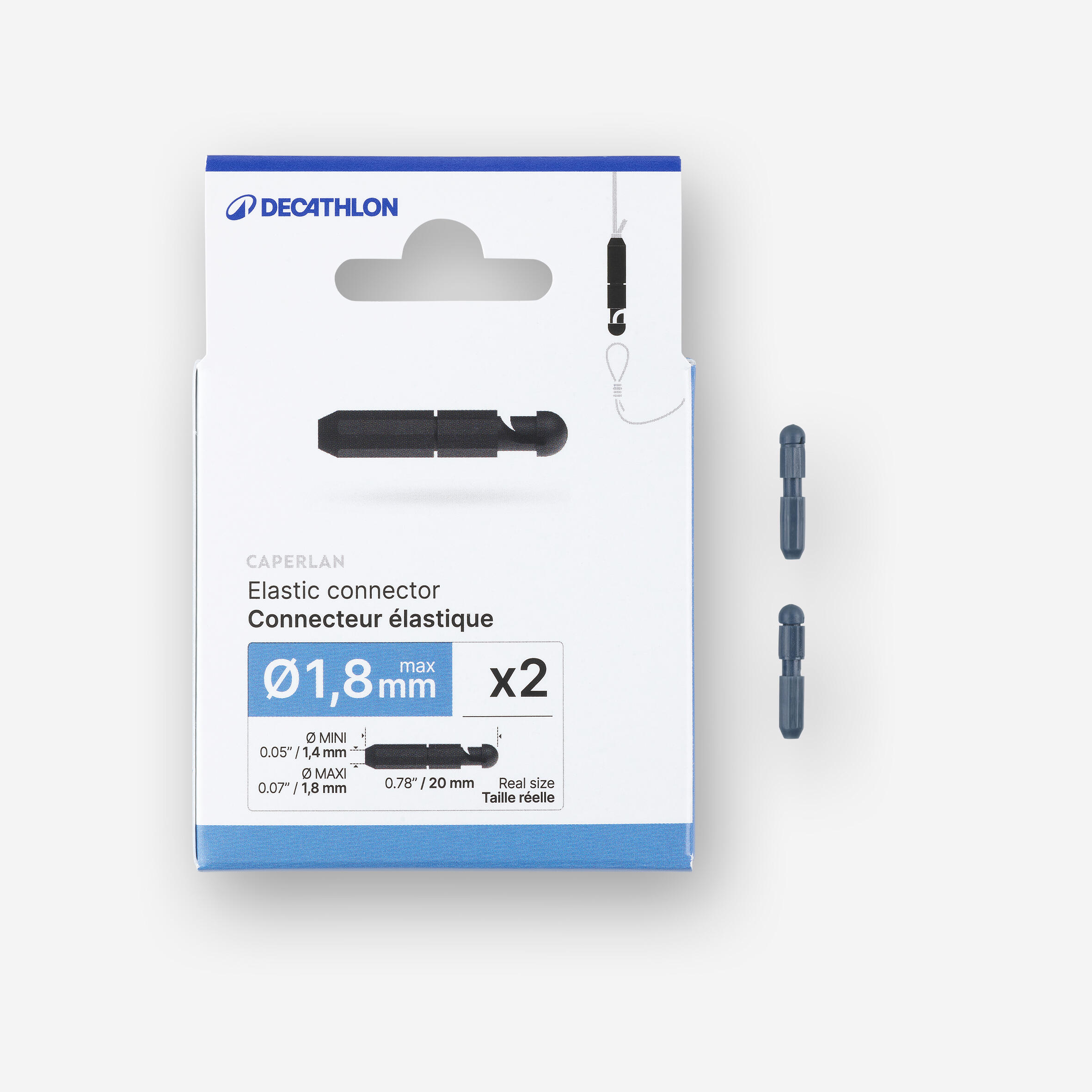
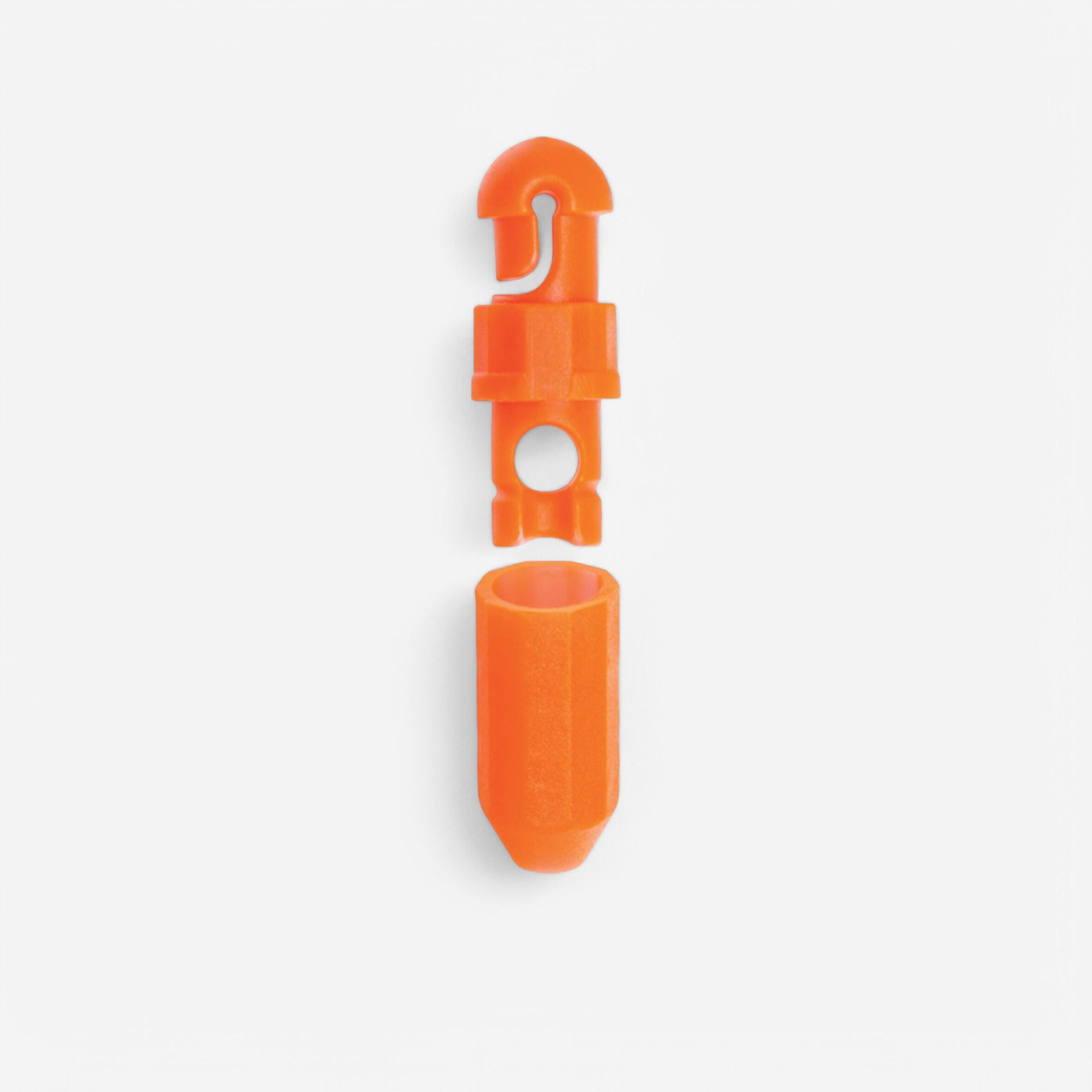
An elastic connector creates a controlled link between the pole's internal elastic and the fishing line, making it easier to attach or replace a prepared rig without rebuilding the elastic system. Caperlan's pole fishing elastic line connector uses an elongated three-part design that also provides space for excess elastic. Matching the connector to the elastic diameter matters because an oversized or undersized component may not hold the setup correctly. Check the connection before fishing, particularly after replacing elastic or changing rigs, and make sure the line sits cleanly without catching around the connector. A well-matched connection also makes dismantling easier when you need to put the prepared line back on its winder.

Why use Dacron connectors with stronger pole elastic?

Stronger carp-style pole elastic can benefit from a connector that keeps the fishing line clear of the main bead while still providing a secure attachment point. A Dacron elastic connectors pack uses semi-rigid Dacron so the line sits away from the connector bead instead of folding closely against it. Caperlan also uses a soft bead to help protect the elastic and rod tip where the connector repeatedly returns against the end of the pole. Select the connector by elastic diameter rather than assuming one size will work for every setup. Inspect the Dacron, knot and bead regularly, especially after fighting larger fish and replace the connector if the material frays or the bead is damaged.

How must pole fishing winders and line connectors be stored?

Keep prepared rigs dry, supported and away from unnecessary pressure so floats, hooks and line are ready for reuse. Caperlan recommends storing traditional RL winders in a dry box and keeping WDR 900 winders away from prolonged sunlight. Secure hooks and line ends in their intended fixing points rather than wrapping loose line around other tackle, and use the supplied labels so rigs remain identifiable after several sessions. Connectors should be checked for cracks, fraying or distortion before being packed with other coarse fishing equipment. If you've used a rig in wet conditions, let the line and winder dry before closing the station drawer or tackle box. This also gives you a chance to replace damaged hooklengths or worn connectors before the next trip.