6 items
4.7/5 based on 496 reviews collected online and in stores

Pole Fishing Discovery FAQs

What makes a pole fishing discovery setup easier for beginners?

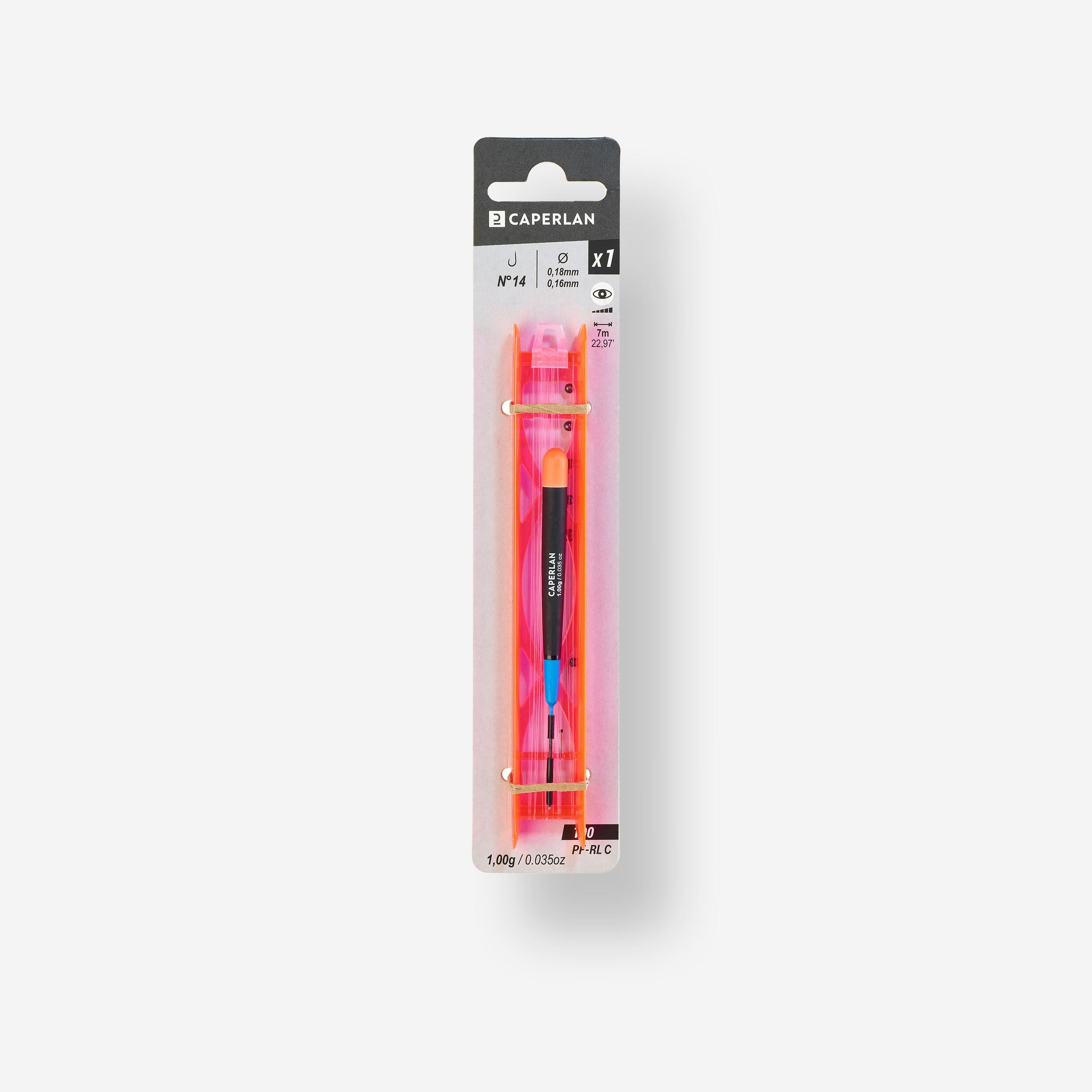
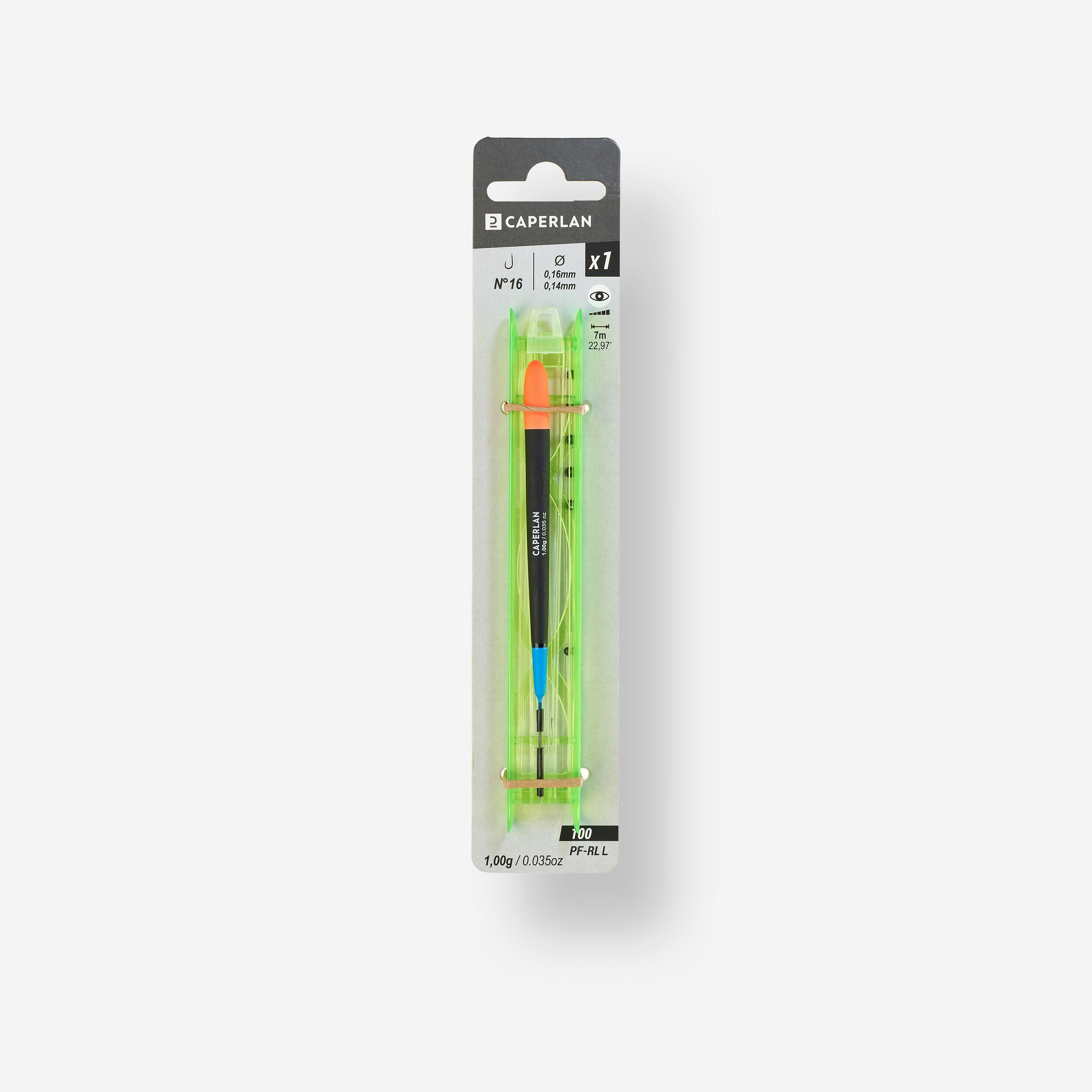
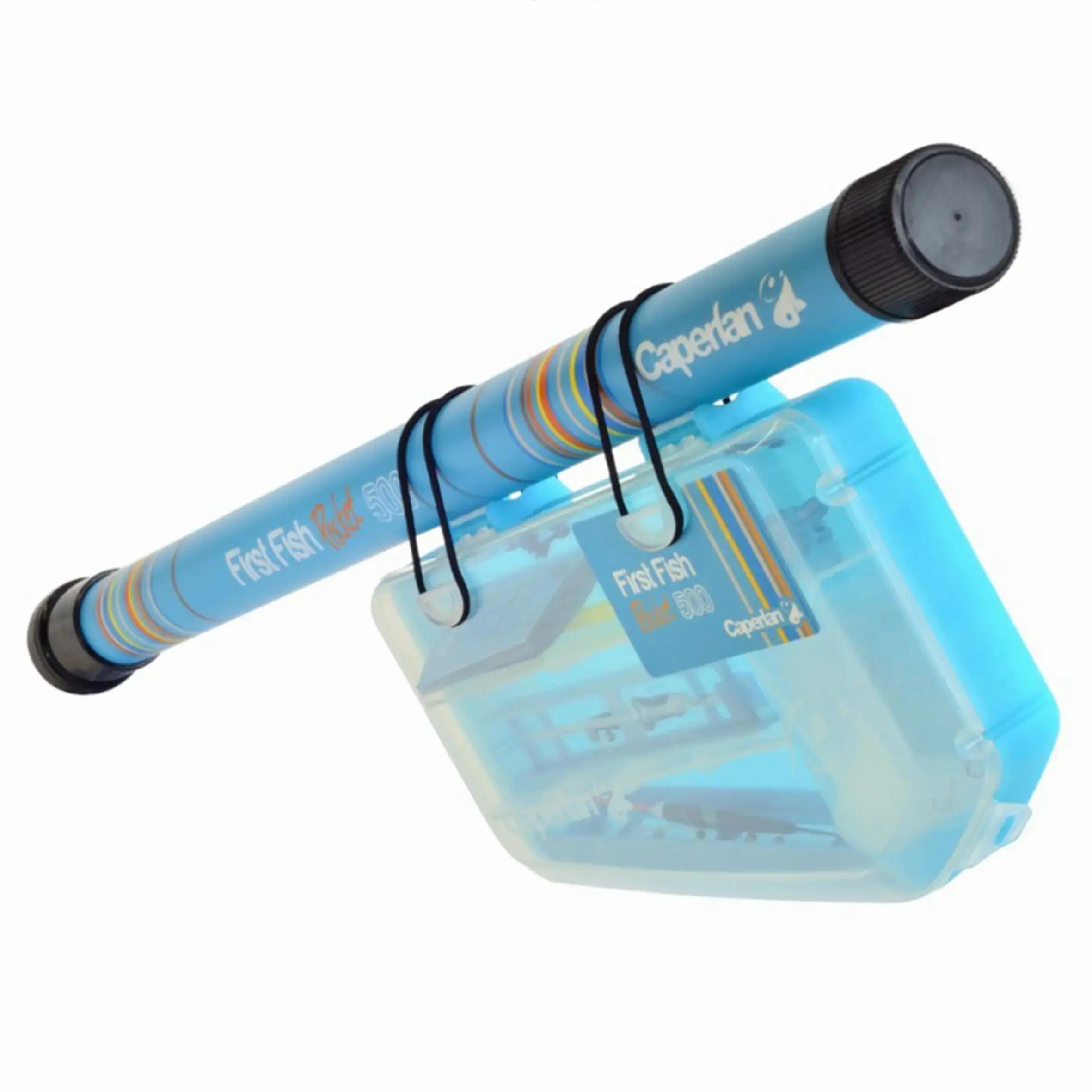
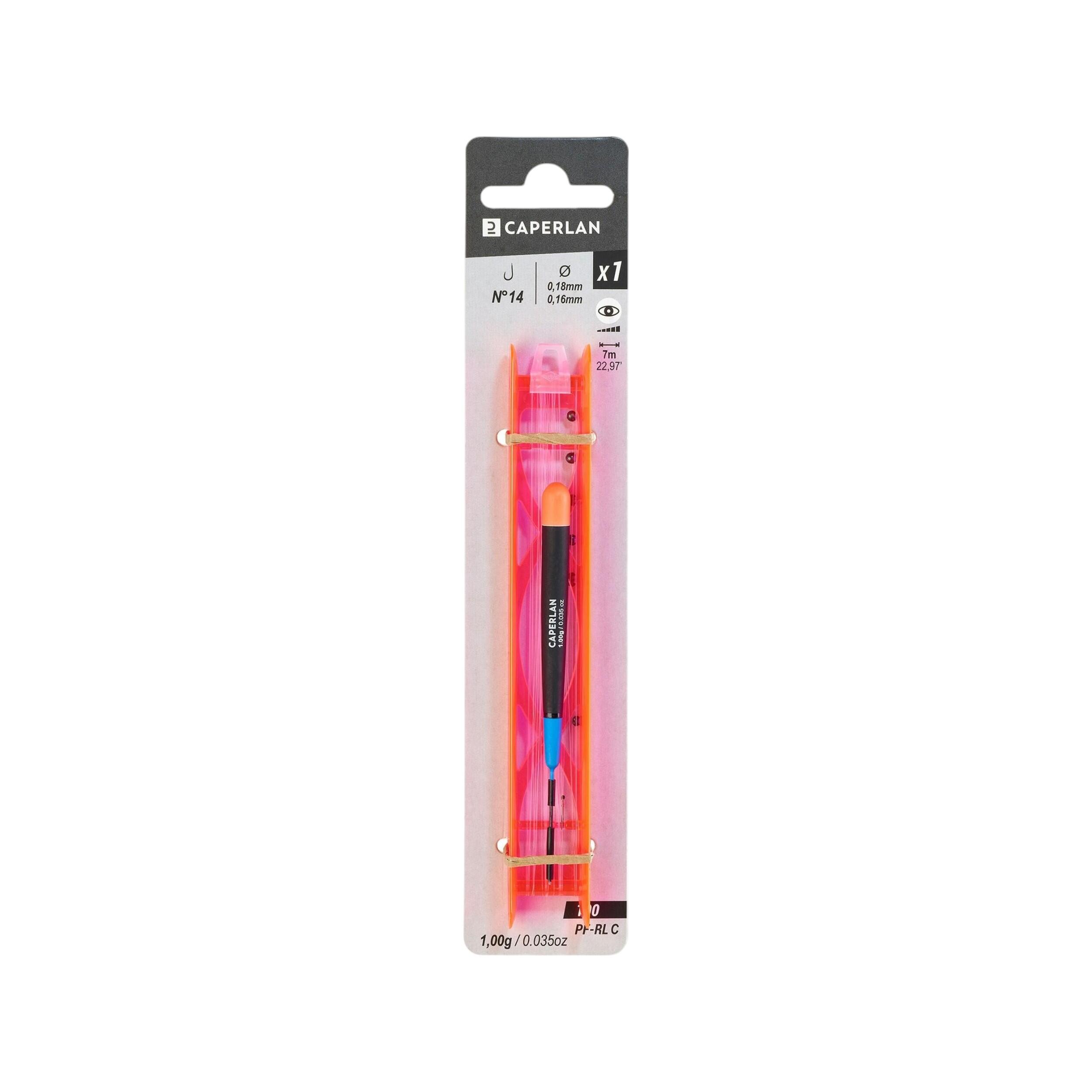
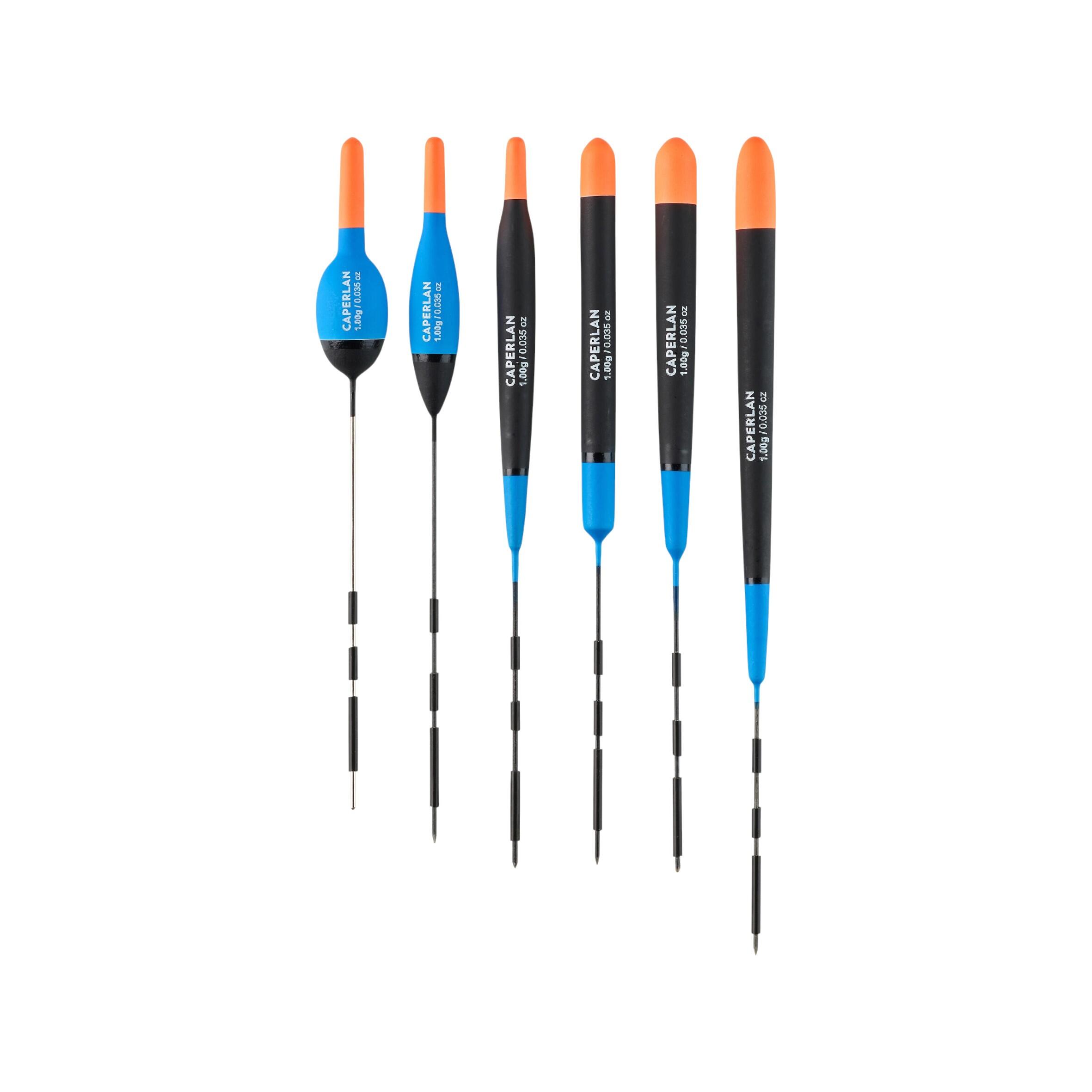
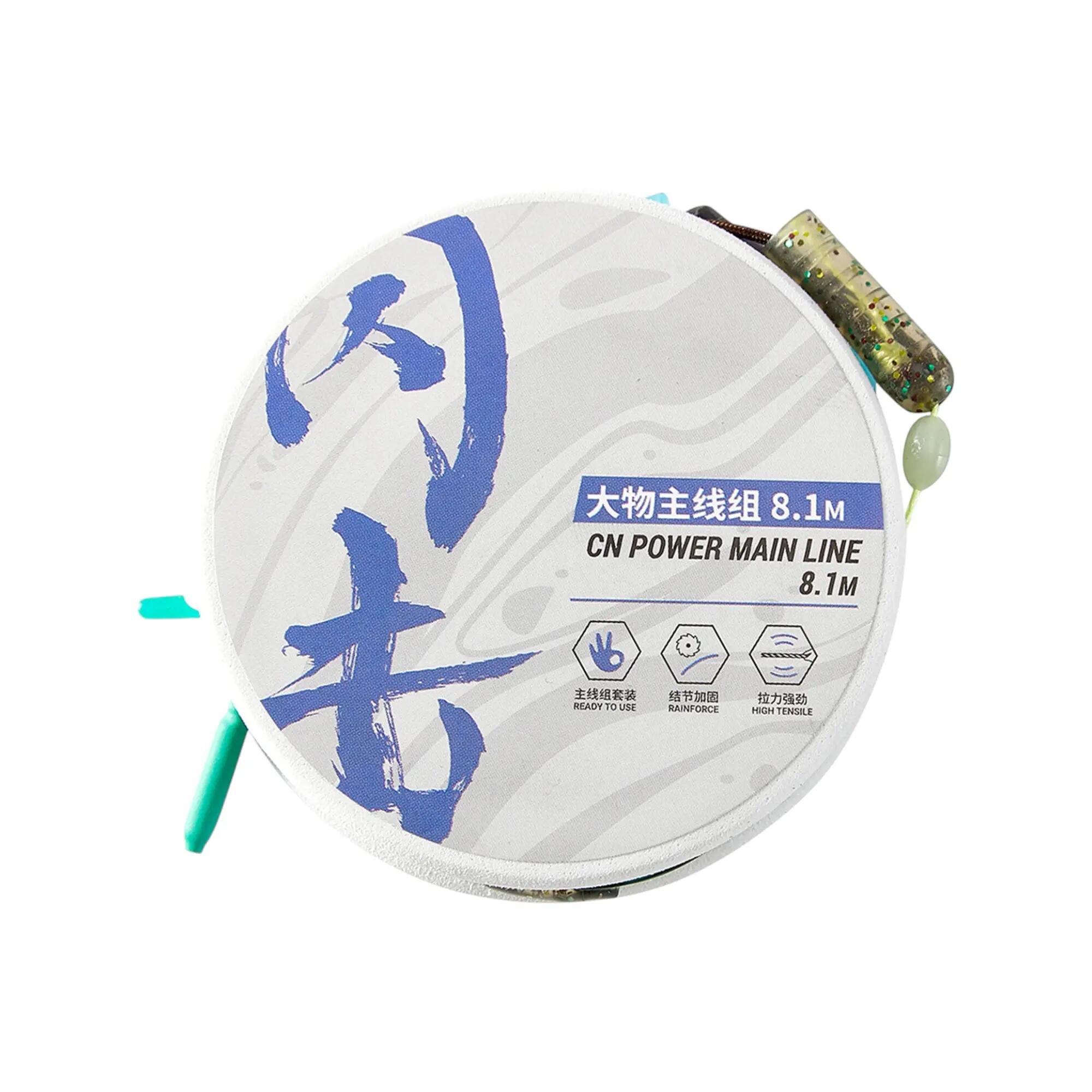
Beginner equipment is most useful when it removes unnecessary rigging steps and makes bites easier to recognise. Caperlan Discovery products use ready-rigged lines where the float, main line, leader, weights and hook are already matched, so you can spend more time learning how to present the bait and read the float. Larger or brightly coloured antennae also make small movements easier to follow. This type of setup gives you a practical route into pole fishing before you start building more specialised rigs yourself. Keep the line straight when attaching it to the pole and check that the float sits correctly in the water before fishing, as even a ready-made rig still needs the right depth for the swim.

How are ready-rigged lines useful when learning pole fishing?

Ready-rigged lines remove several early setup decisions because the float weight, line diameter, hook length and hook size have already been selected as one system. Caperlan varies these combinations between lake and more general canal or pond fishing instead of using the same rig everywhere. A pole fishing rigged line for beginners can therefore help you concentrate on depth, presentation and bite indication rather than tying every component separately. Attach the rig carefully, set the float depth to suit the swim and watch how the antenna sits after the shot has settled. If the float leans, sinks too far or sits too high, check the rig before assuming the fish are simply not biting.

Why is a compact landing net useful for beginner pole fishing?

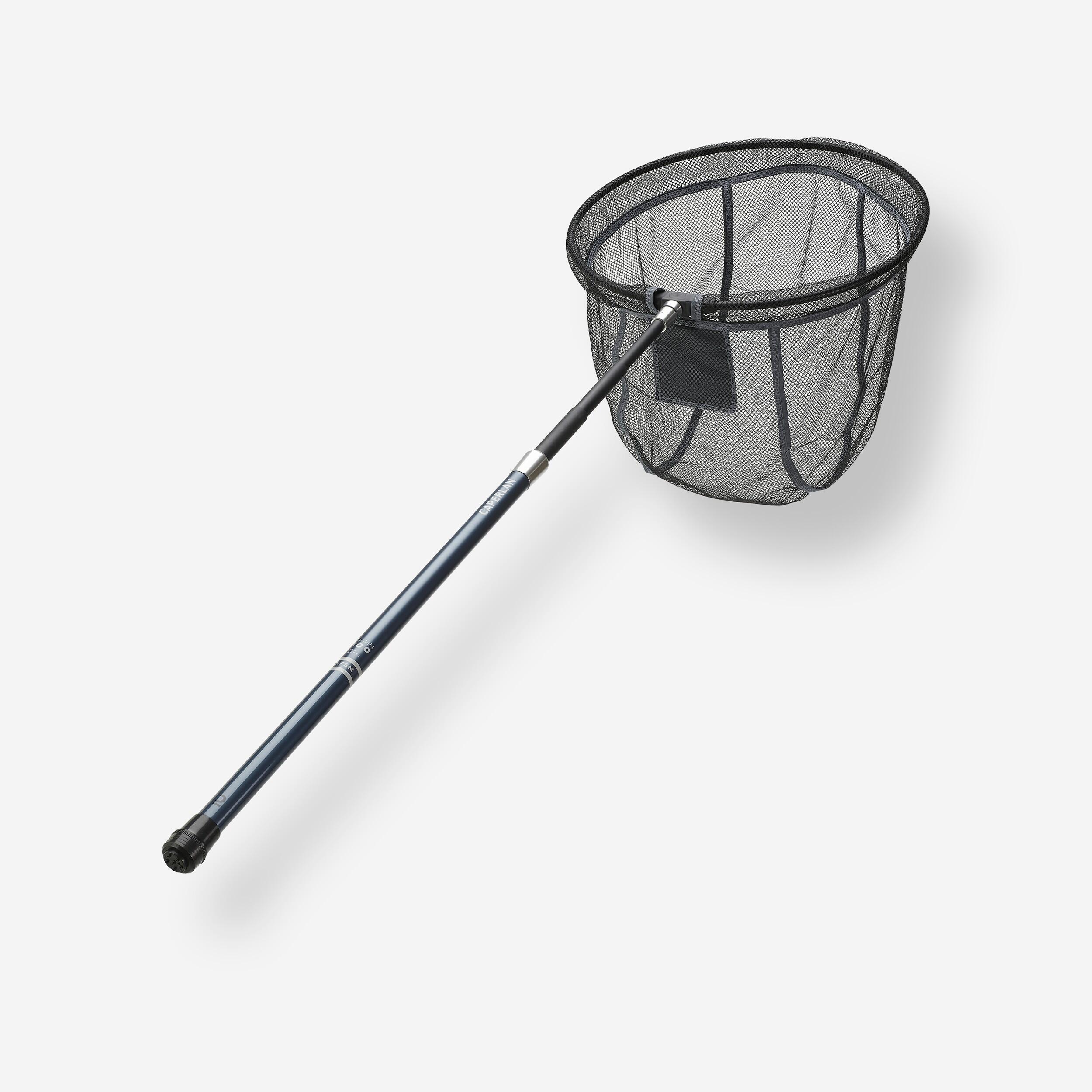
A landing net gives you more control when a fish reaches the bank, especially when using light lines and small hooks that should not be placed under unnecessary strain. Caperlan's pole fishing telescopic handle landing net uses a four-section fibreglass handle that folds to about 53 cm and extends to roughly 175 cm. Its fine 3 mm mesh and lightweight head suit smaller whitefish, while the universal threaded connection lets you replace the head separately if needed. Extend the net before a fish reaches the margin, keep the head in the water, and guide the fish over the opening rather than chasing it with the net.

How can ready-to-use bait patties simplify a first fishing session?

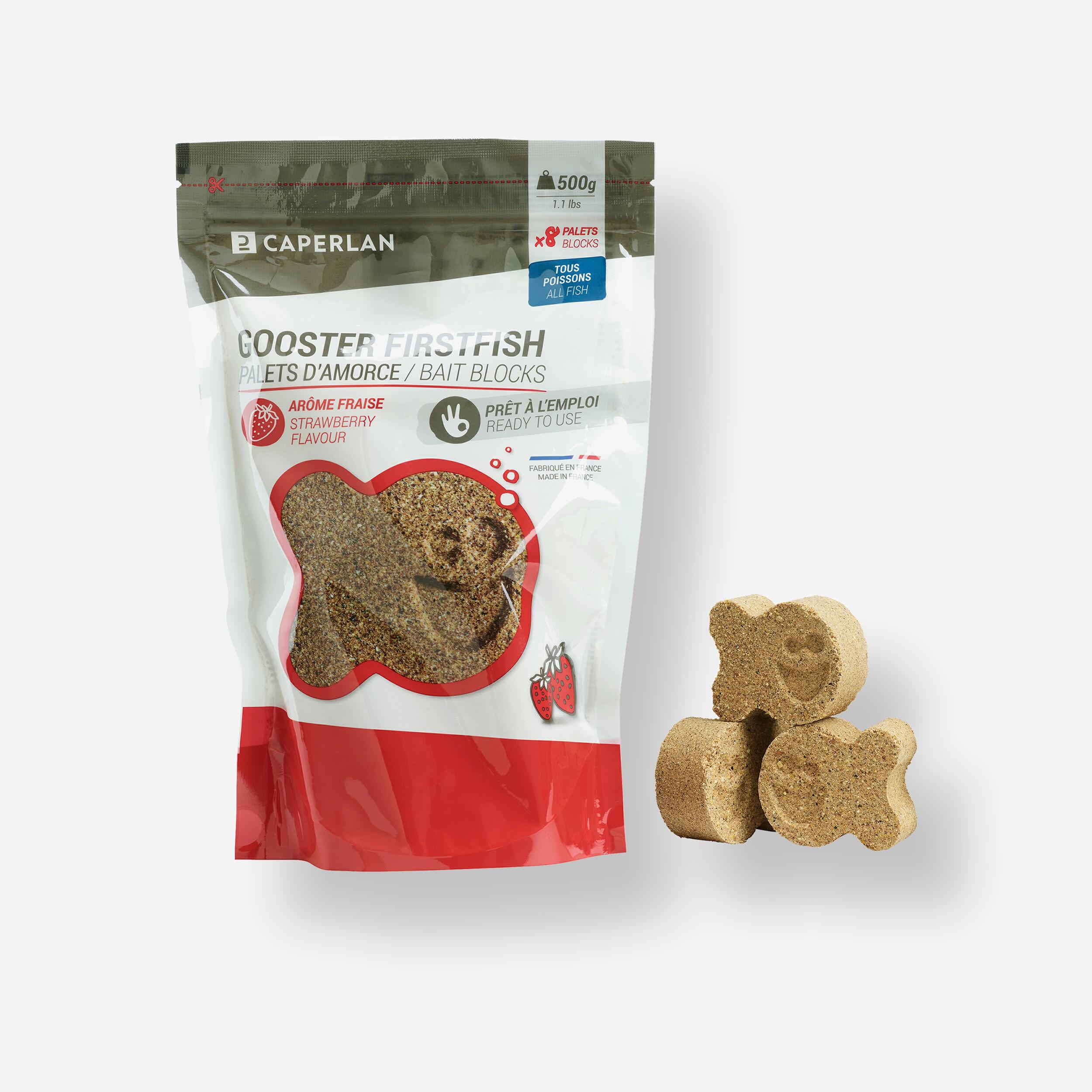
Traditional groundbait requires water, mixing and judgement to reach the right texture, which can add another skill for a beginner to manage. Caperlan's pole fishing bait patties arrive ready to use, so there is no wetting stage before baiting the swim. Caperlan recommends throwing them into an area about 1 m across rather than scattering them widely. The rising particles then give you a visible clue to where the bait is working, which can help you decide where to place the hook bait. Introduce the patties accurately and avoid feeding too large an area, as concentrating the bait makes it easier to see how fish respond around one defined spot.

How can beginners organise pole fishing equipment between sessions?

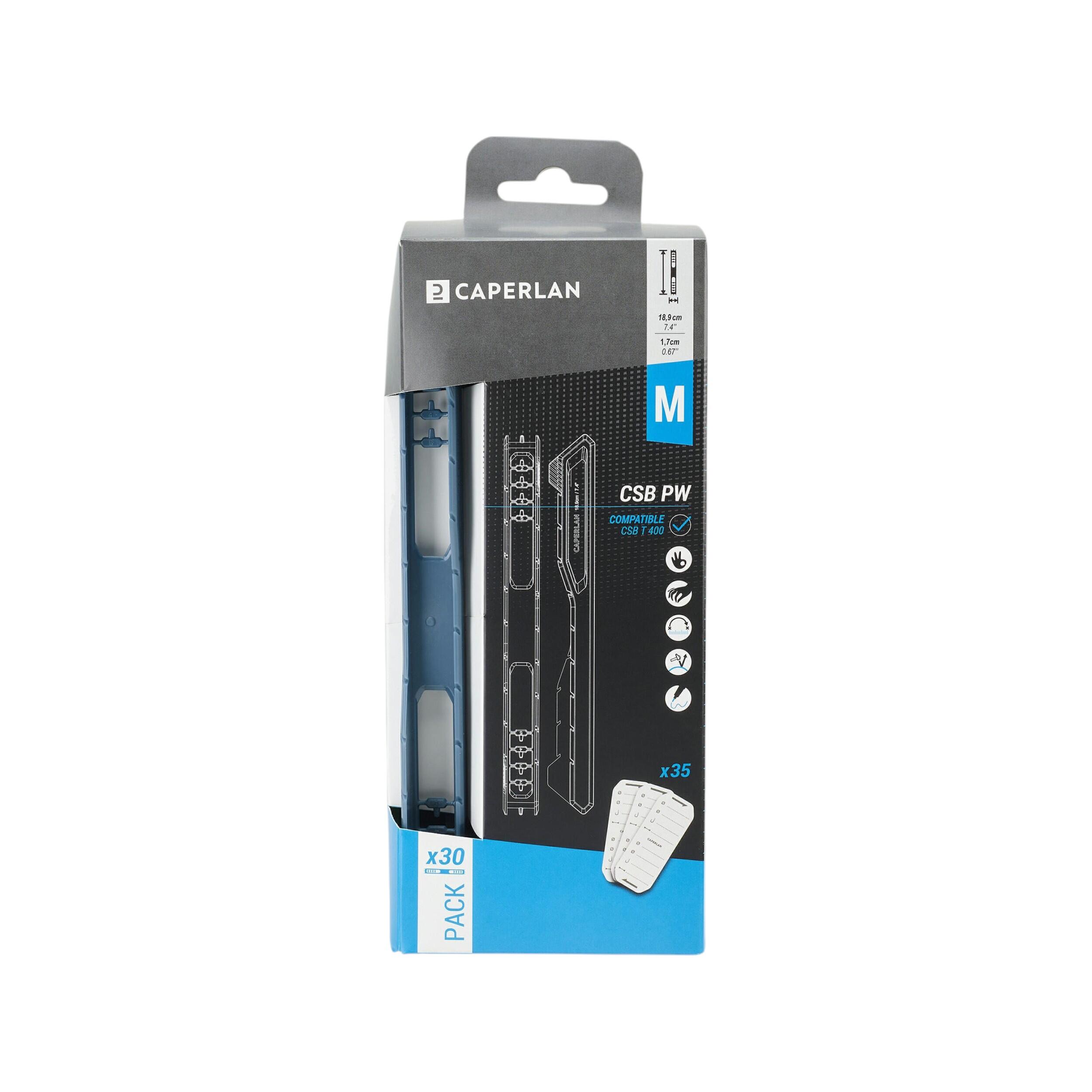
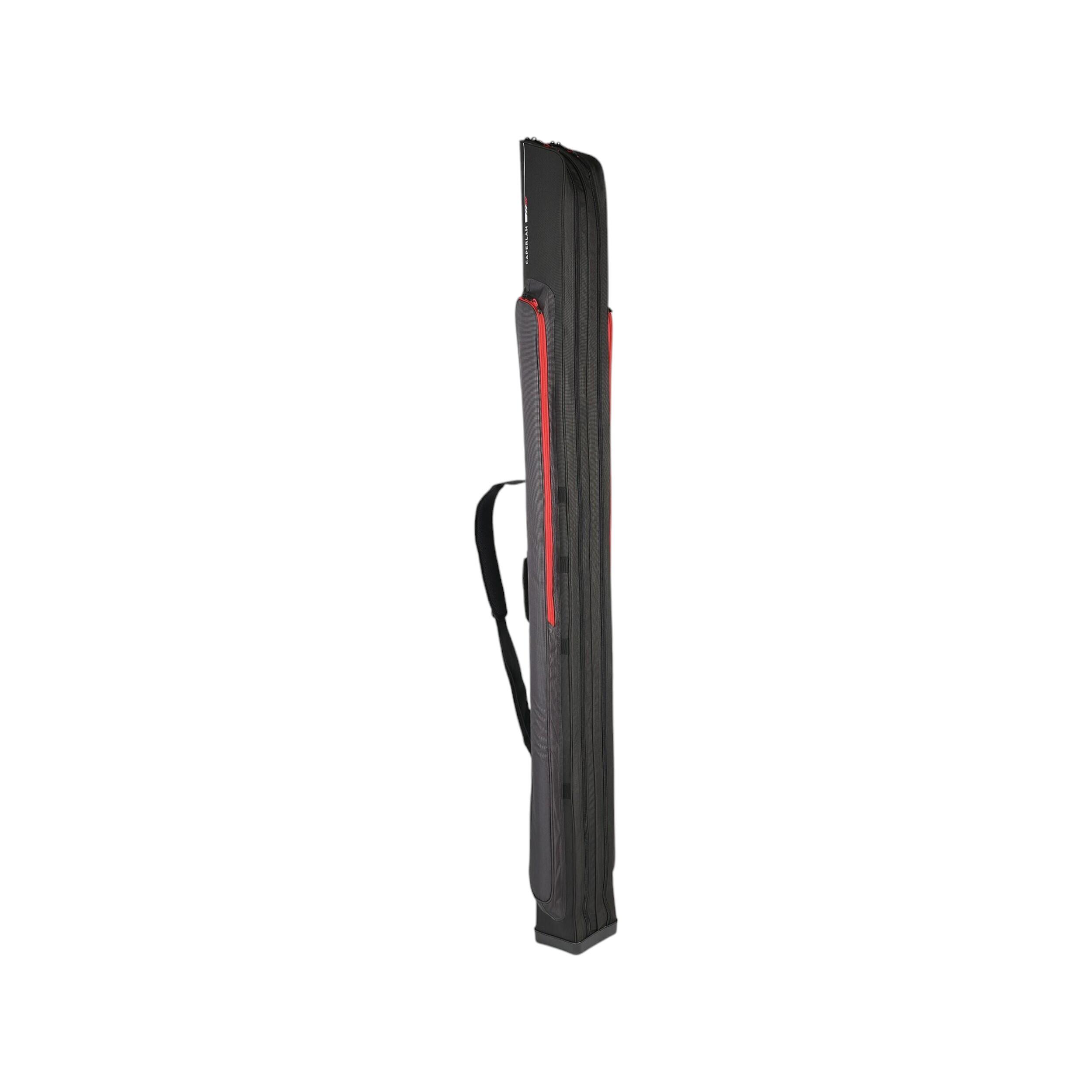
Keep prepared lines, floats, hooks and fish-handling equipment separated so small components are not damaged or tangled during transport. Keep rigged lines dry, and store floats in a protective box so their antennae cannot be crushed. Let landing-net mesh dry fully before packing it away and check the threaded connection between the handle and head before the next trip. Store bait patties away from moisture and use the best-before information on the packet as a freshness check. As your coarse fishing equipment grows, organise it by function rather than placing everything in one compartment. Keeping beginner rigs, baiting products and fish-handling tools easy to reach reduces setup time and helps you notice missing or damaged items before arriving at the water.