3 items
3 items
5/5 based on 7 reviews collected online and in stores

Chinese Pole Fishing Rods and Accessories FAQs

Which features should you consider in Chinese pole fishing rods and accessories?

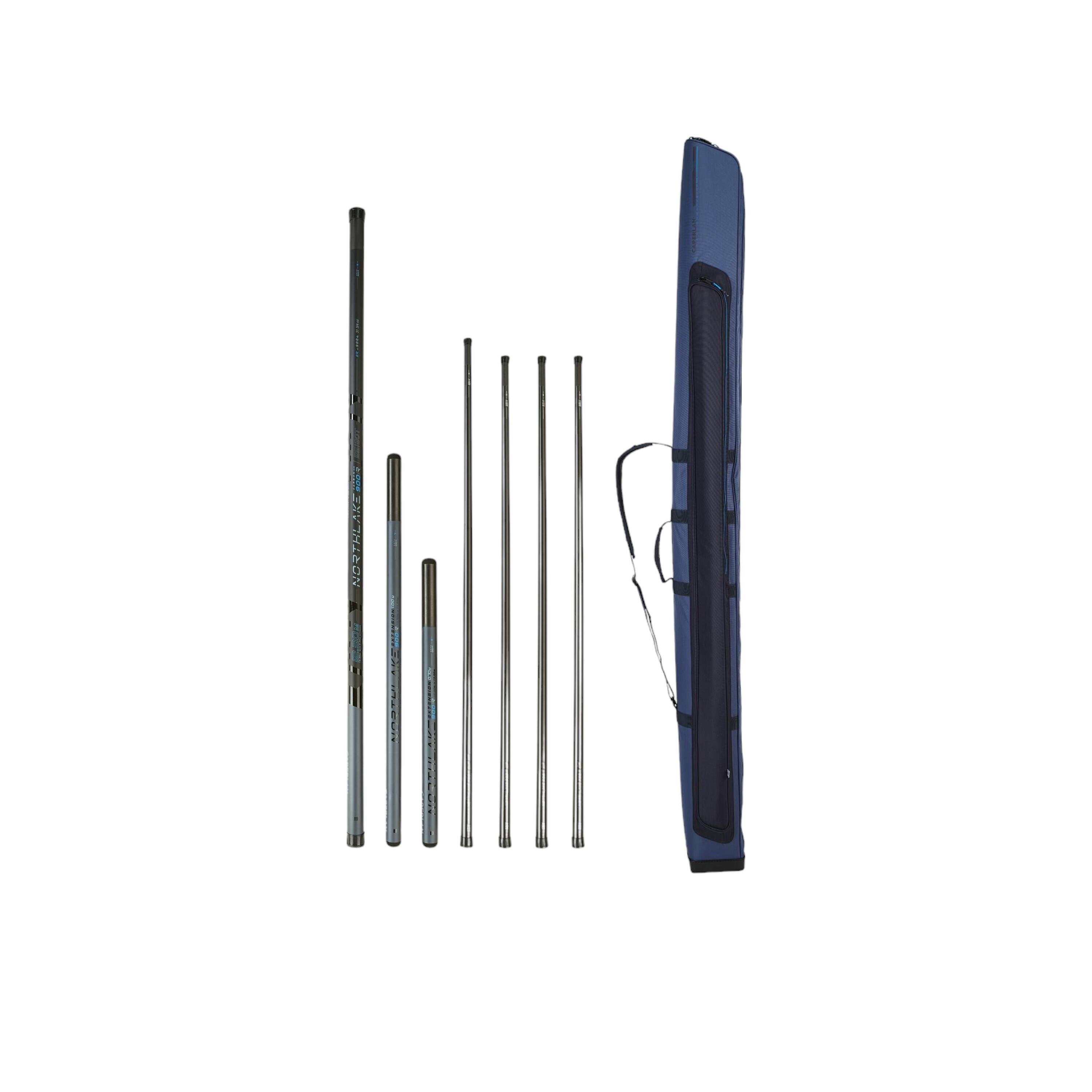
Start with the parts that affect rig control and station compatibility, because the current Caperlan range in this category is focused on floats and accessory adapters rather than complete rods. For still-water presentations, a sensitive float with a fine antenna can help you read small movements, while station accessories need to match the diameter and shape of the legs they attach to. The wider range of Chinese pole fishing accessories can help you build out the setup around the fishing position. Check how each component fits with your existing pole, line and station rather than buying by appearance alone, especially when CSB accessories may use different 19 mm, 25 mm or 36 mm fittings.

Which sensitive float works best for still-water pole fishing?

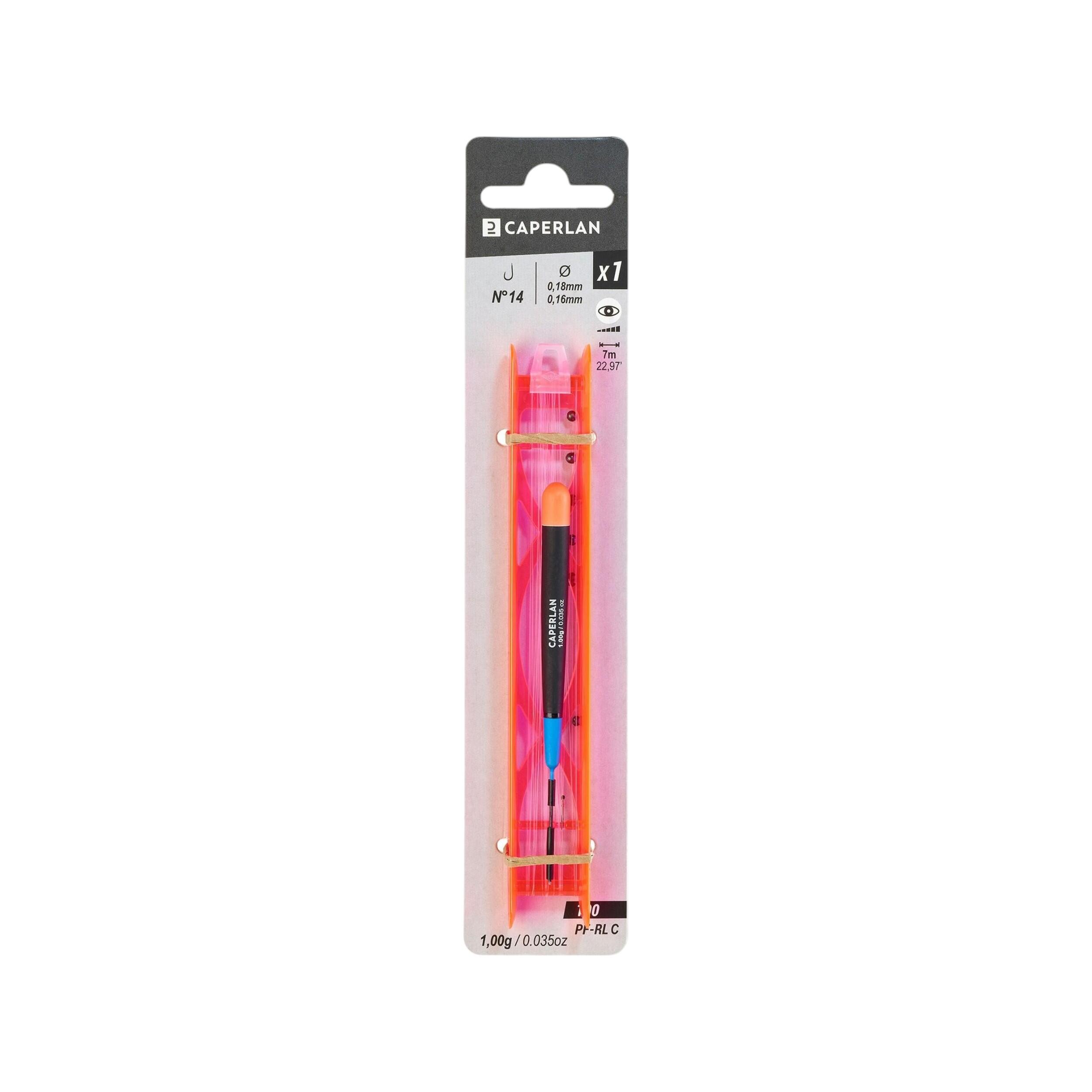
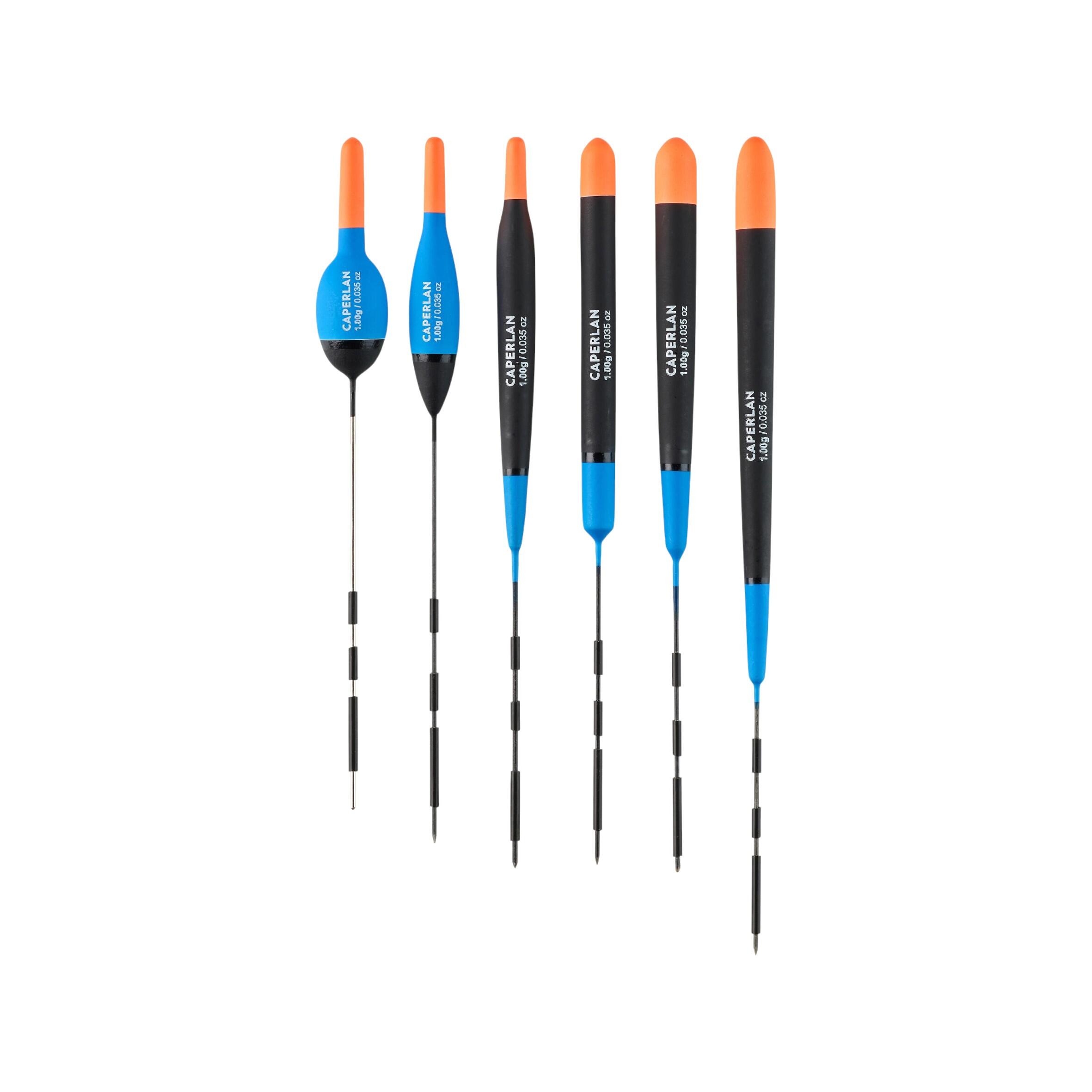
A lighter float can improve bite indication when the water is calm, but it still needs enough visibility and stability for the conditions. Caperlan's pole fishing floats set combines balsa bodies, slim fibreglass antennae and narrow stainless-steel stems across six weights from 0.2 g to 1.2 g. This lets you move gradually from a very fine presentation to a heavier setup without changing float family. Orange or yellow tips provide contrast against the water while retaining a finer profile than thick foam antennae. Start with the lightest float that remains stable and visible, then move up in weight if wind or weak current makes the rig difficult to control.

Why are different float weights useful in one pole fishing set?

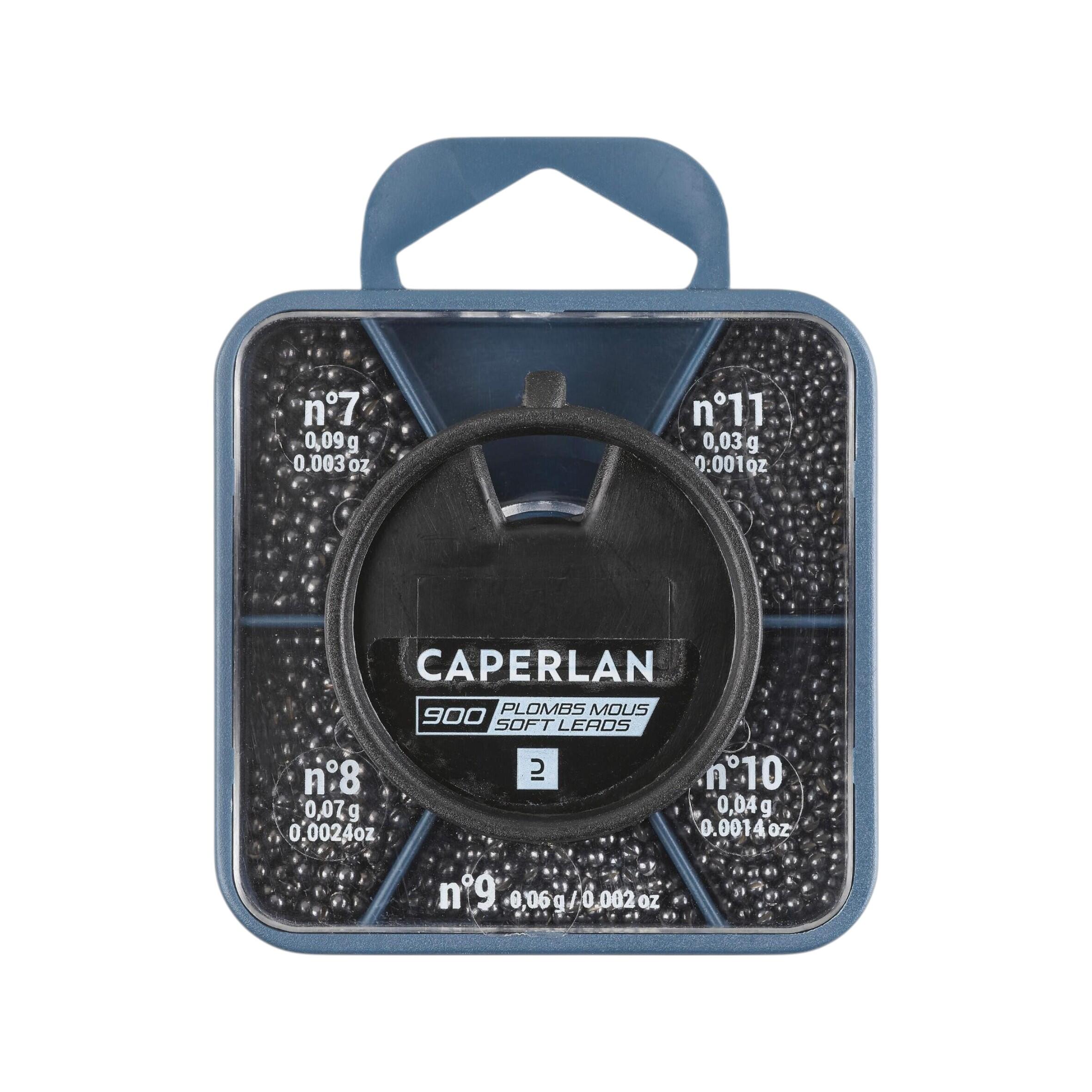
Depth, wind and water movement can change during a session, so having several float weights gives you a quicker way to adapt the rig. A 0.2 g float can suit very calm, shallow conditions, while heavier options offer more stability or help the rig settle more positively. Caperlan also changes stem and antenna dimensions as PF-F900 float weight increases rather than fitting identical components to every body. This makes weight selection part of the overall float design. Within a broader pole fishing setup, adjust sinkers and line together with the float rather than changing only one component. After any change, test how much antenna remains visible and how quickly the rig settles before you begin fishing again.

How are pole fishing adapter rings improve station compatibility?

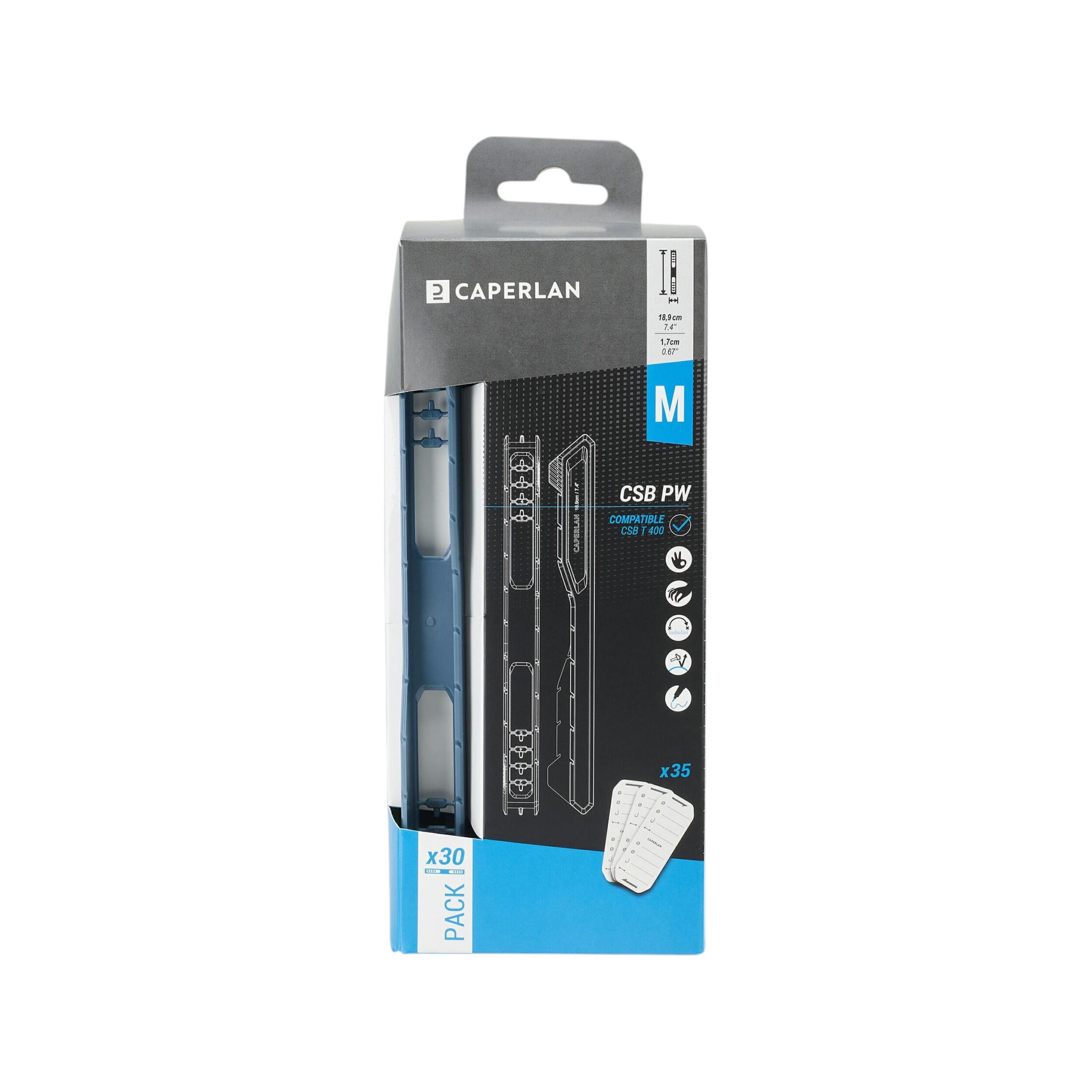
Adapter rings are useful when an accessory and the fishing-station leg use different diameters or profiles. Instead of replacing a working accessory, the adapter creates the correct interface so it can remain part of the setup. Caperlan's pole fishing adapter rings are intended to help CSB accessories work across 19 mm square, 25 mm and 36 mm round station formats. This compatibility is particularly useful if you change station models while keeping trays, supports or other attachments you already use. Check both the accessory fit and the leg diameter before assembly, and make sure the adapter sits fully in position before tightening the accessory so the connection isn't loaded unevenly.

What is the best way to store fine floats and station accessories after use?

Fine balsa floats need more protection than heavier foam models because slender fibreglass antennae and narrow metal stems can bend or break under pressure. Caperlan recommends storing PF-F900 floats in a box, with the supplied silicone tubing kept alongside them, so you can replace damaged attachment pieces before the next session. Station adapters should also be kept clean because grit around the fitting can interfere with how an accessory sits on the leg. When packing your wider coarse fishing equipment, separate delicate floats from heavier supports, banksticks and seat-box hardware. Let wet items dry before closing the tackle box, inspect the adapter for cracks or distortion, and replace a damaged small component rather than forcing it back into use.