5 items
4.6/5 based on 3007 reviews collected online and in stores

Saltwater Fishing Lines FAQs

What allows a Crystal Resist useful for longer-distance fishing?

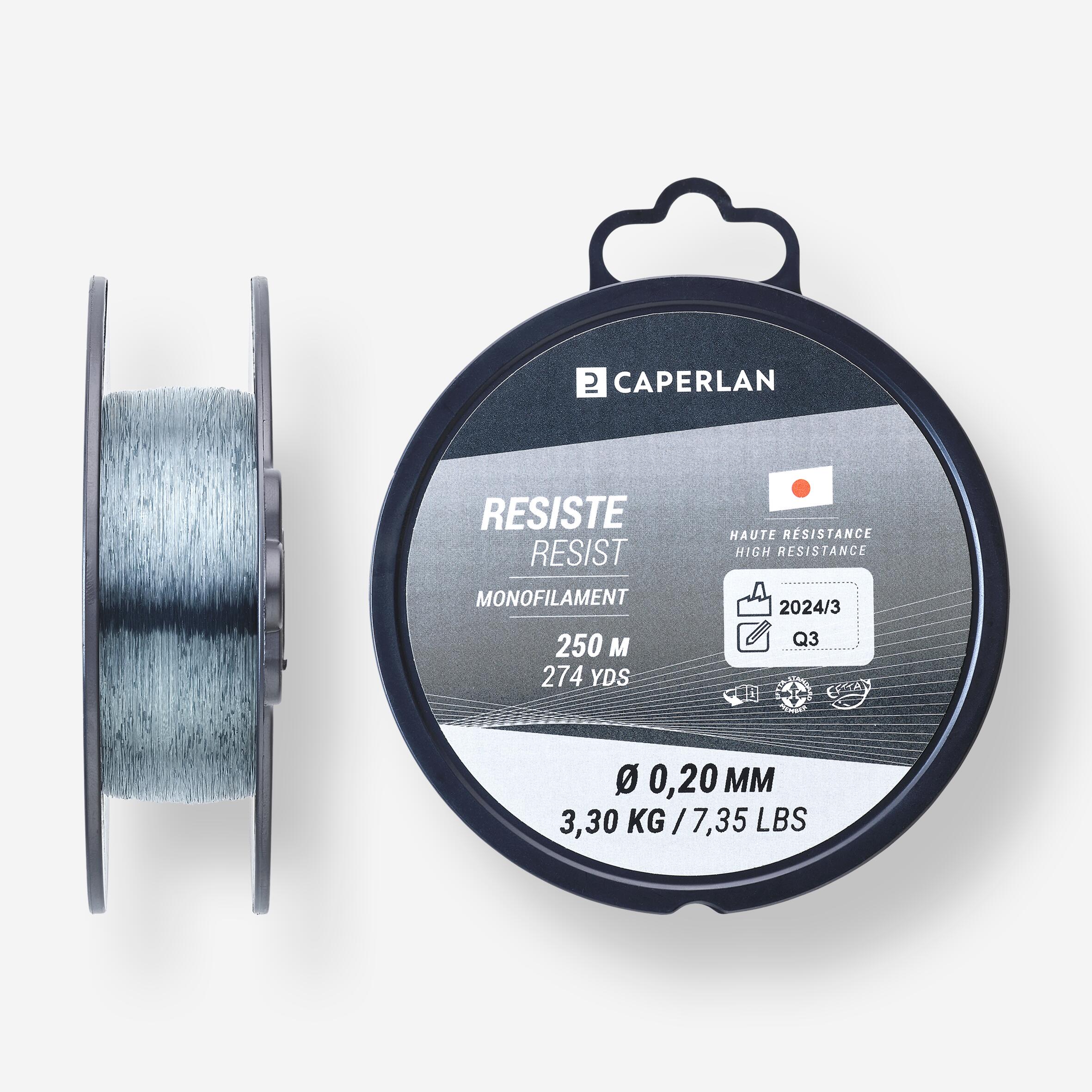
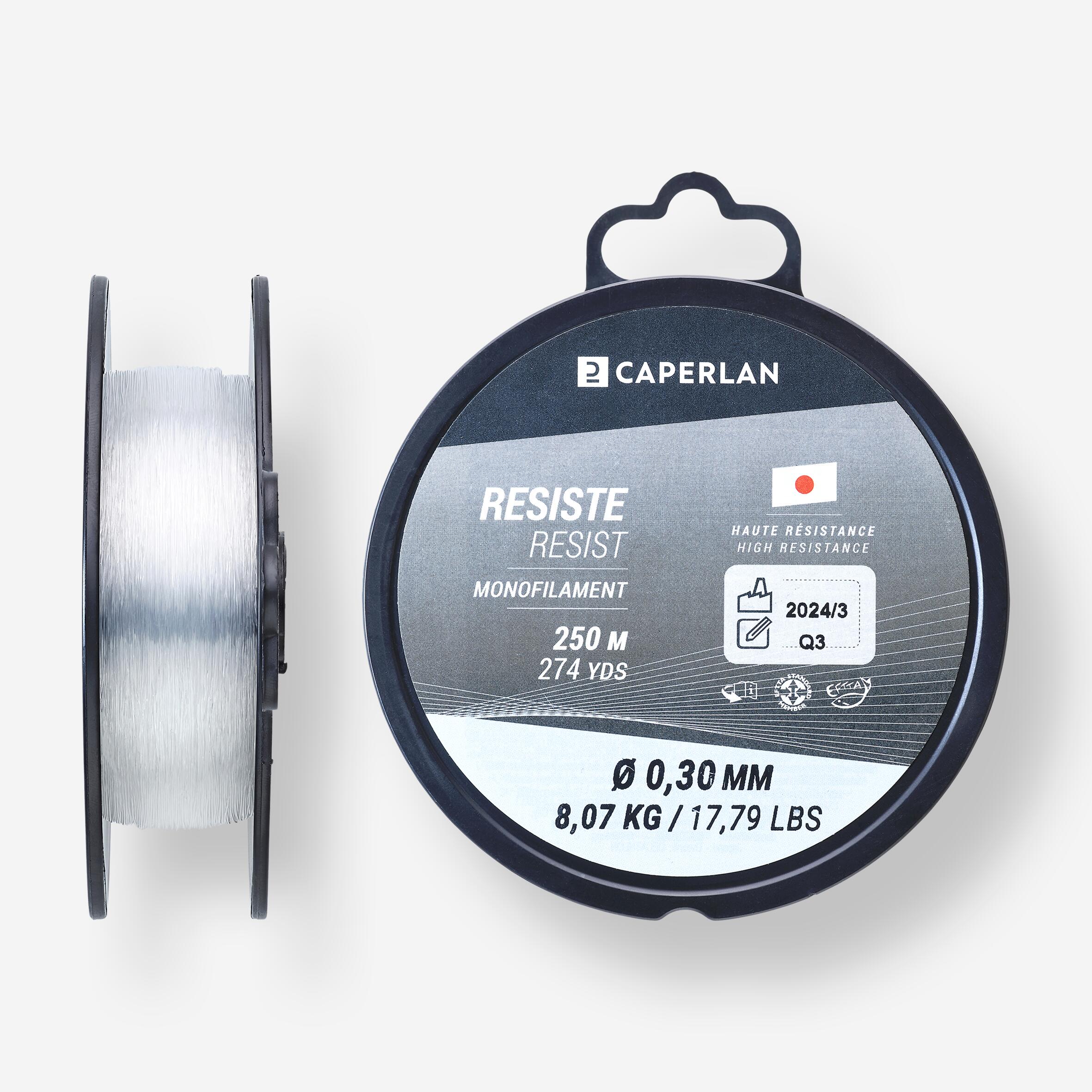
Line behaviour during casting can matter as much as breaking strength when you need to reach water farther from the shore. Caperlan's Crystal Resist saltwater fishing lines use 100% Japanese co-polymer with a fluorocarbon coating that improves glide. The transparent finish also keeps the line less visible underwater. Breaking resistance progresses from approximately 3.55 kg at 0.20 mm to 16 kg at 0.45 mm, with the figures on the spool complying with the EFTTA charter. TEAM CAPERLAN developed and tested Crystal Resist in Cestas, south-west France, and supplies it on a 250 m spool.

When can a softer fishing line help with powerful fish?

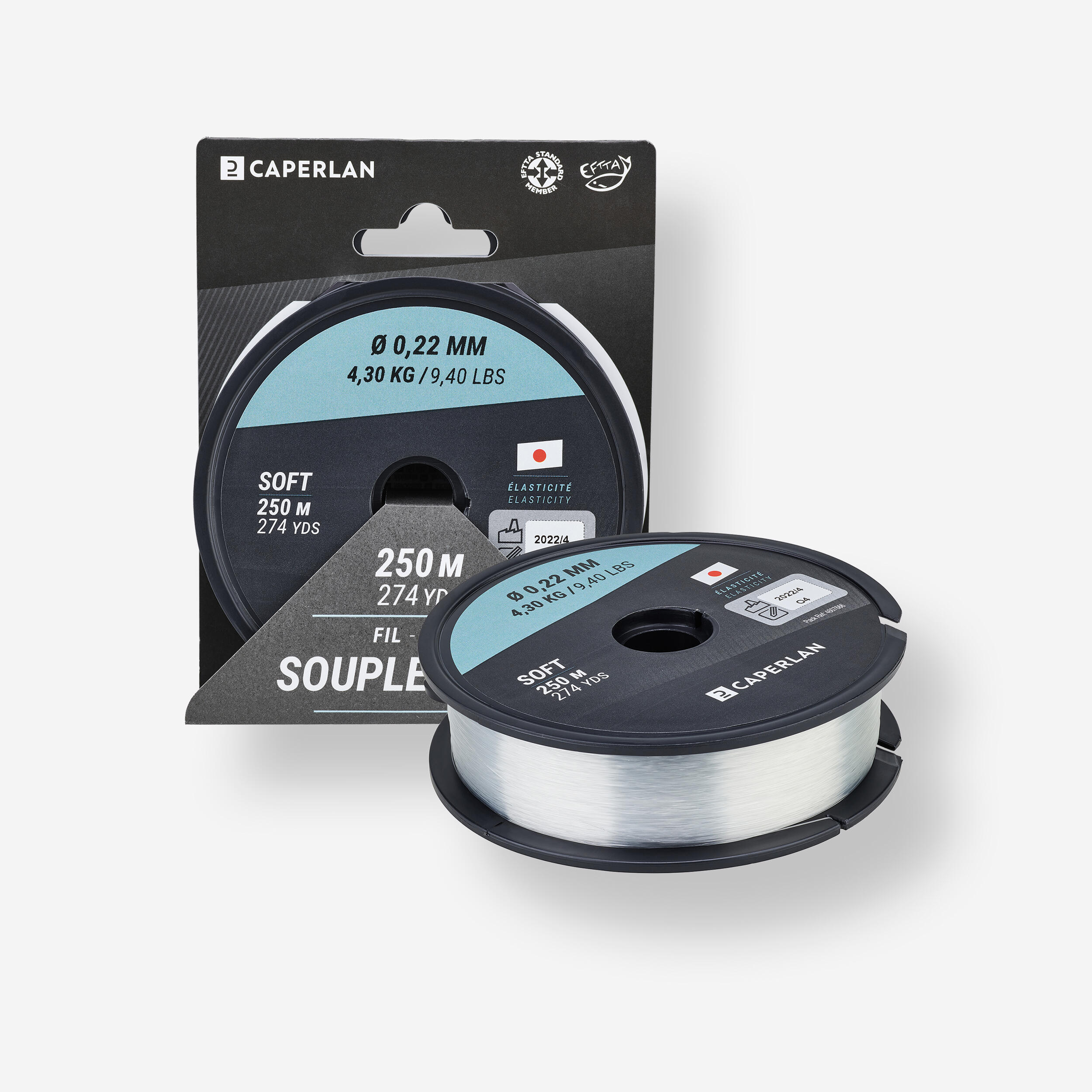
A more elastic monofilament can absorb sudden movement when a fish changes direction or puts extra pressure on the setup. RWY Soft Crystal prioritises suppleness and high elasticity for this reason, helping reduce the risk of the line breaking when stronger fish pull against it. These soft saltwater fishing lines use Japanese co-polymer and come with detailed diameter-to-strength figures, from approximately 3.10 kg at 18/100 to 13.55 kg at 40/100. Select the diameter around the fish, rig and fishing position rather than moving automatically to the thickest line, as added diameter also changes spool capacity and handling.

Why use a neon fishing line instead of a transparent one?

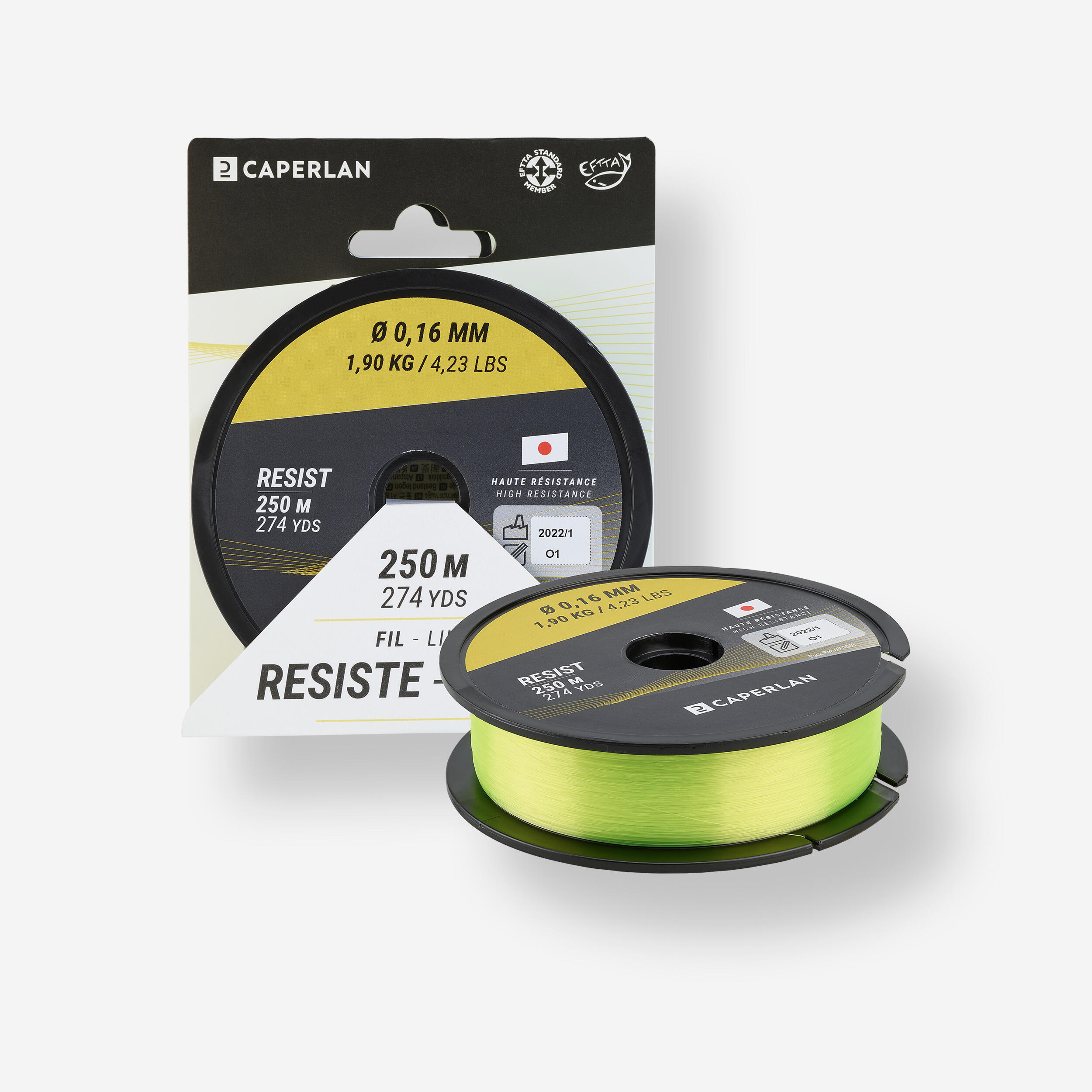
Visibility can help when you need to track where your main line sits during medium- or long-distance fishing. Caperlan's neon saltwater fishing lines take the opposite approach to transparent Crystal Resist by remaining easier for you to follow above the water. RFT Resist Neon uses 100% Japanese co-polymer with a fluorocarbon coating for improved glide and comes on a 250 m spool. Published EFTTA-compliant resistance runs from approximately 2.51 kg at 18/100 to 13.90 kg at 45/100. Store the spool away from light between sessions to protect it during longer periods off the water.

How do you match fishing-line diameter with your sea structure?

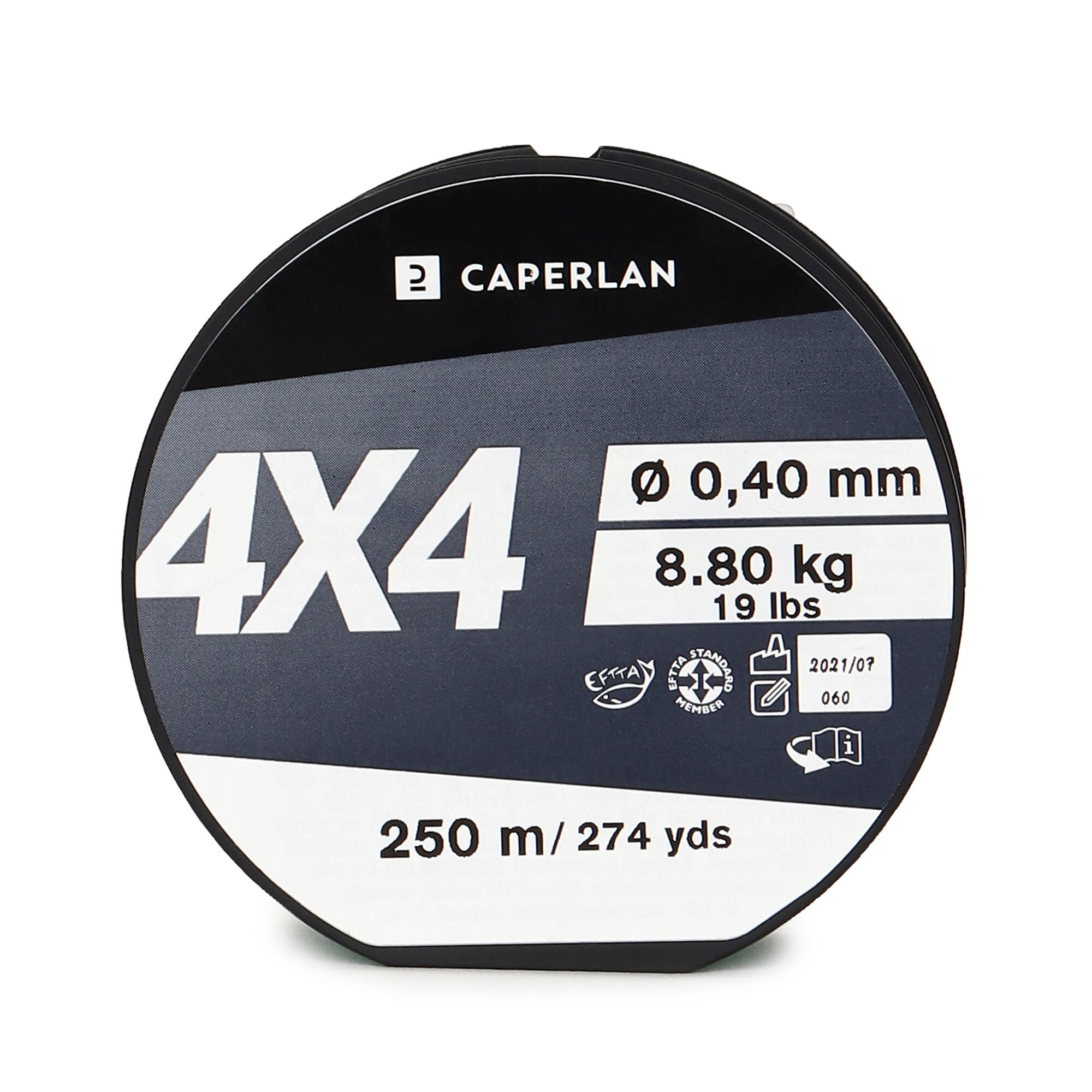
Start with the expected fish, casting distance and terminal tackle, then compare the published breaking strain at each diameter. A thinner line can provide greater spool capacity and a smaller profile, while a thicker option increases stated strength but occupies more space on the reel. Caperlan publishes EFTTA-compliant figures across its current saltwater fishing line options, making it easier to compare measurable resistance instead of relying only on labels such as strong or durable. The dedicated lines category currently contains five Caperlan products, with available characteristics including transparency, elasticity, neon visibility, grey colouring for rocky seabeds and approximately 30% stretch on 4X4 monofilament.

Which line characteristics are important for sea float fishing?

Float fishing asks the main line to work together with the reel, float, leader and hook, so line choice affects more than raw breaking strength. Softer or more elastic monofilament can absorb movement, visible line can help you follow longer setups, and transparent line can keep the section entering the water more discreet. When preparing for sea fishing with float, match the line diameter with the float weight and expected fish while keeping enough line on the reel for the fishing position. Caperlan also advises storing Crystal Resist, RWY Soft Crystal and RFT Resist Neon away from light, making a closed tackle box or fishing bag useful for protecting spare spools between sessions.