6 items
4.6/5 based on 463 reviews collected online and in stores

Sea Fishing Rods and Combos FAQs

How can a complete rod kit simplify your first sea fishing sessions?

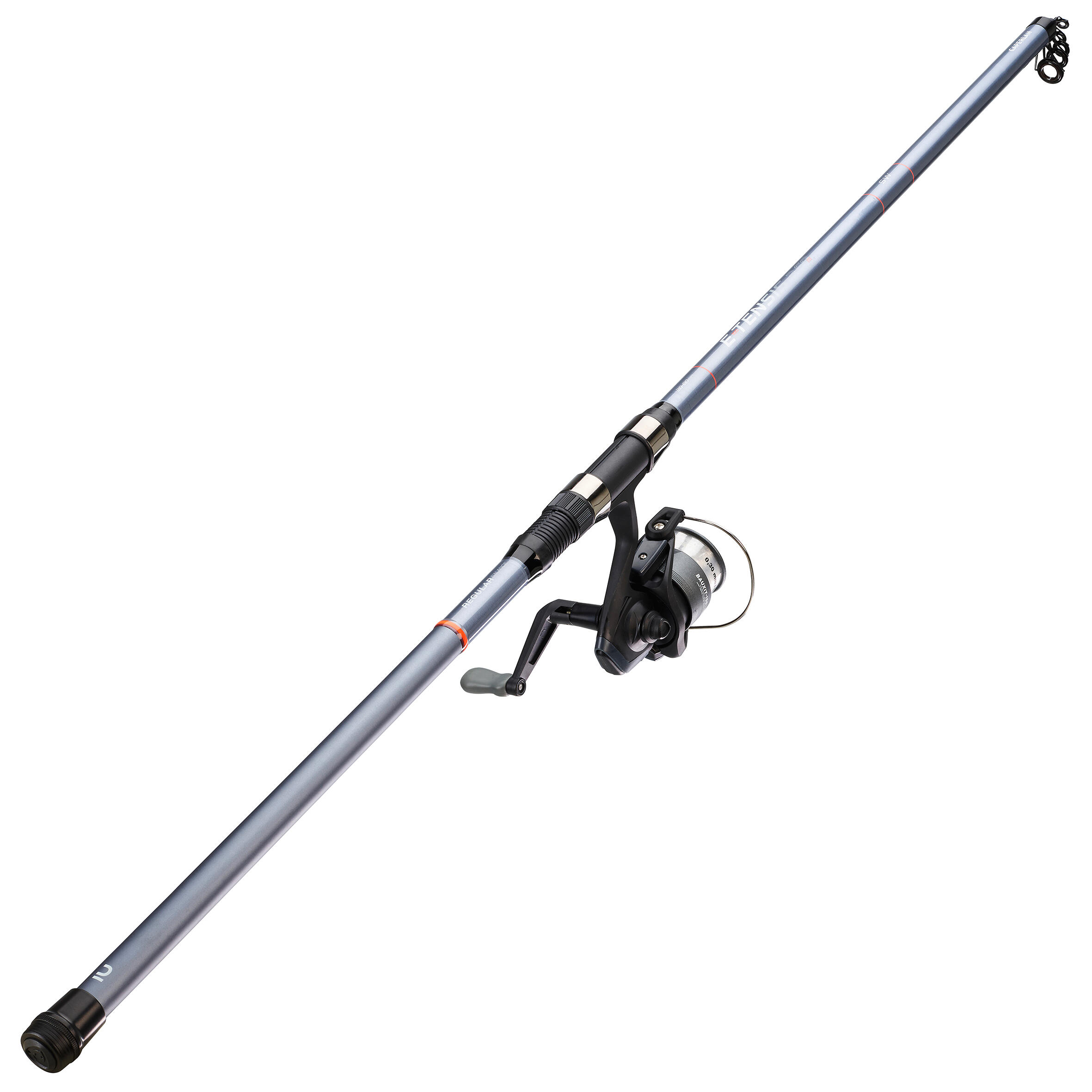
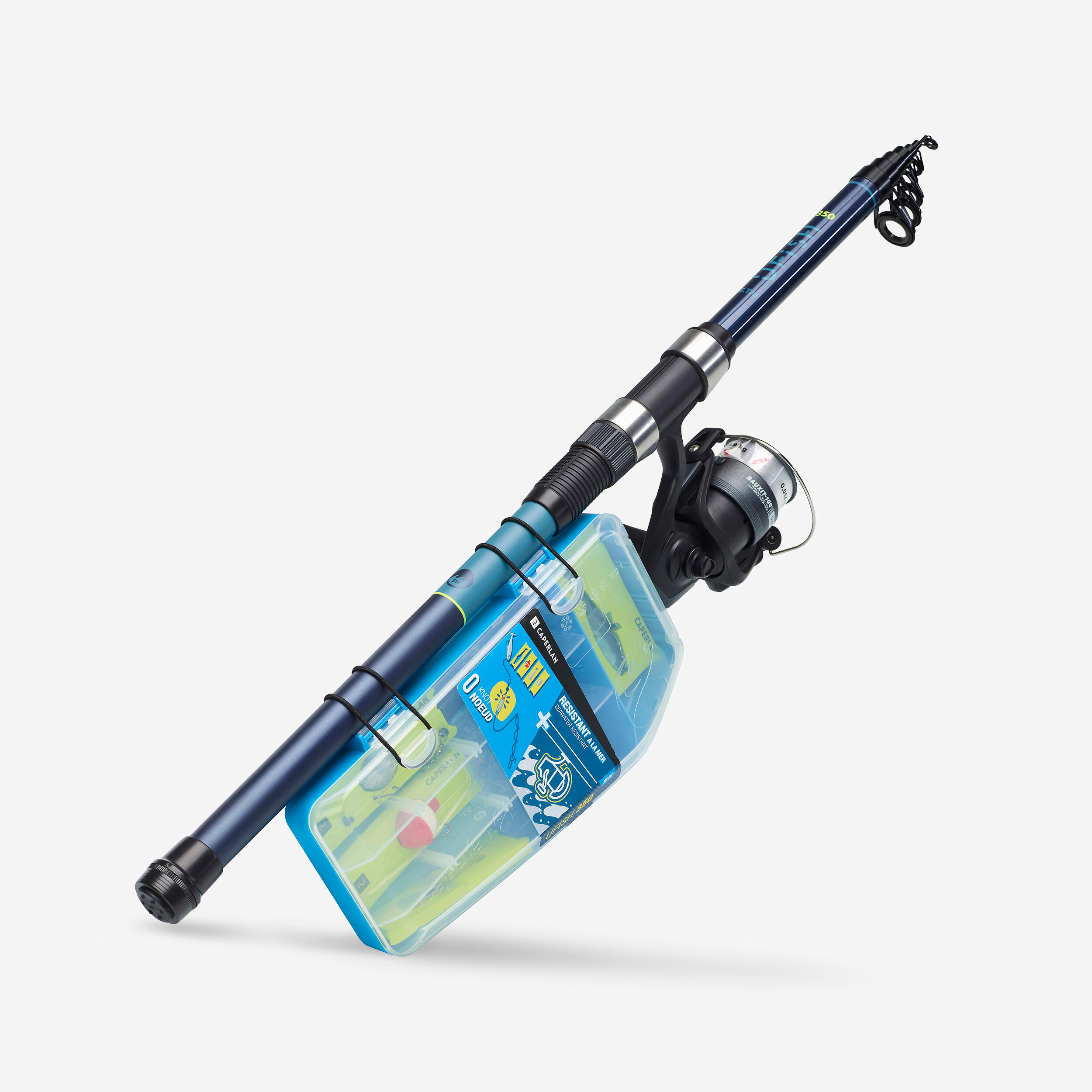
Starting with a matched rod, reel and line removes several compatibility decisions when you are learning how to set up and cast. Caperlan's sea fishing discovery rod kit uses the ETU system, including an ETU connector that lets you attach the supplied rig without tying a knot. The kit also contains four ready-to-fish sets covering shore, vertical, float and lure fishing. Its BAUXIT-100 SW 3000 reel comes with 120 m of 35/100 line, retrieves about 80 cm per crank turn and provides 4.5 kg of drag. Dry, ventilated storage helps protect the equipment between trips.

What makes a 4 m rod useful for sea float fishing?

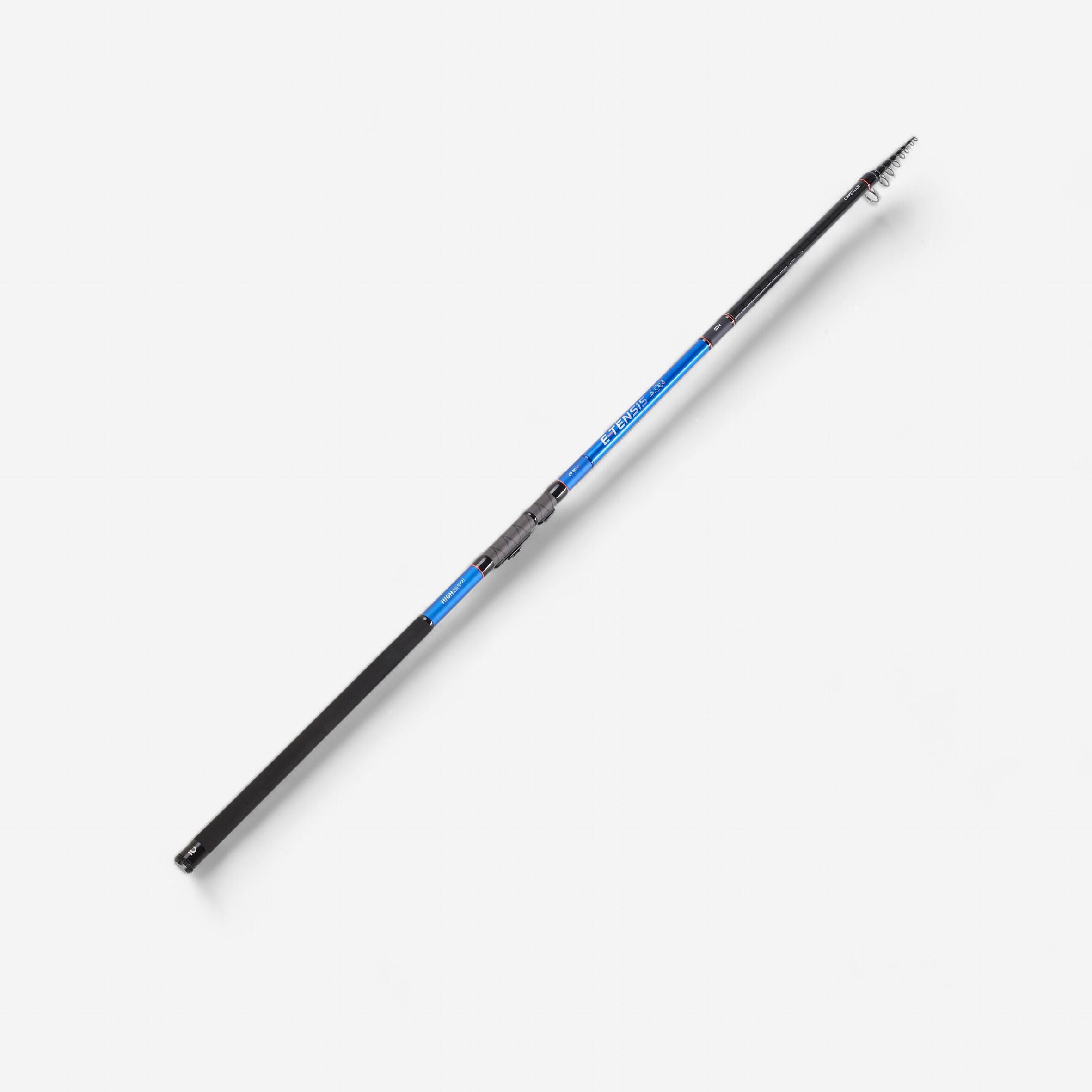
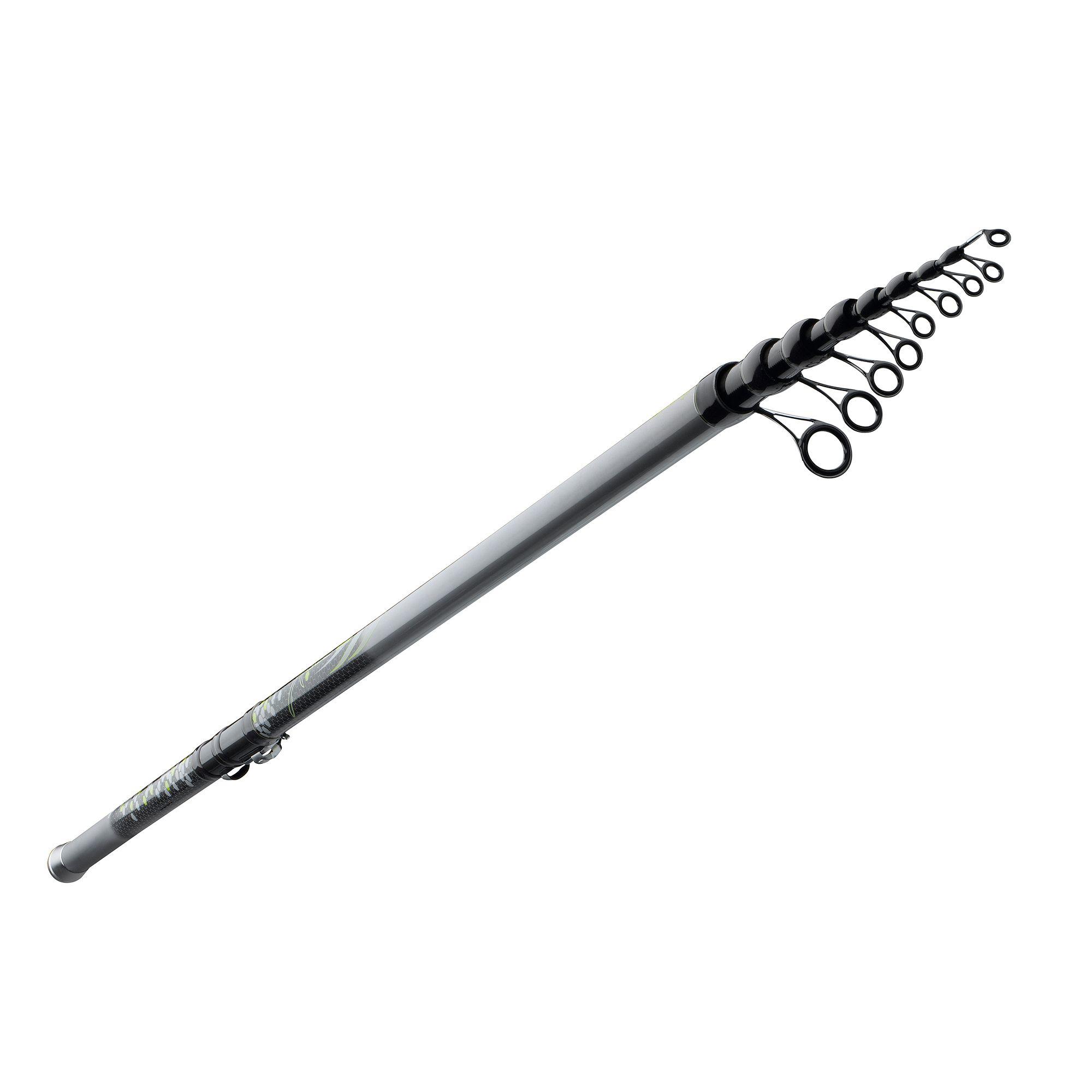
A longer rod can help you control a float from harbour walls, jetties and breakwaters while keeping more line clear of obstacles close to the shore. Caperlan's E'Tensis-5 400 uses a 4 m carbon-fibre blank with fast action and a casting capacity of 10 to 100 g. The recommended float weight for casting is around 30 g. These sea float fishing rods also use eight corrosion-resistant Seaguide Atlas guides and a non-slip grip. The rod breaks into four sections, packs to 1.40 m and weighs approximately 308 g, combining shore-fishing length with a more manageable transport format.

How do you match a reel with a longer saltwater rod?

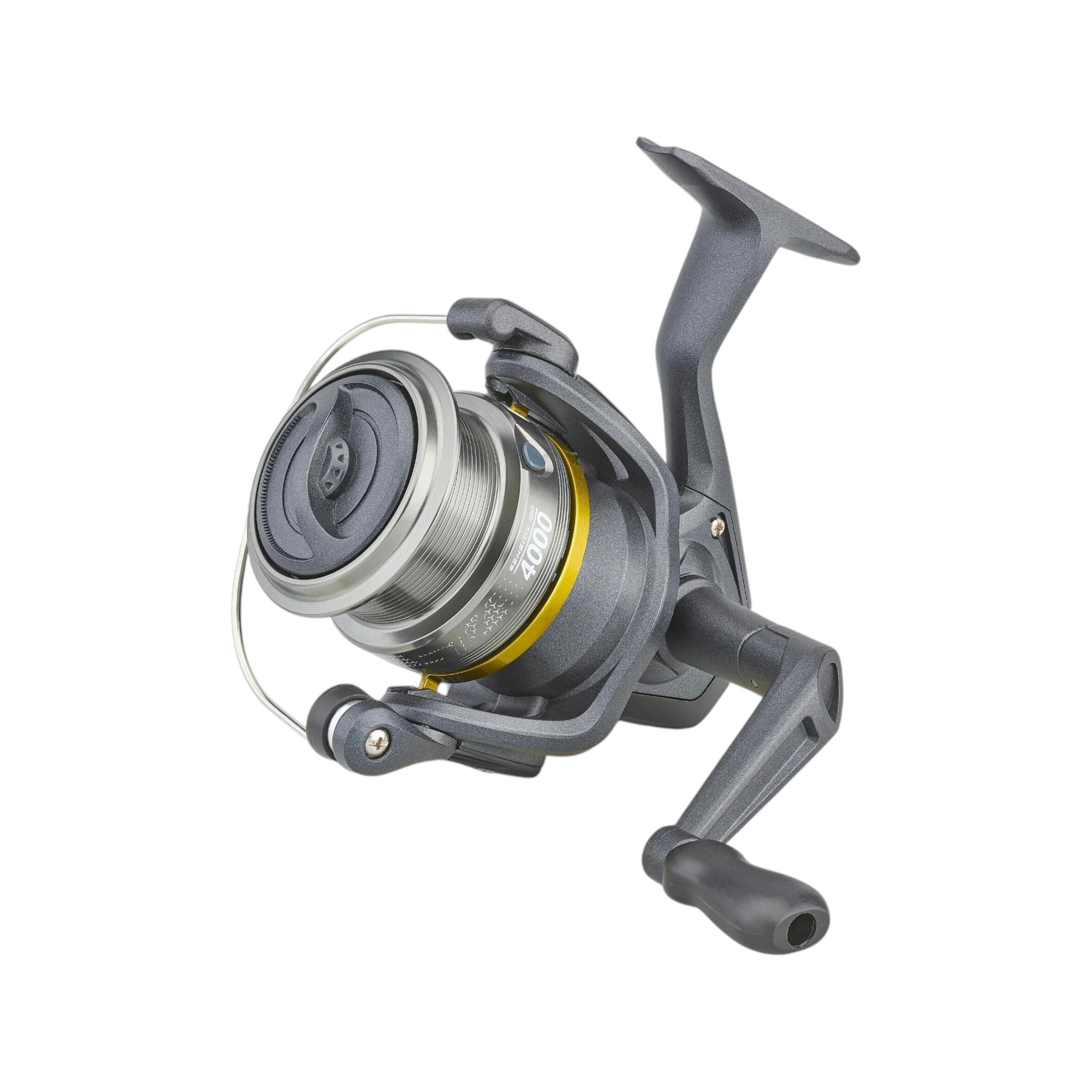
Reel size affects balance as well as spool capacity, so consider where the reel sits on the rod and how the complete setup feels in your hands. Caperlan recommends size 3000 to 4000 reels for the E'Tensis-5 400. Its named High Balance system places the reel seat at a specific position to improve balance with those reel sizes. When preparing for saltwater fishing, also match line diameter and reel capacity with the float, casting weight and expected fish. A larger reel is not automatically more suitable if it makes the complete rod feel unnecessarily heavy or changes how comfortably you can hold it during longer sessions.

Which casting weight works for sea float fishing?

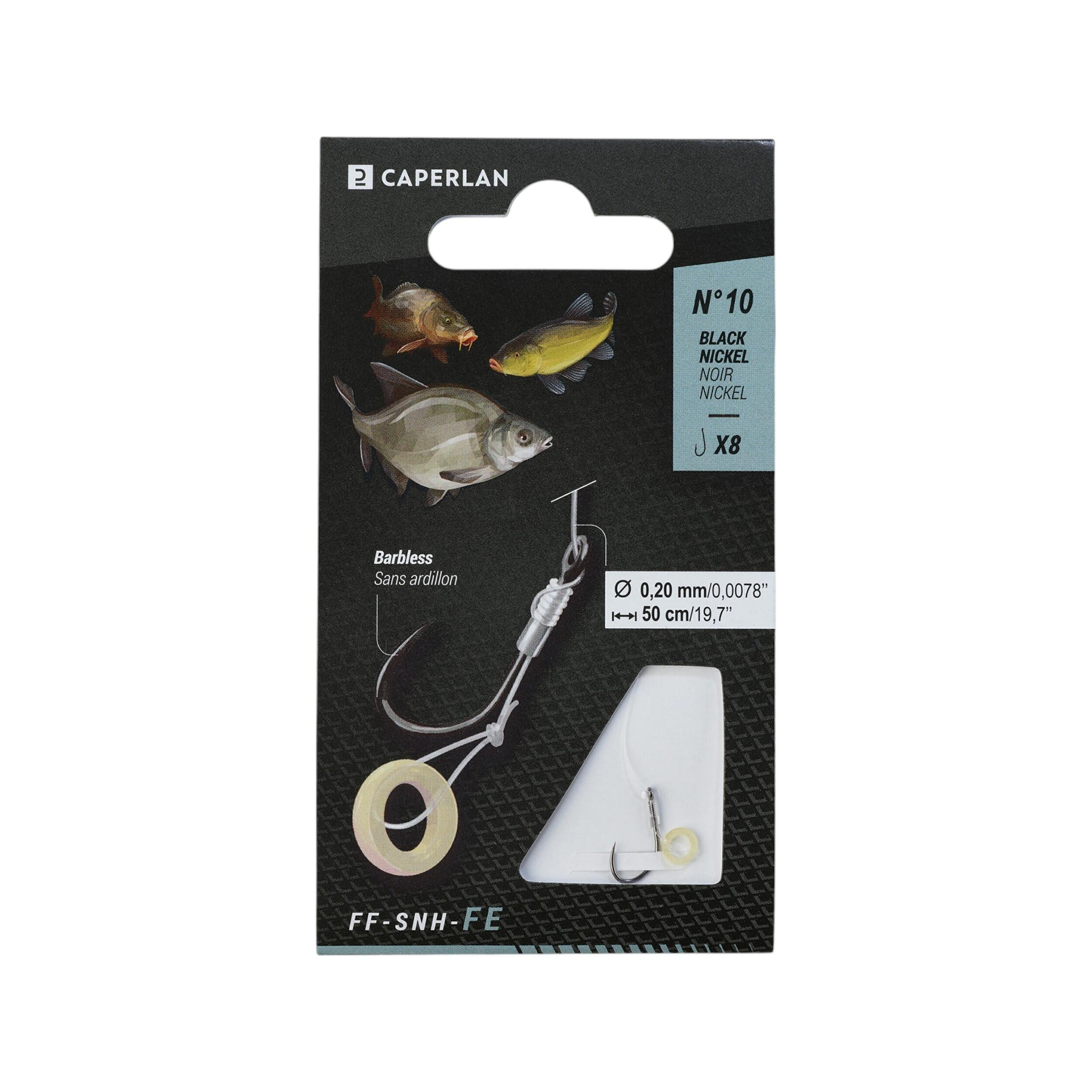
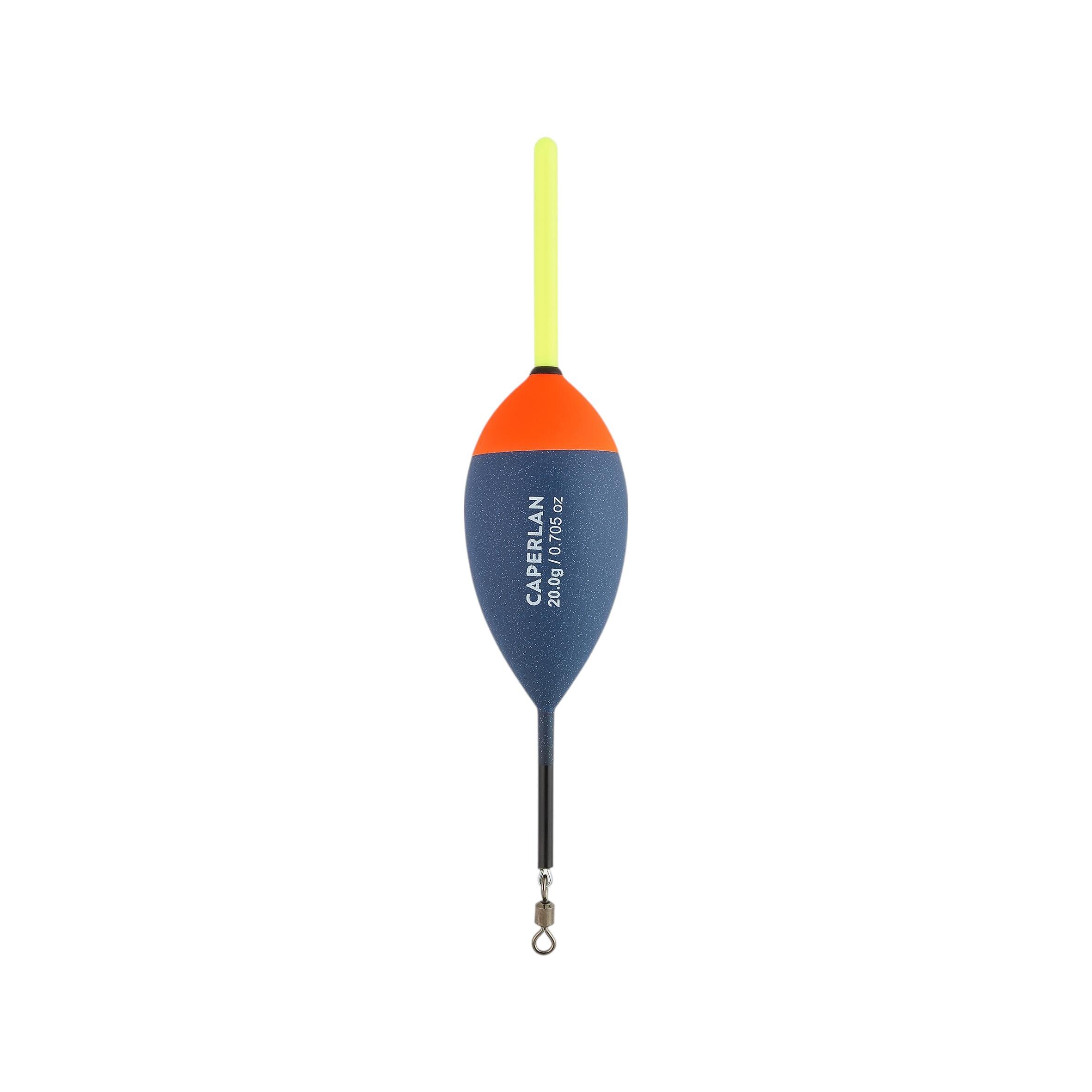
Use the rod's published casting limits as the starting point, then match the float and terminal rig within that capacity. The E'Tensis-5 400 handles rigs from 10 to 100 g, with Caperlan identifying approximately 30 g as the optimum float weight for casting. Its fast action and slender tip also support bite detection and hooking during shore float fishing. Equipment for sea fishing with float includes lines, floats, rigged lines and baits that need to work together with the rod rather than being selected separately. A balanced terminal setup keeps the rod within its casting limits while giving the float enough buoyancy for the bait and water conditions.

How do you protect a sea fishing rod between sessions?

Dry storage and regular inspection help keep guides, joints and reel fittings ready after repeated coastal use. Caperlan advises storing the Ufish Sea equipment somewhere dry and ventilated to reduce the risk of rust, while the E'Tensis-5 must not be used during storms. The Ufish kit also carries a warning against fishing close to power lines. The E'Tensis-5 adds a repairability benefit because its tip and guide-ring assembly can be ordered separately if that section breaks. Keep the rod protected from heavy sea fishing equipment during transport, inspect the guides for damage before threading the line and use a landing net rather than lifting heavier fish directly with the rod whenever practical.