8 items
3.8/5 based on 111 reviews collected online and in stores

Sea Fishing Groundbaits & Baits FAQs

How do you prepare groundbait for sea fishing?

Getting the water ratio right helps groundbait form into balls while still breaking down at the intended speed once it reaches the fishing area. Caperlan recommends mixing its sea fishing groundbait Gooster Sea at two parts groundbait to 0.75 parts water. Add three quarters of the required water first, mix thoroughly and leave the particles to absorb moisture for 15 minutes. Add the remaining water afterwards until you can form the mixture into balls. The crustacean version uses medium-sized particles and breaks down relatively quickly, helping distribute feed through the fishing area rather than remaining as one firm mass.

When can soft pellets be used as well as hookbait?

Soft pellets can reduce bait preparation because their texture lets you push them directly onto the hook. Caperlan's soft pellets for sea fishing use a dense 6 mm format that sinks for bottom fishing while gradually releasing oils in the water. The cheese version comes in a 150 g reusable container and has enough moisture to remain soft for direct hook mounting. Close the lid tightly after each session so the remaining pellets do not dry out. The best-before information on the container also gives you a simple way to monitor freshness before returning to the water.

What makes a beginner hookbait easier to use?

A compact, soft bait can make the first sessions simpler when you want to spend less time preparing natural bait. Caperlan's sea fishing hookbait uses a 6 mm sardine-flavoured pellet developed for anglers discovering fishing. Its dense texture lets it sink directly, while the softness makes it easier to mount onto the hook. The formulation includes oil, sea meal and sardine flavouring, and the pellet releases oils over several minutes after entering the water. Keep the reusable tub firmly closed once you finish baiting the hook, as Caperlan specifically advises protecting the remaining pellets from drying out.

How can groundbait consistency change your saltwater presentation techniques?

Not every groundbait needs to break down at the same speed. Caperlan's crustacean Gooster Sea mixture forms relatively loose balls that disperse quickly, while its squid version uses toasted breadcrumbs, cornmeal, PV1 and squid flour to create a stickier mixture. The squid formula is aimed at bottom-feeding sea fish such as bream and contains 10% squid meal. Caperlan also offers high-protein Gooster pellets based on fish meal and oil that can double as an ingredient for making paste. When planning a saltwater fishing session, consider where you want the feed to break down and how long you want it to remain concentrated around the fishing area.

How do you pair bait with a sea float setup?

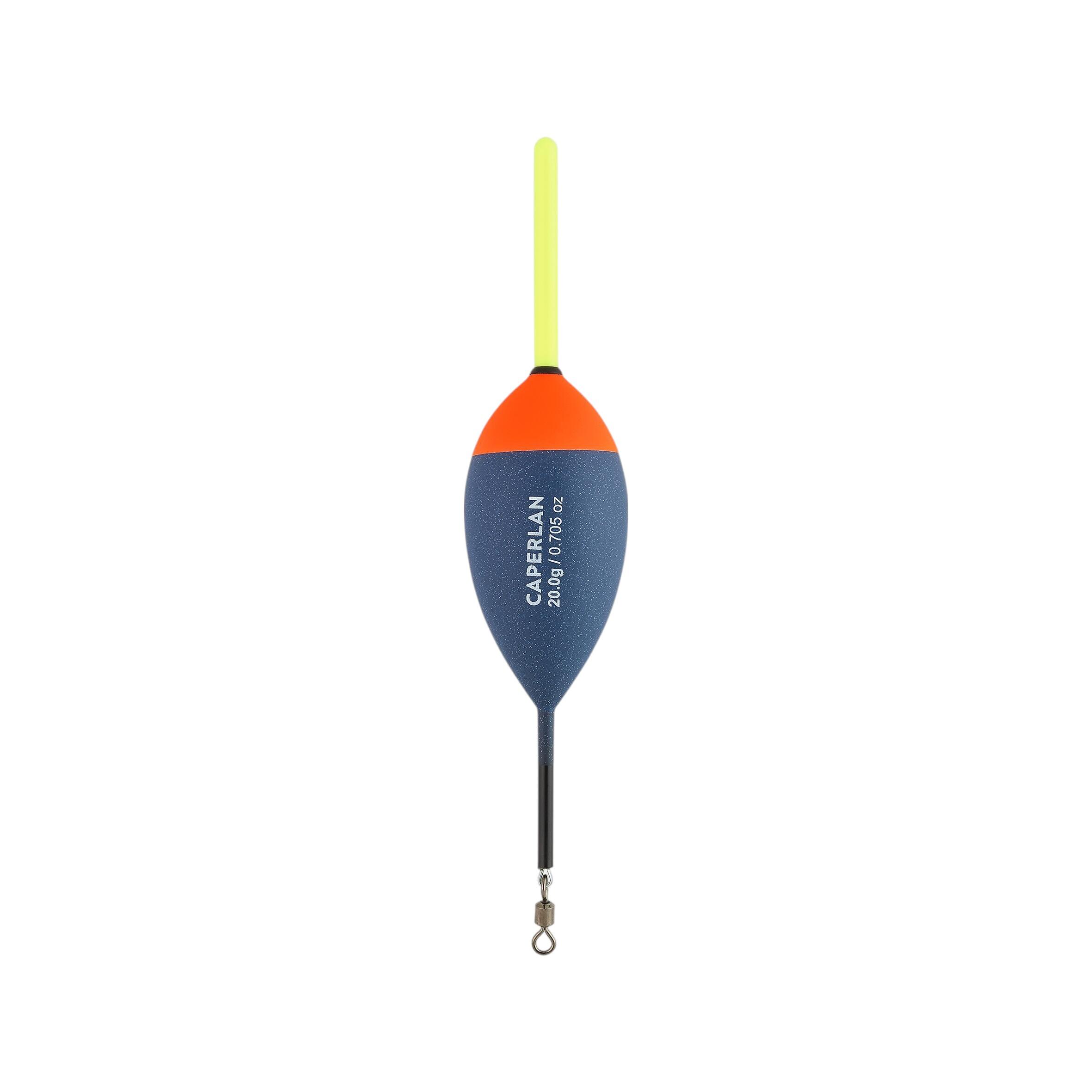
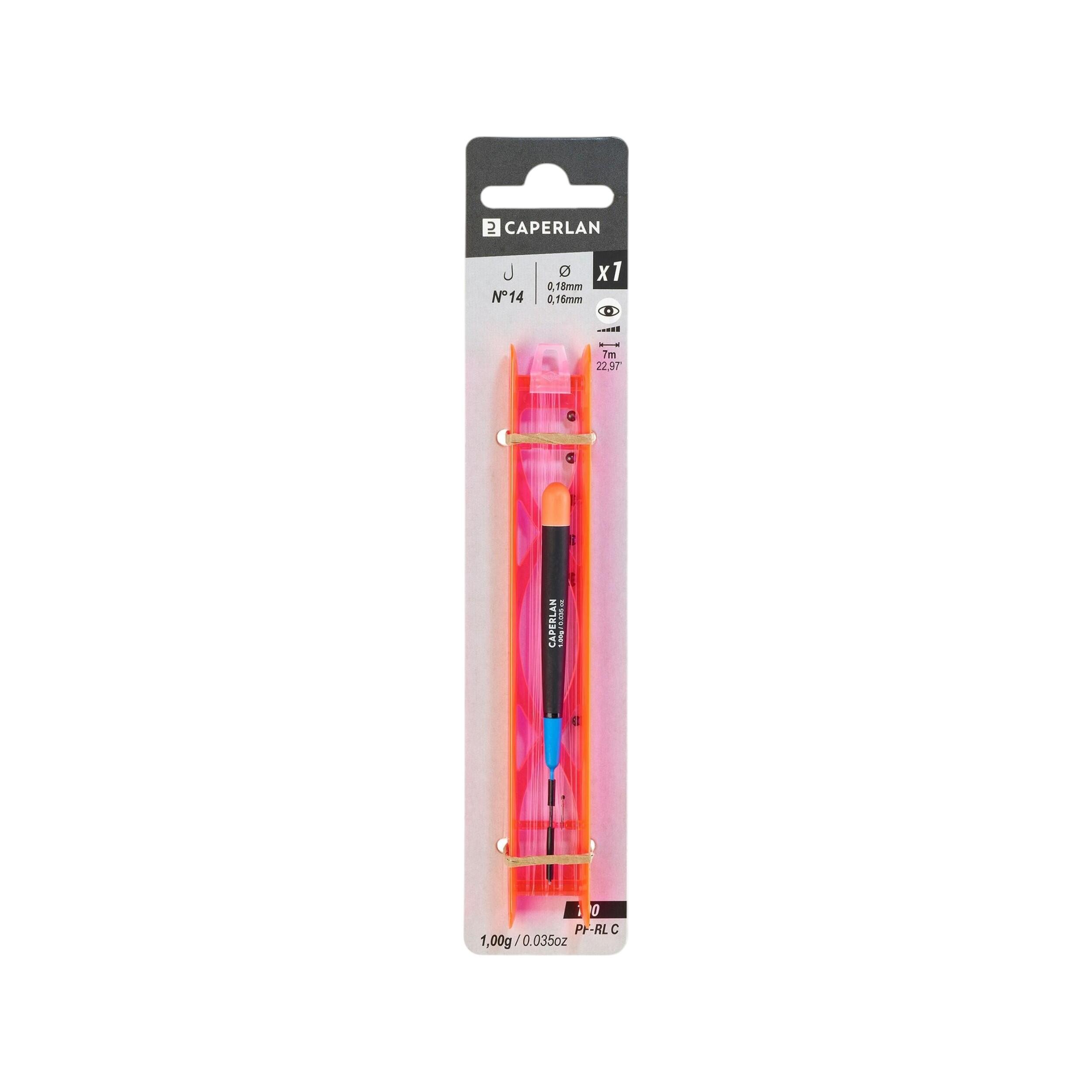
Match the bait with the hook, float buoyancy and fishing depth rather than treating it as a separate part of the rig. A small 6 mm soft pellet keeps hook preparation compact, while larger or heavier bait may need more float buoyancy to maintain the intended presentation. Groundbait can attract fish into the area while the hookbait provides the individual target around the hook. Caperlan's current sea fishing with float selection brings together soft pellets, groundbait, floats and ready-rigged lines for this type of setup. Keep unused groundbait cool and dry, and close soft-pellet tubs firmly after use so the bait remains ready for another session.