15 items
4.4/5 based on 617 reviews collected online and in stores

Sea Fishing Floats FAQs

When does a sliding float help with sea fishing?

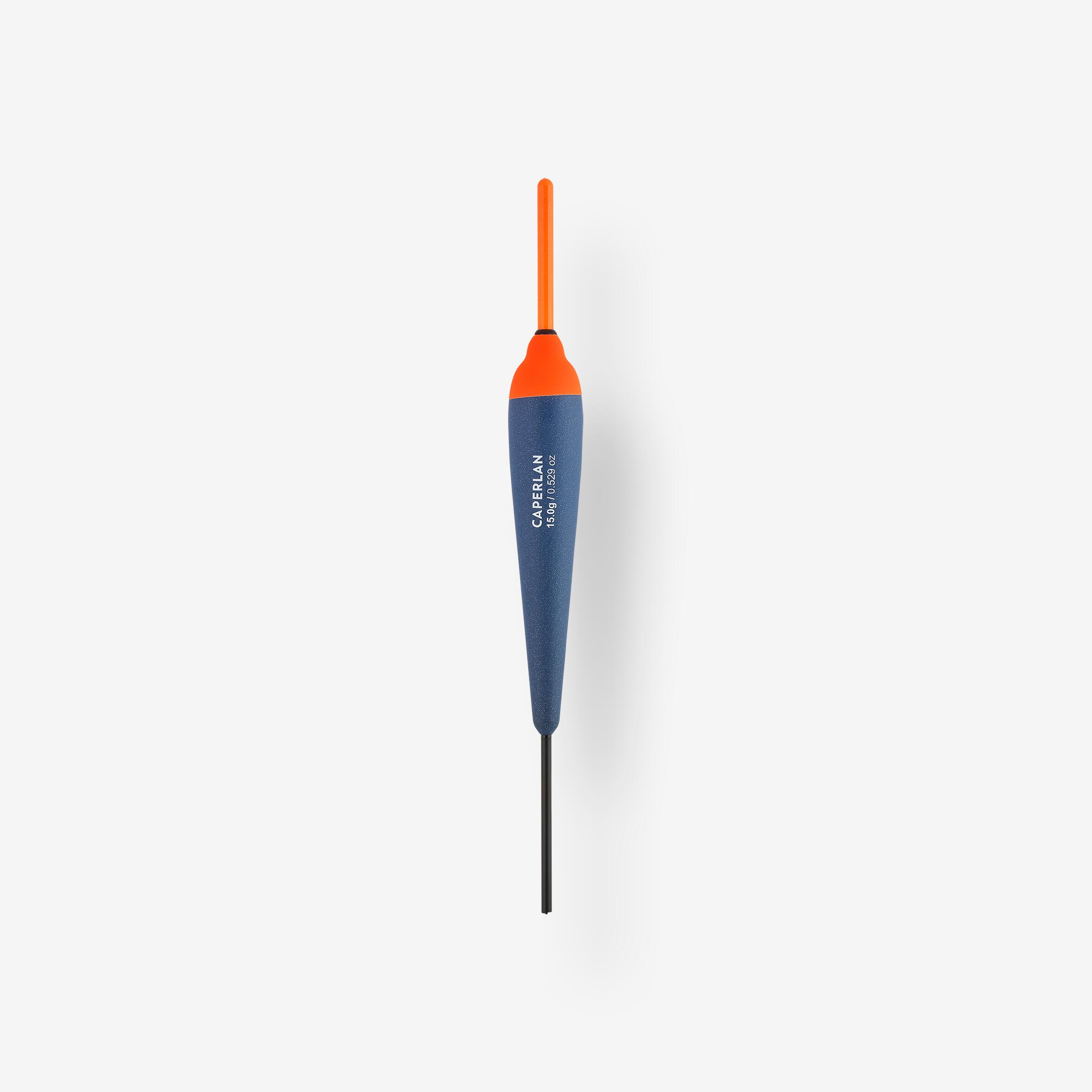
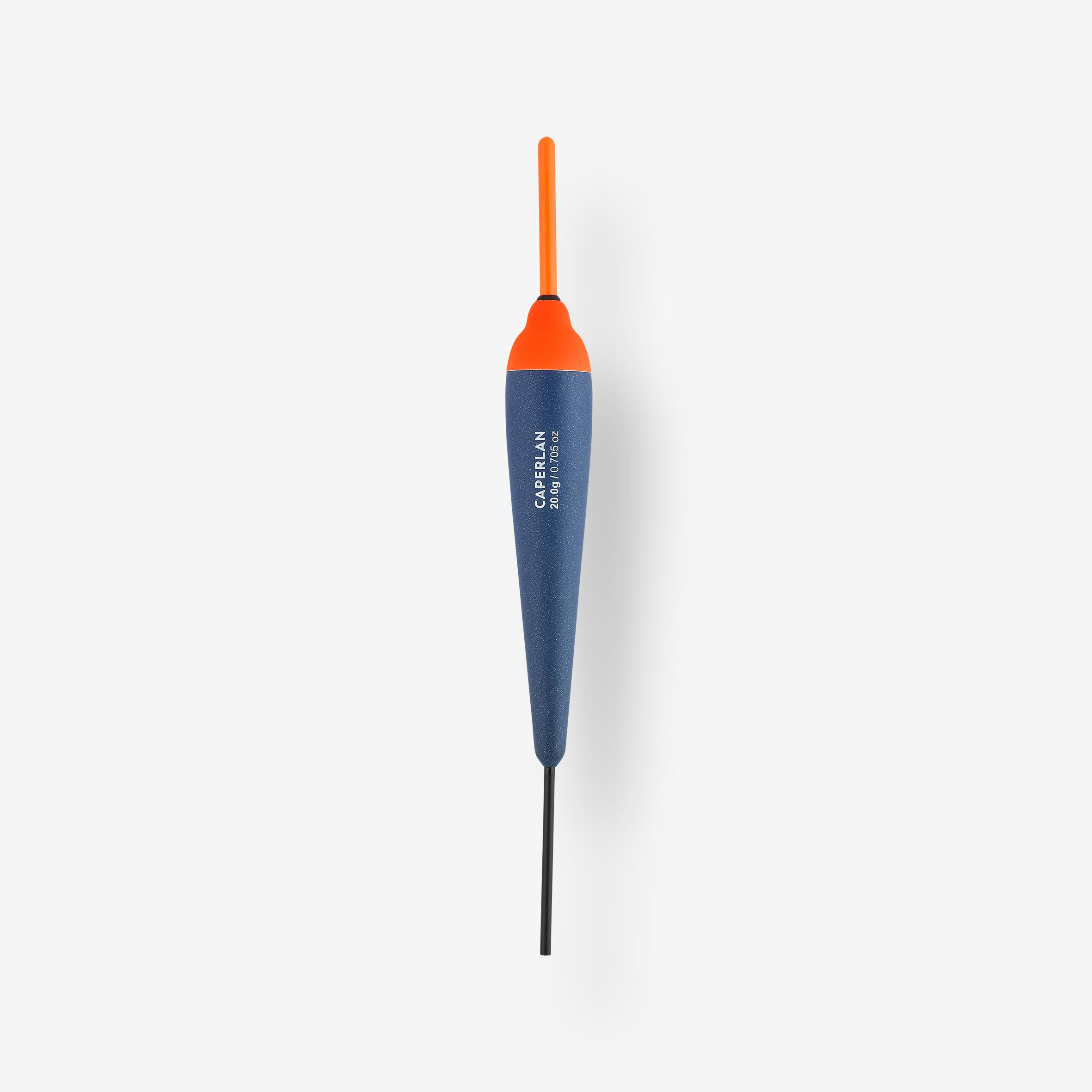
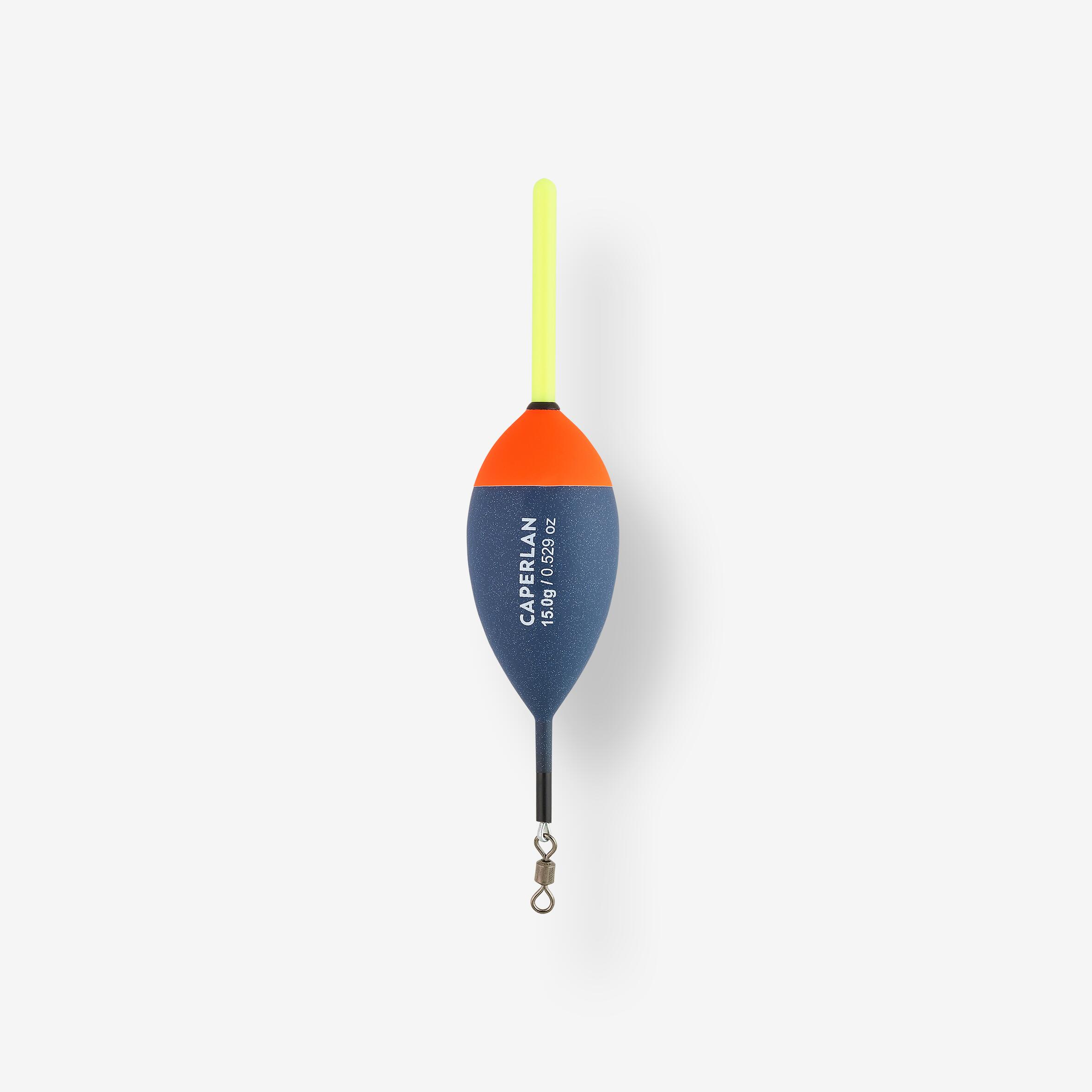
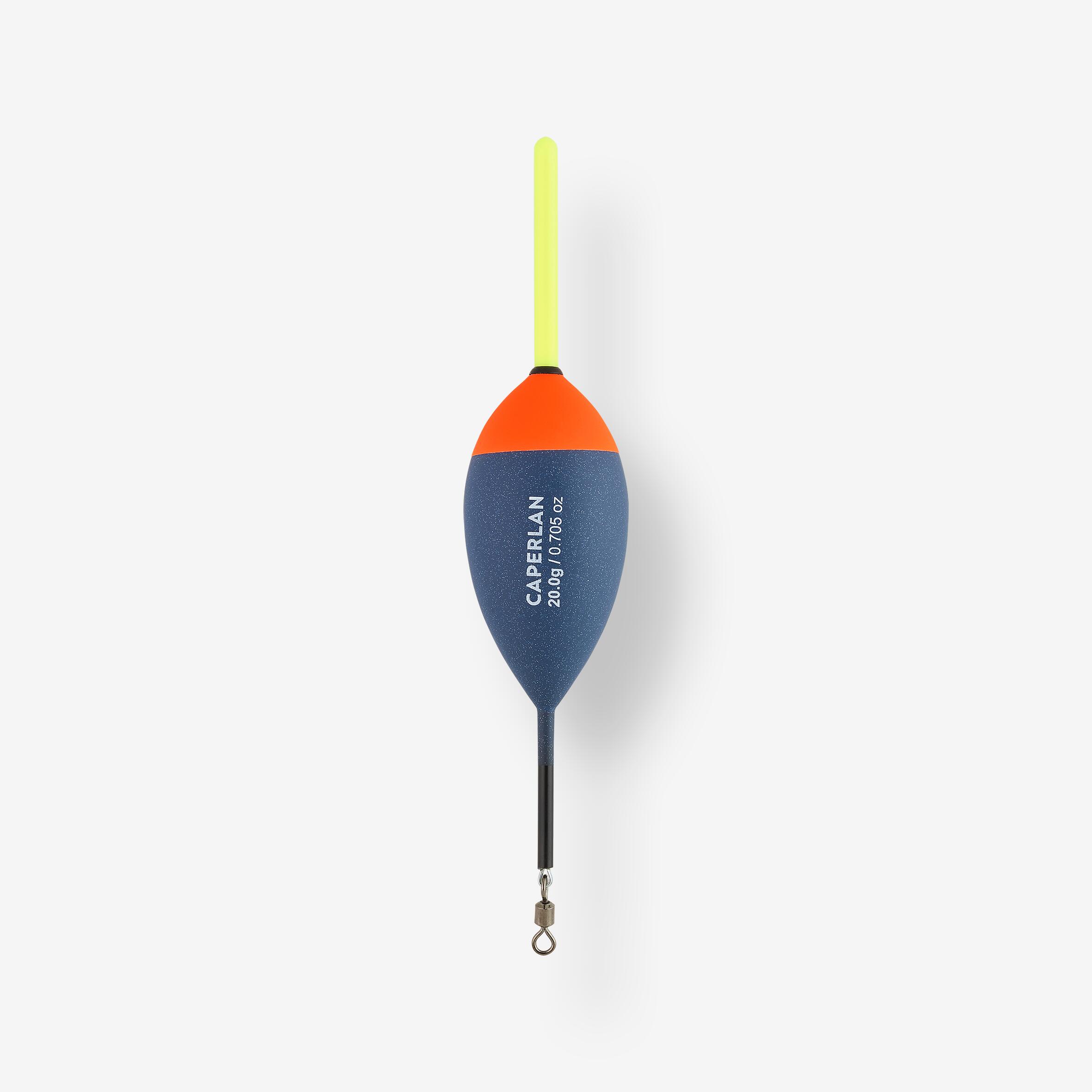
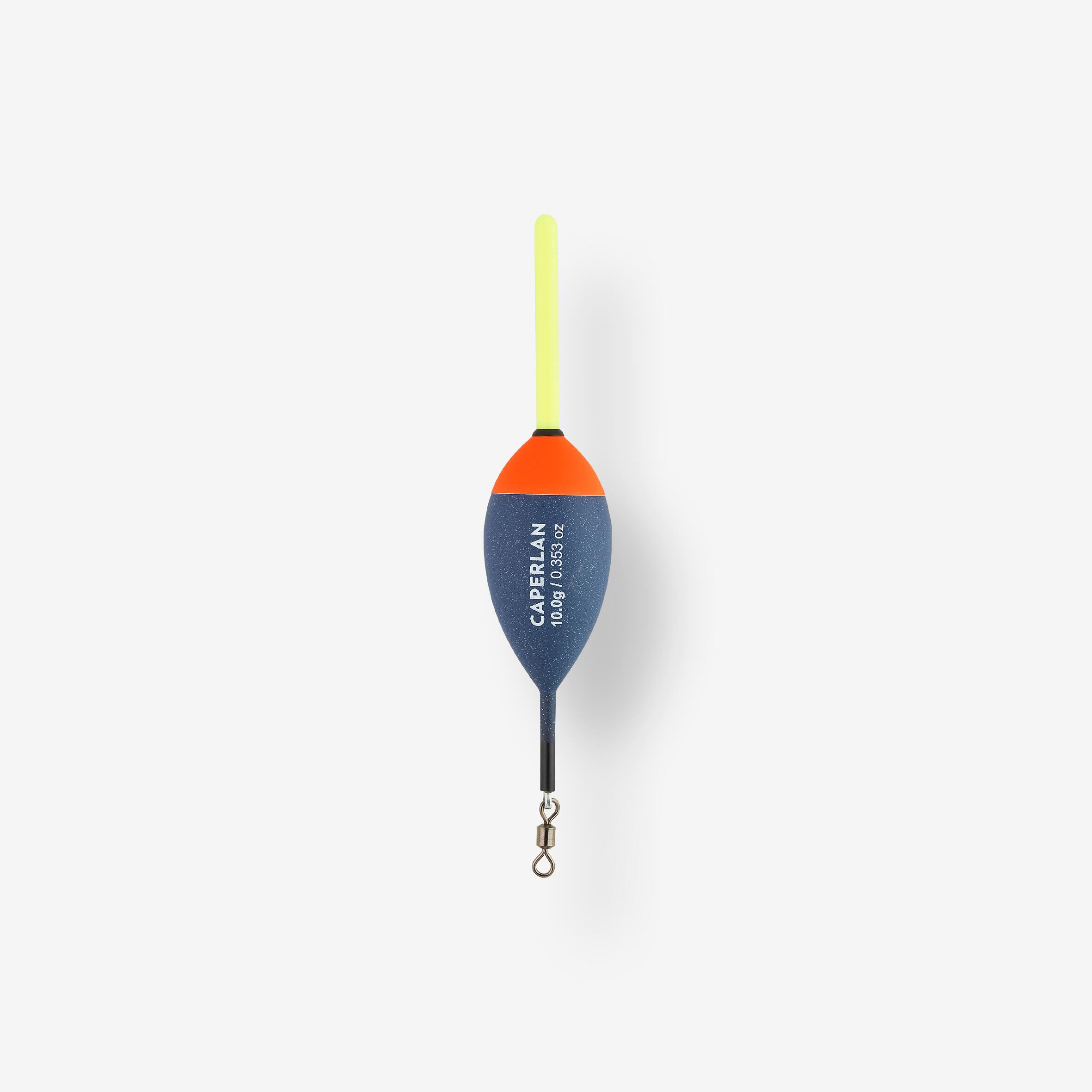
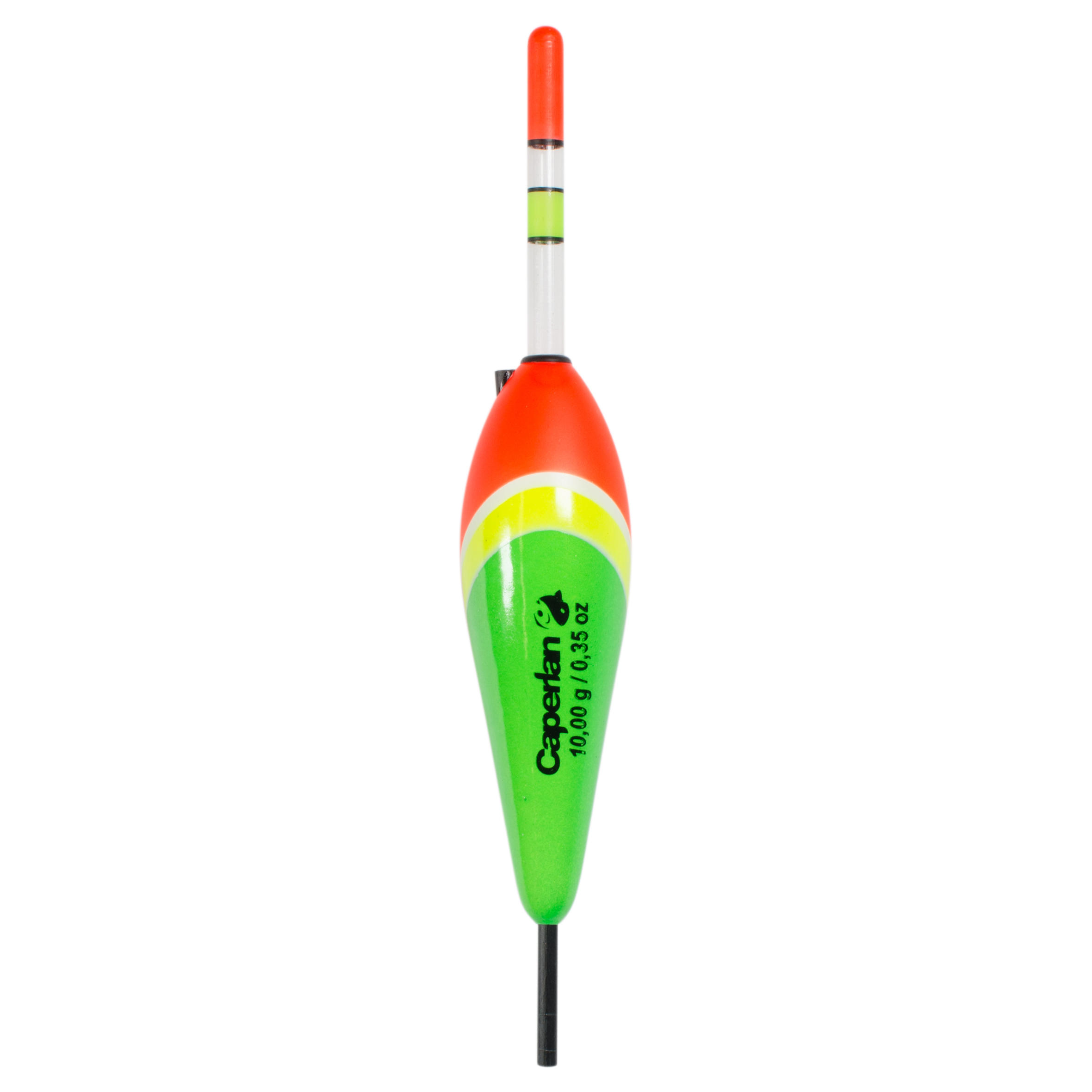
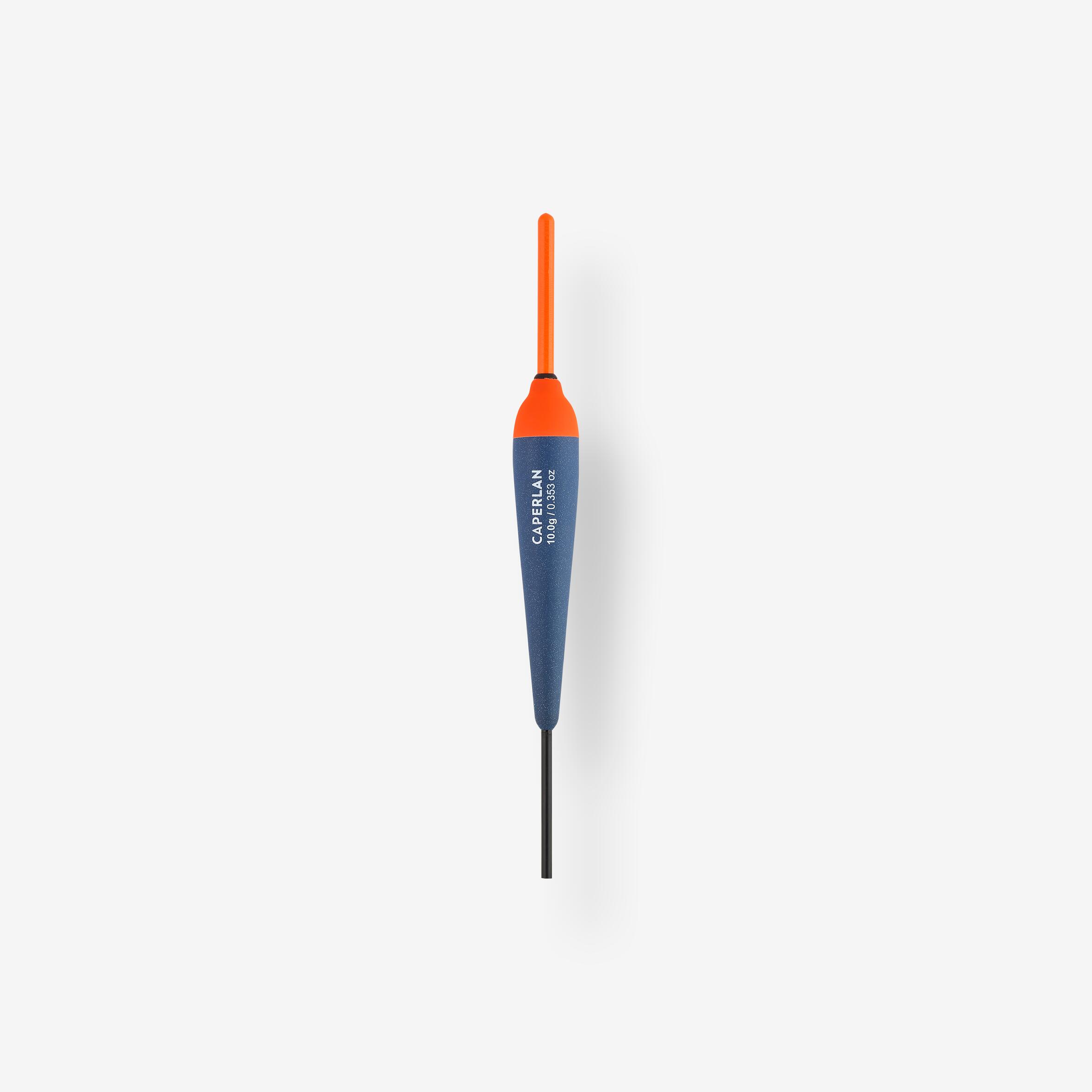
A sliding setup gives you more flexibility when you need to alter fishing depth without fixing the float permanently at one point on the line. Caperlan's saltwater fishing floats in the SLD family use a balsa body for buoyancy, a plastic stem with a swivel and a neon-yellow 4.5 mm antenna. The antenna can be replaced by a 4.5 mm Starlite for night fishing. SLD floats come in 10 g, 15 g and 20 g versions and respond sensitively to bite movement, making them particularly useful in calmer water when you want adjustable depth and clear visual indication.

Which float features help when the sea becomes rougher?

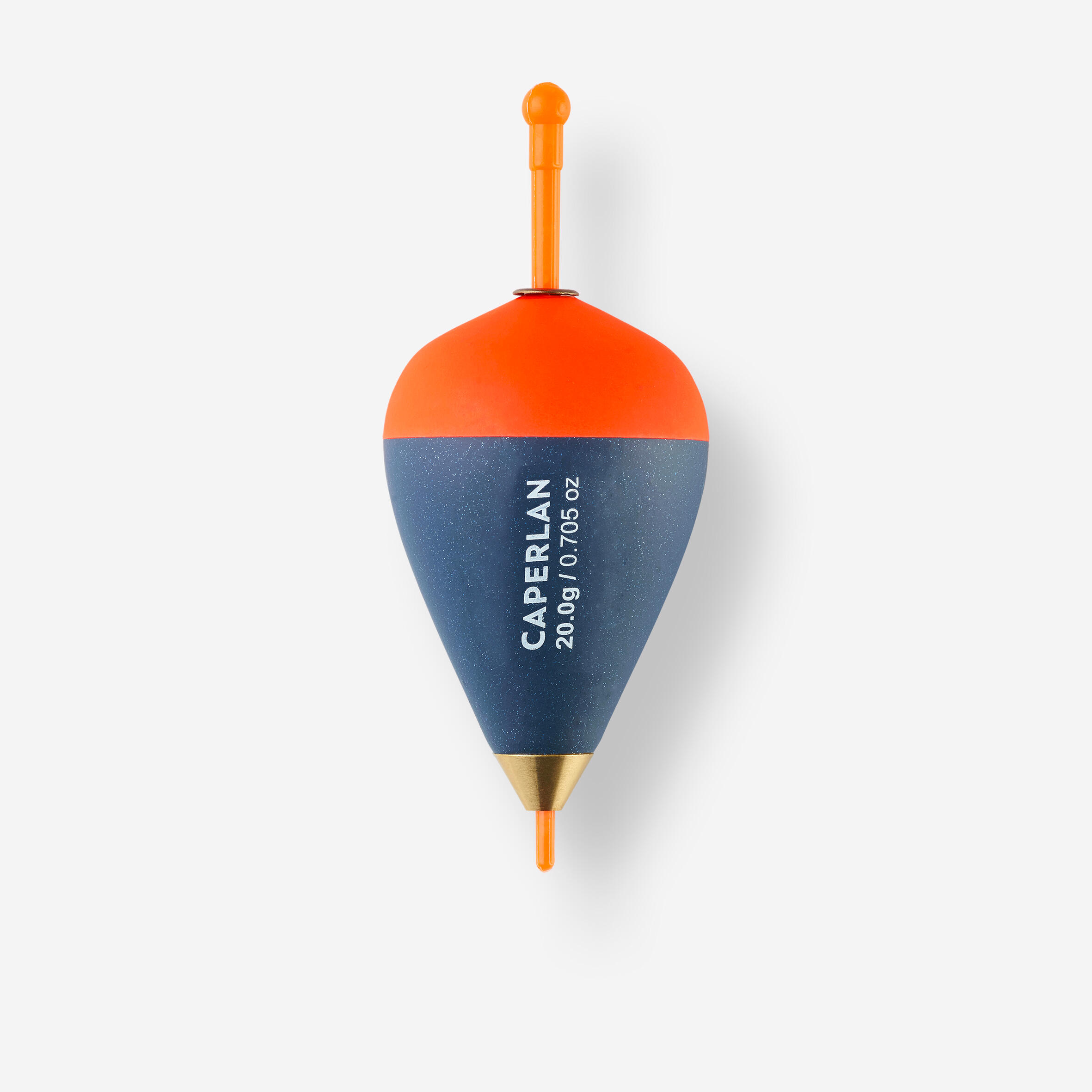
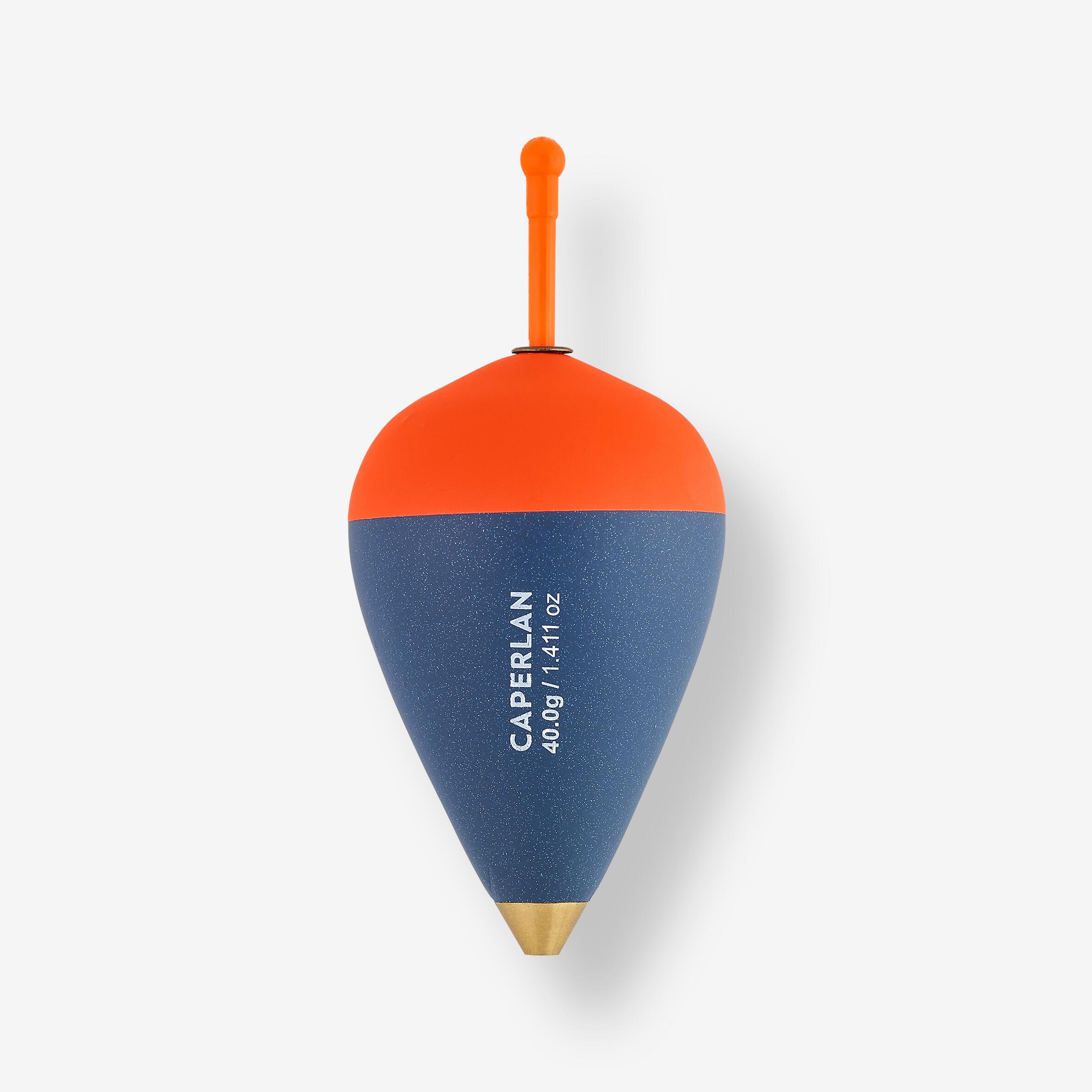
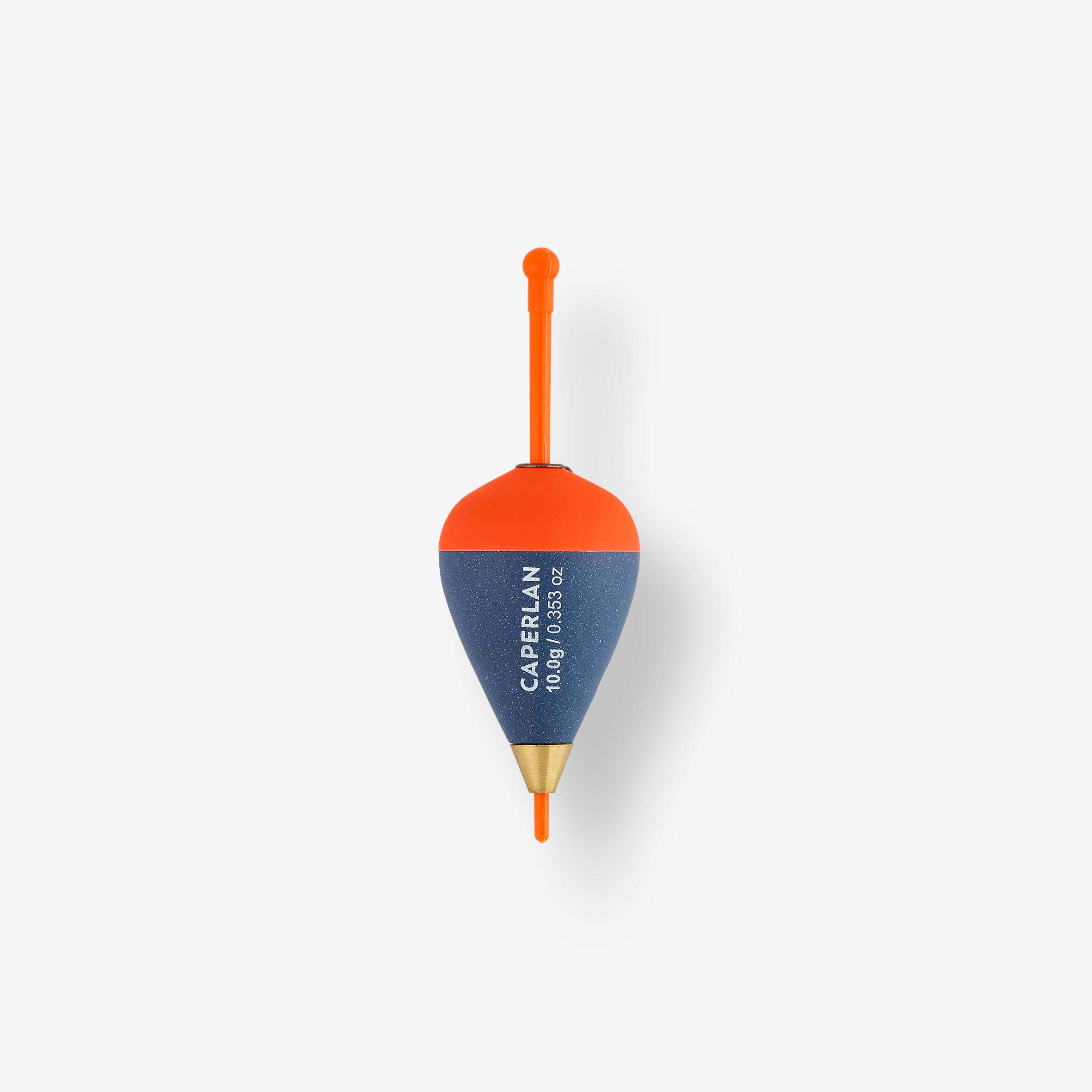
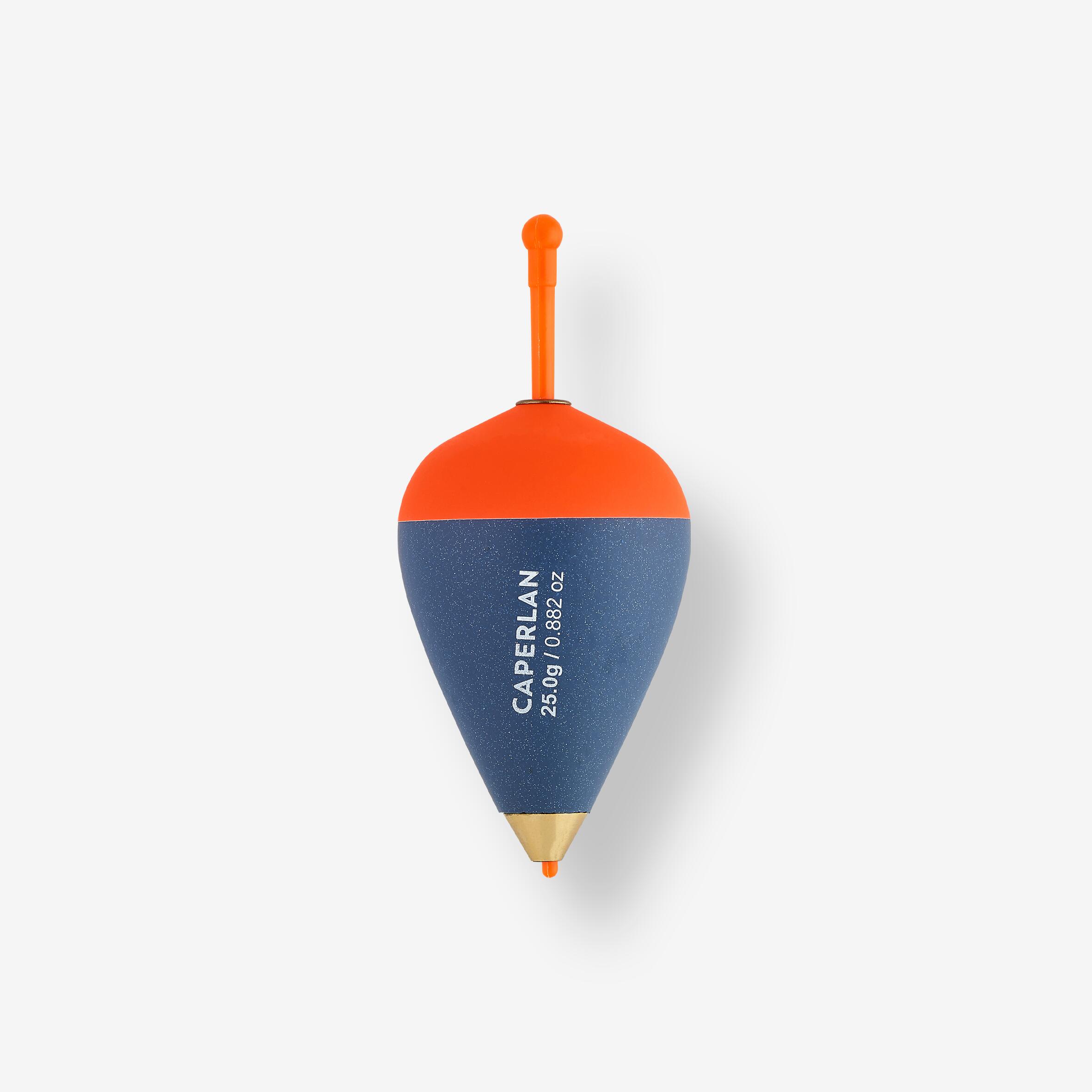
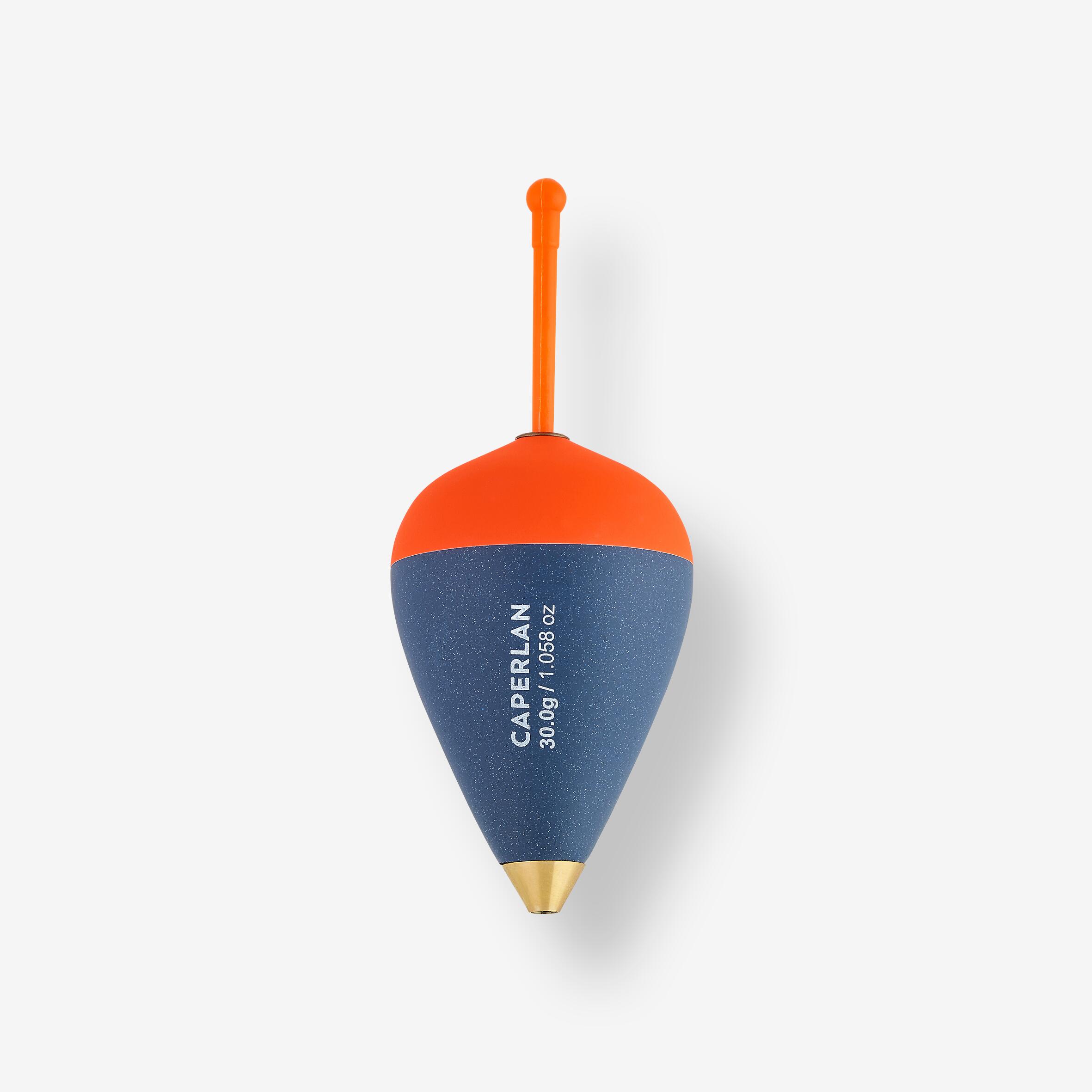
More unsettled water can make a light or highly sensitive float harder to follow, especially when you use larger bait. Caperlan's SW FLT HVY family uses an EVA foam body and a shape developed to remain visible in rough seas while providing enough buoyancy for larger bait. The 20 g rough-water sea fishing float has a neon-orange antenna, an opening for a 4.5 mm Starlite and a weighted EVA plug for impact resistance. The same family includes 10 g, 20 g, 25 g, 30 g and 40 g options, letting you alter buoyancy as bait size and water movement change.

How does float weight affect your saltwater rig?

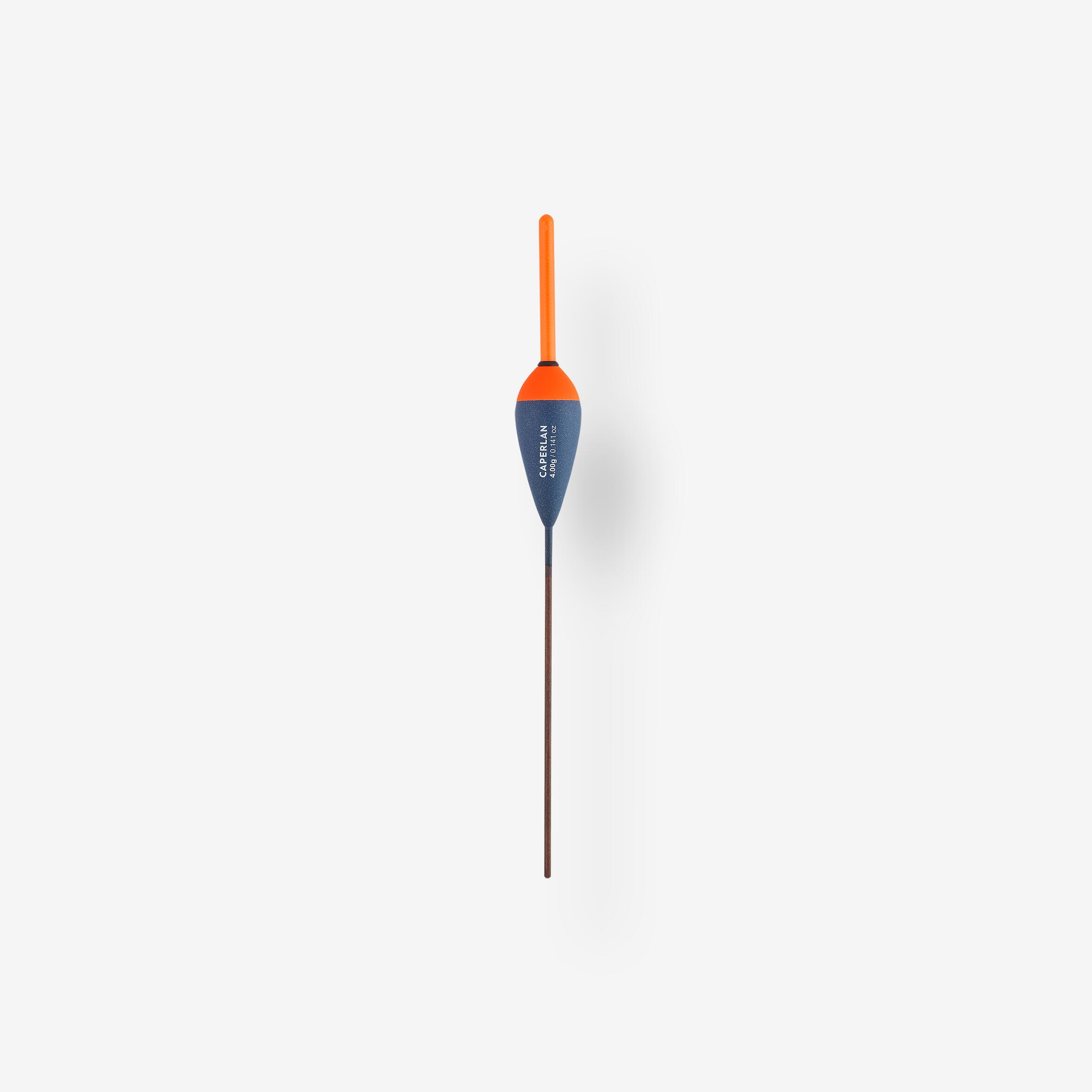
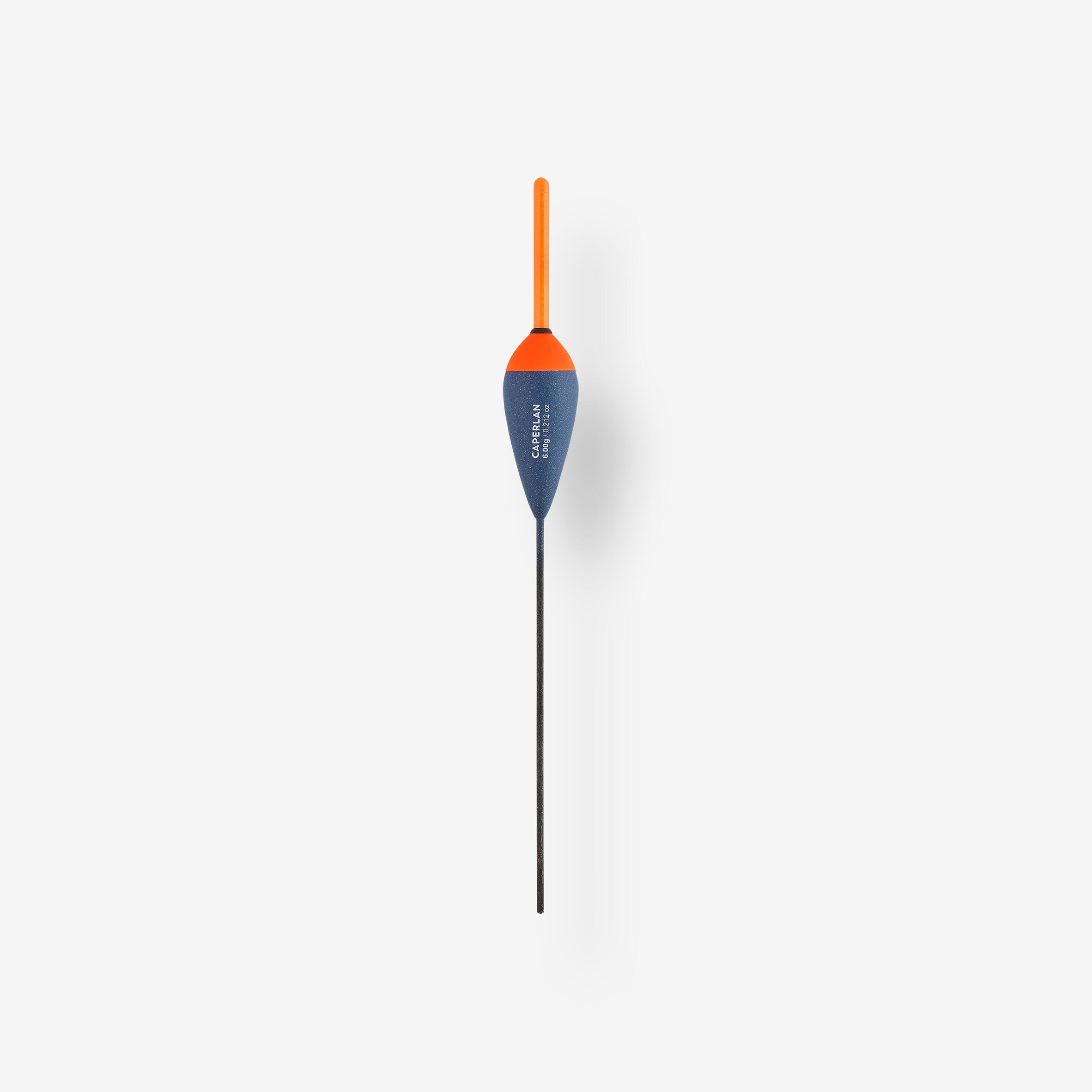
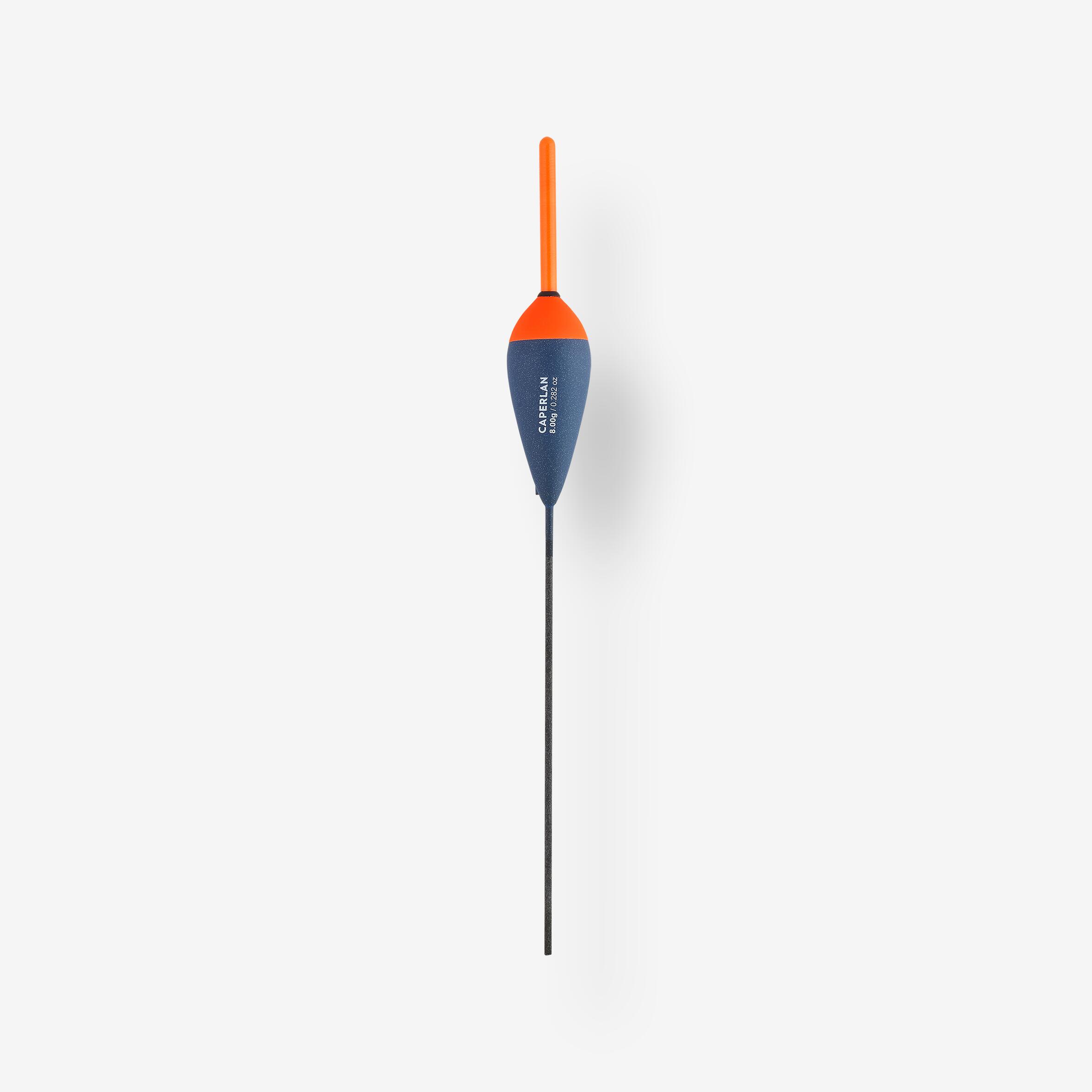
Float weight works together with bait size, casting conditions and the amount of movement on the water. Lighter Caperlan floats suit calmer conditions, while medium and heavier formats provide more buoyancy as bait size or sea movement increases. The current category spans lightweight LGT options, medium MED models, sliding SLD floats and heavier HVY designs rather than using one body shape for every situation. When preparing for saltwater fishing, keep the rod's casting capacity and the weight of the complete terminal rig in mind as well as the number printed on the float.

What helps a sea float easier to see during changing light?

Caperlan uses bright antennas across its main float families to make bite movement easier to follow against the water. HVY, MED and LGT models use neon-orange indicators, while SLD floats use neon yellow. Several models also accept a 4.5 mm Starlite, allowing the daytime antenna to become a visible night-fishing indicator. The MED 20 g model, for example, uses a tapered pear-shaped balsa body for calm to moderately rough seas and a replaceable 4.5 mm antenna. Equipment for sea fishing with float also includes rods, lines, baits and reels, so set up your indicator where you can see it clearly without interfering with the line or casting action.

How do you keep floats and complete rigs ready between trips?

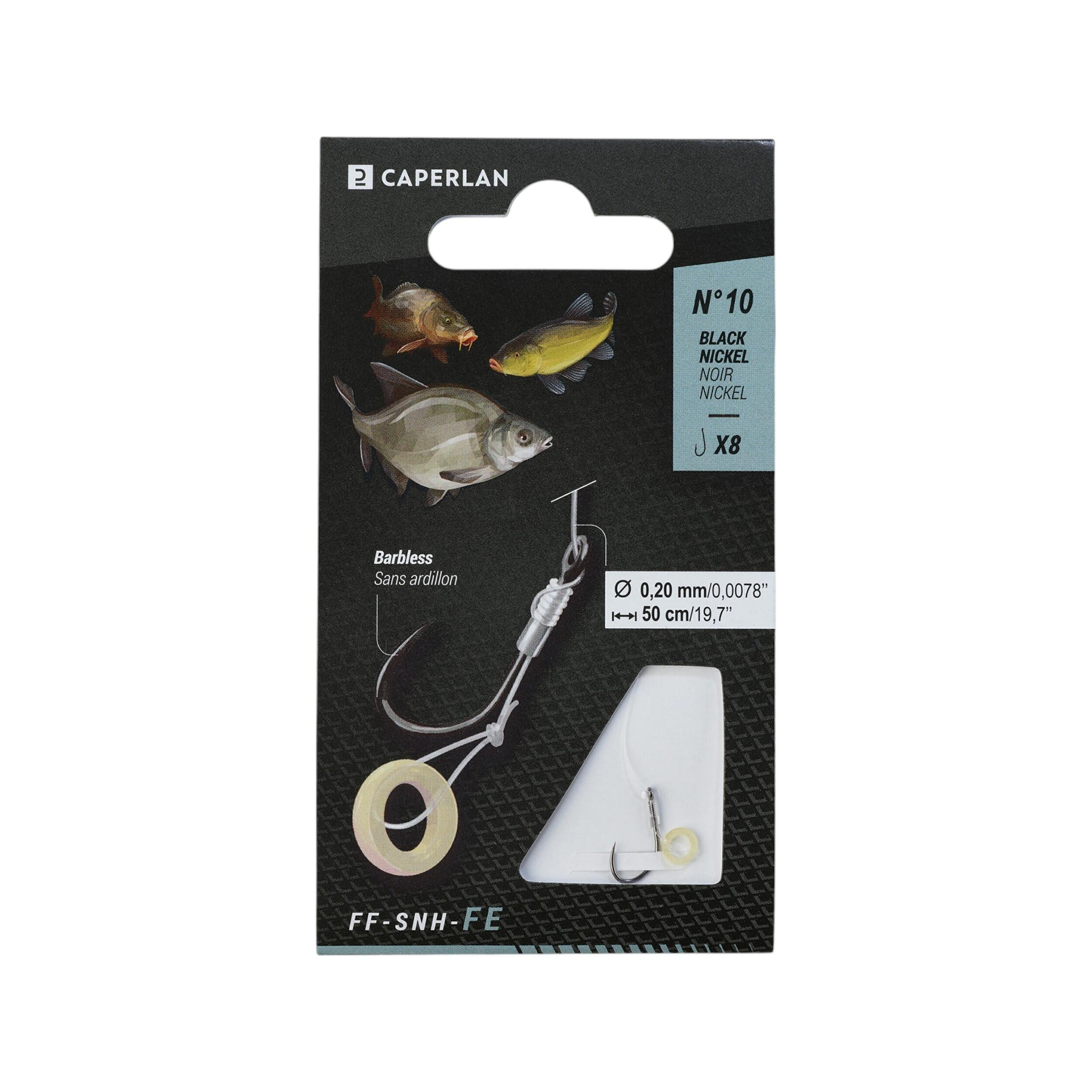
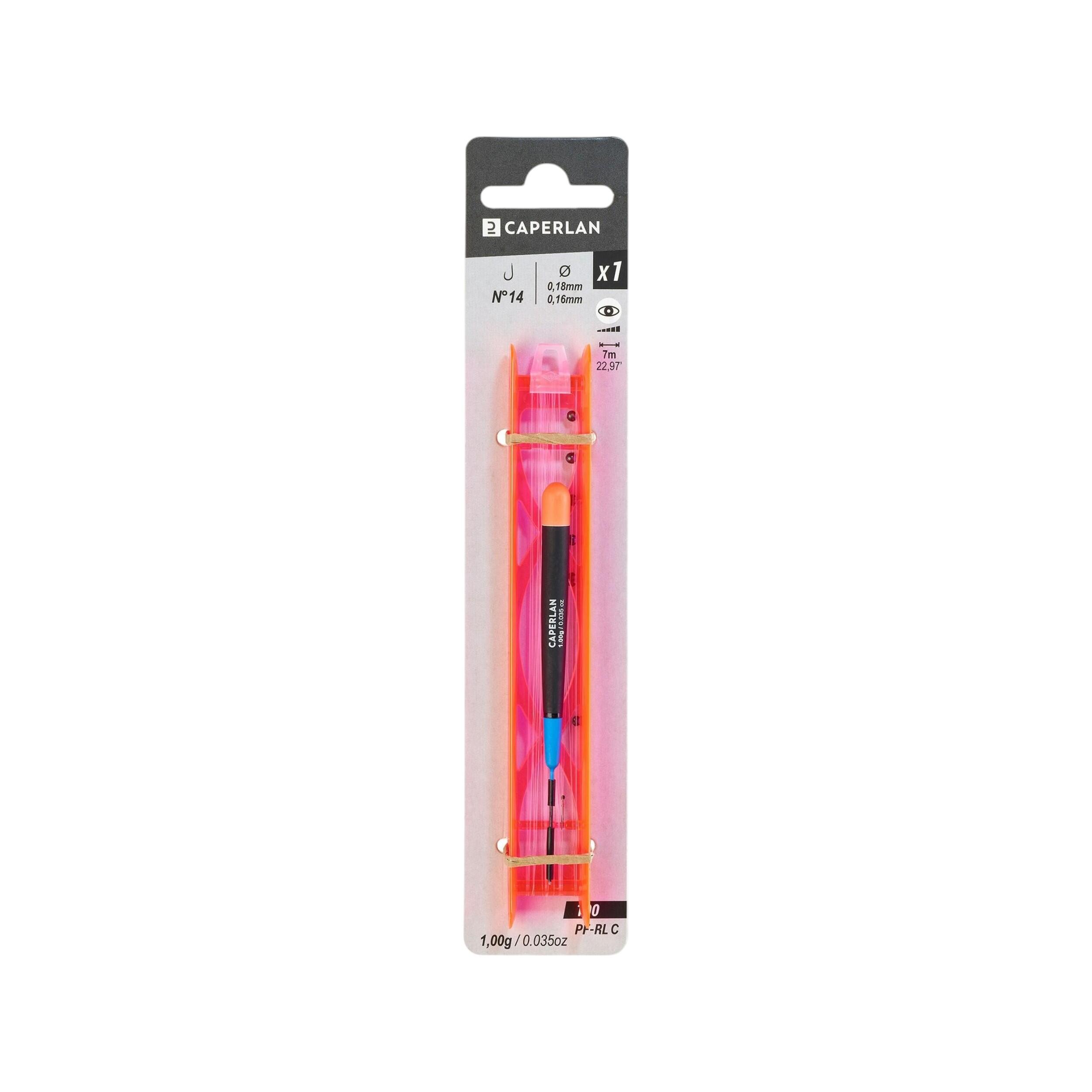
Store floats dry and protect antennas, stems and swivels from being crushed by heavier tackle. Caperlan subjects its current float families to a defined durability test in which each float is dropped ten times onto a hard surface without splitting or suffering damage. The HVY model also carries a two-year warranty and needs dry storage. Keep loose floats in a compartment where their stems cannot bend, or use sea fishing rigged lines when you prefer a pre-assembled combination of float, hook, leader and weighting. Decathlon lists rigged lines as a dedicated part of its sea-float fishing equipment, alongside floats, lines, rods, baits and reels.