7 items
4.5/5 based on 165 reviews collected online and in stores

Sea Fishing with Float Rigged Lines FAQs

When does a heavier ready-rigged line make sense?

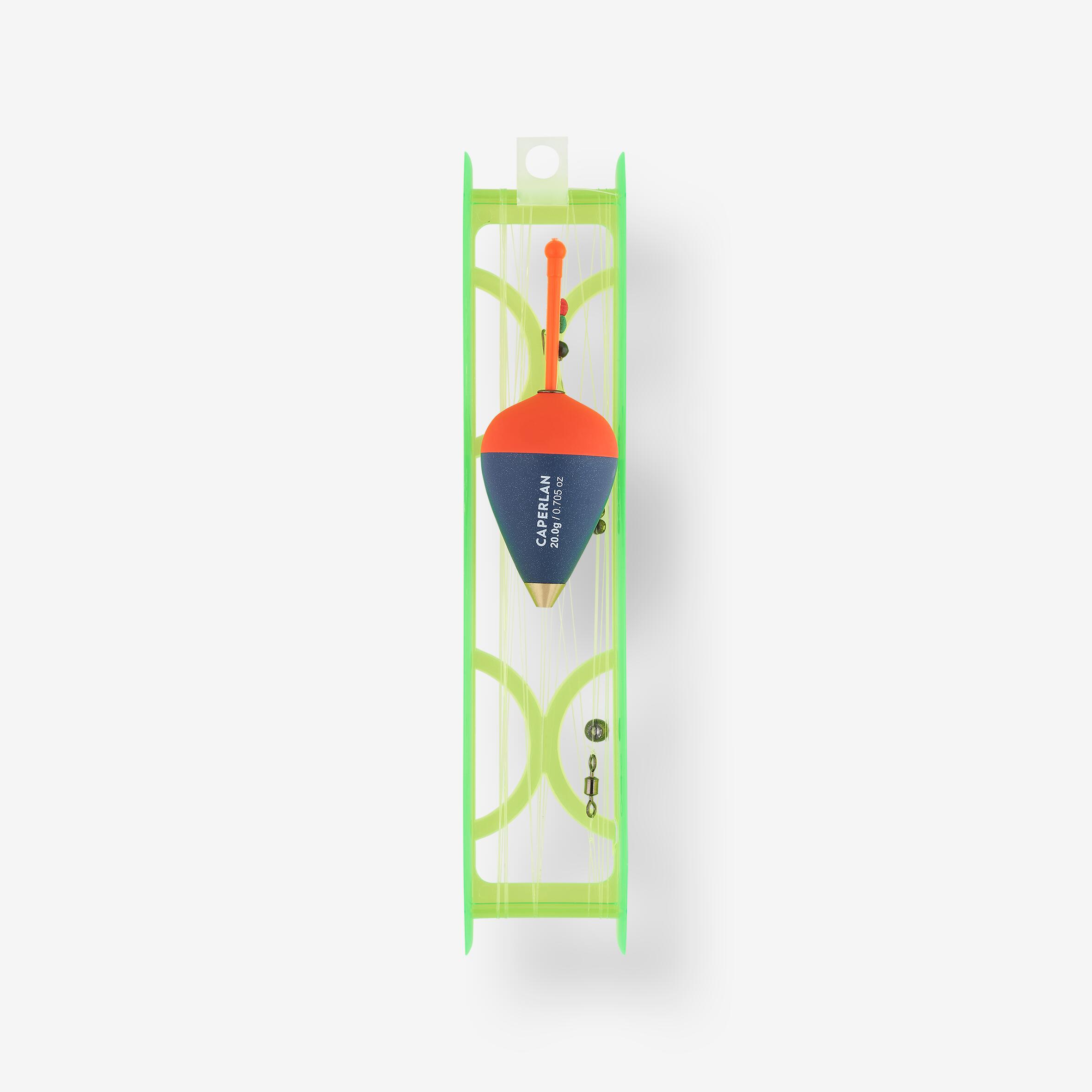
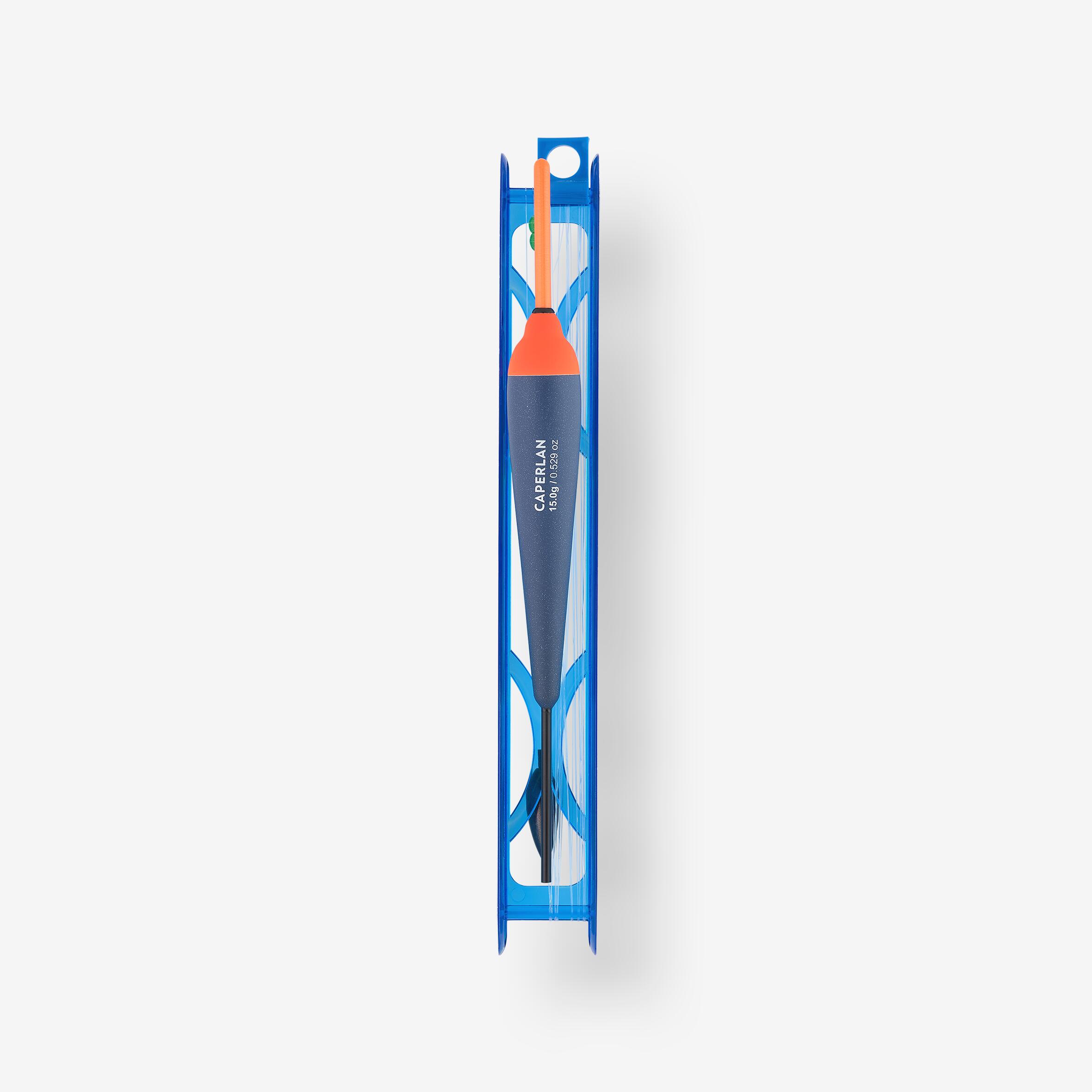
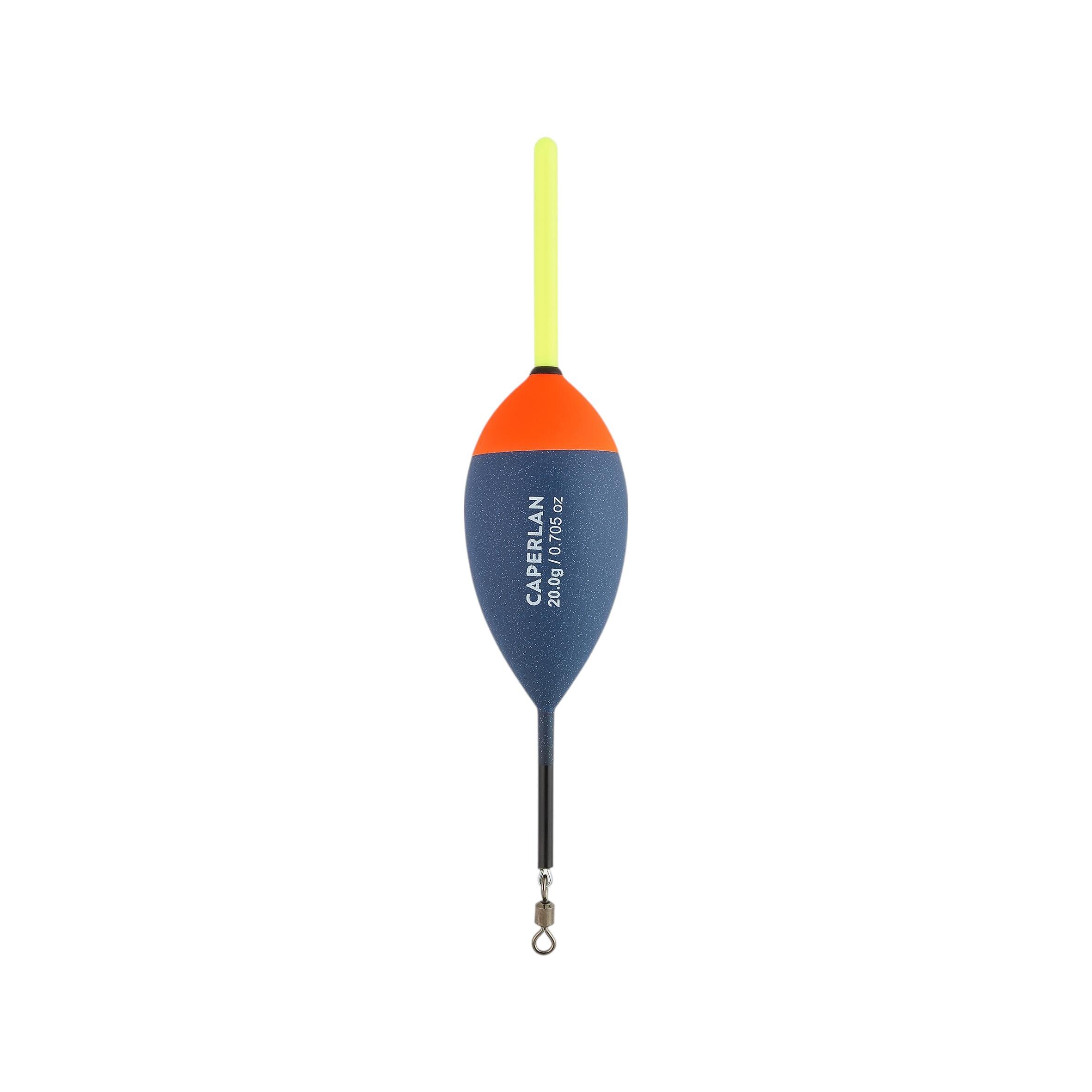
A heavier rig can give you more buoyancy when conditions or bait call for stronger terminal tackle. Caperlan's heavy rigged line for saltwater fishing combines a 20 g sliding float with a No. 4 hook, 30/100 main line and slightly finer 28/100 leader. Tin sinkers balance the float, while the weighted EVA foam plug provides buoyancy. A neon-orange antenna makes bites easier to follow and includes an opening for a 4.5 mm Starlite when you fish after dark. The complete assembly attaches directly to your main line, reducing the amount of terminal rigging needed beside the water.

How can a multi-rig set help you adapt to lighter conditions?

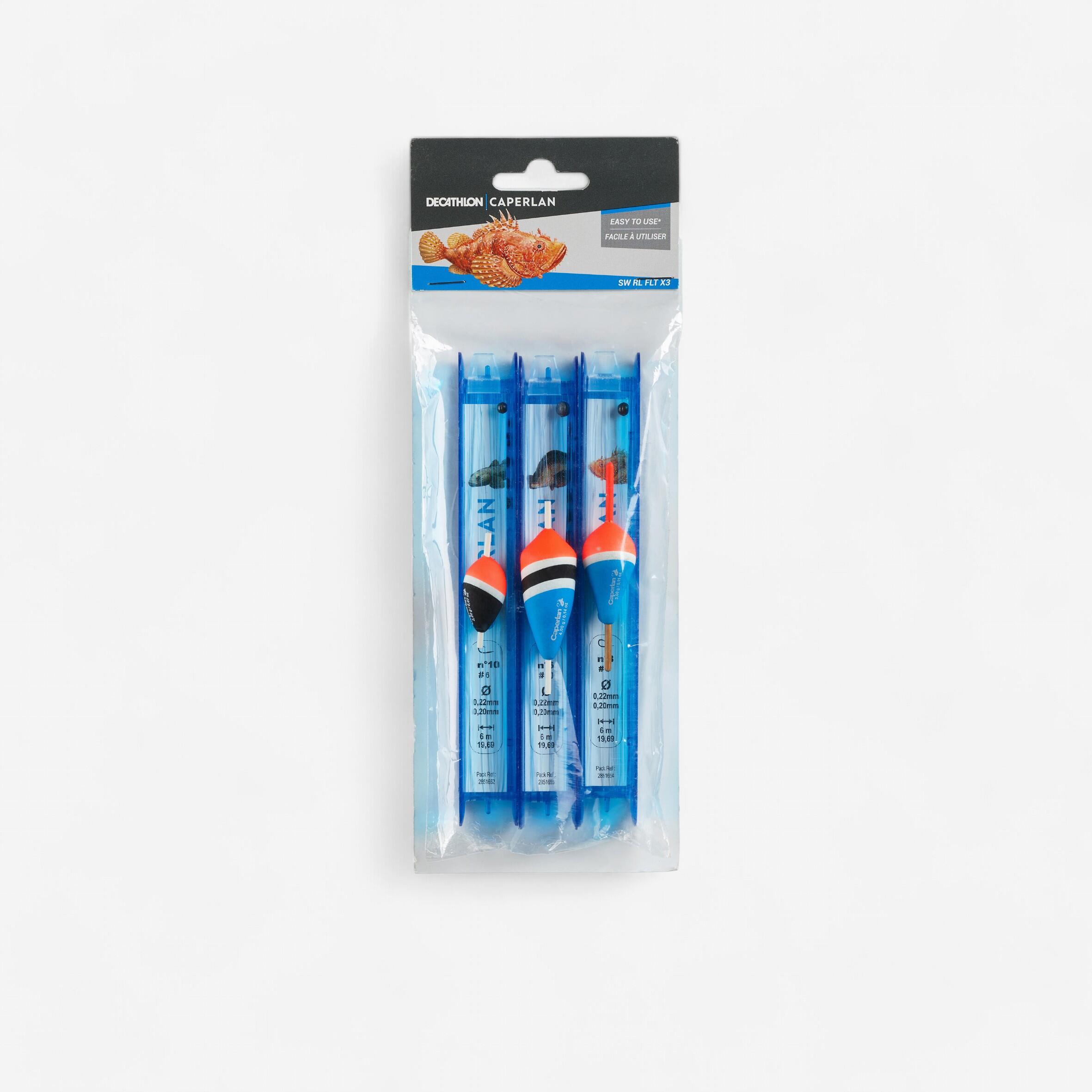
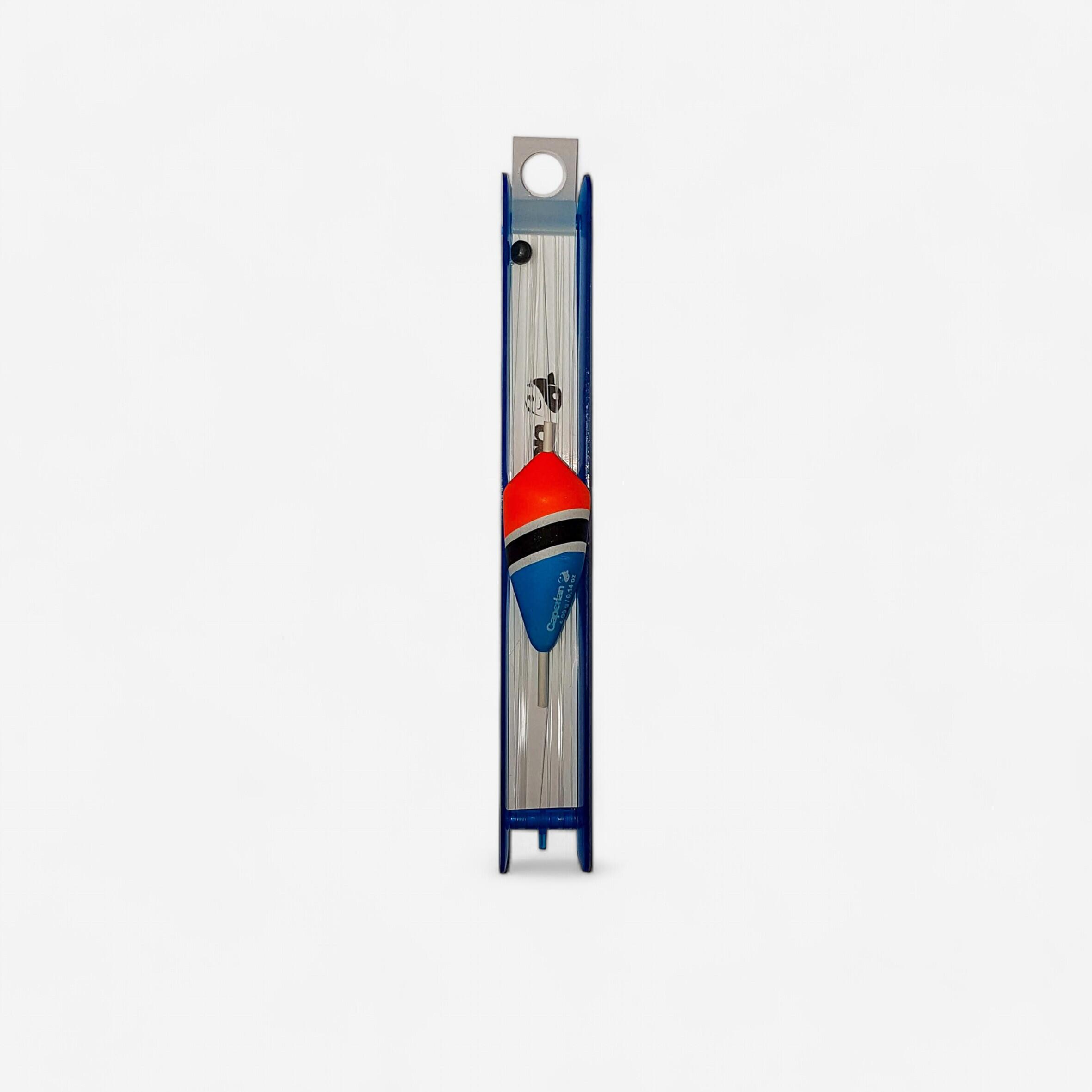
A set containing several completed rigs lets you change float weight without rebuilding the hook, leader and main-line arrangement from separate parts. Caperlan's assembled sea fishing rigged lines include three 6 m setups with 2 g, 3 g and 4 g floats. The configurations use No. 6, No. 8 and No. 10 hooks with matching main-line and leader diameters, while the neon-orange float tops improve bite visibility. The foam float bodies provide buoyancy and each complete assembly connects quickly to the main fishing line, making it easier to move between lighter presentations as water conditions or fish activity change.

Why are the leader and main line different diameters?

Caperlan progressively changes hook size, float weight, main-line diameter and leader diameter together rather than treating each part as an isolated choice. Across these ready-made systems, the leader remains slightly finer than the main line. A light setup may combine 20/100 main line with an 18/100 leader, while the heavier 20 g system moves to 30/100 main line and 28/100 leader. When preparing for saltwater fishing, select the complete assembly according to the float weight, bait, expected fish and water conditions. This keeps the terminal components working as one coordinated structure instead of increasing hook or line strength independently.

When do fixed and sliding rigged lines suit different situations?

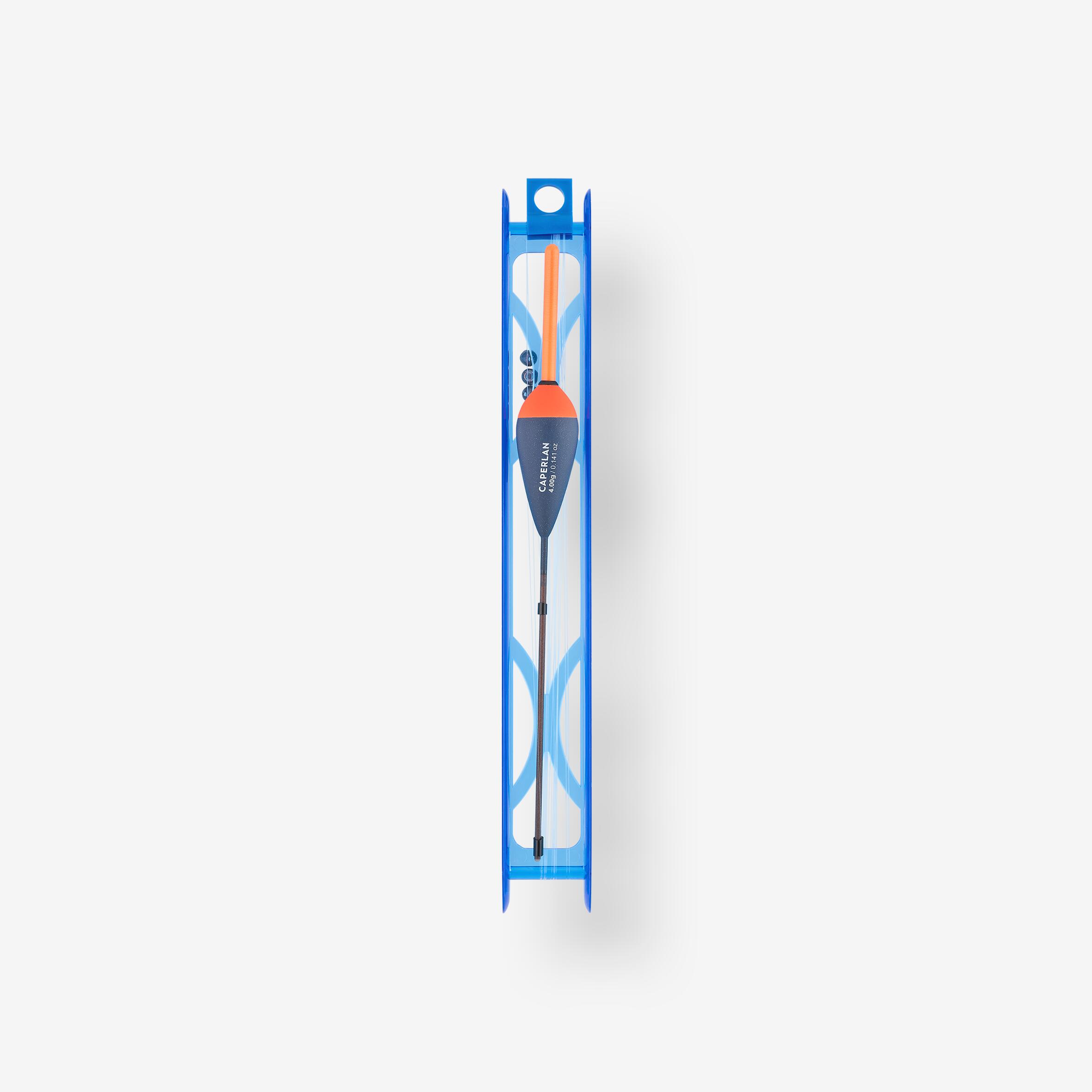
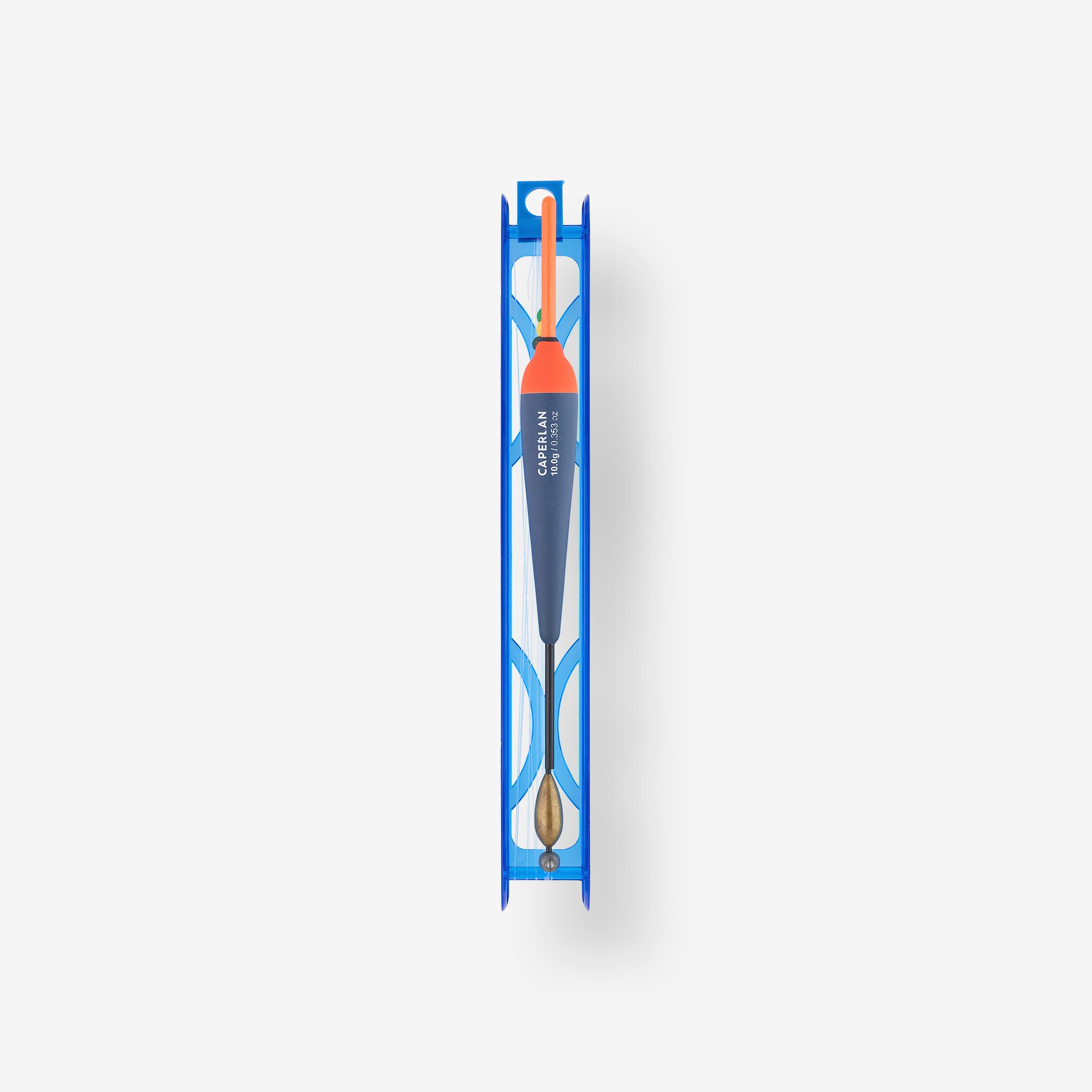
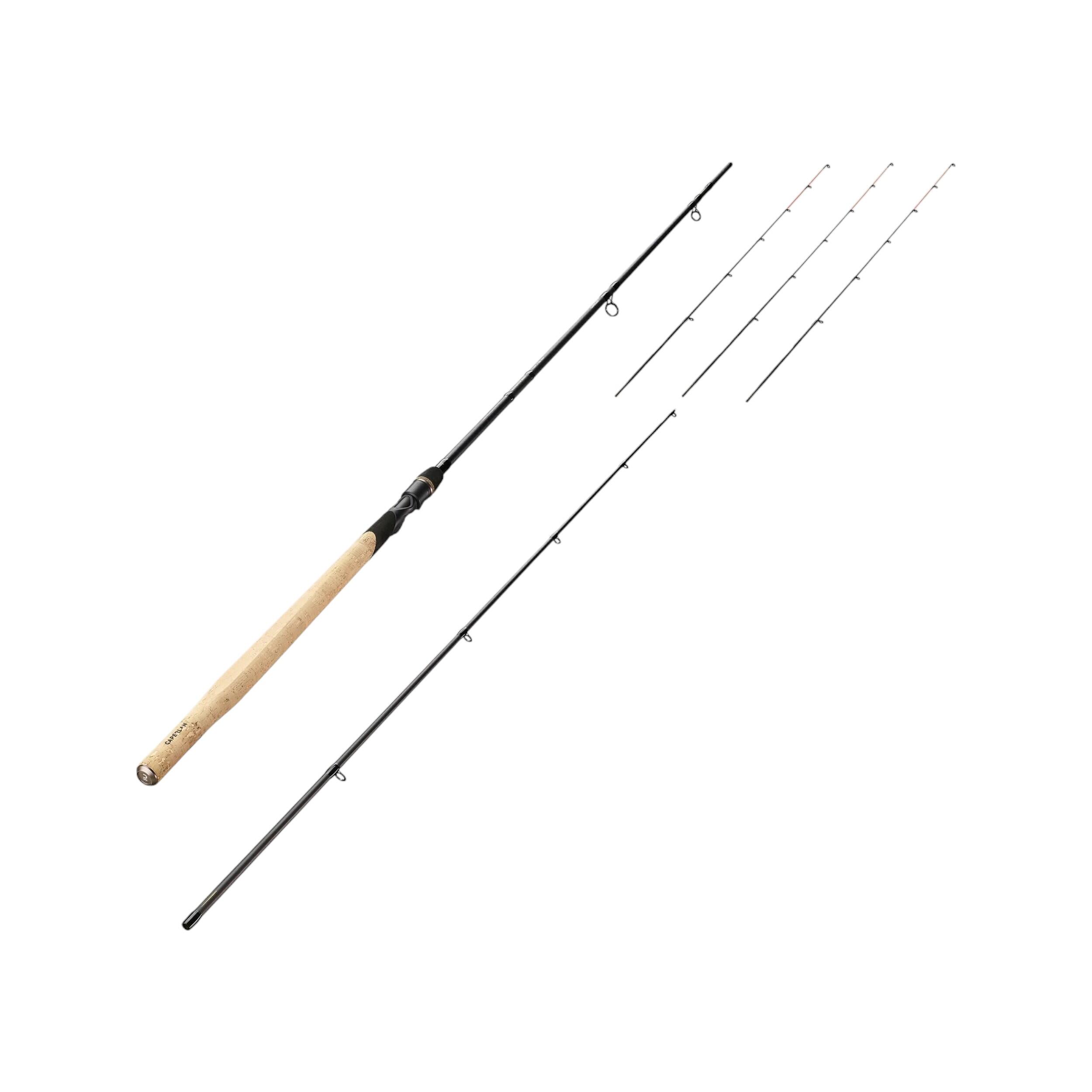
Fixed floats provide a straightforward setup when you can position the float at the required fishing depth without needing it to travel along the line. Caperlan uses fixed floats on lighter LGT rigs, while MED and HVY assemblies move to sliding configurations for greater depth adjustment. The MED 10 g model, for example, uses a balsa body, plastic stem and neon-orange antenna that can be replaced by a 4.5 mm Starlite. Equipment for sea fishing with float also includes rods, lines, reels and bait, so consider the complete fishing depth and casting setup when deciding between a fixed or sliding assembly rather than focusing on float weight alone.

What helps a ready-rigged float stay visible and durable?

Bright antennas make bite movement easier to follow during daylight, while Starlite compatibility extends visibility into low-light sessions. Caperlan uses neon indicators across its sea-float systems, and several designs accept a 4.5 mm Starlite. The company also applies a repeatable durability test by dropping its floats ten times onto a hard surface without allowing them to split or become damaged. Separate sea fishing floats include light, medium, heavy and sliding formats when you want to build or adjust a rig yourself. Store completed rigs where hooks cannot damage the float body or line, and protect antennas and stems from being crushed by heavier tackle during transport.