3 items
4.6/5 based on 78 reviews collected online and in stores

Sea Fishing Keeping Nets FAQs

How does a floating keepnet stay open in the water?

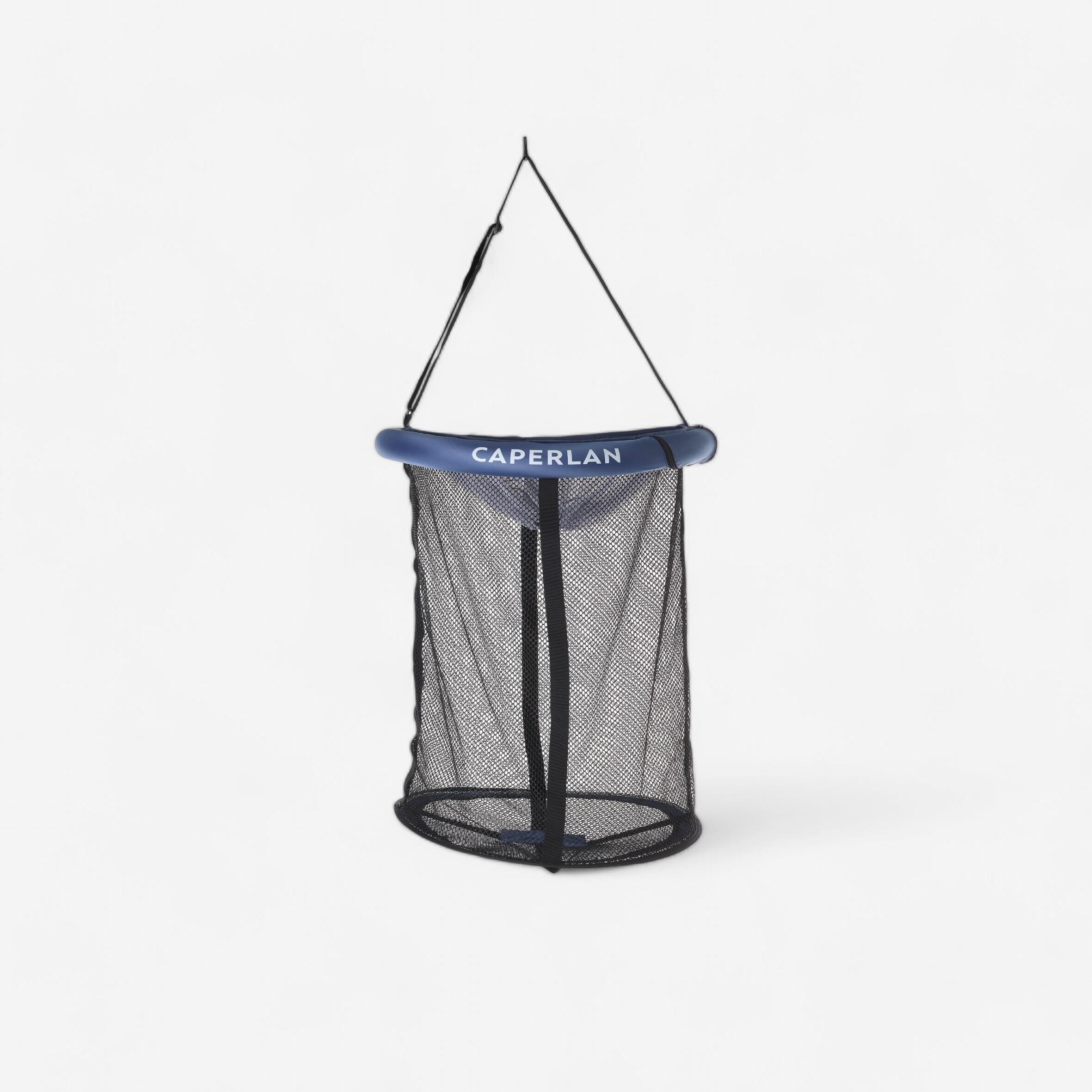
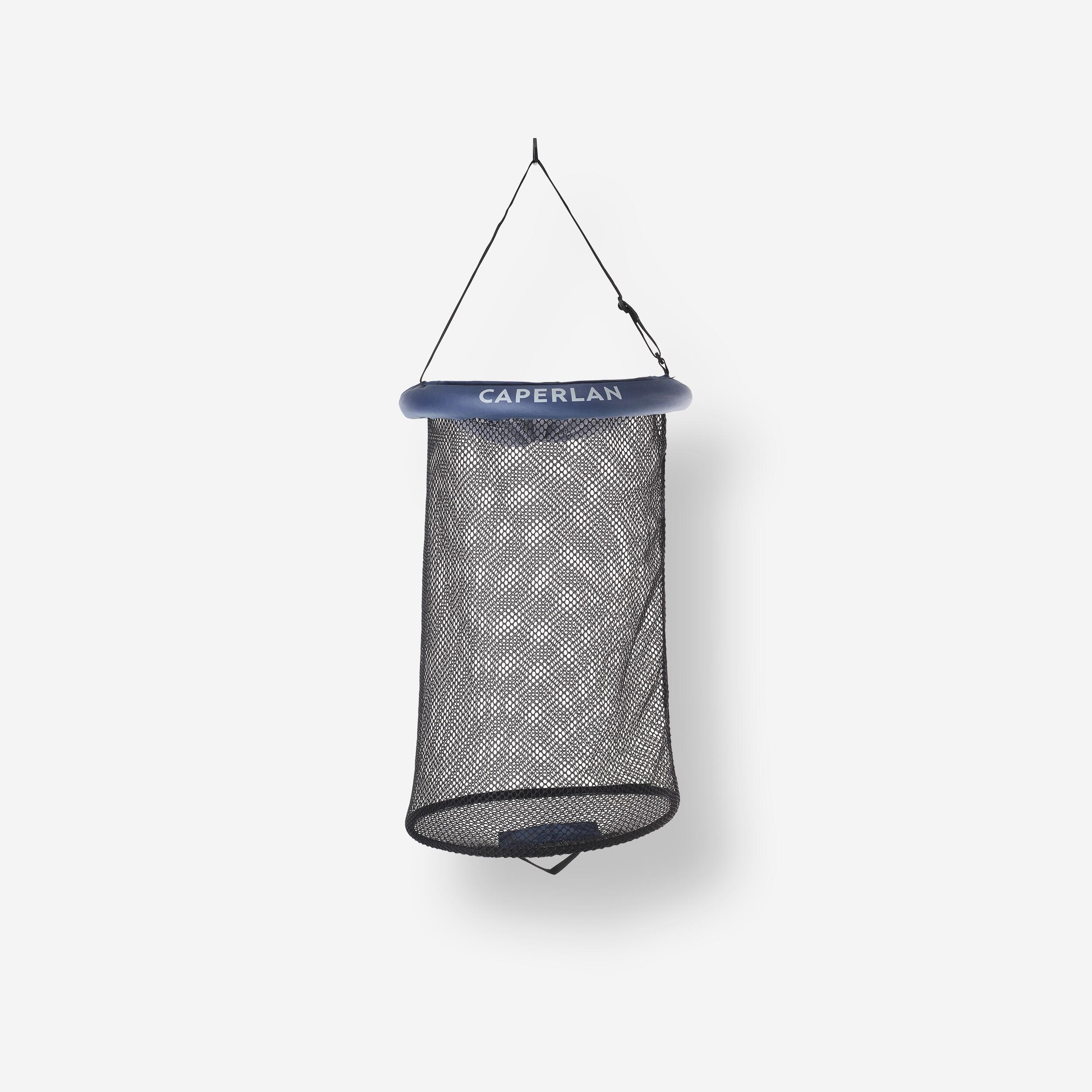
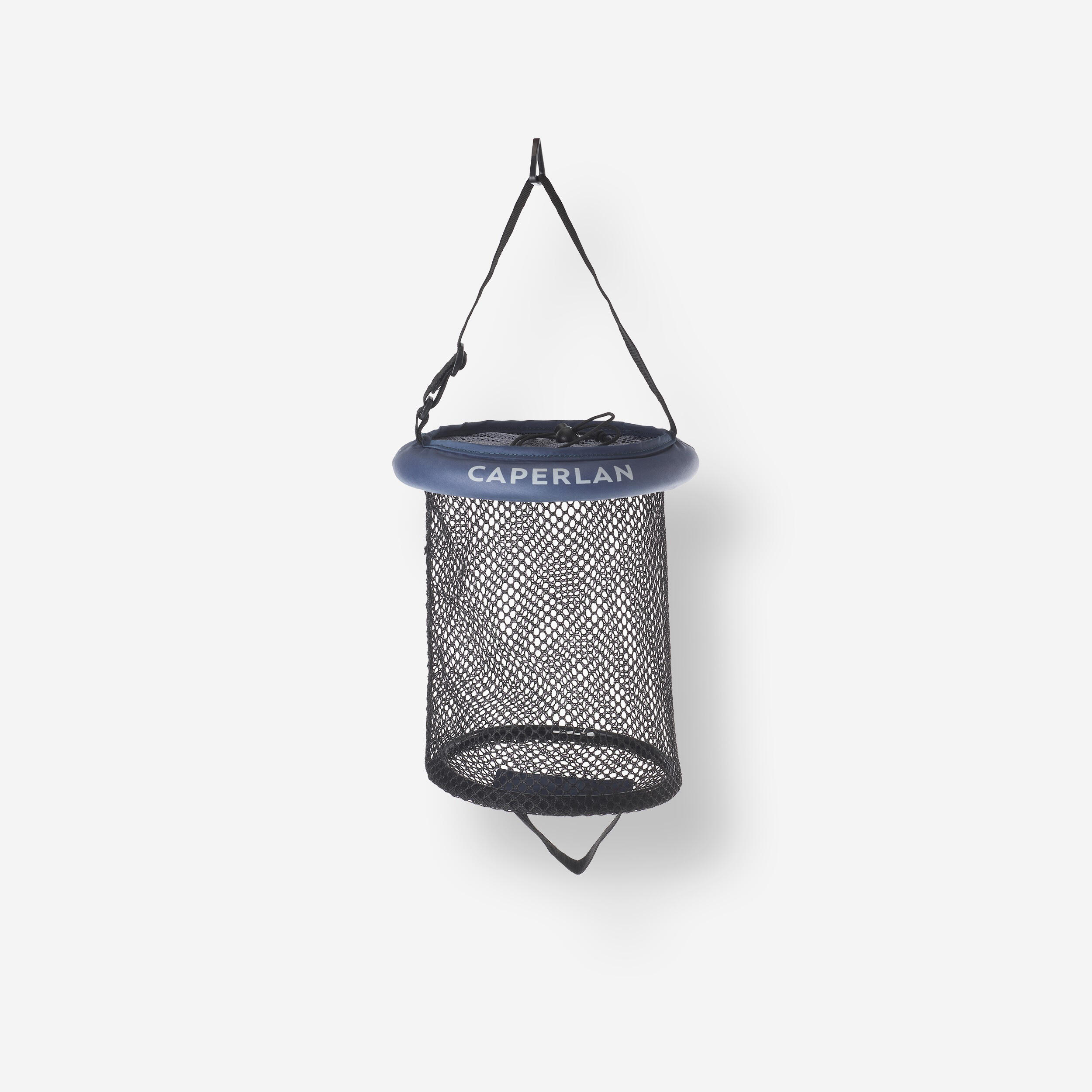
Caperlan combines flotation at the top with an optional weighted point at the bottom to help the keepnet maintain usable space in the water. A floating upper ring supports the opening, while a fixed lower pouch lets you add a sinker so the mesh extends down instead of bunching near the surface. Fine mesh also helps reduce injury while fish remain temporarily retained. The XL floating fishing keepnet measures 70 cm high with a 60 cm outer diameter but folds to only 8 cm for transport. Its carrying strap also keeps the folded net secured between sessions.

Which keepnet size fits the amount of fish you expect to retain?

Working dimensions give you a clearer comparison than relying only on S, M or XL labels. Caperlan's compact S model measures 22 cm high and 21 cm in diameter, weighs 140 g and folds to 5 cm. The M increases to 53 cm high and 37 cm in diameter while still folding to only 6 cm. The XL reaches 70 cm high and 60 cm in diameter for greater capacity. Think about available transport space and expected catch volume when organising the rest of your sea fishing equipment, rather than carrying more keepnet capacity than the session requires.

Where can a floating keepnet work during saltwater fishing?

Caperlan develops the Kipnet models for boat and float-tube anglers who want to retain fish temporarily in the water, and the same nets can work in sea or freshwater. Their integrated floating ring is particularly practical when the keepnet sits directly beside a boat or floating fishing position. The lower ballast pouch gives you another way to keep the mesh extended below the surface. Caperlan includes these keepnets within wider saltwater fishing equipment alongside boat, shore and lure-fishing tackle. Secure the keepnet to your fishing position before placing fish inside, and avoid leaving it where boat movement, lines or other equipment can repeatedly pull against it.

What is the difference between a landing net and a keeping net?

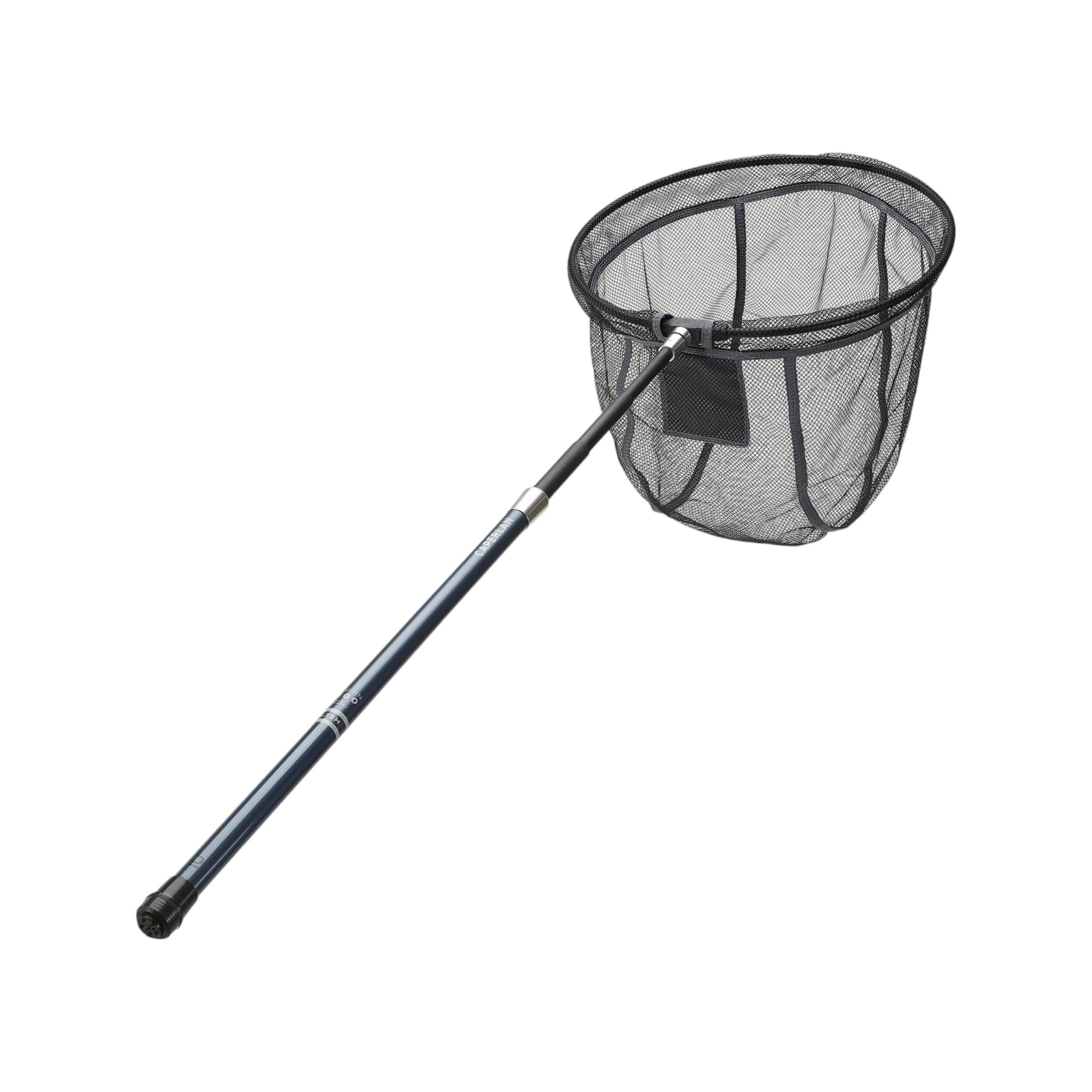
A landing net helps you bring a hooked fish under control at the end of the fight, while a keepnet holds retained fish temporarily in the water afterwards. The two pieces of equipment therefore perform different jobs rather than replacing one another. Caperlan's Kipnets focus on fine mesh, a floating upper ring and a lower ballast point, while sea fishing landing nets use handles and framed heads to reach and secure fish during landing. Decathlon's sea-fishing equipment selection includes both product types. Keep the landing net ready before the fish reaches your position, then prepare the keepnet separately if you intend to retain the catch in the water.

How do you clean and store a sea fishing keepnet?

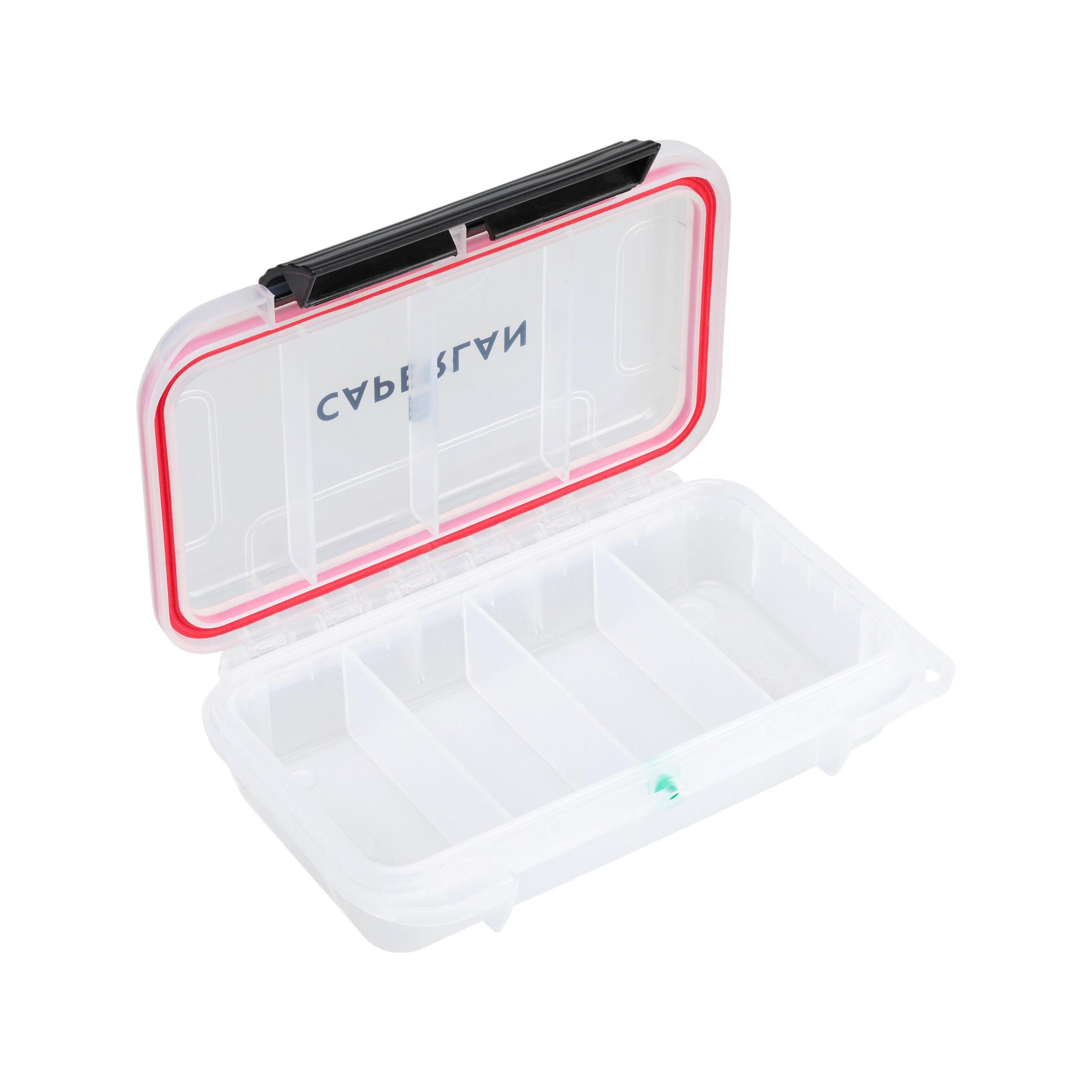
Rinse away salt, fish residue and other debris after use, then let the complete net dry before folding it for storage. Caperlan explicitly advises dry storage for its S, M and XL Kipnets. The models can be hand washed at a maximum of 40 degrees Celsius, while tumble drying, ironing, bleaching and dry cleaning are excluded. Inspect the floating ring, mesh, carrying strap and lower sinker pouch before the next session. Store the dry net separately from sharp hooks and other terminal tackle kept inside sea fishing boxes, as exposed hook points can catch the mesh during transport.