17 items
4.7/5 based on 2770 reviews collected online and in stores

Sea Fishing Boxes FAQs

Which fishing box works for a mixture of sea tackle?

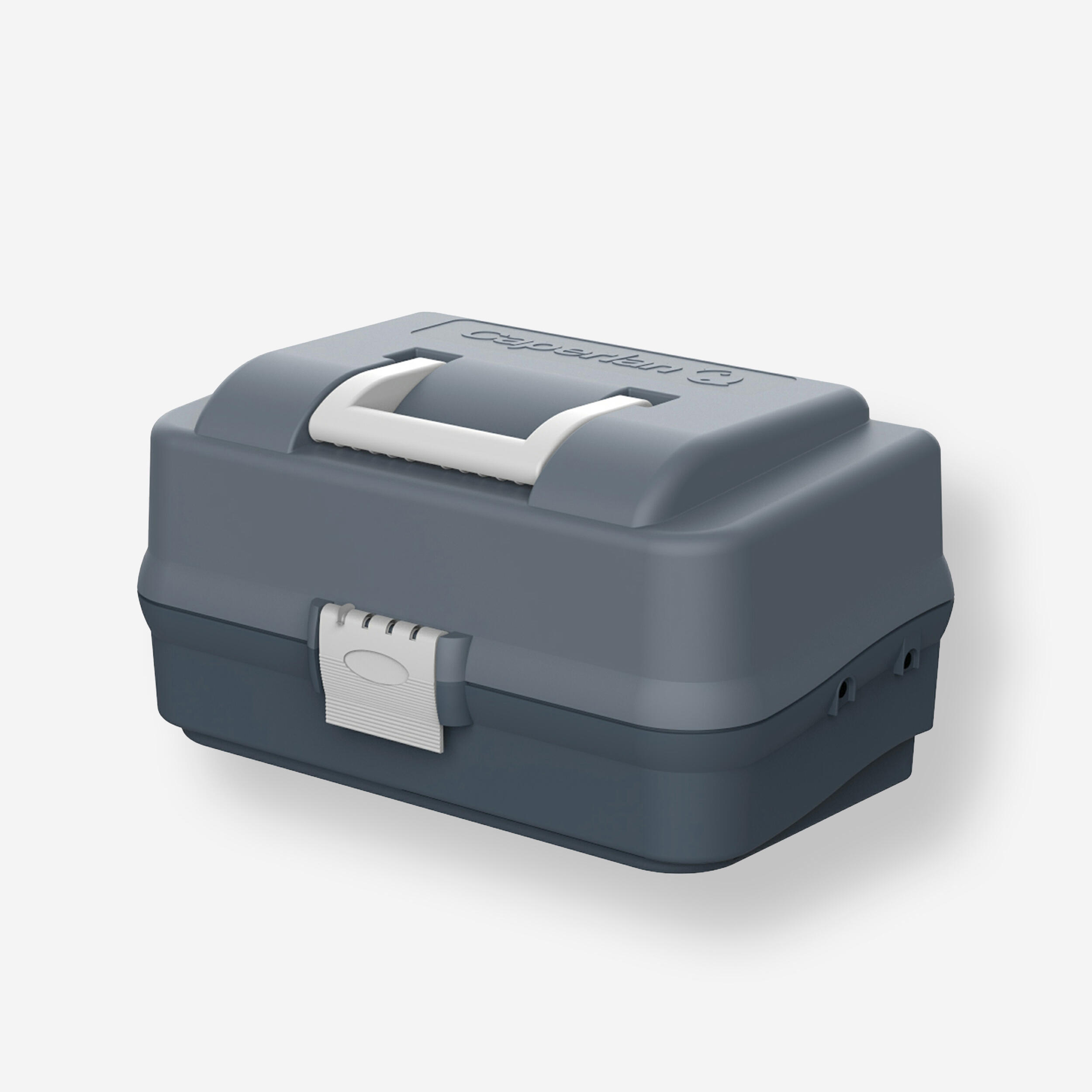
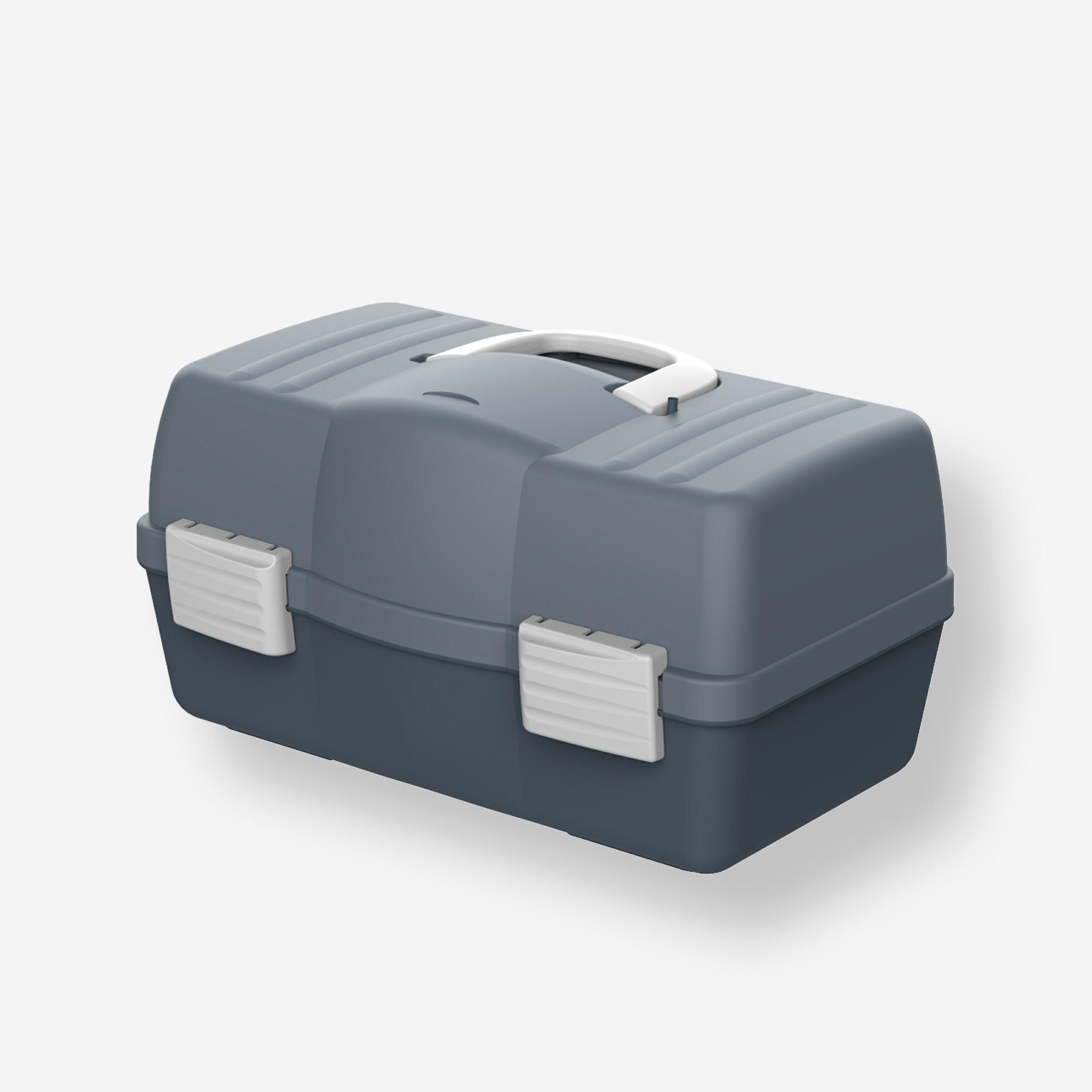
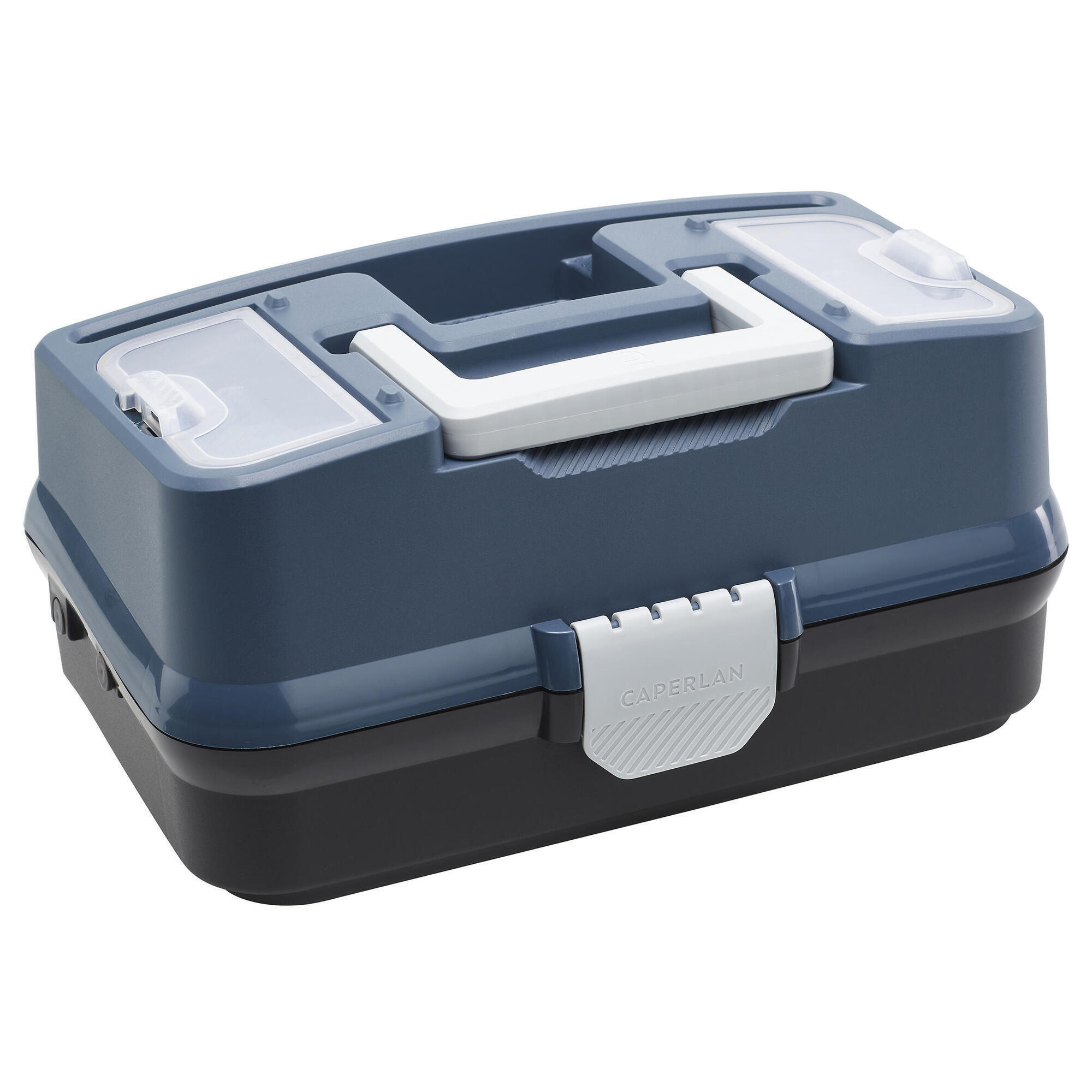
A box with separate storage levels can help when you carry small terminal tackle alongside larger tools and accessories. Caperlan's 2 tray fishing box provides two inner trays above one larger compartment, letting you separate frequently used hooks, swivels or clips from bulkier items. A retractable handle makes the 5.3 L box easier to carry to the fishing position. Caperlan also puts this box through a defined durability process, opening it 150 times through 180 degrees and repeatedly dropping it from one metre onto concrete without breaking.

How can a reverse box keep small sea-fishing parts organised?

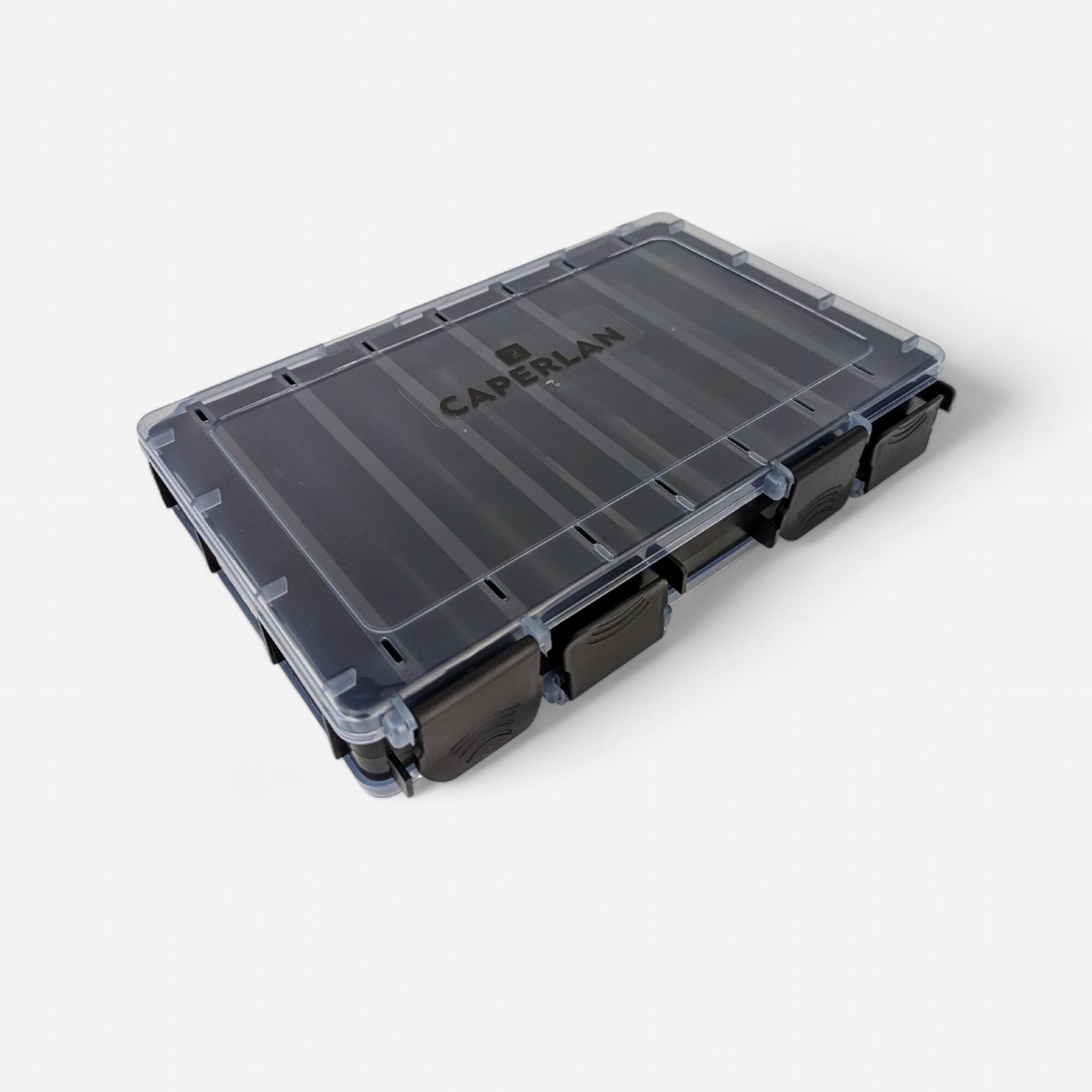
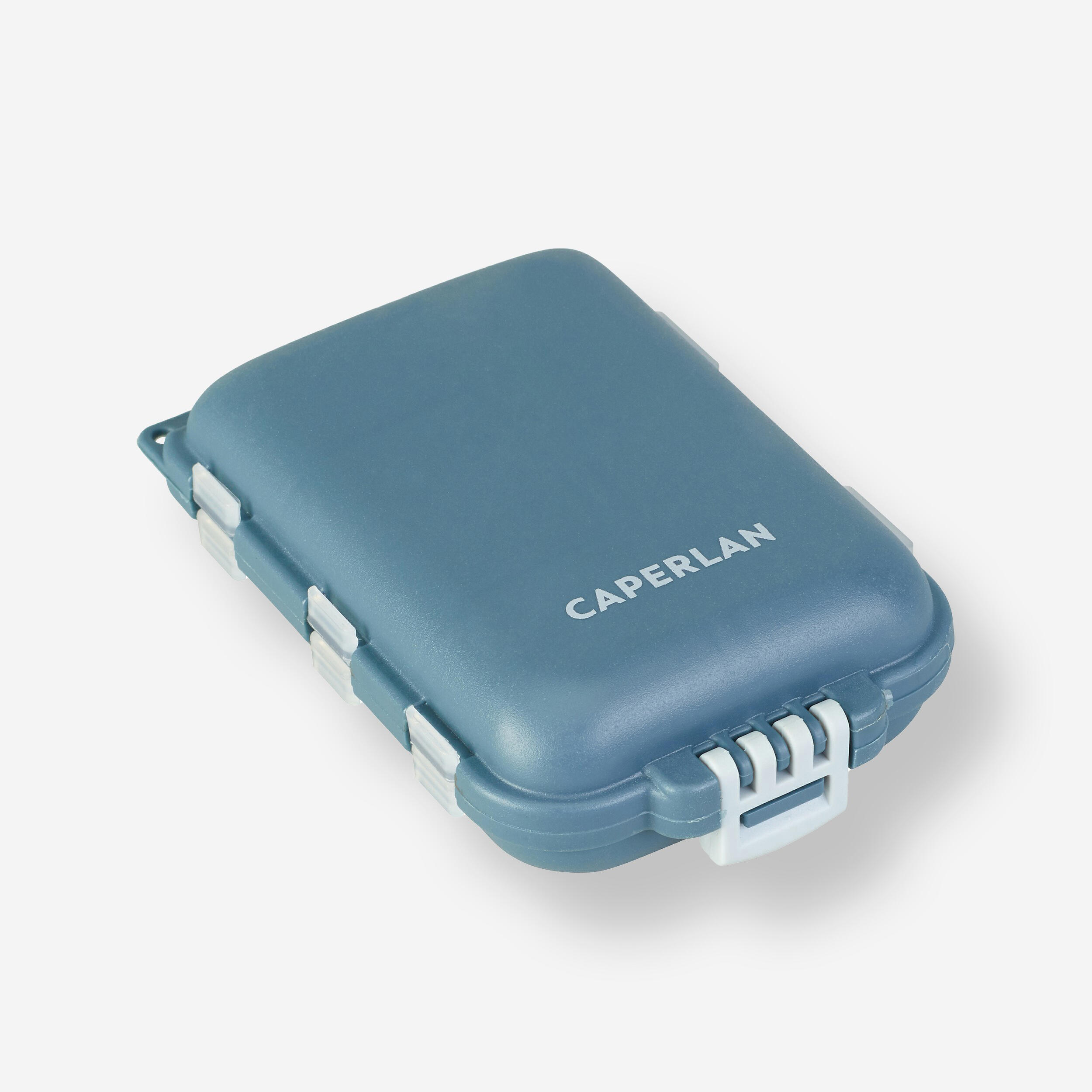
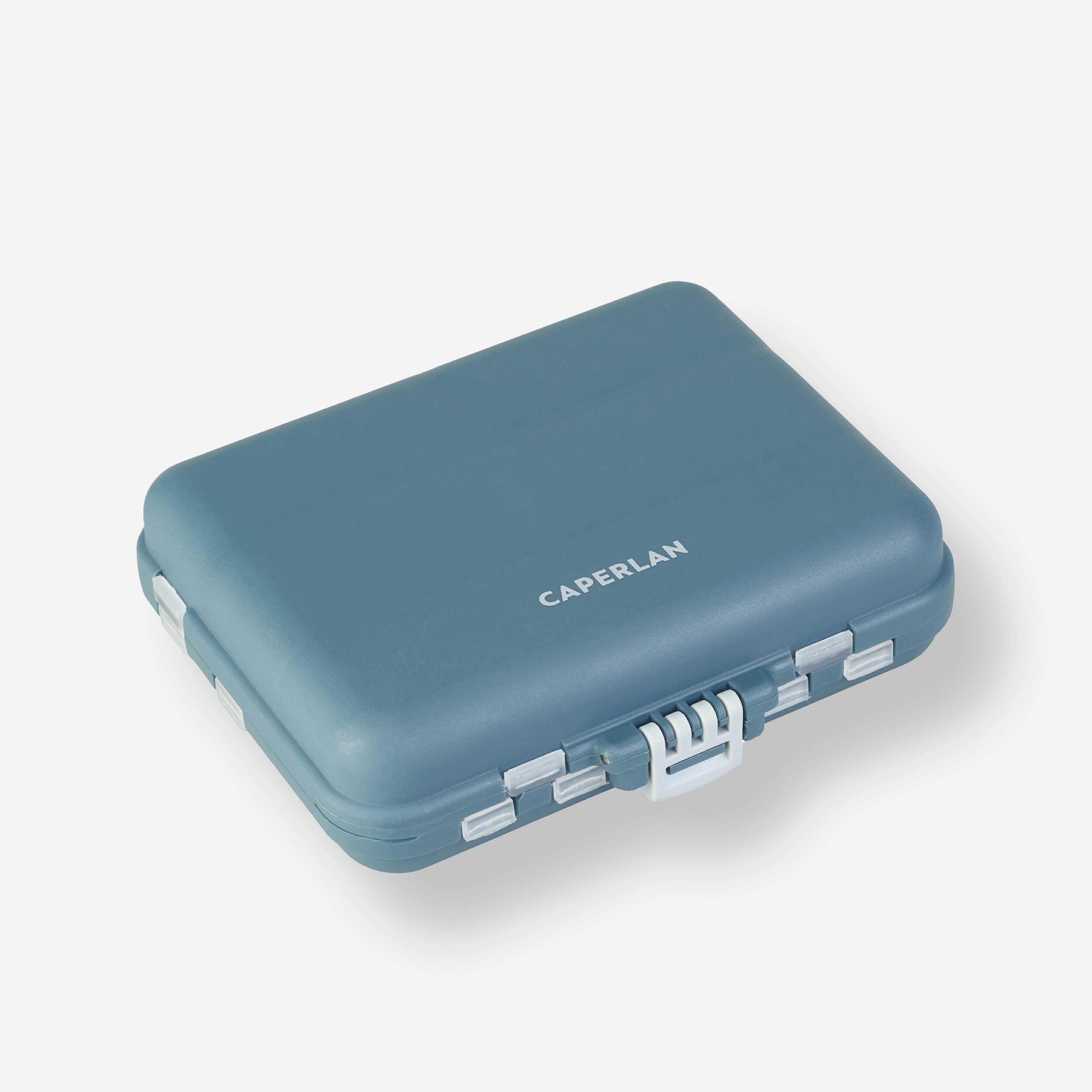
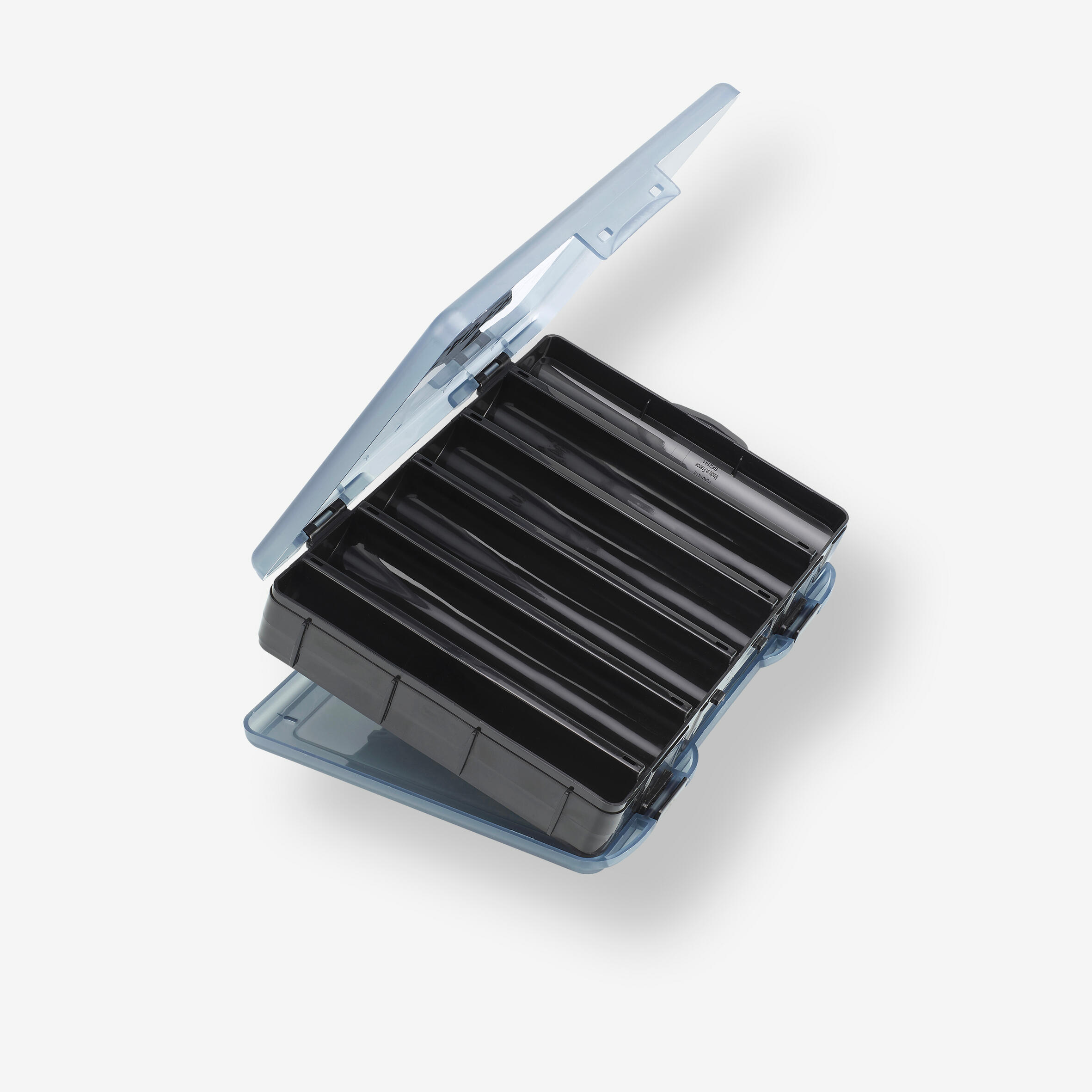
Small hooks, beads, clips and swivels can quickly become mixed when they share one open compartment. Caperlan's Reverse 500 SM uses a double-sided format with 11 independently covered sections, helping you keep different terminal components separated even when the box changes orientation inside a pocket or fishing bag. One compartment can also be altered using 10 supplied spacers. The reverse fishing box for sea fishing measures approximately 12 x 10 x 3.5 cm, making it compact enough for smaller accessories. It also receives Caperlan's repeated 150-cycle opening test and one-metre concrete drop test.

When does a waterproof fishing box add useful protection?

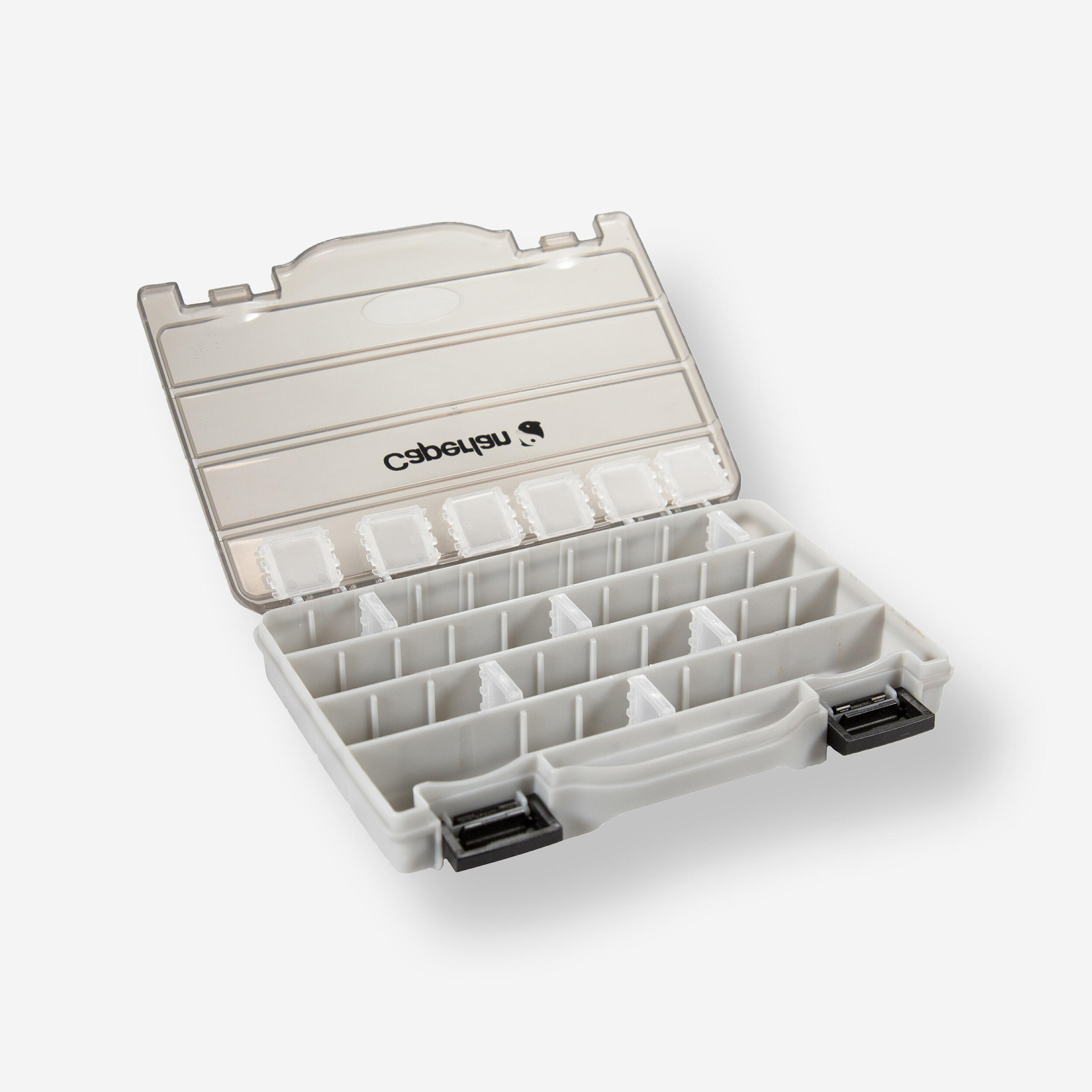
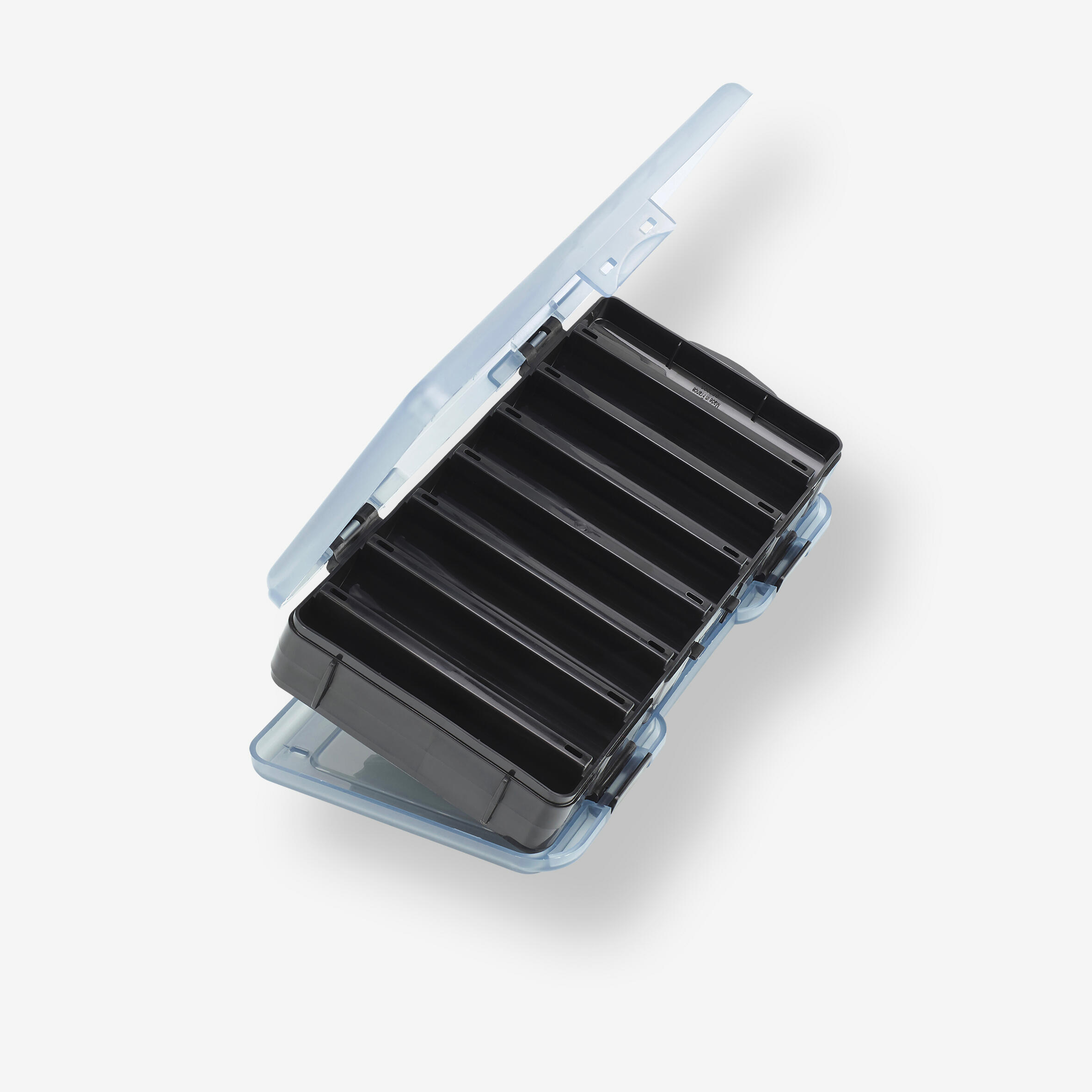
Spray, rain and wet equipment can make sealed storage useful when you want lures and terminal tackle kept away from external moisture. Caperlan's 900 L sea fishing waterproof box meets IP67, including protection against temporary immersion at approximately one metre for 30 minutes. Its dividers let you change the interior from 3 to 15 compartments, while the box accepts lures up to about 19 cm long. Caperlan also gives you a simple waterproofness test: put absorbent paper inside, close and submerge the box, then confirm the paper remains dry. It is not intended for diving, where greater water pressure can exceed its intended protection.

How can you organise several boxes for a sea fishing session?

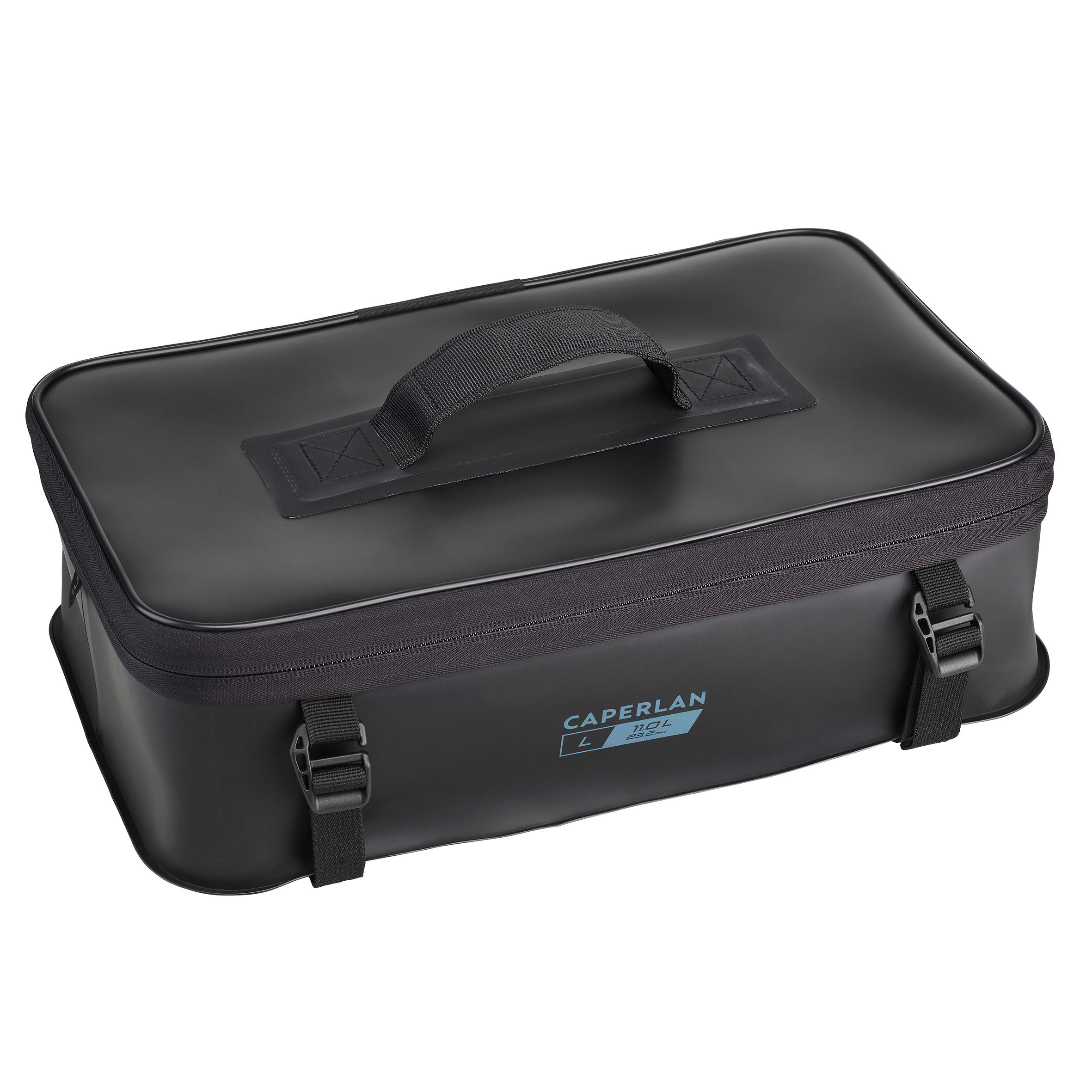
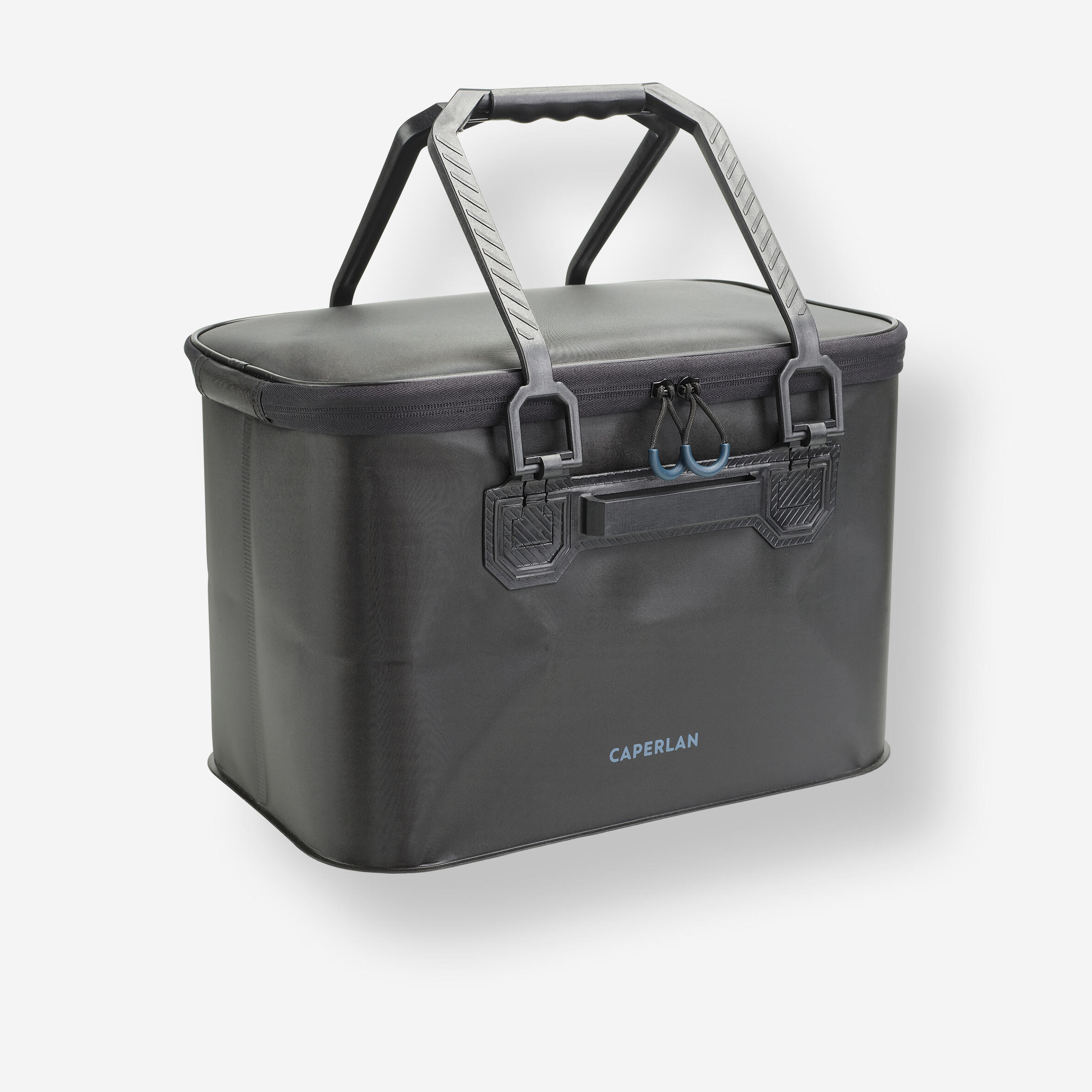
Organise storage by the equipment you reach for most often rather than putting every item into one large container. A small reverse box can hold clips and swivels, a modular lure box can separate hard lures, and a larger tray system can carry tools, spare rigs and other equipment. This makes changes quicker while helping sharp hooks and heavy sinkers stay away from more delicate tackle. Other sea fishing equipment such as bags, trolleys and rod supports can help you carry these boxes according to the distance between your vehicle and fishing position. Caperlan also sizes selected boxes to fit compatible fishing bags, creating a more coordinated storage setup.

How do you care for fishing boxes after saltwater use?

Remove wet tackle before long-term storage and let both the box and its contents dry fully. Salt residue left on hooks, swivels and clips can encourage corrosion even when the box itself remains unaffected. Wipe away sand around hinges and closures so grit does not interfere with repeated opening, and store polypropylene boxes somewhere dry away from excessive heat and humidity. During regular saltwater fishing, inspect dividers, clips and seals before loading the box again. For waterproof models, Caperlan recommends absorbent paper to manage residual moisture and also provides a paper-based immersion test for checking the seal over time. Dry storage helps keep the organisation system ready without trapping moisture around metal tackle between sessions.