5 items
4.4/5 based on 288 reviews collected online and in stores

Luminous Sticks FAQs

How do glow sticks help you monitor a rod after dark?

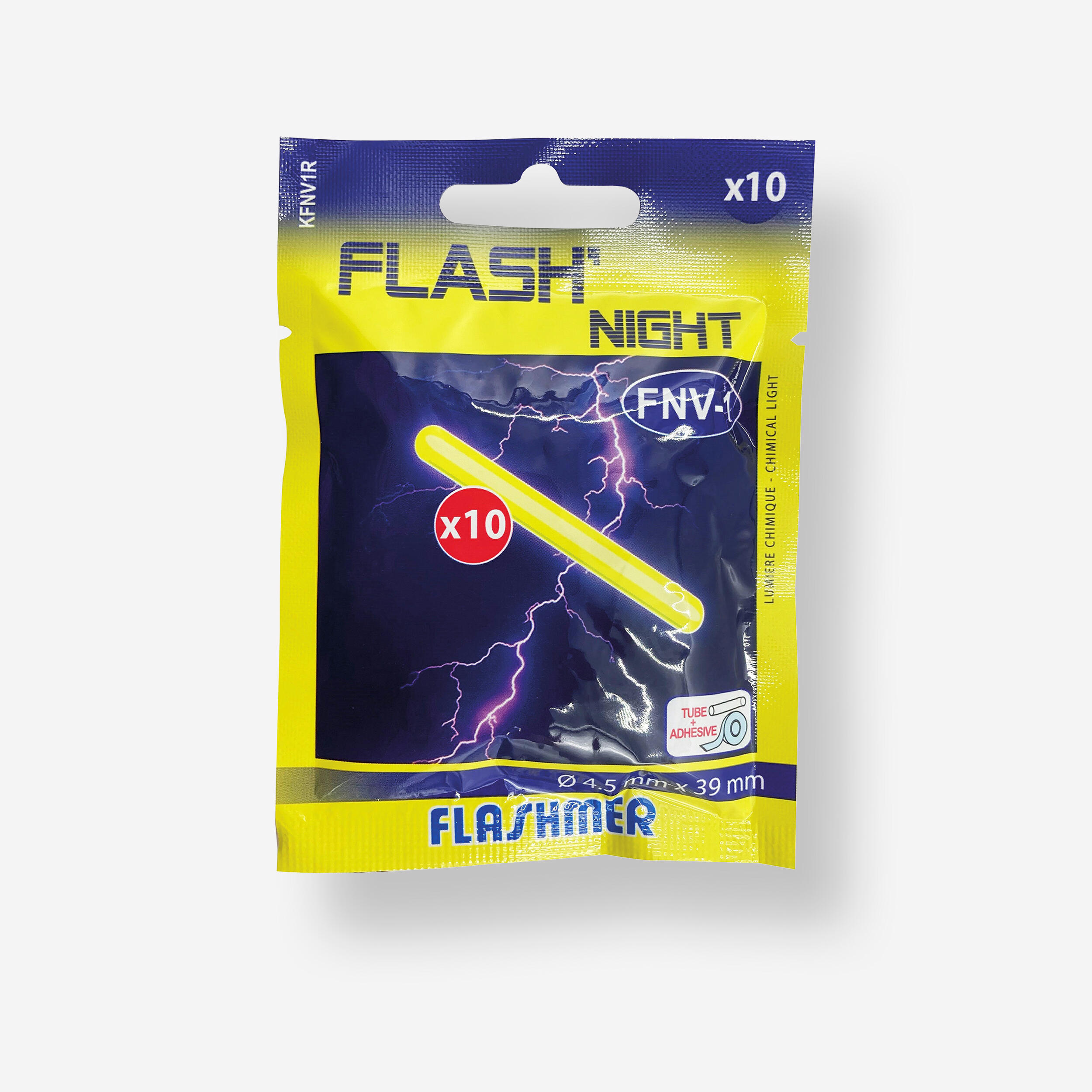
A small light attached near the rod tip gives you a visible reference for movement without lighting the complete fishing position. Chemical sea fishing glow sticks activate without batteries, making them straightforward to prepare during evening or overnight sessions. The Flash Night T4 format measures approximately 3 x 50 mm and provides at least eight hours of illumination. Activation involves bending or twisting the tube to break the internal capsule, then shaking it so the chemicals mix and produce fluorescent light. Attach the light securely where rod-tip movement remains easy to follow without obstructing the line or guides.

When does an electronic bite detector make more sense?

An electronic indicator can suit repeated night sessions when you want a reusable visual reference instead of activating a fresh chemical stick each time. The blue diode Flash Alert bite detector keeps a blue LED illuminated while the rod remains at rest, making the tip easier to locate in darkness. The blue diode is specified to use 30% less power than the green version, while two supplied supports accommodate different rod-tip sizes. This makes attachment compatibility as important as brightness. Keep the detector positioned where it can respond to rod movement without interfering with casting, retrieval or the line path. The current luminous-stick category includes both chemical and electronic forms of visual night indication.

How do you select the right luminous indicator for your rod?

Start with the attachment point and rod-tip diameter rather than selecting by brightness alone. Current glow-stick formats include different dimensions, such as approximately 3 x 50 mm, 4.5 x 39 mm and 6 x 50 mm, while selected versions include adhesive tape for direct rod-tip attachment. Electronic indicators use their own supports, so confirm that the fitting sits securely without squeezing or damaging a fine tip. Other sea fishing tools can complement the setup when you need a headlamp for baiting hooks, tying rigs or moving around safely after dark. A luminous tip indicator works best as a focused bite-monitoring aid rather than as a replacement for general working light.

How do you prepare luminous tackle for a saltwater session?

Set aside enough indicators for the expected fishing time and test reusable electronic equipment before leaving home. Keep chemical sticks sealed until needed so accidental activation does not waste their useful illumination period. Secure attachments carefully and remove used single-use indicators from the rod after fishing rather than leaving them loose on the shore. During saltwater fishing, also keep electrical accessories and spare tackle protected from unnecessary spray when they are not in use. After the session, wipe reusable attachments dry and inspect their supports before storage. A simple preparation routine makes it easier to identify rod-tip movement at night without searching through tackle once the light has already faded.