2 items
4.6/5 based on 30 reviews collected online and in stores

Sea Fishing Landing Nets FAQs

When can a floating landing net help with sea fishing?

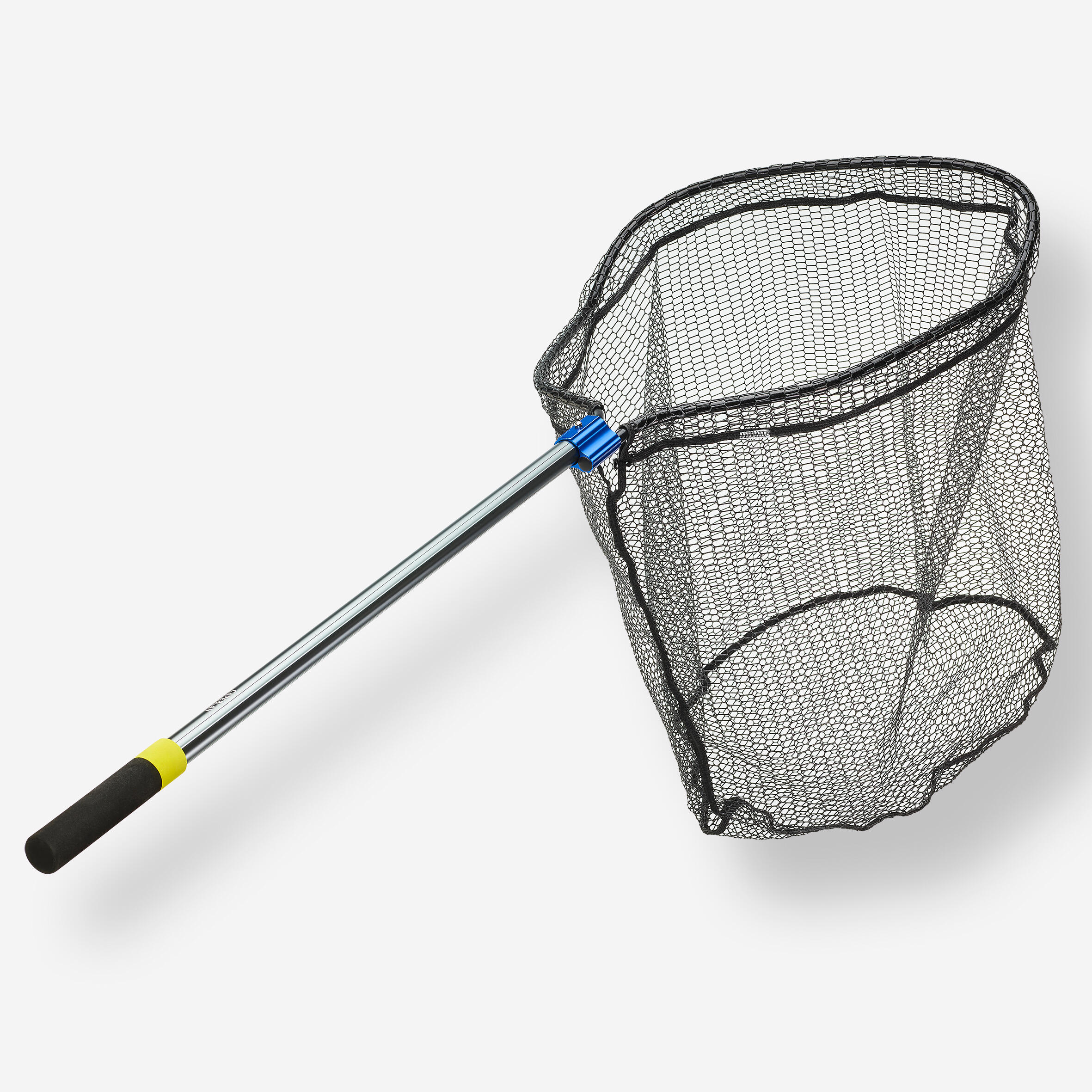
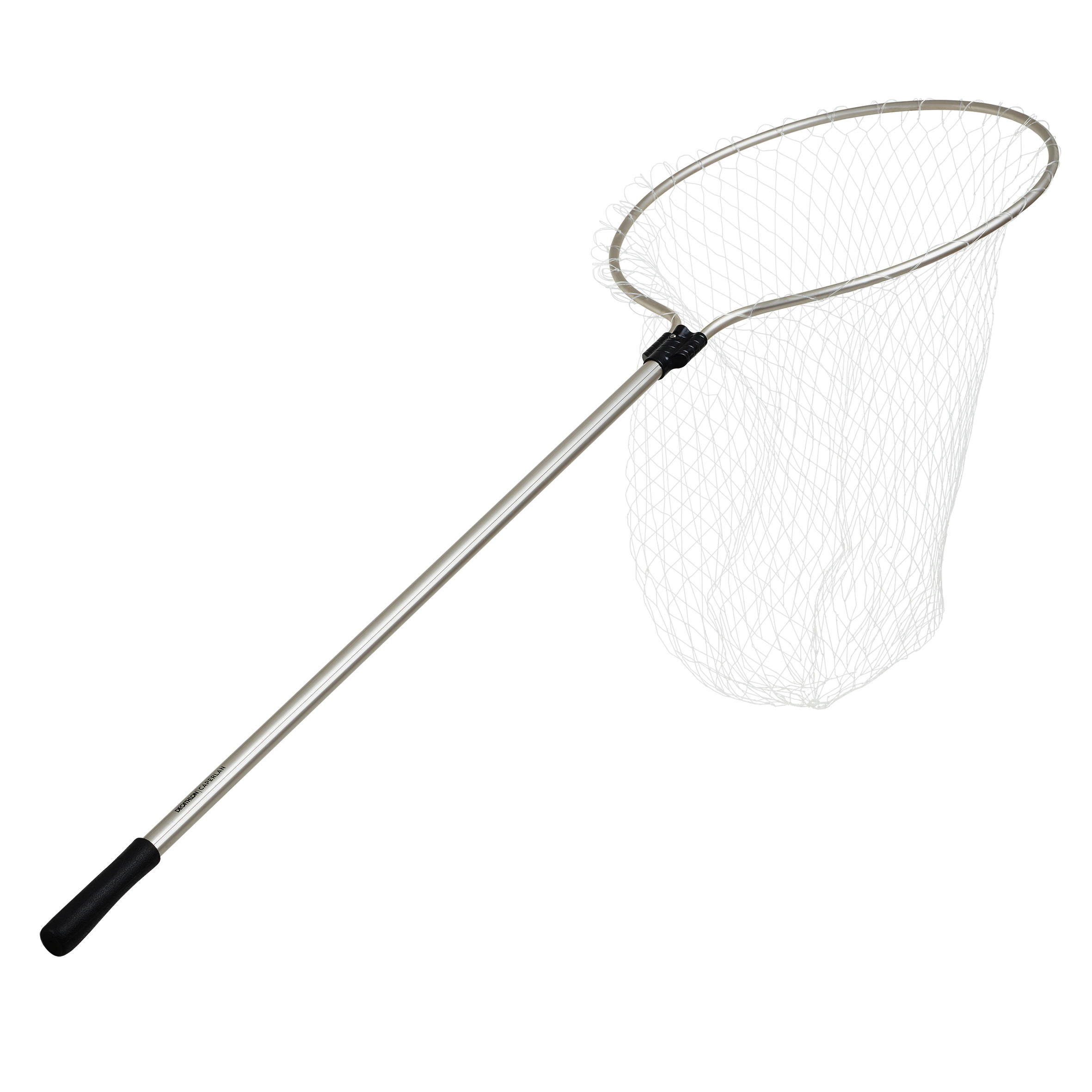
A floating net can be particularly useful when you fish from a boat or close to deep water, where dropping an ordinary net may mean losing it completely. Caperlan builds foam directly into the handle of its floating landing net for sea fishing, giving the complete net buoyancy without adding a separate float. A black-and-yellow EVA cuff makes it easier to spot on the water, while the extra-large EVA grip gives you a secure holding area. The 1.40 m net also uses an aluminium shaft and a 55 x 54 cm head, giving you a compact format for marine lure fishing and predator handling.

When does a longer sea fishing landing net make more sense?

Extra reach can help when you fish from harbour walls, rocks or raised banks where the fish remains below your standing position. Caperlan's 1.90 m sea net uses a 1.20 m aluminium handle, a 65 x 60 cm head and a 90 cm-deep nylon net, giving substantially more holding space than the shorter floating model. It is specifically intended for landing larger sea fish. The aluminium landing net for sea fishing therefore fits situations where reach and capacity matter more than built-in flotation. Match the working length with the height of your fishing position rather than automatically selecting the longest option for every session.

How does rubber mesh help when landing fish on lures?

Treble hooks and other multi-point hooks can become tangled in conventional netting while you try to control the fish. Caperlan's floating sea net uses rubber mesh that is less prone to trapping hooks, which can make unhooking more manageable after lure fishing. When wet, the rubber material also absorbs less of the fish's protective mucus than conventional netting. The wider sea fishing equipment category can help you organise the landing net alongside pliers, tackle storage and other fish-handling accessories. Place the net within reach before casting so you do not need to search for it once a fish is already close to the shore or boat.

How do you match a landing net to your saltwater fishing position?

Think about where you stand, the expected fish size and the hooks you use. A shorter floating net can suit boat or lure fishing where dropping equipment into the water is a realistic risk, while a longer 1.90 m model gives more reach and a deeper net for larger catches. Caperlan's current 1.90 m model uses a 90 cm net depth and aluminium frame, while the floating model focuses on buoyancy, visibility and rubber mesh. Different methods within saltwater fishing place different demands on landing equipment, so select the net around your actual fishing position instead of relying only on head size.

How do you care for a sea fishing landing net after use?

Salt deposits and trapped moisture can remain around frames, handles and netting after a coastal session, so cleaning and drying matter before storage. Decathlon explicitly advises rinsing the 1.90 m Caperlan net thoroughly with fresh water after use at sea. Let the handle, frame and mesh dry fully before placing the net in a closed bag or vehicle, and inspect joints, grips and net attachment points for wear. If a replaceable component becomes damaged, review available salt water fishing spare parts before replacing complete equipment. Keep sharp hooks and heavy sinkers away from the mesh during transport so they do not create avoidable snags or tears between sessions.