4 items
4.7/5 based on 134 reviews collected online and in stores

Surfcasting Reels FAQs

How does spool shape affect long-distance surfcasting?

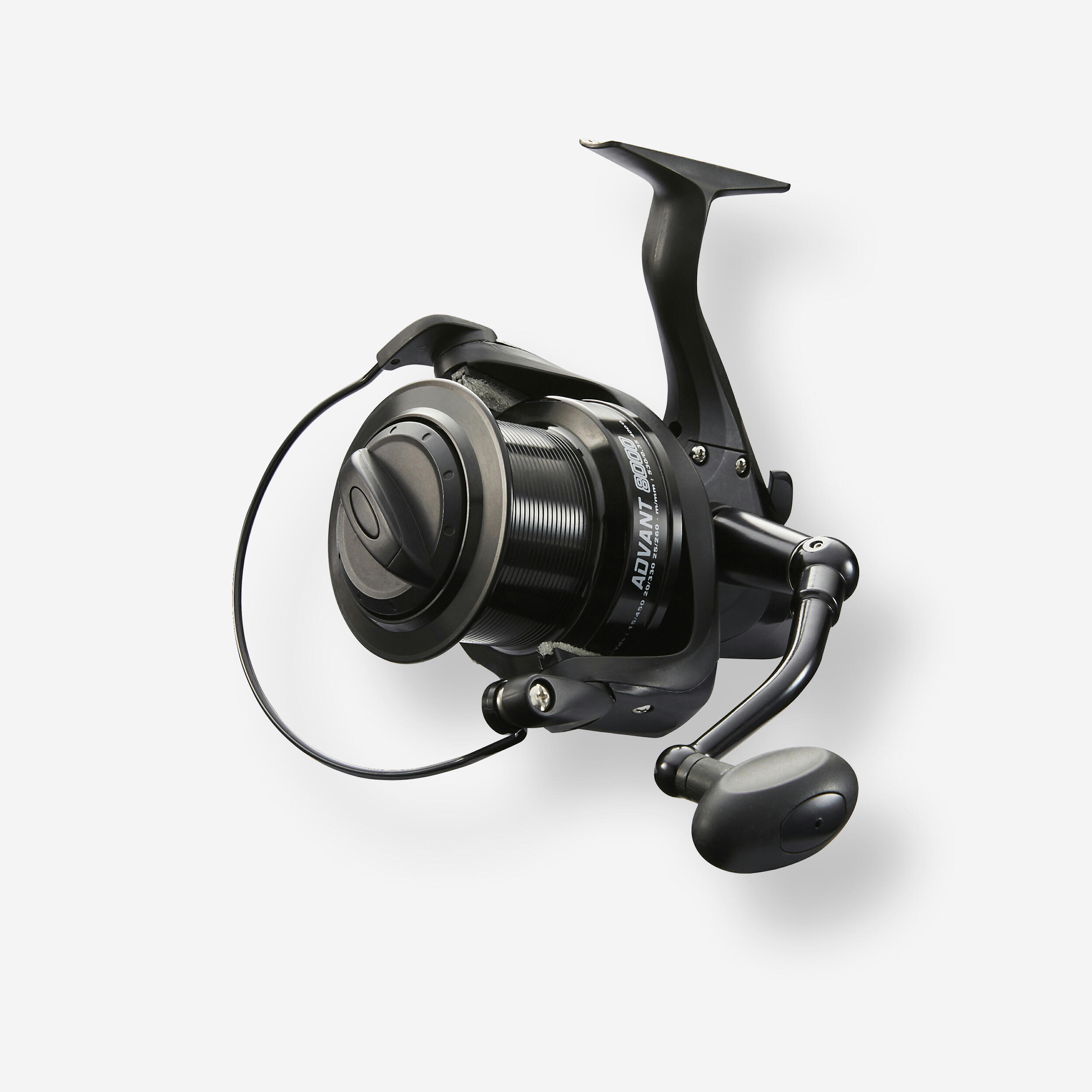
A wide spool with a tapered profile lets line leave the reel with less restriction during a long cast. Caperlan builds the surfcasting fishing reels in the ADVANT POWER family around a wide, cone-shaped spool for this reason. The 8000 model combines that spool with an aluminium crank, graphite casing and graphite rotor. It also holds up to around 530 m of 0.35 mm monofilament, giving you useful capacity for larger surfcasting rigs. Spool shape is only part of the configuration, so match the reel to your rod, line diameter and normal casting distance rather than automatically selecting the largest reel.

What difference do drag and retrieval rate make to a fishing reel?

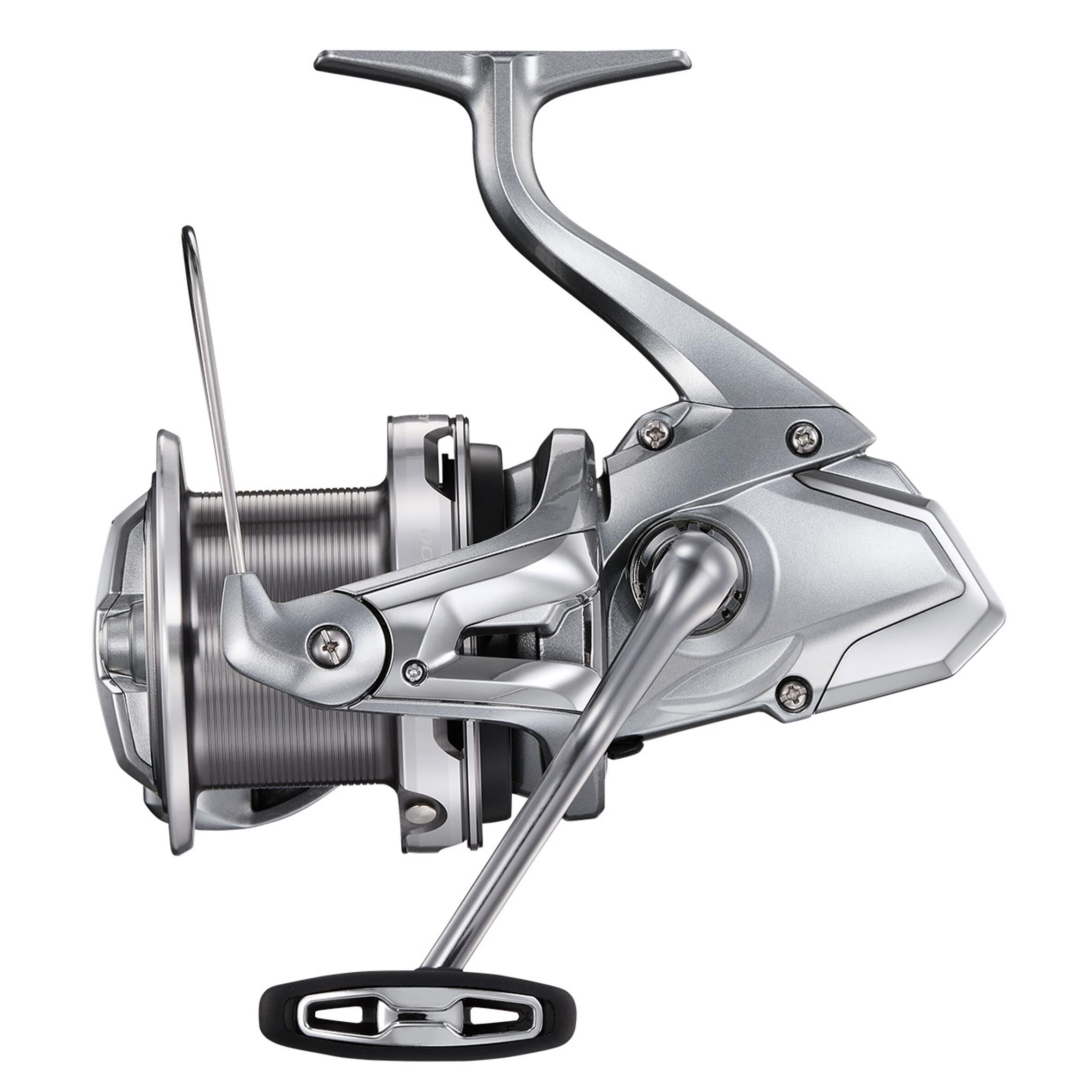
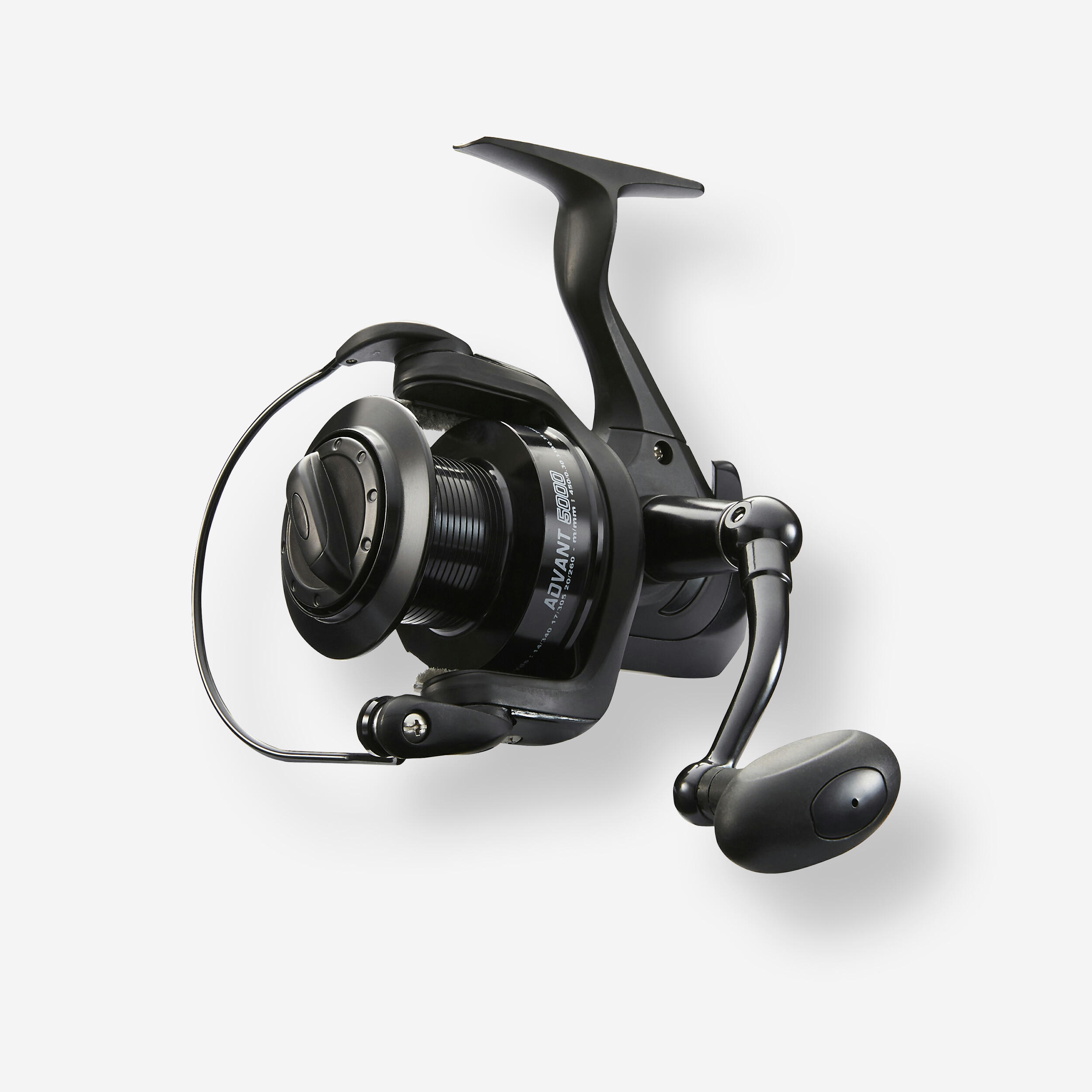
Drag controls how much resistance a fish meets when pulling line from the spool, while retrieval rate tells you how quickly line comes back with each complete handle turn. Caperlan distinguishes usable drag from the highest theoretical drag figure by accounting for movement within the reel assembly. The long cast fishing reels in size 5000 provide around 8 kg of usable drag and retrieve approximately 84 cm per crank with a 4.8:1 ratio. Set the drag according to your line and leader strength, and use retrieval rate as a practical guide when comparing how different reel sizes will feel during repeated casts and retrieves.

When can a low-capacity spool be useful for surfcasting?

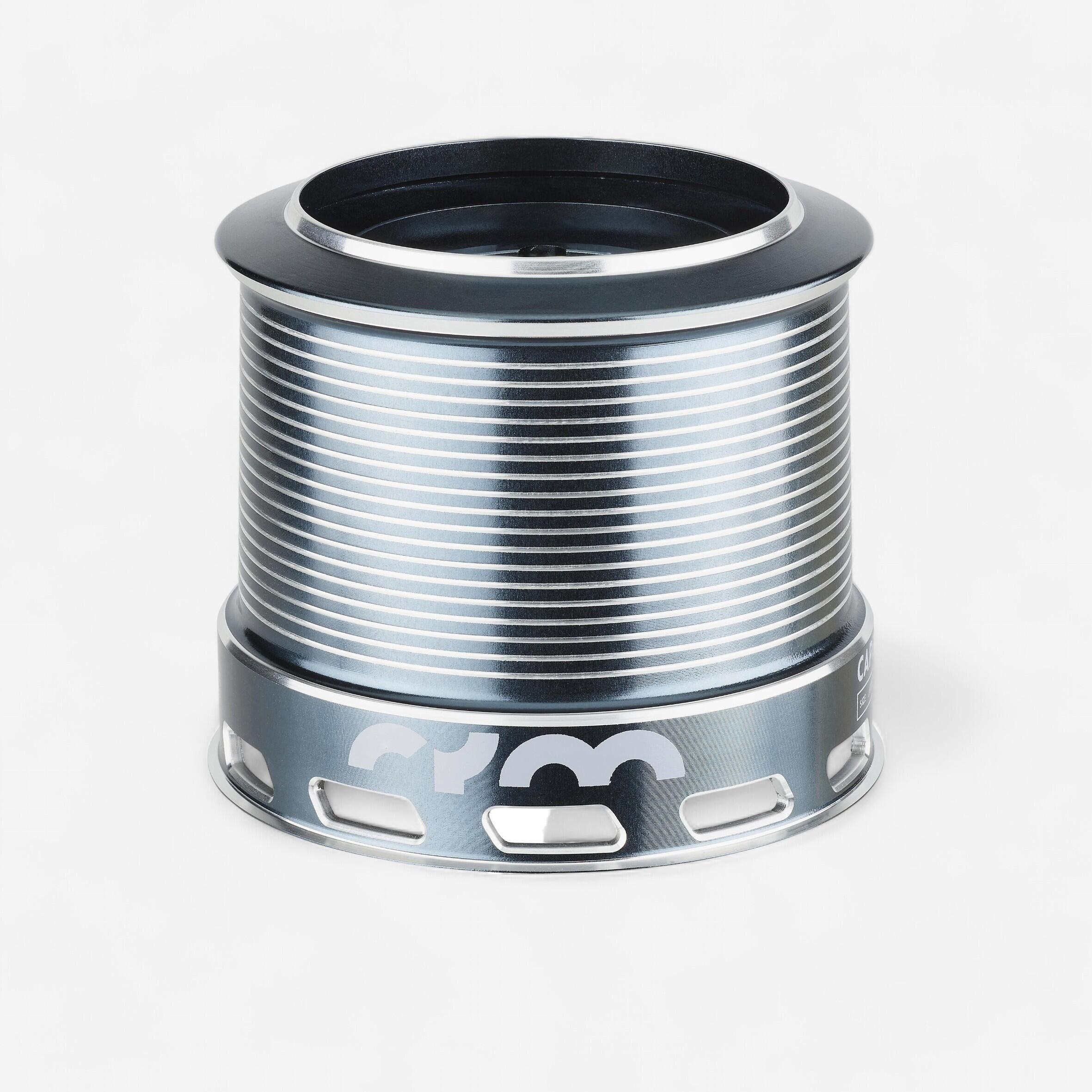
A deep spool can require more backing or extra line when you want to fish a thinner diameter, so changing the spool can make the rig more practical. Caperlan's low capacity aluminium spool reels accessory adapts the SYMBIOS 10000 for lower line volumes. Capacity ranges from about 360 m of 0.16 mm line to 165 m of 0.25 mm line. This can help you prepare a thinner-line layout without filling unnecessary depth beneath the working line. A separate spool also lets you keep different line diameters prepared and change between them when sea conditions or the type of surfcasting rig changes.

Which surfcasting reel suits the rest of your setup?

Start with your rod and line because the reel has to provide enough capacity without making the complete arrangement unnecessarily bulky. A larger reel carries more line and provides stronger usable drag, while a smaller model suits lighter tackle where maximum capacity matters less. The wider surfcasting rig also needs the reel to work with your casting weight, shock leader and expected fishing distance. Check capacity at the actual line diameter you plan to use rather than comparing reel-size numbers alone. Balance also matters during repeated casting, so pair the reel with the rod before fishing and make sure the combination feels manageable through a complete casting movement.

How do you maintain a surfcasting reel after sea fishing?

Salt and sand can remain around moving components after a beach session, so regular care helps keep the reel turning smoothly. Caperlan advises rinsing and drying the reel after fishing, loosening the drag before storage and making sure every part is completely dry before putting it away. The mechanism also needs oiling around once a year. Selected ADVANT POWER reels have replacement spools, drag buttons, cranks and crank buttons available, so you can replace worn components individually. After caring for the reel, check other saltwater fishing equipment in the same way, paying attention to the handle, spool and drag movement before your next trip.