9 items
4.7/5 based on 807 reviews collected online and in stores

Surfcasting Weights FAQs

How does sinker shape change a surfcasting setup?

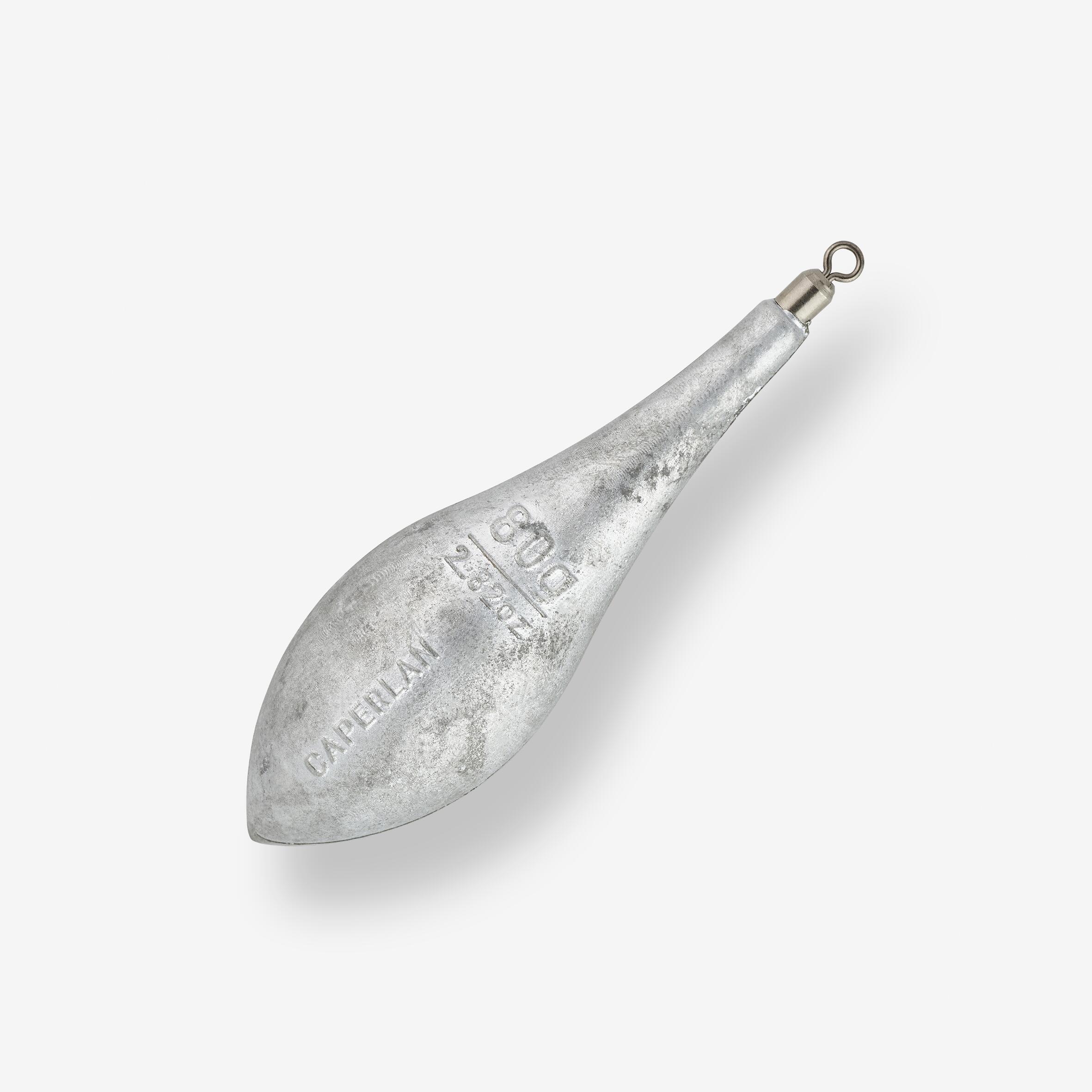
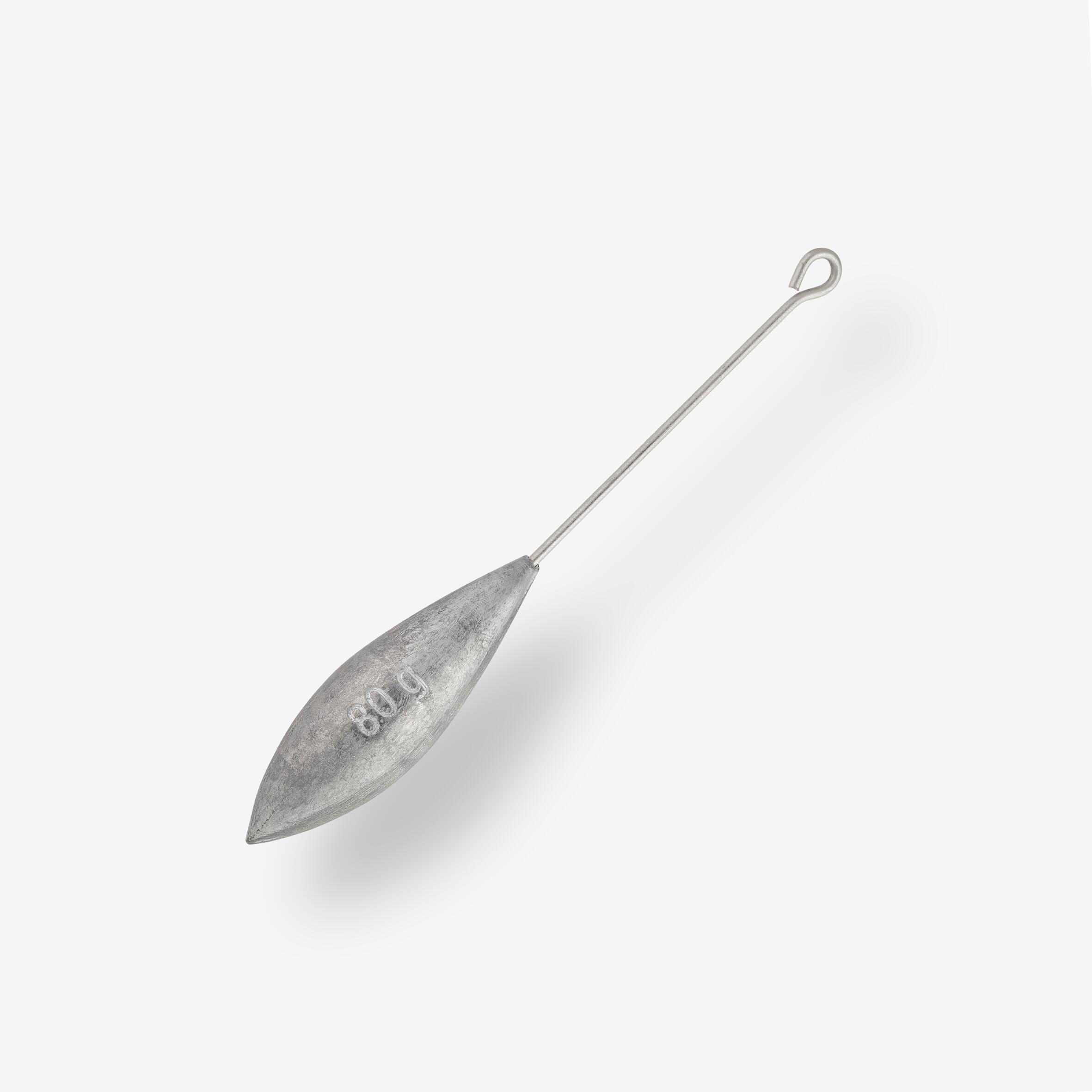
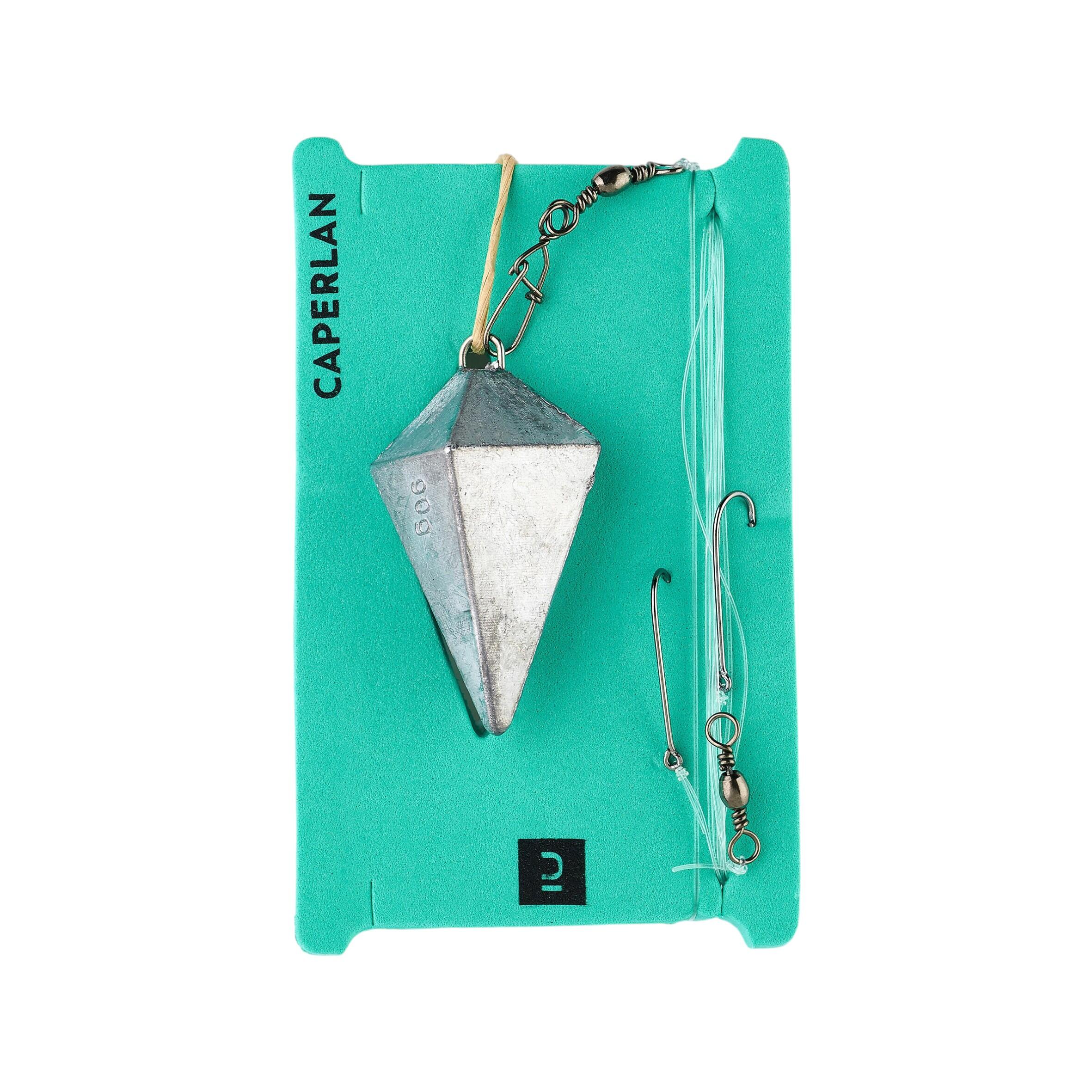
Sinker shape affects how your rig travels through the air and behaves after reaching the seabed. A streamlined profile can put more emphasis on casting distance, while shapes with stronger edges or anchoring points can help control movement in current. Caperlan's surfcasting bomb sinkers use an aerodynamic form for casting, then allow a slow, controlled drift once they settle. Available weights include 80 g, 100 g, 120 g and 140 g, giving you several options for different rods and sea conditions. Match the sinker to the seabed and water movement rather than selecting by weight alone.

When can a pyramid sinker help keep a rig stable?

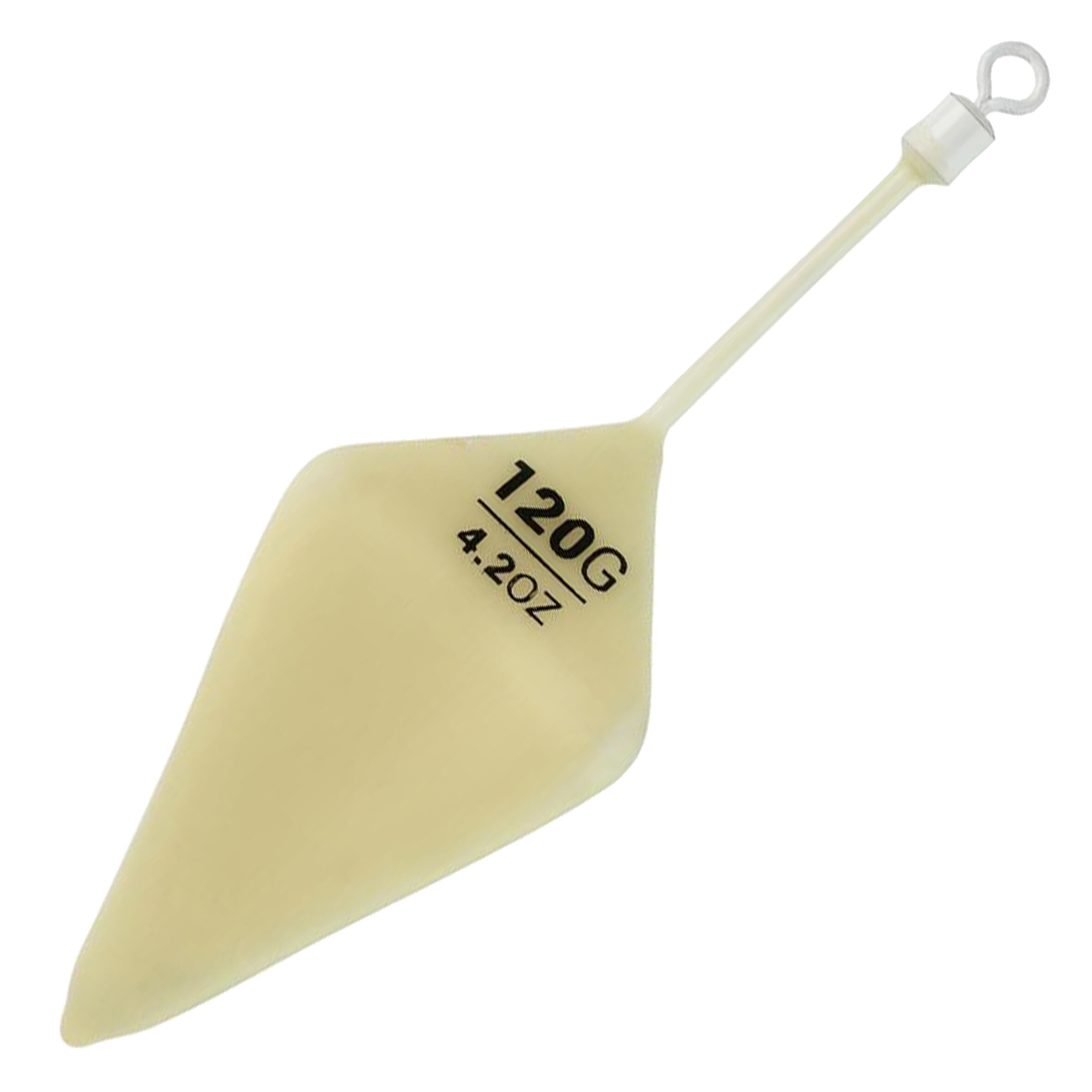
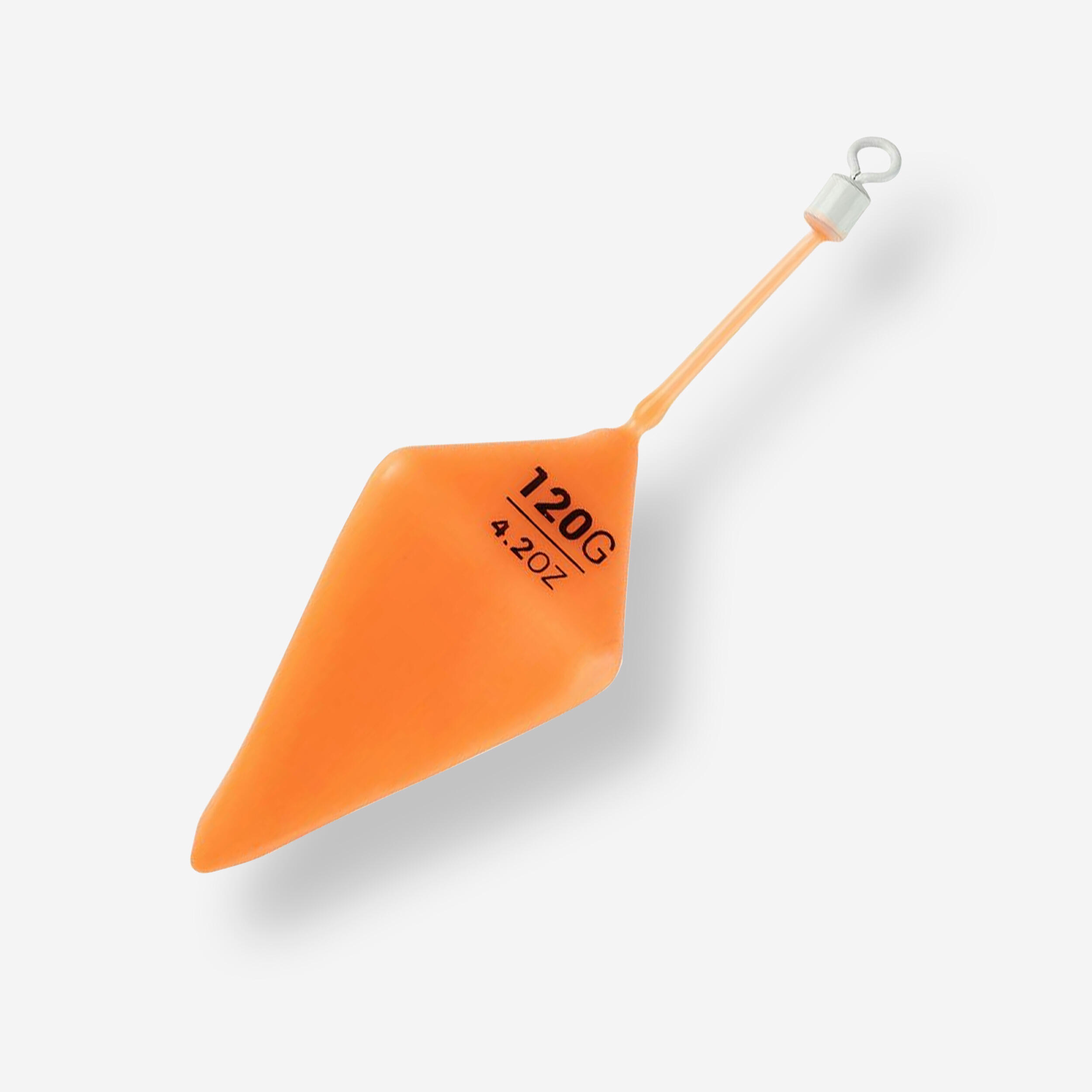
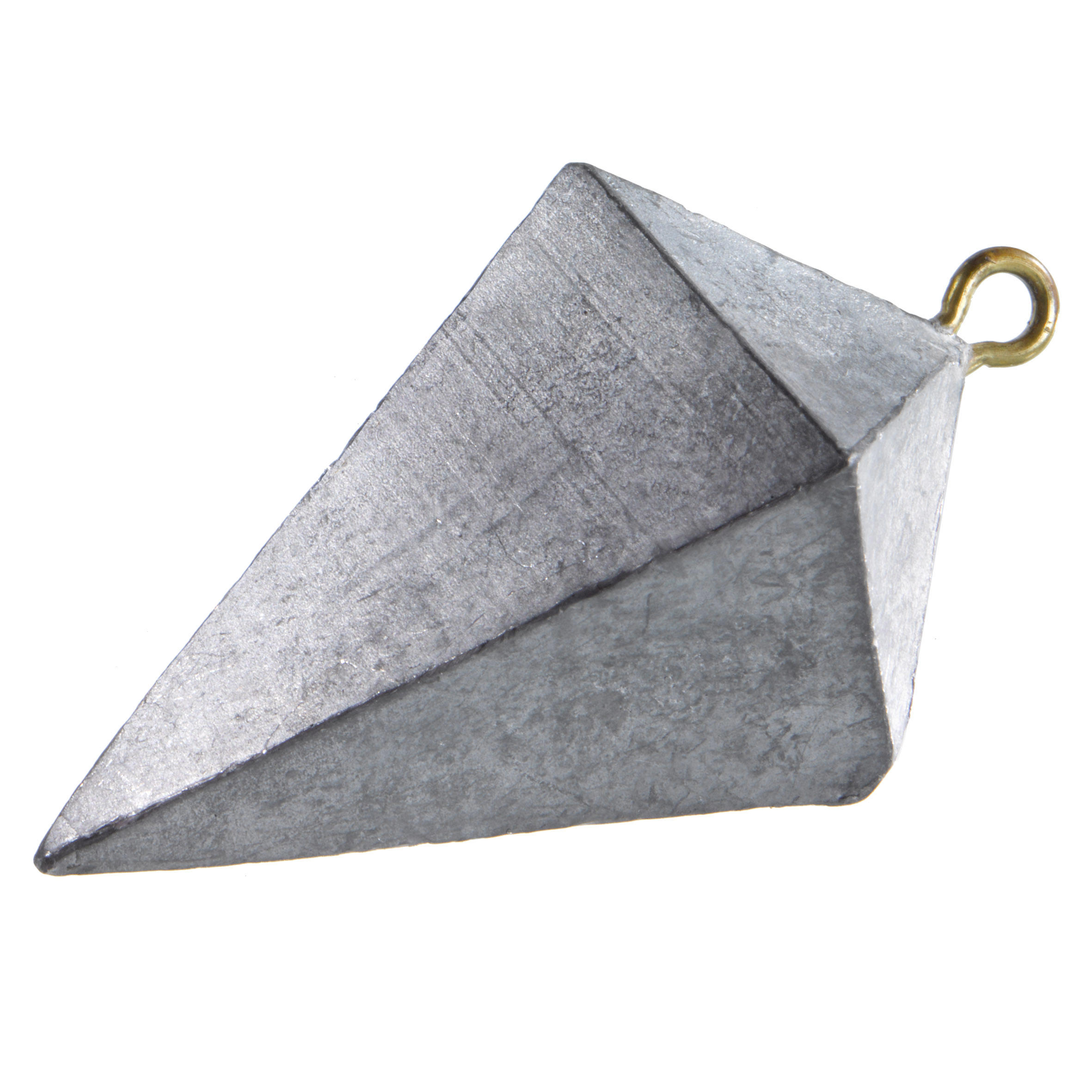
A pyramid profile can suit situations where you need more seabed stability without using the stronger anchoring action of a wired breakaway weight. Caperlan's fishing surfcasting pyramid sinkers are shaped to drift slowly while remaining stable in choppy conditions. This makes them useful on suitable seabeds when some controlled movement is acceptable but you still want the bait to remain near the fishing area. Stronger current can call for a shape with more grip, while calmer water may allow a more streamlined sinker. Check the rod's casting range before increasing weight, as the complete sinker and rig load needs to stay within the rod's working limits.

What does a lead-free surfcasting sinker offer?

Material gives you another selection point alongside weight and shape. Caperlan's surfcasting fishing sinkers in the DISTANCE SURF format use 100% Zamak zinc alloy instead of lead. Their streamlined profile focuses on long-distance surfcasting, with weights from around 80 g to 140 g for matching different rods and conditions. A lead-free construction does not change the need to balance sinker weight with rod power, line strength and the type of rig you are casting. Consider this option when casting performance is a priority and you prefer a lead-free sinker while keeping a familiar surfcasting weight progression.

How do you select surfcasting weight for current and seabed type?

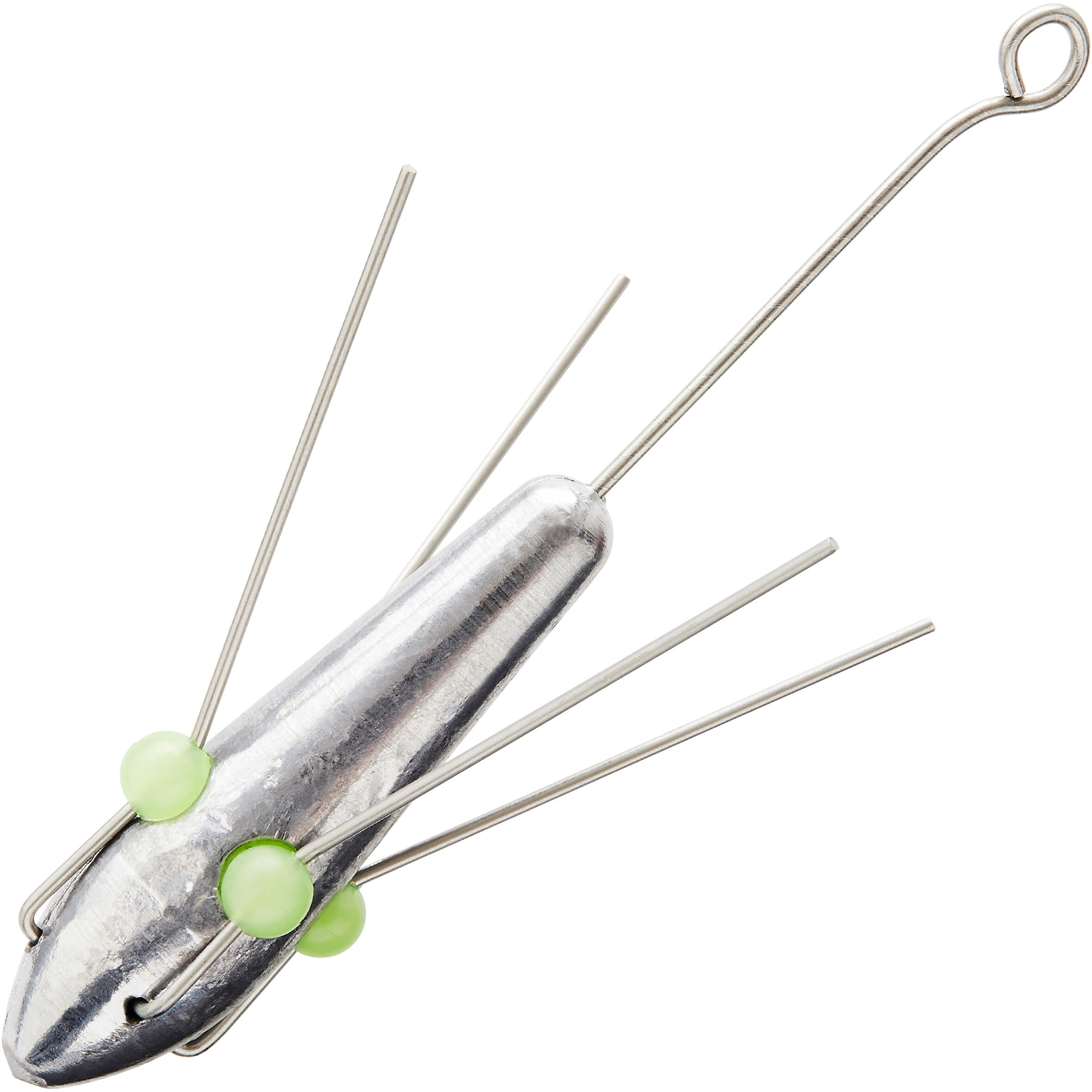
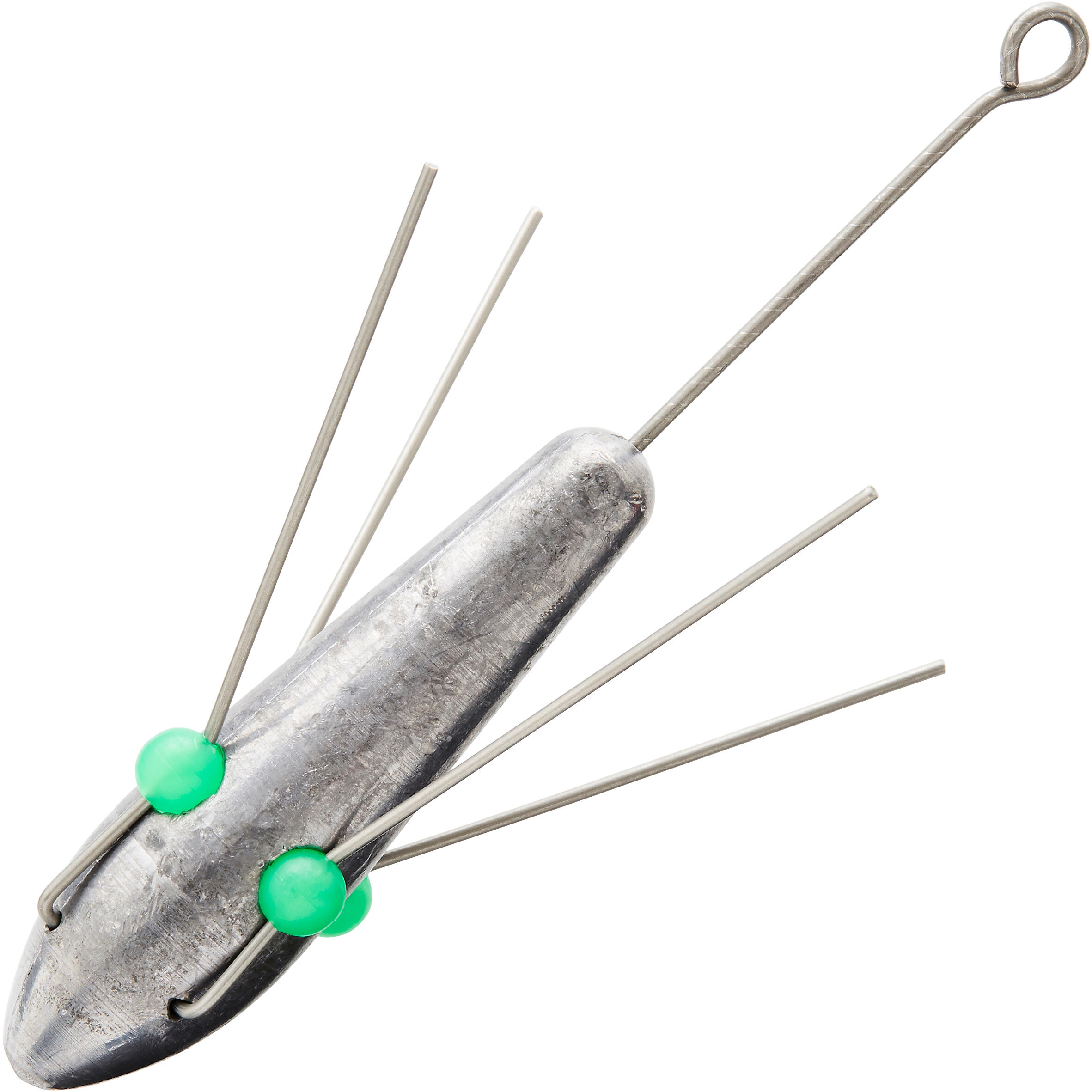
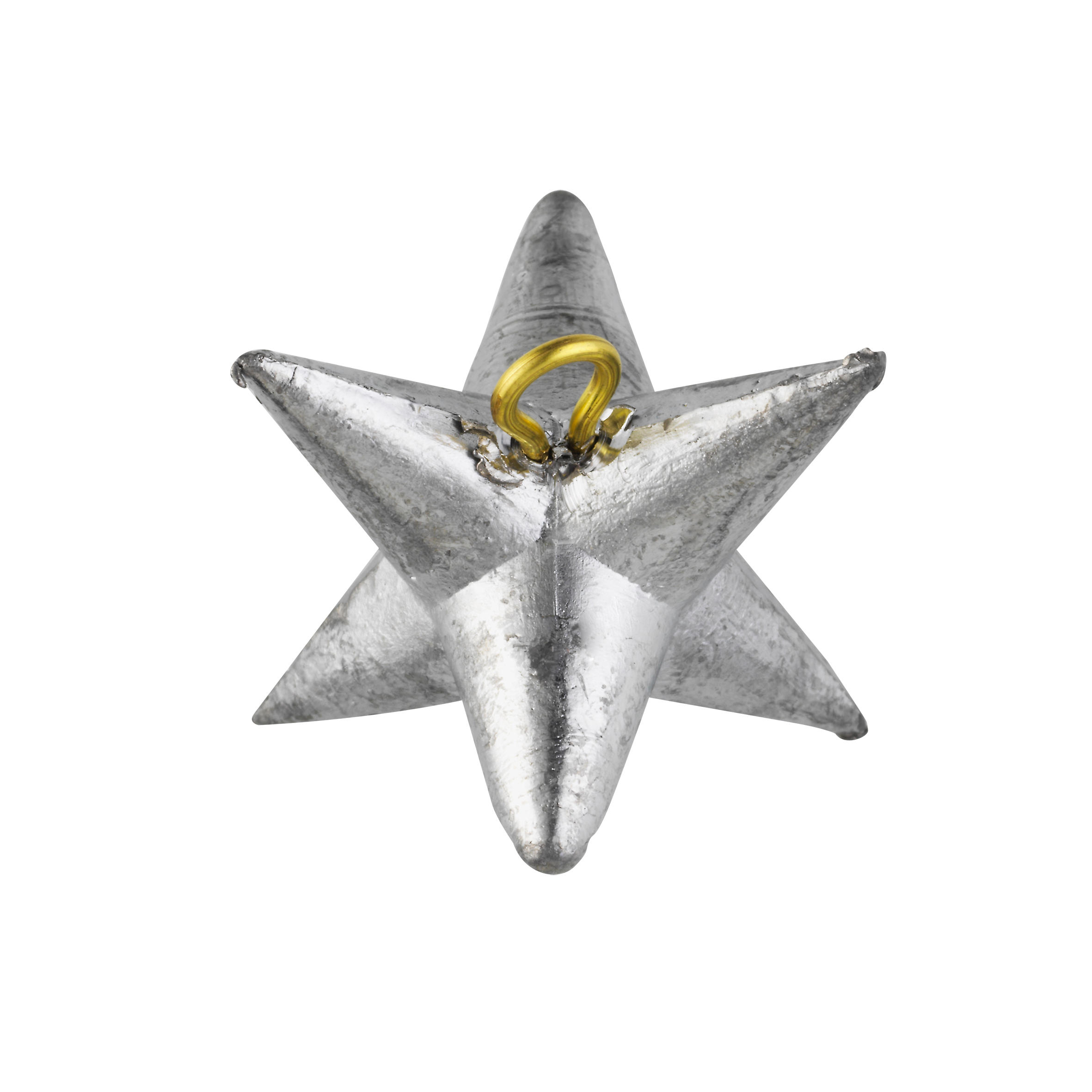
Start by looking at how strongly the water is moving and what lies beneath it. Breakaway designs can anchor firmly in sand during rougher conditions, while star-shaped weights use projecting points to grip sandy bottoms in stronger current. Star sinkers are not intended for rocky ground, where their shape can become caught more easily. Pyramid weights allow more controlled movement, while streamlined options focus more on casting. Your wider surfcasting layout also matters because the rod has a defined casting range and often an optimal sinker weight. Use enough weight to control the rig, but don't automatically move to the heaviest option whenever the sea becomes more active.

What precautions matter when using surfcasting weights?

Lead sinkers need sensible handling, so wash your hands after using them and before eating or handling food. Check swivels, shafts and attachment points for damage before casting, particularly after a weight has repeatedly struck hard ground. Caperlan also states a weight tolerance of about -5% to +10% for its manufactured sinkers, linked to the centrifugation production process, so the marked figure is a nominal reference. Phosphorescent pyramid models can be charged with a UV lamp before night fishing and use a protective coating that also improves shock and abrasion resistance. Keep weights organised separately from lighter saltwater fishing tackle so heavy sinkers do not damage lines, rigs or smaller accessories during transport.