13 items
4.7/5 based on 620 reviews collected online and in stores

Surfcasting Rigged Lines FAQs

What is considered a pre-tied surfcasting rig easier to use?

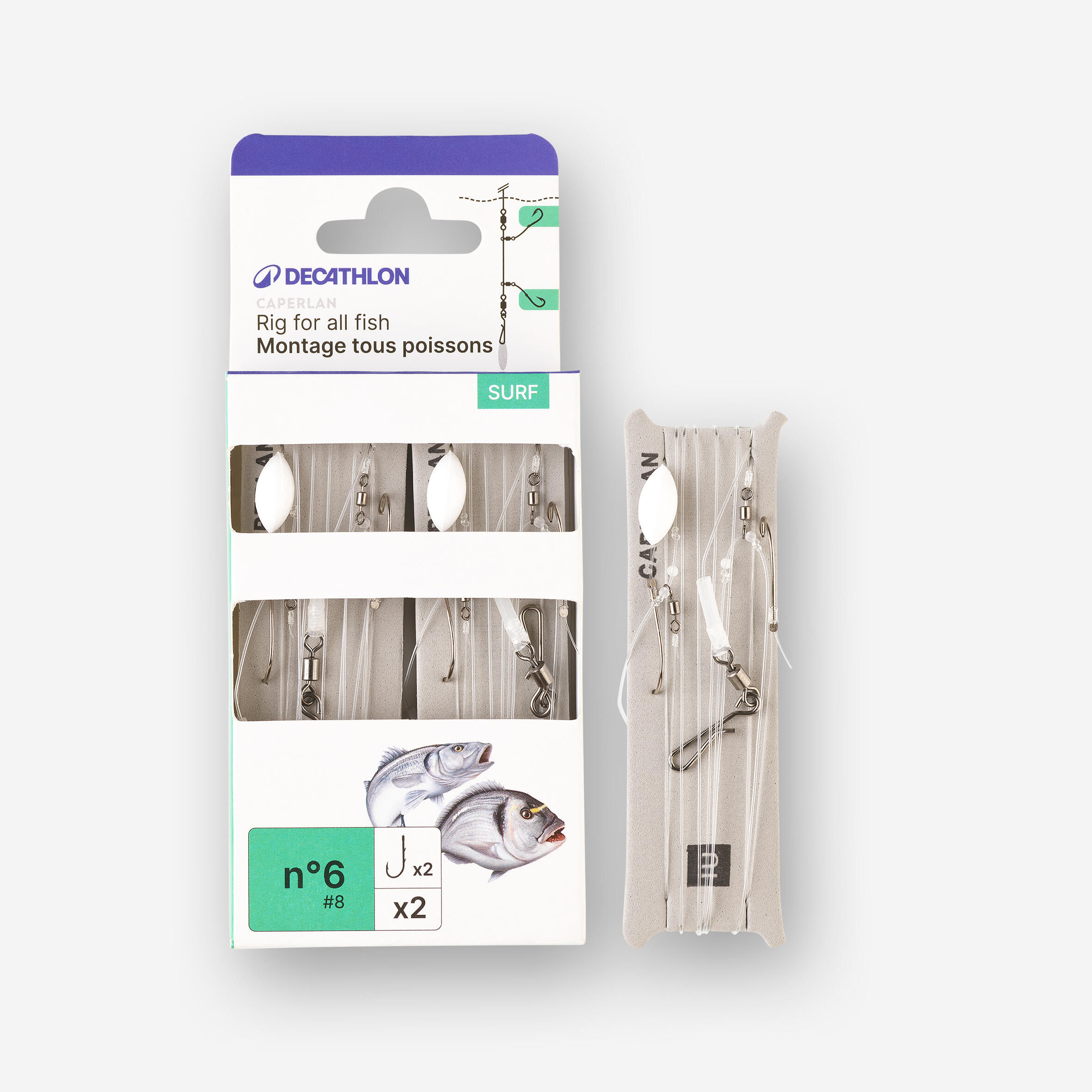
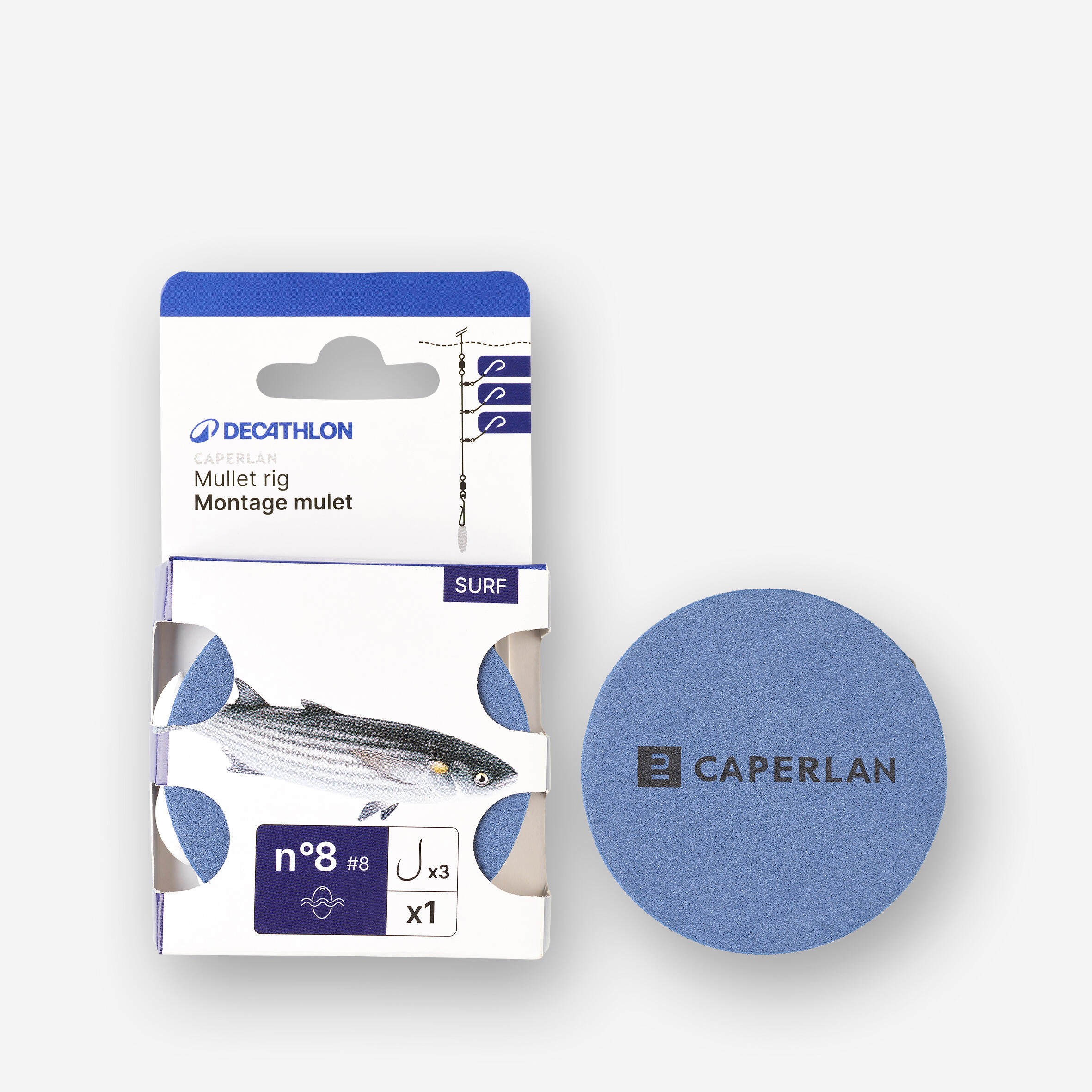
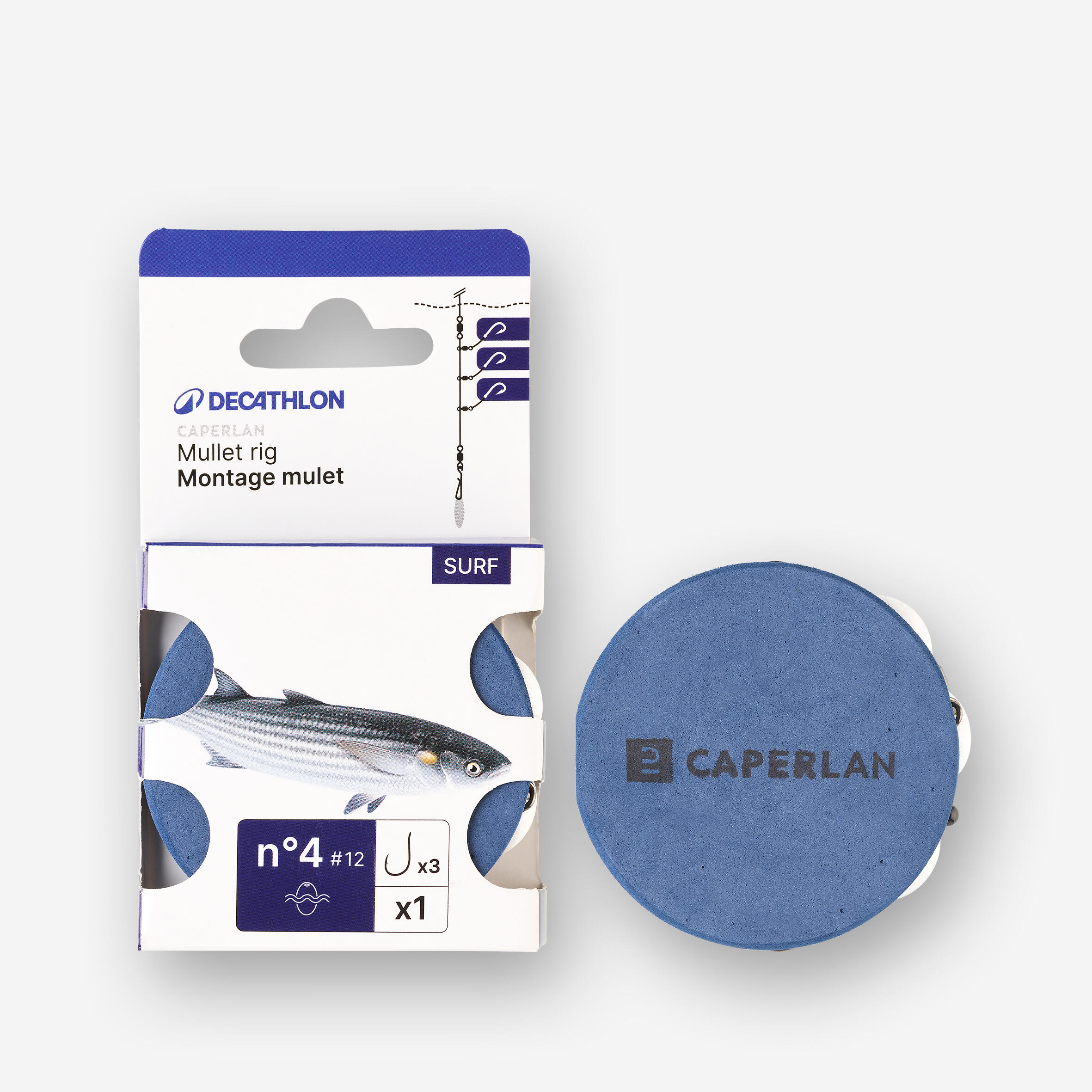
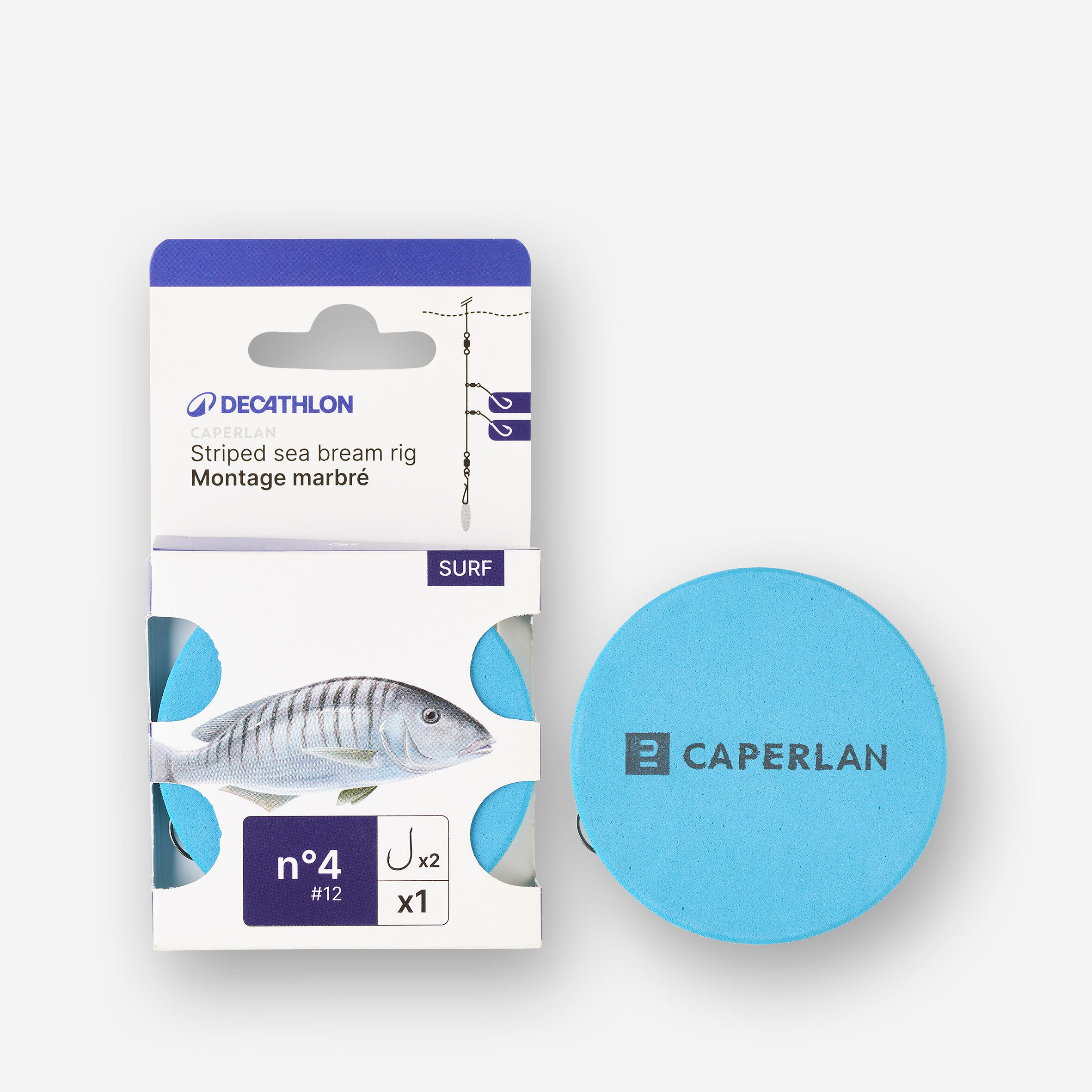
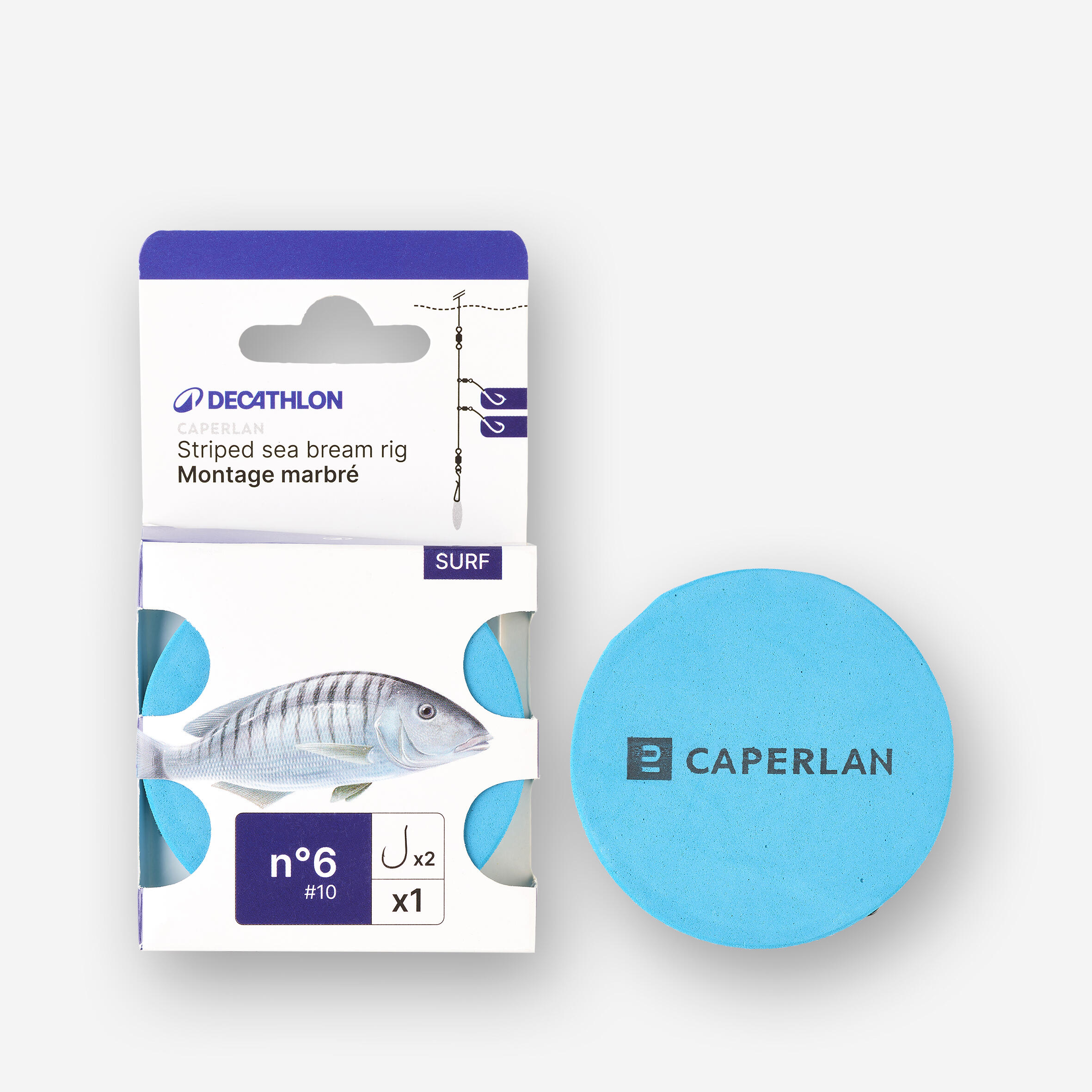
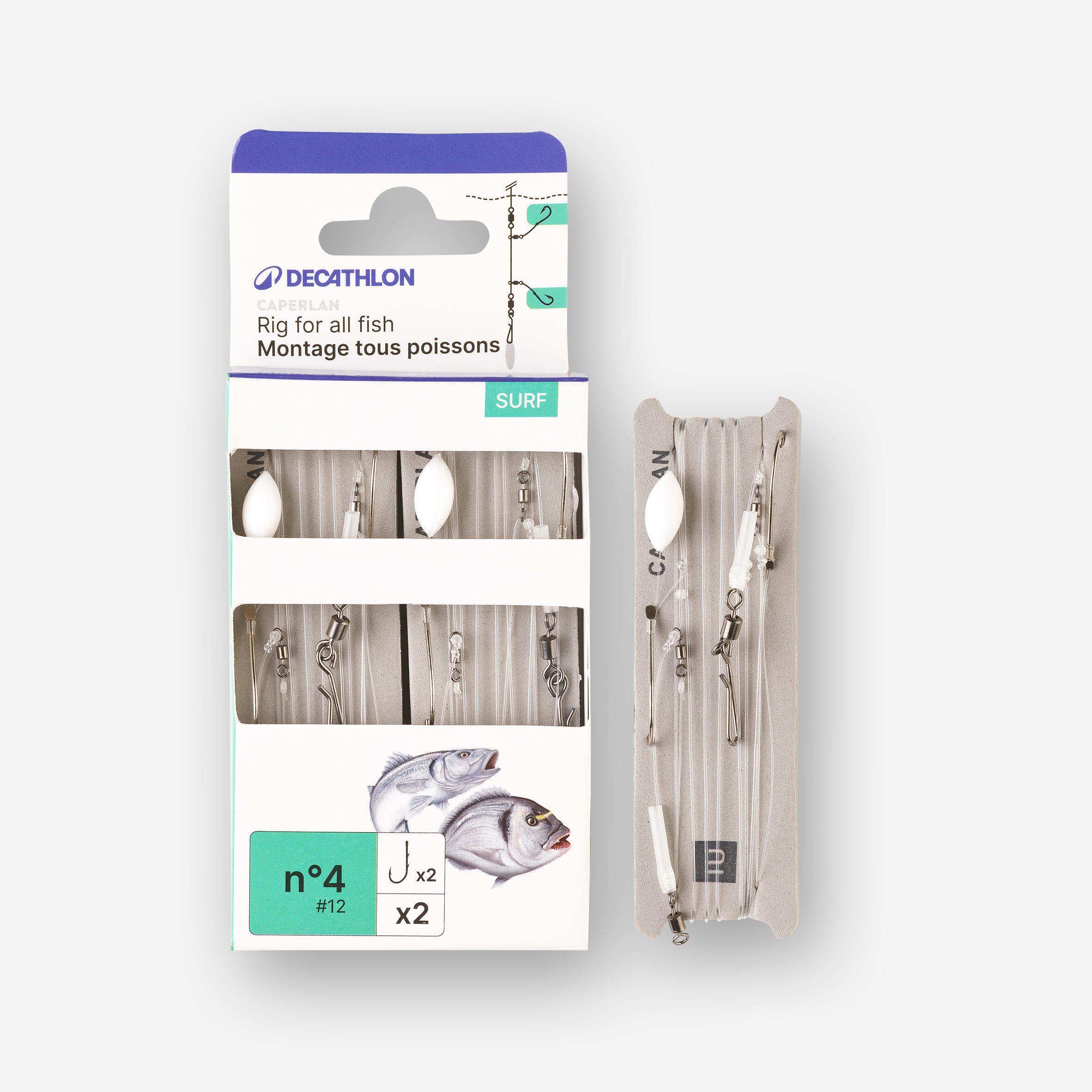
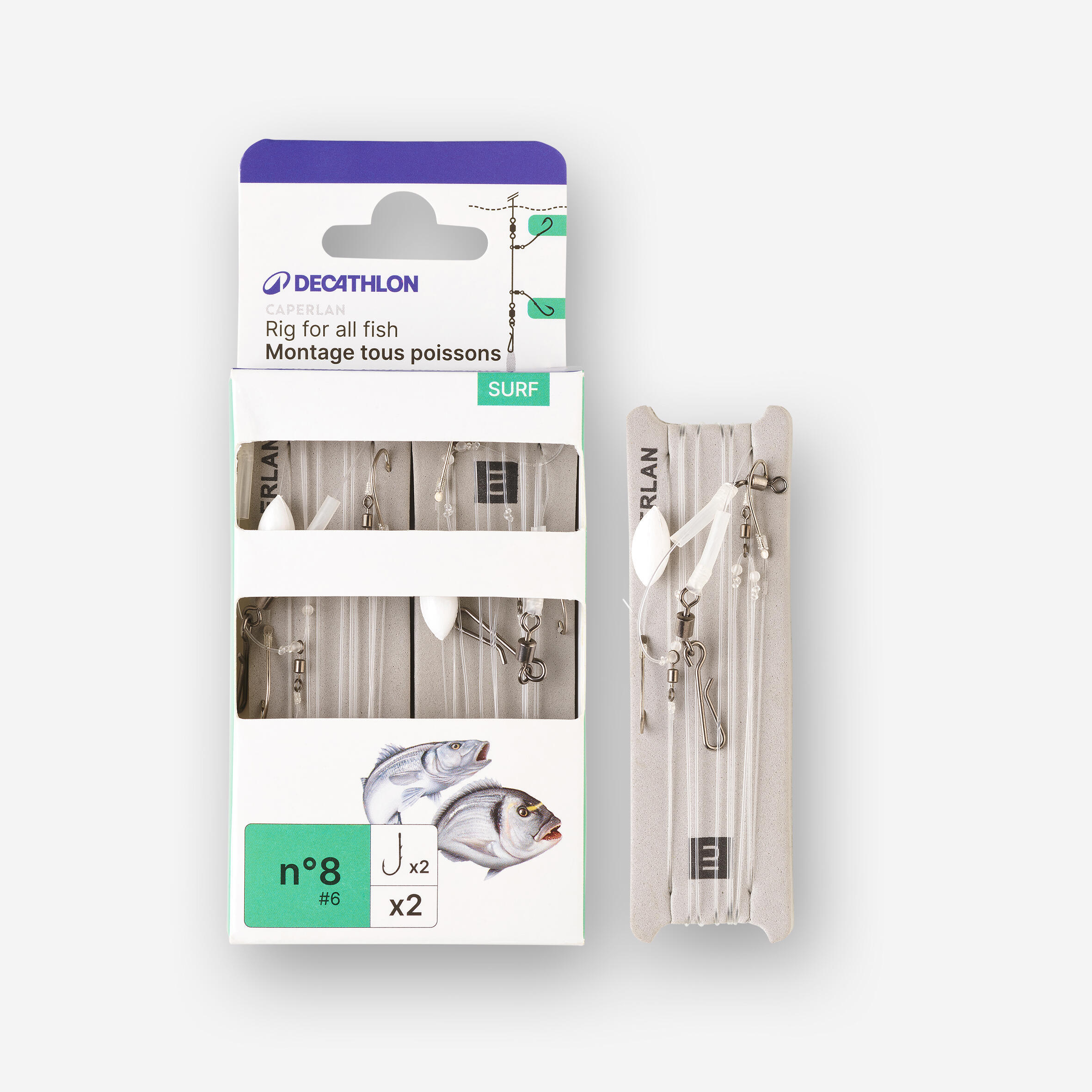
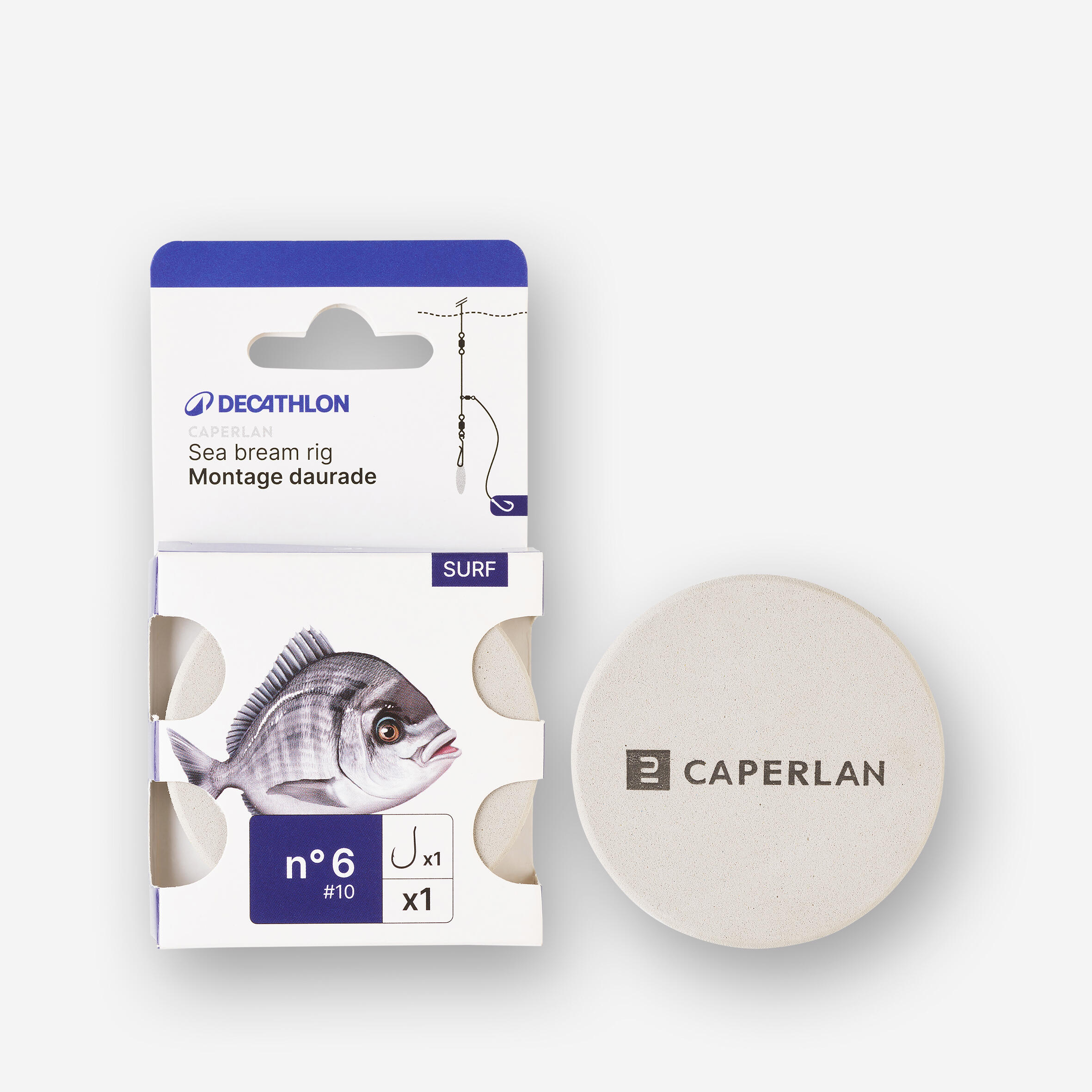
A pre-tied rig saves you from measuring snoods and building every connection once you reach the beach. Caperlan supplies complete leaders that can be connected to the main line, with the hook lengths, swivels and line diameters already arranged for the intended presentation. The surfcasting rigs for all fish use a 0.50 mm main leader with finer 0.25 mm and 0.30 mm snoods. Rolling swivels give the snoods 360-degree movement to help reduce twisting, while a 15 mm floating bead on the upper snood adds buoyancy. A foam winder keeps the complete leader organised before and after fishing.

Why do surfcasting rigs use different snood lengths and diameters?

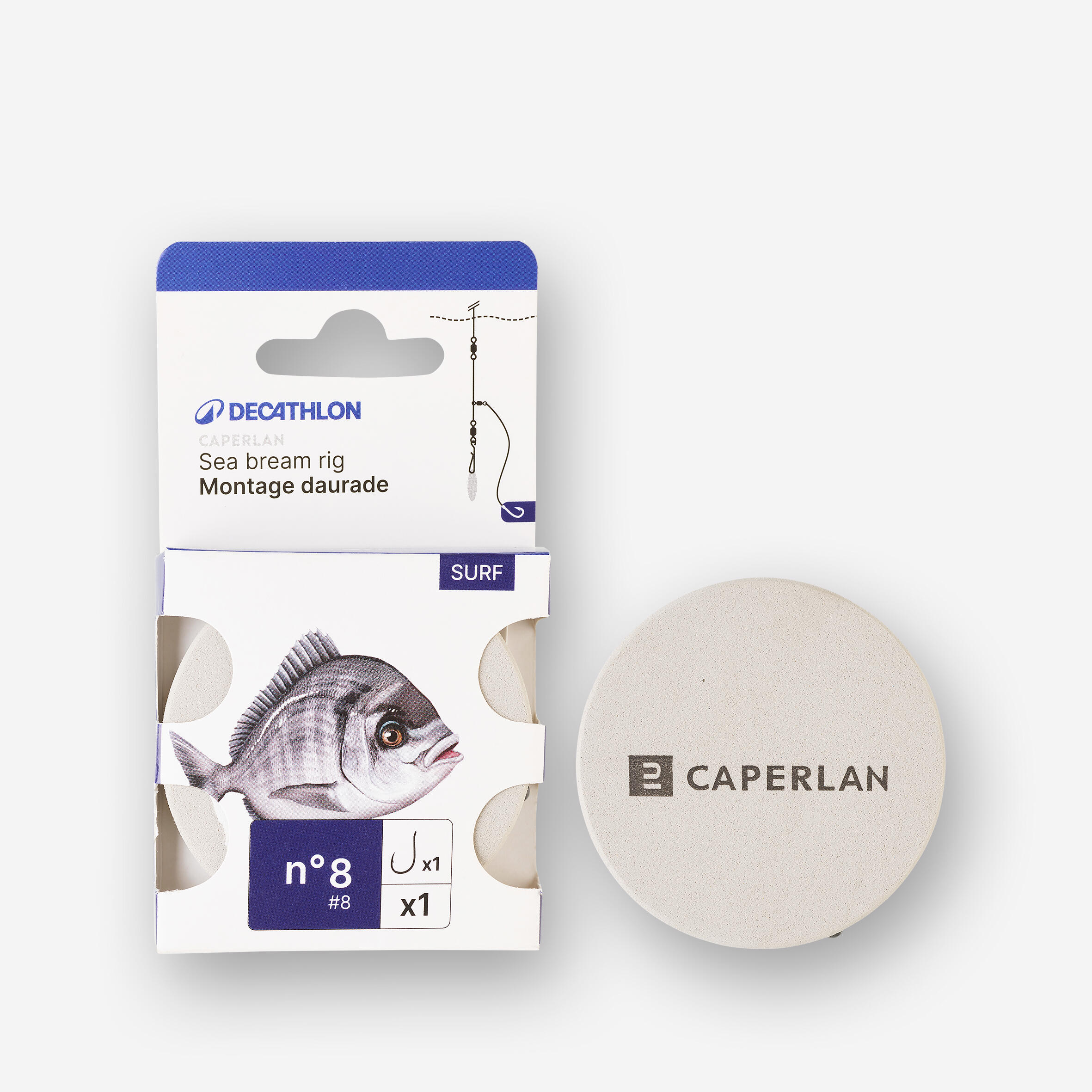
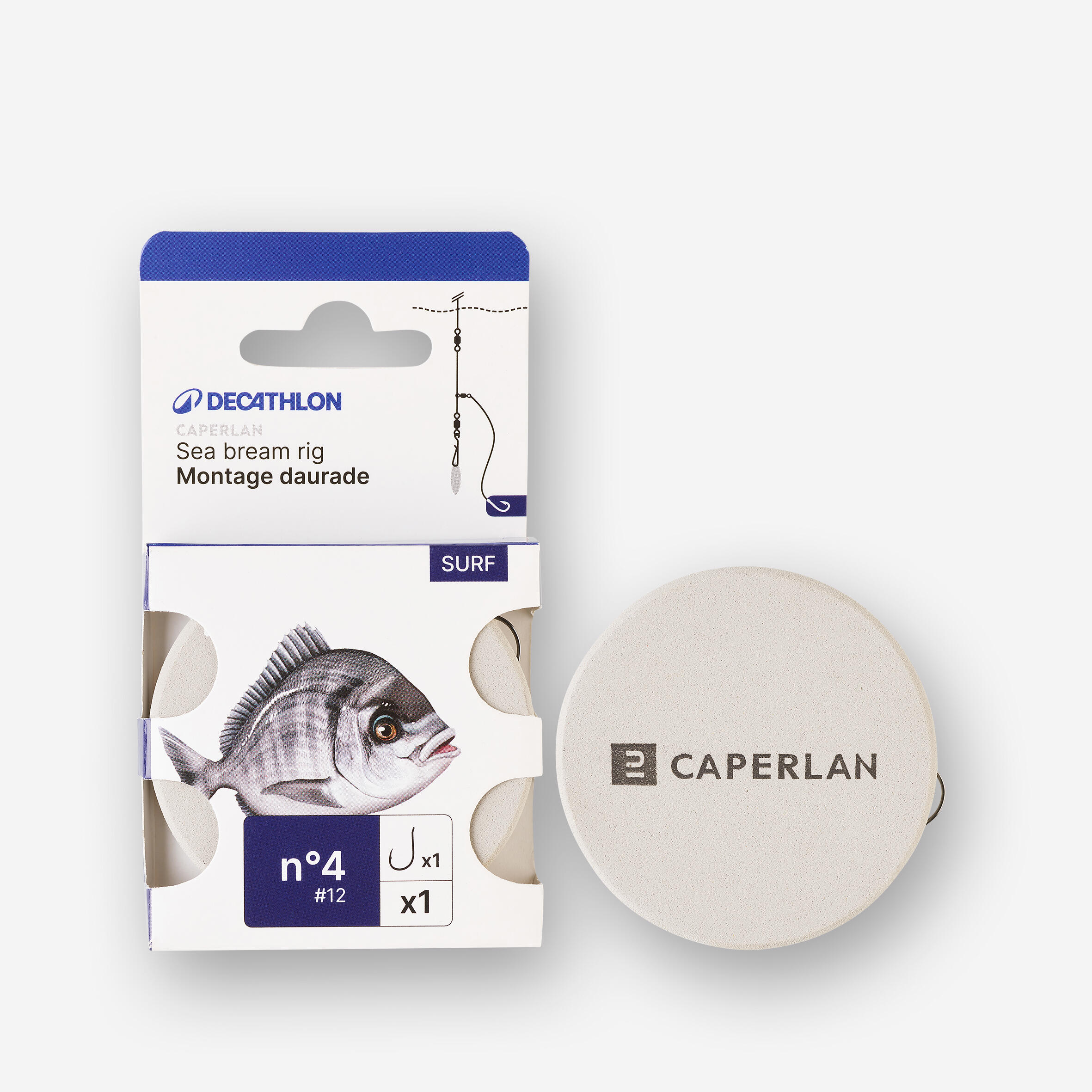
Snood layout changes how bait sits and moves in the water, so Caperlan varies more than just the hook size between its species-focused rigs. A still surfcasting rig for bream can use a short supporting leader combined with a much longer snood, giving the bait greater freedom to move away from the main line. Other rigs use two or three snoods with different spacing. Finer hooklength material, often around 0.25-0.30 mm, also creates a lighter presentation than the stronger 0.50 mm main leader. Match the layout to the bait, target fish and sea conditions rather than assuming every surfcasting leader needs the same geometry.

When does a sliding-weight surfcasting rig exert an impact?

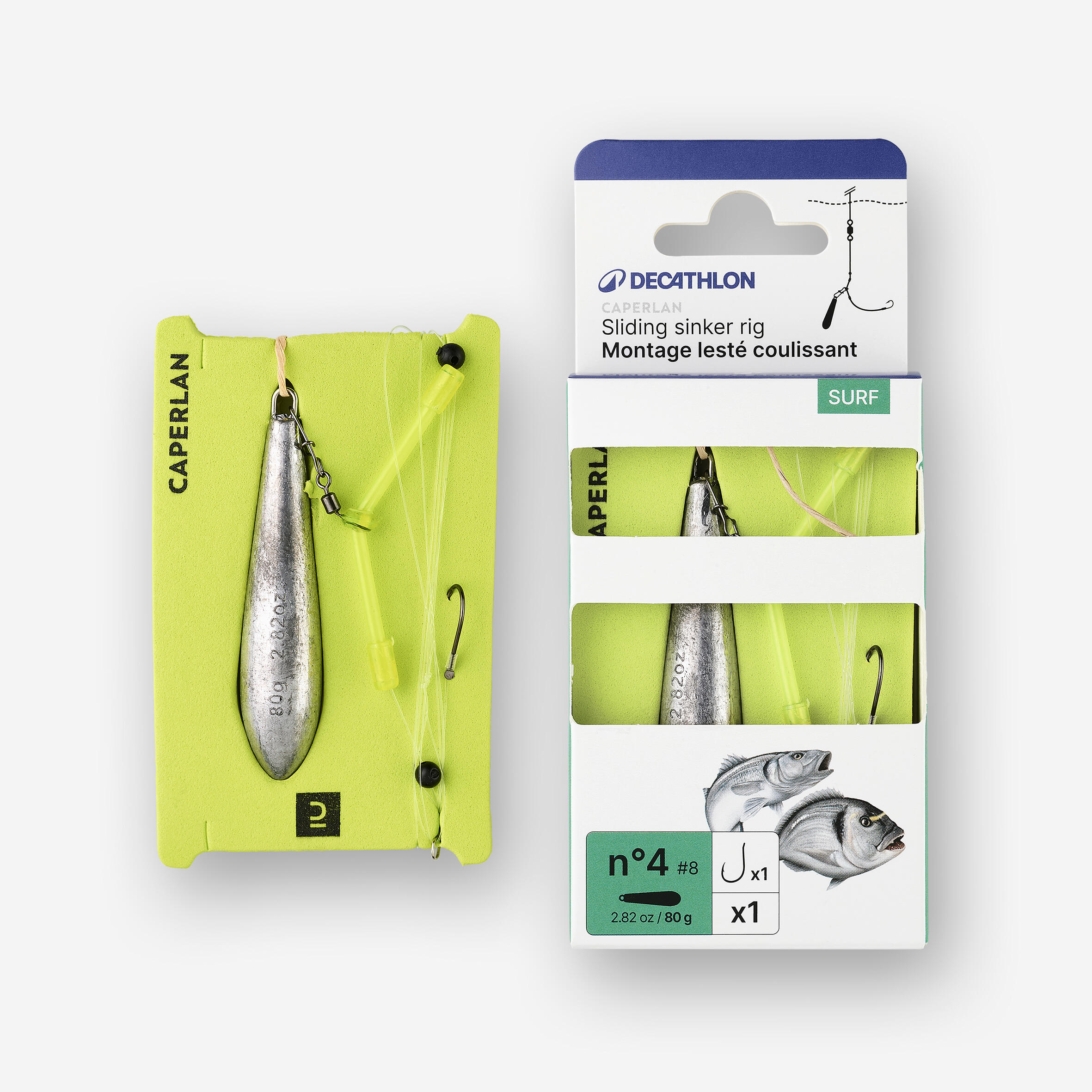
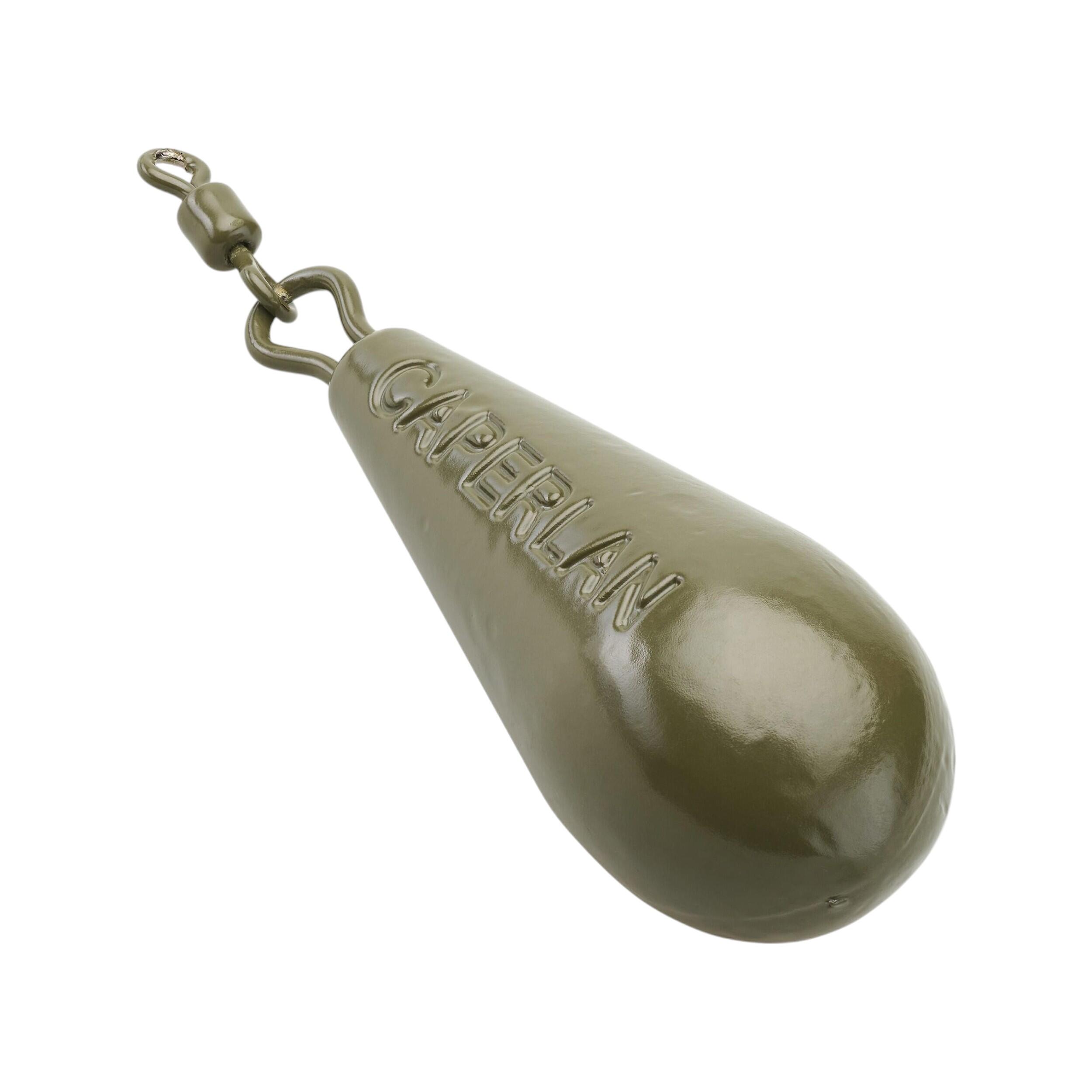
A sliding-weight system keeps the terminal arrangement simple and can suit calmer conditions where you want an uncomplicated rig for bottom fishing. Caperlan's surfcasting fishing rigging sliding weight comes ready assembled with an 80 g sinker, 80 cm of 0.30 mm leader and a No. 4 hook. You connect it to the main line instead of building the complete layout from separate parts. Caperlan classifies the rig as easy-to-use, light surfcasting equipment. The sinker carries a manufacturing tolerance of approximately -5% to +10%, so treat 80 g as the nominal weight and make sure your rod comfortably handles that load.

How do floating beads and rolling swivels change a surfcasting rig?

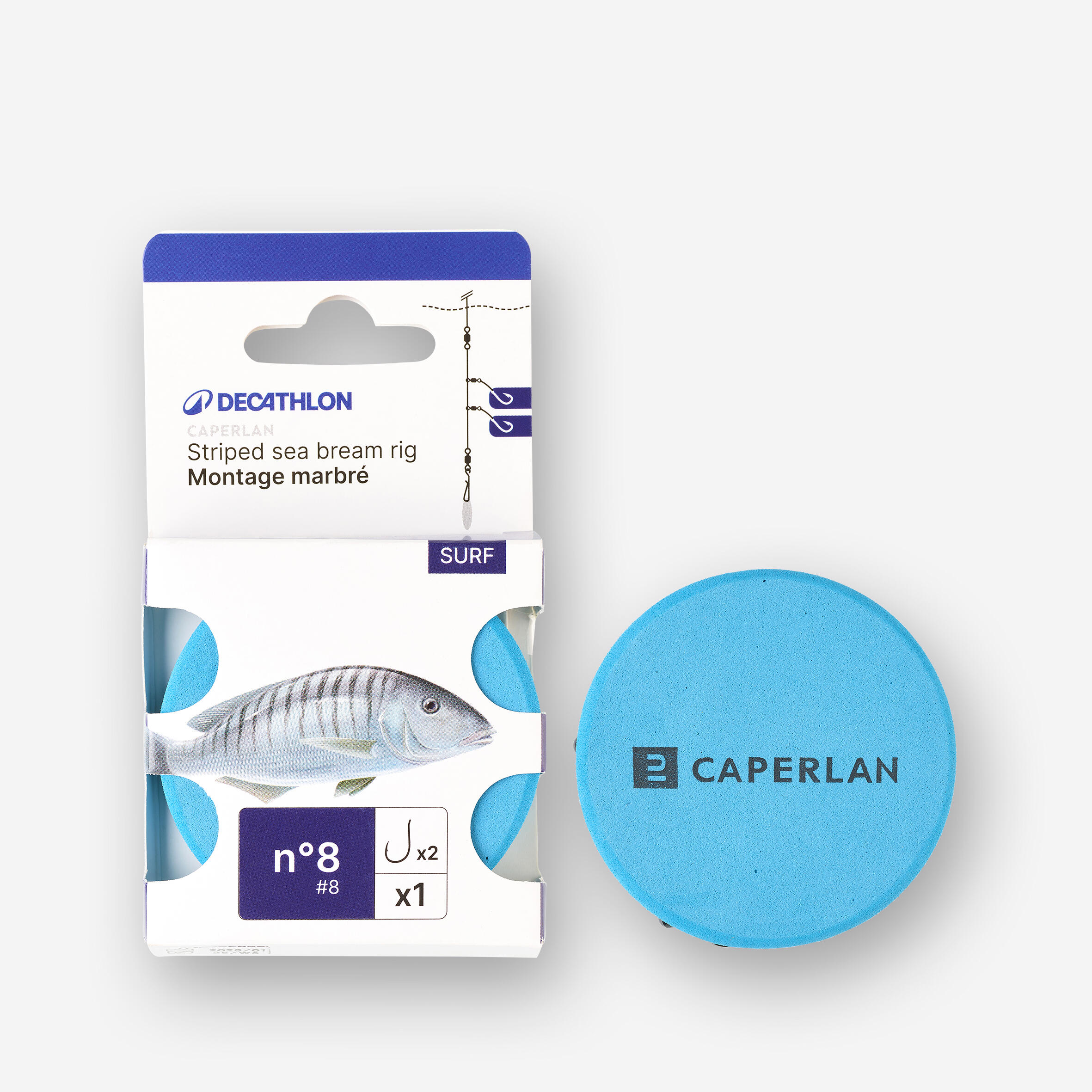
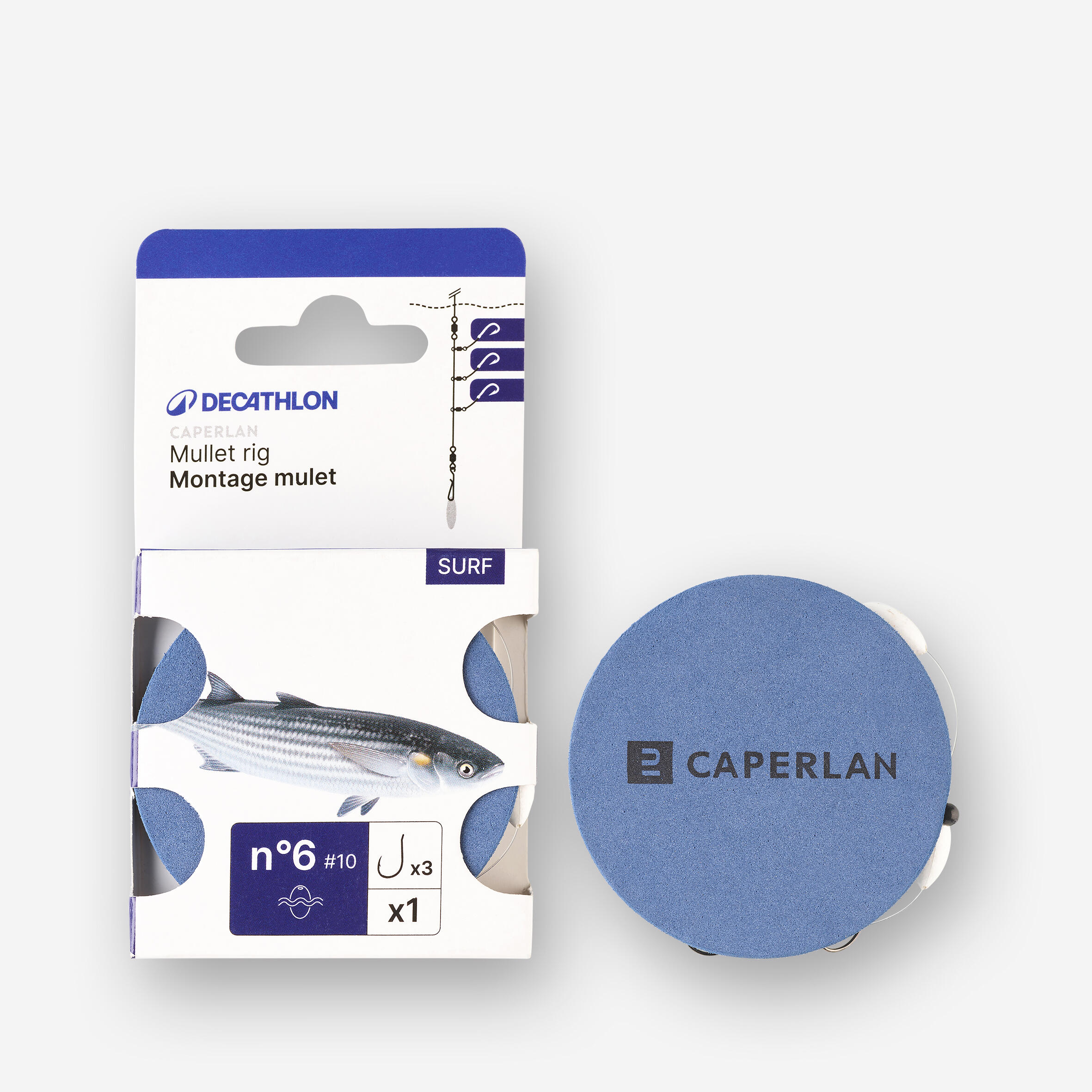
Small terminal components can alter how a bait behaves once the rig settles in the water. A floating bead can raise part of the snood and add movement, while rolling swivels let hooklengths rotate more freely instead of transferring every twist into the main leader. Caperlan uses these details across several species-specific rigs, including configurations for mullet, marbled bream and mixed fish. CHINU hooks on selected rigs also use a BLACK NICKEL finish for added resistance in saltwater conditions. When preparing a wider surfcasting setup, consider whether you need buoyancy, longer snoods or several hooklengths rather than adding components without a clear purpose. Keep the overall arrangement tidy, so it casts without unnecessary tangles.

What is the best way to keep surfcasting rigged lines organised?

Long snoods can knot around hooks and swivels when they are left loose in a tackle box, so wind reusable leaders away carefully after each session. Caperlan supplies foam winders with selected rigs, giving you a defined surface to wrap the main leader and secure the hooklengths before transport. Check hooks, line and rolling swivels for damage before storing the rig and discard sections that are badly abraded or kinked. Keep everything dry before closing the tackle box so moisture does not remain around metal parts. The same organised approach works well for other saltwater fishing terminal tackle, especially when several prepared leaders need to remain easy to identify for the next trip.