11 items
4.4/5 based on 1049 reviews collected online and in stores

Surfcasting Lines FAQs

How does line diameter affect surfcasting distance and strength?

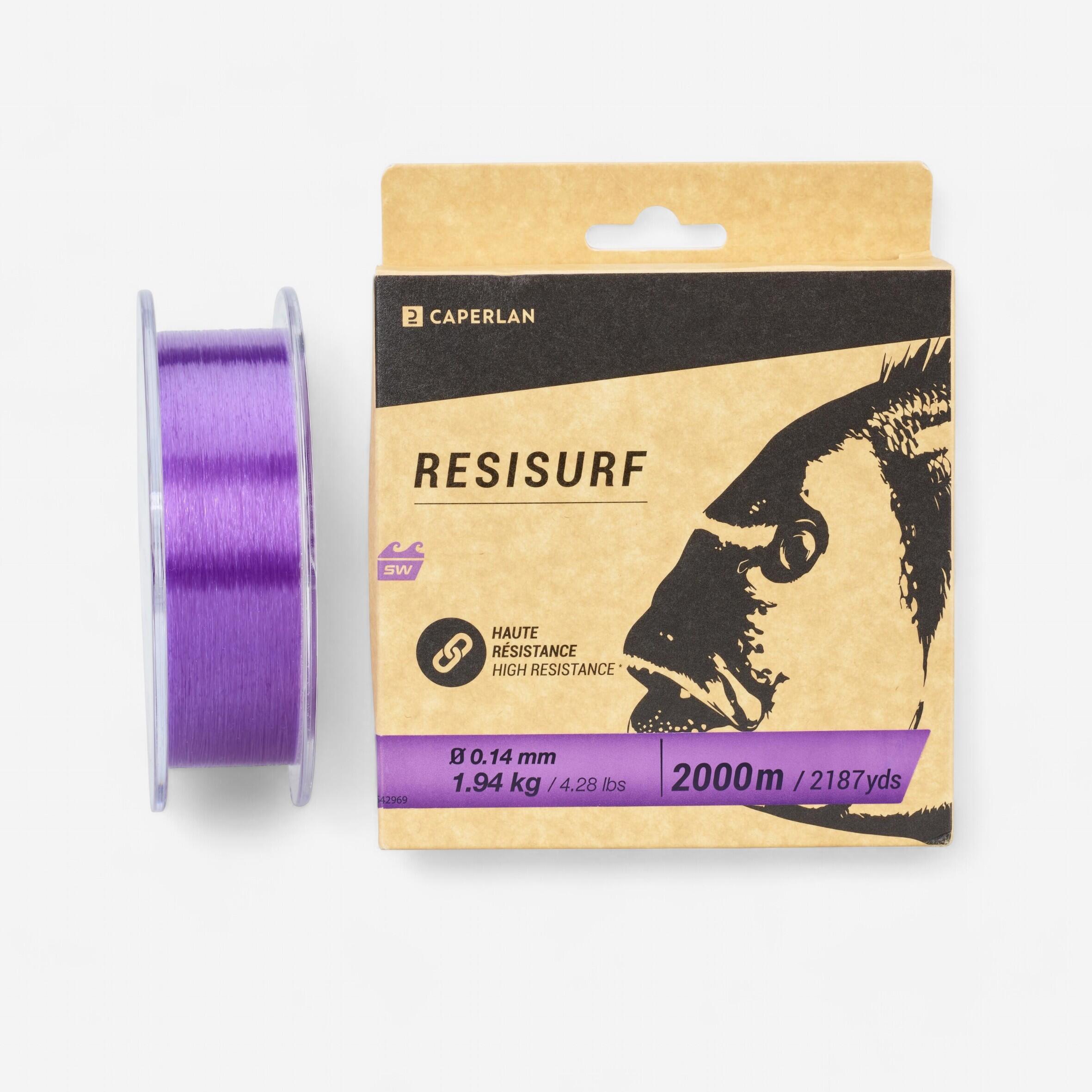
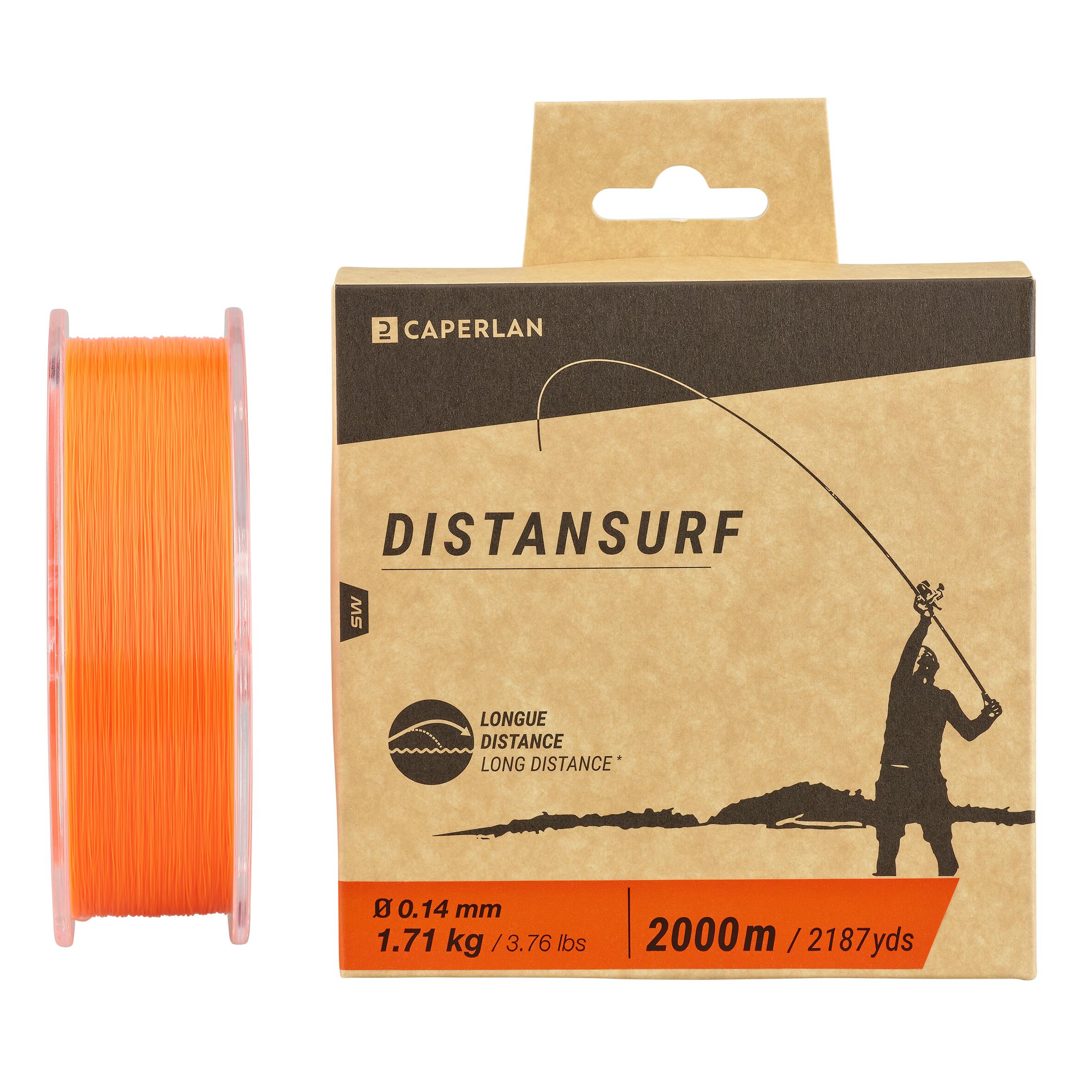
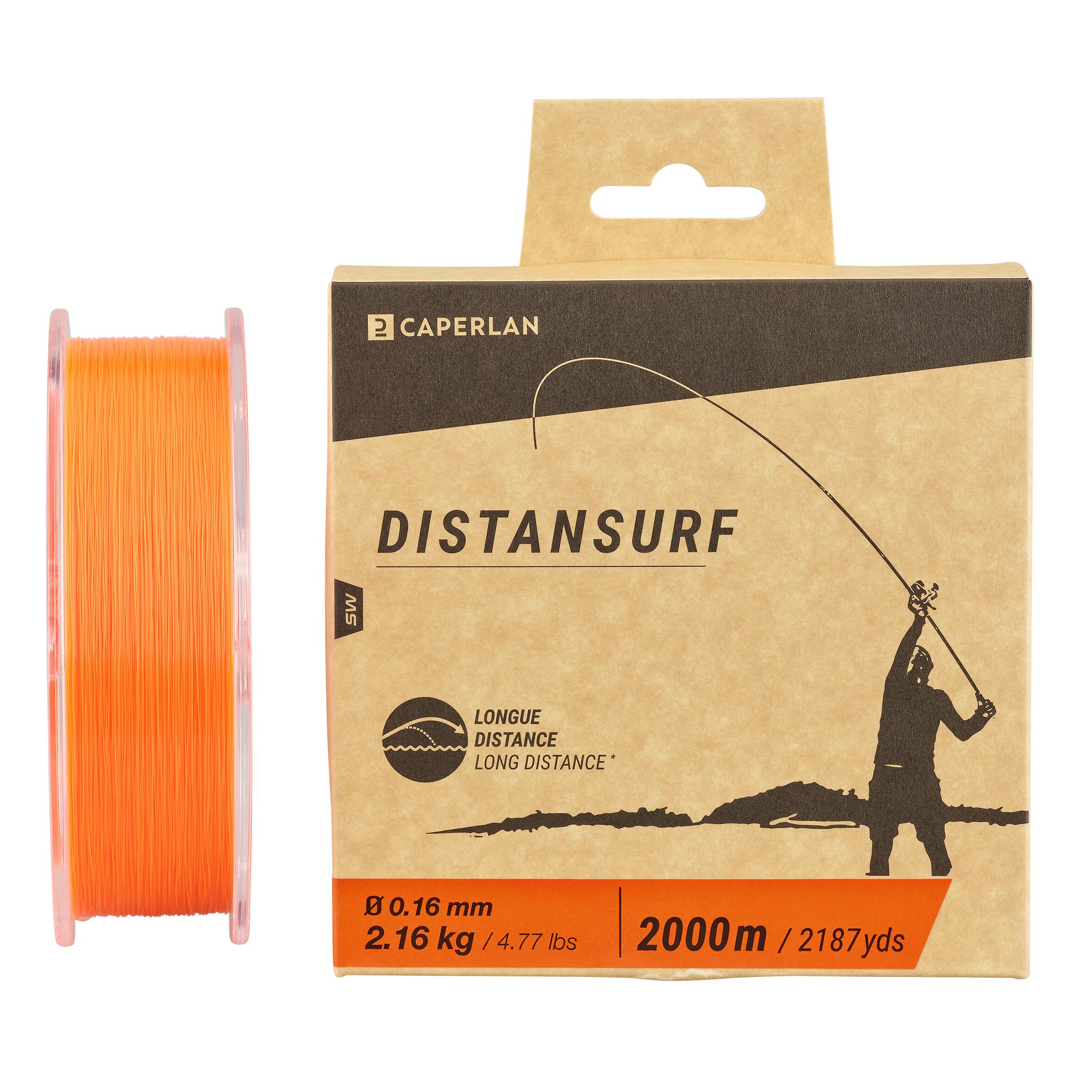
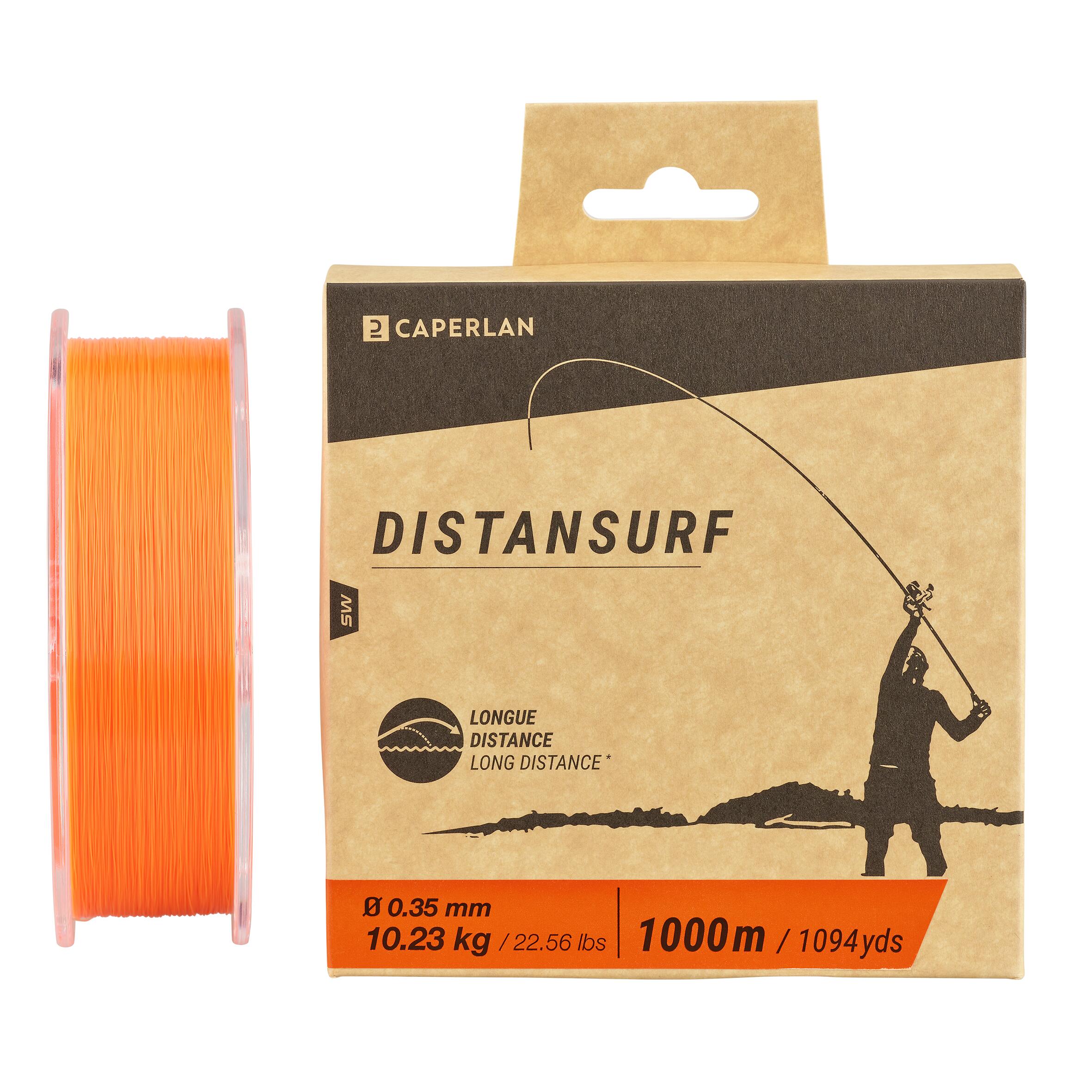
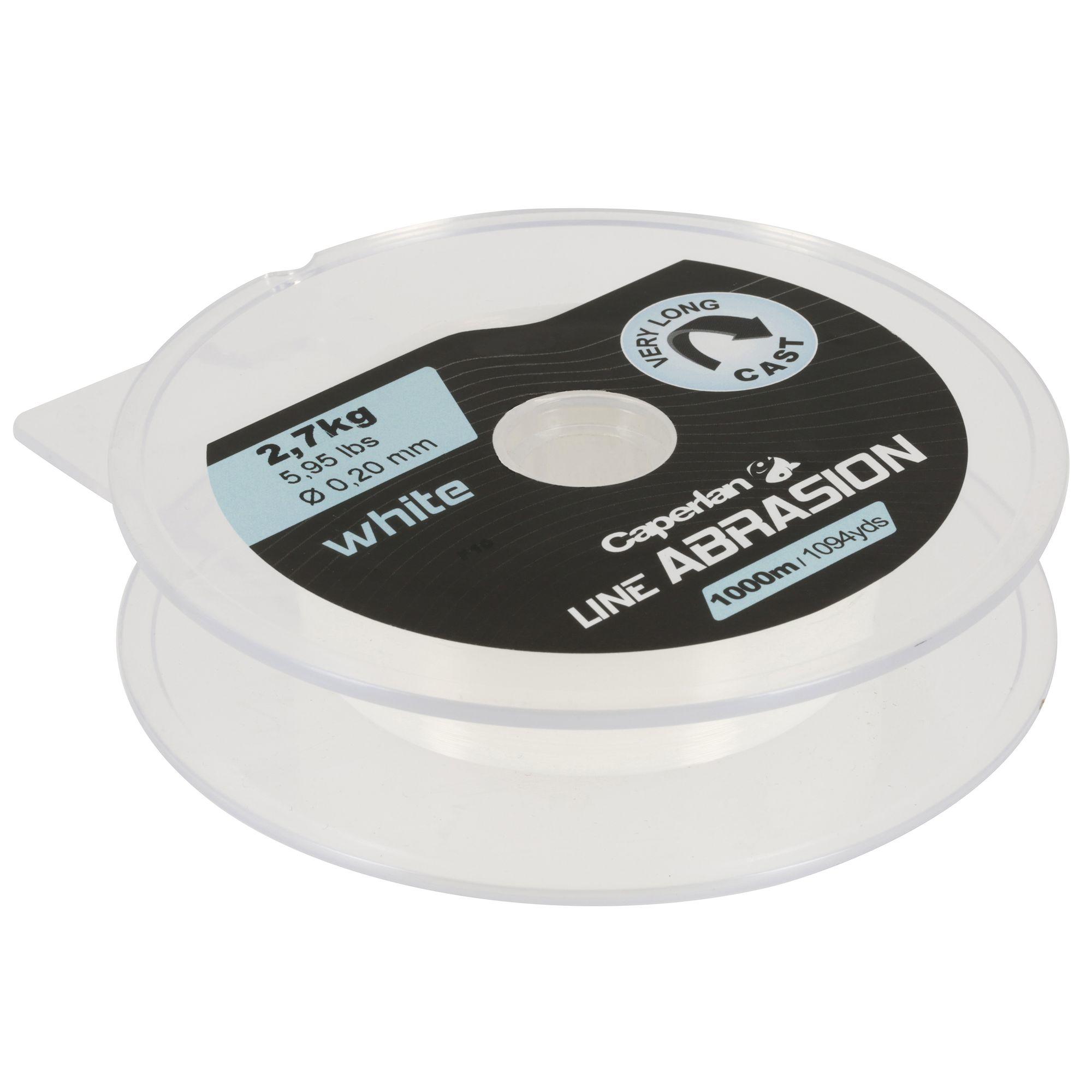
Line diameter changes both breaking resistance and the way line leaves the reel during a cast. A finer diameter creates less bulk on the spool and can support distance casting, while thicker line gives you more breaking resistance for heavier configurations. Caperlan's surfcasting fishing lines progress from 14/100 at 1.71 kg breaking strain to 35/100 at 10.23 kg, with the figures stated in line with the EFTTA charter. DISTANSURF also uses a surface-enhancing component to improve glide through the guides. Match diameter to your casting load, reel capacity and expected fish instead of selecting thin line purely for distance.

Why use a tapered shock leader for powerful surfcasting casts?

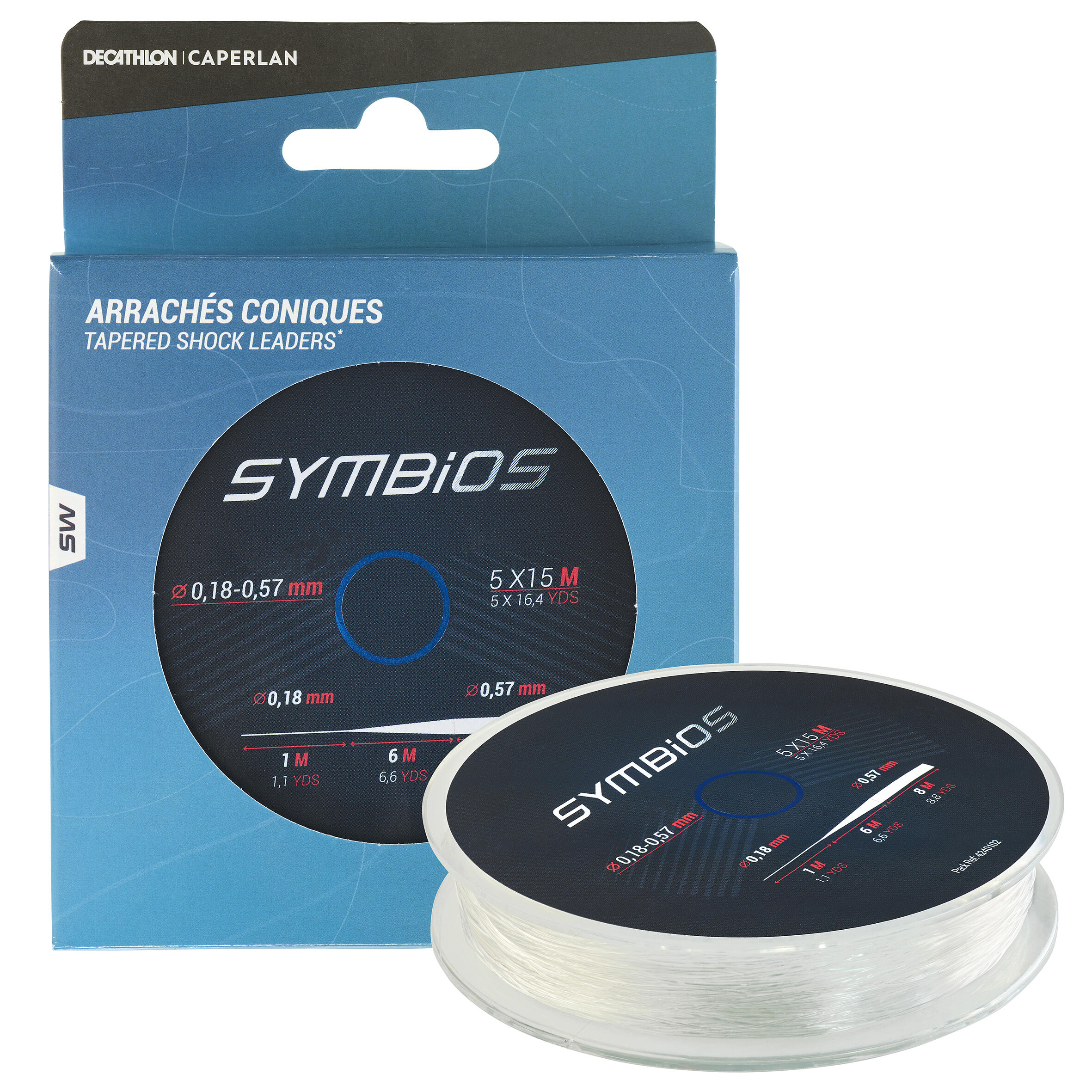
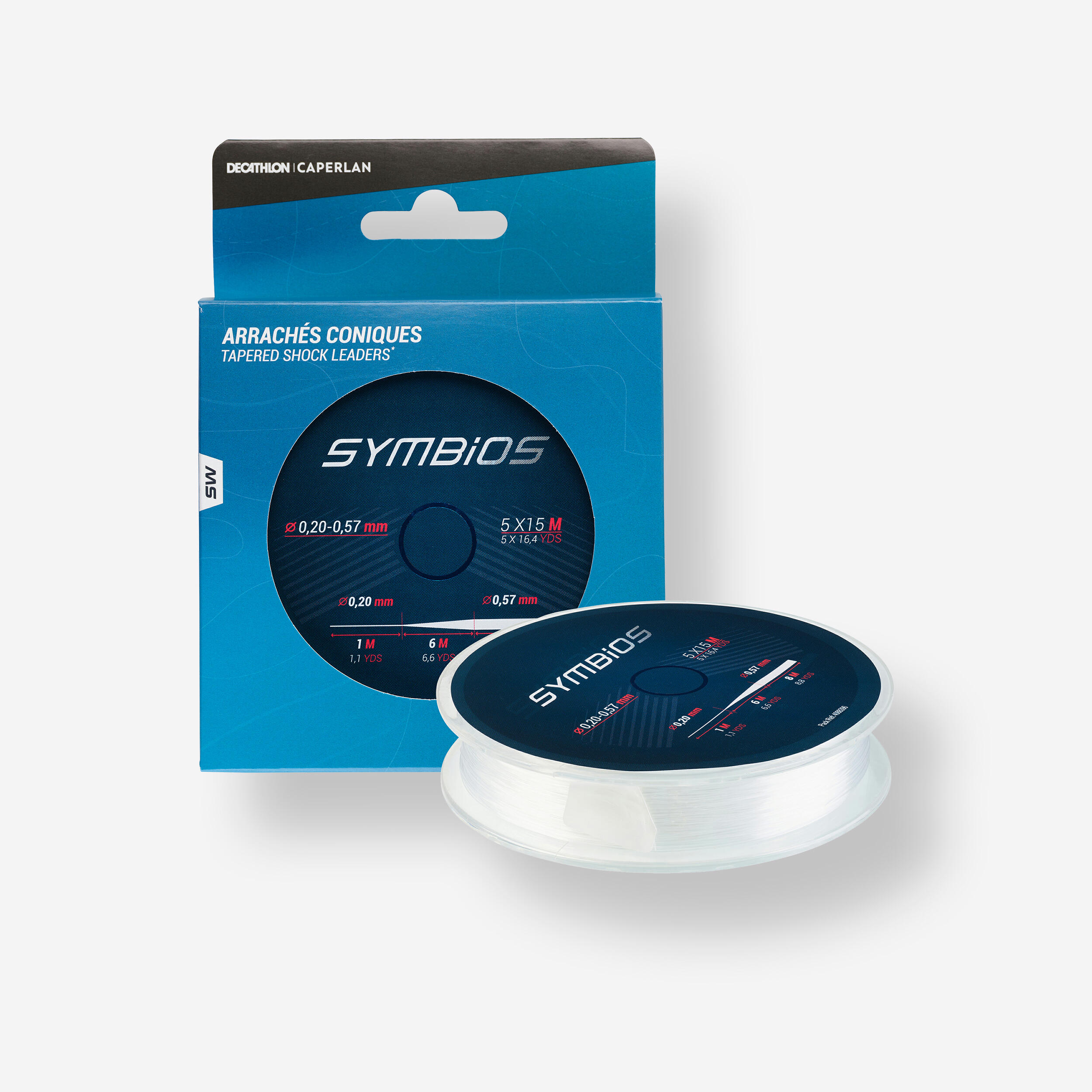
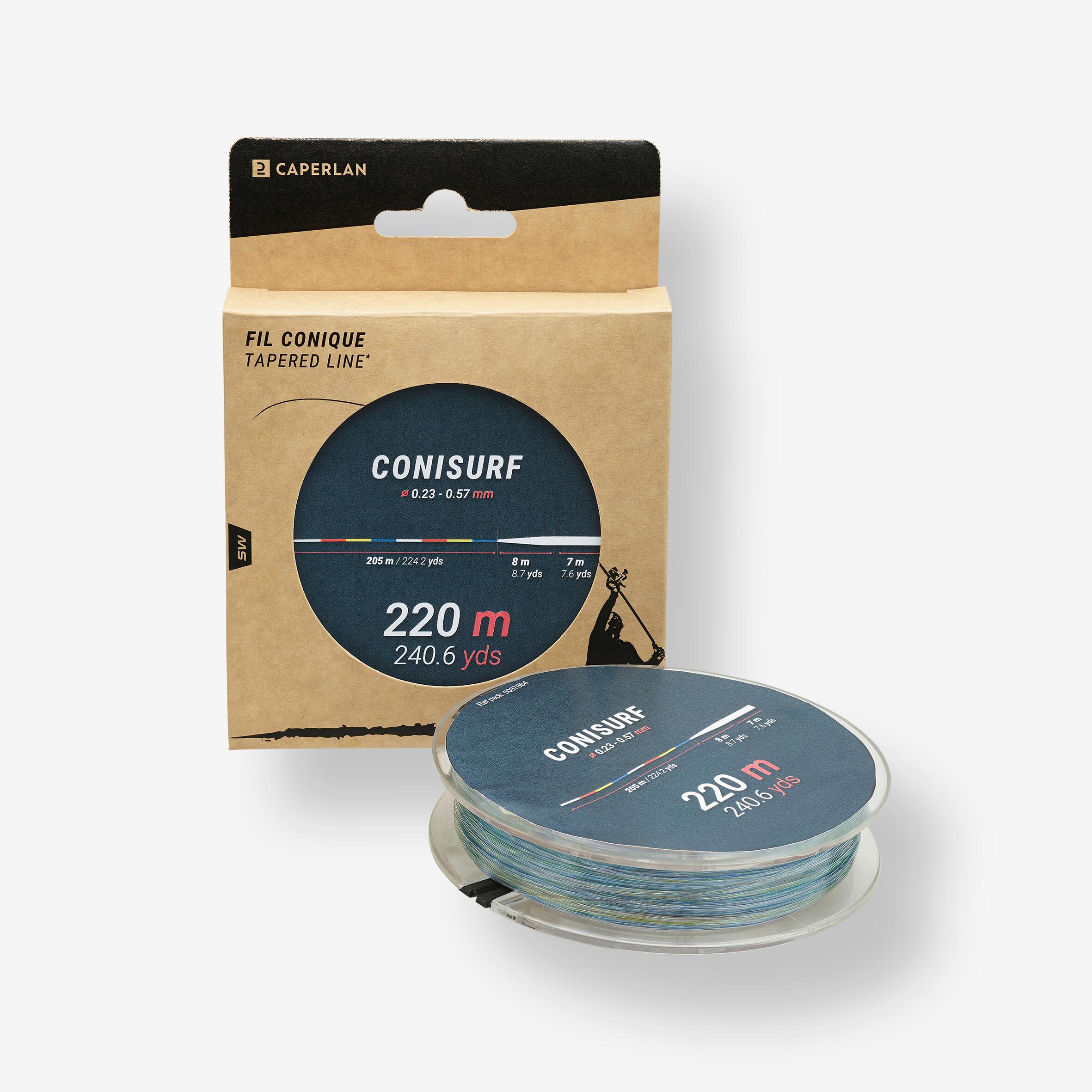
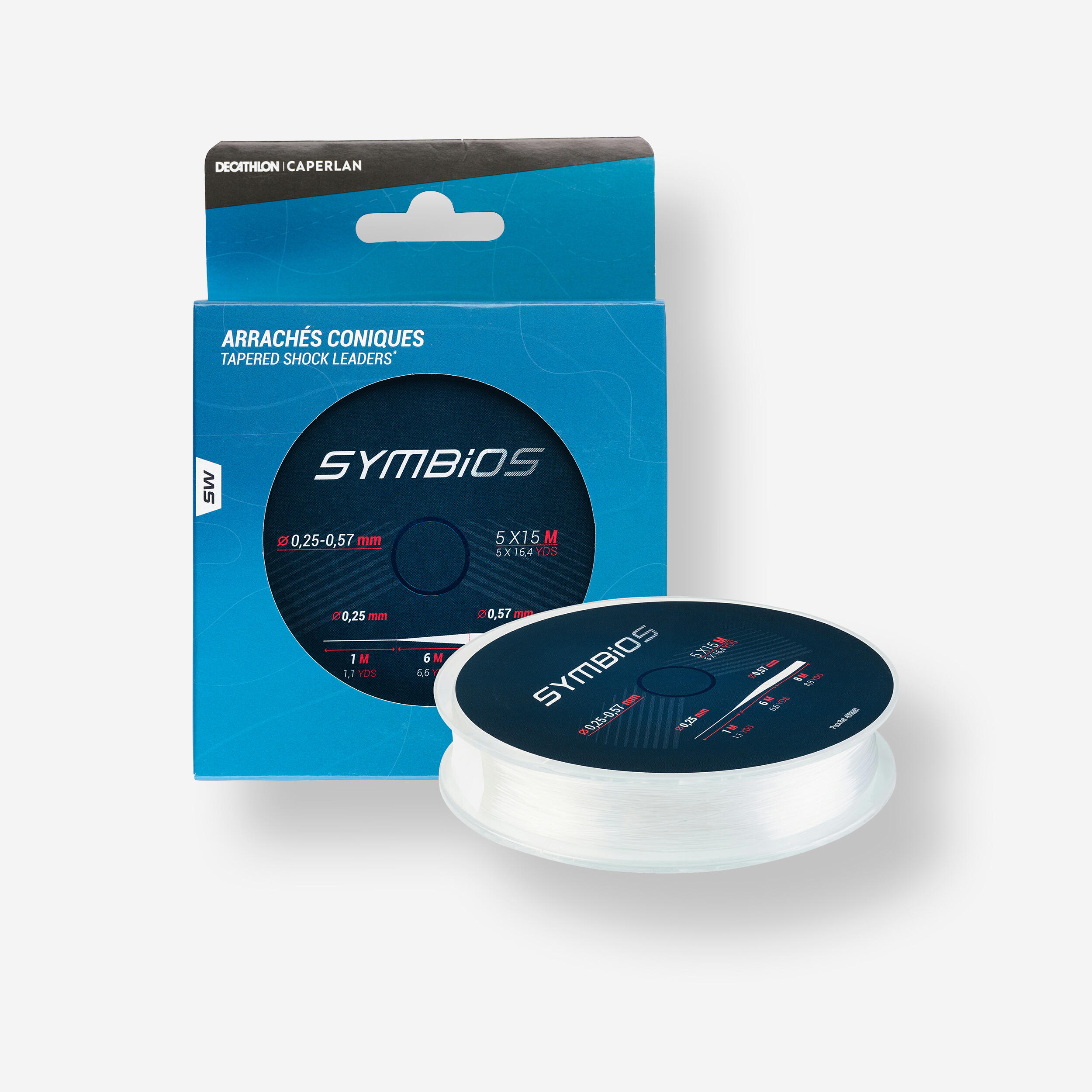
A shock leader places thicker, stronger line through the high-load section of the rig while retaining a finer connection towards the main line. Caperlan's surfcasting fishing tapered shock leader measures 15 m, with 1 m at the smallest diameter, a 6 m progressive taper and 8 m. The thick end has a stated strength of 17.2 kg and takes more strain during a powerful cast. The gradual increase in diameter also keeps the transition smoother than an abrupt change between very different line sizes, helping the connection pass through the rod guides more cleanly.

How can line colour help when surfcasting?

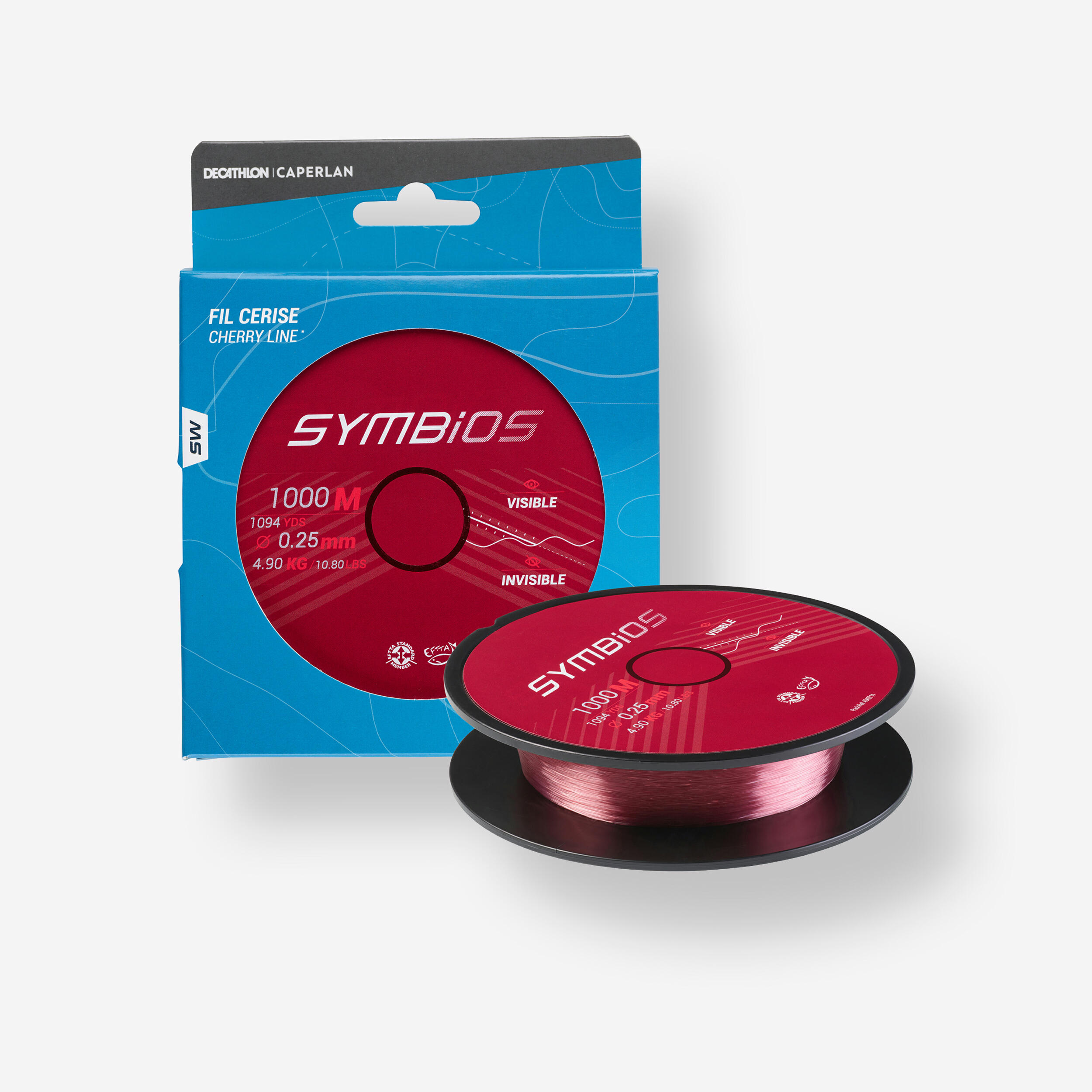
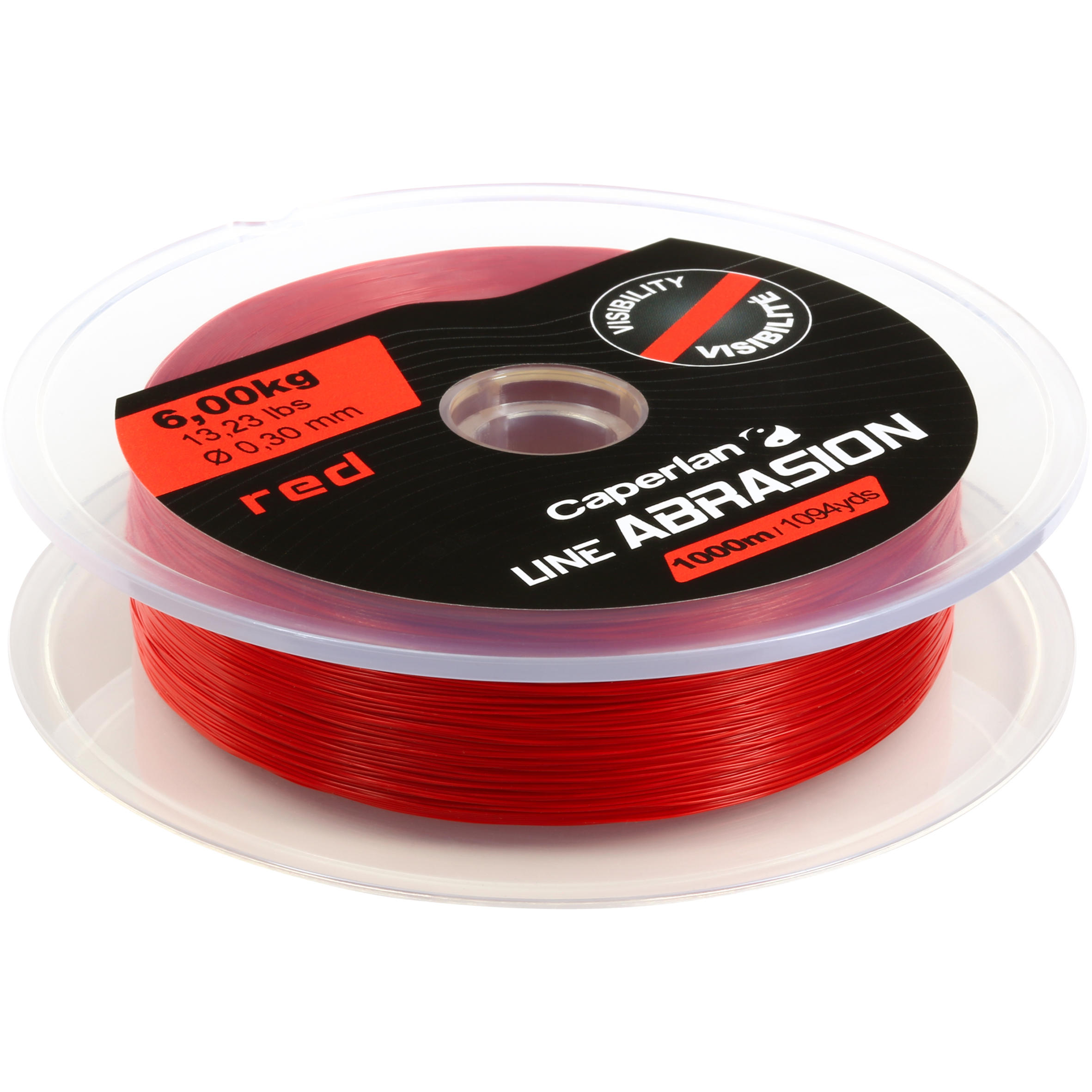
Line visibility can make it easier to follow where your main line sits from the beach, especially when several rods or changing currents make line position harder to judge. DISTANSURF uses bright orange for strong above-water visibility, while other Caperlan surfcasting lines use cherry or violet colouring that becomes less noticeable once submerged. Colour does not replace suitable diameter or breaking strain, but it can make line management more practical during a long session. A well-matched surfcasting setup can balance visible line control above the water with a more discreet presentation once the line is submerged.

Why does nylon twist when you spool a surfcasting reel?

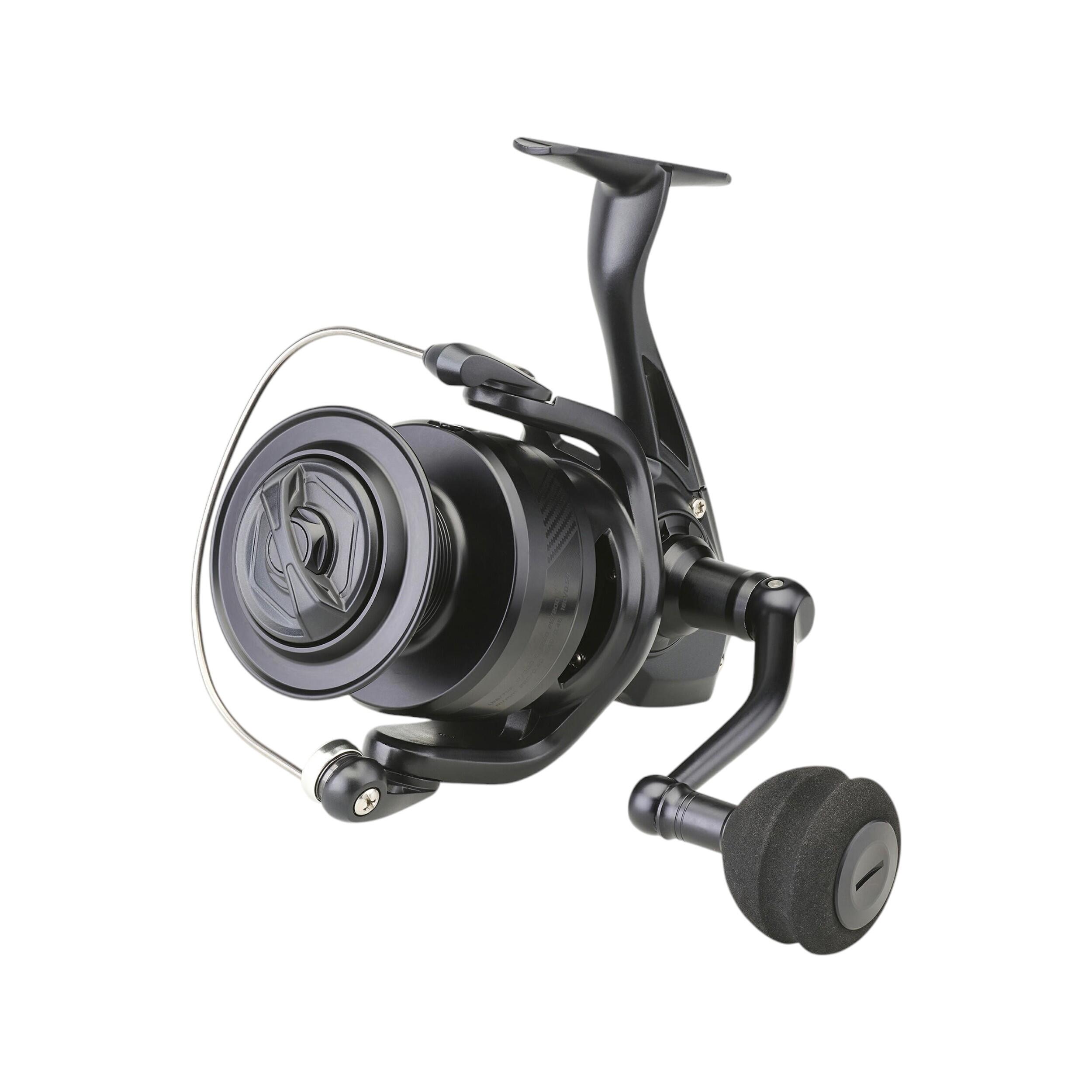
Caperlan recommends soaking the spool of nylon in water for several hours before loading it onto the reel. Keep the supply spool in the water while winding and maintain steady tension with a cloth as the line moves onto the reel. This method helps reduce twisting and creates a more controlled line lay before your first cast. Avoid filling beyond the spool lip, as excess line can spring free and create tangles. Reel capacity also changes with line diameter, so check the stated figures for your surfcasting reels before loading a full spool. A neat, evenly tensioned fill gives the line a better starting point for repeated long-distance casts.

What helps protect surfcasting line between trips?

Light exposure can gradually affect nylon, so Caperlan advises storing its surfcasting lines away from light between fishing trips. Keep spare spools somewhere dry and shaded, and inspect the working section of line before each session for abrasion, flattening or visible damage. Pay particular attention to the section that repeatedly passes through the guides and the area near knots or terminal connections. Replace weakened line rather than relying only on its original breaking-strain rating. The same inspection routine is useful across saltwater fishing rigs because contact with sand, rocks, shells and terminal tackle can damage line even when the rest of the spool still looks clean.