123 items
4.6/5 based on 9955 reviews collected online and in stores

Trout Fishing FAQs

What equipment do you need for a beginner trout fishing setup?

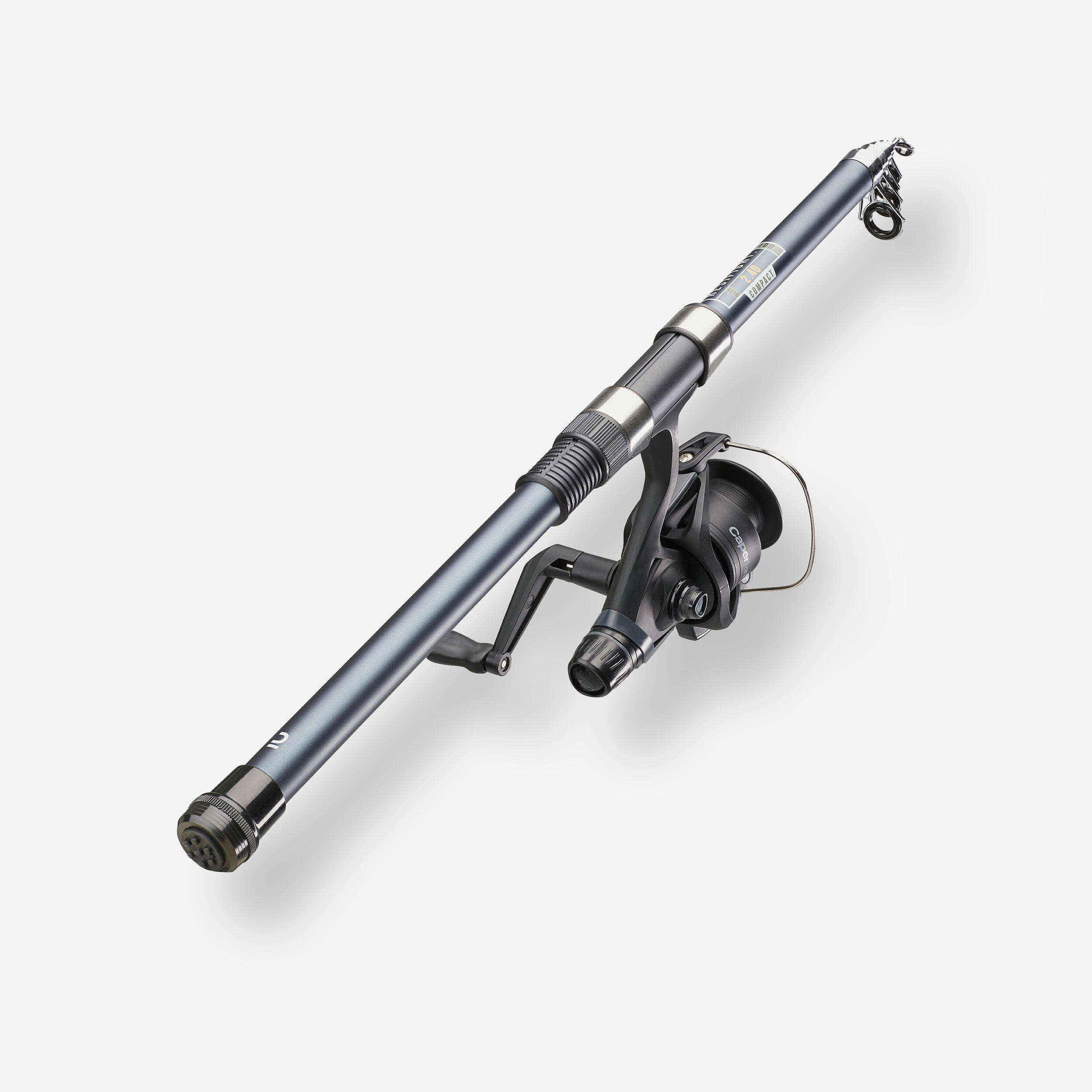
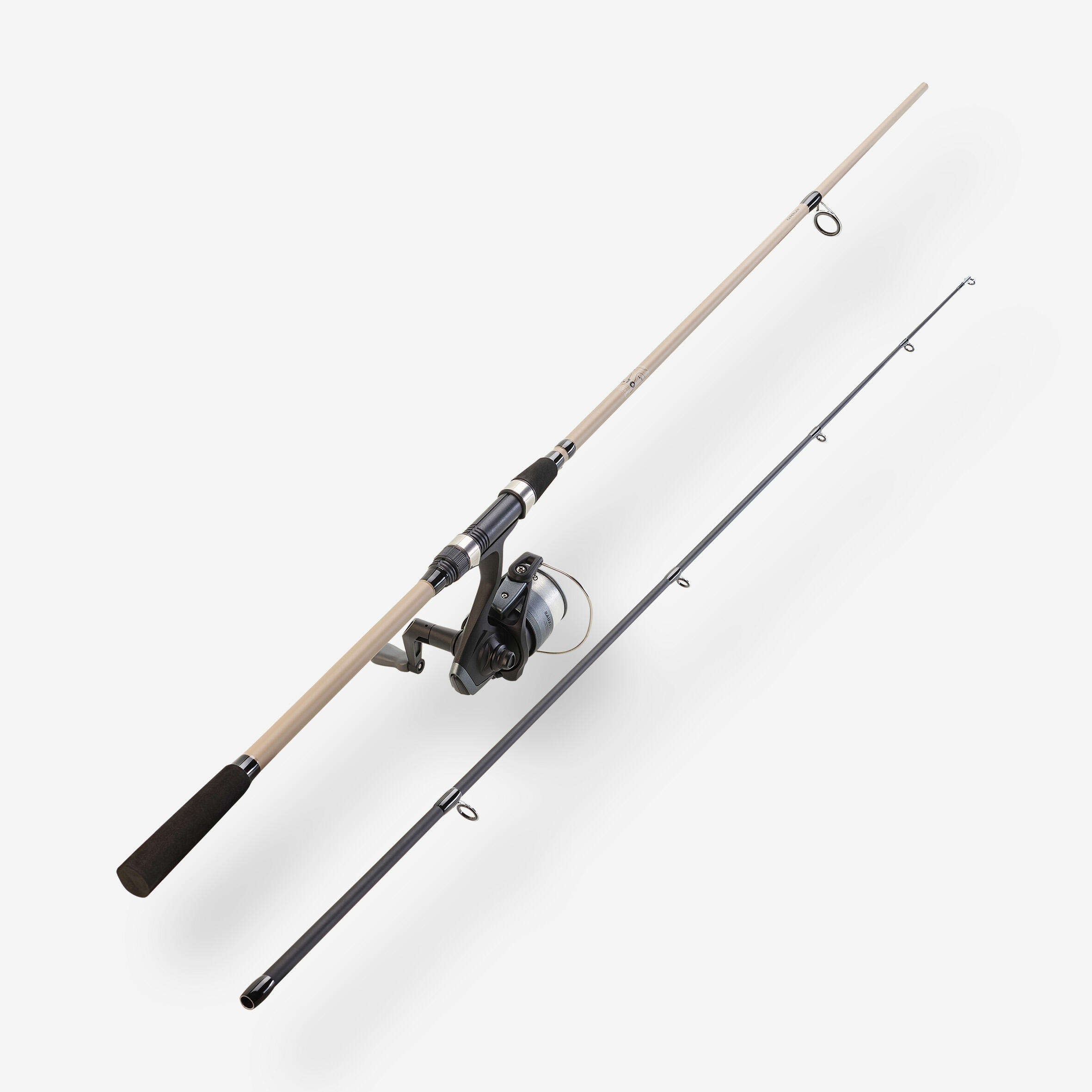
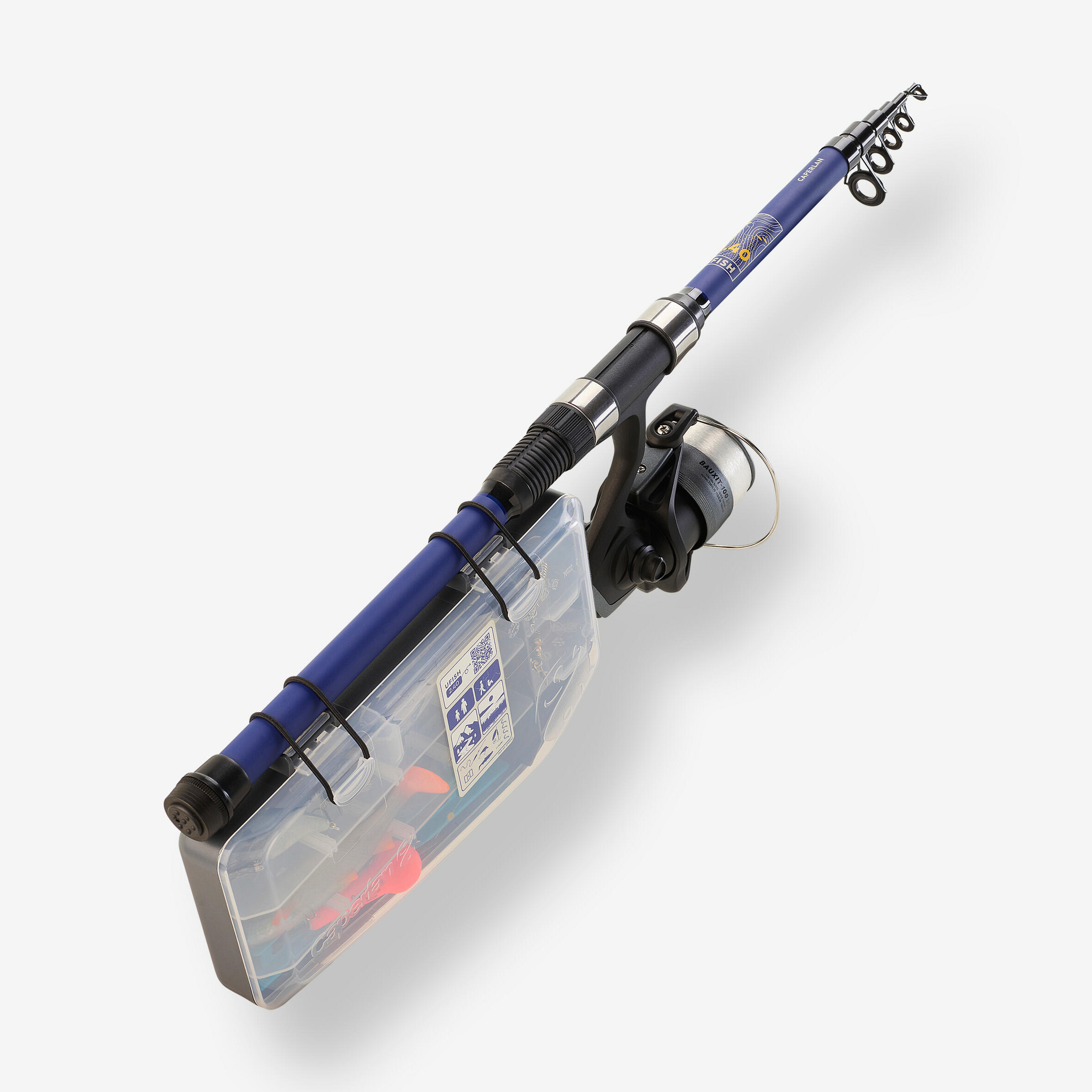
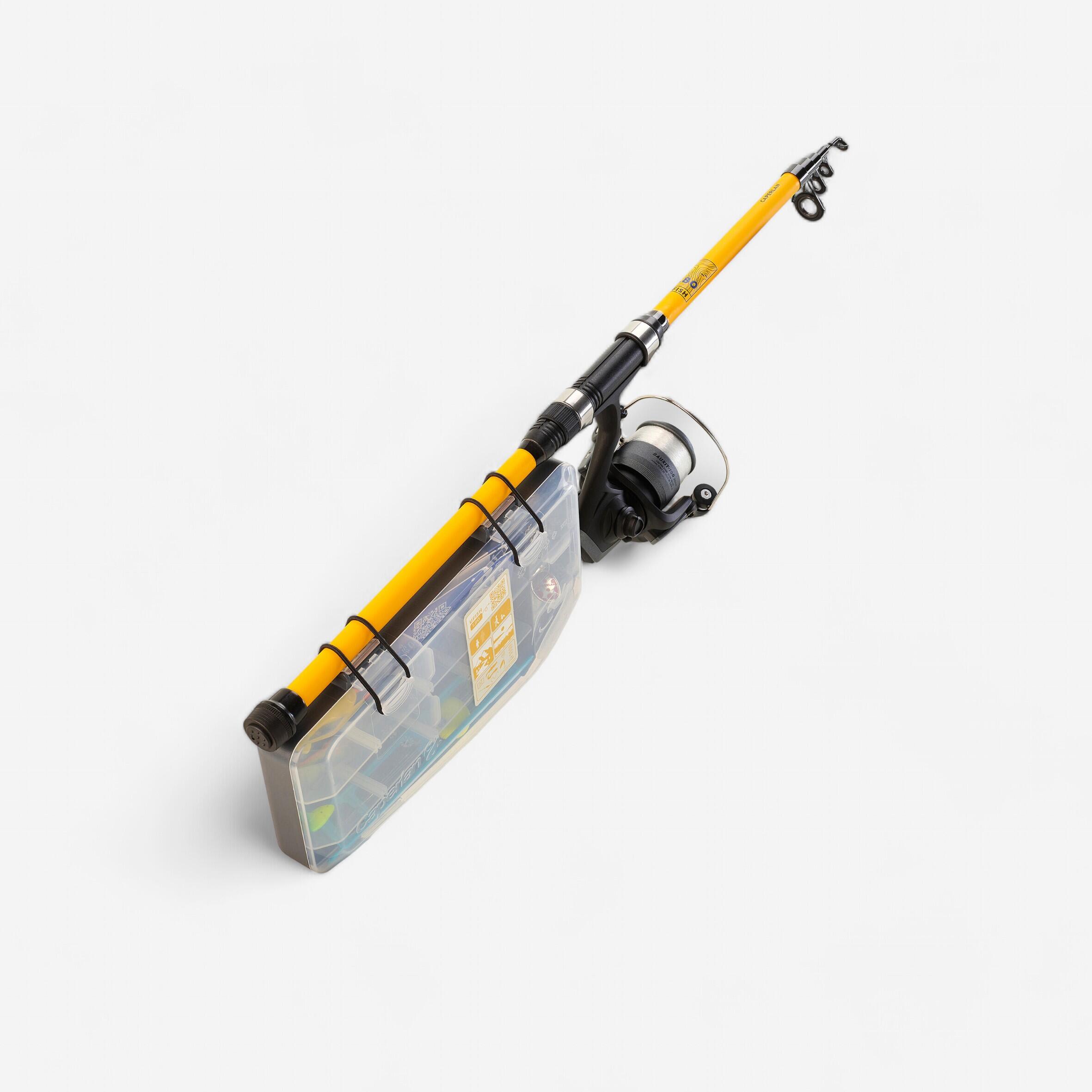
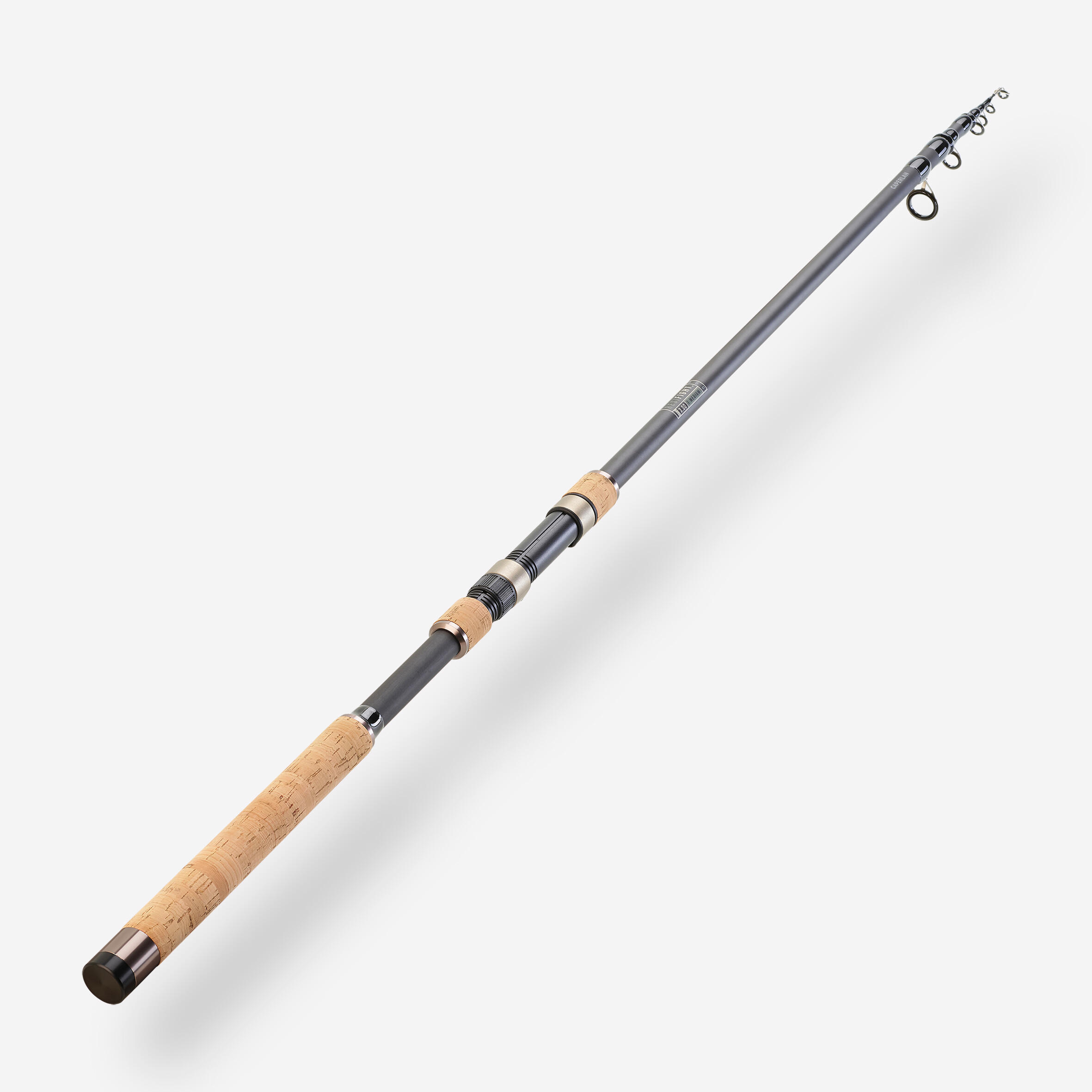
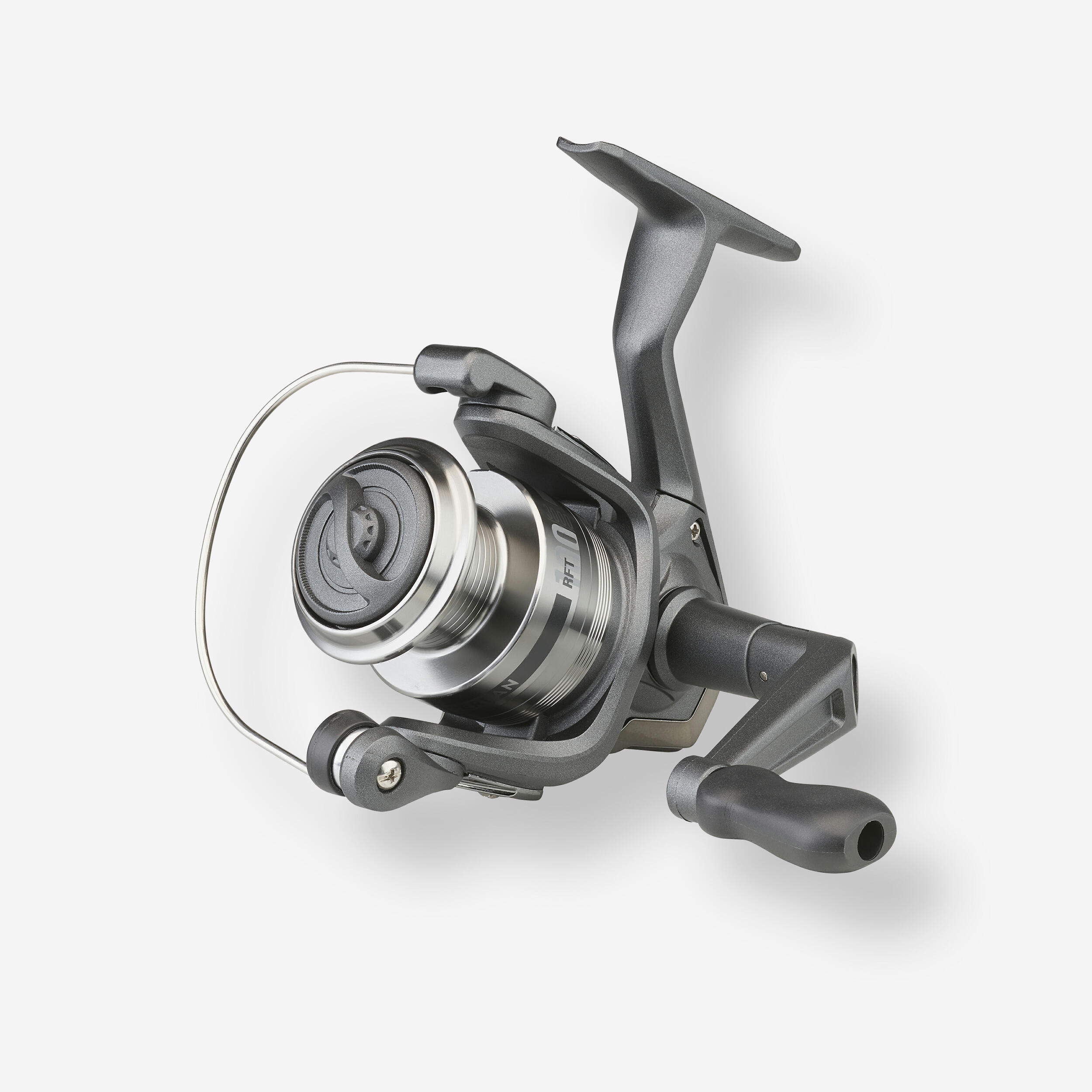
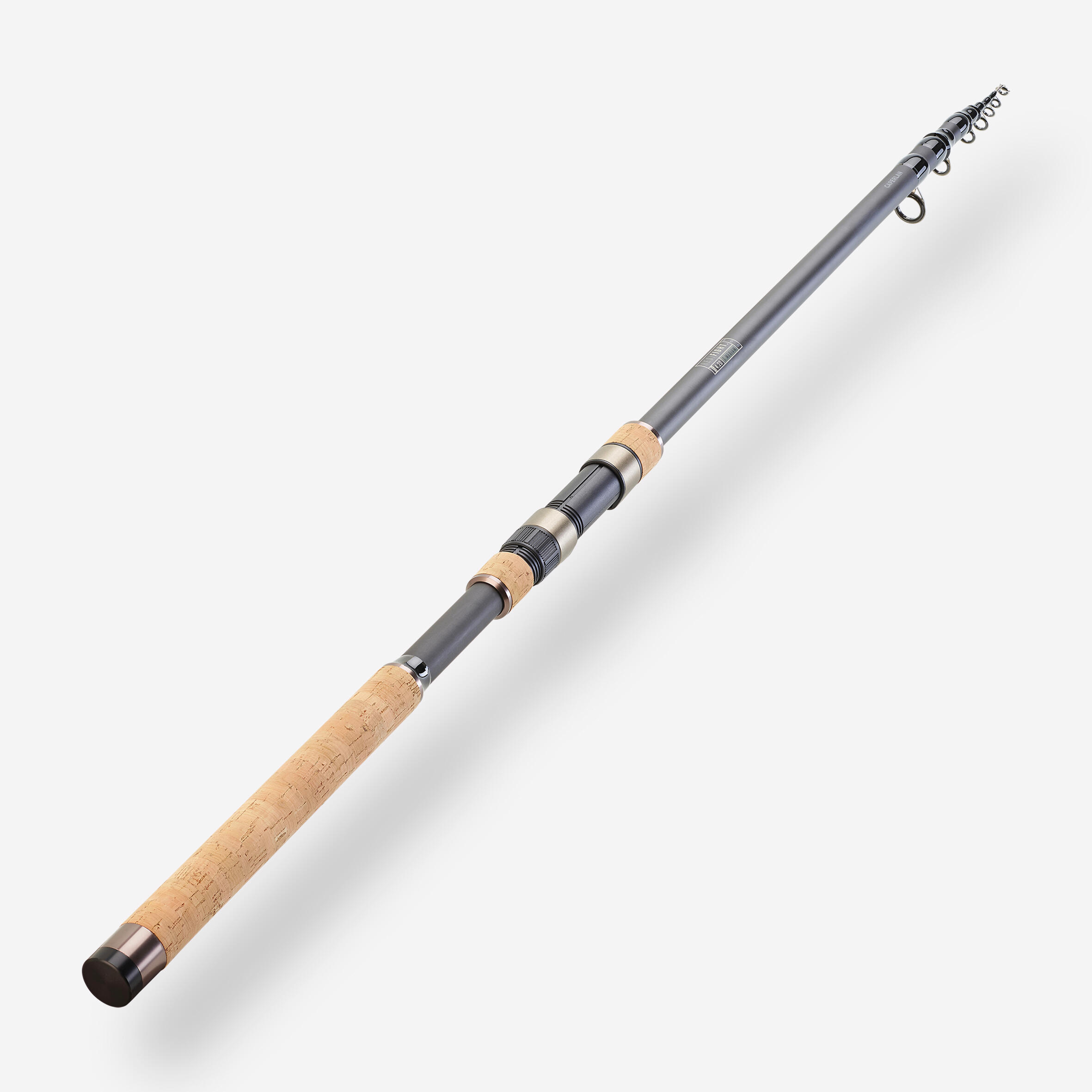
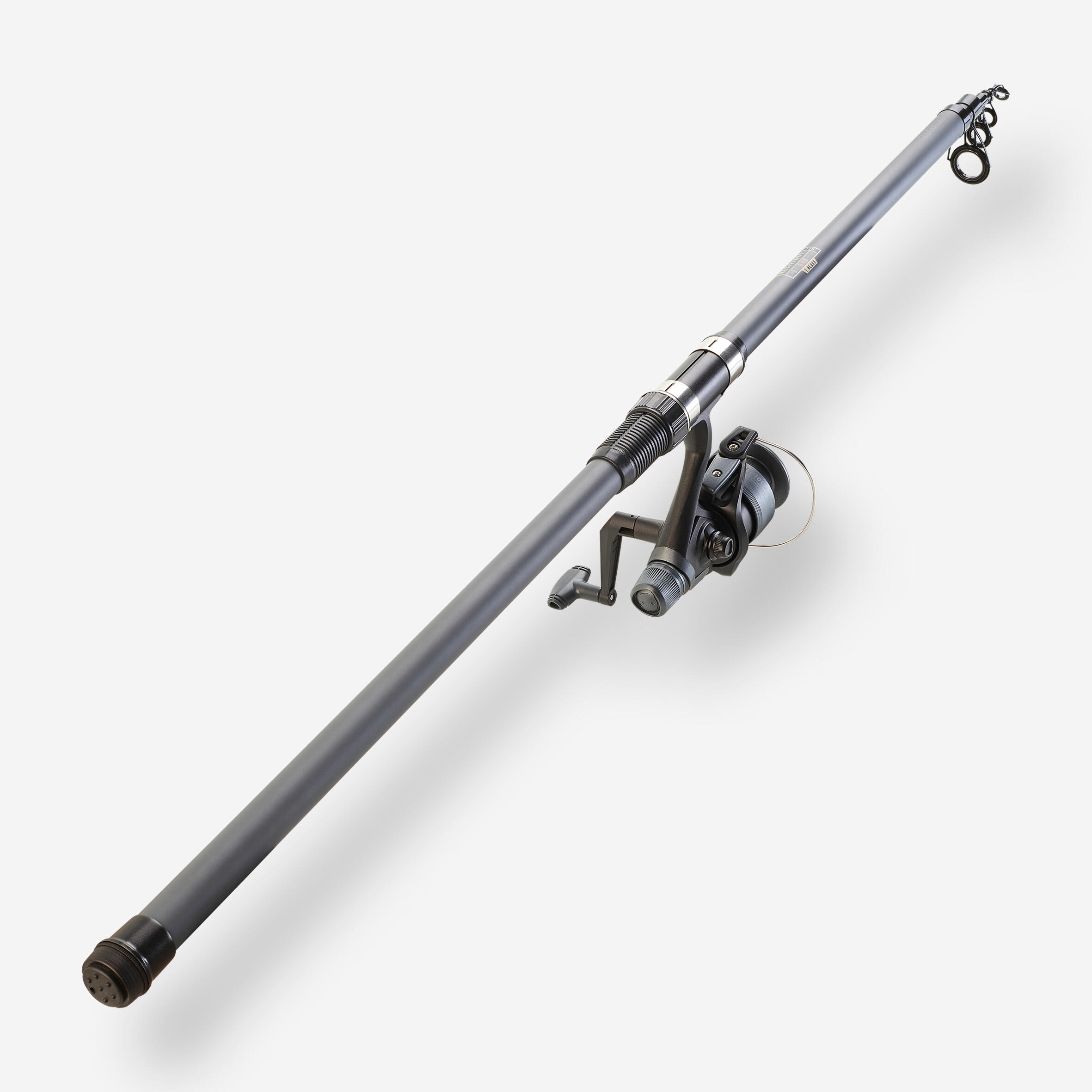
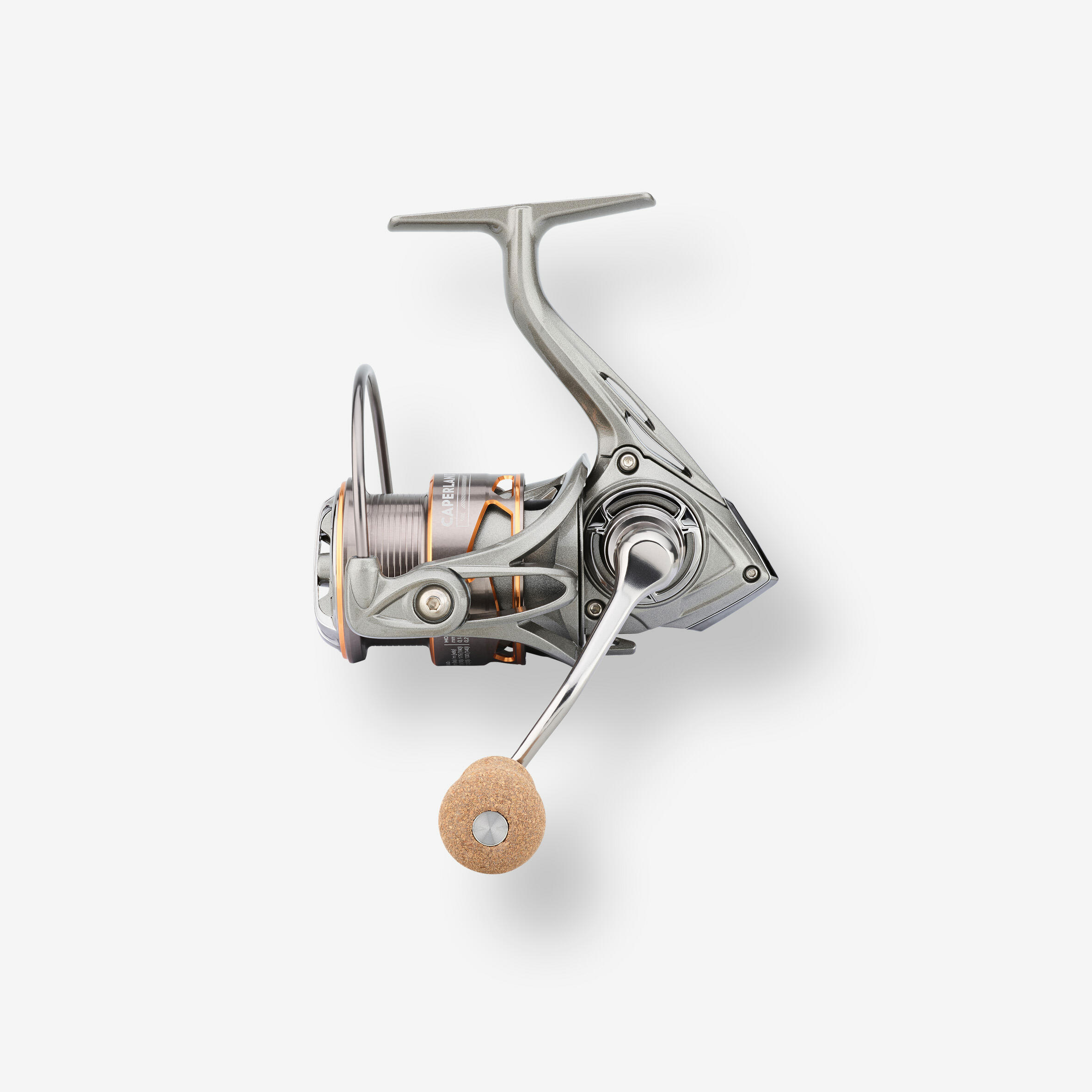
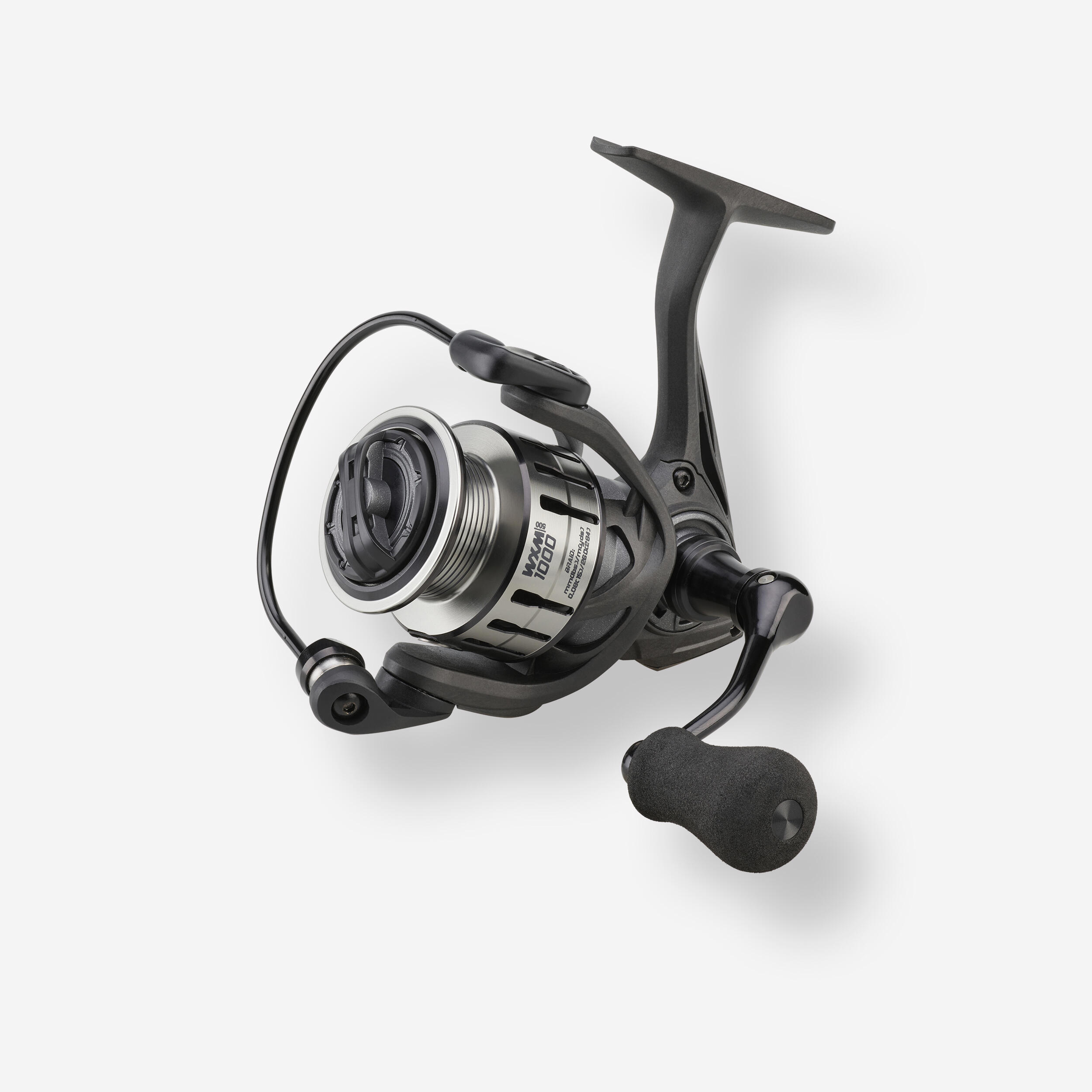
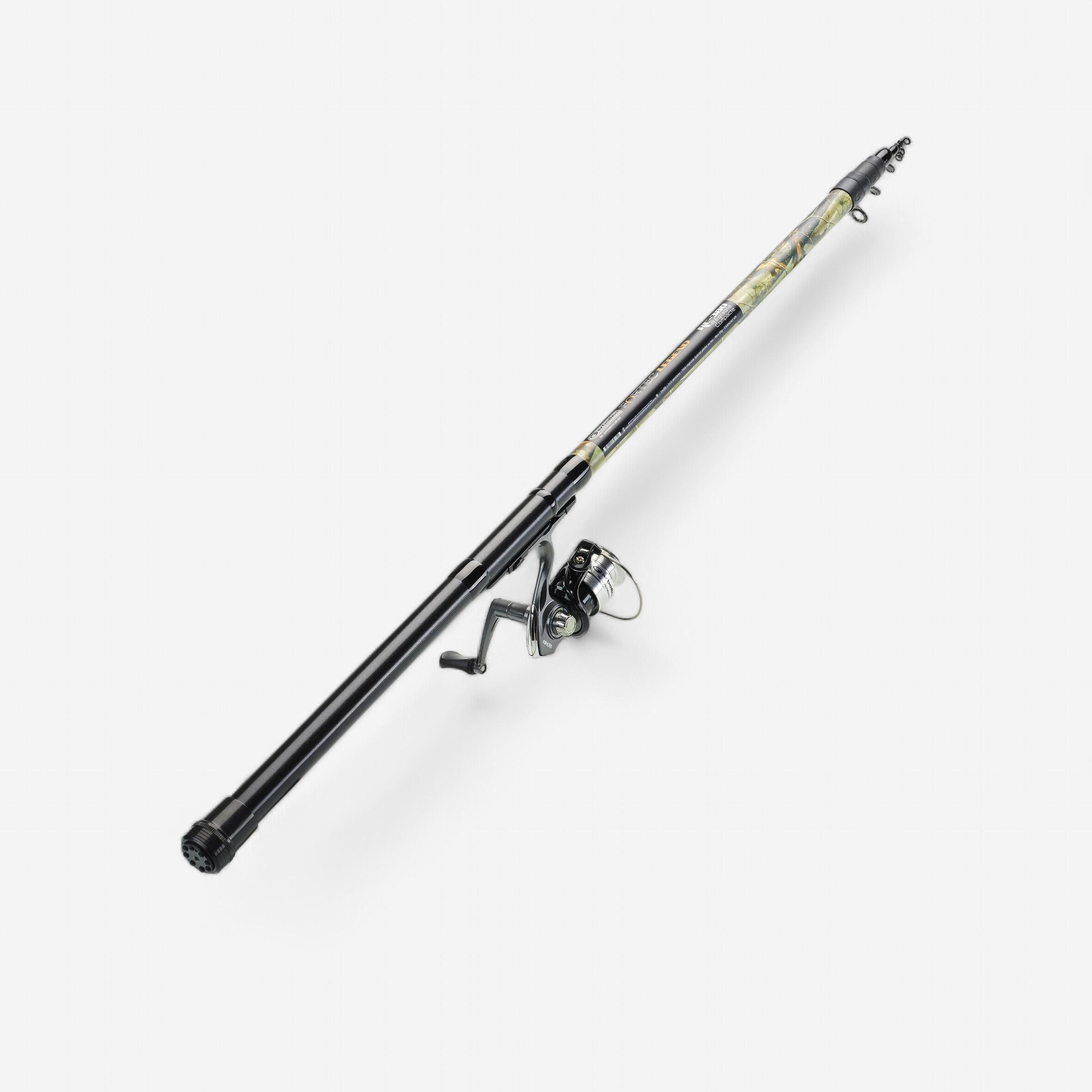
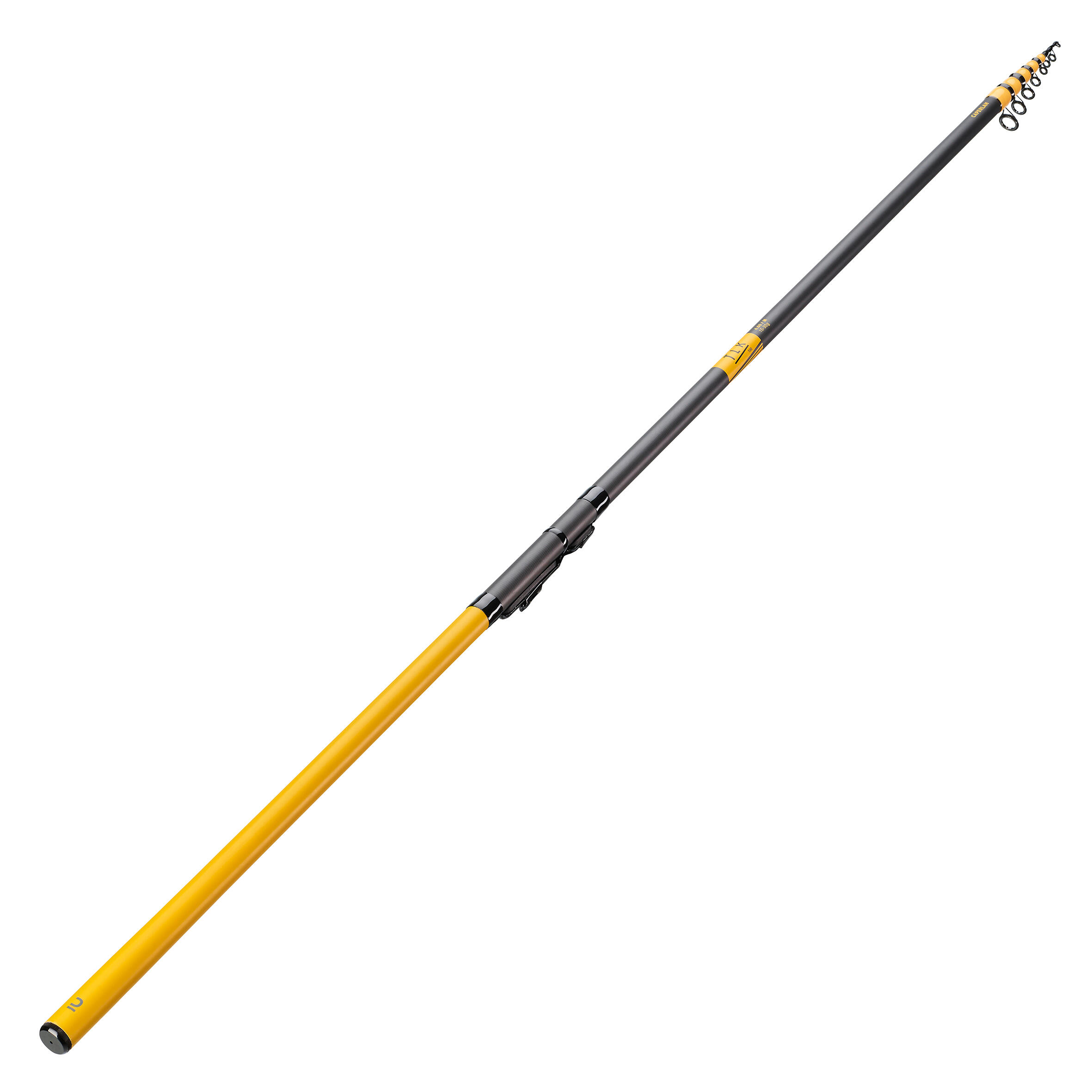
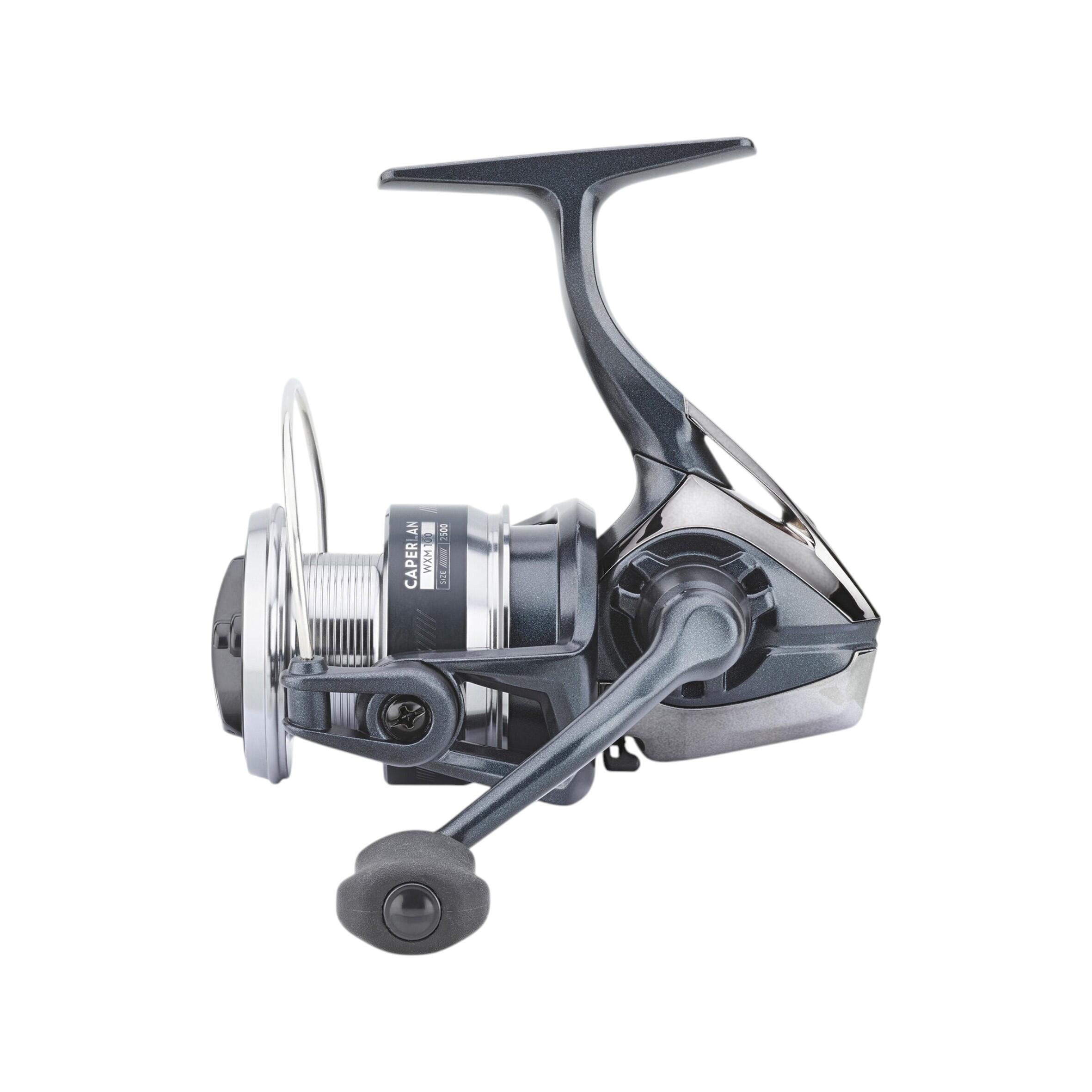
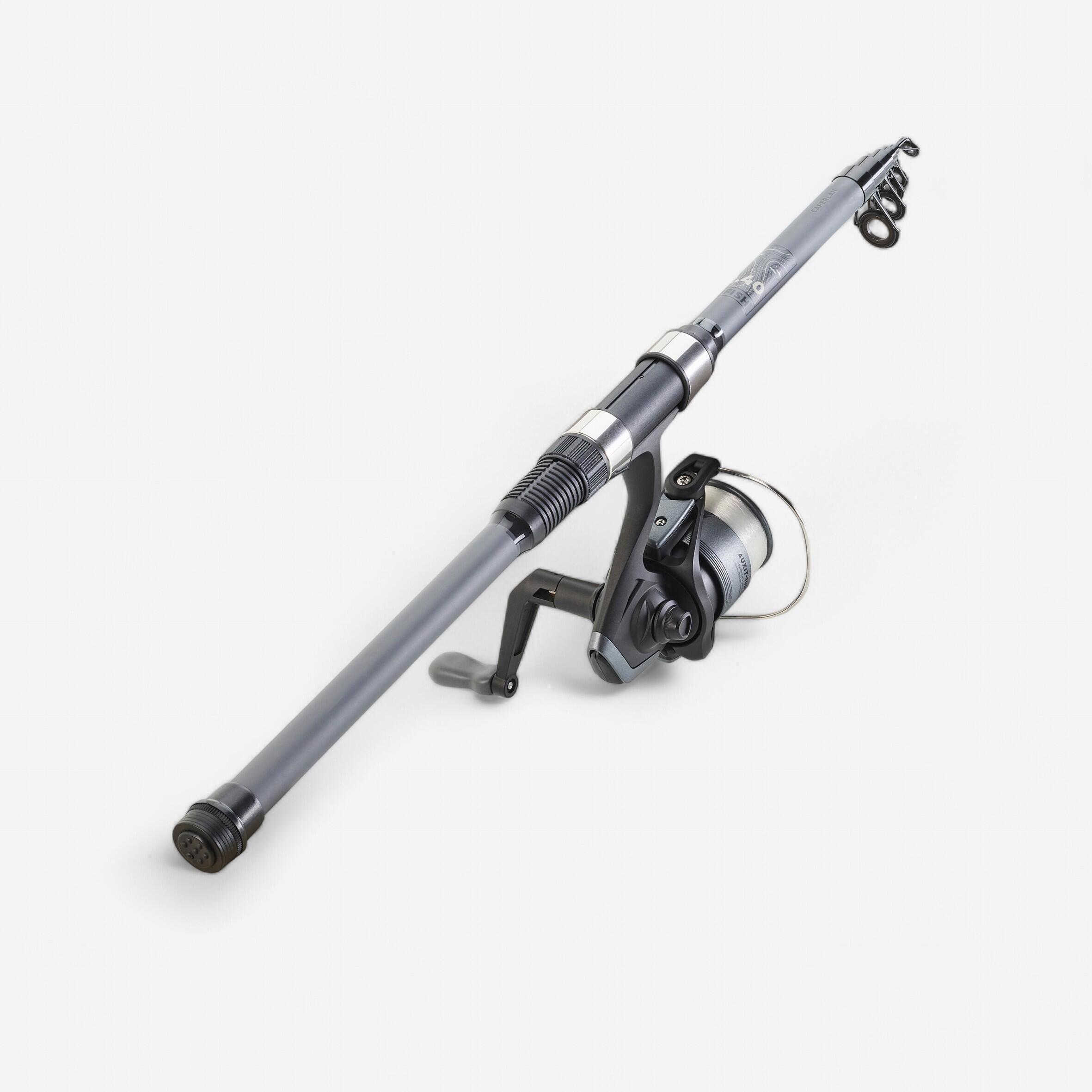
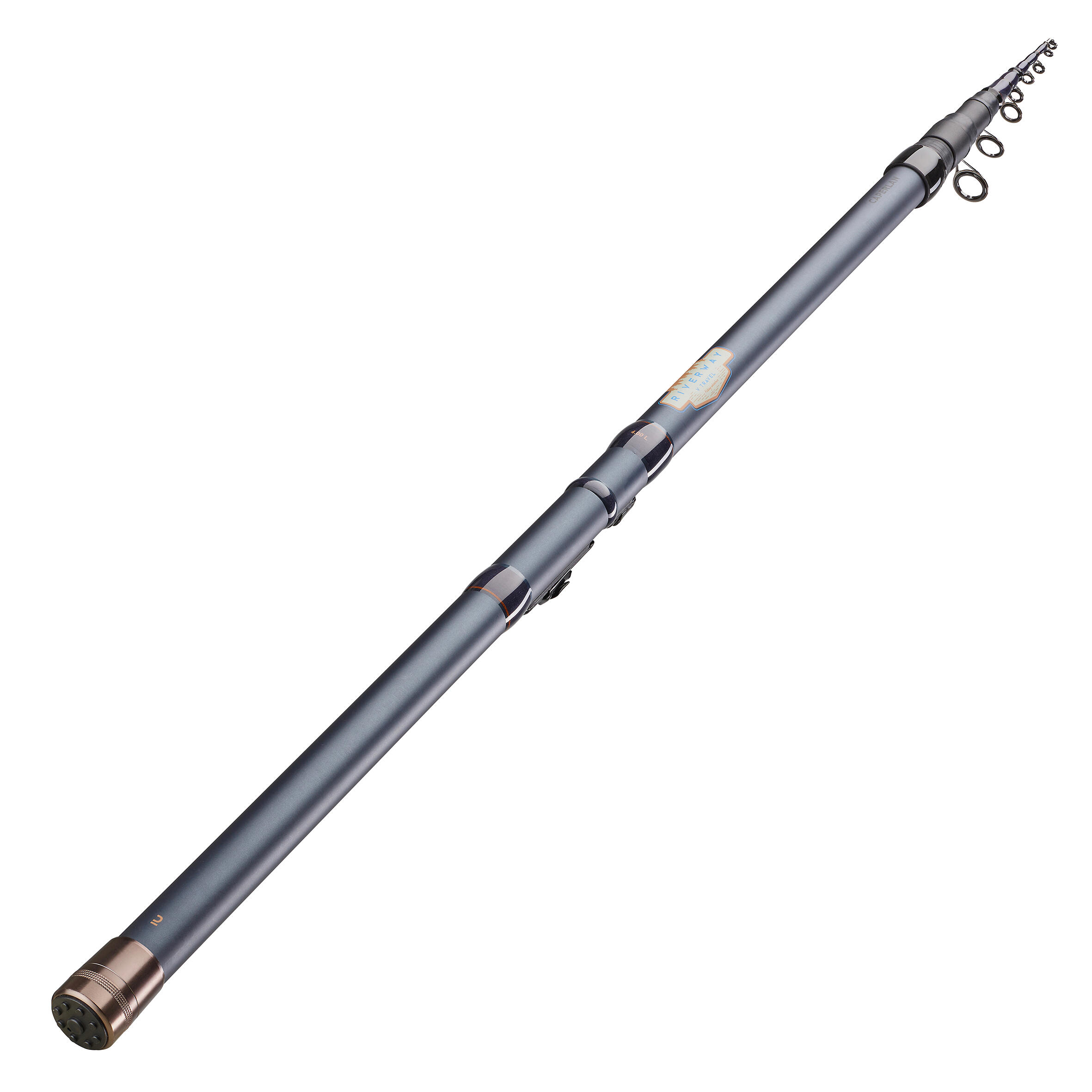
A practical starter setup should let you learn more than one technique without requiring every rod, reel and terminal component to be selected separately. Caperlan UFISH sets combine the rod, reel, pre-spooled nylon, prepared rigs, swivels and several lure or bait options in one package, so you can move between lure fishing and ledgering as your confidence improves. Compact versions also fold to around 55-60 cm, making them easier to transport in a car or with other tackle. Caperlan scales reel size with the rod rather than using one reel for every kit, with smaller 2000-size reels on lighter setups and 3000-size models on longer rods. Compare trout fishing reels according to rod length, line capacity and the technique you plan to use most often.

How can a float setup help with trout fishing?

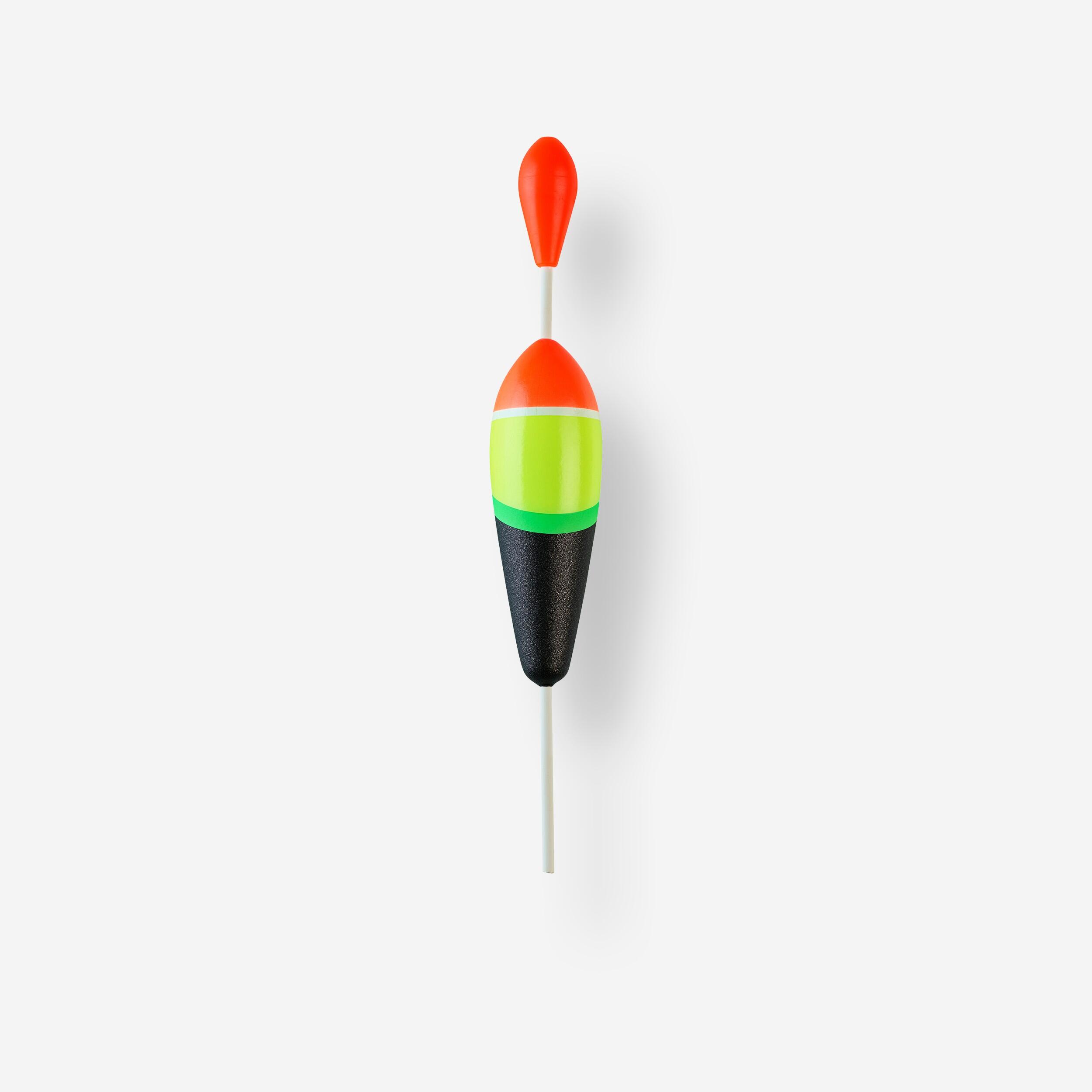
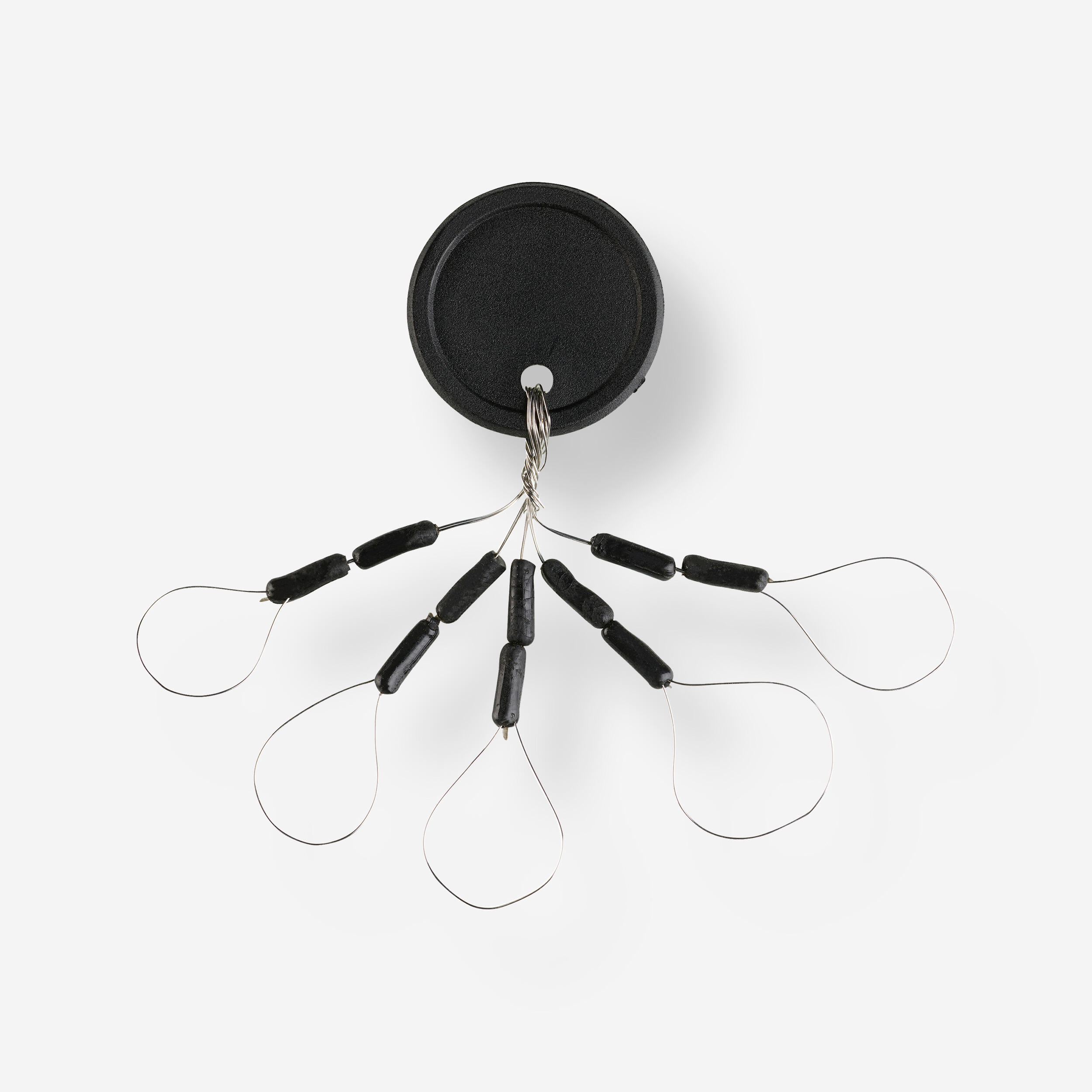
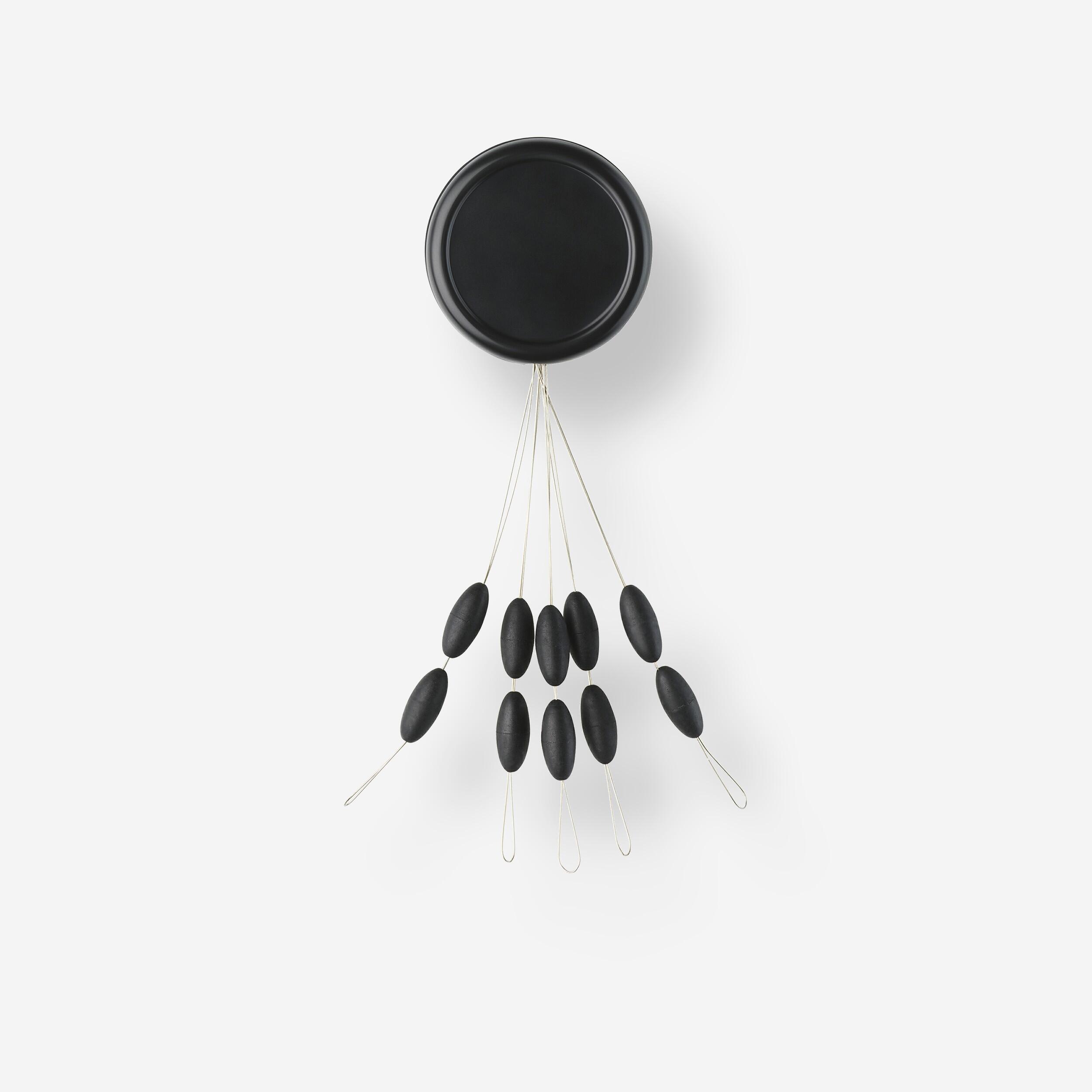
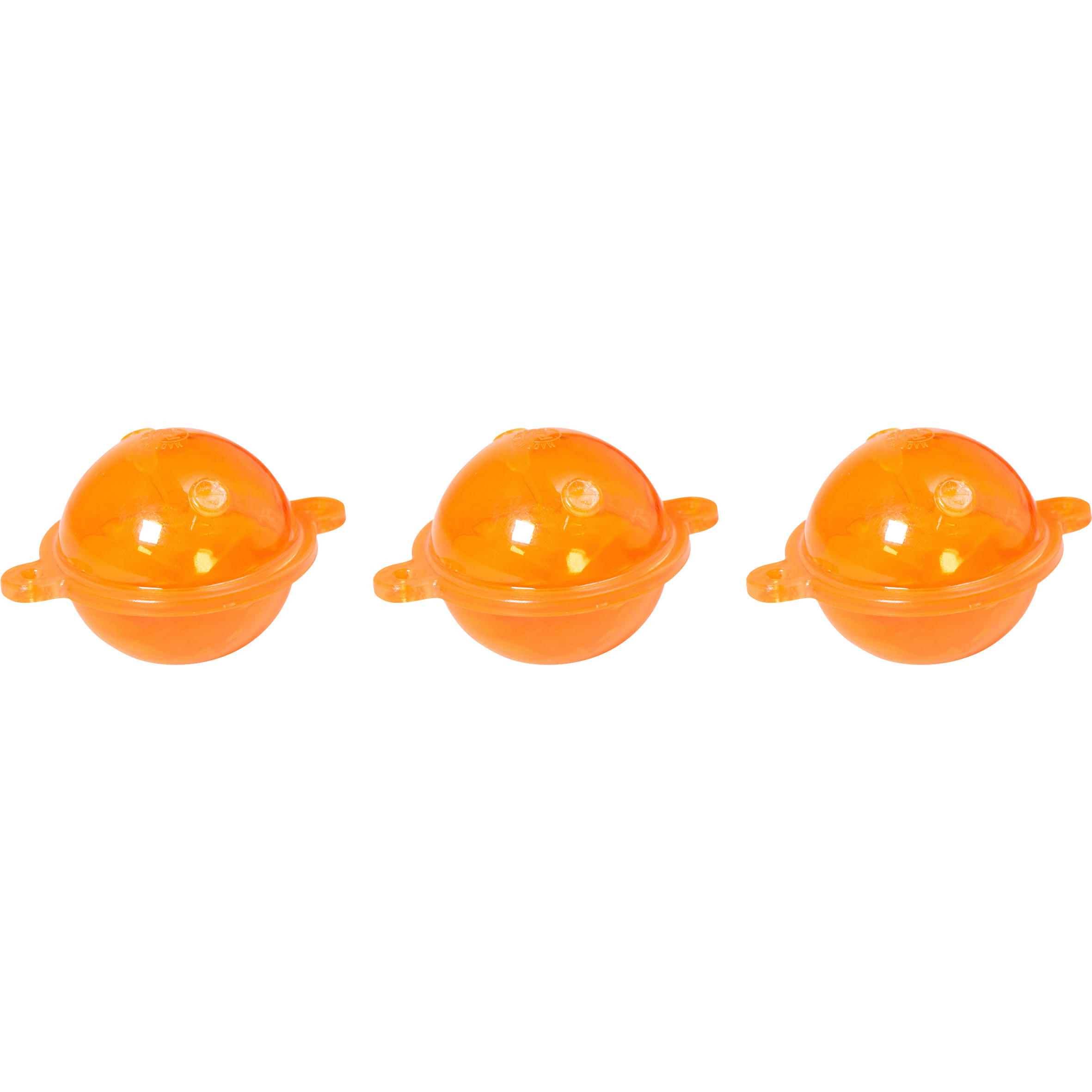
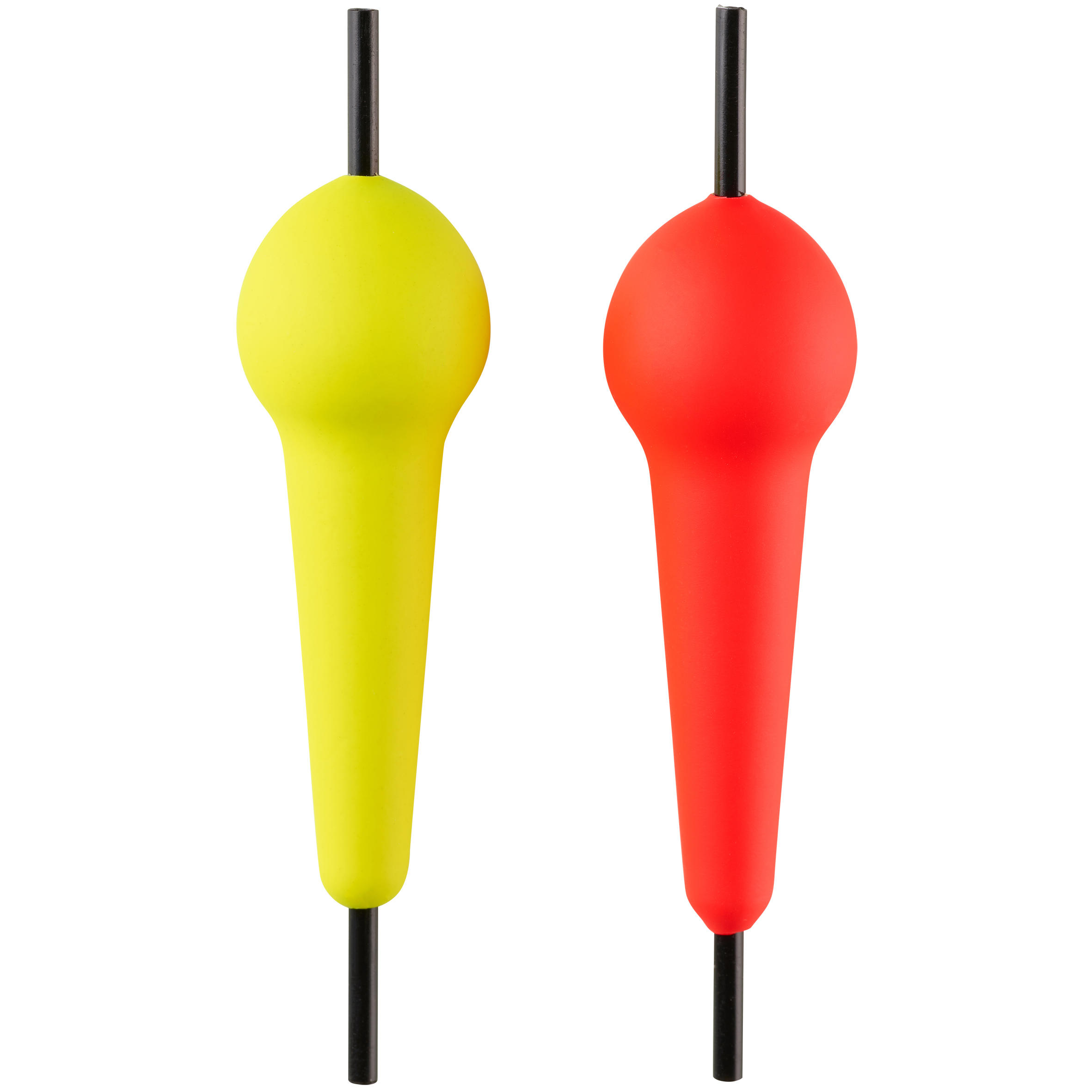
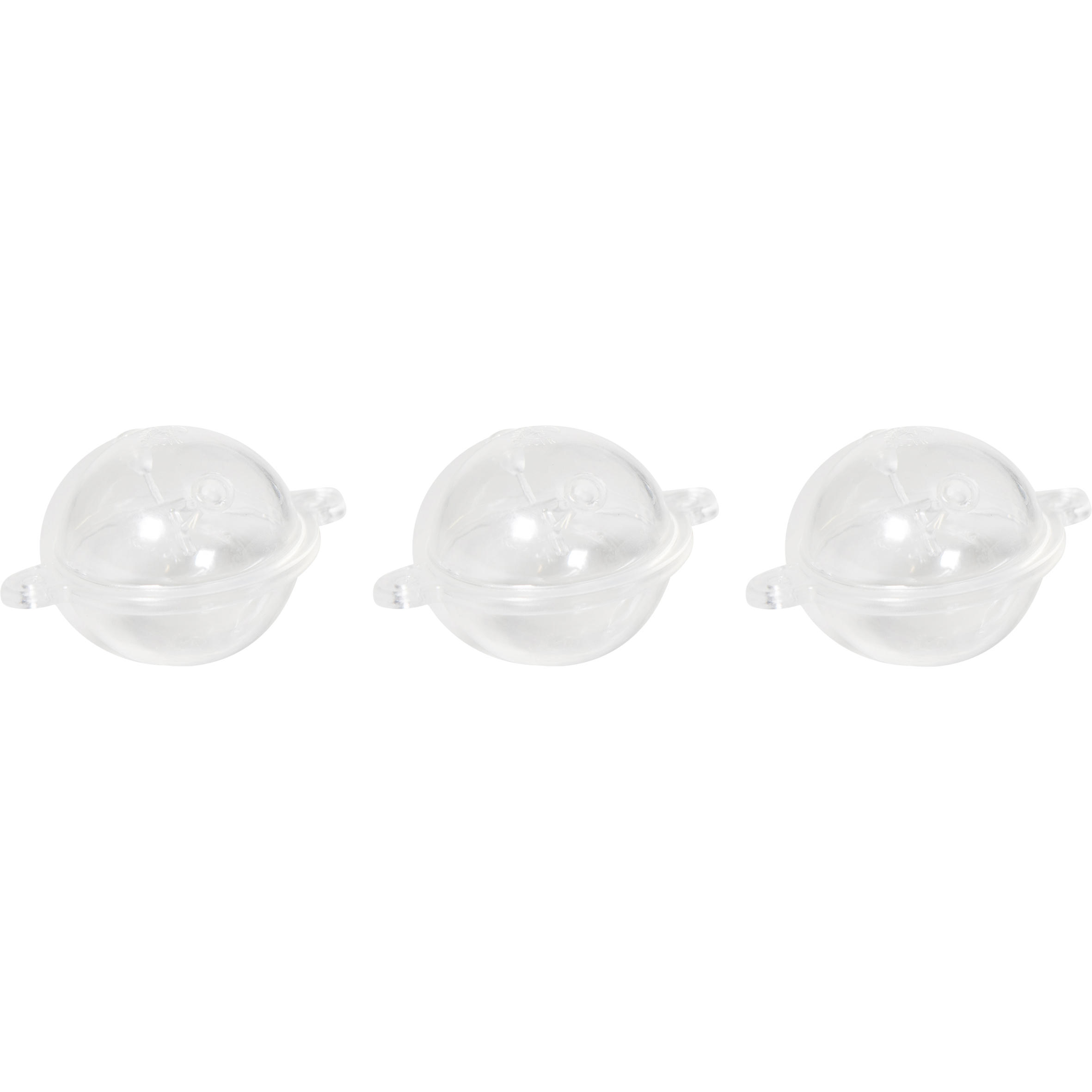
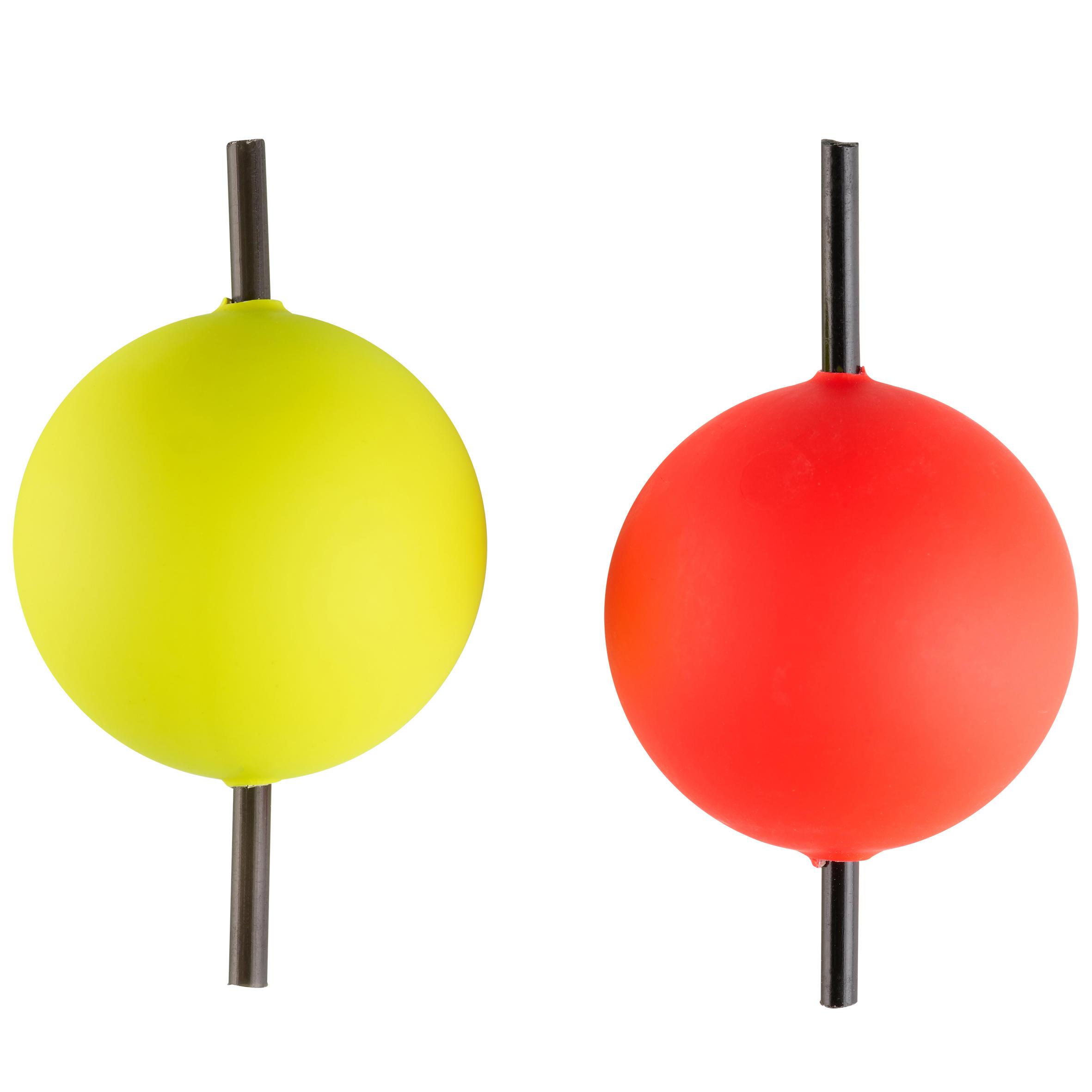
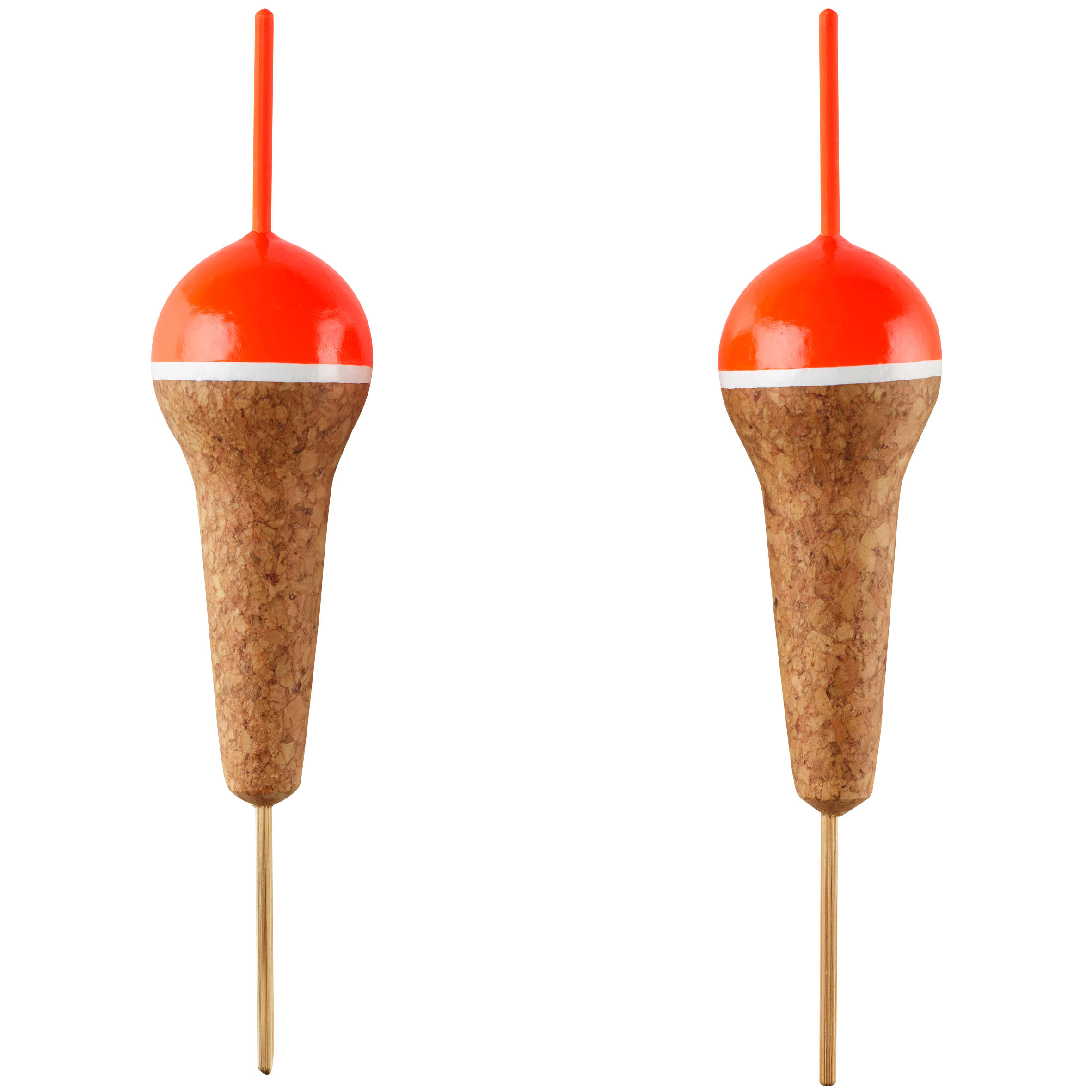
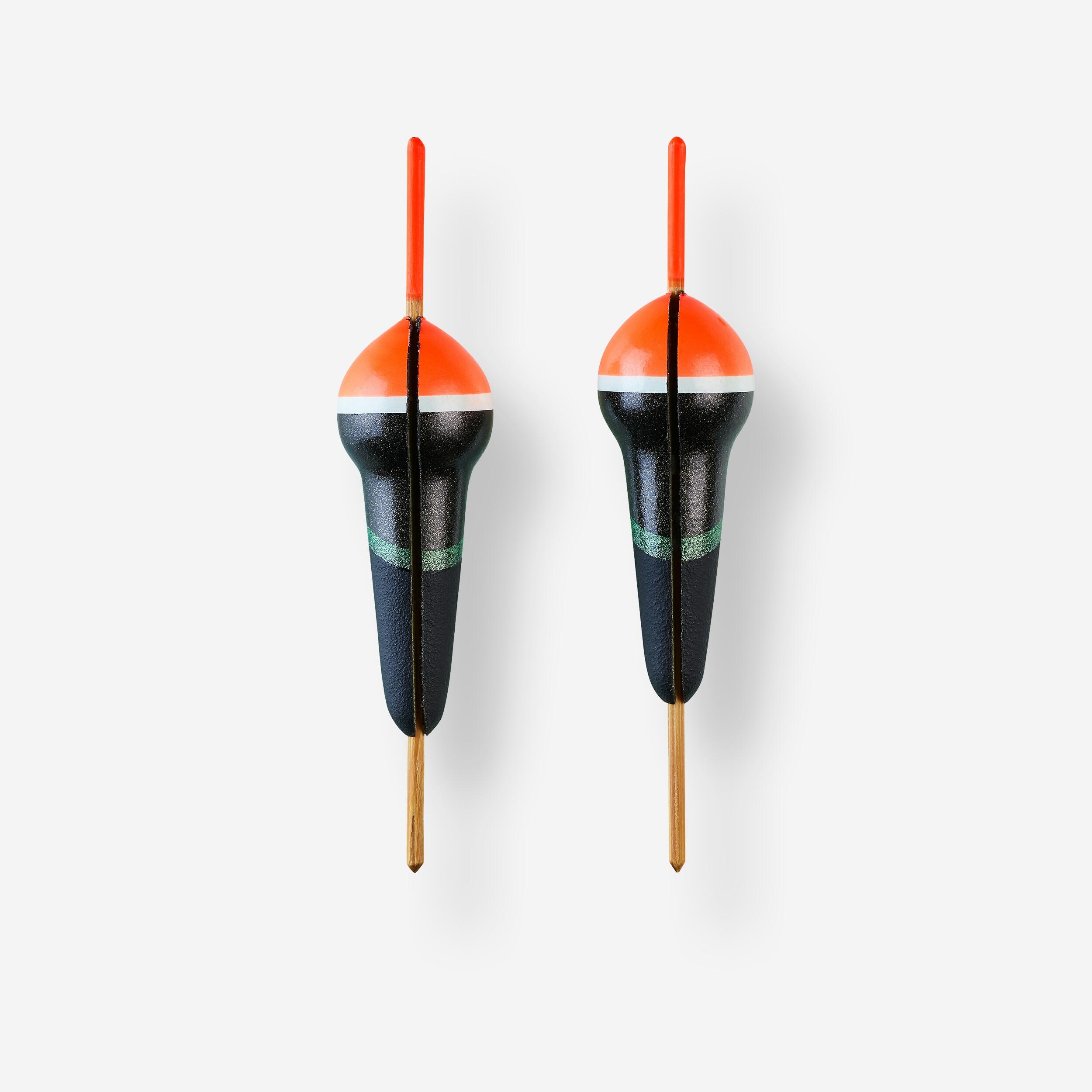
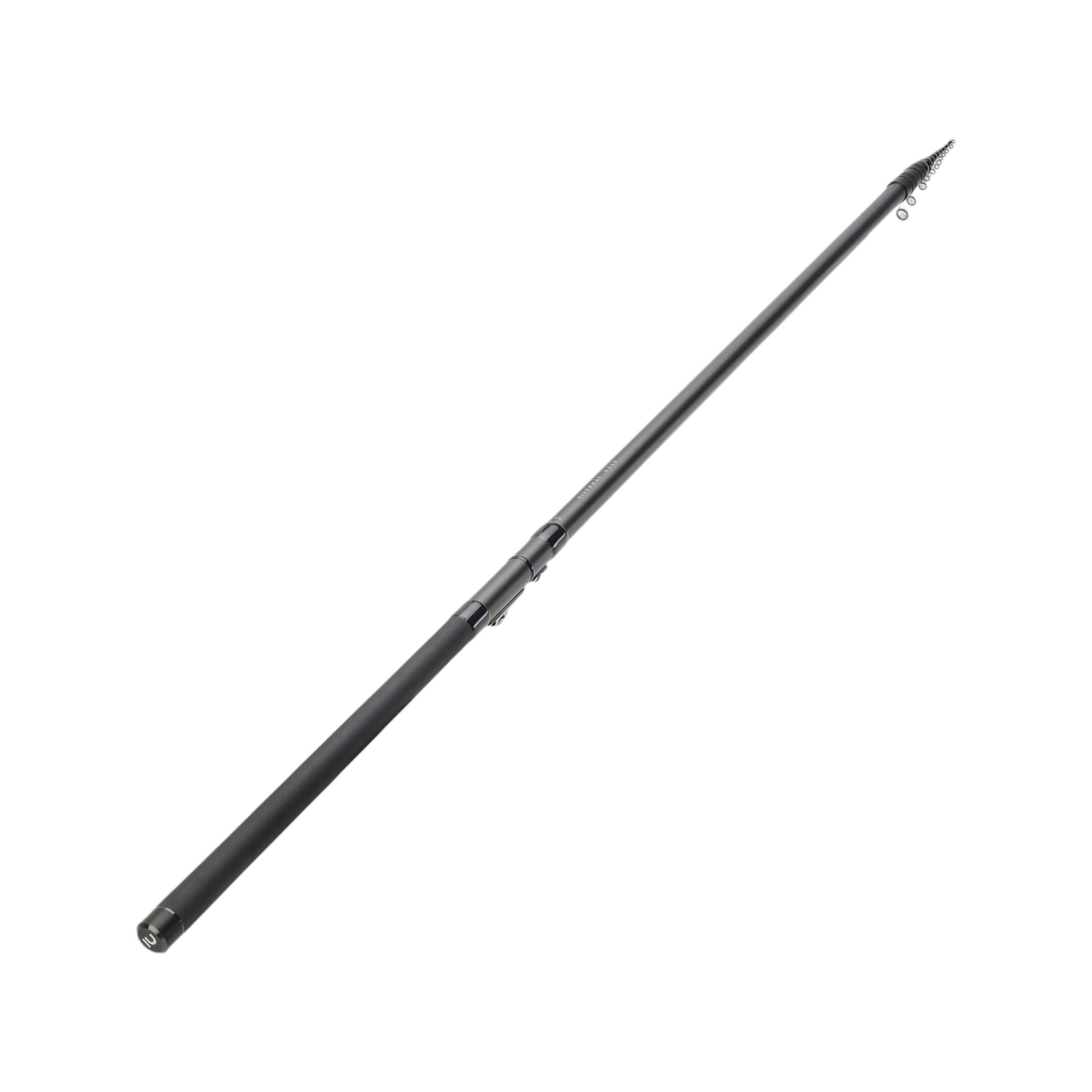
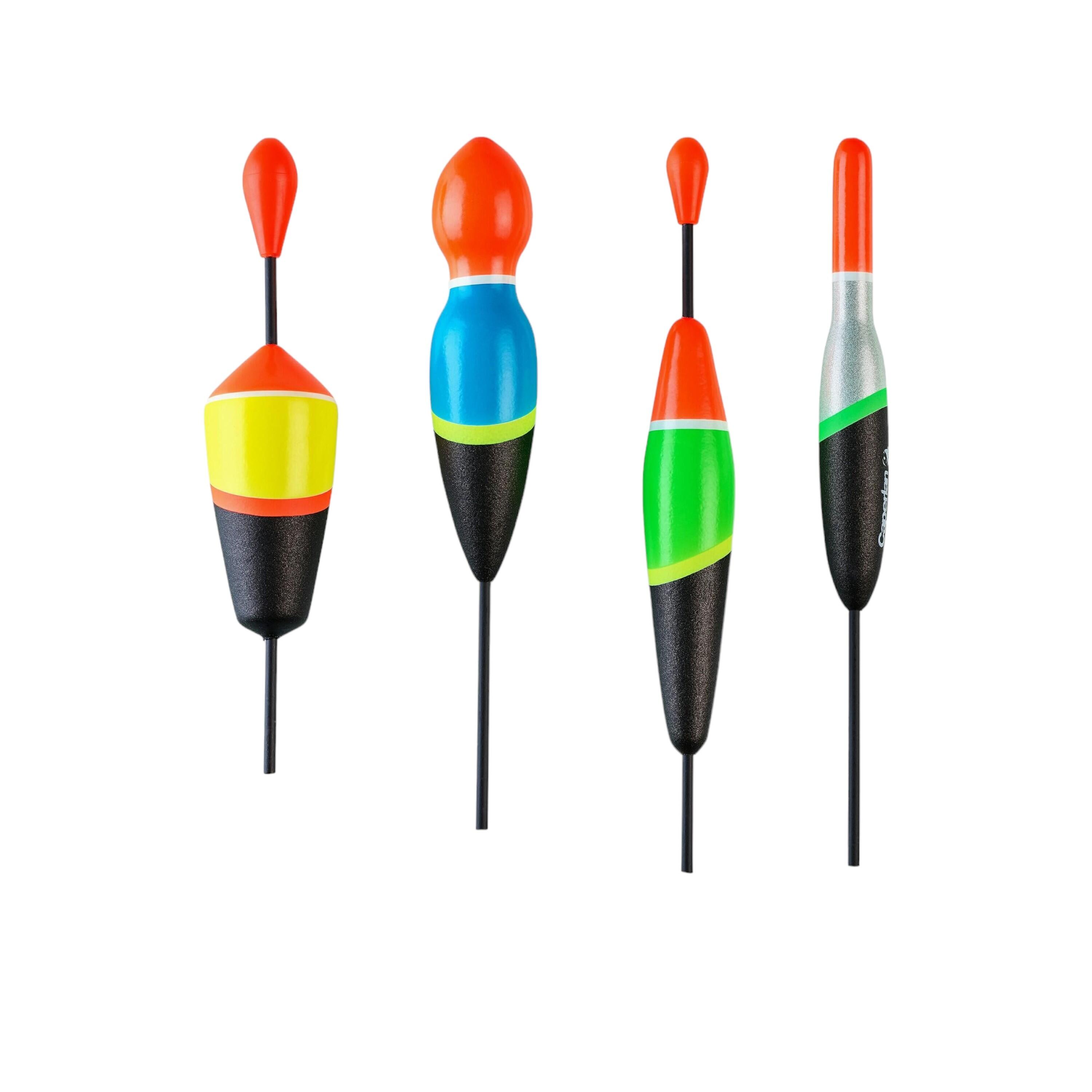
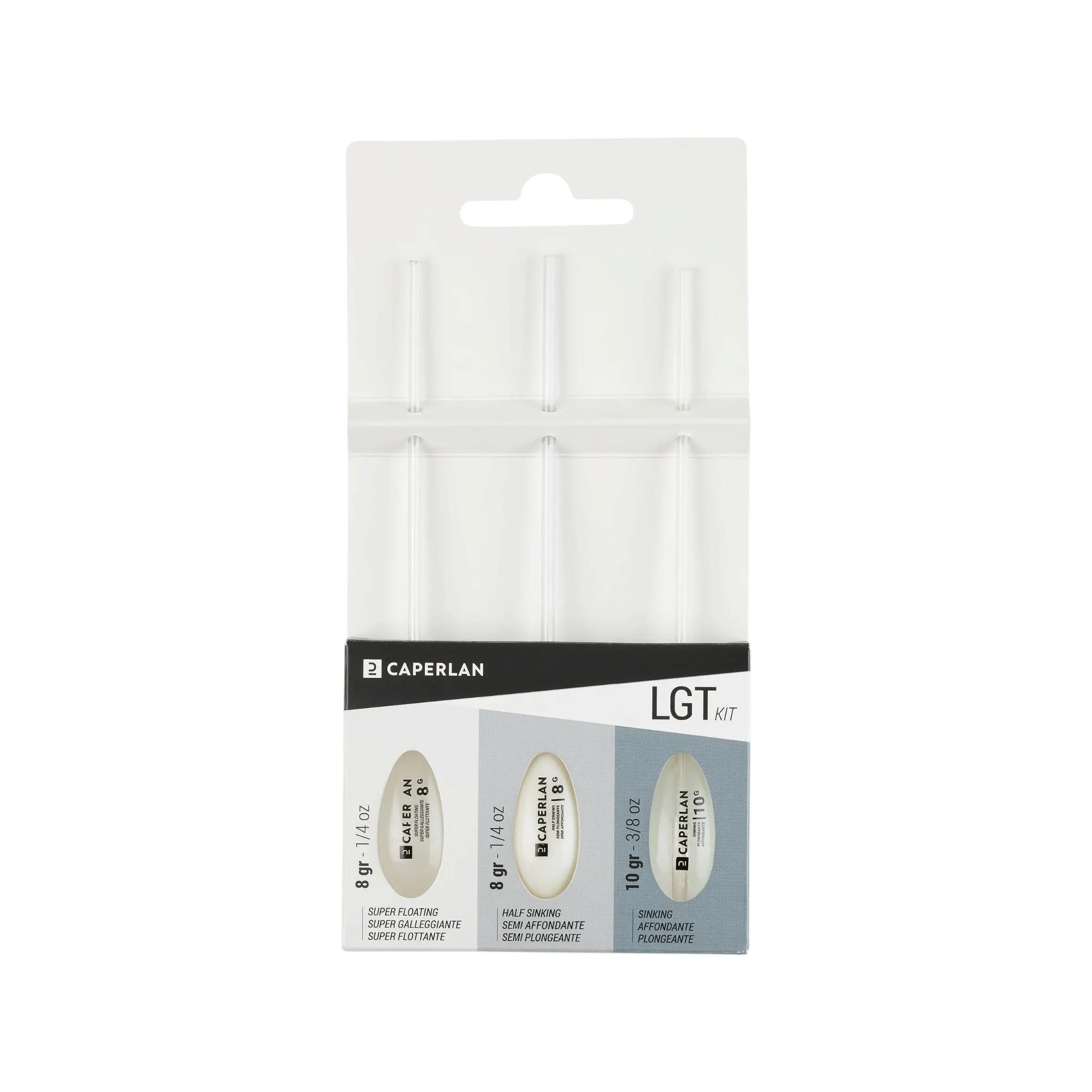
Float fishing gives you a visible indication of what is happening around the bait and can be useful when trout are feeding at a particular depth. Selected Caperlan starter kits include a rigged float line, which removes the need to build the complete terminal setup before the first session. More technical trout and match combinations use longer carbon rods and fine-line casting layouts to help place float rigs accurately at greater distance. Select trout fishing floats based on fishing depth, wind and how far you need to cast rather than appearance alone. Set the shot so only the required part of the tip stays above the surface, then adjust the depth gradually until the bait spends more time where fish are feeding.

What effect do hook size and shape have on trout bait presentation?

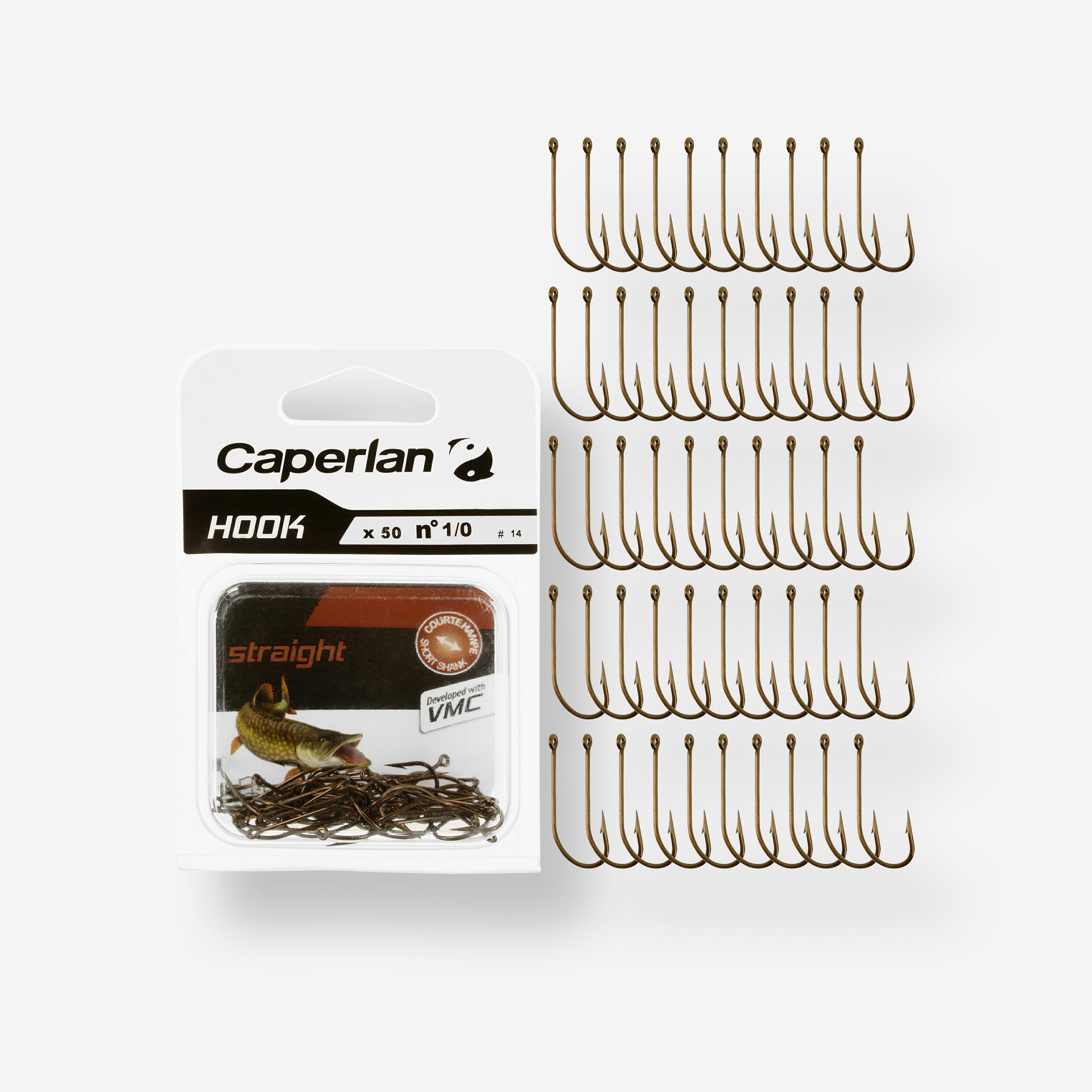
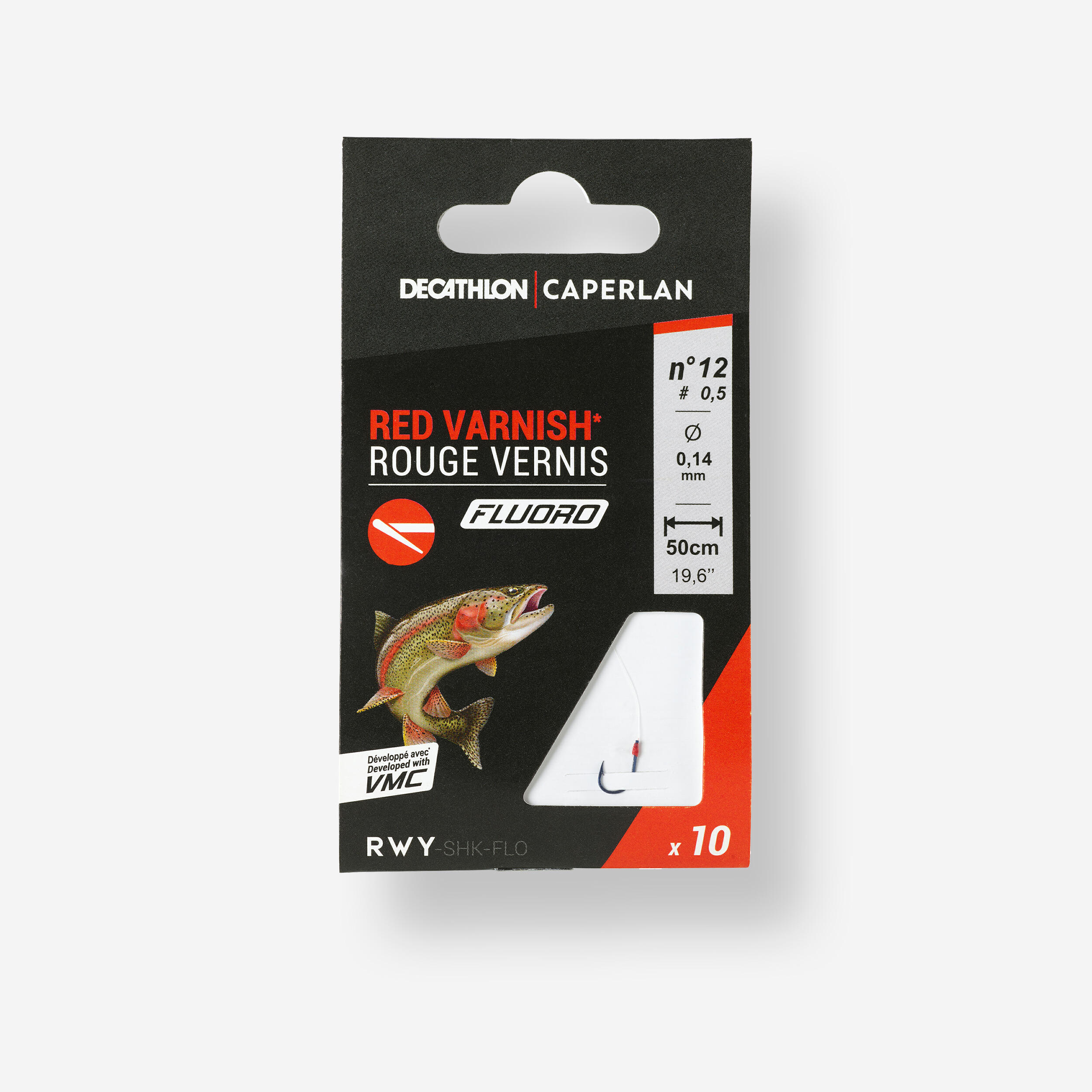
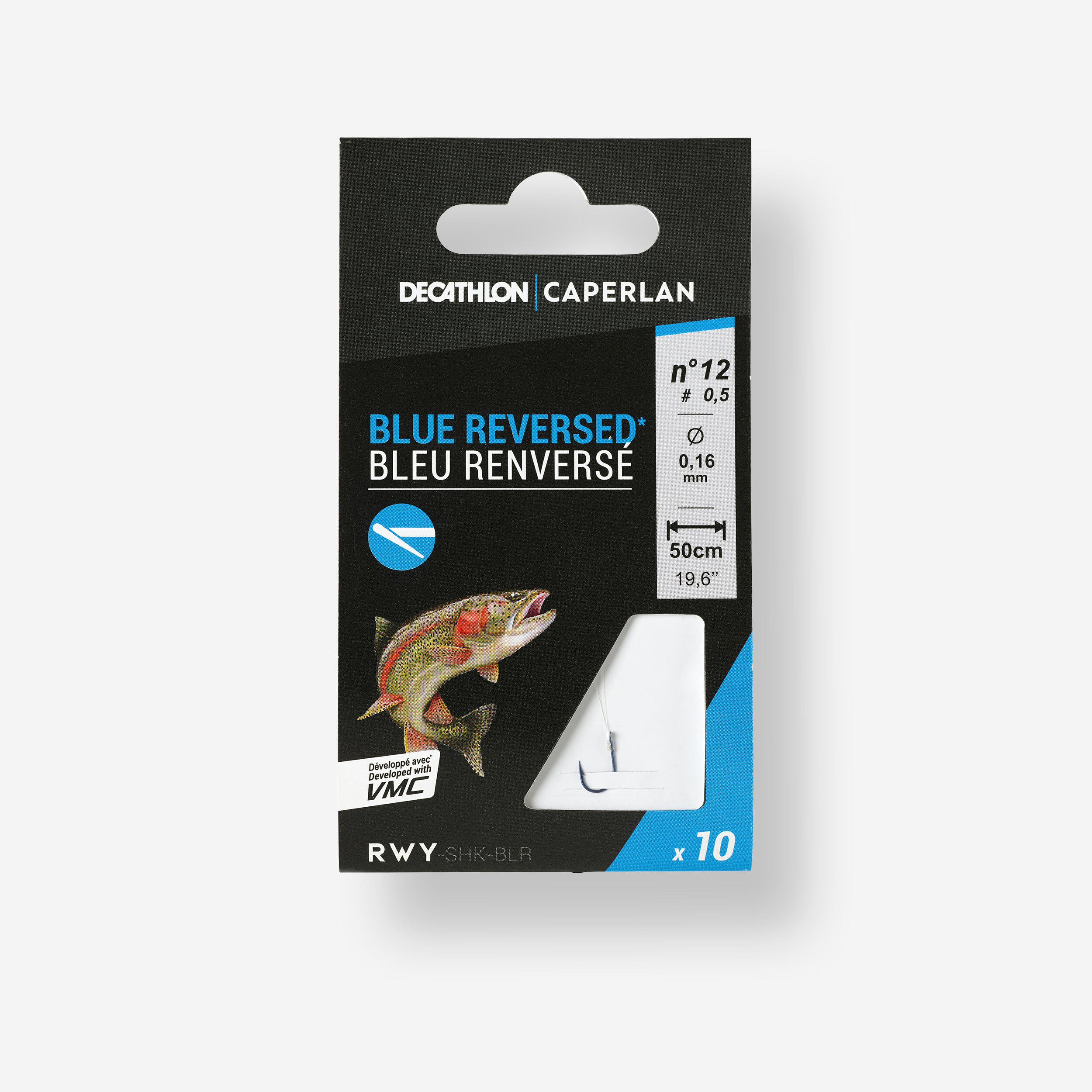
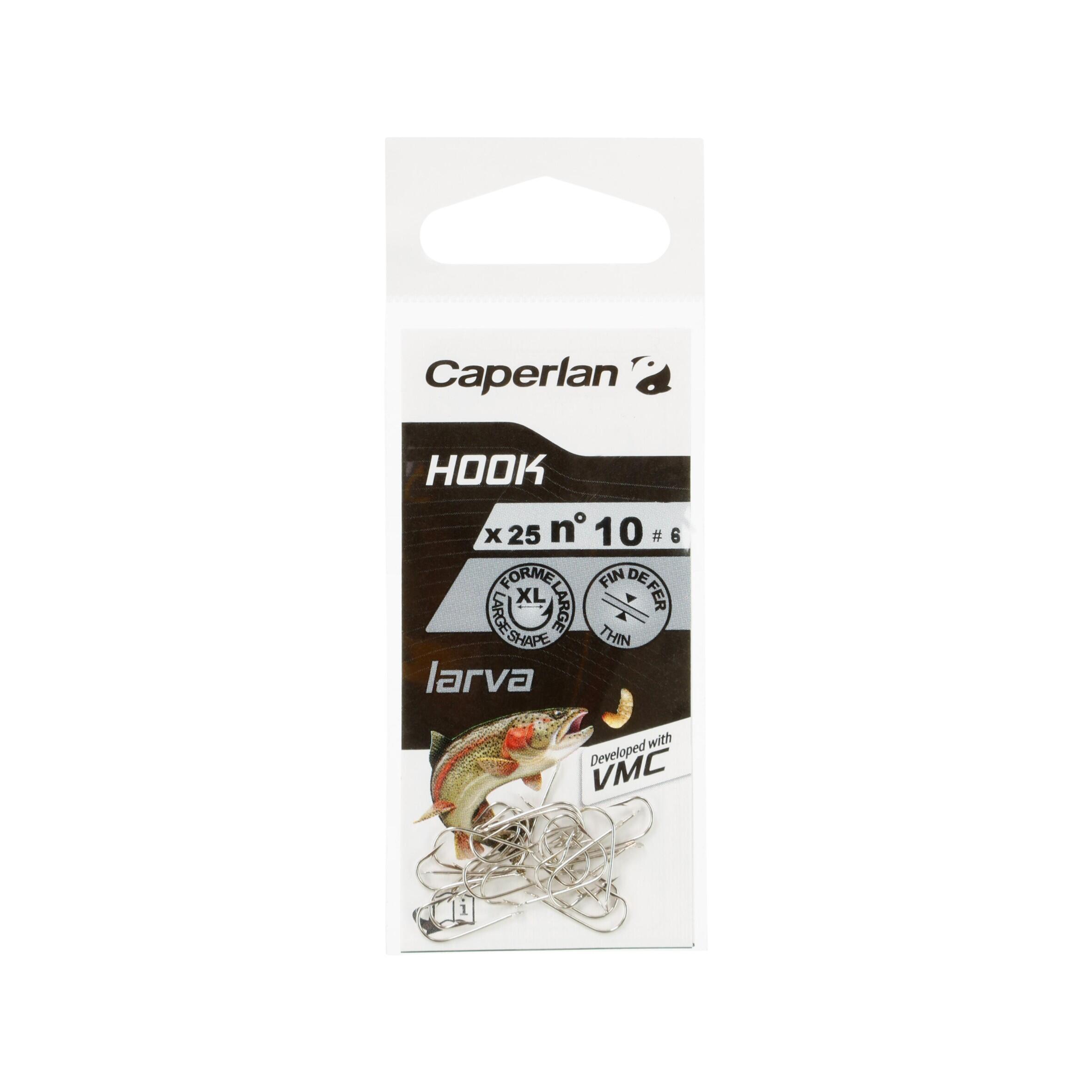
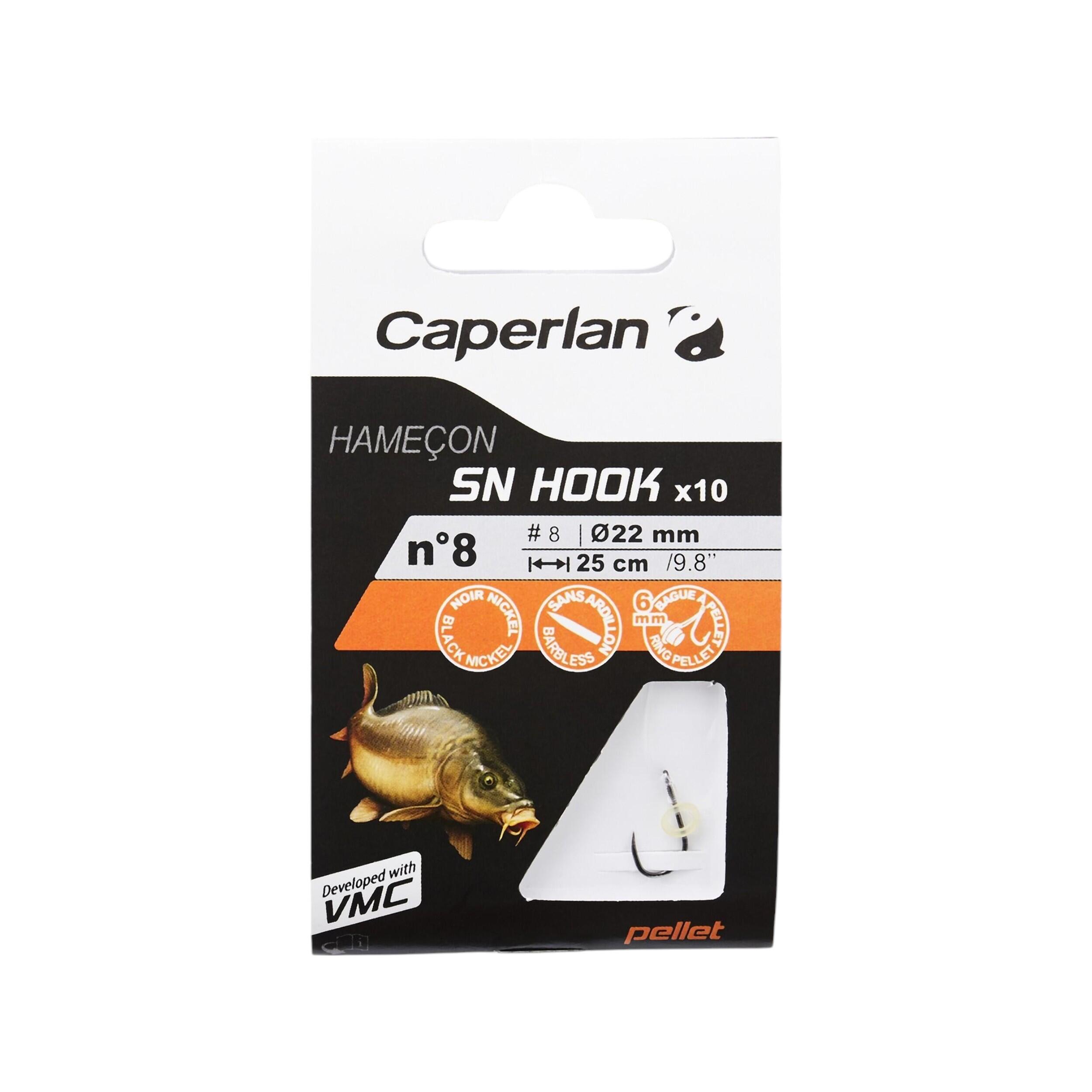
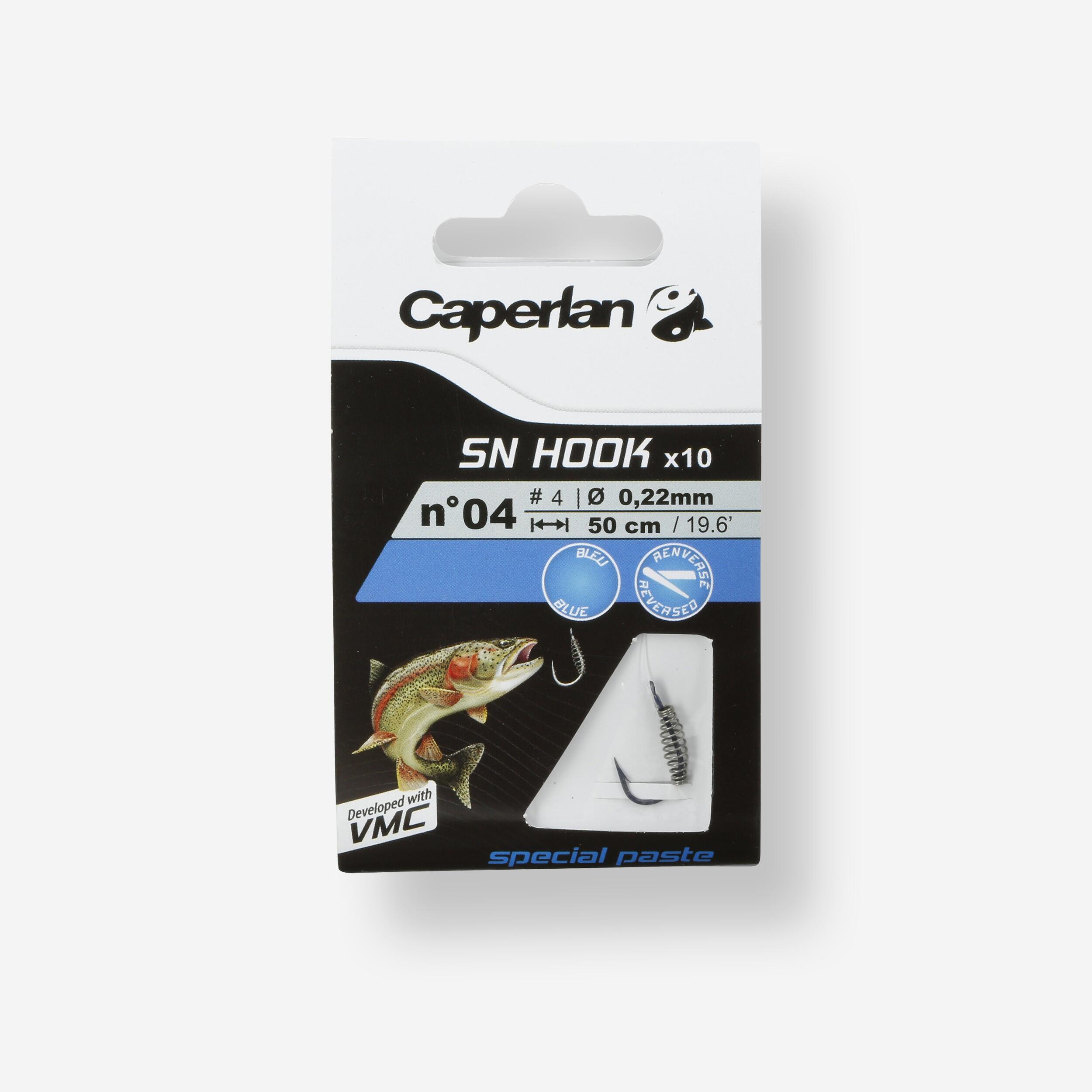
Hook choice should reflect the bait, leader diameter and size of fish you expect to encounter. Caperlan uses short-shank straight hooks on selected trout-suitable patterns to reduce the chance of fish coming unhooked during the fight, while stronger wire helps resist opening under load. Bronze finishes can also make the terminal rig a less conspicuous. Ready-rigged trout fishing hooks can simplify preparation because the hook and leader are already paired. Keep the point clear when using worms or other soft baits and inspect it after contact with rocks, branches or the bottom. If the point has rolled over or the leader is marked, replace the hook length rather than continuing with a weakened terminal section.
What signs suggest it is time to change your artificial trout bait?

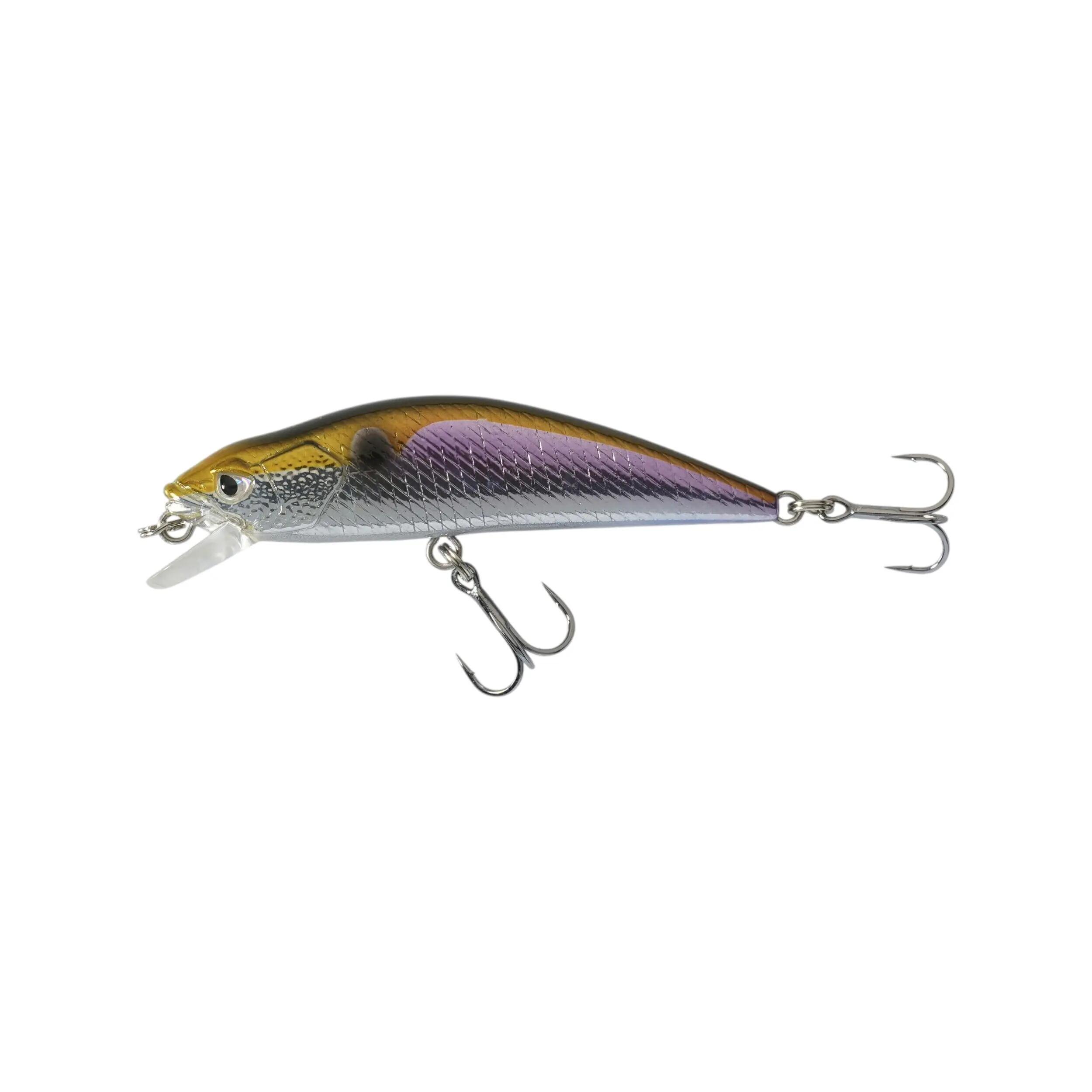
Changing artificial bait can help when trout stop responding to one movement, profile or depth. Caperlan beginner sets include several trout-suitable presentations, such as small spoons or spinners, crankbaits, soft lures, roach-shaped ready-to-cast lures, and artificial worms, giving you several ways to change the presentation without changing the whole rod-and-reel setup. Different trout fishing artificial baits also work at different retrieve speeds and depths. Start by changing retrieve pace before replacing the lure, then vary colour or profile if there is still no response. Check hooks and attachment points after snagging or hitting stones, and keep softer artificial baits separate where needed so damaged material doesn't affect how the lure moves.

Which line is better for trout fishing, nylon or fluorocarbon?

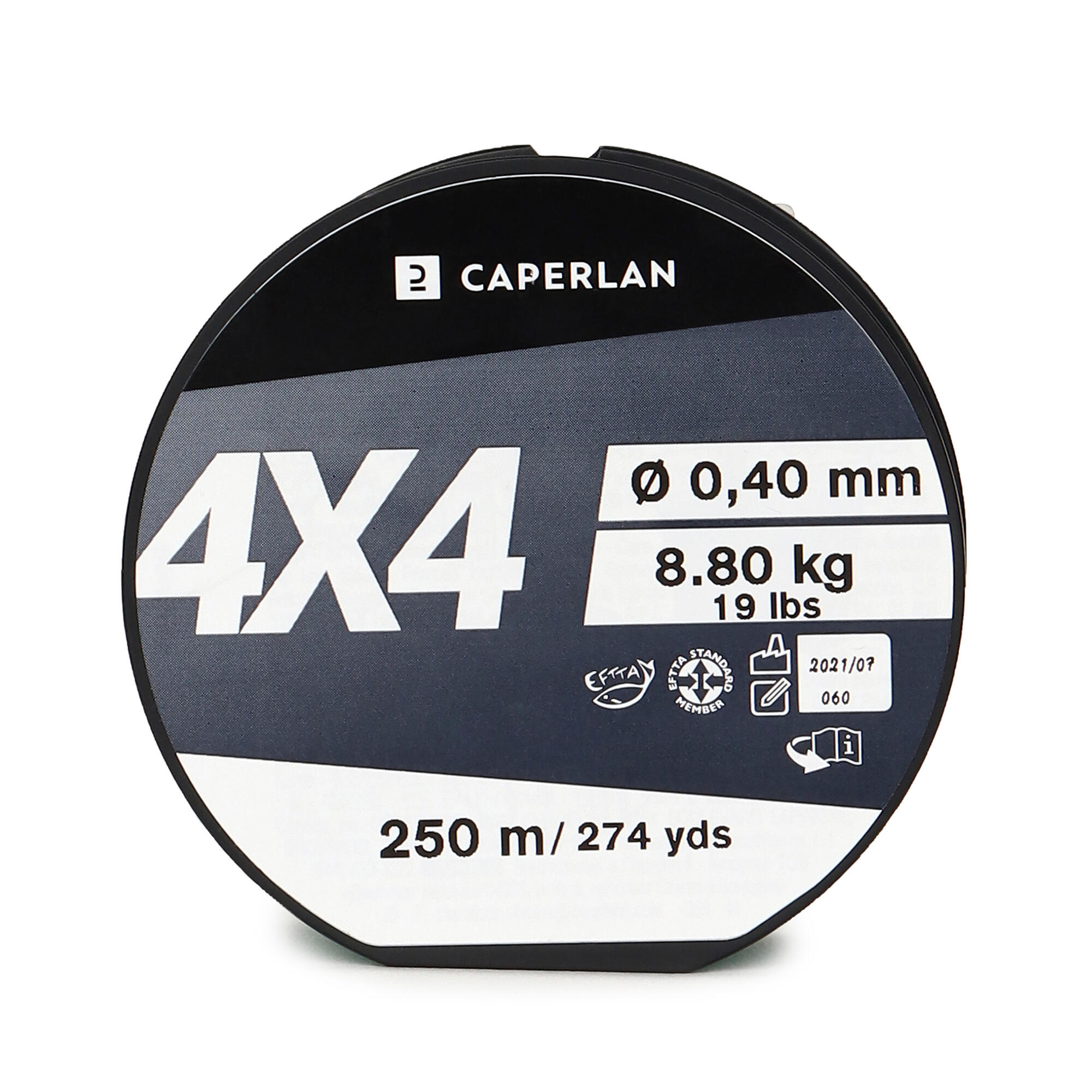
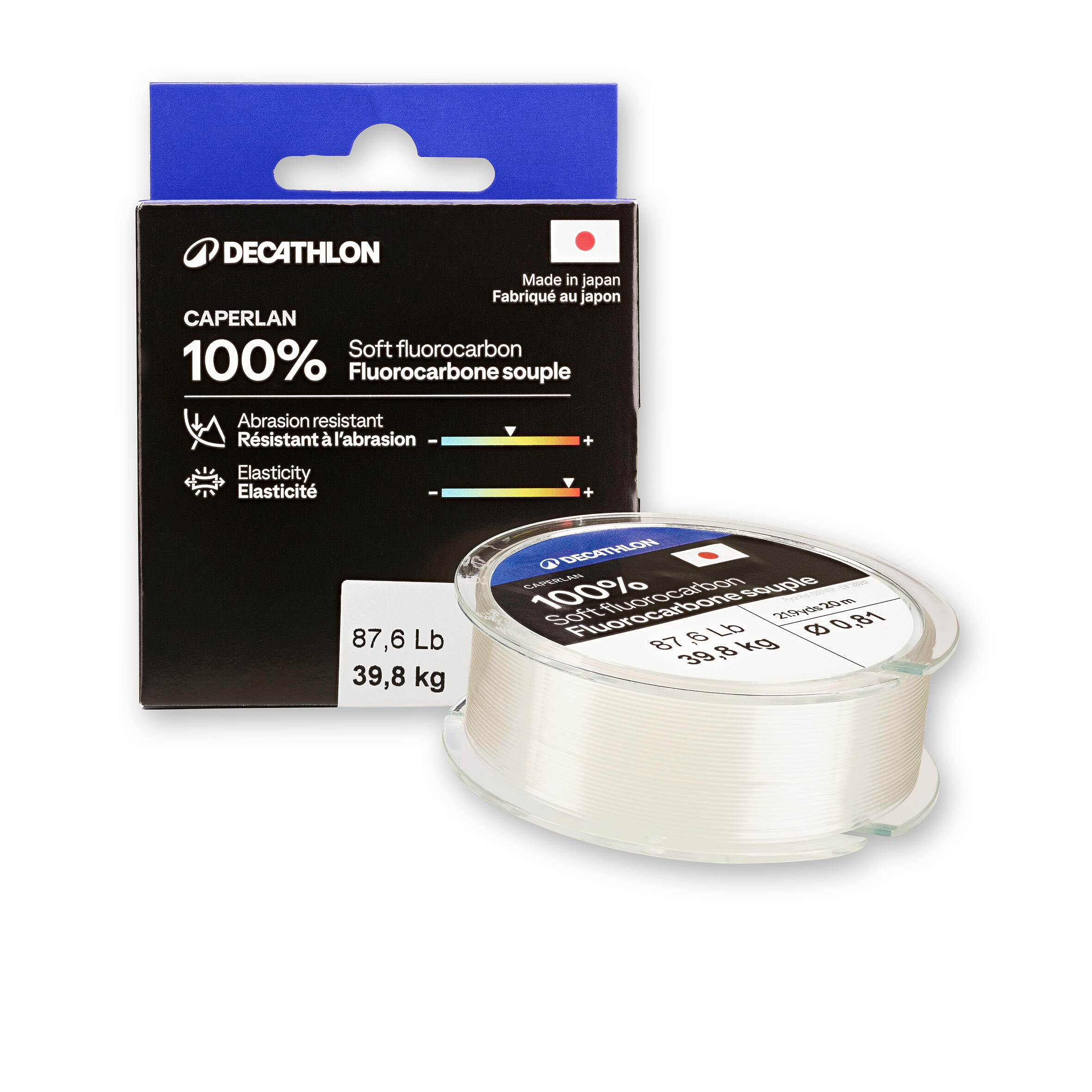
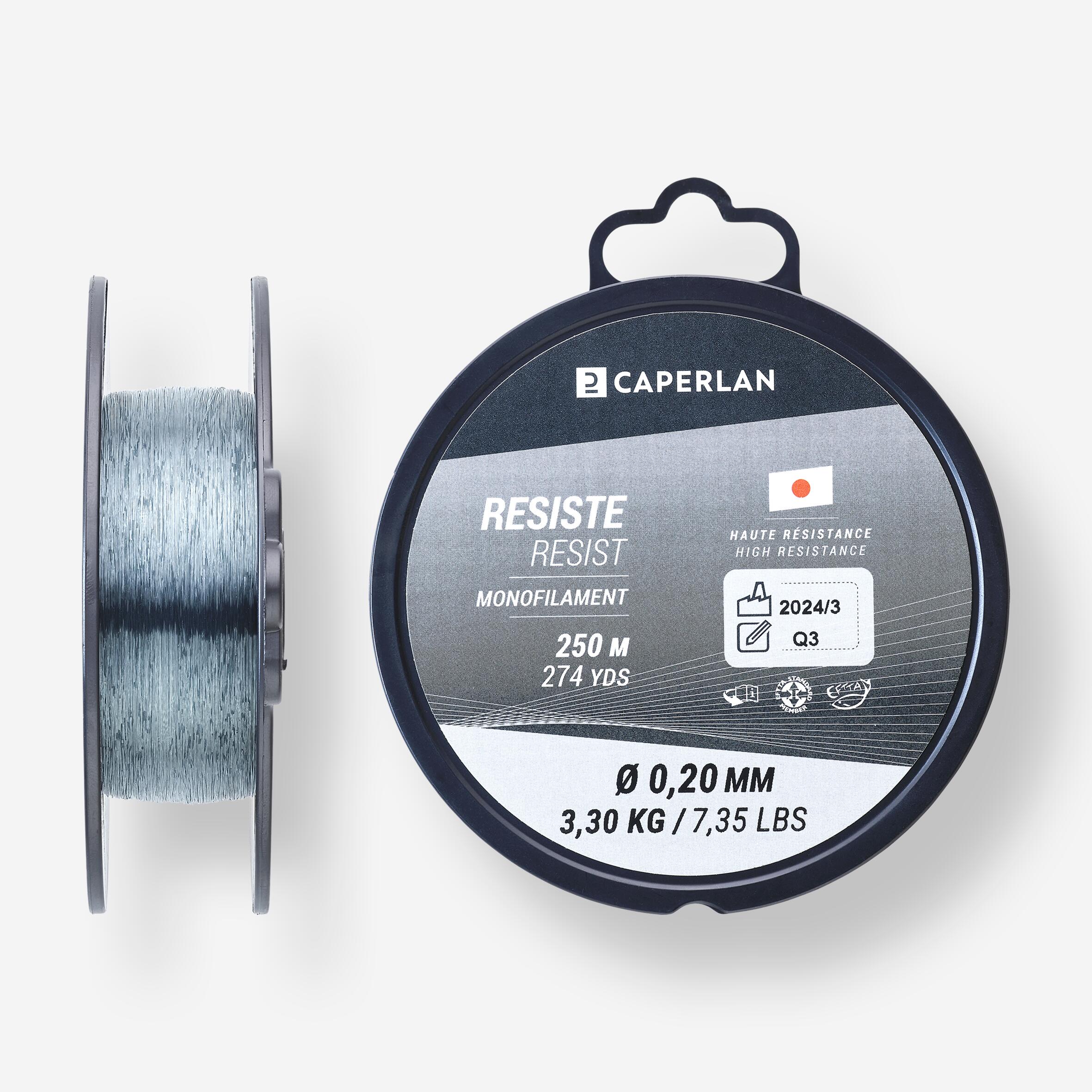
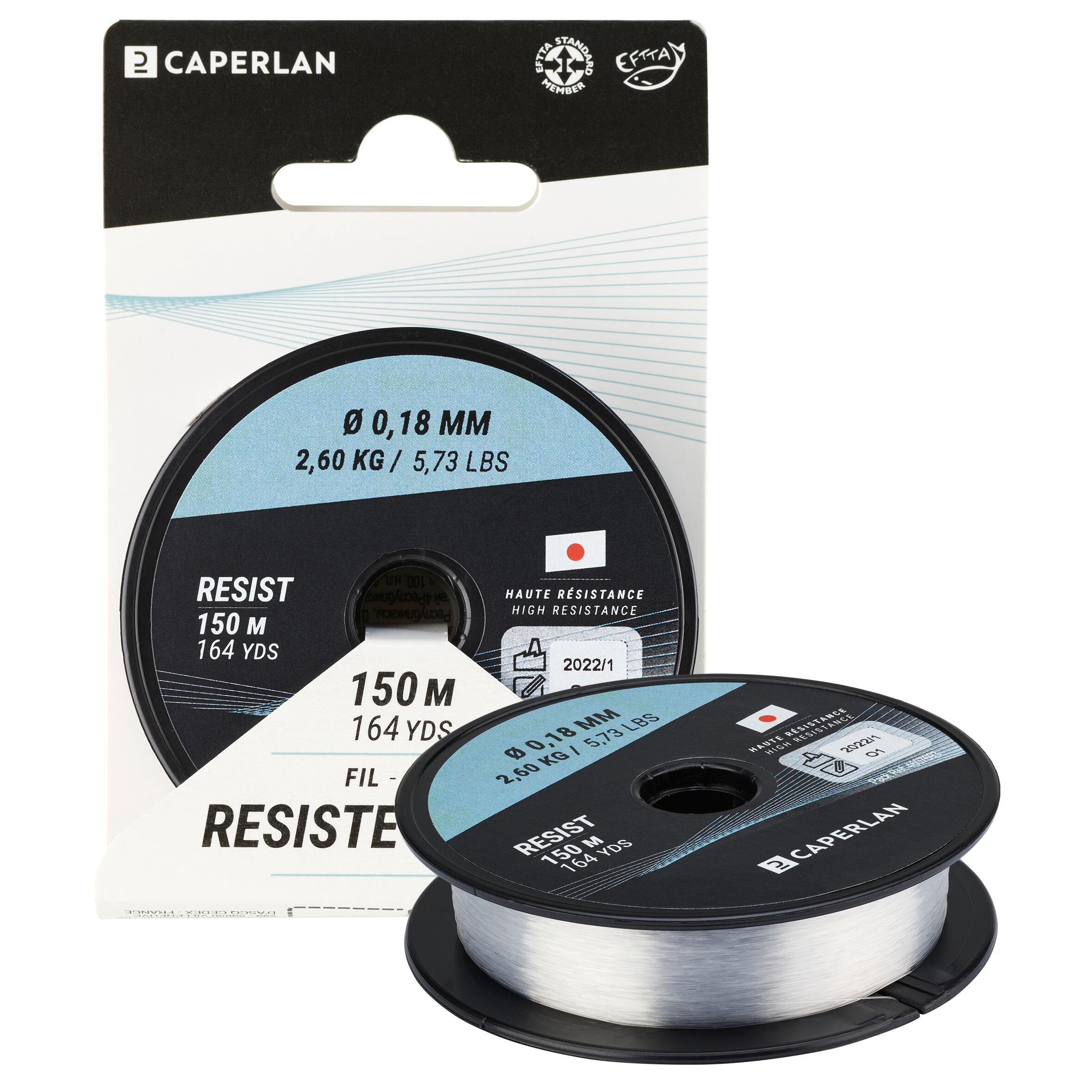
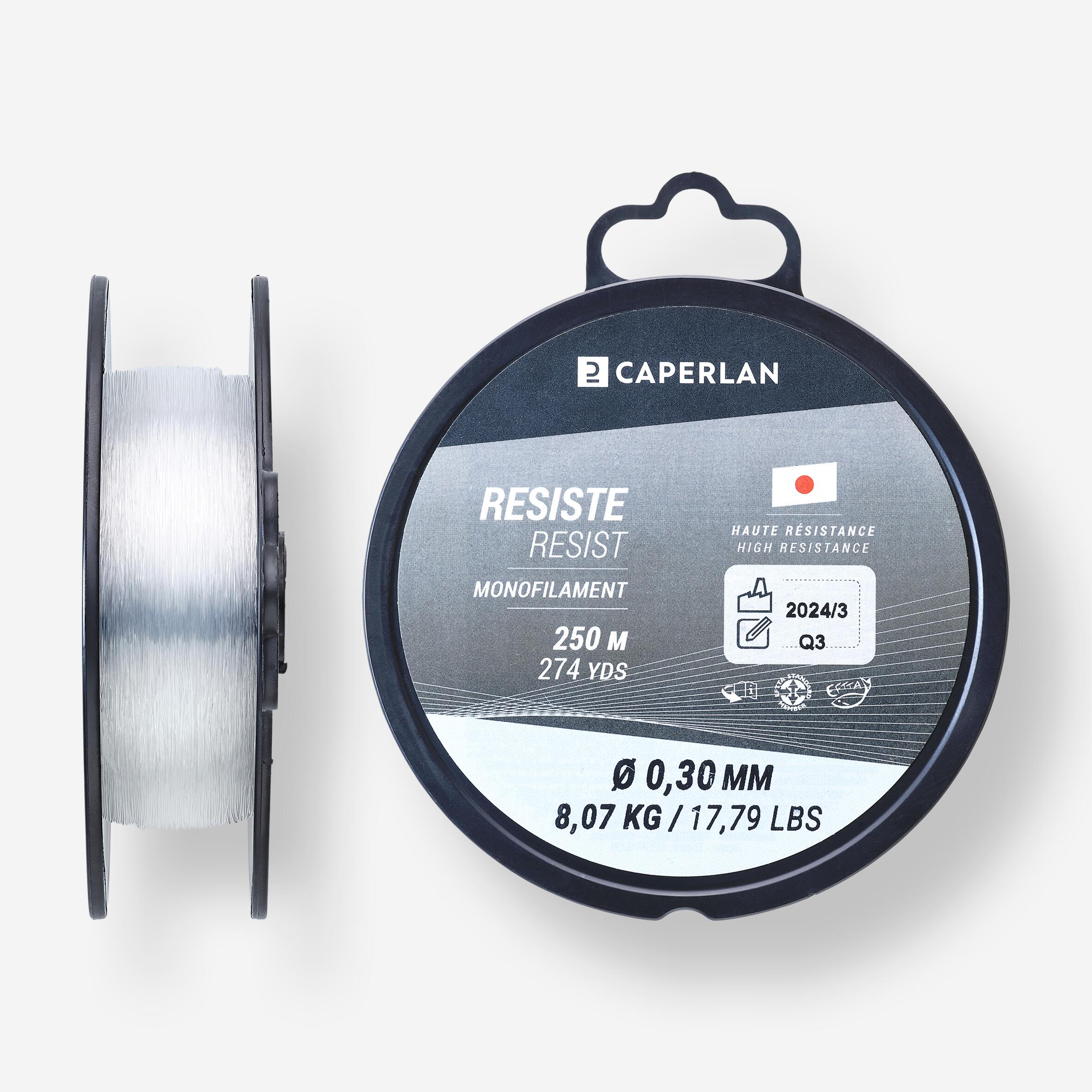
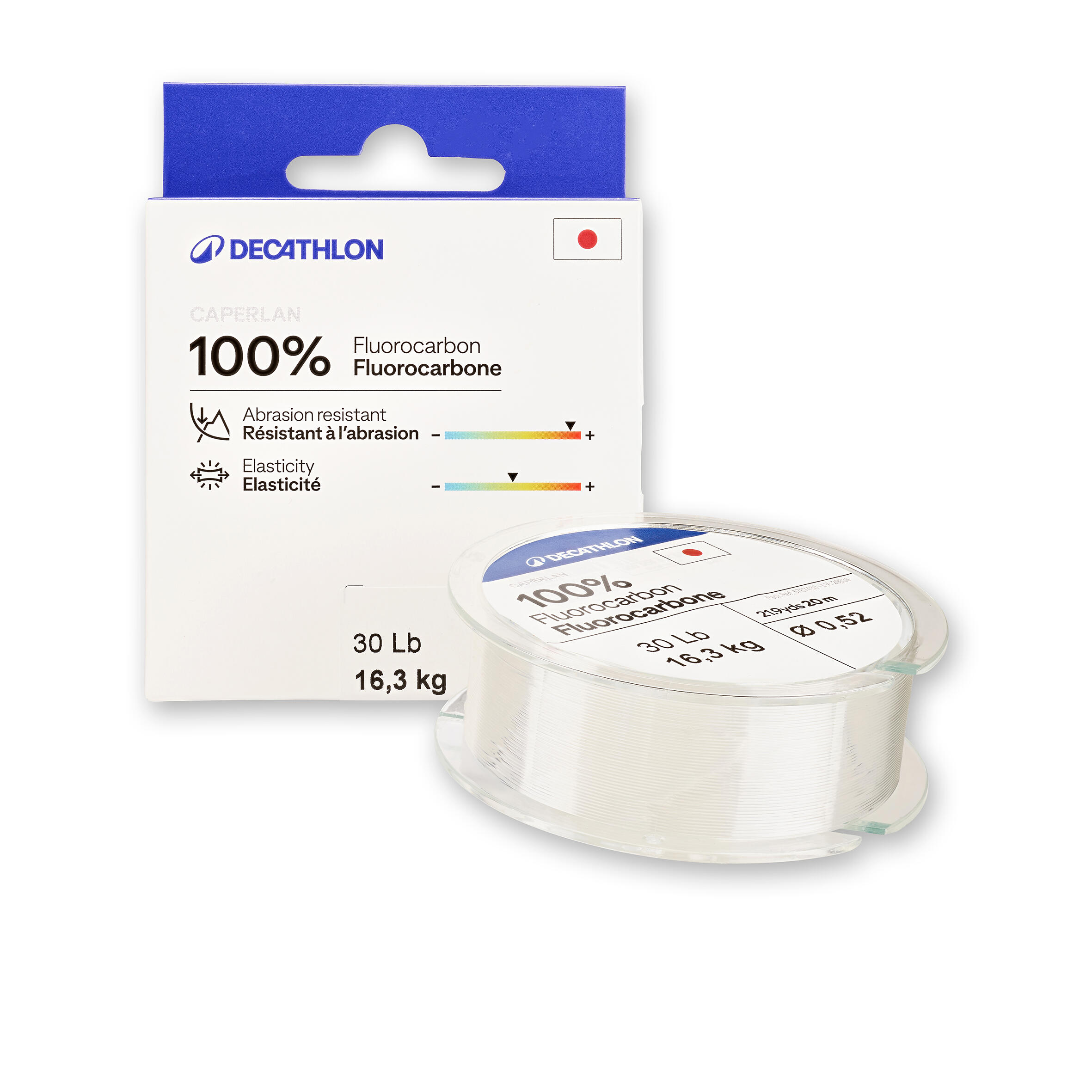
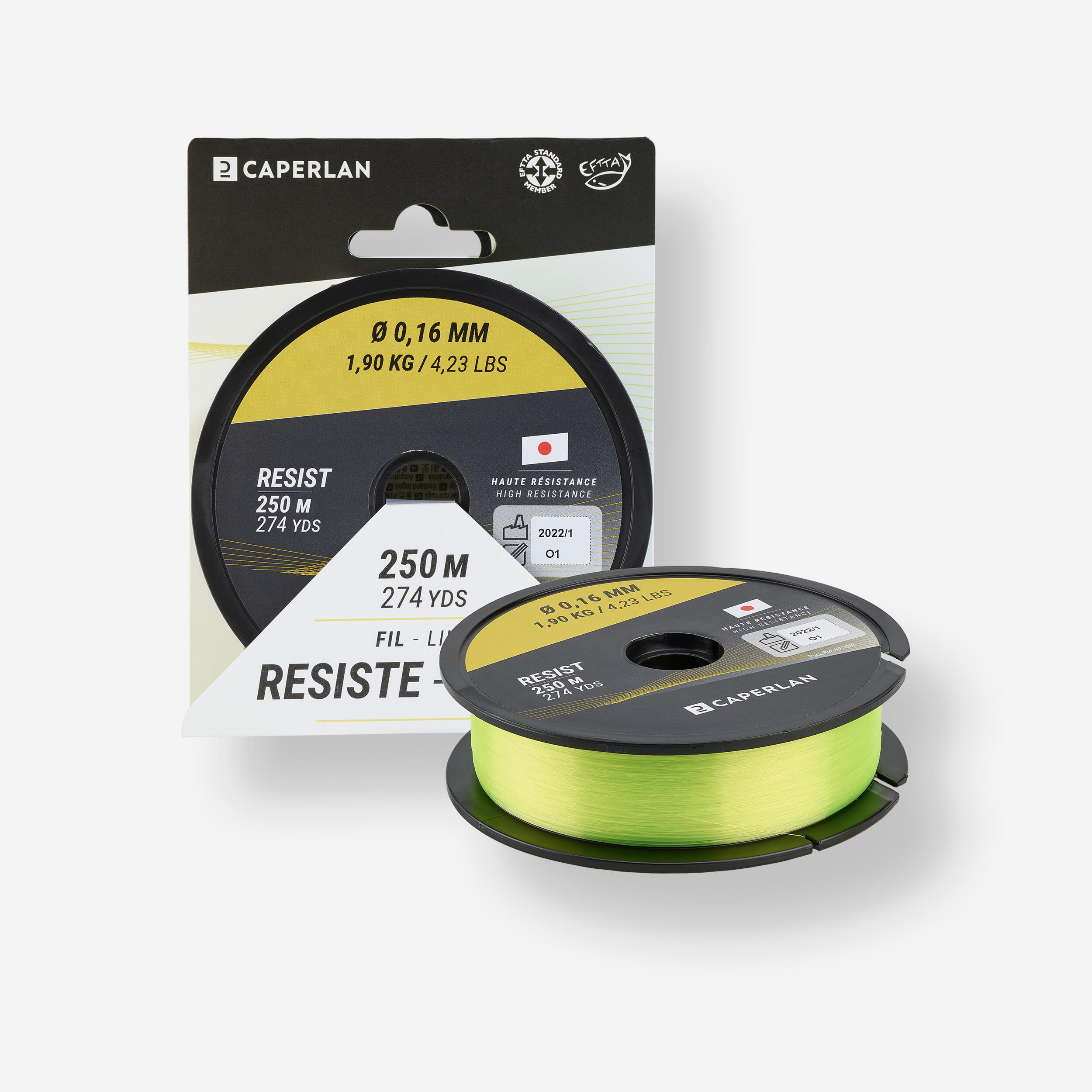
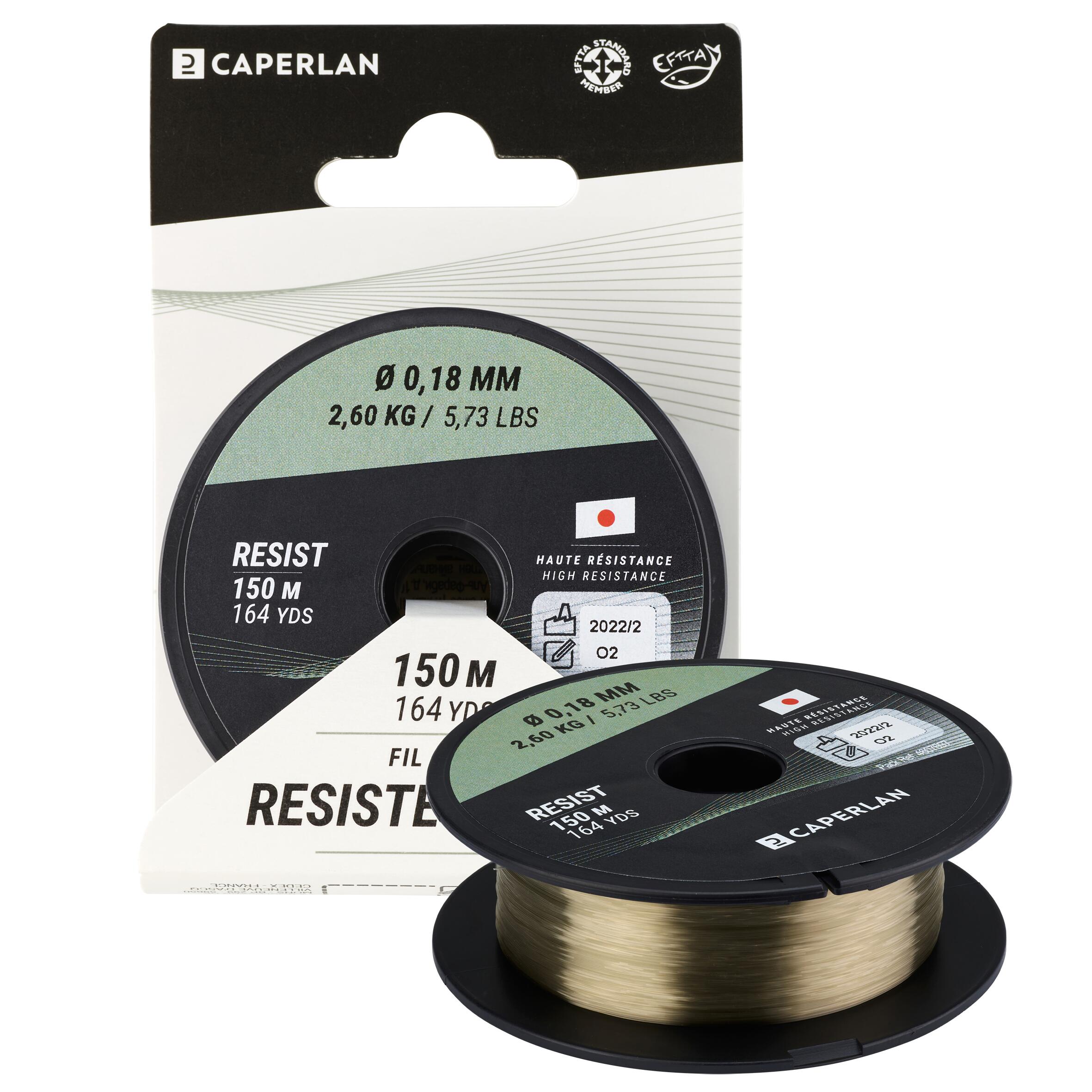
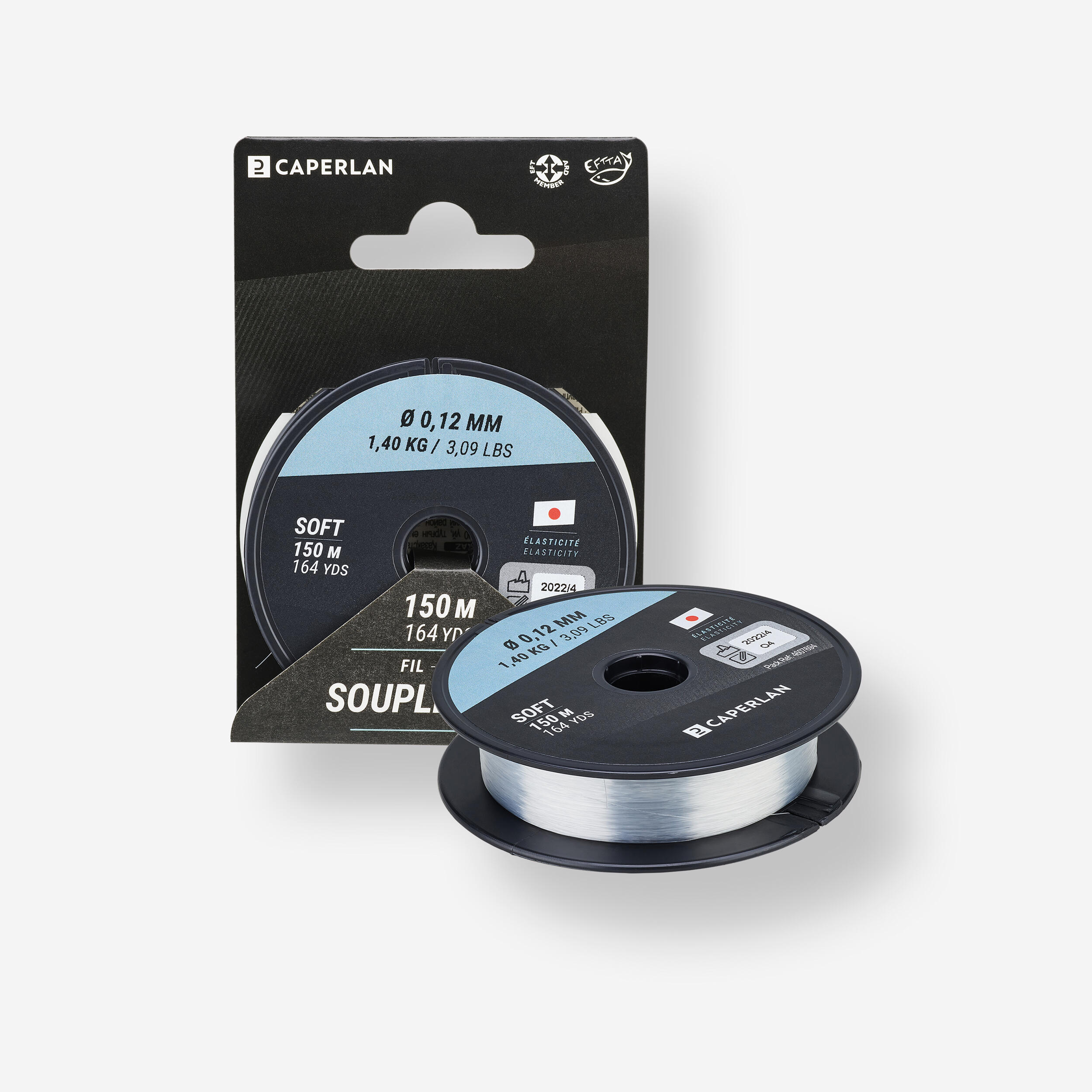
The choice depends on whether you need extra stretch, greater discretion or more resistance around rough features. Caperlan Crystal Resist uses Japanese copolymer with a fluorocarbon coating to improve glide while keeping the line transparent underwater, whereas 4X4 nylon has about 30% stretch for a more forgiving multipurpose setup. Caperlan also offers 100% fluorocarbon in softer and harder versions: SOFT is more flexible for natural bait and lure presentation, while HARD suits abrasive areas better. The trout fishing lines and leader range therefore lets you match material to the venue rather than treating one line as suitable for every situation. Moistening fluorocarbon knots before tightening also helps reduce friction heat that can weaken the material.