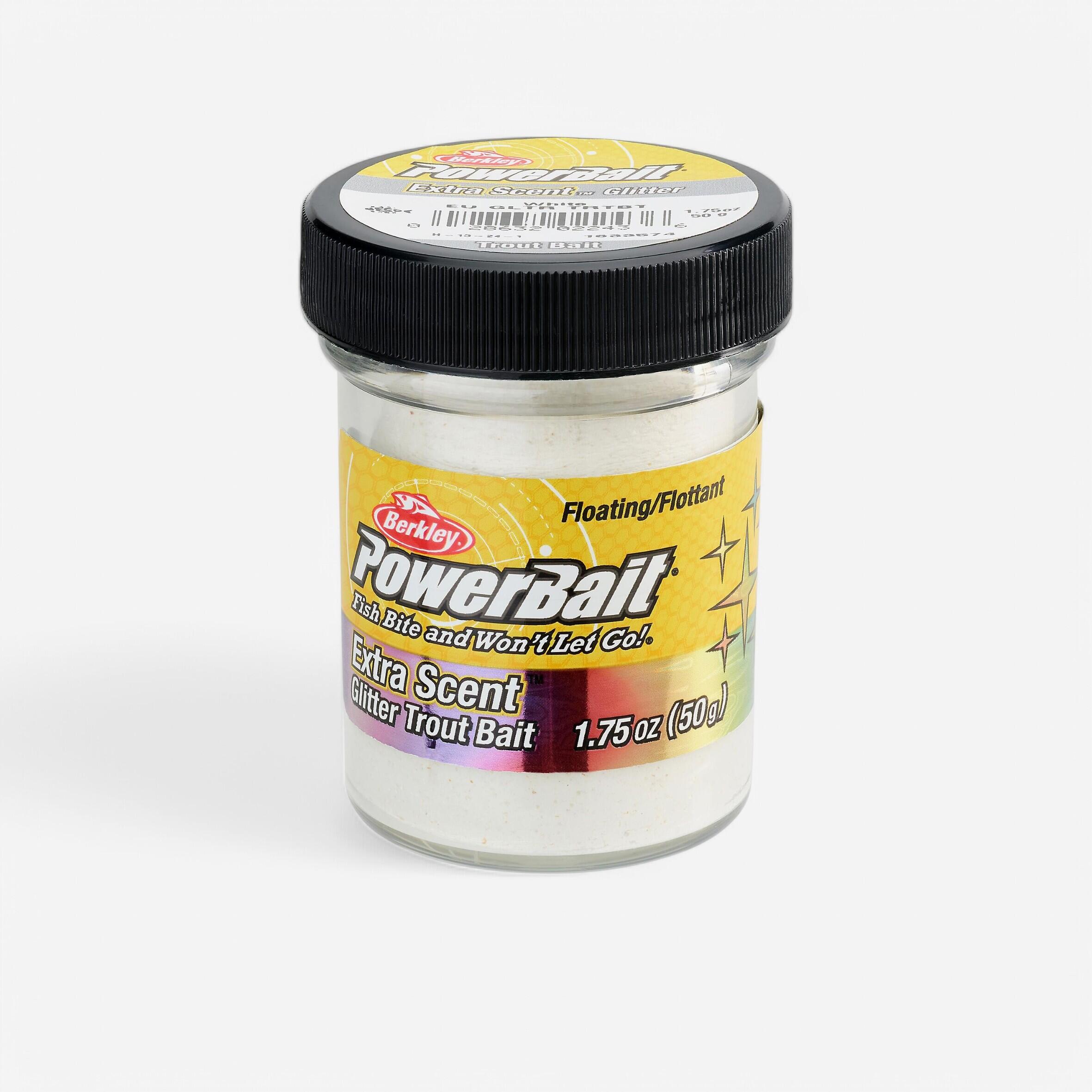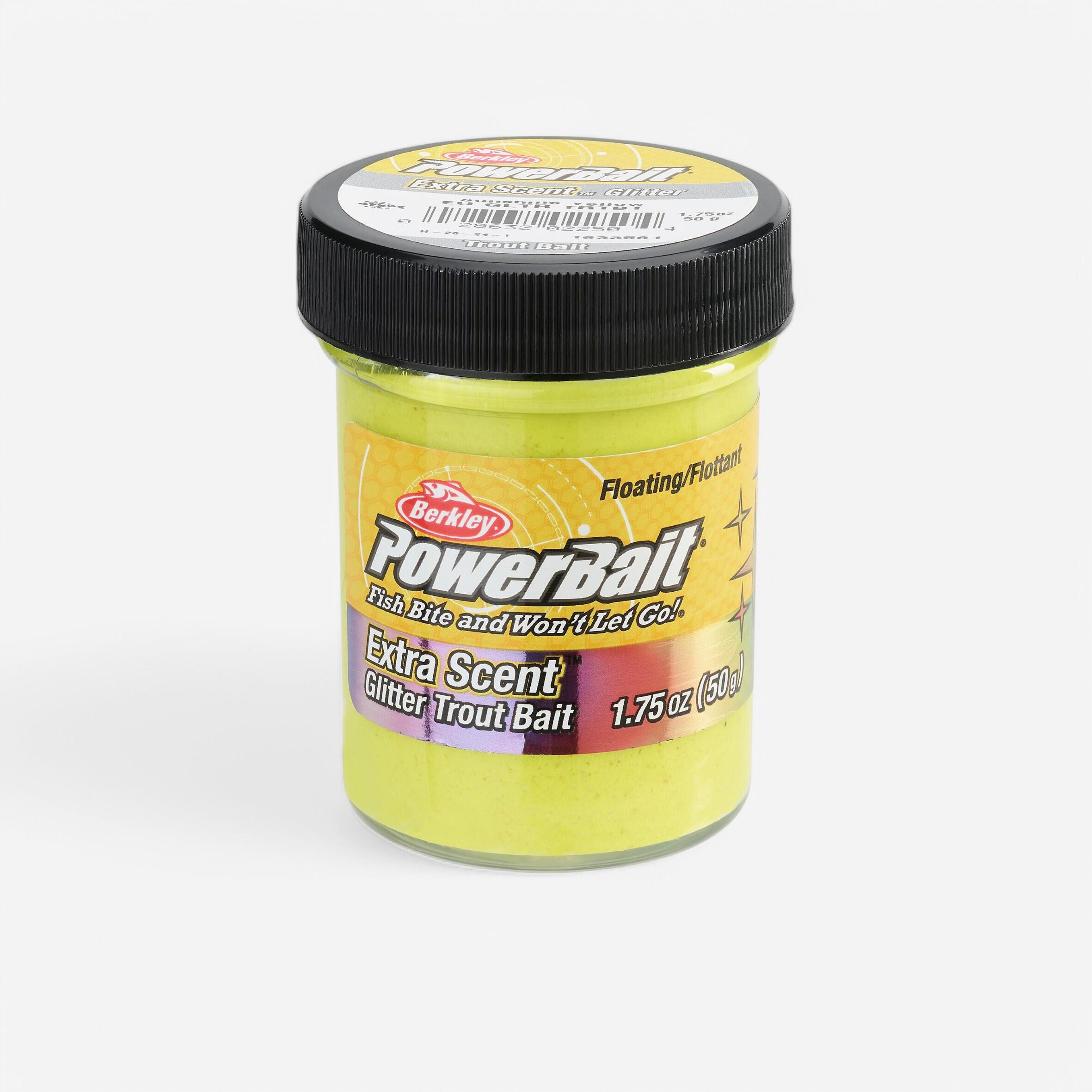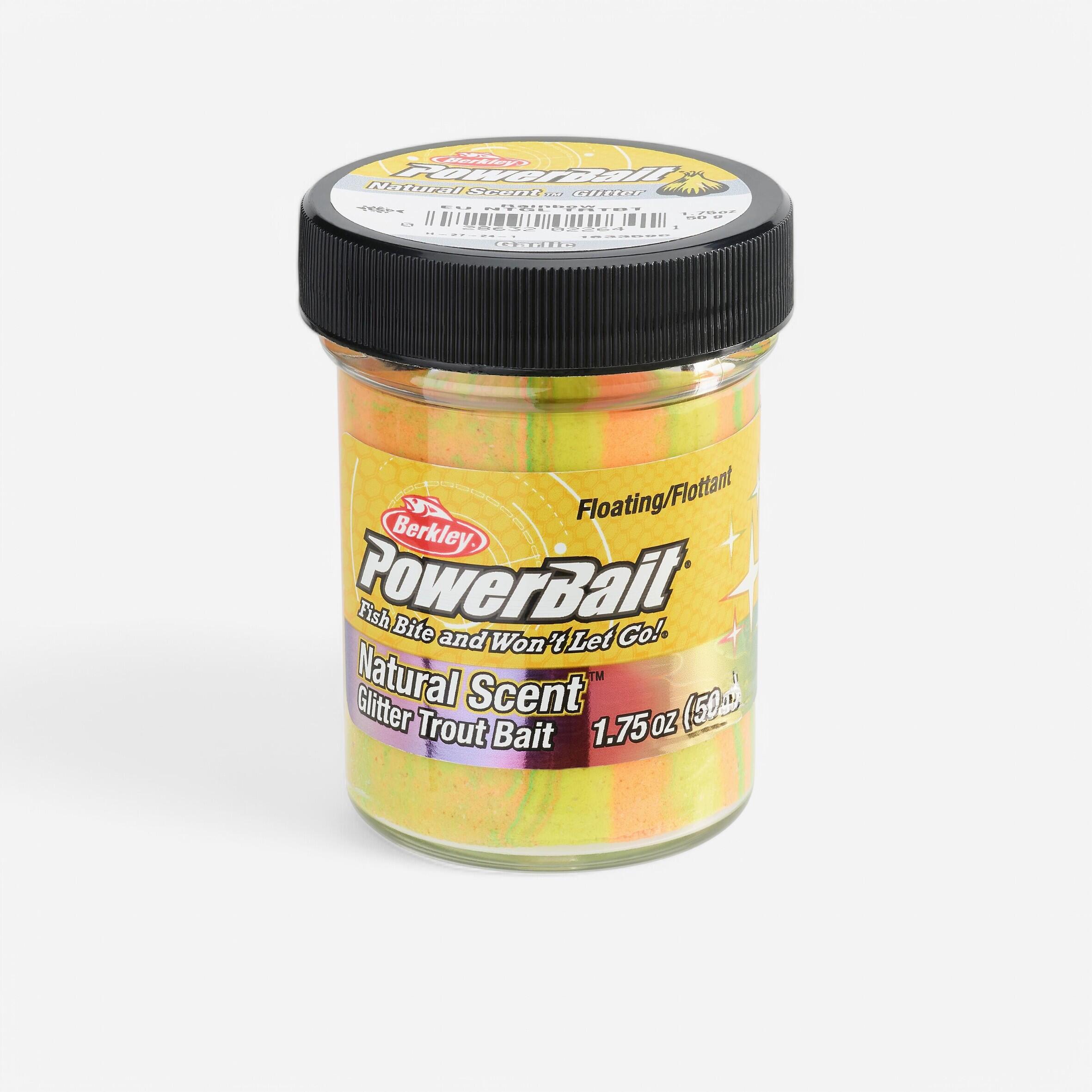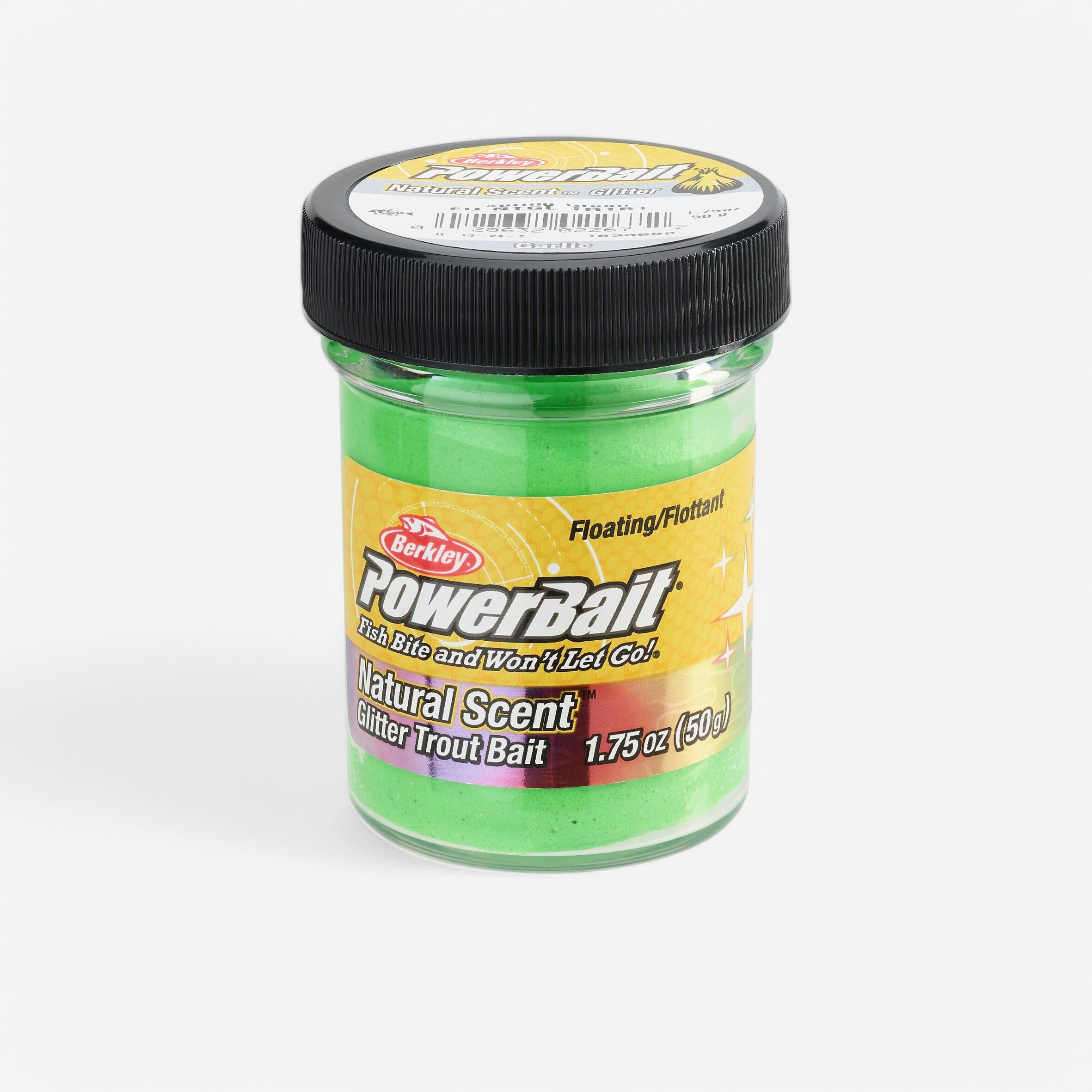
13 items
4.3/5 based on 182 reviews collected online and in stores

Trout Fishing Artificial Baits FAQs

When can artificial bait be useful for trout fishing?

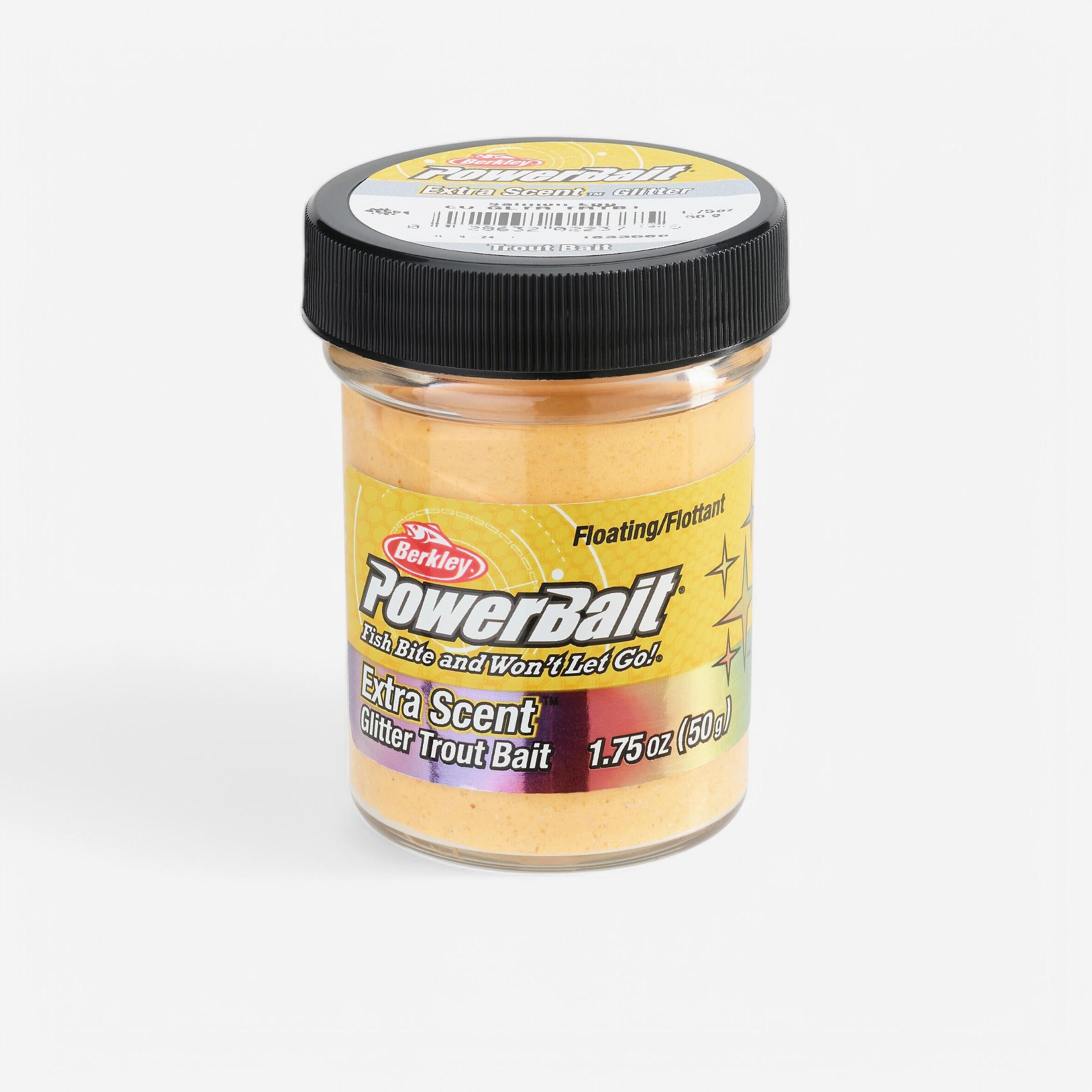
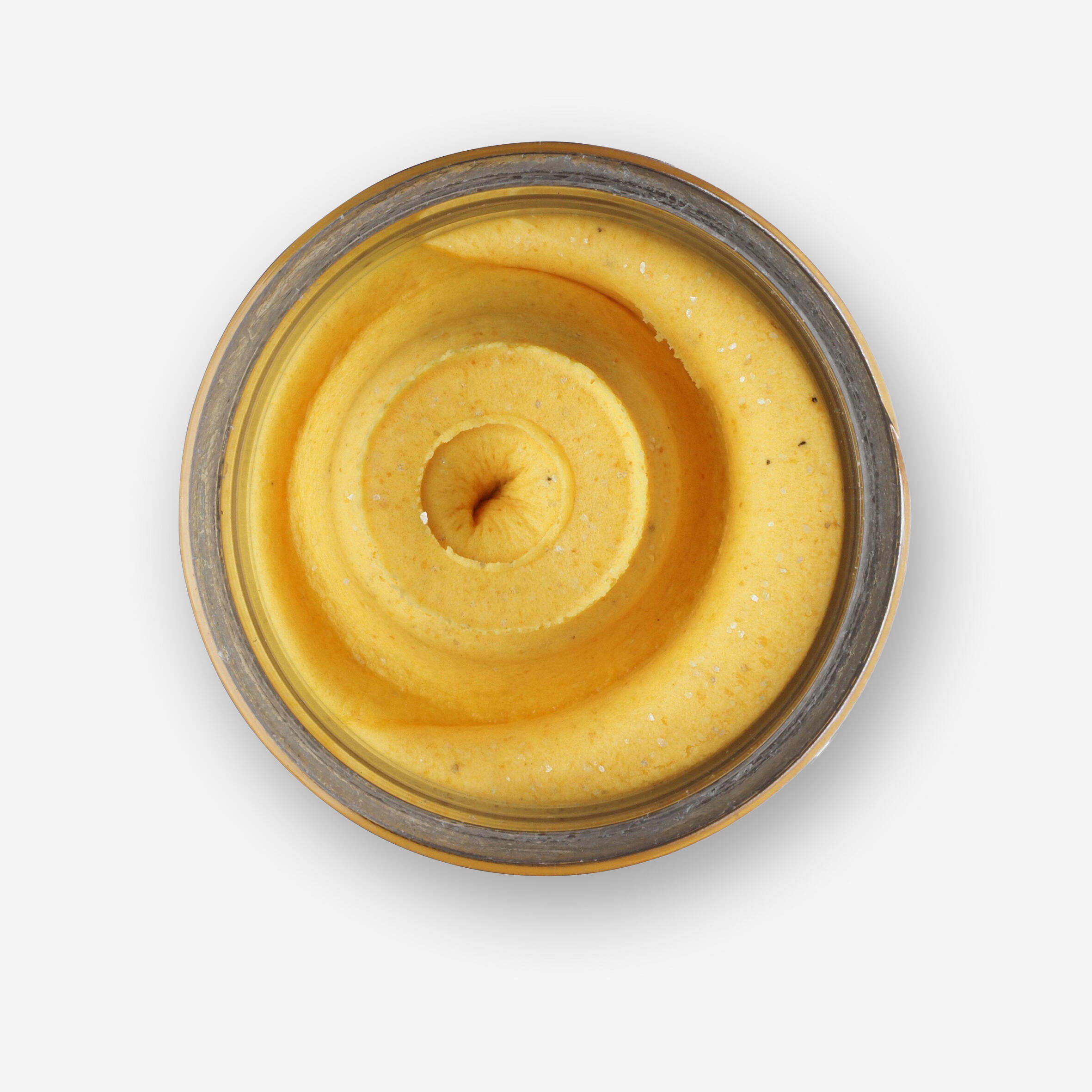
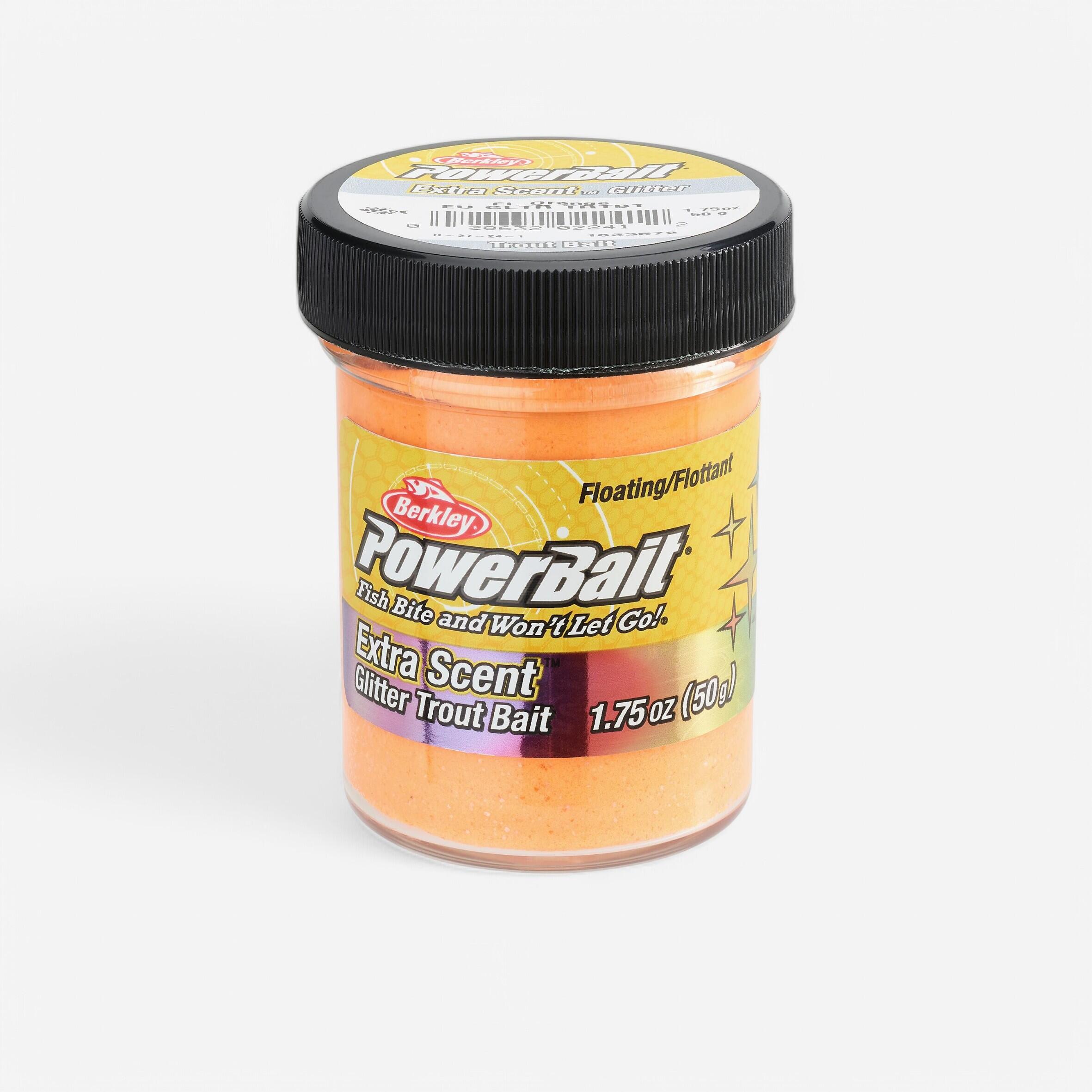
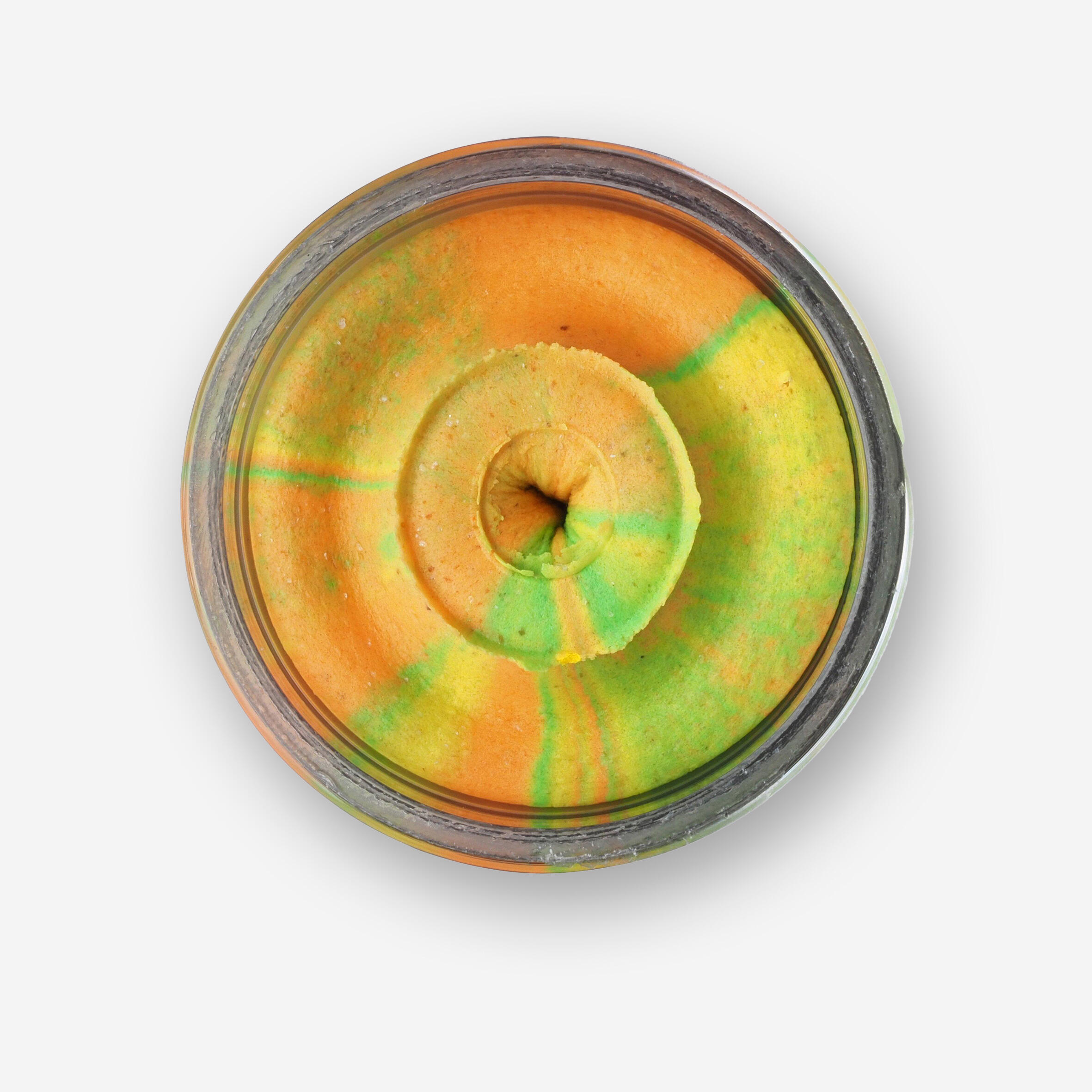
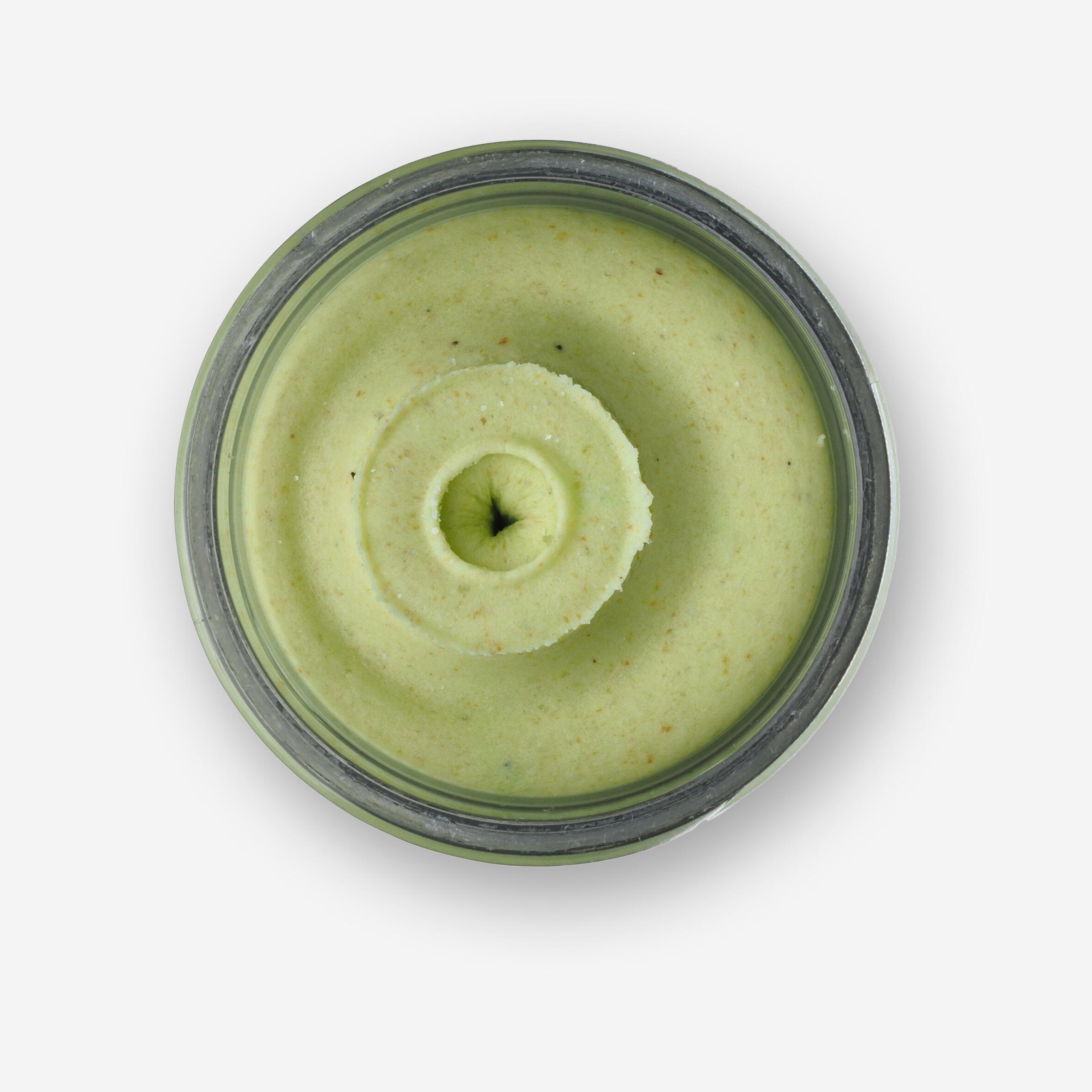
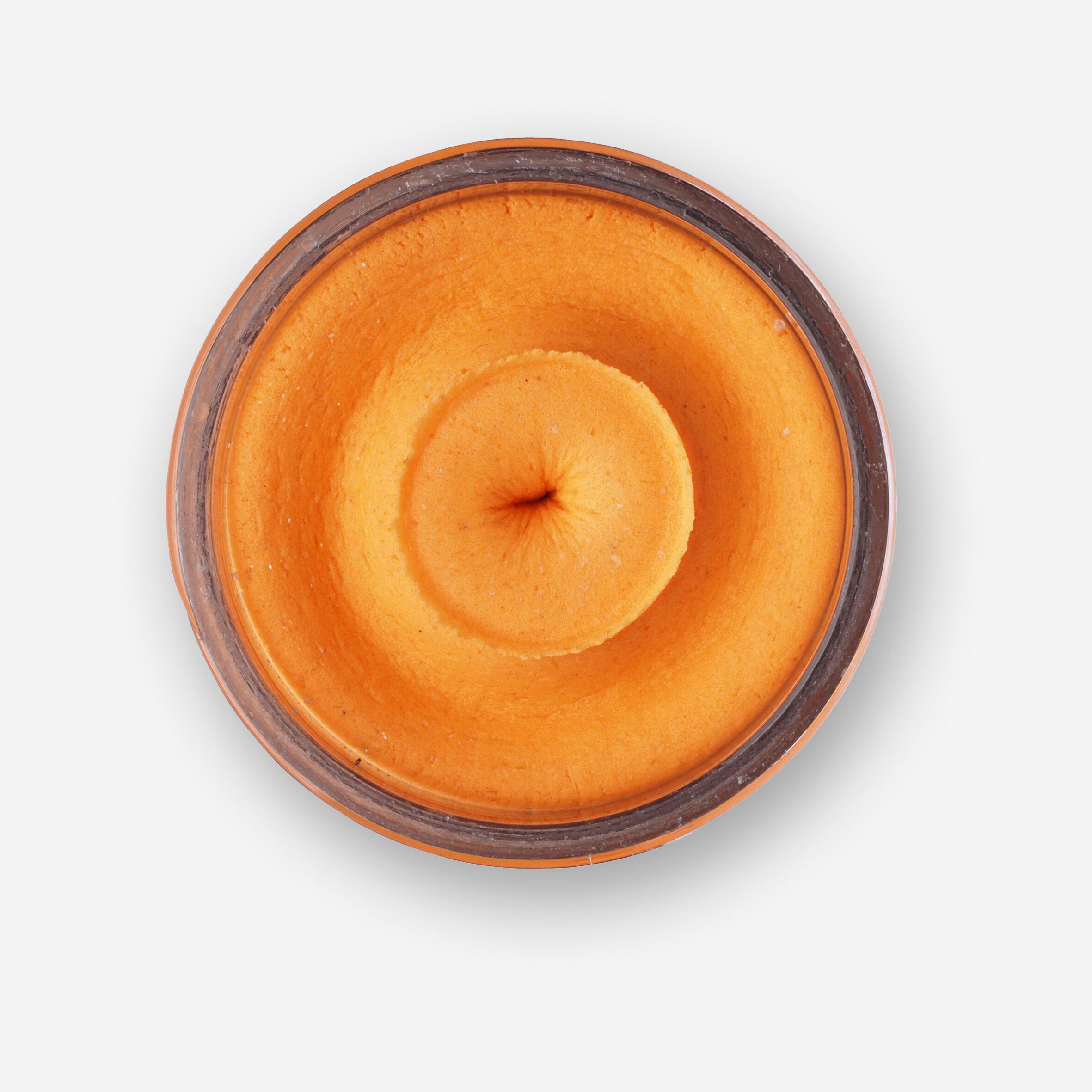
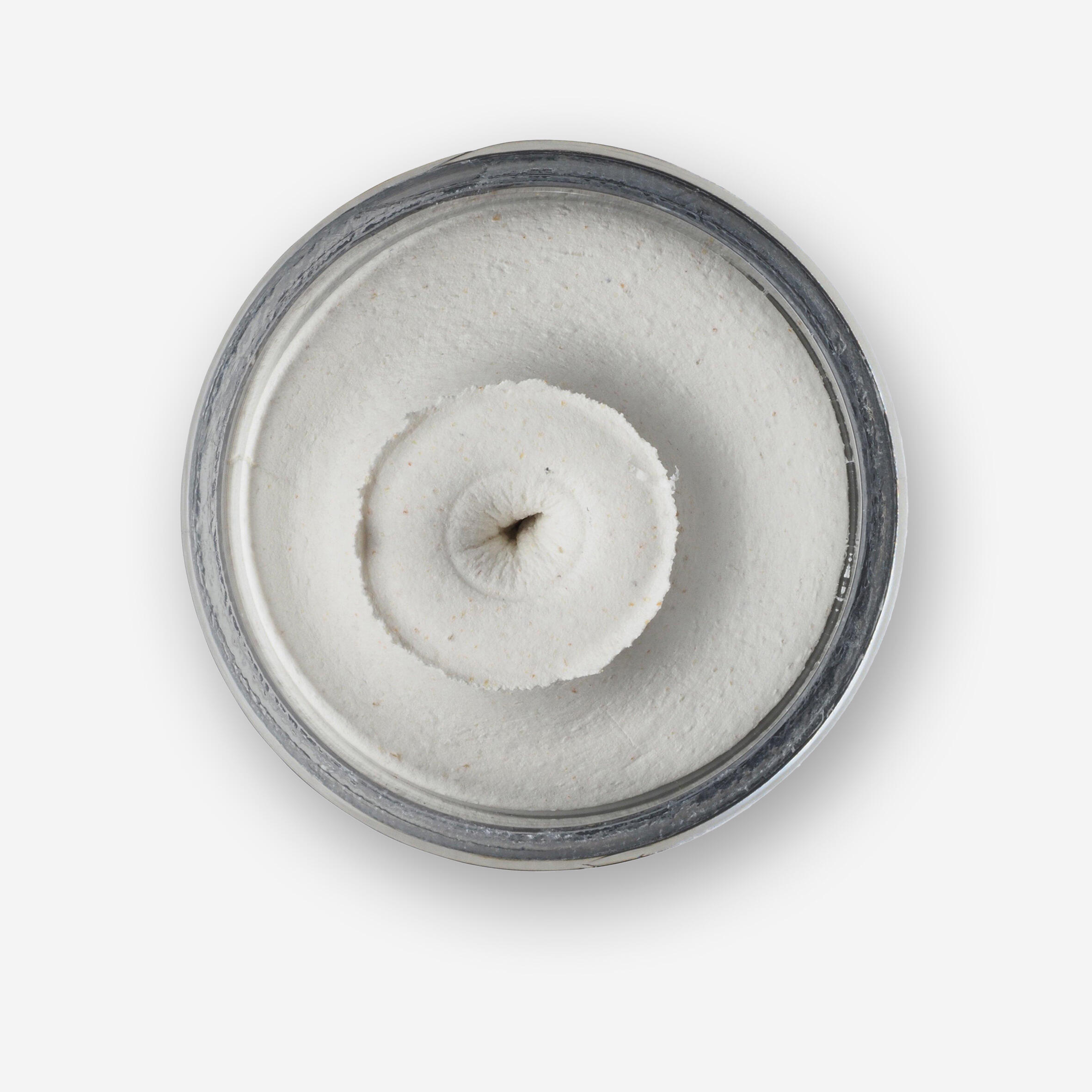
Artificial bait can be useful when you want a convenient alternative to natural bait that is easy to carry, portion and change during a session. Paste-style baits can be moulded around the hook and adjusted in size, while different colours and scents give you several ways to alter the presentation if trout are not responding. The current Decathlon range is mainly focused on lake trout fishing, with some products also suitable for Bombarda or river techniques. As part of your trout fishing setup, adjust the artificial bait first rather than rebuilding the complete rig. Start by adjusting bait size, colour or fishing depth, then give the new presentation time to work before making another change.

What factors help you choose a trout bait colour for the fishing conditions?

Water clarity, light level and fishing pressure can all influence how noticeable you want the bait to be. Bright colours such as orange, chartreuse or white give trout a stronger visual target and can be useful when visibility is reduced, or you want the bait to stand out. More subdued presentations may suit clear water or fish that have already seen many bright baits. Glitter adds another visual element by reflecting light as the bait moves or settles. No single colour works in every situation, so carry a small selection and change one variable at a time. This same approach is useful across game fishing, where water conditions and fish behaviour can make presentation more important than simply using one favourite colour throughout the day.

How is artificial trout paste best stored between fishing trips?

Keep paste in its original container with the lid properly closed so it does not dry out, collect dirt or mix with other tackle. Avoid leaving the container open on the bank for long periods, particularly in warm or windy conditions, because changes in consistency can make the paste harder to mould securely around the hook. Store different colours and scents separately so you can identify them quickly during future fishing sessions. Wipe bait residue from hooks and tools before packing them away, and check that tubs have not leaked into tackle-box compartments. If the paste becomes excessively dry, contaminated or difficult to shape, replace it rather than trying to compensate by moulding increasingly large amounts around the hook.