10 items
4.7/5 based on 1254 reviews collected online and in stores

Trout Fishing Hooks FAQs

What hook should you use with different trout baits?

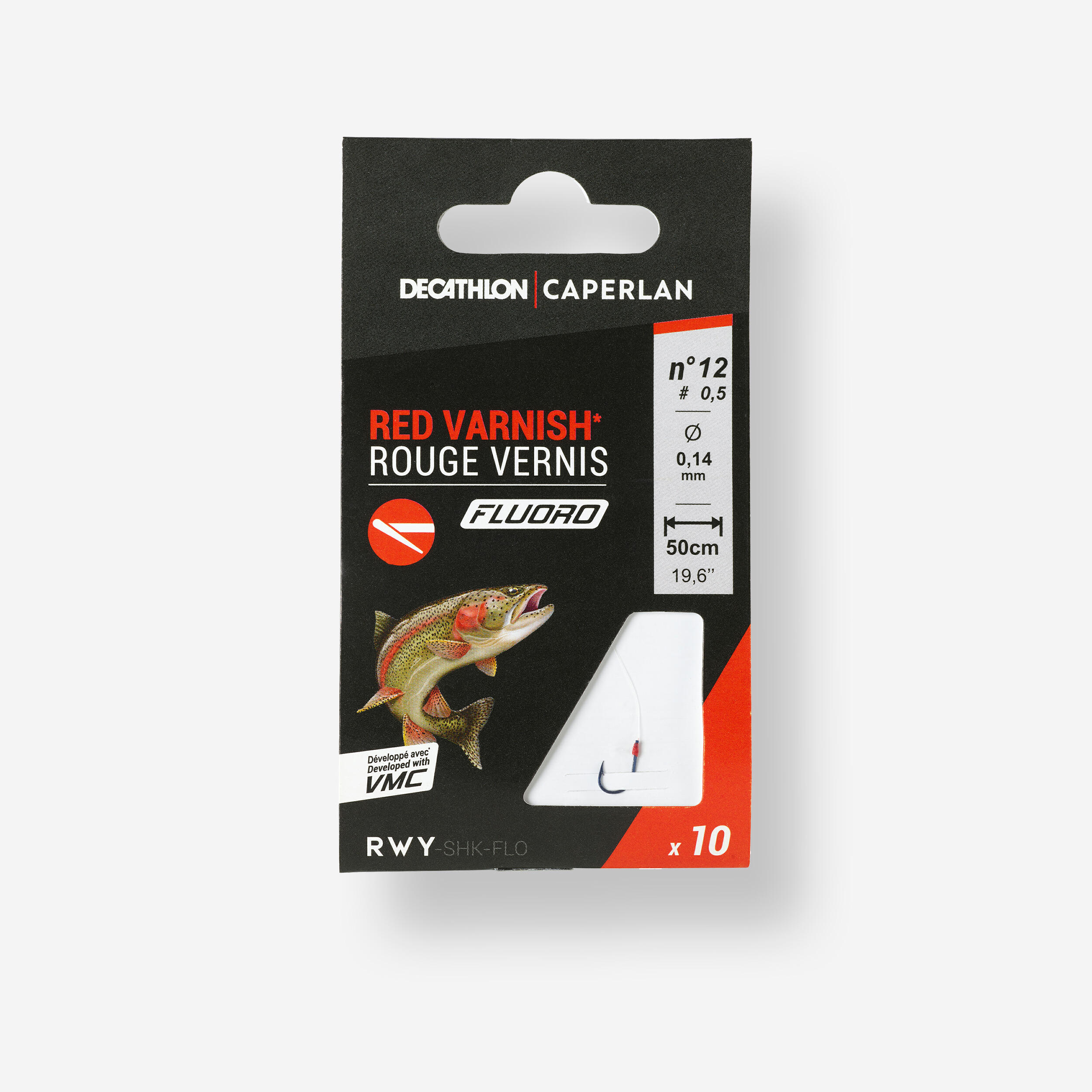
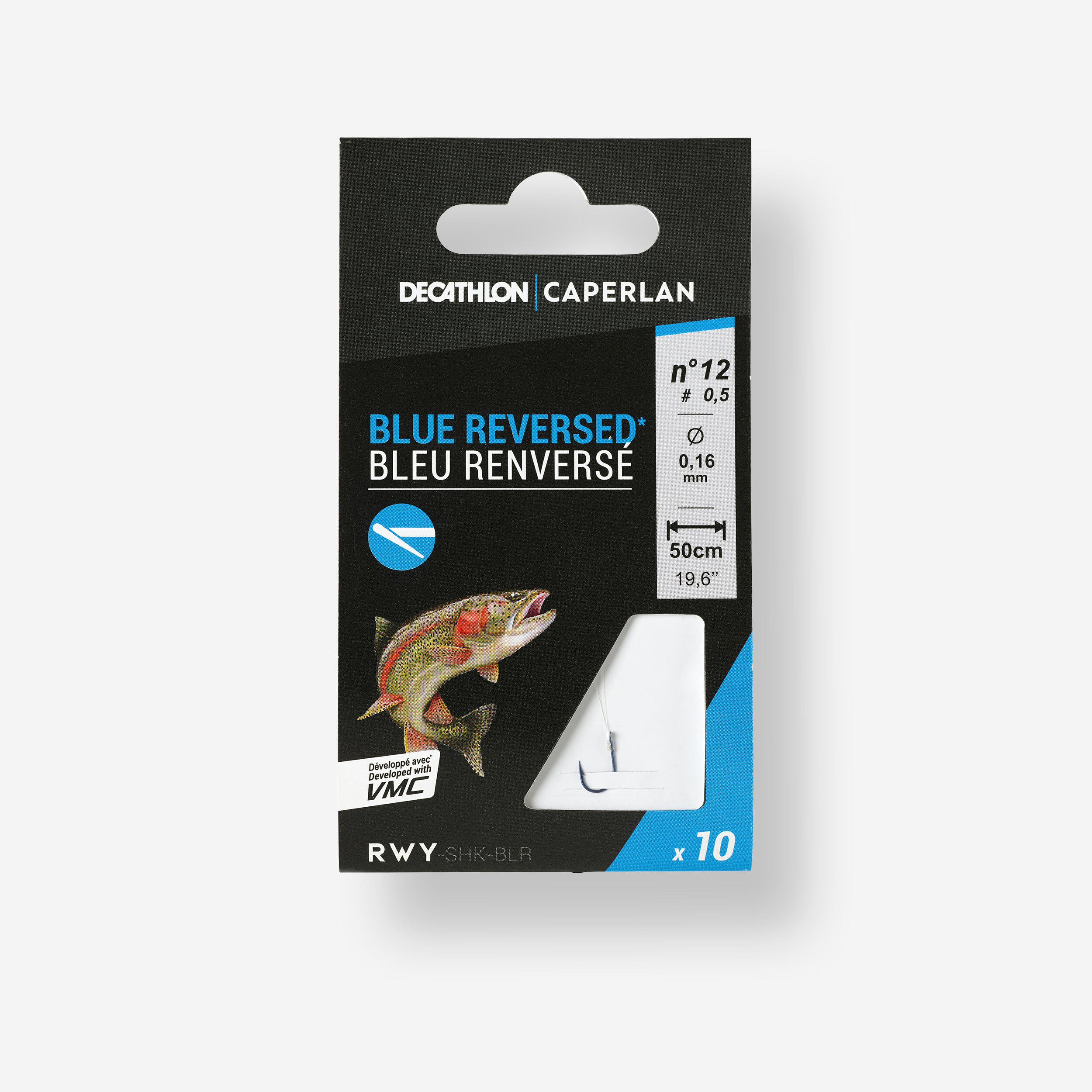
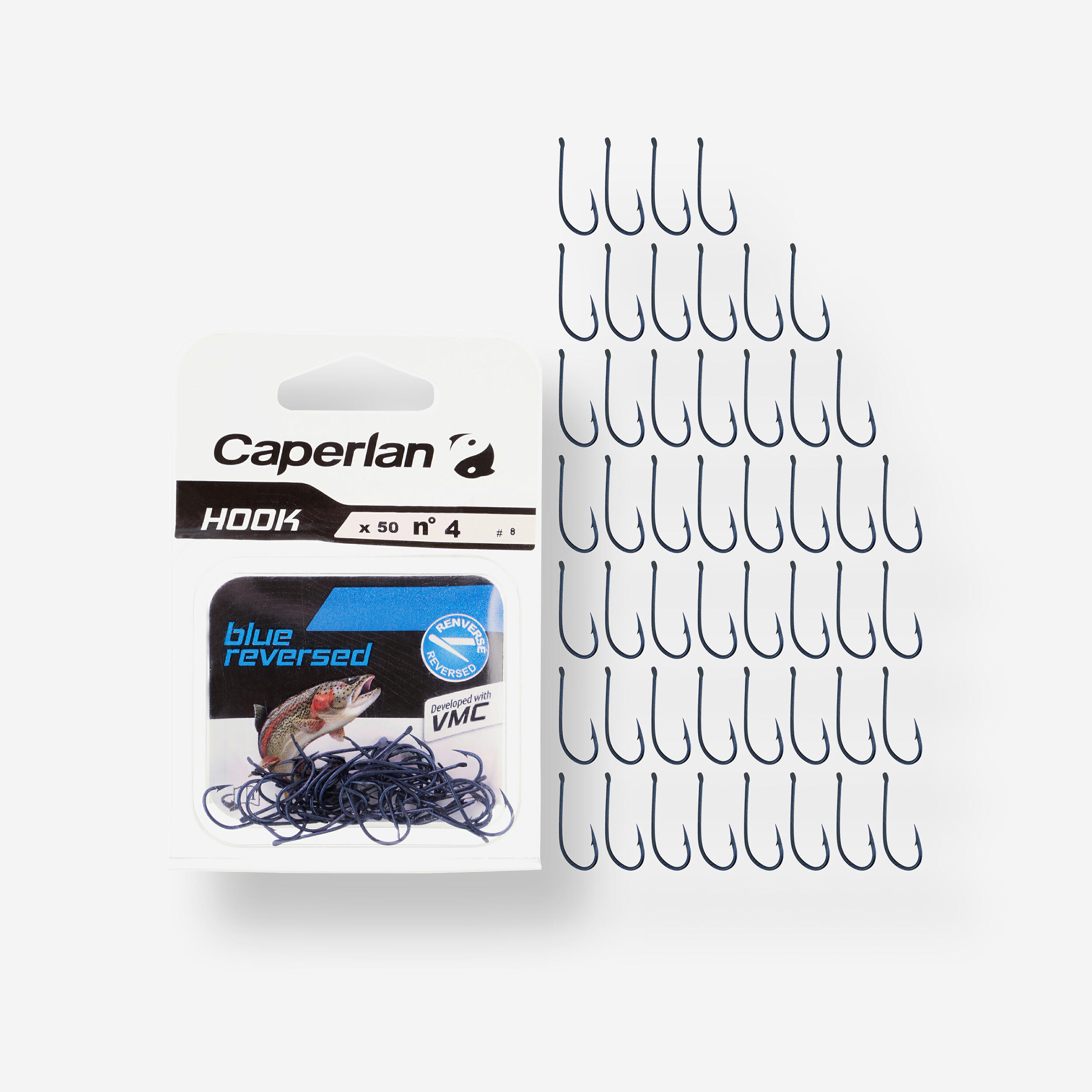
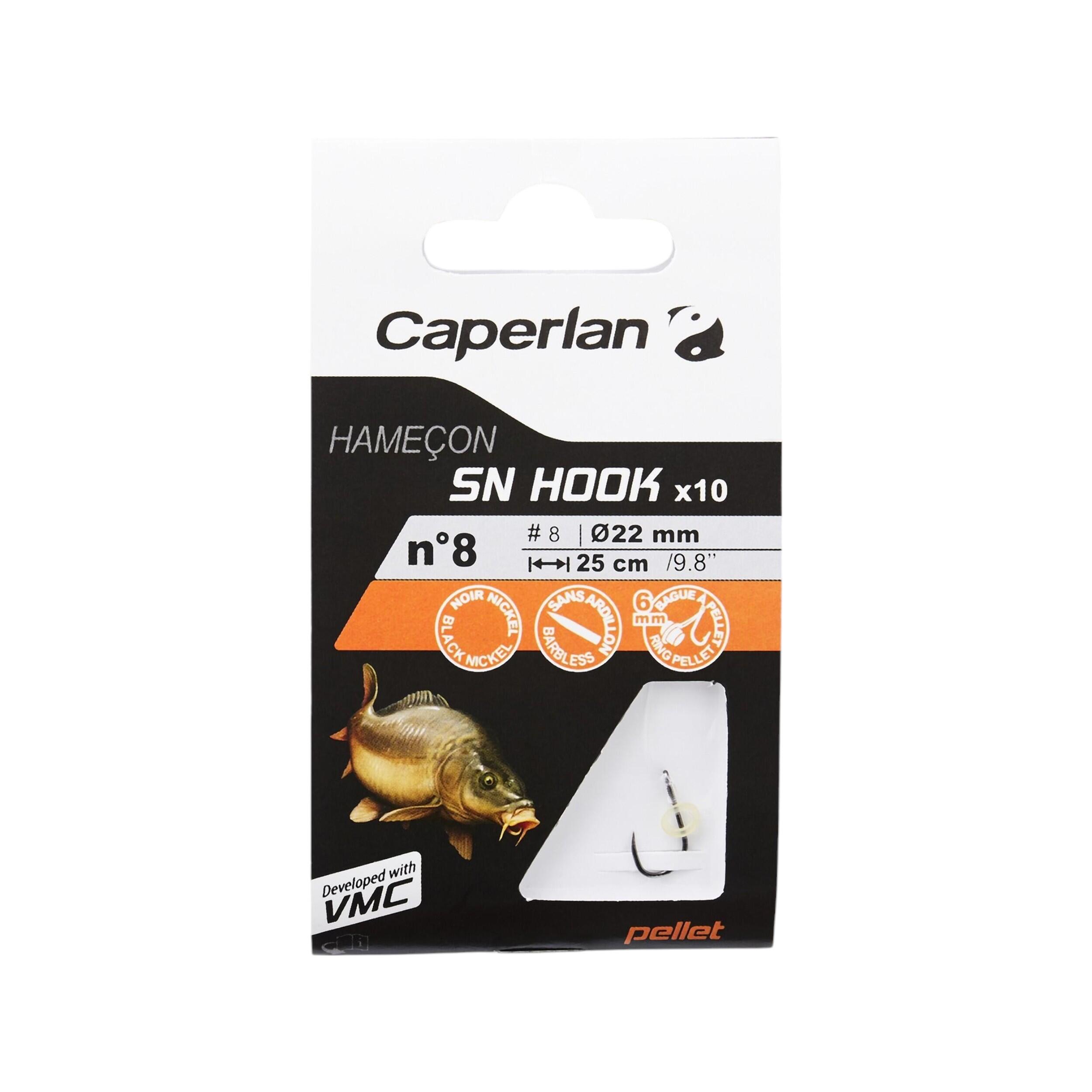
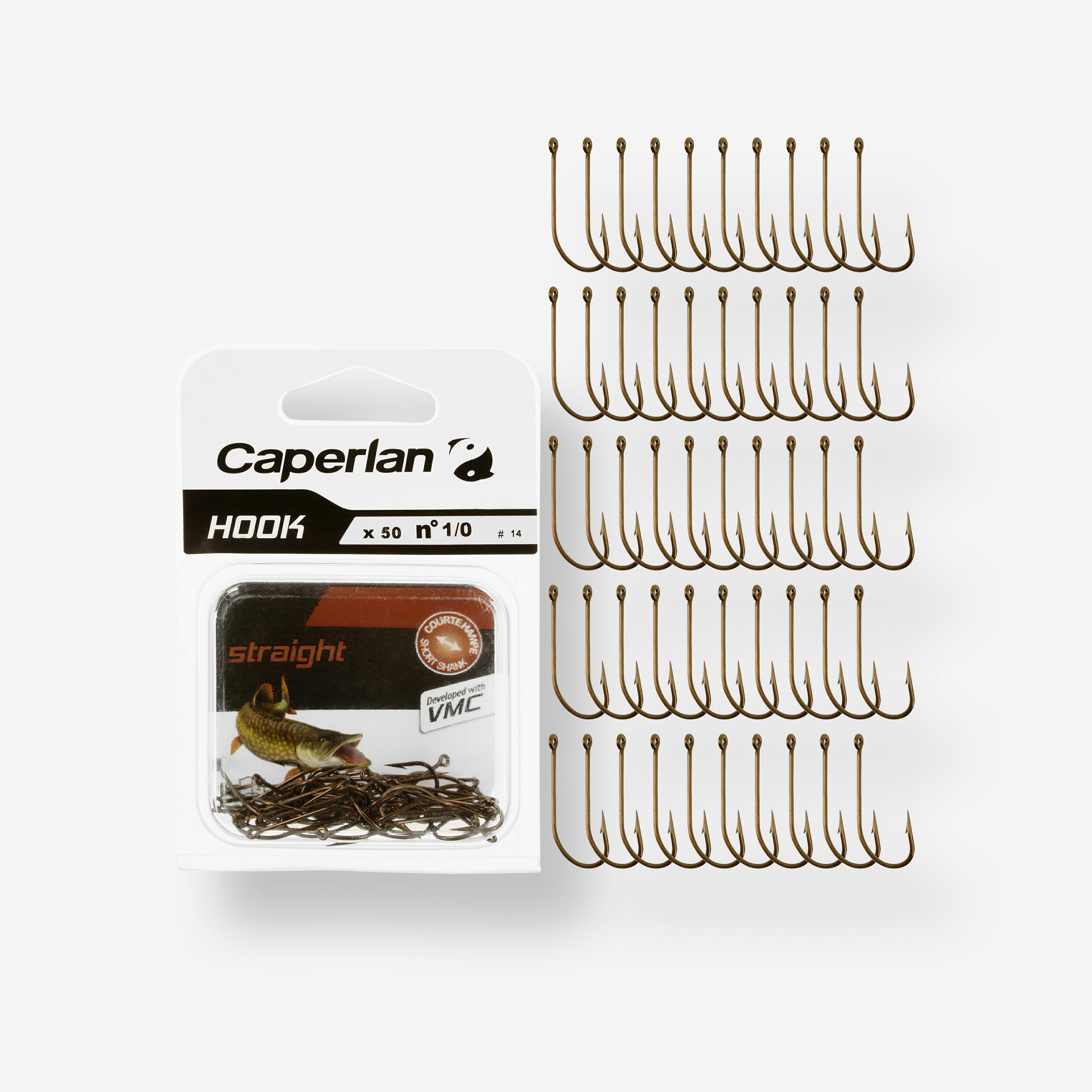
Match hook shape and shank length to the bait rather than using the same pattern for worms, maggots and paste. Caperlan changes hook geometry based on the presentation: long shanks help thread fragile natural baits, reversed points improve hooking, and shorter shanks reduce the risk of a fish coming off during the fight. A trout fishing single straight hook uses a strong short-shank design with a bronze finish for a less conspicuous rig. Choose hook size alongside leader diameter and bait size so the point remains exposed instead of being hidden inside an oversized bait.

Why use a long leader with a float-fished trout bait?

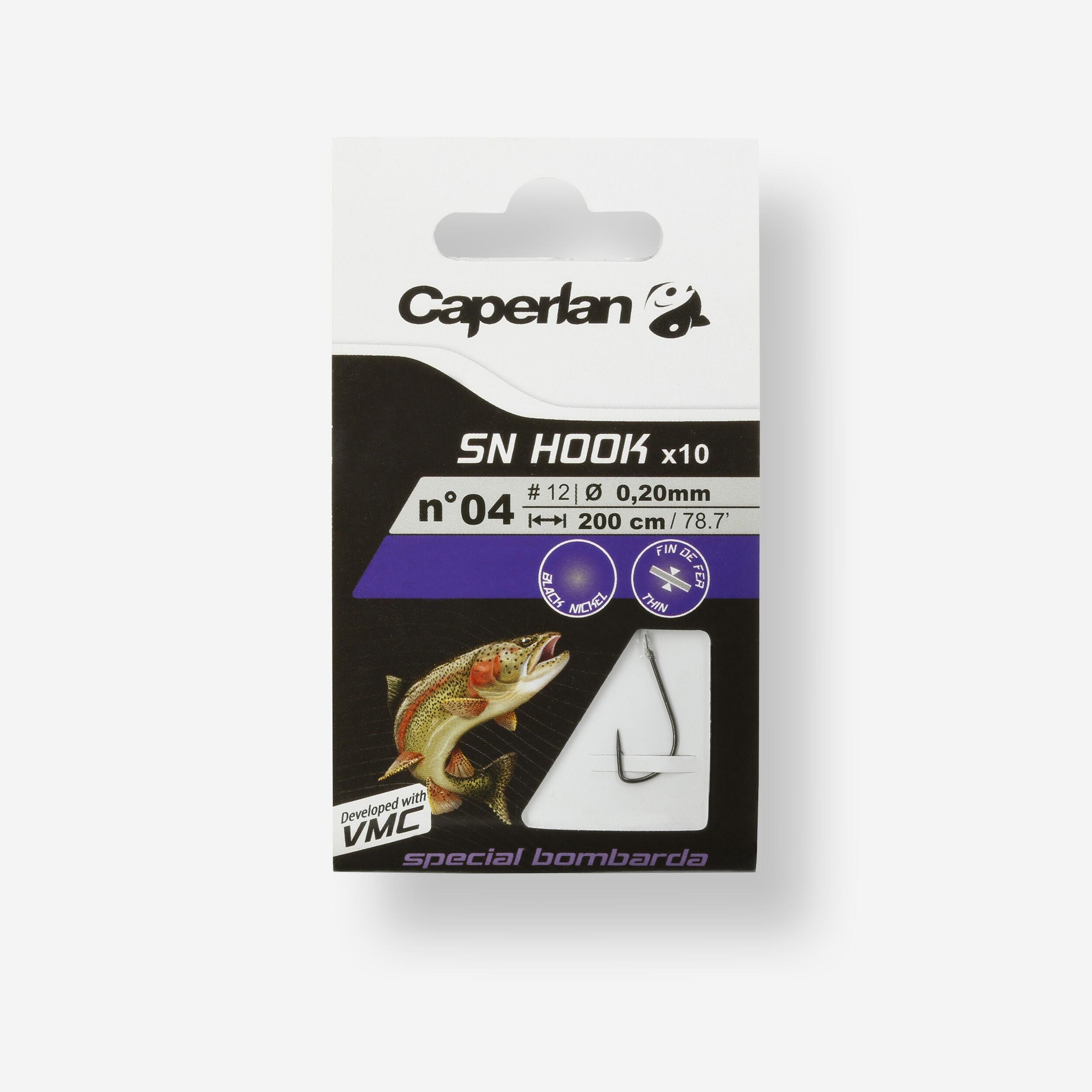
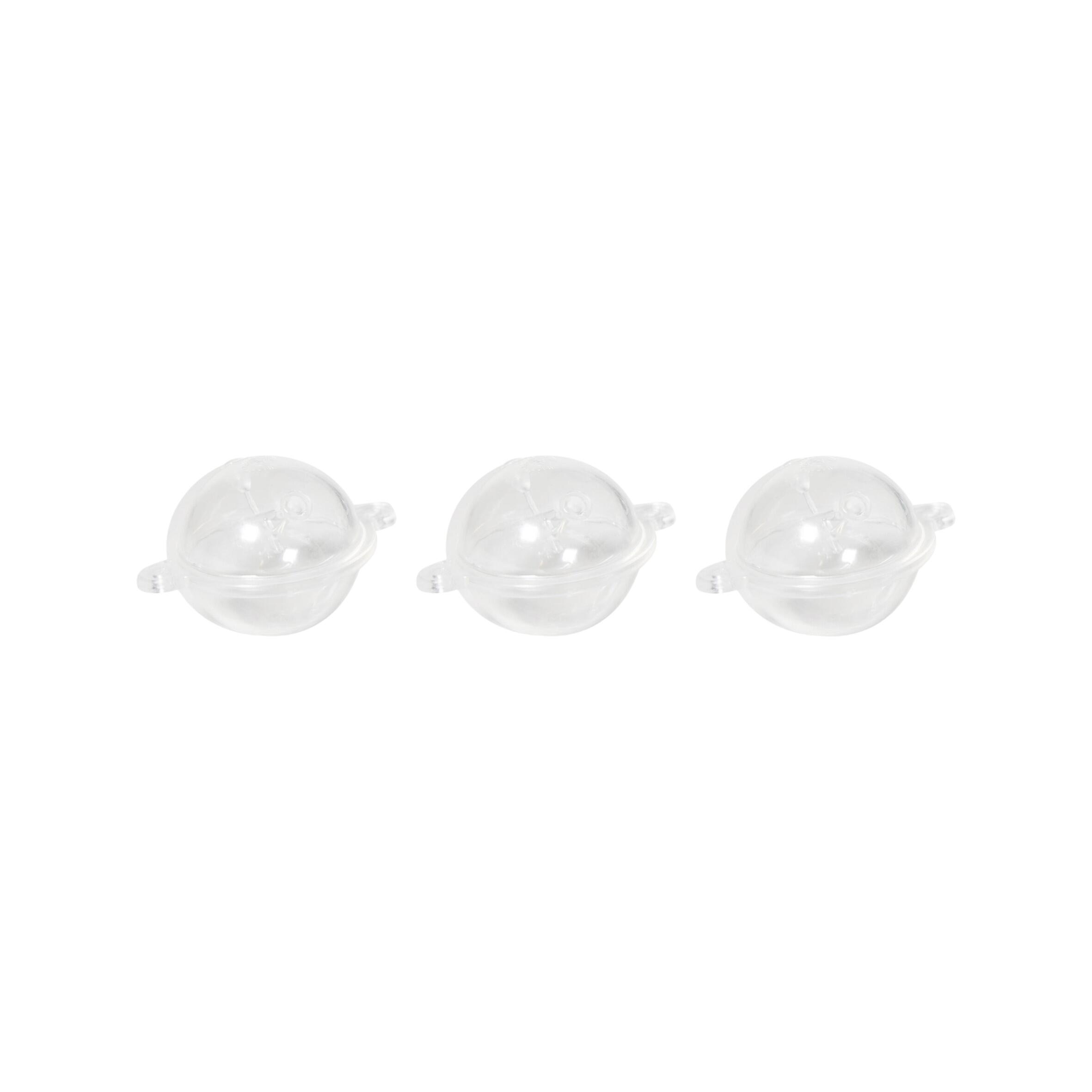
A longer hooklength gives you more separation between the float and bait, which can be useful when trout are feeding deeper or when you want the bait to move more naturally below the surface. Caperlan's trout fishing rigged hooks with pike float use a 2 m prepared leader rather than the much shorter hooklengths found on many general coarse-fishing rigs. Hook size and nylon diameter also match across the range. Set the fishing depth before casting and check that the leader is not twisted around the float or main line. If the hooklength develops abrasion or tight coils, replace it instead of relying on a damaged section.

How could spring-equipped hooks hold trout paste more securely?

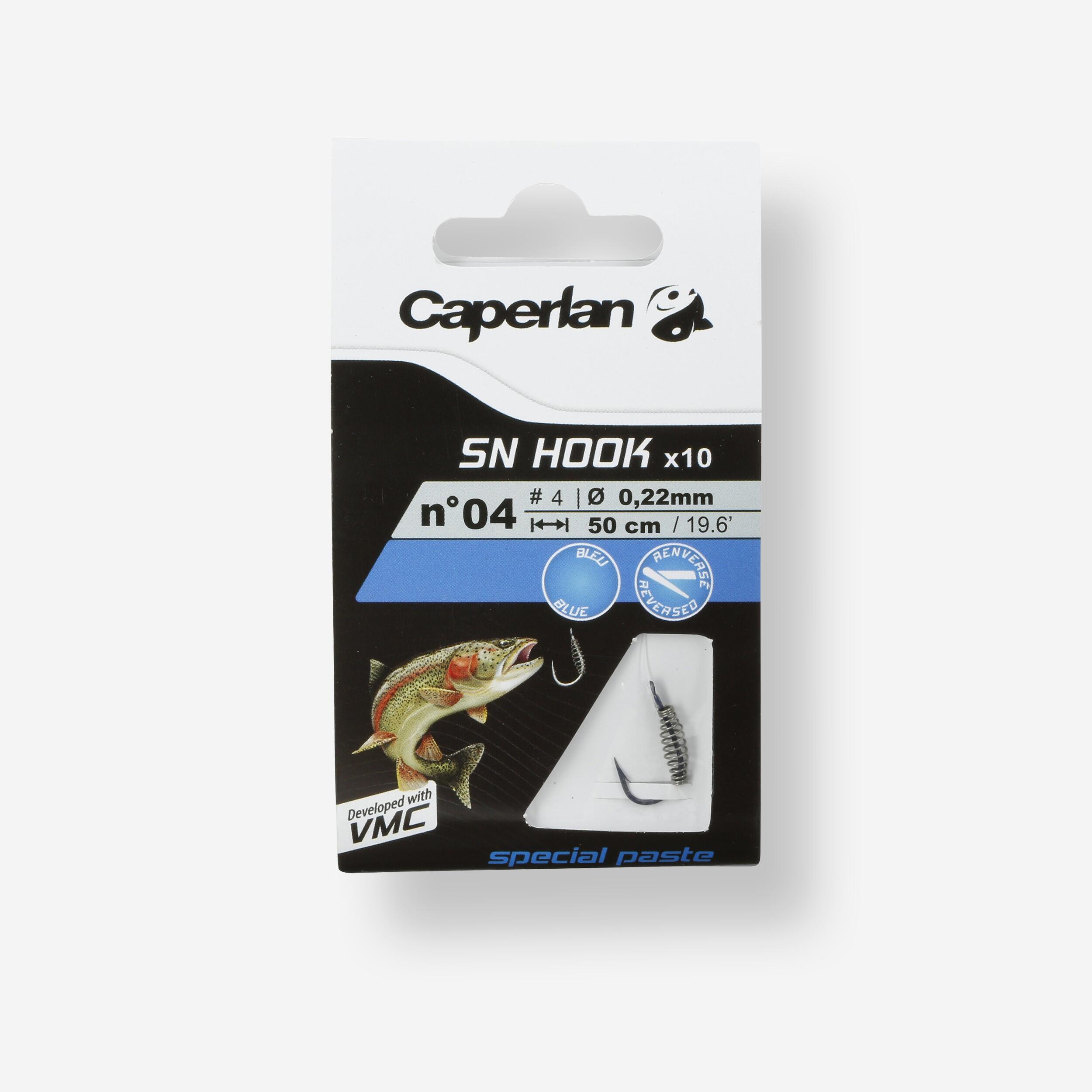
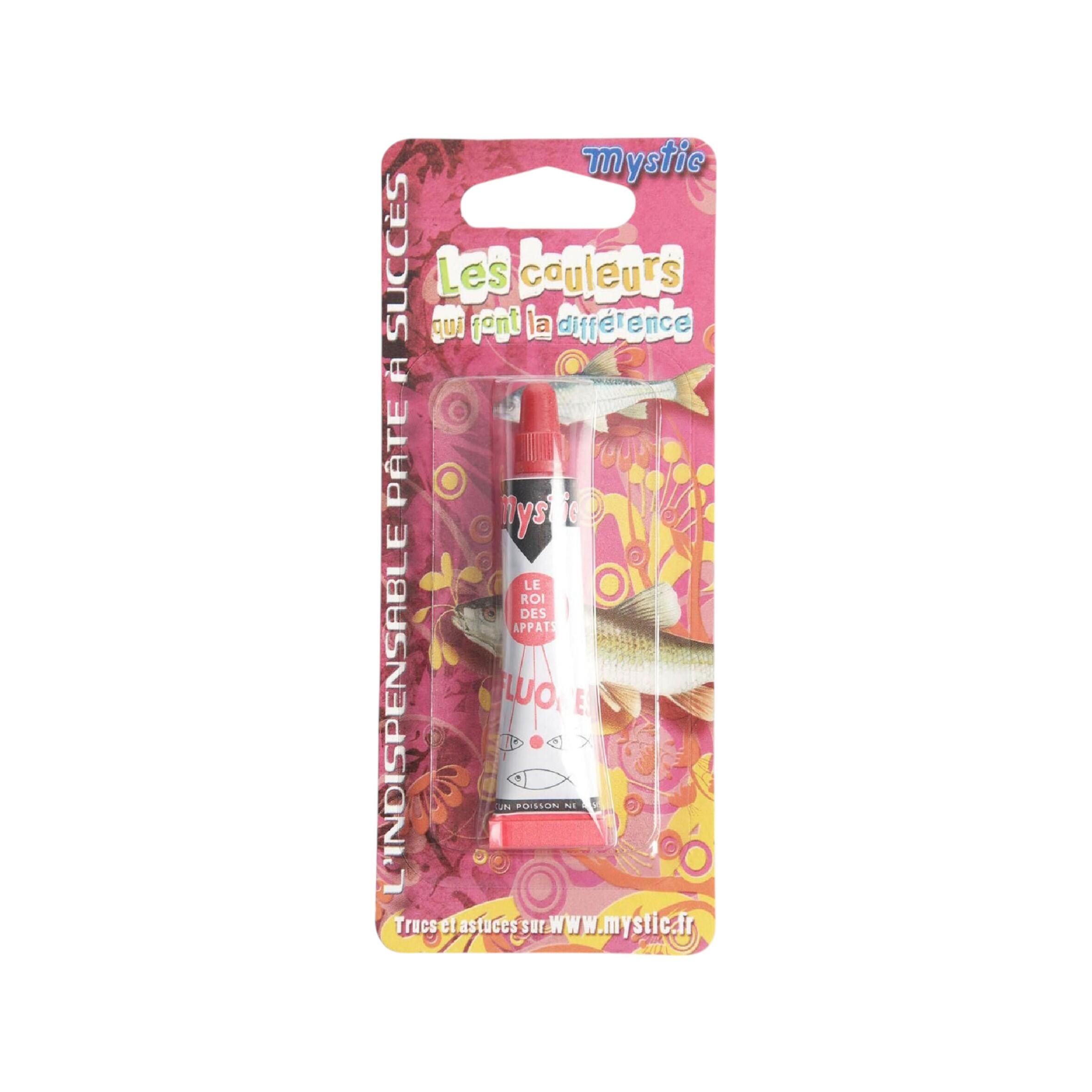
Soft paste can work loose during casting or begin breaking apart before it reaches the fishing depth. Caperlan addresses this with an integrated spring positioned directly on the hook. The spring on trout fishing rigged hook paste gives the bait more structure to grip while allowing the paste to diffuse gradually in the water. Mould the paste around the spring and shank but keep the hook point clear so it can take hold when a trout bites. Use only enough bait to cover the spring effectively; adding a very large ball can make casting less controlled and may reduce how cleanly the hook point is presented.

What makes worm hooks different from general trout hooks?

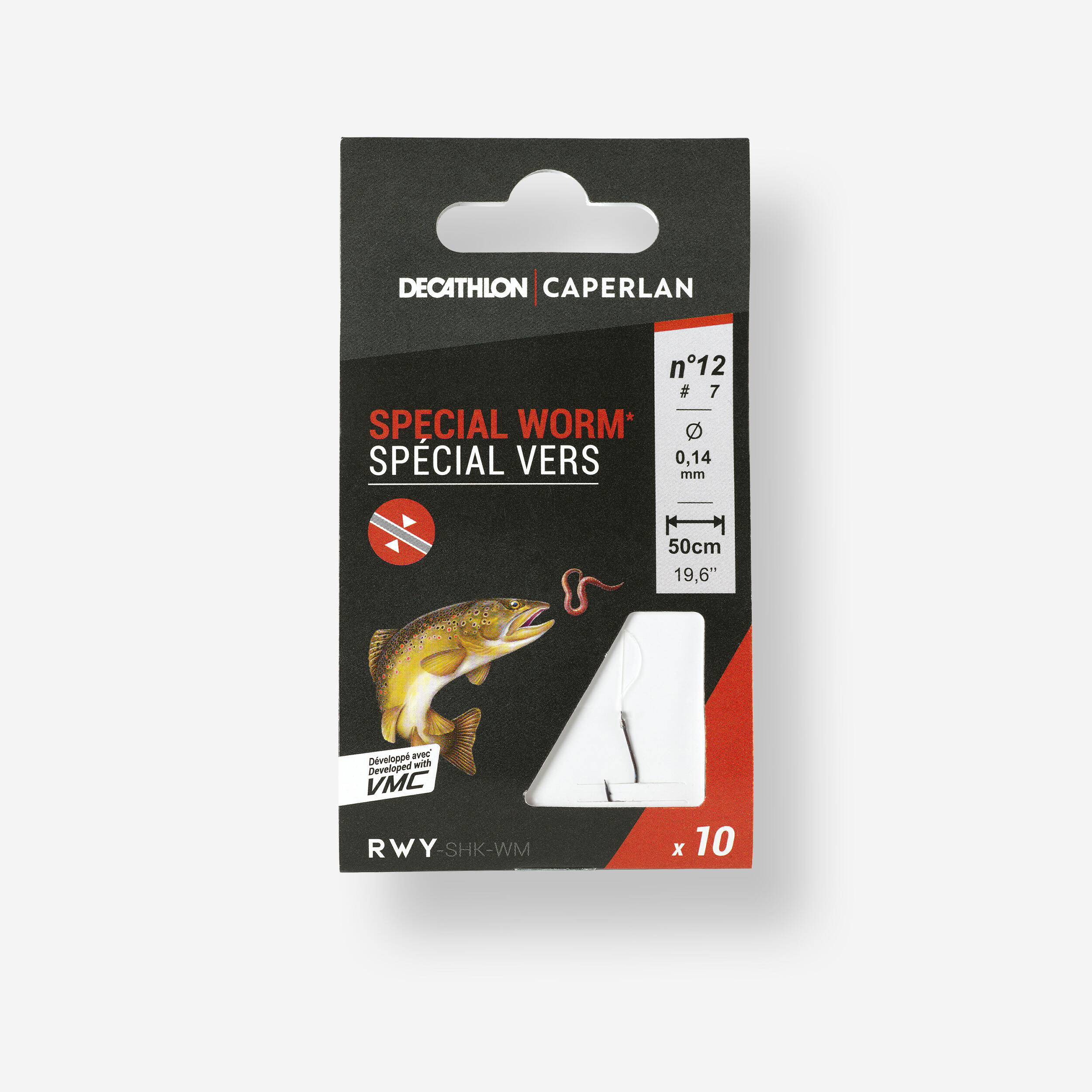
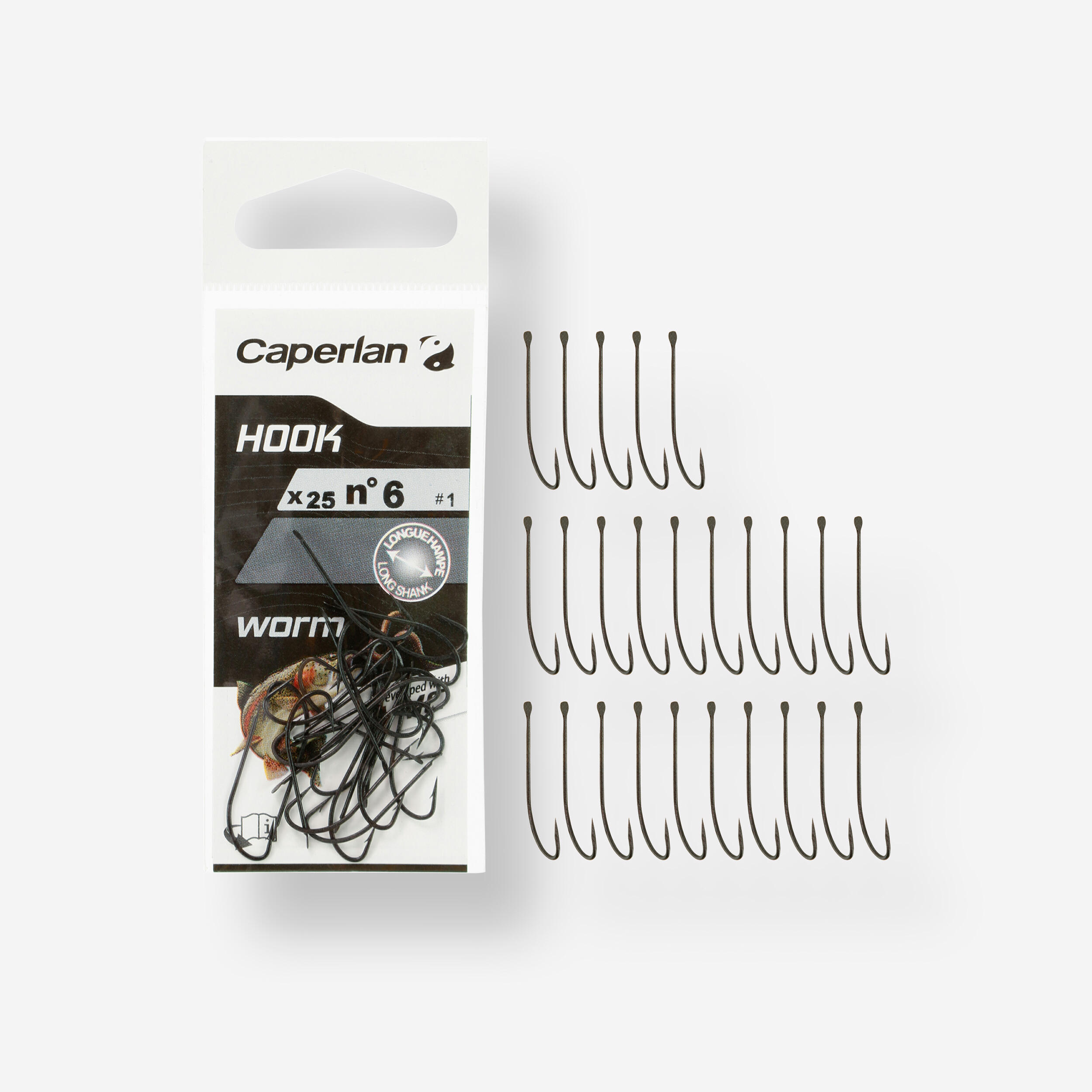
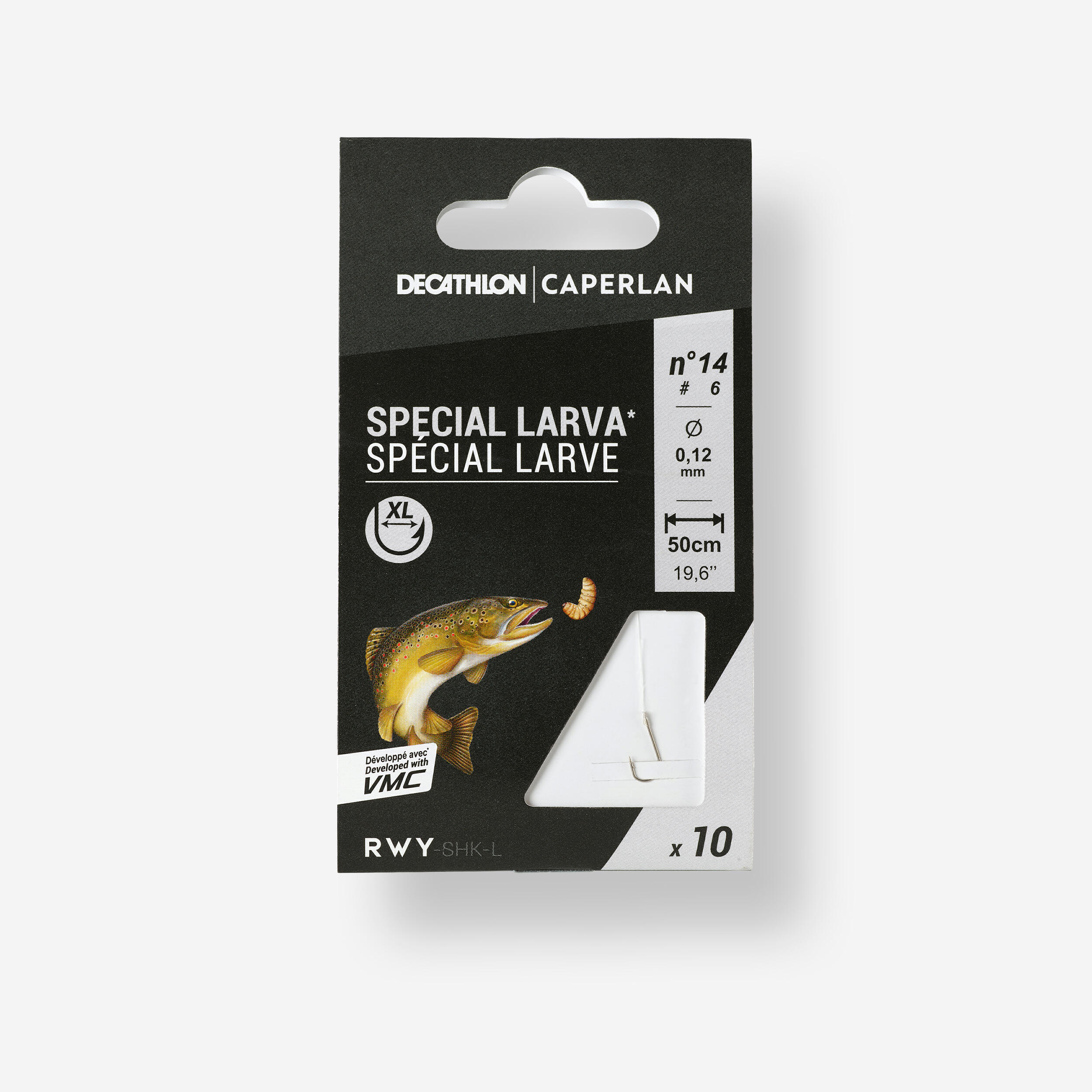
Worm hooks often use a longer shank because it gives you more room to thread or position the bait without bunching it tightly around the point. Caperlan's worm-specific patterns also use a fine construction and matt finish to keep the presentation relatively discreet. Pre-rigged versions pair the hook with a 50 cm leader, with leader diameter changing as hook size changes. This bait-specific approach is useful when building a wider trout fishing setup because it lets you choose the hook around how the bait needs to sit rather than only around fish size. Thread the worm carefully, leave part of it free to move naturally and recheck the point after each cast if the bait has slipped.

What helps protect trout fishing hooks when they are not in use?

Keep loose and pre-rigged hooks in a dry tackle box so moisture does not remain around the steel or prepared nylon leaders. Caperlan specifically recommends dry storage for its worm, paste and long-leader hook systems. Sort packs by hook size, leader diameter or bait type so you can select the correct pattern quickly during game fishing sessions. Before reuse, inspect the point for bluntness, check that the bend hasn't opened, and run your fingers lightly along the leader for rough areas. Coatings such as bronze, blue, matt or epoxy suit different presentations, but they don't replace basic care. Discard bent hooks or damaged leaders rather than trying to straighten or reuse weakened terminal tackle.