10 items
4.8/5 based on 254 reviews collected online and in stores

Trout Fishing Reels FAQs

Which reel works best for trout lure fishing?

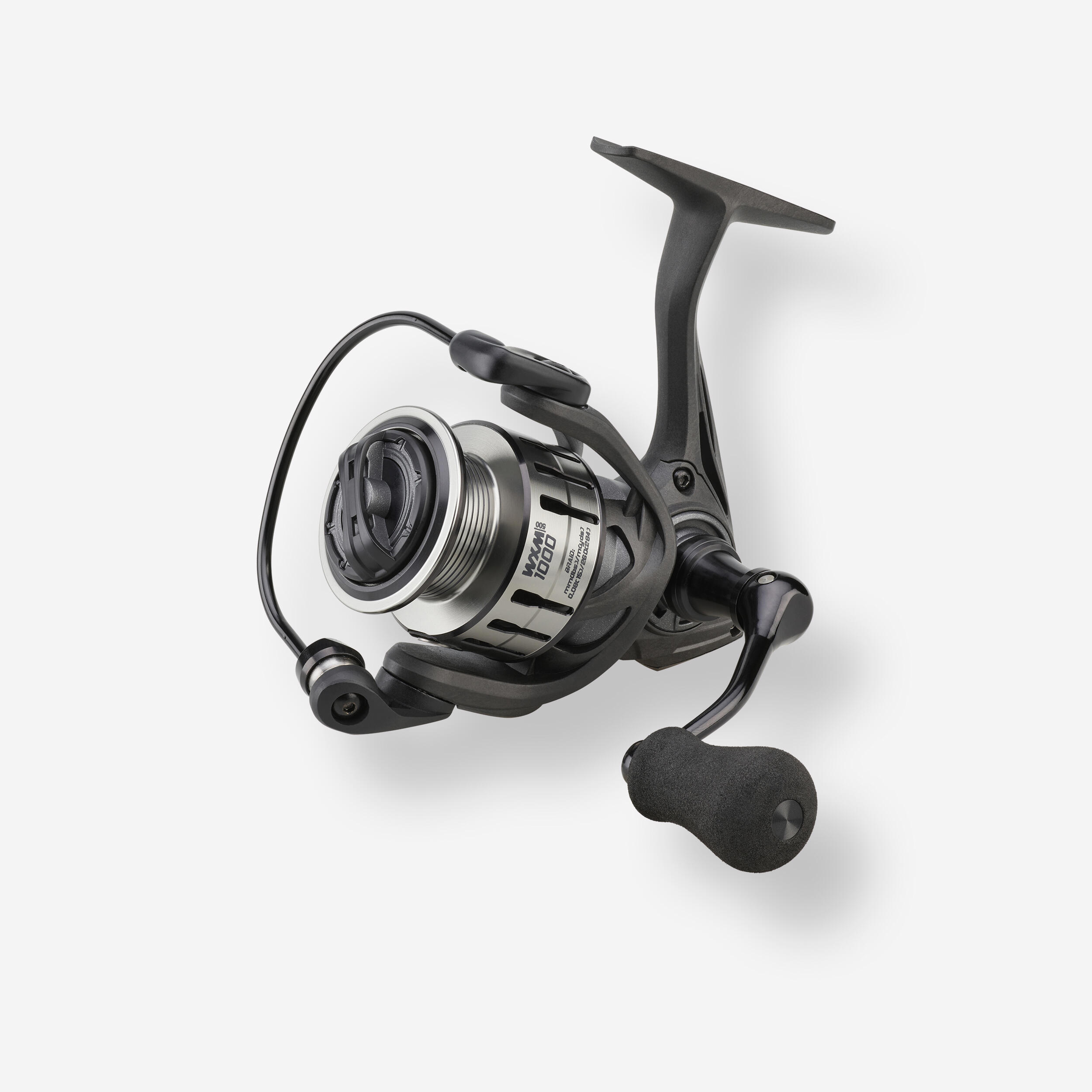
Look at reel size, weight, retrieval speed and spool capacity together because frequent casting makes balance more important than simply choosing the reel with the highest drag figure. Caperlan's trout lure fishing reels include the WXM 700 2000 TR, which weighs about 205 g and uses a shallow spool suited to fine trout line. Its 6.2:1 ratio retrieves roughly 82 cm of line per handle turn, helping you recover slack and maintain contact with actively worked lures in flowing water. Caperlan recommends pairing it with fine braid and a light or medium-light rod, creating a more balanced setup for repeated casting than a larger general-purpose reel.

What is the difference between a 2000 and 3000 trout fishing reel?

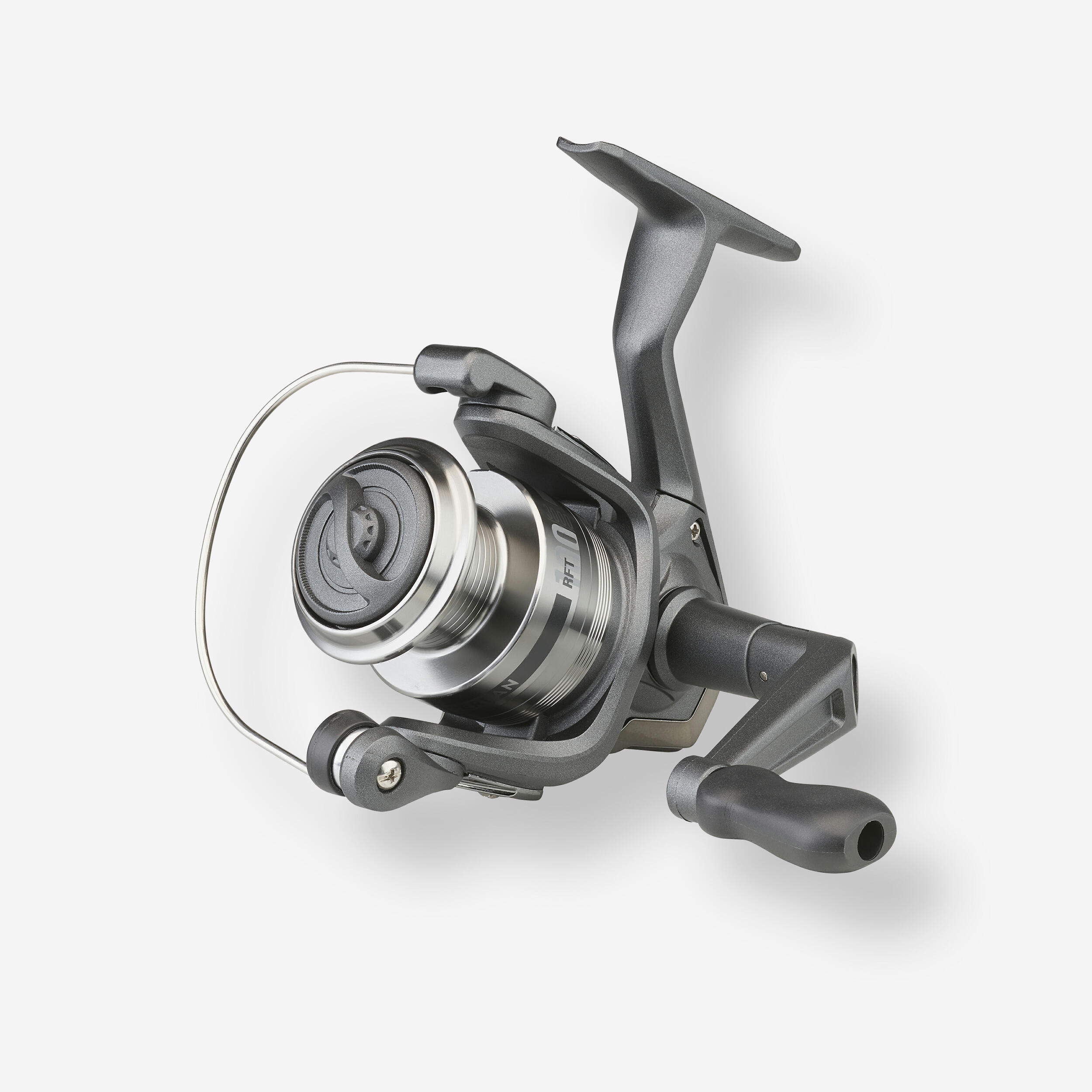
A 2000-size reel normally suits lighter rods, finer line and repeated lure casting, while a 3000-size reel provides more line capacity for broader freshwater use. Caperlan reflects this difference within its own range. The WXM 700 2000 TR features a lighter carbon-reinforced frame, a shallow spool and a fast retrieve, while the RFT 100-3000 uses a larger spool and a slower 5.2:1 ratio for straightforward freshwater fishing. If your trout fishing mainly involves small lures and frequent casting, the smaller reel can reduce unnecessary weight at the wrist. Choose a 3000 reel when greater monofilament capacity or a more general-purpose setup matters more than keeping the outfit as light as possible.

Why would some trout reels use shallow spools?

A shallow spool reduces the amount of backing needed when fishing with fine braid or nylon, which can make line management simpler on a reel intended for trout. The WXM 700 spool holds around 175 m of 0.10 mm braid or 130 m of 0.18 mm monofilament, capacities better matched to light lure fishing than a deep spool meant for heavy line. Correct line lay also matters with fine diameters. Caperlan supplies adjustment washers so you can change the spool position if the line begins building in a pyramid or inverted-pyramid shape. Even within broader game fishing, matching spool depth to the line actually used can give a neater setup than filling a deep reel with unnecessary backing.