34 items
4.8/5 based on 1916 reviews collected online and in stores

Trout Fishing Floats FAQs

What type of trout float works best in different fishing situations?

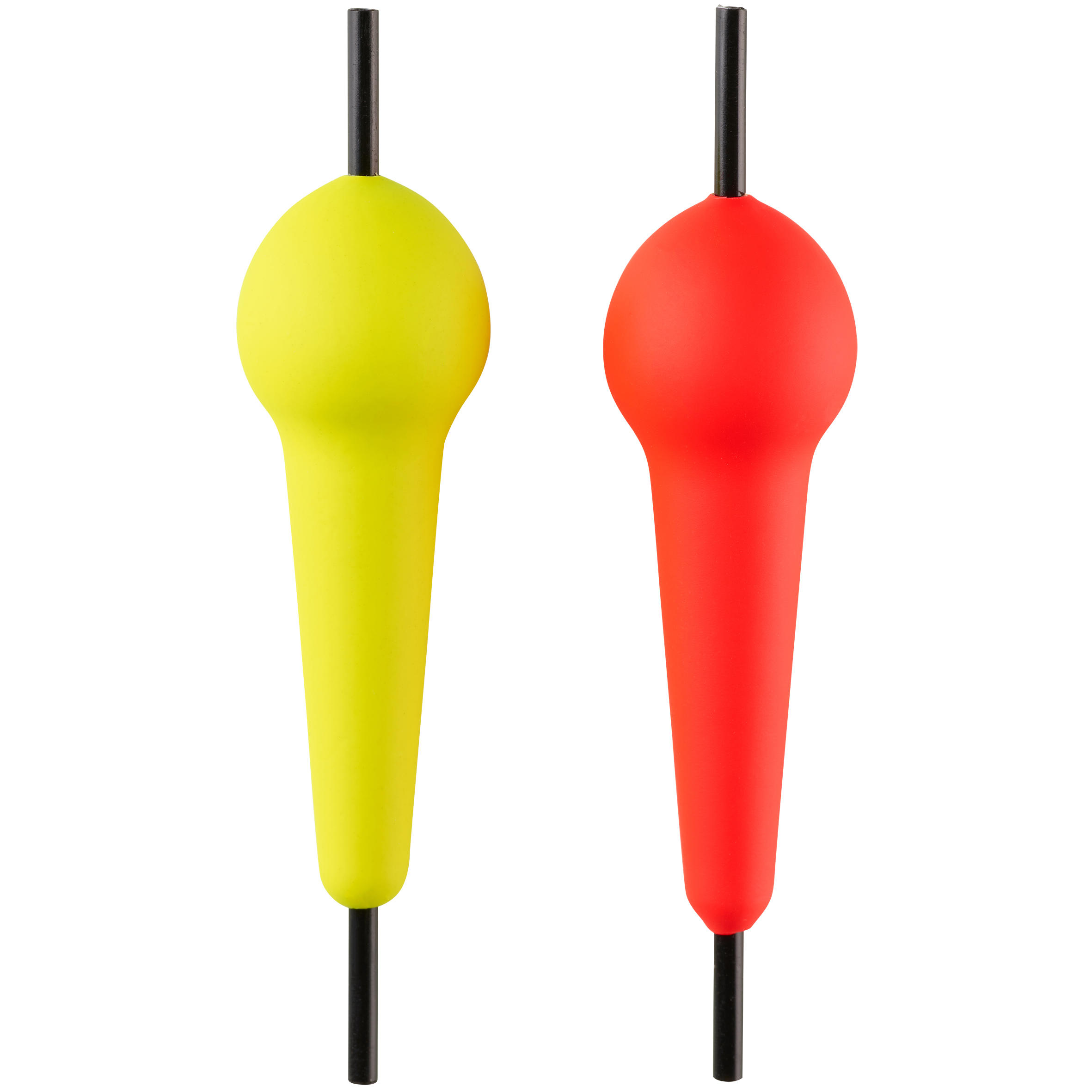
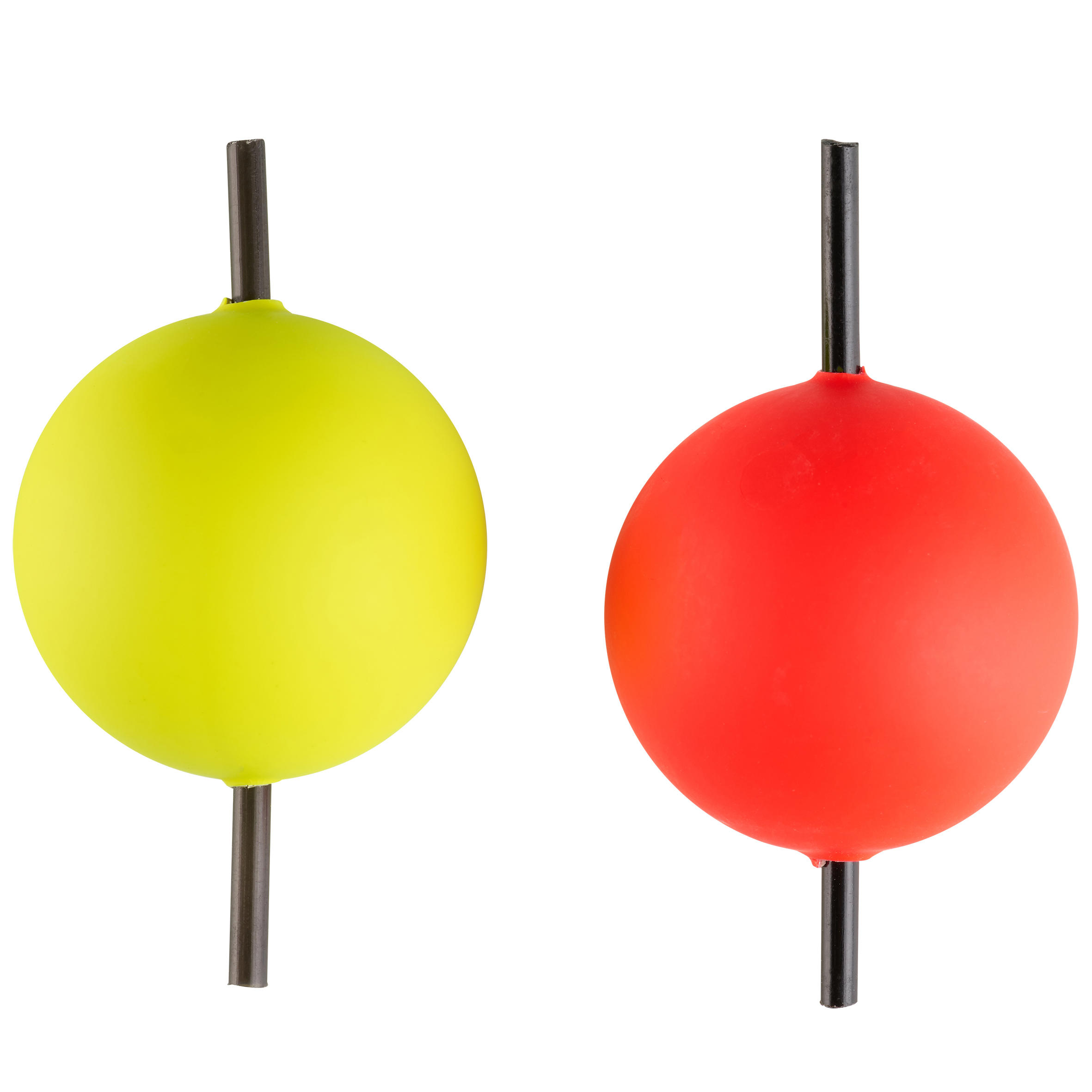
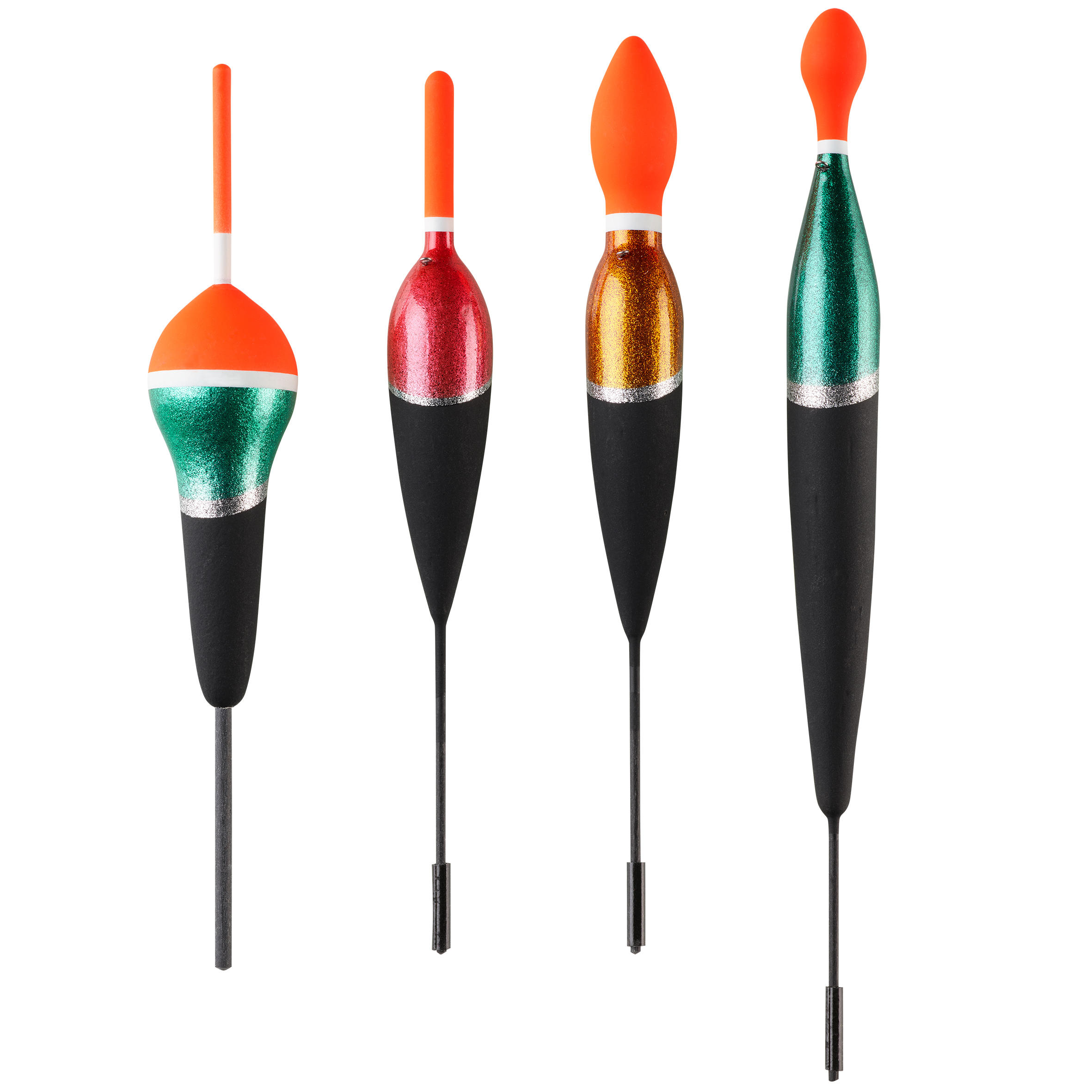
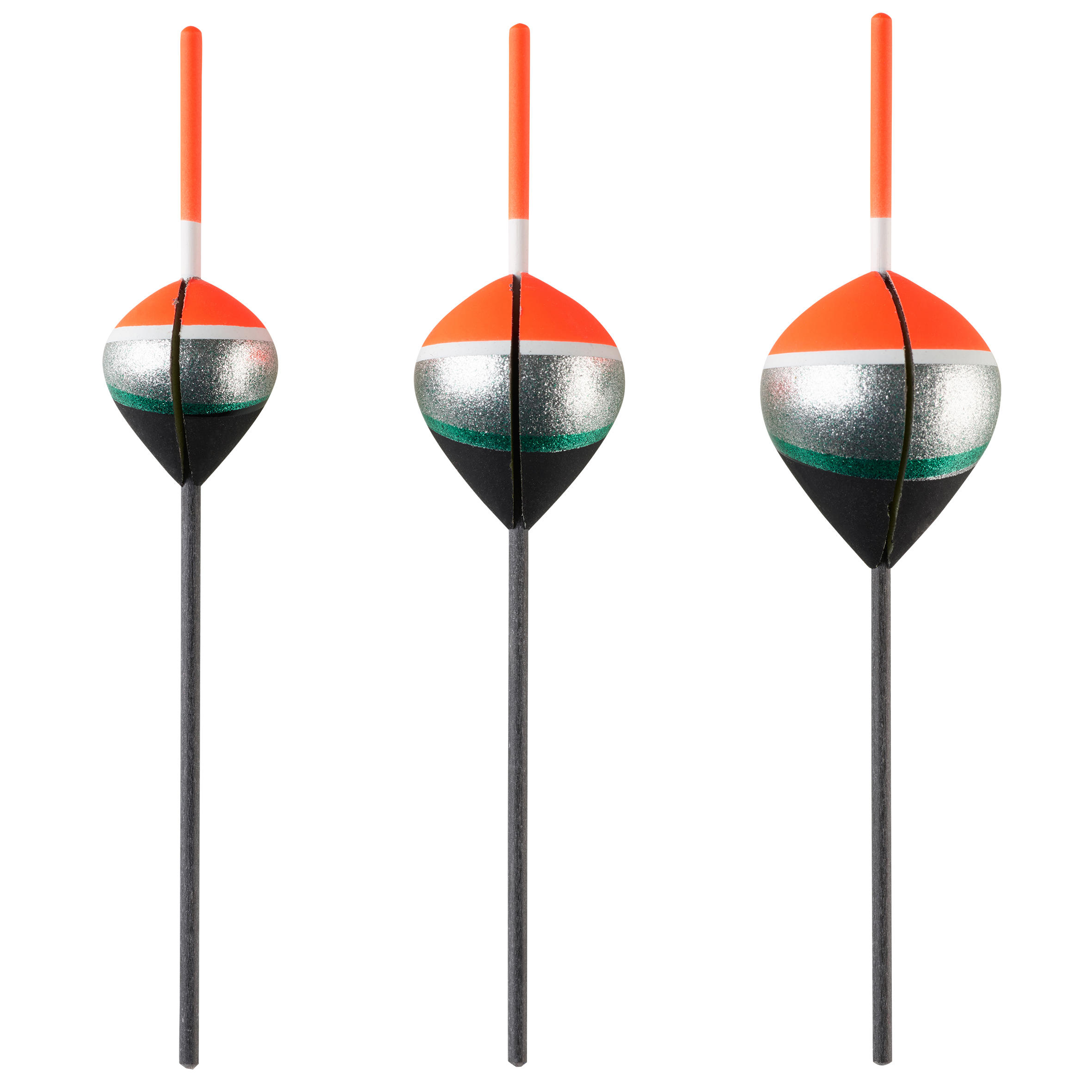
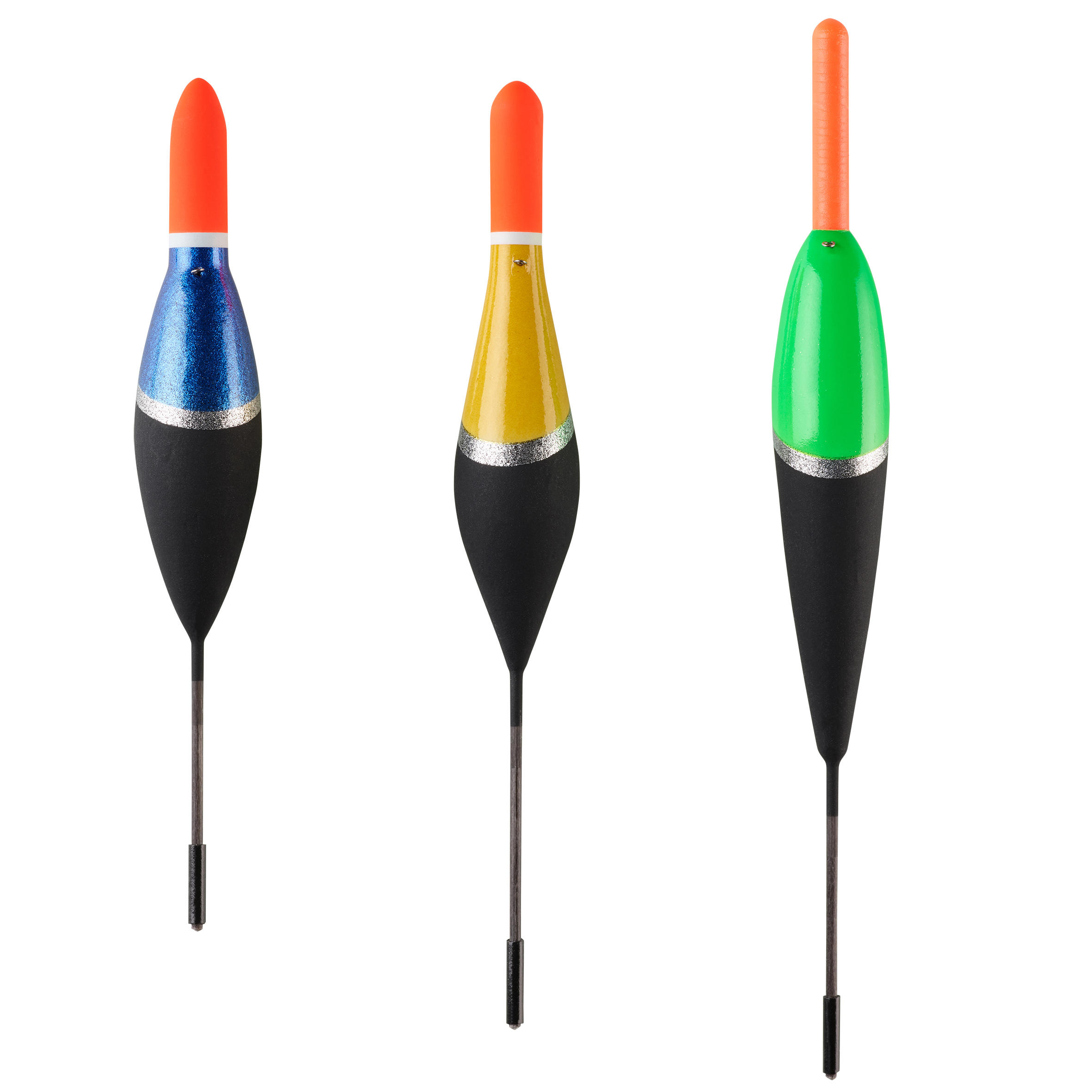
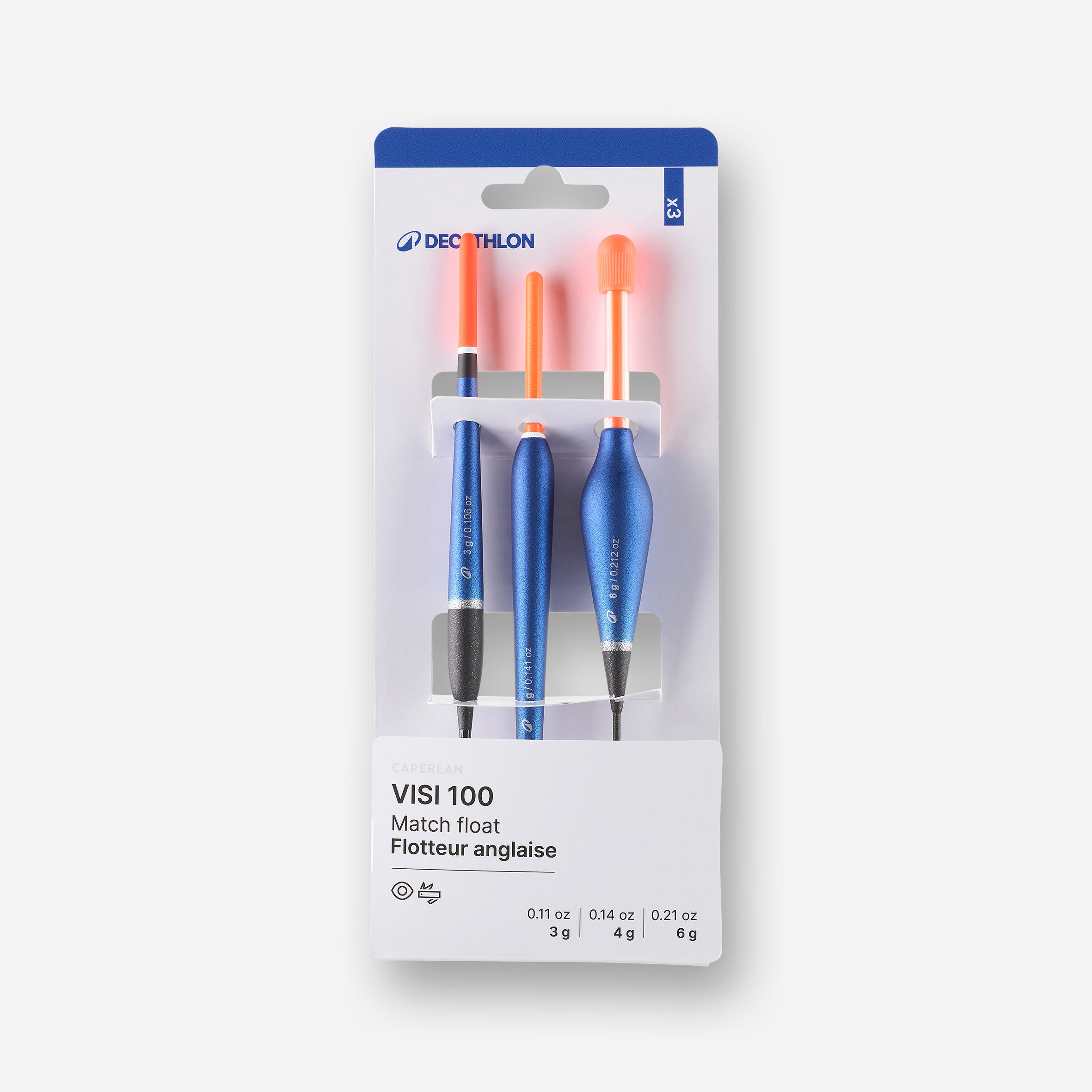
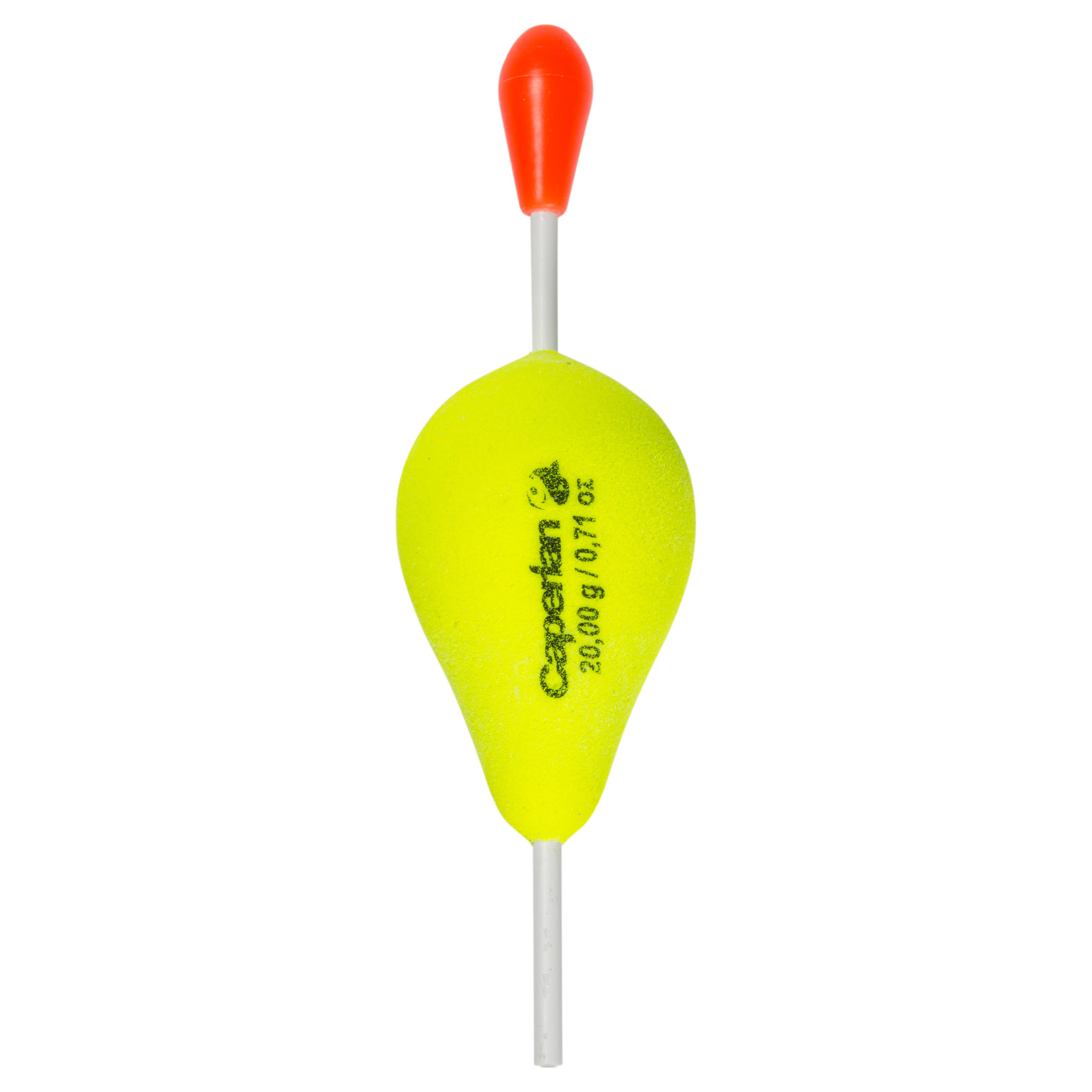
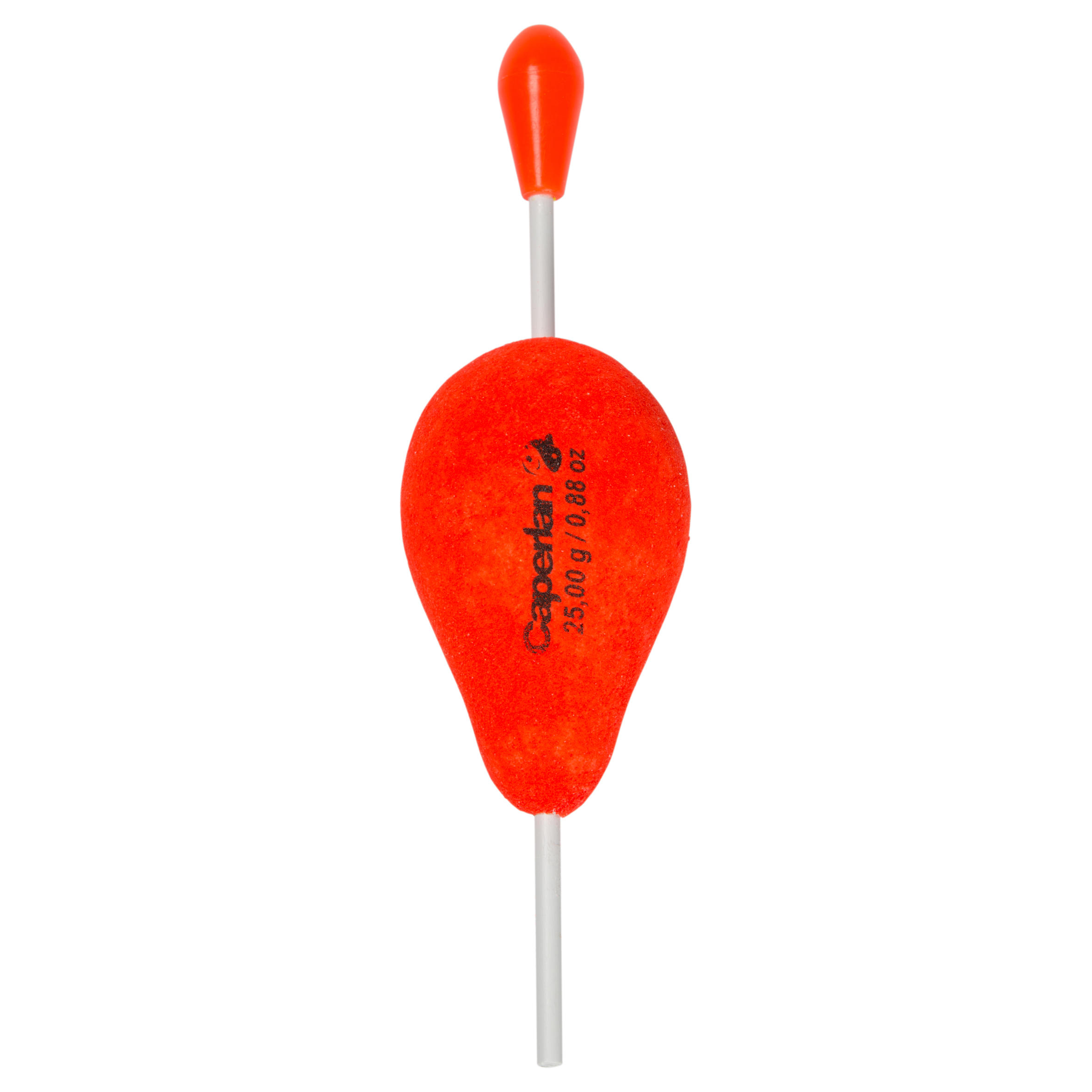
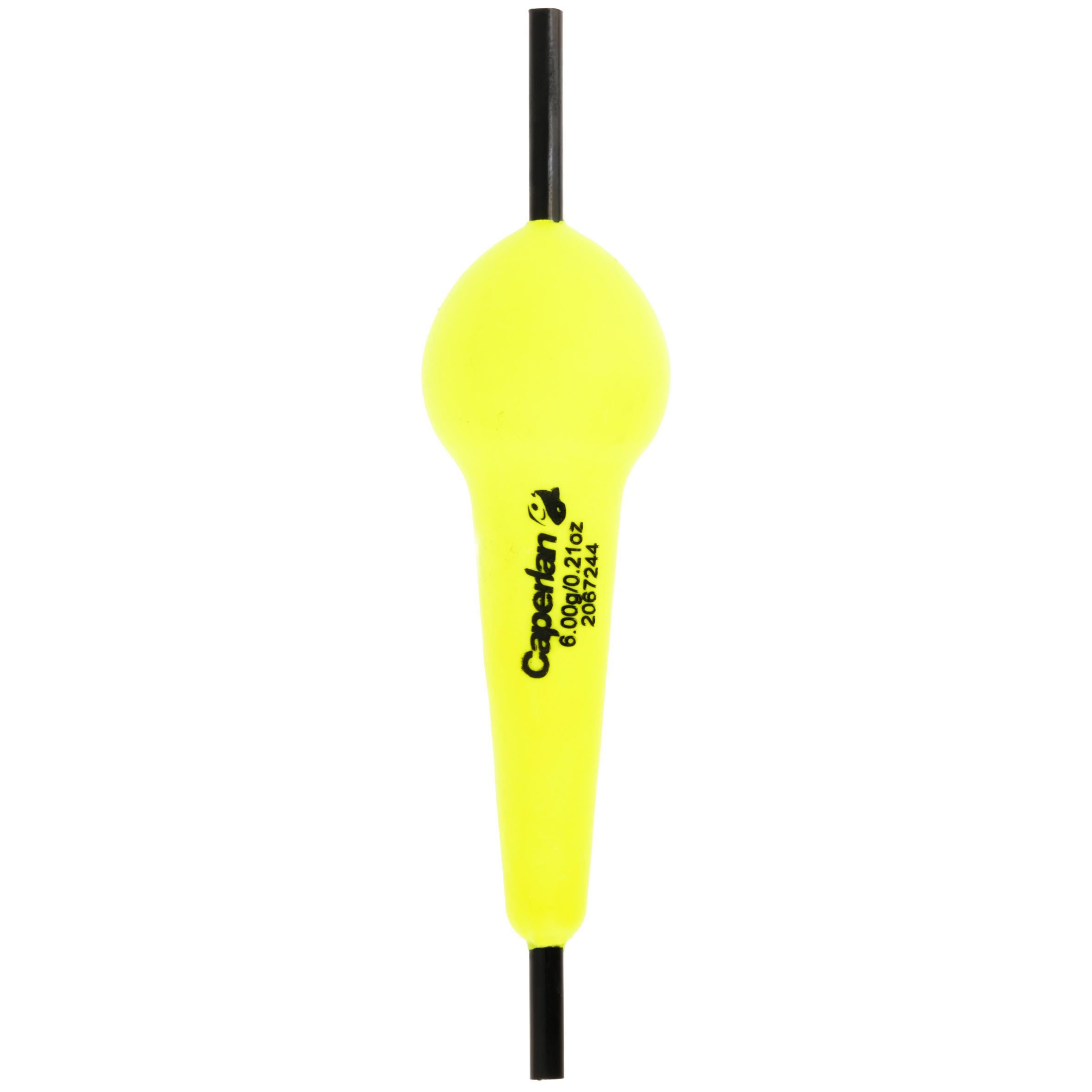
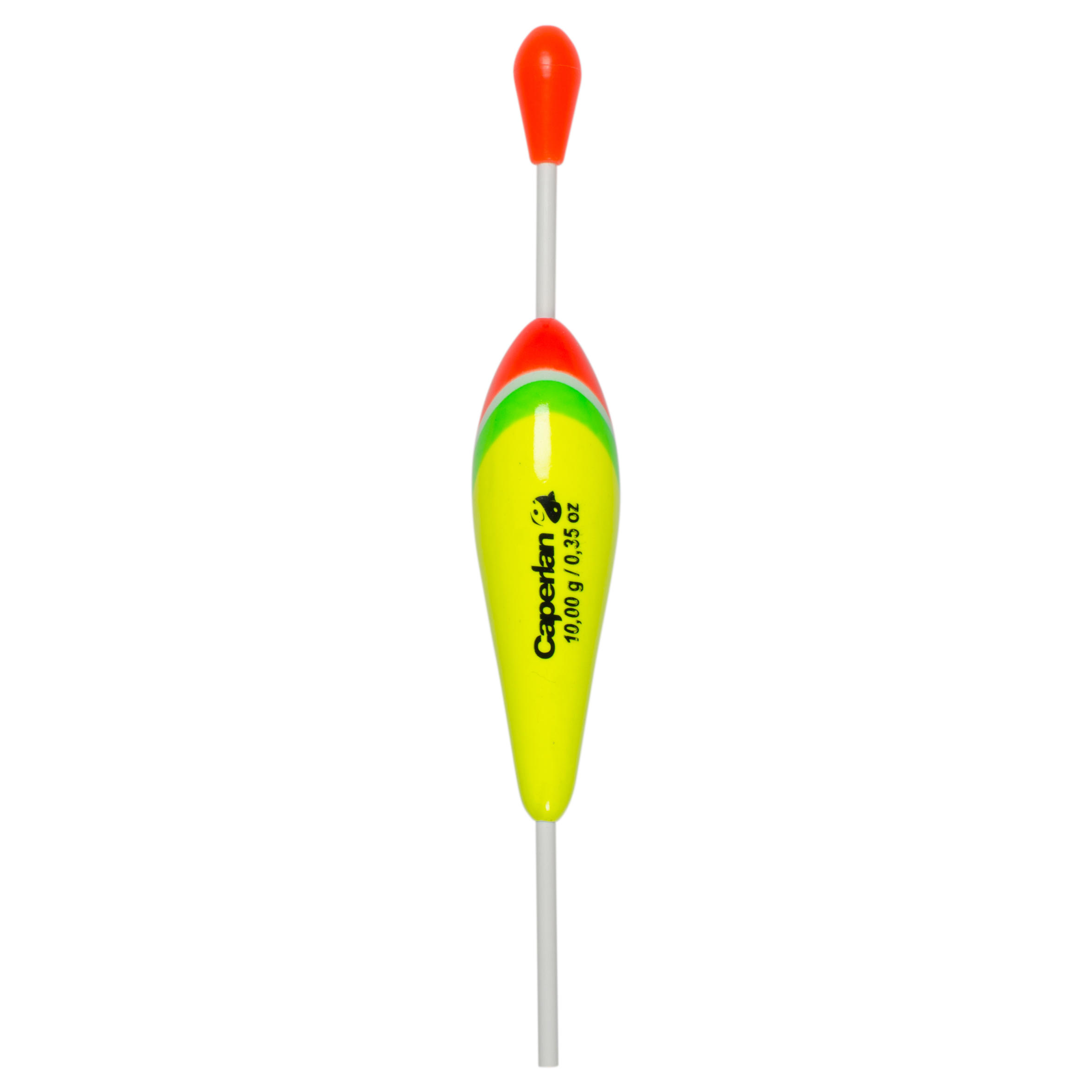
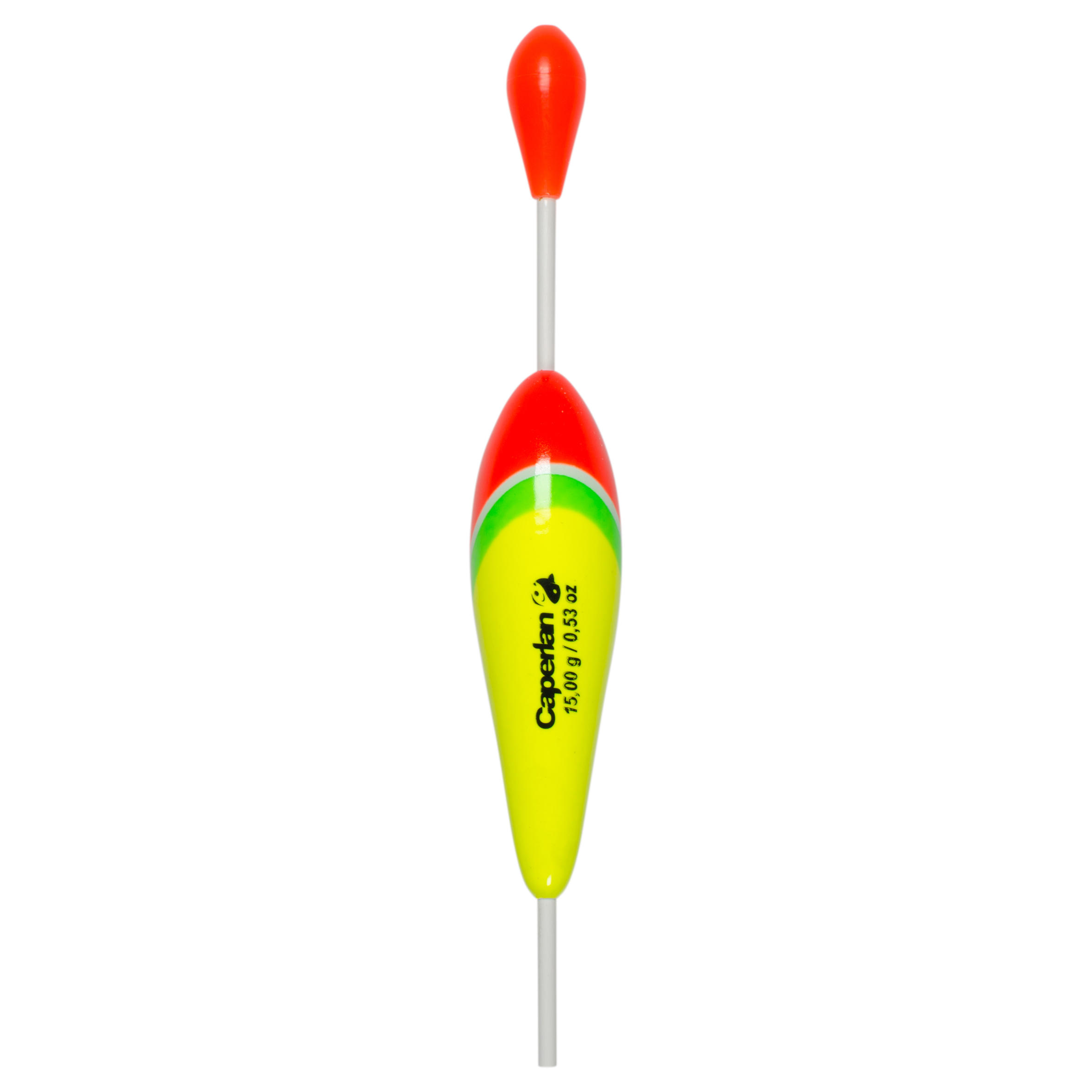
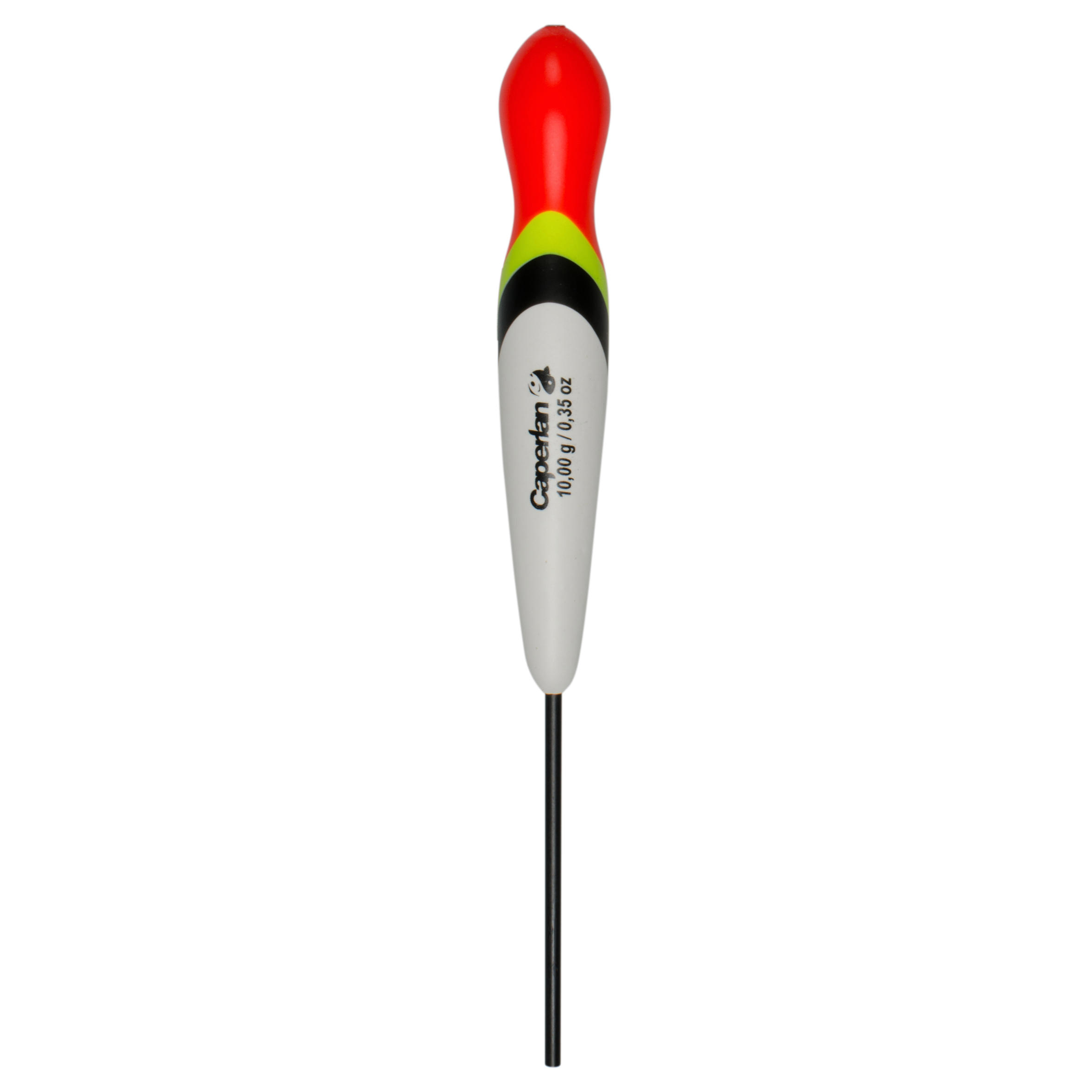
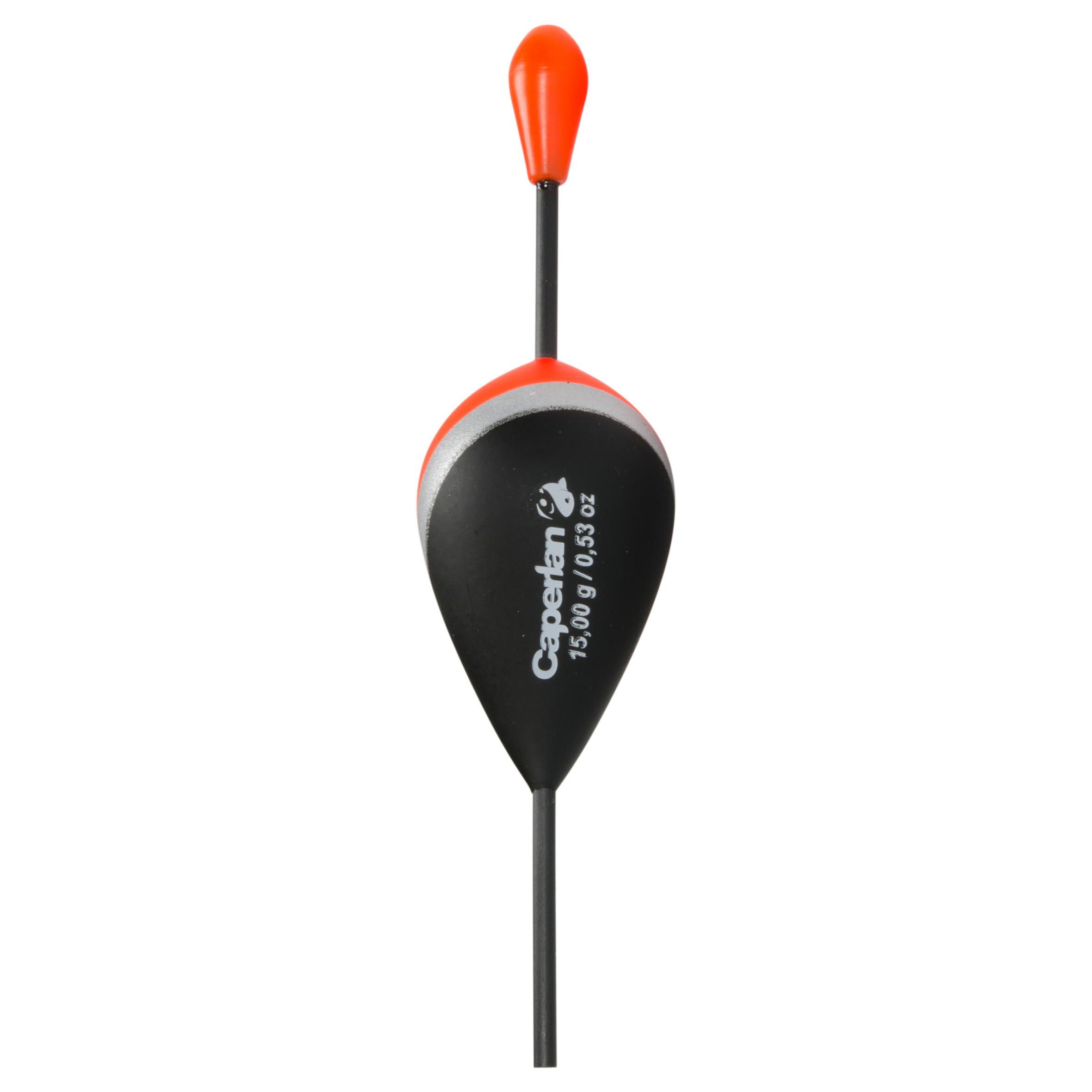
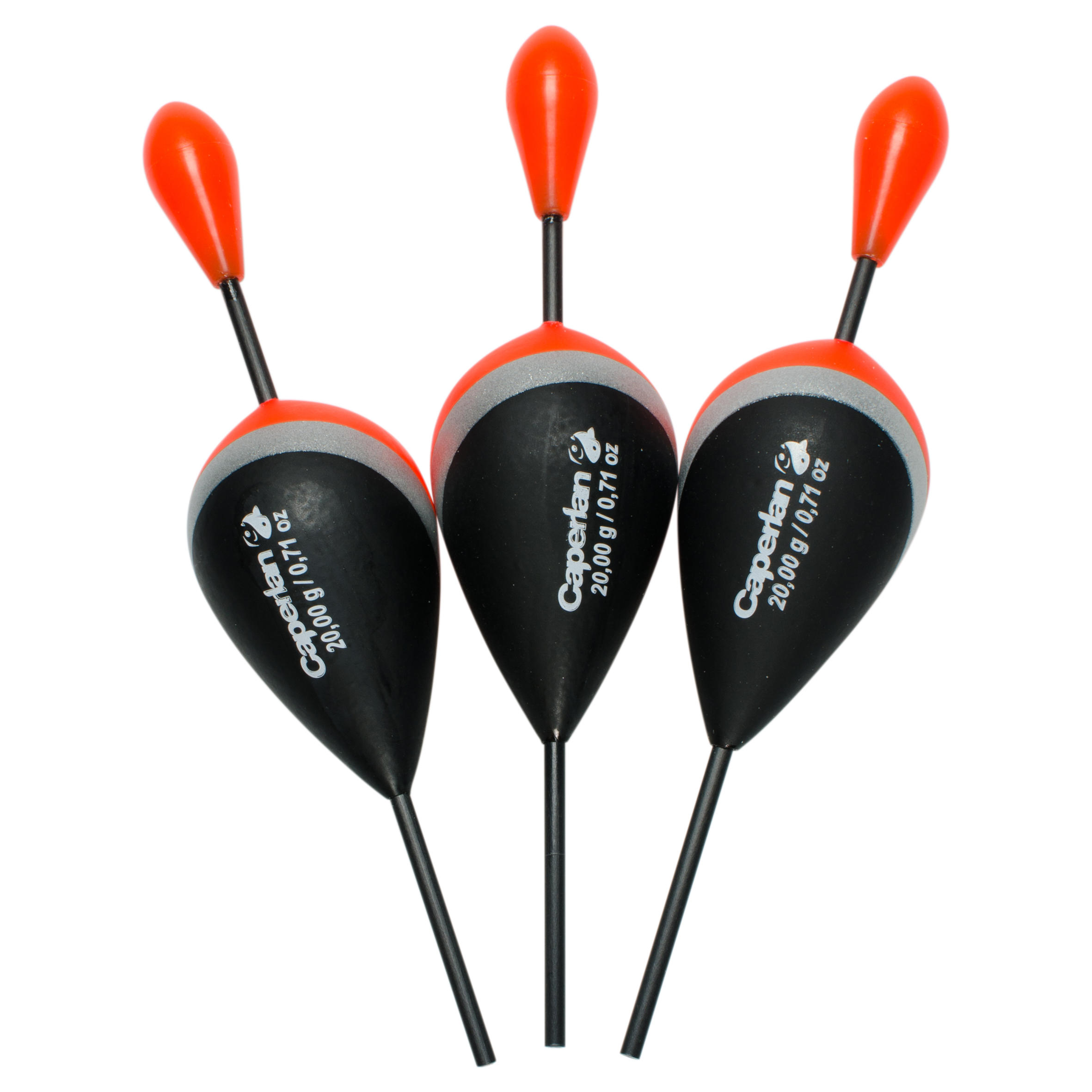
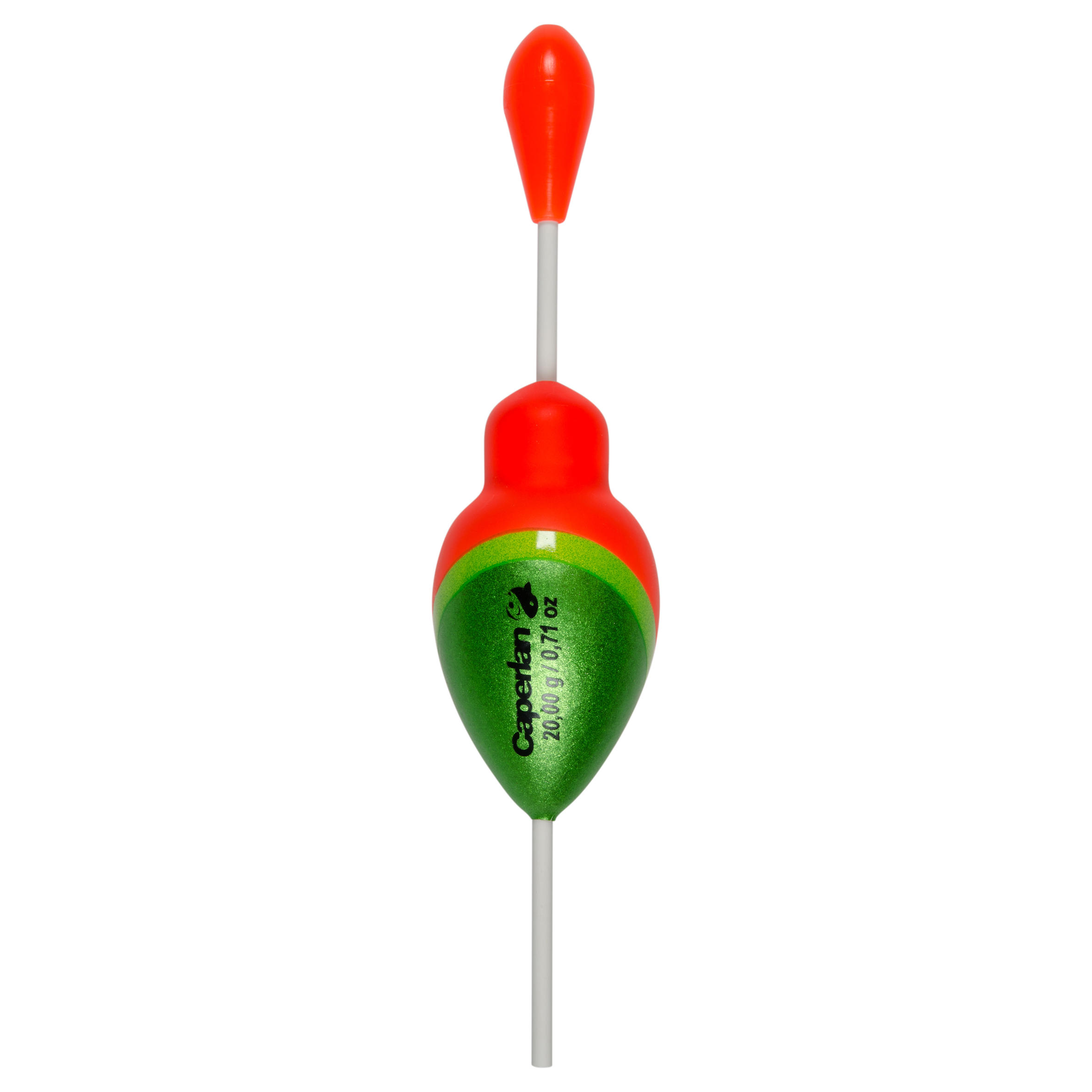
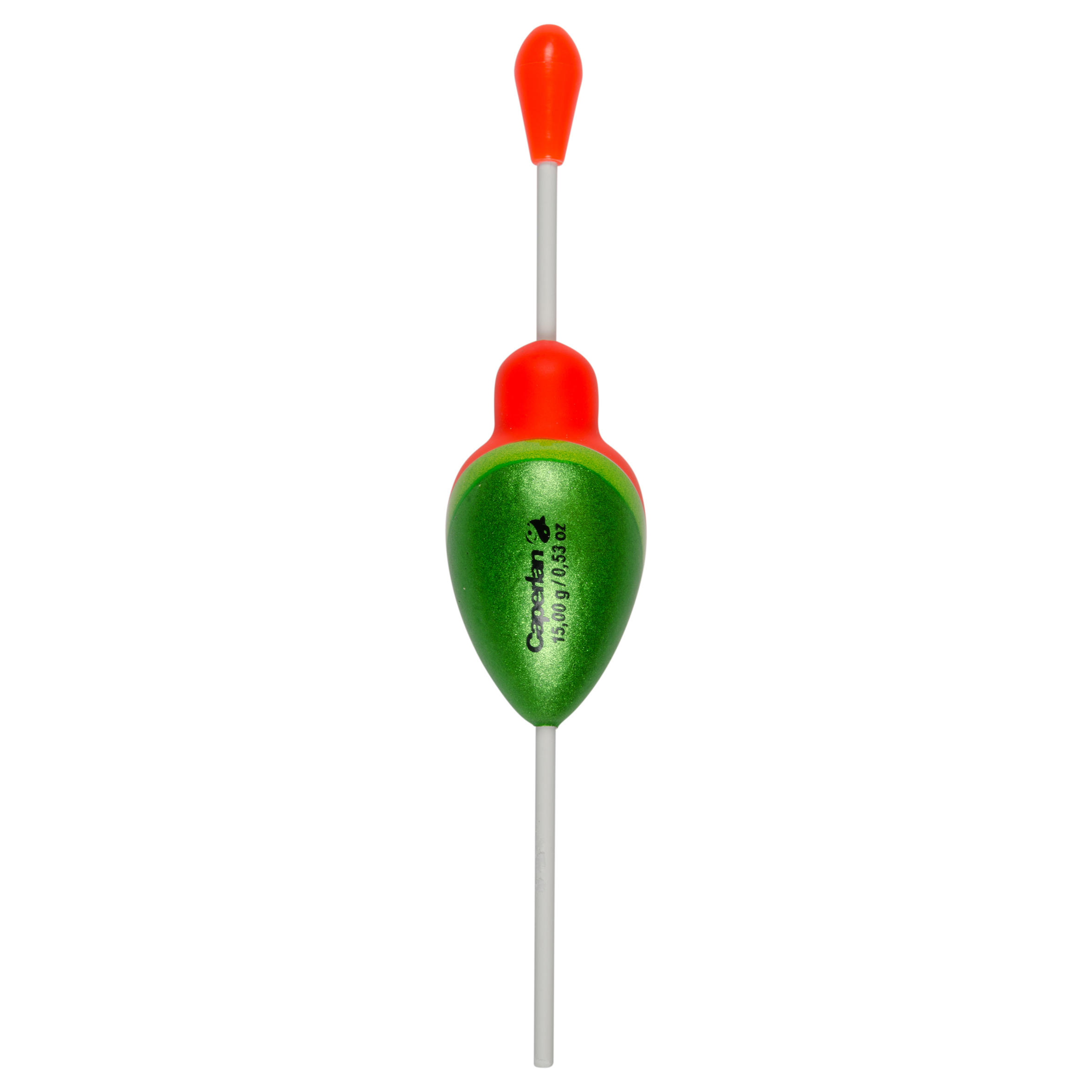
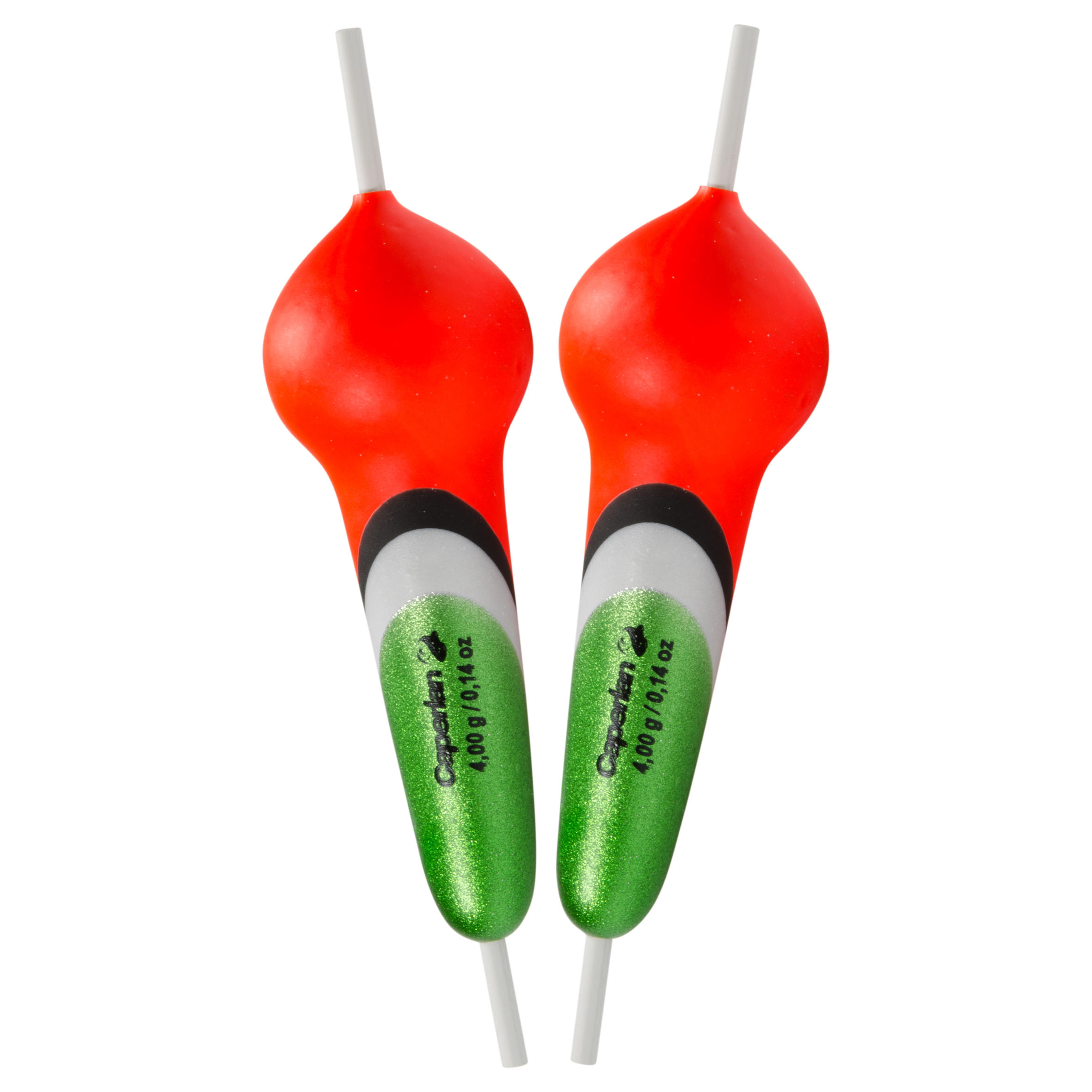
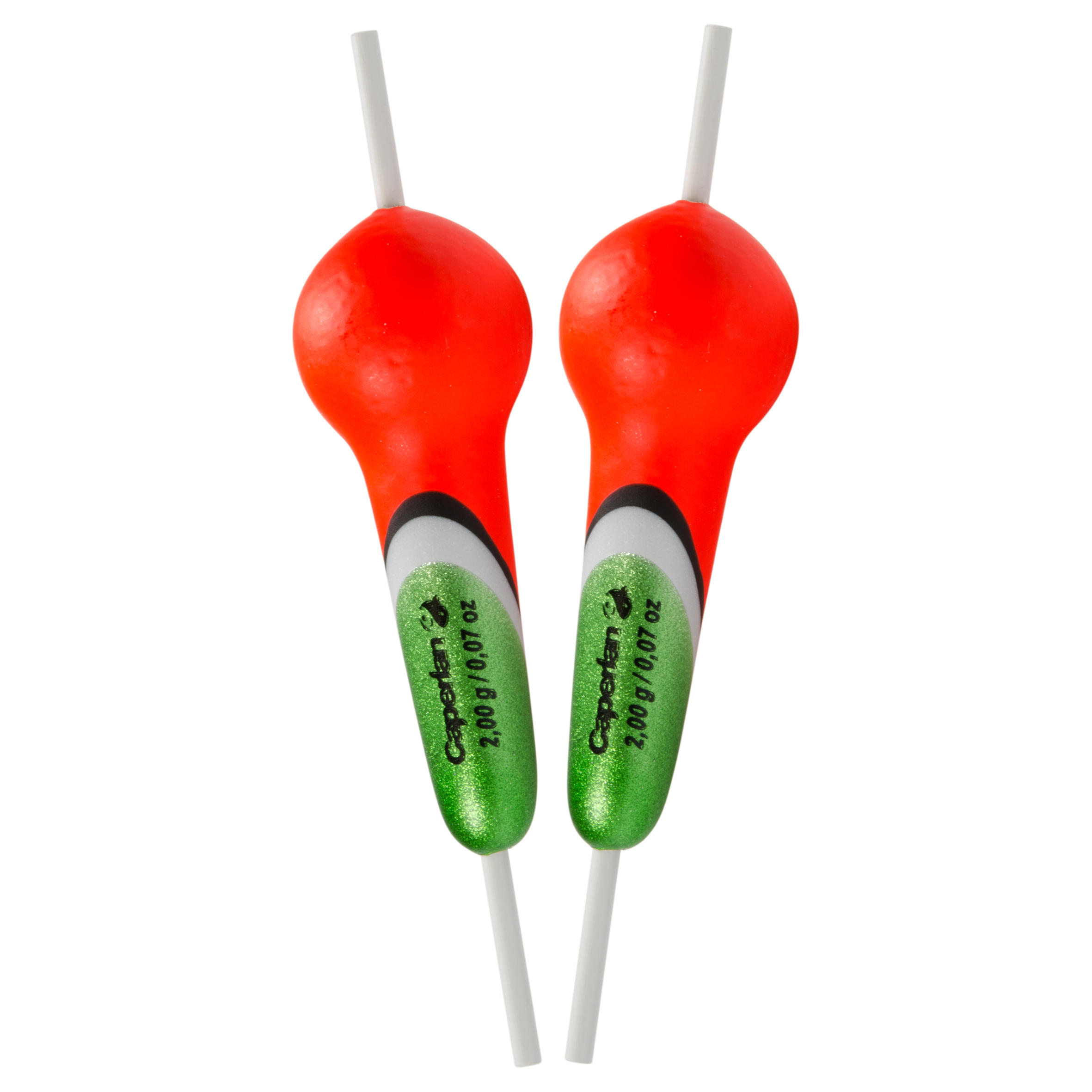
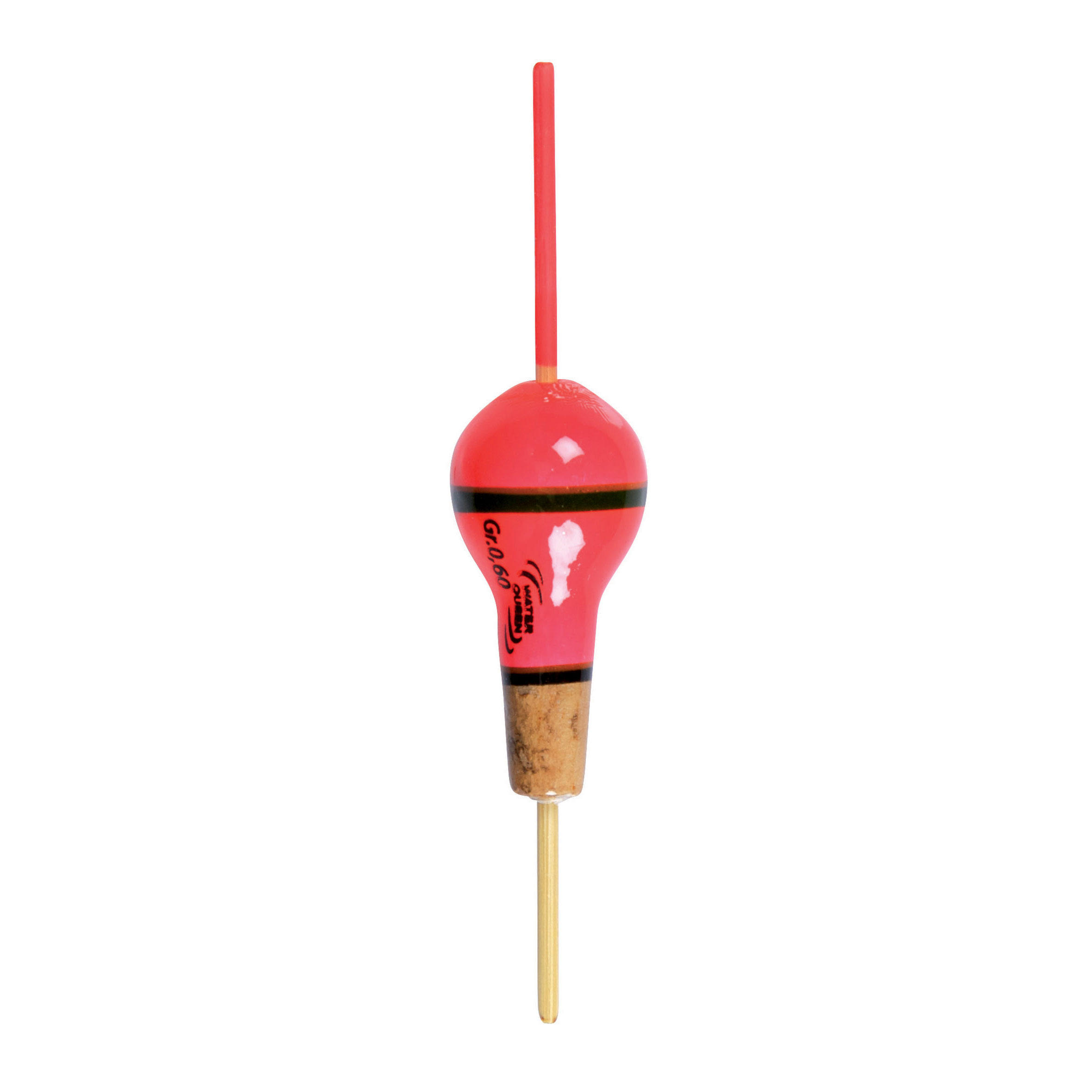
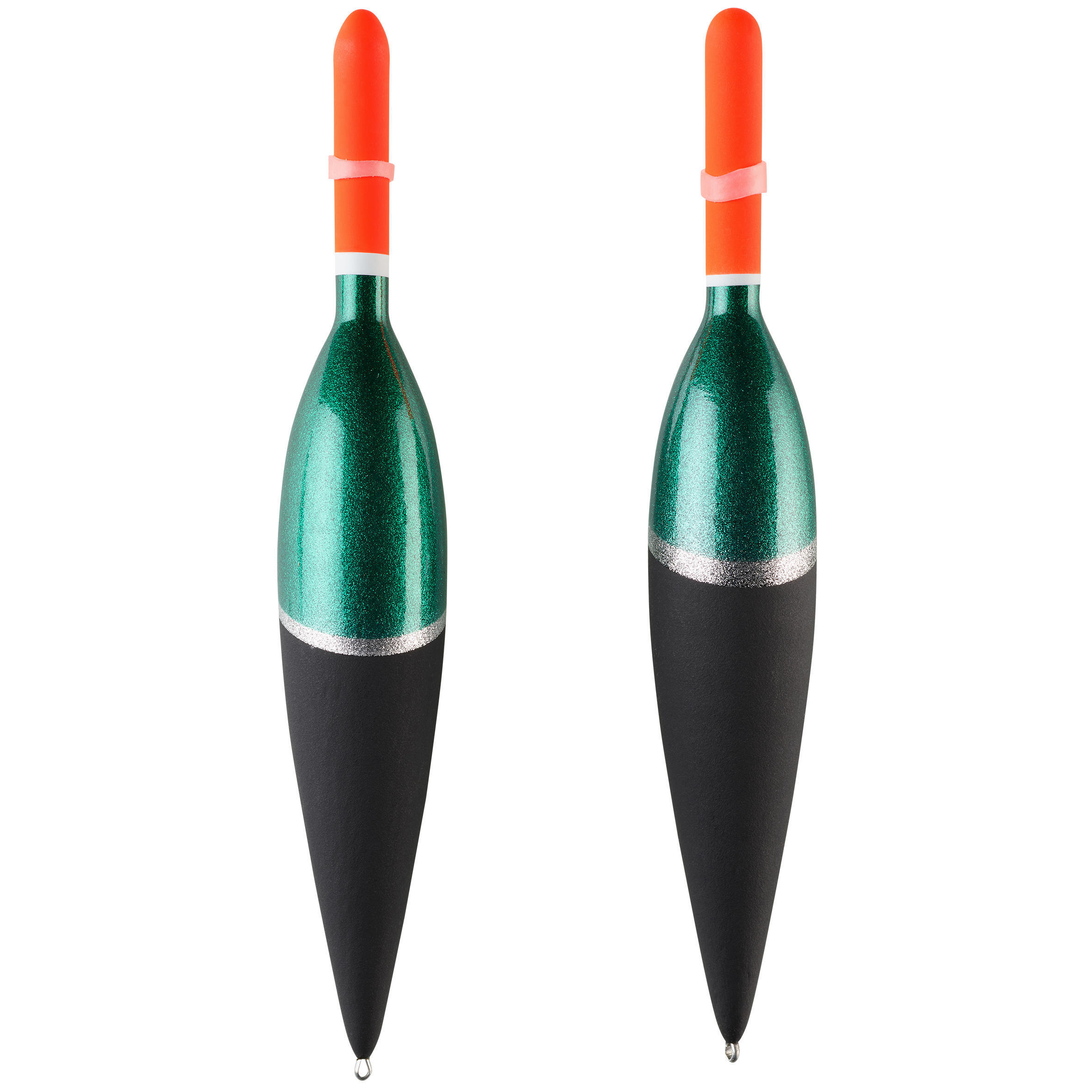
Look at water movement, fishing depth, casting distance and bait size because float shape can matter as much as the weight printed on the body. Caperlan uses several shapes across its trout range, from slender sliding floats for ponds and rivers to squatter forms intended to remain more stable in current. A trout fishing float kit gives you several body shapes at the same 4 g weight, allowing you to change how the rig behaves without automatically increasing or reducing its overall loading. Bright, larger antennae also help you follow the float when light, wind or surface movement changes during the session.

How do sliding trout floats help you change fishing depth?

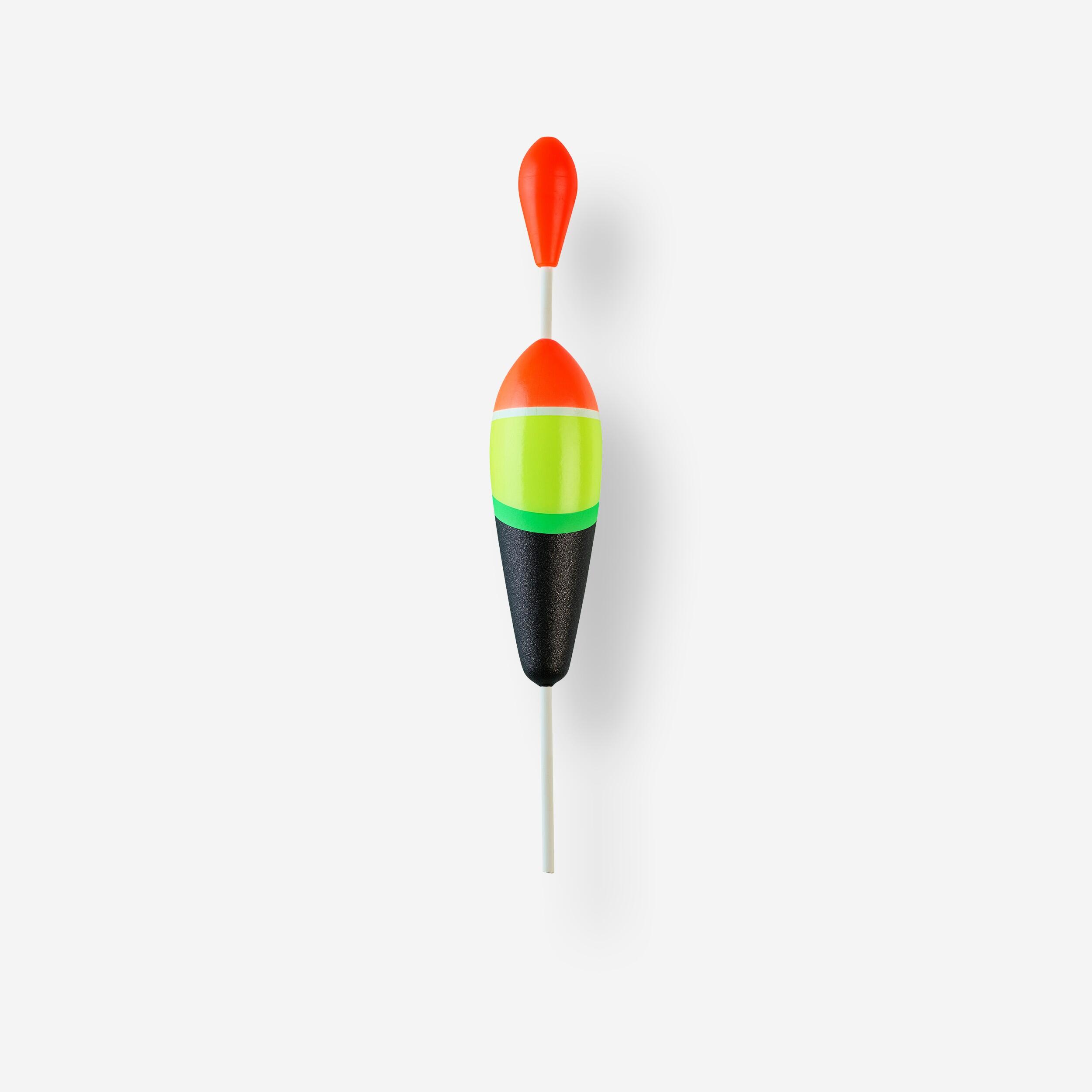
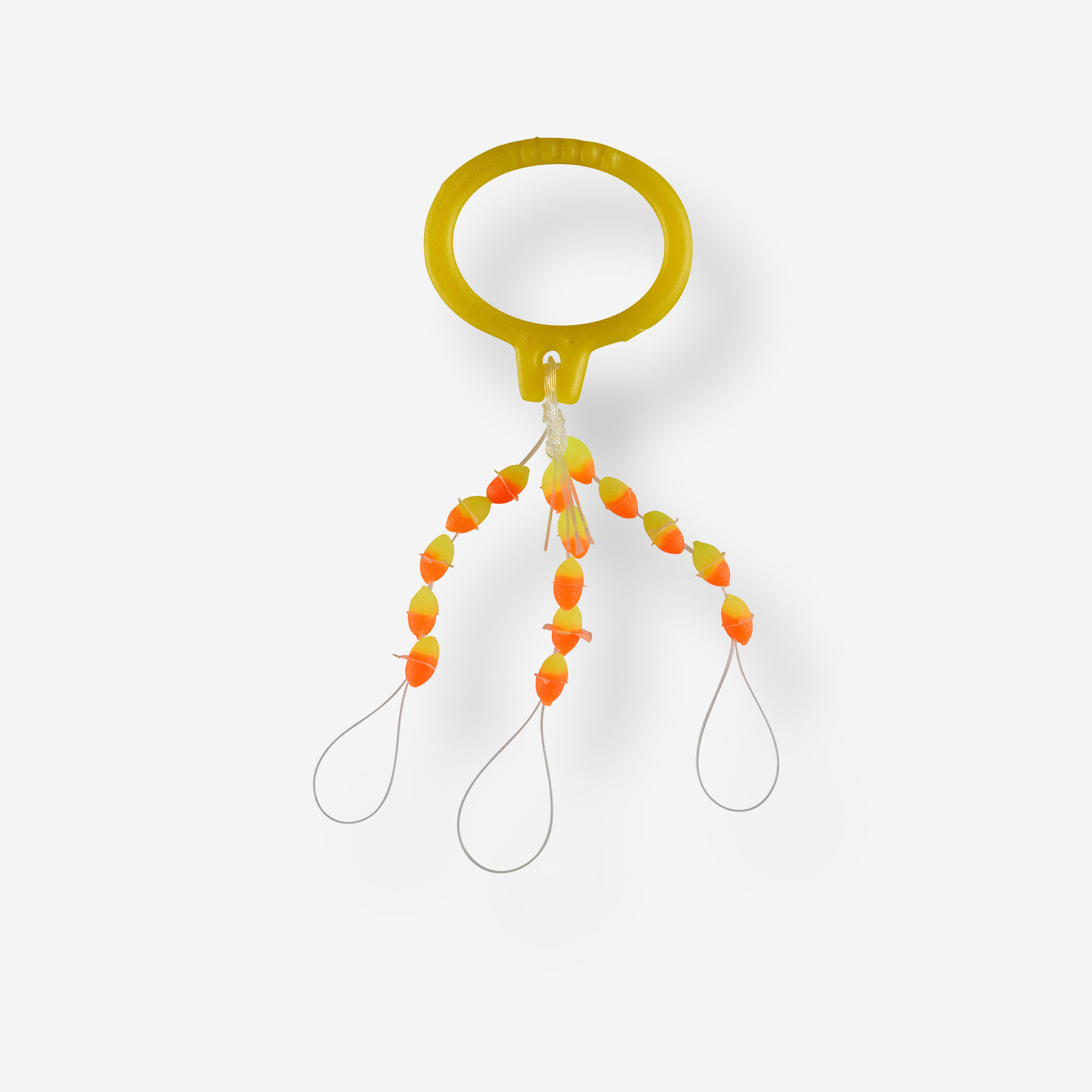
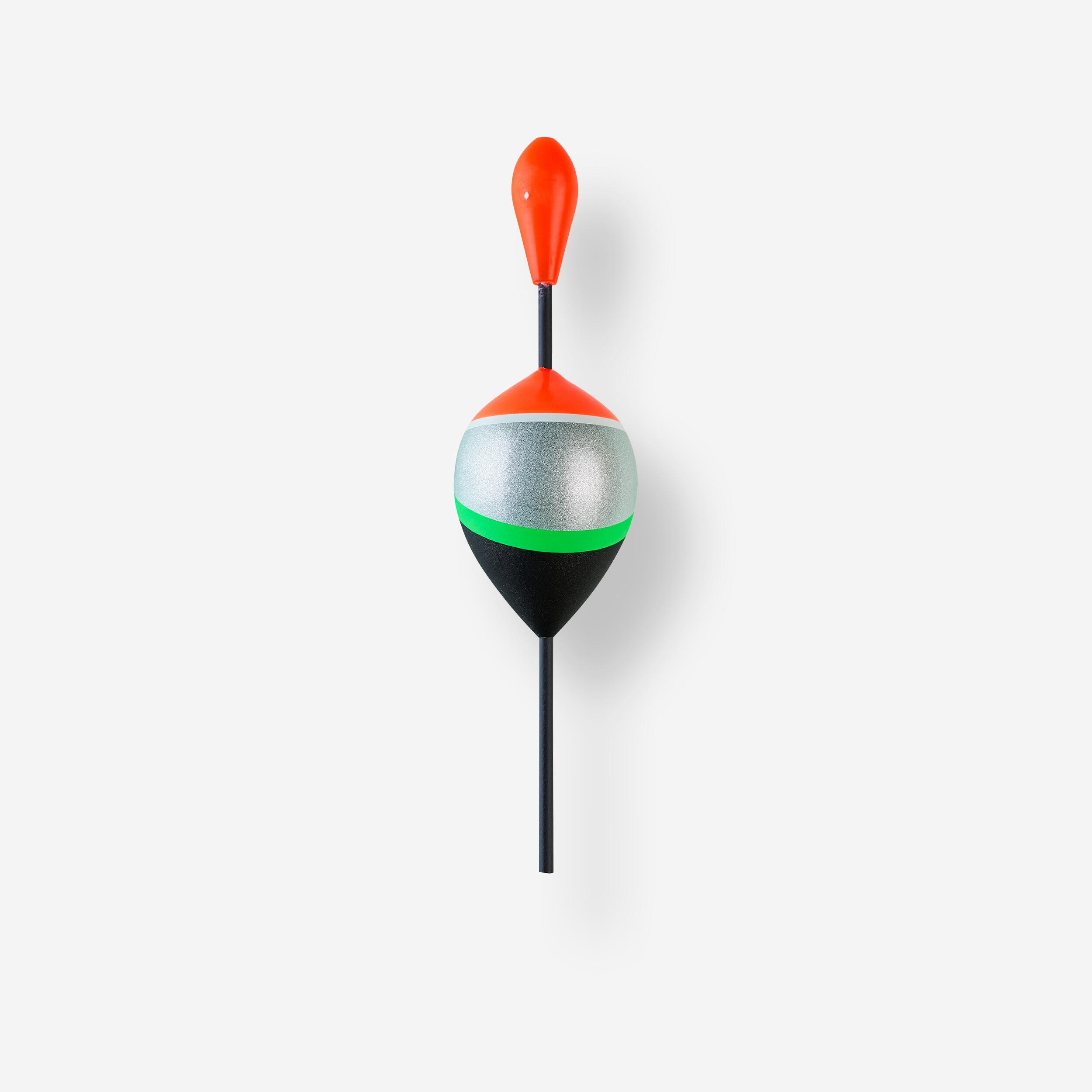
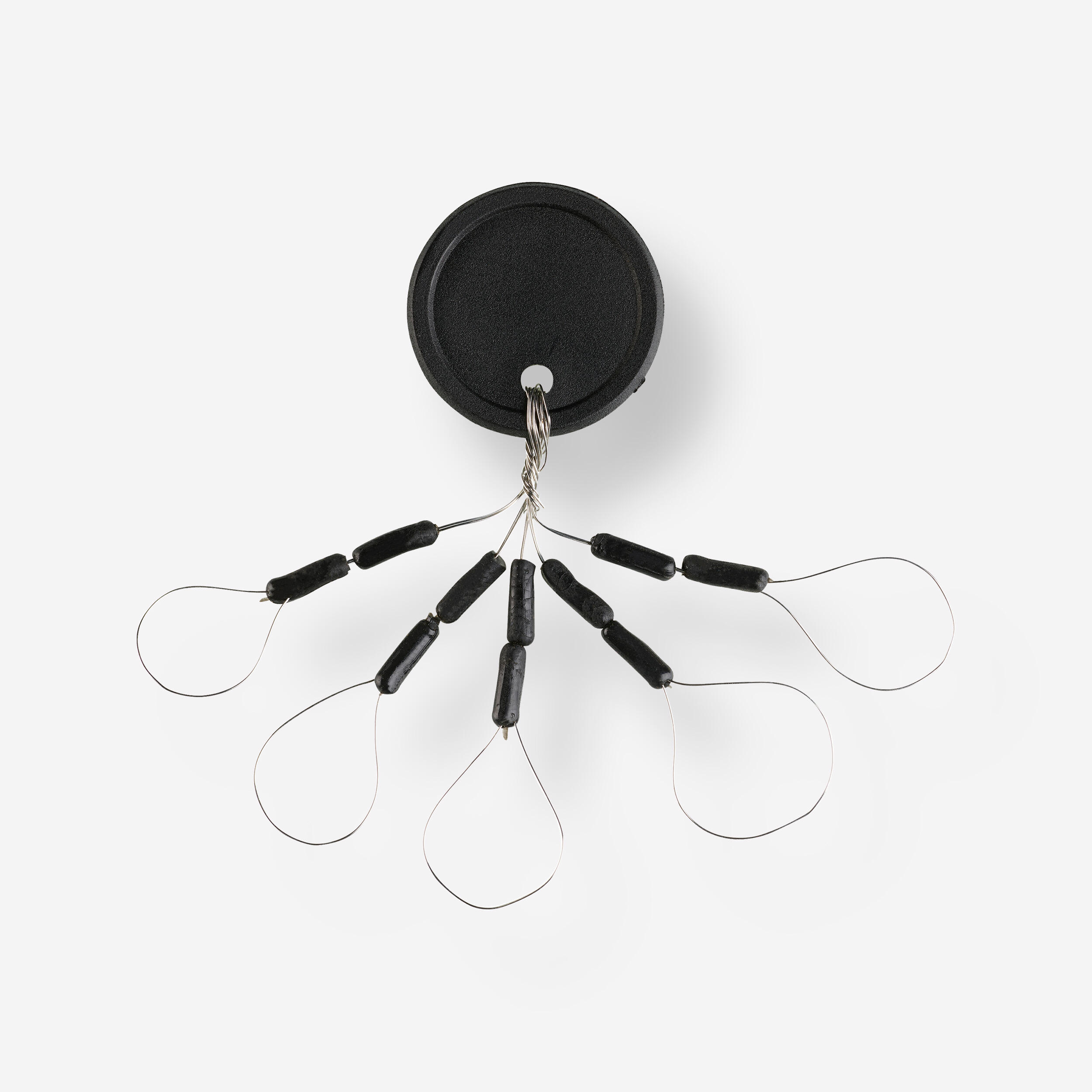
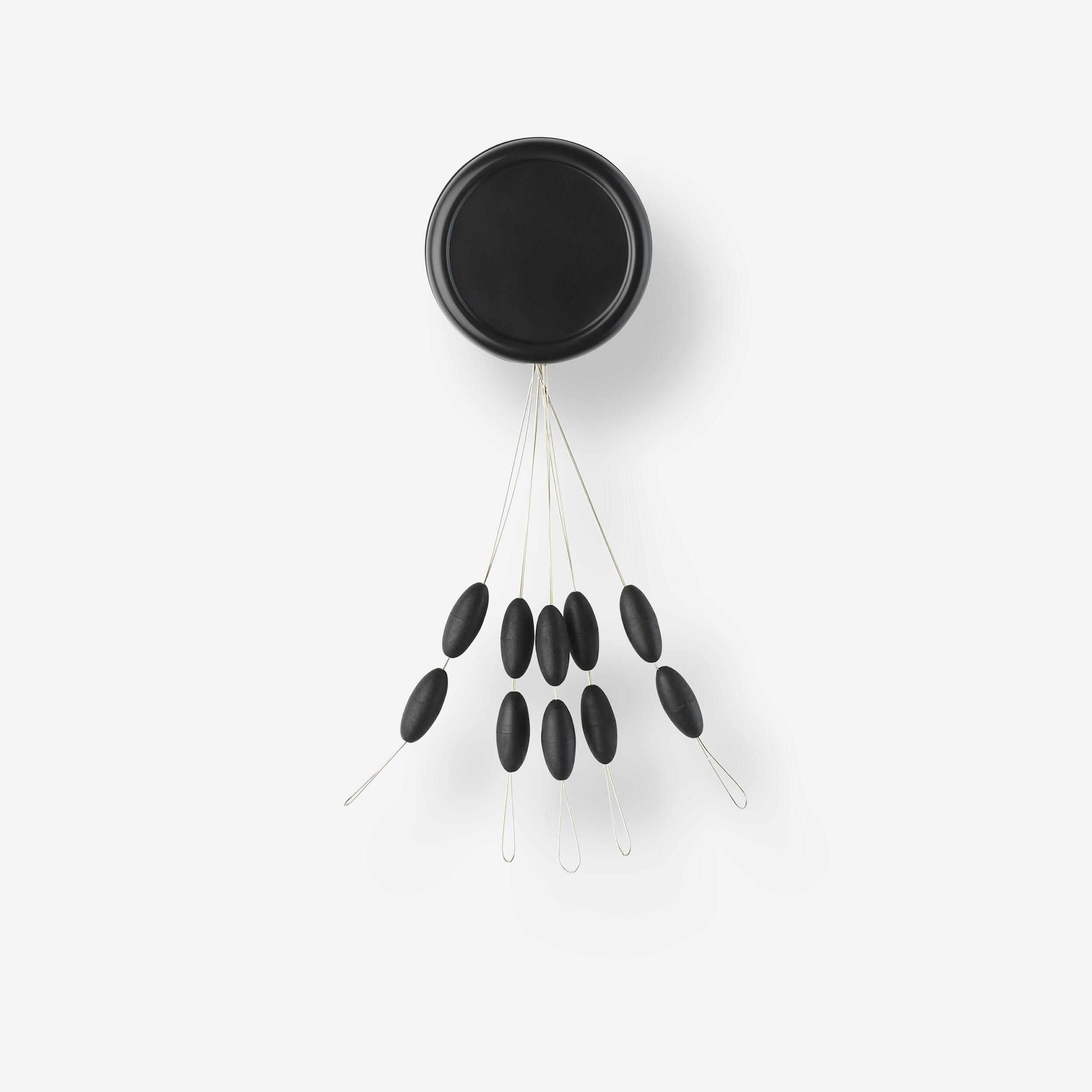
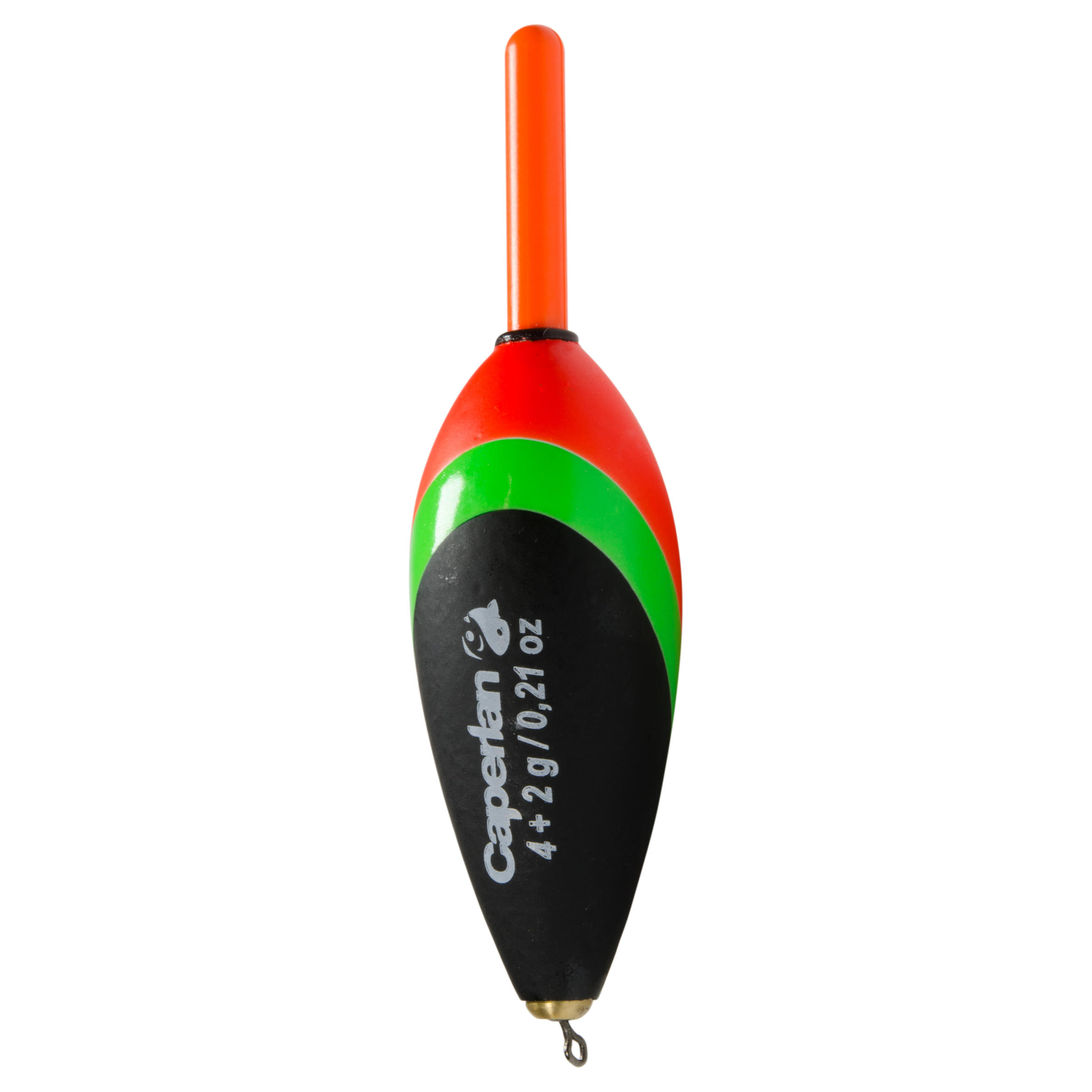
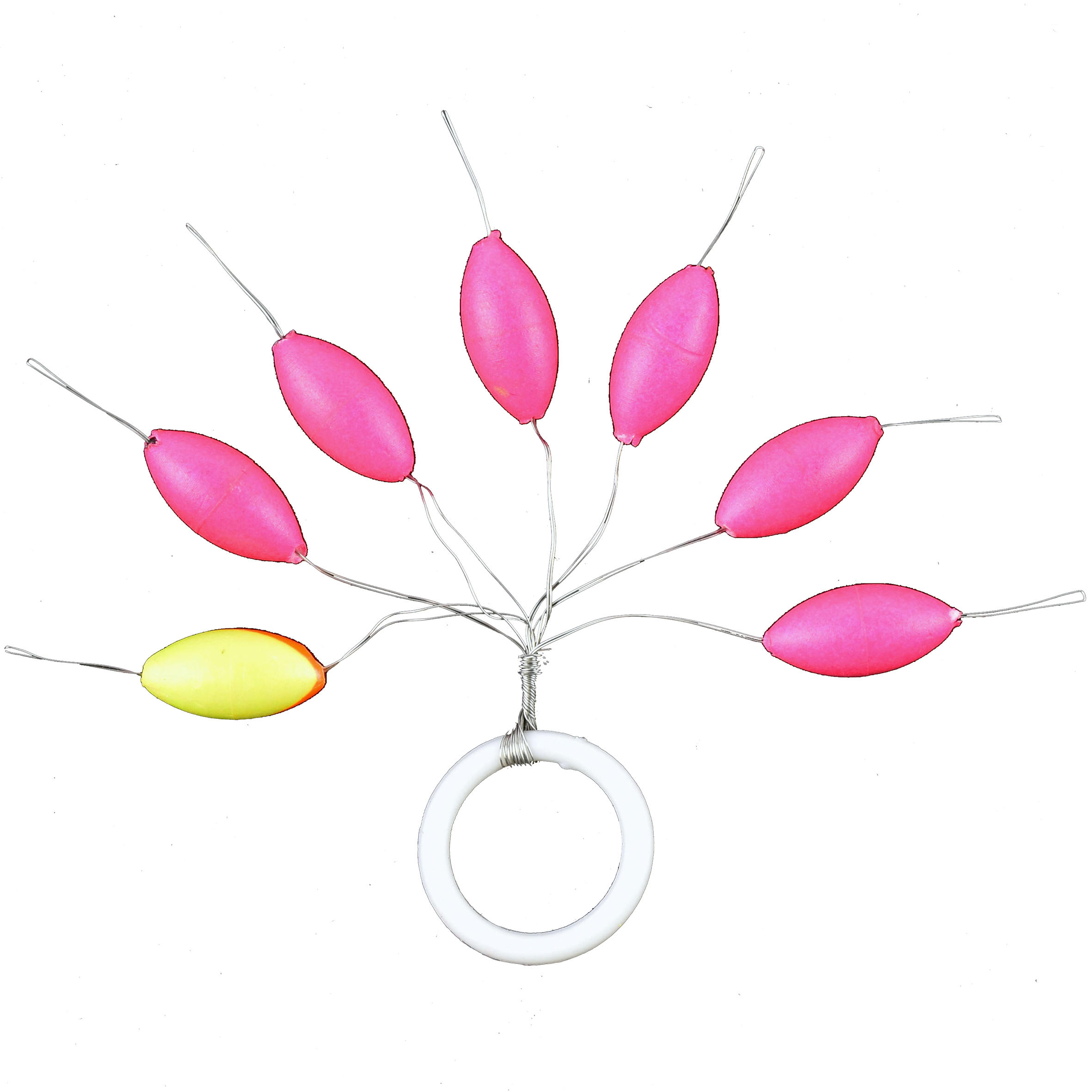
A sliding float moves along the main line until it reaches a float stop, letting you alter fishing depth without rebuilding the entire rig. This can help when trout feed deeper than a fixed float setup can comfortably cover. Caperlan's trout range includes dedicated sliding designs and adjustable float stops that you can move along the line without damaging it. A trout fishing ledgering float provides another option when bait size, buoyancy and depth control need to work together. Set the stop first, cast carefully and then watch how the float settles. If you miss bites at one depth, move the stop gradually rather than making several rig changes at once.

When are multi-purpose trout floats useful?

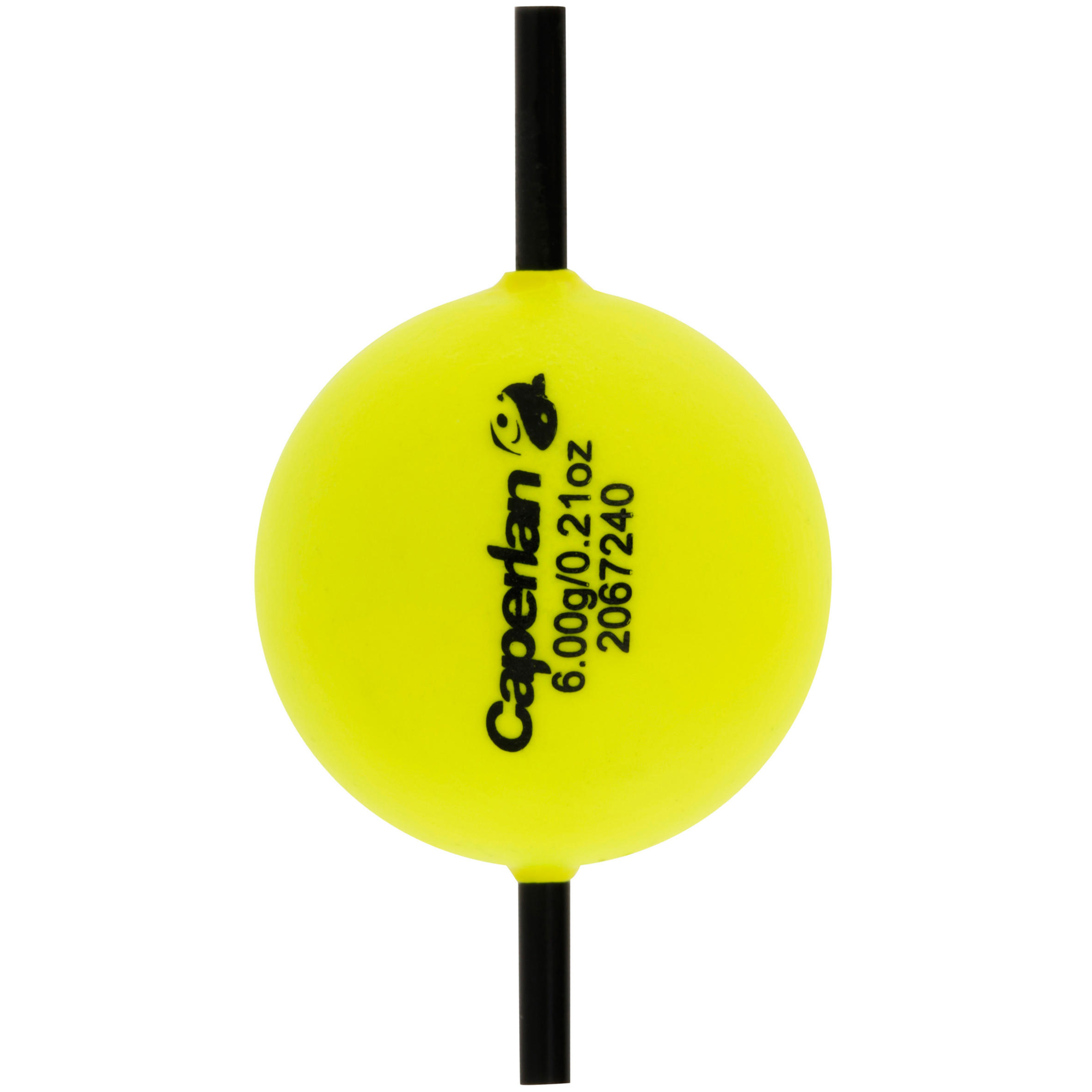
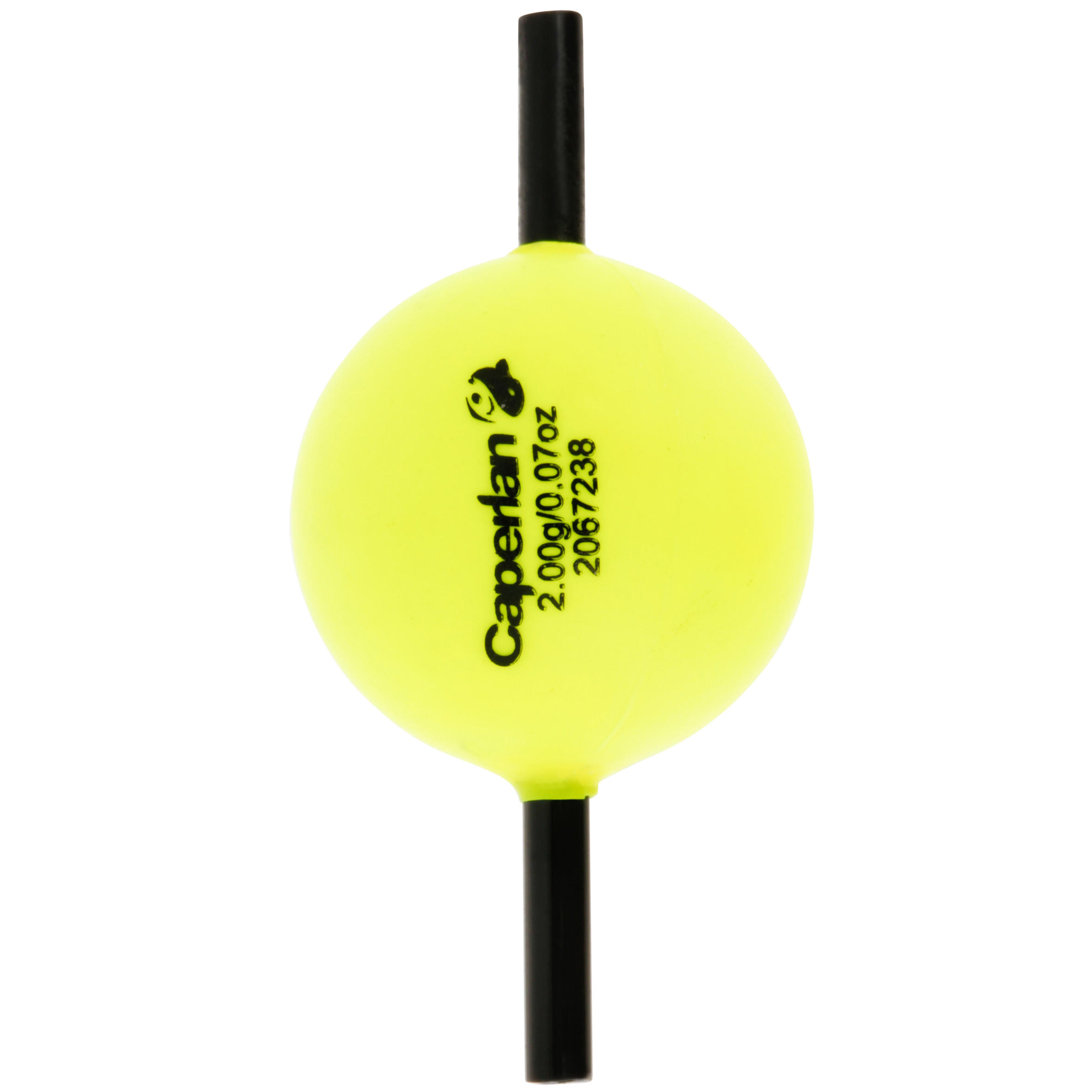
Multi-purpose floats are useful when you want one set to cover several casting weights or visibility conditions. Caperlan's trout fishing multi-purpose floats include 3 g, 4 g and 6 g sliding options, so you can increase casting weight when wind or distance makes a lighter float difficult to control. The set also uses different antenna constructions, including detachable versions that can accept a 4.5 mm glow stick. This makes the same float family adaptable when light levels change. Choose the lightest weight that still casts accurately and remains stable, then move up only when the venue or weather requires more mass. Store detachable antennae together so you don't lose small components between sessions.

What is the role of traditional cork-style trout floats?

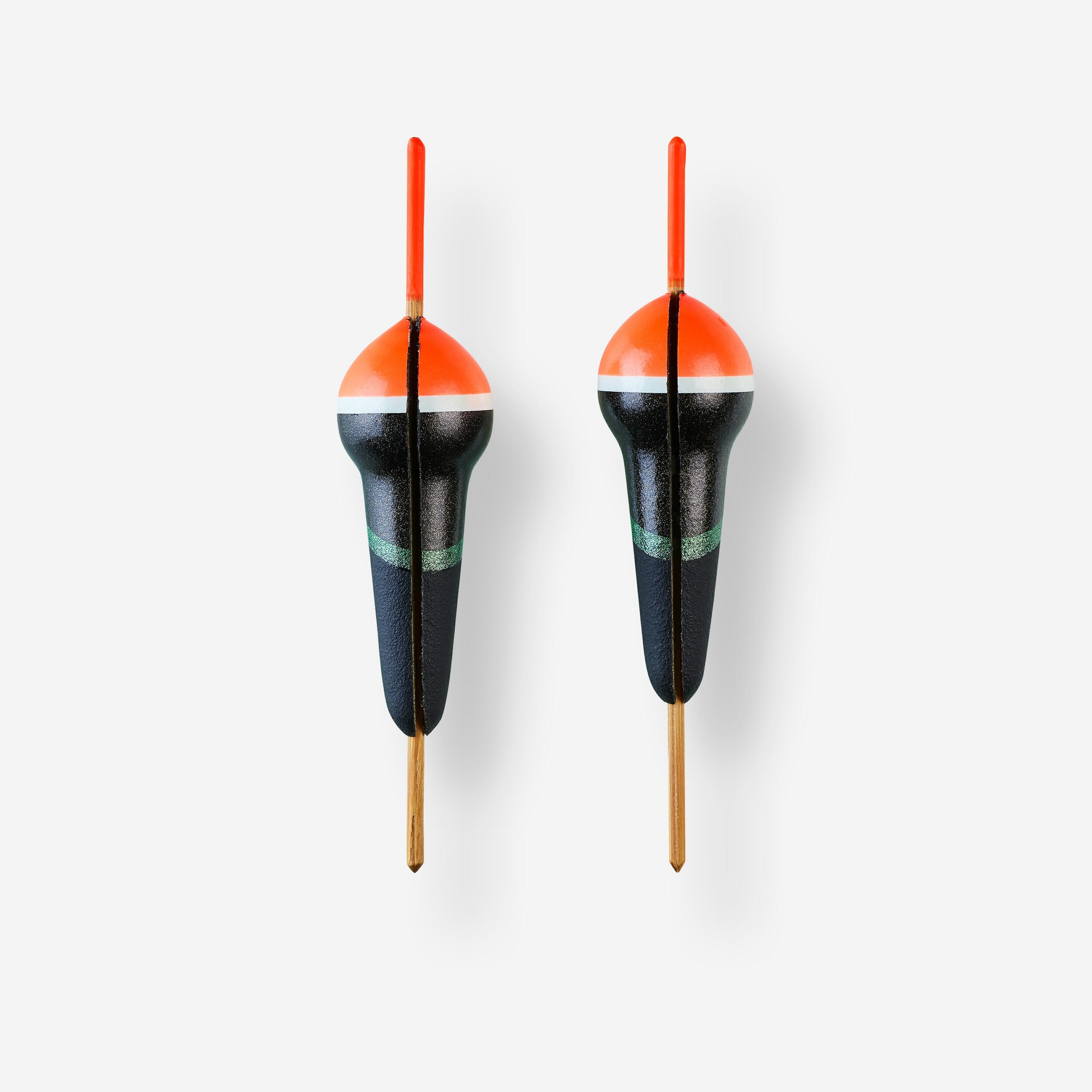
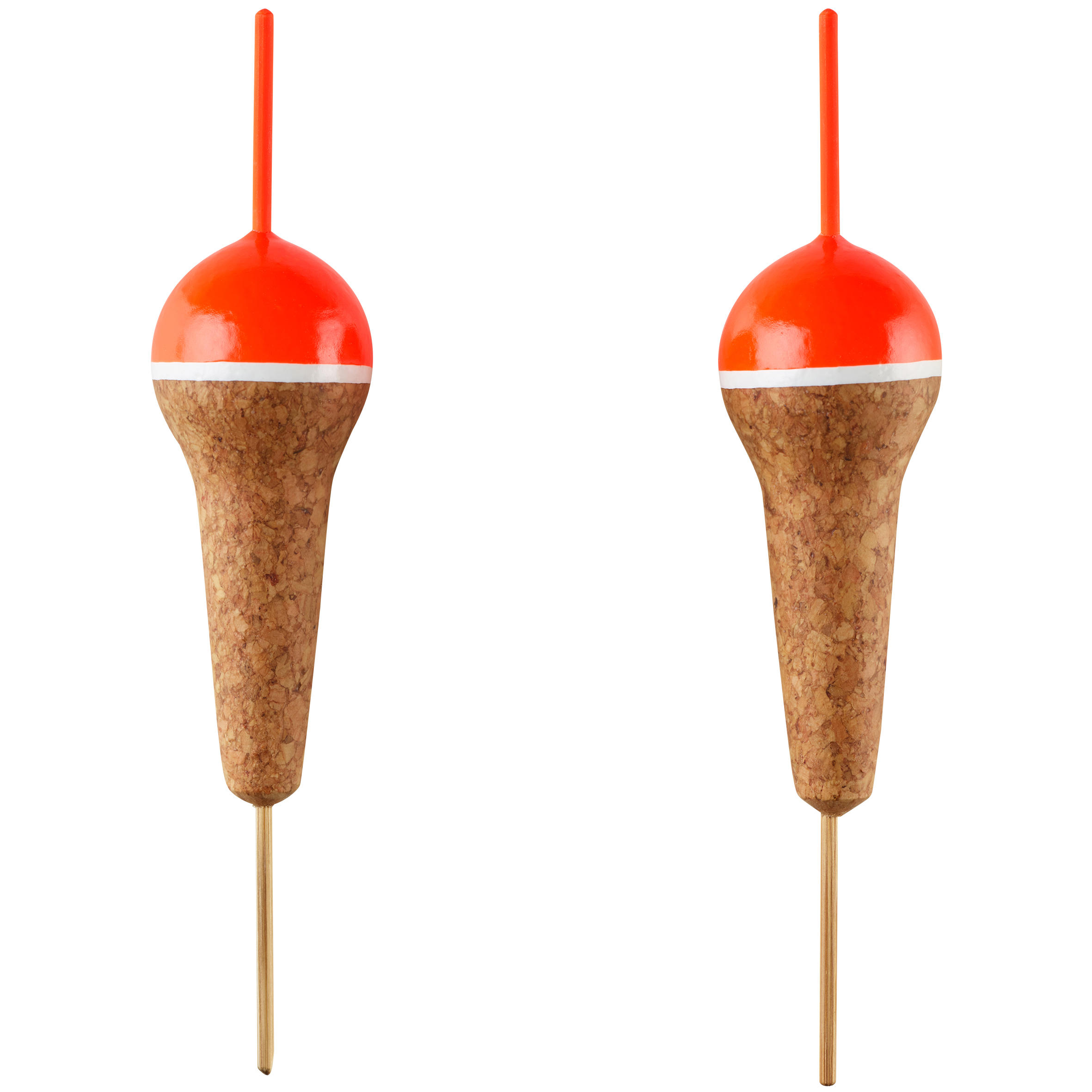
Traditional cork-style floats give you another body format alongside Caperlan's polyurethane, wooden and balsa designs. The choice still comes back to how the float sits in the water, how easily you can see it, and whether its buoyancy matches the bait and weight on the line. Trout fishing Toulouse-style cork floats can therefore be considered when you prefer this classic construction for a simple trout rig. Don't assume one material is automatically more sensitive or stable in every situation; body shape, antenna design and how the rig is weighted also affect performance. Test the float in the water after shooting so the visible section is appropriate for bite indication.

Where are trout fishing floats best kept to prevent damage?

Keep floats in a compartment or protective box where antennae, stems and bodies cannot be crushed by sinkers, hooks or heavier tackle. This is especially important for more technical balsa floats, detachable antennae and sliding-float components. Caperlan advises keeping selected MTCH floats away from excessive heat and direct sunlight, which helps protect the mixed materials used in the body and antenna system. After trout fishing, remove weed or dirt, let wet floats dry and check the attachment points before storage. Keep float stops, silicone or other small rigging pieces with the floats they are used with so the complete setup is ready next time. Replace damaged stems or cracked bodies rather than relying on a float that no longer sits or slides correctly.