22 items
4.6/5 based on 4119 reviews collected online and in stores

Trout Fishing Lines and Leader FAQs

When is fluorocarbon suitable for a trout leader?

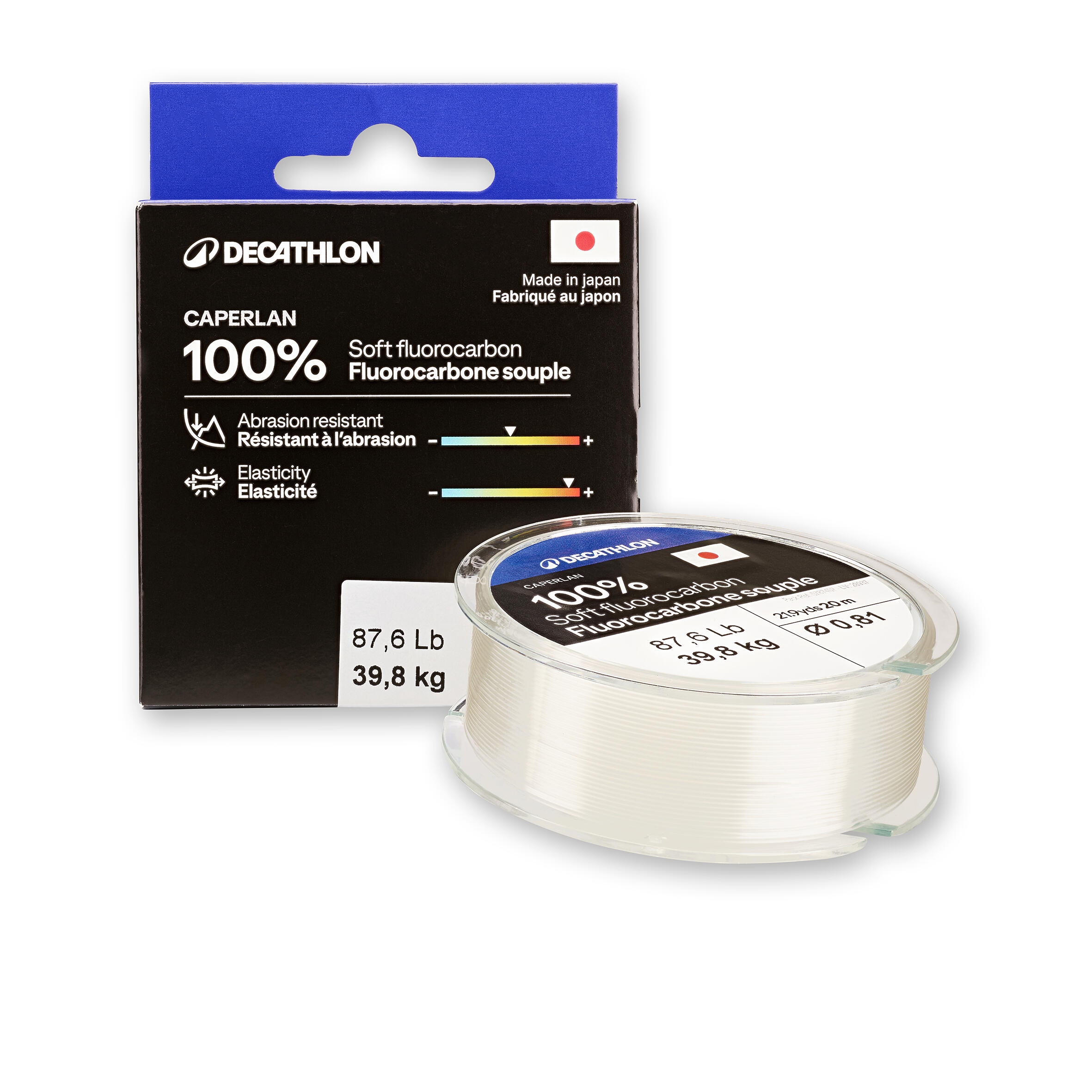
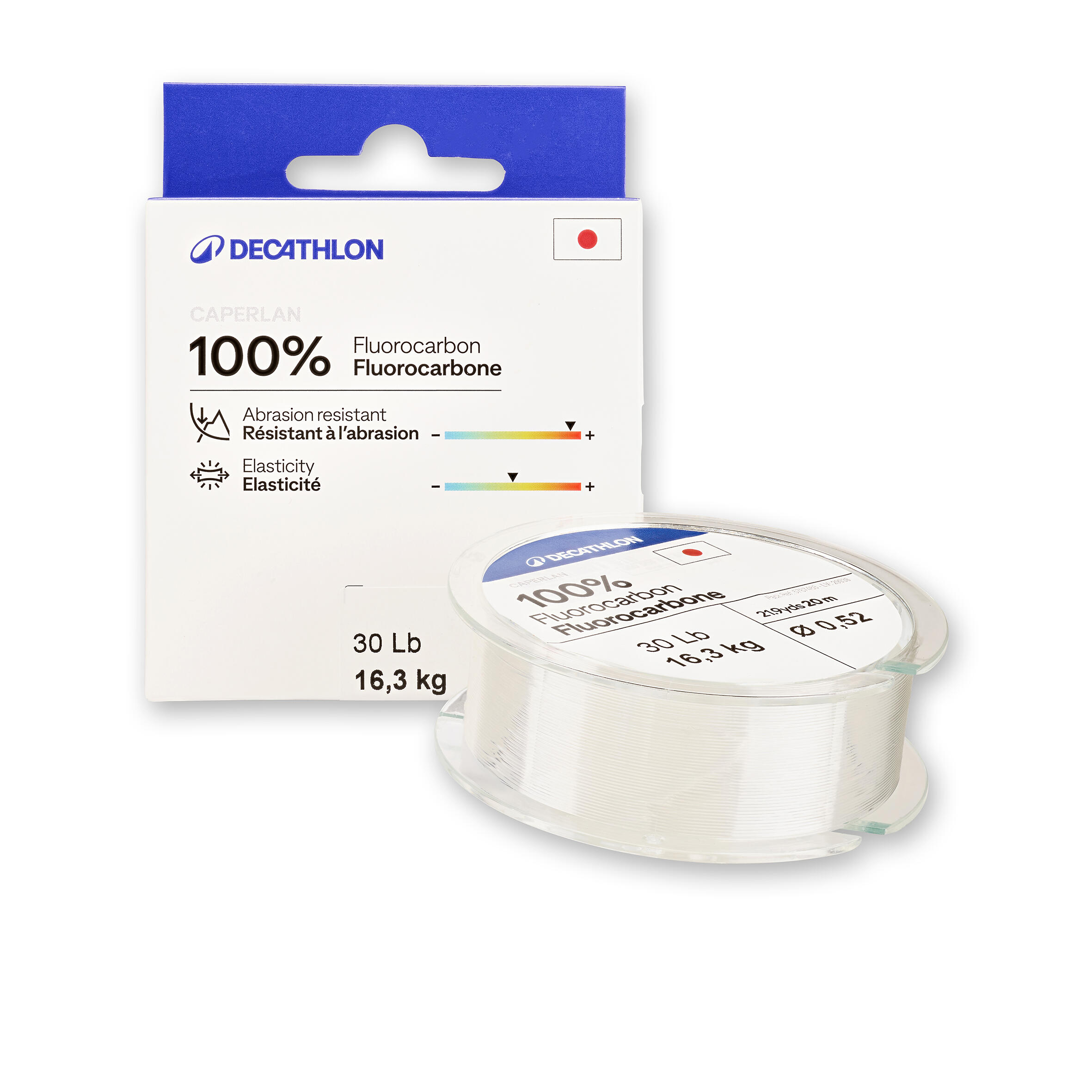
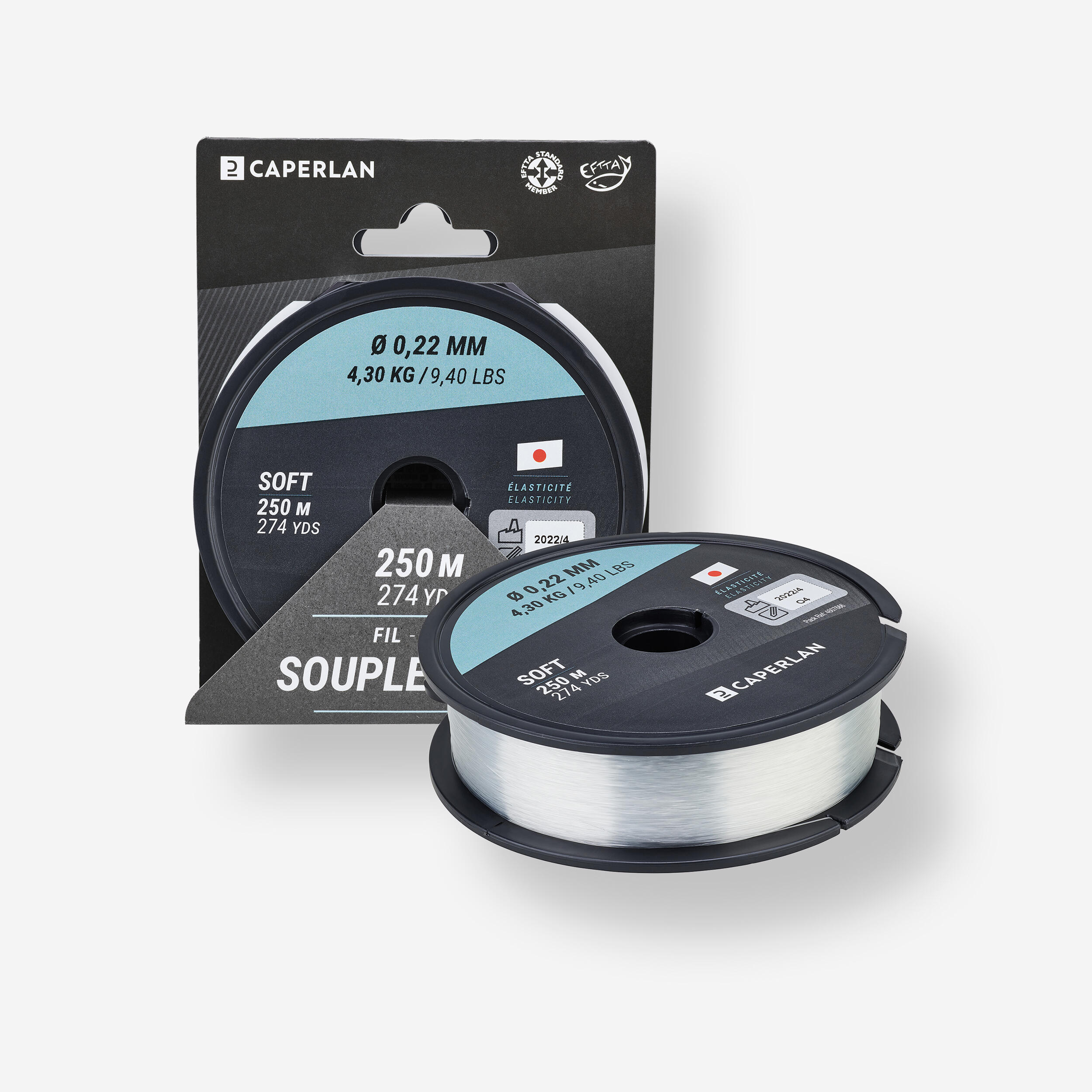
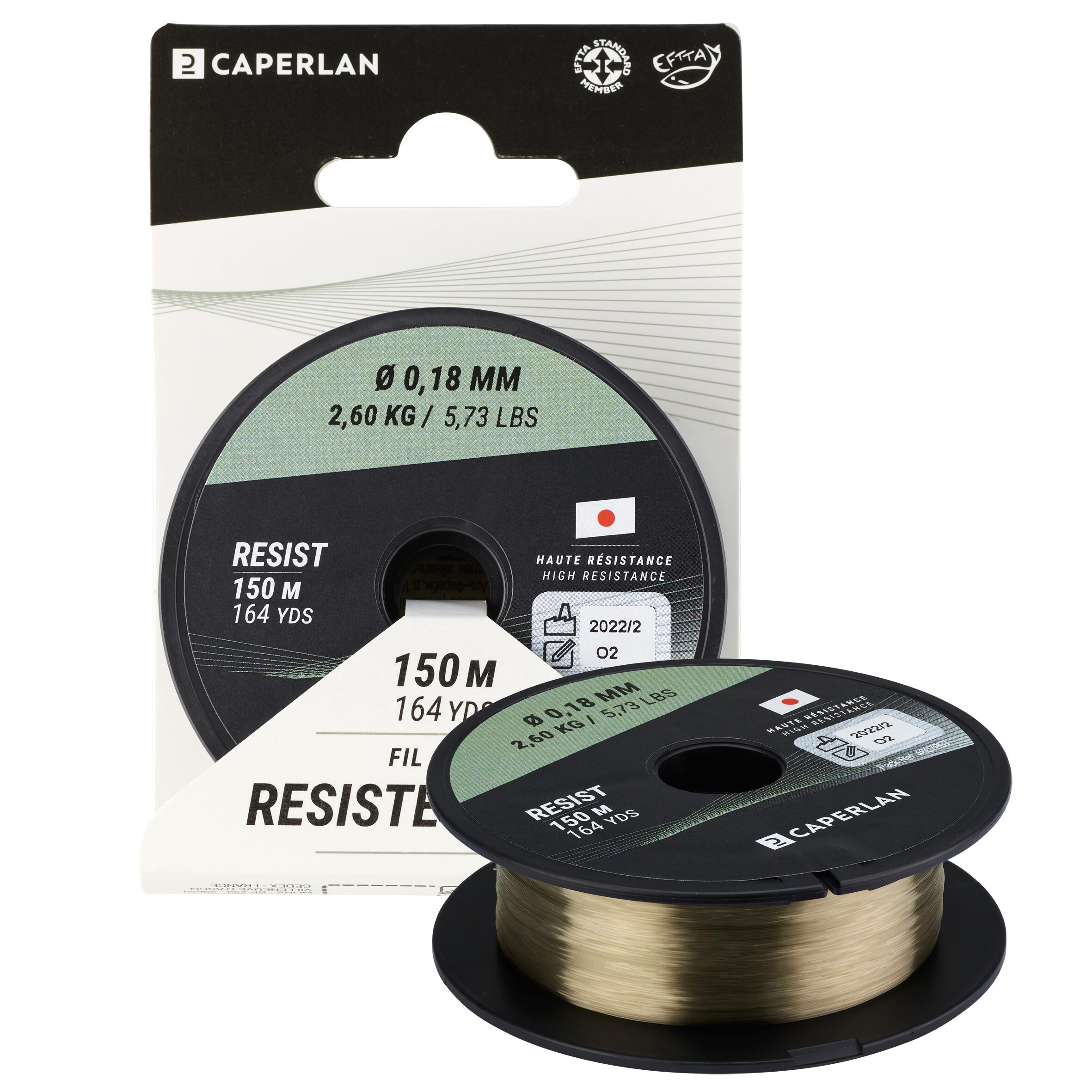
Fluorocarbon can be useful when you want the final section of the rig to remain discreet while still matching the leader material to the fishing situation. Caperlan's trout fishing fluorocarbon lines include a 100% Japanese fluorocarbon SOFT version with a refractive index close to water. Its flexibility and low shape memory are intended to support more natural bait or lure movement, while some elasticity helps absorb sudden pulls. Caperlan also distinguishes this from HARD fluorocarbon, which is stiffer and better suited to abrasion around rocks, structures or other rough features. Choose the material according to presentation and abrasion risk rather than assuming the hardest fluorocarbon is automatically the best option.

What is the difference between nylon and fluorocarbon-coated trout line?

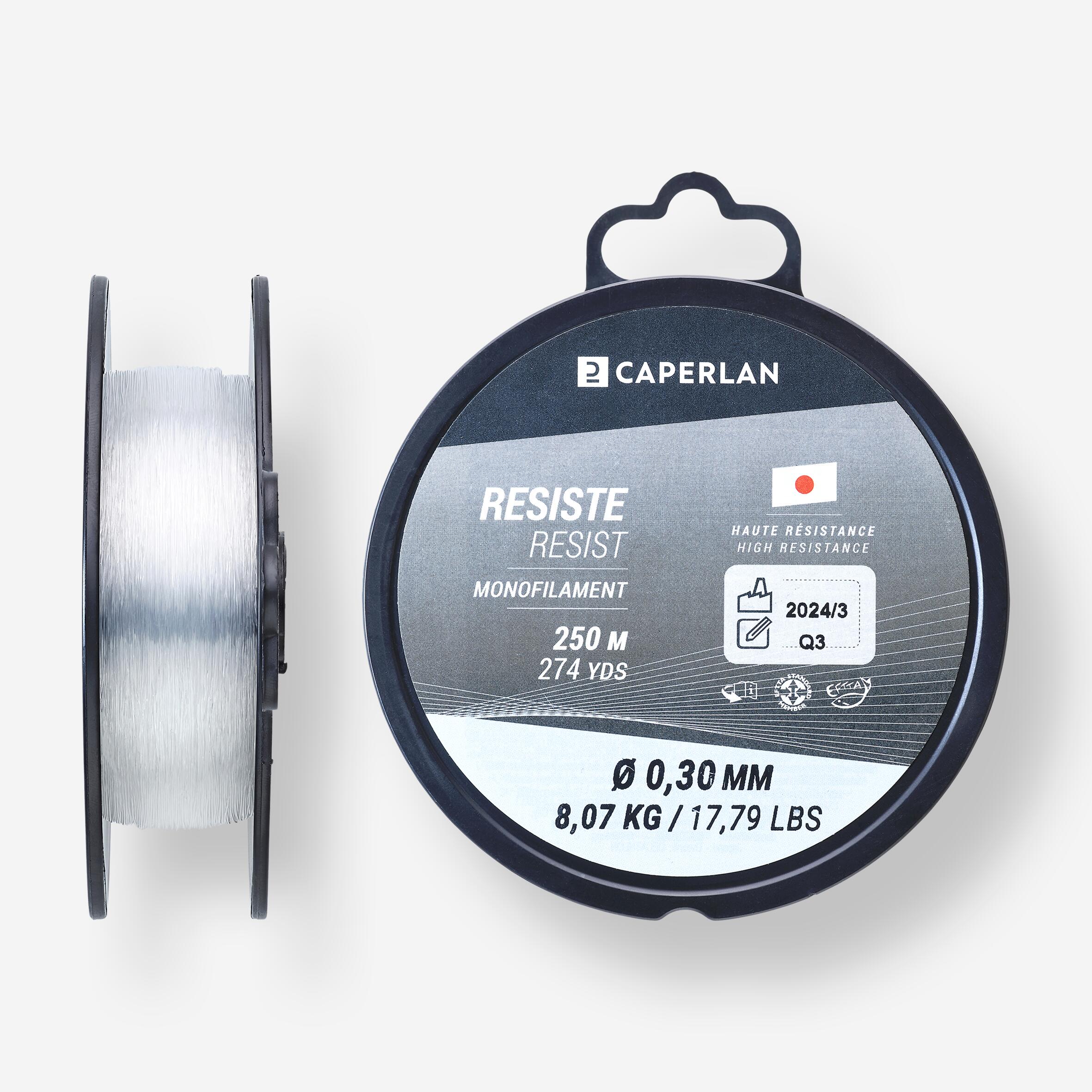
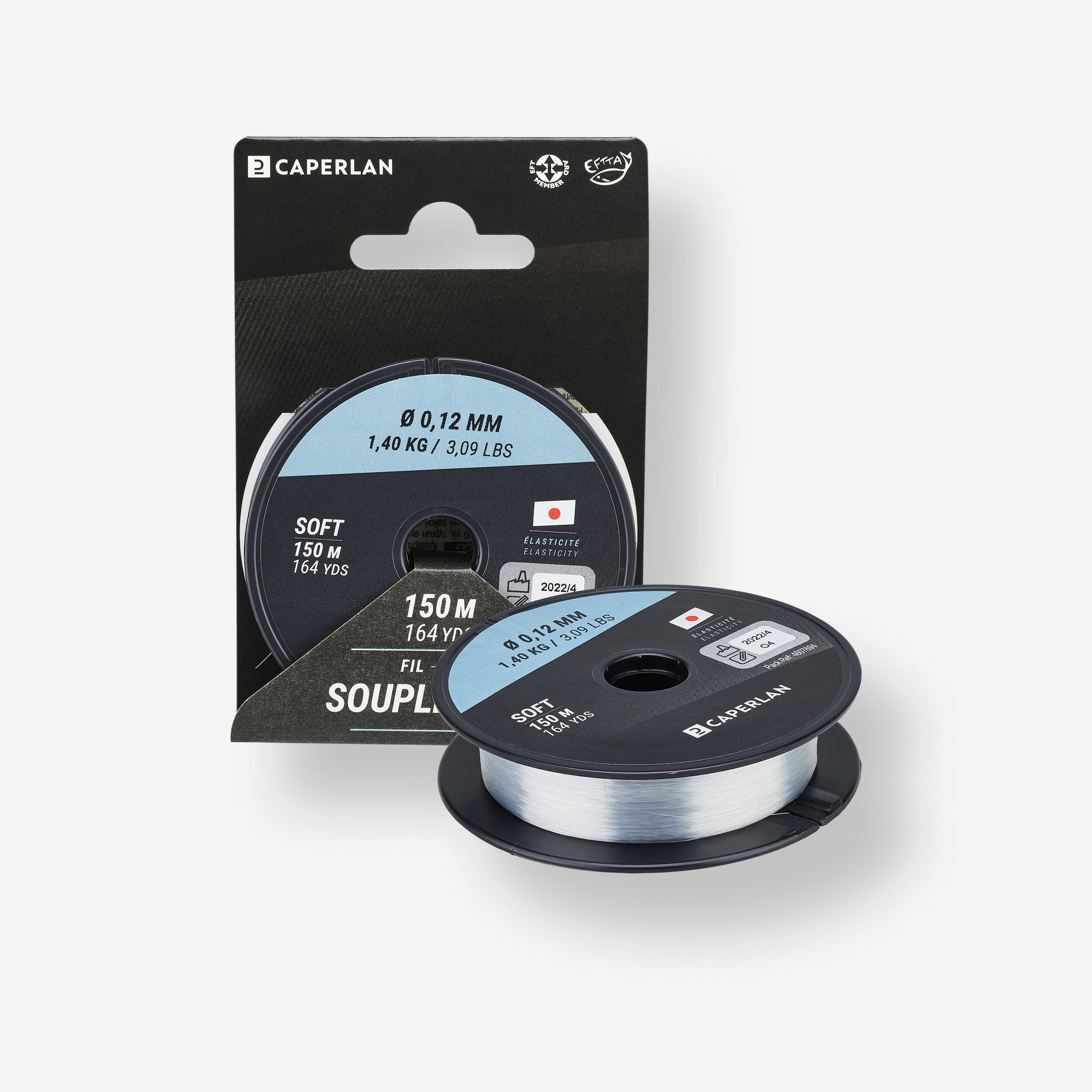
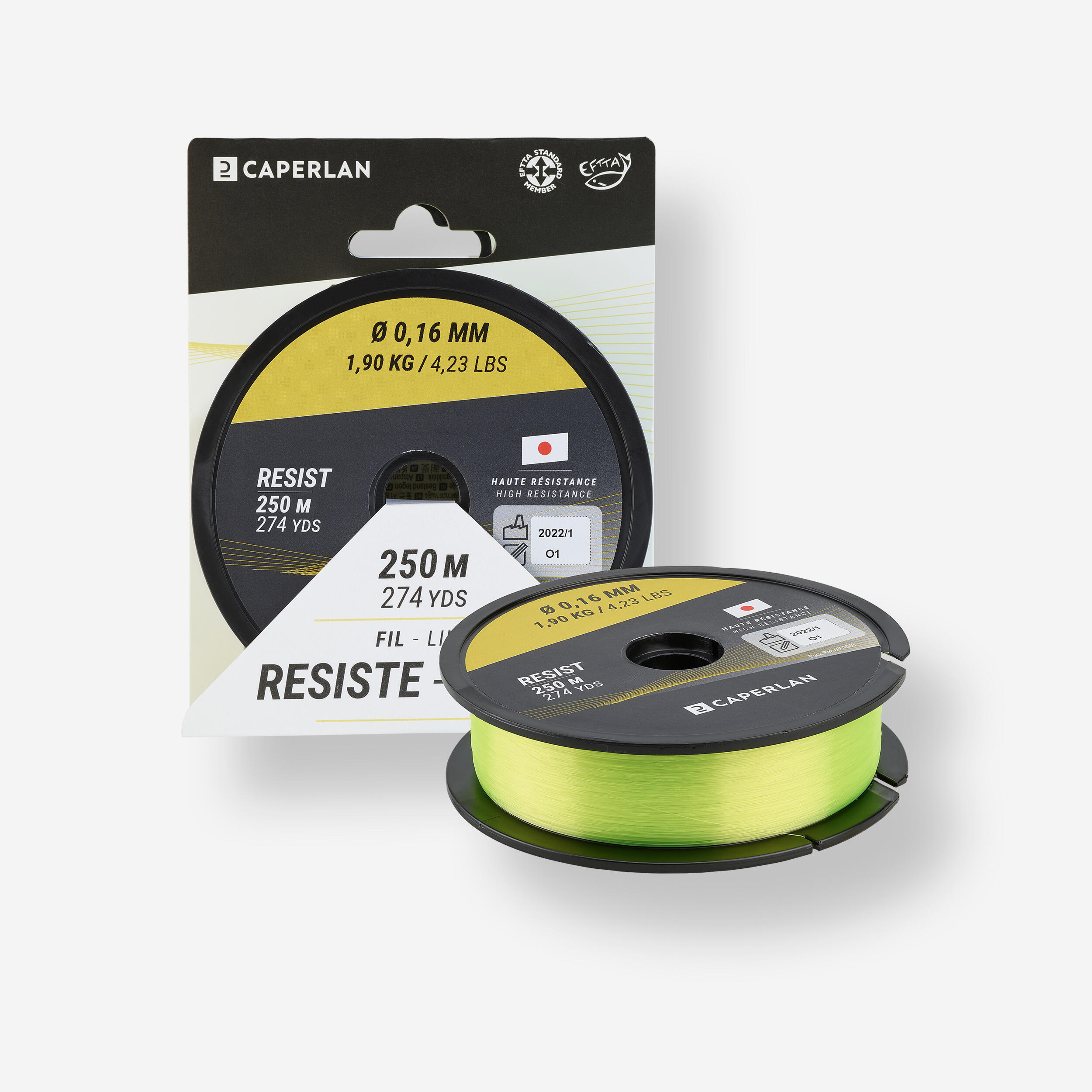
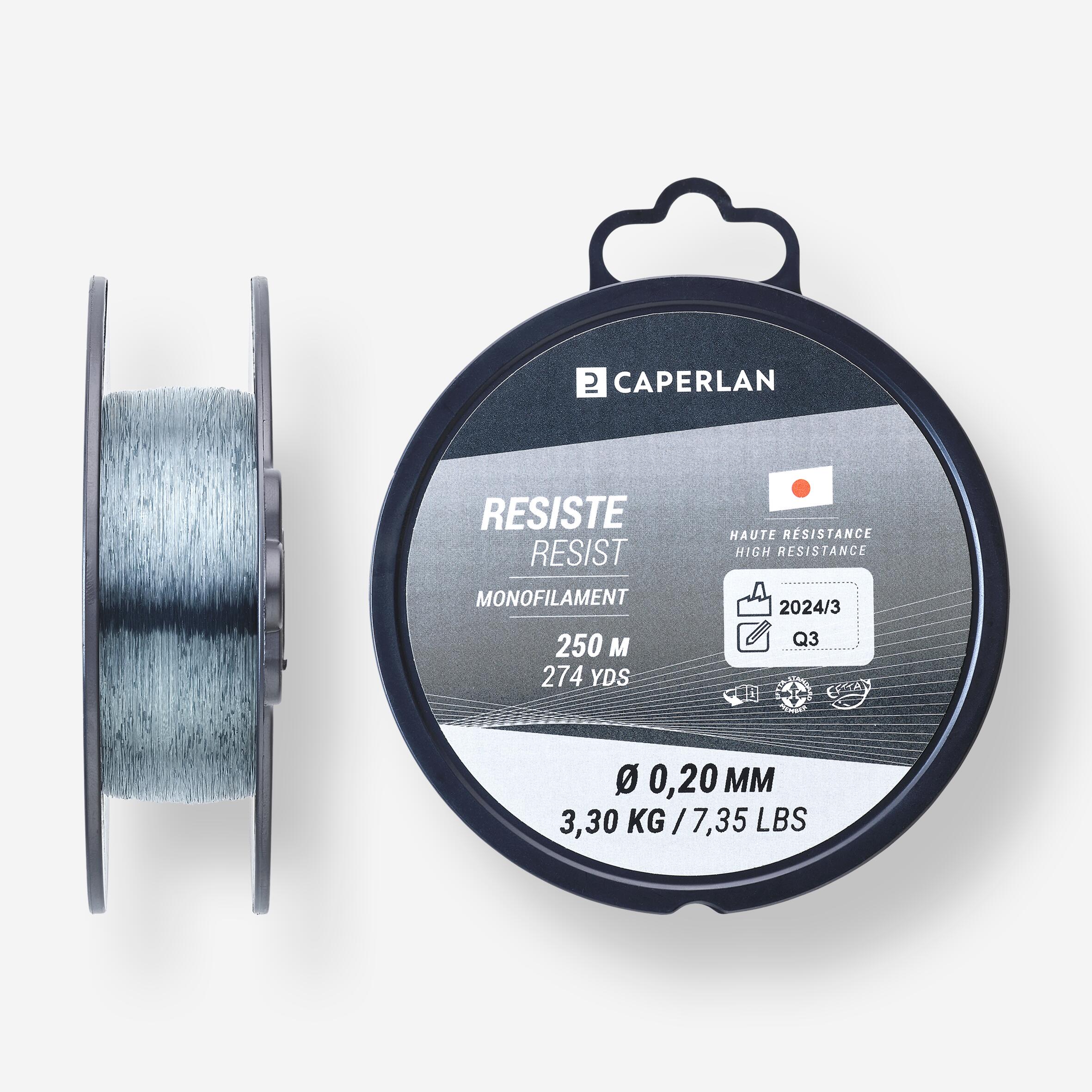
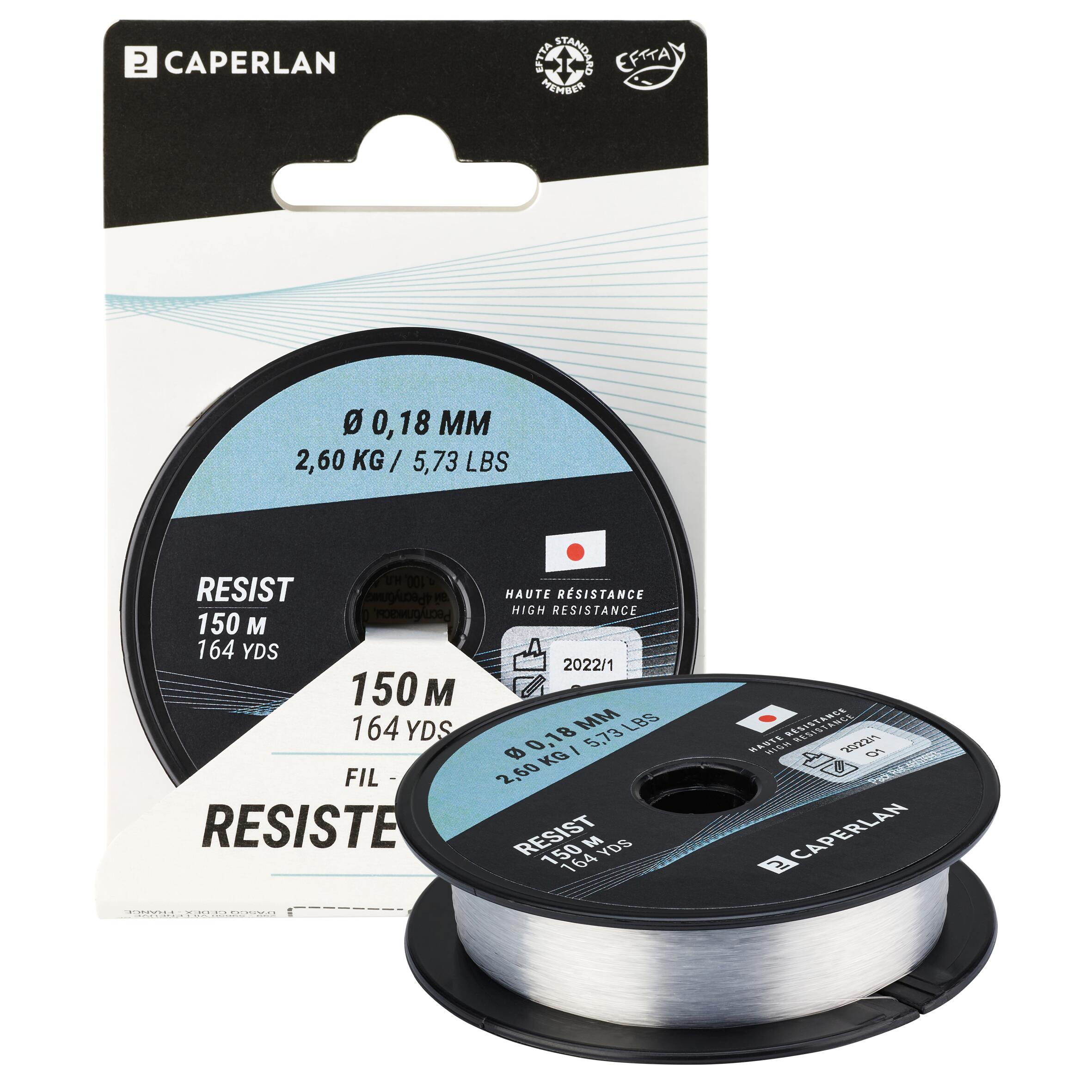
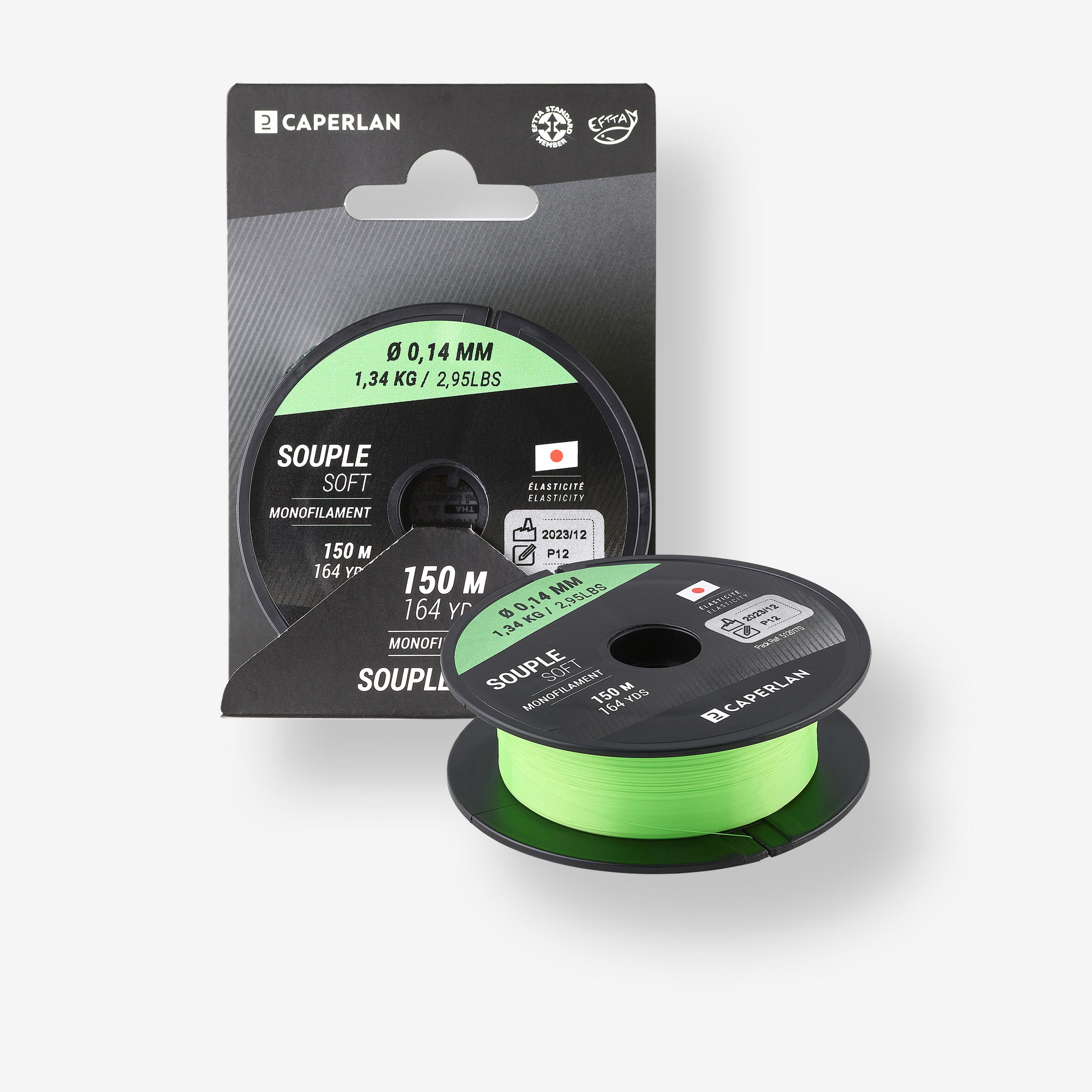
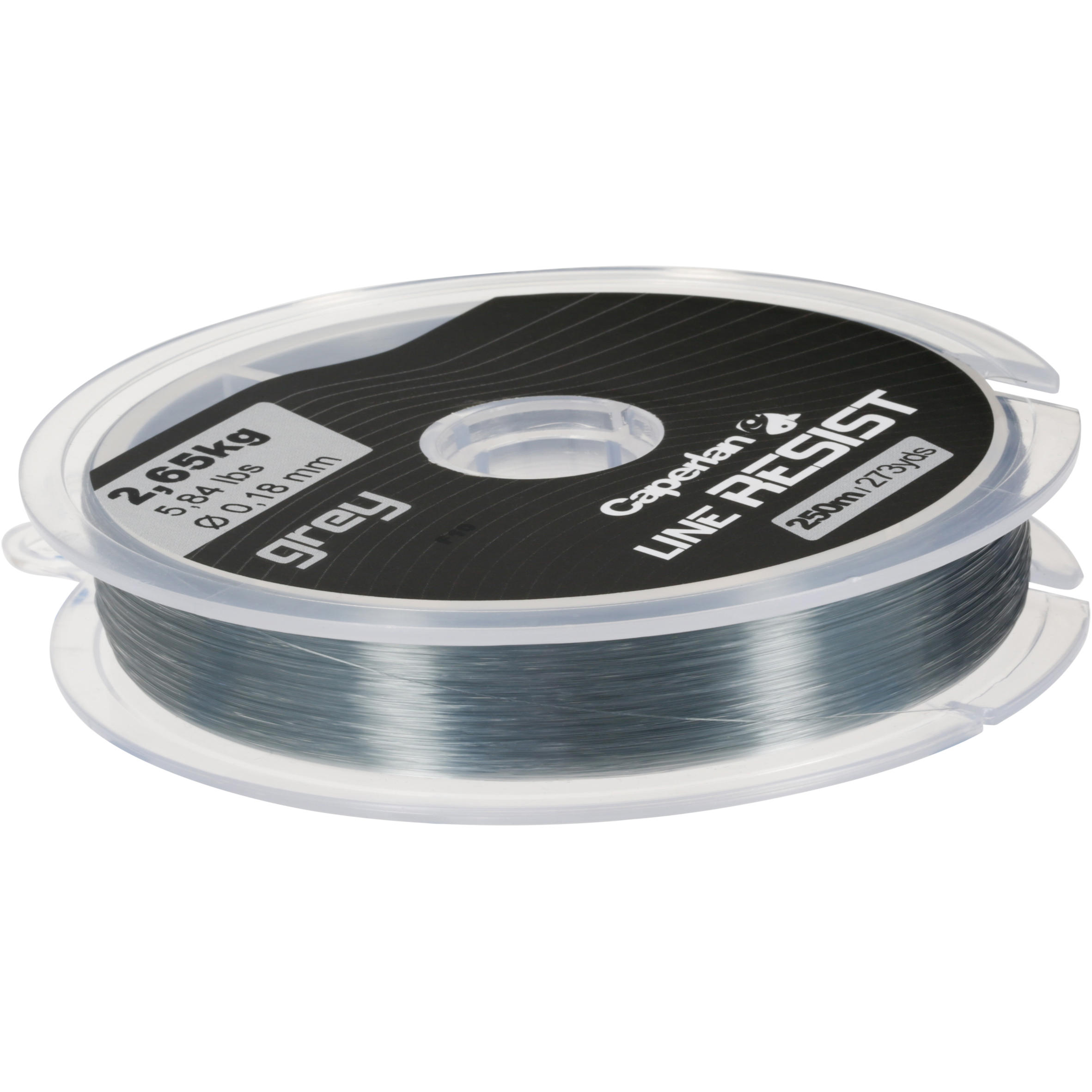
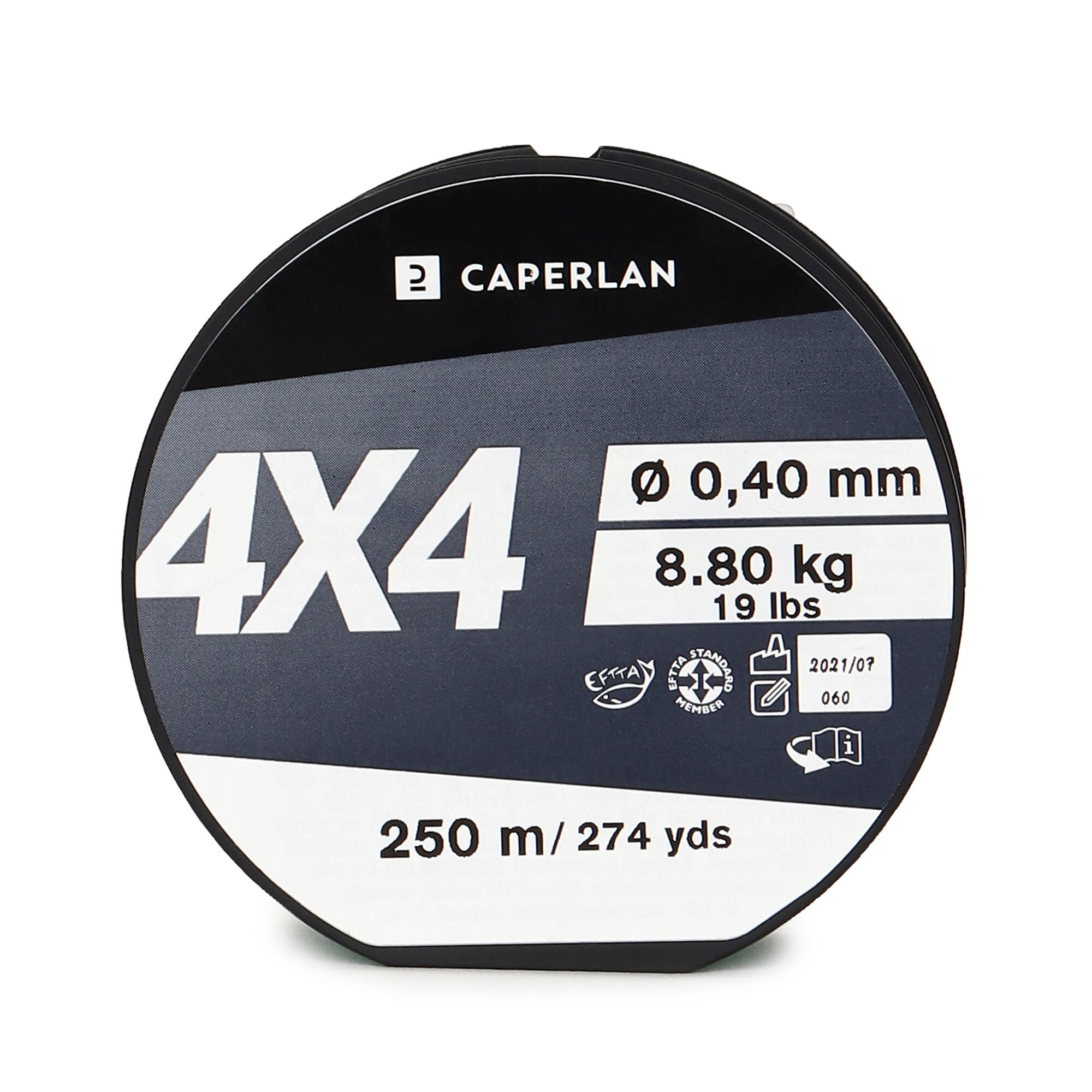
Nylon and fluorocarbon-coated copolymer behave differently, so the better choice depends on how much stretch, visibility and line glide you want. Caperlan's 4X4 nylon has around 30% stretch, creating a more forgiving general-purpose line with useful knot strength. By contrast, Crystal Resist trout fishing lines use Japanese copolymer with a fluorocarbon coating. Decathlon links that coating with improved glide, while the transparent construction makes the line less visible underwater. Crystal Resist also lists breaking strain by diameter, helping you compare line more precisely than relying on a general strength description. Match diameter to the reel, rod and target fish, and avoid stepping up unnecessarily if a finer line already provides sufficient strength.

How are ready-rigged lines simplify trout ledgering?

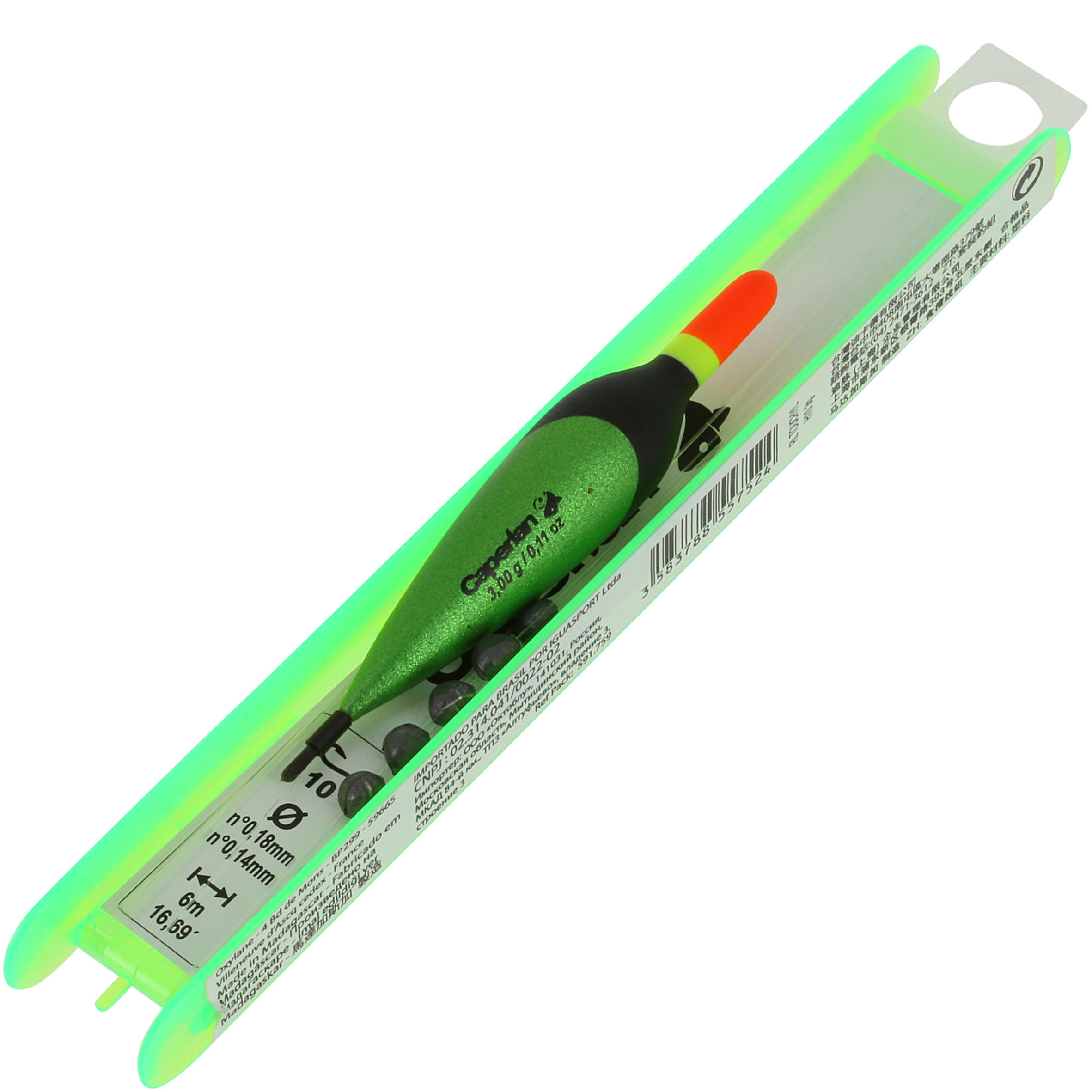
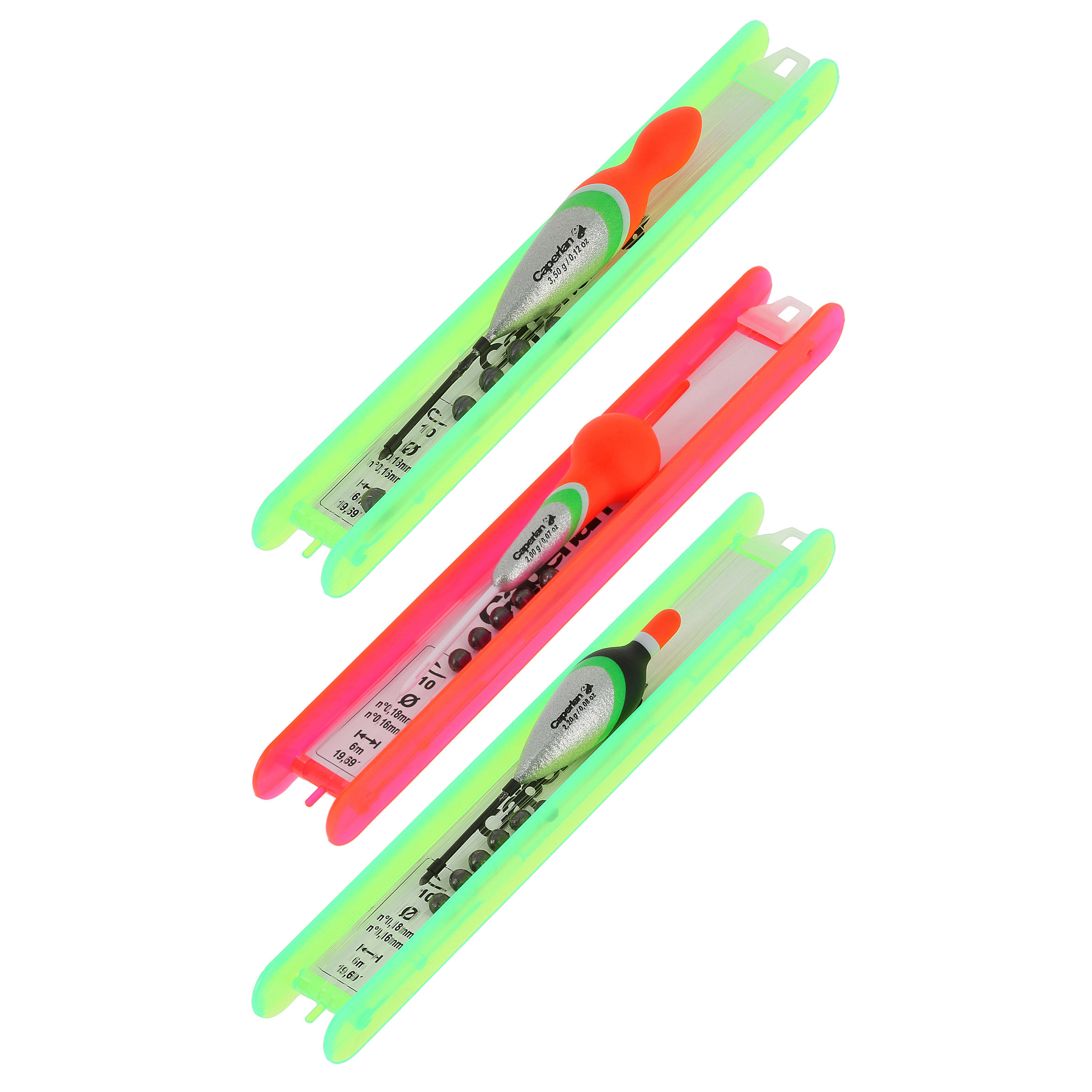
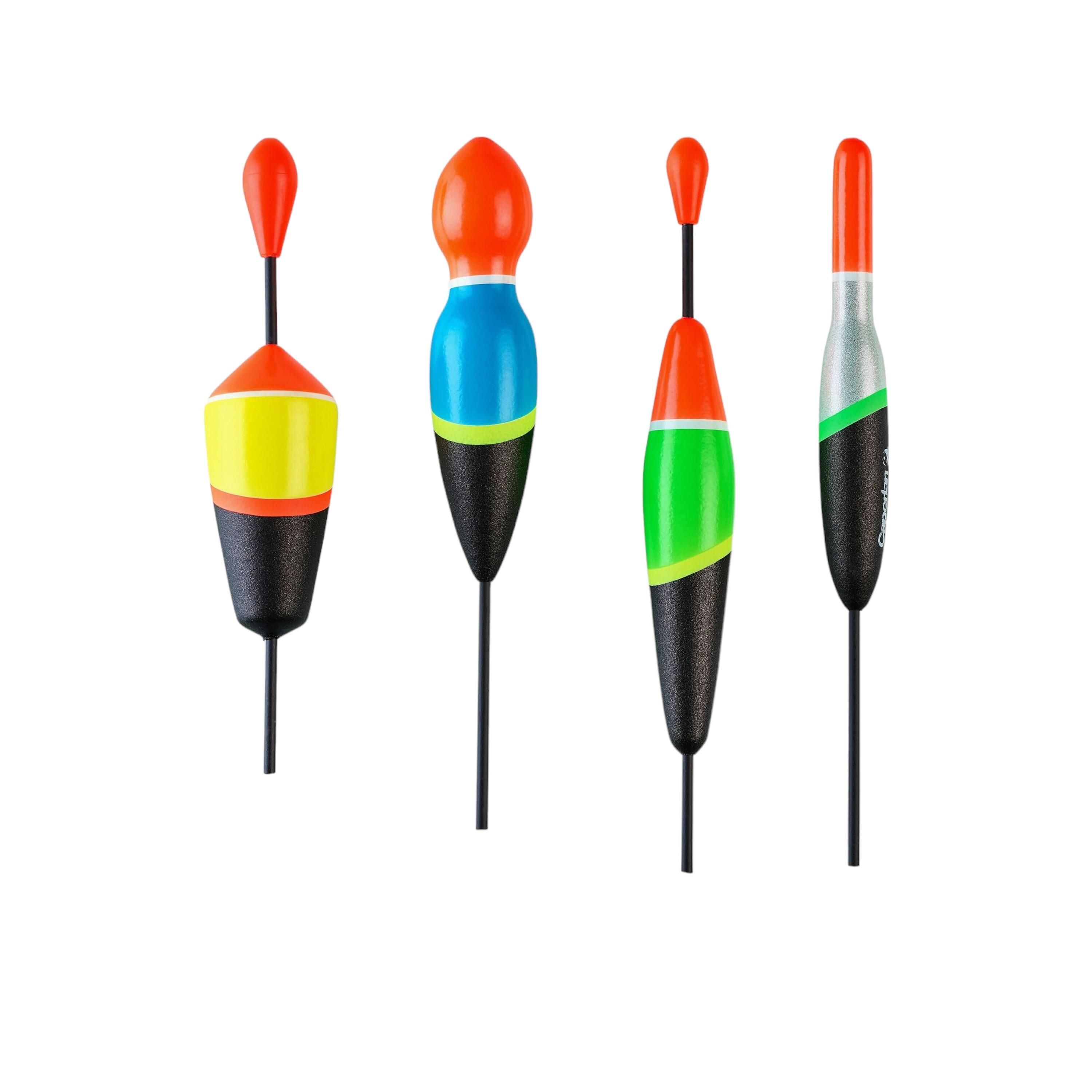
A prepared rig can save time when you want matched components without selecting the float, line, leader and hook individually. Caperlan's trout fishing ledgering rigged lines come as three 6 m rigs with the main line, leader, hook and 4-5 g float already assembled. This can be useful for newer anglers or for keeping a spare rig ready when a setup is damaged at the bank. Bright float colours provide the visibility you need at the surface, while the rest of the rig remains matched for the intended technique. Store each prepared line on a suitable winder so the leader and hook do not tangle, and inspect knots and nylon before reusing a rig from a previous session.

Which knot should you use to join fluorocarbon and braid for trout fishing?

The knot should suit the difference in diameter between the braid and fluorocarbon. Caperlan recommends a Double Grinner when the two lines have relatively similar diameters, while FG or Albright knots are suggested when the difference is greater. Moistening the knot before tightening is important because friction generates heat that can weaken fluorocarbon. This matters when building a fine trout fishing setup where the leader may be one of the lighter parts of the rig. Tighten the knot progressively, trim tag ends neatly and test the connection by hand before casting. If the knot looks uneven or the fluorocarbon shows whitening, flattening or damage after tightening, retie it rather than trusting a compromised connection.

What care does trout line and leader material need between sessions?

Keep line away from unnecessary heat, strong sunlight and prolonged UV exposure, particularly when storing spare leader material for long periods. Caperlan advises keeping several nylon and copolymer lines away from light, while its fluorocarbon spools include a retaining strap that also helps protect the material from UV. After game fishing, check the working end of the line for roughness, coils or abrasion before putting the reel away. Replace damaged sections rather than leaving them for the next trip. Keep loose leader secured on the spool so it cannot unravel or kink inside the tackle box, and store ready-rigged lines separately from heavy sinkers or sharp hooks that could mark the nylon during transport.