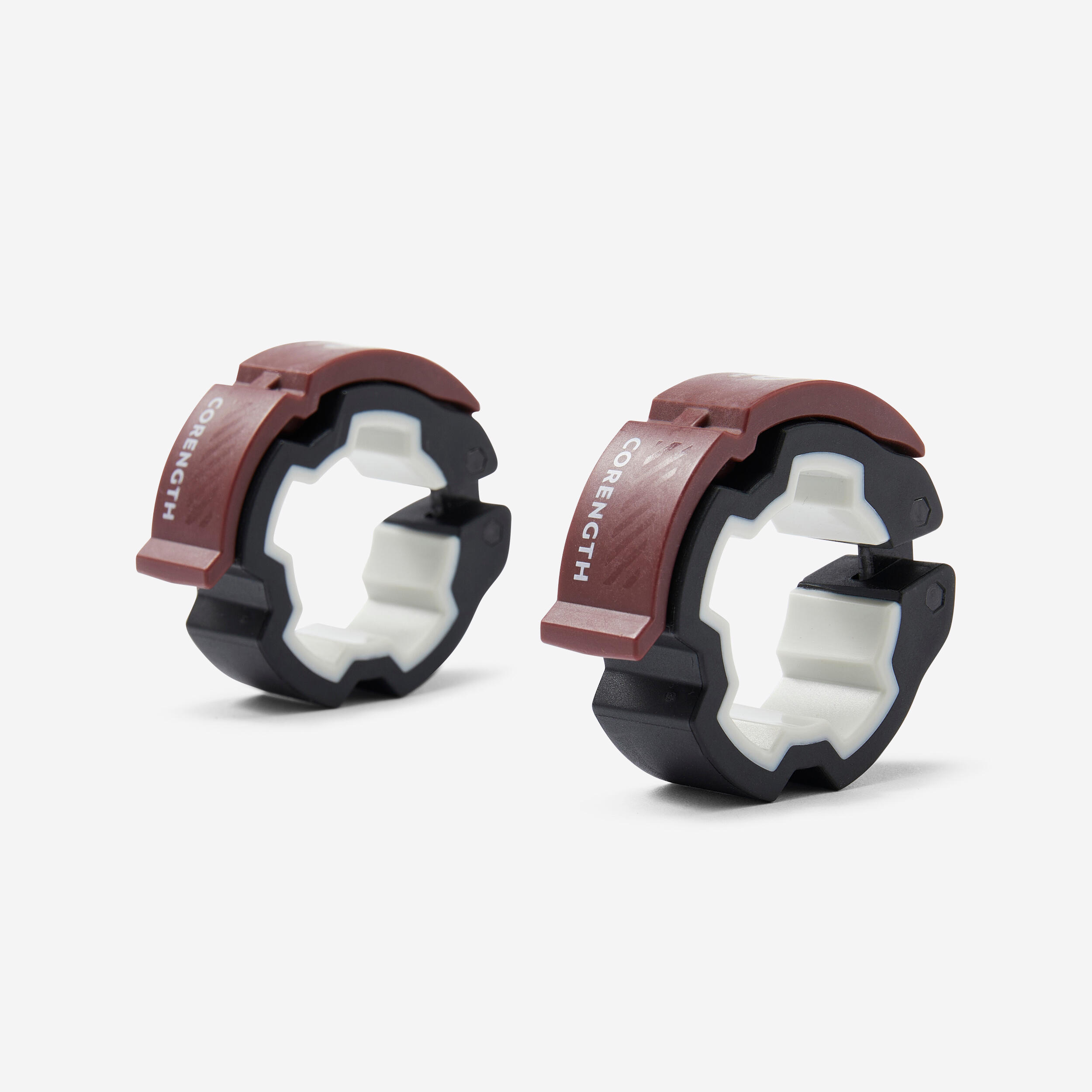
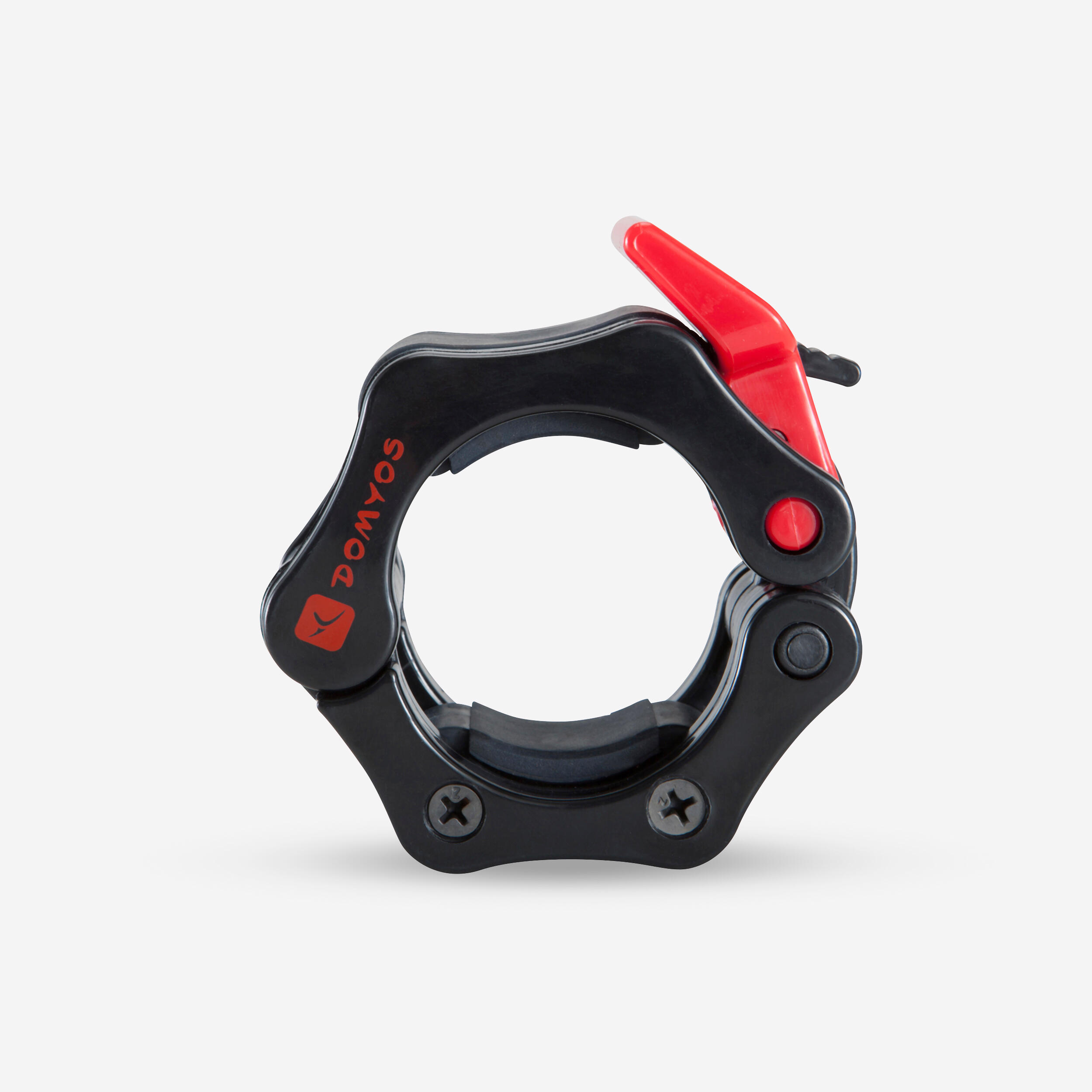
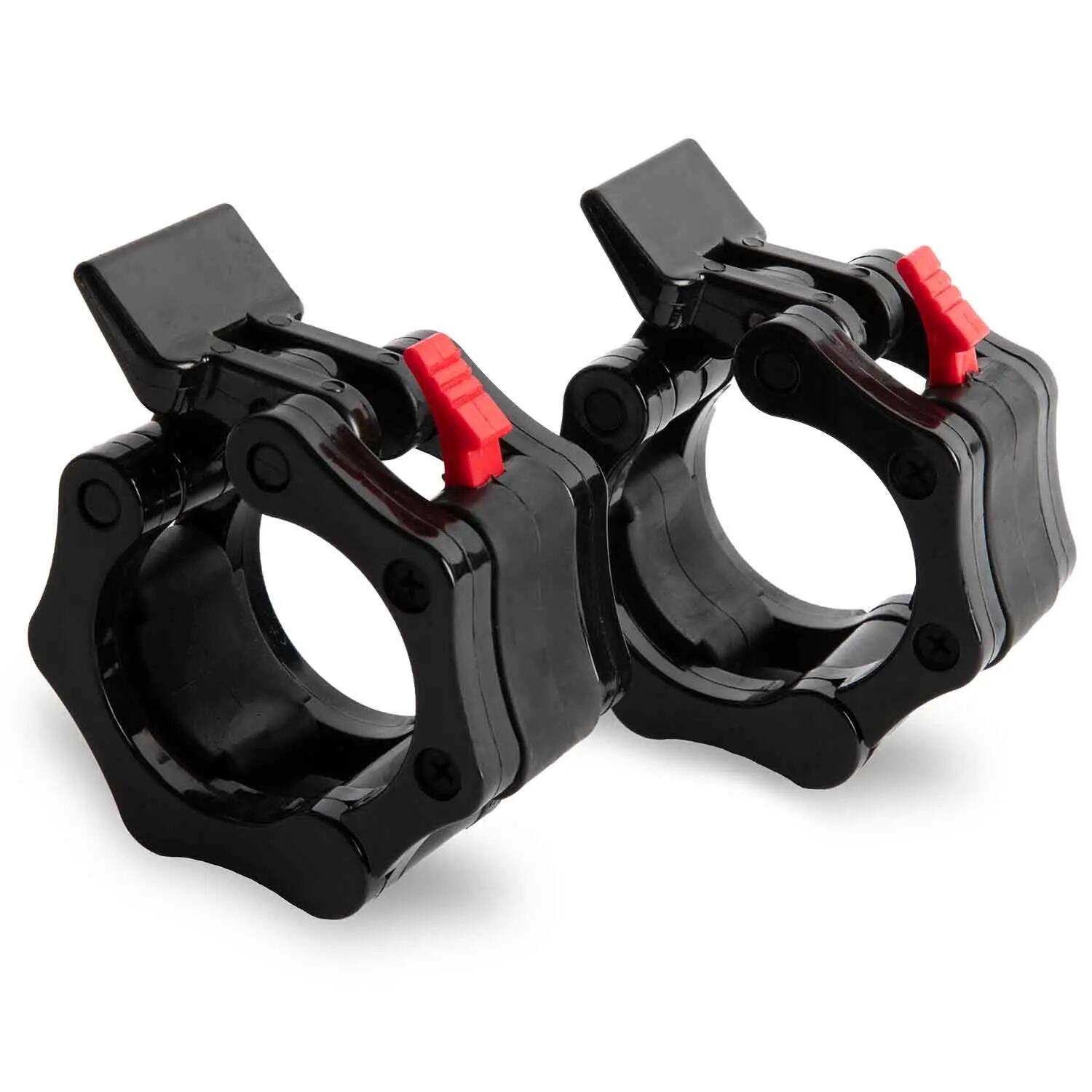
DOMYOS Pair of Weight Training Disc Collars - 28 mm4.8(2,381)Reviews.votesAriaCurrent price {{currentPrice}} €5.00€2.50/unit
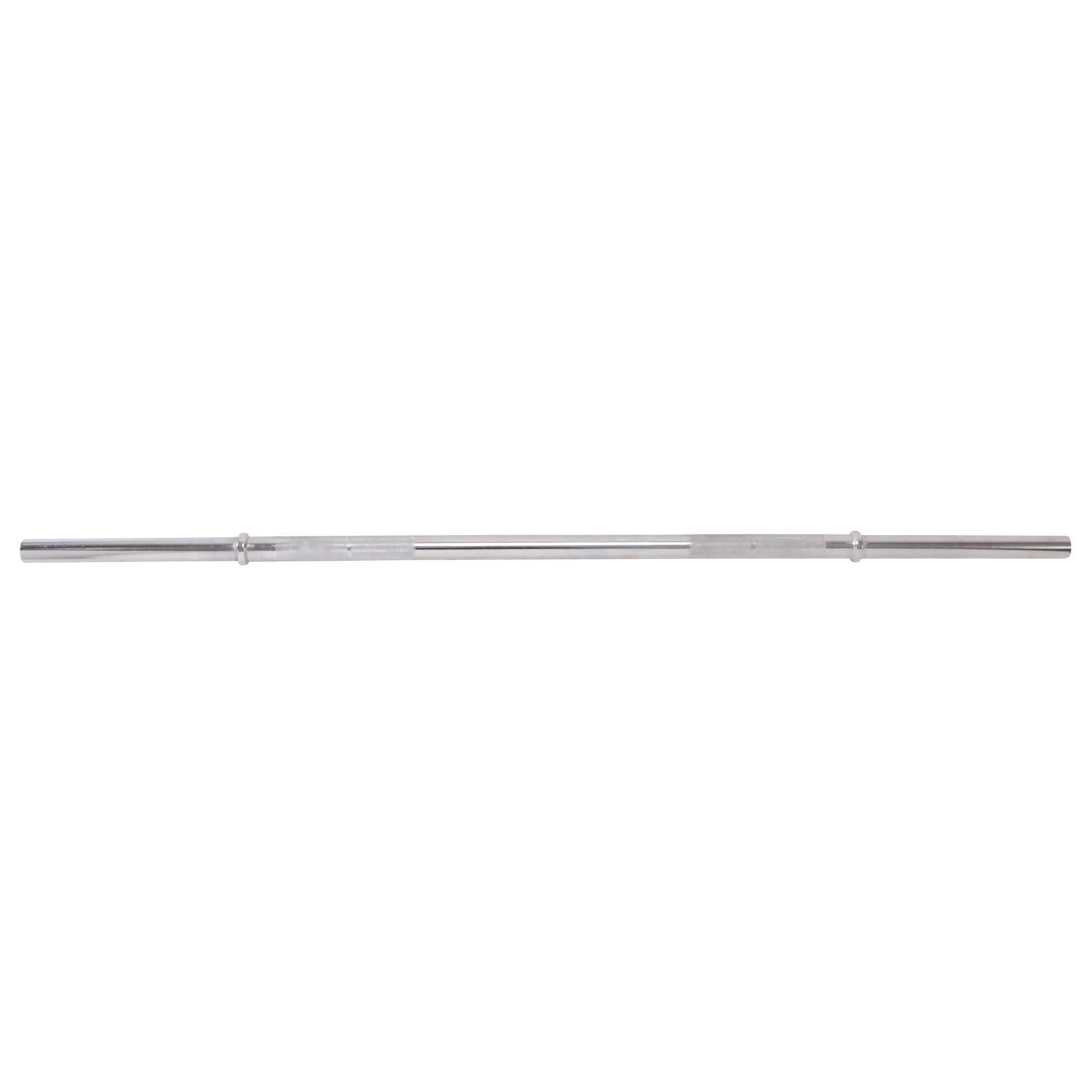
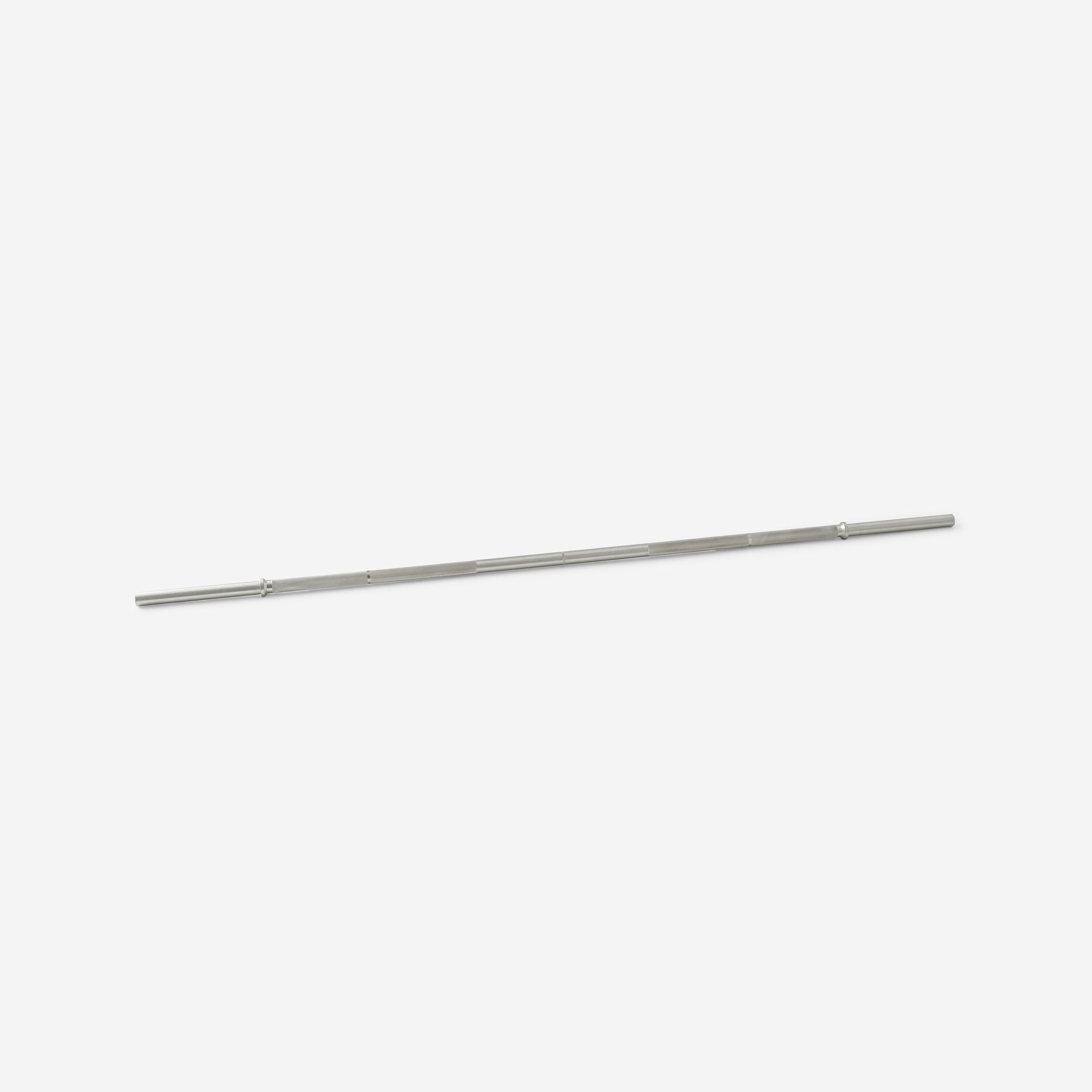
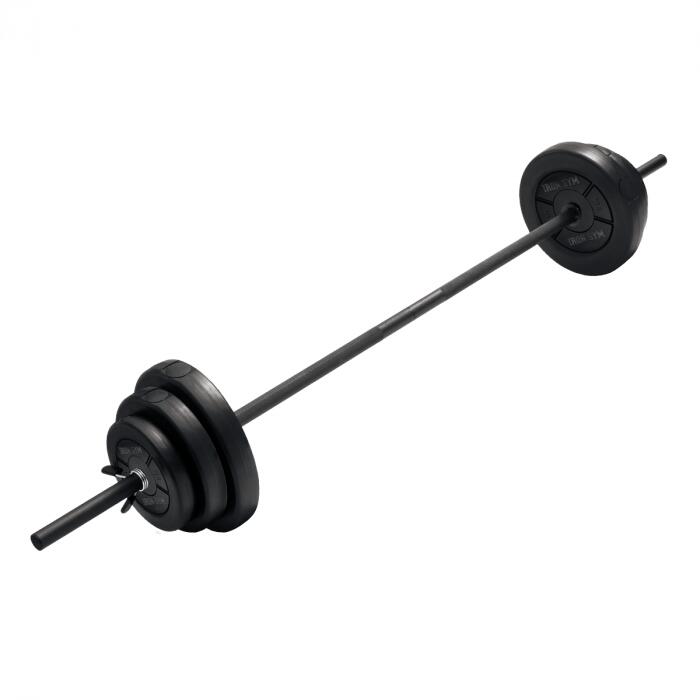
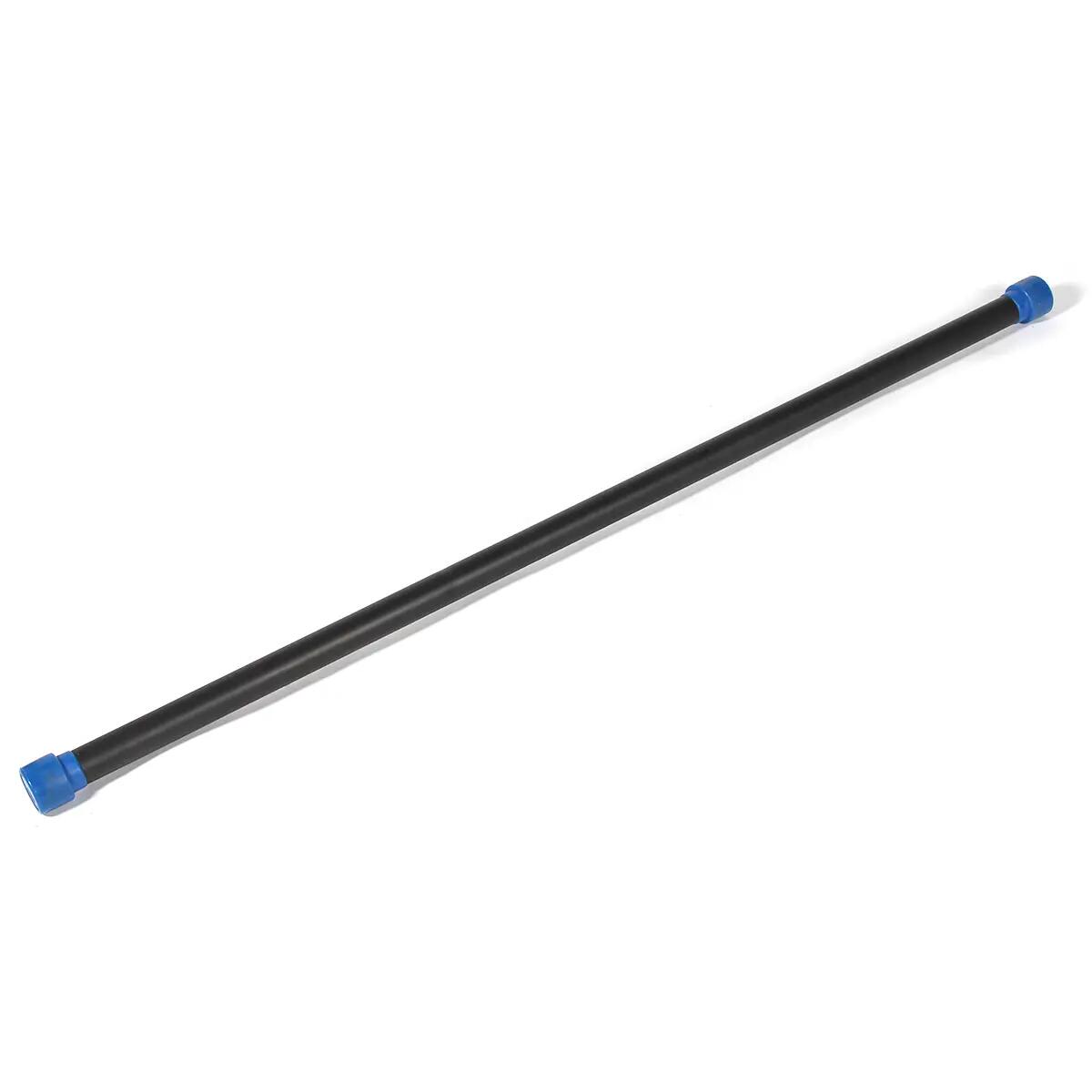
New Lower Price New Lower PriceNew Lower PriceDOMYOS Weight Training Bar 28 mm 1.20 m4.9(448)Reviews.votesAriaCurrent price {{currentPrice}} €24.00 Former price Was €25.00Lowest price: €25.00
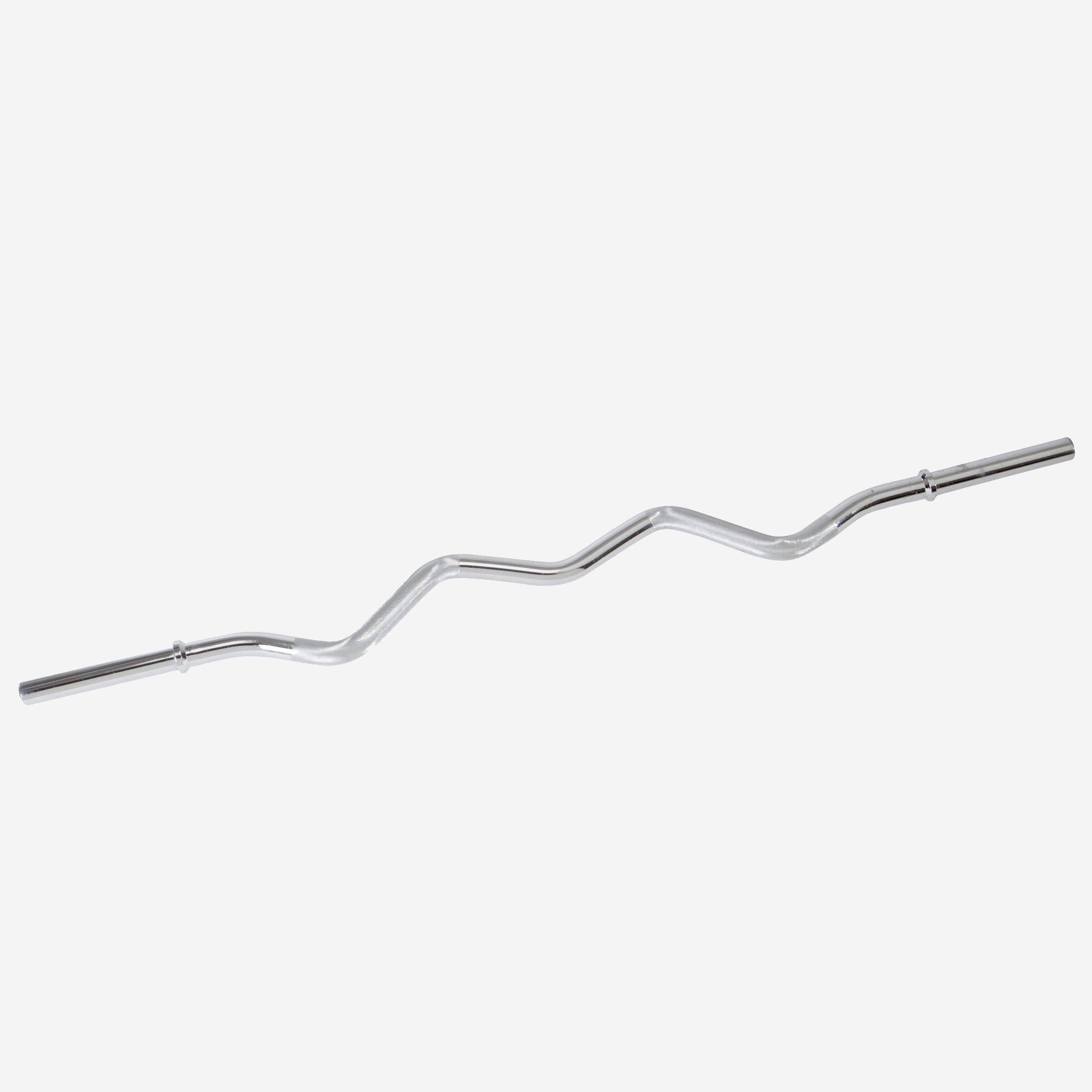
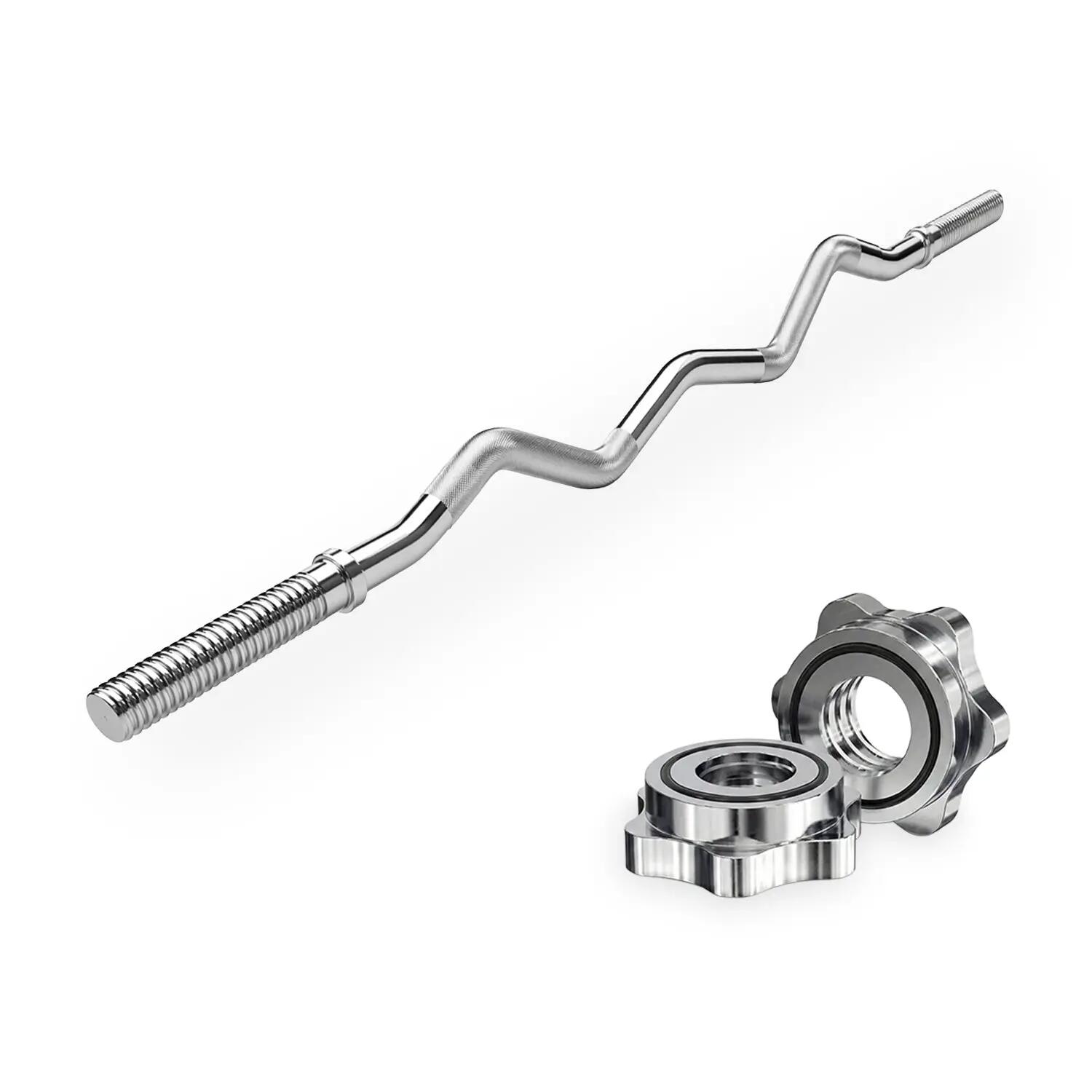
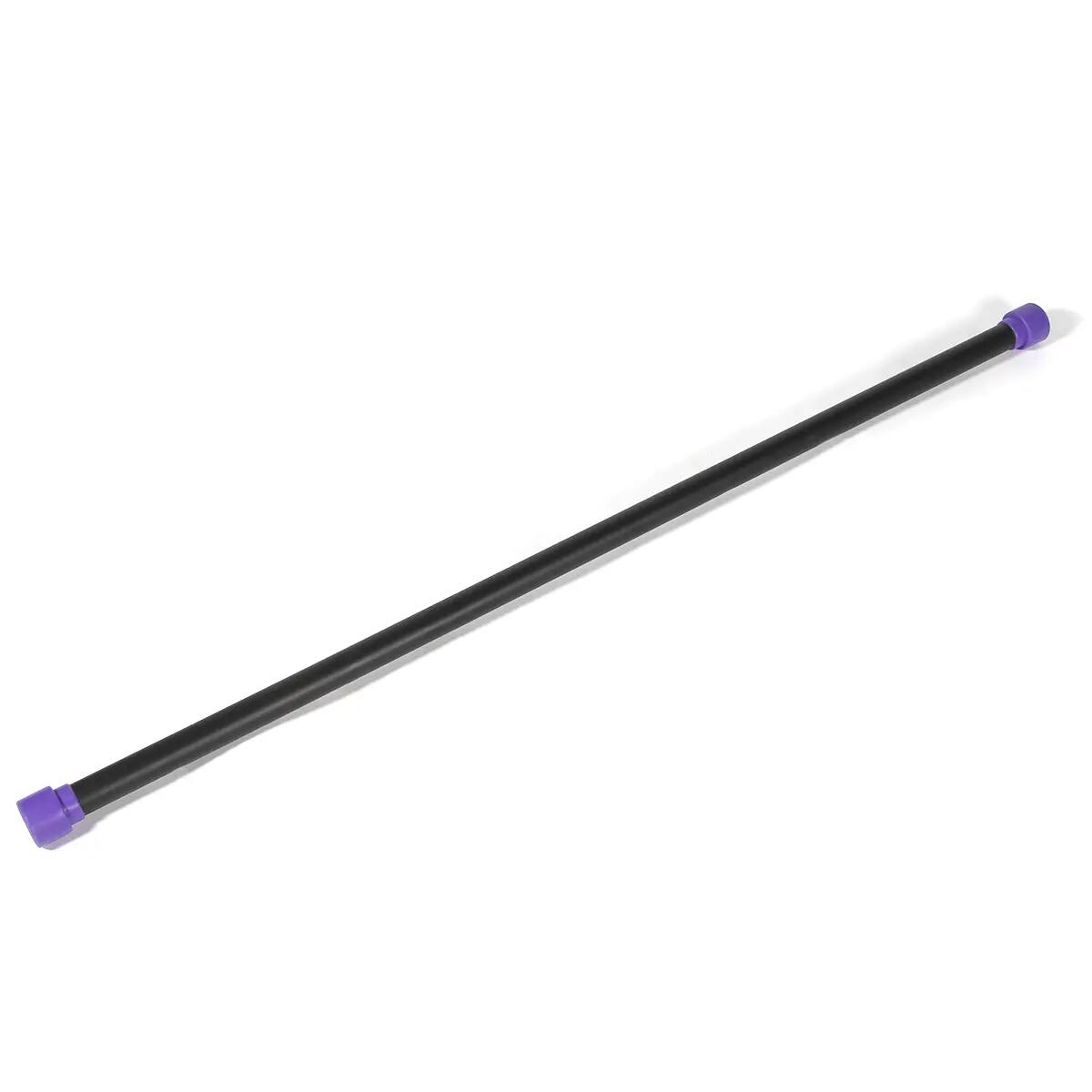
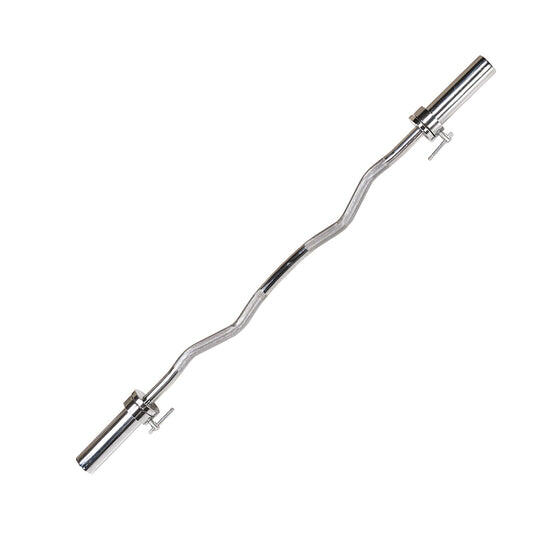
New Lower Price New Lower PriceNew Lower PriceDOMYOS Weight Training Curl Bar 1.20 m 28 mm4.8(814)Reviews.votesAriaCurrent price {{currentPrice}} €29.00 Former price Was €30.00Lowest price: €30.00
New Lower Price New Lower PriceNew Lower PriceDOMYOS Weight Training Bar 155 cm 28 mm4.8(610)Reviews.votesAriaCurrent price {{currentPrice}} €29.00 Former price Was €30.00Lowest price: €30.00
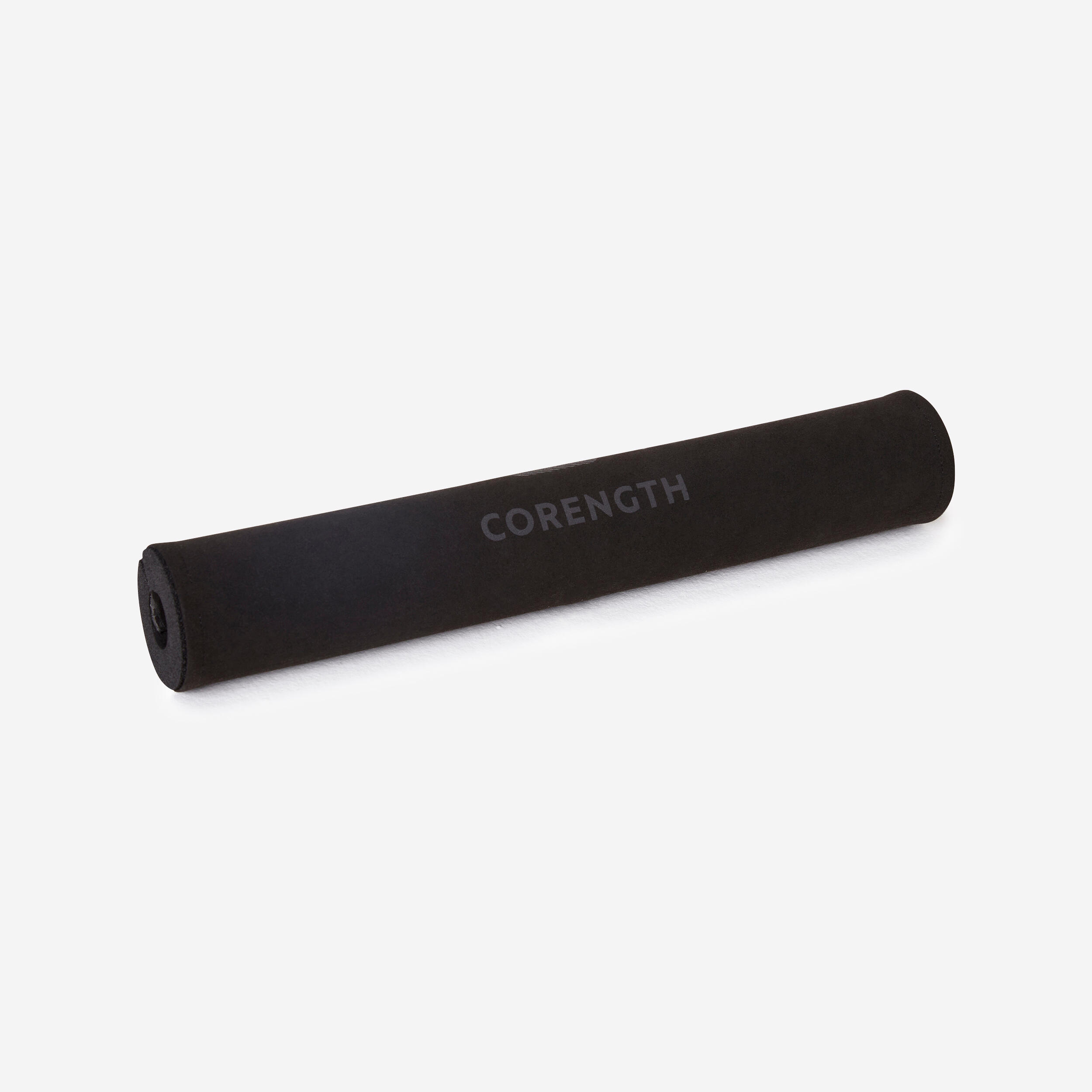
DOMYOS Strength Training Bar Foam Sleeve For Squats - Black Squat Pad4.8(431)Reviews.votesAriaCurrent price {{currentPrice}} €16.00
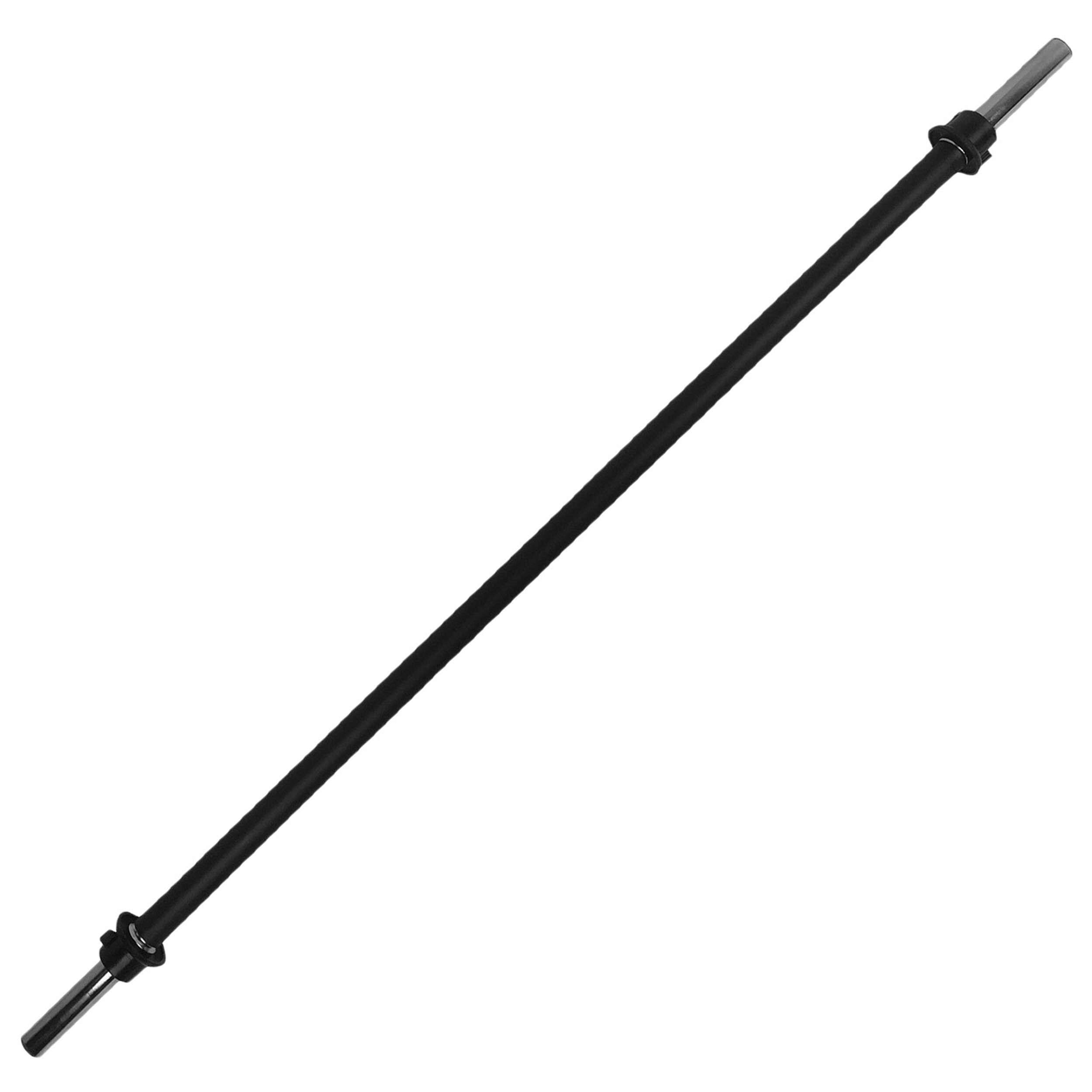
New Lower Price New Lower PriceNew Lower PriceDOMYOS Weight Training Bar 28 mm 2 m4.7(438)Reviews.votesAriaCurrent price {{currentPrice}} €38.00 Former price Was €40.00Lowest price: €40.00
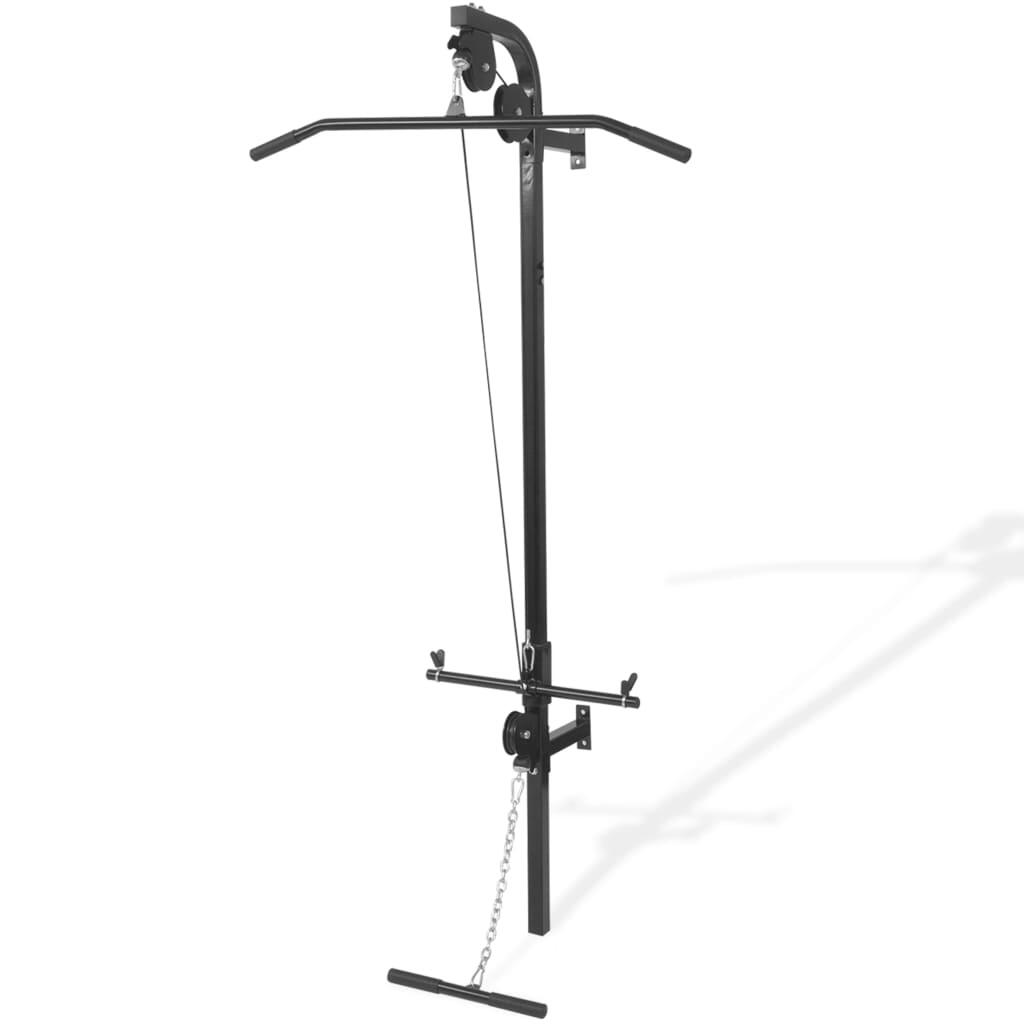
Marketplace -Online Only Marketplace -Online OnlyMarketplace -Online OnlyVIDAXL VidaXL wall-mounted home gym with 2 pulleys, steel, blackCurrent price {{currentPrice}} €165.95€6.28/kgSold and shipped by Tormino IE
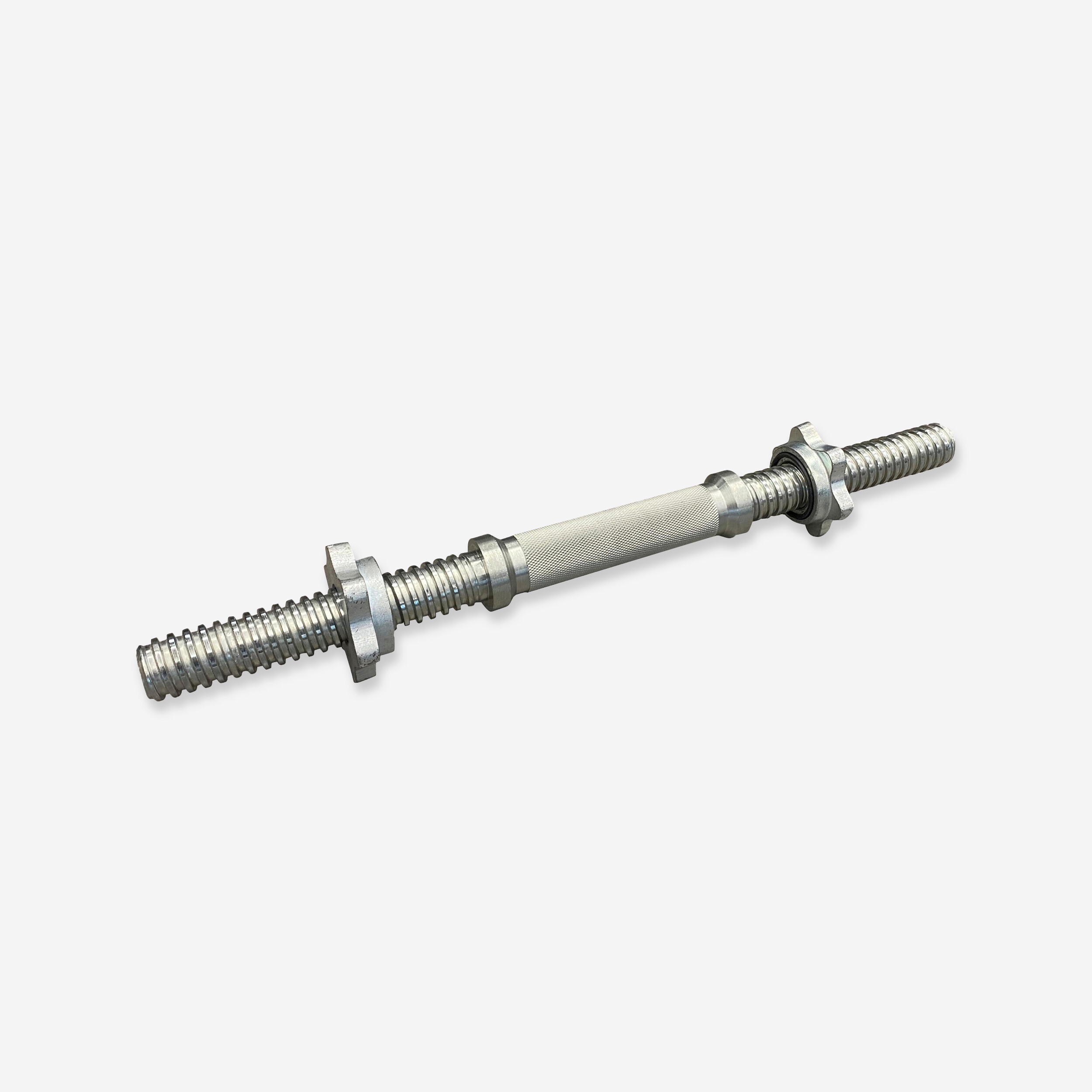
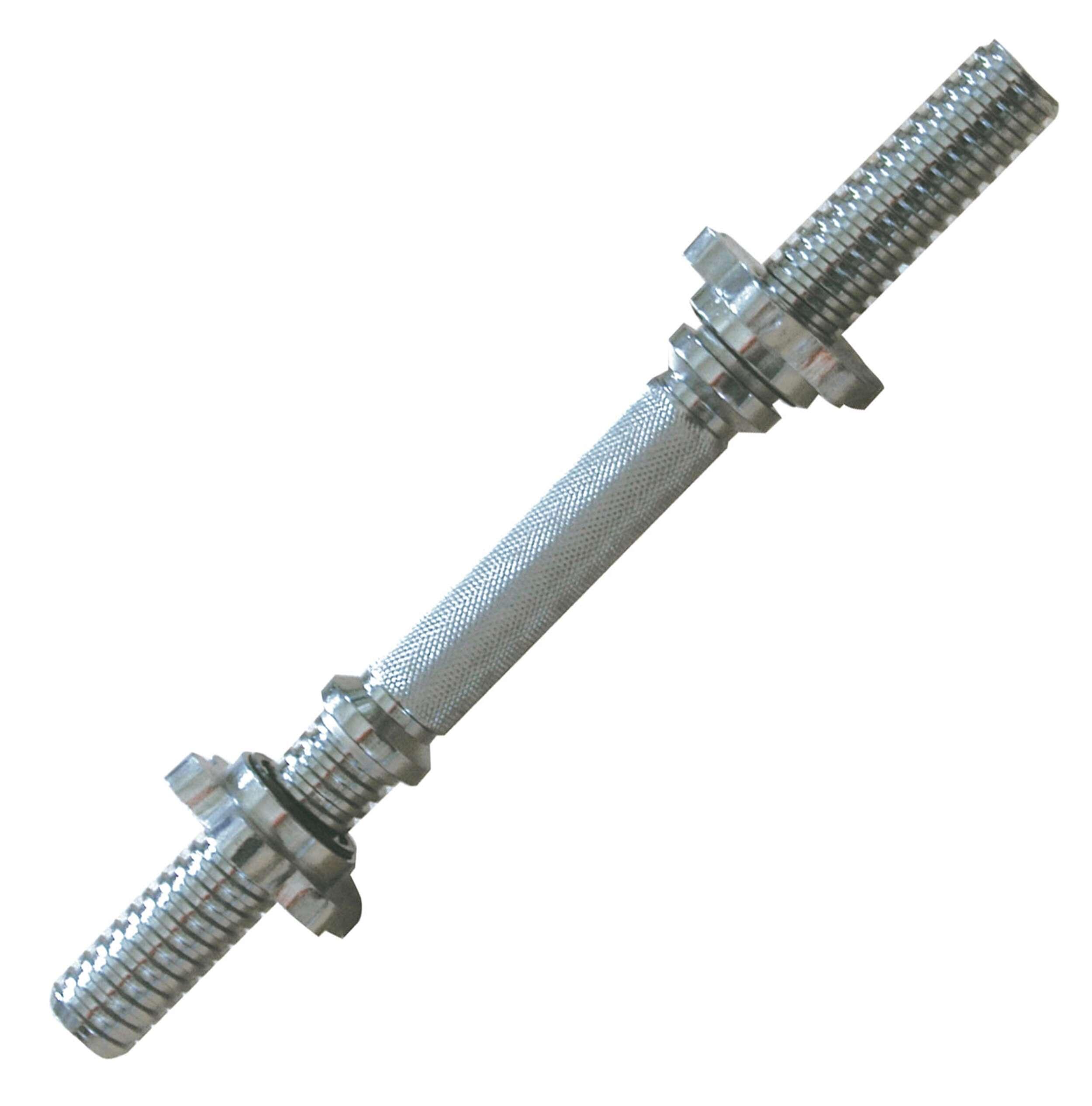
New Lower Price New Lower PriceNew Lower PriceCORENGTH Weight Training Threaded Bar 45 cm 28 mm4.7(153)Reviews.votesAriaCurrent price {{currentPrice}} €19.00 Former price Was €20.00Lowest price: €20.00
Marketplace -Online Only Marketplace -Online OnlyMarketplace -Online OnlyCLIMAQX Dumbbell and Barbell Set - 30 kgCurrent price {{currentPrice}} €156.00€5.20/kgSold and shipped by Fitwinkel - Sporttrader
Marketplace -Online Only Marketplace -Online OnlyMarketplace -Online OnlyVIRTUFIT Curl Bar - EZ Barbell - 120 cm Screw - 30 mm5(1)Reviews.votesAriaCurrent price {{currentPrice}} €45.95€45.95/unitSold and shipped by Fitwinkel - Sporttrader
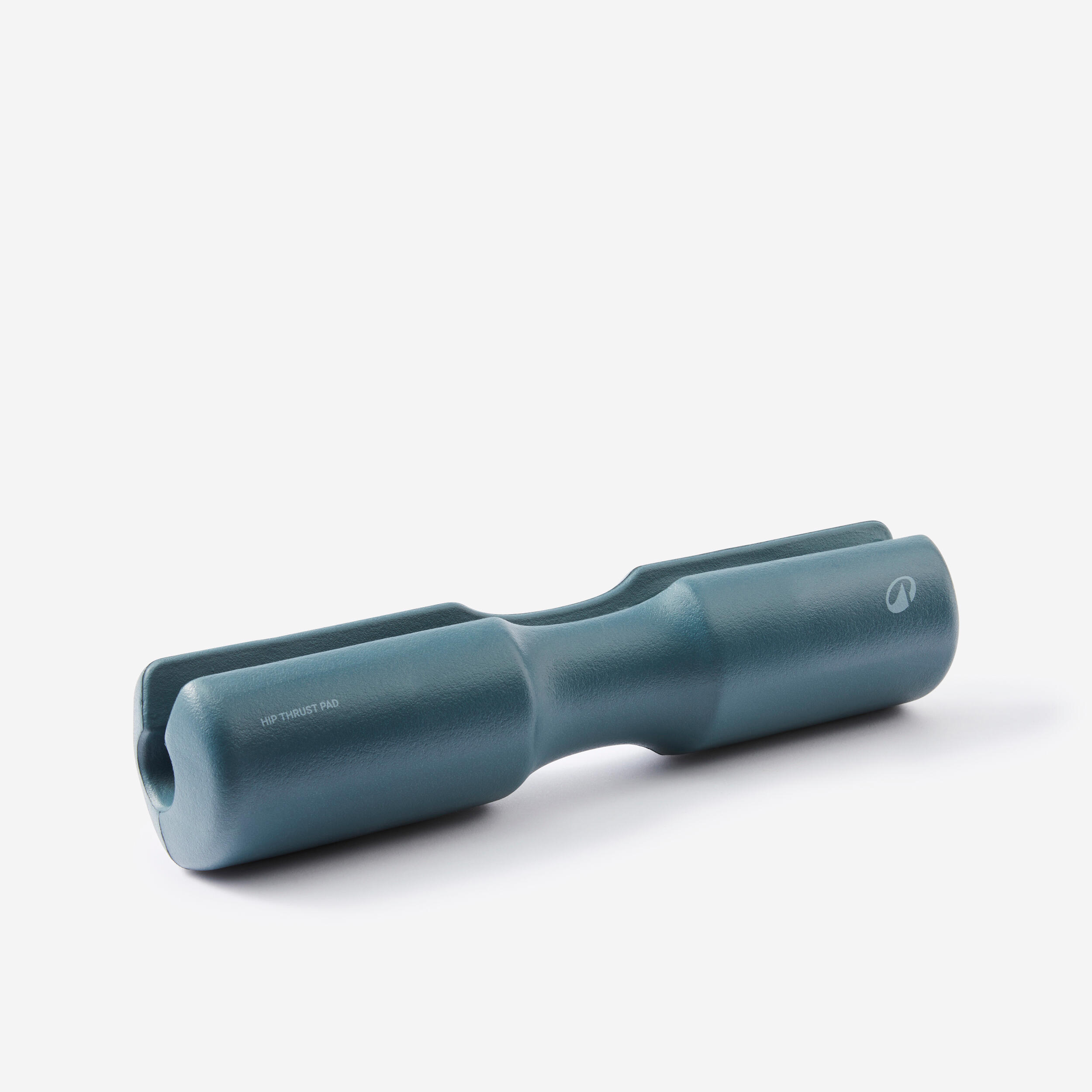
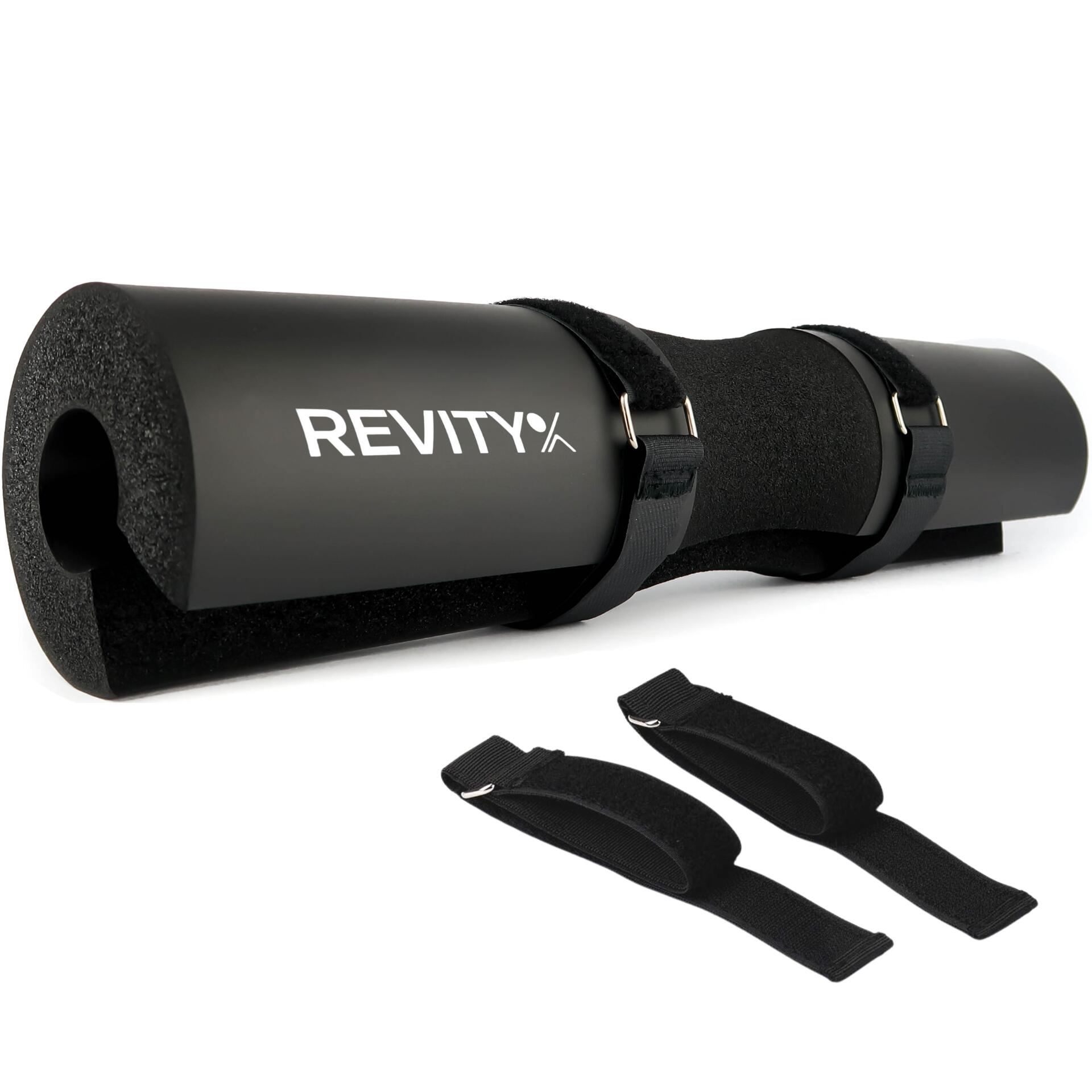
Marketplace -Online Only Marketplace -Online OnlyMarketplace -Online OnlyREVITY Strenght Barbell Squat Pad High-Density Foam Neck & Hip Thrust, Black5(2)Reviews.votesAriaCurrent price {{currentPrice}} €22.99Sold and shipped by Revity
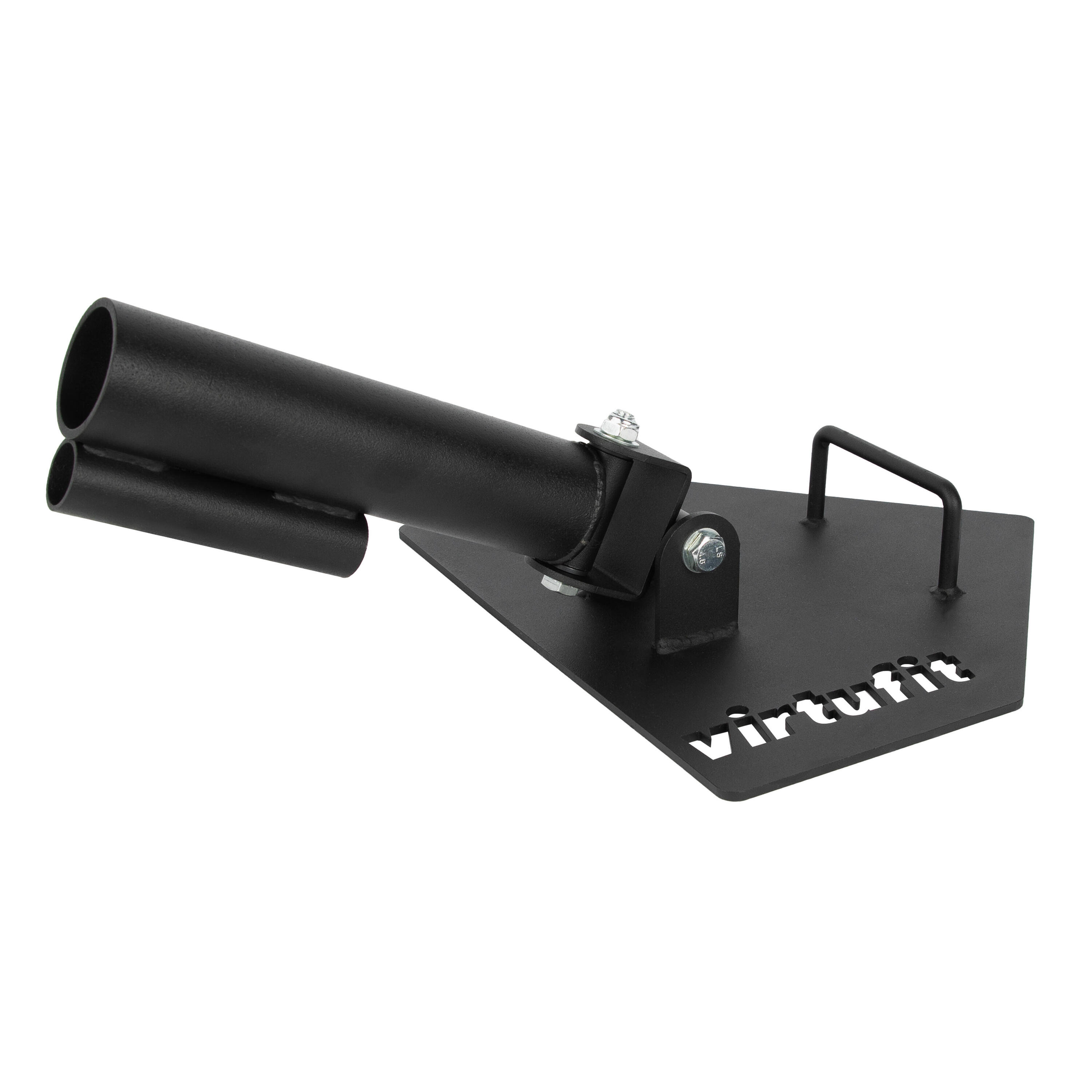
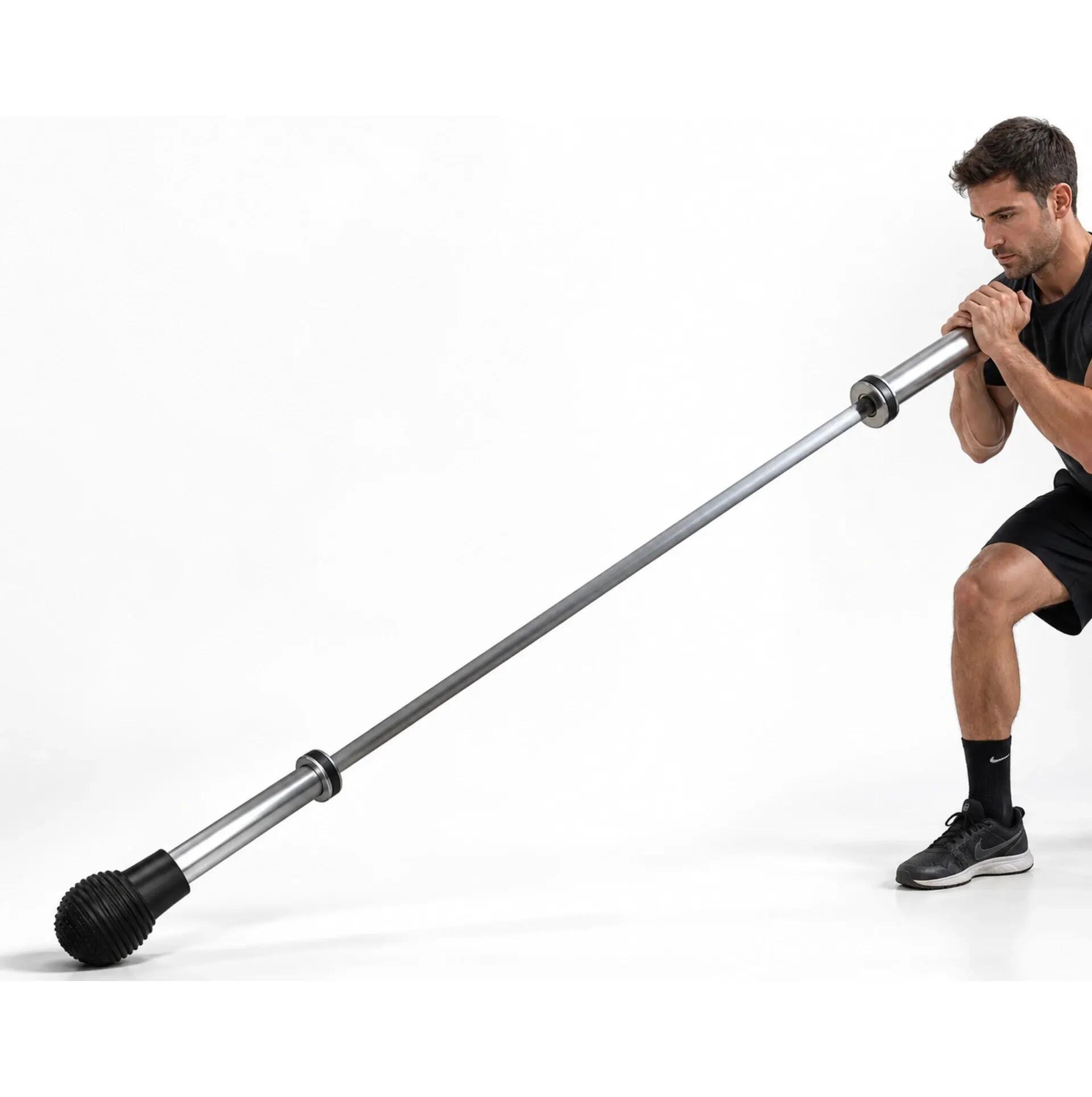
Marketplace -Online Only Marketplace -Online OnlyMarketplace -Online OnlyVIRTUFIT Landmine Platform5(1)Reviews.votesAriaCurrent price {{currentPrice}} €47.00Sold and shipped by Fitwinkel - Sporttrader
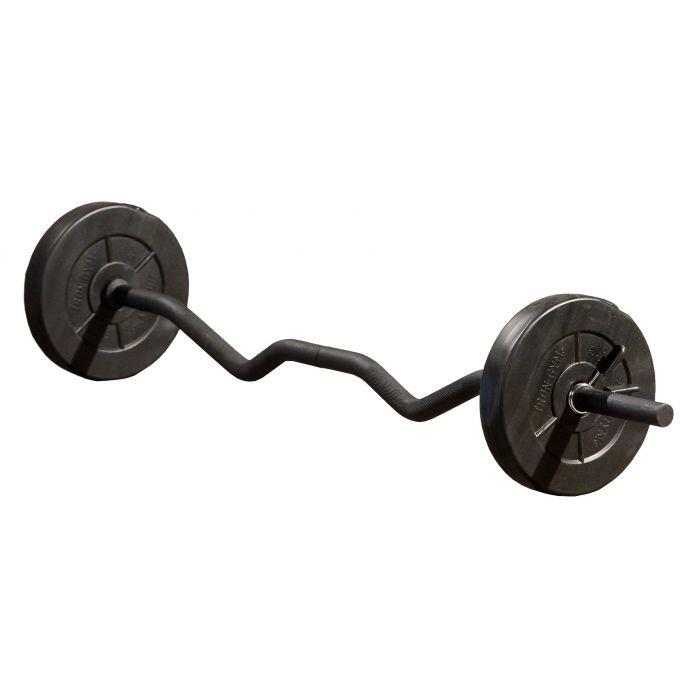
Marketplace -Online Only Marketplace -Online OnlyMarketplace -Online OnlyIRON GYM 23 kg adjustable curl bar set - 25 mm5(1)Reviews.votesAriaCurrent price {{currentPrice}} €83.00€3.46/kgSold and shipped by Fitwinkel - Sporttrader
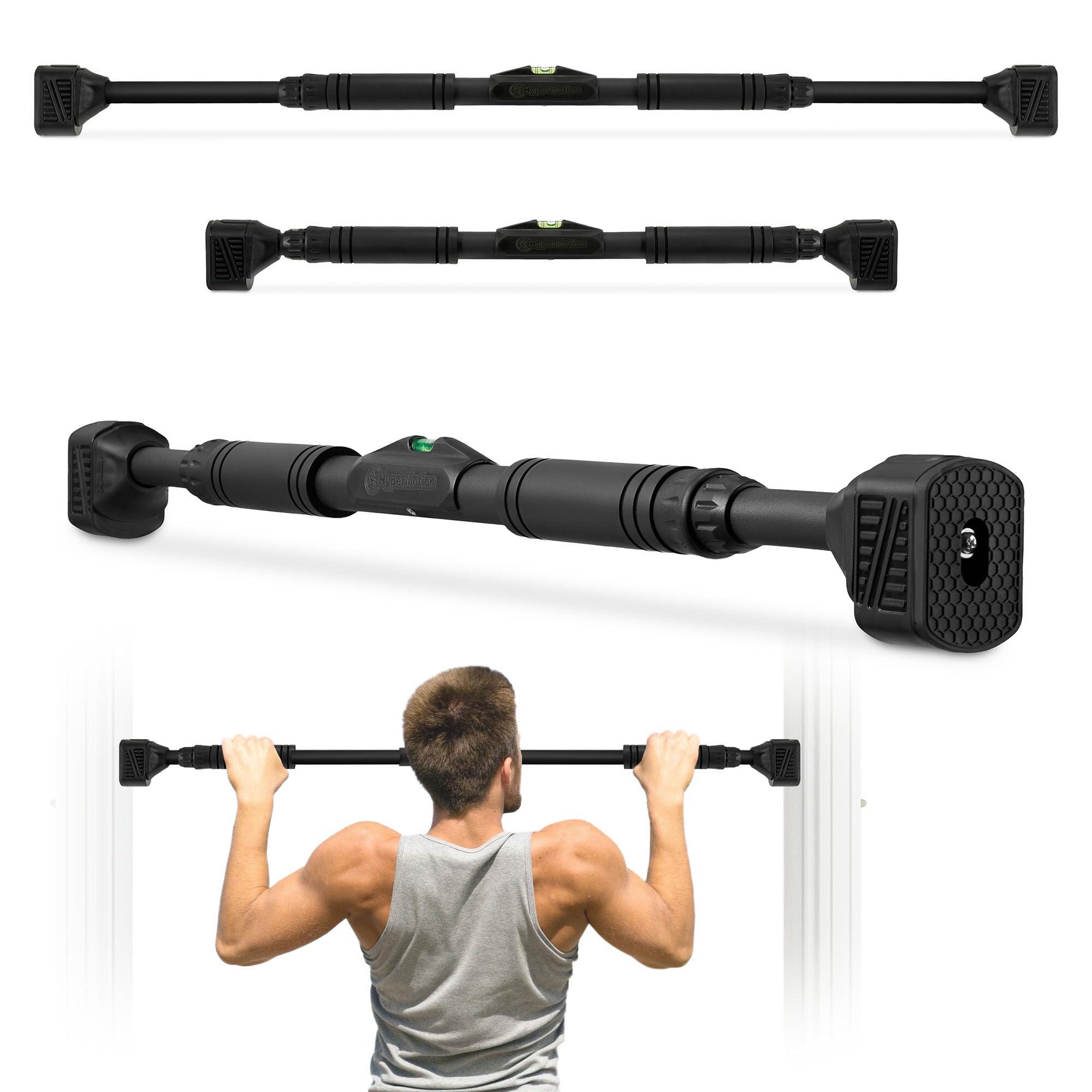
Marketplace -Online Only Marketplace -Online OnlyMarketplace -Online OnlyHYPERMOTION Pull-up bar – fitness – adjustable 74–100 cm, 200 kg – blackCurrent price {{currentPrice}} €59.99€33.33/mSold and shipped by Hypermotion
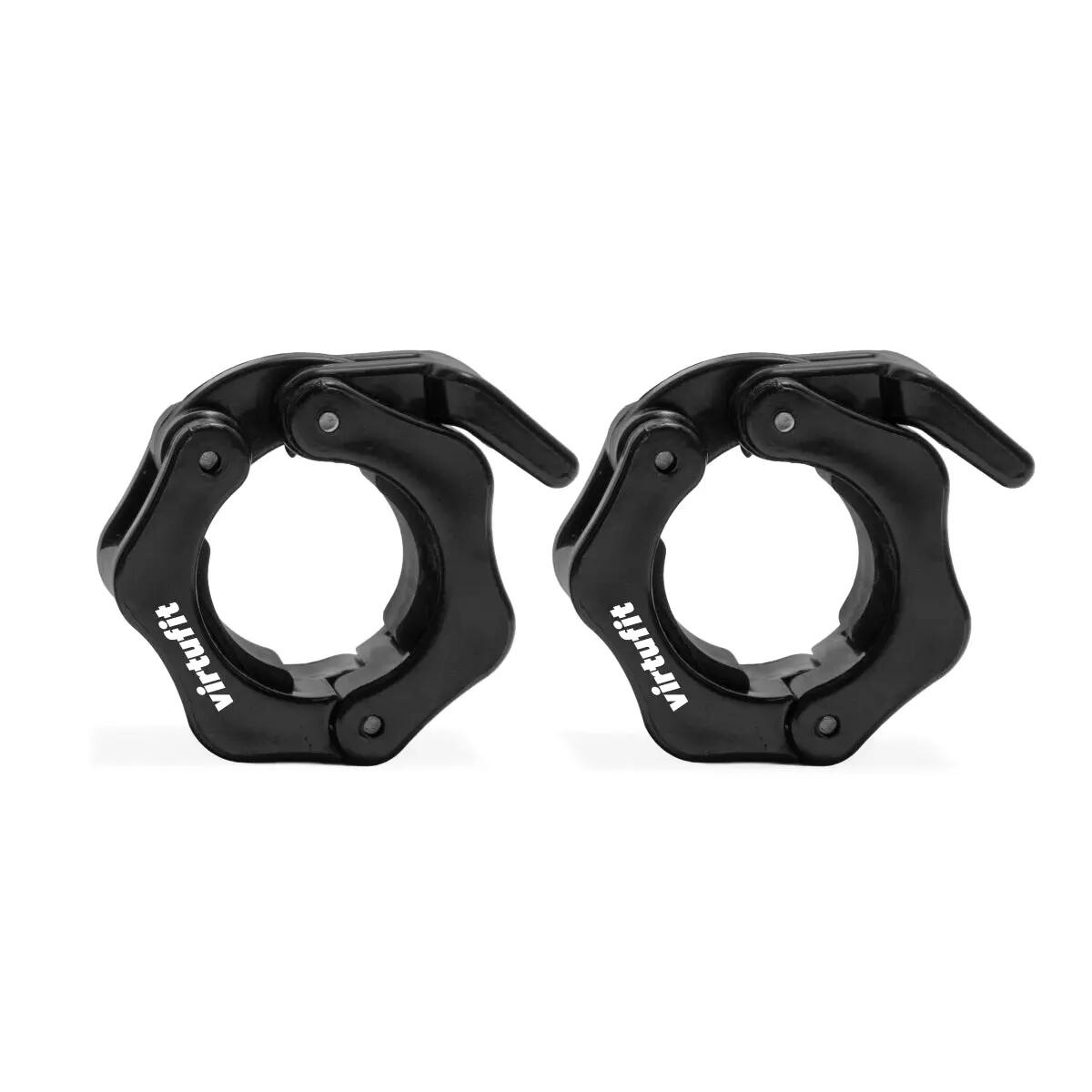
Marketplace -Online Only Marketplace -Online OnlyMarketplace -Online OnlyVIRTUFIT Lock Jaw Collar - Olympic Barbell Clamps - 50 mm5(1)Reviews.votesAriaCurrent price {{currentPrice}} €24.00€12.00/unitSold and shipped by Fitwinkel - Sporttrader
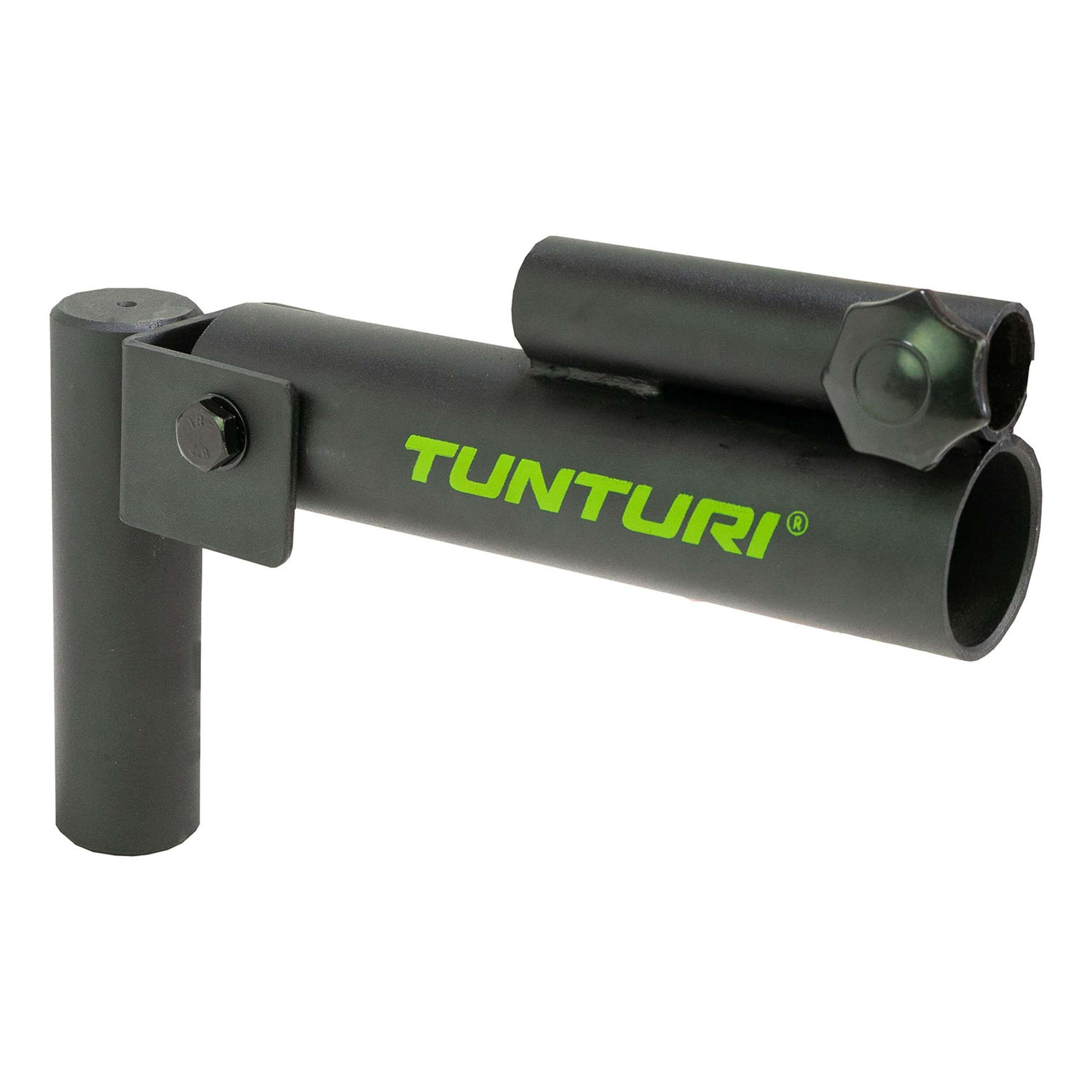
Marketplace -Online Only Marketplace -Online OnlyMarketplace -Online OnlyTUNTURI T-Bar Row Platform - landmine for olympic barbellCurrent price {{currentPrice}} €46.99Sold and shipped by Tunturi New Fitness BV
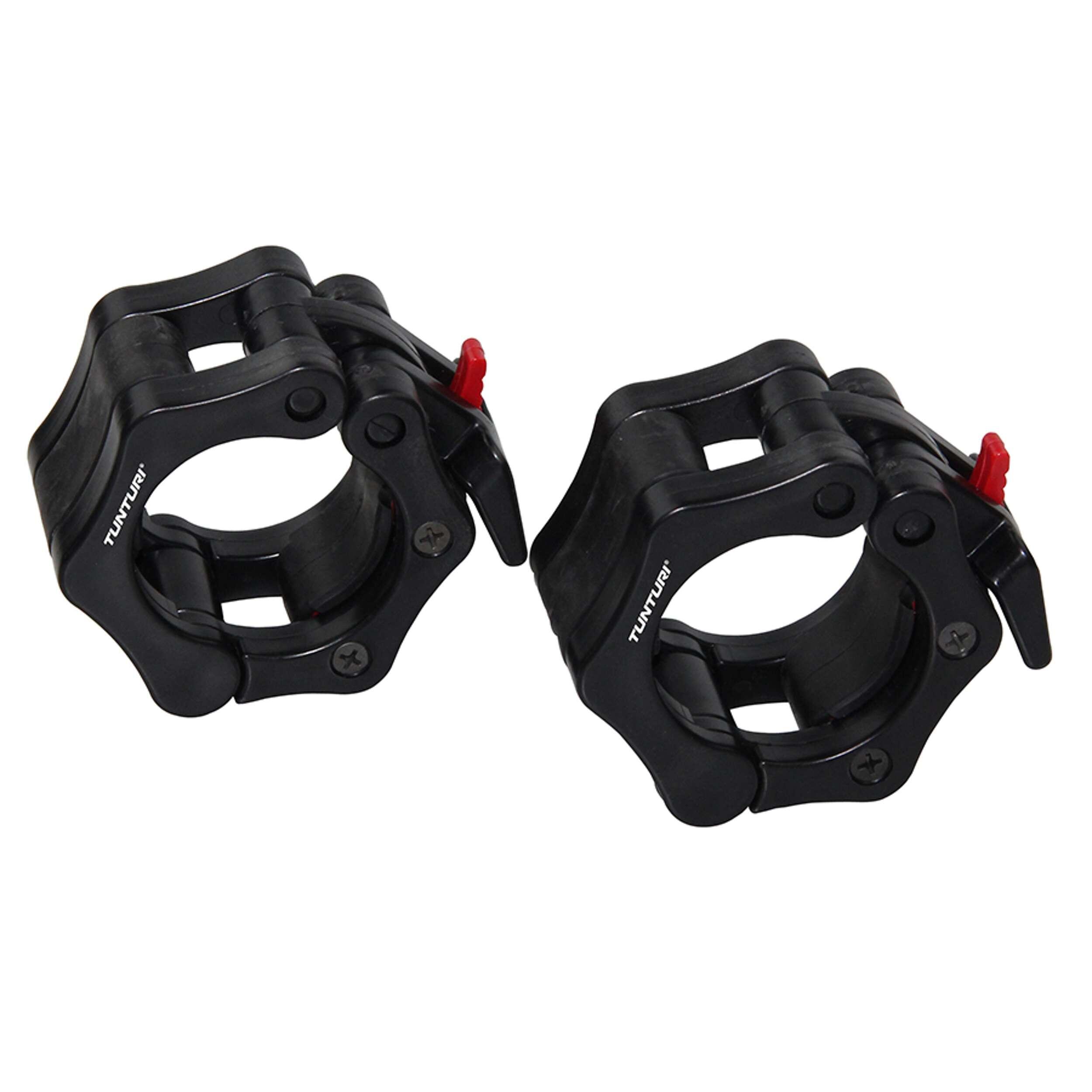
Marketplace -Online Only Marketplace -Online OnlyMarketplace -Online OnlyTUNTURI Lock jaw olympic collars (pair)Current price {{currentPrice}} €26.99Sold and shipped by Tunturi New Fitness BV
Marketplace -Online Only Marketplace -Online OnlyMarketplace -Online OnlyVIRTUFIT Lock Jaw Collar - barbell clamps - 30 mmCurrent price {{currentPrice}} €24.00€12.00/unitSold and shipped by Fitwinkel - Sporttrader
Marketplace -Online Only Marketplace -Online OnlyMarketplace -Online OnlyTUNTURI Aerobic Pump Barbell - Rubber barbell 150cmCurrent price {{currentPrice}} €55.99€31.11/kgSold and shipped by Tunturi New Fitness BV
DOMYOS Straight Weight Training Bar 175 cm, Diameter 28 mm4.8(95)Reviews.votesAriaCurrent price {{currentPrice}} €35.00
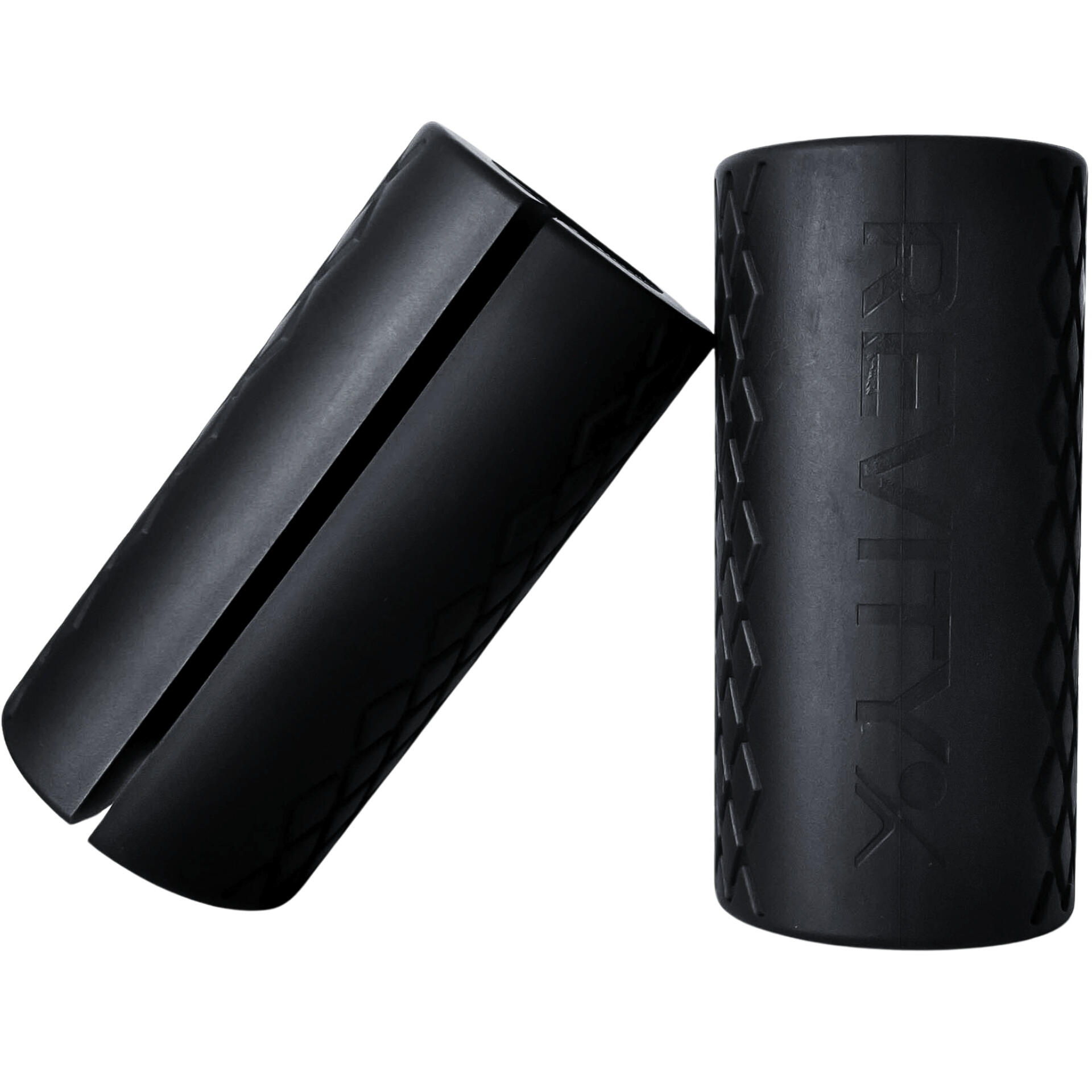
Marketplace -Online Only Marketplace -Online OnlyMarketplace -Online OnlyREVITY Weight Training Fat Grips - Grip Strength Handles - pair, BlackCurrent price {{currentPrice}} €21.99€11.00/unitSold and shipped by Revity
Marketplace -Online Only Marketplace -Online OnlyMarketplace -Online OnlySPORTENZIA Landmine base for olympic bar - 360° rotation - 50 mm compatibleCurrent price {{currentPrice}} €30.99Sold and shipped by Sportenzia
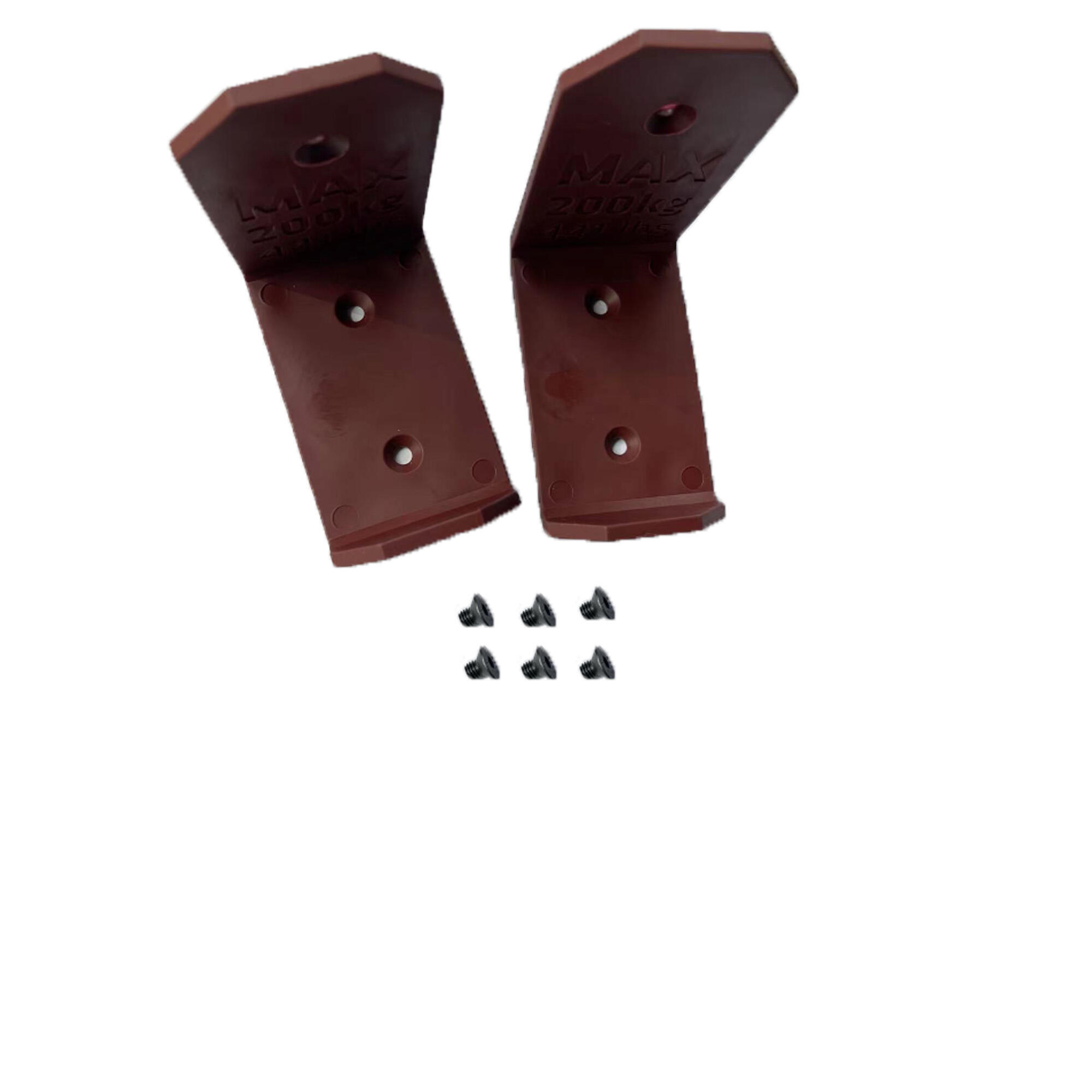
CORENGTH Safety Spotter Bar Cover - Spare Part for Weight Rack 900Current price {{currentPrice}} €6.00
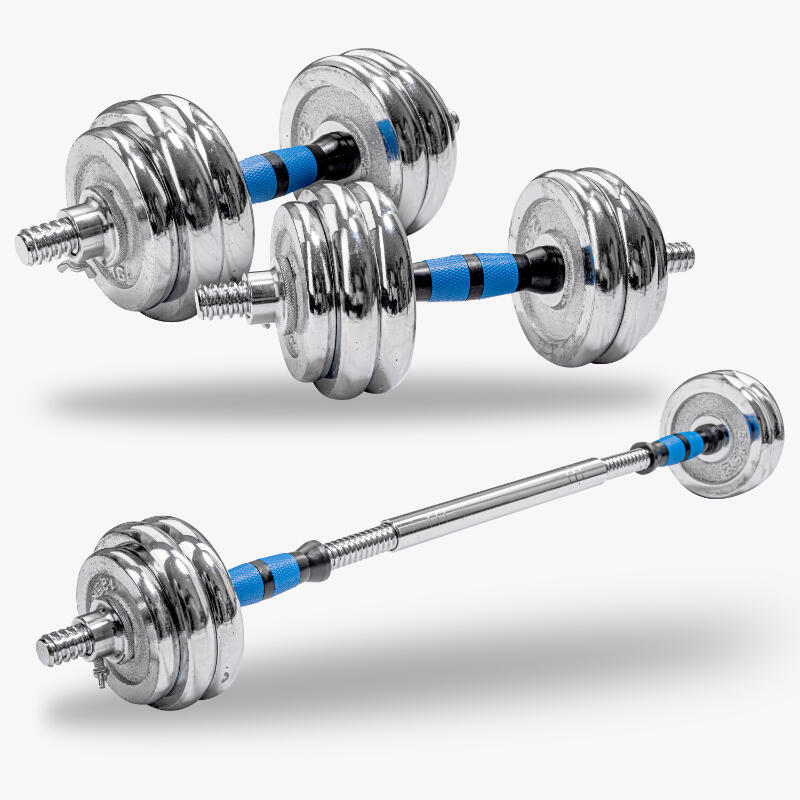
Marketplace -Online Only Marketplace -Online OnlyMarketplace -Online OnlyIRON GYM Adjustable Dumbbell Set - 20 kg3(1)Reviews.votesAriaCurrent price {{currentPrice}} €68.00€3.24/kgSold and shipped by Fitwinkel - Sporttrader
Marketplace -Online Only Marketplace -Online Only2 coloursMarketplace -Online OnlyGLADIATORFIT GladiatorFit Weighted Bar 125 cm Steel Black 6 kg5(1)Reviews.votesAria2 coloursCurrent price {{currentPrice}} €44.00€7.34/kgSold and shipped by Edelize EU
Marketplace -Online Only Marketplace -Online Only2 coloursMarketplace -Online OnlyGLADIATORFIT Steel Weighted Bar 125cm aerobic fitness GladiatorFit5(1)Reviews.votesAria2 coloursFromCurrent price {{currentPrice}} €37.00€9.25/kgSold and shipped by Edelize EU
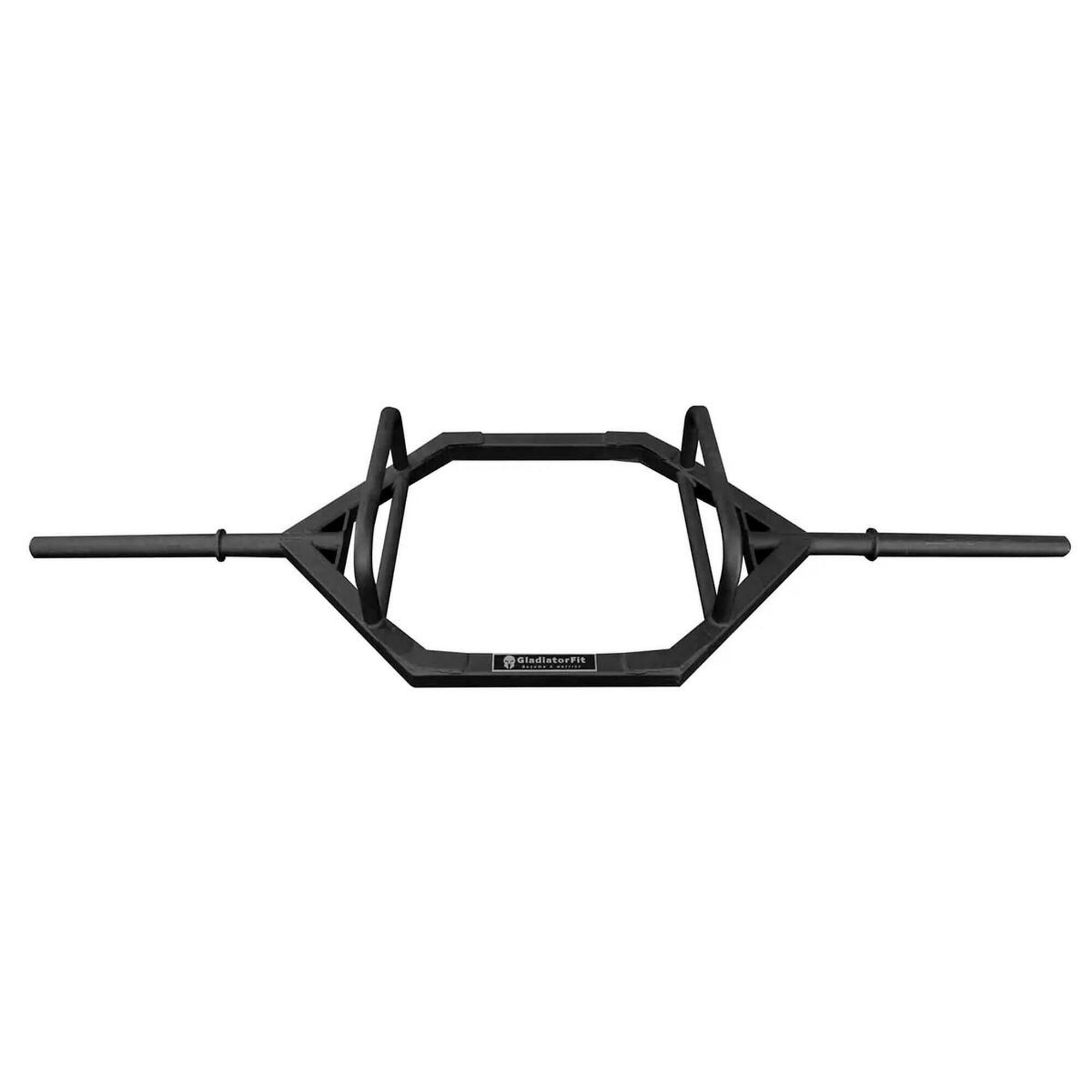
Marketplace -Online Only Marketplace -Online OnlyMarketplace -Online OnlyGLADIATORFIT Hexagonal steel "Trap Bar" Ø 50mm GladiatorFitCurrent price {{currentPrice}} €404.00€20.20/kgSold and shipped by Edelize EU
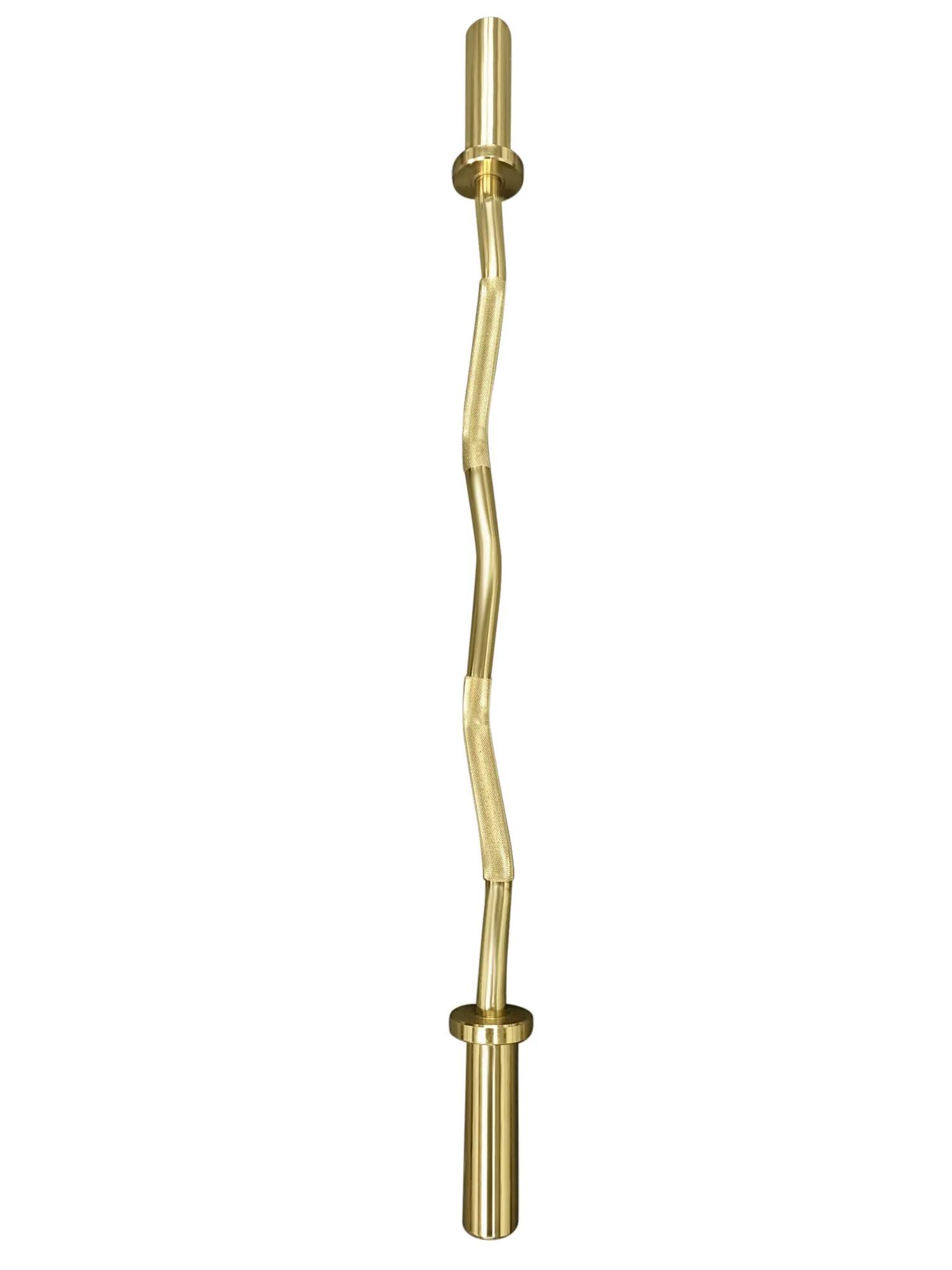
Marketplace -Online Only Marketplace -Online OnlyMarketplace -Online OnlyELLIPSE Z-Bar 10 kgCurrent price {{currentPrice}} €88.16Sold and shipped by ELLIPSE FITNESS
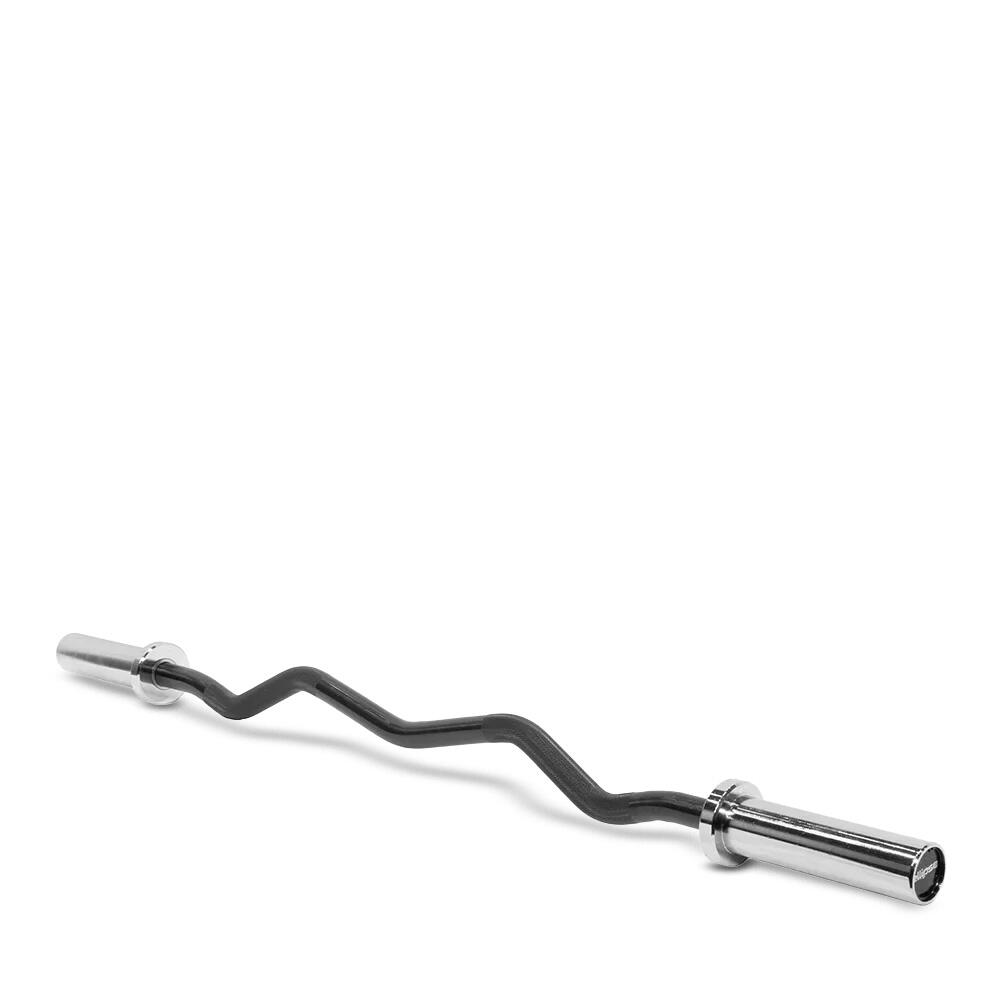
Marketplace -Online Only Marketplace -Online OnlyMarketplace -Online OnlyITM ITM Fitness Olympic Curl BarCurrent price {{currentPrice}} €89.00€10.48/kgSold and shipped by InTheMarket
Marketplace -Online Only Marketplace -Online OnlyMarketplace -Online OnlyBODY-SOLID Oly. curl bar 120 cm OLEZCB120C for fitness and strength trainingCurrent price {{currentPrice}} €85.00Sold and shipped by Largofit
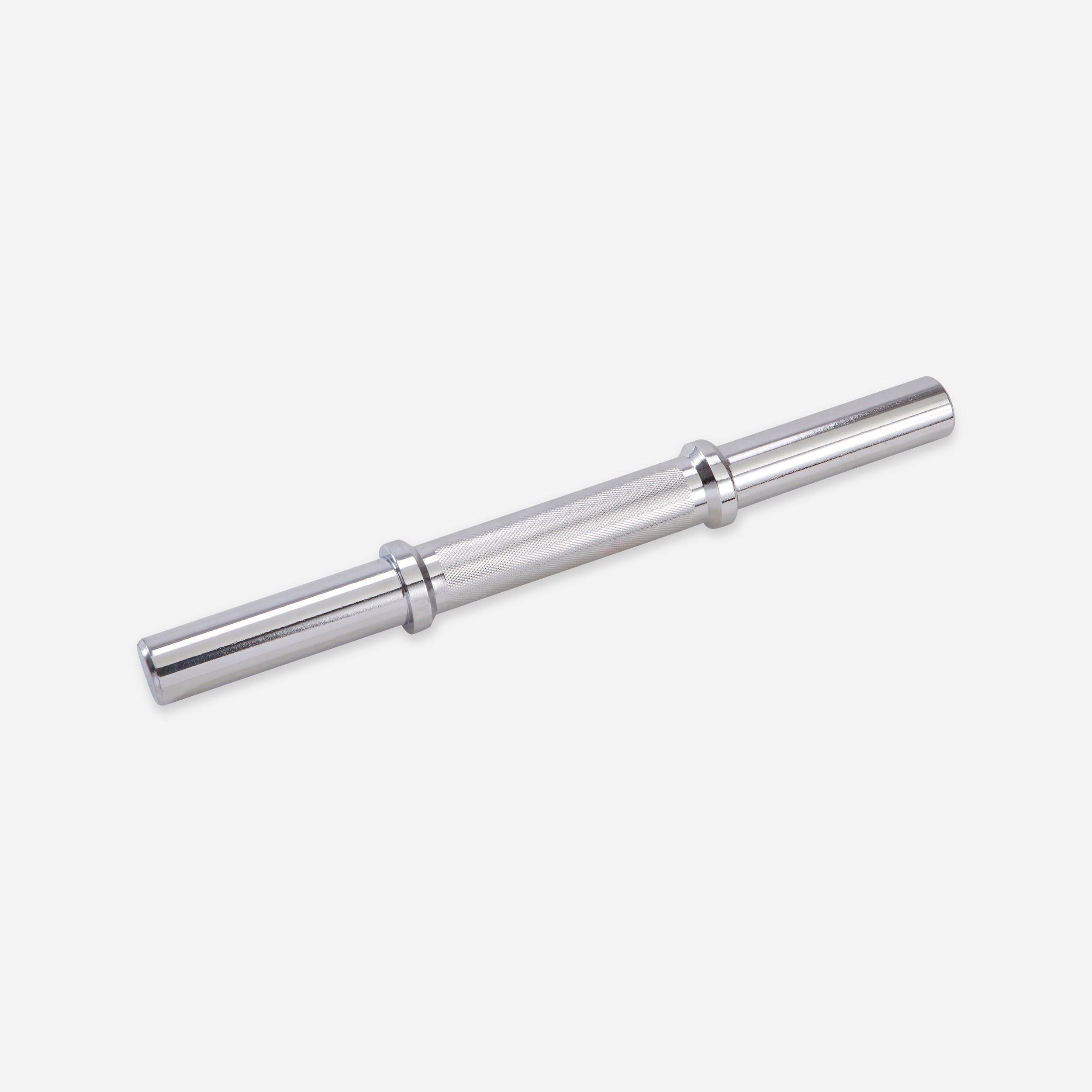
Marketplace -Online Only Marketplace -Online OnlyMarketplace -Online OnlyTUNTURI Dumbbell Bar 36cm, ScrewCurrent price {{currentPrice}} €25.99€11.82/kgSold and shipped by Tunturi New Fitness BV
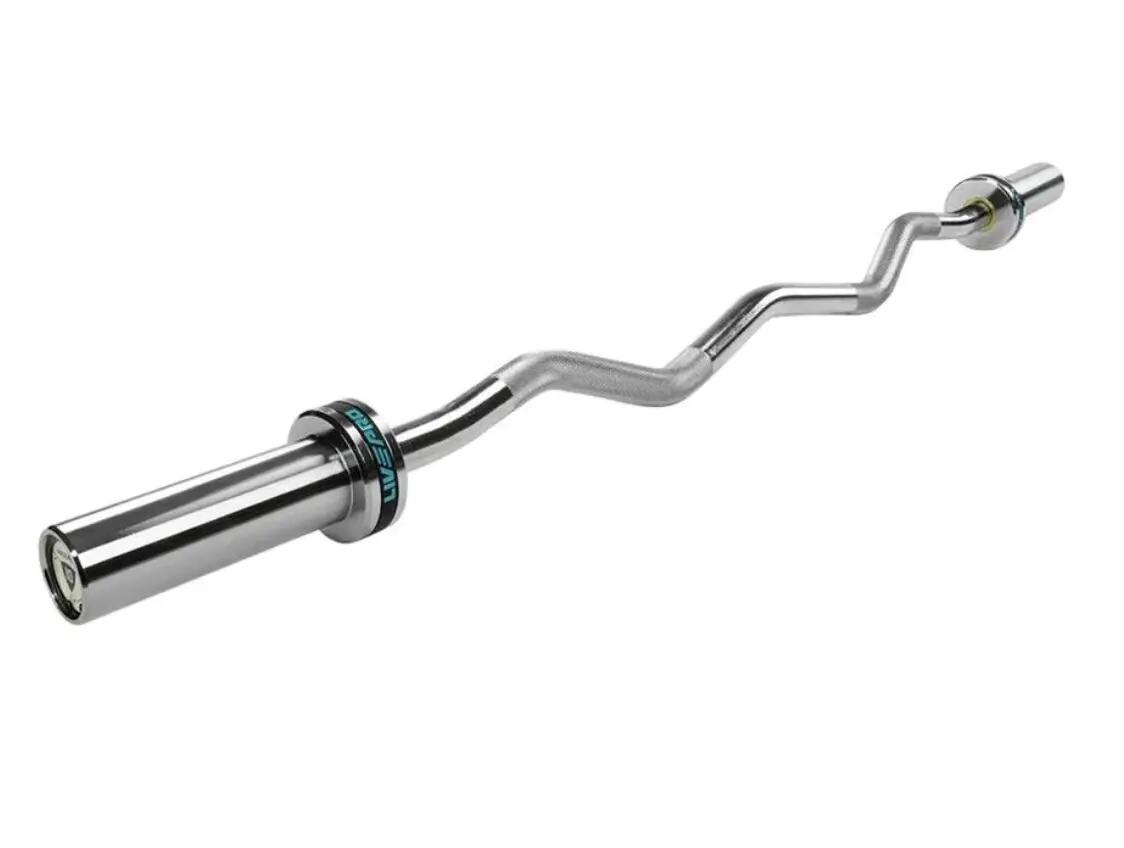
Marketplace -Online Only Marketplace -Online OnlyMarketplace -Online OnlyLIVEPRO Weight bar Livepro CurlCurrent price {{currentPrice}} €121.00Sold and shipped by Sport is good
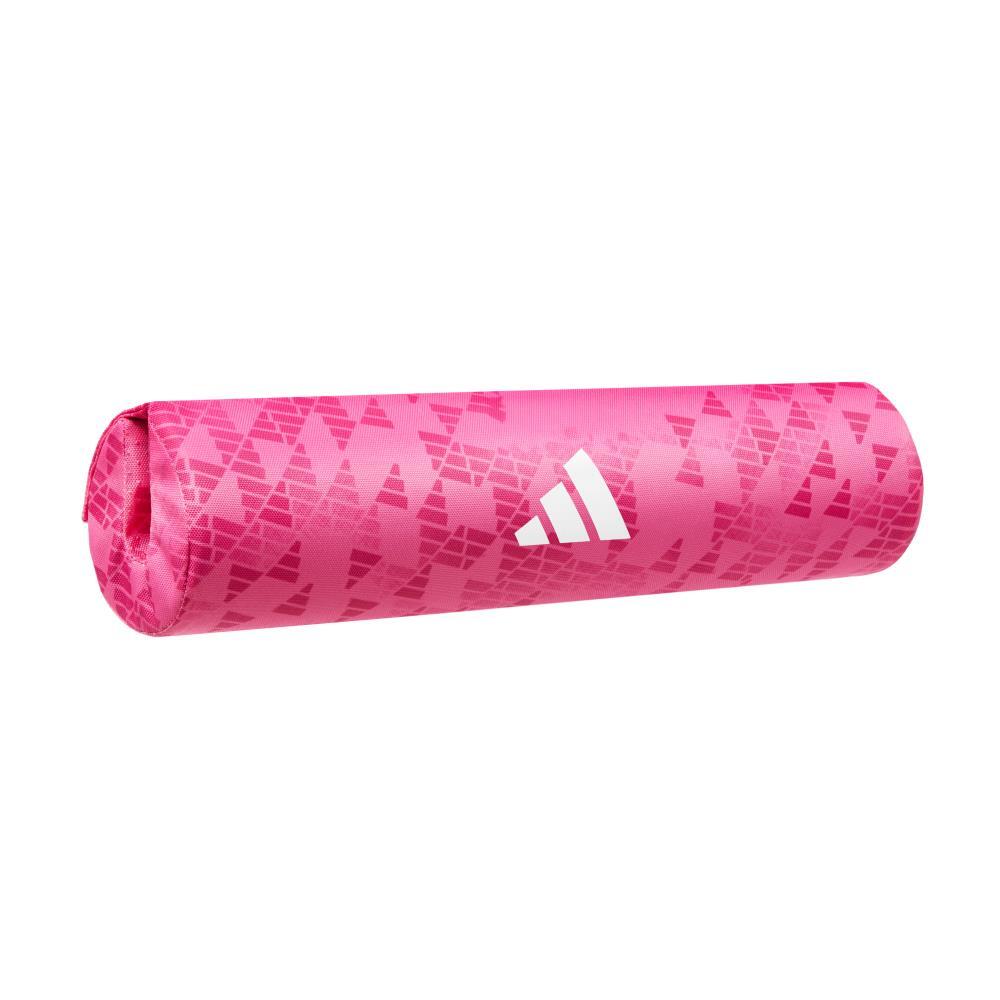
Marketplace -Online Only Marketplace -Online OnlyMarketplace -Online OnlyADIDAS Adidas Weight Bar PadCurrent price {{currentPrice}} €42.15Sold and shipped by Sports Lab IE
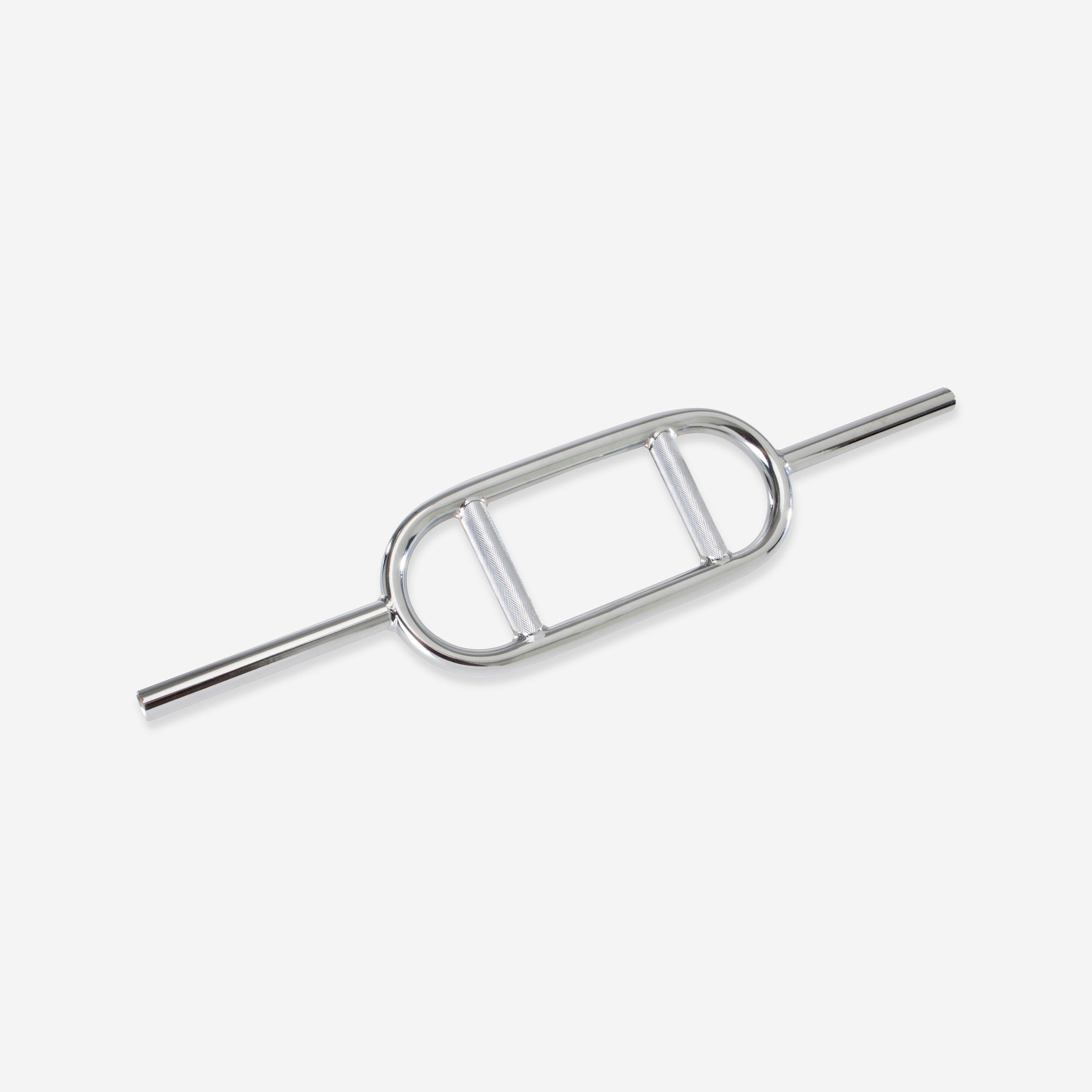
New Lower Price New Lower PriceNew Lower PriceDOMYOS Weight Training Tricep Bar 28 mm 86 cm4.7(87)Reviews.votesAriaCurrent price {{currentPrice}} €38.00 Former price Was €42.00Lowest price: €42.00
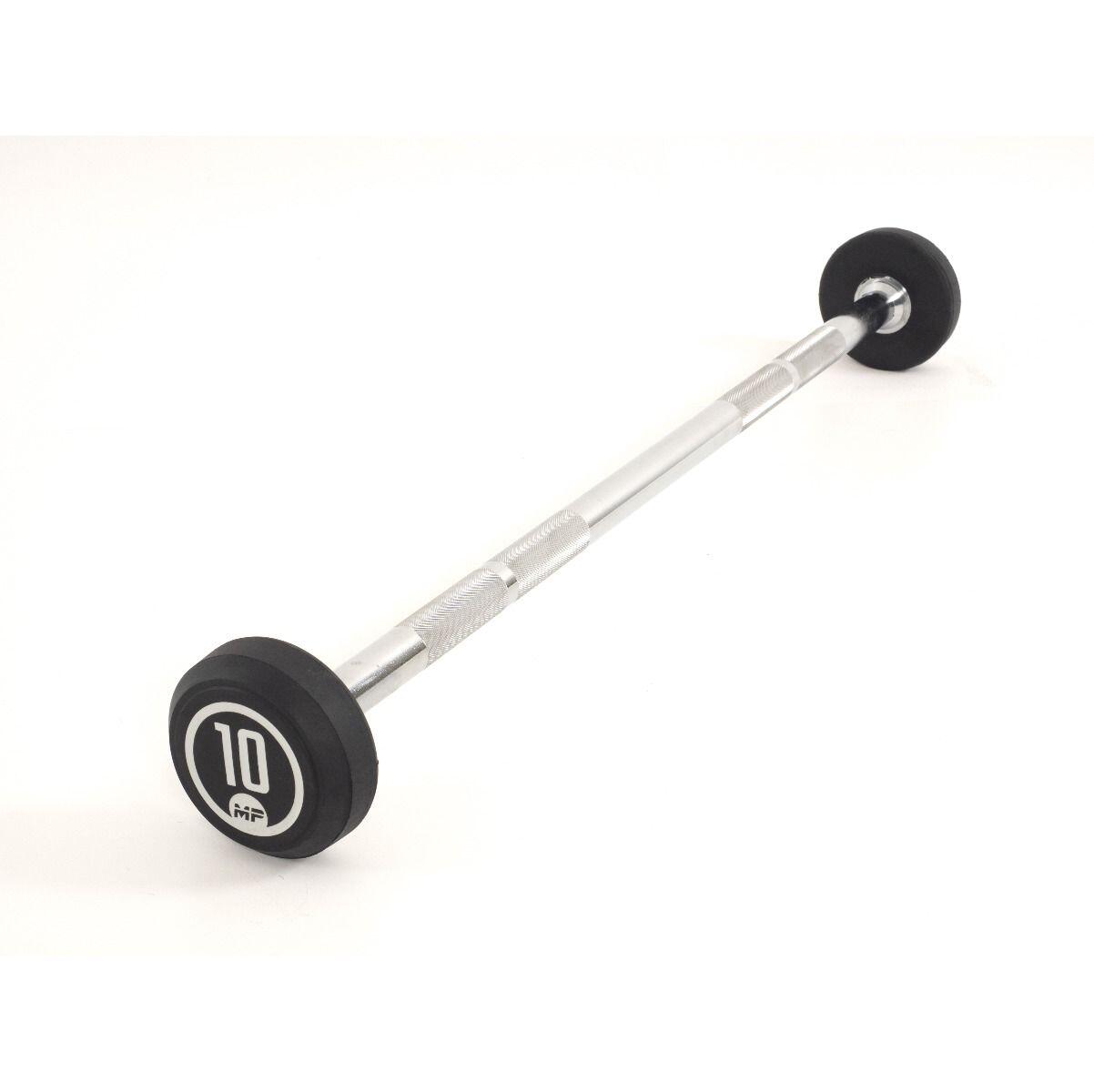
Marketplace -Online Only Marketplace -Online OnlyMarketplace -Online OnlyMUSCLE POWER Fixed Rubber Barbell - 10 kgCurrent price {{currentPrice}} €75.95€75.95/unitSold and shipped by Fitwinkel - Sporttrader