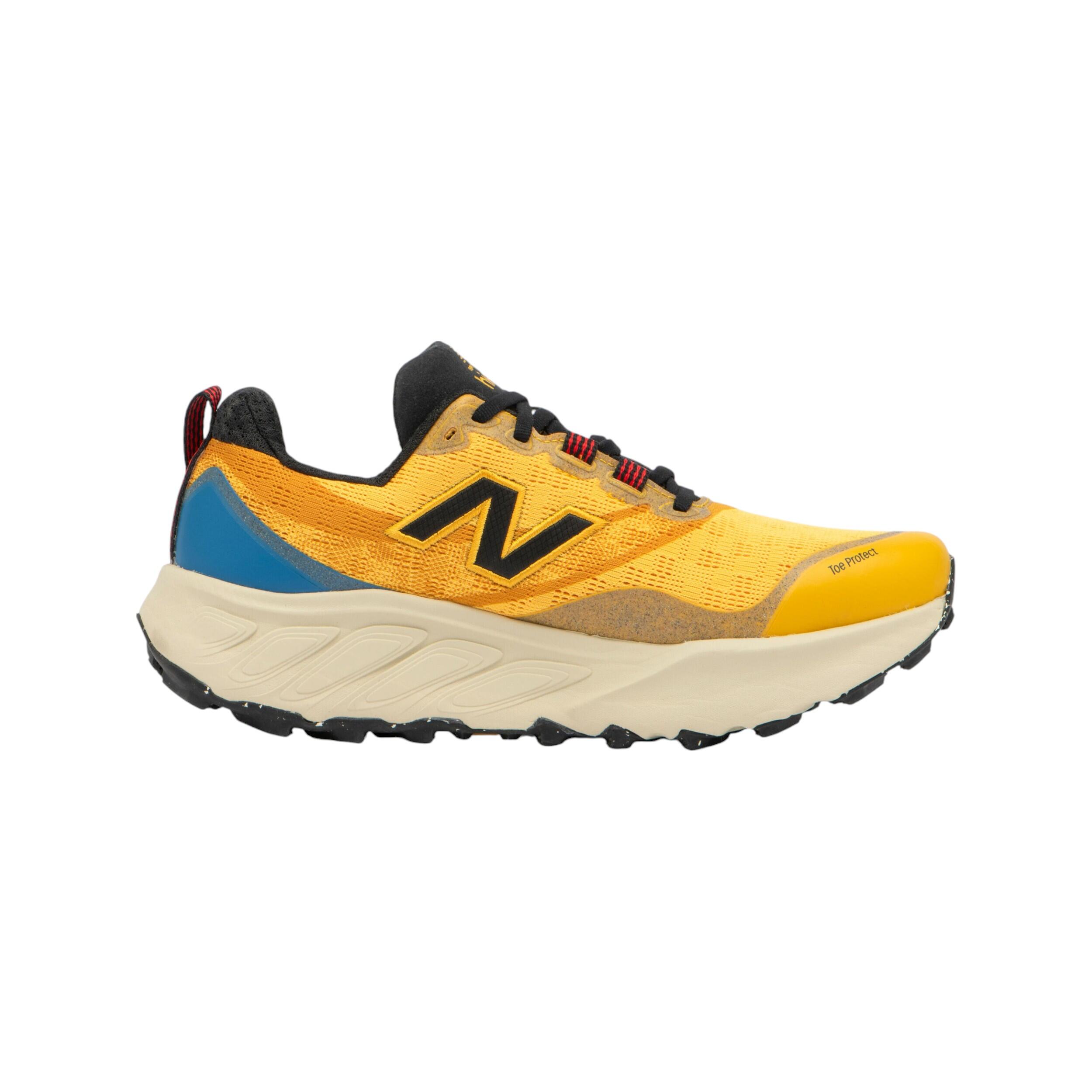
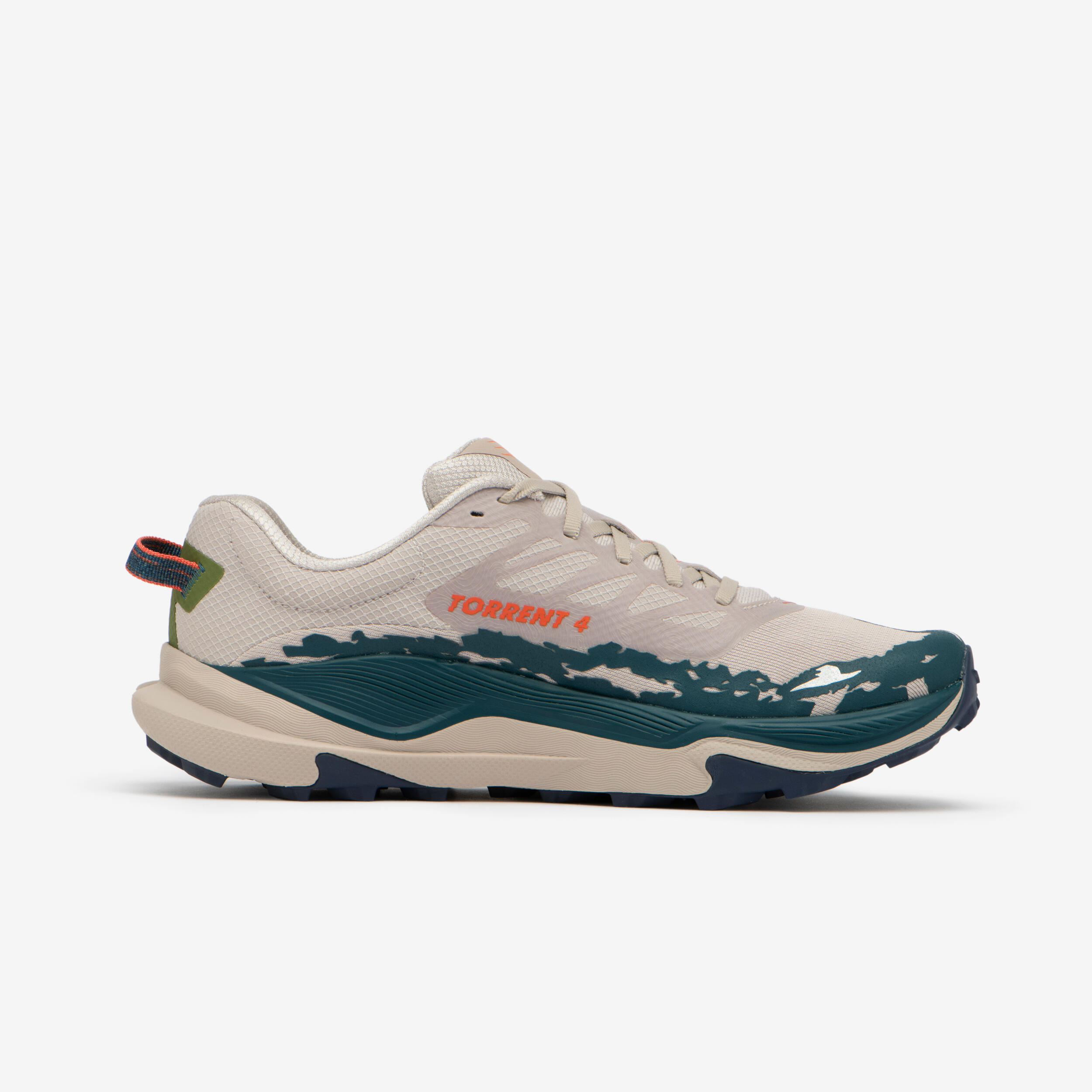
26 items
4.2/5 based on 149 reviews collected online and in stores

Hoka Trail Running Shoes FAQs

Why do many trail runners choose Hoka for longer off-road routes?

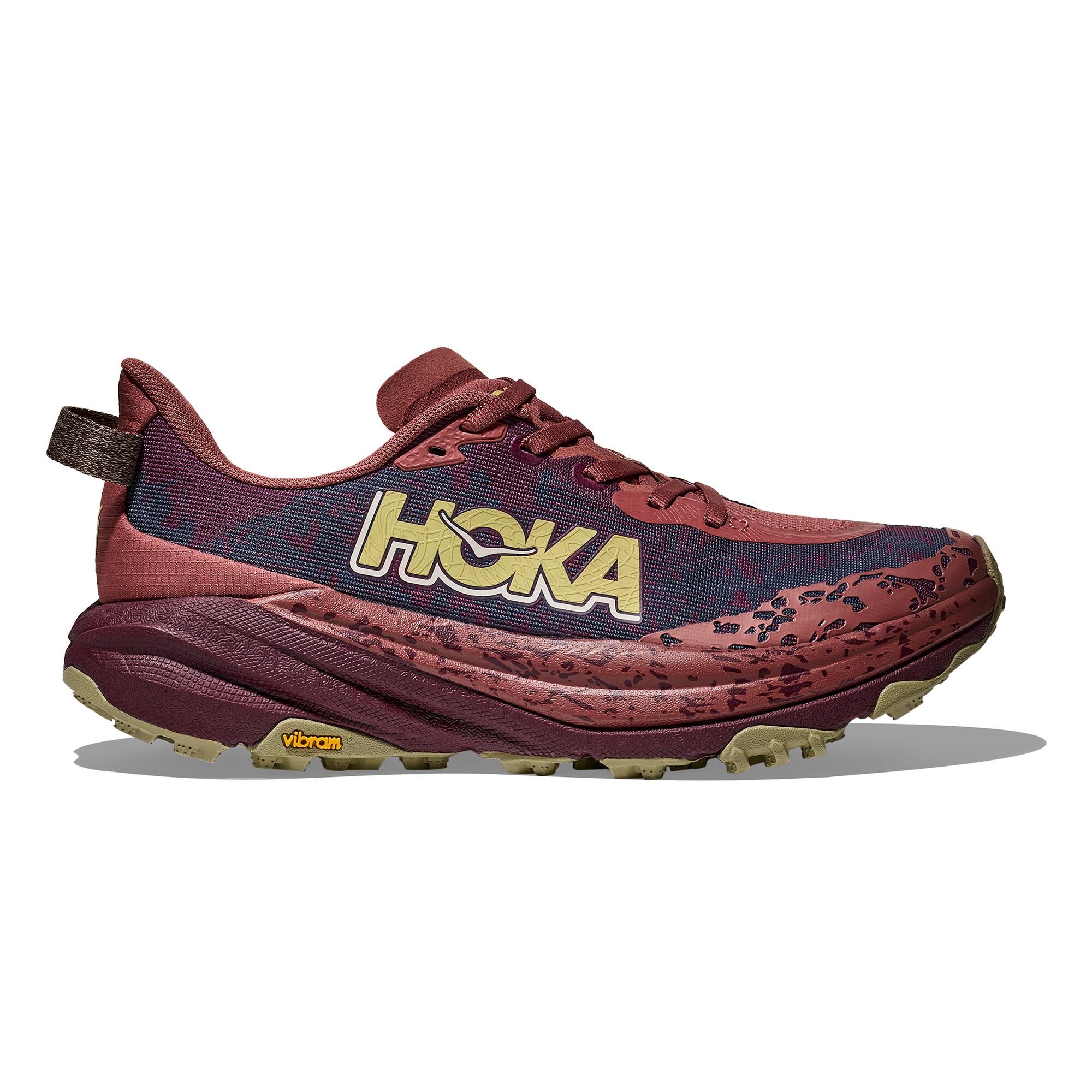
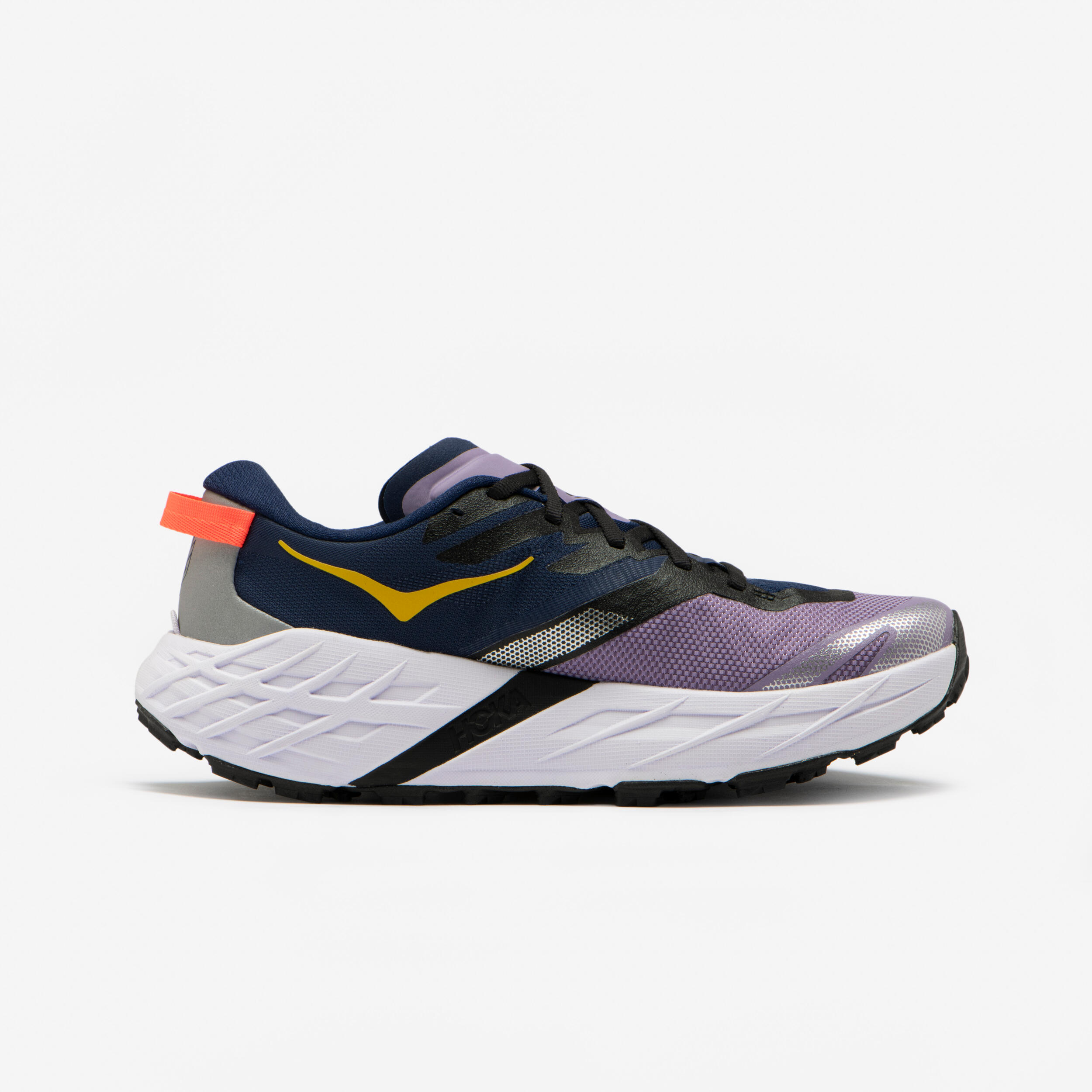
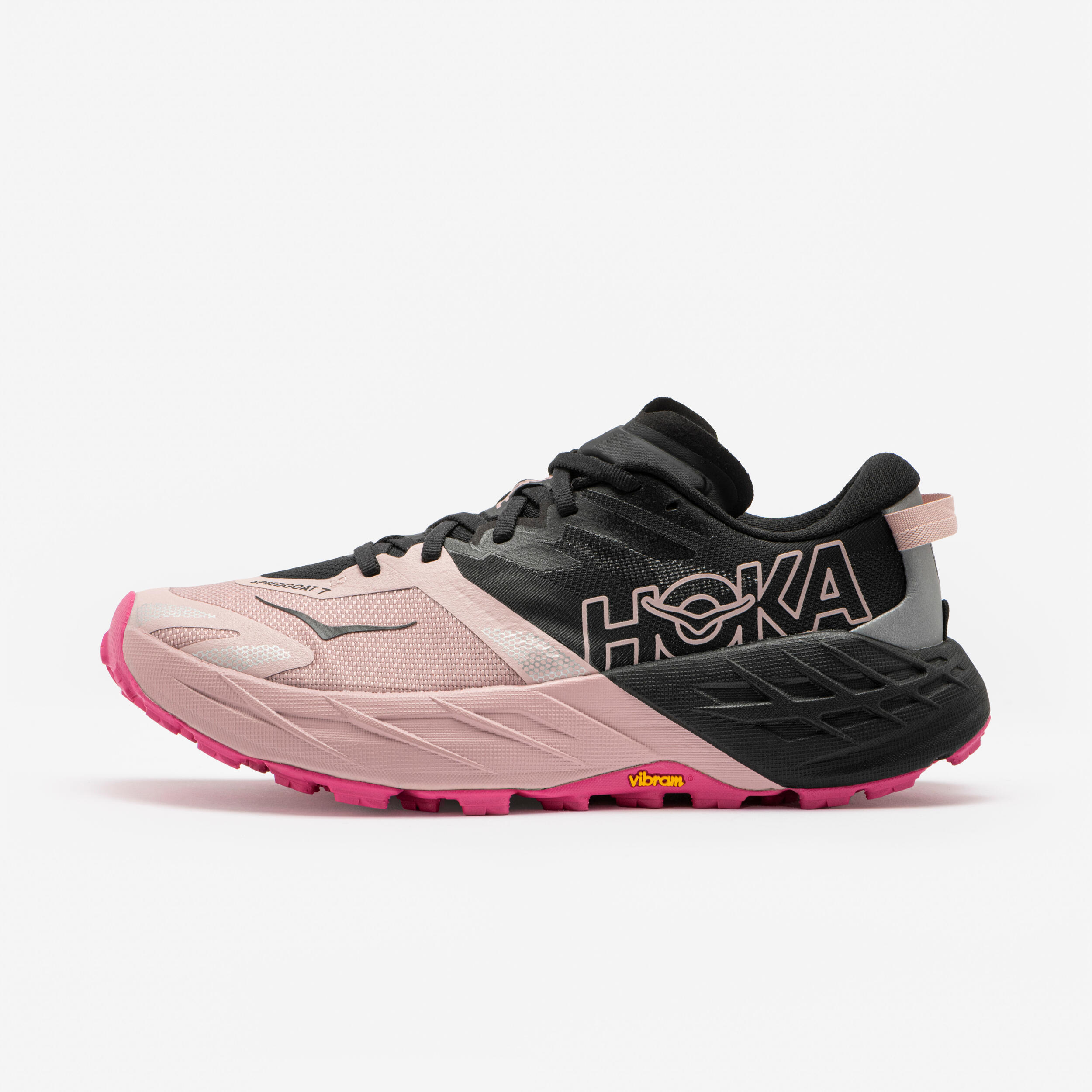
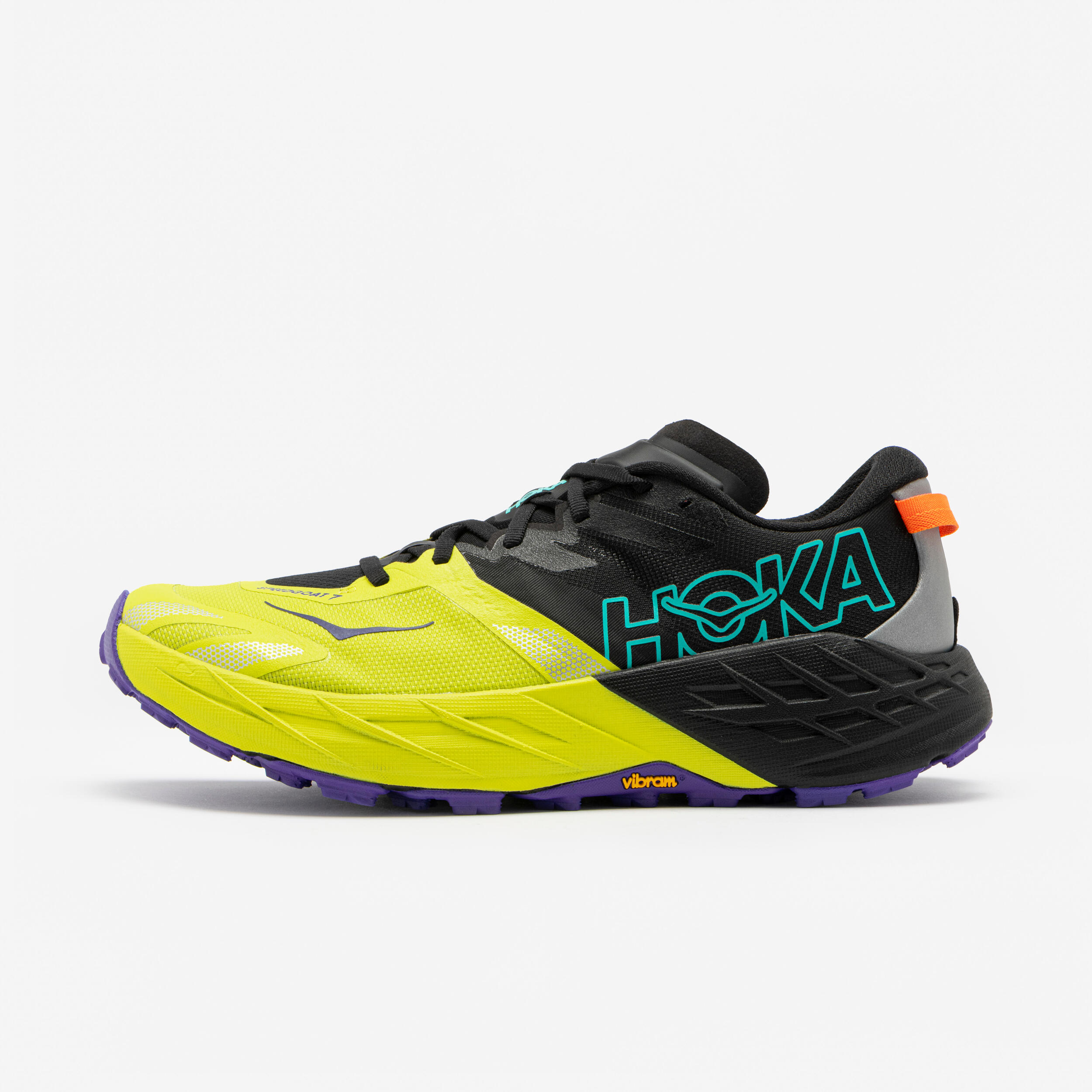
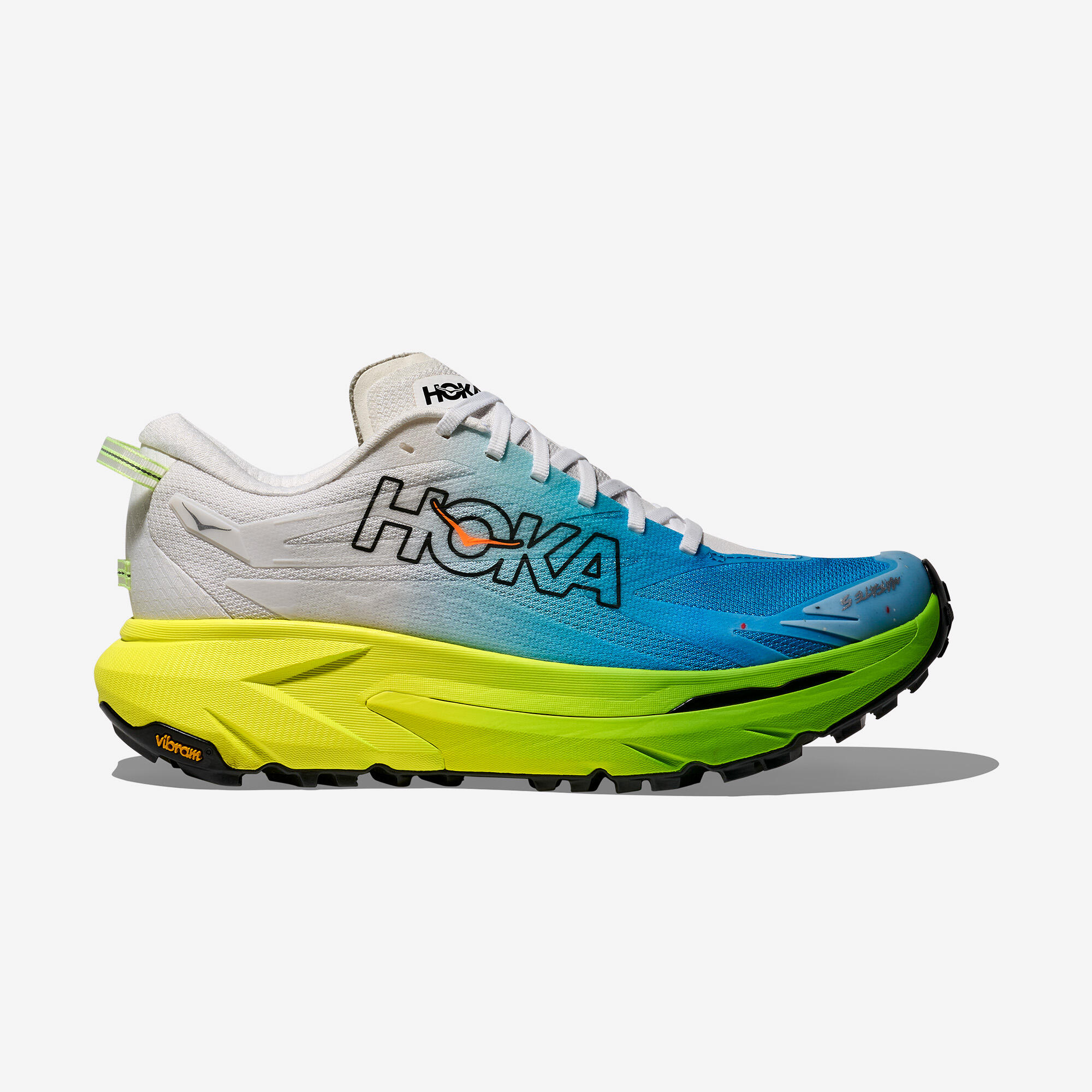
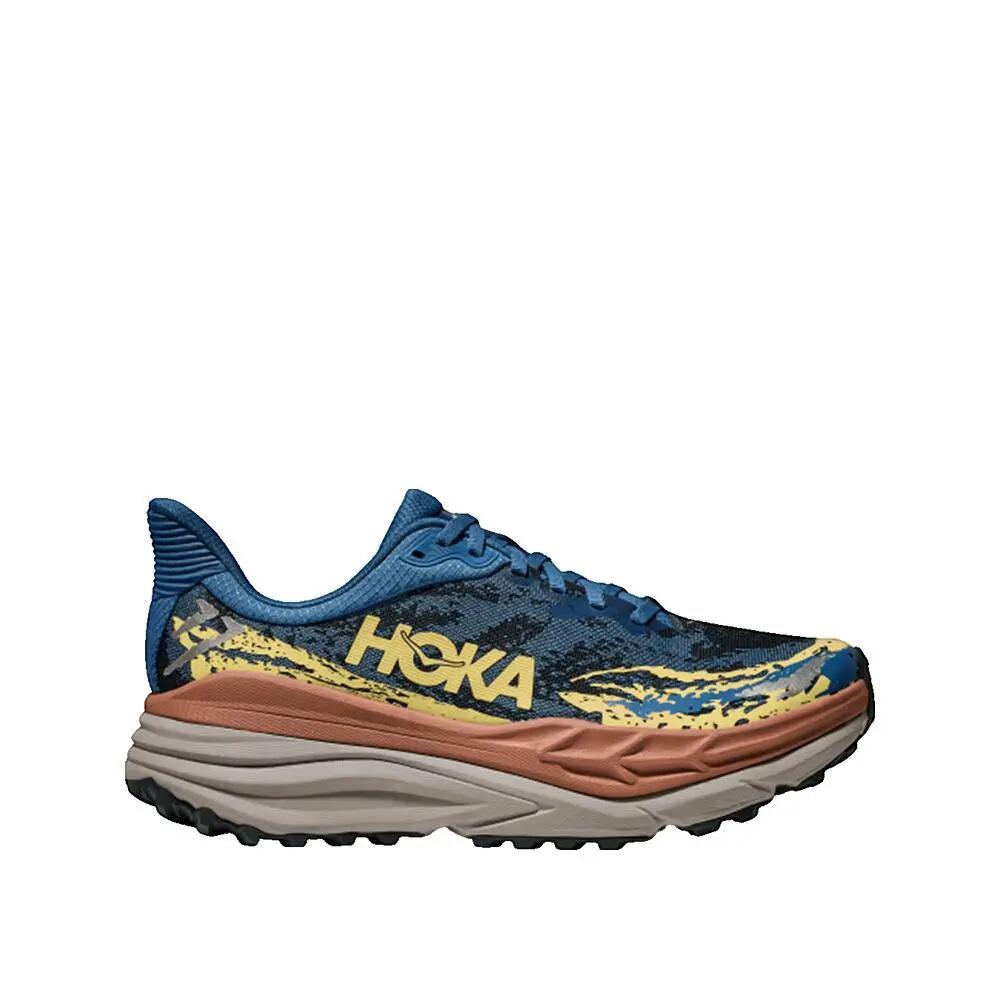
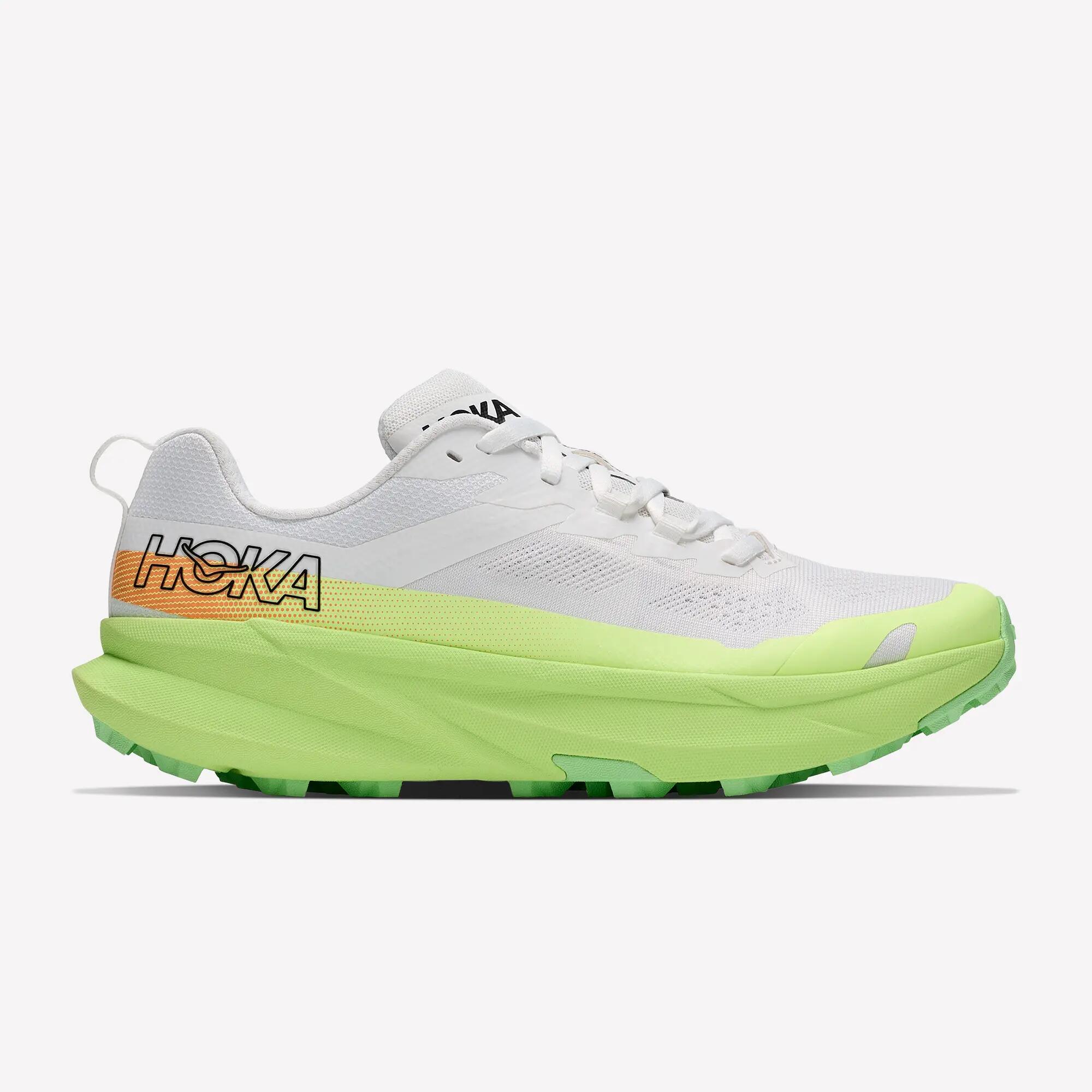
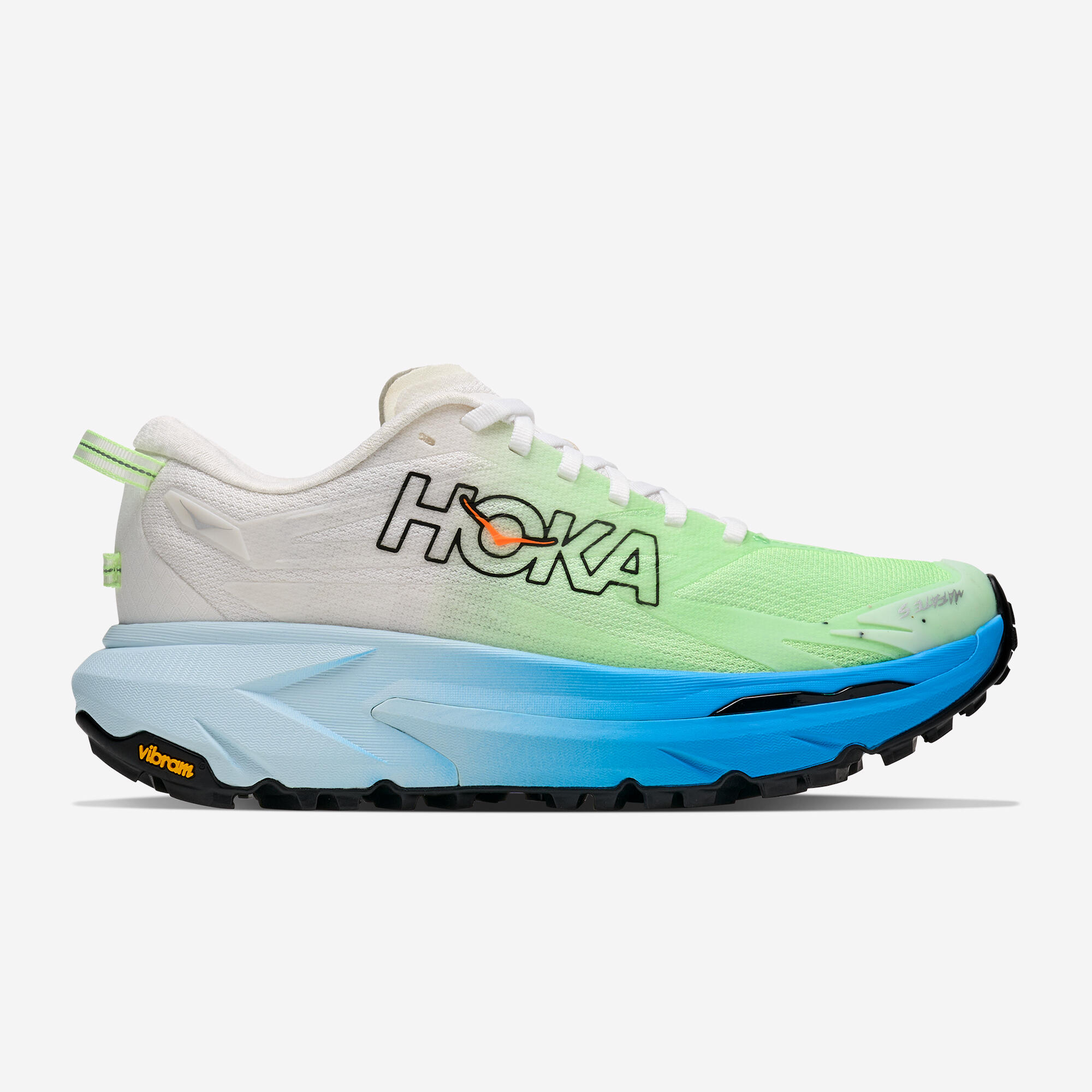
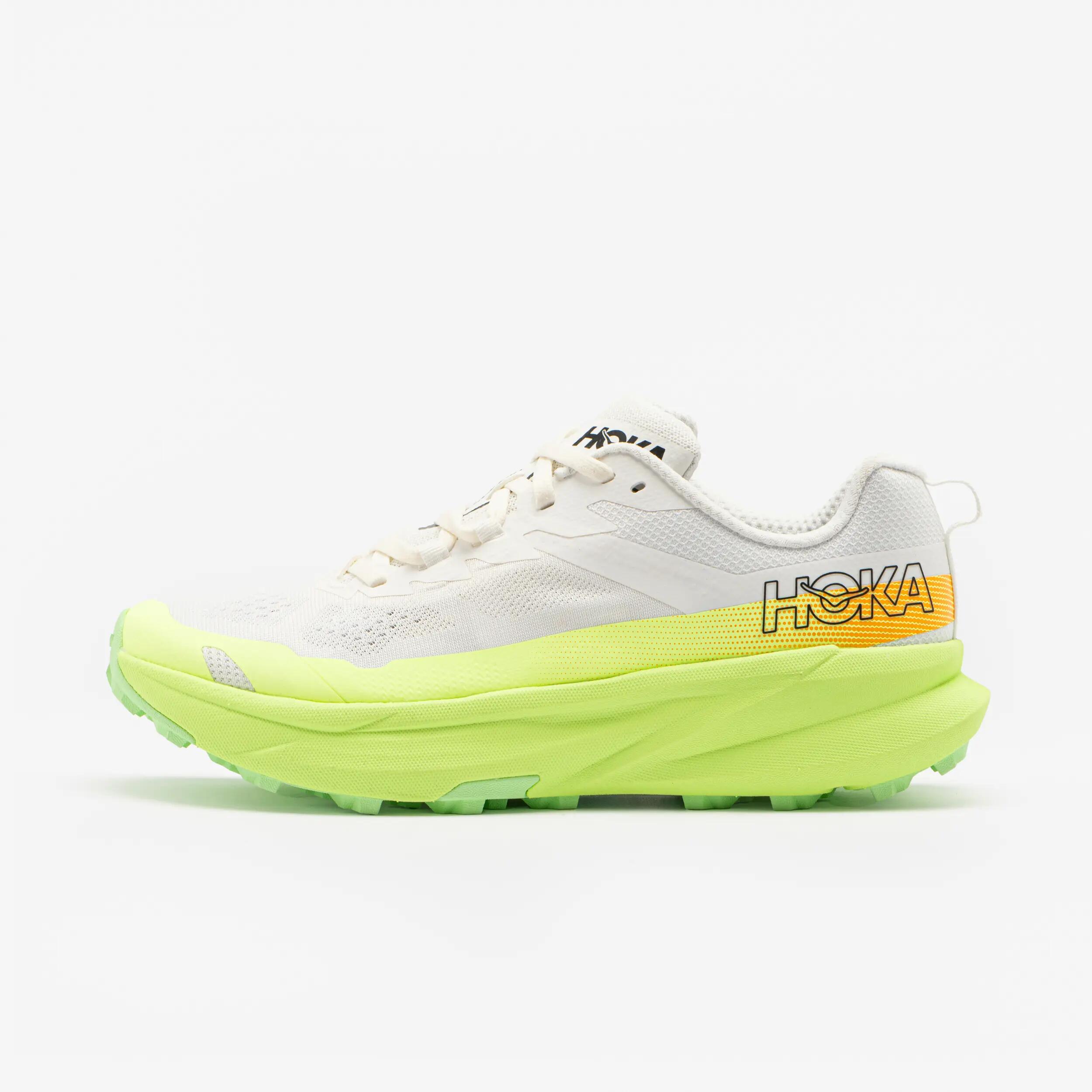
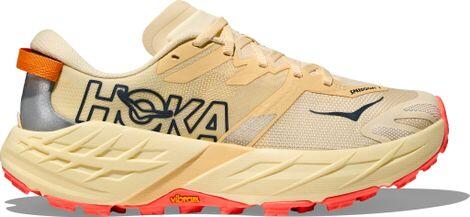
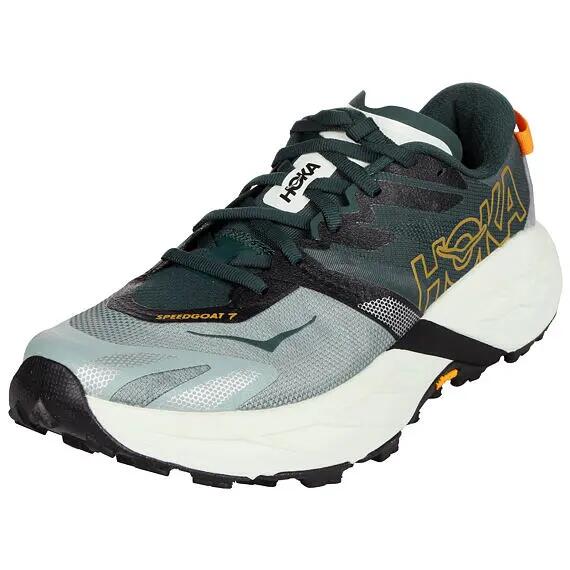
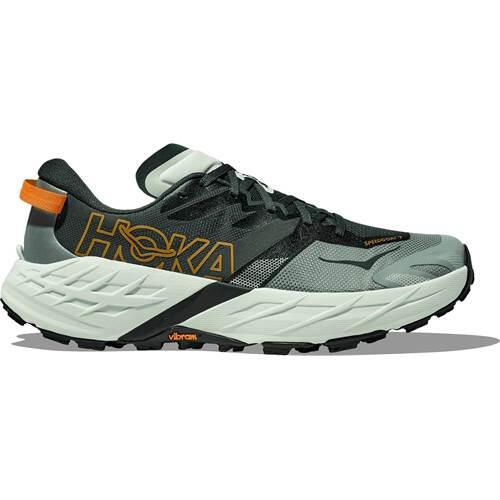
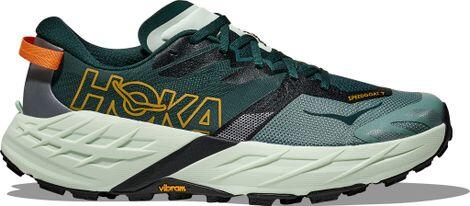
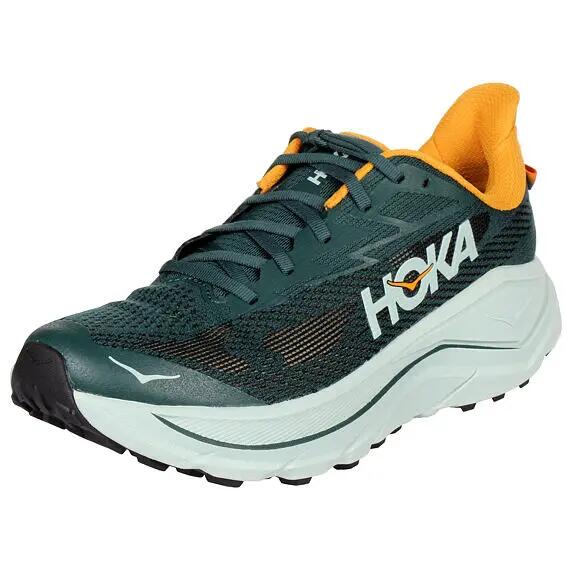
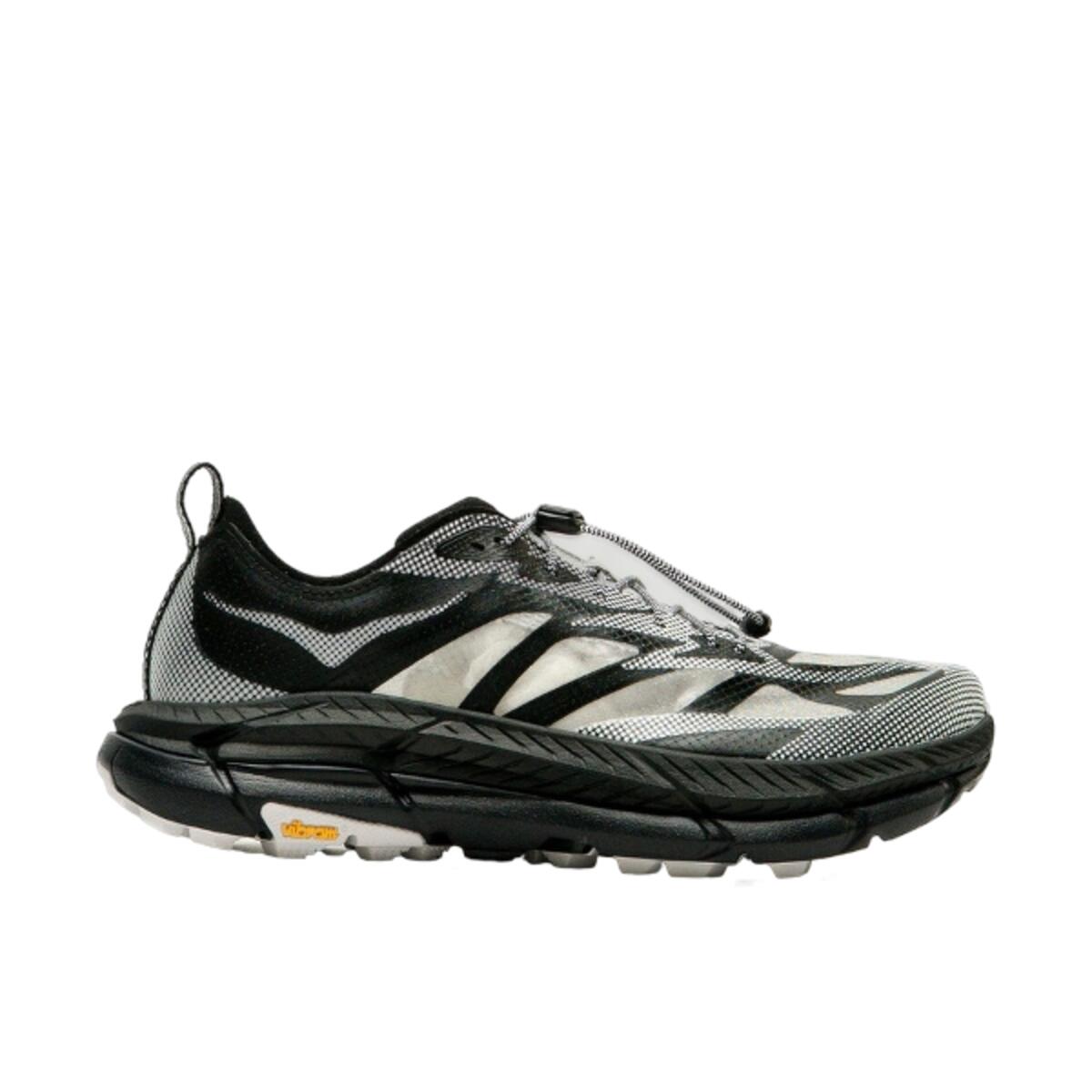
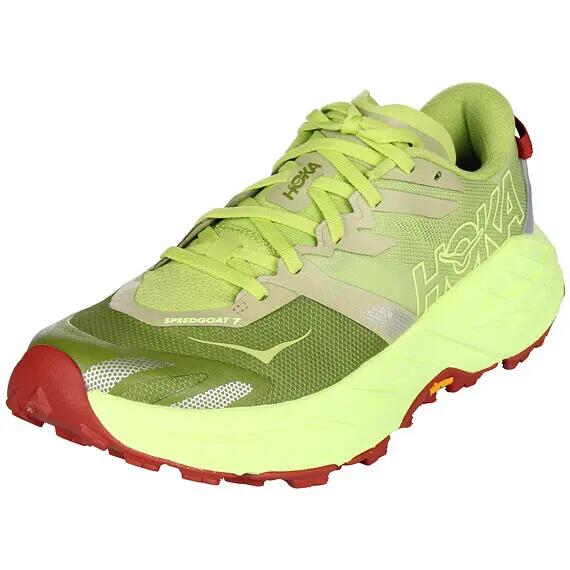
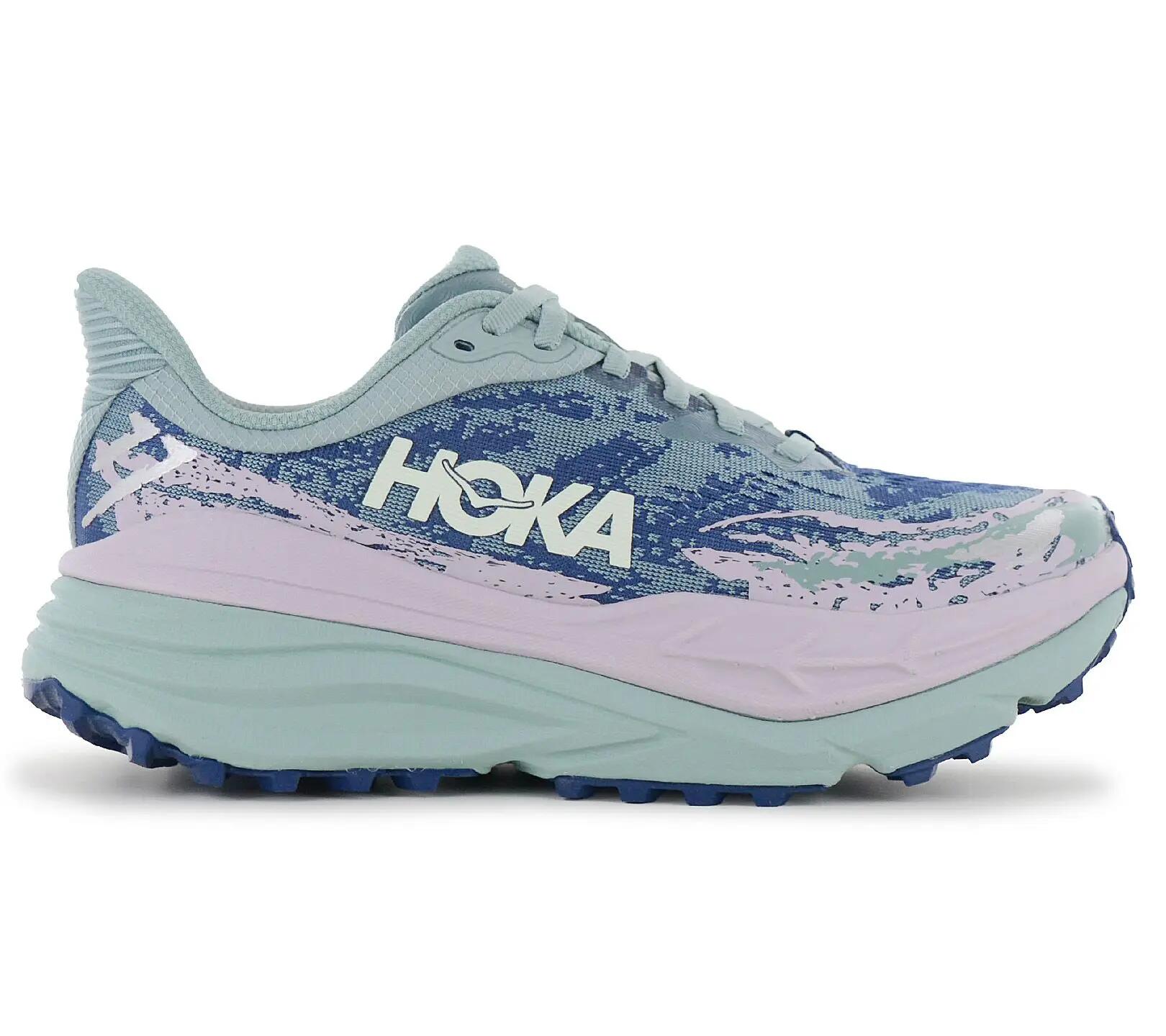
Hoka trail running shoes suit runners who want plenty of cushioning without a heavy feel underfoot. The higher midsole helps reduce repeated impact on rocky tracks, forest paths and long climbs, while the curved sole shape supports a smoother roll from landing to toe-off. This makes them especially useful when tired legs need extra comfort late in a run. Models such as the Speedgoat are often linked with mountain routes because they combine soft underfoot protection with reliable trail traction. Hoka options for off-road miles sit within the wider trail-running shoes range.

Which Hoka trail shoe suits mixed paths and mountain terrain?

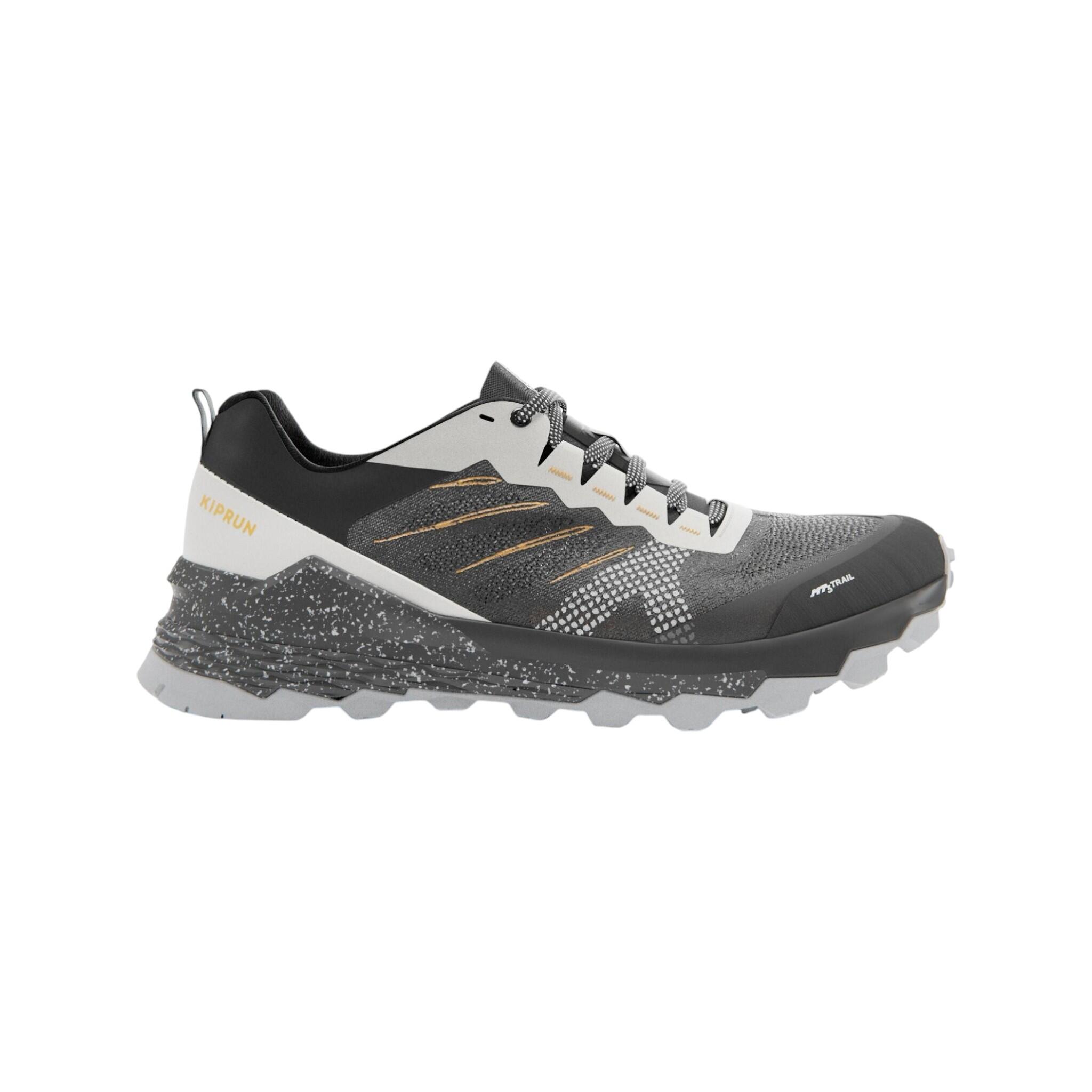
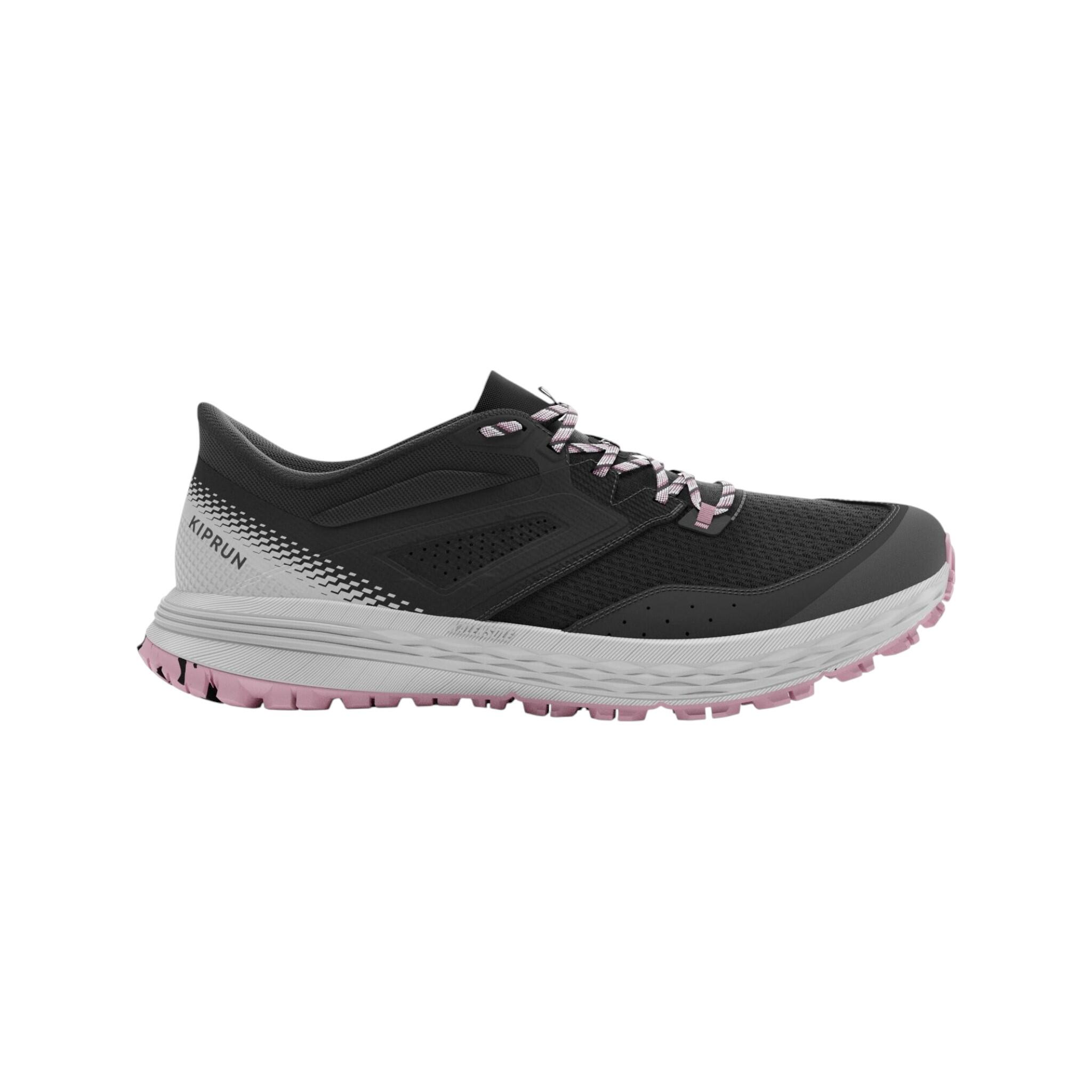
The right Hoka pair depends on where most of the running happens. A shoe with deeper lugs and stronger underfoot protection suits loose stone, steep descents and mountain trails. A smoother outsole works better when routes move between park paths, gravel tracks and short road sections. Cushioning level also matters, as longer runs usually benefit from more foam under the foot, while shorter, faster sessions may feel better in a lighter build. Runners starting out on local trails may also compare them with Kiprun trail running shoes for a more budget-friendly off-road option.

What makes Hoka trail shoes stable on uneven ground?

Hoka trail shoes often use a broad sole base, which spreads pressure more evenly when the foot lands on loose or angled ground. This helps the shoe feel steadier on rocky tracks, dry ruts and rough descents. The midsole cushioning absorbs impact, while the outsole pattern bites into the surface to reduce sliding. On technical trails, a secure heel hold and firm lace fit are just as important as grip because they help stop the foot shifting inside the shoe. For added protection against stones, grit and trail debris, trail running shoes accessories can help complete the setup.

Can Hoka trail running shoes cope with wet Irish trails?

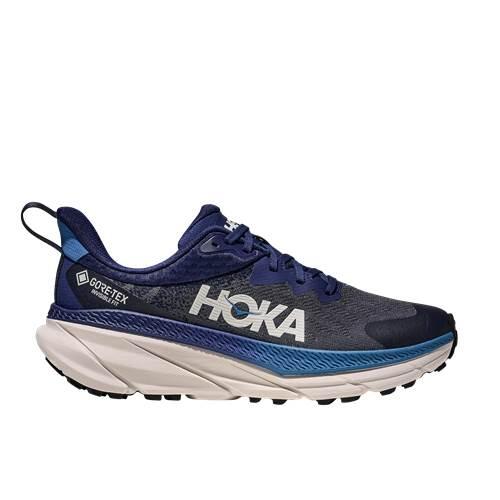
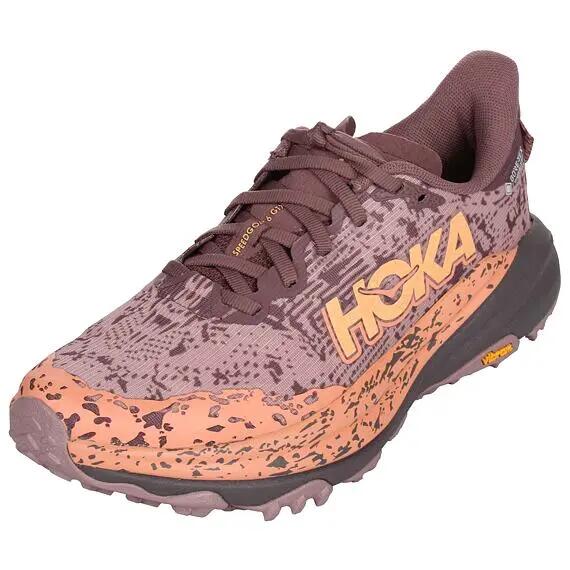
Wet grass, muddy woodland paths and slick rock need an outsole that can hold the surface without clogging too quickly. Many Hoka trail models use grippy rubber compounds and spaced lugs to improve contact on damp ground. Waterproof versions can help when rain, puddles and soft trails are part of the route, though breathability may feel lower than in non-waterproof shoes. After a wet run, removing the insoles and letting the shoes dry naturally helps protect the upper and midsole. Layering the right footwear with weather & seasonal trail running gear keeps runs more manageable in changeable conditions.

Are Hoka trail shoes a good choice for ultra-distance runs?

Hoka trail shoes can work well for ultra-distance running because the cushioning helps reduce harsh ground feel over many hours. The extra foam underfoot can ease fatigue on hard-packed trails, rocky paths and long downhill sections. A stable platform also matters when form starts to fade late in the run, as it helps keep each landing more controlled. For early starts, late finishes or remote trail routes, carrying safety kit from the trail running accessories range is a practical addition to the footwear choice.