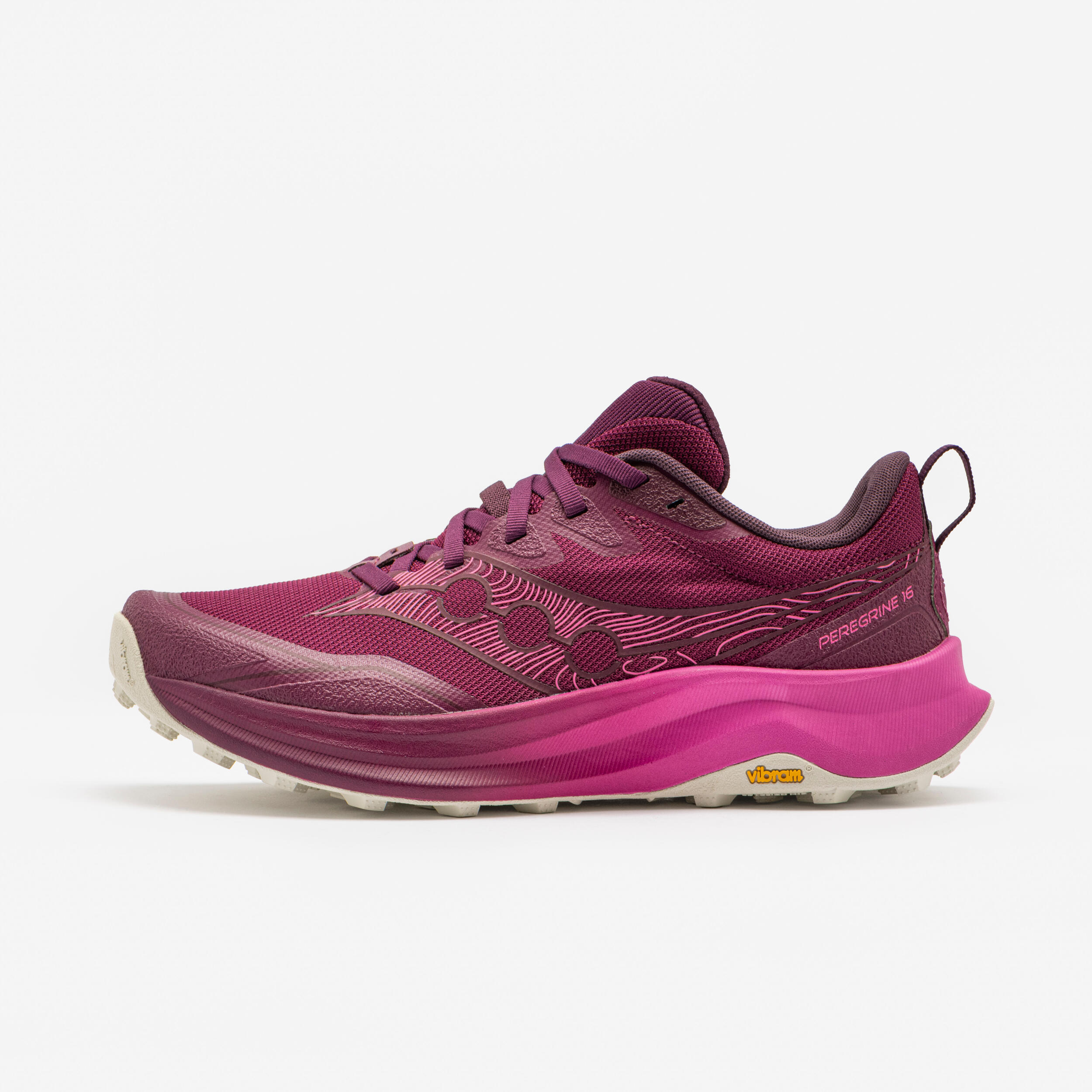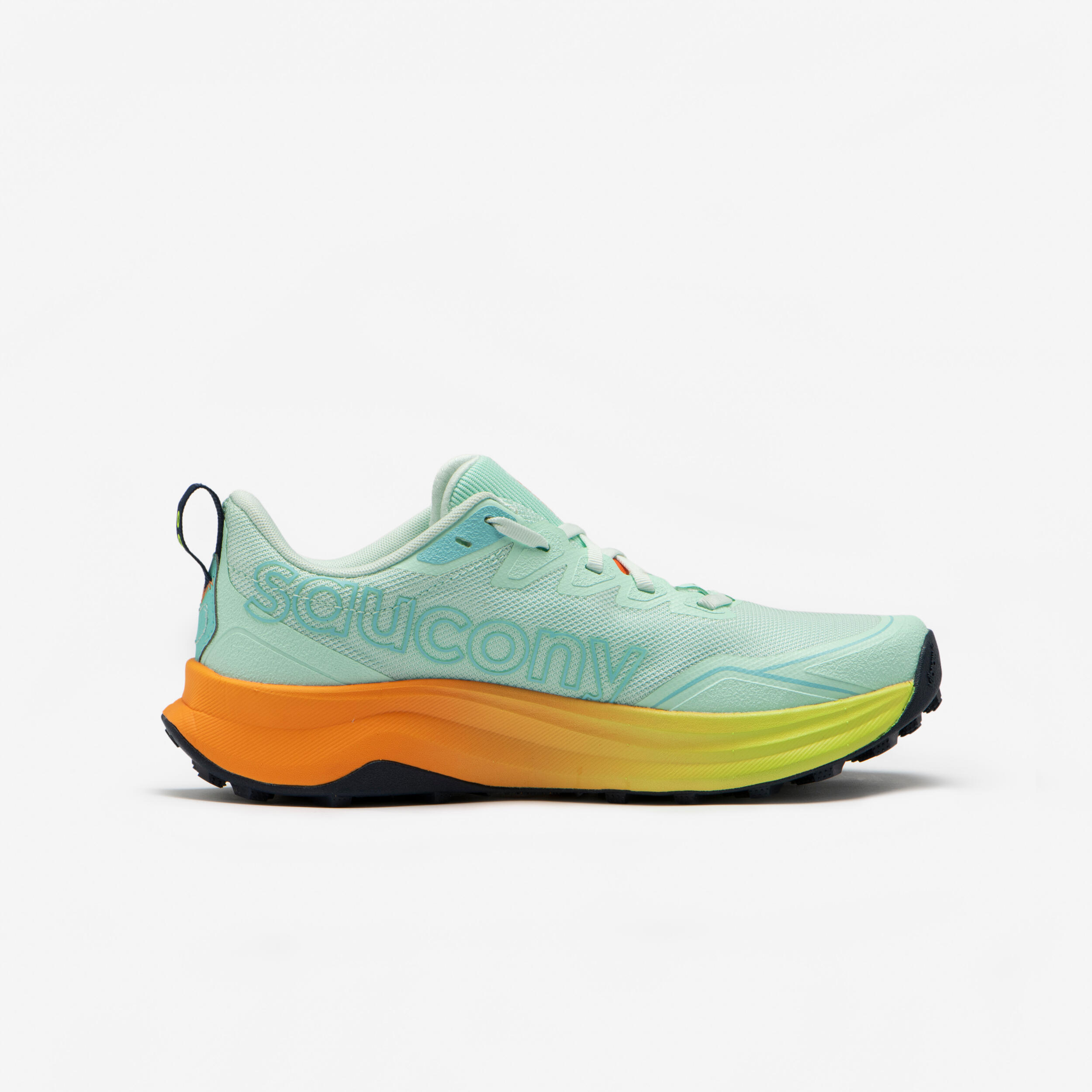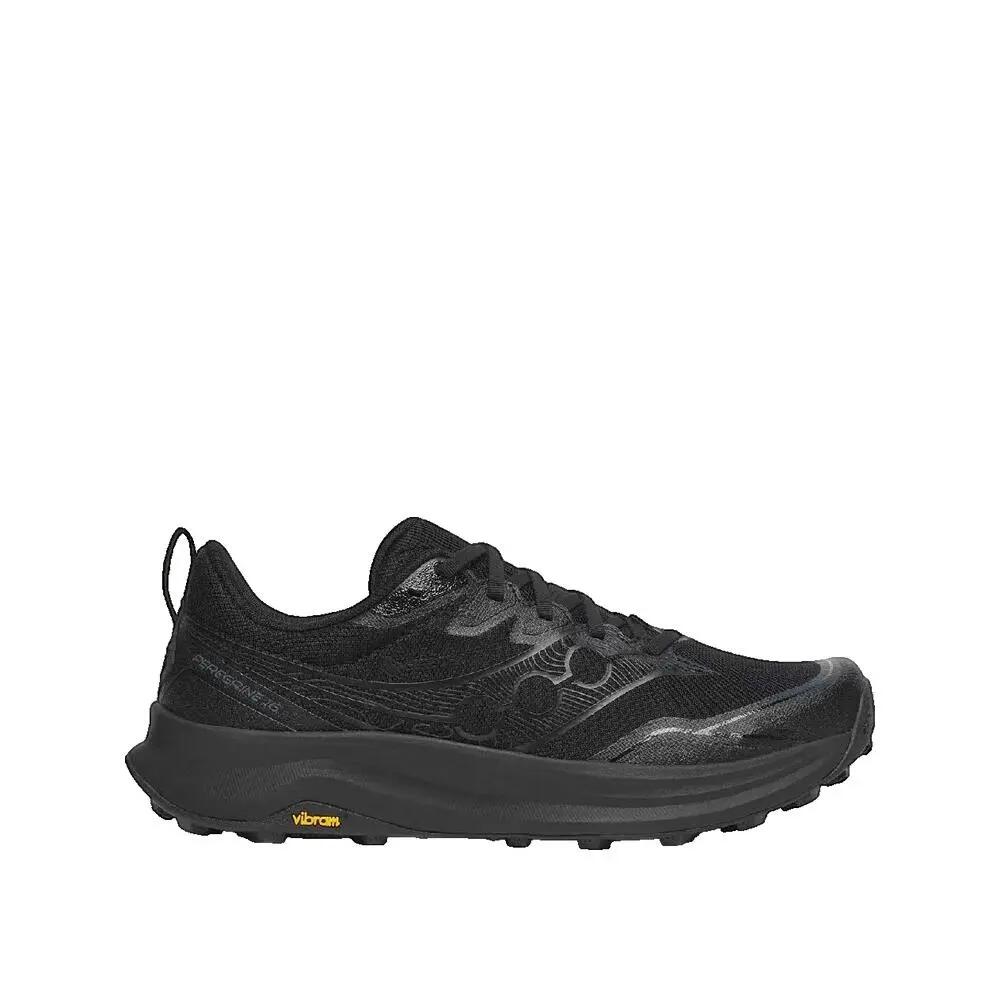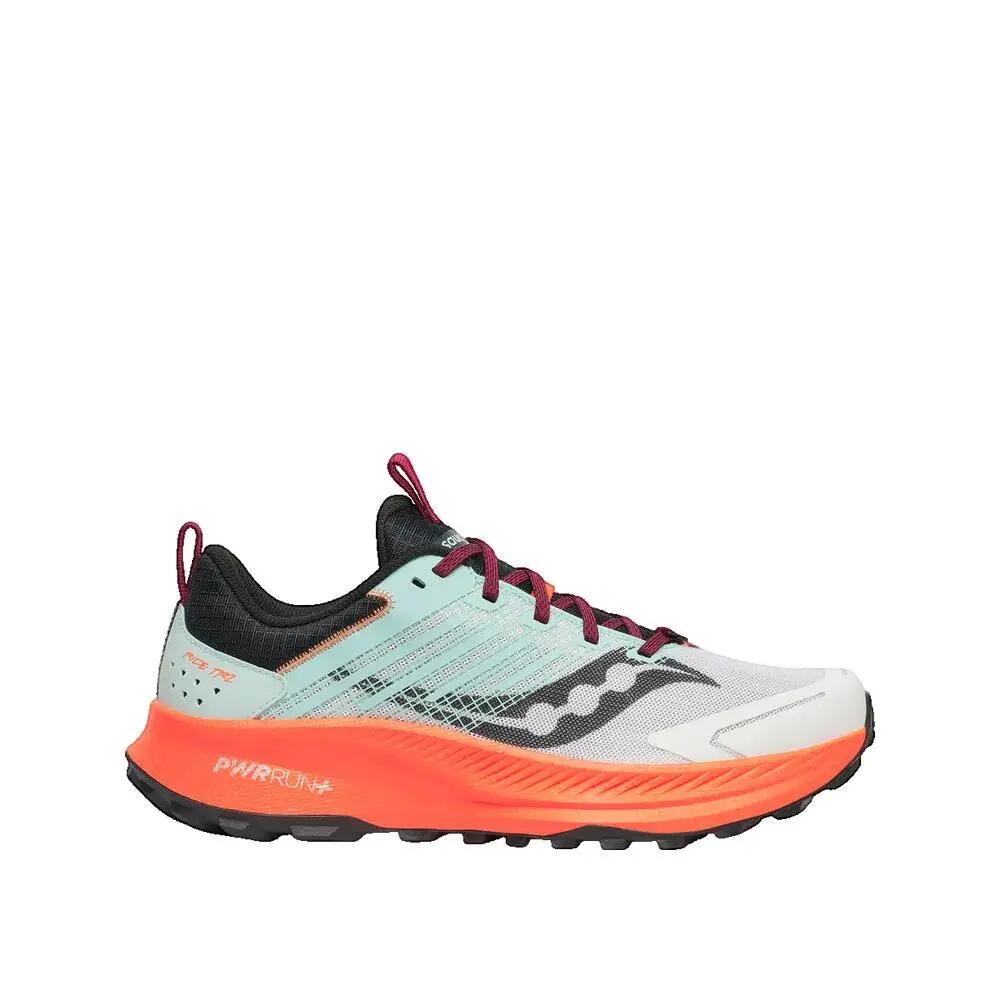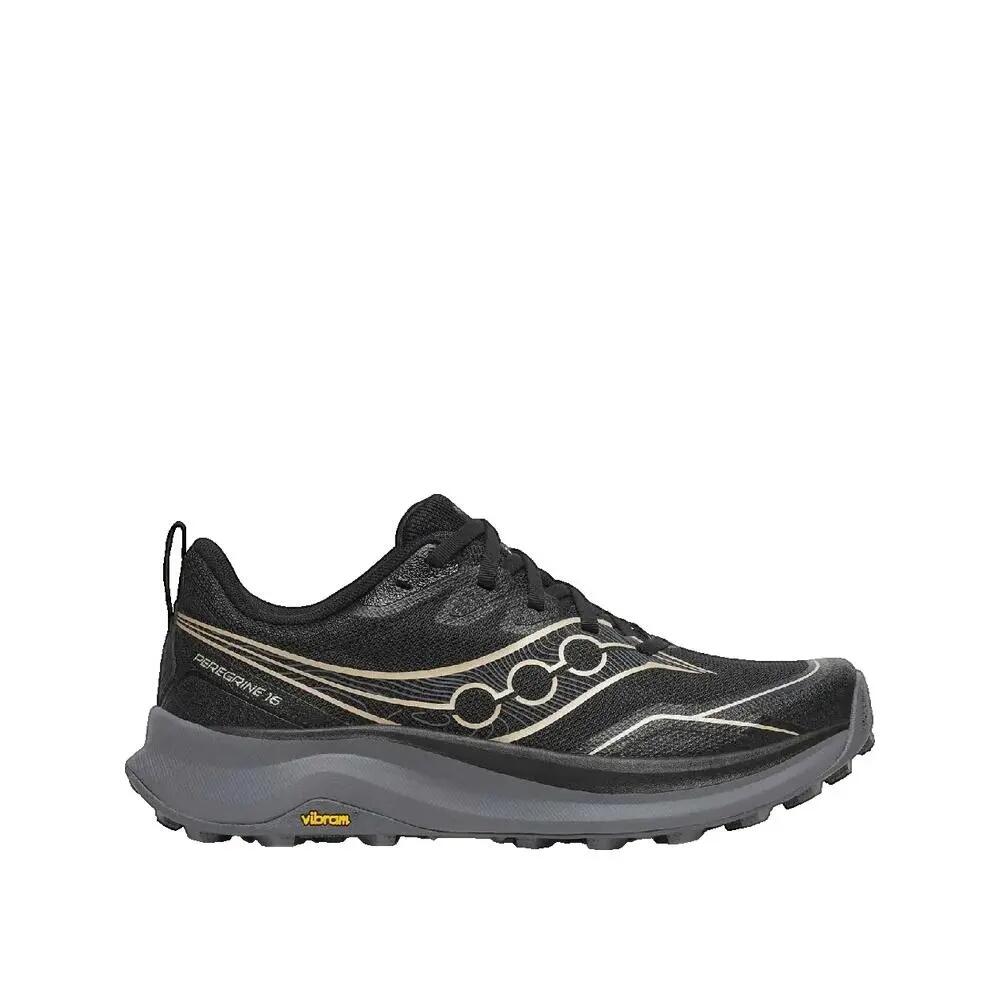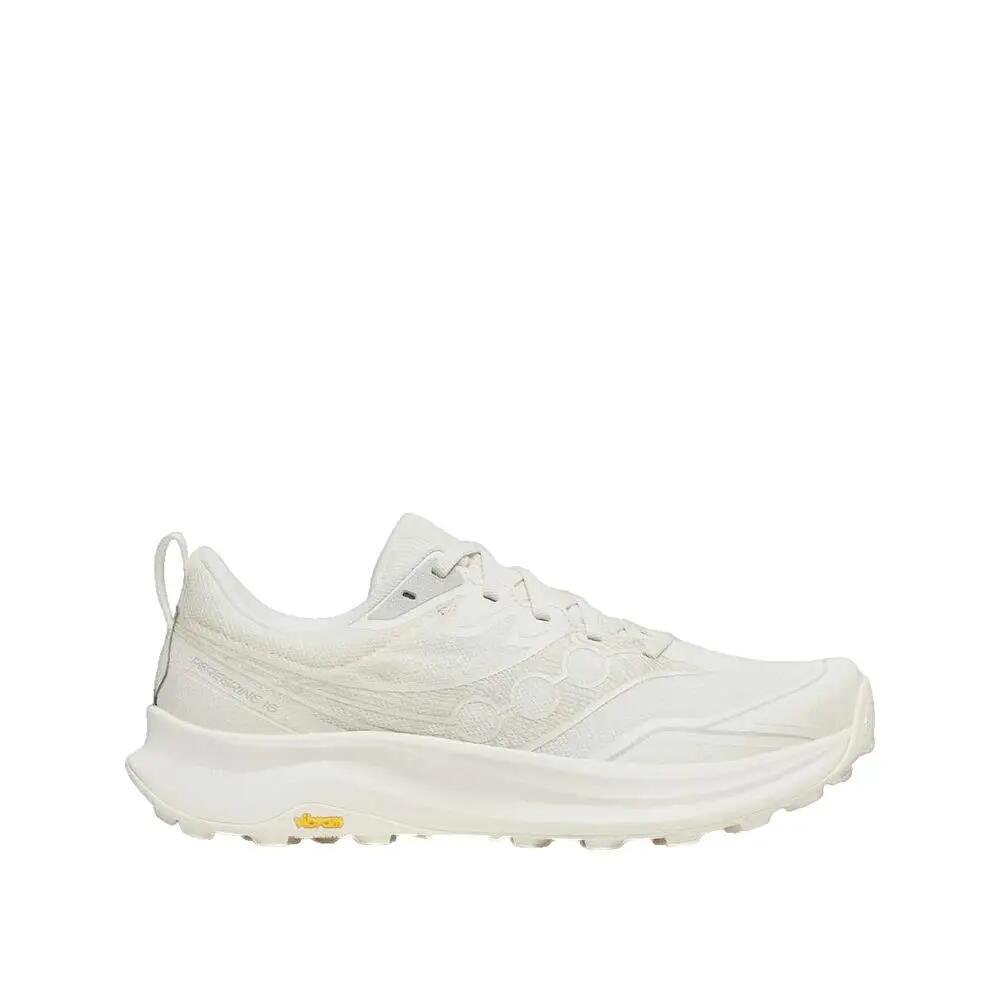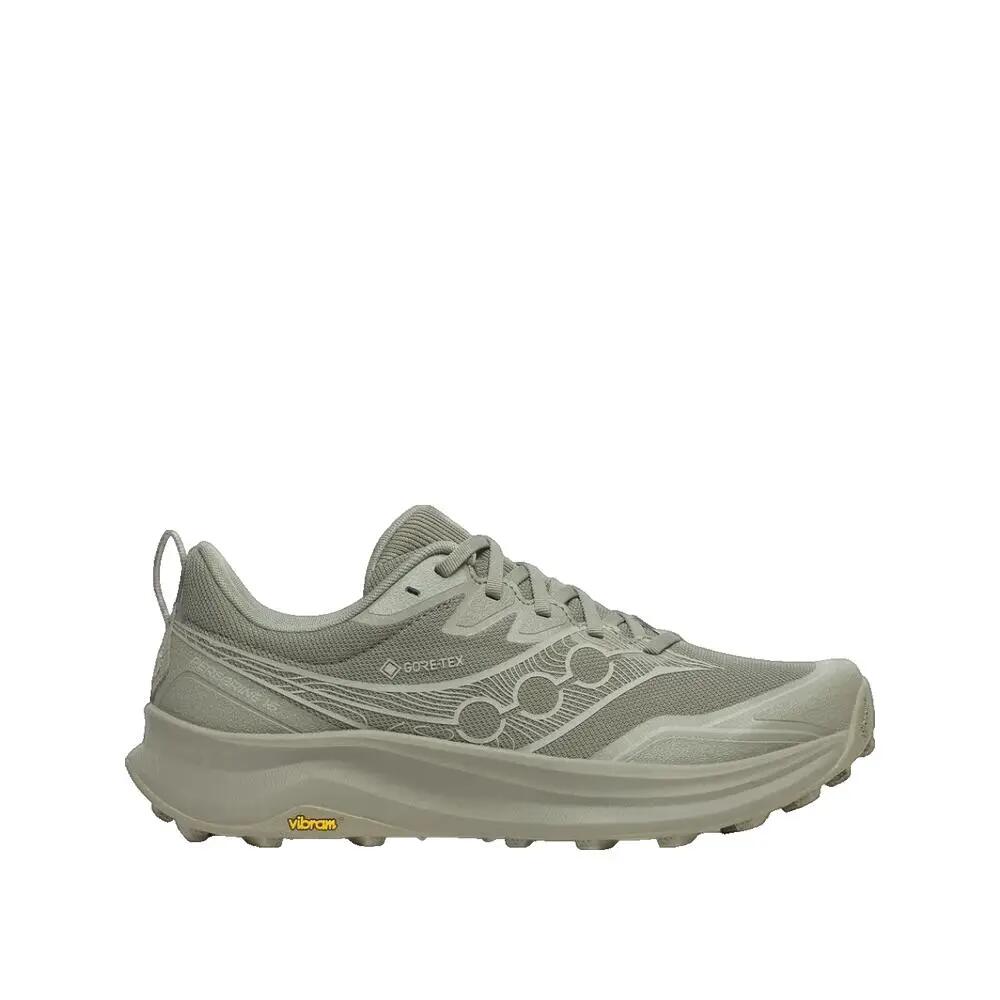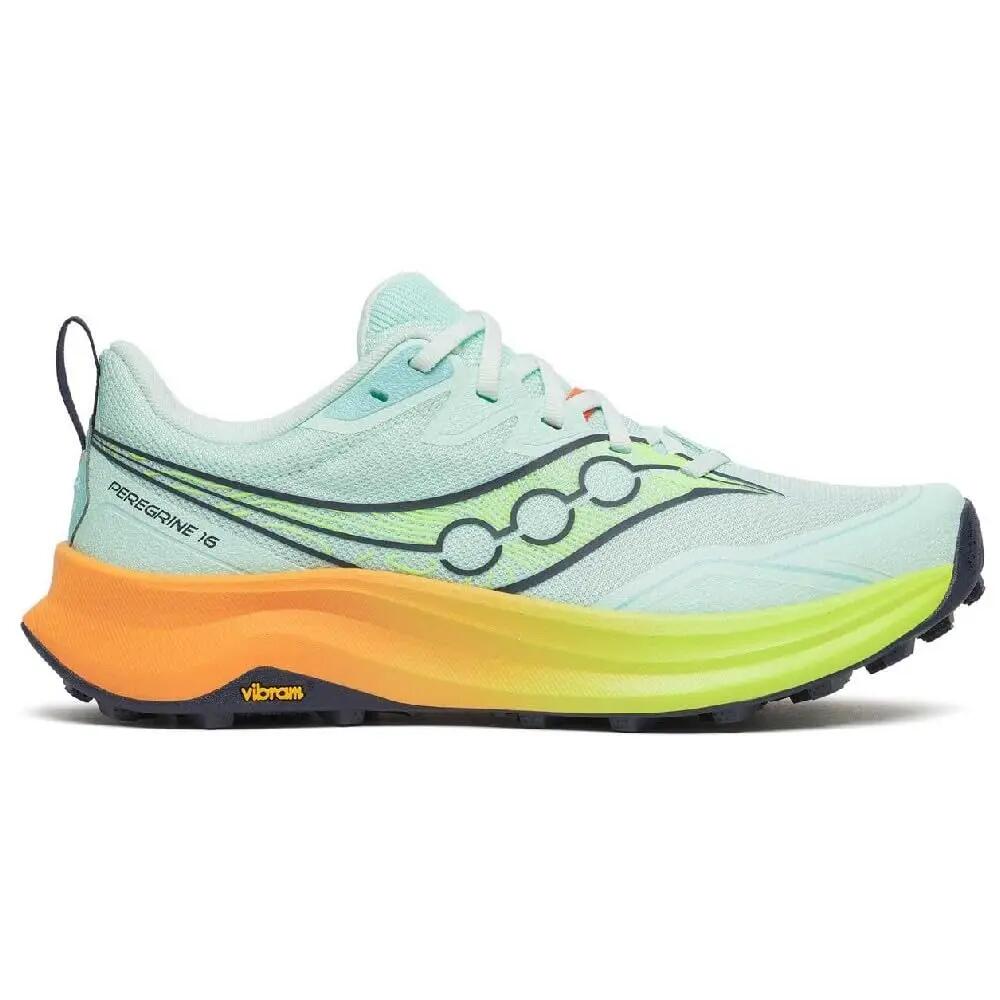
18 items
4.6/5 based on 41 reviews collected online and in stores

Saucony Trail Running Shoes FAQs

Why do trail runners choose Saucony for mixed off-road routes?

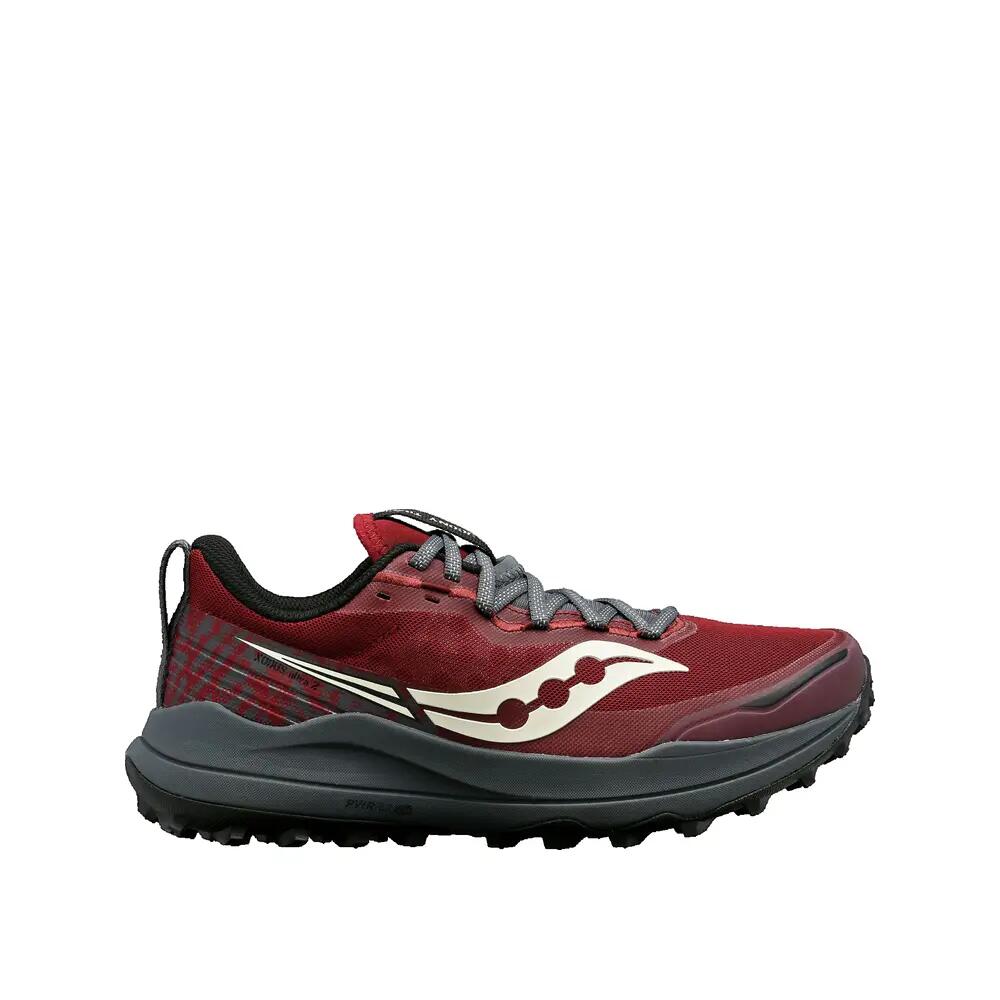
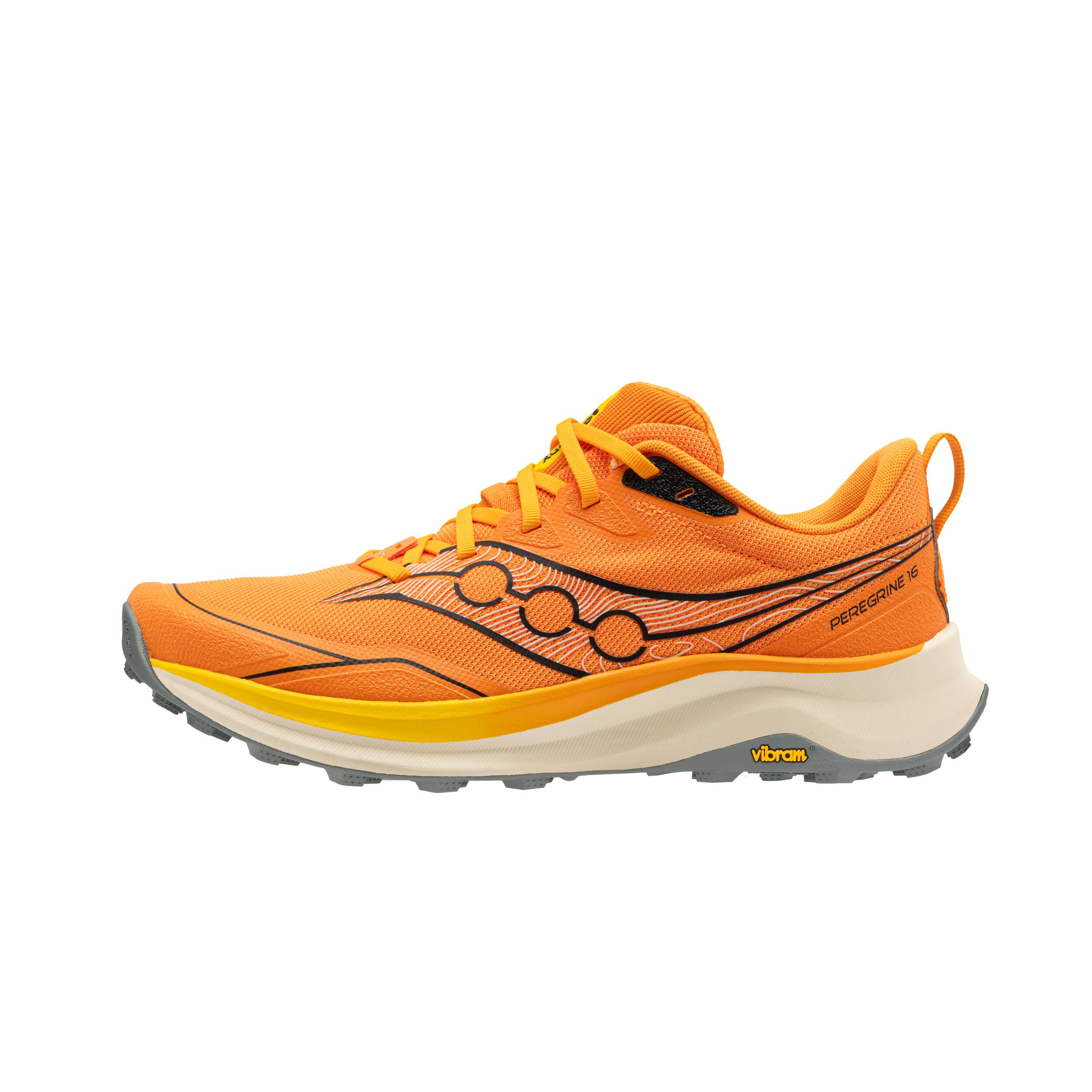
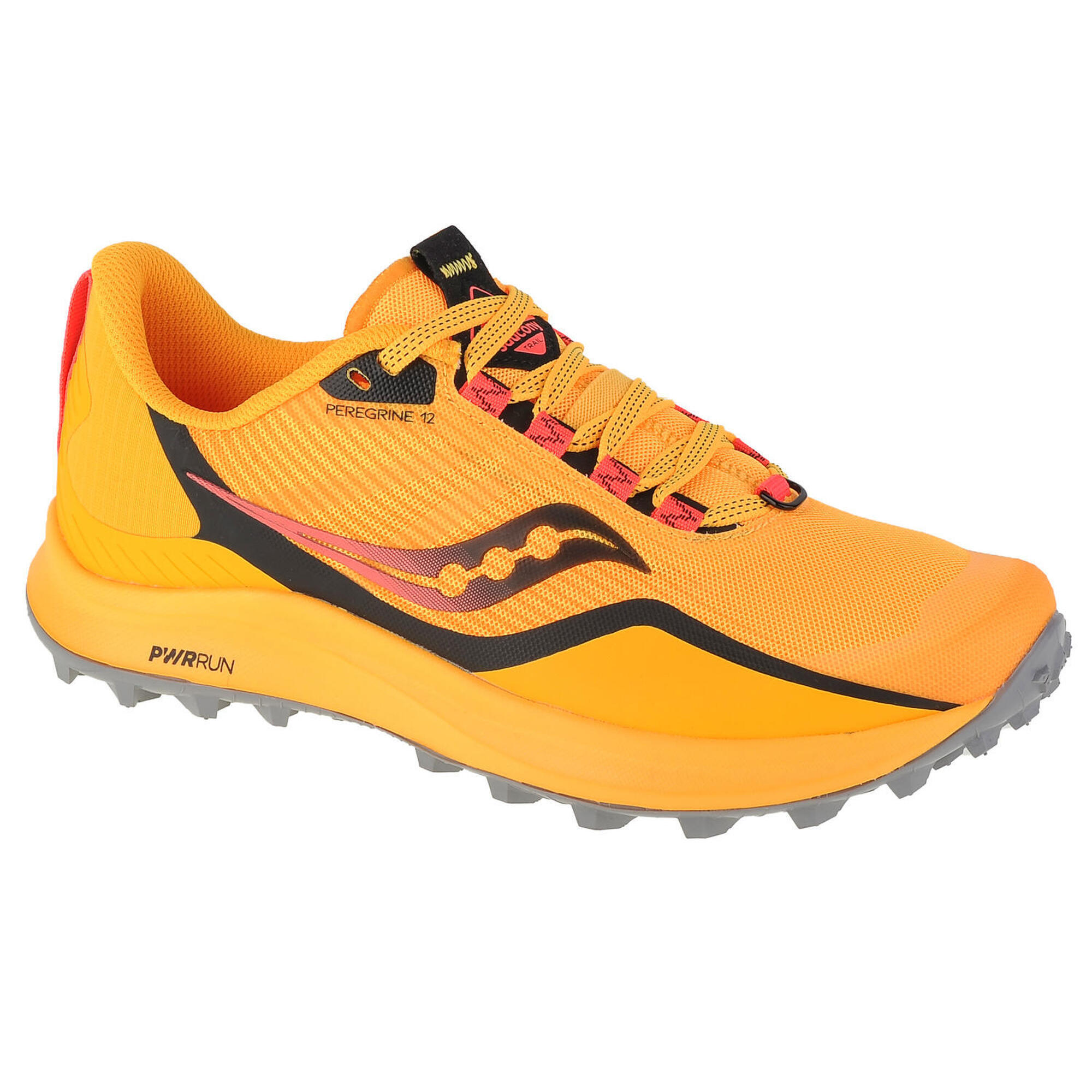
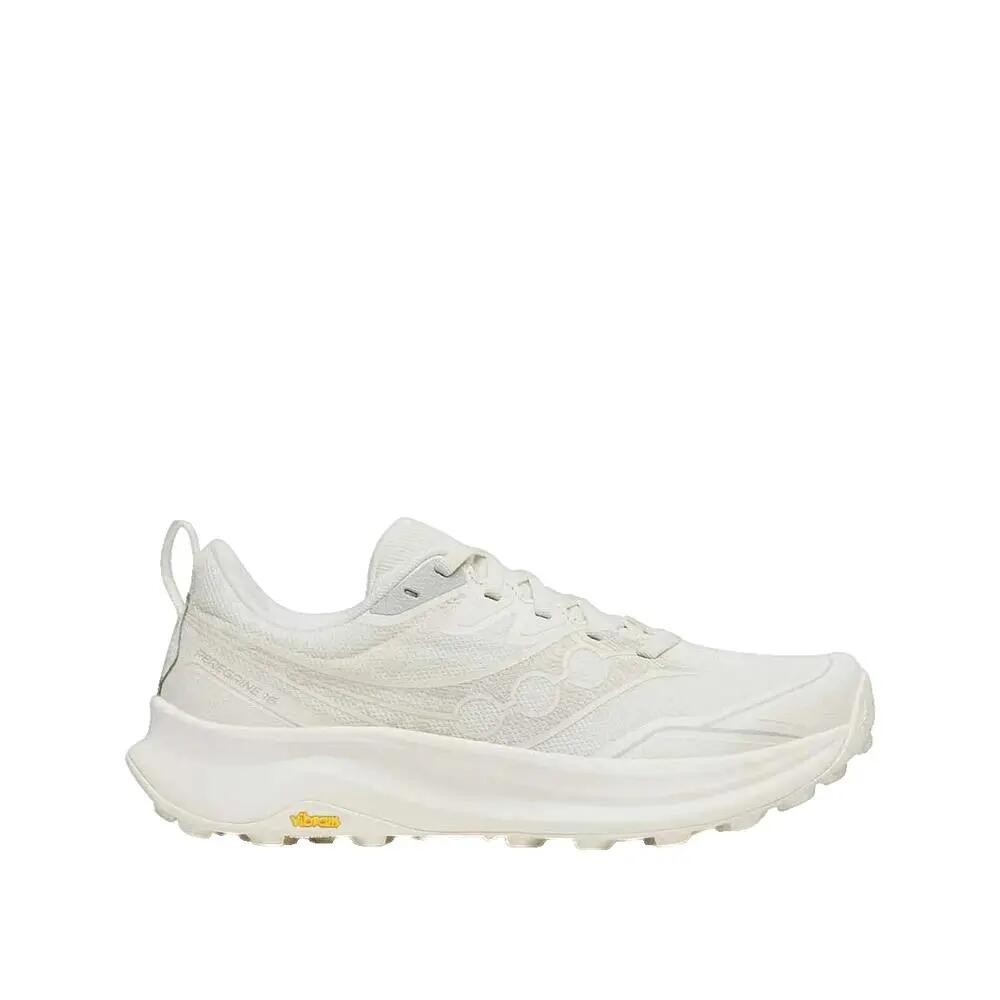
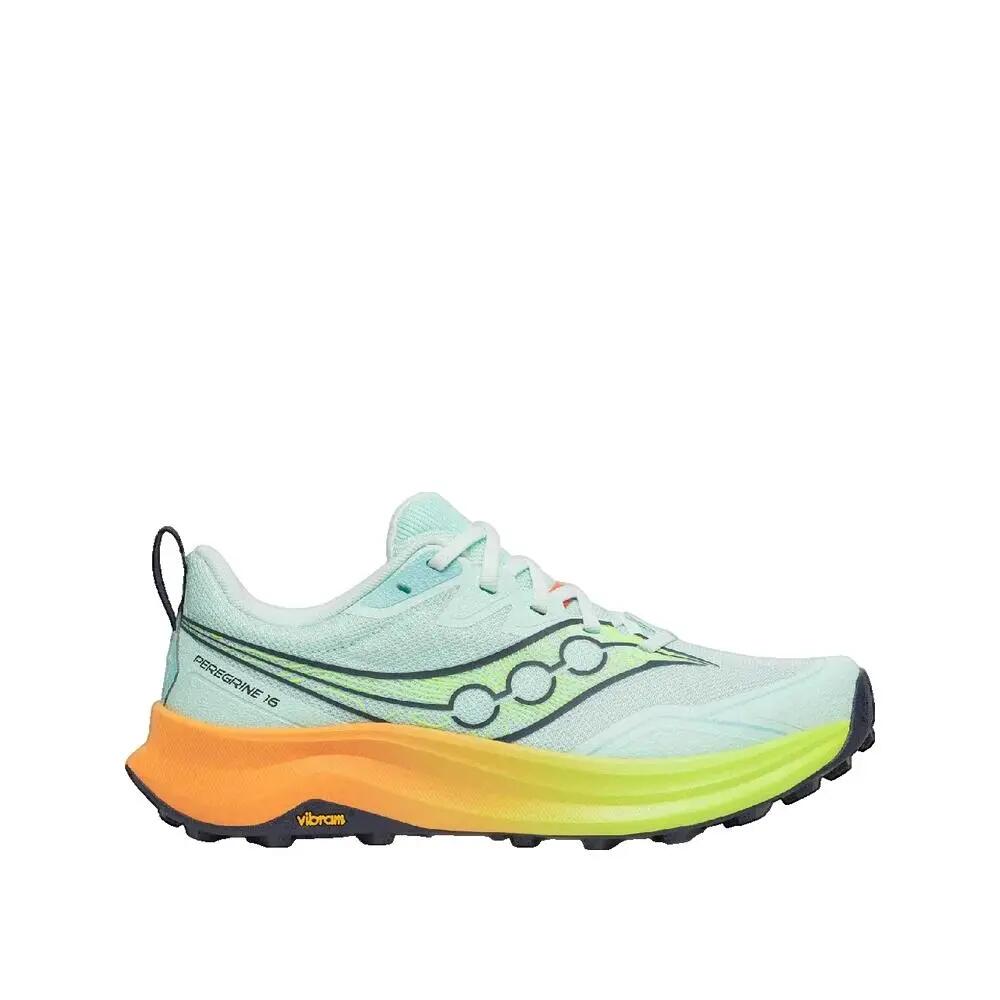
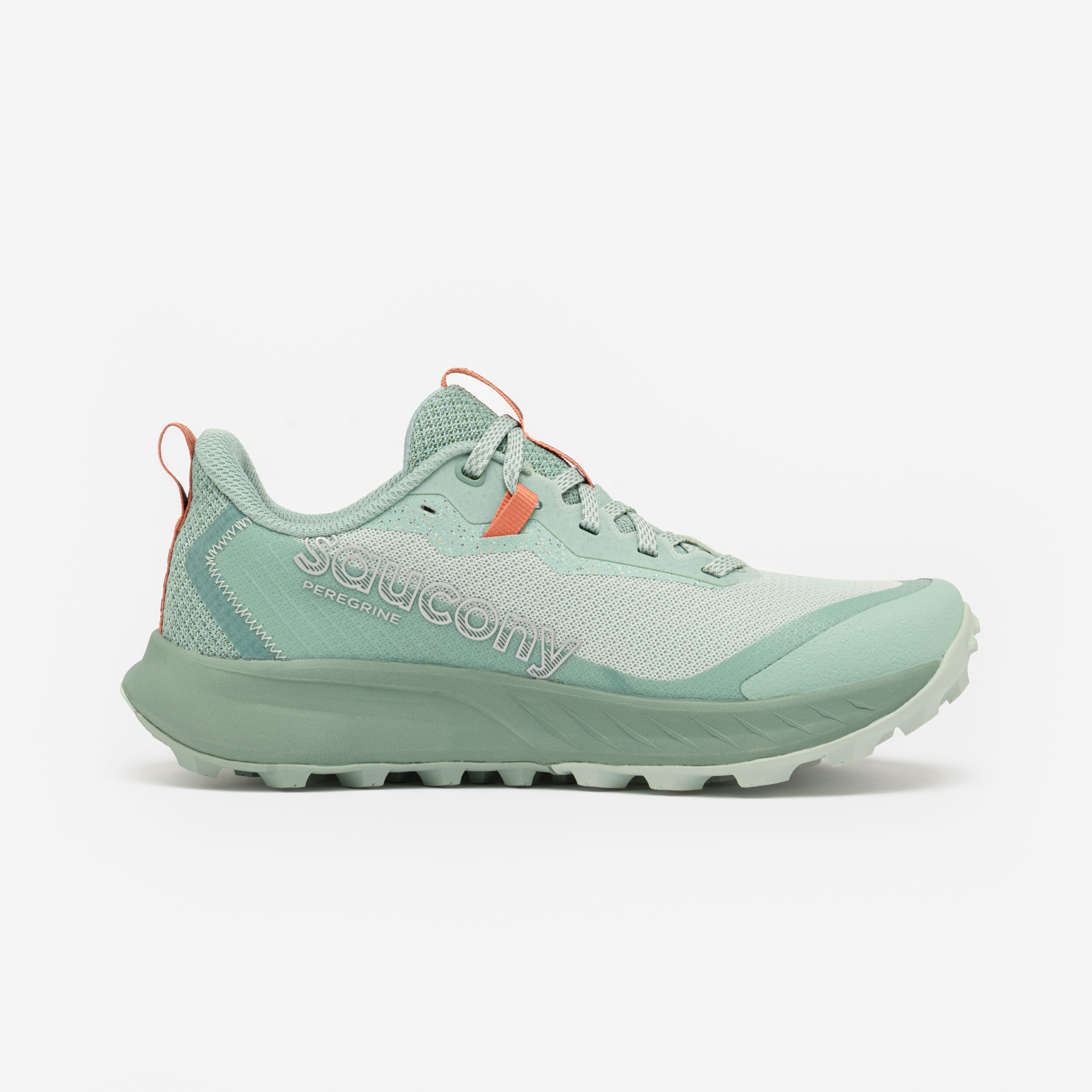
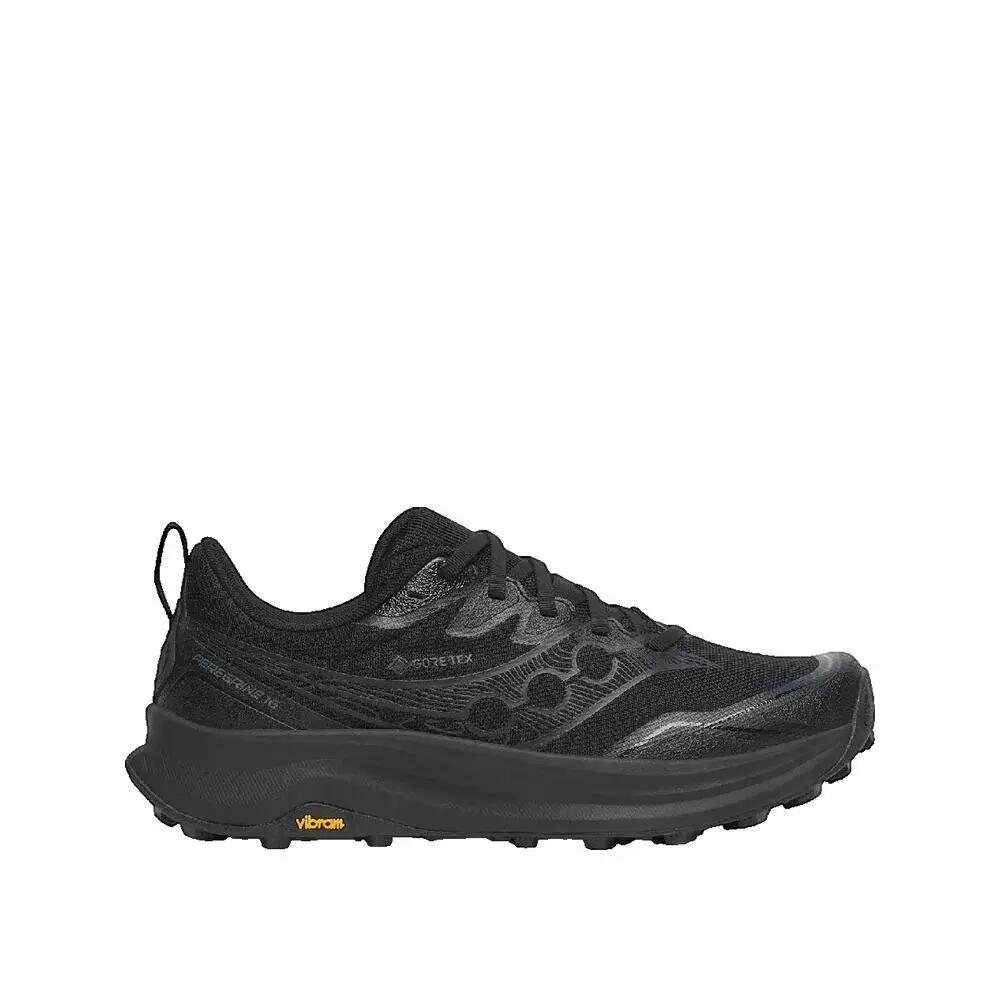
Saucony trail running shoes suit runners who move between woodland paths, muddy tracks, gravel and technical ground. Models such as the Peregrine are known for sharp PWRTRAC lugs, which help the outsole bite into soft surfaces without feeling too bulky on firmer trails. Underfoot protection also matters when the route includes stones, roots and uneven descents, as it reduces harsh pressure through the sole. Saucony sits among the wider choice of trail running shoes.

Which Saucony trail shoe suits short runs and longer trail days?

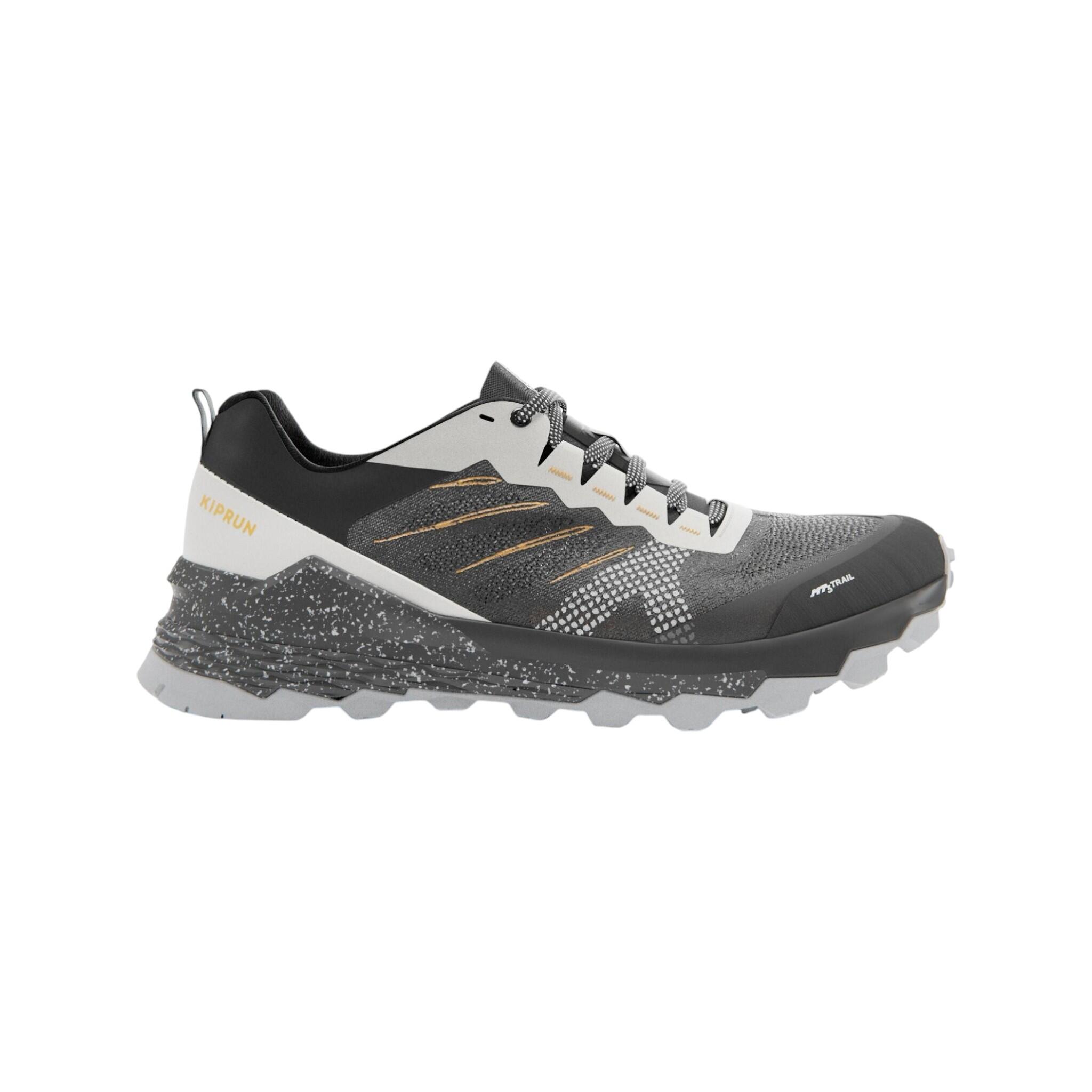
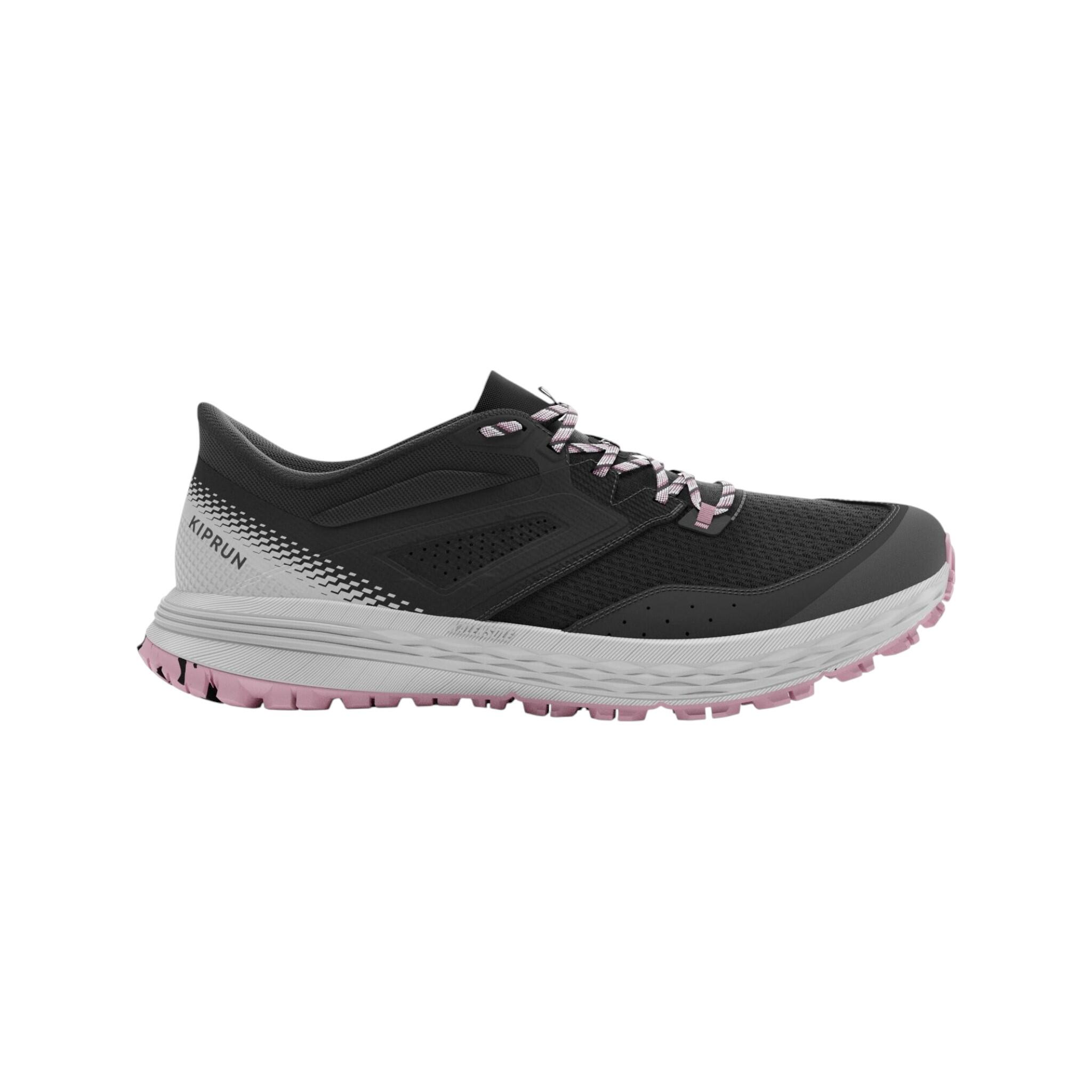
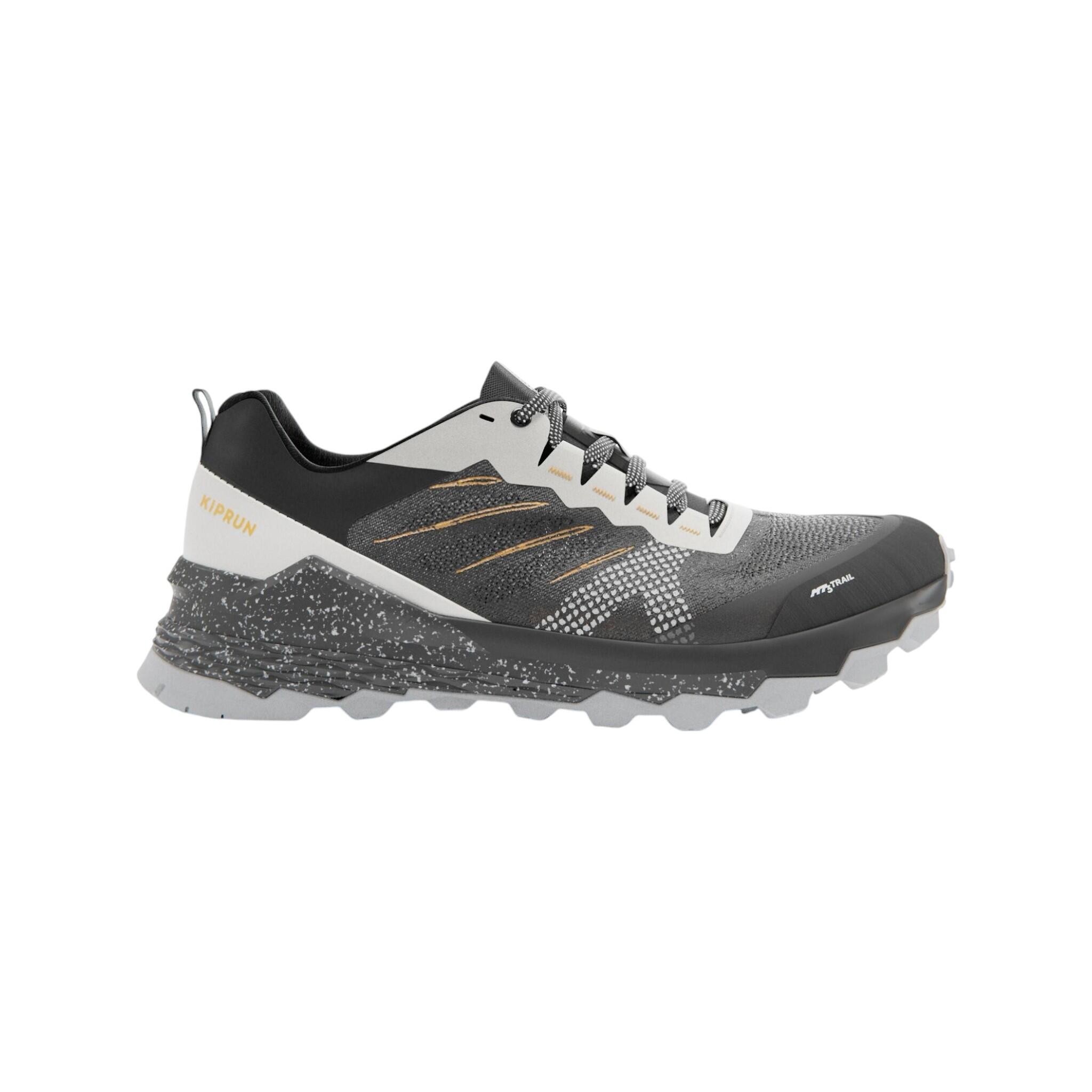
The right Saucony trail shoe depends on distance, pace and ground type. A lighter, lower-profile model suits faster runs on mixed trails where quick foot placement matters. A more cushioned option works better for longer outings, especially when the route includes rocky tracks or extended downhill sections. The Peregrine is a versatile choice for varied terrain, while the Xodus gives more underfoot comfort for bigger trail mileage. Runners comparing practical off-road footwear can also look at Kiprun trail running shoes.

How does Saucony grip help on muddy or uneven trails?

Saucony trail shoes use aggressive tread patterns to create traction on mud, wet grass and loose ground. Deeper lugs press into softer surfaces, while the rubber compound helps maintain contact on slick stone and root-covered paths. On uneven terrain, grip works best when the upper also holds the foot securely, as sliding inside the shoe can make descents feel less controlled. Trail gaiters, spare laces and footwear add-ons from trail running shoe accessories can help keep debris out on rougher routes.

Can Saucony trail shoes cope with wet Irish trail conditions?

Saucony trail running shoes can handle wet Irish trails when the outsole has enough bite for mud, damp grass and slick rock. A close heel hold helps keep the foot stable when the ground turns greasy, while protective uppers reduce scuffs from stones and roots. Some versions use water-repellent materials for light splashes, though very wet routes still need sensible layering and post-run drying. A jacket, gloves or headwear from weather and seasonal trail running gear can support comfort in colder conditions.

Are Saucony trail running shoes suitable for regular training?

Saucony trail shoes can suit regular off-road training when the cushioning, outsole and upper match the runner's weekly routes. A protected midsole helps soften repeated impact on stony paths, while durable tread supports frequent use across changing surfaces. Fit should feel secure through the heel and midfoot, with enough toe room for descents and longer runs. For extended routes, compact safety items, hydration and visibility kit from trail running accessories can round out the trail setup.