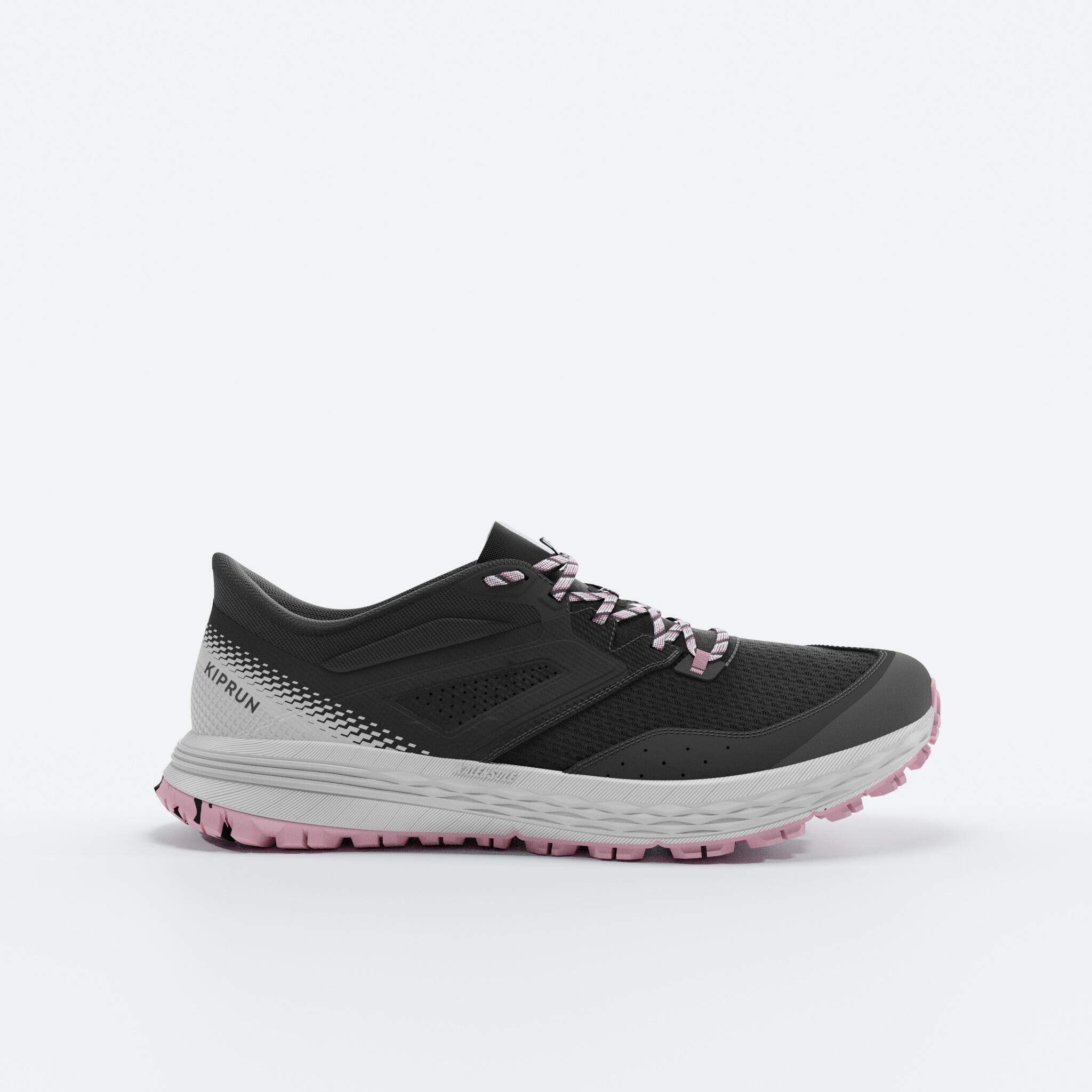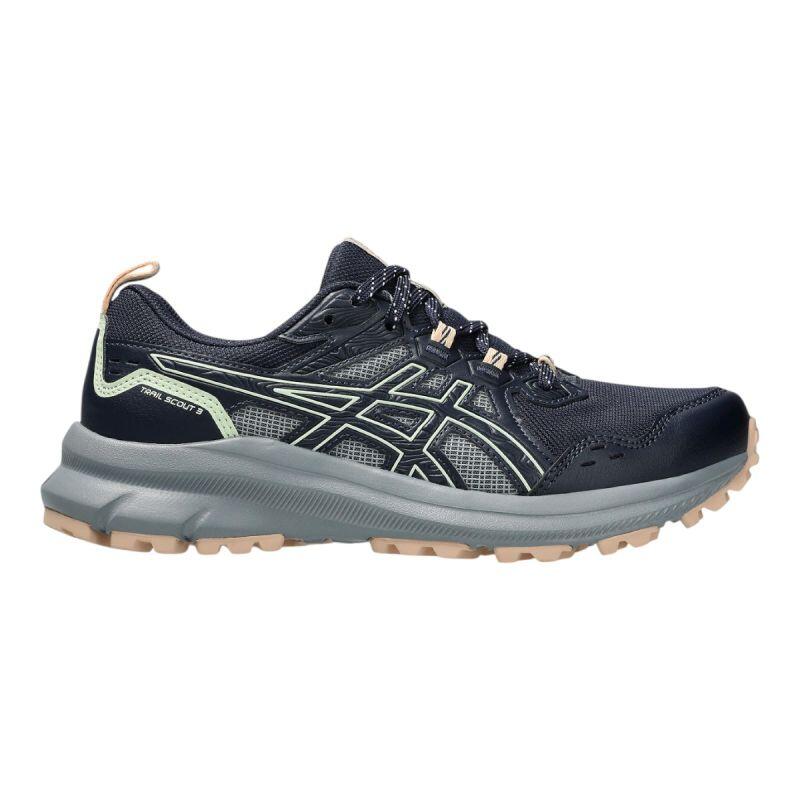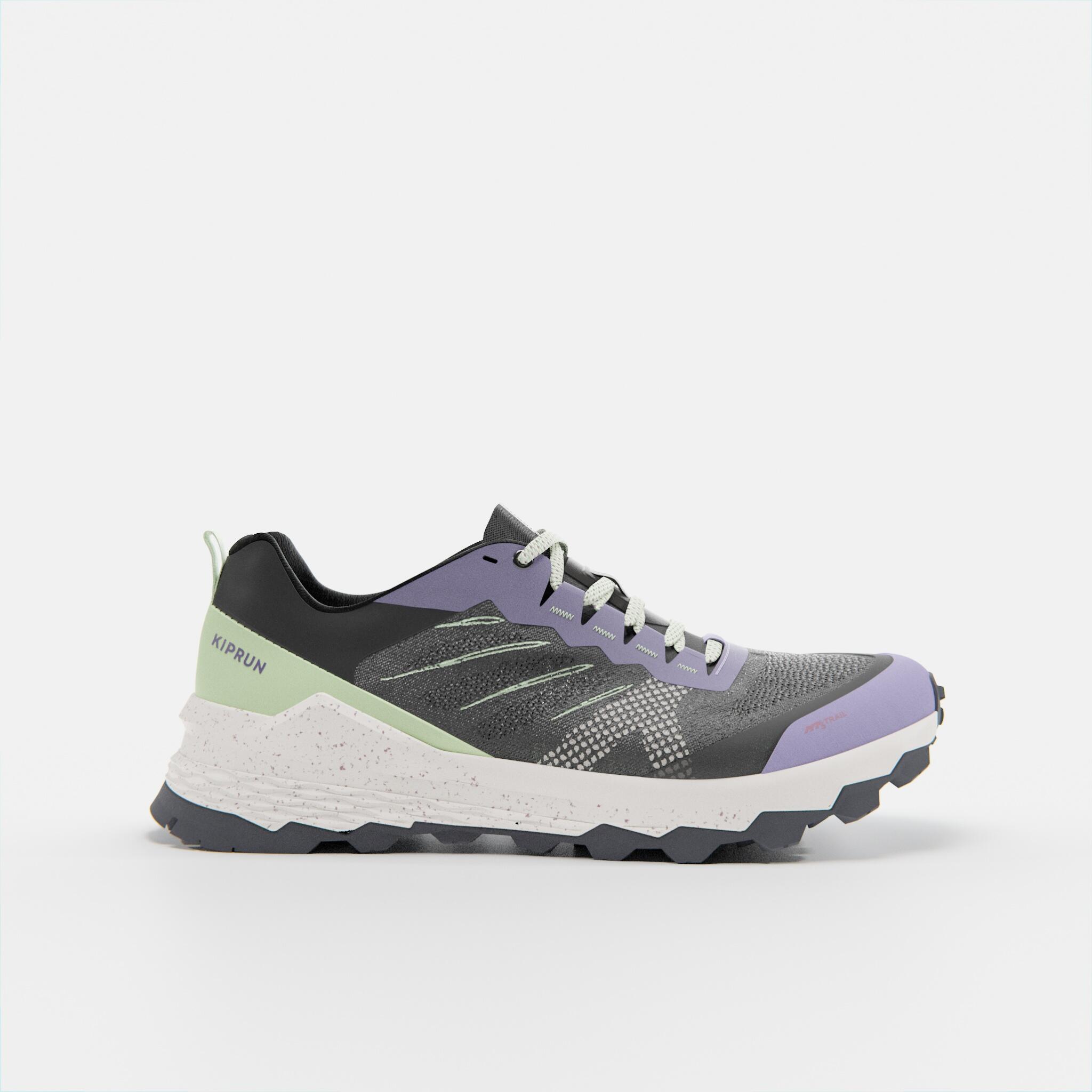
372 items
4.6/5 based on 22907 reviews collected online and in stores

Women's Trail Running Shoes FAQs

Which features matter most in women's trail running shoes?

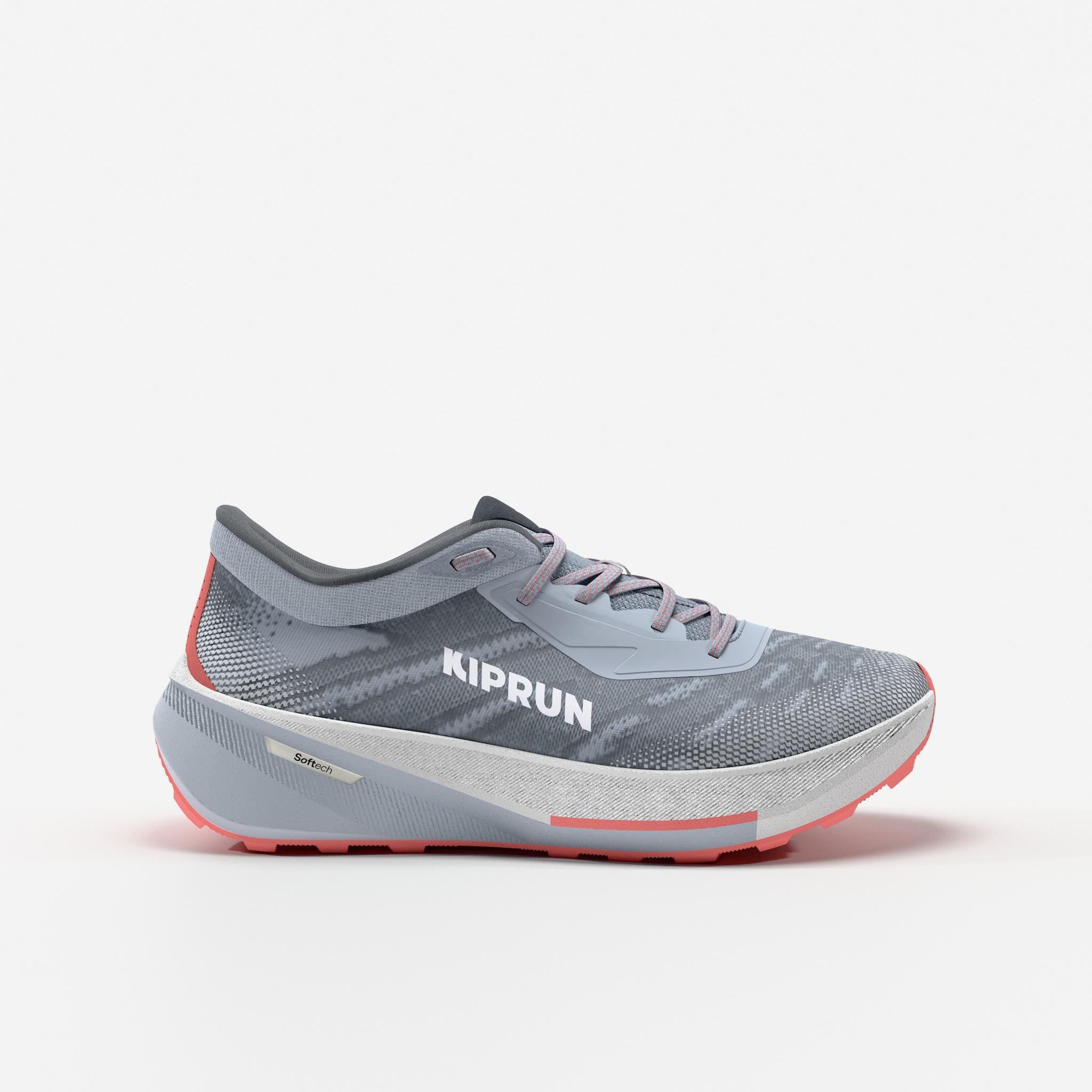
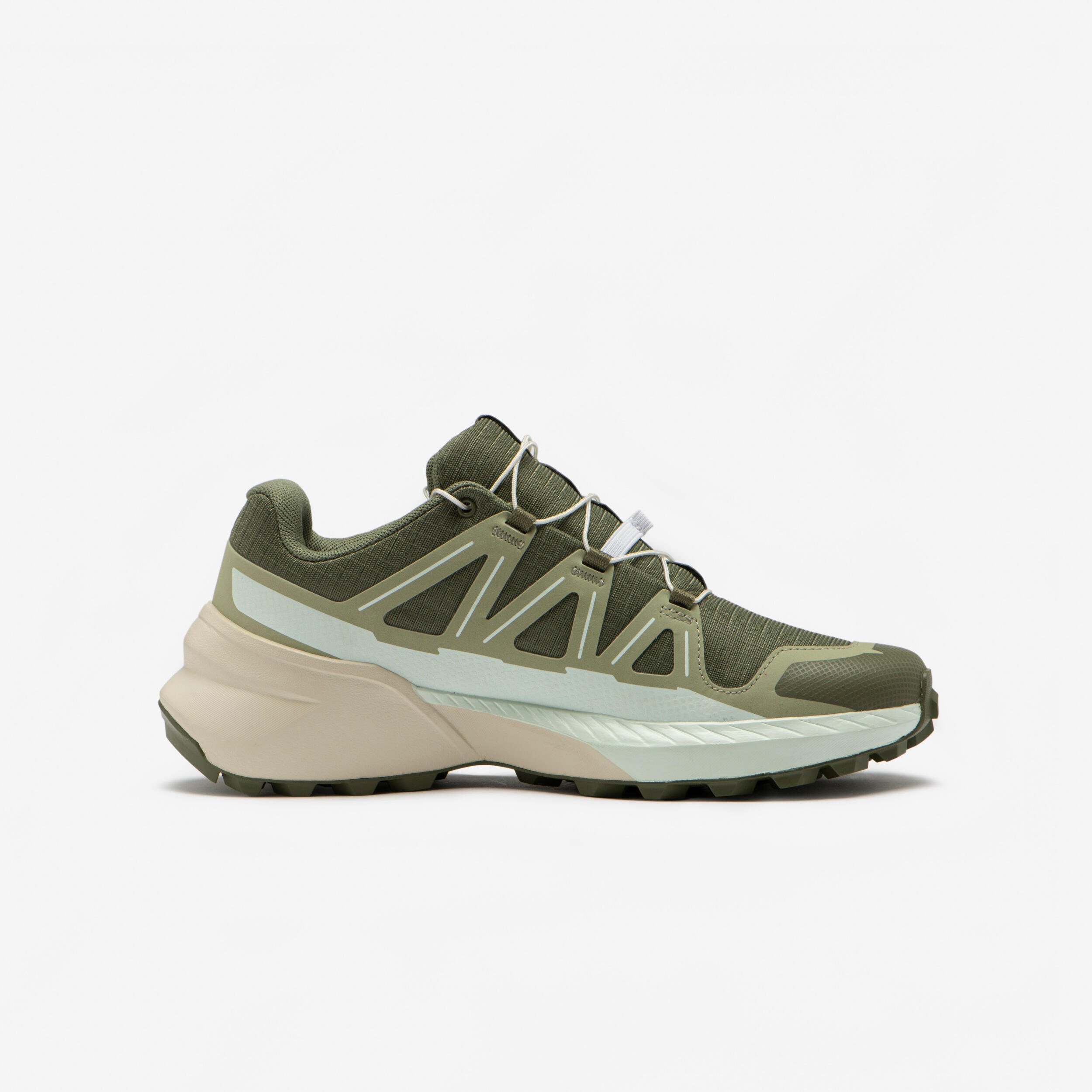
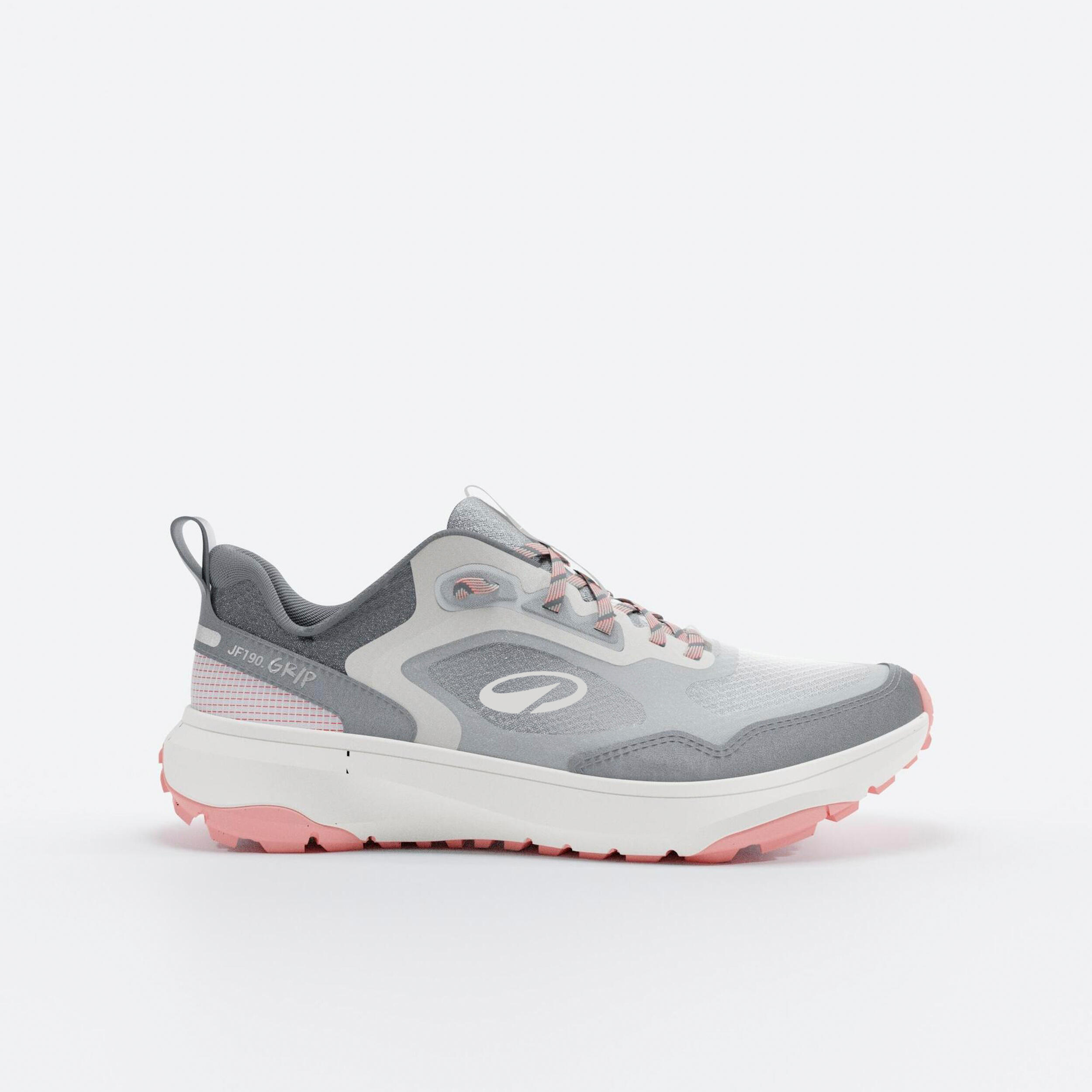
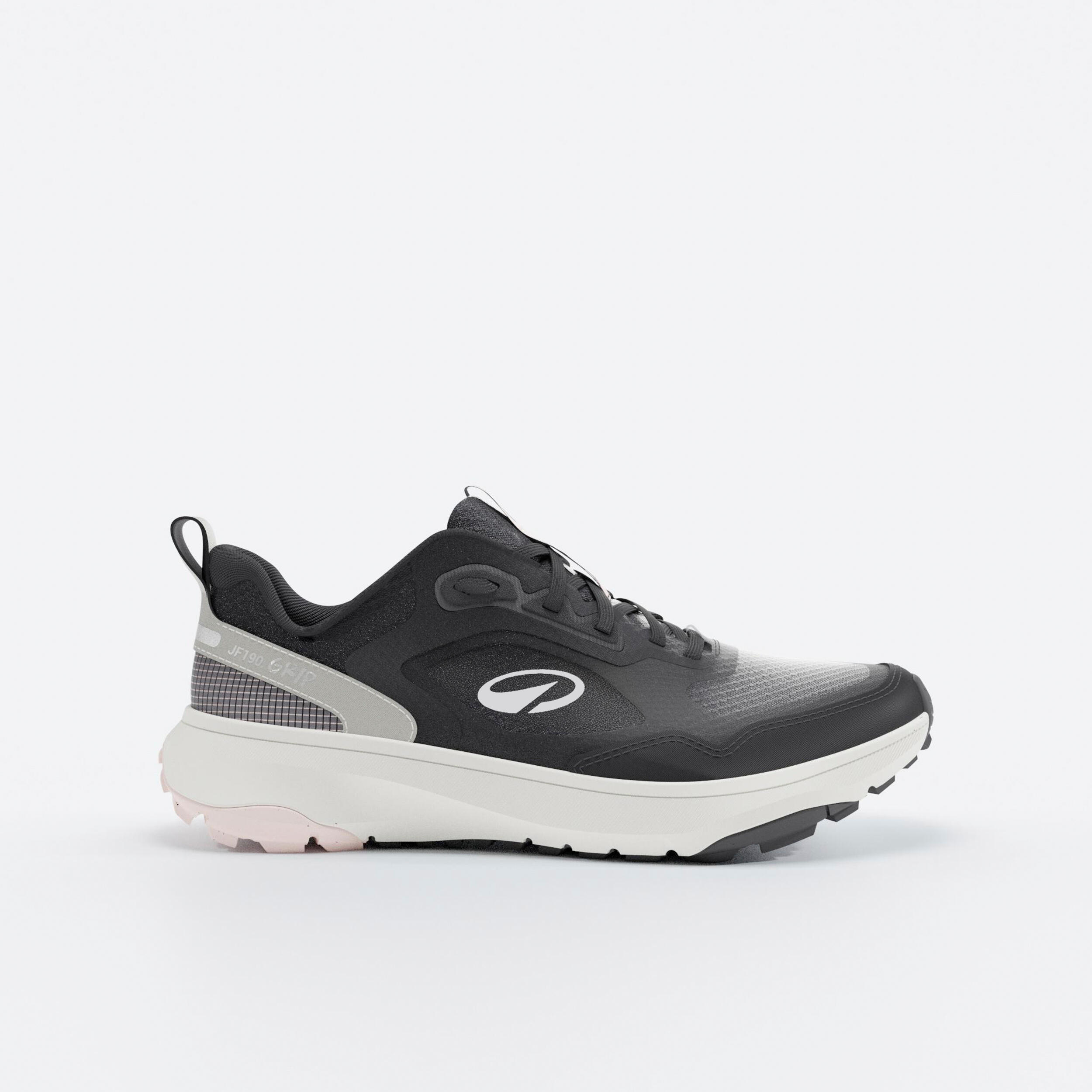
Women's trail running shoes need to balance grip, fit and underfoot protection. The outsole should match the terrain, with deeper lugs for mud and more moderate tread for hard-packed paths. A secure heel hold helps reduce movement inside the shoe when running downhill or crossing uneven ground. Many women's models use a narrower heel shape, which can feel more locked-in for slimmer feet. Toe protection also matters on rocky tracks, where roots and stones can catch the front of the shoe. Rain-ready layers for changeable routes sit within weather & seasonal trail running gear.
How much room should women's trail shoes leave at the toes?

A good trail fit should feel secure through the heel and midfoot, with enough space at the front for the toes to spread on climbs and descents. Around a thumb's width in front of the longest toe is a useful guide, especially because feet can swell during longer runs. The shoe should not pinch across the forefoot or lift at the heel when walking uphill. Trying them with the socks used for training gives a more accurate feel. Extra sock and liner options for off-road footwear sit within trail running shoe accessories.

What type of sole works best for women's trail running?

The best sole depends on the ground underfoot. Muddy forest tracks need spaced, aggressive lugs that can bite into soft surfaces and shed dirt more easily. Dry gravel and compact paths usually feel smoother with a lower-profile tread. On mixed routes, a versatile outsole gives enough hold without feeling too harsh on firmer sections. A protective midsole or rock plate can also reduce sharp pressure from stones. Clothing that supports rougher off-road sessions can be chosen from women's trail-running clothes.

Do women's trail running shoes need extra cushioning?

Extra cushioning can be useful when runs are long, rocky or downhill-heavy. Softer foam helps reduce repeated impact, while a firmer platform can feel more stable on uneven trails. The right choice depends on distance, pace and how much ground feel the runner prefers. Shorter technical routes may suit a more responsive shoe, while longer trail days often benefit from added comfort under the heel and forefoot. Safety items, hydration and storage options for longer routes are covered in trail-running accessories.

How do runners choose women's trail shoes for different routes?

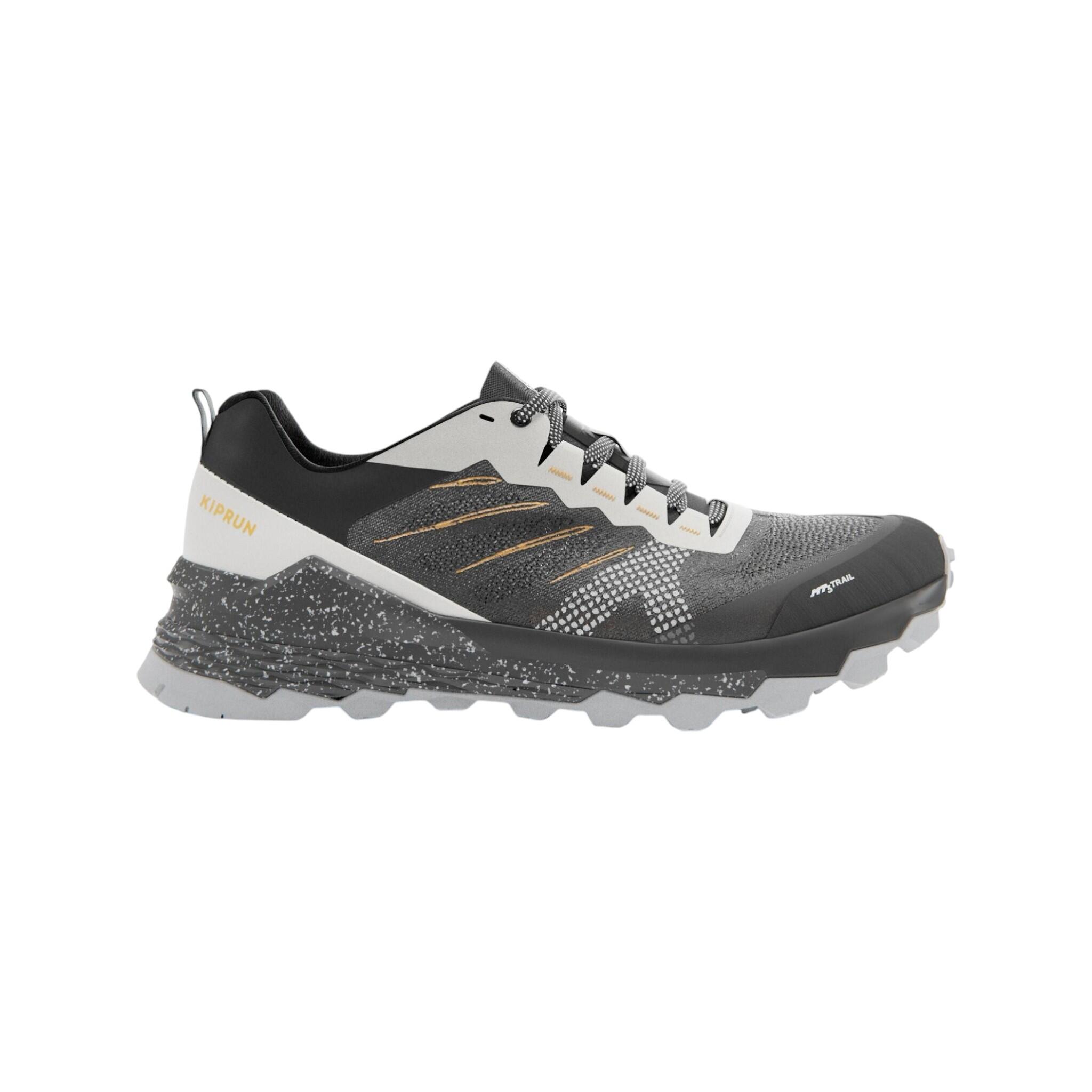
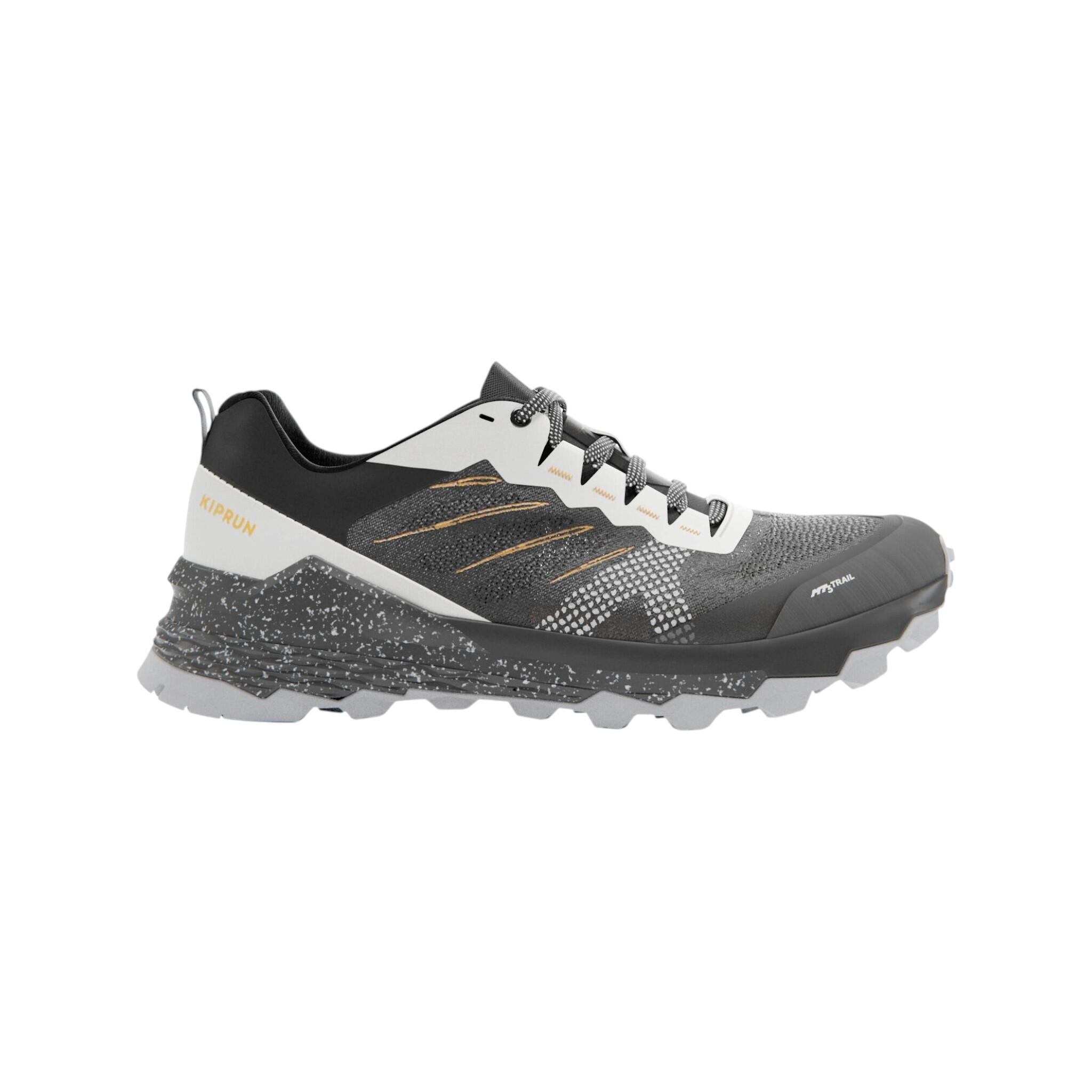
Start with the terrain, then match the shoe to the distance. Soft, wet ground calls for stronger grip, while mixed park trails need a sole that can handle both dirt and short road sections. For steep routes, heel hold and midfoot support become especially important because the foot should not slide forward inside the shoe. Longer runs may need more cushioning, while faster sessions can feel better in a lighter build. Runners comparing off-road options can also look at Kiprun trail running shoes for a practical trail choice.