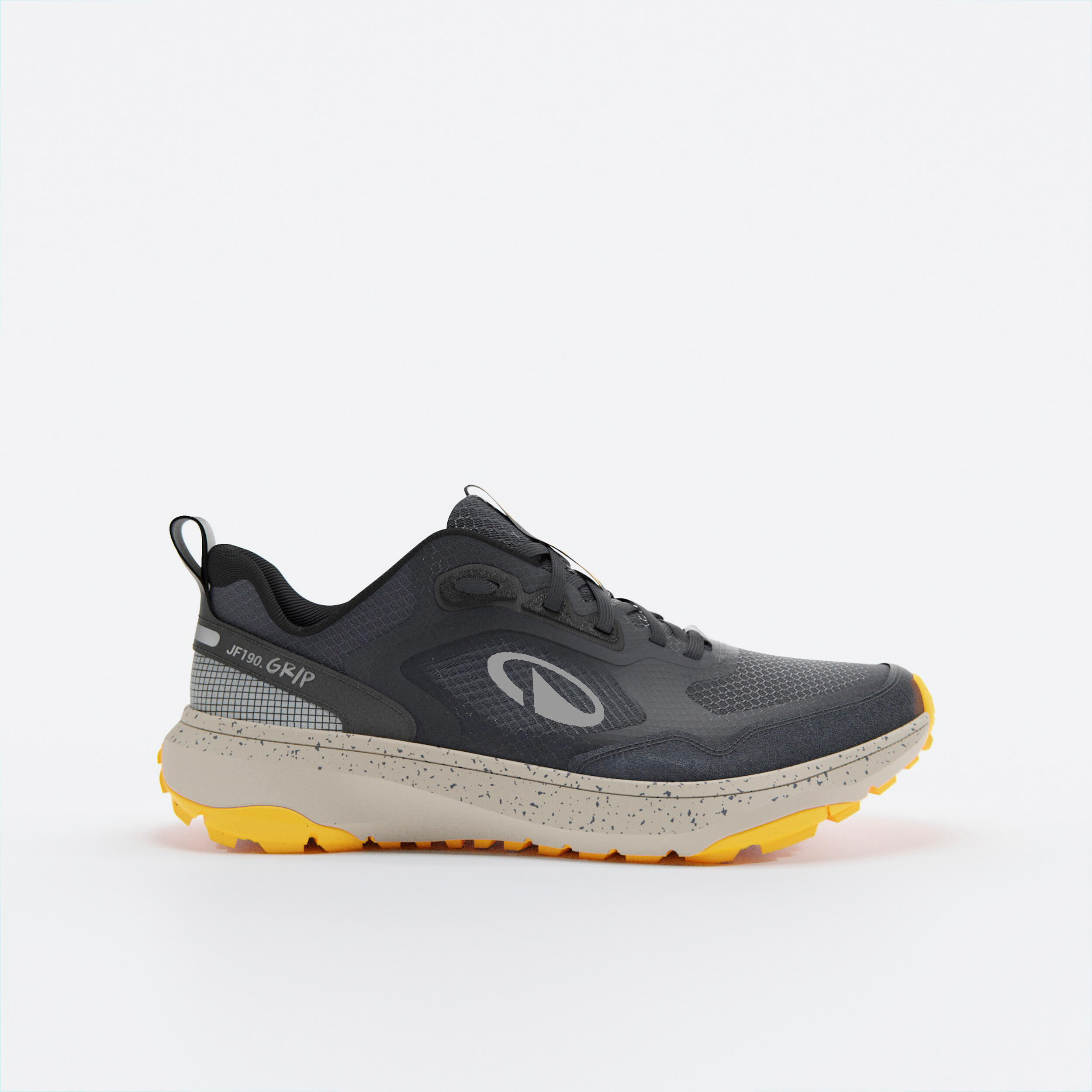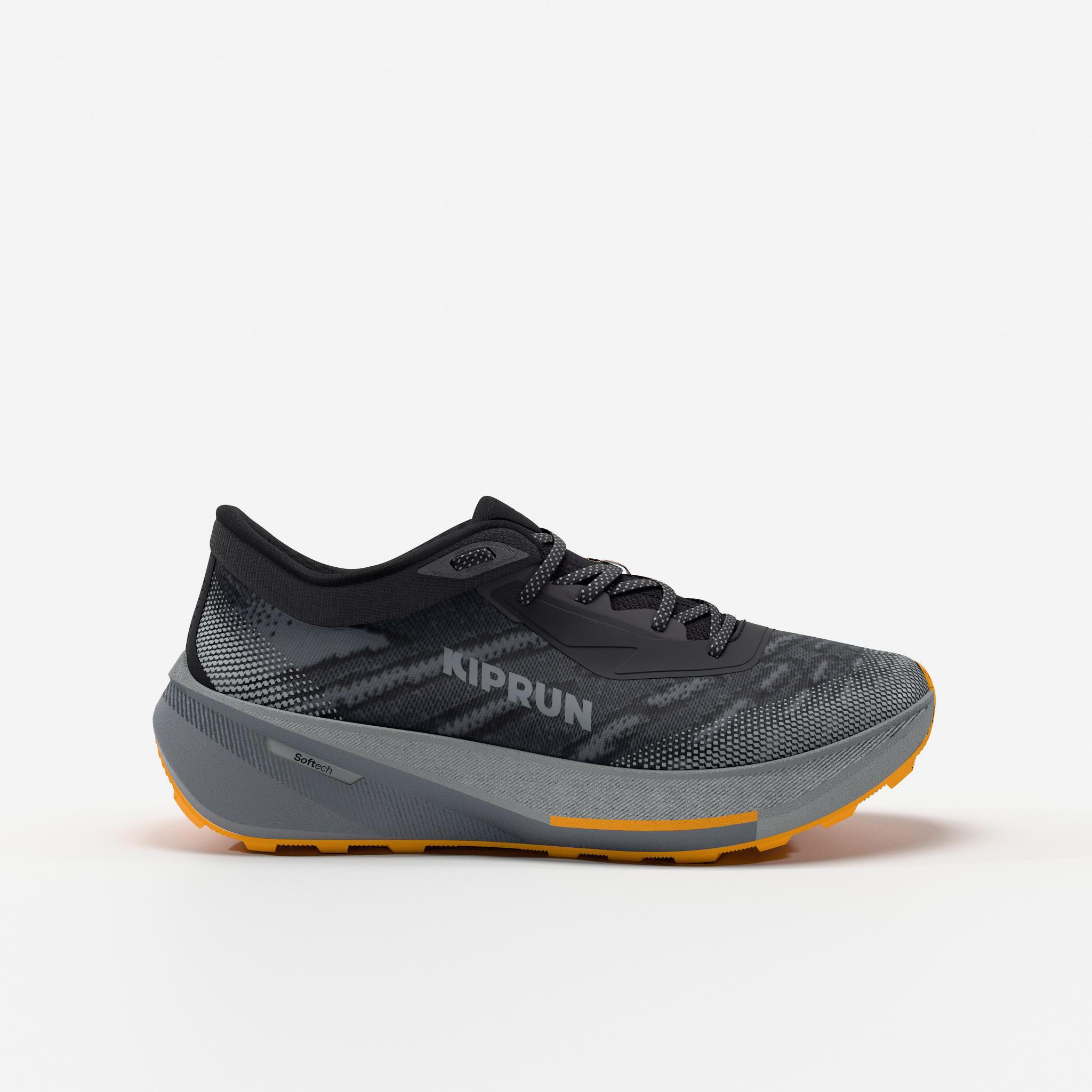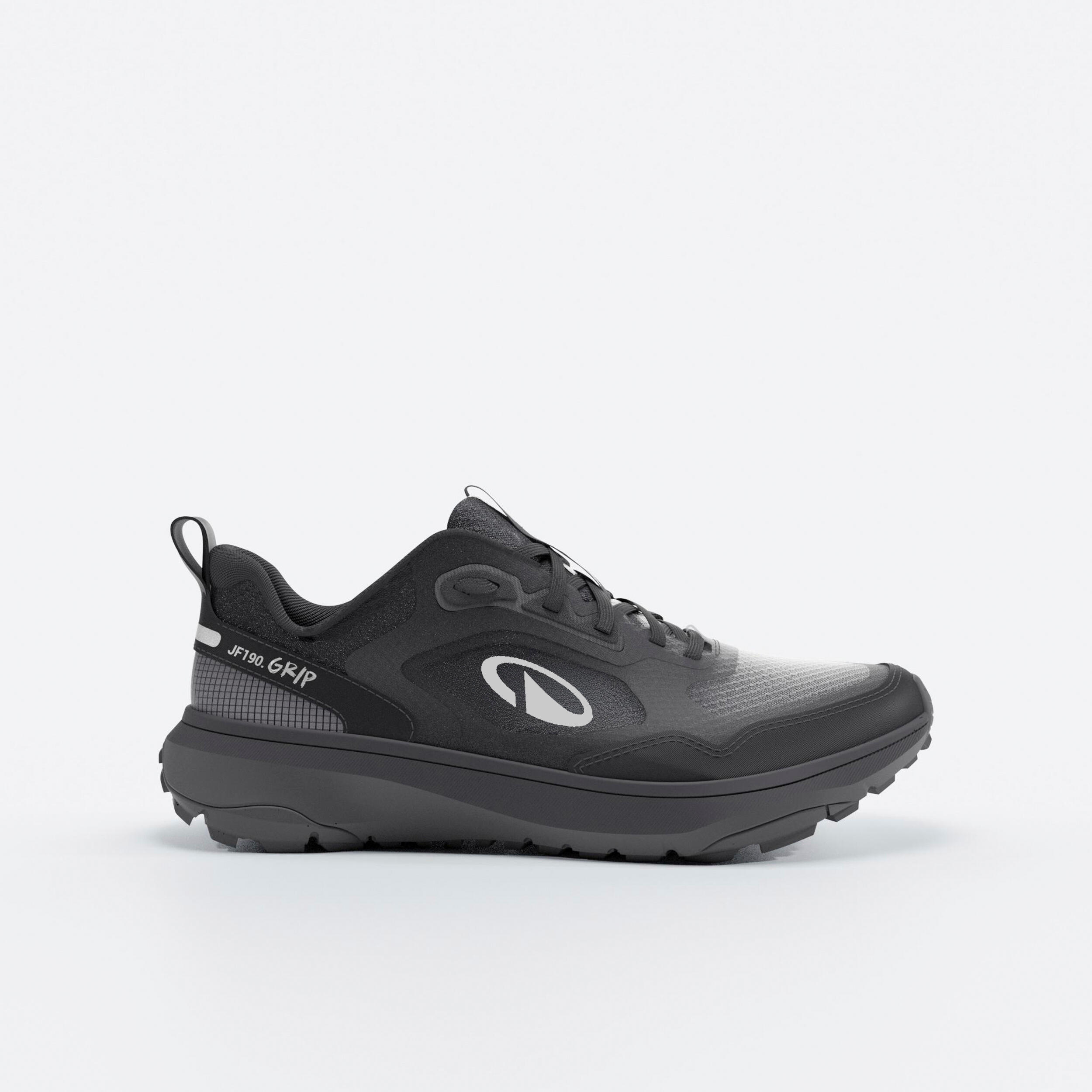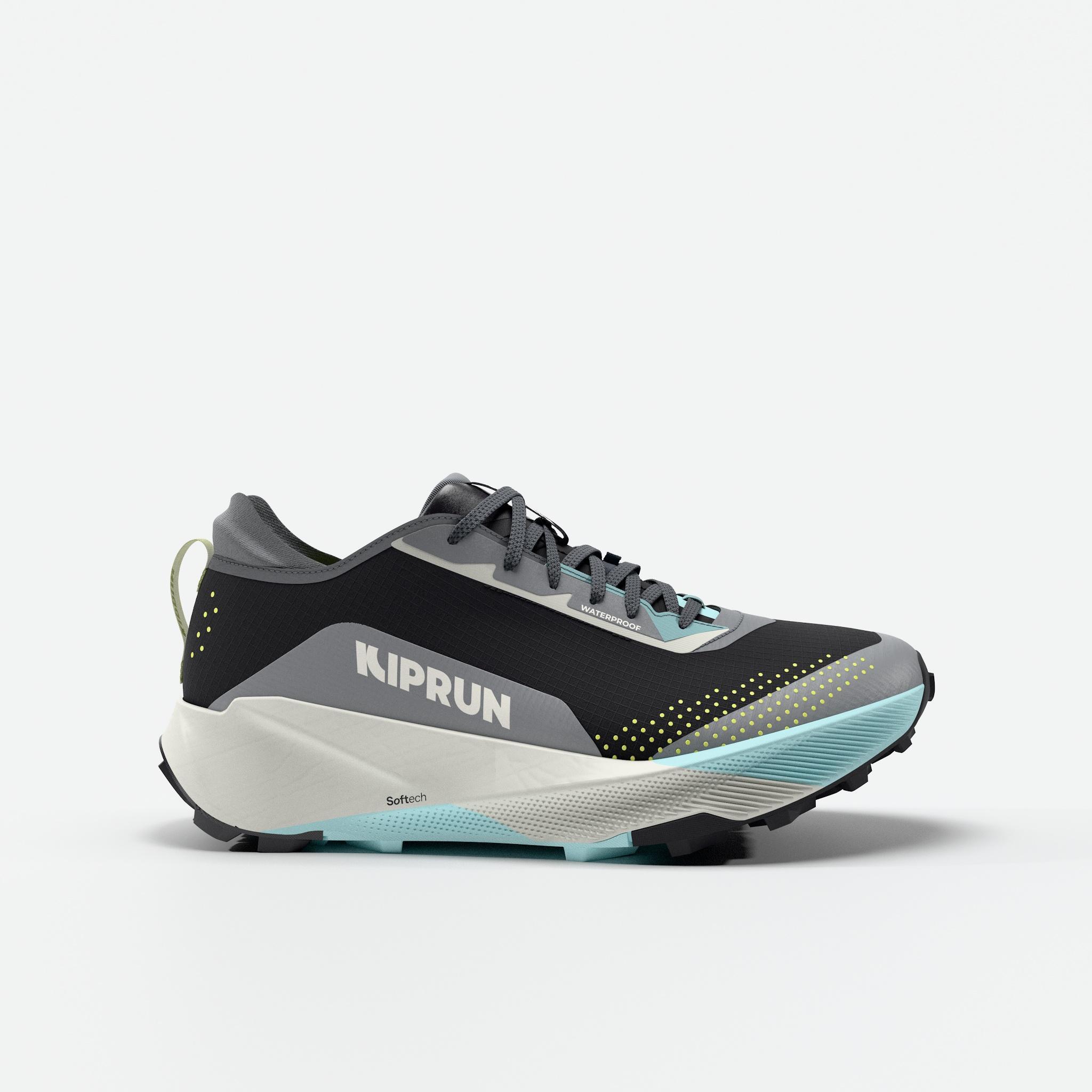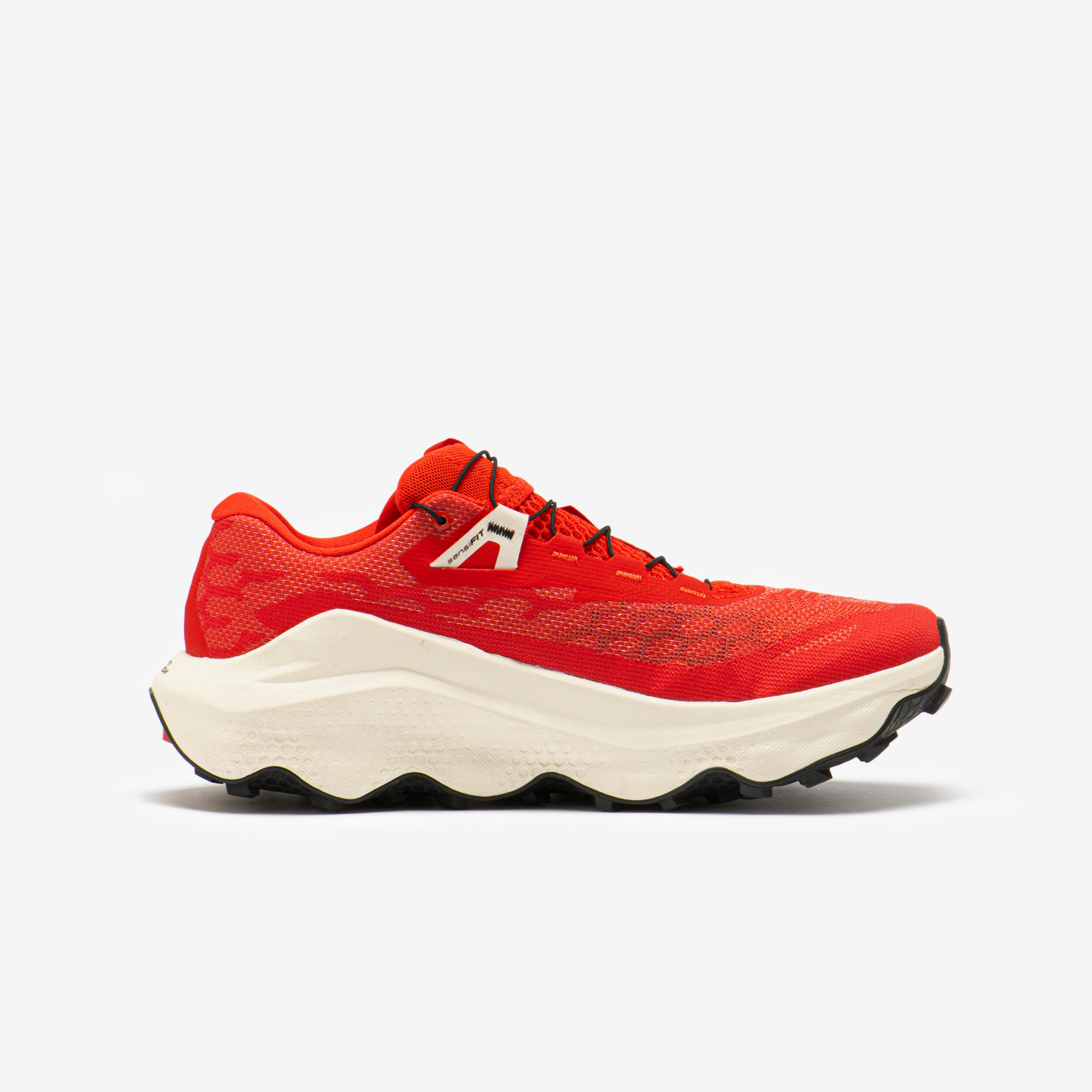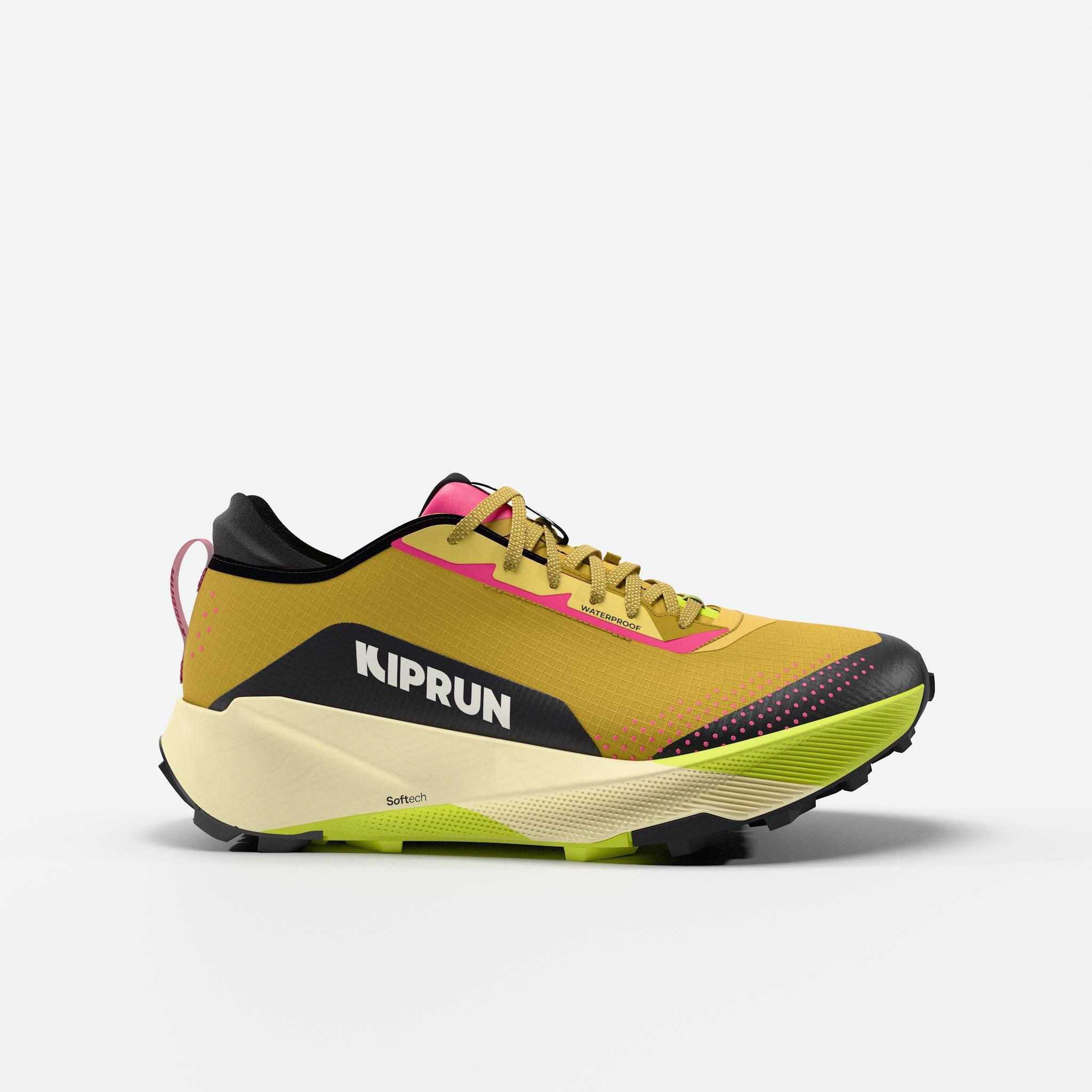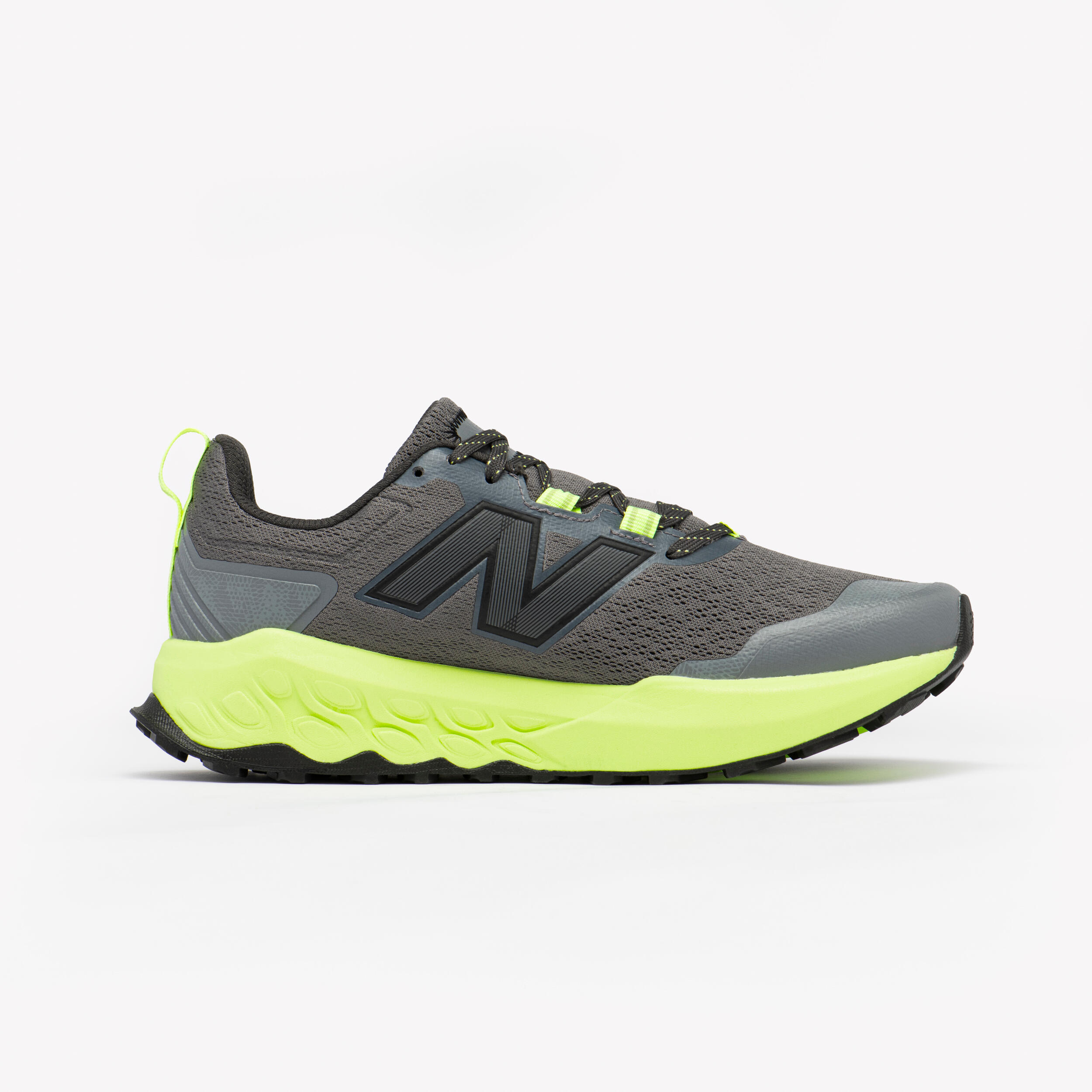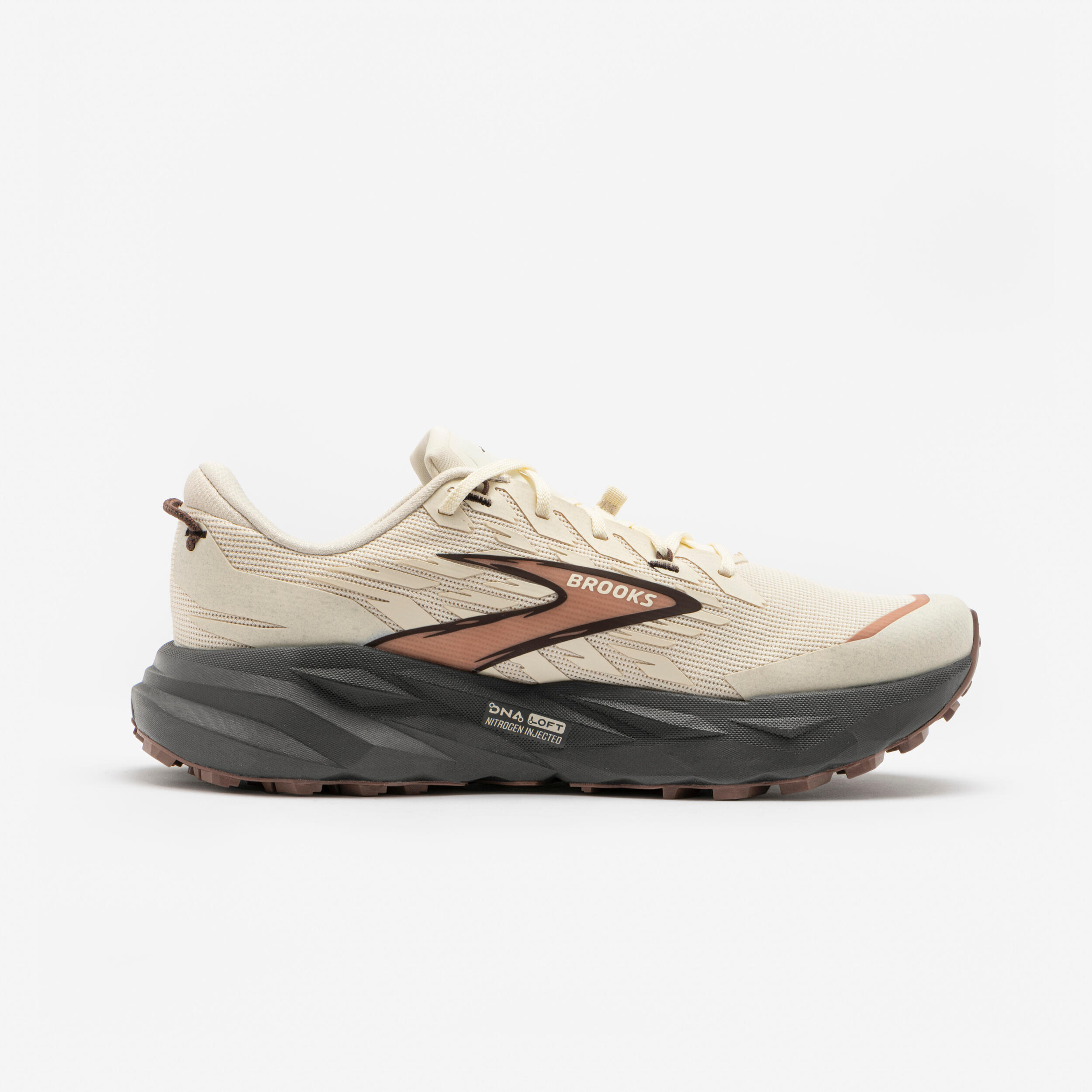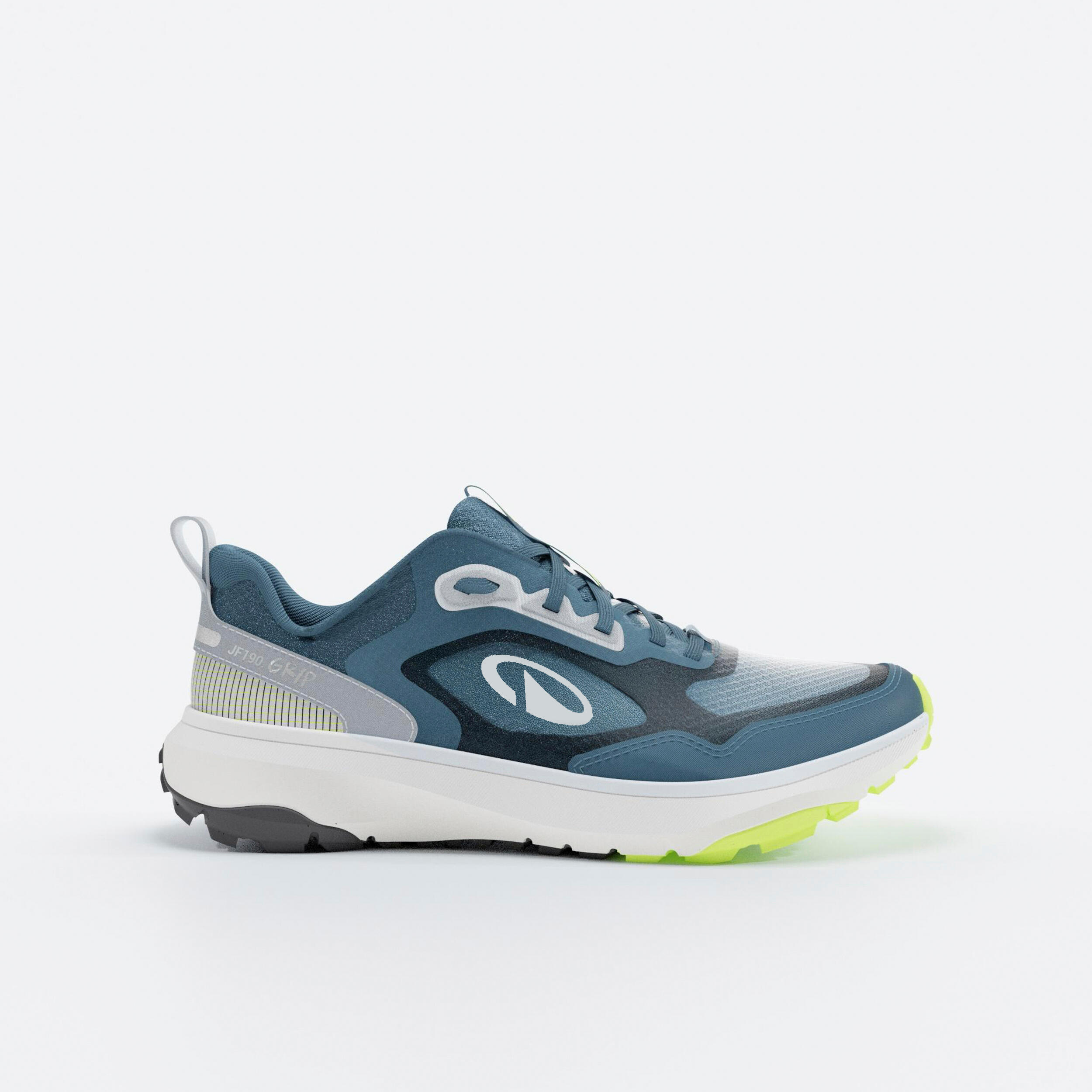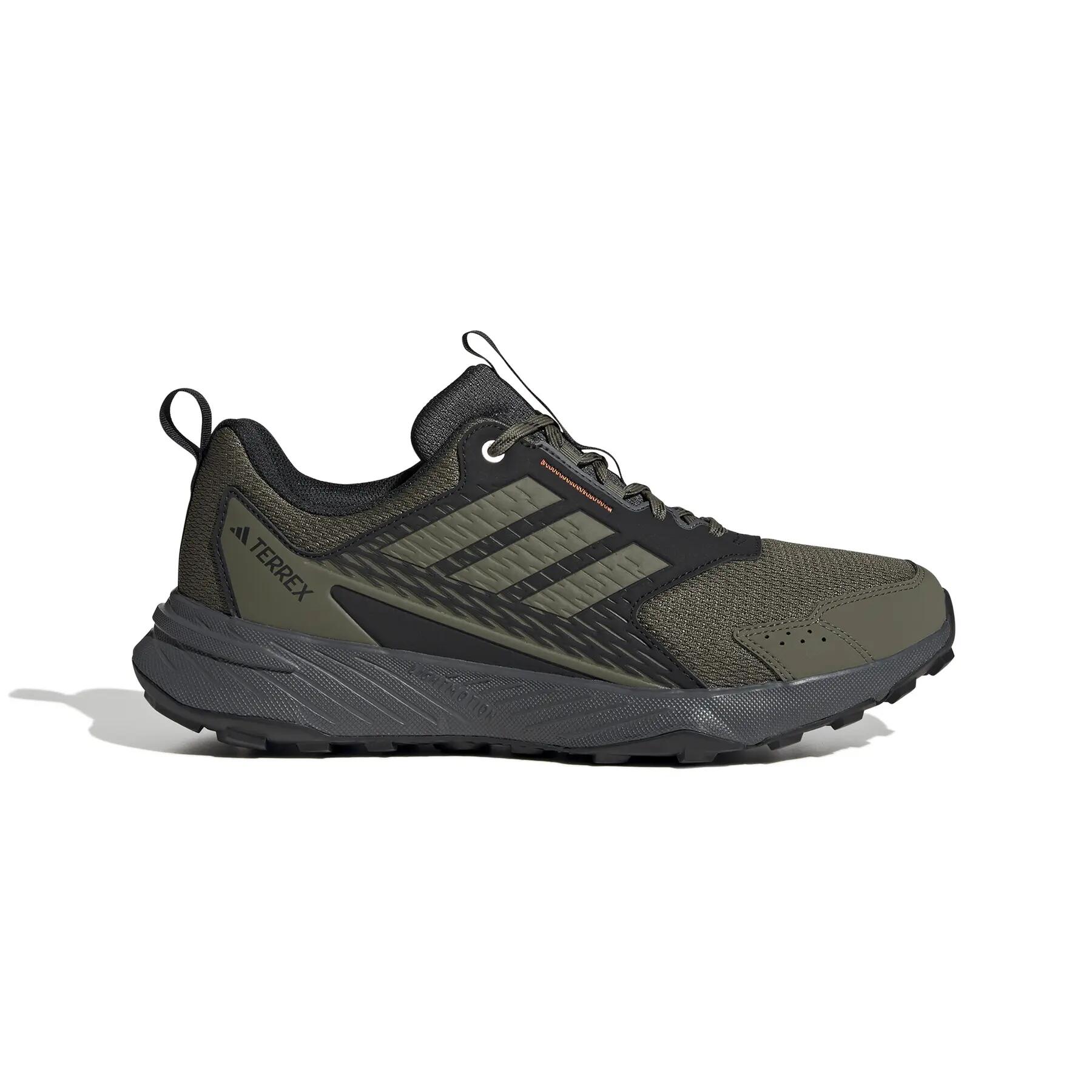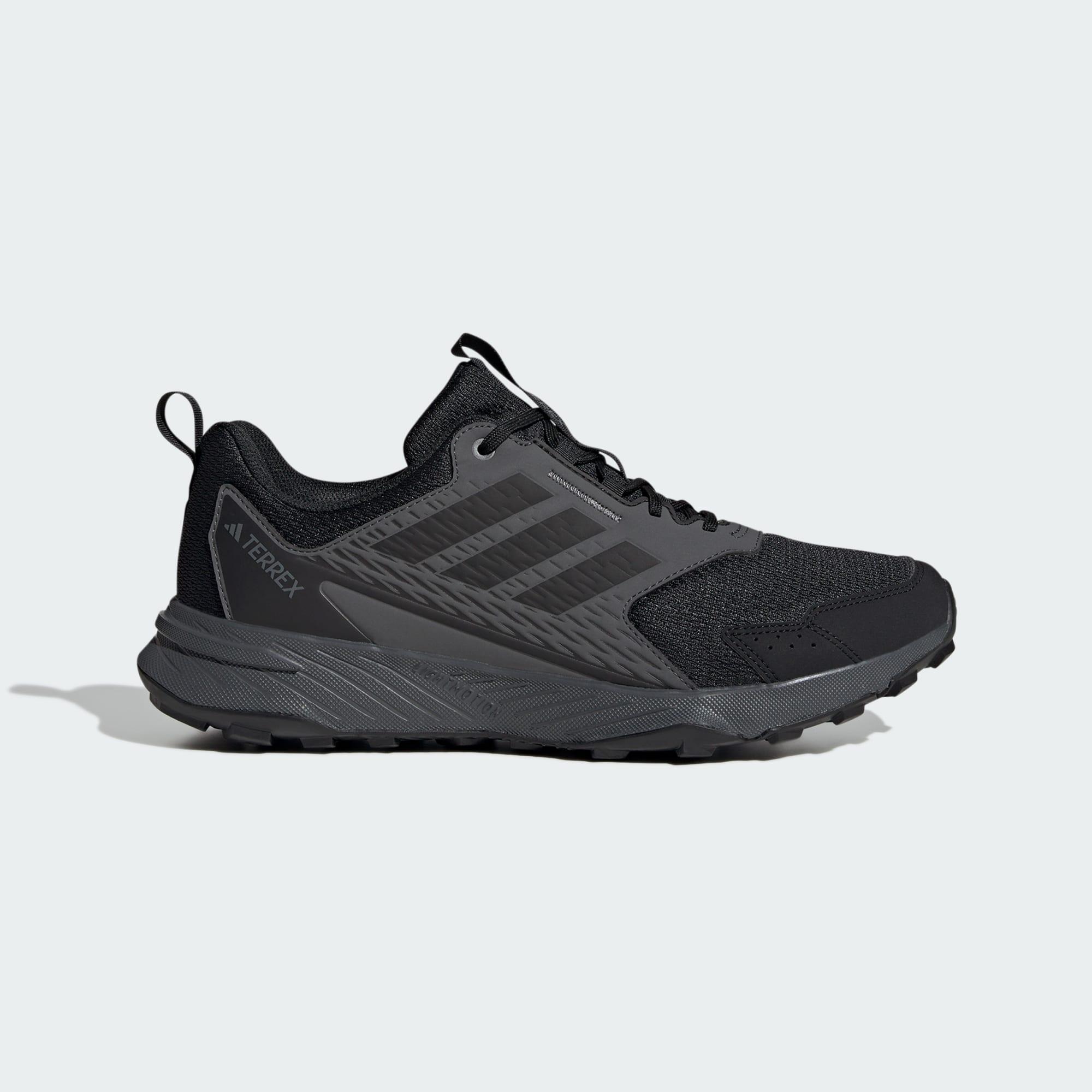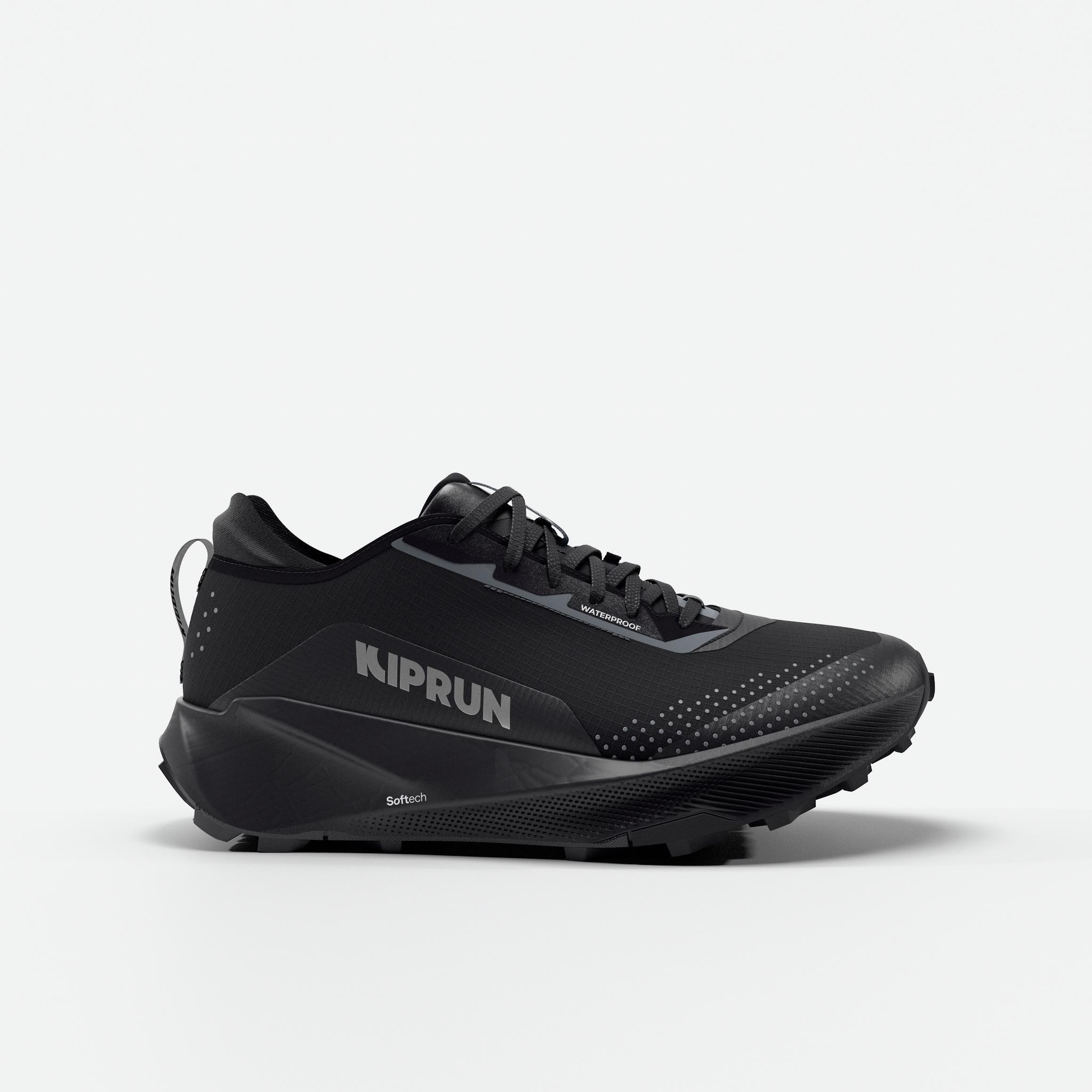
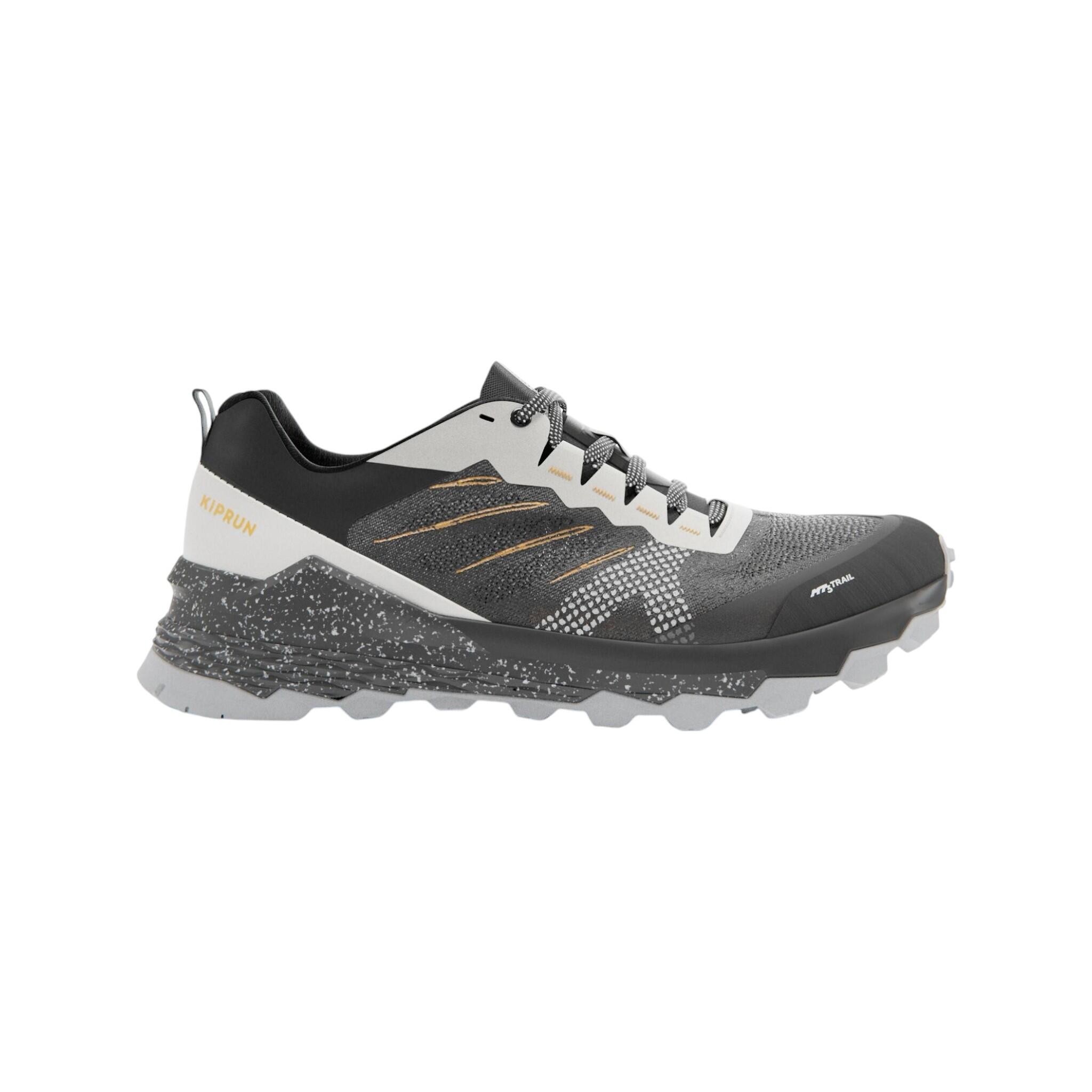
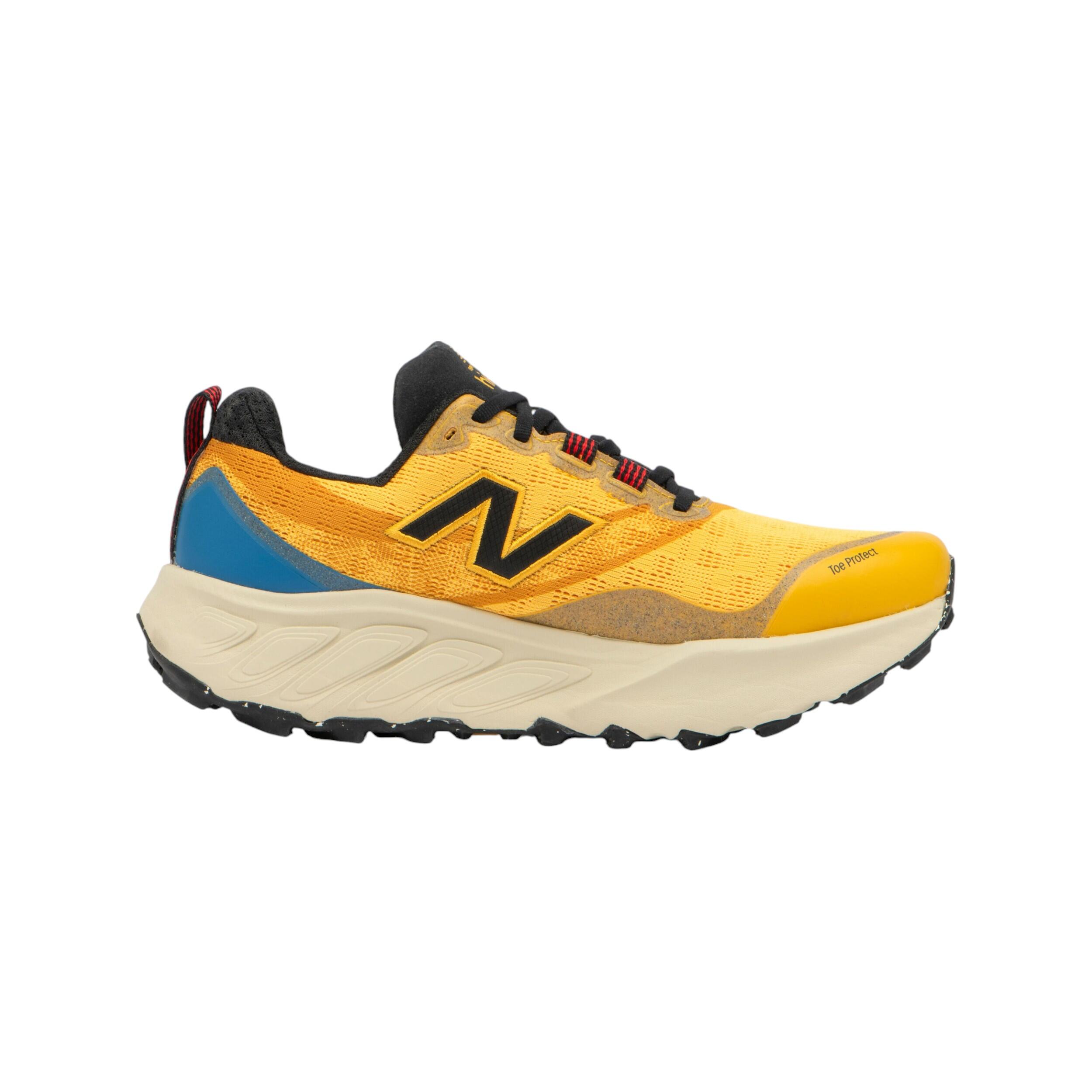
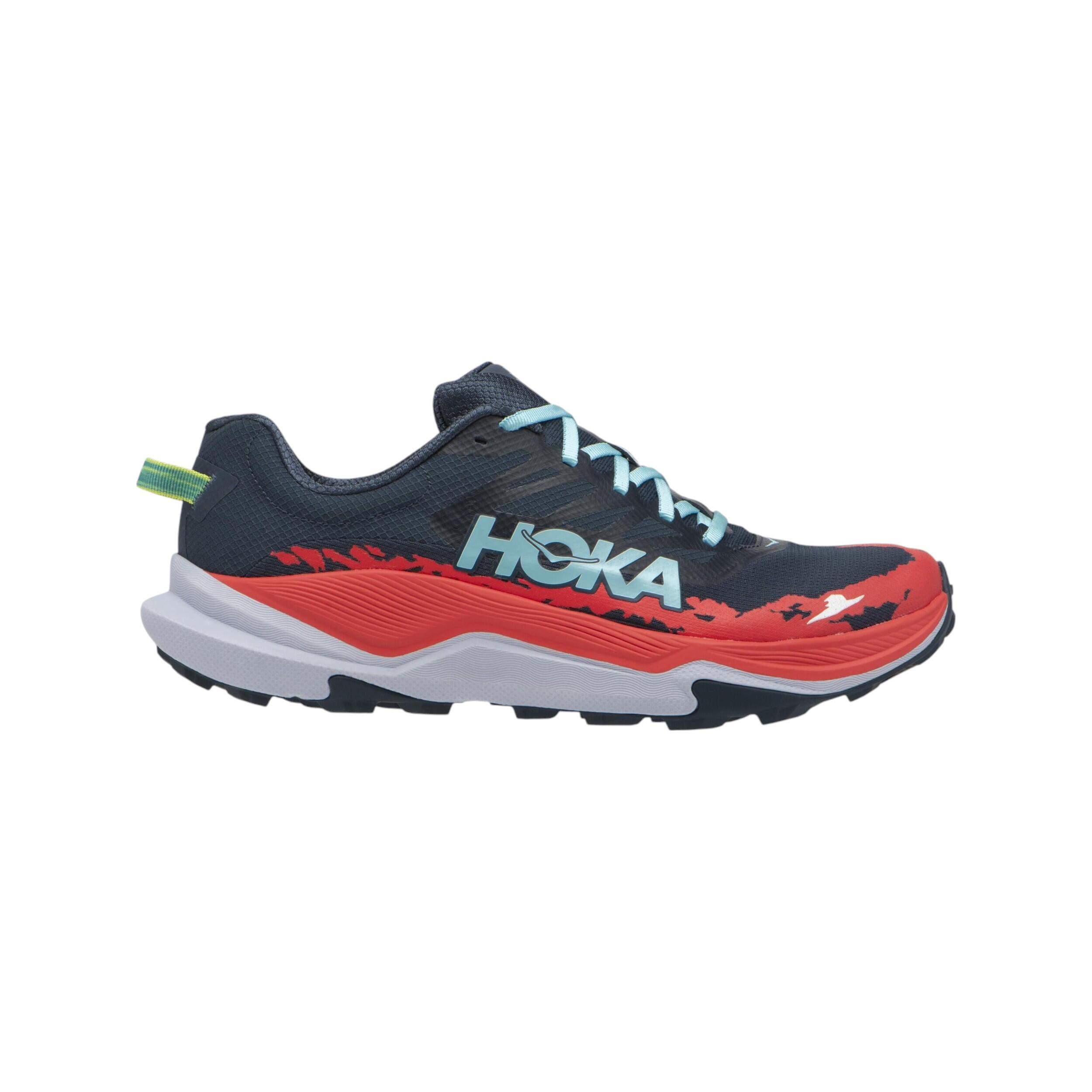
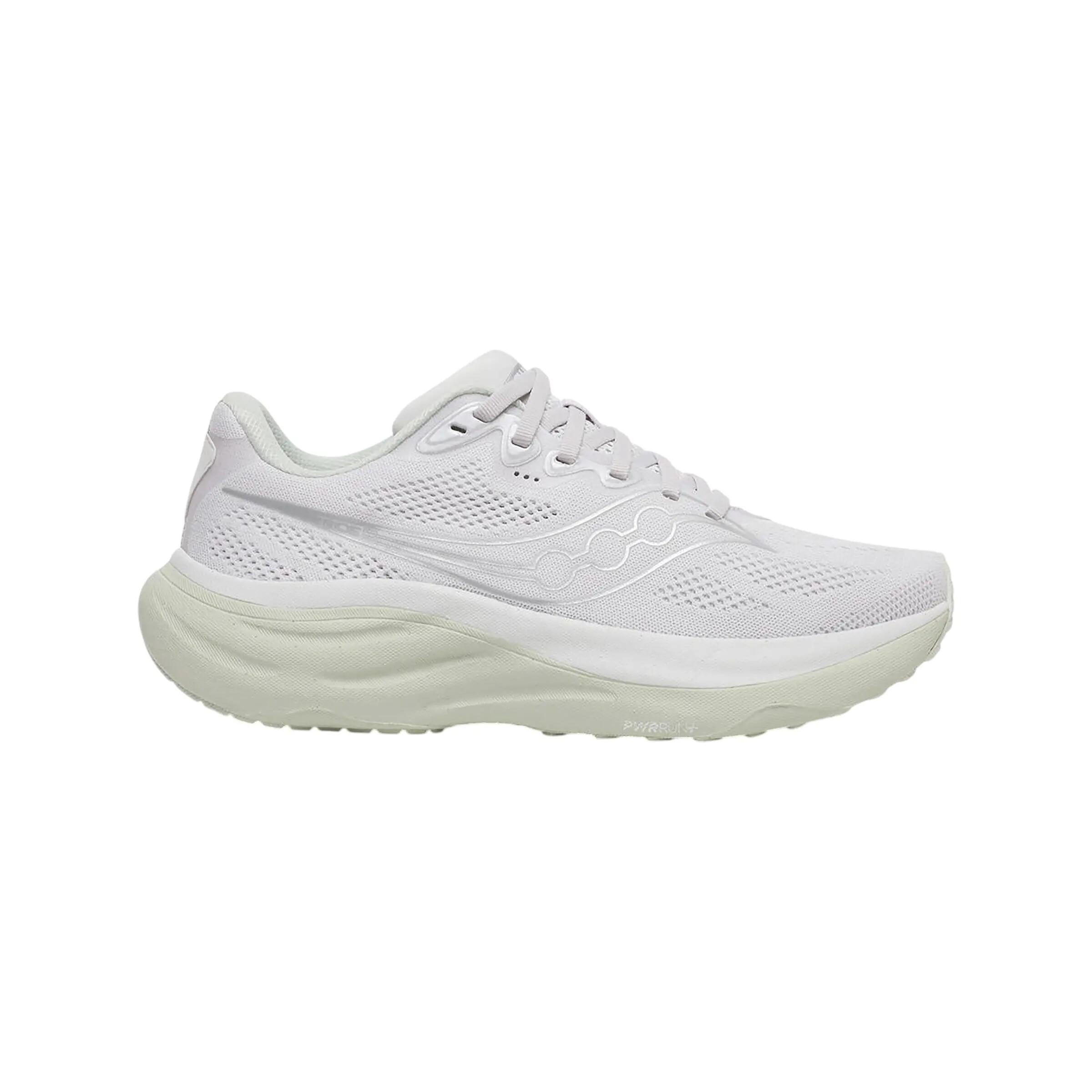
501 items
4.2/5 based on 43402 reviews collected online and in stores

Men's Trail Running Shoes FAQs

What should you look for in men's trail shoes?

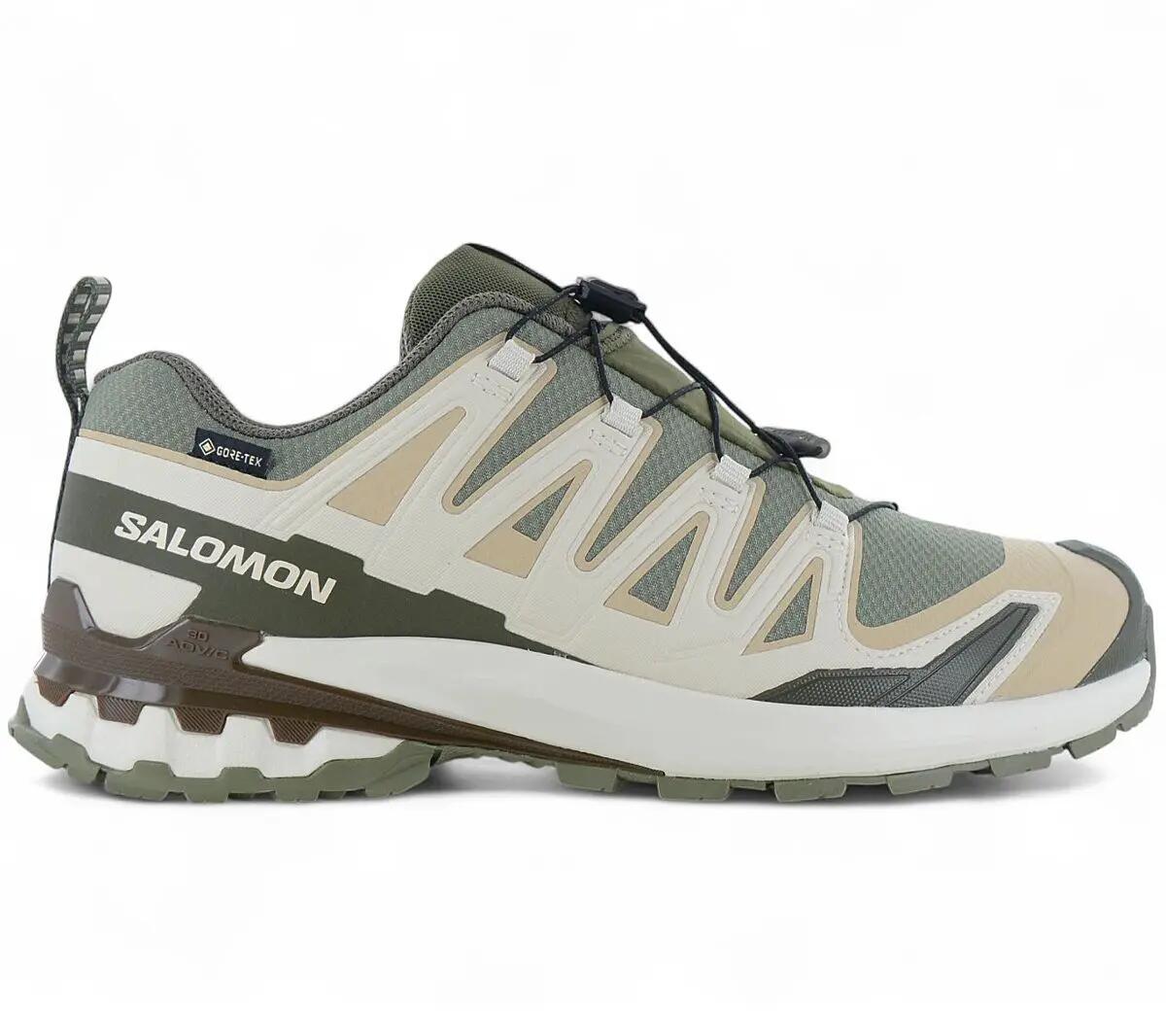
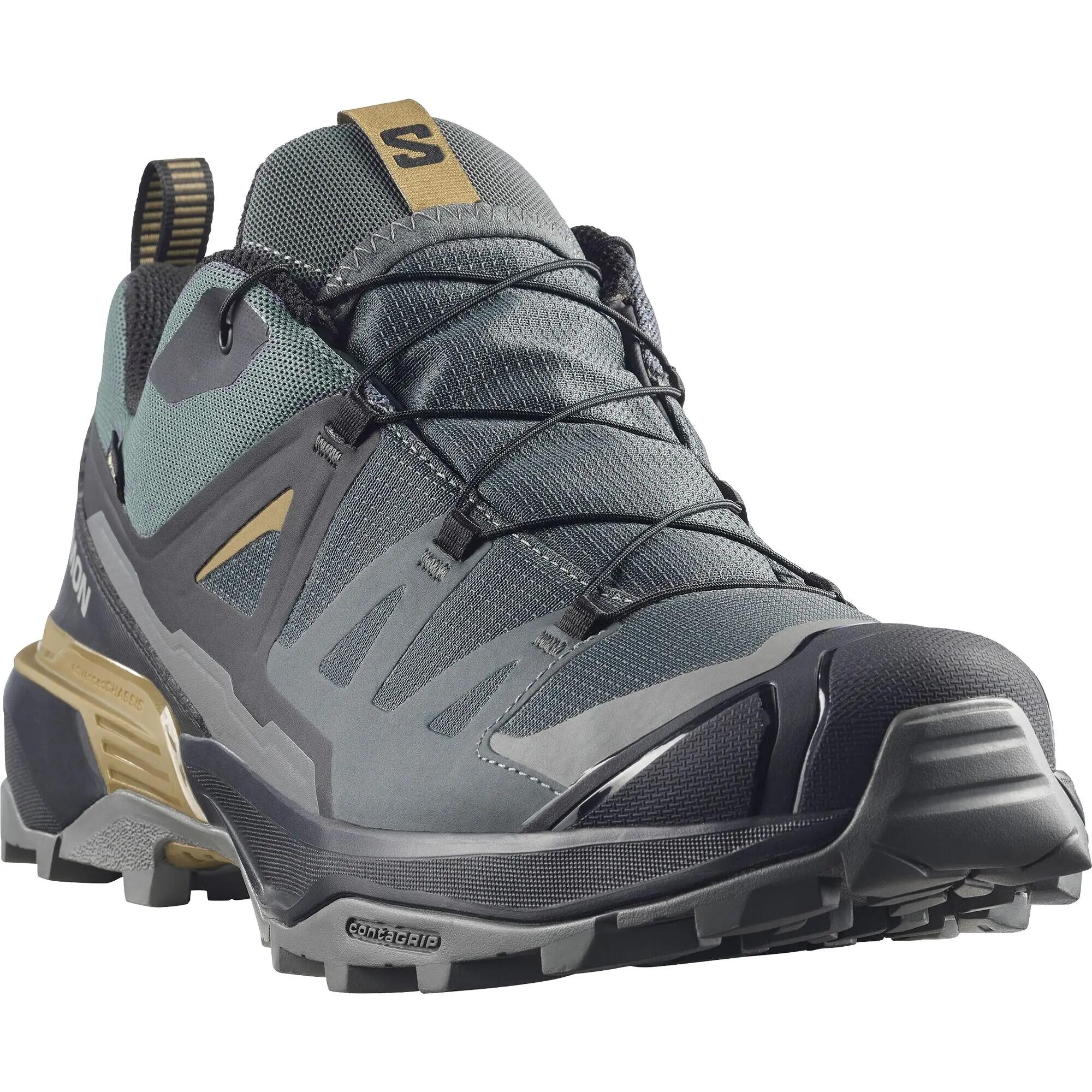
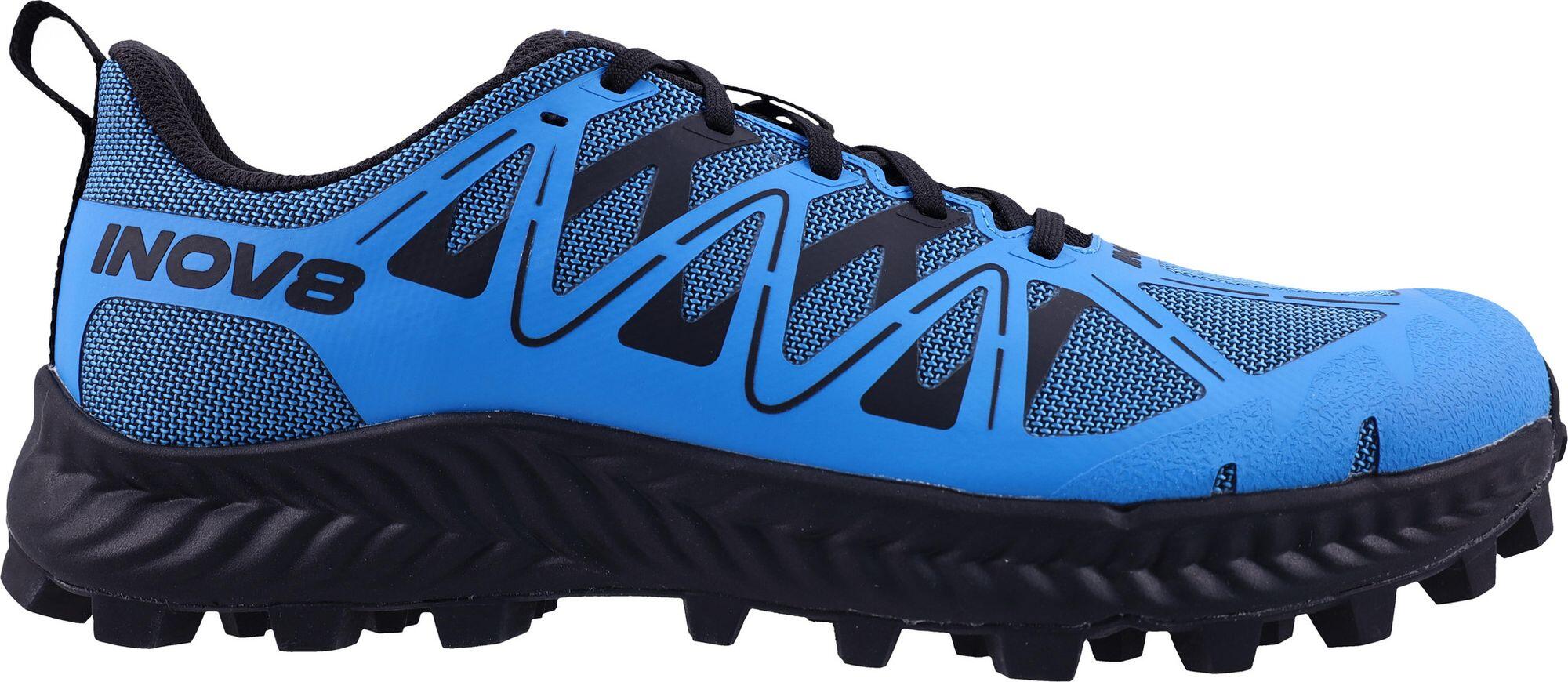
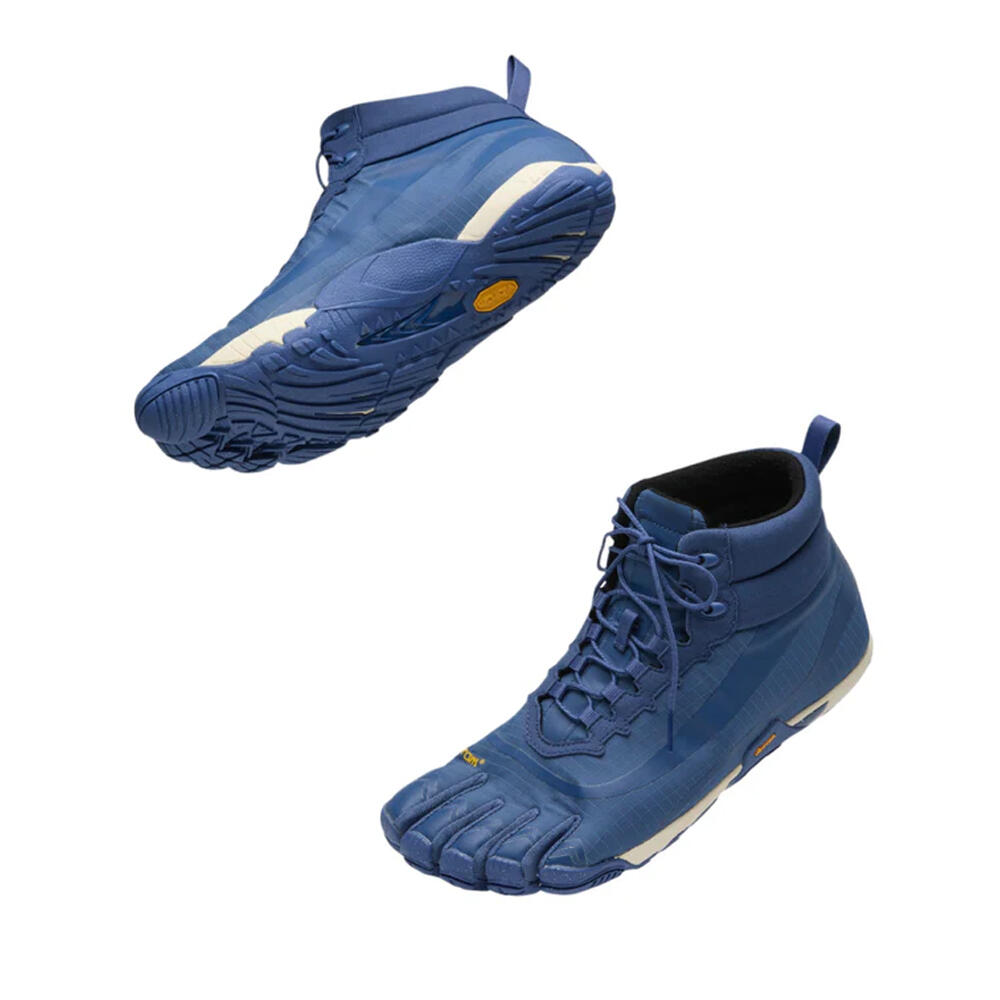
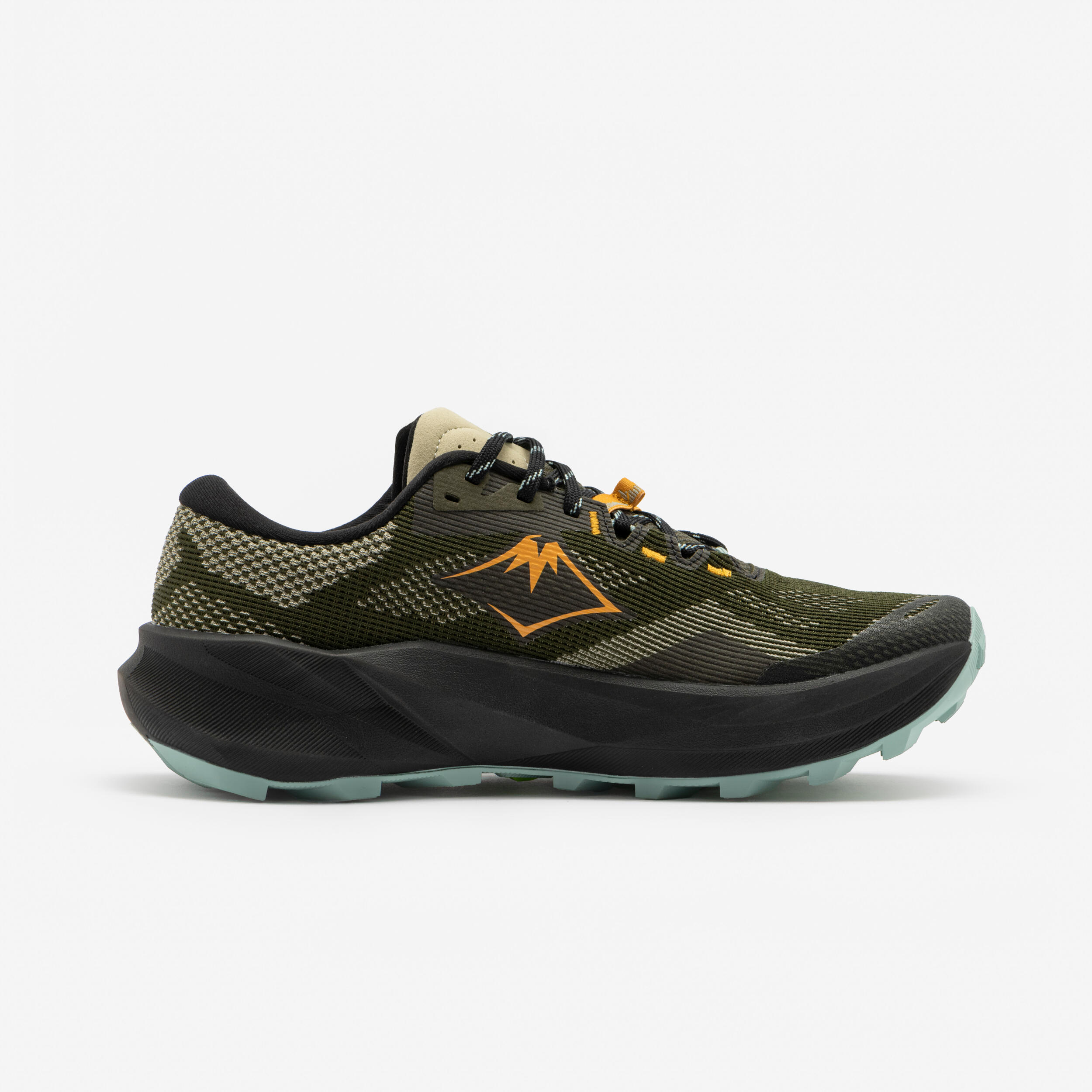
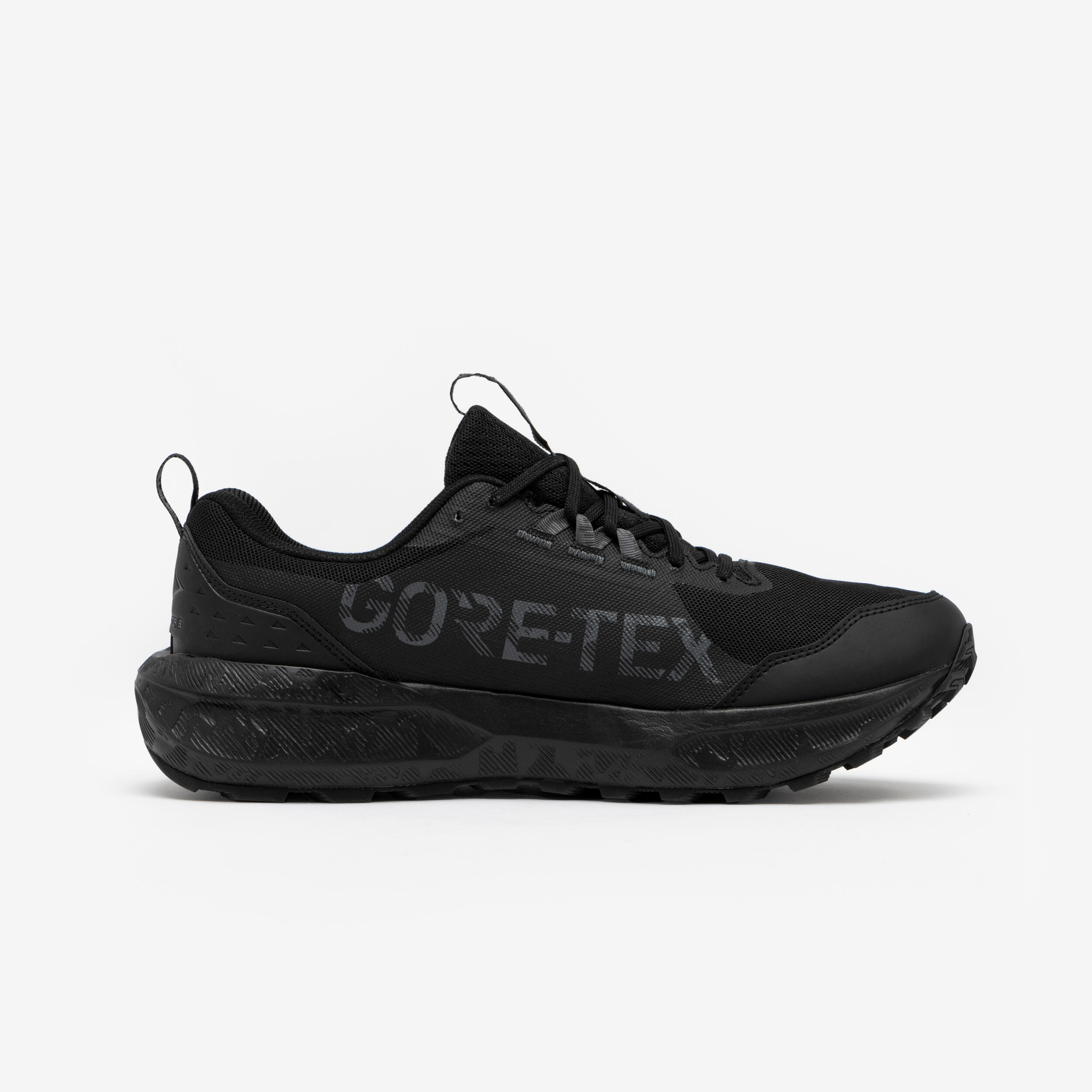
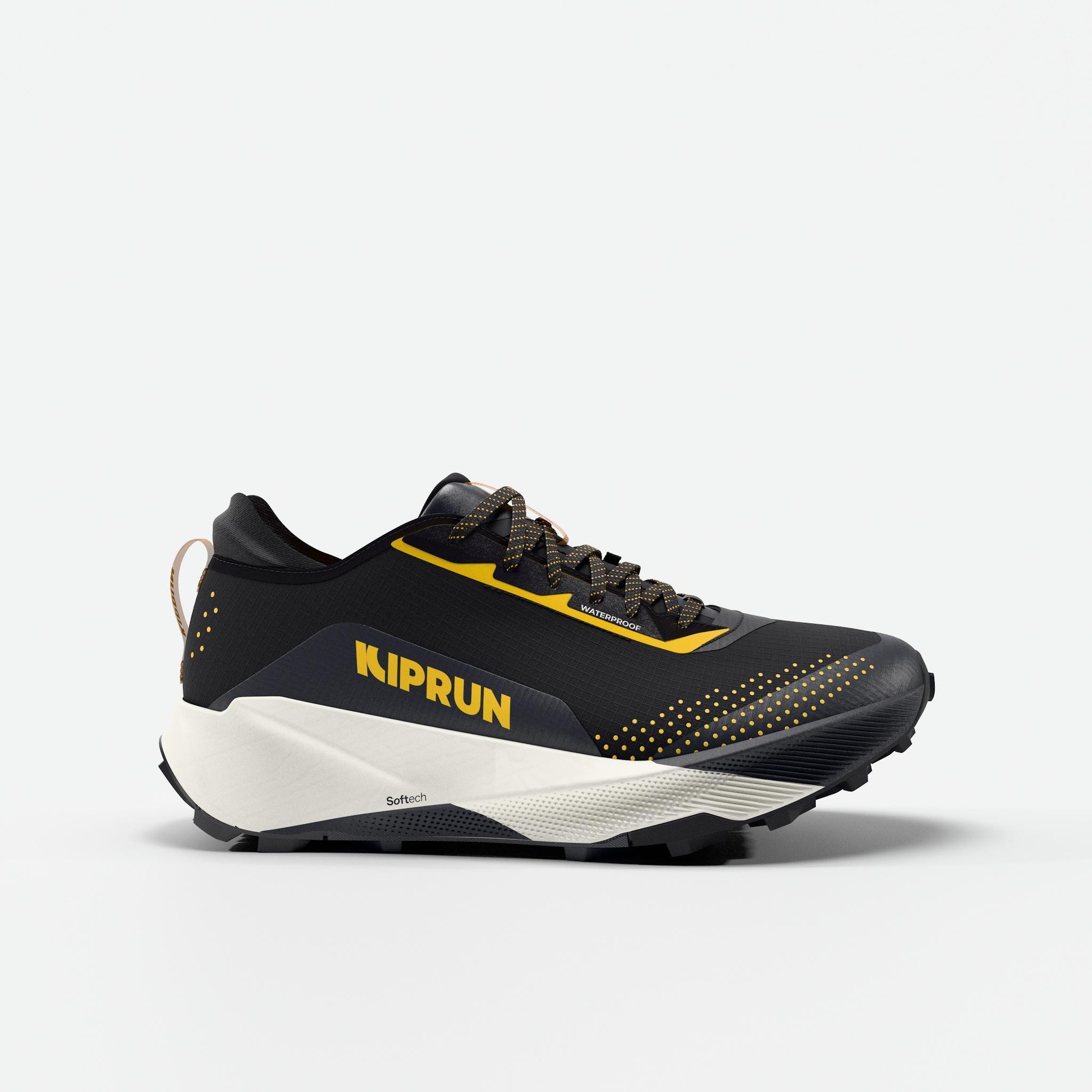
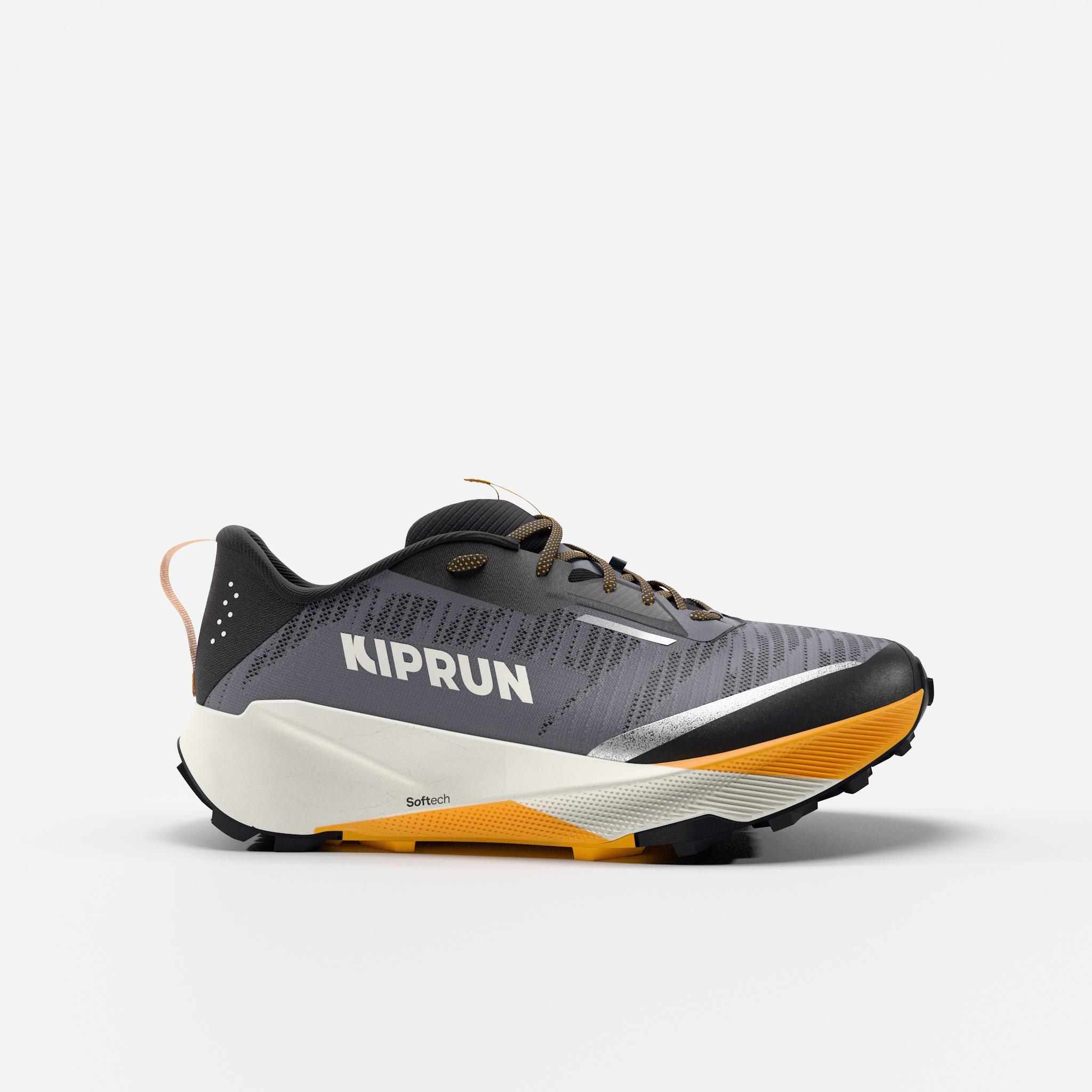
Grip leads on rough ground, so pair the lugs to your terrain and look for a rugged, protective upper. Choose deep lugs for boggy ground and shallower ones for hard-packed trails. Underfoot protection and a toe cap fend off rock and root. A stable ride steadies uneven ground. Grip leads, protection close behind. The right pair transforms rough ground. A firm heel hold steadies you. Grip and protection come before weight. The right trail pair changes rough ground entirely. A men's shell keeps the rain off from the weather & seasonal trail running gear.
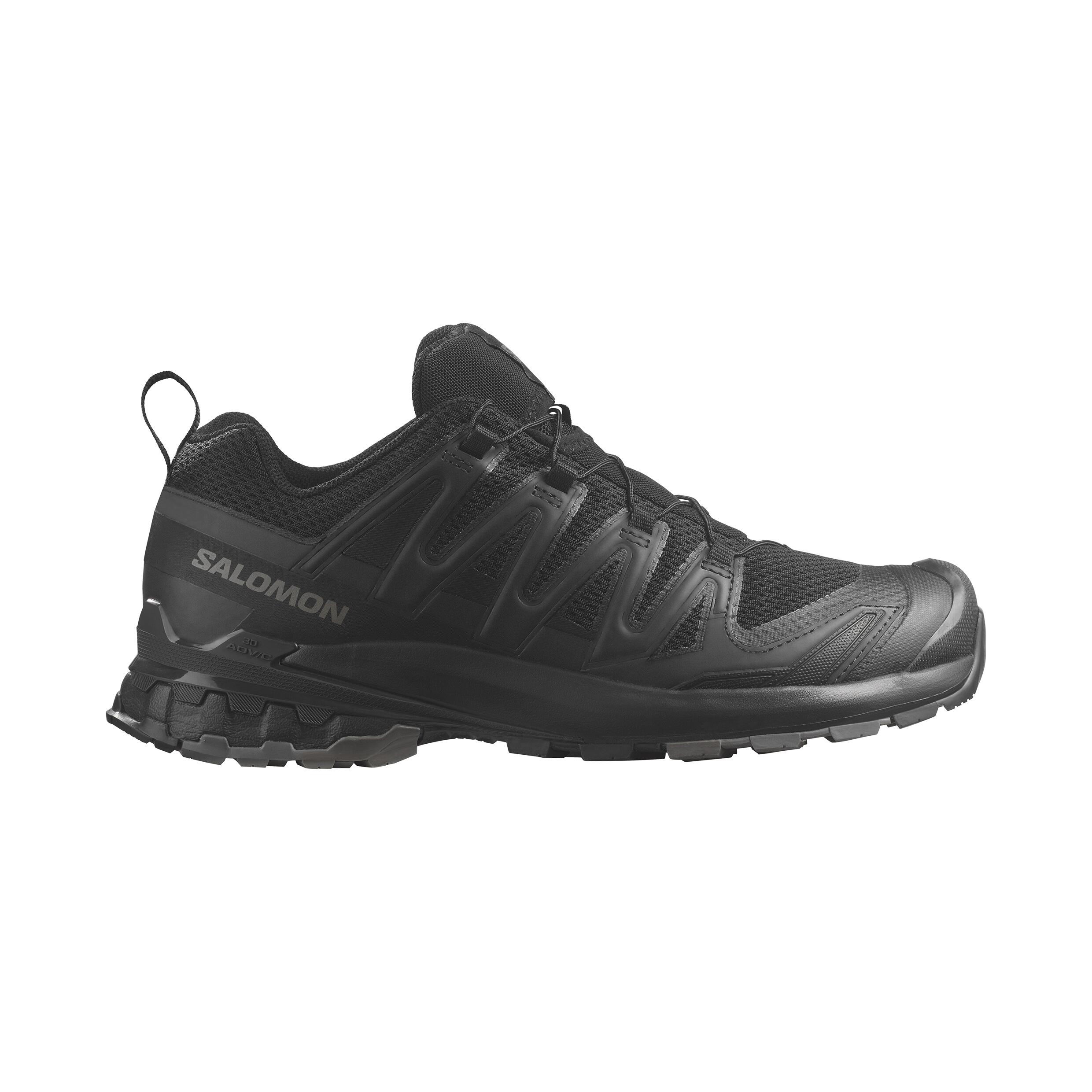
How should men's trail shoes fit?

A men's trail shoe should lock the heel in place while leaving about a thumb's width of space at the toes for long descents. A secure midfoot hold helps stop sliding on broken ground, and trying them on with trail socks helps you judge the fit properly. The right fit reduces rubbing on bigger days out. New insoles for trail shoes are accessories covered by trail running shoes' accessories.

Are men's trail shoes good on technical ground?

Men's trail shoes work well on technical ground when the outsole matches the terrain. Aggressive lugs bite into mud and wet grass, while protective uppers help fend off knocks from stones and roots. A locked-in fit keeps the foot steady on loose descents, so rough trails feel more controlled. More pairs for rough routes sit within trail-running shoes.

Are men's trail shoes comfortable for long runs?

A cushioned, protective men's trail shoe helps keep the legs fresher over long, stony outings. Underfoot protection softens repeated impact, while a secure hold helps prevent rubbing as the hours build. Breathable clothing also matters on long days, and cushioned miles pair well with breathable kit from men's trail running clothes.

How do you choose the right men's trail shoes?

Pair the grip to your ground and the cushioning to your distance, then check the fit. Boggy trails need deeper lugs, while hard-packed paths suit a lower-profile sole. Your weekly mileage should guide the cushioning level, and a locked heel helps protect the toes on descents. Value-focused trail footwear comes through Kiprun trail running shoes.