26 items
4.1/5 based on 2024 reviews collected online and in stores

Predator Fishing Waders & Thigh Waders FAQs

What makes breathable waders useful for active predator fishing?

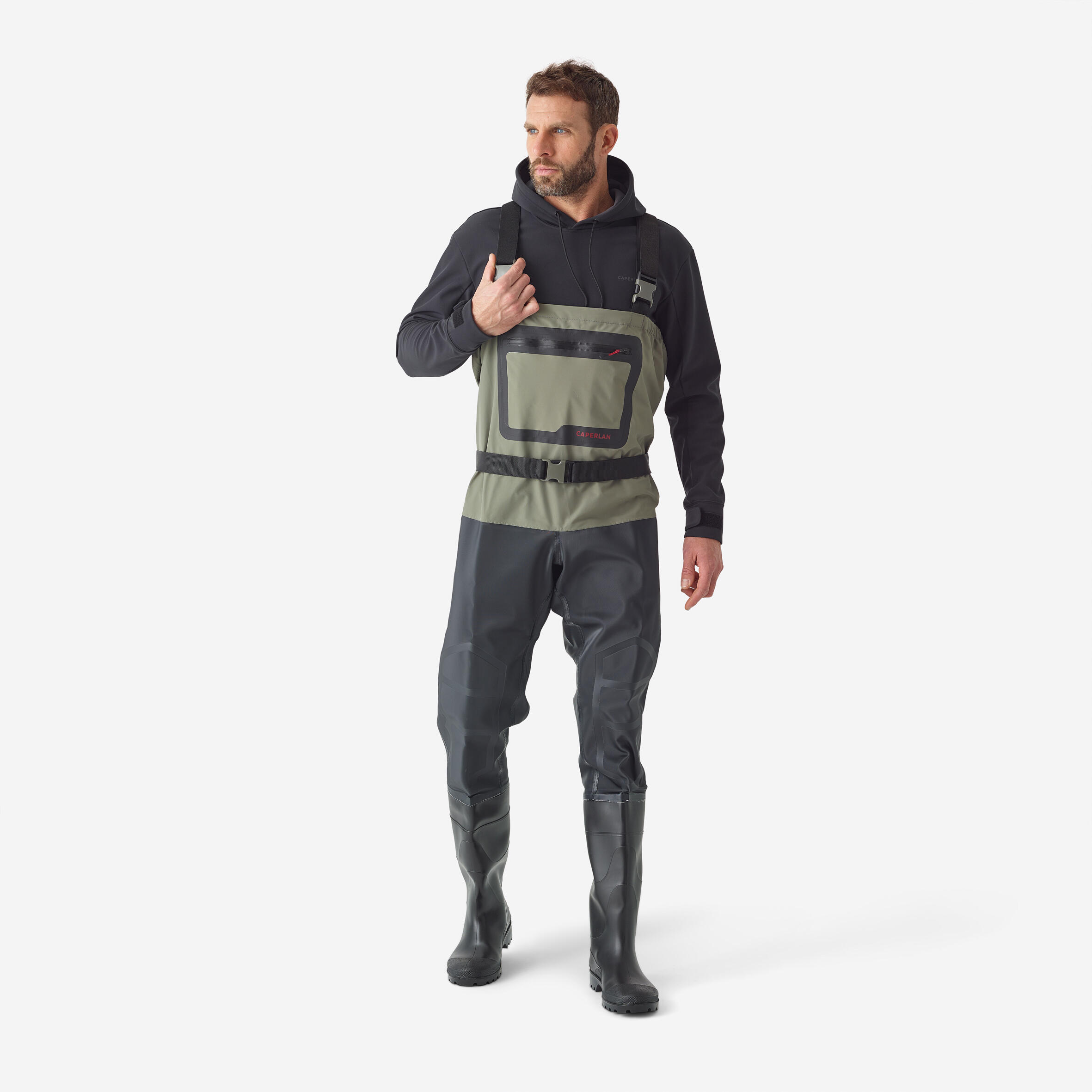
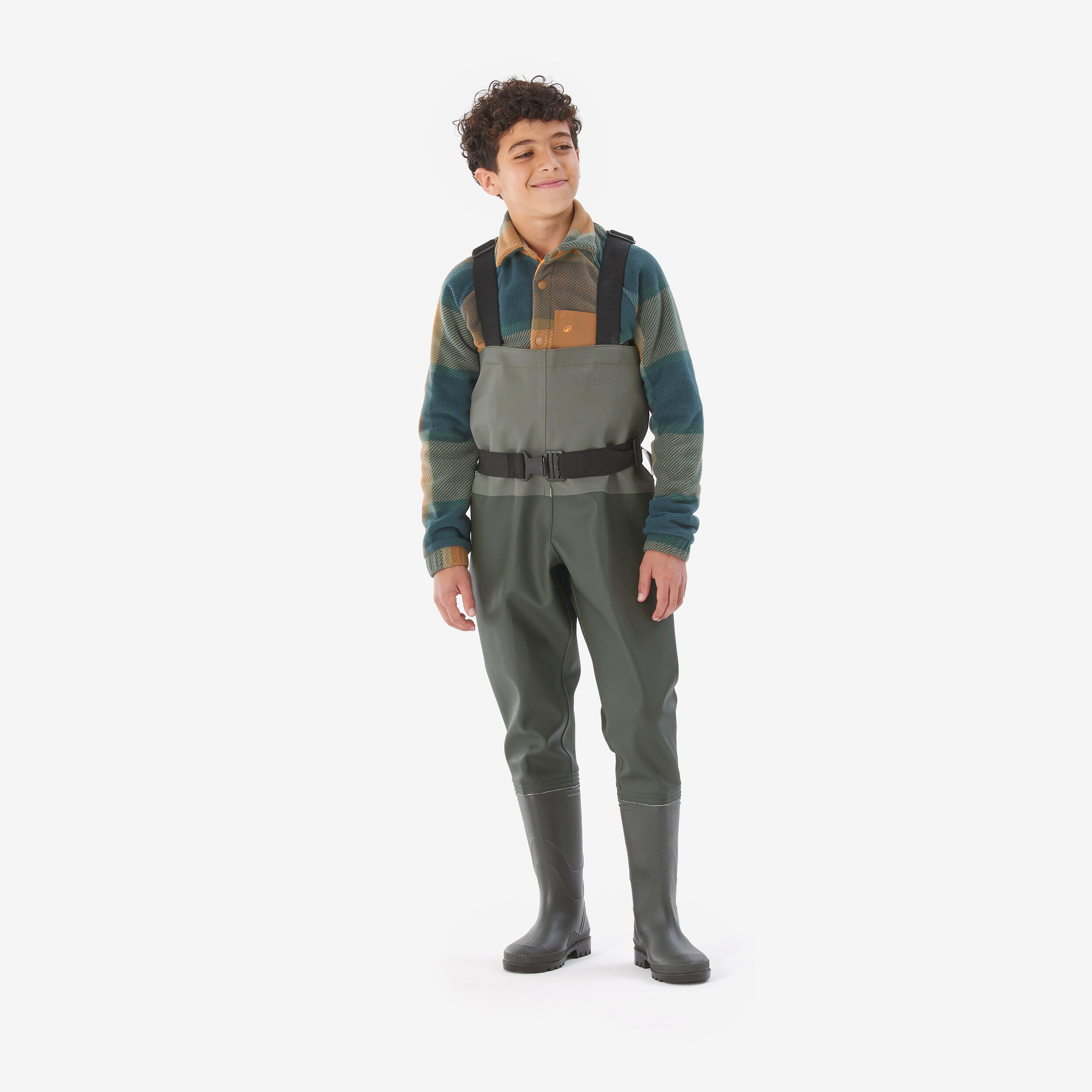
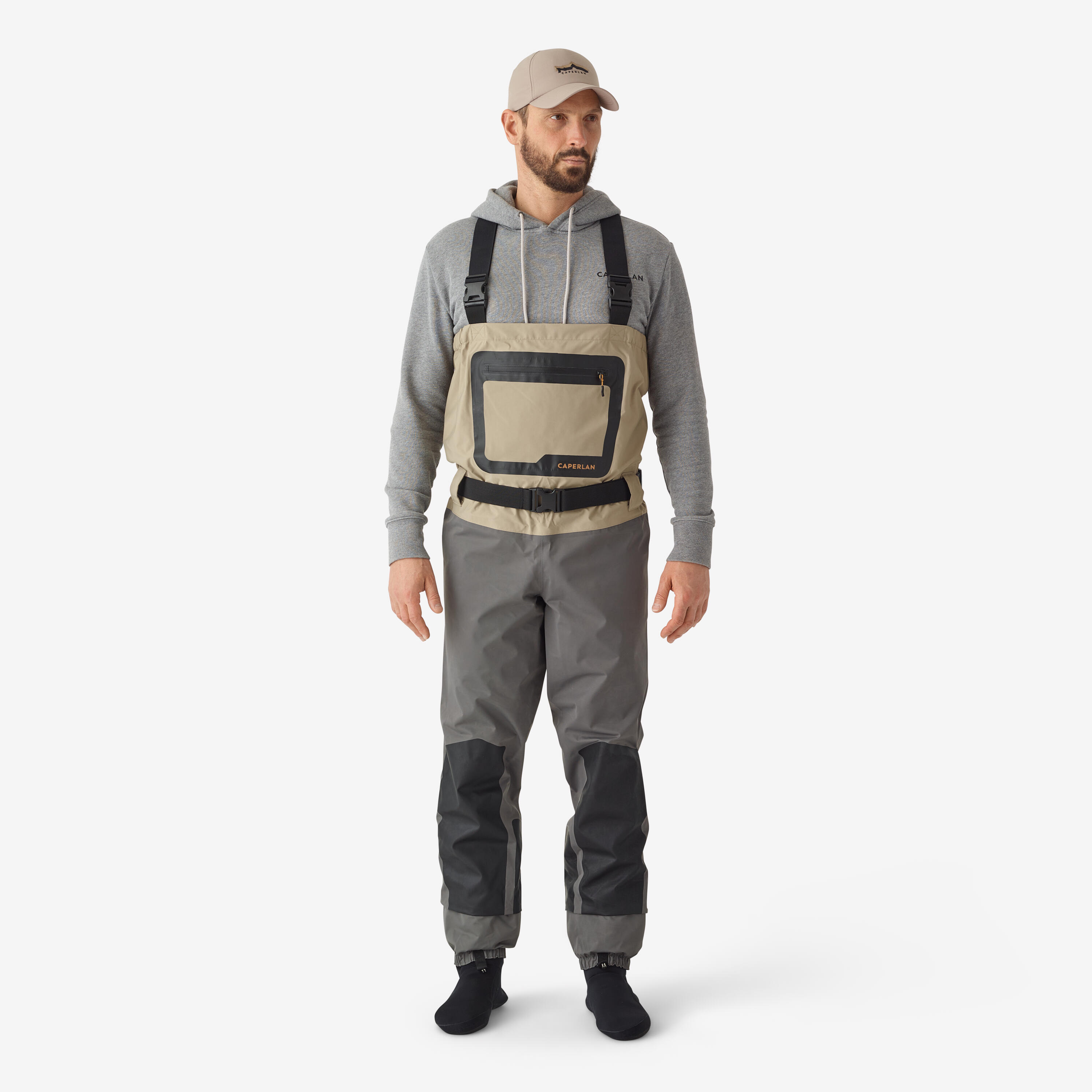
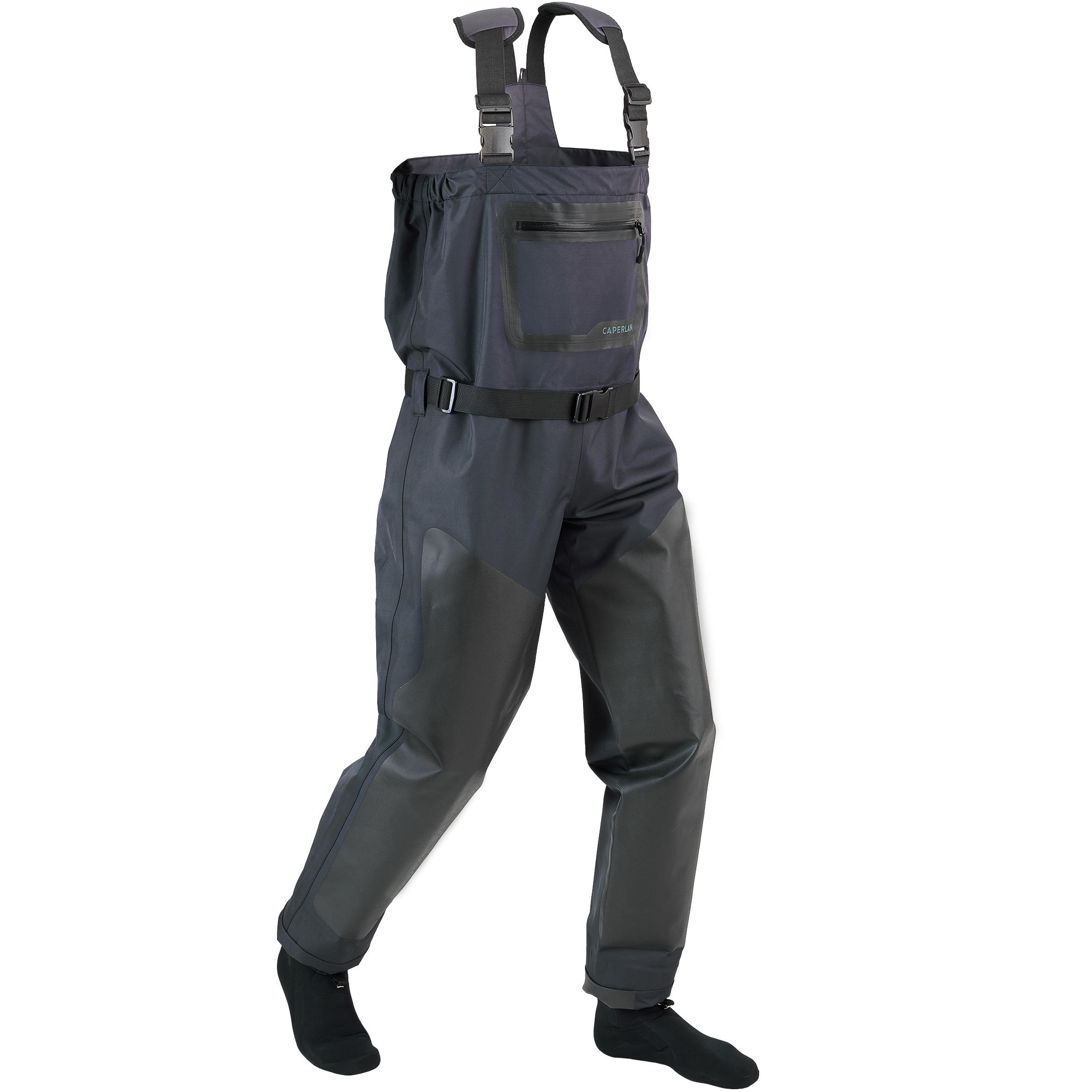
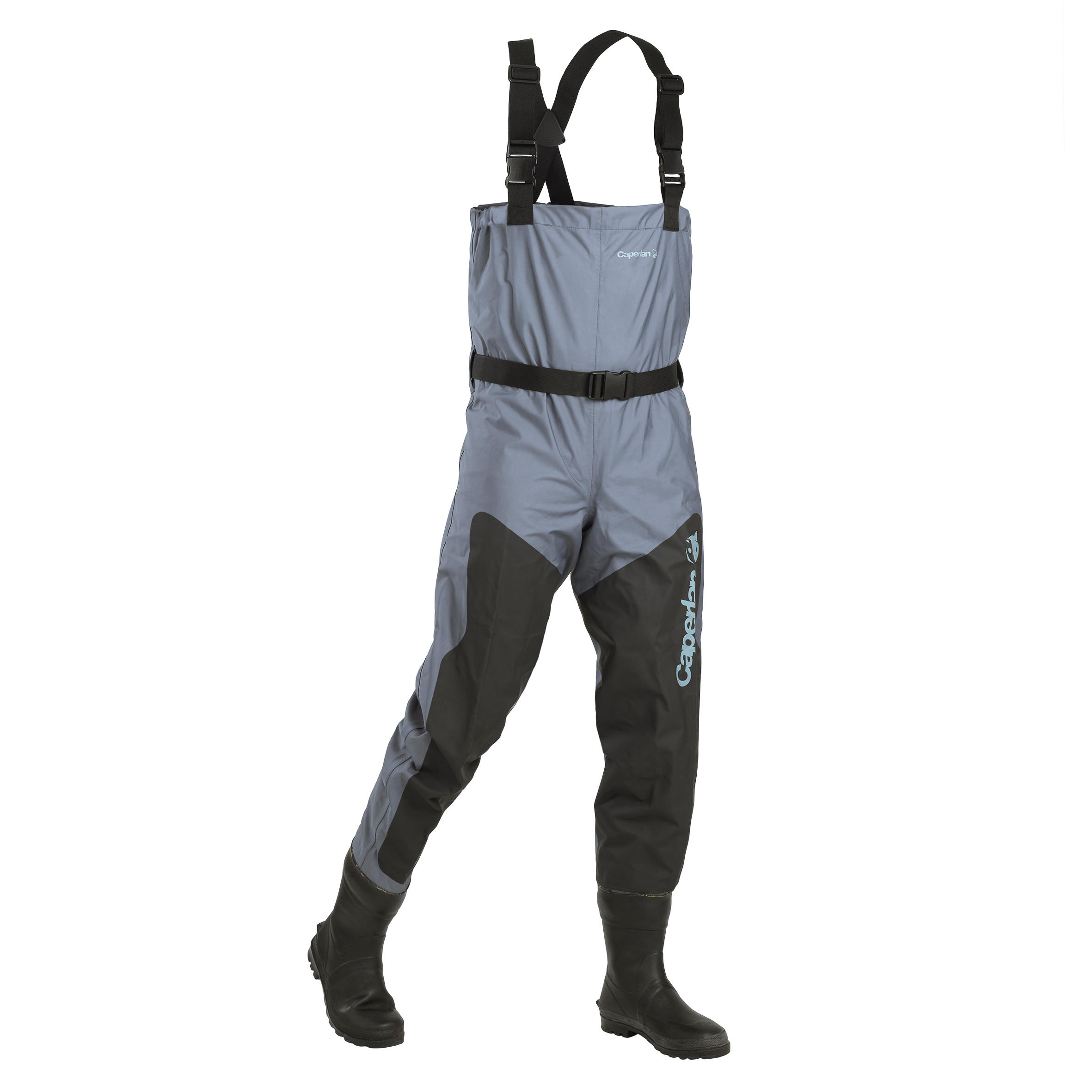
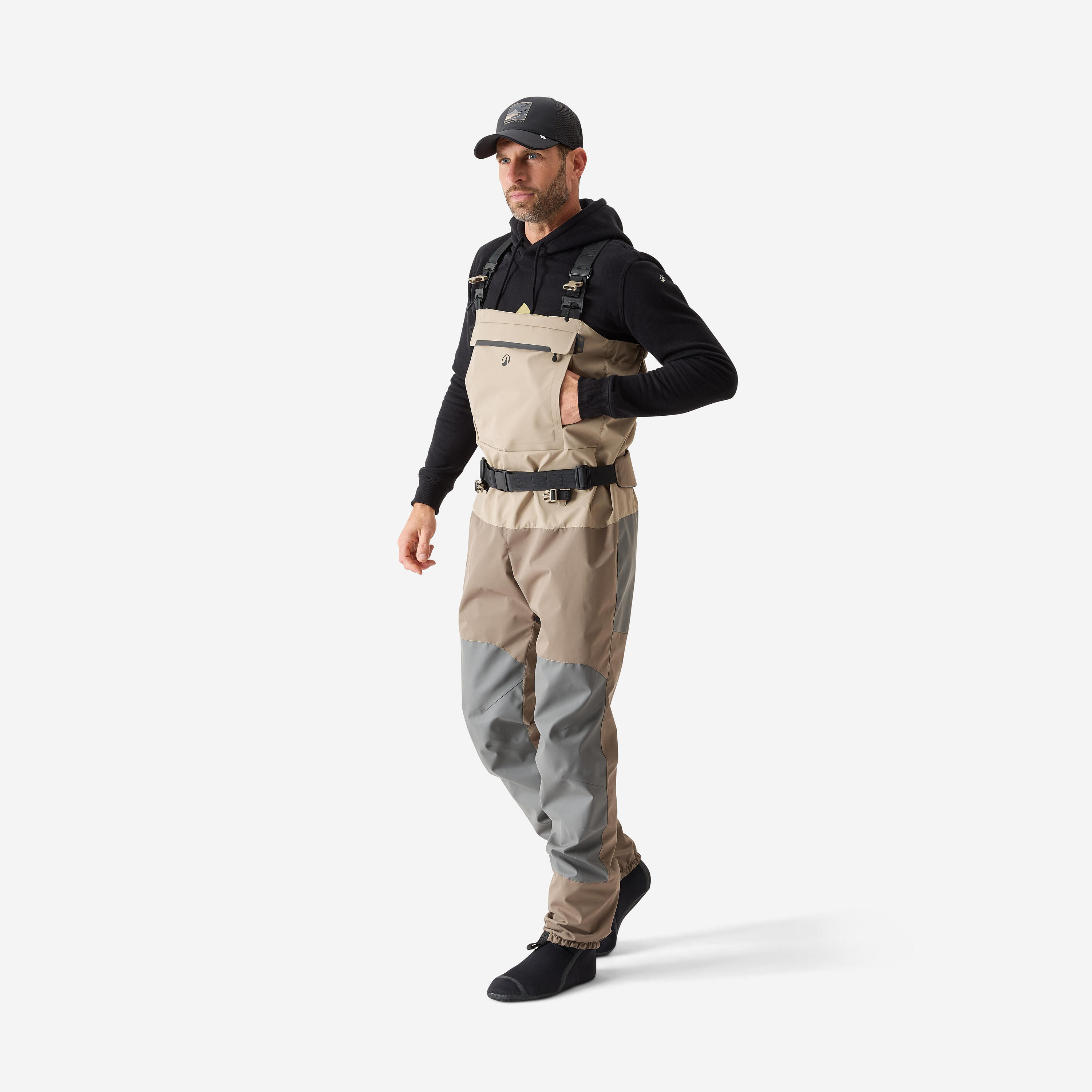
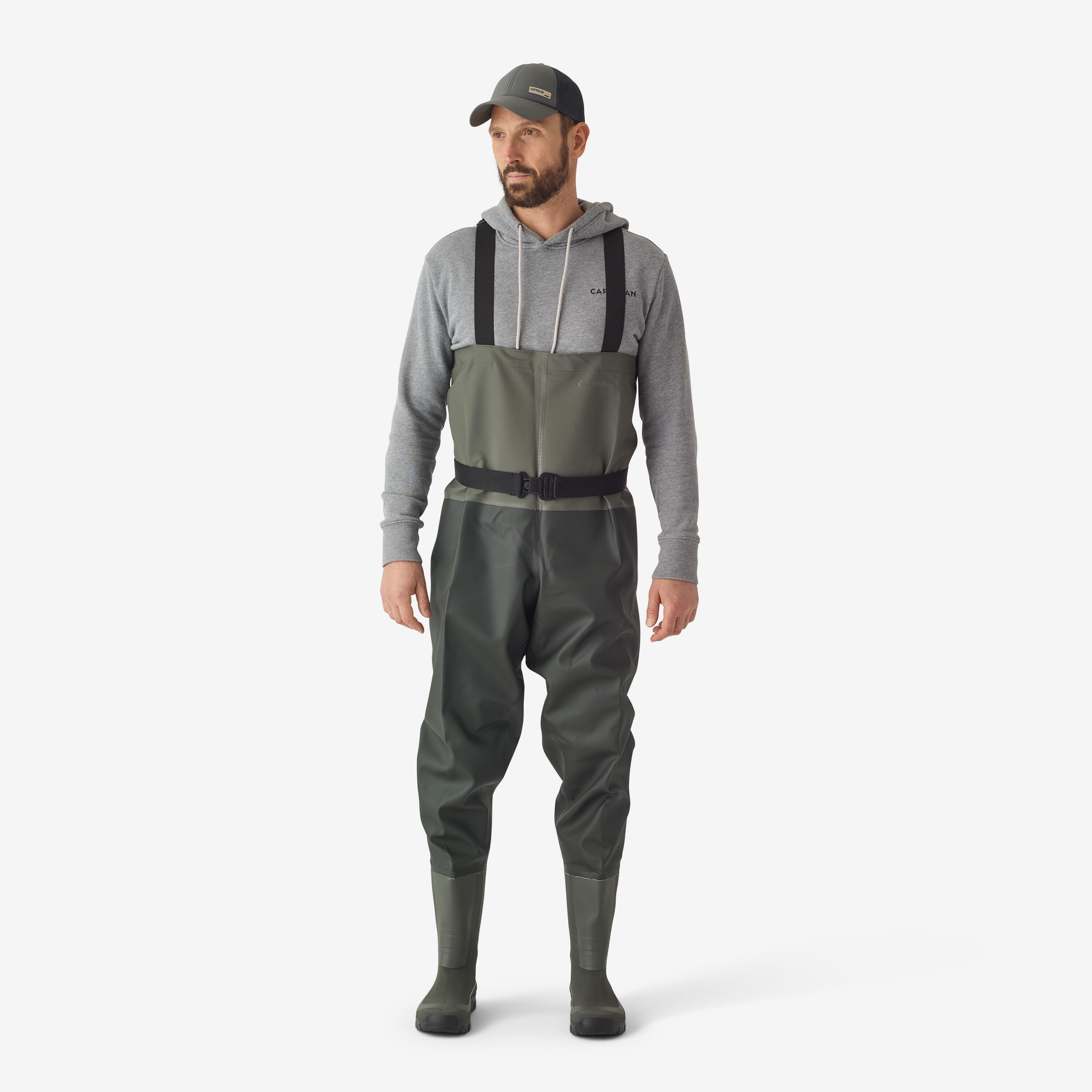
Breathable construction can feel more practical when you walk between swims, cast repeatedly or spend long periods moving along the water. Caperlan combines a three-layer breathable upper with tougher 800 g/m² PVC below the waist on its 500 model, placing extra resistance where contact with banks and vegetation becomes more likely. Reinforced knees add protection to another high-wear area, while sealed seams maintain the waterproof barrier. The breathable PVC fishing waders also include integrated boots with traction-focused soles and a zipped carry bag that doubles as a changing mat, helping you keep socks away from muddy ground while getting ready.

When do neoprene waders make more sense for fishing?

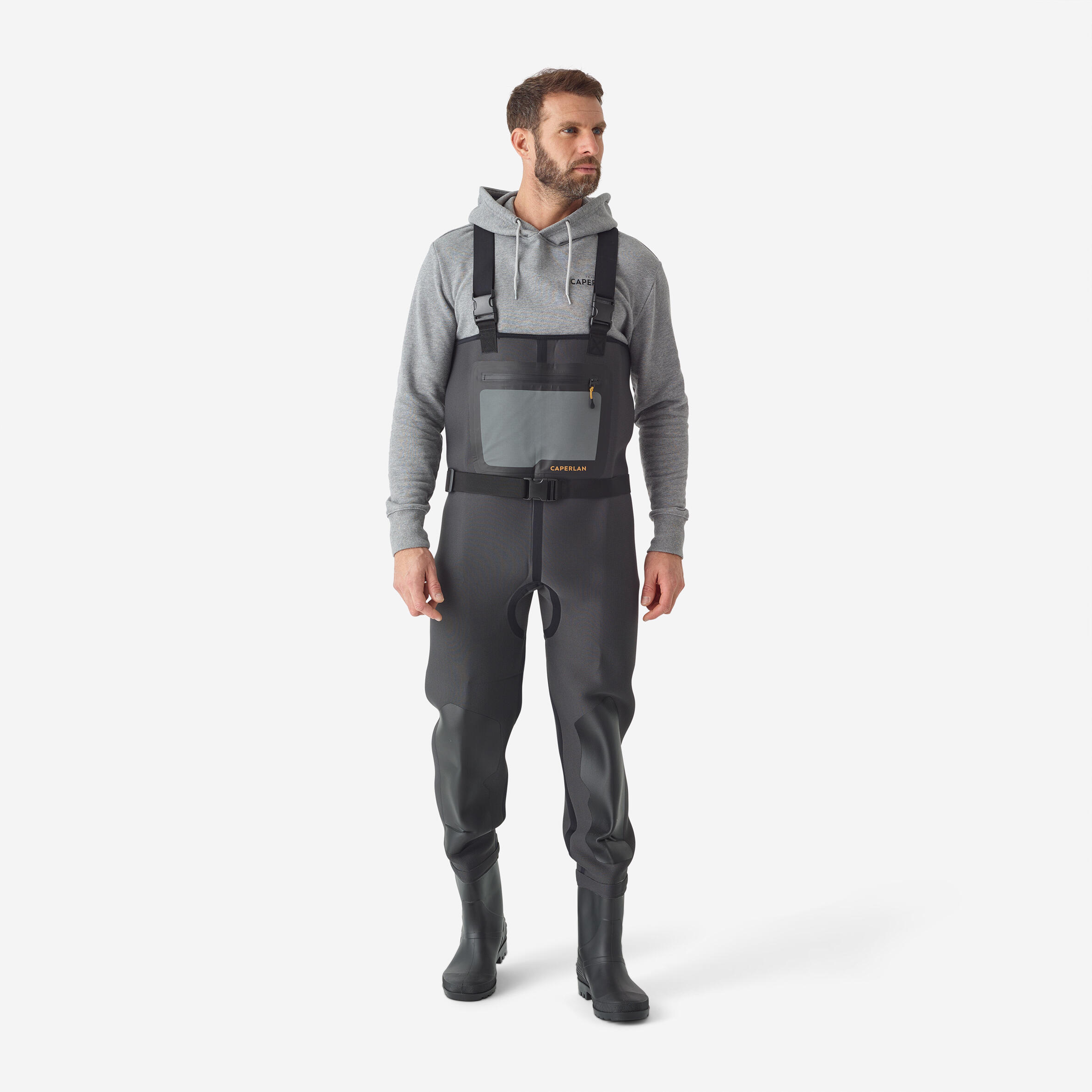
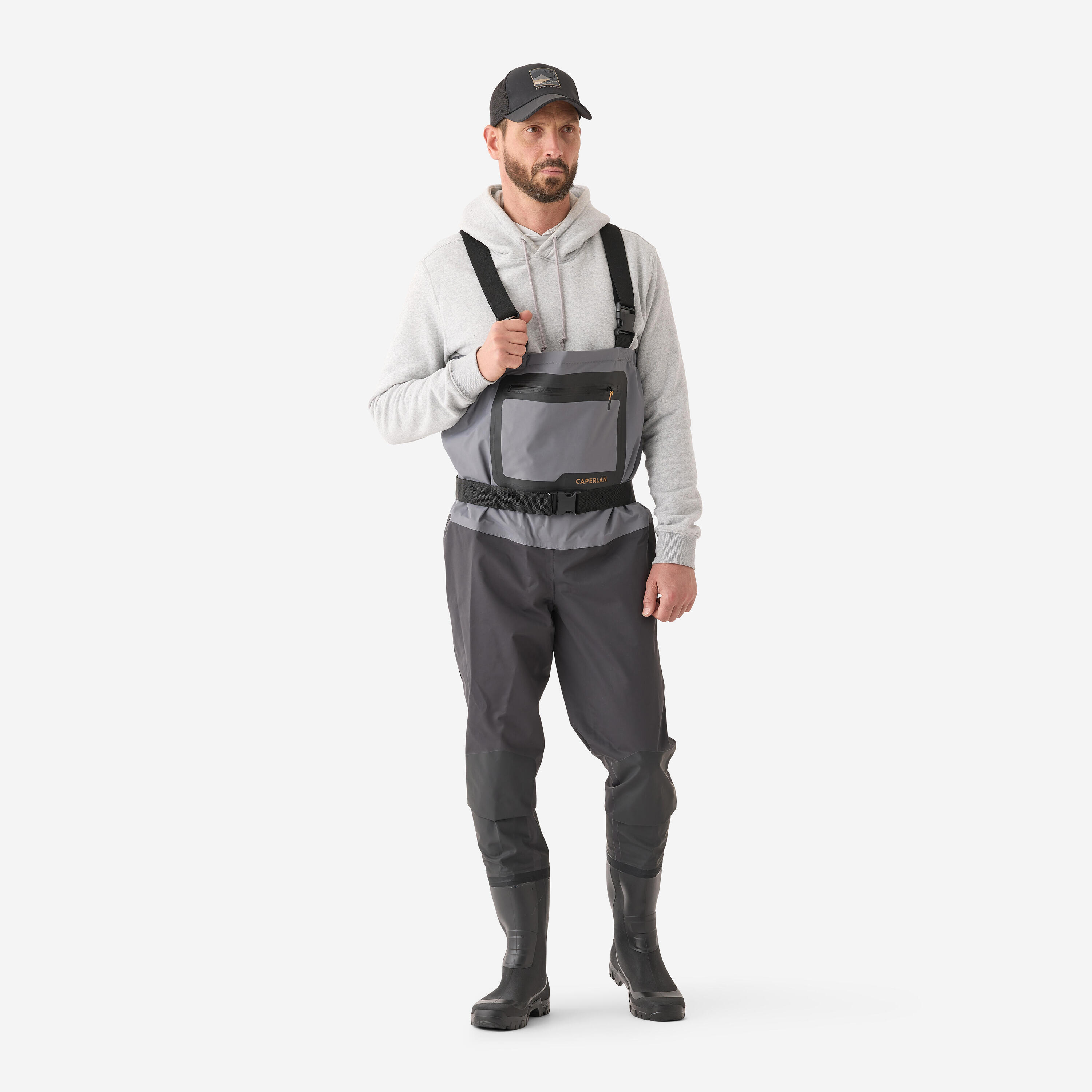
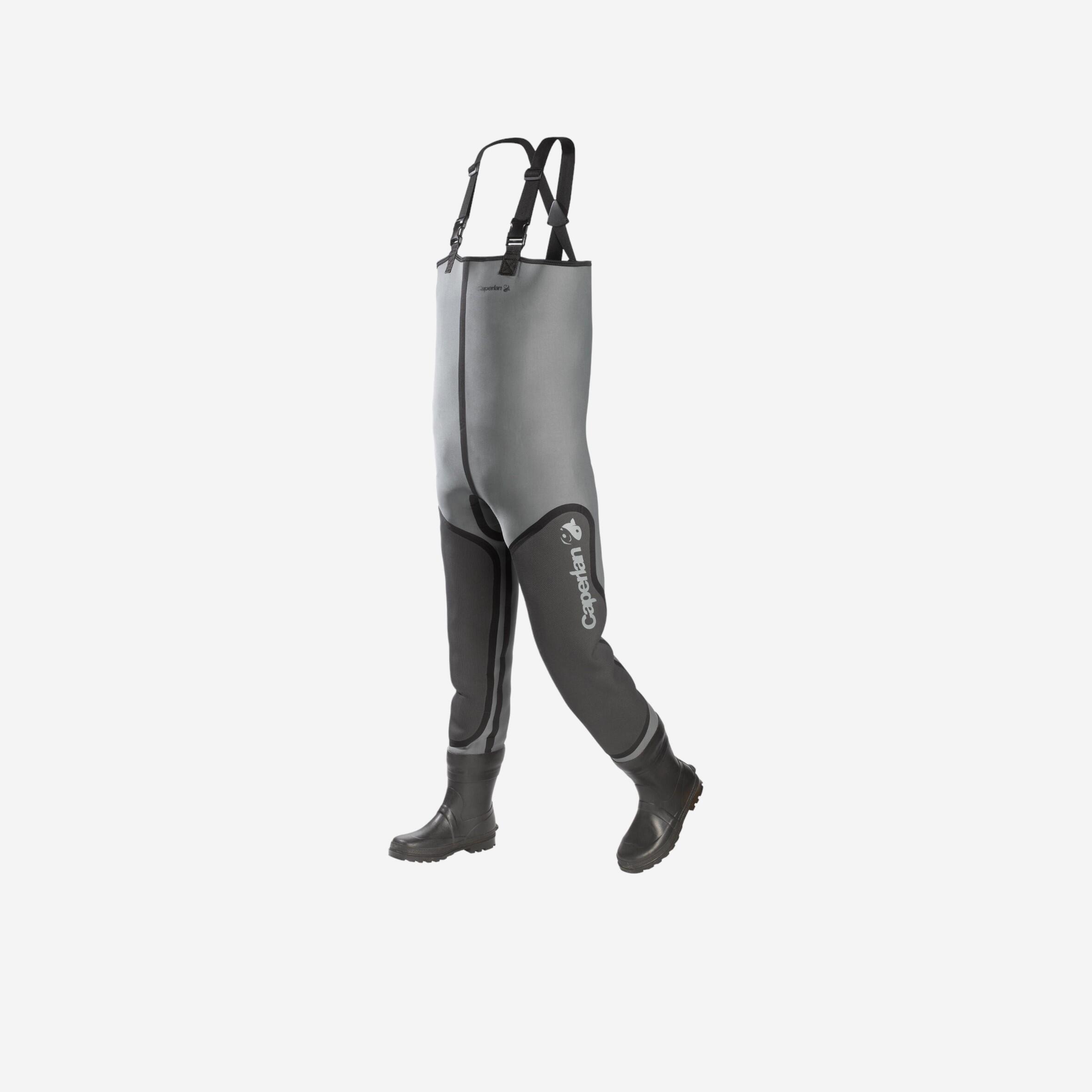
Neoprene becomes useful when colder water makes insulation more important than maximum breathability. Caperlan's WDS 500 TH uses 3 mm neoprene with reinforced knees and shins, helping protect areas that can rub against banks, rocks and vegetation. Double-lined neoprene around the integrated boots adds insulation for your feet, while lugged soles provide grip during wading. These neoprene fishing waders weigh approximately 3.3 kg in size L, so the extra thermal construction also brings more weight than lighter breathable options. Wear trousers and long socks underneath to reduce rubbing and direct skin contact inside the boots, particularly when you plan to stay in the waders for several hours.

What does a 4 mm thermo wader add in colder conditions?

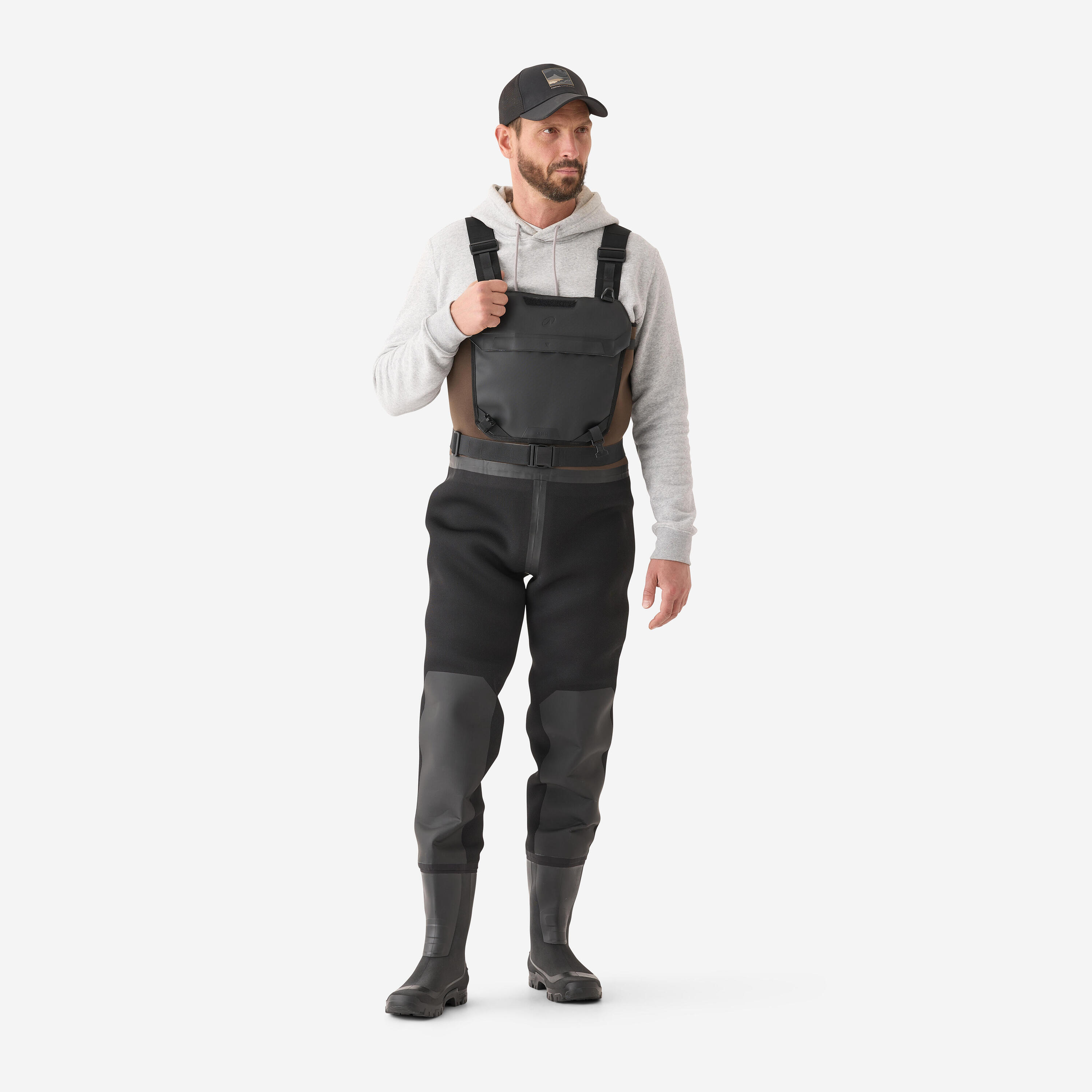
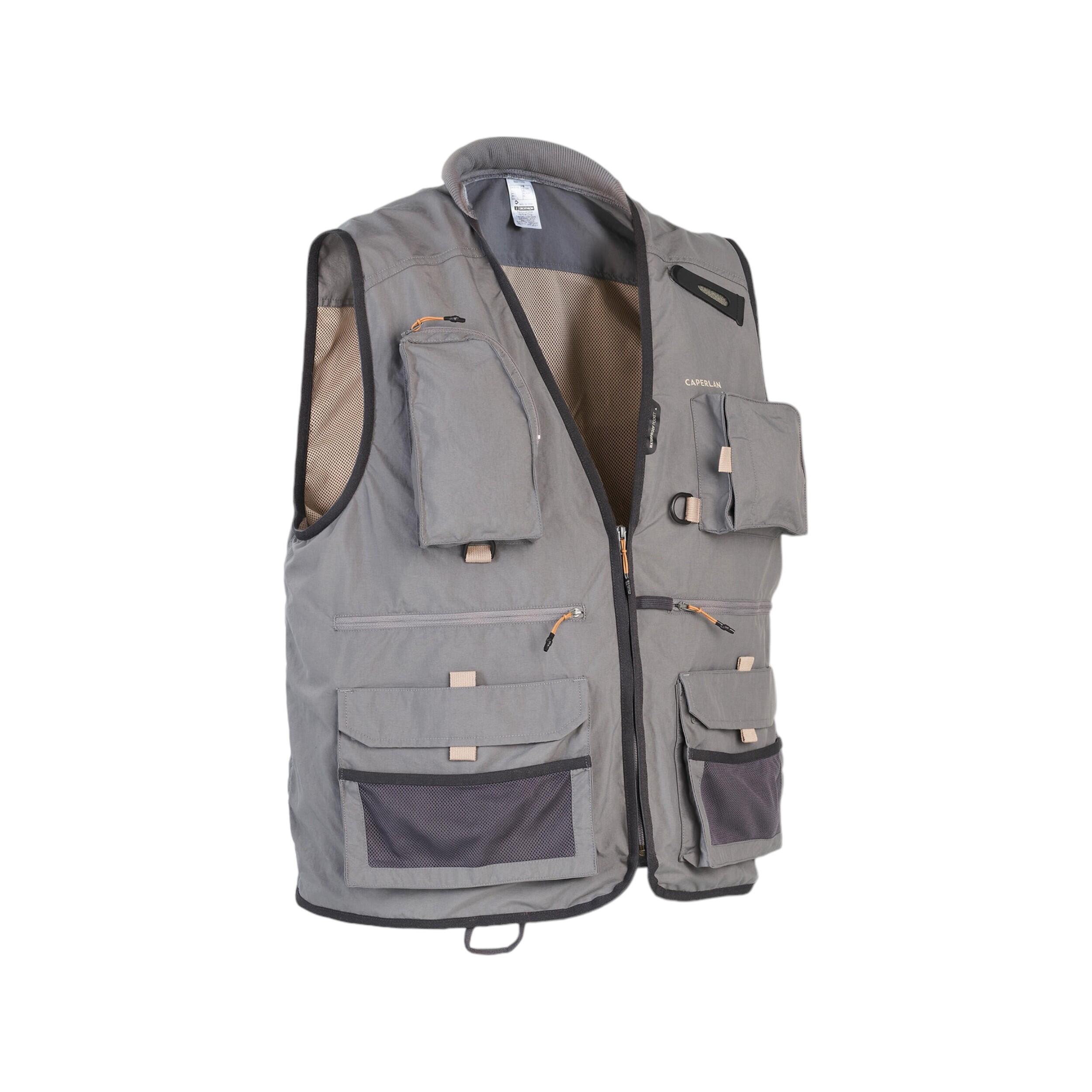
A thicker neoprene construction gives you another step up in insulation when cold water and low temperatures form a regular part of your fishing. Caperlan's 900 Thermo uses 4 mm neoprene, reinforced lower sections and double-lined neoprene boots. Its adjustable braces sit in a way that keeps the upper body freer for casting, while fishing-specific storage includes pockets, accessory loops and a rear landing-net attachment. The fishing and hunting waders can also connect with a compatible Caperlan chest pack without the pack's normal harness. This modular setup keeps frequently used tackle near your hands while leaving your shoulders freer for rod movement during long cold-weather sessions.

When can thigh waders work better than chest waders?

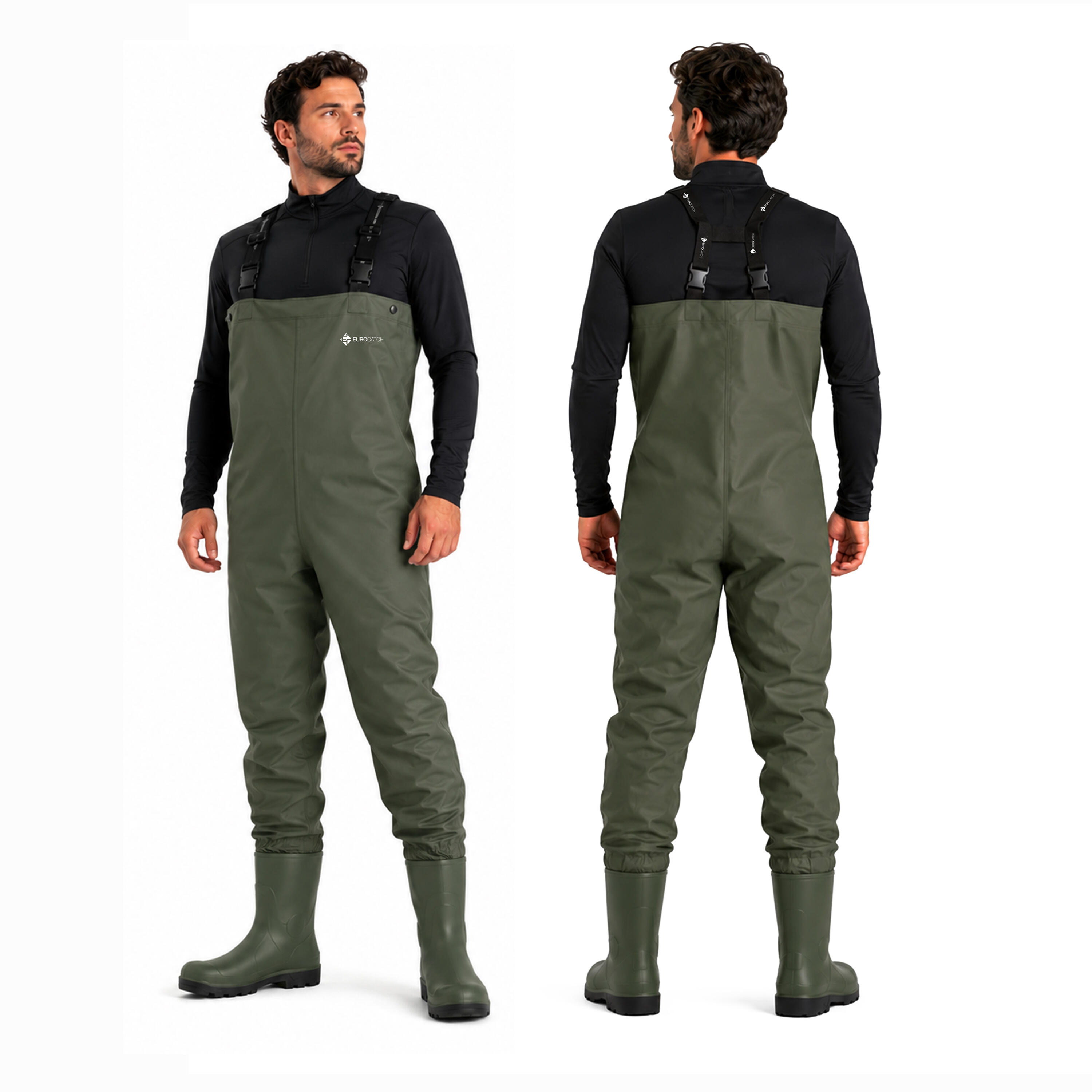
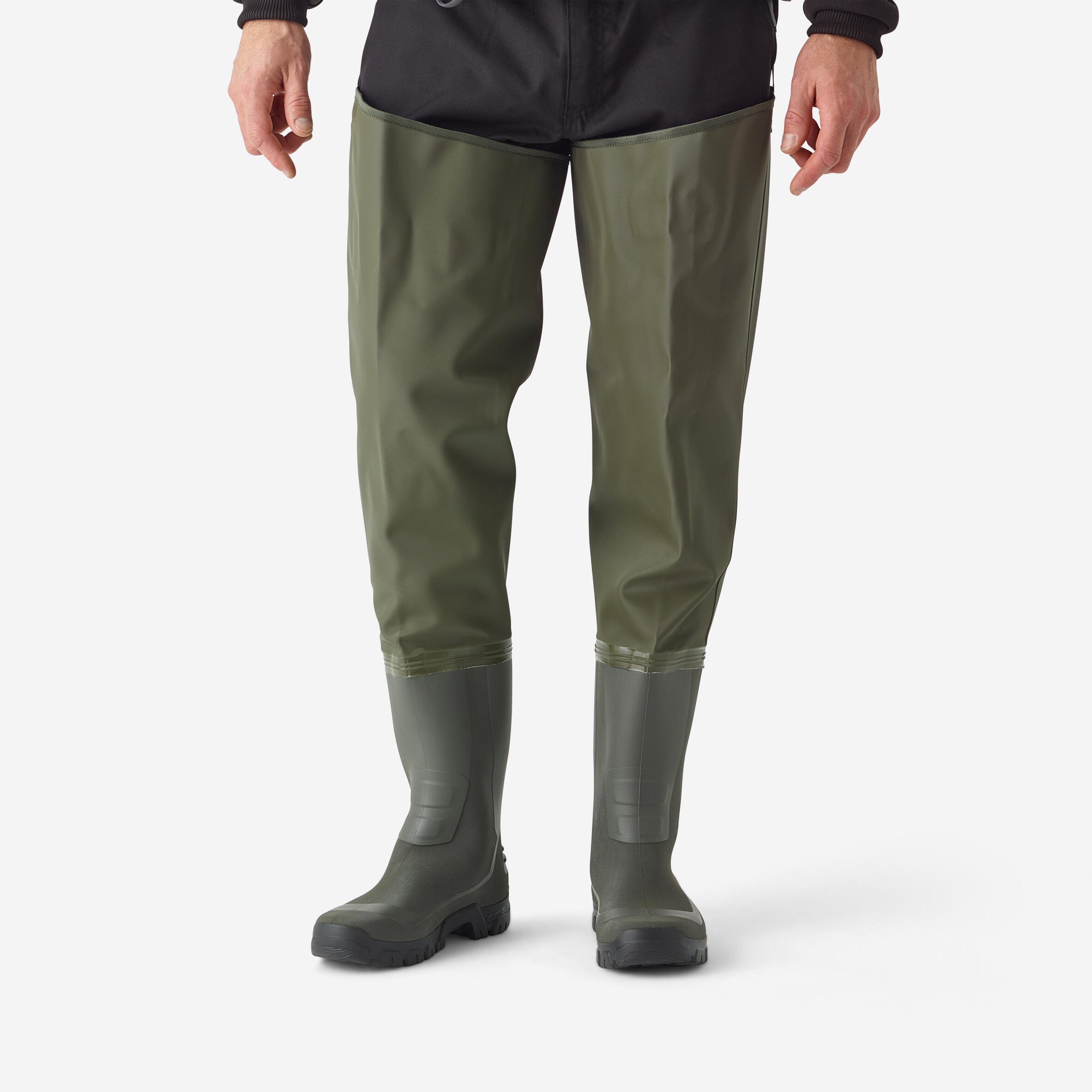
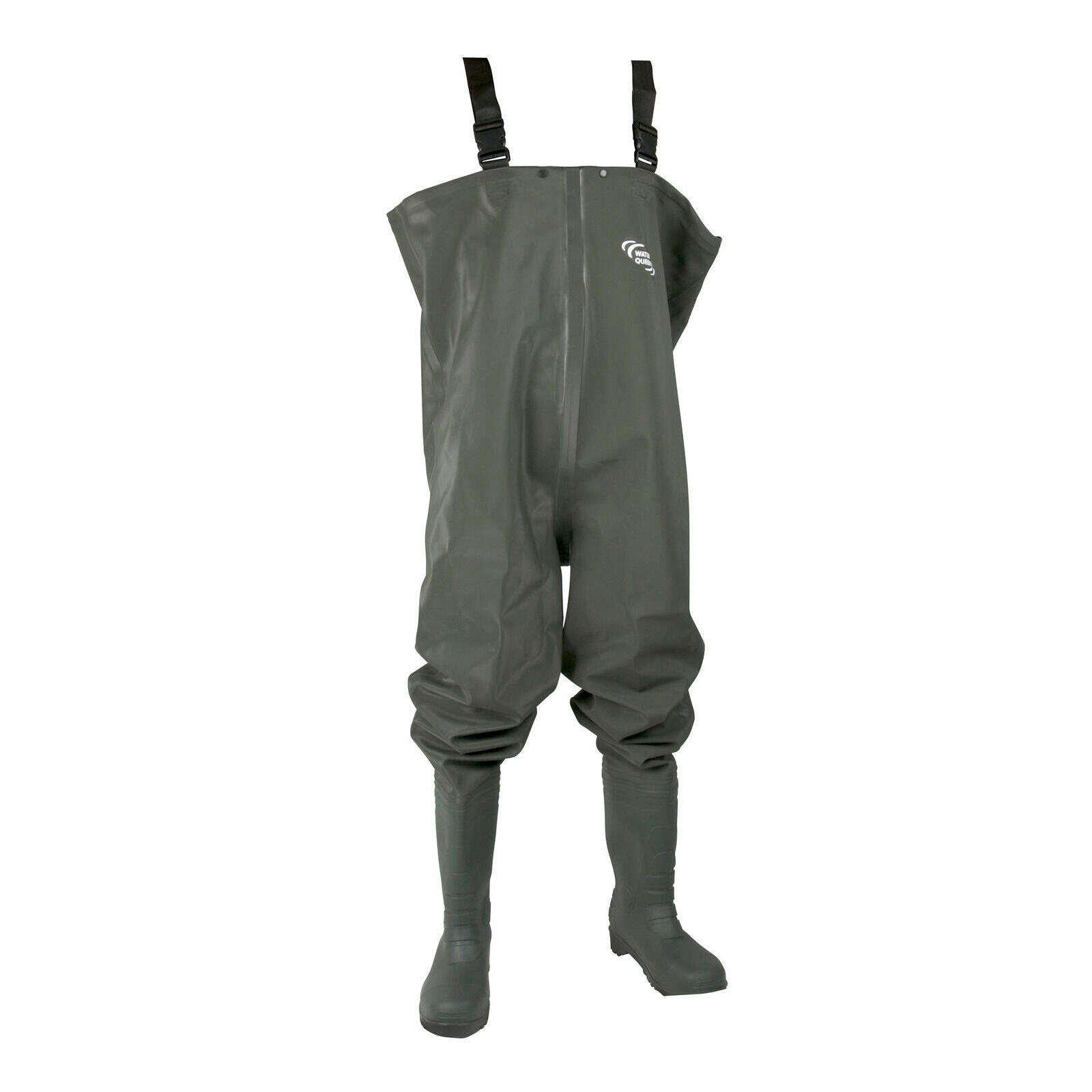
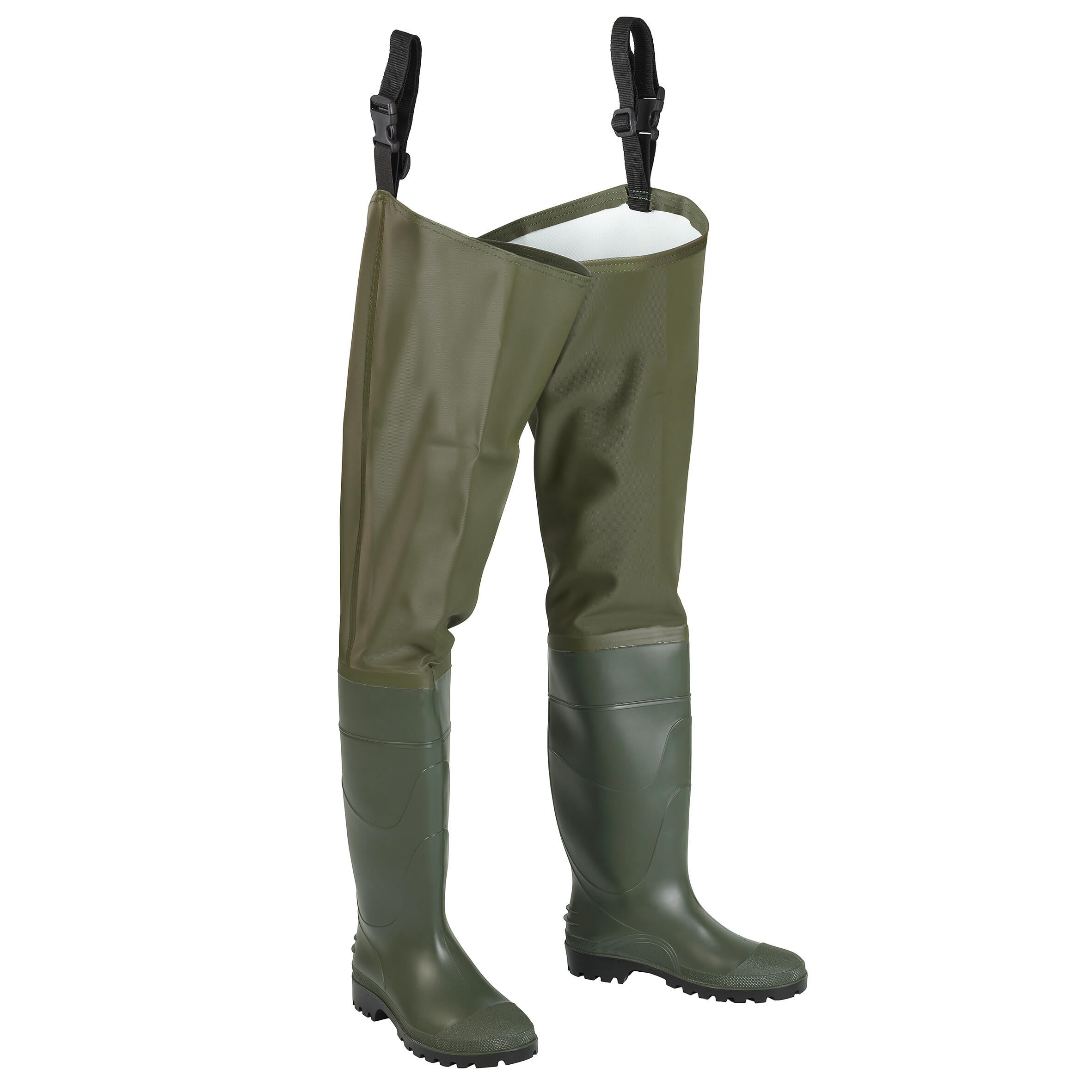
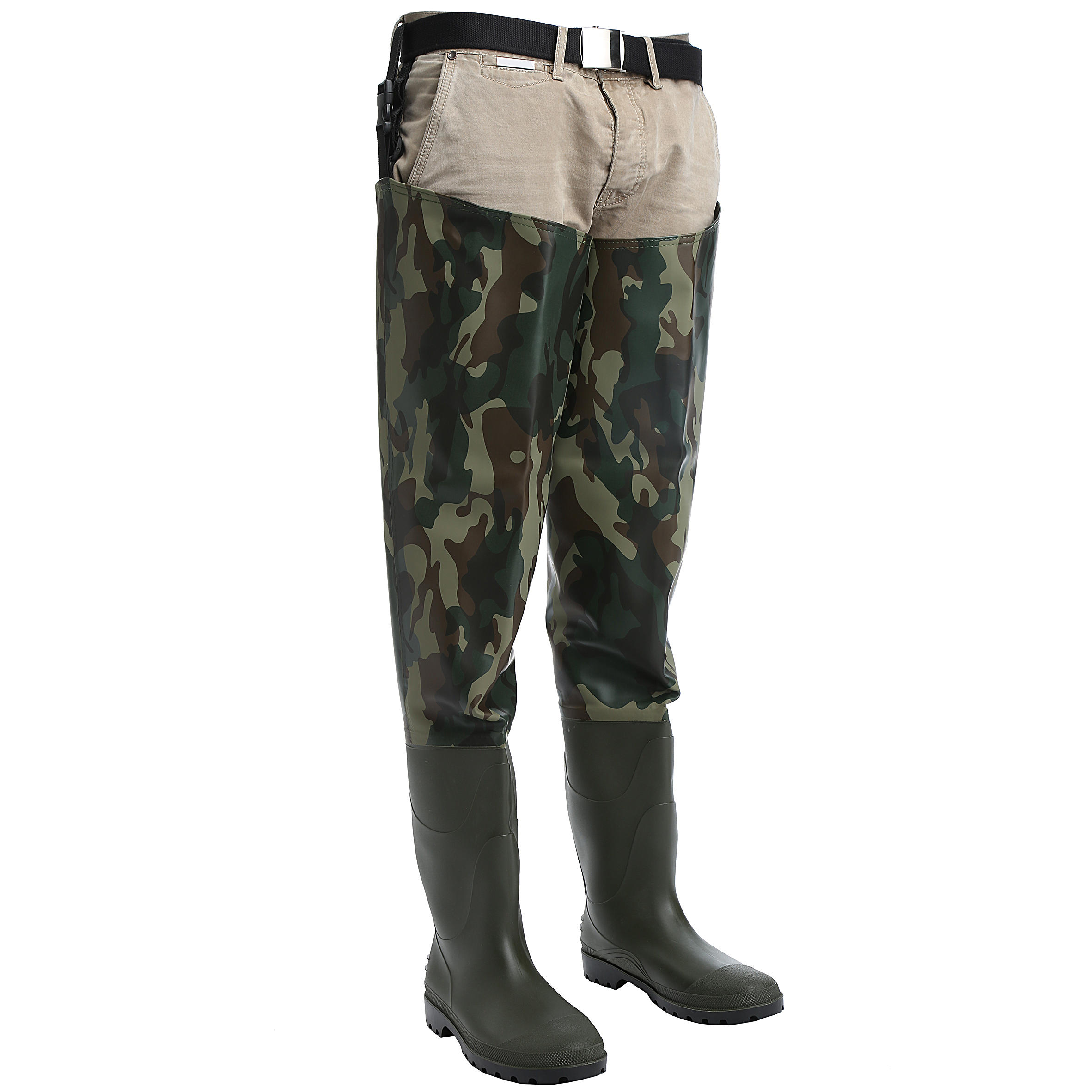
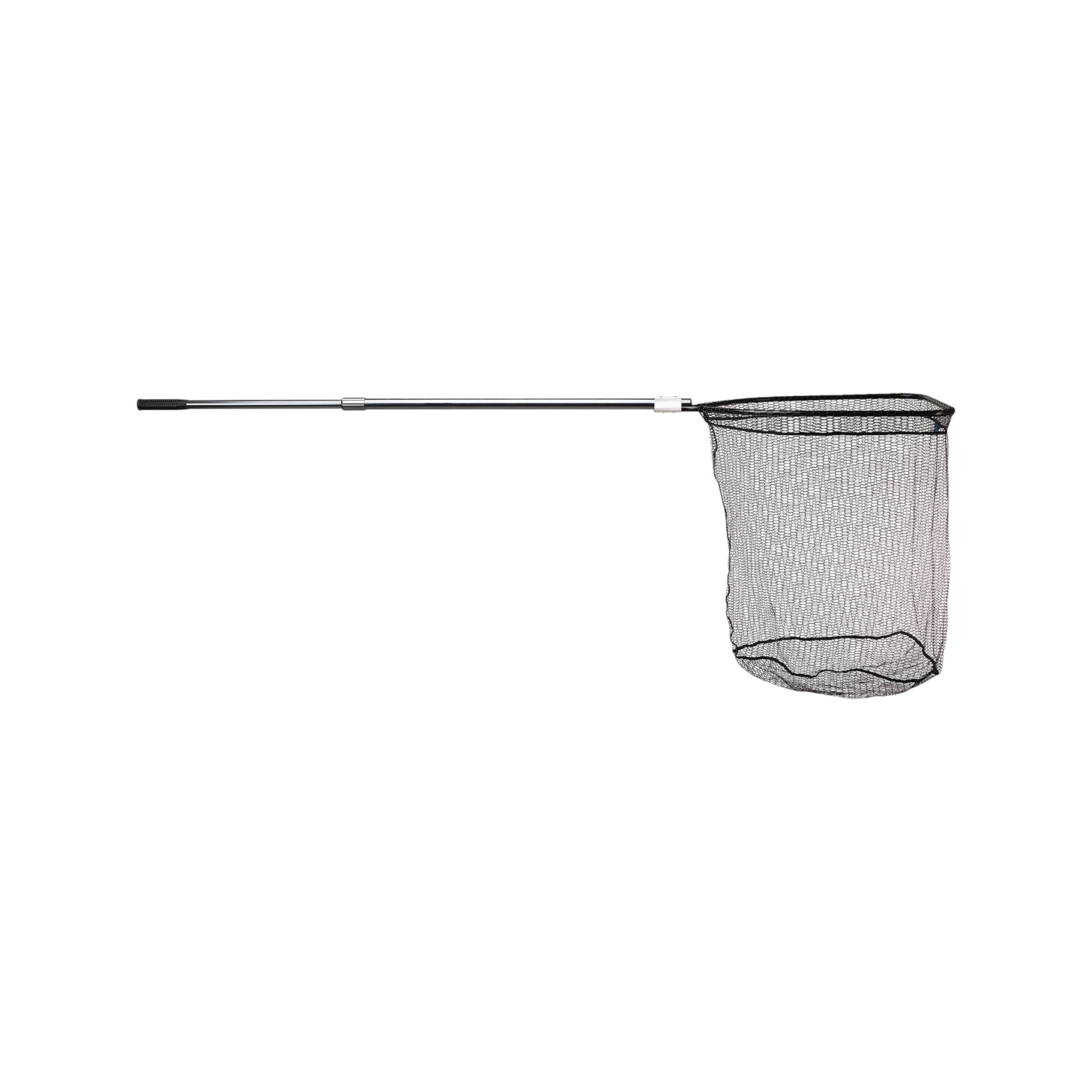
Full chest coverage adds unnecessary bulk when you only enter shallow margins, streams or bank edges around knee depth. Shorter thigh-style waders can give your lower legs waterproof protection while leaving more of your clothing unrestricted for walking and casting. Caperlan's shorter PVC models use waterproof seamless construction, integrated boots and adjustable straps for this type of shallow-water use. Think about the actual depth you normally enter before selecting the height, and never use shorter waders simply to reduce weight if the water regularly reaches above their safe coverage. Keep other predator fishing equipment organised so you can move without loose tackle catching on straps or vegetation. A compact landing net and accessible pliers can also make fish handling easier when you are standing in the water.

How do you care for fishing waders after a session?

Rinse mud, grit and other residue away with fresh water, then allow the waders to dry completely before storage. Caperlan advises hanging models from their boots or neoprene socks rather than leaving damp waders compressed inside the carry bag. Keep them away from thorny vegetation, barbed wire and other sharp objects that can puncture waterproof materials despite reinforced panels. Accidental tears do not always mean replacing the complete garment, as repair kits and workshop repairs are available for selected Caperlan models. When preparing for your next predator fishing session, inspect seams, boots, braces and reinforced areas before entering the water. Complete drying also reduces the chance of damp odours developing while the waders remain stored between trips.