183 items
4.1/5 based on 7080 reviews collected online and in stores

Exercise Bikes FAQs

What should I look for in an exercise bike for home use?

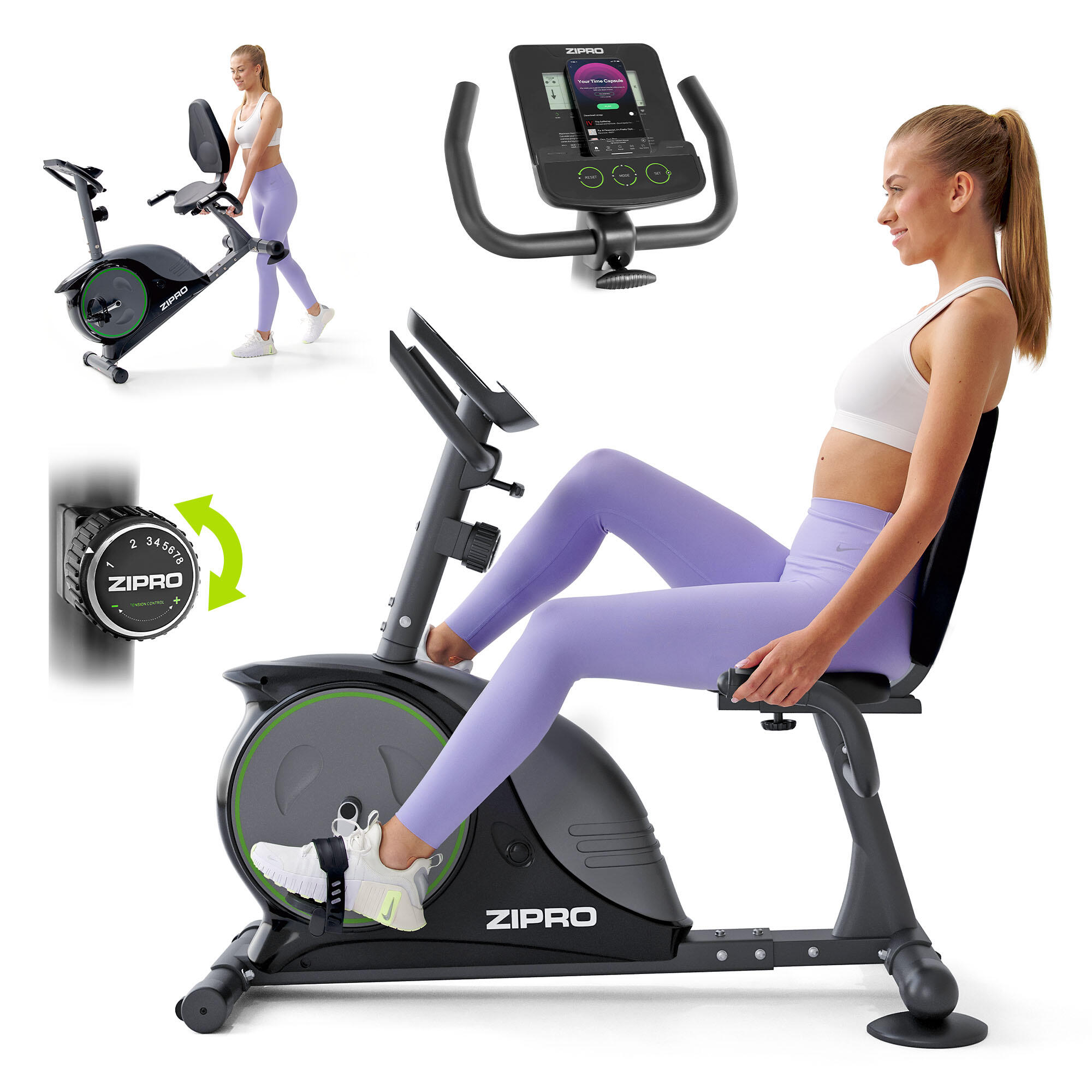
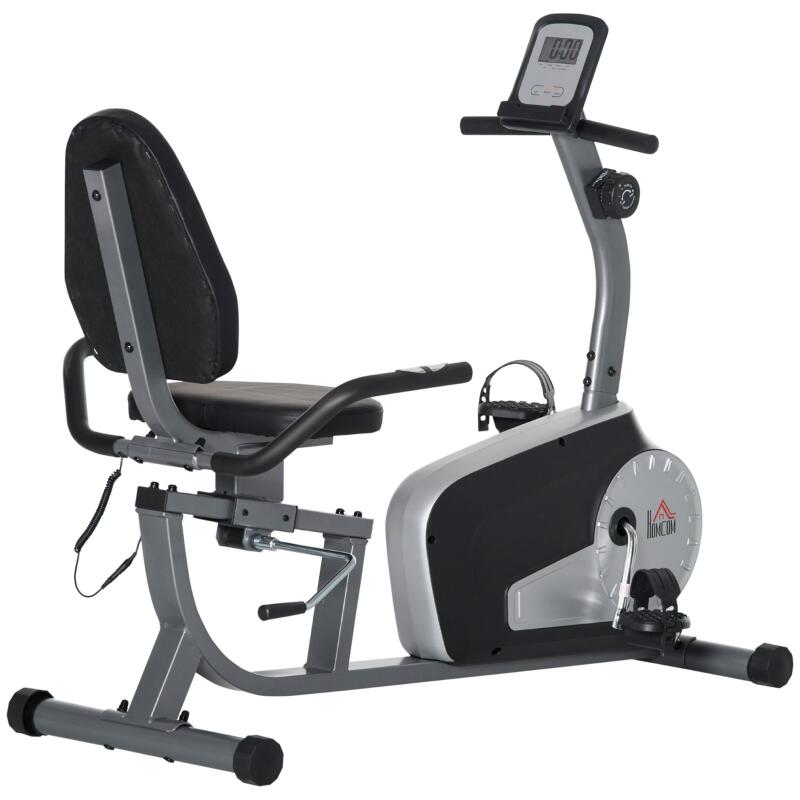
An exercise bike for home use should match your fitness goals, available floor space, and the surface it sits on. Start with the flywheel: heavier flywheels (typically 6 kg and above on uprights, 14 kg and above on indoor cycles) deliver a smoother, more pleasant pedal stroke because the inertia carries you through the dead spot at the top of each stroke. Adjustable saddle height and handlebar reach matter just as much, since a poor riding position is the fastest way to develop knee or lower-back pain over a 45-minute session. If your priority is full-body conditioning rather than steady cardio, our range of rowing machines recruits the legs, core, and back in a single low-impact movement, making it a strong companion piece to cycling.
What is the difference between stationary exercise bikes and spinning bikes?

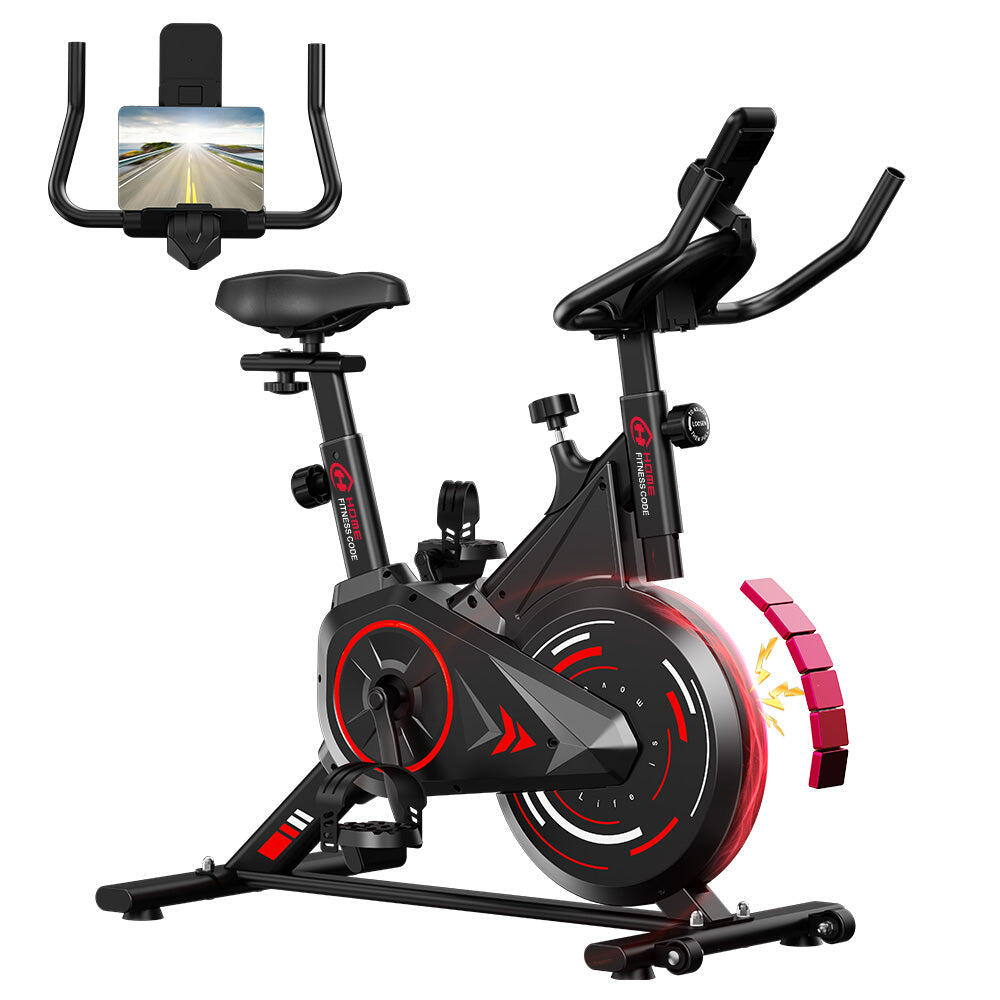
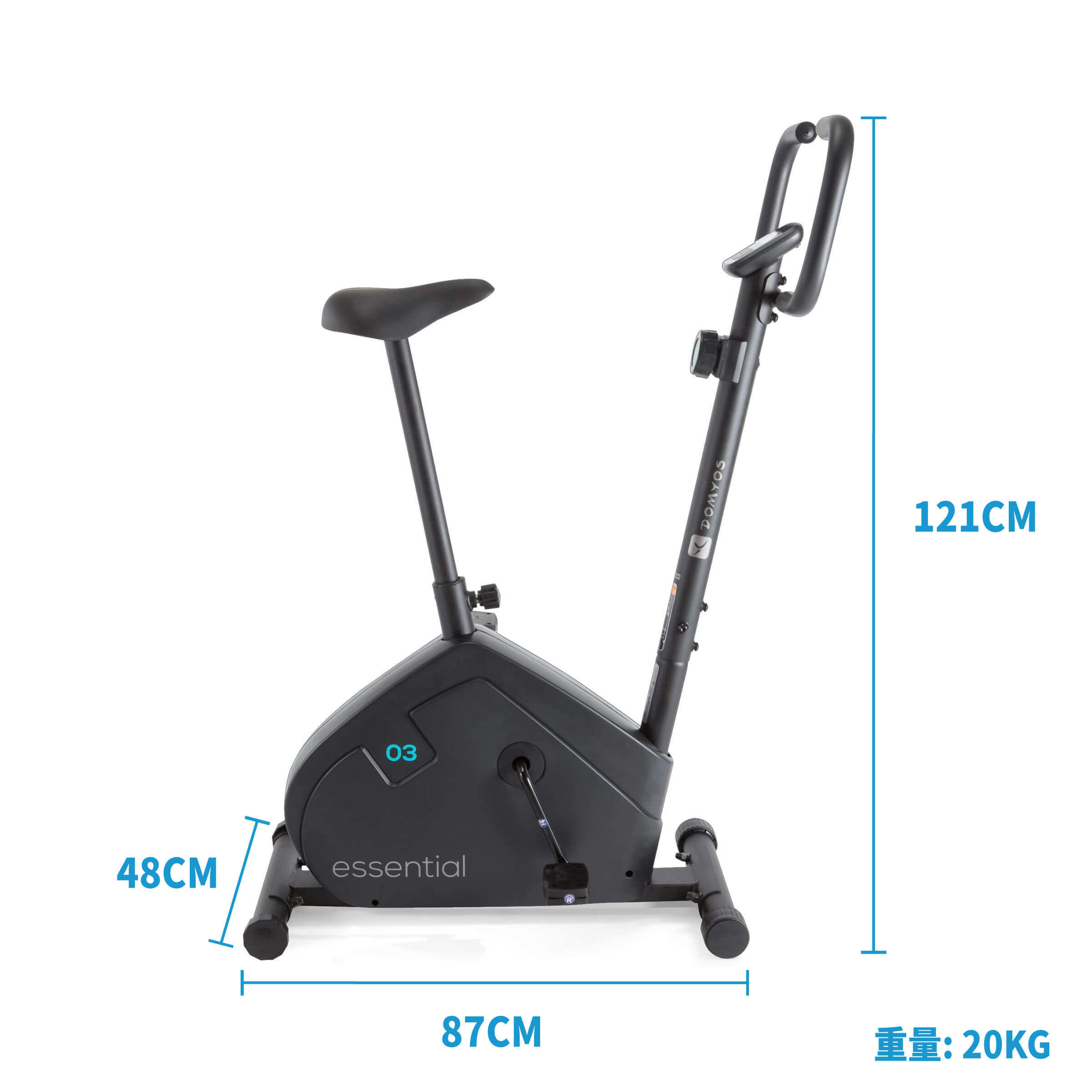
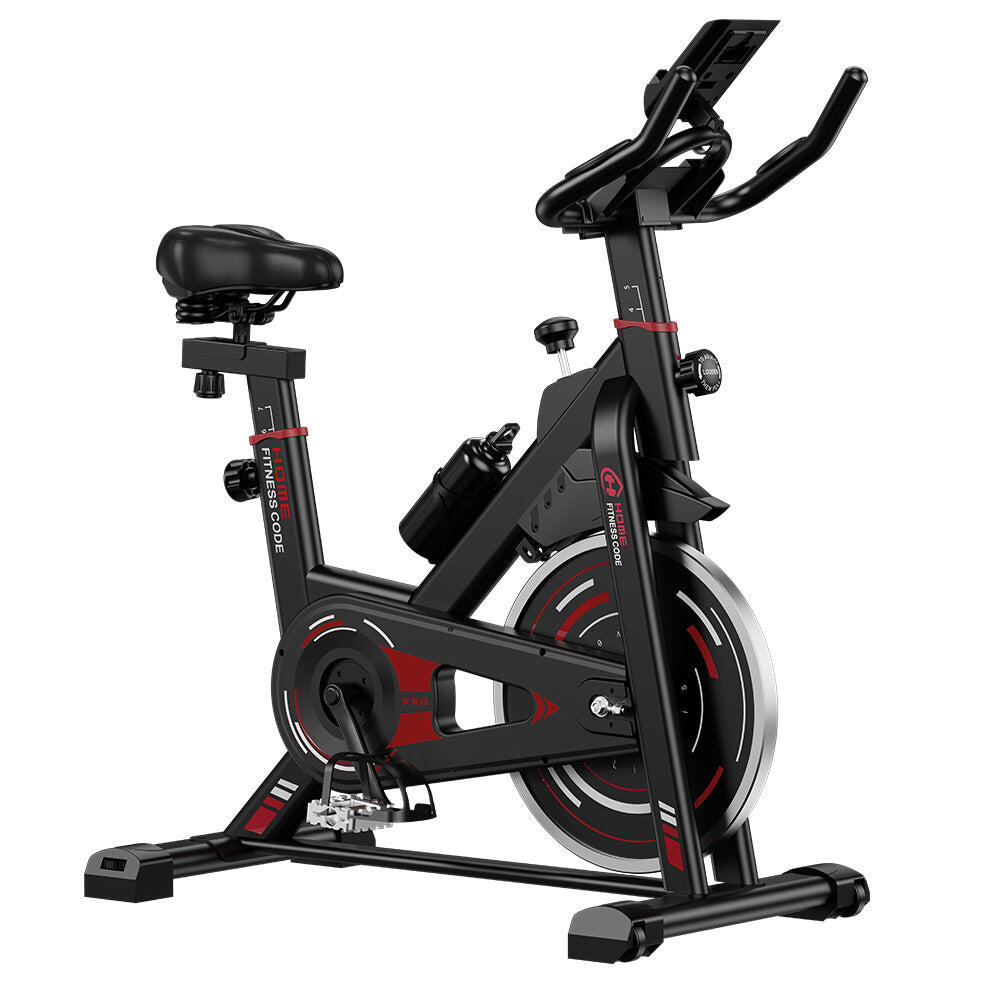
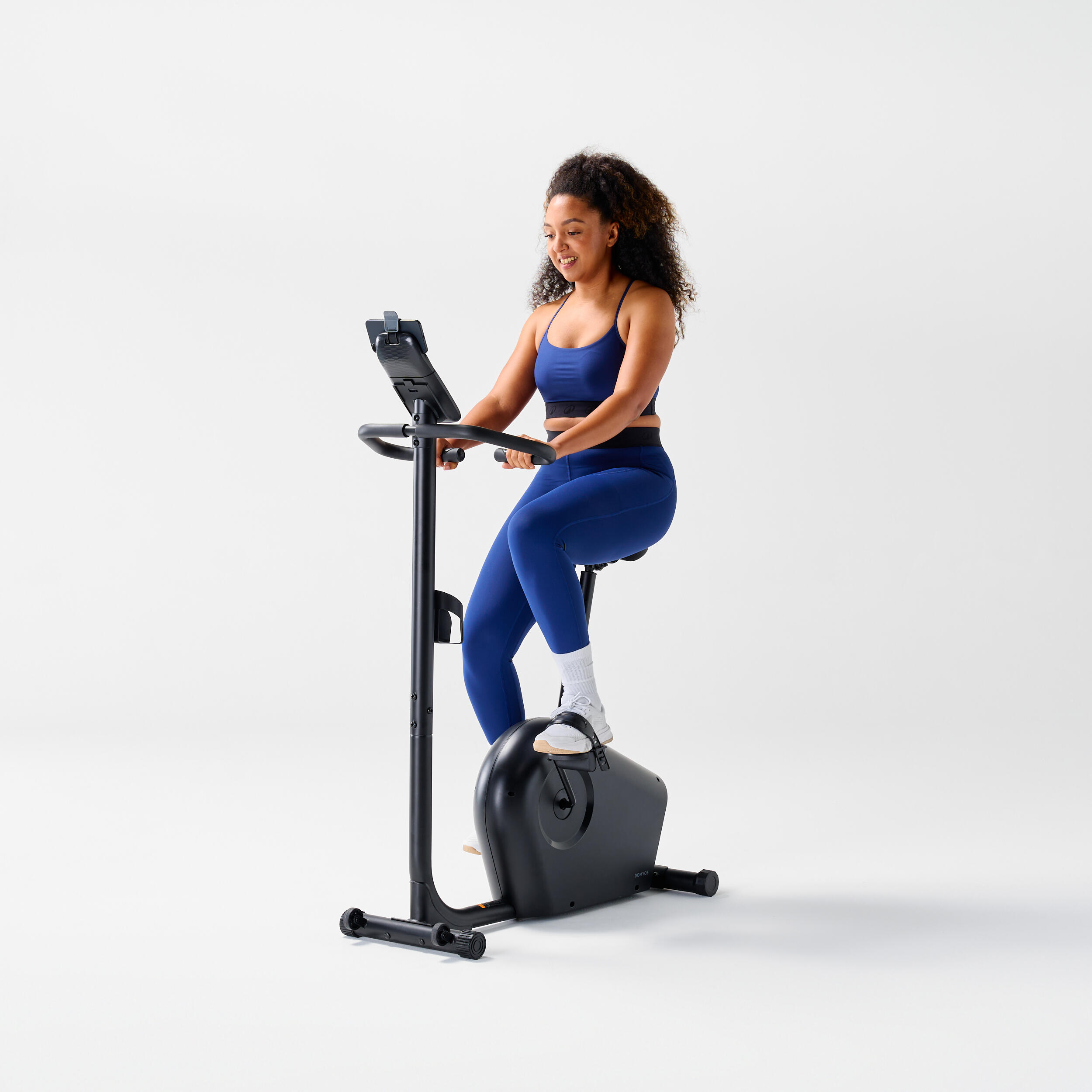
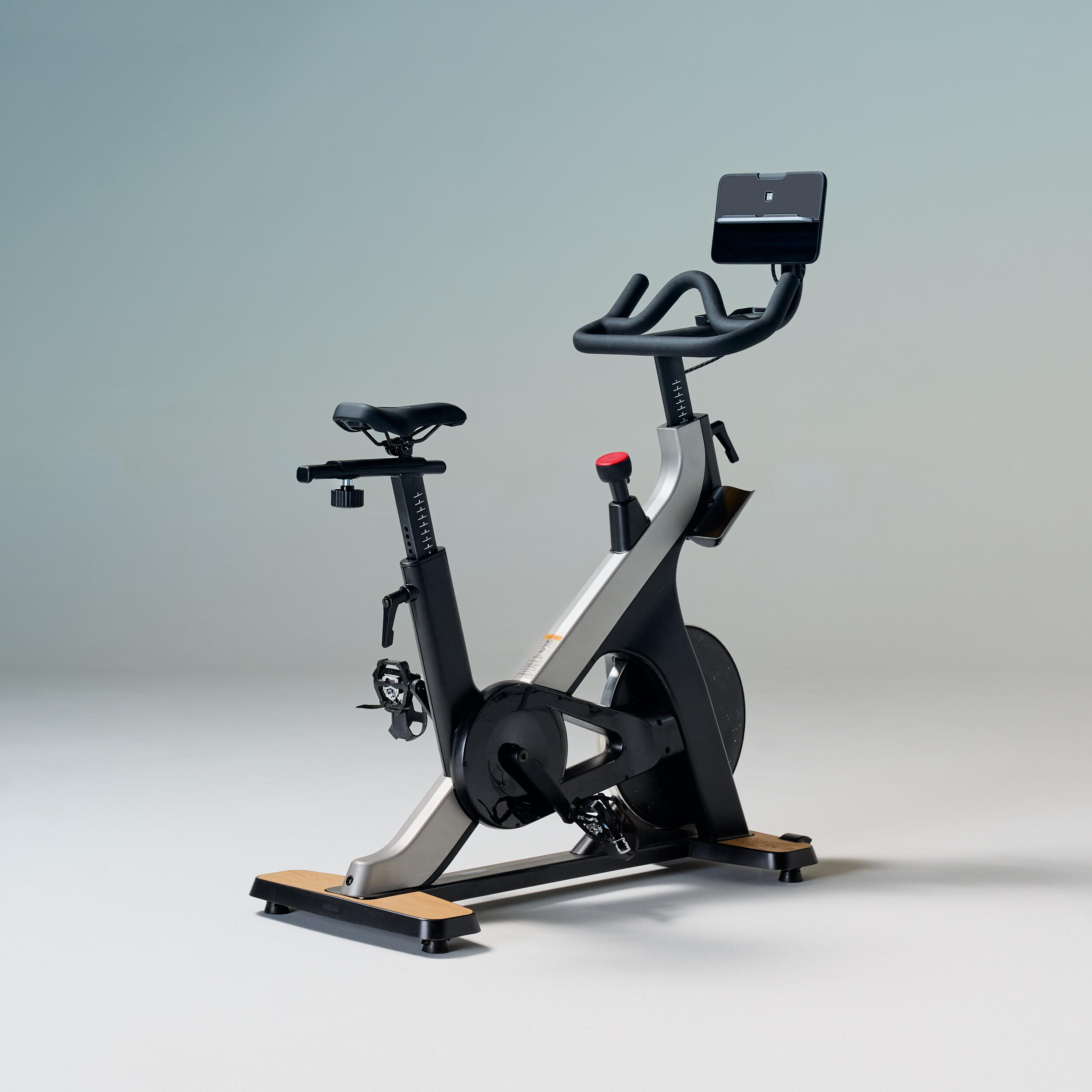
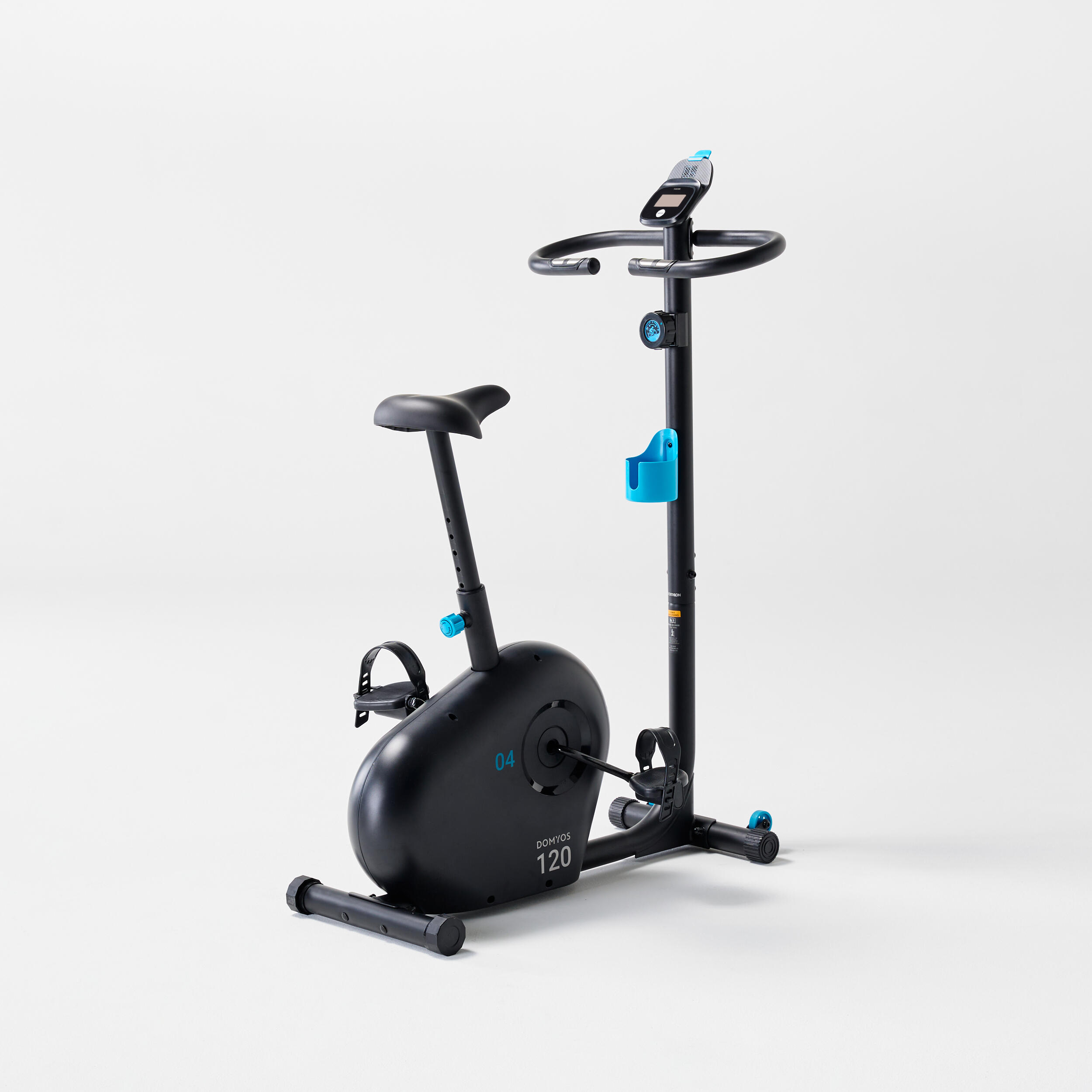
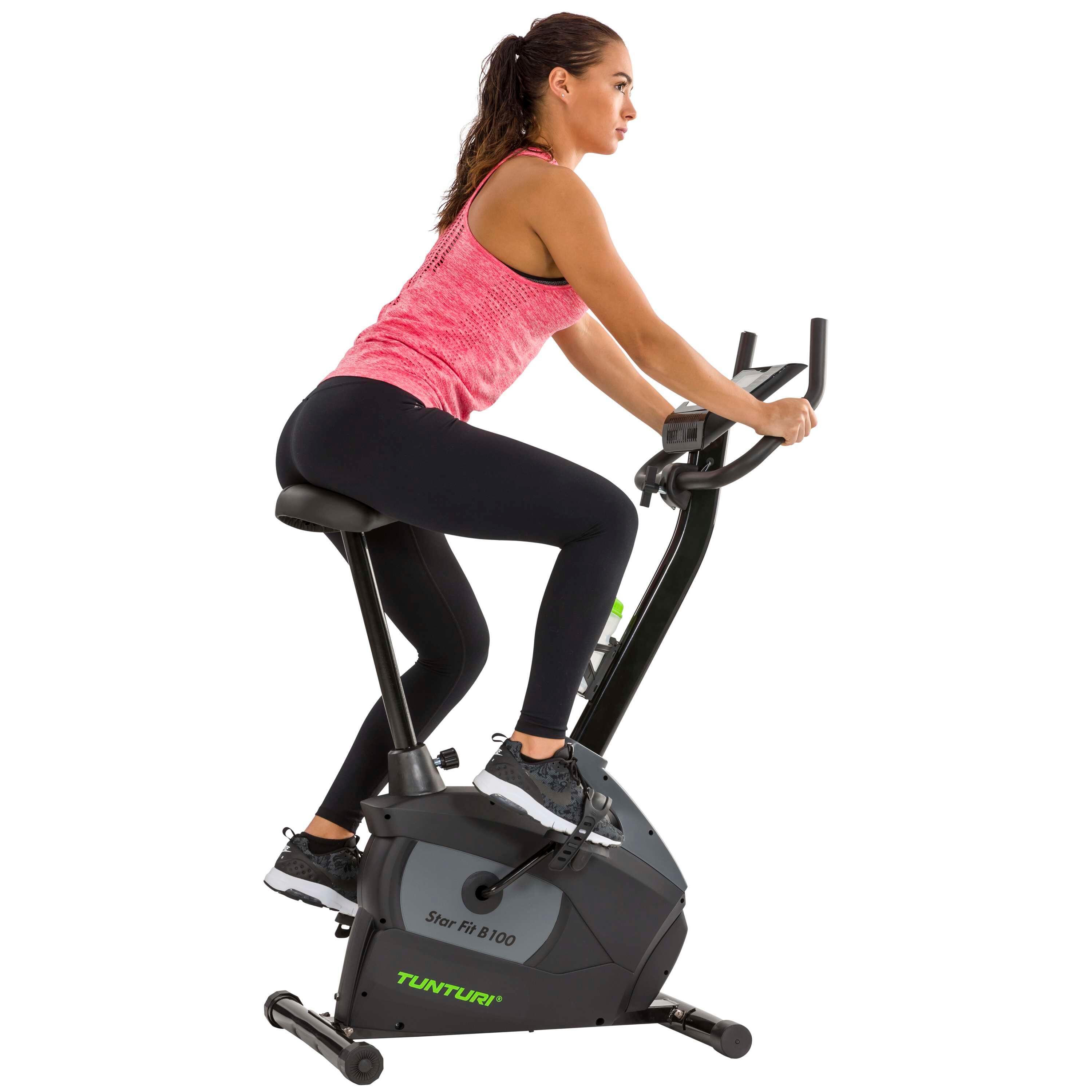
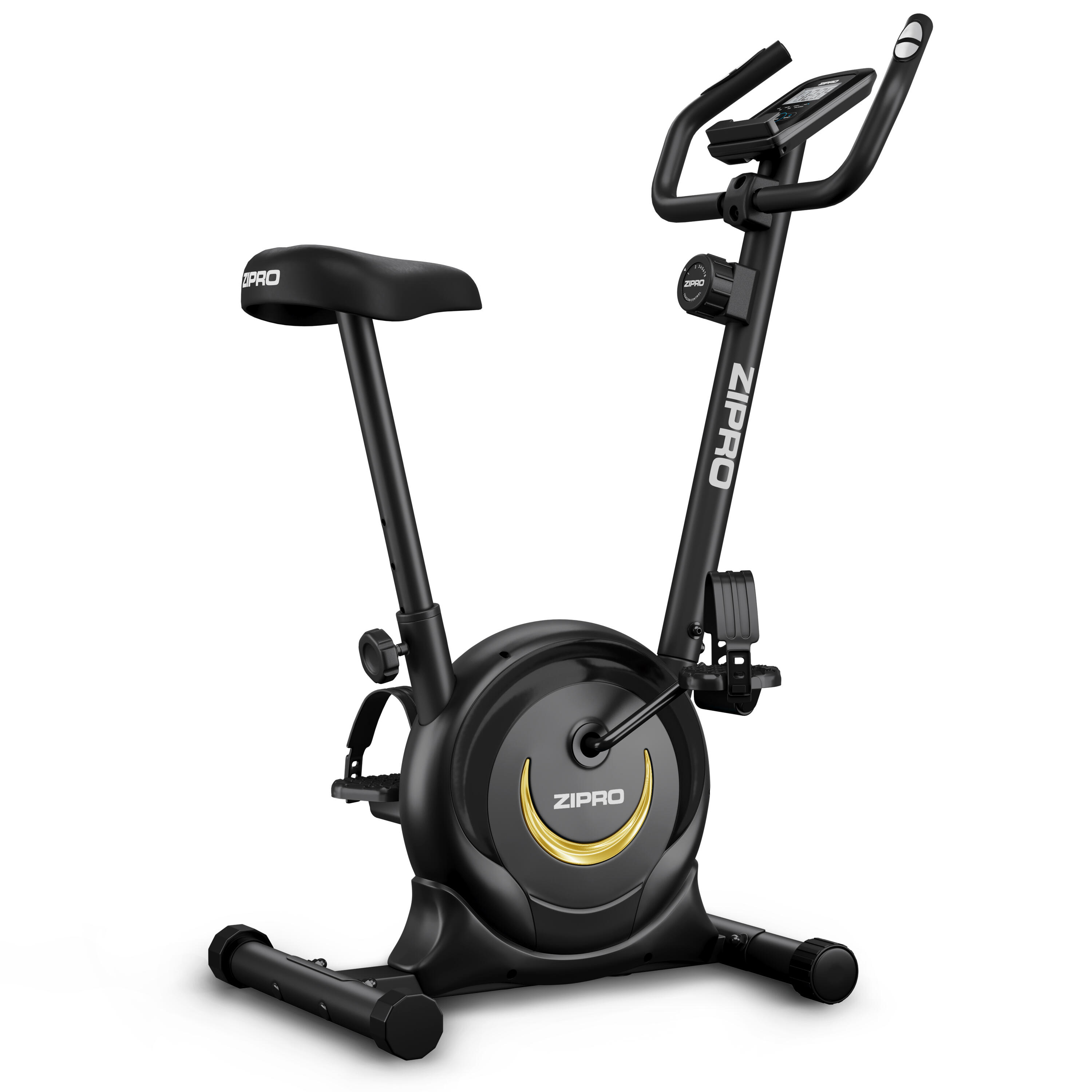
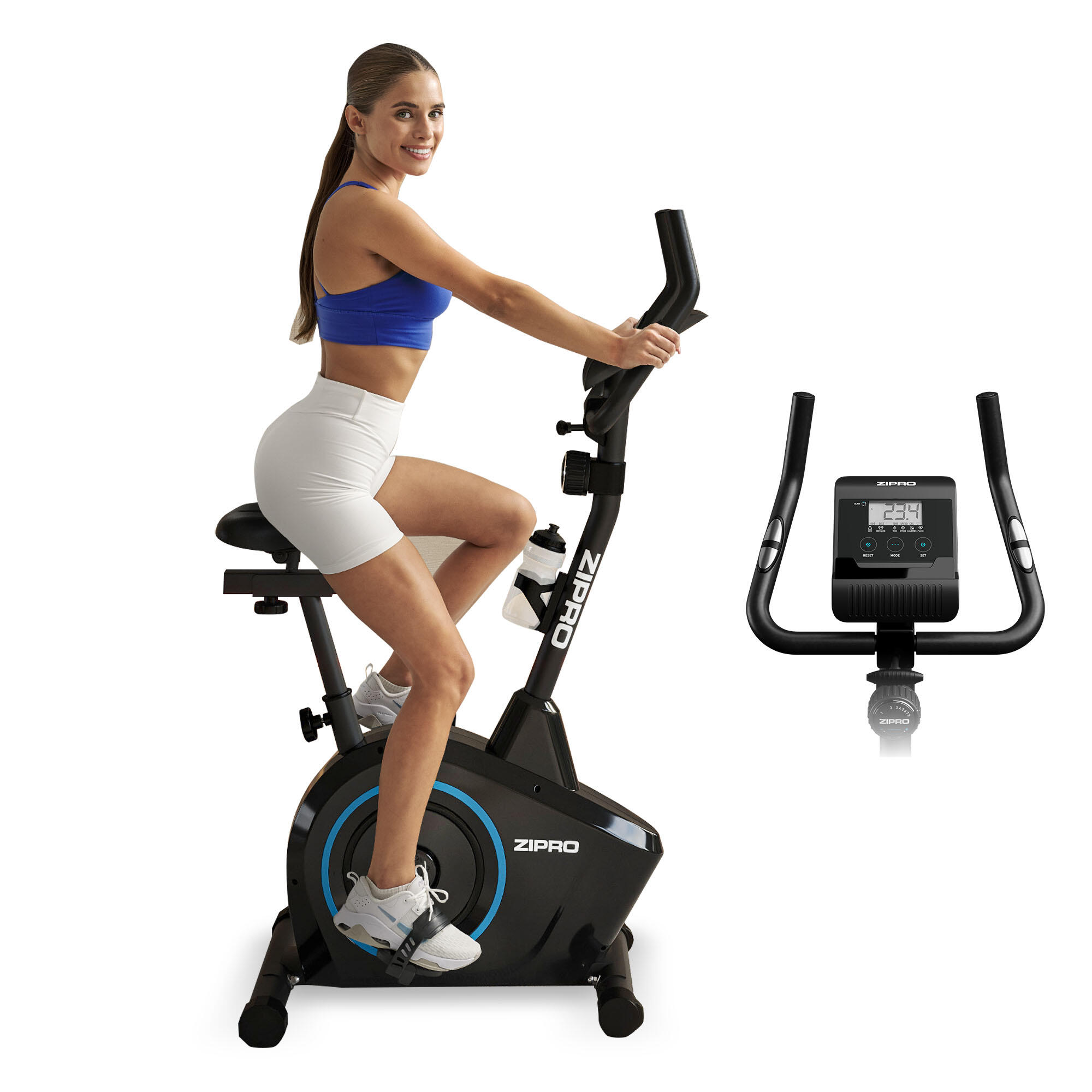
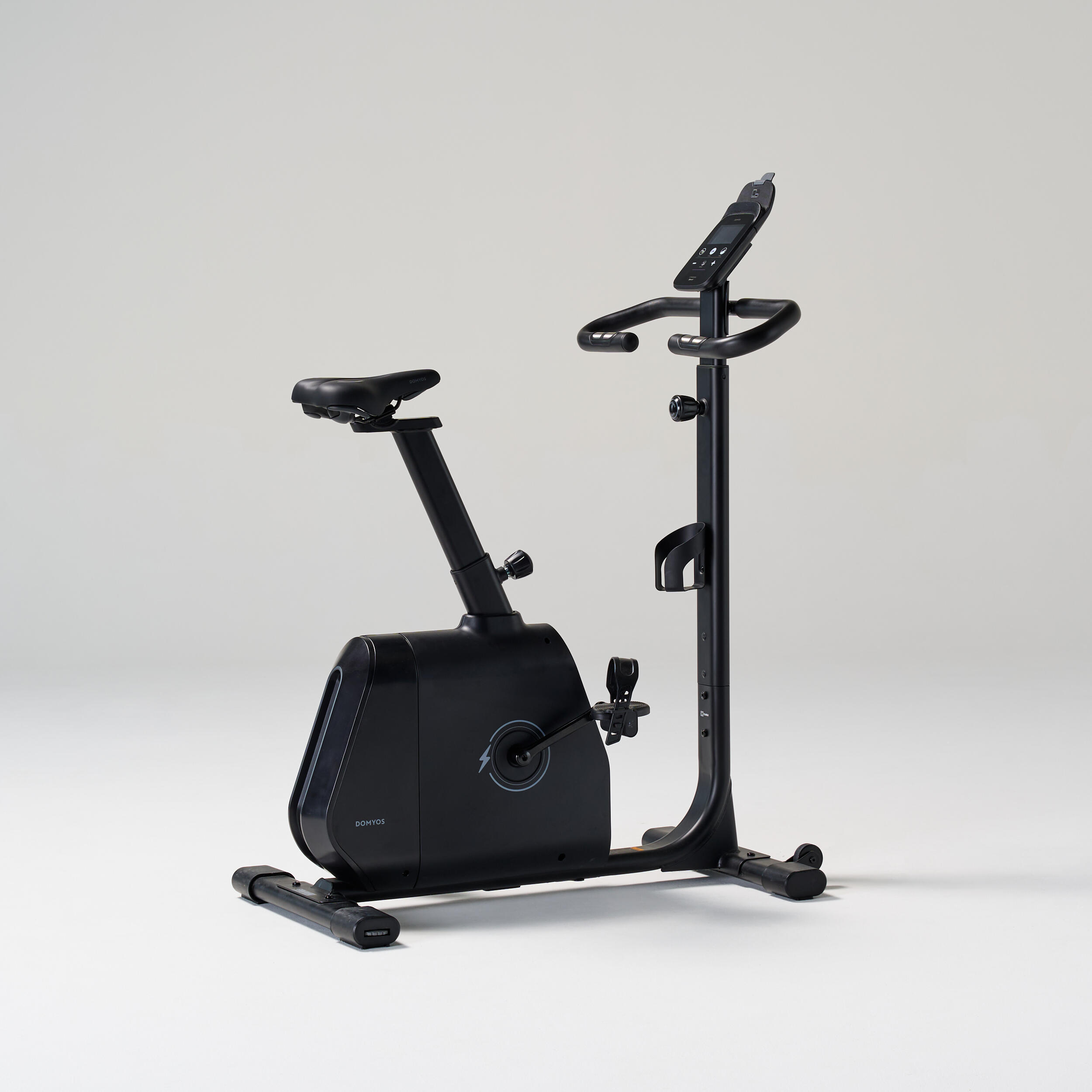
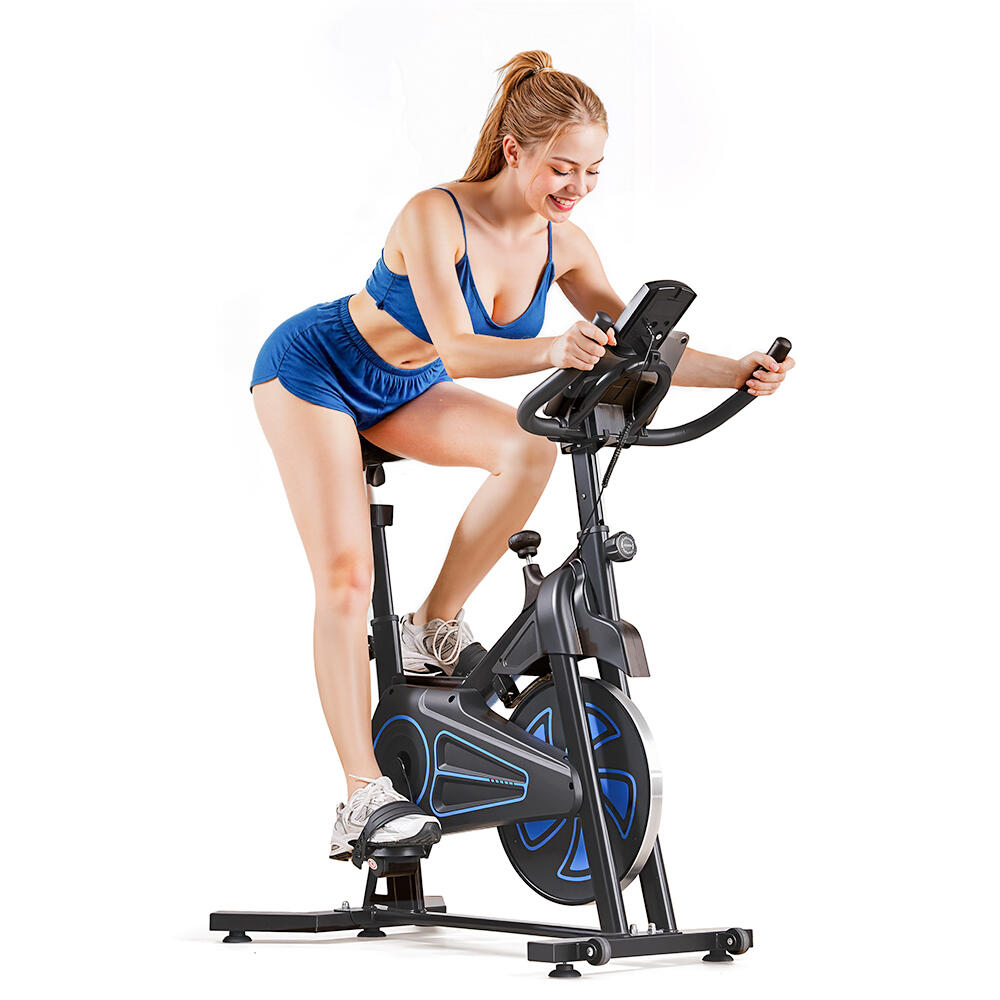
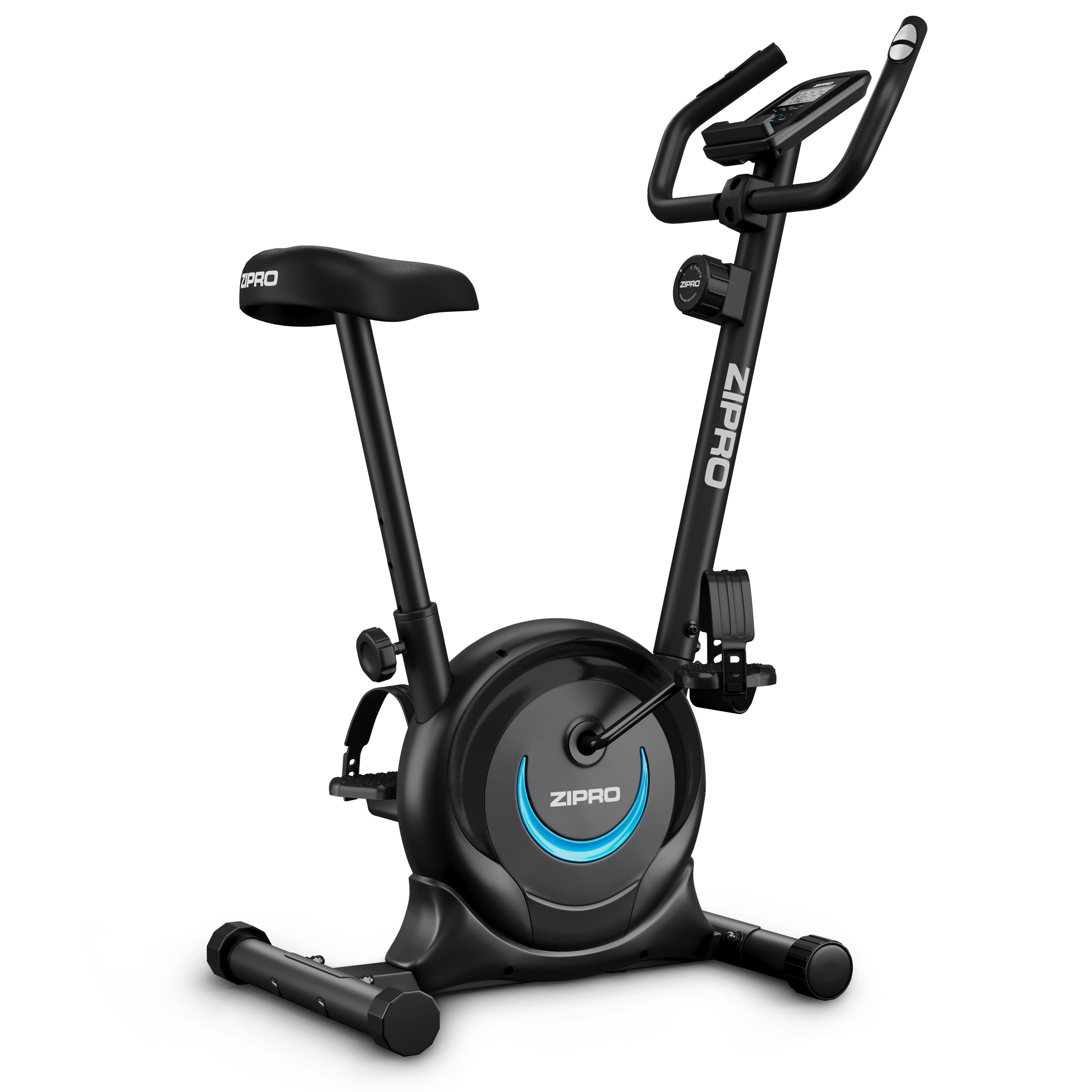
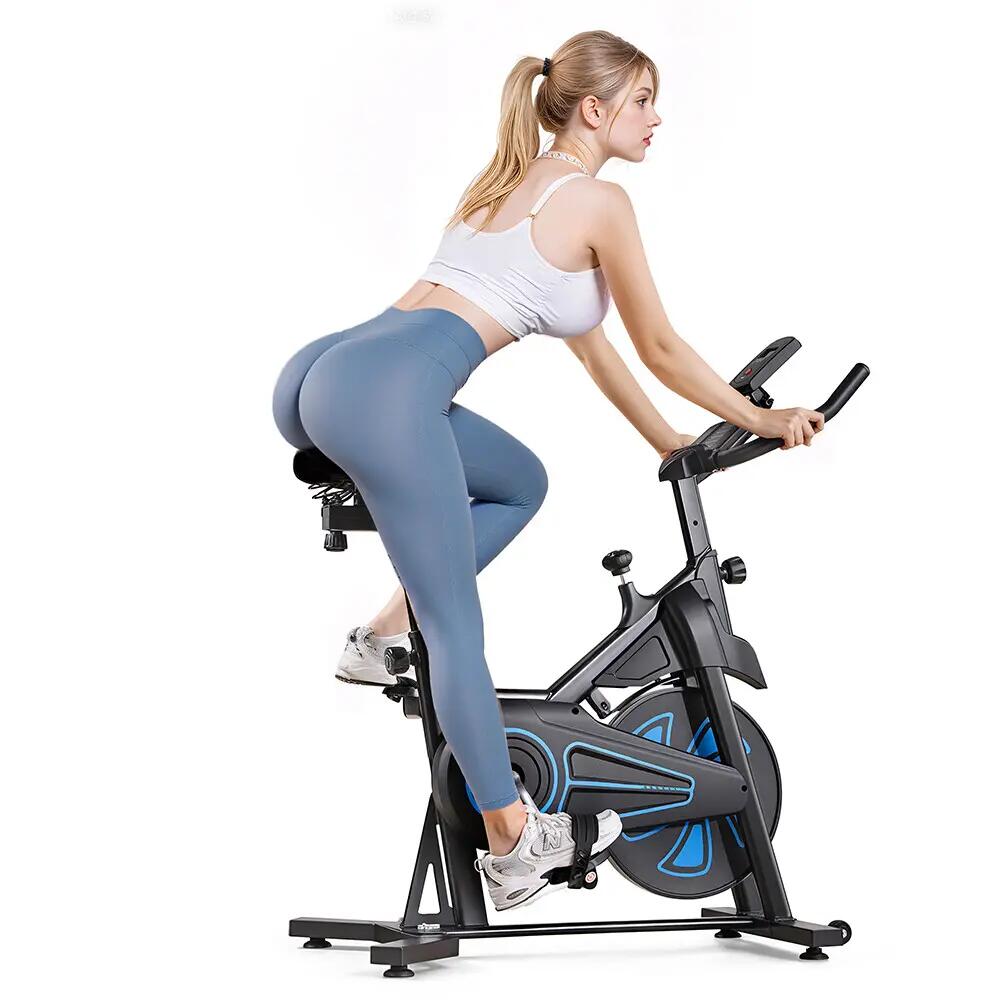
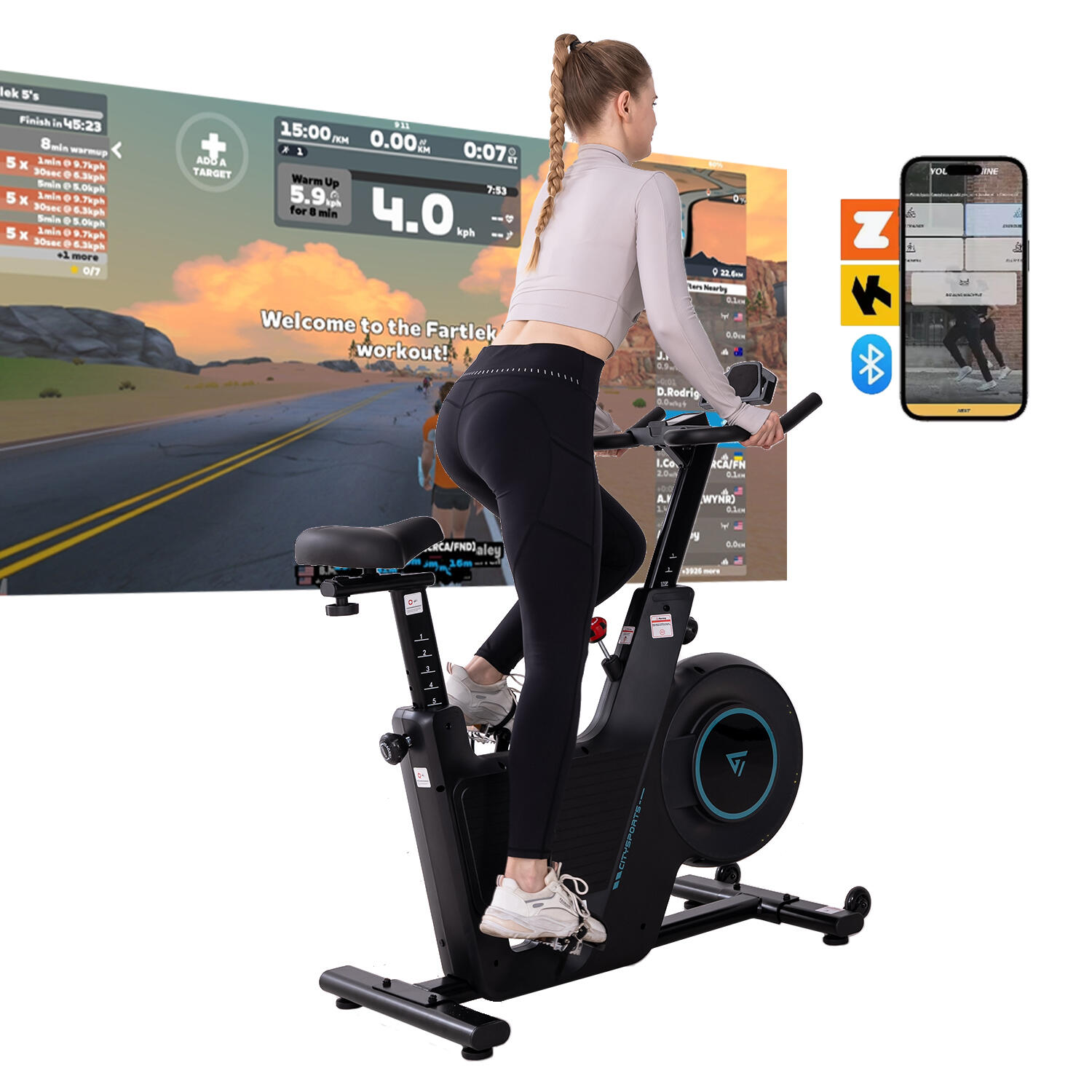
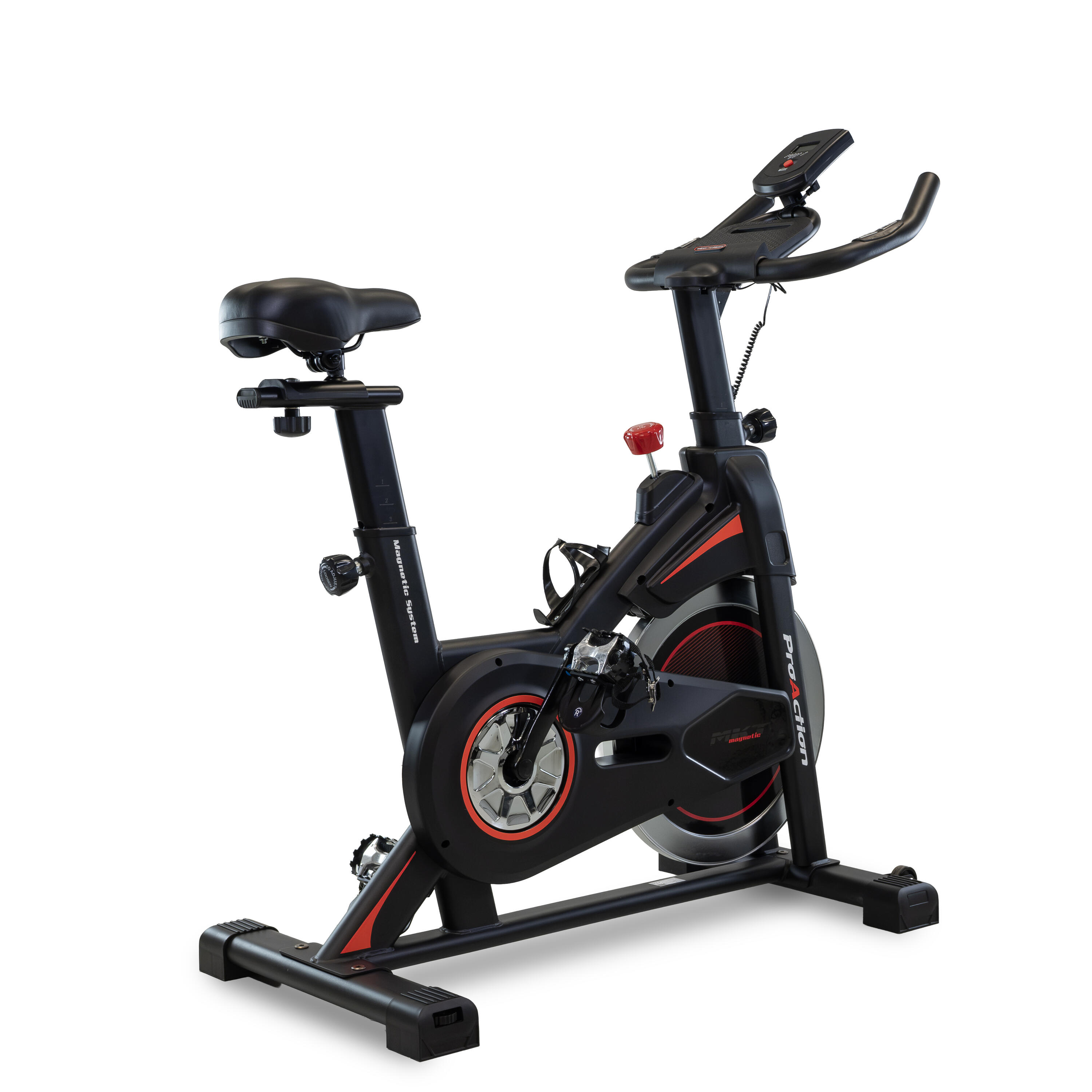
Stationary exercise bikes and spinning bikes look similar but are built around different riding positions and training intentions. A stationary upright bike, such as the Domyos EB Essential or the Tunturi Cardio Fit, places you in a neutral, slightly upright posture with magnetic resistance and a console tracking time, distance, speed, and calories. The reason this geometry exists is comfort: it suits steady 30 to 60 minute cardio sessions, recovery rides, and beginner training without straining the wrists or lower back. By contrast, our range of spinning bikes places you in a forward, racing-style position over a heavy flywheel for high-intensity interval work and out-of-the-saddle climbs that mirror outdoor road cycling.

Are foldable exercise bikes and mini exercise bikes a good fit for small homes?

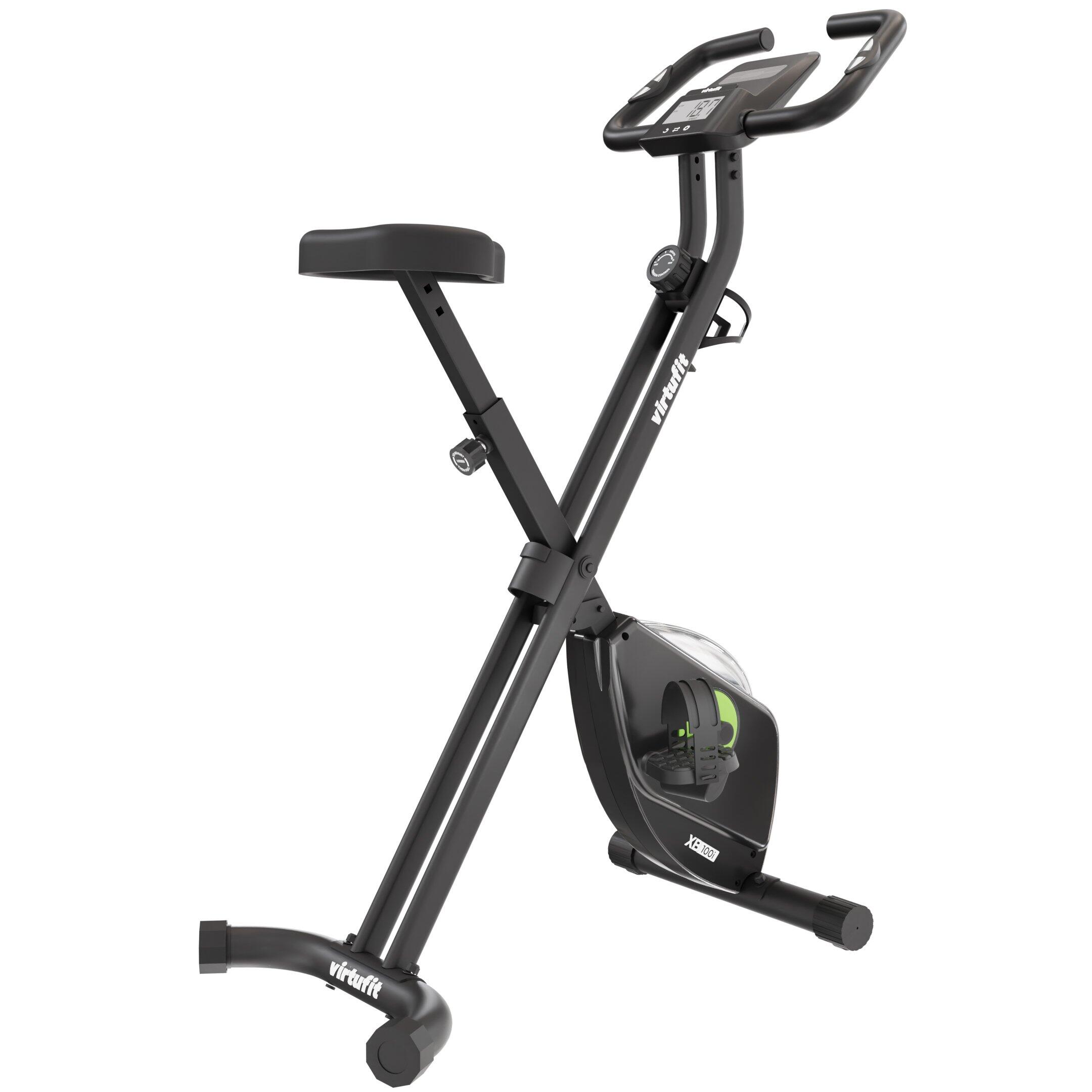
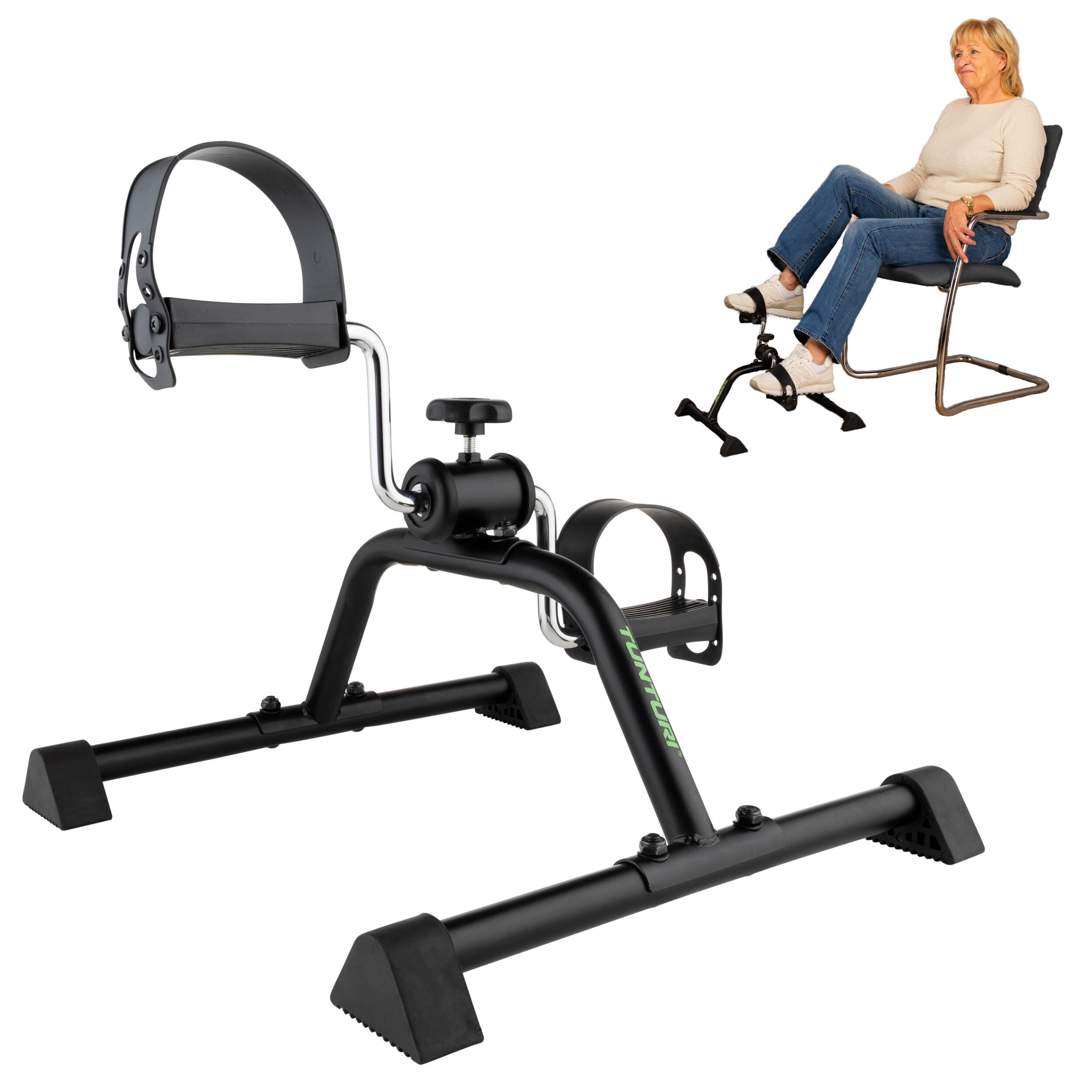
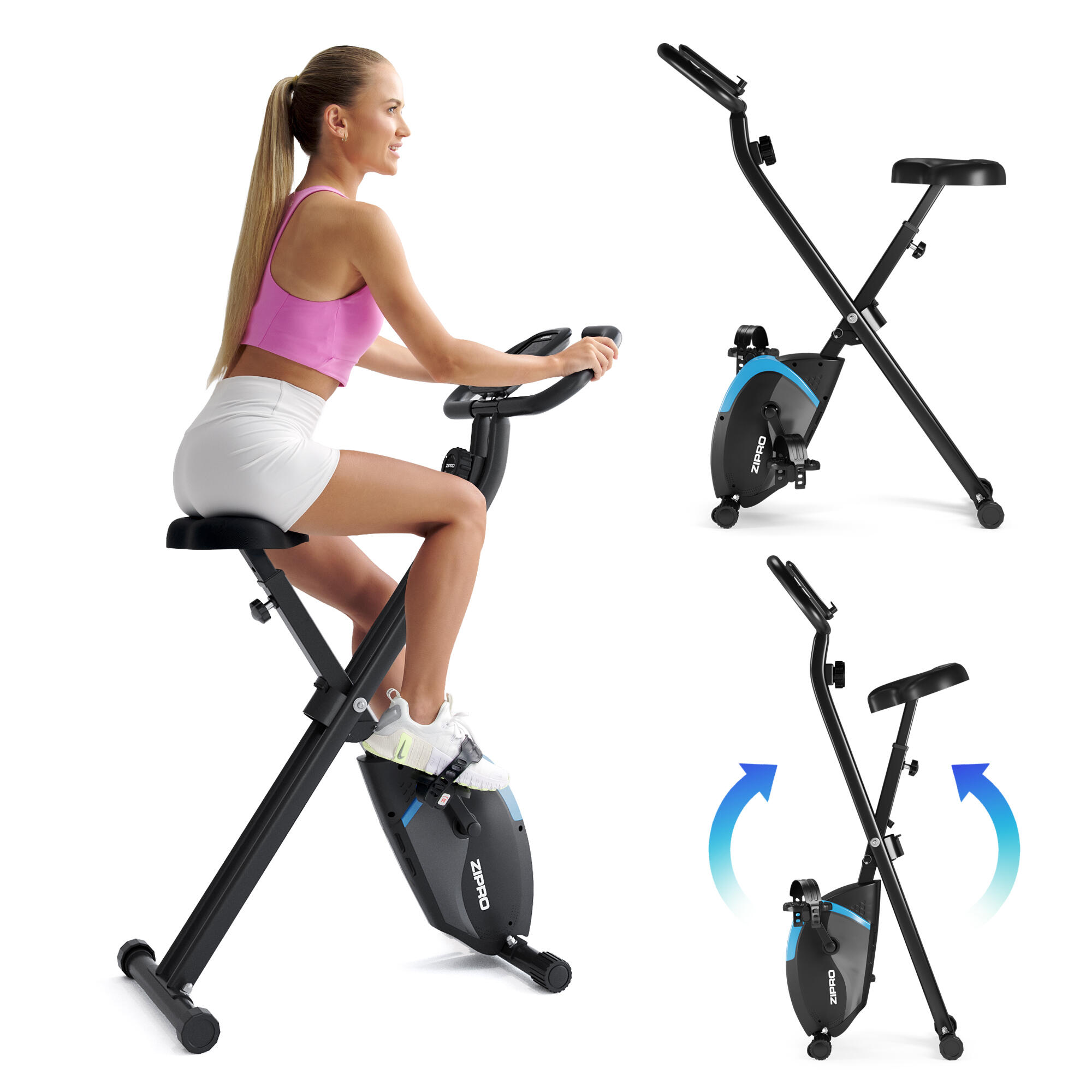
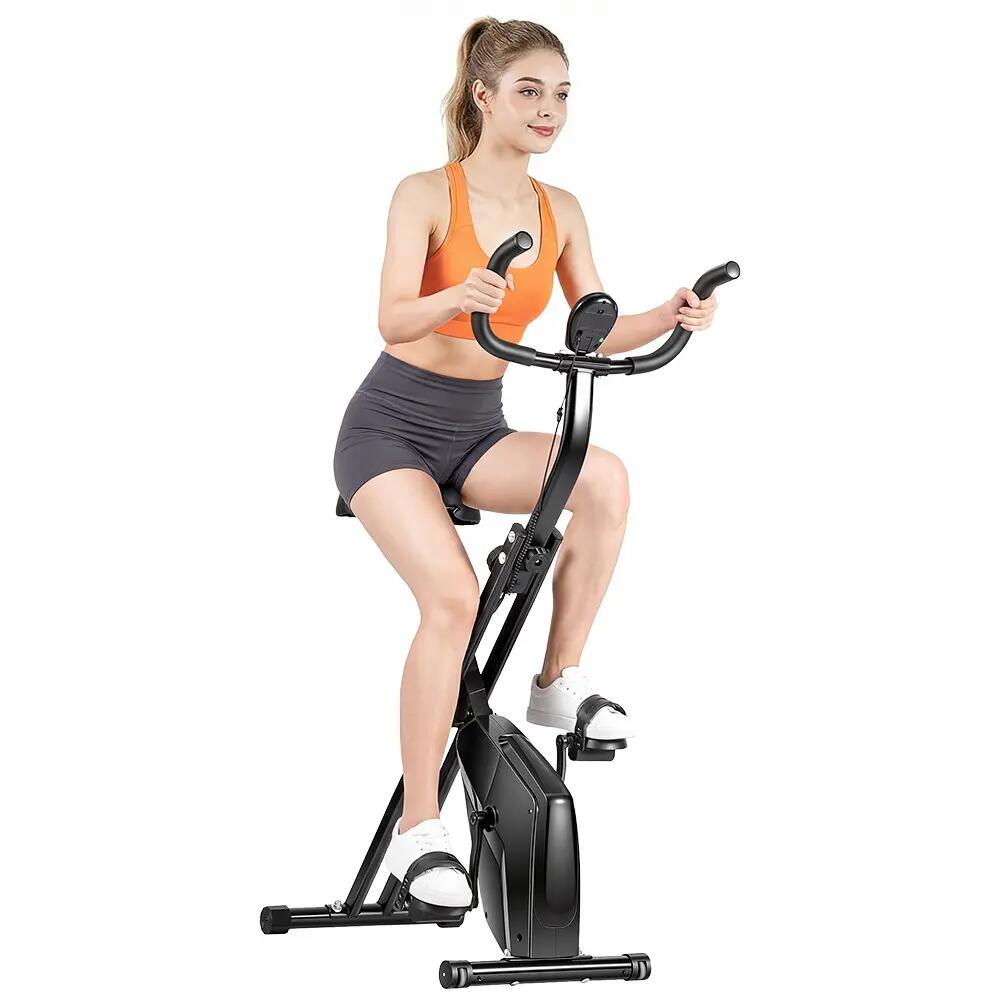
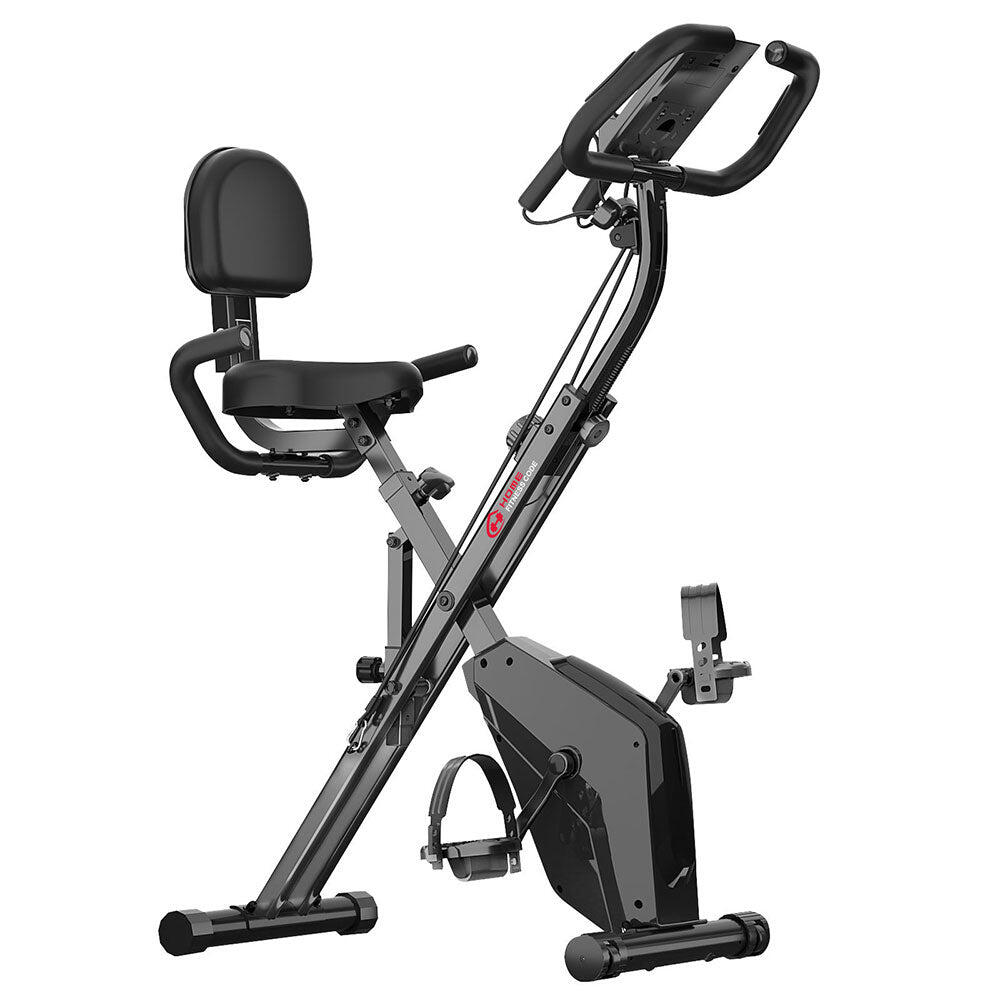
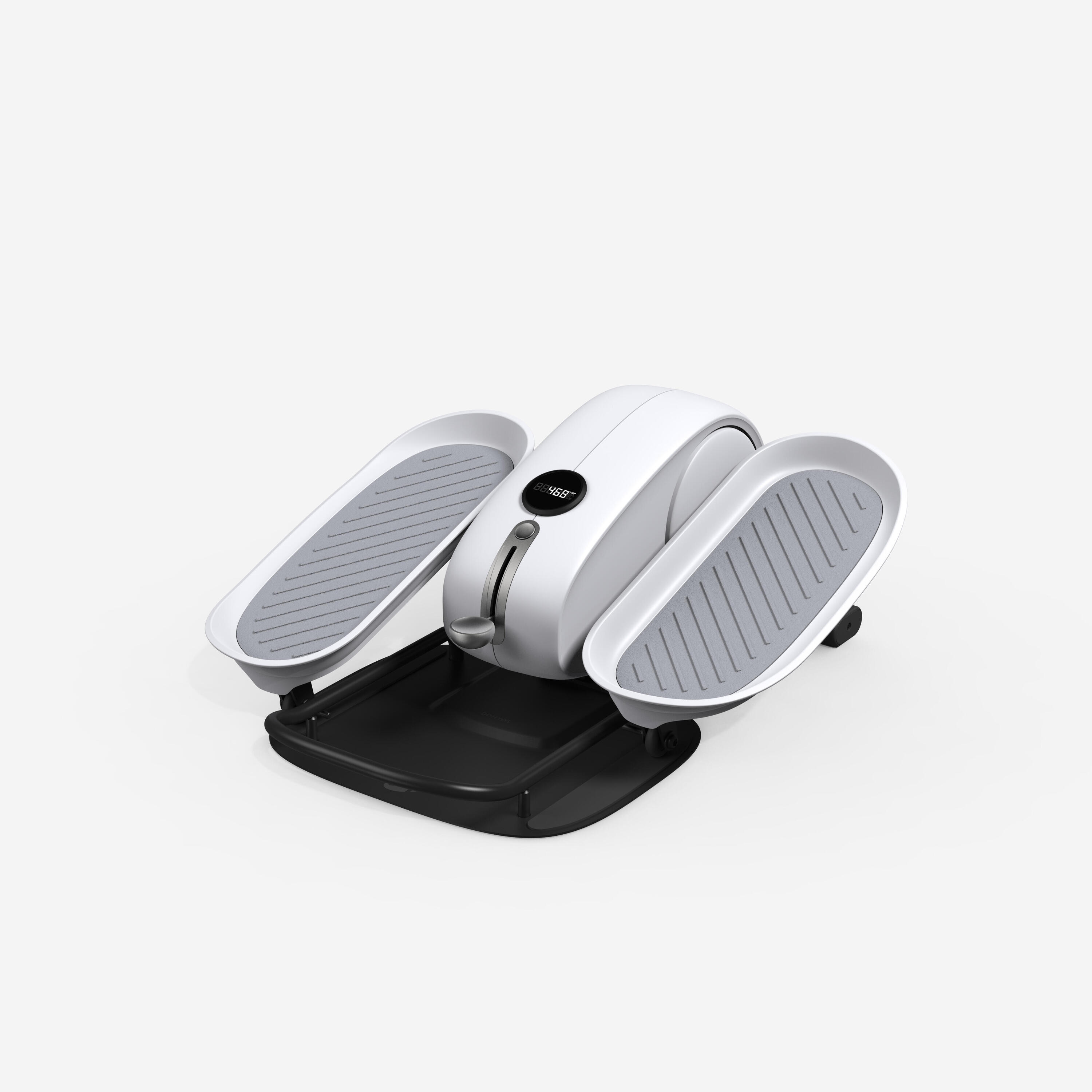
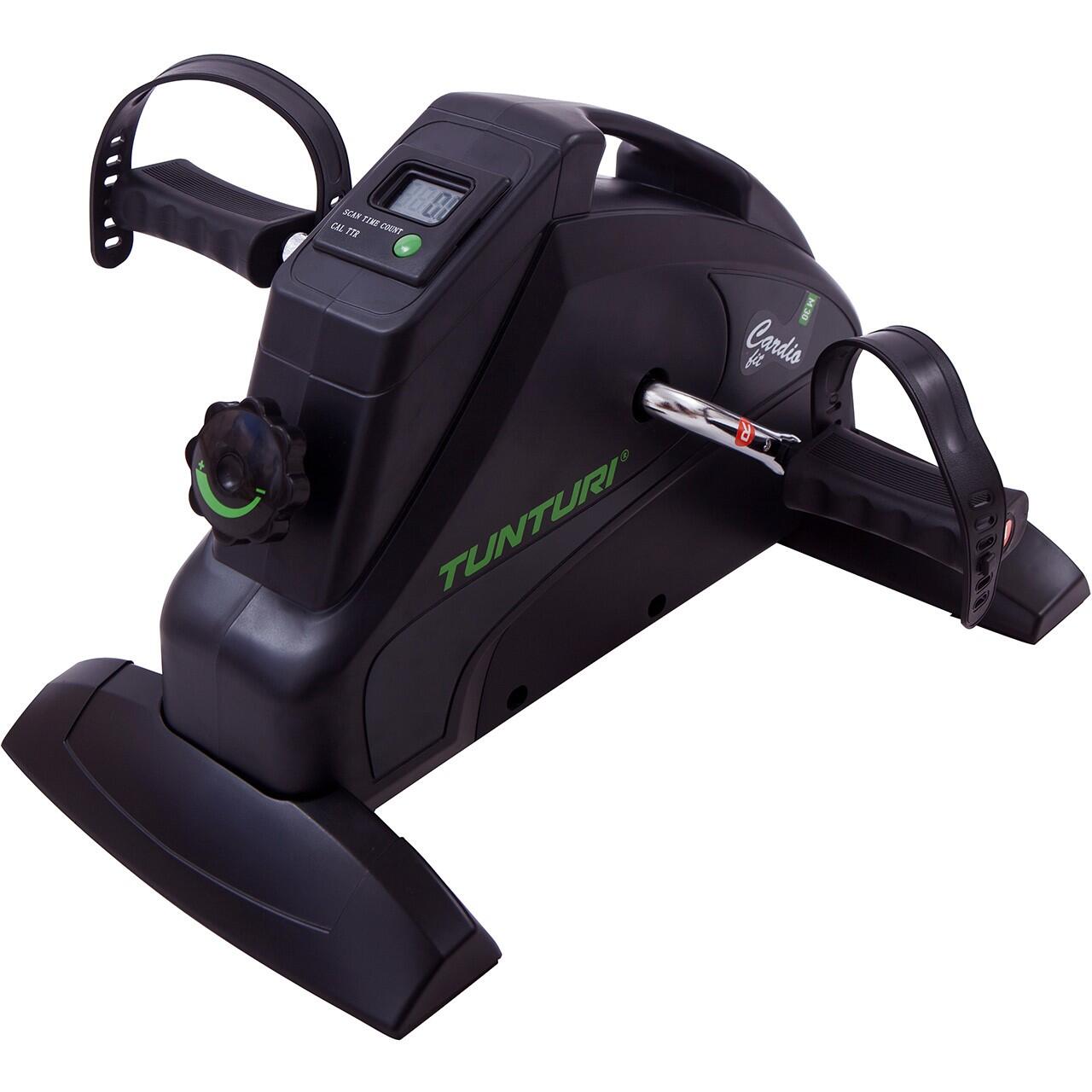
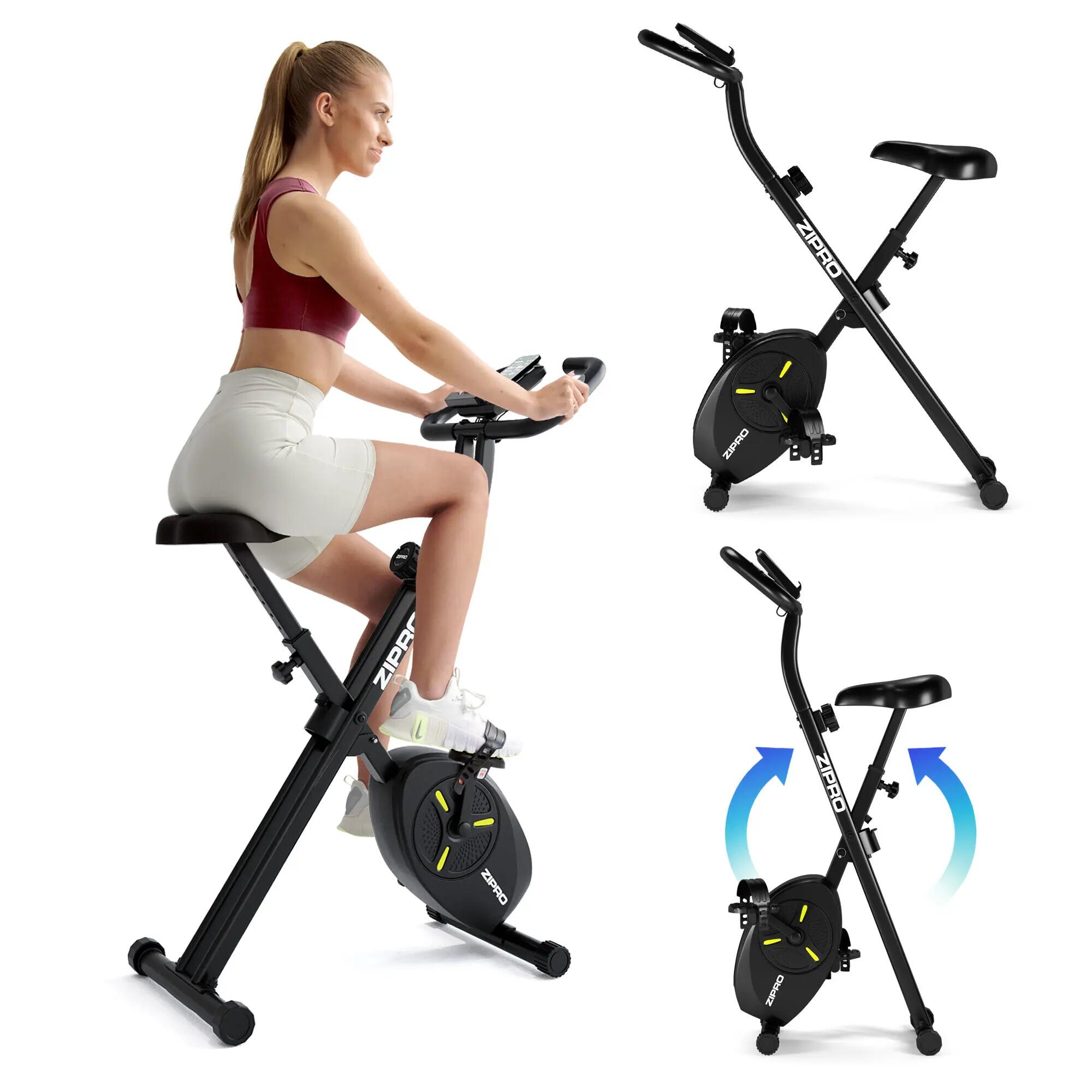
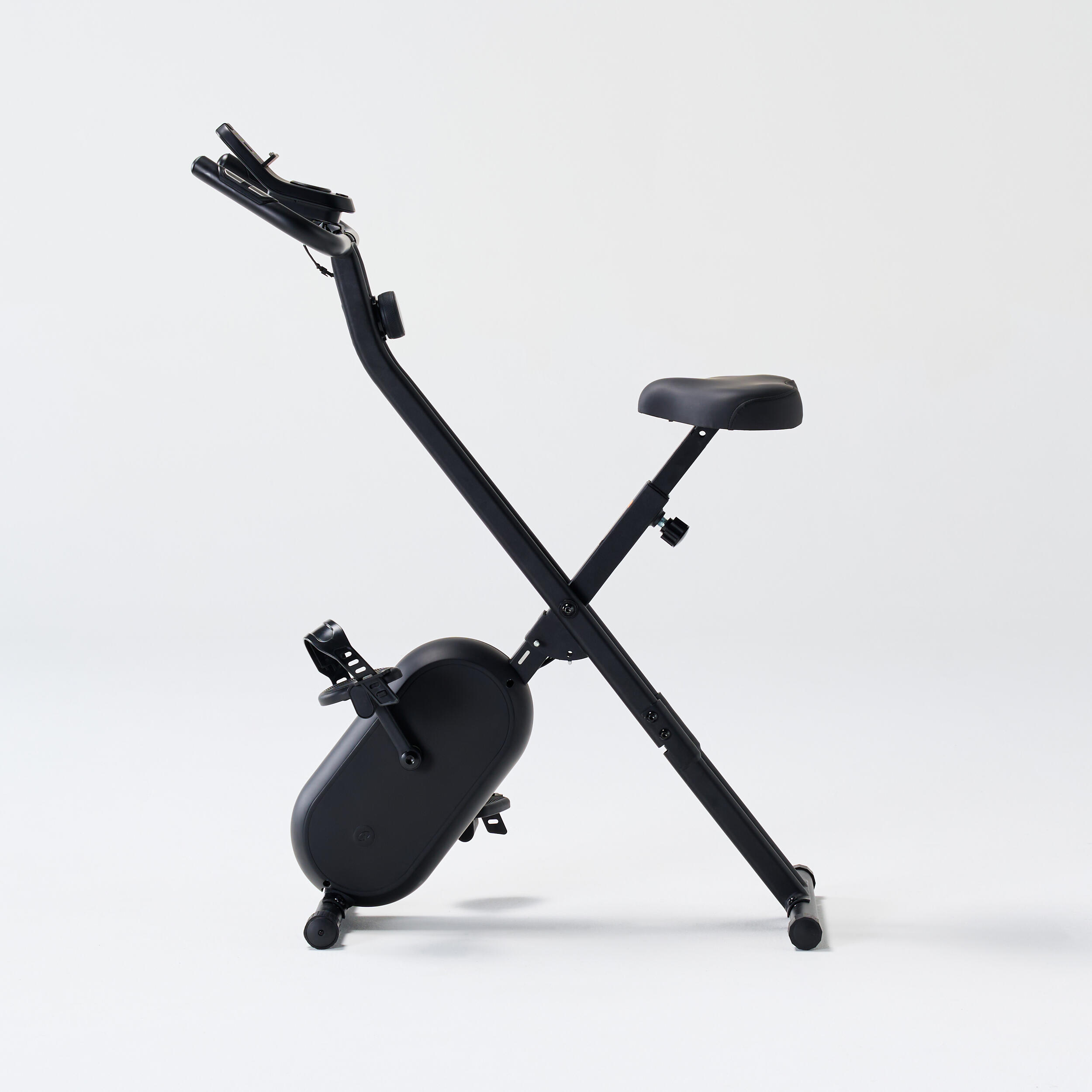
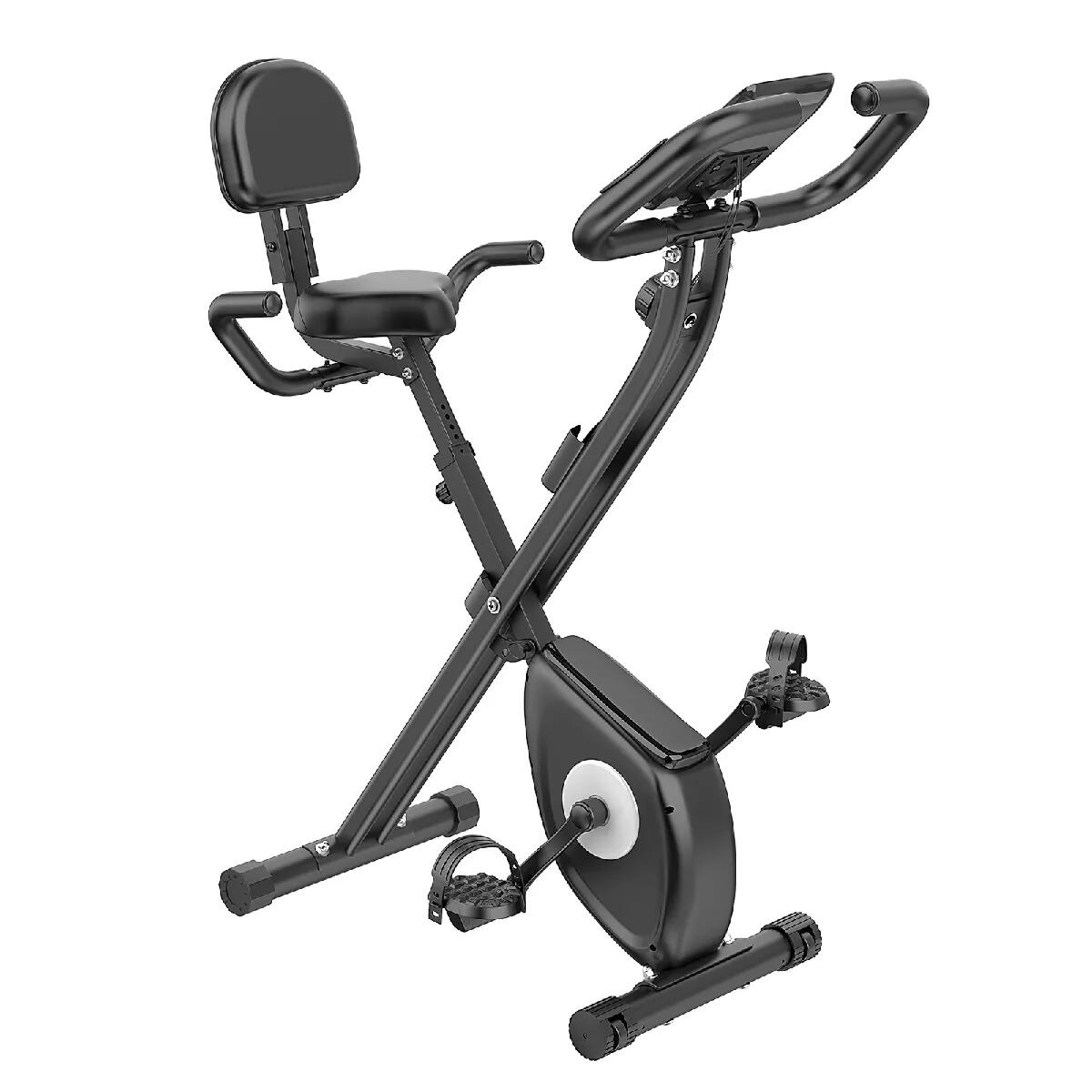
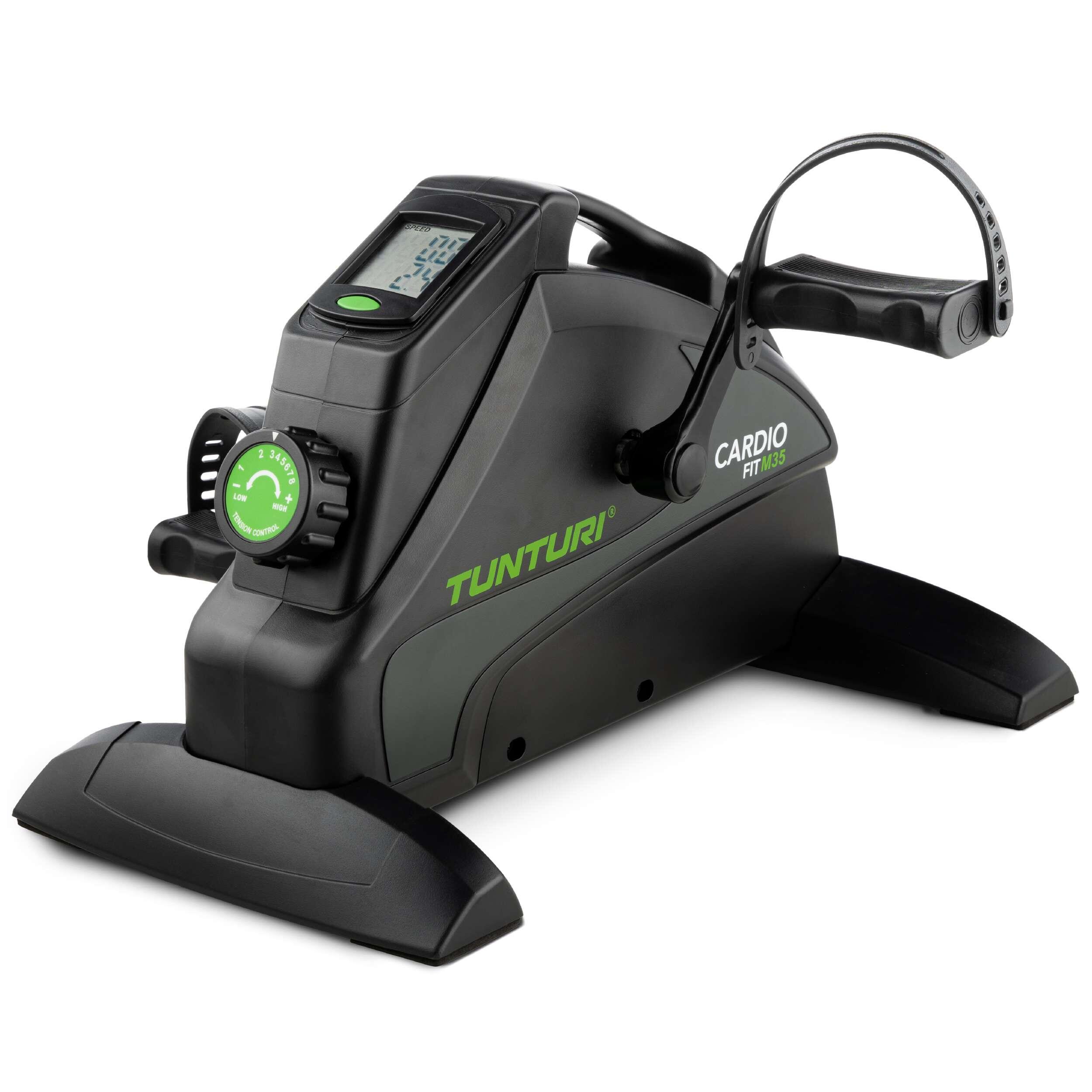
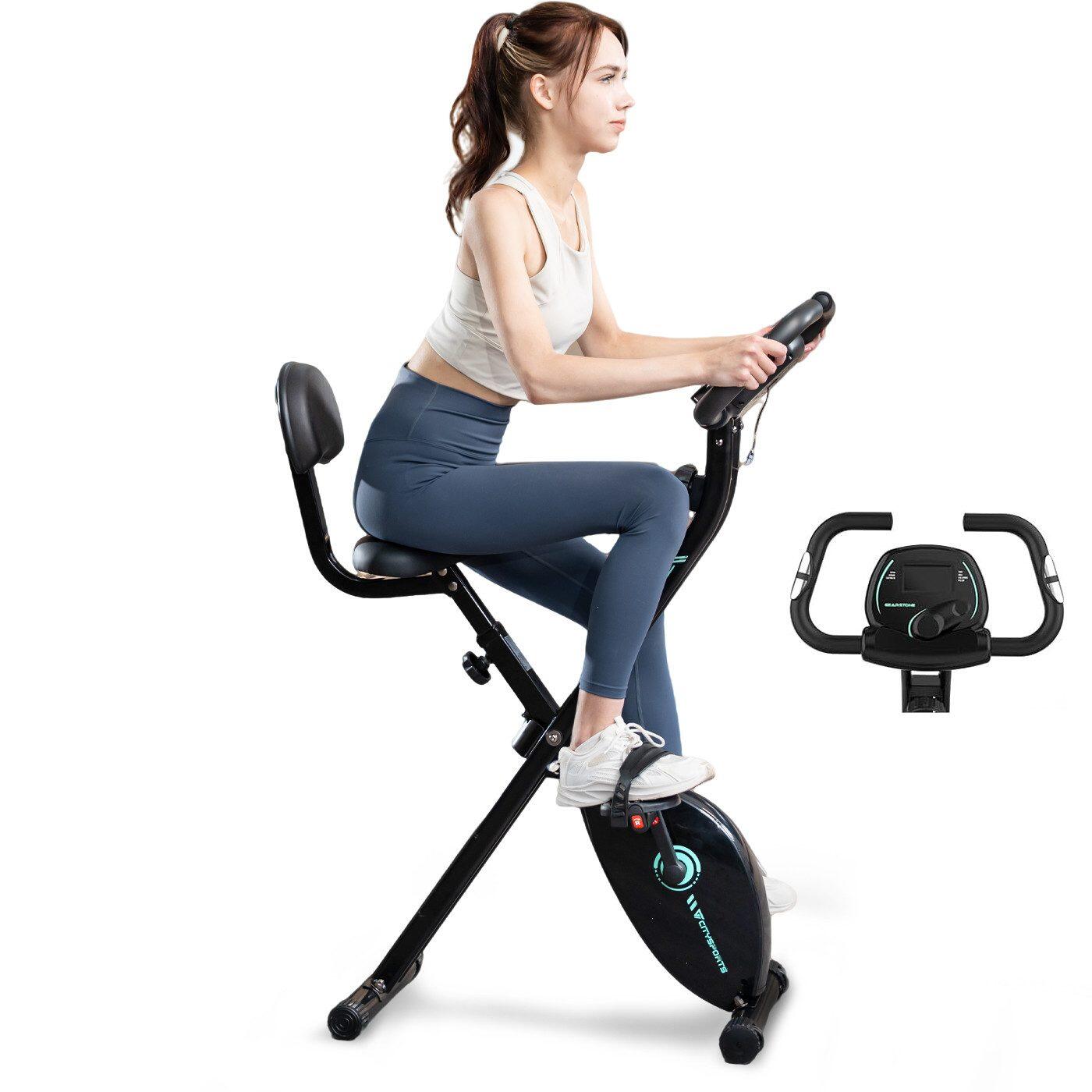
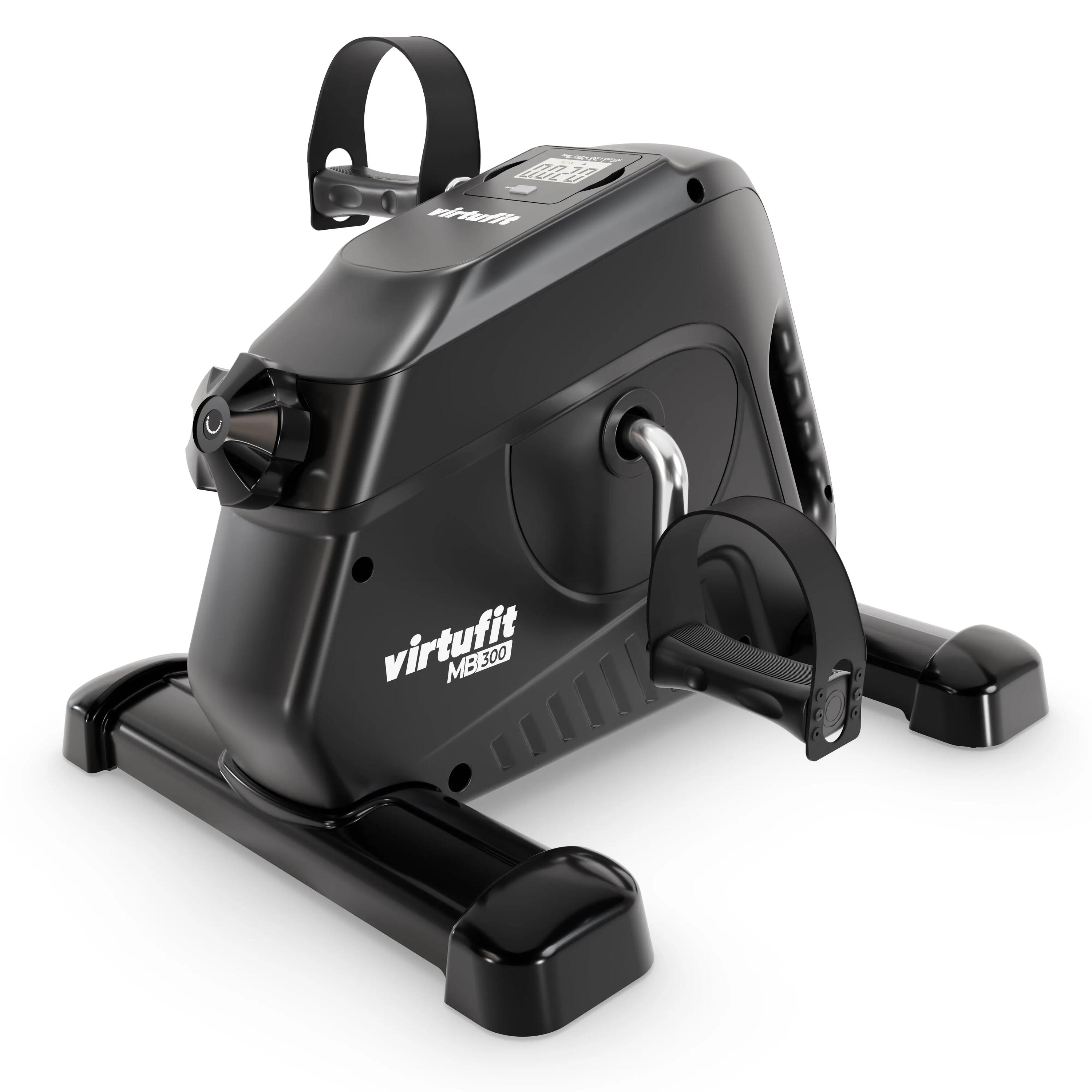
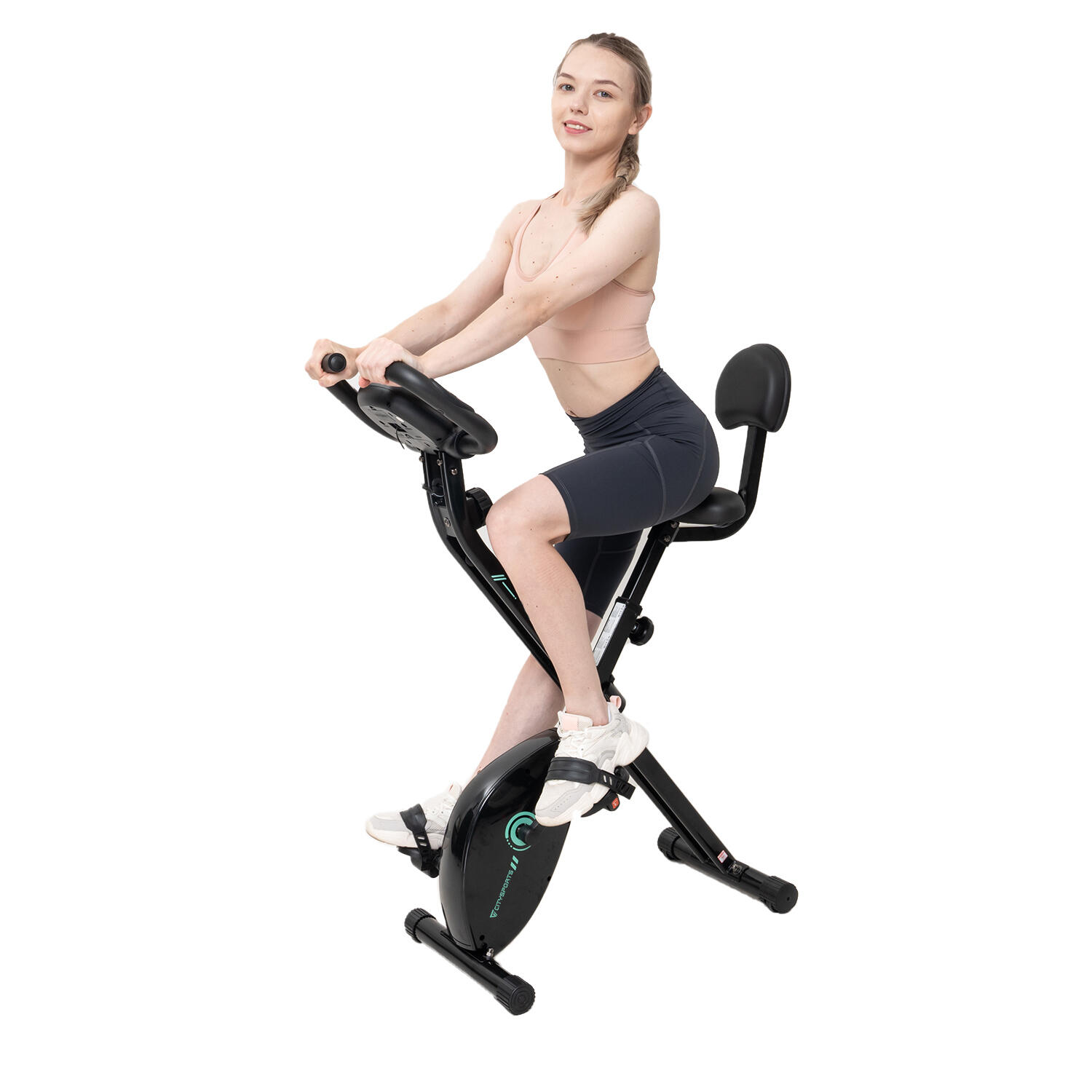
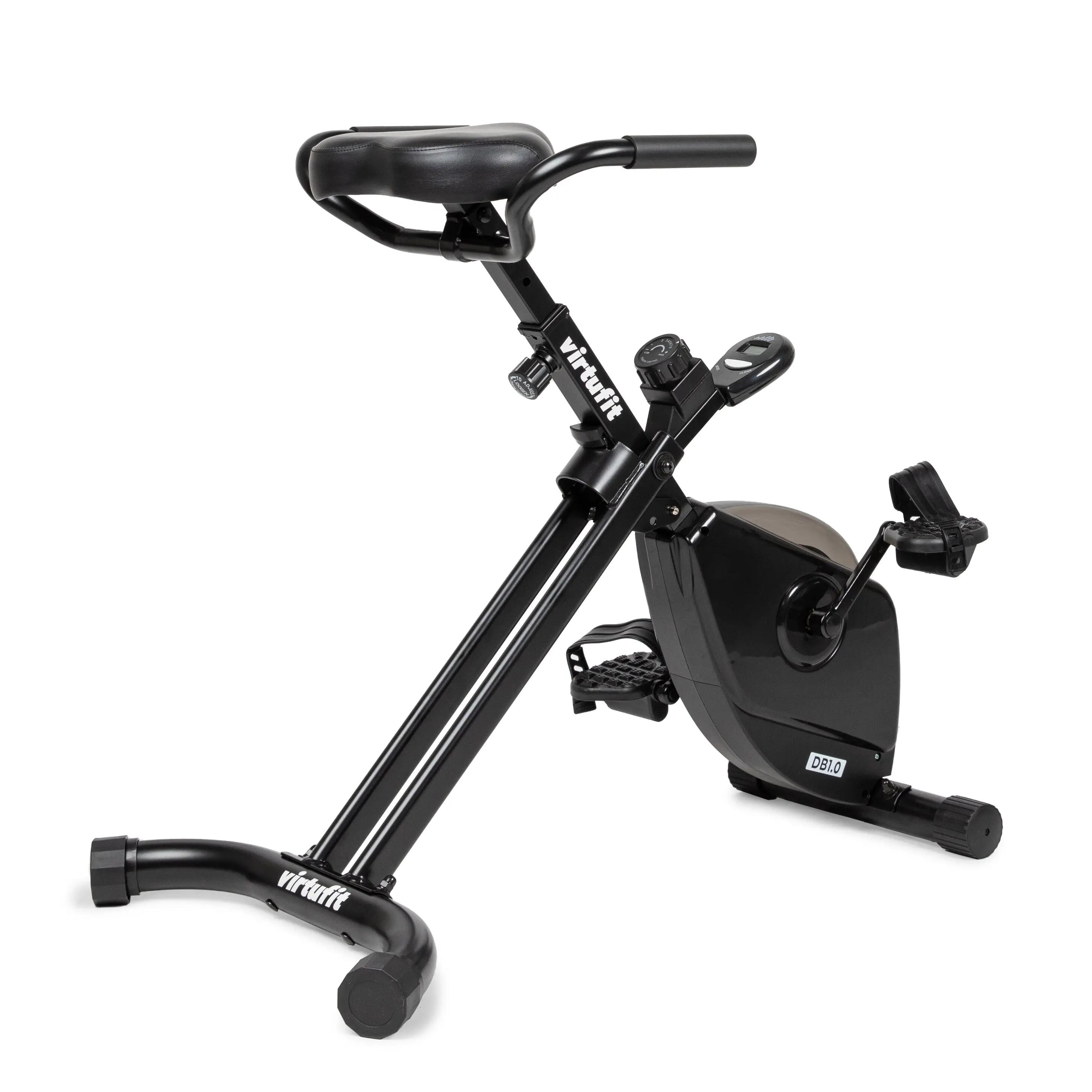
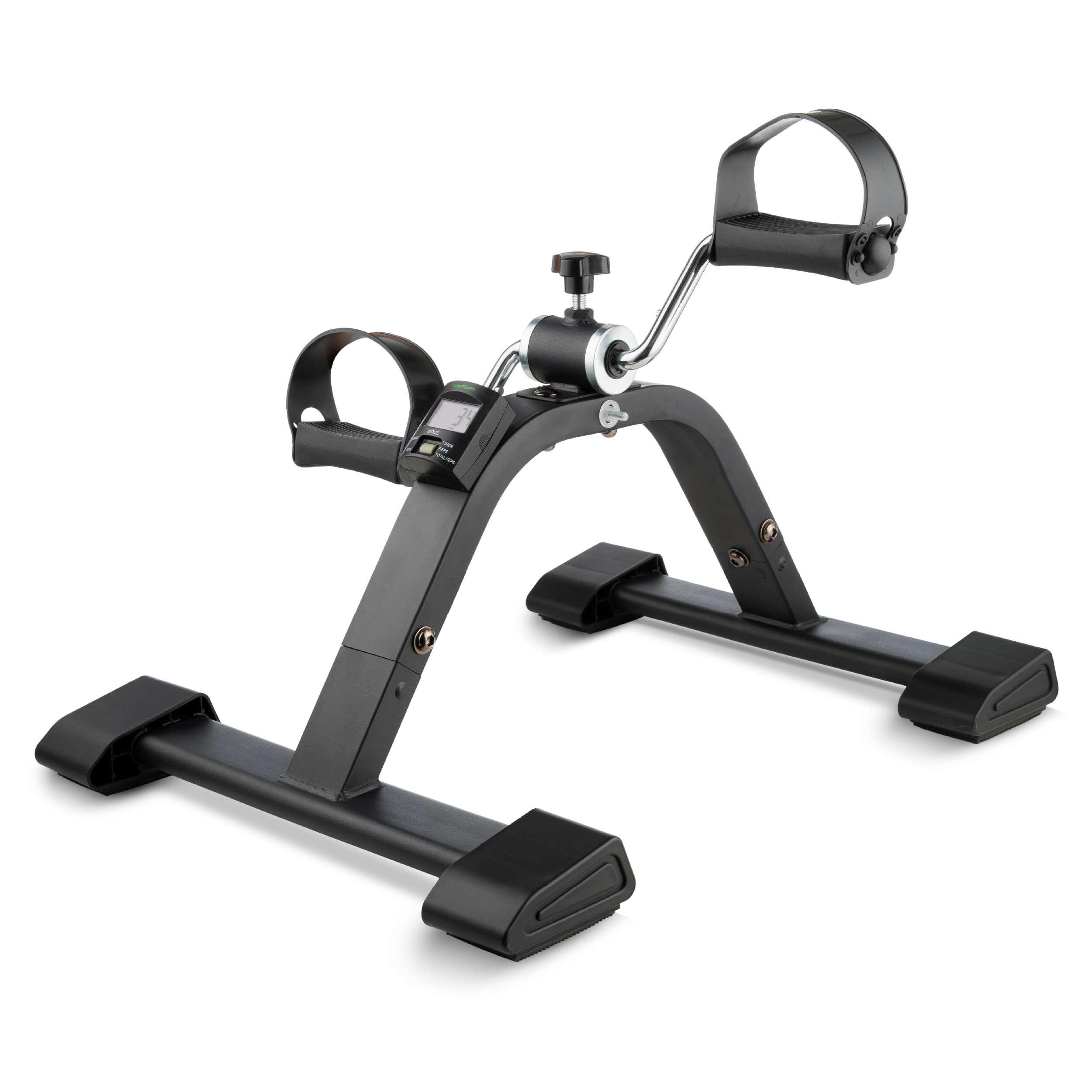
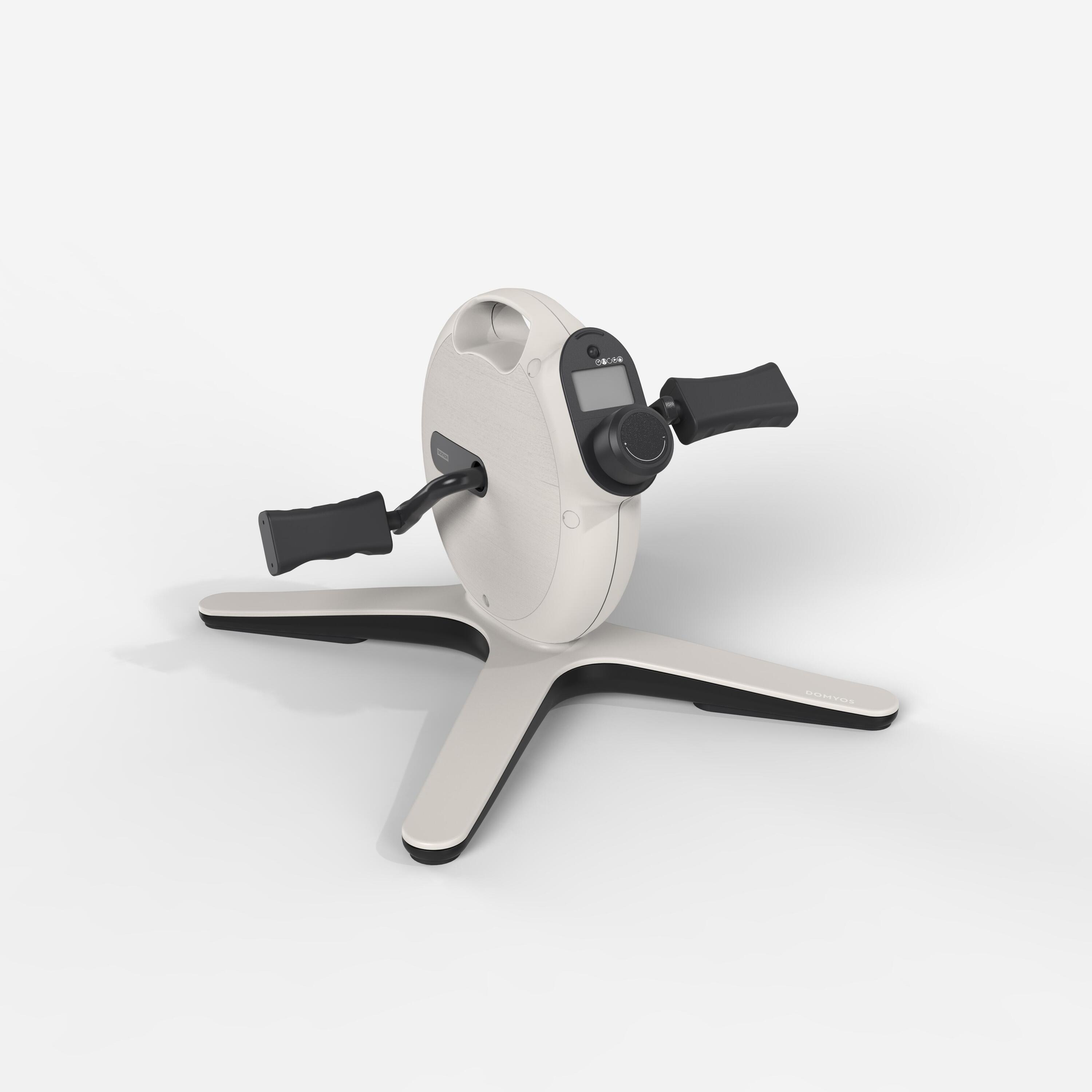
Yes, foldable exercise bikes and mini exercise bikes are an excellent solution for small homes, apartments, or shared rooms where a full-sized upright cannot stay set up between sessions. A foldable upright collapses in seconds and tucks behind a sofa or under a bed, while a mini bike (sometimes called a pedal exerciser) sits under a desk for low-intensity movement during work calls. Expert advice: place a non-slip mat underneath to absorb vibration through wooden floors and protect the surface. For a different low-impact lower-body option in compact spaces, our range of steppers and mini steppers delivers a strong glute and calf workout in a footprint smaller than a yoga mat.

How does an exercise bike compare with an elliptical or cross trainer?

An exercise bike isolates the lower body in a seated, low-impact pedal motion, which makes it ideal for cardiovascular training, weight management, and rehab from knee or ankle injuries. The reason cycling stays joint-friendly is that the saddle carries your bodyweight, removing the ground impact you would feel running. By contrast, our range of elliptical and cross trainers drives a smooth elliptical foot path while moving handles recruit the upper body simultaneously, giving you a full-body cardio workout per minute. Pro-tip: alternate bike days with cross-trainer days through the week to vary the muscle recruitment, reduce overuse strain, and keep motivation high across a long training block.

How do I structure a weekly cardio routine using an exercise bike at home?

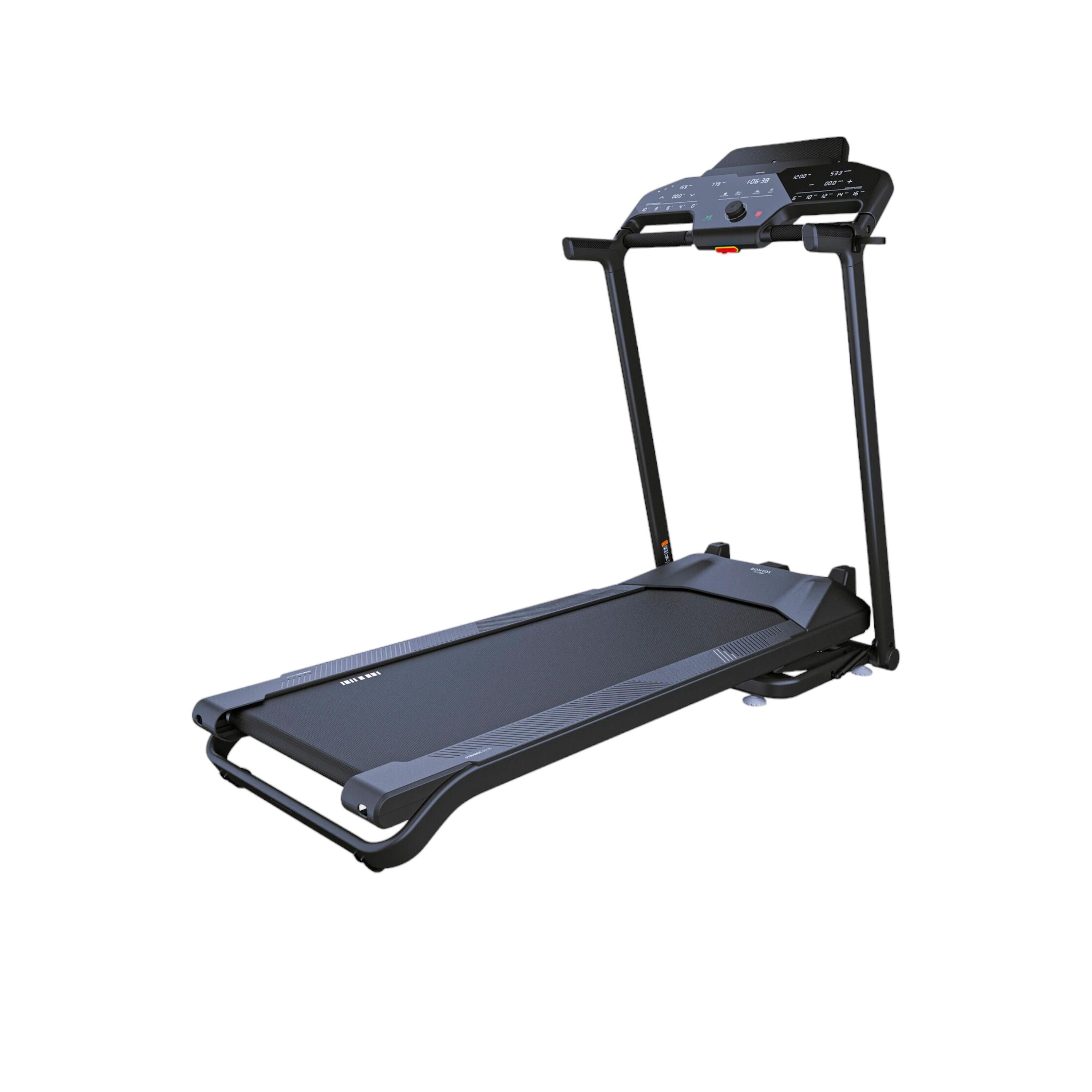
A balanced weekly routine on an exercise bike at home blends steady-state endurance, intervals, and active recovery so the body adapts without overtraining. A typical week could include two 40-minute steady rides at conversational pace, one 20-minute interval session of 30 s hard plus 60 s easy, and one 30-minute recovery spin at very low resistance. Heart-rate targeting matters: most adults benefit from working in a 65 to 80% max heart-rate zone for endurance gains. To vary the stimulus across the week, our range of home running and fitness treadmills adds weight-bearing impact for bone density, which the bike alone cannot deliver, rounding out a complete home cardio set-up.