16,679 items
4.5/5 based on 536511 reviews collected online and in stores

Cycling Equipment FAQs

What cycling equipment do you need for regular rides?

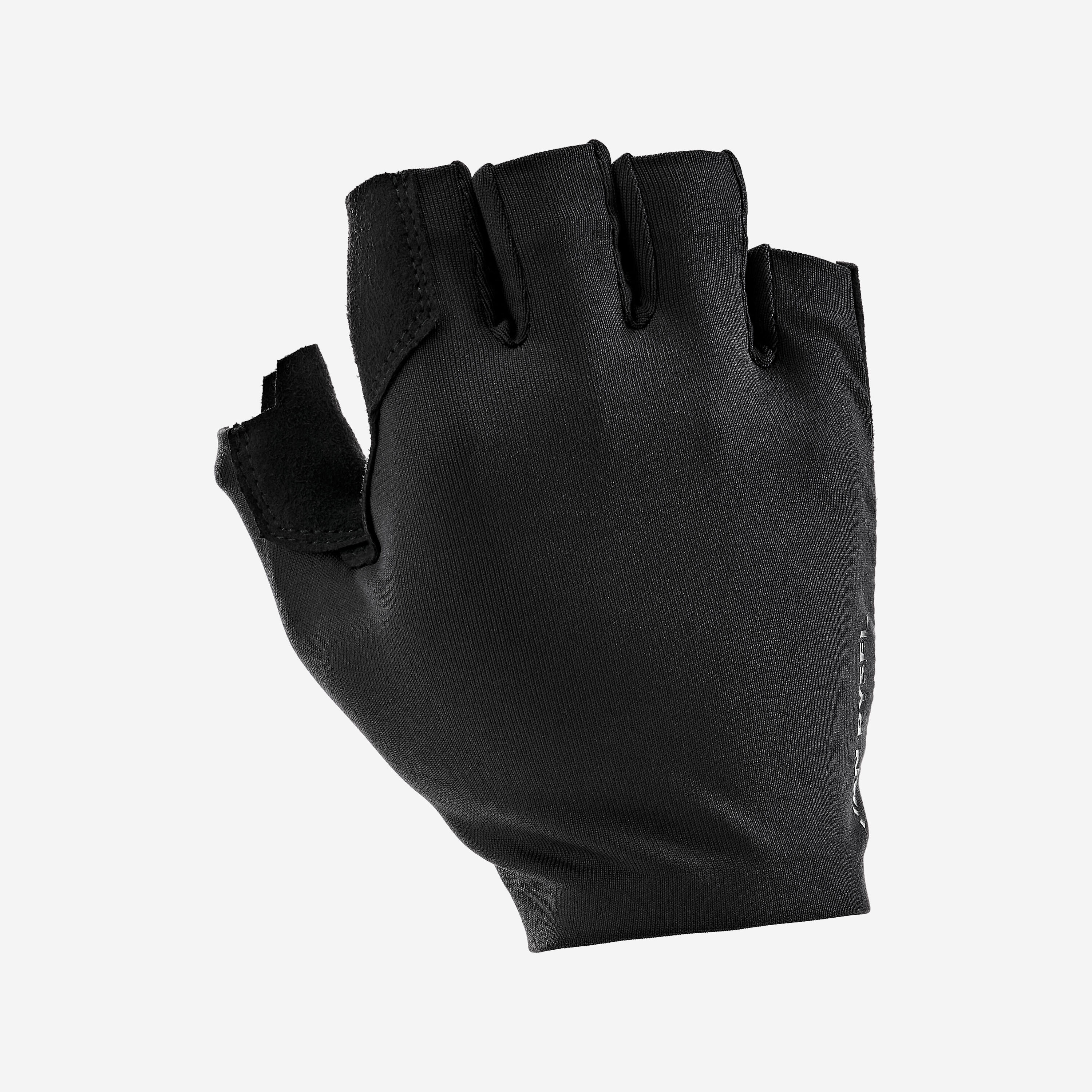
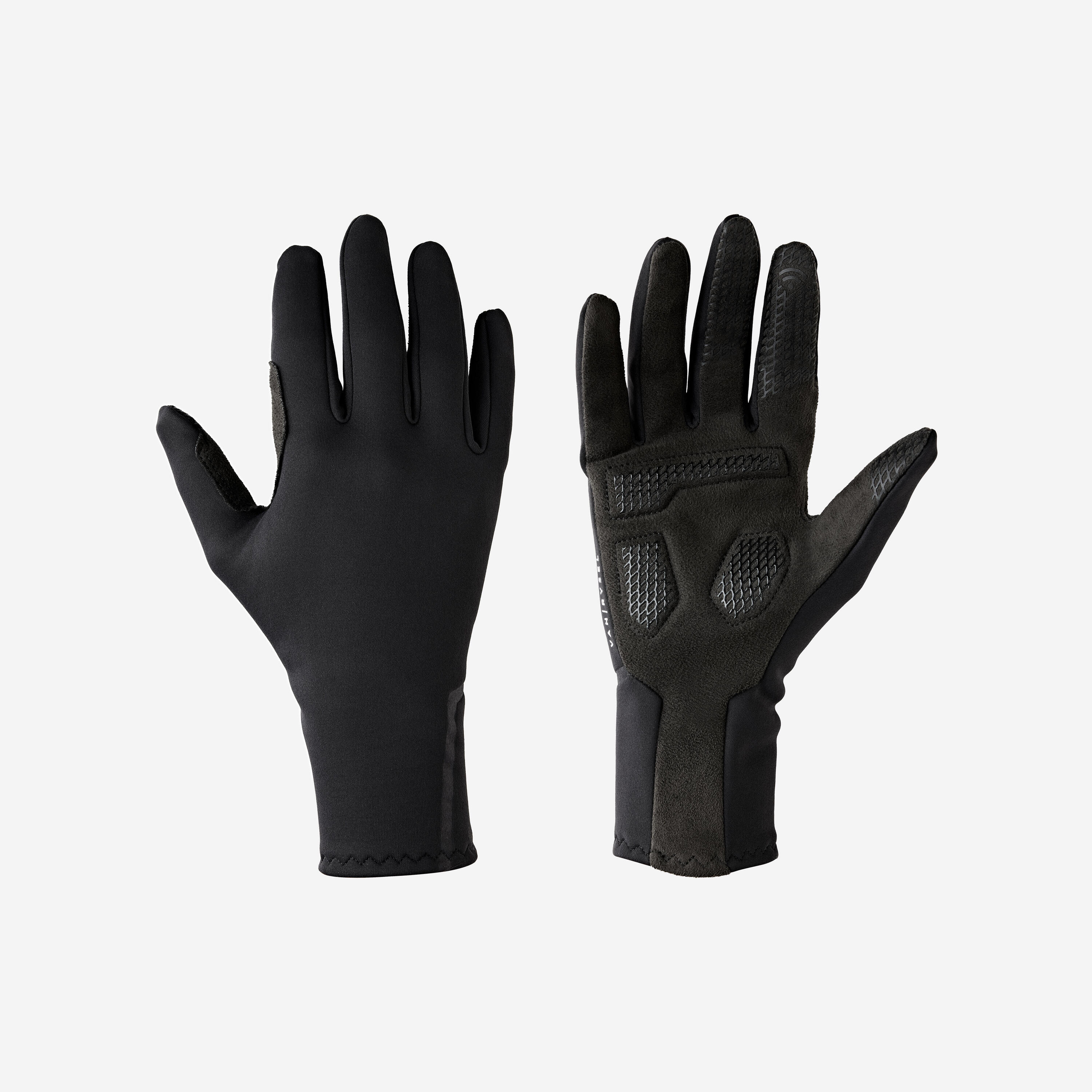
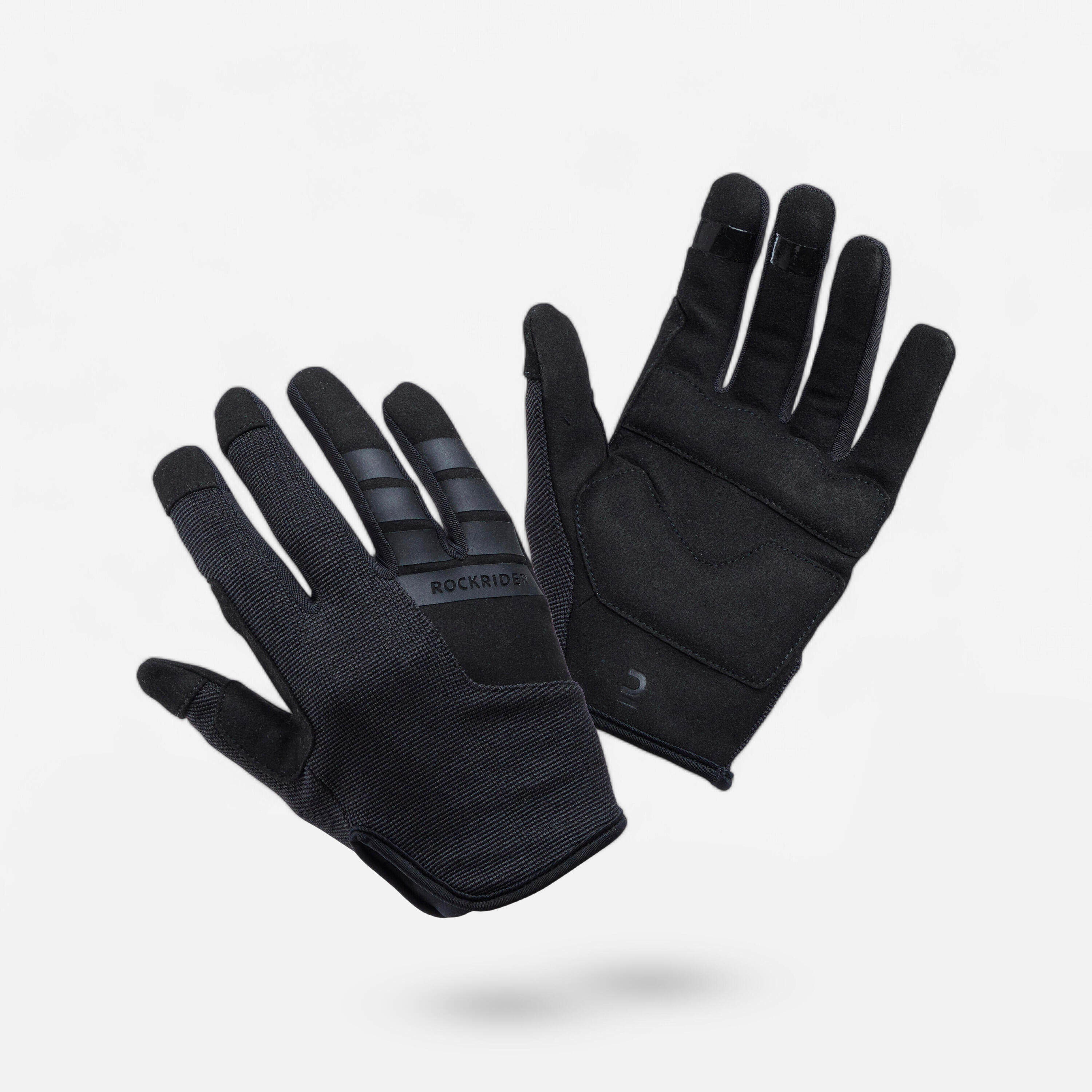
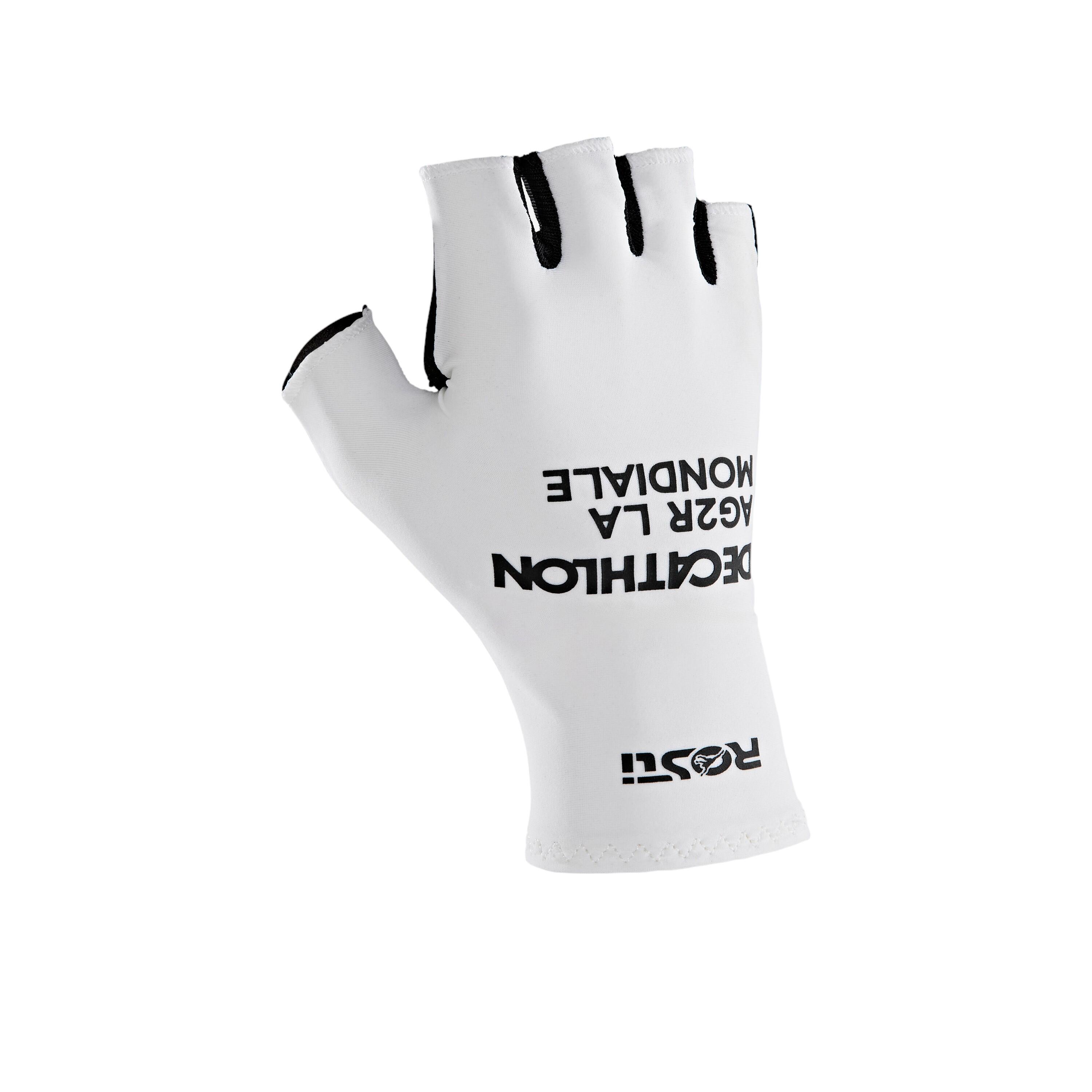
Choose your kit around the type of cycling, weather and time you normally spend on the bike. A helmet should be a priority, while gloves, suitable footwear, glasses and weather protection become more important as rides get longer or conditions change. Your hands carry part of your upper-body load and continually operate the brakes and gears, so well-fitting cycling gloves can improve grip and help manage pressure at the handlebars. For colder rides, consider insulation and wind protection rather than simply choosing thicker material. Some Decathlon cycling gloves combine fleece, a wind-resistant layer and silicone palm grip, with products matched to specific temperature ranges. Pro tip: check that gloves allow full brake-lever movement before heading out.
Which cycling glasses work best in different lighting conditions?

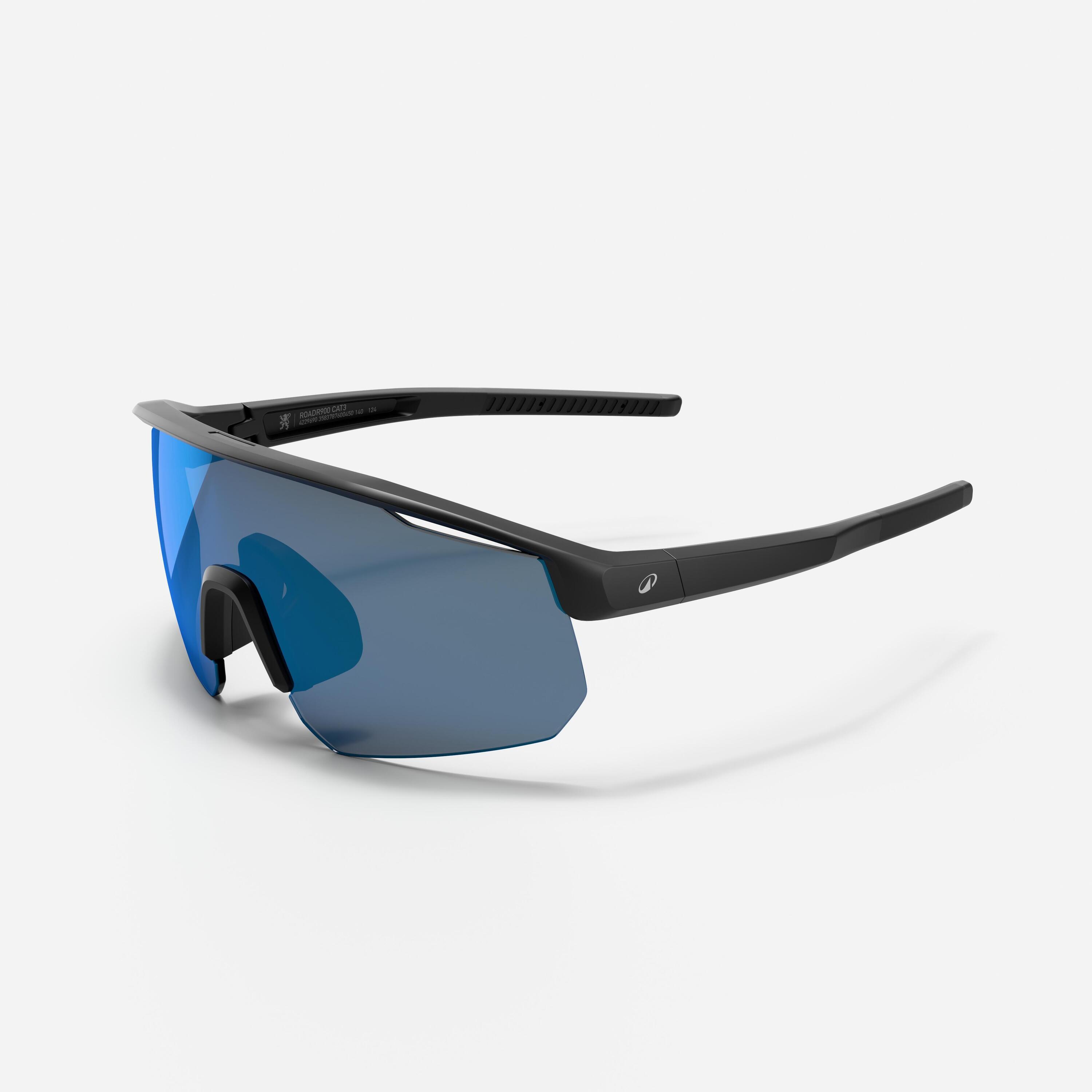
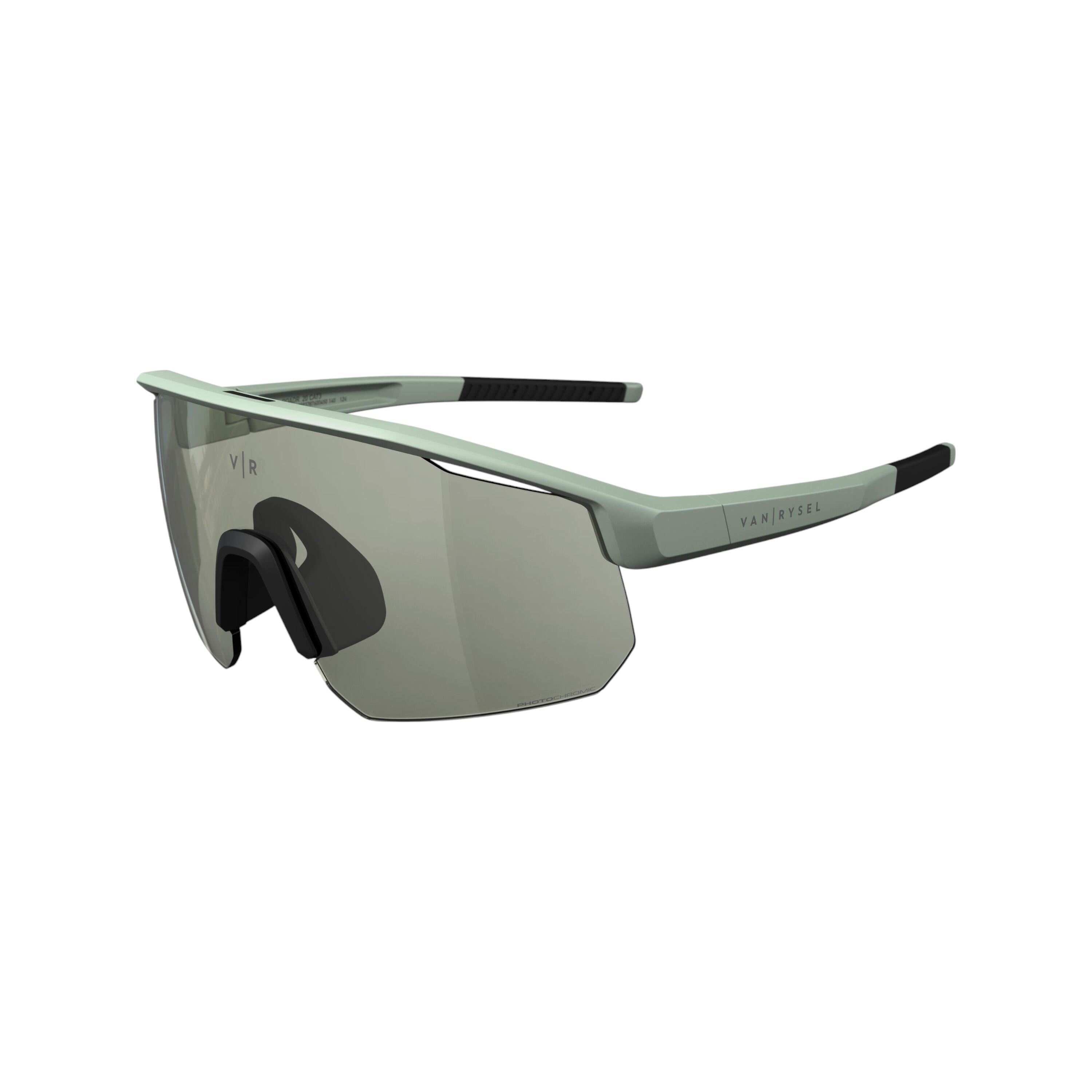
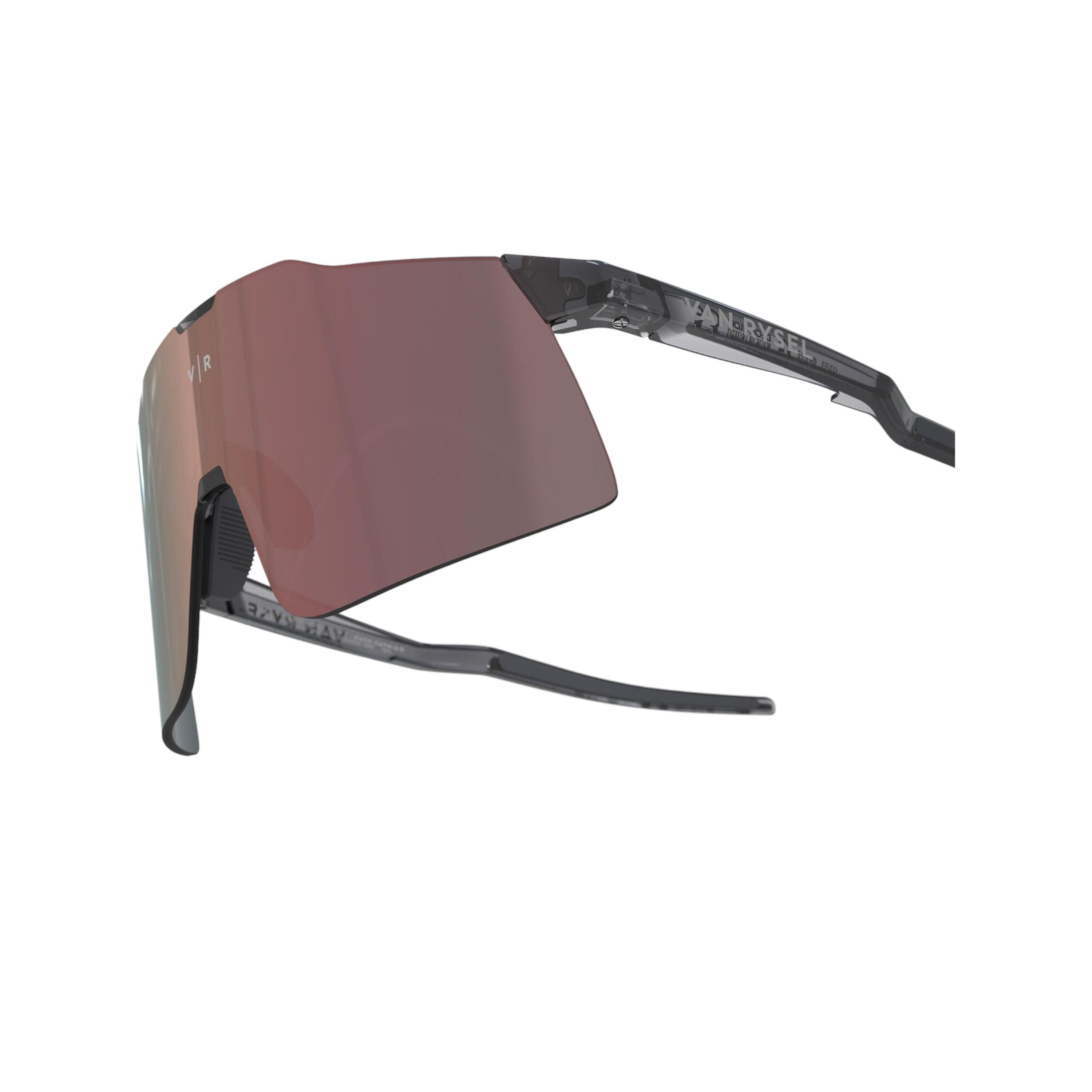
Match the lens to the light you expect rather than choosing cycling glasses only by frame shape. Clear or low-category lenses can suit dull conditions, while darker lenses reduce visible light on bright days. The cycling glasses and sunglasses range includes fixed-tint, interchangeable and photochromic options. Photochromic lenses change tint as light levels vary, which can be useful on routes that alternate between open roads and shaded sections. A close but comfortable fit also helps shield your eyes from wind, insects and airborne grit. Pro tip: try your glasses with your helmet, as the arms should sit comfortably without being squeezed against your head by the helmet retention system.

How does a bike helmet fit for secure cycling?

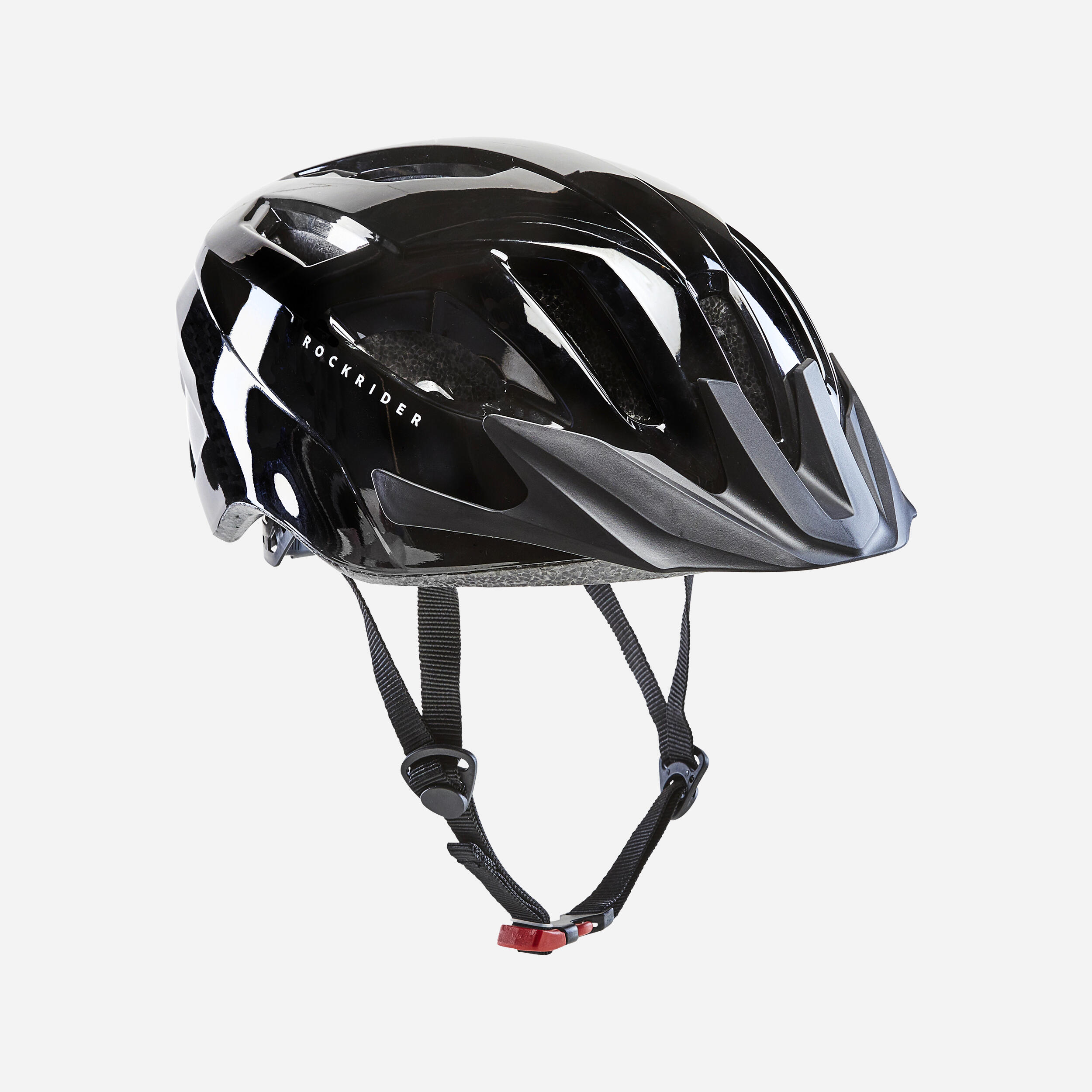
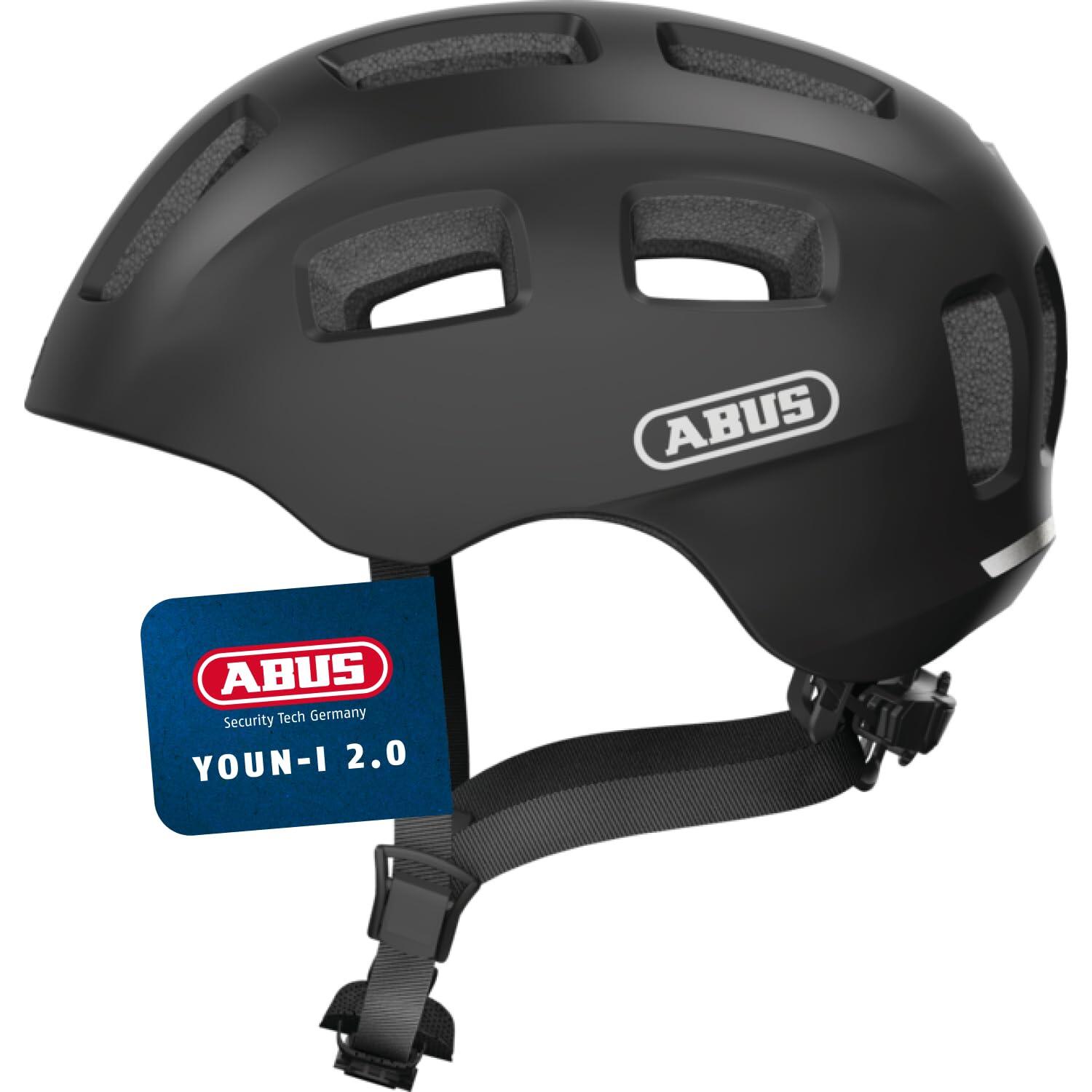
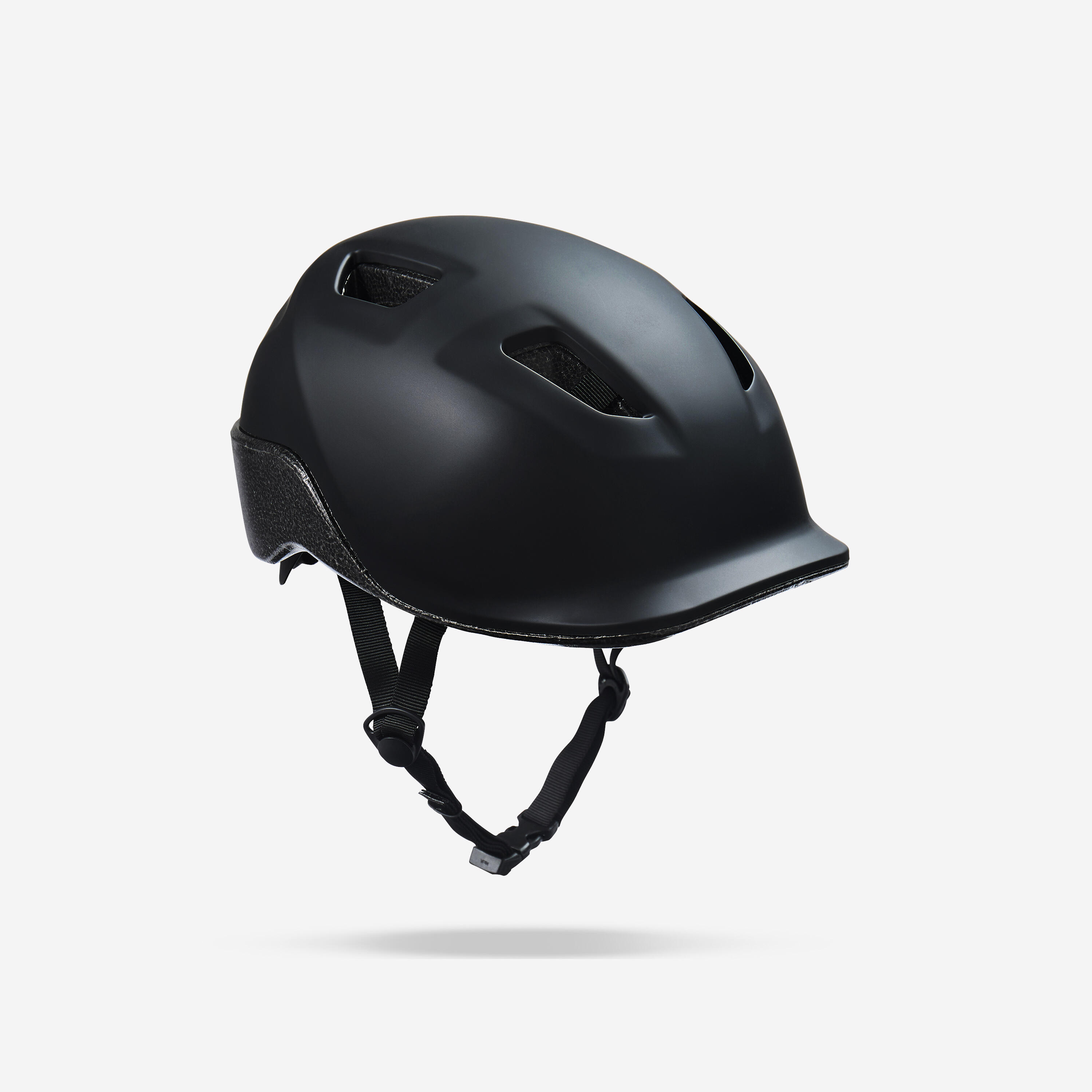
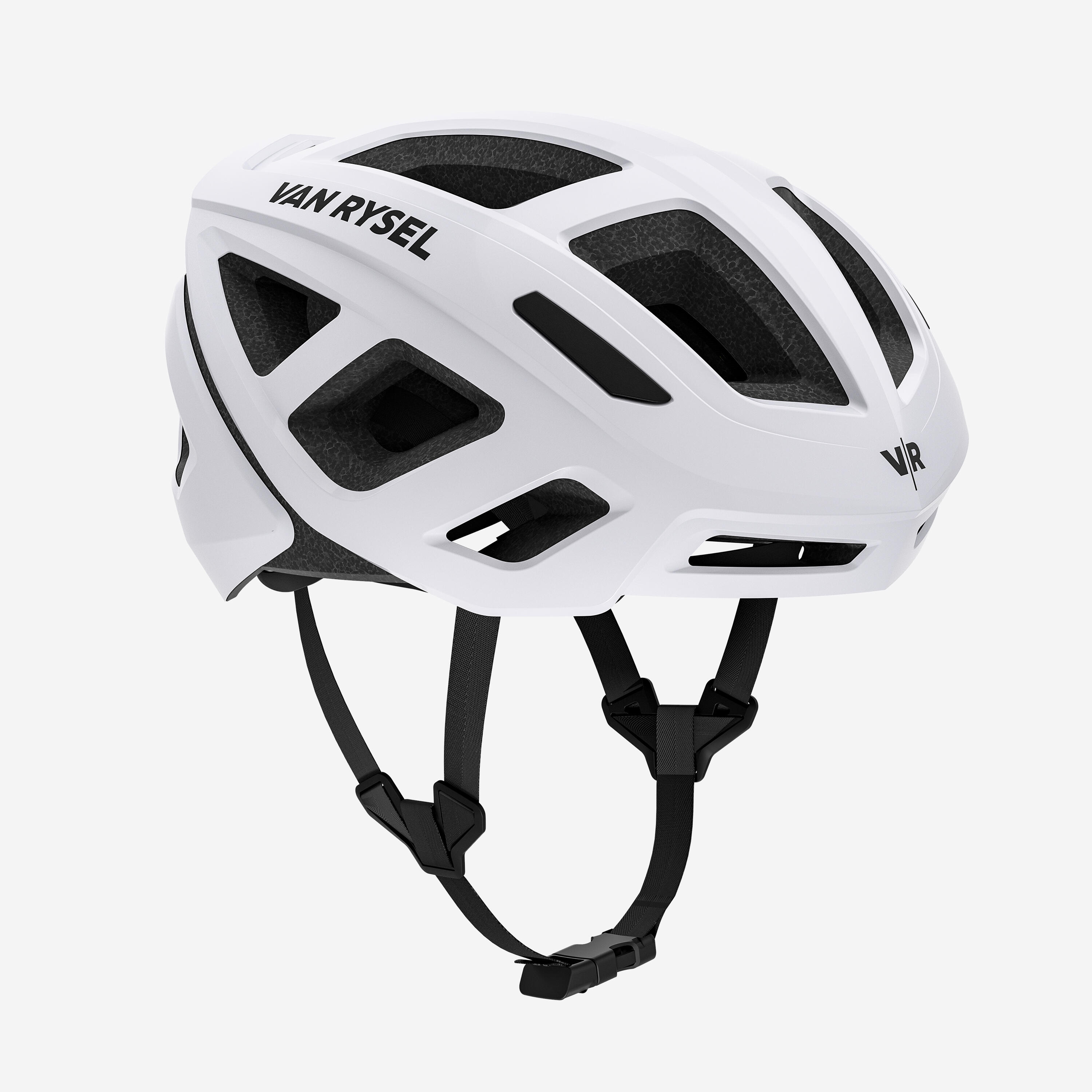
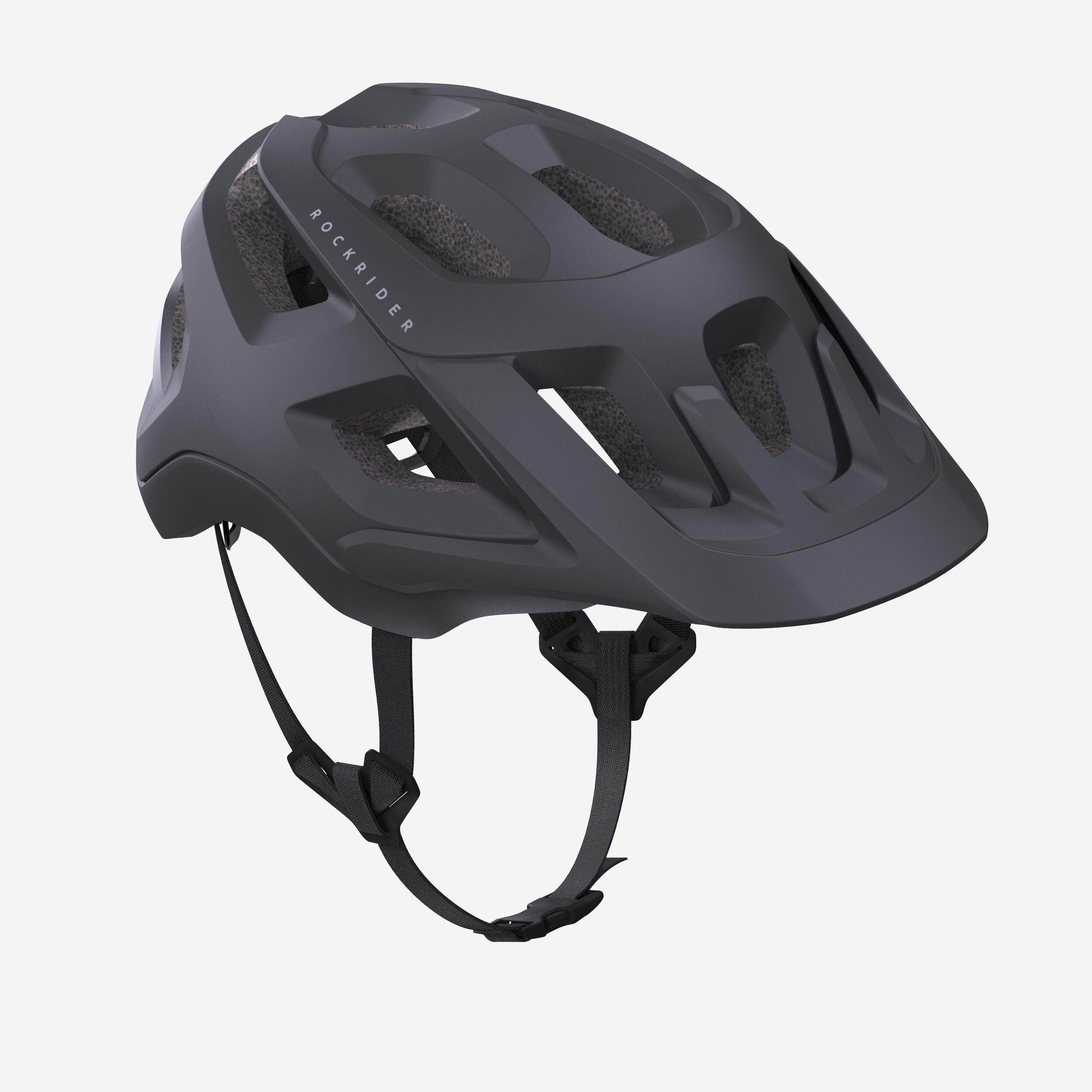
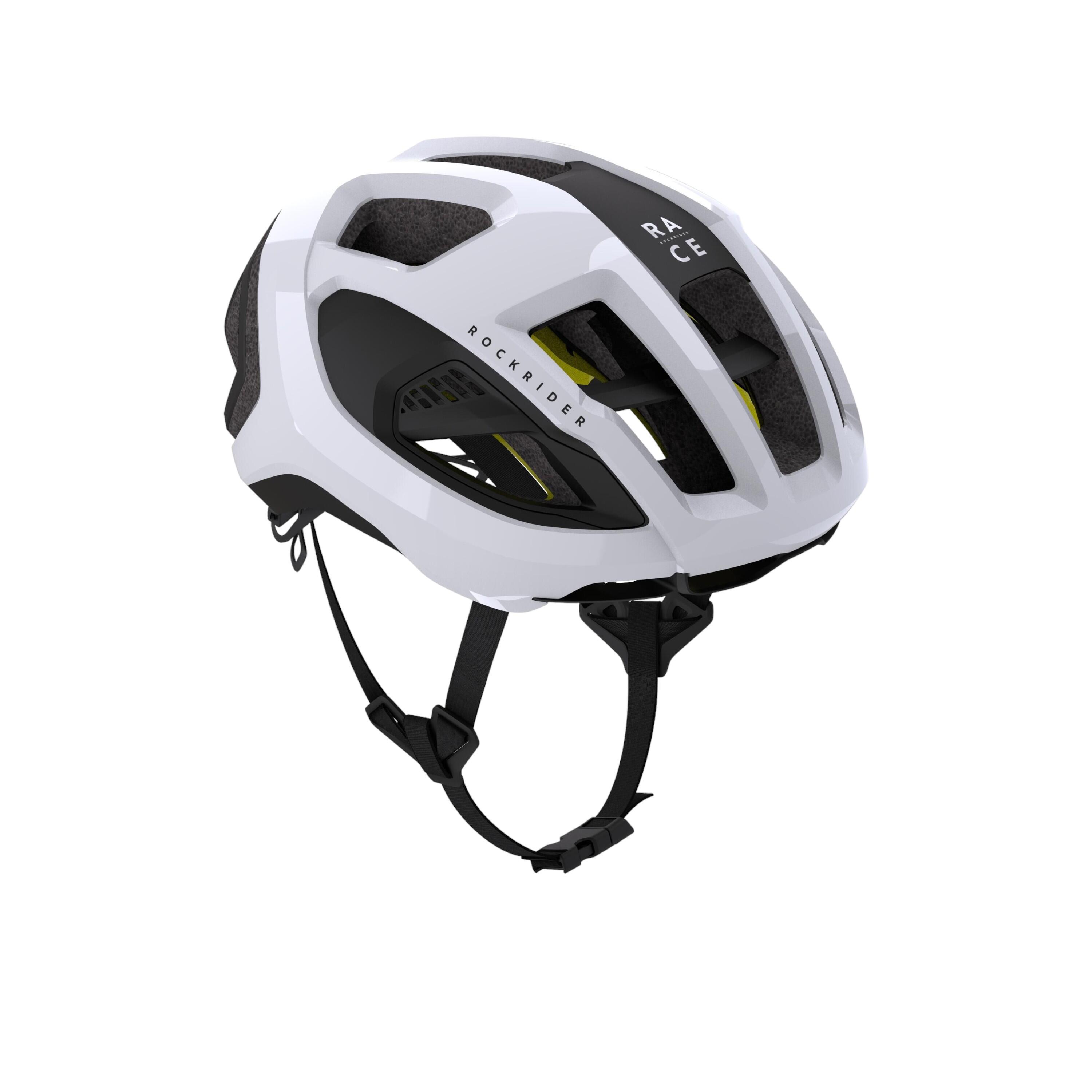
A bike helmet should sit level on your head rather than tilted towards the back. Start by choosing the correct head-size range, then use the rear adjustment system and straps to create a secure fit without uncomfortable pressure. The bike helmets range covers road cycling, mountain biking, commuting and children's riding, so ventilation, coverage and intended use can differ. Decathlon's reviewed children's helmet, for example, uses an EPS protective shell and complies with EN 1078, alongside an adjustment dial, adjustable straps and an anti-pinch buckle. Pro tip: once adjusted, gently move the helmet forwards and backwards. It should remain stable rather than sliding freely across your head.

What should you consider when choosing footwear for different cycling styles?

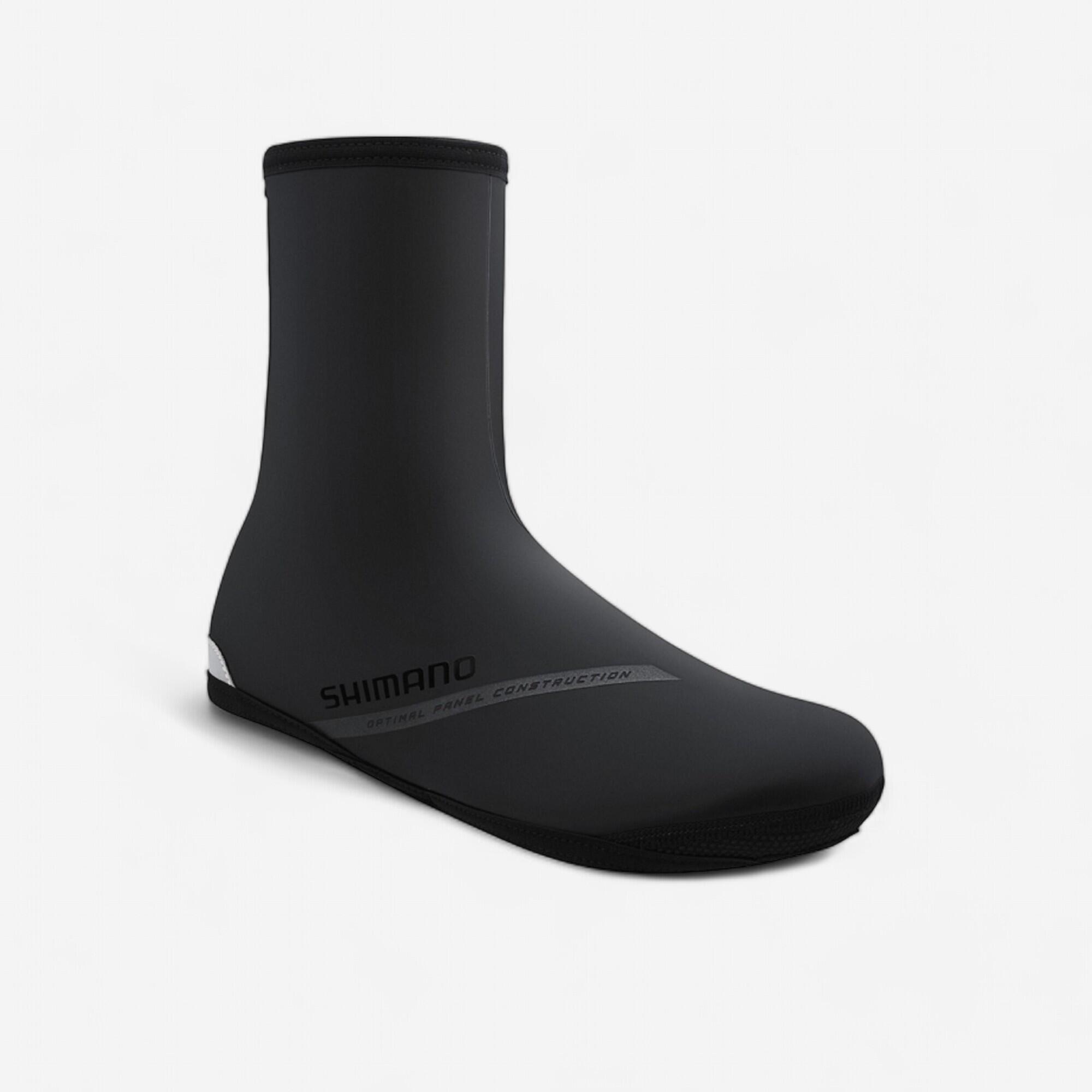
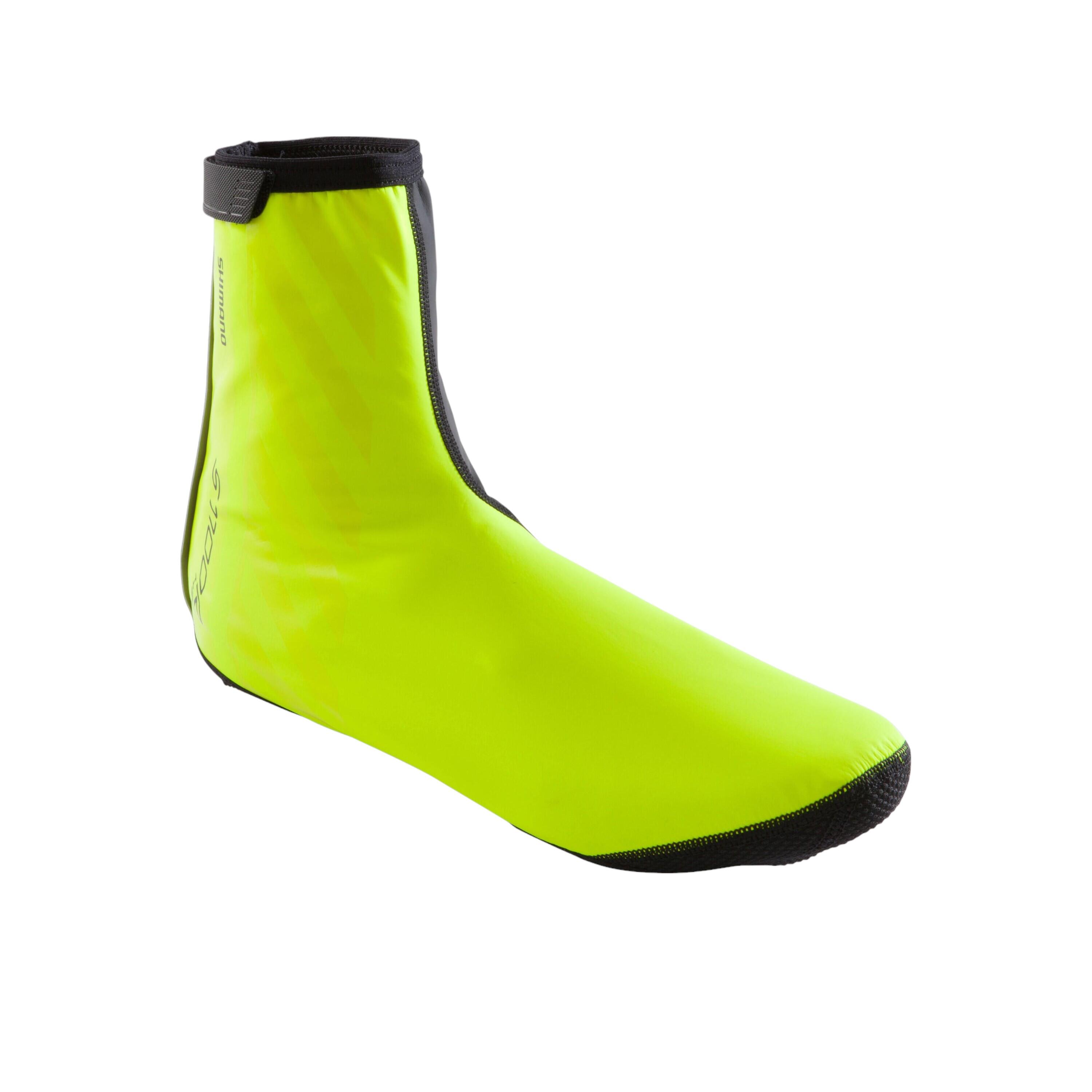
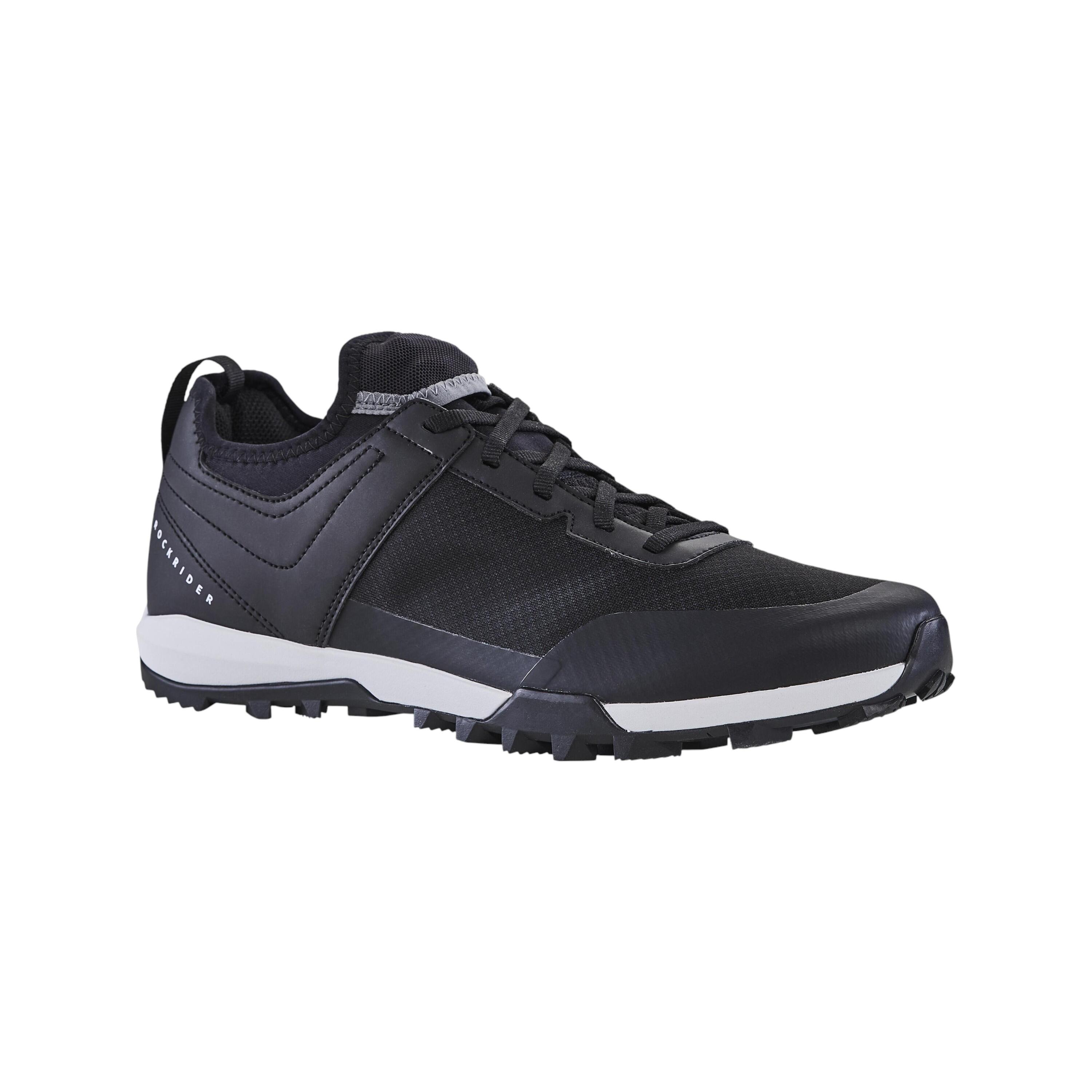
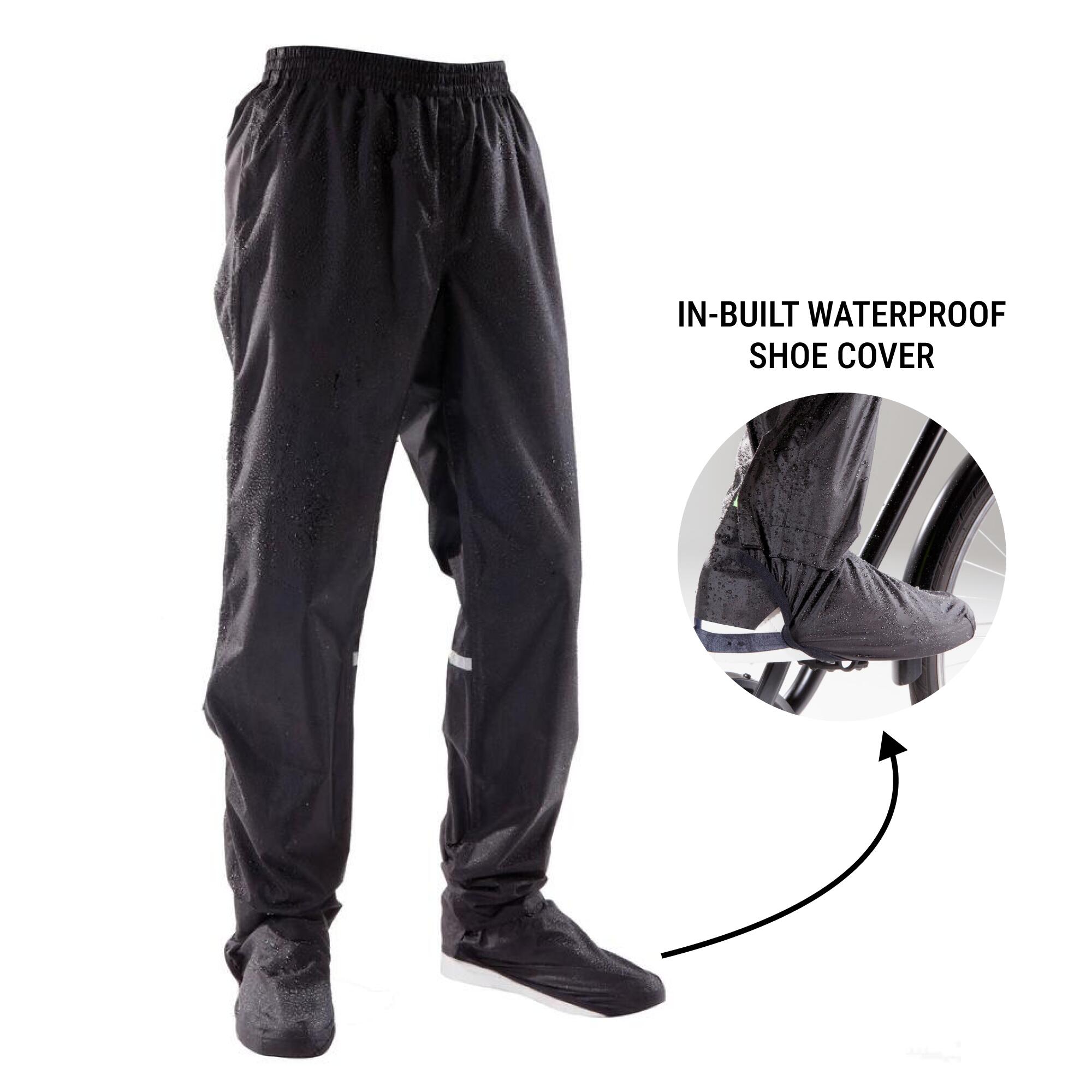
Start with your pedal system and how much walking you expect to do away from the bike. The cycling footwear range includes cycling shoes and overshoes for different riding conditions. Road shoes commonly prioritise a firm sole for efficient pedalling, while MTB footwear may need more tread for walking over loose or uneven ground. A firmer sole bends less under pedalling force, helping spread pressure across the foot rather than concentrating it around the pedal contact point. Fit still matters more than stiffness alone: your toes need enough room, and your heel should stay secure as you pedal. Pro tip: check cleat compatibility before buying shoes for clipless pedals, as different pedal systems use different mounting arrangements.

When must you wear extra cycling protection?

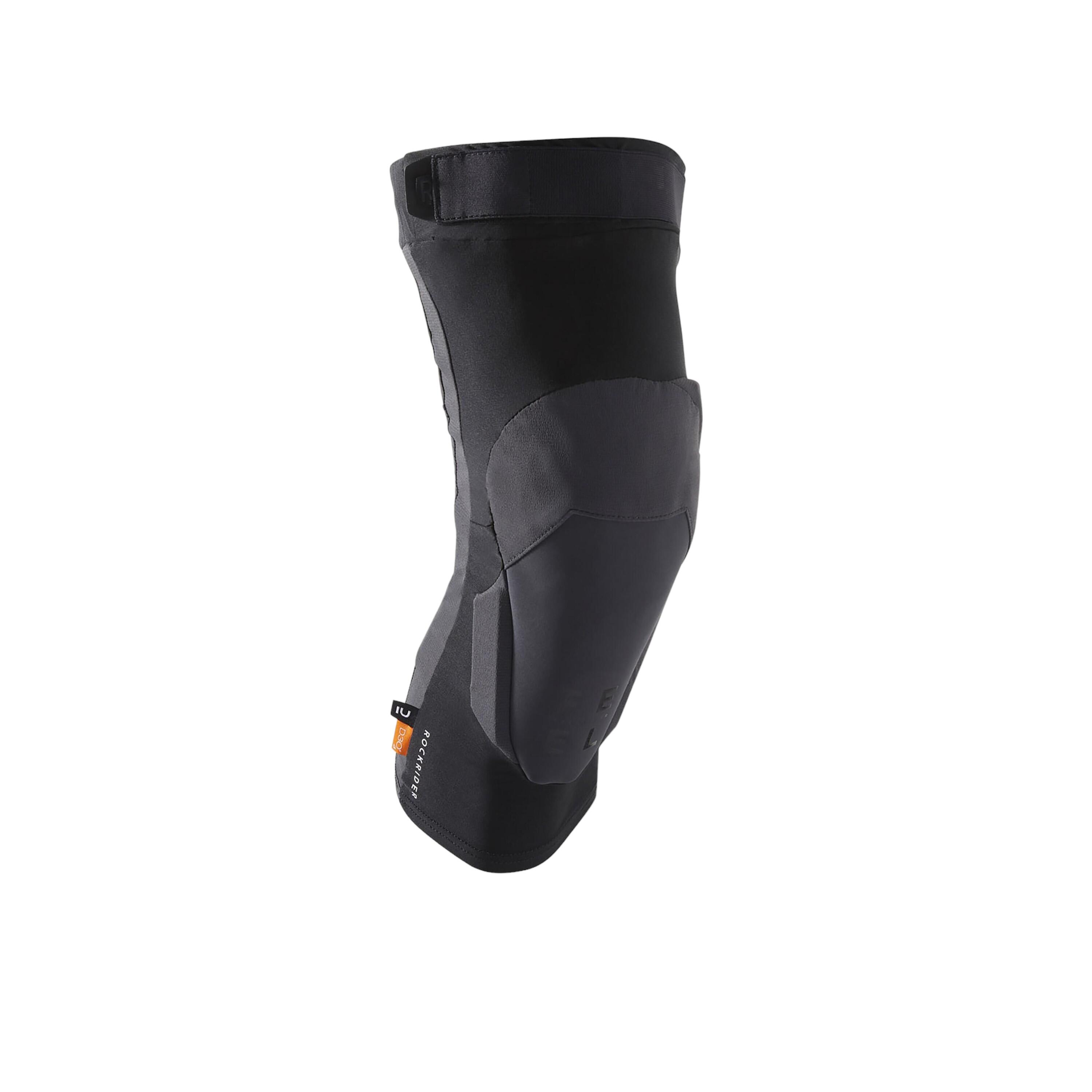
Your level of protection should reflect the terrain, speed and consequences of a fall. Riders tackling technical MTB trails, jumps or rough downhill sections may benefit from more coverage than someone cycling on a quiet leisure route. The cycling protections range includes knee pads, elbow pads and body protection for riding where impacts are more likely. Protection needs to stay secure as you bend your knees and elbows, because a pad that shifts during normal movement may not stay in place during a fall. Avoid overtightening straps, which can restrict movement or become uncomfortable during longer sessions. Pro tip: wear your normal cycling clothing when checking pad fit so you know the protection works with your actual riding setup.