7 items
4.8/5 based on 402 reviews collected online and in stores

Surfcasting Rodbags FAQs

How much protection should a surfcasting rod bag provide?

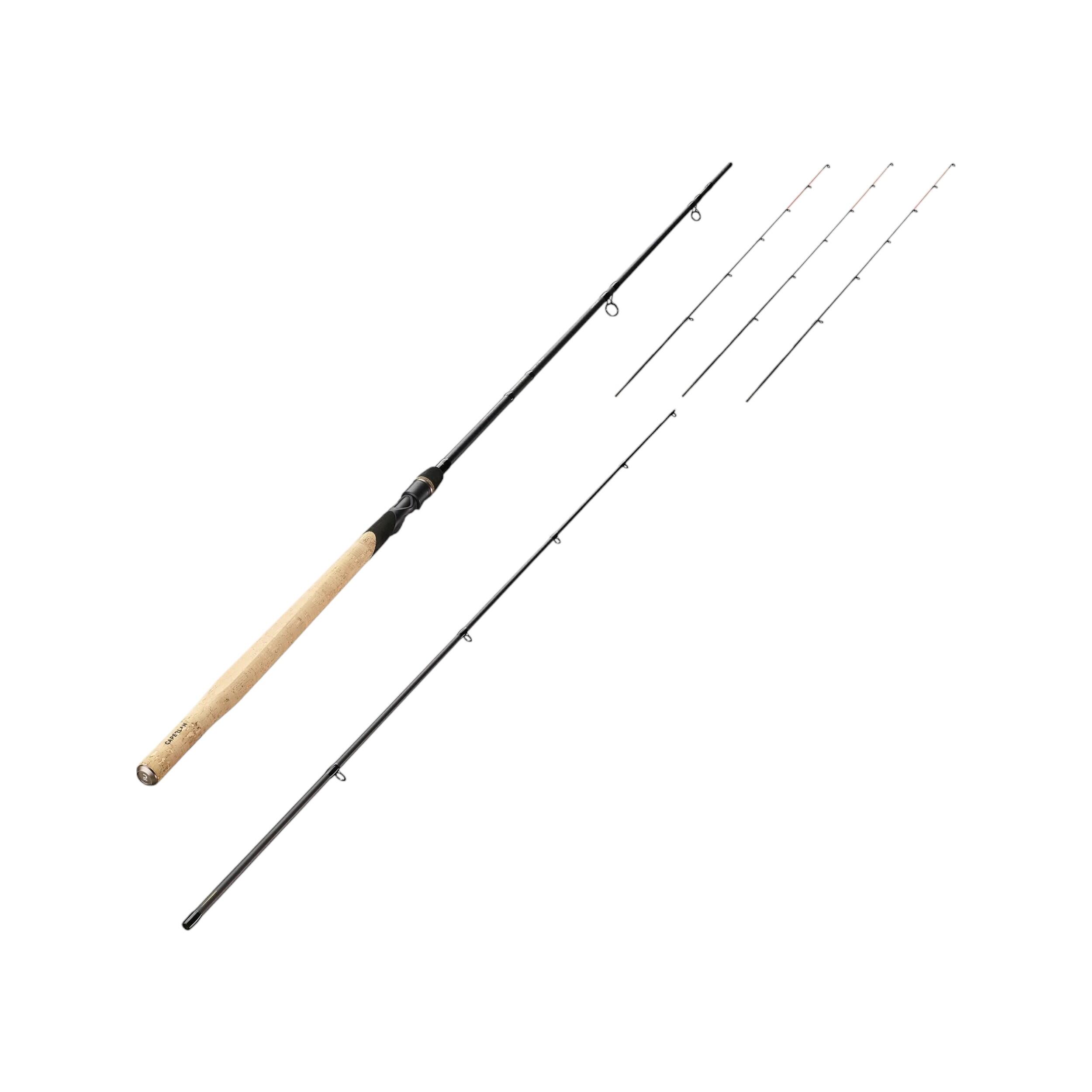
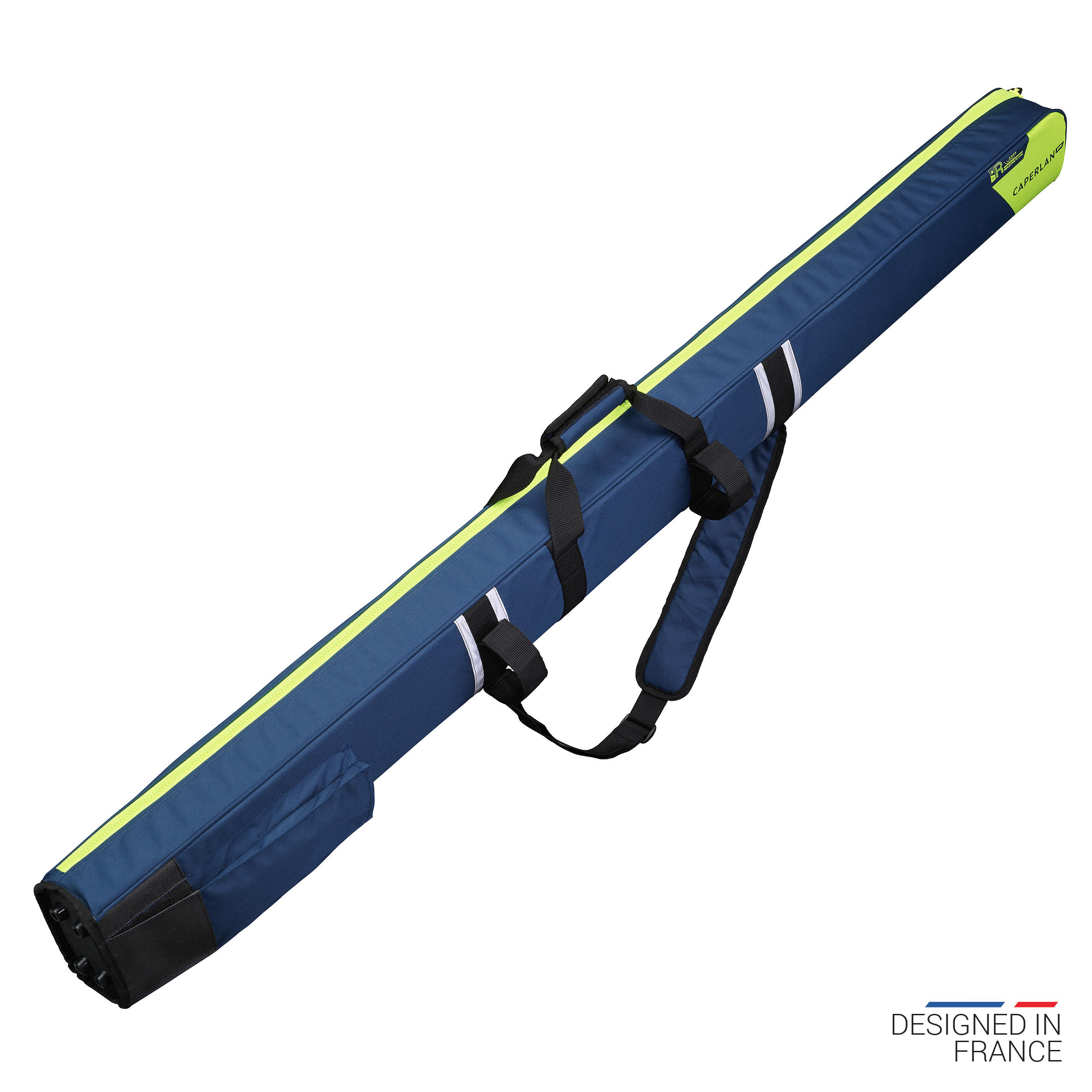
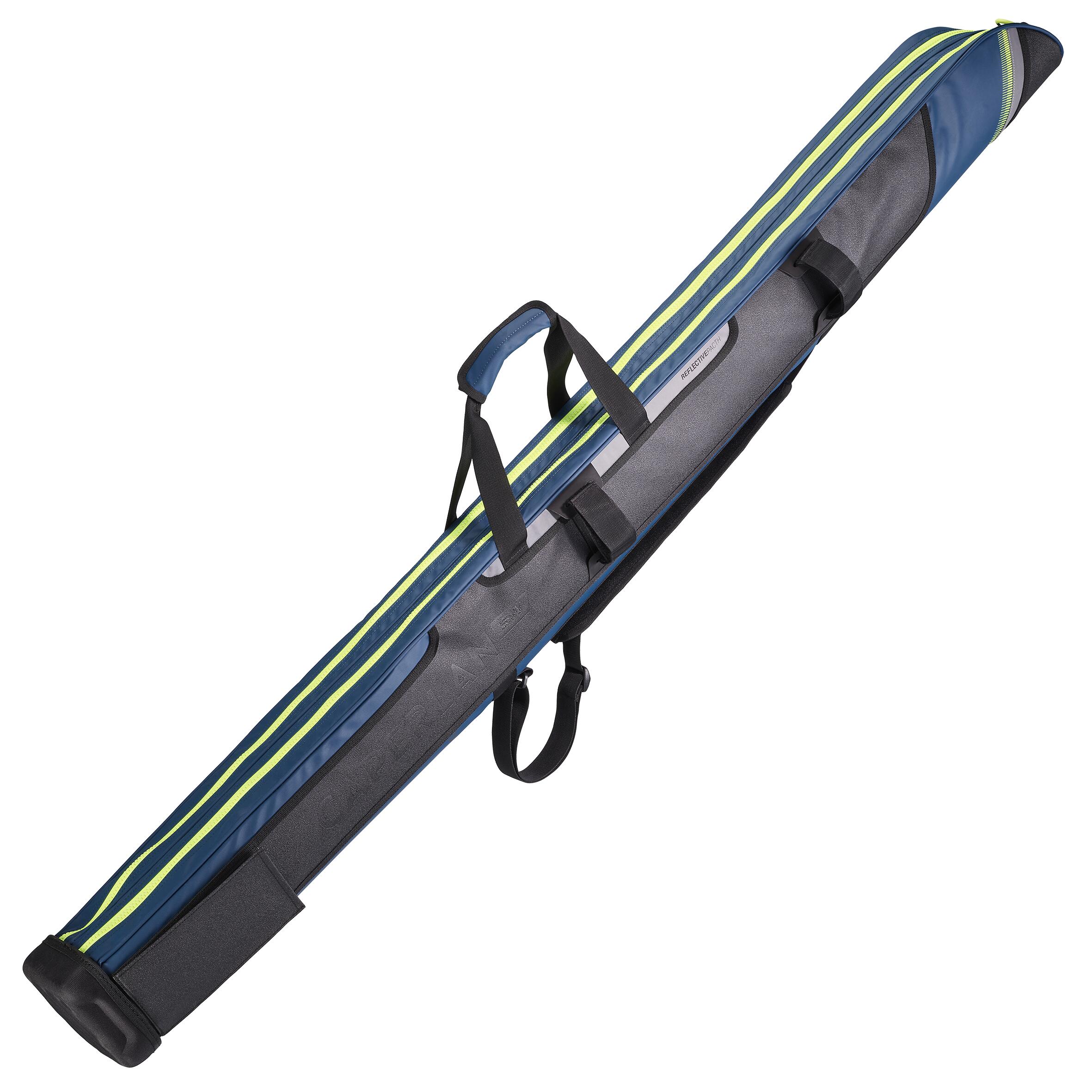
The level of protection depends on how many rods you carry and how exposed they are to knocks during transport. A soft surfcasting rod bag uses foam padding and three separate compartments to carry up to three complete sets while keeping rod sections apart. This can work well for routine trips where easier carrying matters. Caperlan's more protective models use rigid shells or internal skeletons when stronger impact protection is needed. Many of these bags accommodate dismantled three-piece rods from around 4.20 m to 5 m, so check your packed rod length before selecting a case rather than relying only on the rod's full fishing length.

When does a rigid surfcasting rod bag offer more protection?

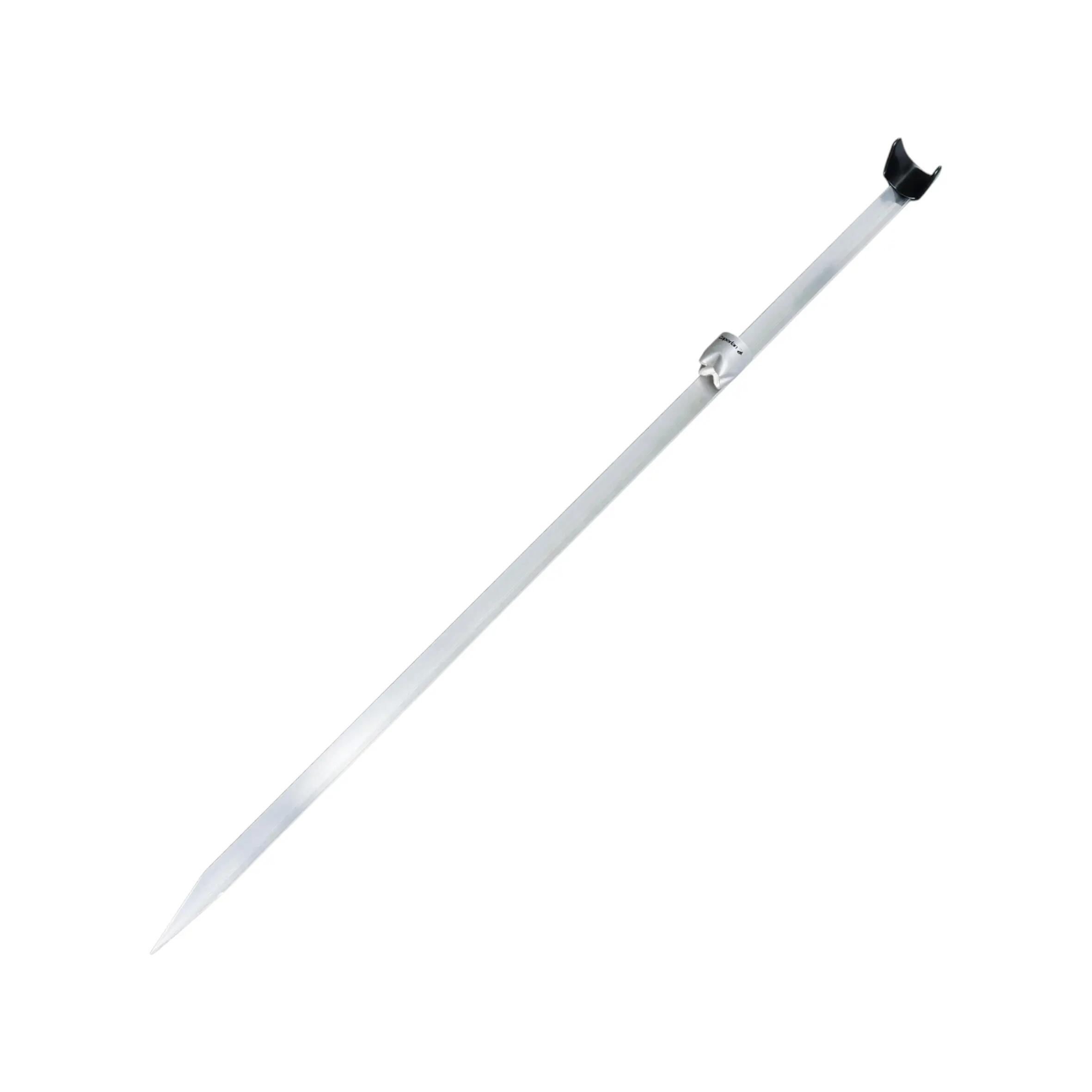
A rigid structure gives long rod sections more protection when they travel beside heavier tackle or spend time in a packed vehicle. The surfcasting rigid rod bag can carry up to four rods without reels and uses a protective structure to limit movement and knocks around the blanks. Caperlan also secures individual sections with internal rip-tabs rather than leaving them loose inside one large compartment. External storage for rod rests helps separate long metal supports from more delicate rod sections. If you regularly carry several rods to the beach, keeping each section restrained can reduce rubbing around guides, ferrules and sensitive tips during the journey.

How can a separate reel bag protect surfcasting reels?

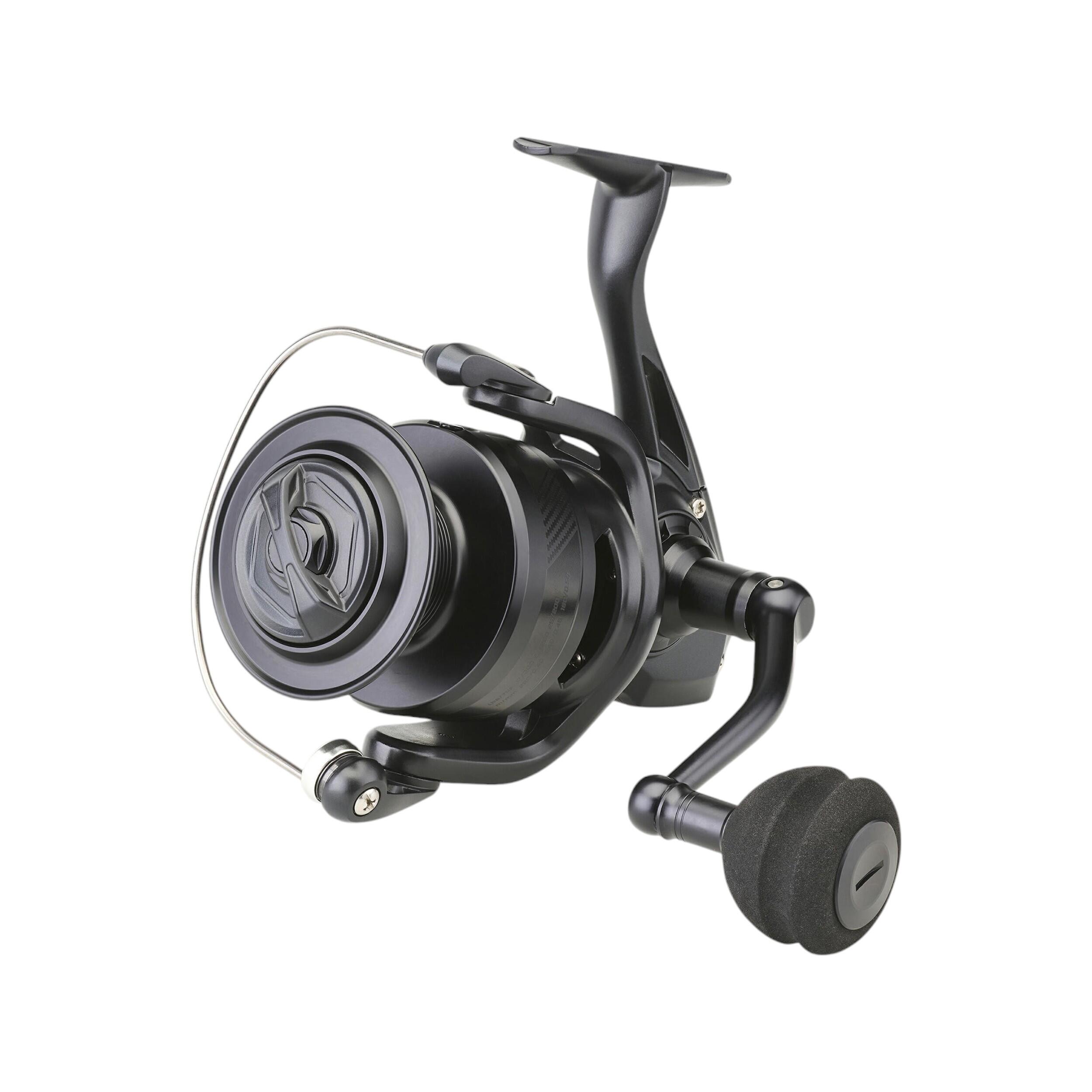
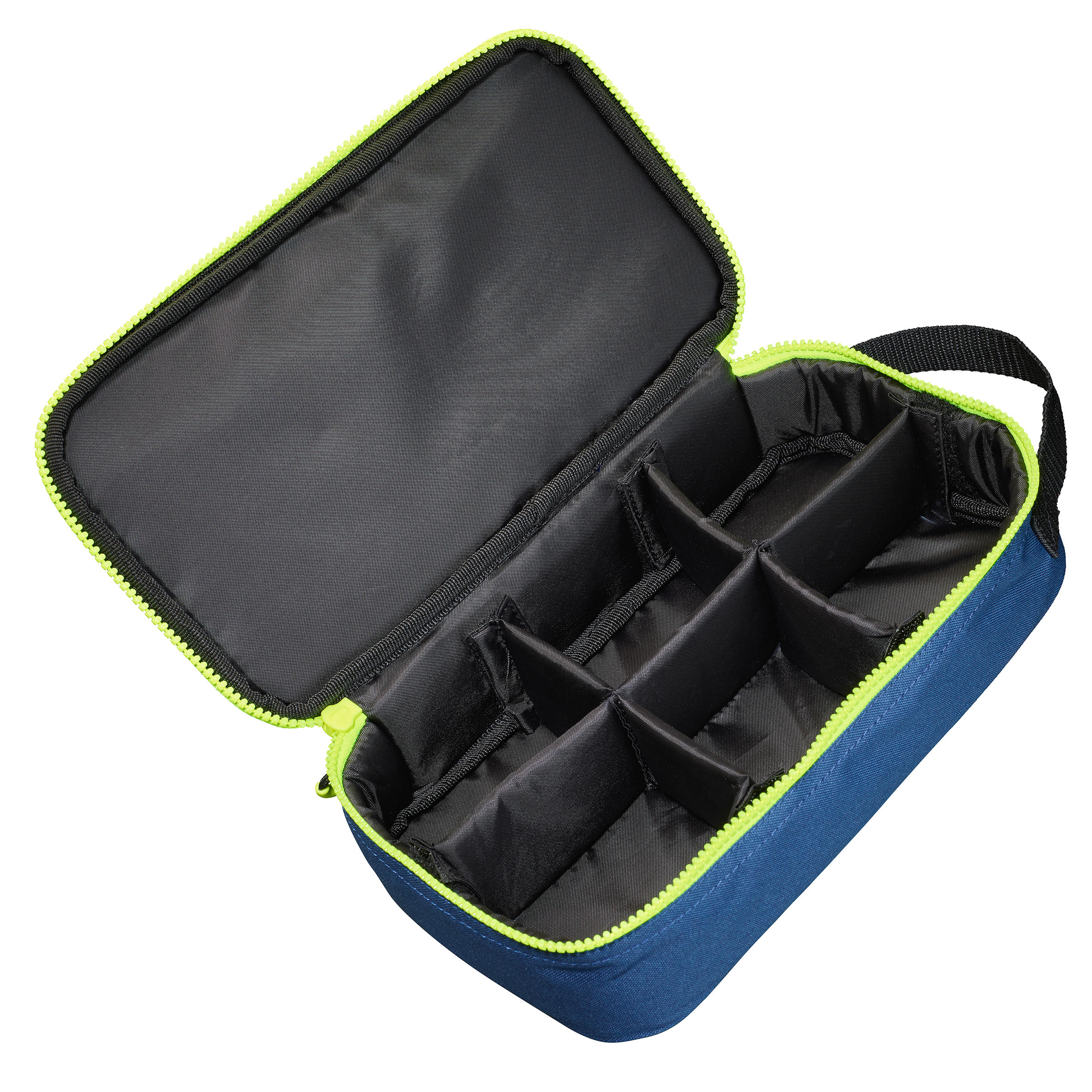
Large surfcasting reels can knock against rod sections, spare spools and terminal tackle when everything shares one compartment. A fishing surfcasting reel bag gives the reel its own foam-padded space, with reinforced seams, a strengthened zip pull and a sturdy carrying handle. Separating the reel also makes it easier to transport a rod without leaving a heavy reel attached to the reel seat. Caperlan also offers dedicated spool organisers, including adjustable rip-tab compartments for several spare spools. Keeping reels and spools in defined spaces can protect line edges and drag components while making different line arrangements quicker to identify before a session.

Which storage features help on longer walks to a surfcasting spot?

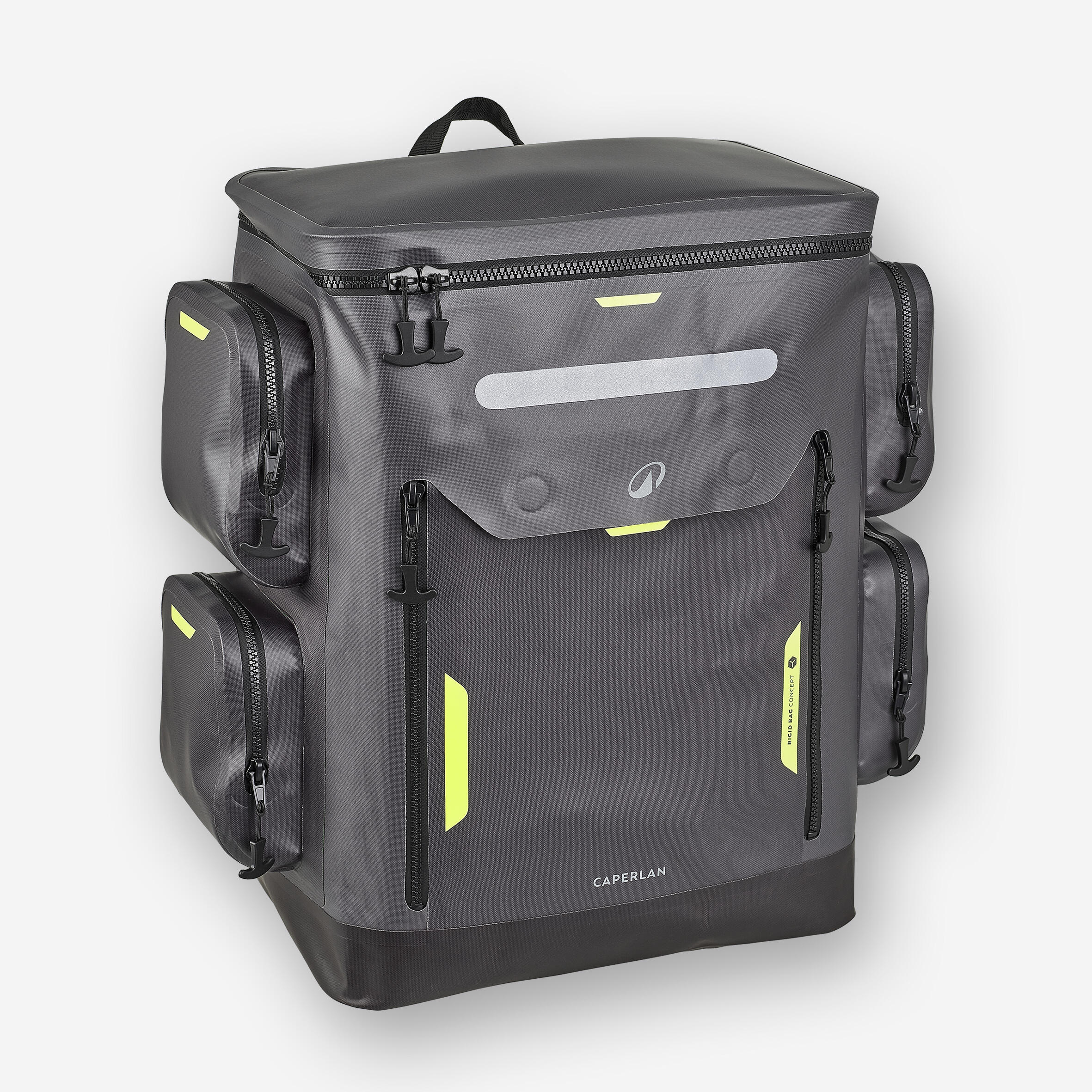
Carrying comfort becomes more important when the fishing mark sits some distance from the car. Larger Caperlan surfcasting luggage includes adjustable padded shoulder straps, while the 50 L backpack uses four fibreglass rods to help the bag keep its shape. Tensioned back netting adds support, and a washable tray keeps frequently used accessories accessible, rather than burying them beneath larger items. Waterproof fabric and multiple side pockets add organisation for equipment used during surfcasting. Reflective silver patches also help after dark because they're easier to spot when illuminated. Pack heavier tackle close to your back and keep sharp or rigid items away from areas that press directly against you while walking.

What is the best way to maintain surfcasting rodbags?

Sand, salt and damp tackle can remain inside a bag long after you leave the beach, so empty the compartments before storage and remove loose debris from corners, zips and retaining straps. Most Caperlan textile bags and covers allow hand washing at up to 40 degrees Celsius, but exclude tumble drying, ironing, bleaching and dry cleaning. Let the bag dry fully before closing it, particularly around padded sections where moisture can remain trapped. Check zips and pulls at the same time, as selected newer bags support replacement zip sliders, pulls and textile repair patches. Apply the same dry-storage routine to other saltwater fishing equipment so damp gear does not transfer moisture back into a clean rod bag.