196 items
4.6/5 based on 4558 reviews collected online and in stores

Camping Stoves and Cartridges FAQs

How do I choose the right camping stove for my trip?

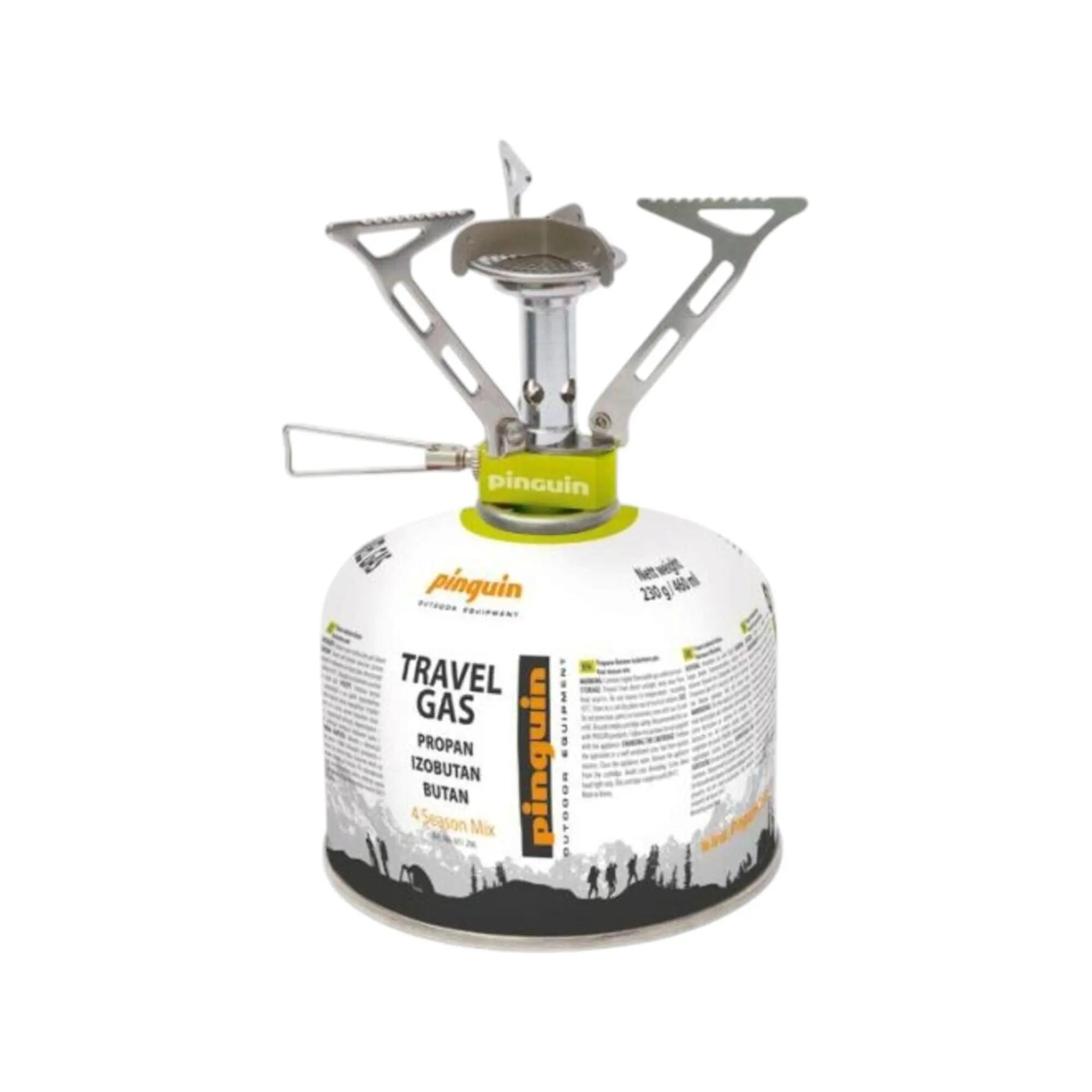
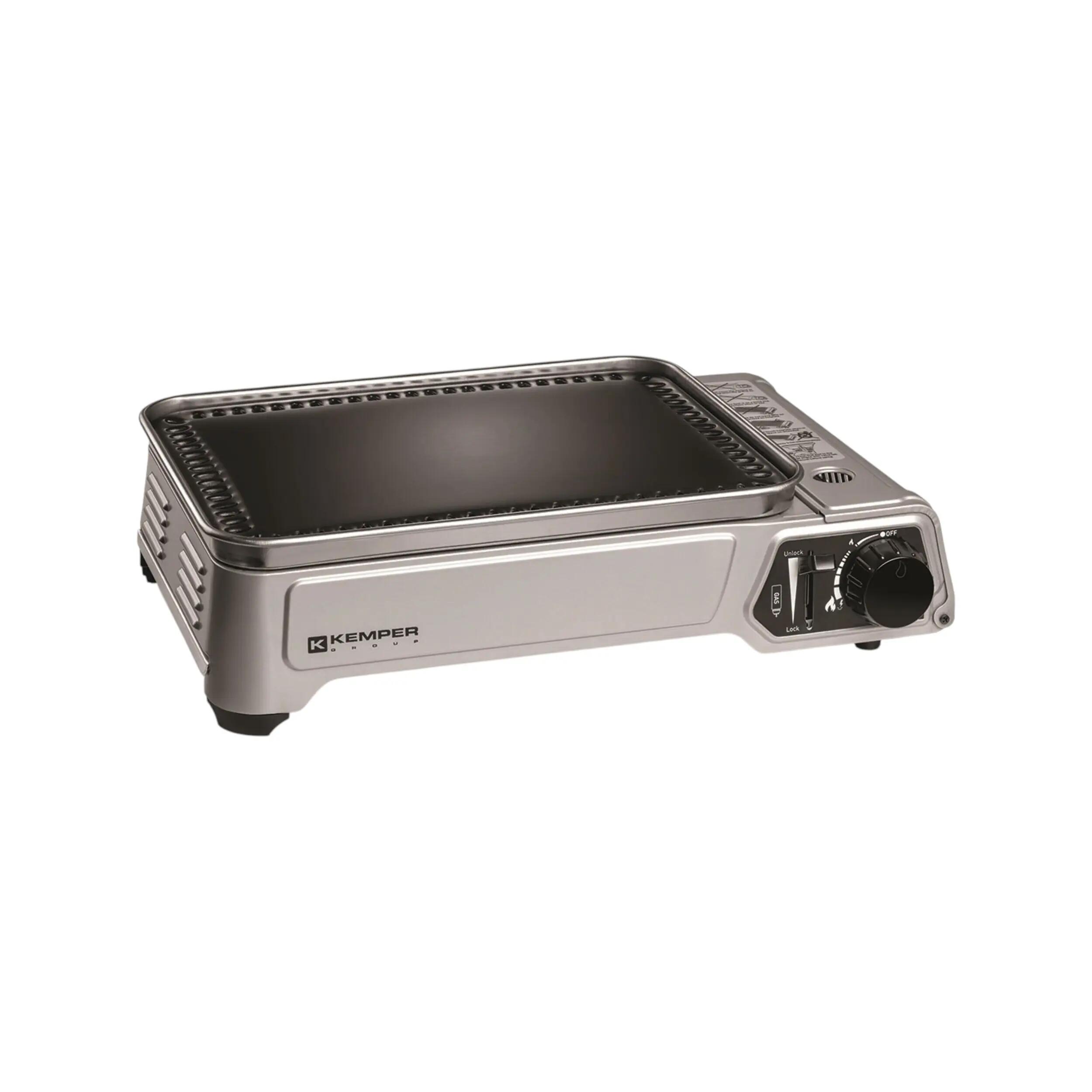
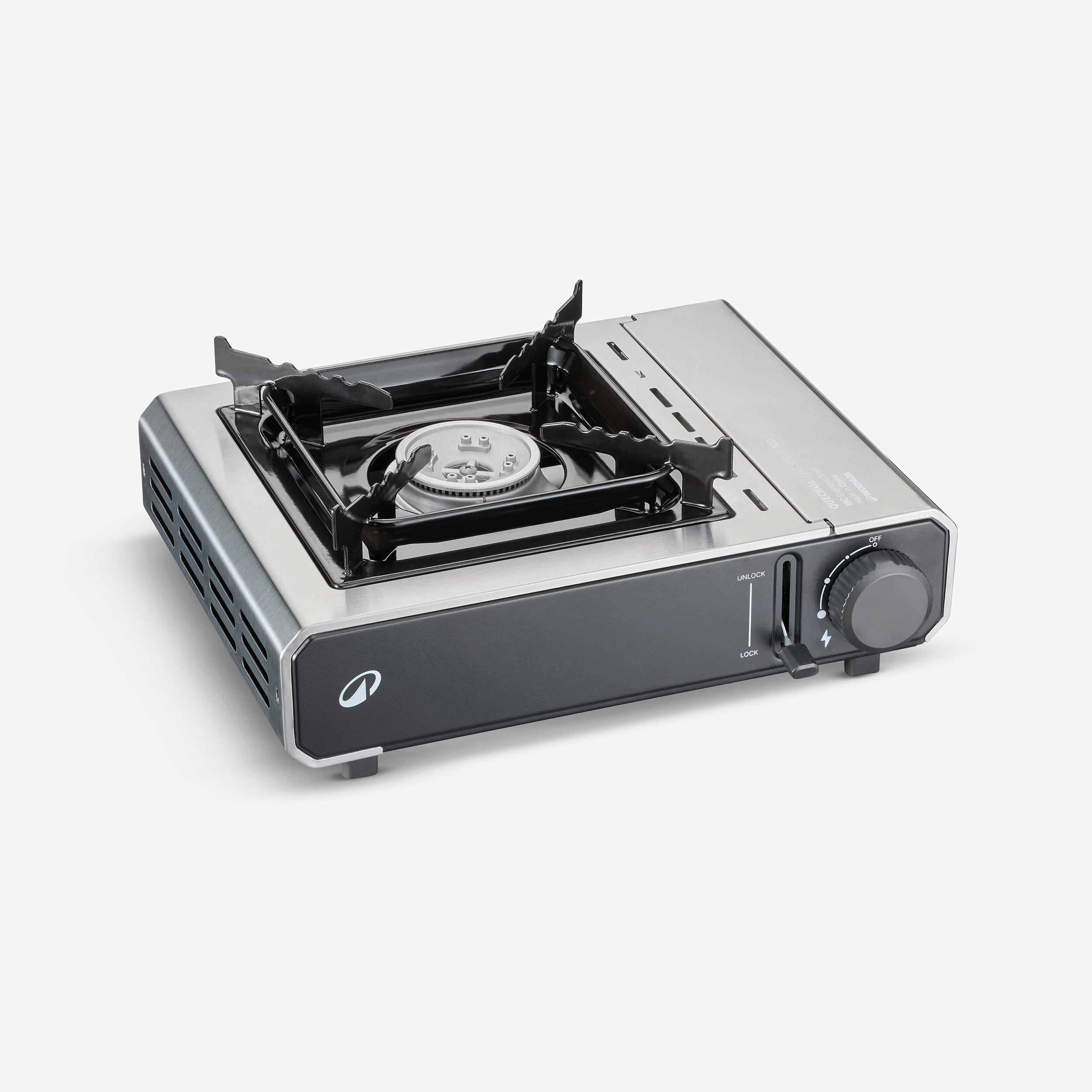
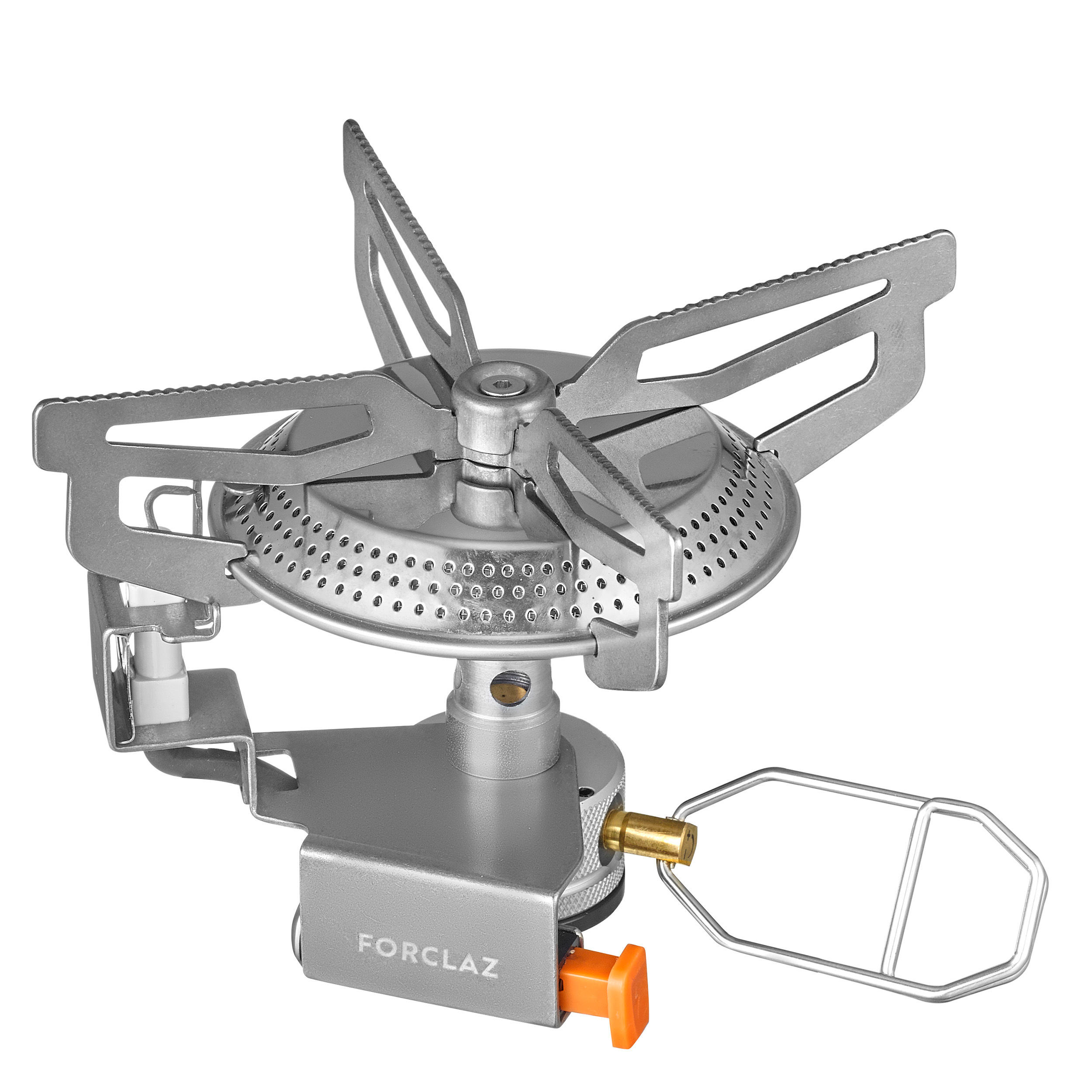
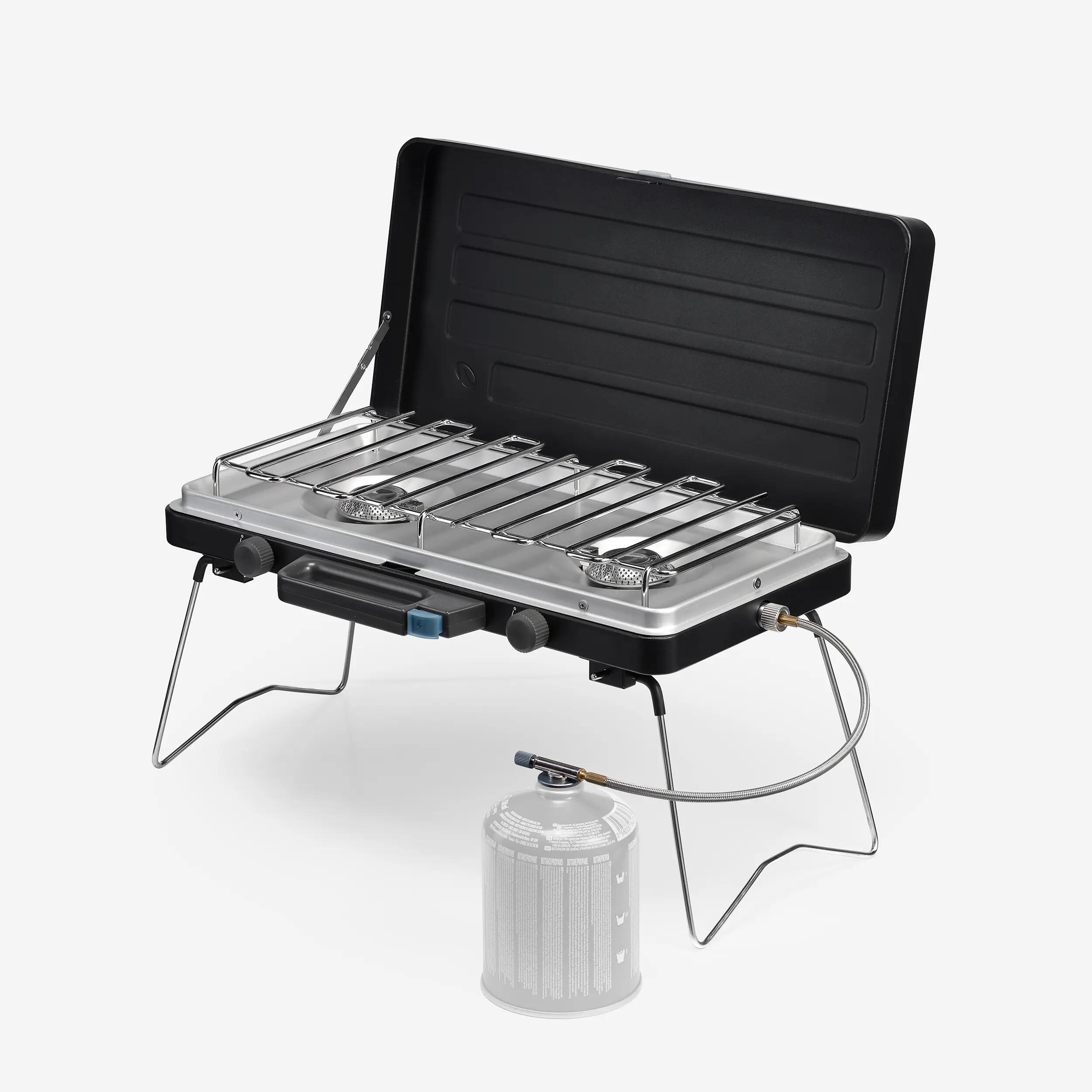
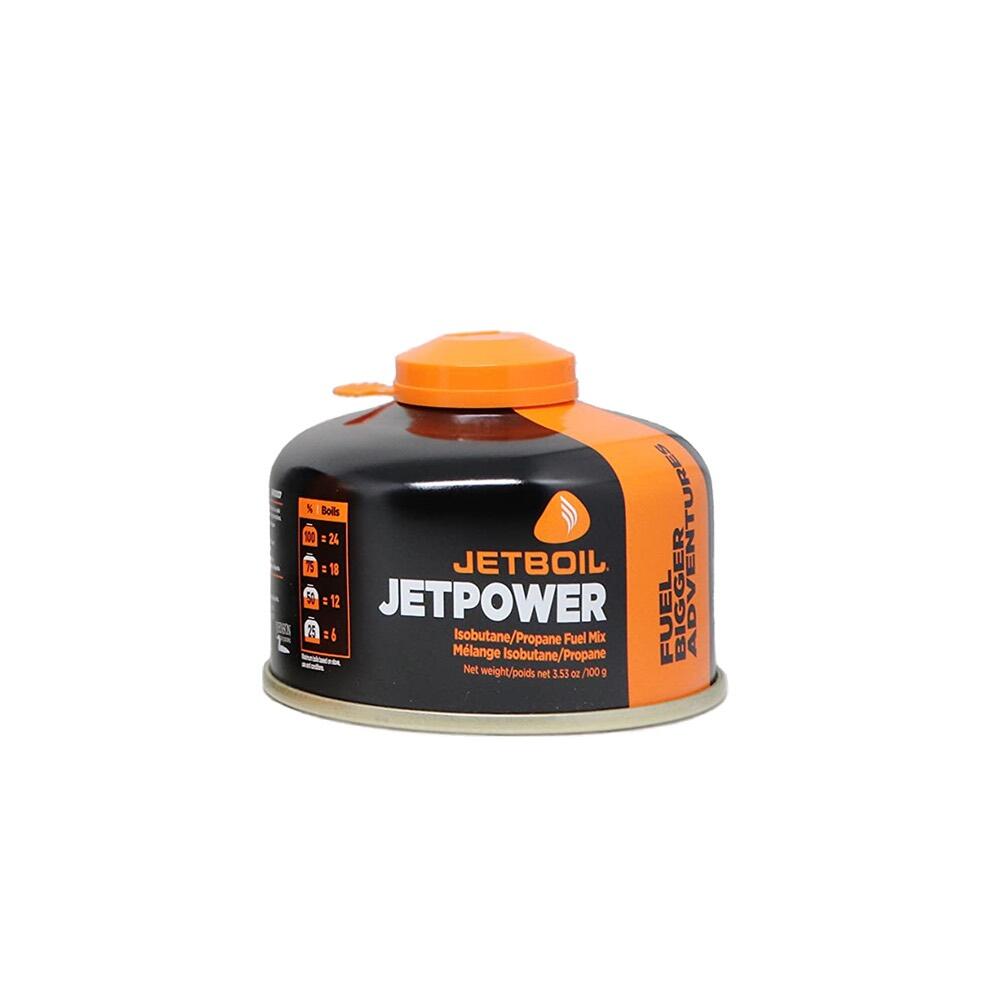
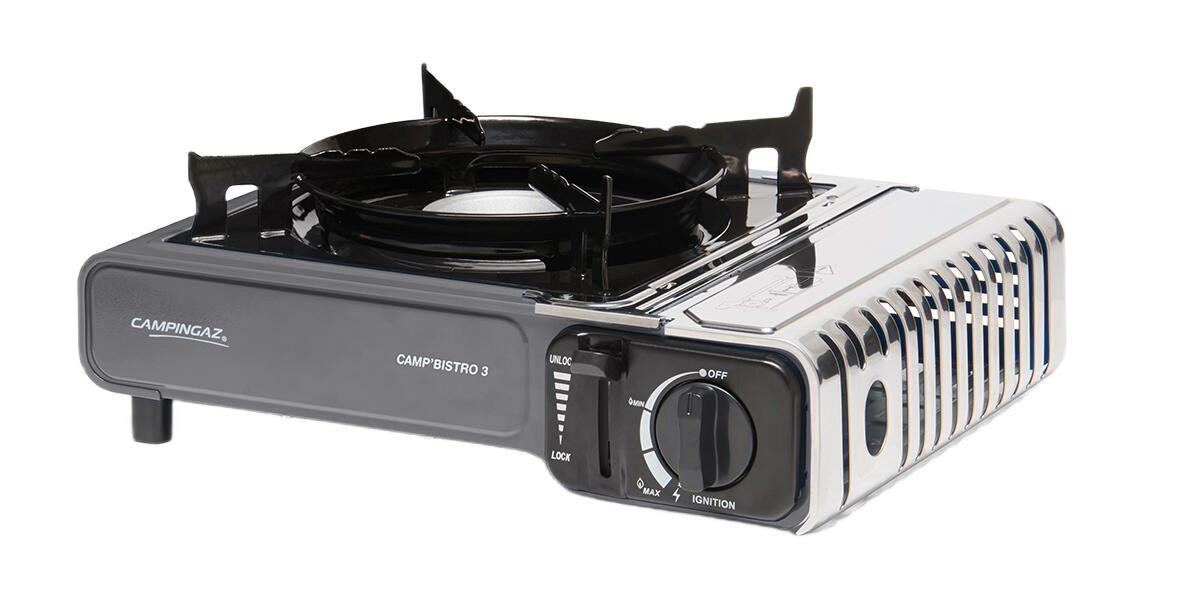
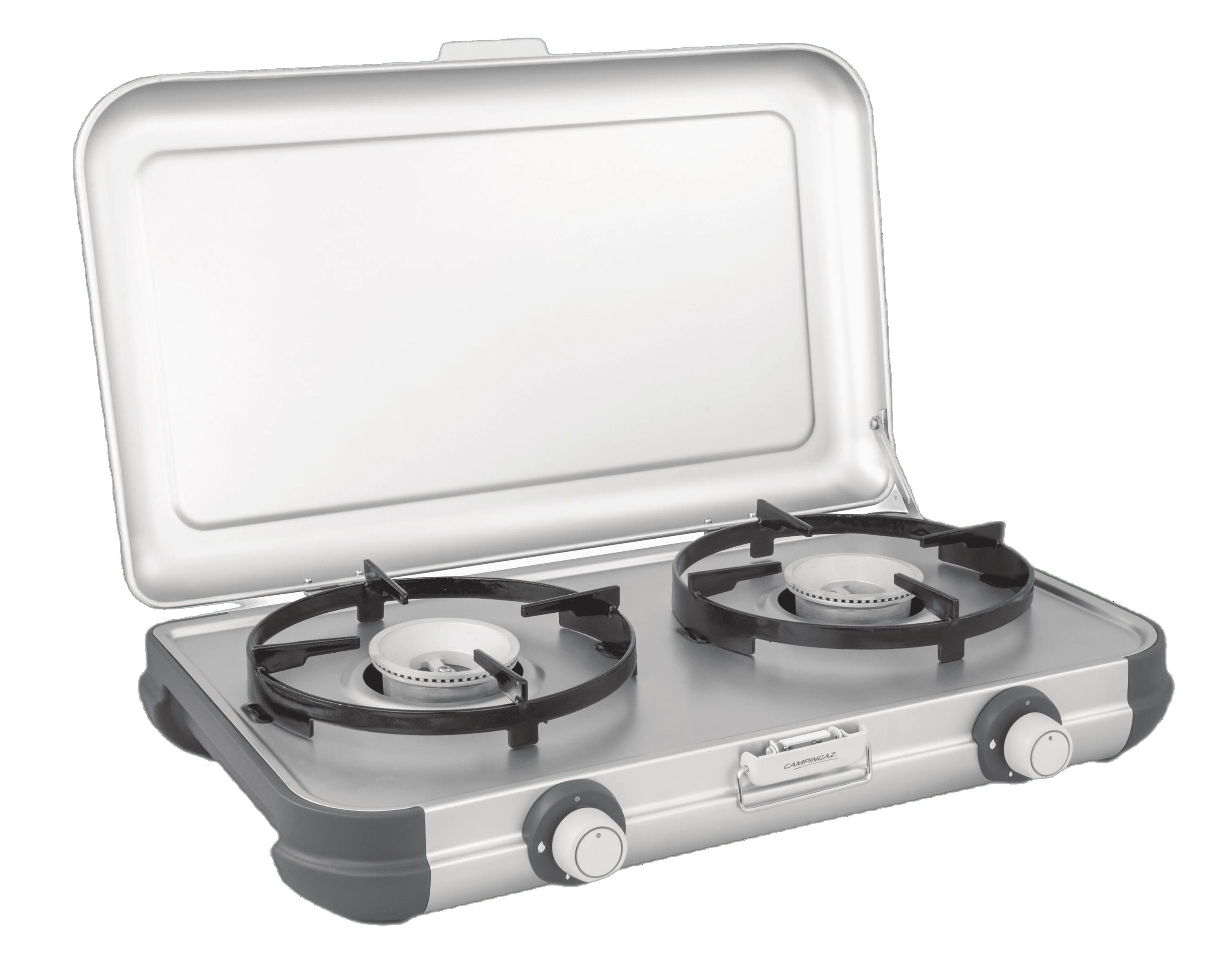
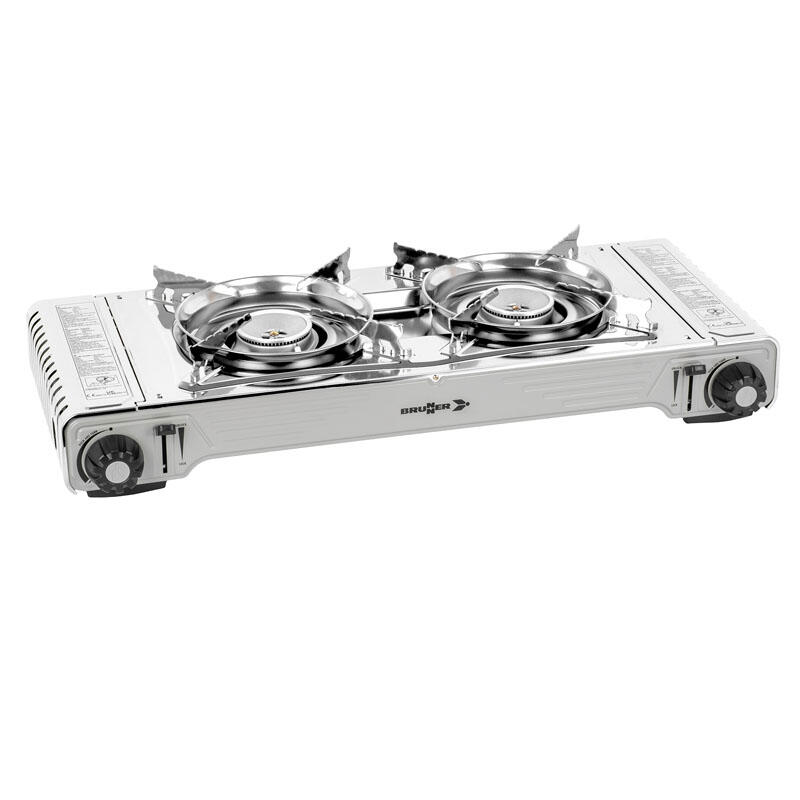
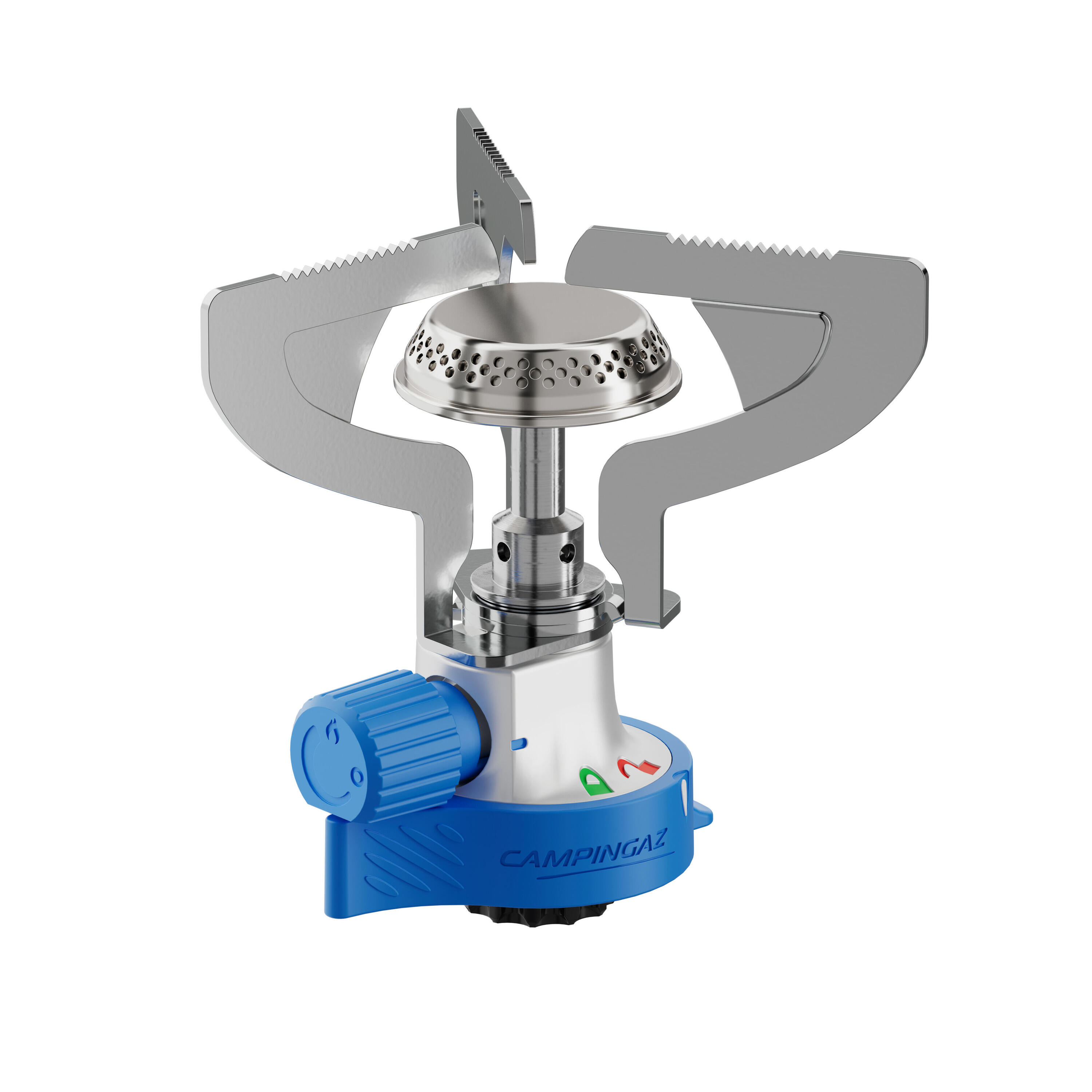
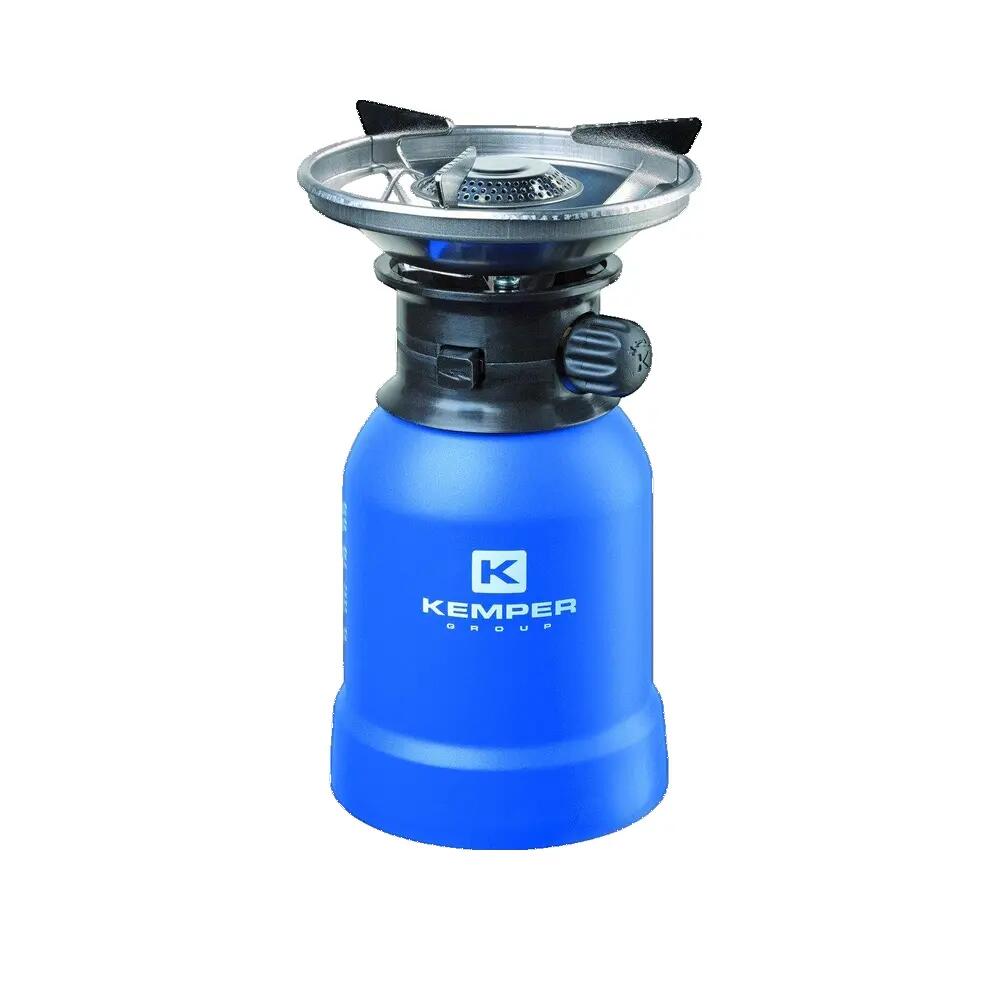
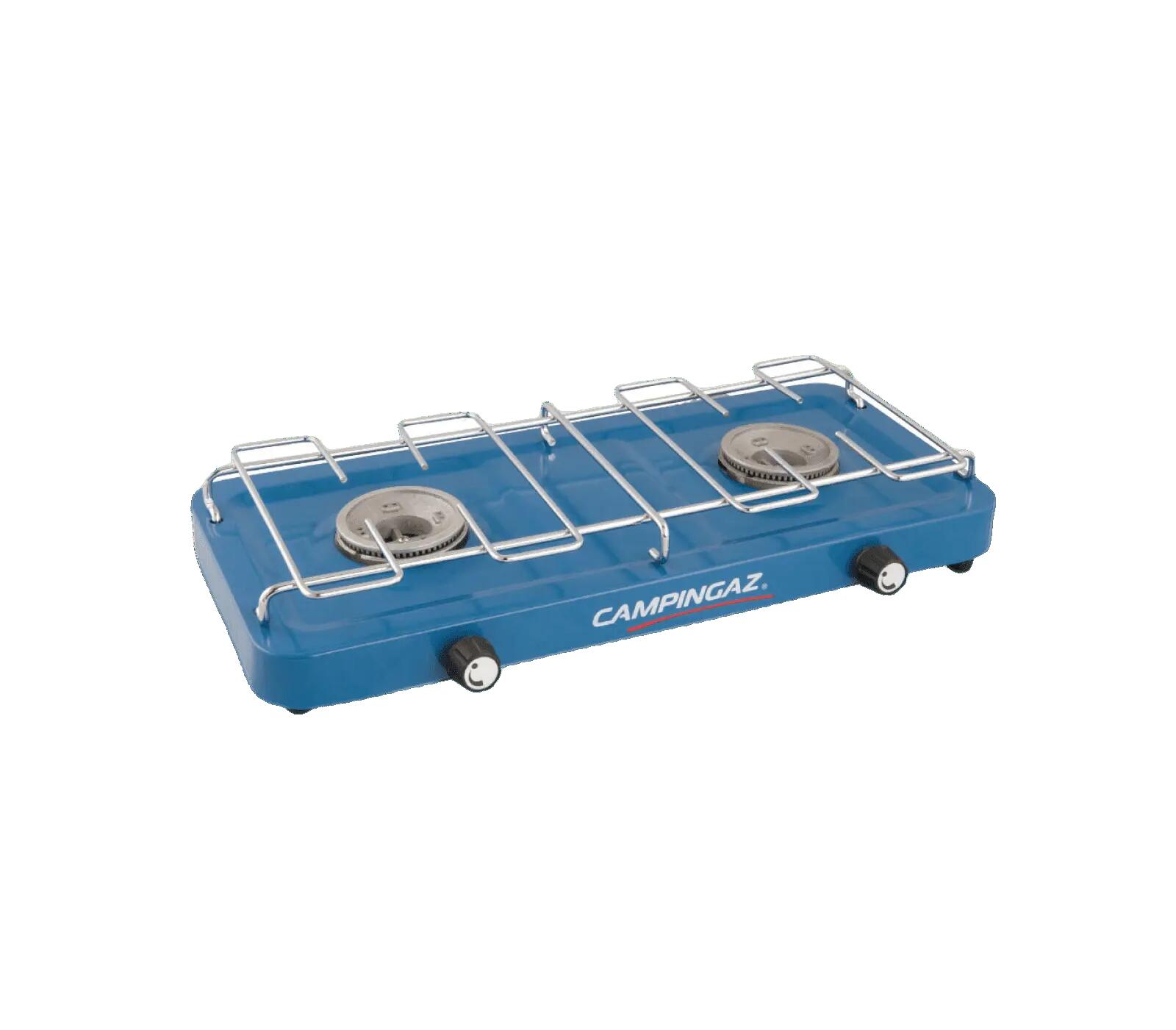
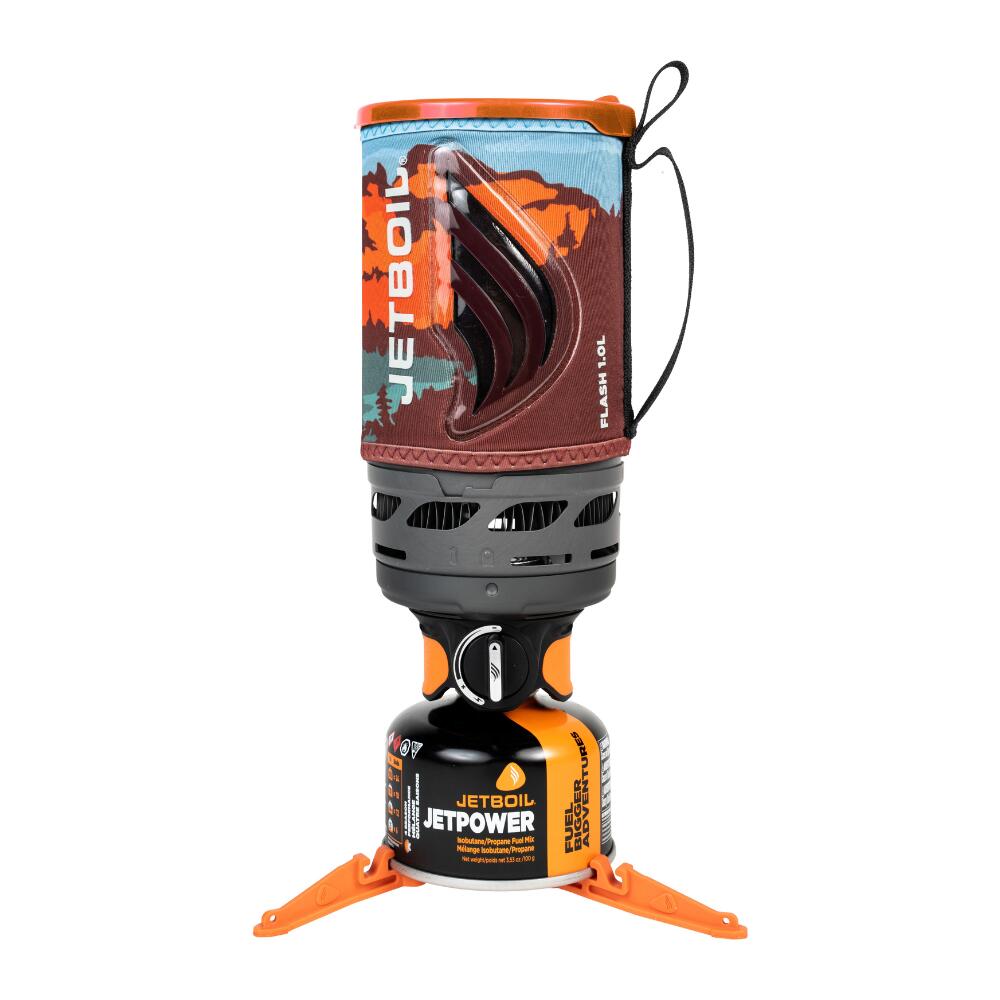
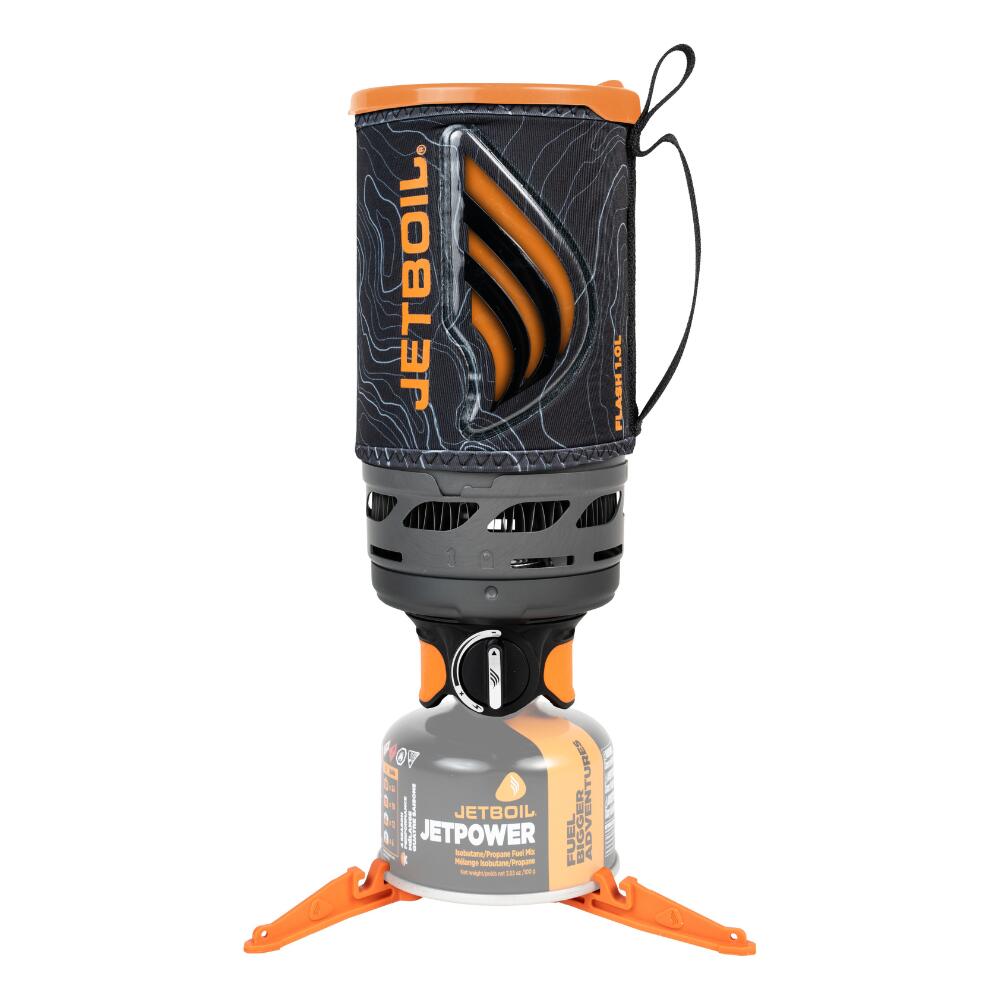
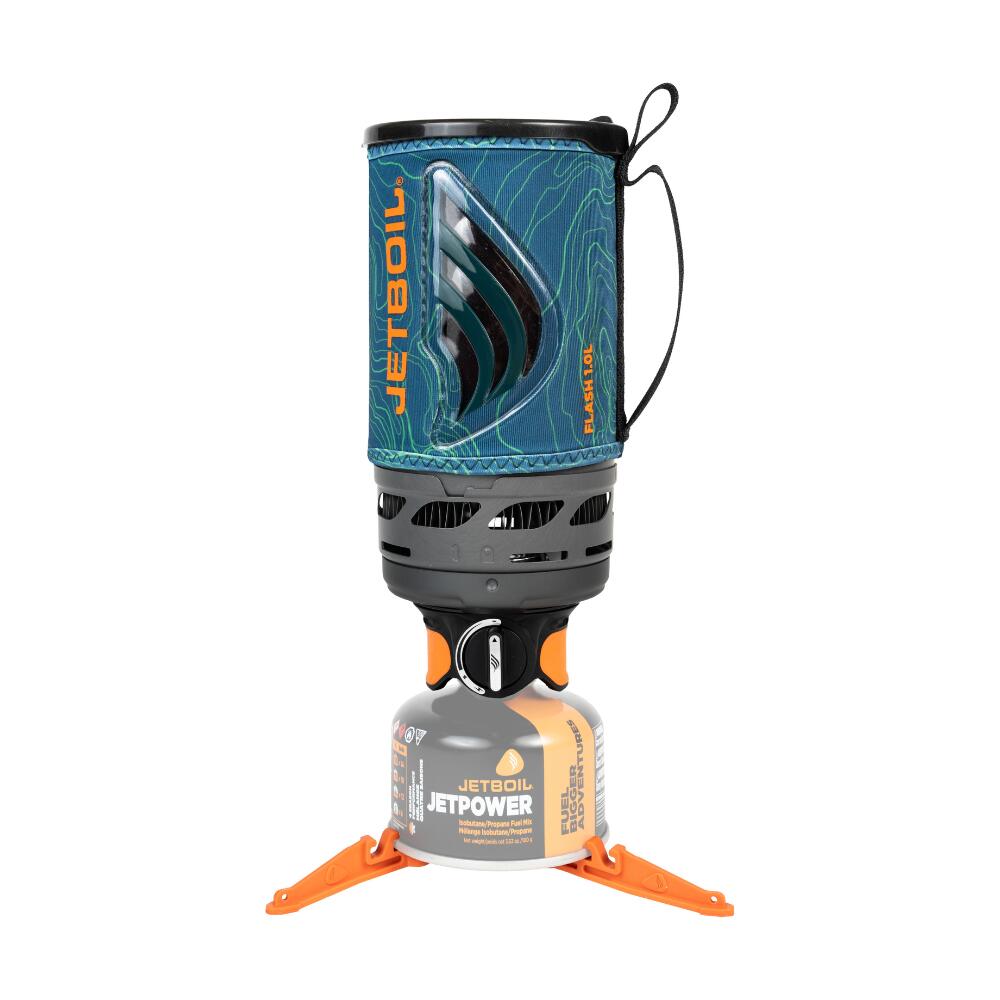
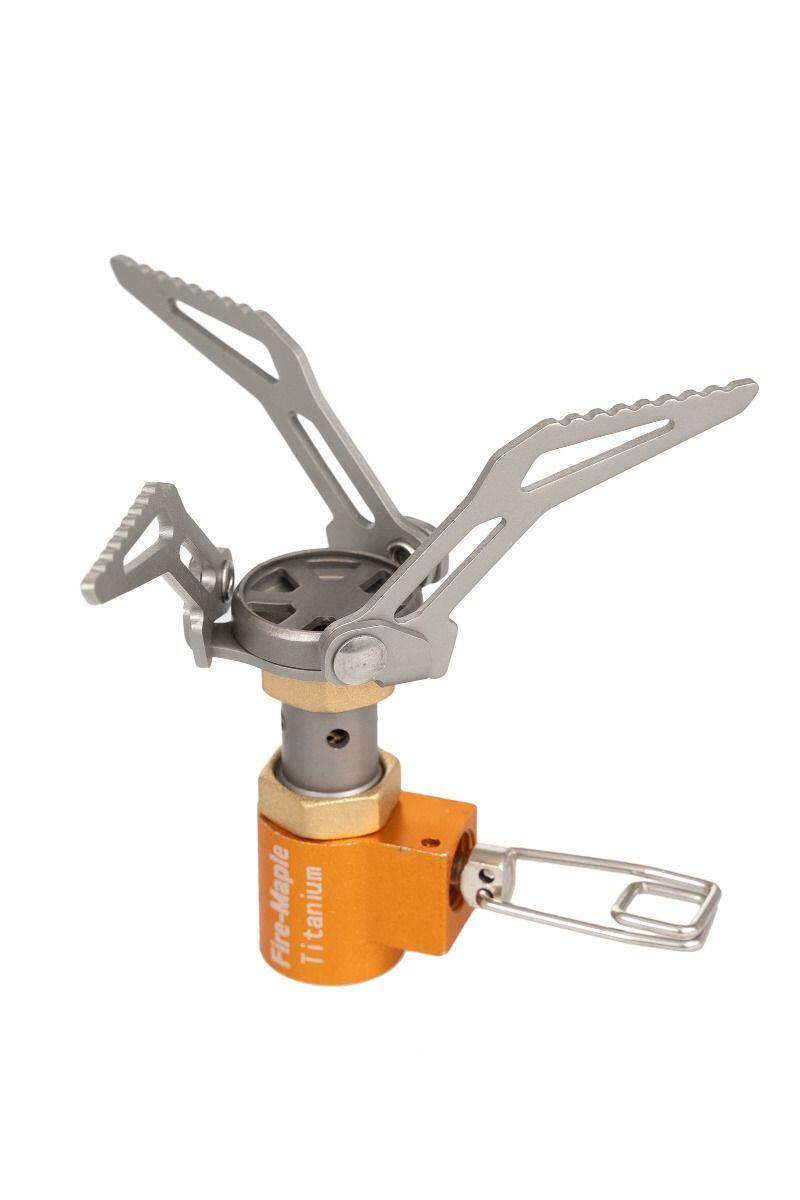
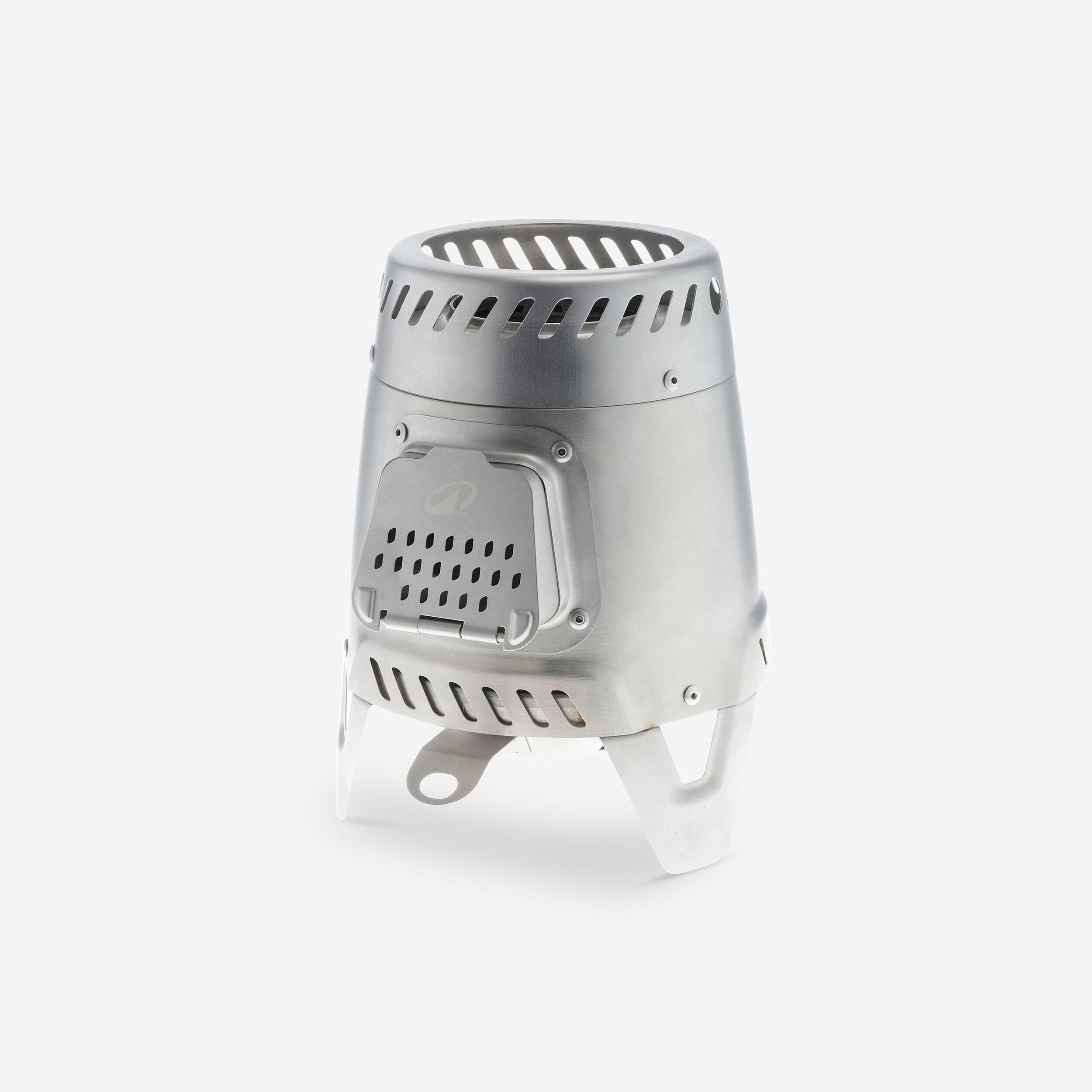
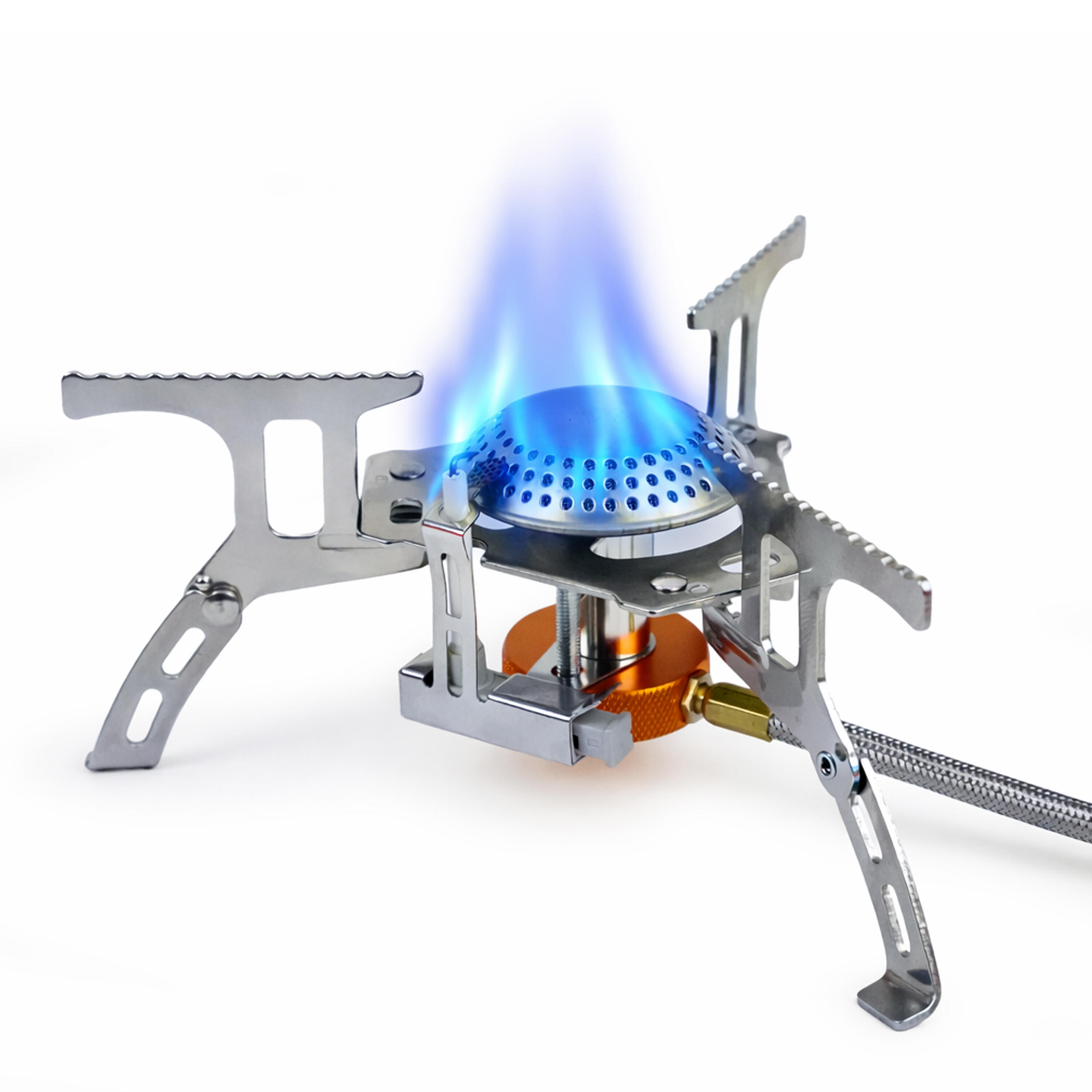
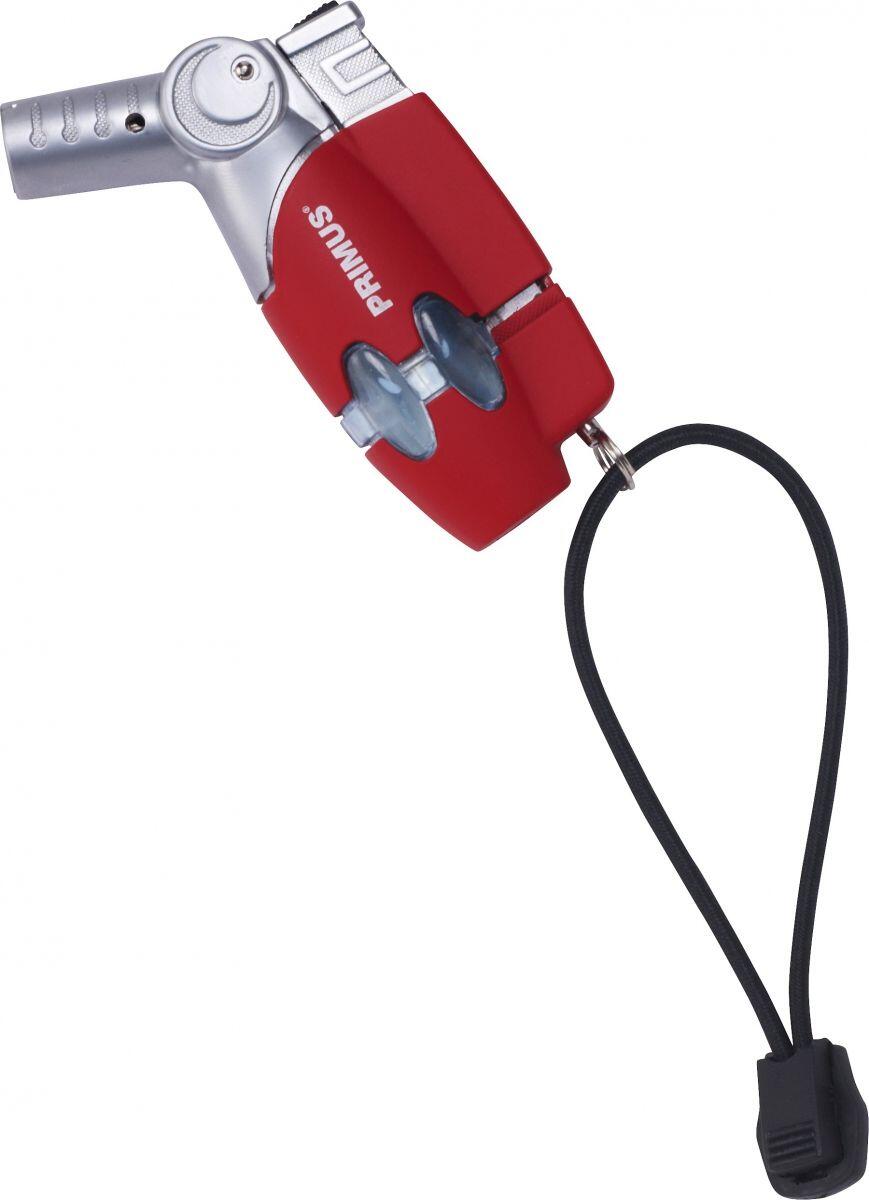
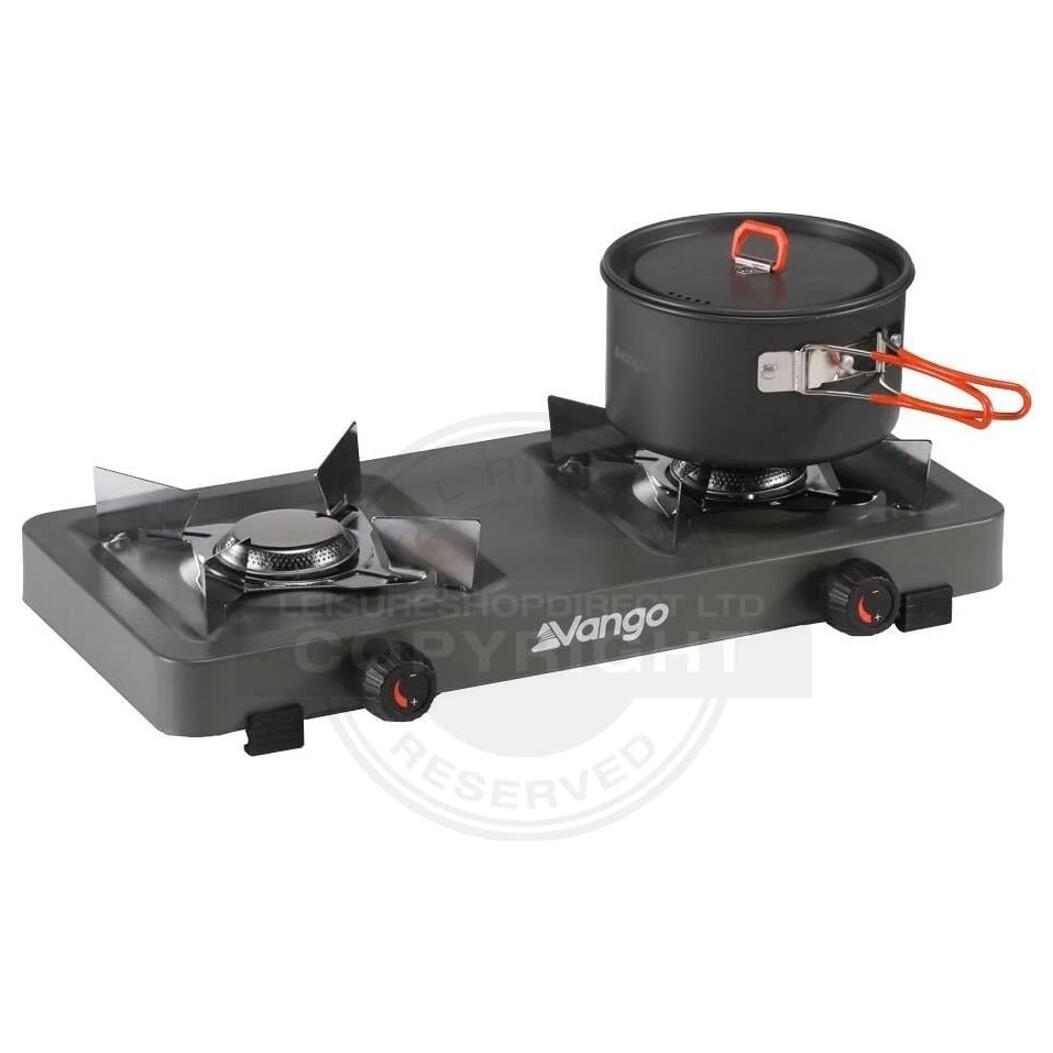
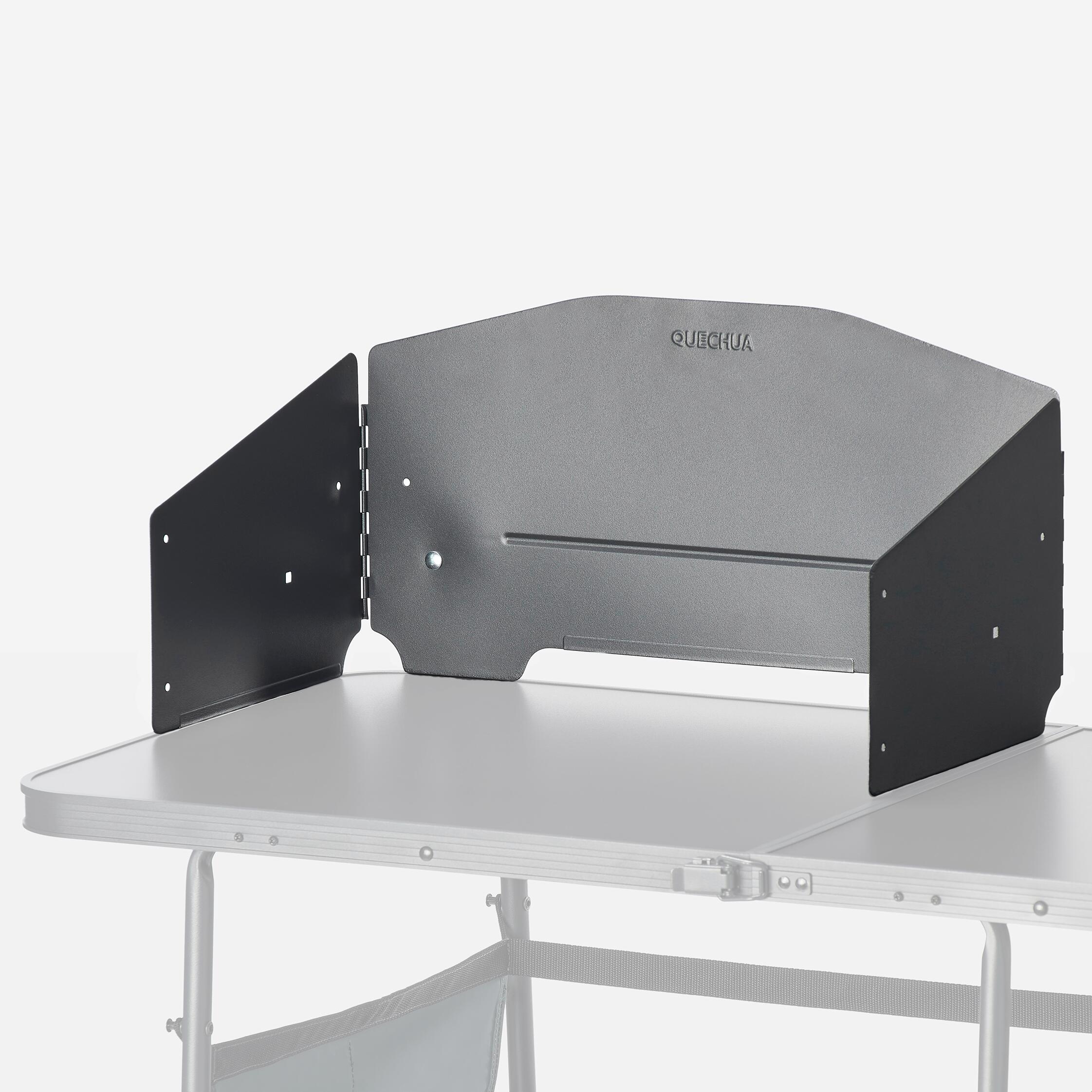
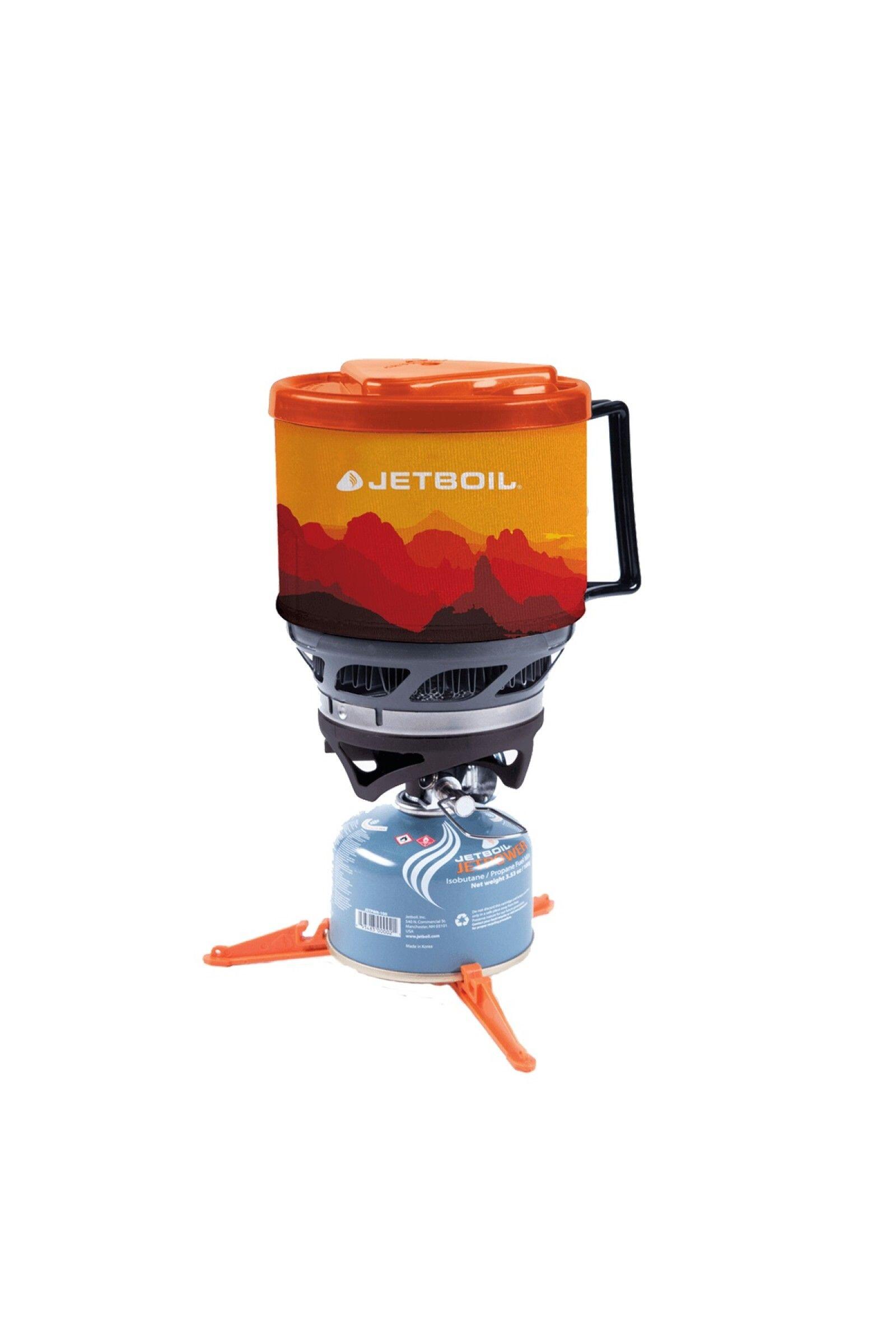
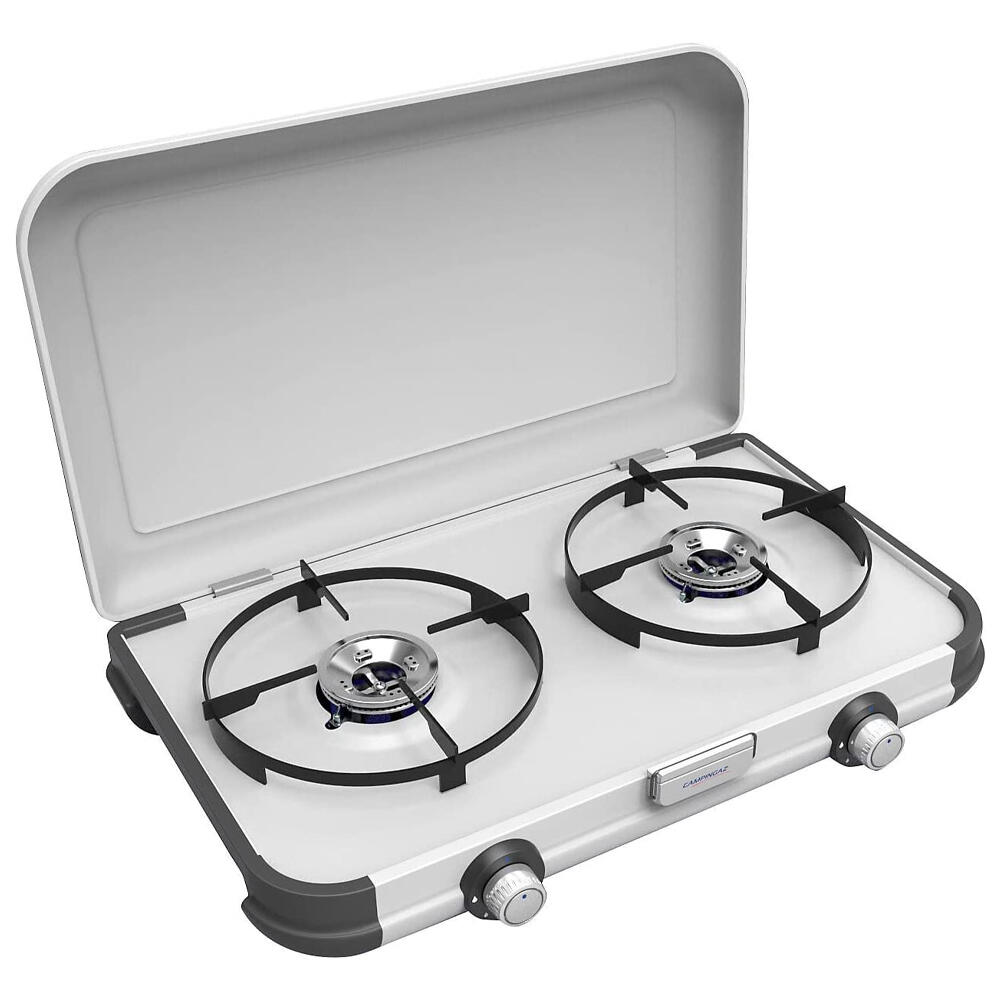
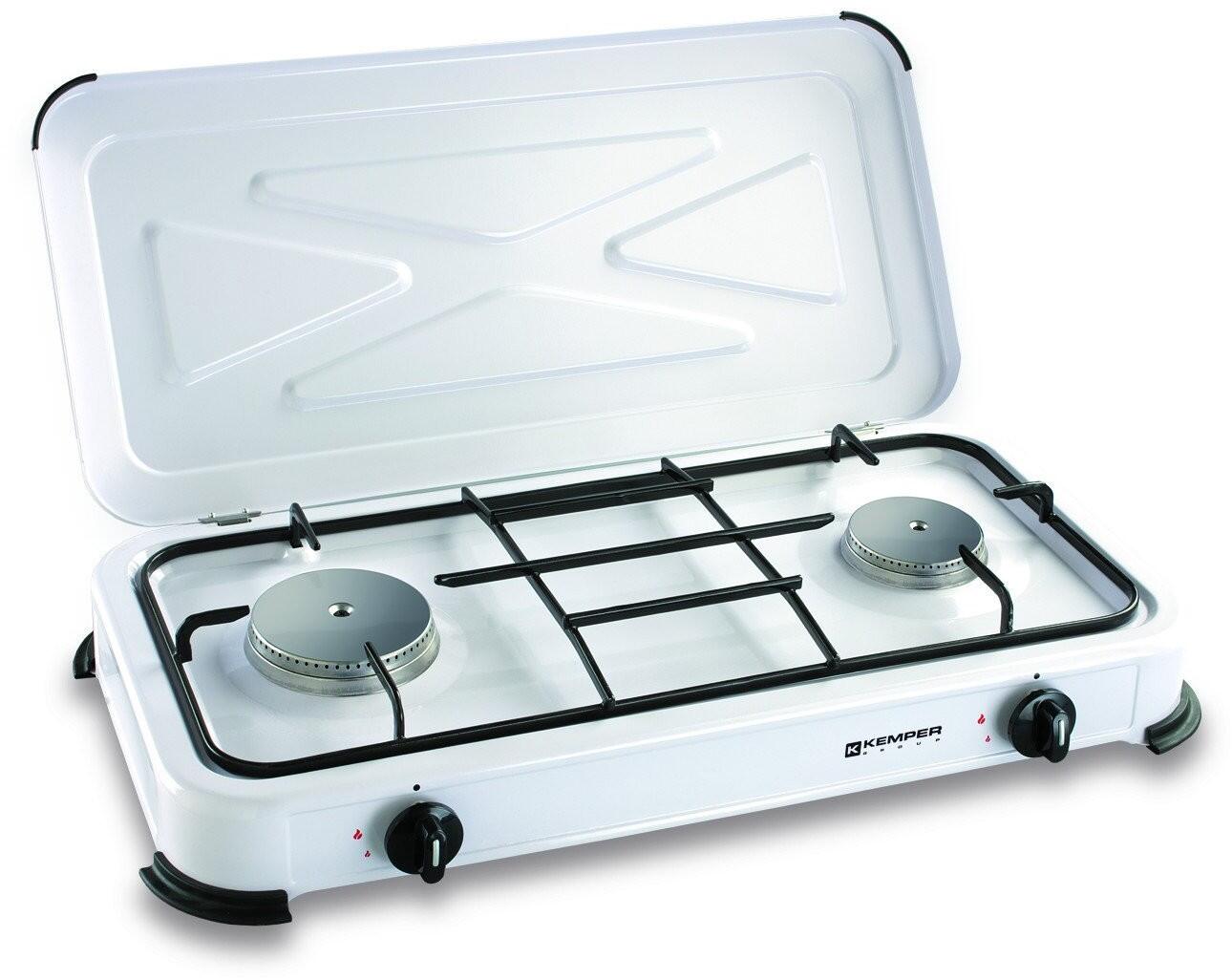
Choosing the right camping stove comes down to the type of trip, the size of your group, and the meals you plan to cook over your days on site. Single-burner gas stoves with built-in lighters suit solo hikers, weekend campers, and lightweight trips, while double-burner stoves and full camping kitchens cover family holidays where two pots run side by side for proper meals at the pitch. On a wet evening, a stove with a built-in piezo lighter starts on the first click, with no matches or a rain-soaked lighter to fuss over, while a wide, stable base keeps tall pots from tipping as you stir and pour. Integrated cooking systems combine the stove, pot, and heat exchanger into one unit for fast boil times and efficient gas use, which suits backpackers chasing every gram. One expert tip: set the burner head where it's sheltered from the wind, since even a light breeze saps the flame's heat and extends the cooking time. Because the stove and its fuel work as a pair, the screw-in, pierceable, and clip-on camping cartridges from the Quechua label each suit a particular valve type, so it's worth checking the fit before you travel.

What is the difference between single-burner, double-burner, and cooking-system camping stoves?

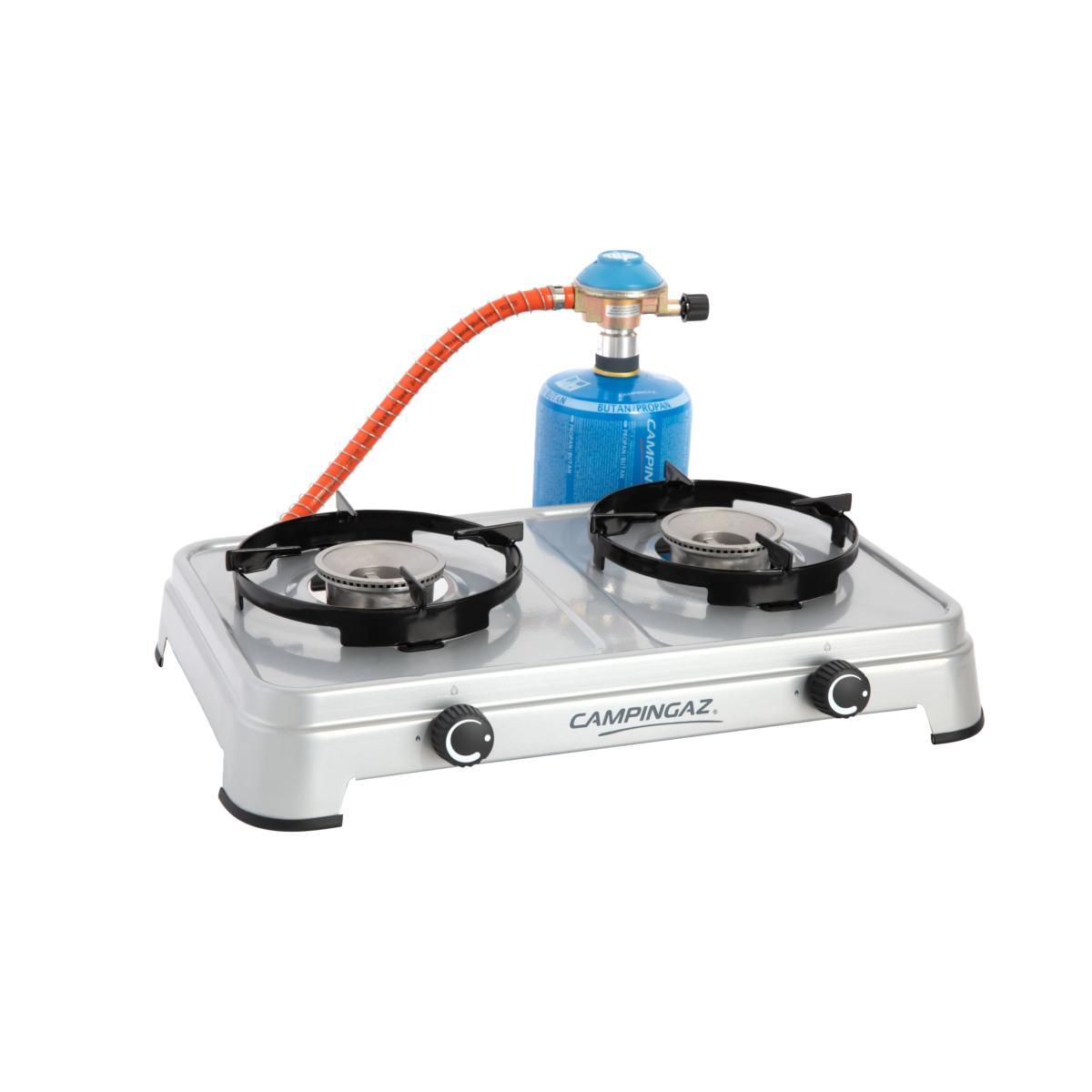
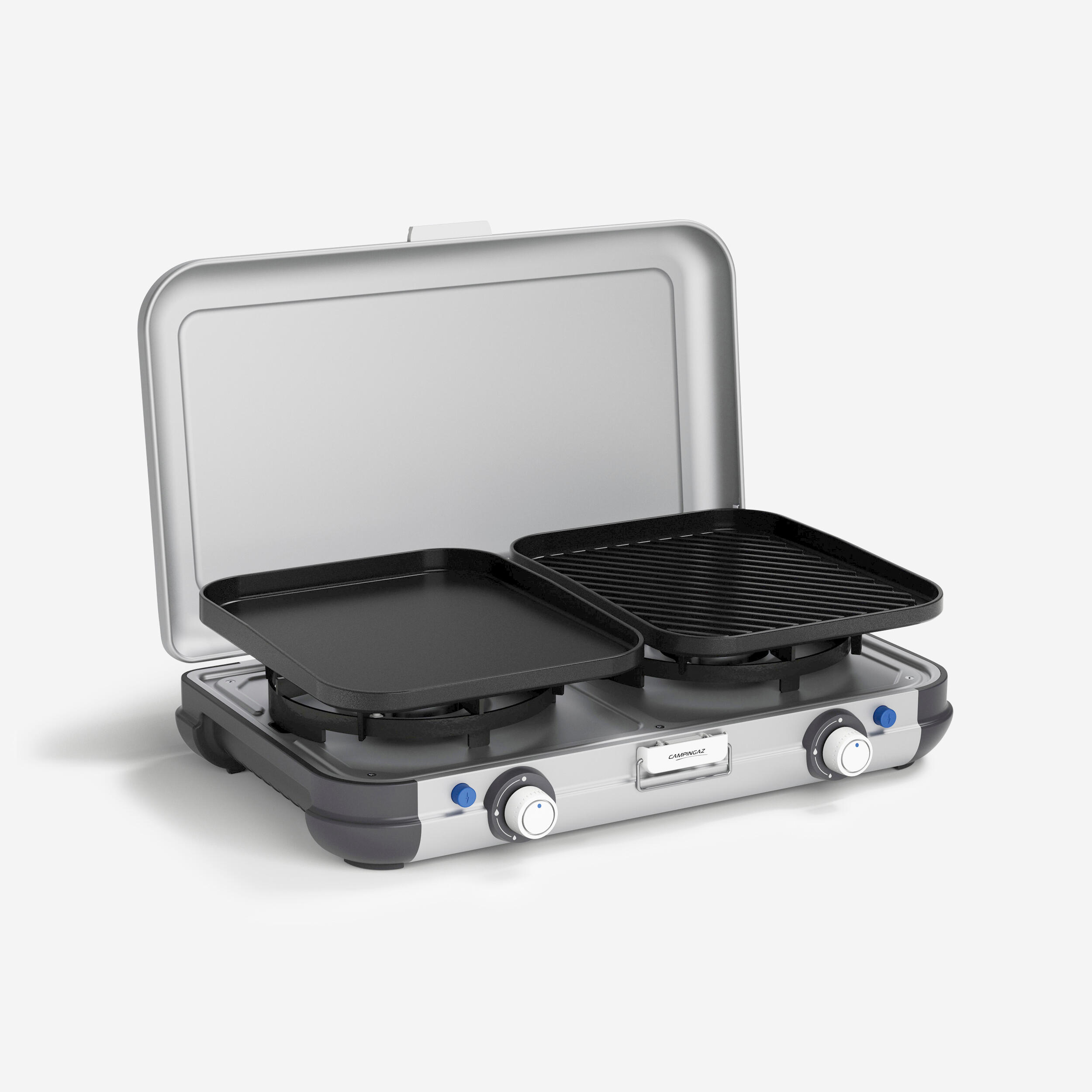
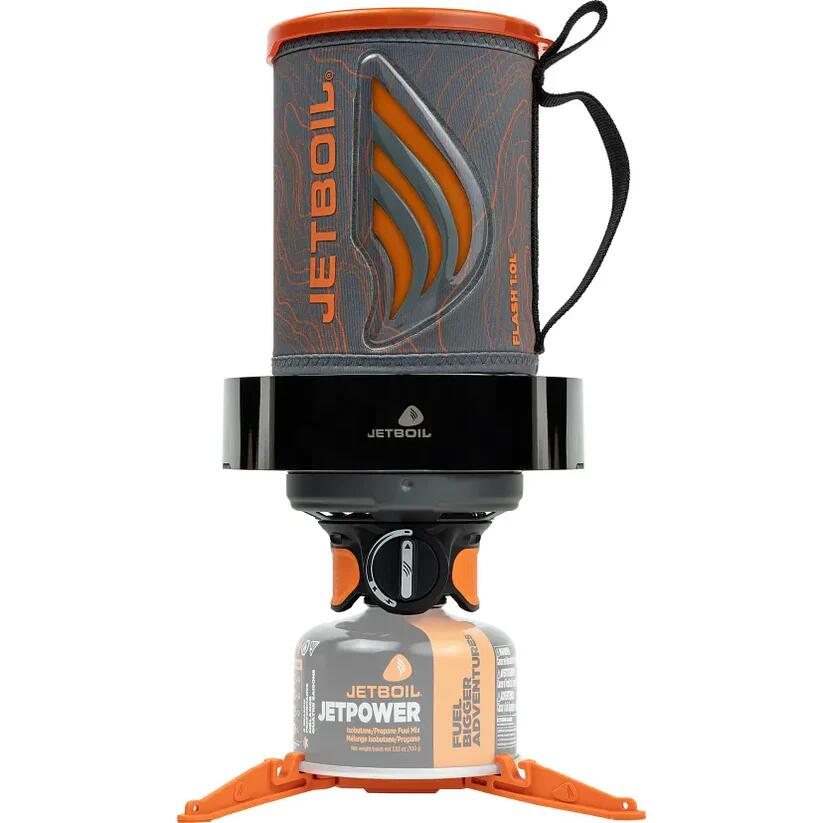
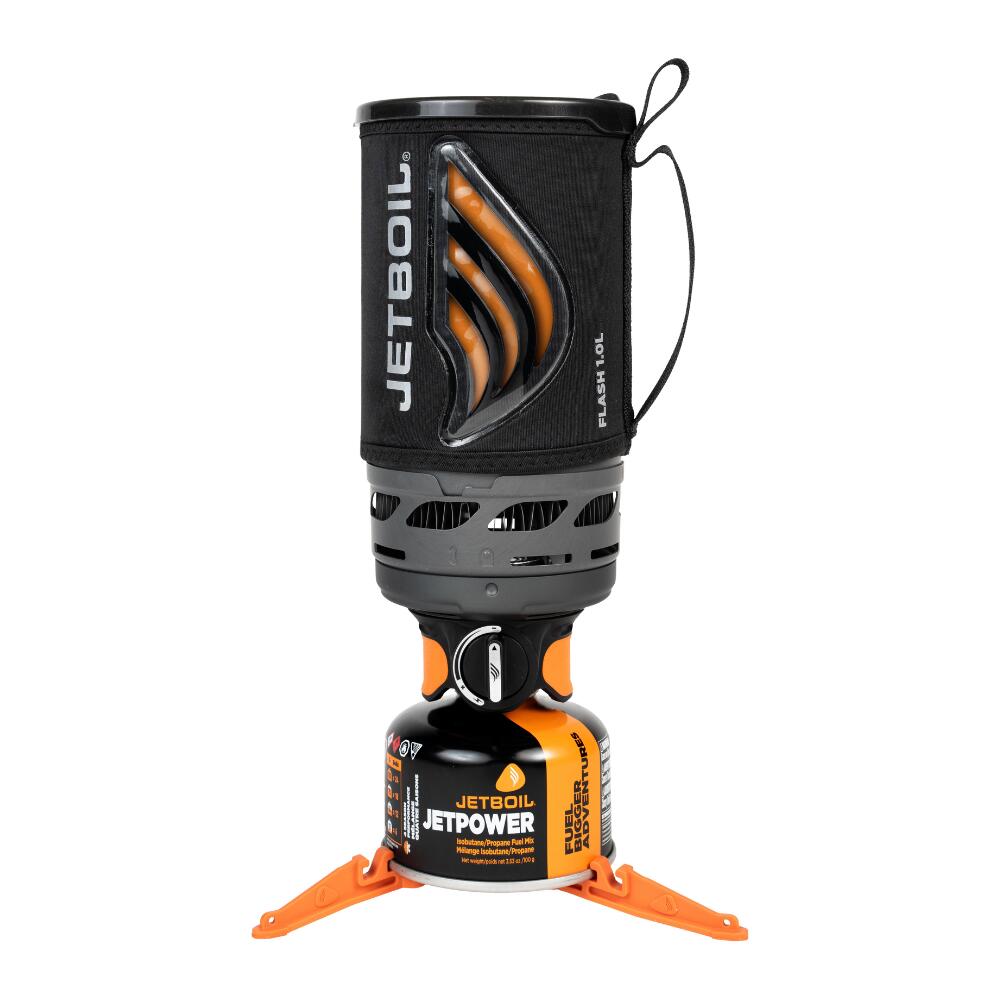
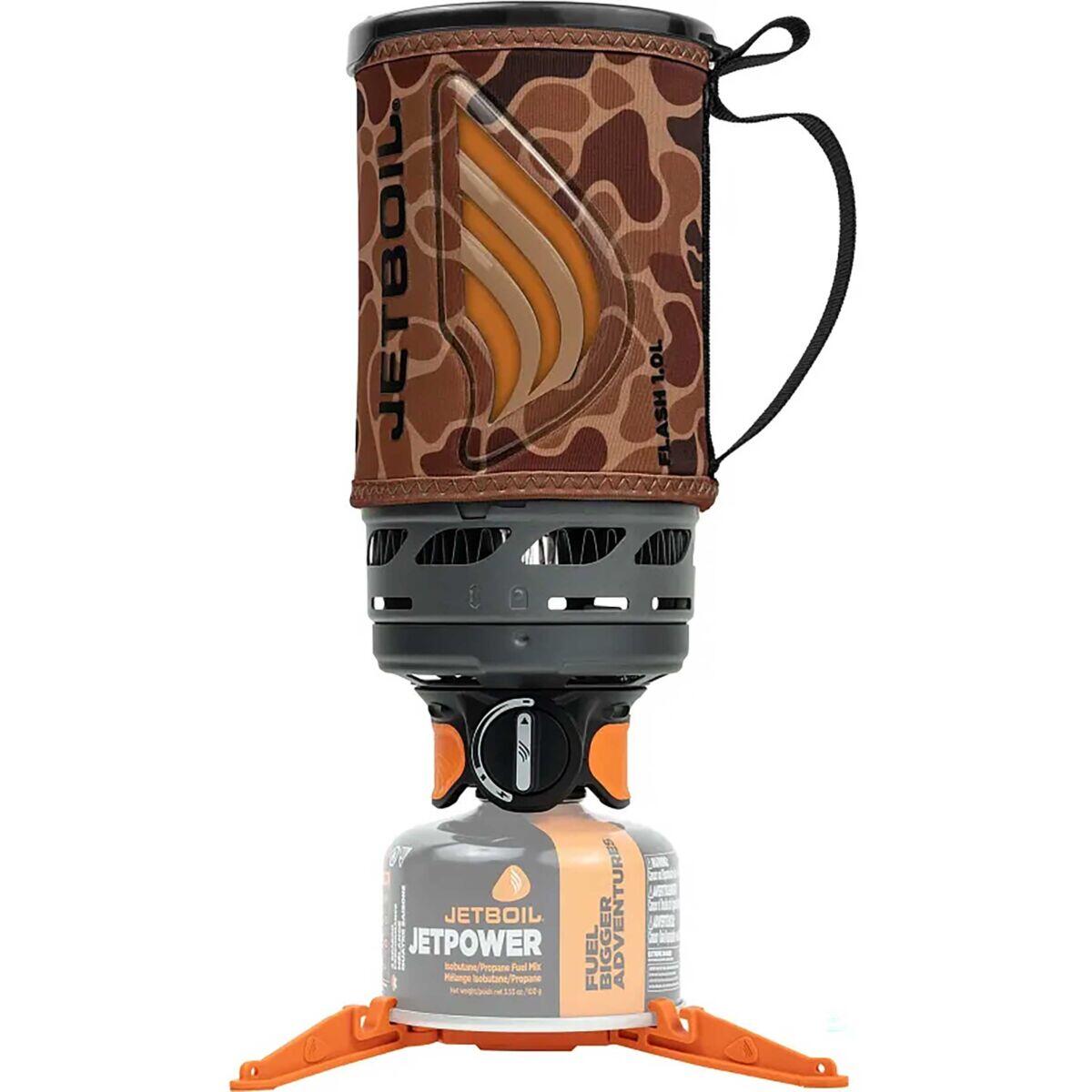
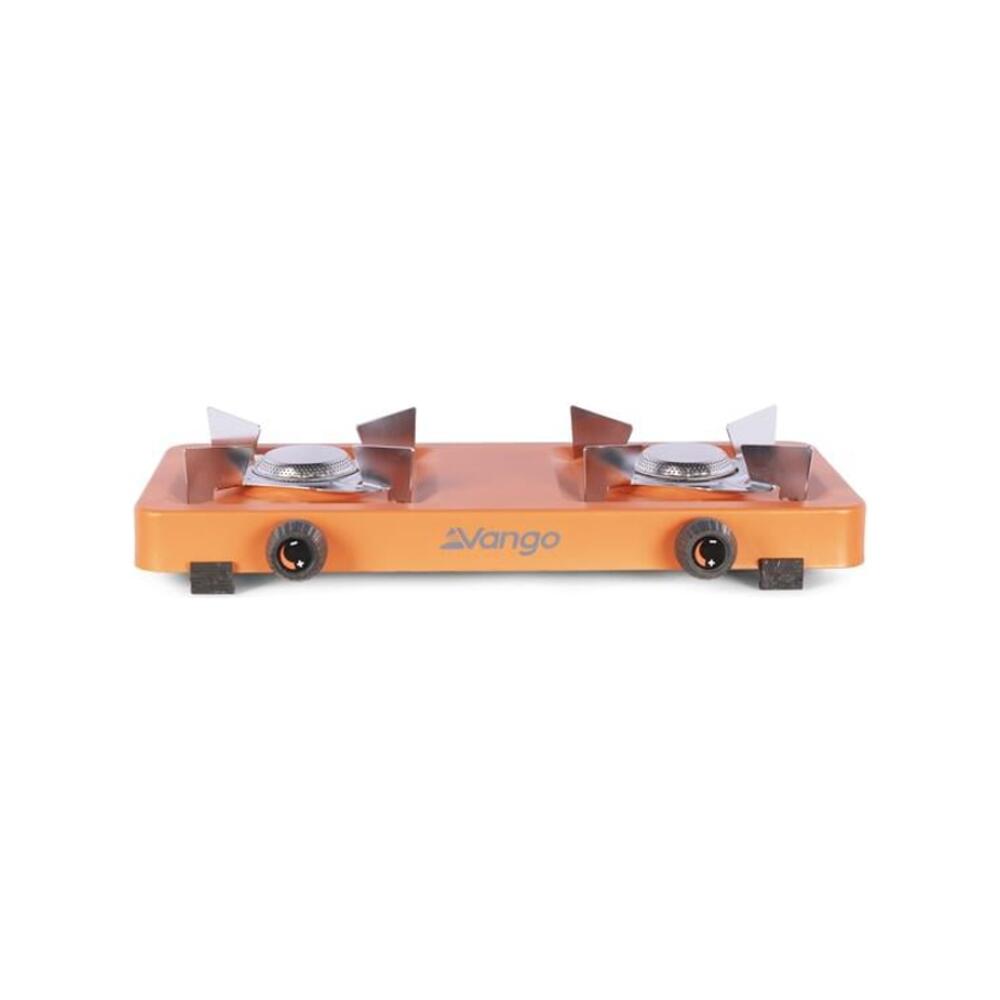
All three cook food at the pitch, but they suit very different trips. Single-burner stoves pack small for solo hikers and weekends where one pot at a time is plenty. Double-burner models run two pots at once, so the main dish and a side cook in parallel without any juggling, which makes them the natural choice for family meals. Cooking systems take a different route again, integrating the stove and pot into one efficient unit for the fastest boil. Since matching the burner to your meal style saves both time and gas, our camping stoves span single-burner, double-burner, and cooking-system options to cover each of these jobs.
What cooking equipment should I pair with a camping stove?

A stove only delivers a proper meal once it's paired with the right gear to handle food preparation, cooking, and eating. Pots, pans, kettles, plates, bowls, mugs, and cutlery all earn their place in a complete kit, while spatulas, ladles, tongs, and pot grips take over once the burner is lit. A great stove without the right pots and utensils delivers far less than the sum of its parts, which is why our cooking equipment and cutlery comes in stainless steel, aluminium, and titanium designs to match the weight and durability your trip calls for.

Should I consider a camping BBQ alongside a gas stove?

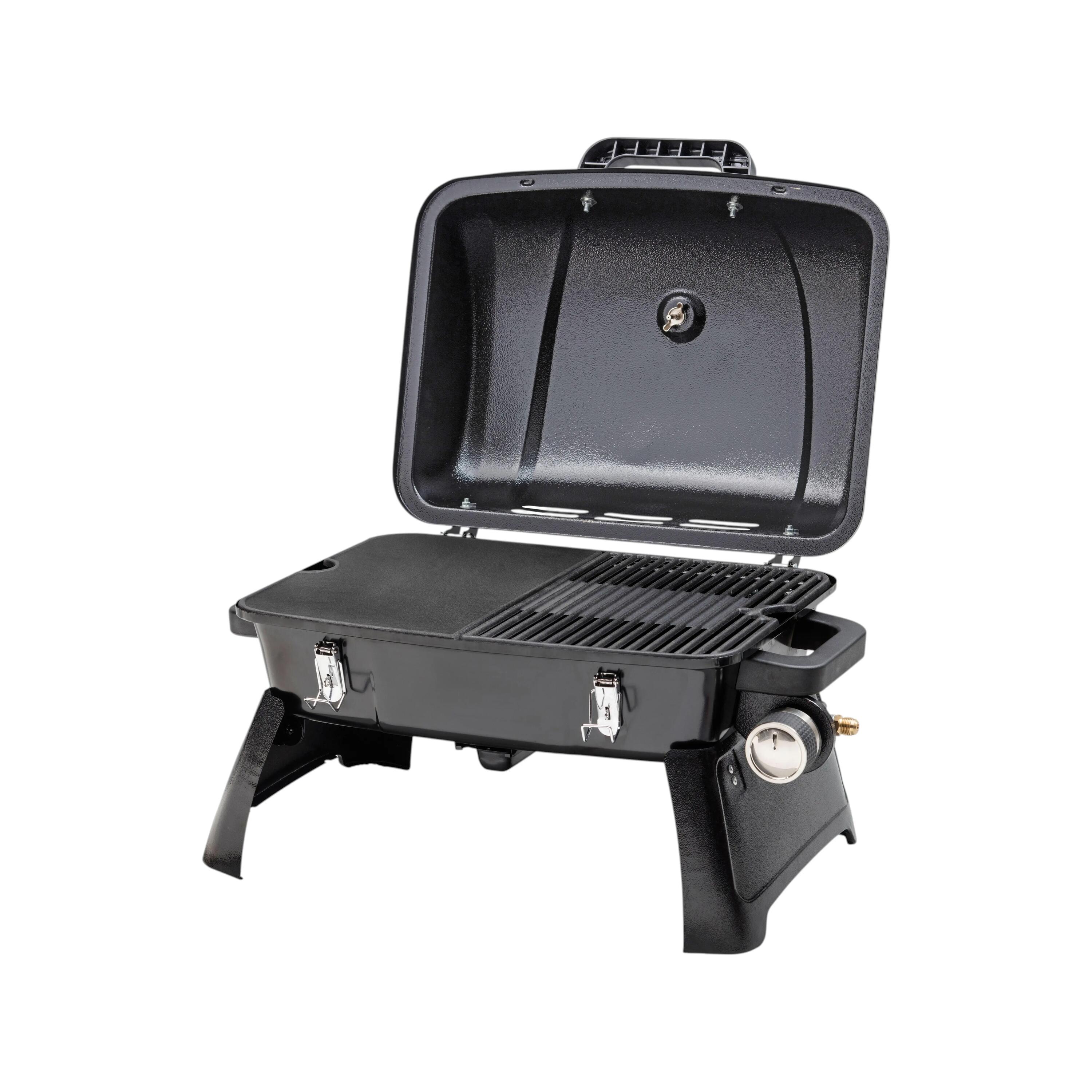
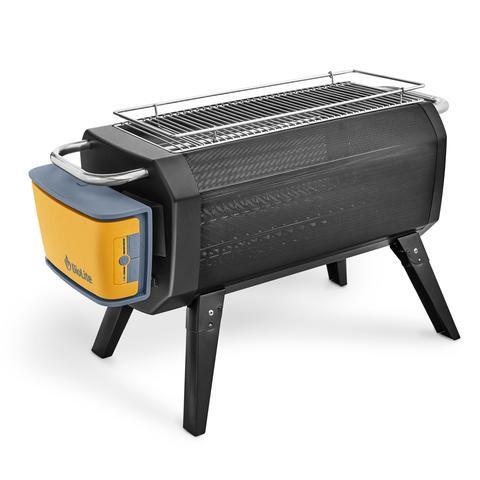
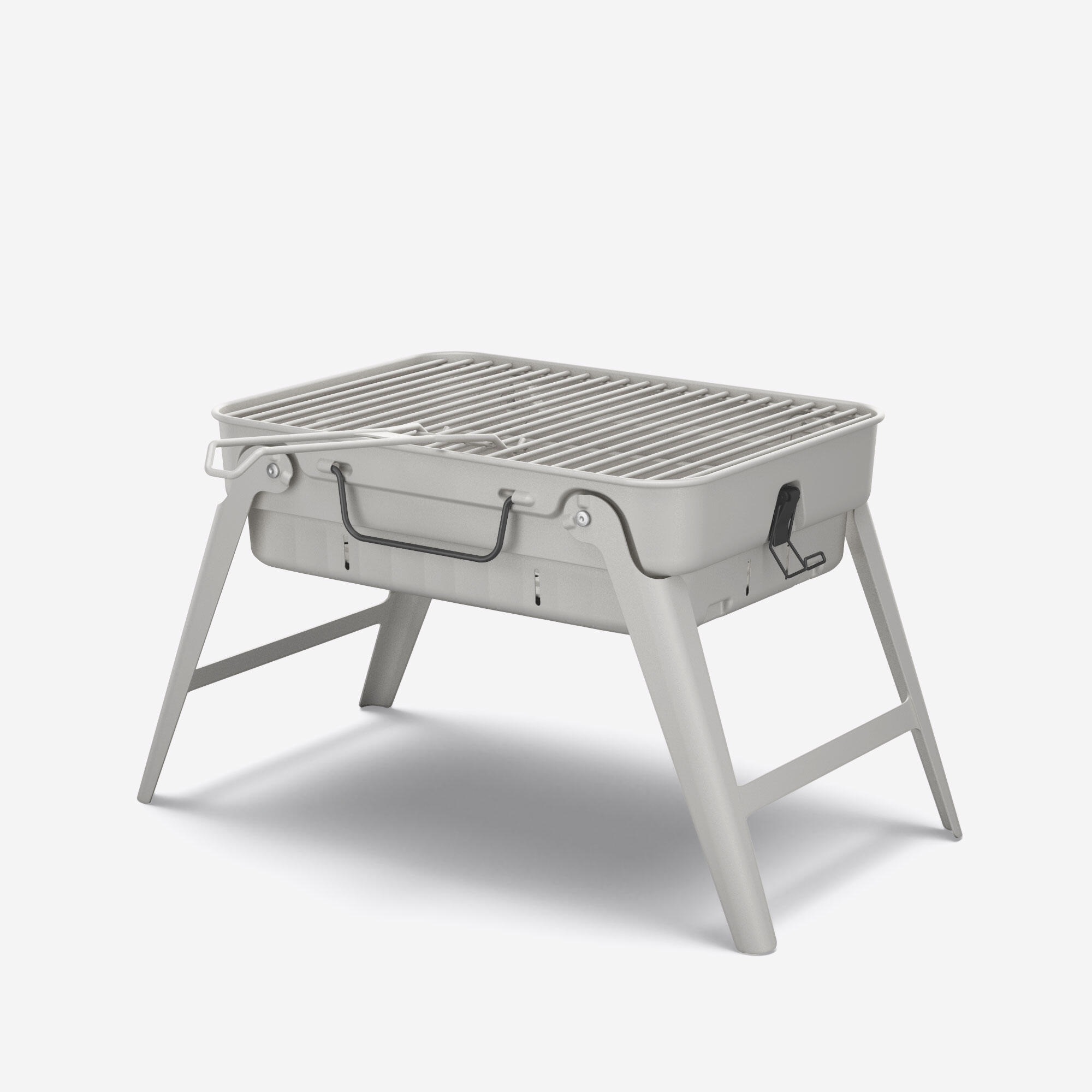
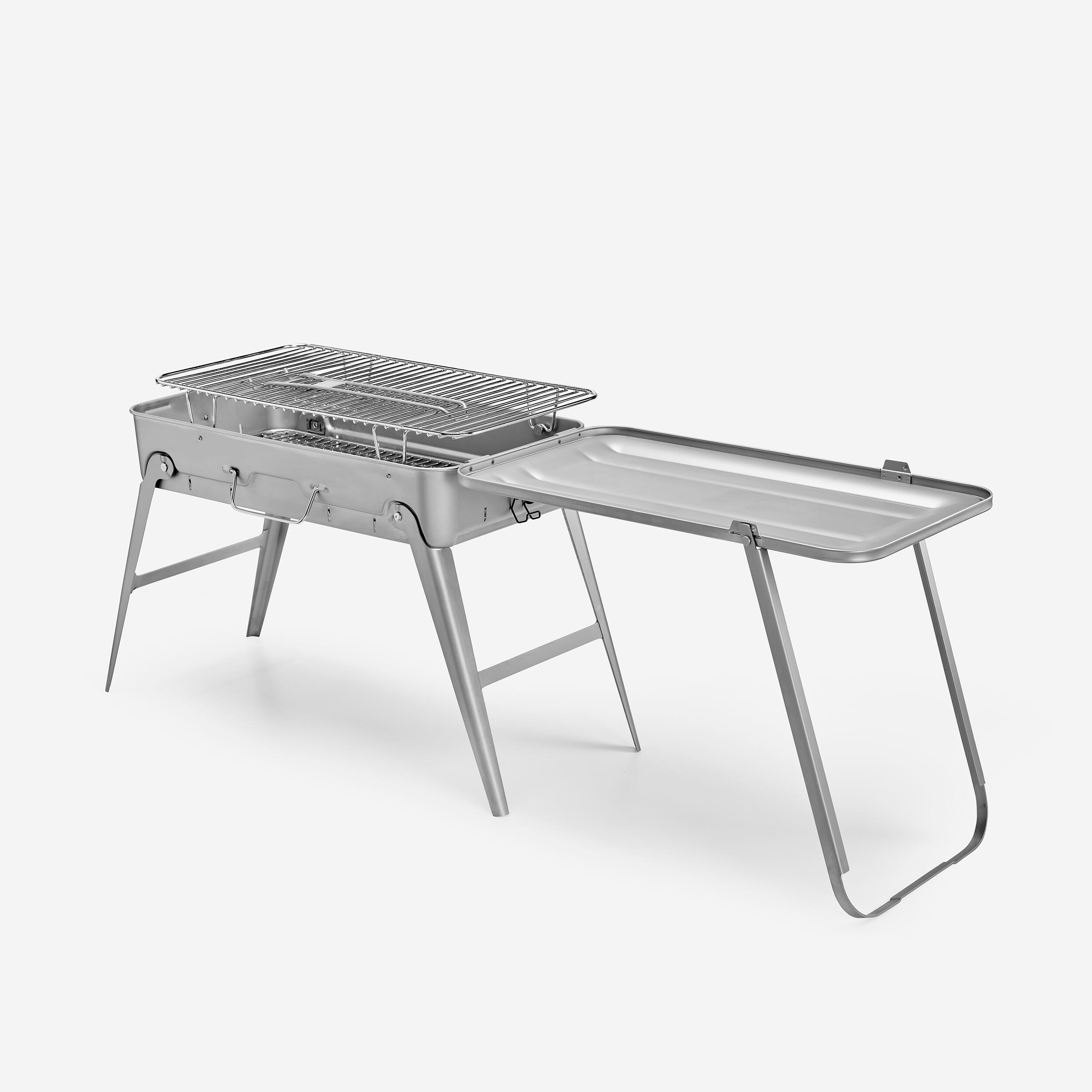
Adding a camping BBQ to a gas stove makes sense whenever the group fancies grilled meals, weekend barbecues, or family cook-ups where the smoky char of a grill matters as much as a simple boil. The two handle separate jobs cleanly: the stove takes care of boiling, simmering, and frying, while the grill is where burgers, sausages, kebabs, and vegetables taste better over an open flame. Two complementary cookers cover just about every meal style across the season, and our range of camping BBQs from the Quechua and Campingaz labels spans gas, charcoal, and compact-portable builds.

How do camping water bottles fit alongside camping stoves and cartridges?

Water sits at the heart of every meal at the pitch, covering the drinking water, the cooking water, and the pot-filling that the stove depends on. Bottles, hydration flasks, and large-capacity containers all earn a spot in the kitchen kit, with insulated bottles keeping water cool through hot days and tough hard-shell bottles standing up to trip after trip. Put simply, without water there is no tea to brew, no pasta to cook, and no freeze-dried meal to rehydrate, so the insulated, reusable, and large-capacity camping water bottles from the Quechua and Forclaz collections are as much a part of the cooking setup as the burner itself.