97 items
4.2/5 based on 144 reviews collected online and in stores

Tent Flysheet FAQs

What does a tent flysheet actually do and why does it matter?

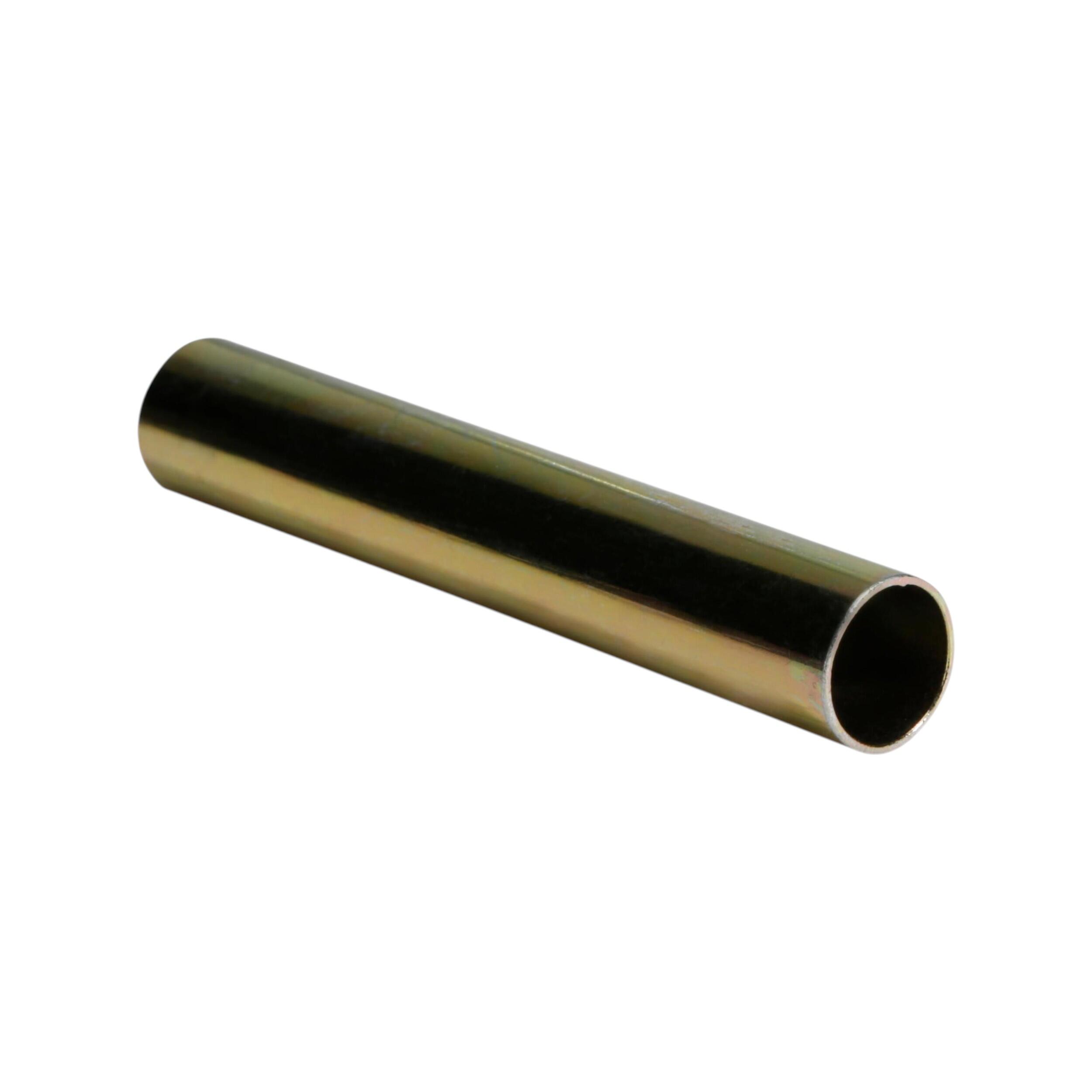
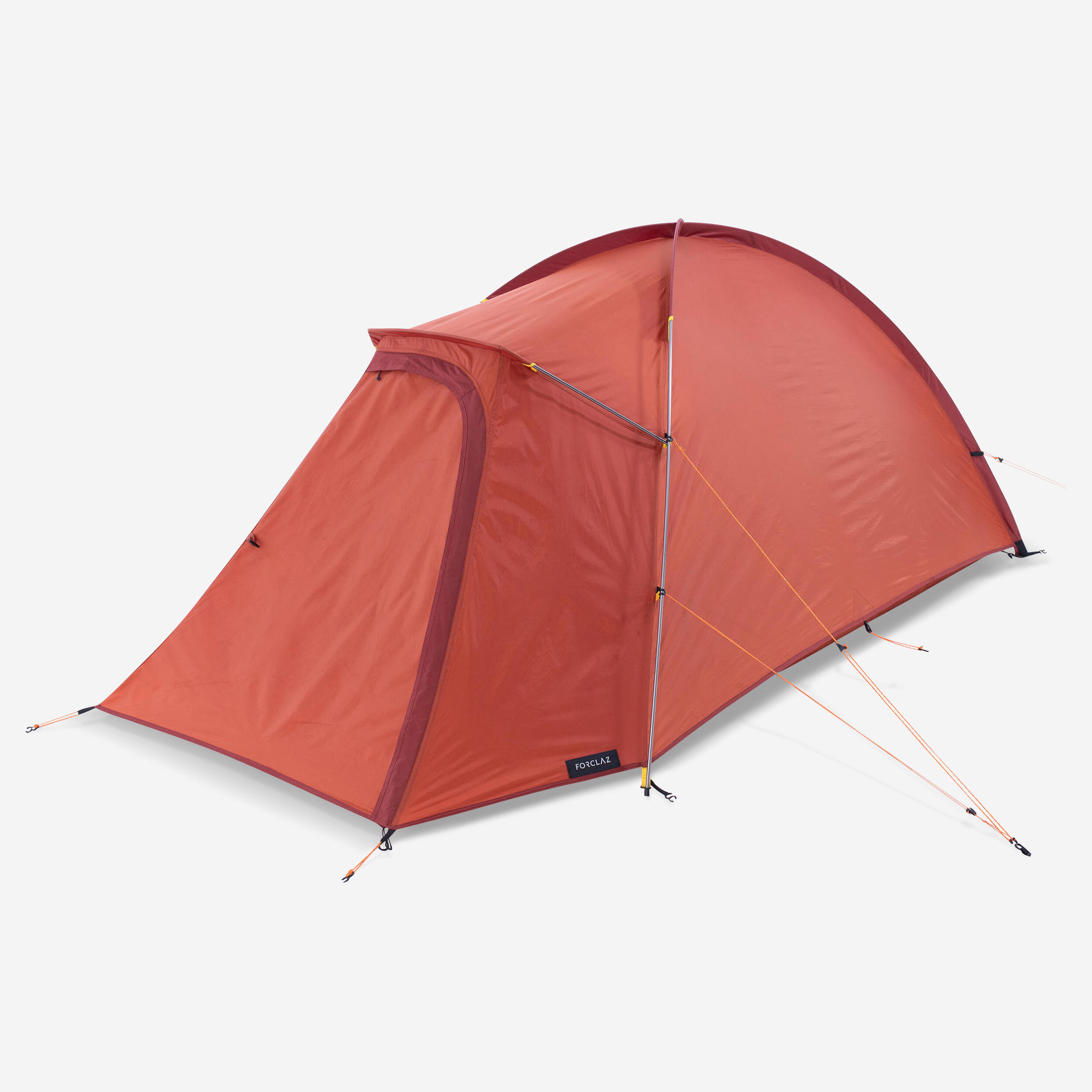
A tent flysheet is the outer waterproof layer that sits over the inner tent, and it's the primary defence against rain, wind, and UV exposure on a camping trip. It works by creating a separate air gap between itself and the inner tent fabric, which does two jobs: it stops rain pressing directly against the breathable inner wall, and it lets warm, moist air from inside the tent escape upward without soaking the inner fabric. Without this gap, condensation would saturate the inner walls from the inside, even on a dry night. The waterproof rating of a flysheet is given as a hydrostatic head, measured in millimetres. A higher figure generally means greater water resistance: the fabric can hold a column of water at that height before moisture starts to pass through. Many Quechua flysheets use PU-coated polyester with sealed seams, which stops water tracking through the needle holes in the stitching. That seam tape is the most vulnerable point over time, and once it starts to peel, re-sealing with a seam sealer restores full waterproofing quickly. As part of a wider refresh, it's worth checking the tent ferrules at the same time, since worn ferrule collars are a common cause of the pole-joint failures that put stress on the flysheet's attachment points.
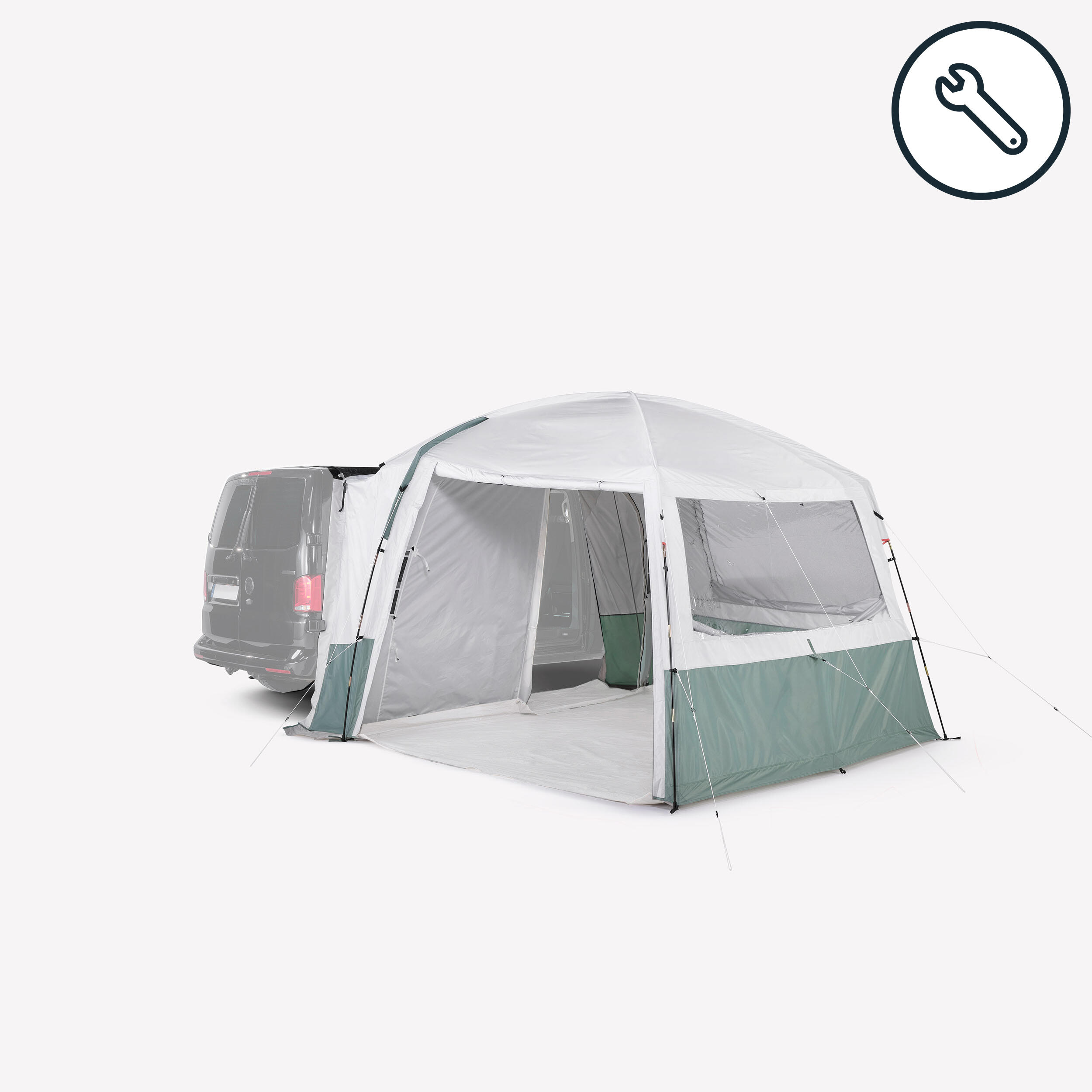
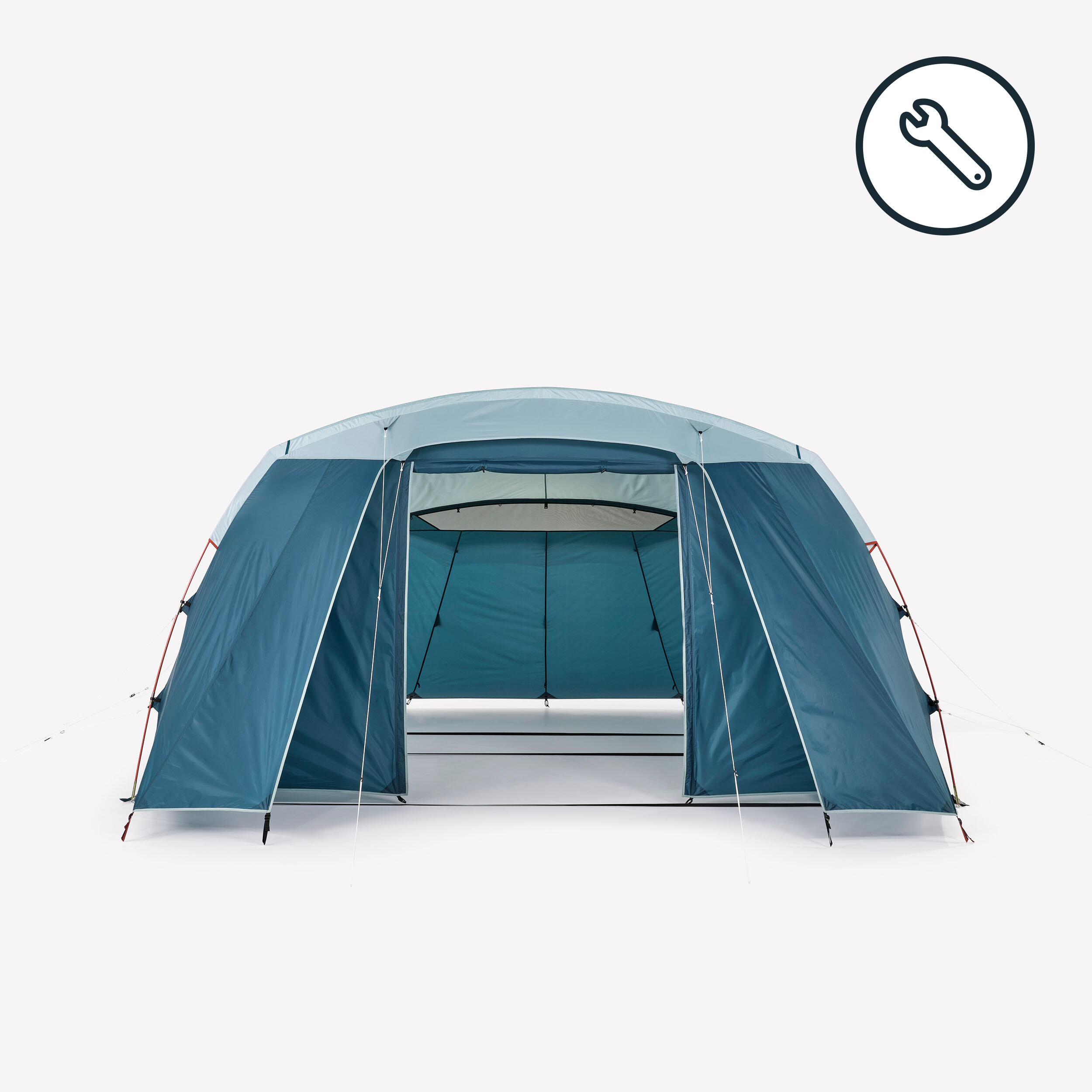
How do I know if a replacement flysheet is compatible with my tent model?

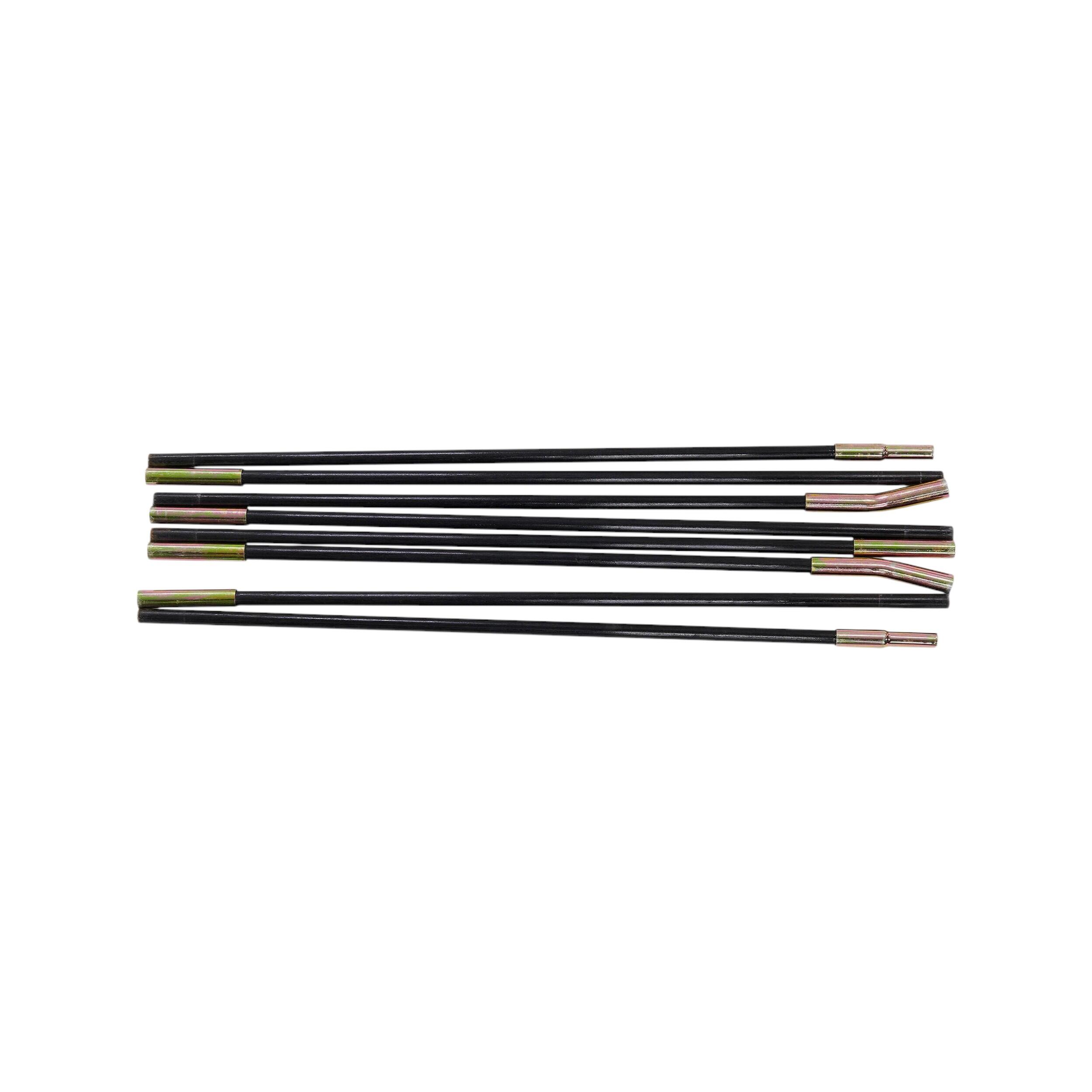
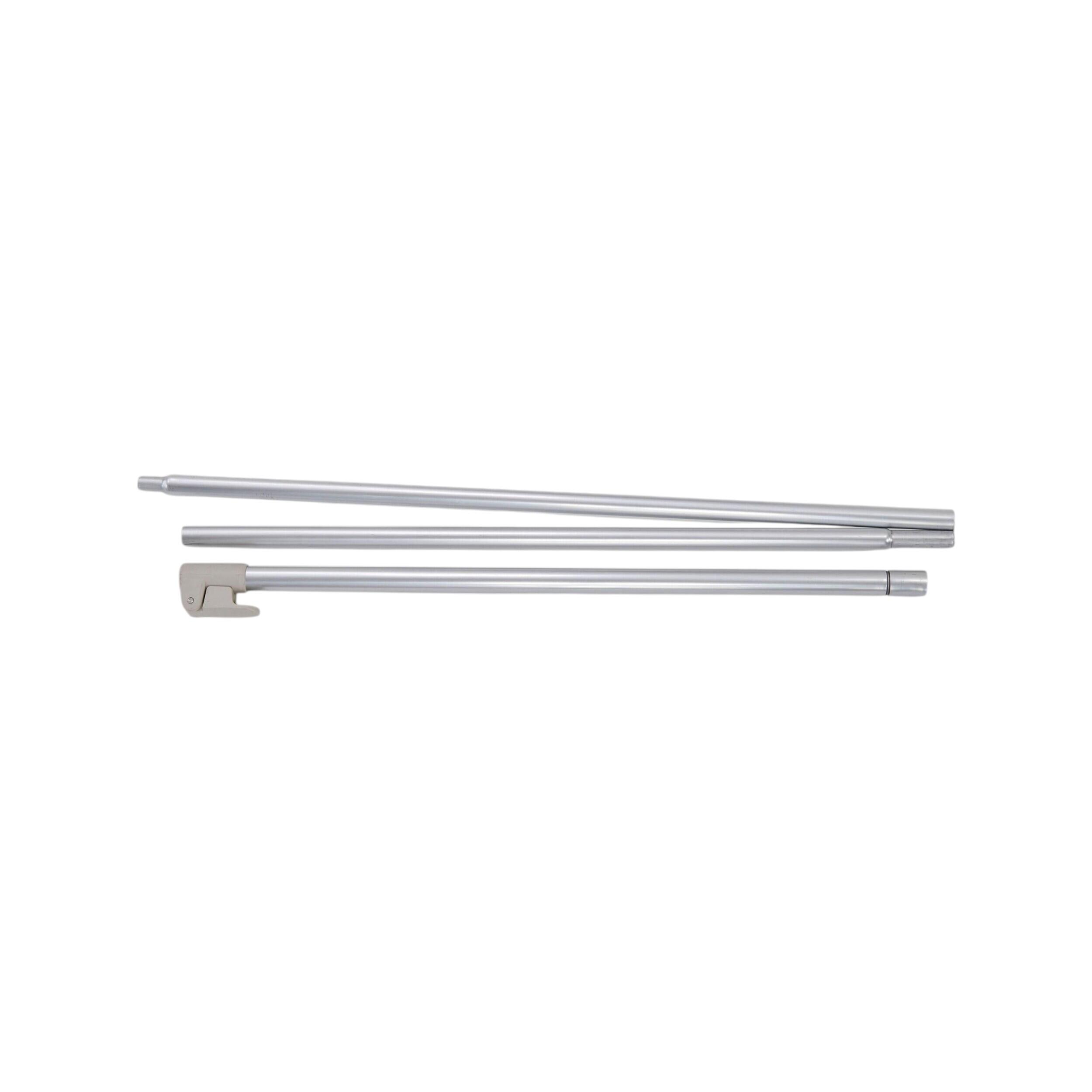
Flysheets are model-specific because each one is cut and sewn to match the exact pole geometry, clip positions, and peg-out points of a particular tent. A flysheet from a different model won't sit correctly over the inner even if the two tents look similar in size, because the sleeve angles and guyline anchor positions differ. The reliable way to find a compatible replacement is the product reference number printed on the label sewn inside the inner tent or on the original carry bag, and Quechua replacement flysheets are listed by that number, so cross-checking is straightforward. One tip: photograph the reference label before the ink fades from repeated moisture and sunlight, as it becomes unreadable after a few heavy seasons. And if the pole sections need attention at the same time, our tent poles are organised by diameter and material, which makes ordering the right size simple.

What is the difference between a lightweight flysheet and a standard flysheet?

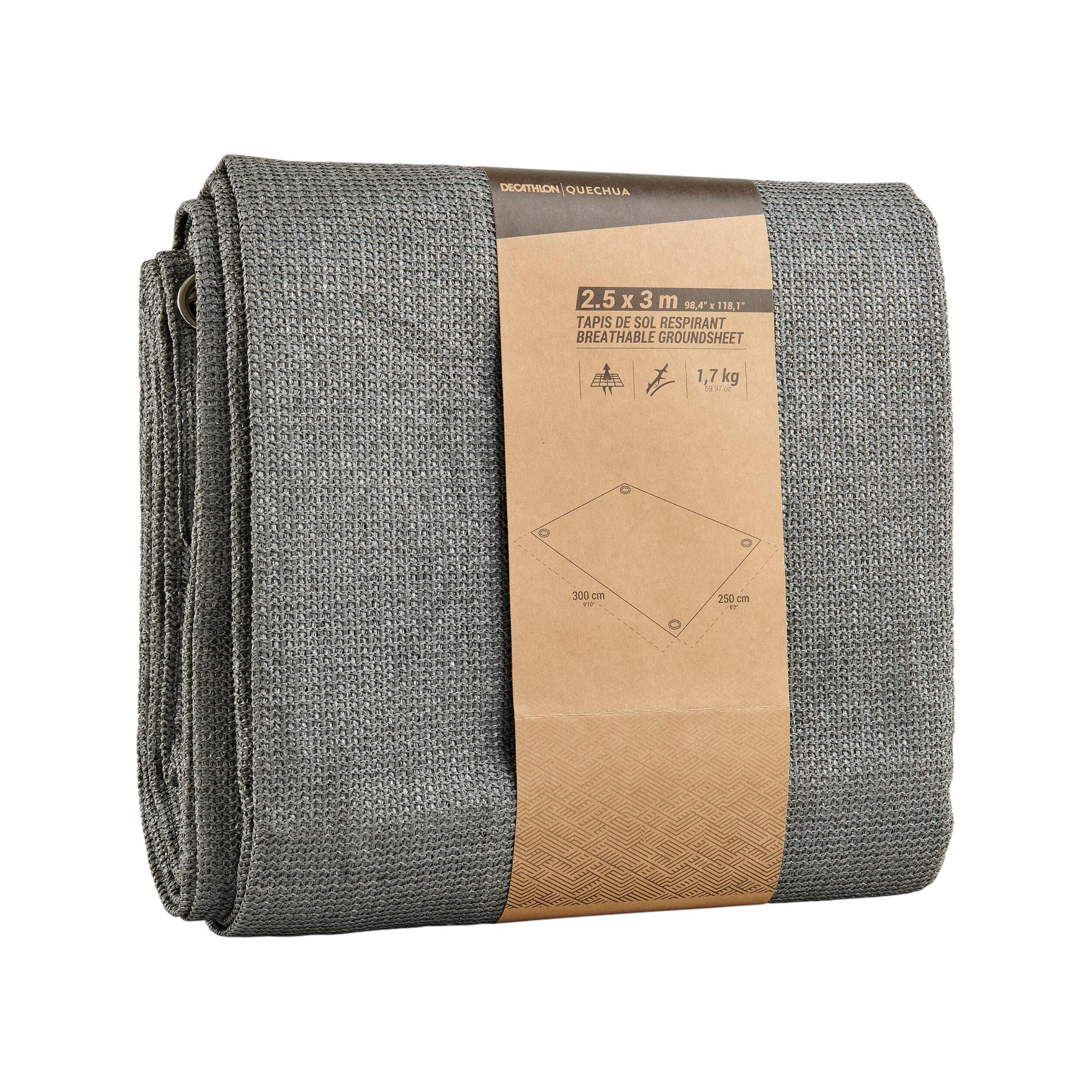
The main difference is fabric weight per square metre, which directly affects pack size, carry weight, and durability. A lightweight flysheet uses a thinner PU-coated polyester or ripstop nylon that cuts the overall pack weight, which suits backpackers or anyone carrying their shelter on foot to the pitch. The trade-off is that thinner fabrics are more prone to abrasion from branches and rocky ground, and the waterproof coating tends to show wear sooner under repeated compression in a stuff sack. A standard-weight flysheet uses a heavier fabric that lasts more seasons before the coating degrades, which suits campers who drive to the pitch and value longevity over pack weight. A correctly sized camping ground sheet can also help reduce wear by protecting the tent floor from rough or abrasive ground.

How do flysheet attachment points affect stability in wind?

The number and placement of guyline attachment points on a flysheet decide how well the tent sheds wind load without the flysheet lifting or distorting the pole frame underneath. Each guyline transfers lateral wind force from the fabric down through the rope into a ground anchor, easing the bending stress on the poles. A flysheet with only corner attachment points is fine on sheltered pitches, but it will flap and load the poles unevenly in exposed conditions. One with additional mid-panel and ridge points spreads that load more evenly, reducing pole fatigue over several high-wind nights. Some Quechua flysheets are built to perform in demanding weather when correctly pitched and pegged out. In exposed locations, it's also worth checking whether your tent model benefits from a reinforcement bar, which braces the pole junction at the ridge and helps stop the frame from folding inward under heavy gusts.

How does the flysheet work together with the inner tent as a system?

The flysheet and inner tent work as a two-layer system, each relying on the other to perform. The flysheet blocks the weather outside, while the inner manages ventilation and condensation within. The air gap between them is critical: when the flysheet is pitched too close to the inner, moisture from warm breath and body heat condenses on the inner fabric instead of escaping upward through the vents. That's why correct tensioning of the flysheet guylines matters even in calm weather, since a slack flysheet sags inward and closes the gap. The inner also keeps occupants off the cold flysheet surface overnight, which would otherwise increase heat transfer through direct contact. Maintaining both the flysheet and the inner tent in good condition helps preserve ventilation, weather protection and overall shelter performance.