51 items
4.6/5 based on 3094 reviews collected online and in stores

Camping Groundsheets FAQs

What does a camping groundsheet do?

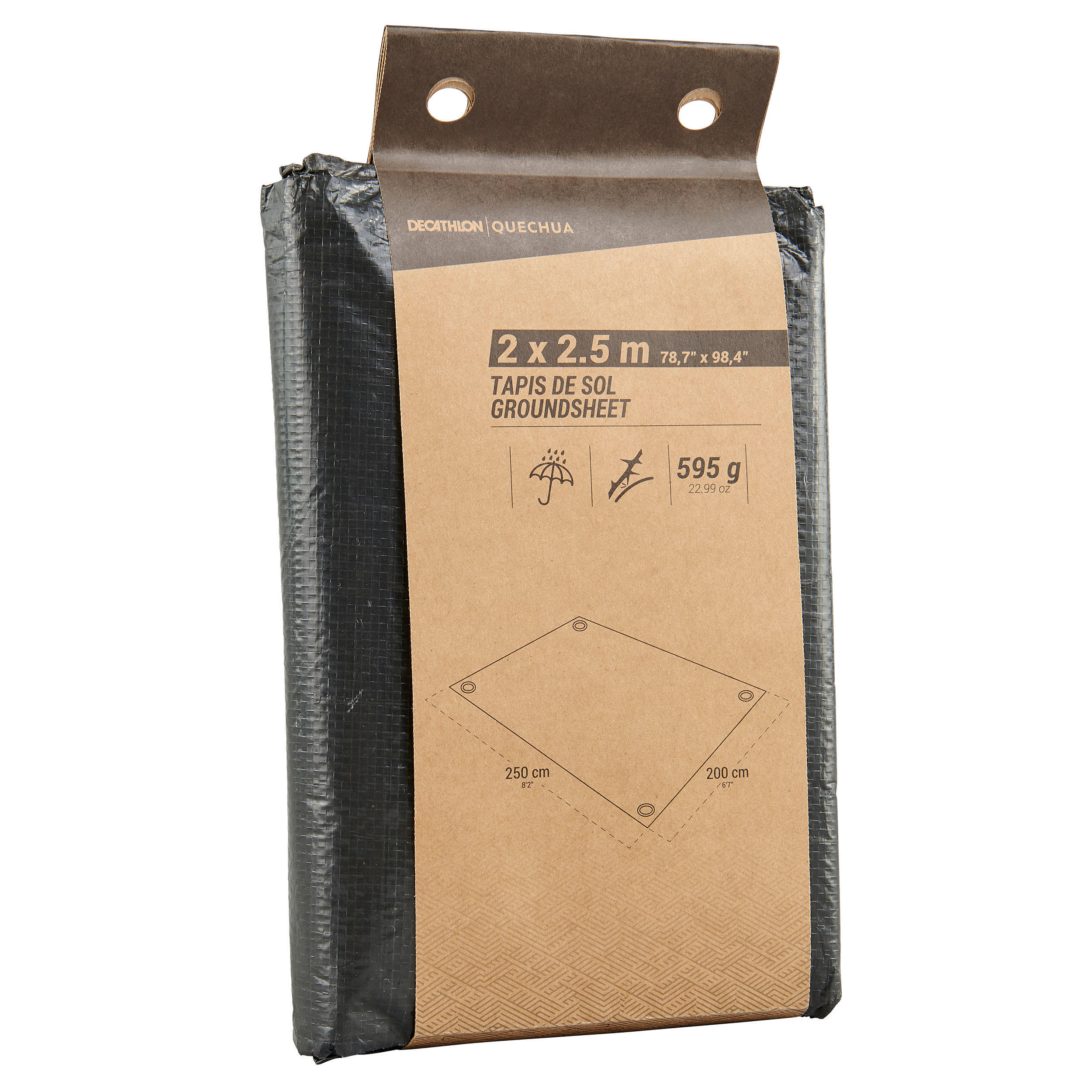
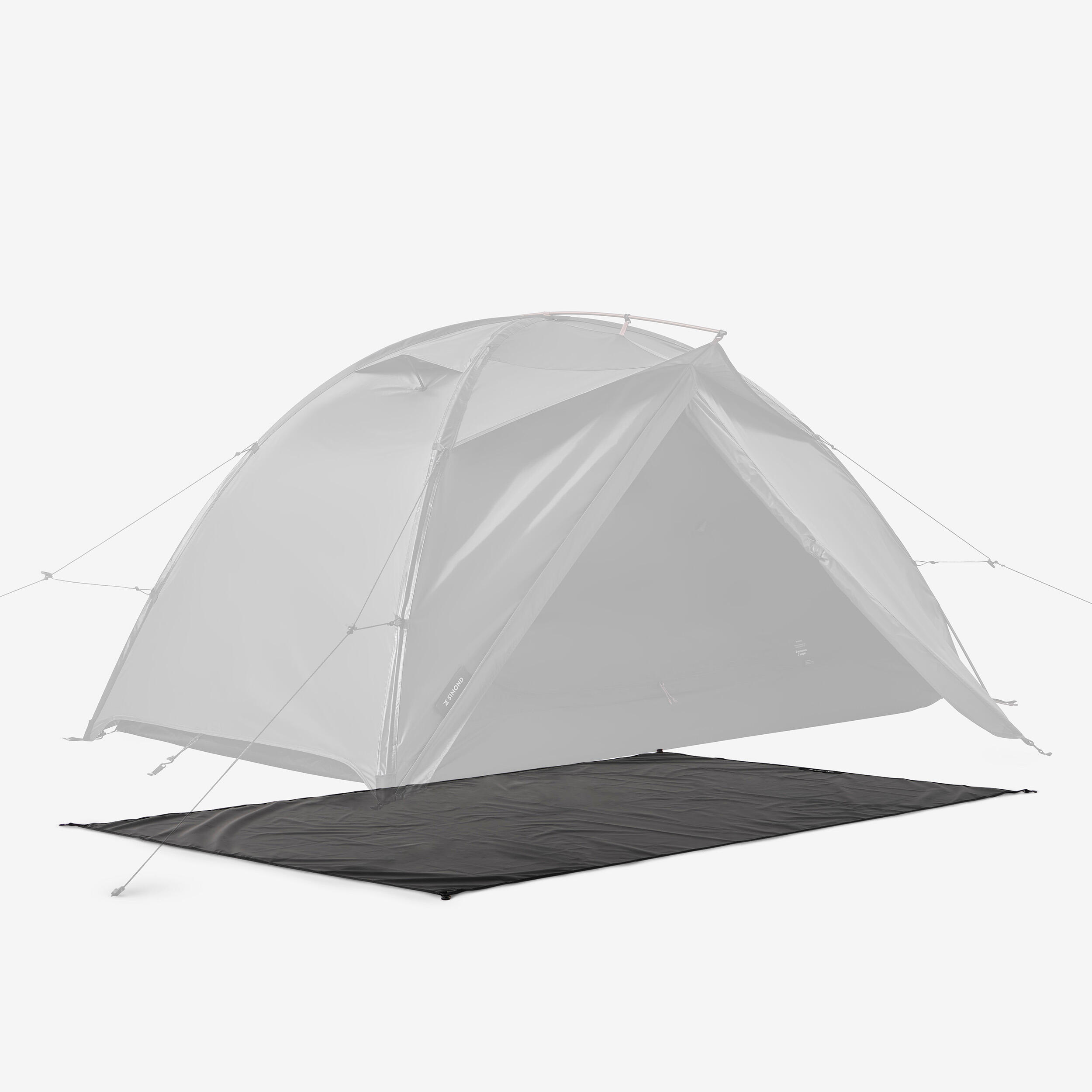
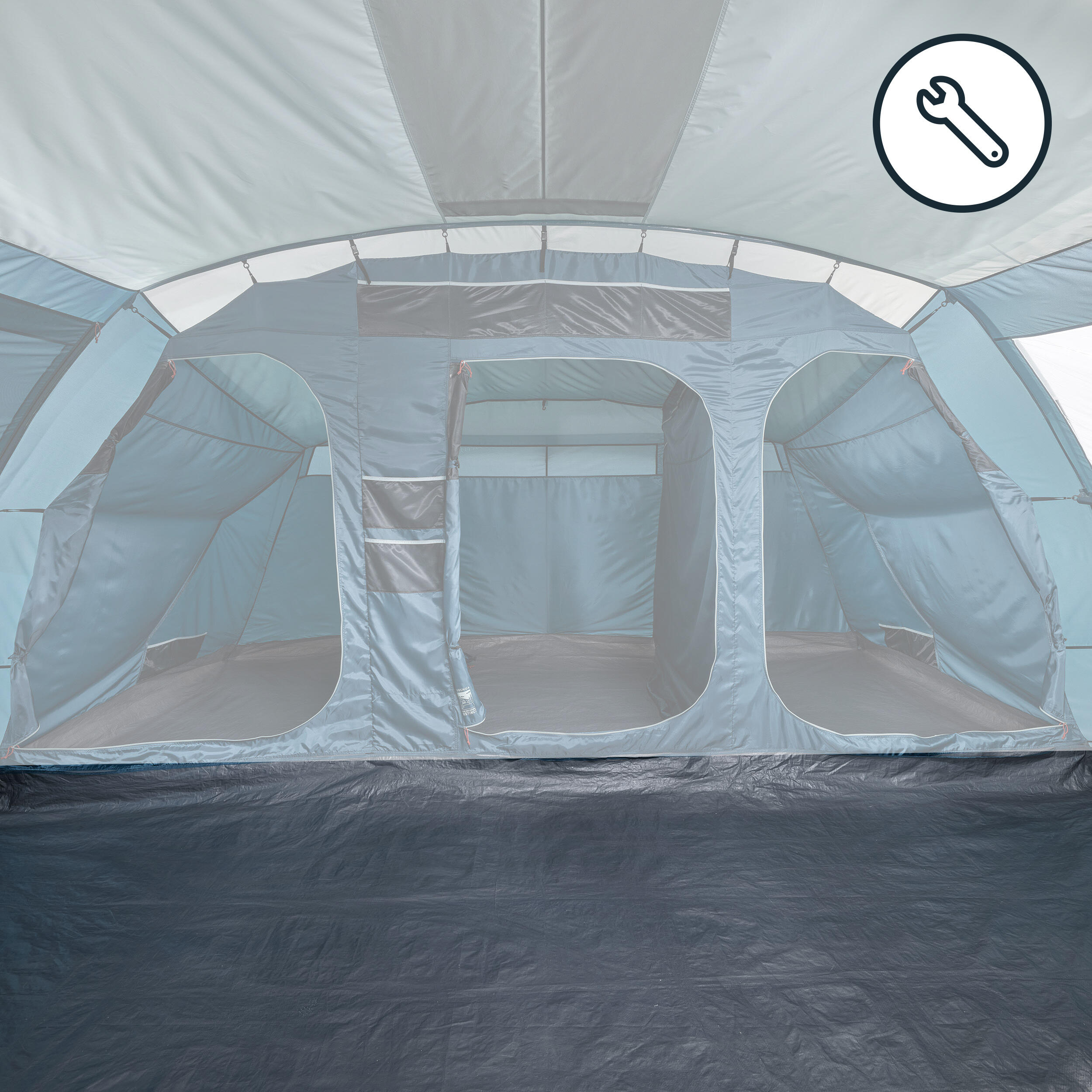
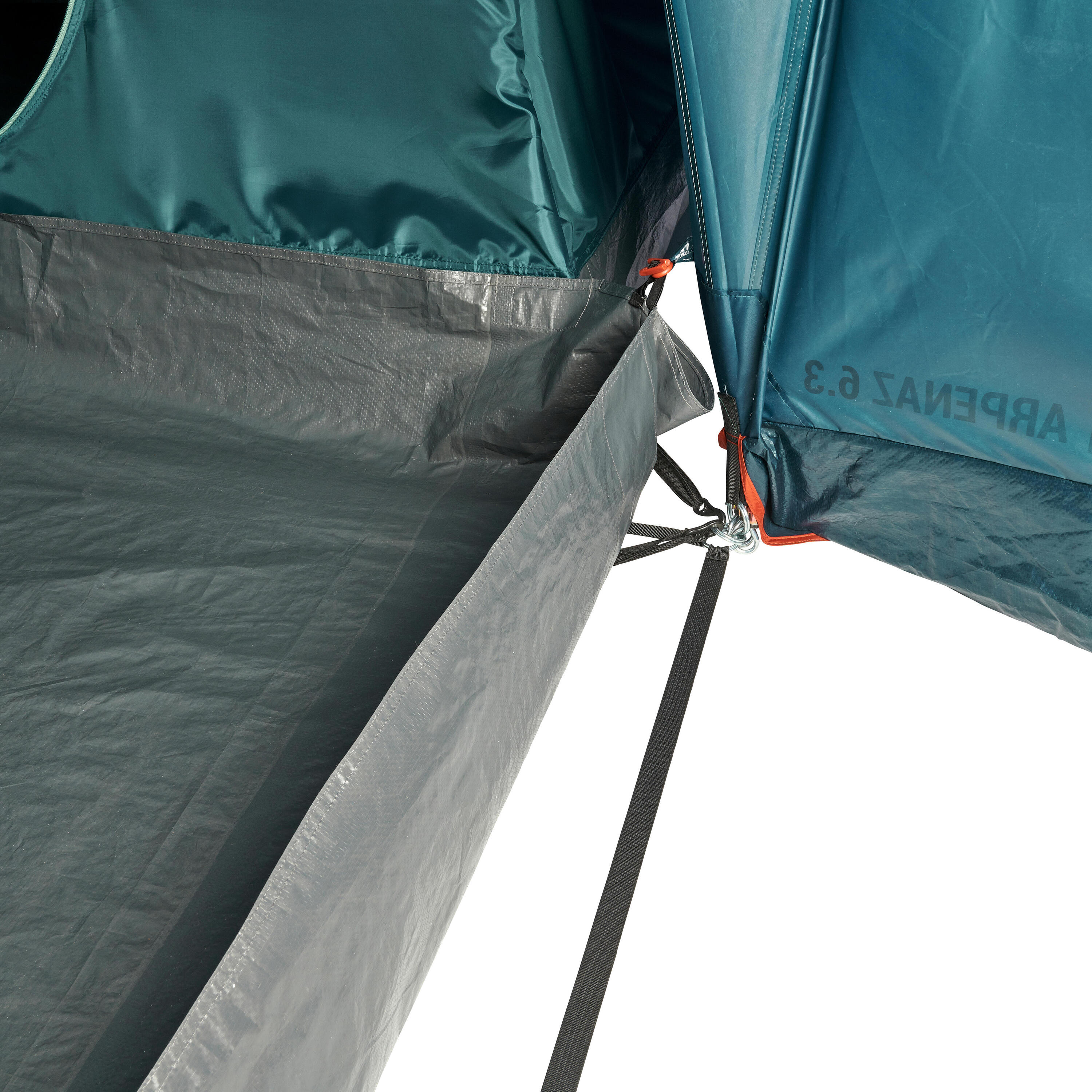
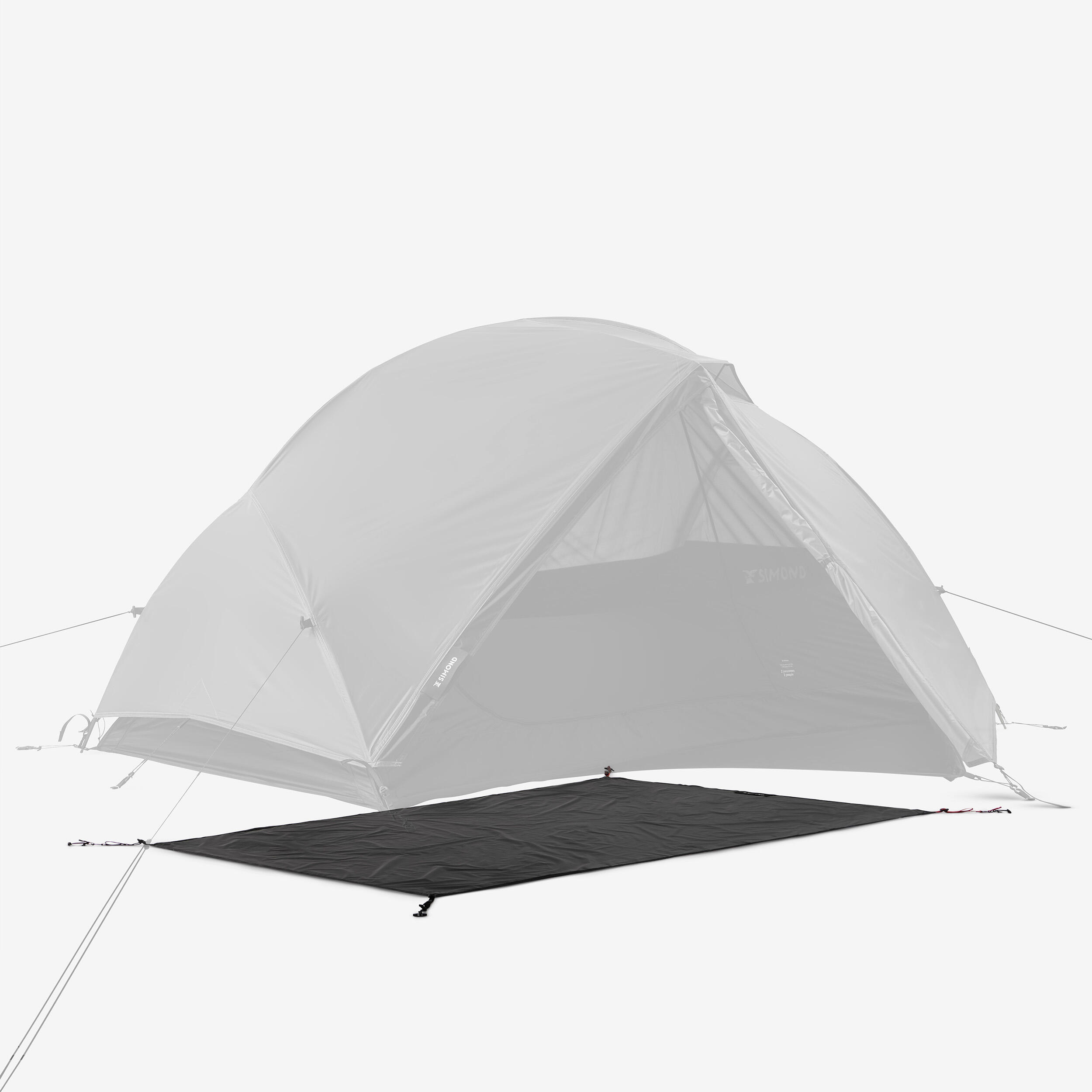
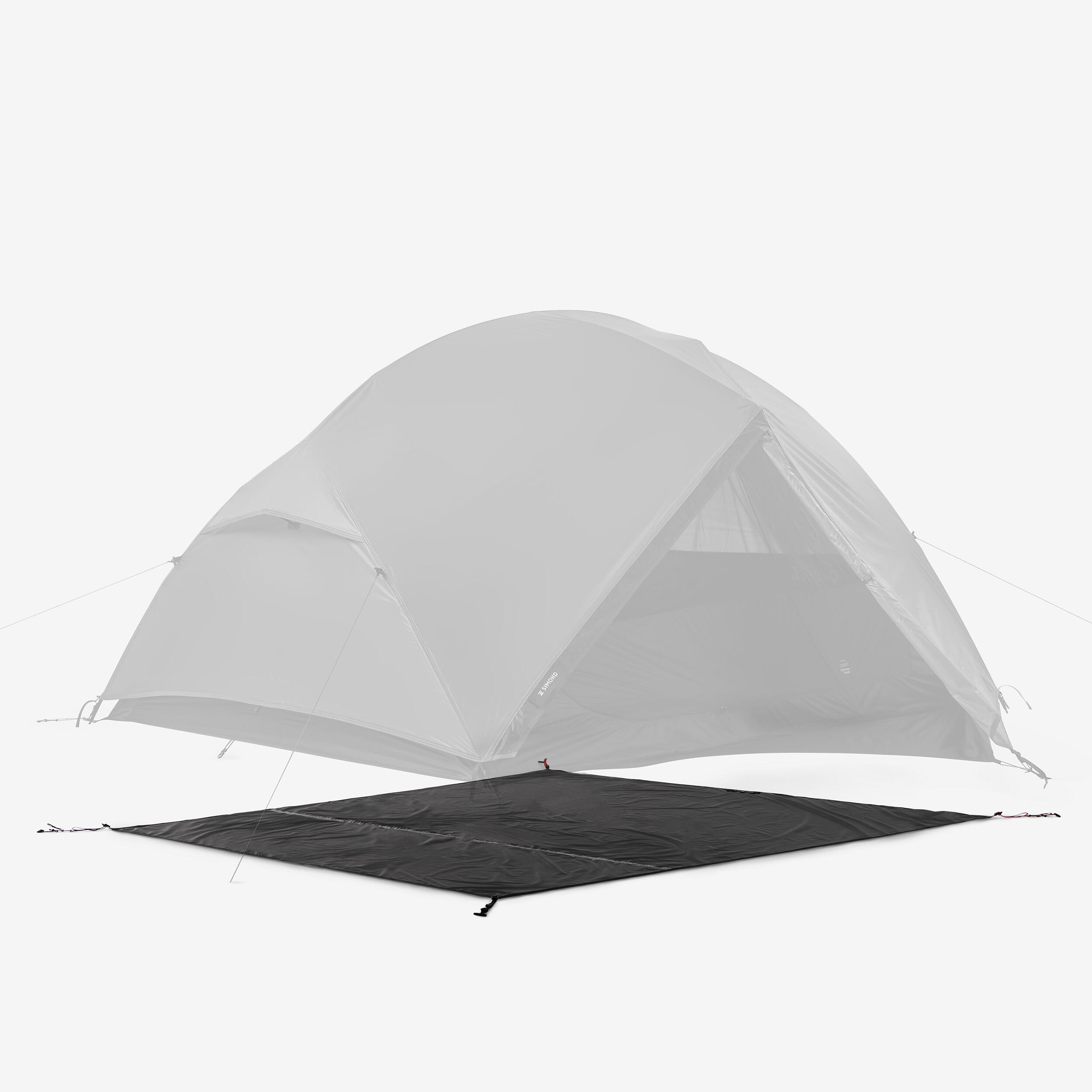
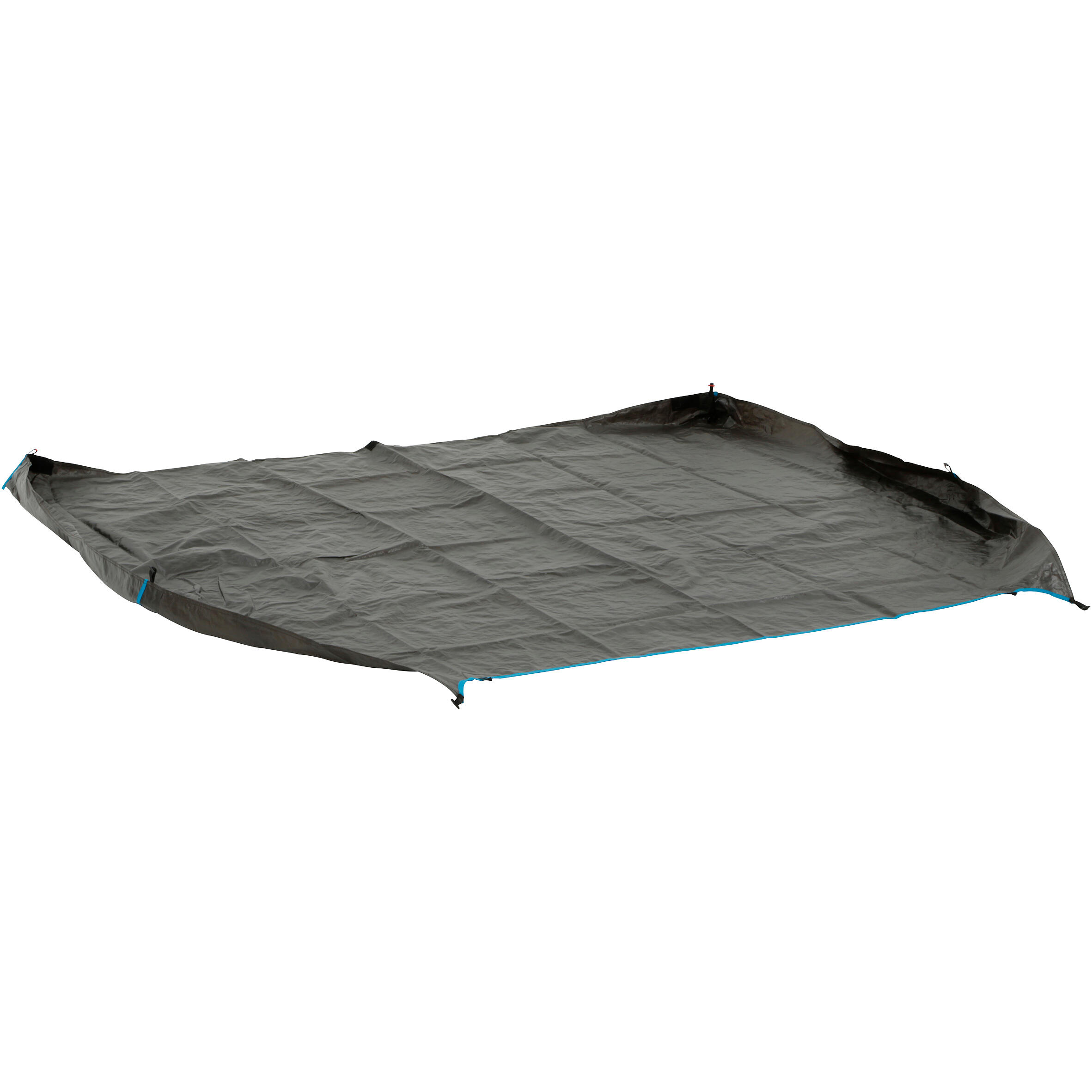
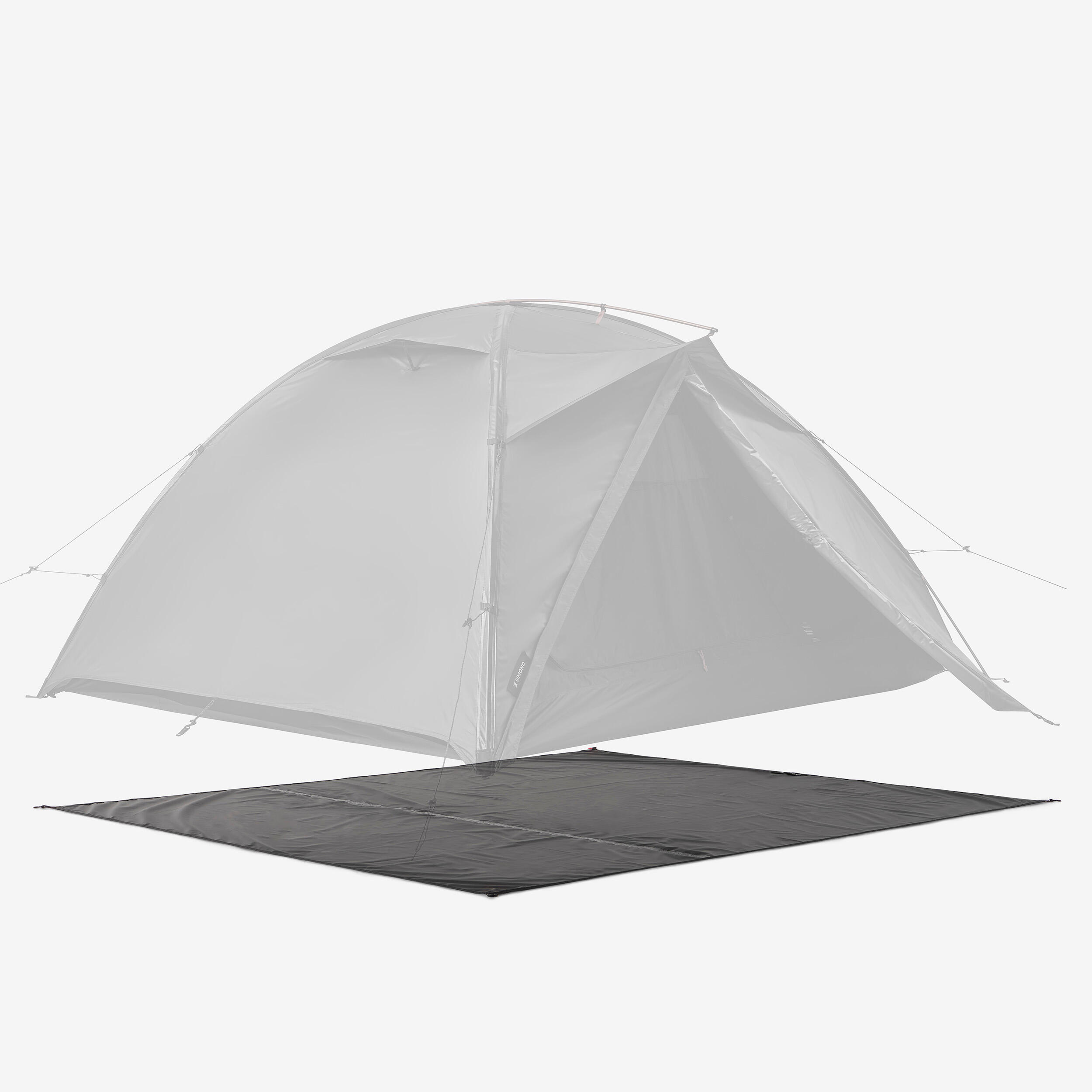
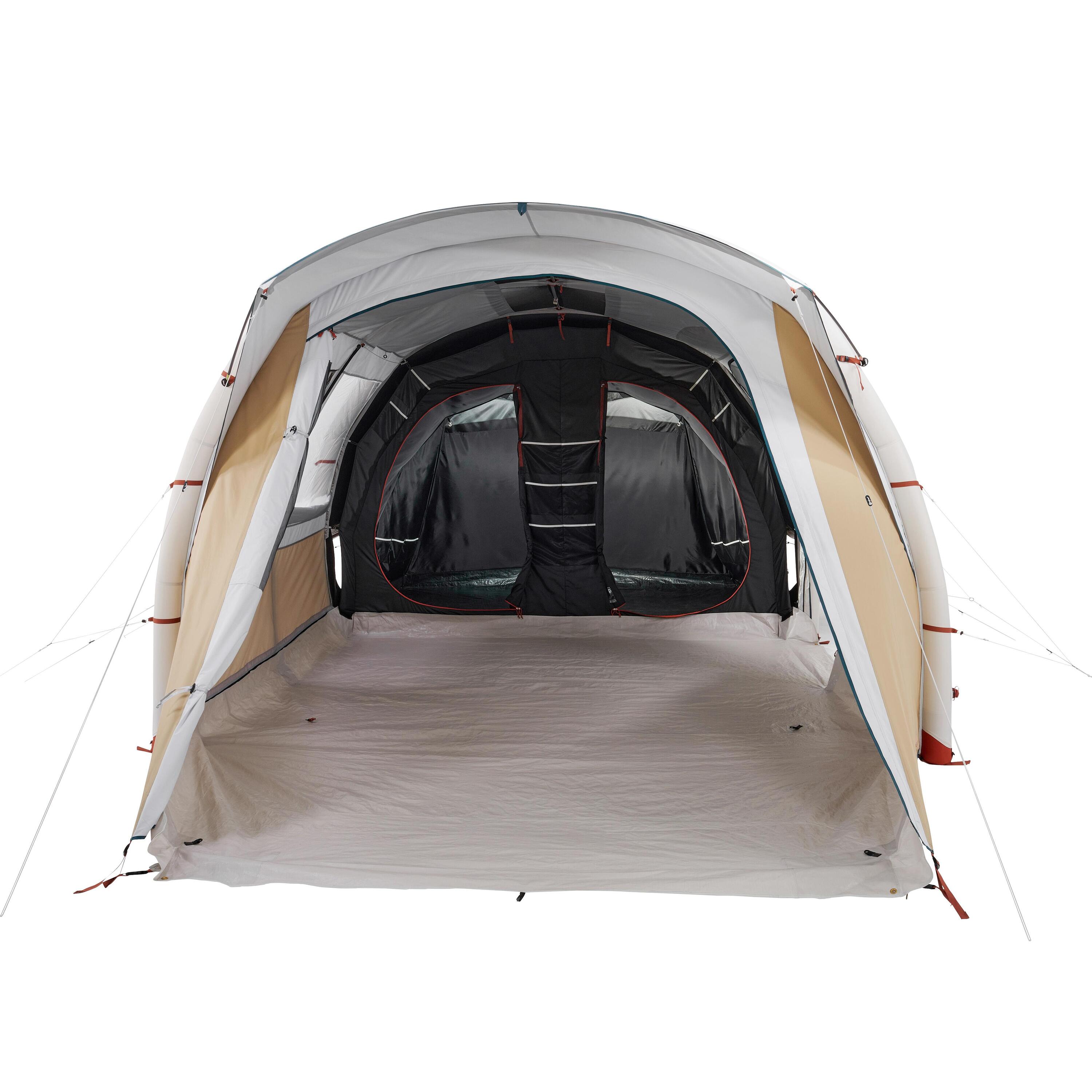
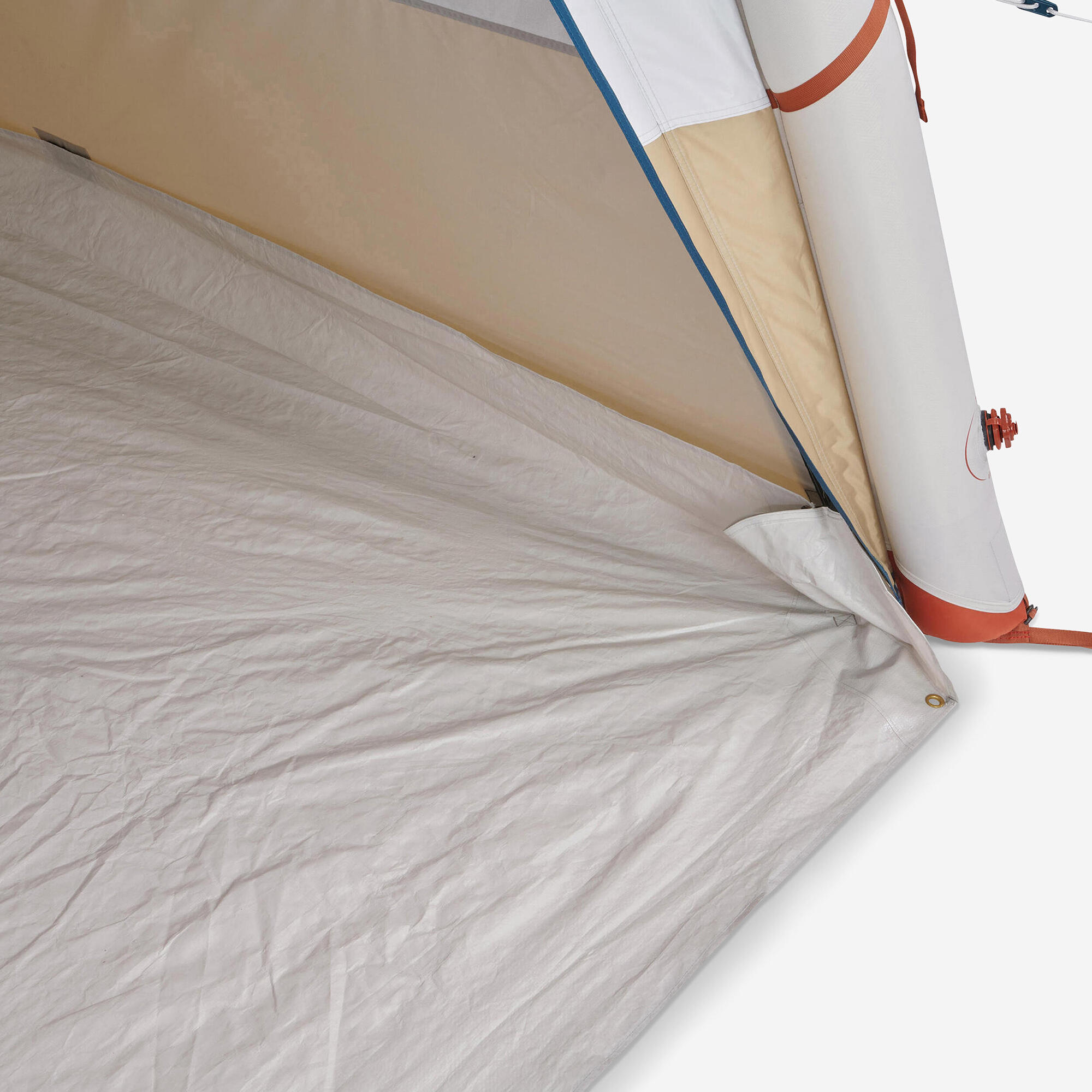
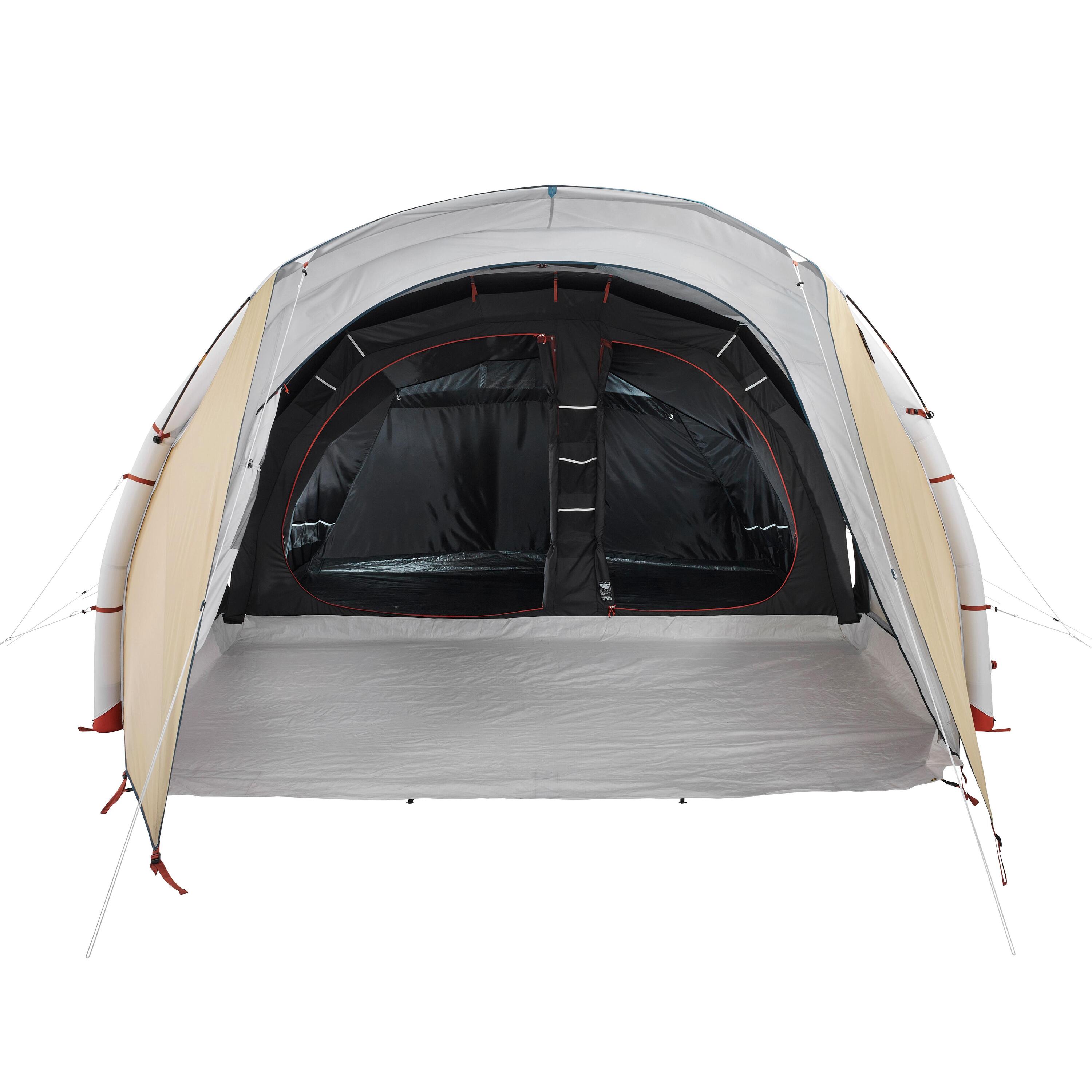
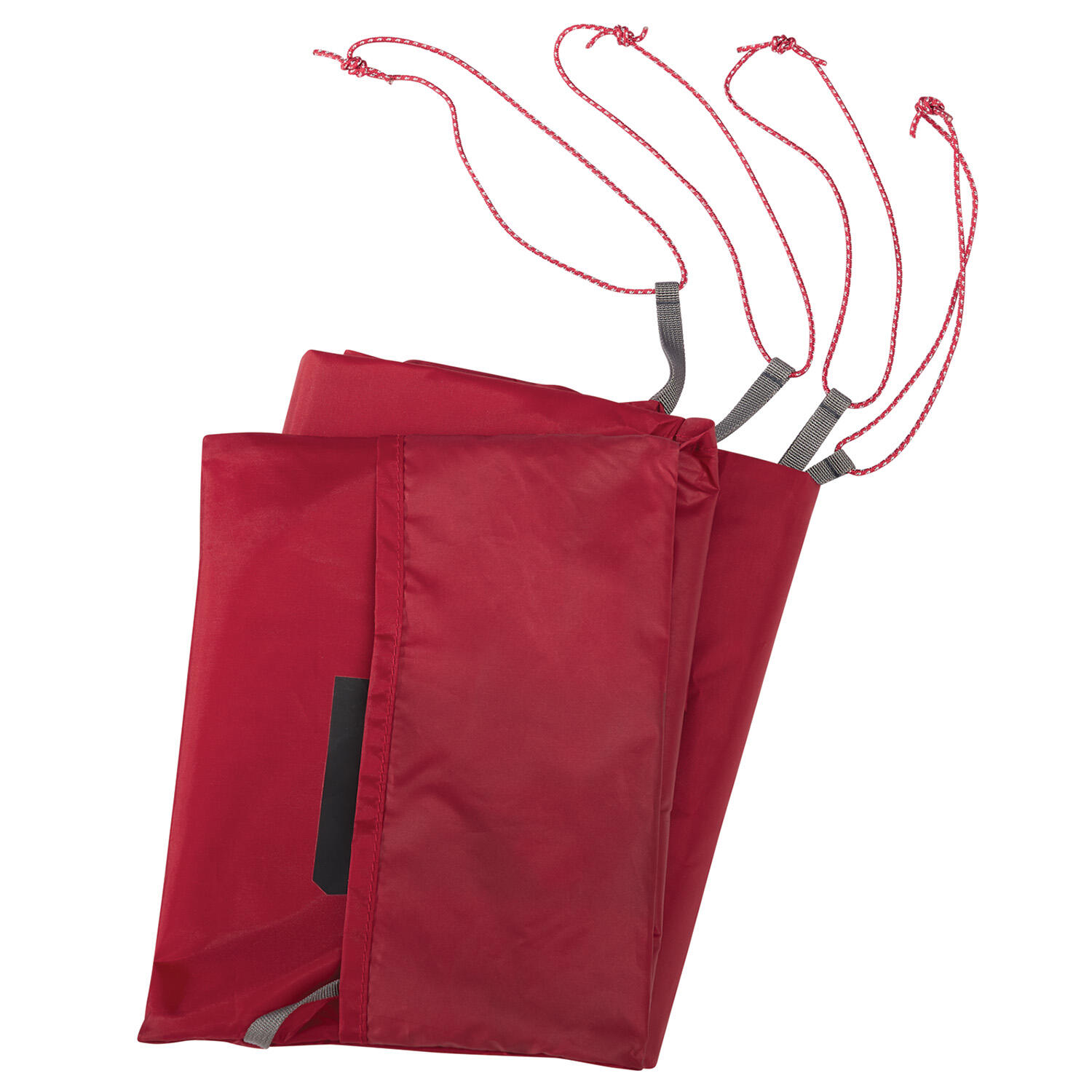
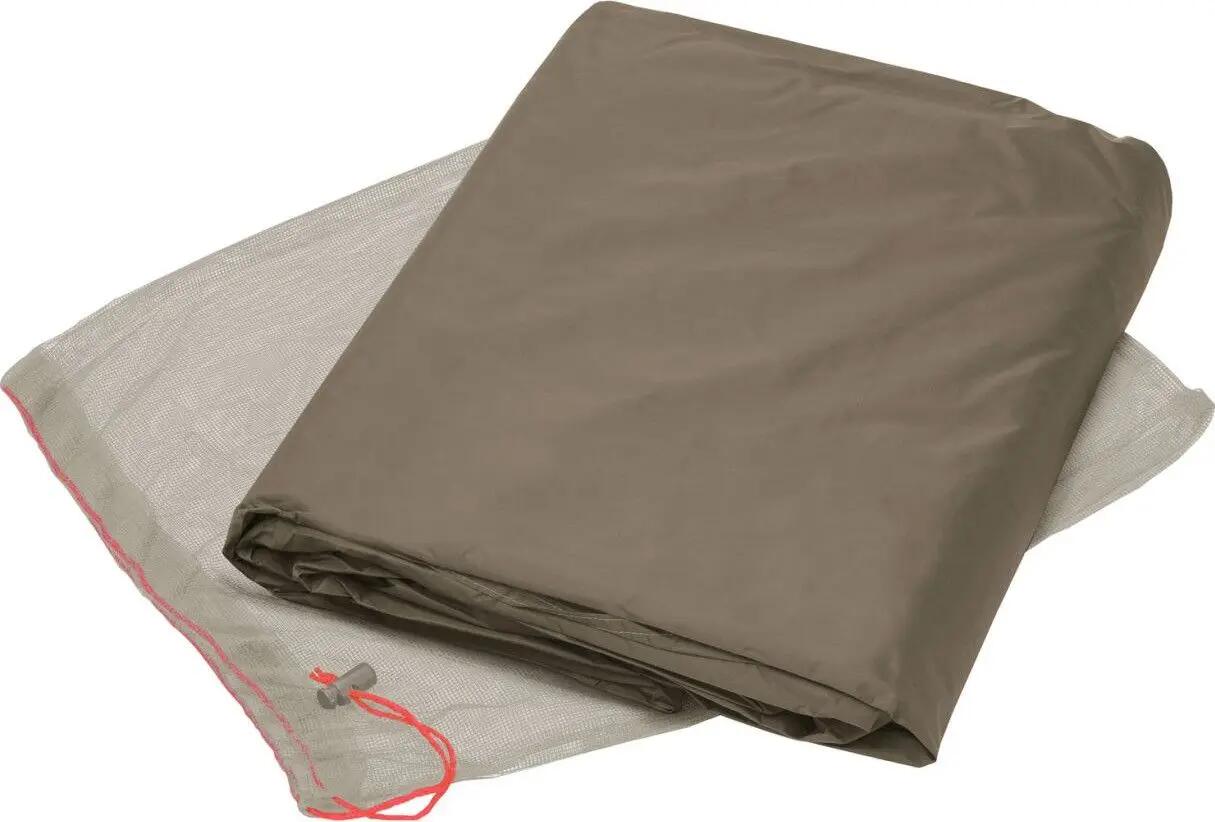
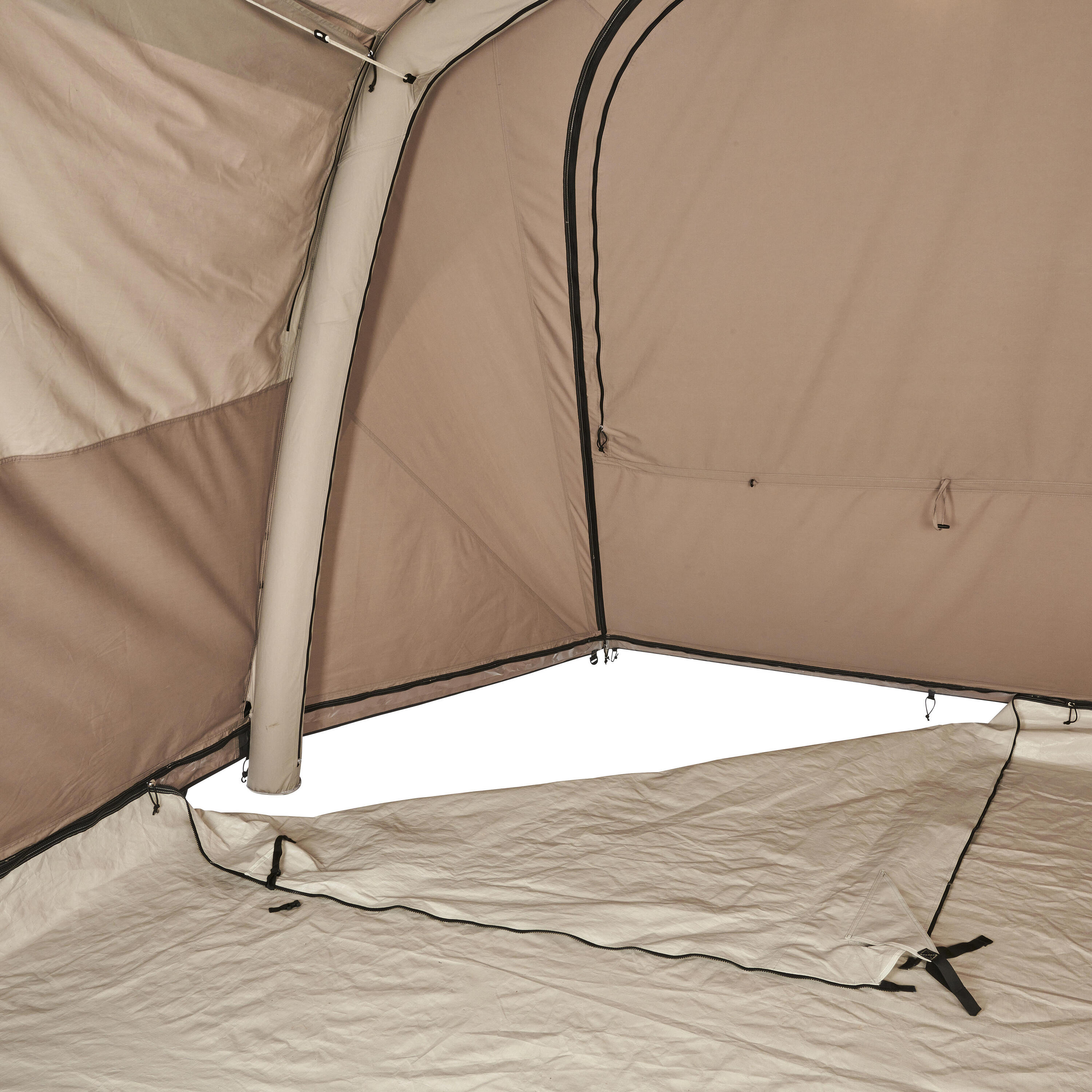
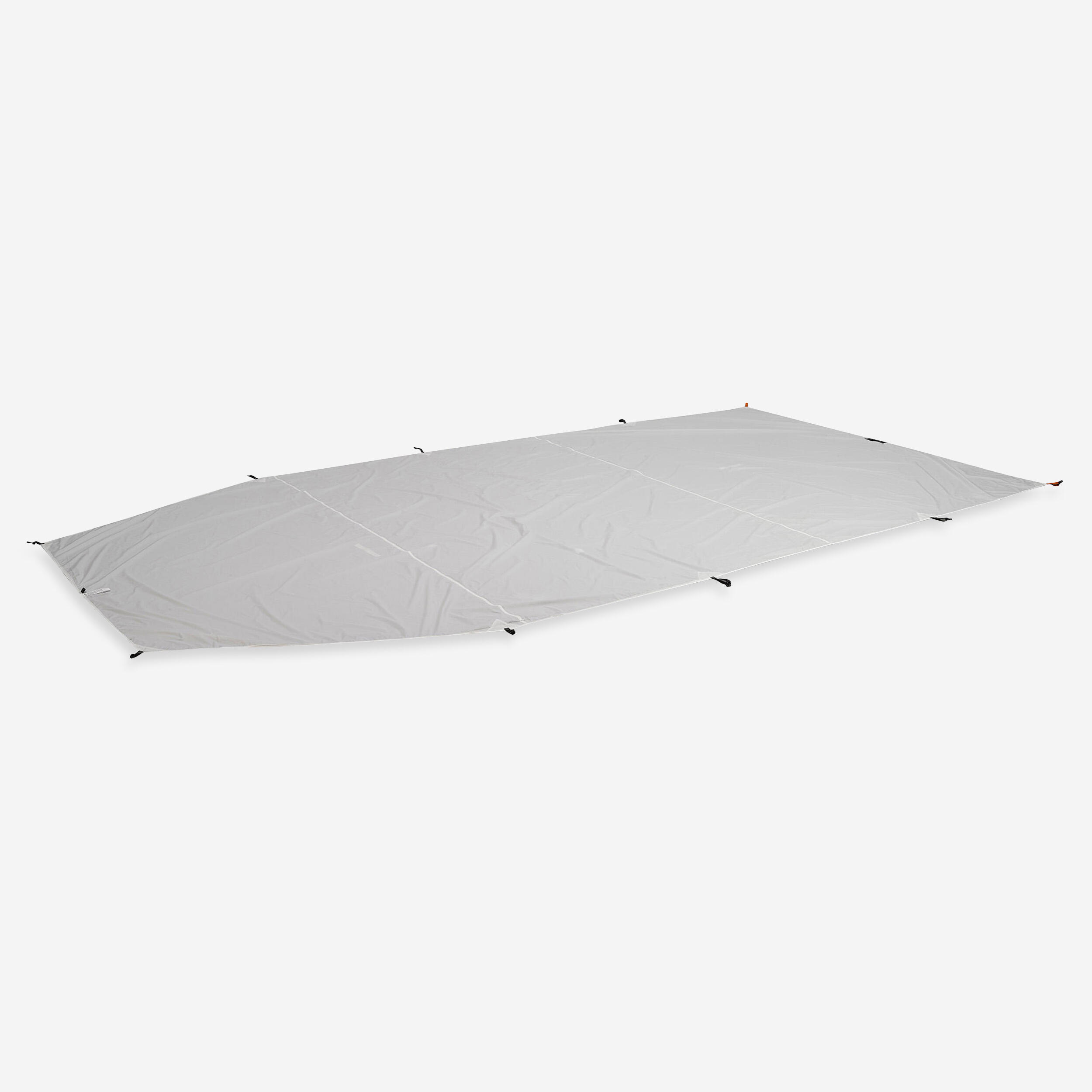
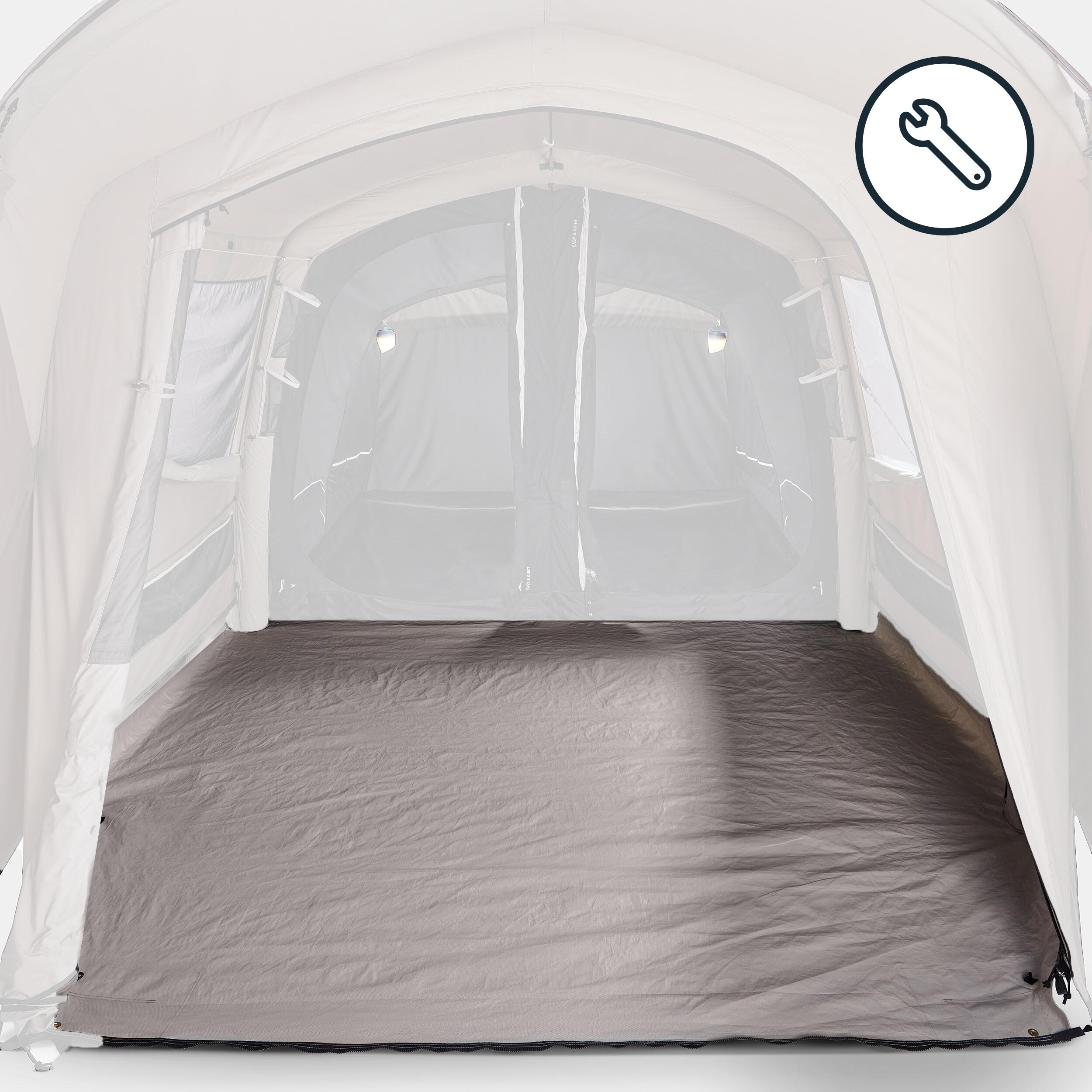
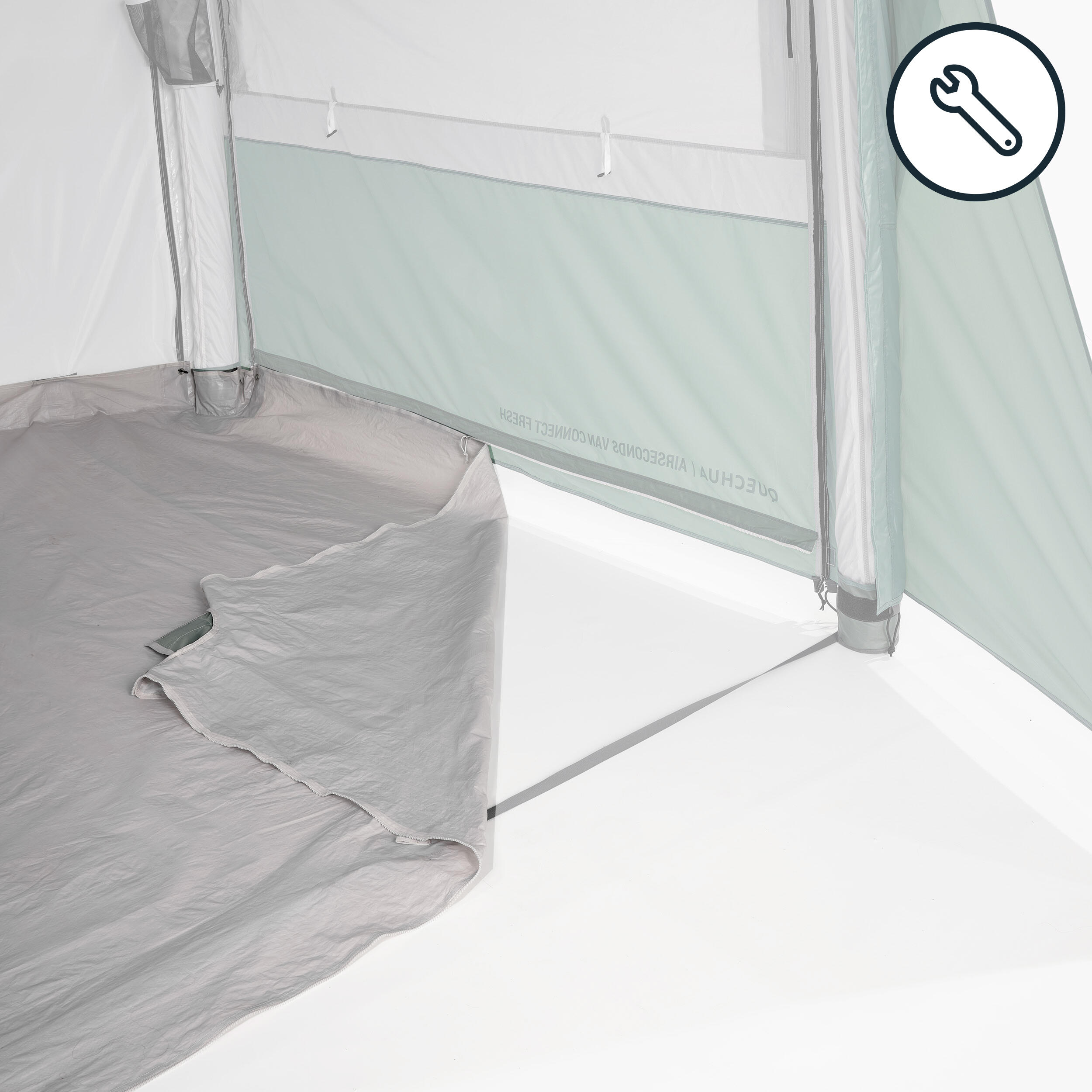
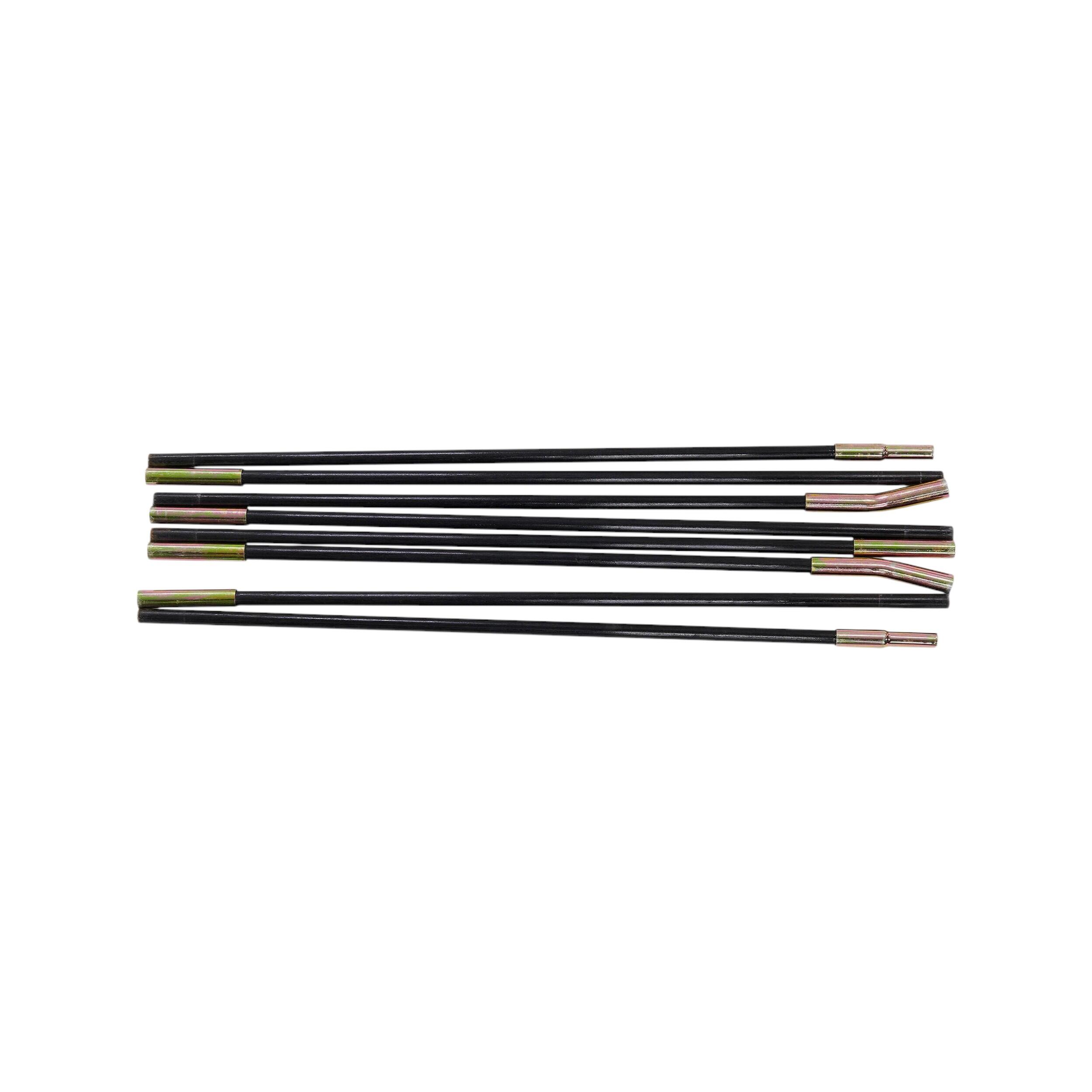
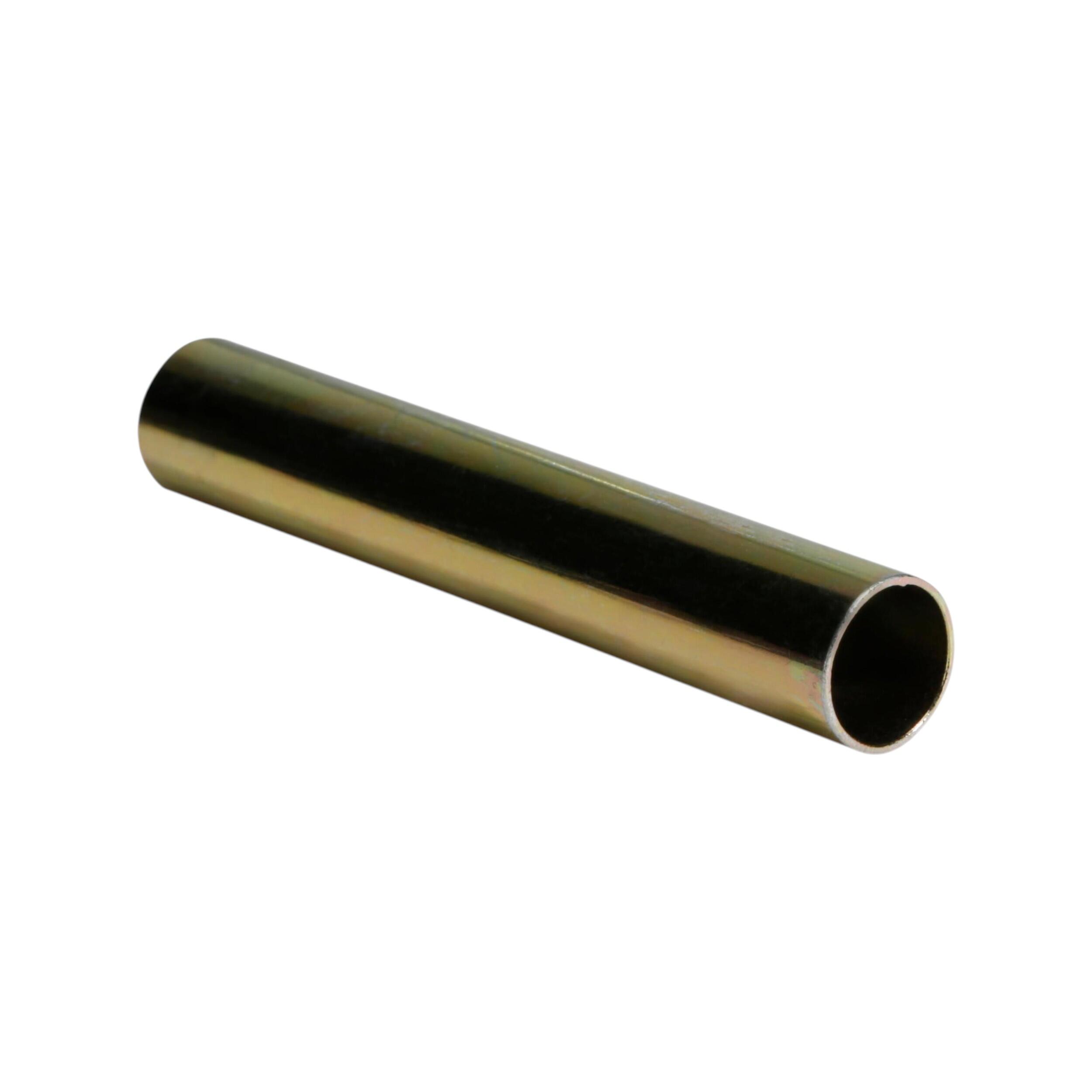
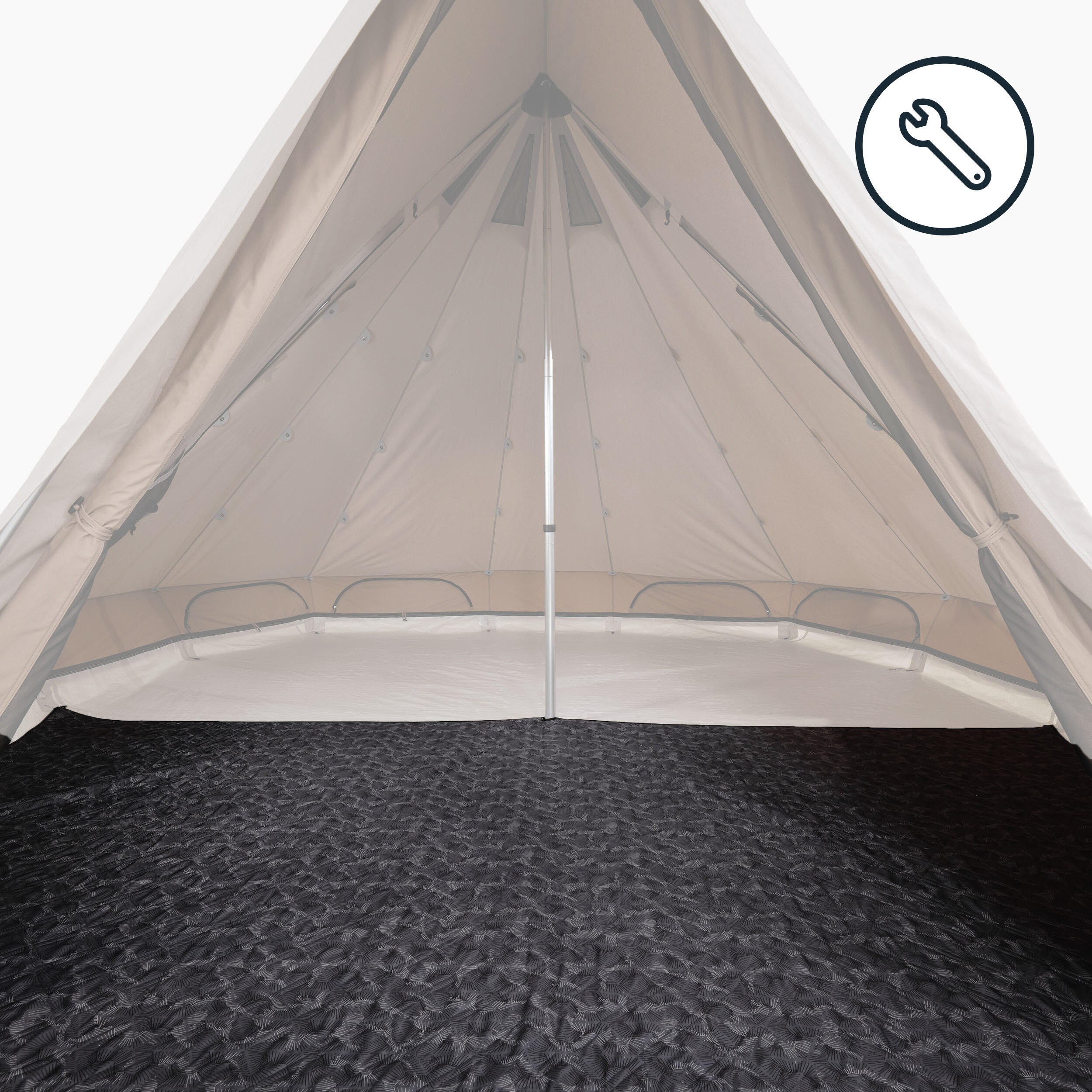
It's the protective layer between the ground and your tent floor, taking the abrasion from stones, twigs and rough pitches that would otherwise wear through the sewn-in floor and adding a barrier against damp rising from below. A footprint cut to the tent's base is far cheaper to replace than the tent itself. It works with the frame, so check your tent poles and the tent ferrules that join them are sound at the same time, since the floor and frame work as one.

What are groundsheets made from?

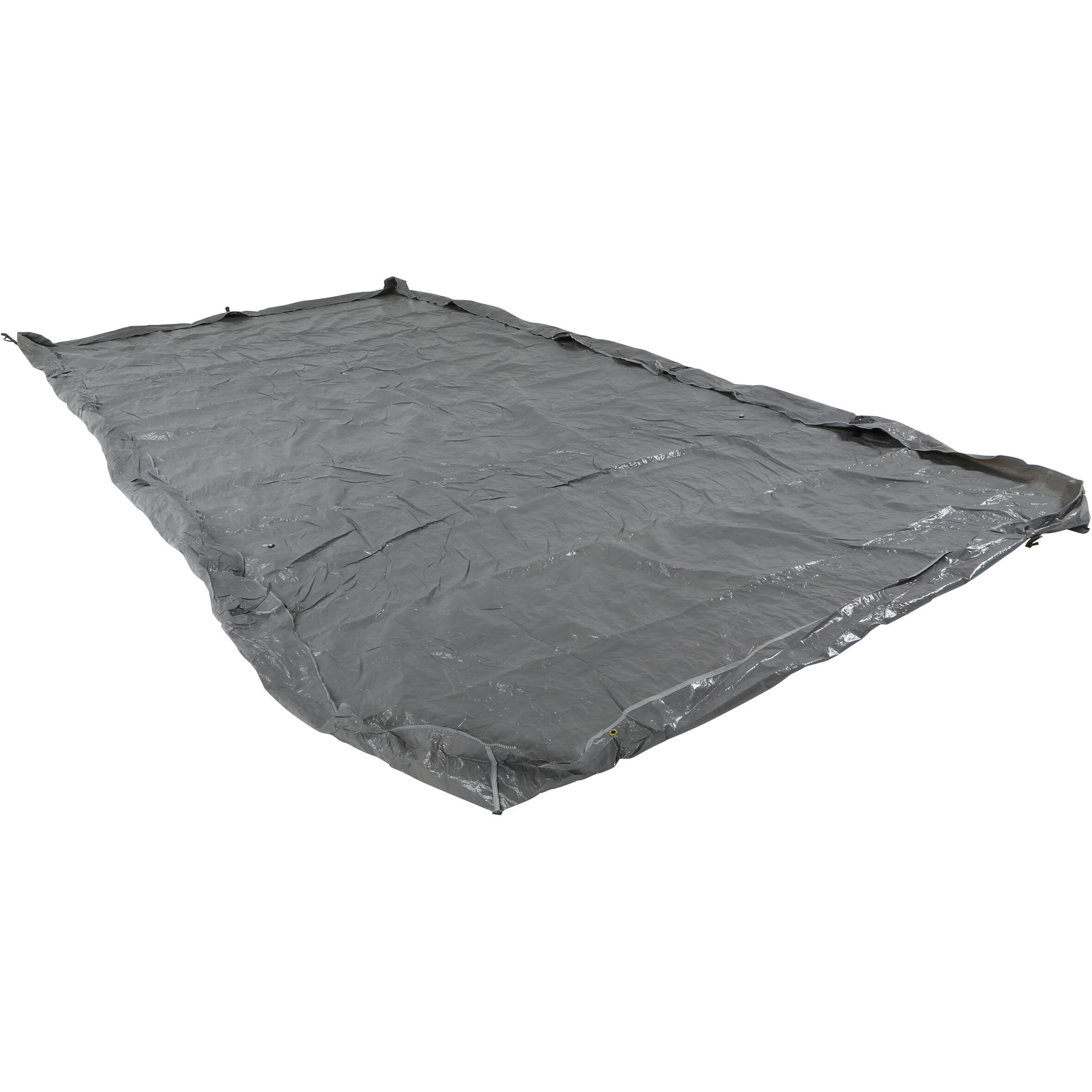
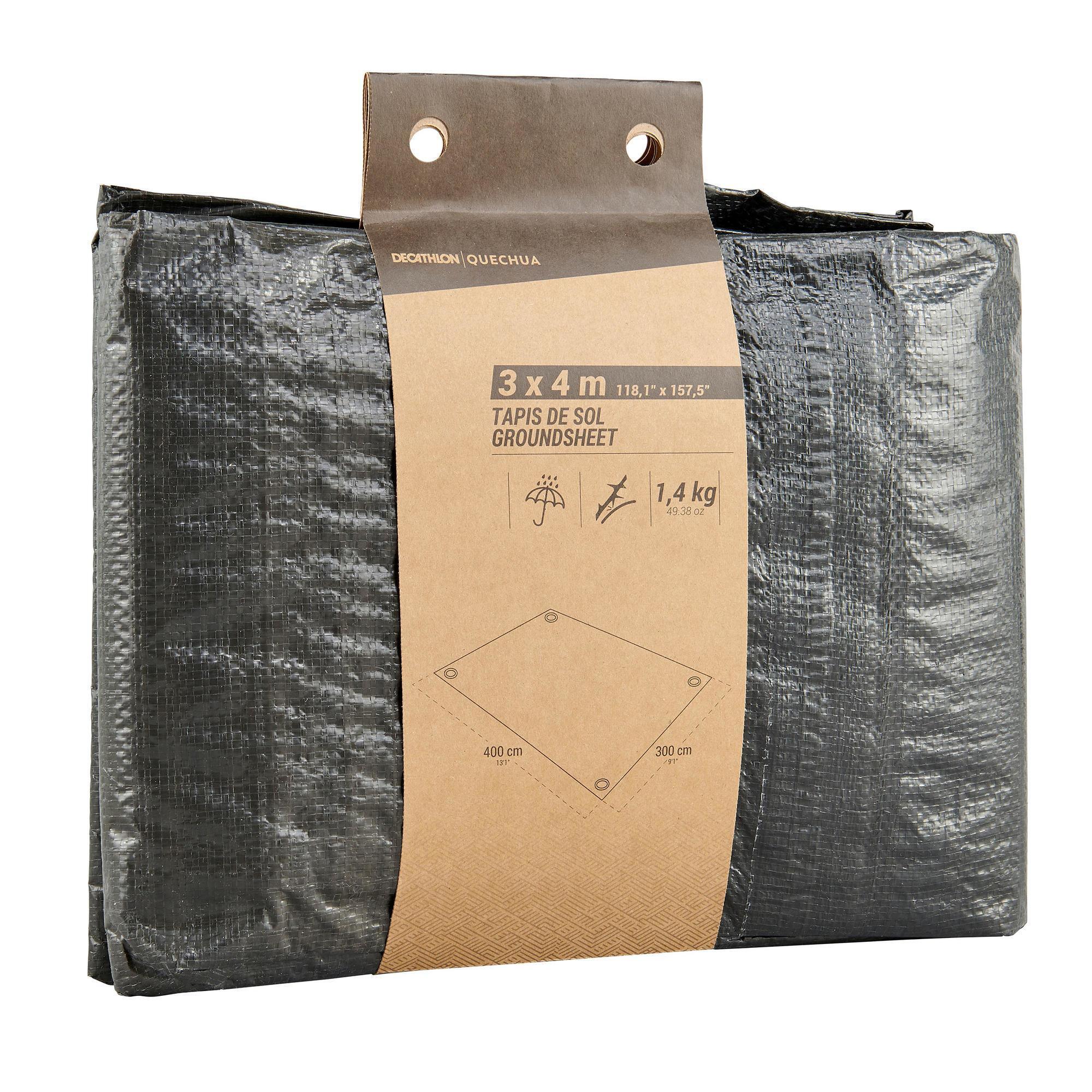
Usually tough woven polypropylene or coated polyester, chosen for puncture resistance and a waterproof underside. Heavier woven sheets suit fixed family pitches, while lighter coated ones pack smaller for trekking. Taped or welded edges help prevent water from wicking in. A good groundsheet underneath and a sound tent flysheet overhead together seal the tent against weather from both directions, top and bottom.

What size groundsheet do you need, and how should it be positioned?

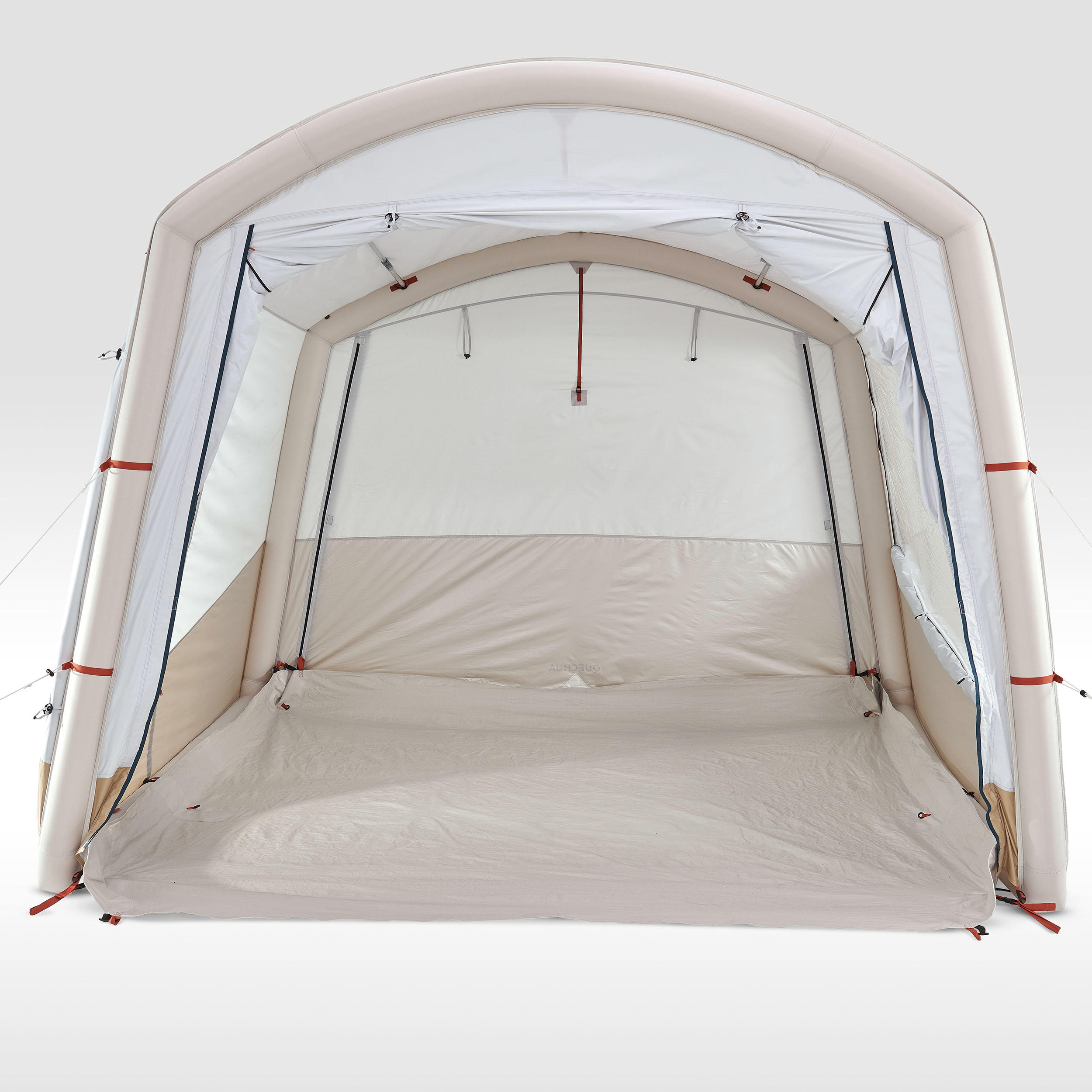
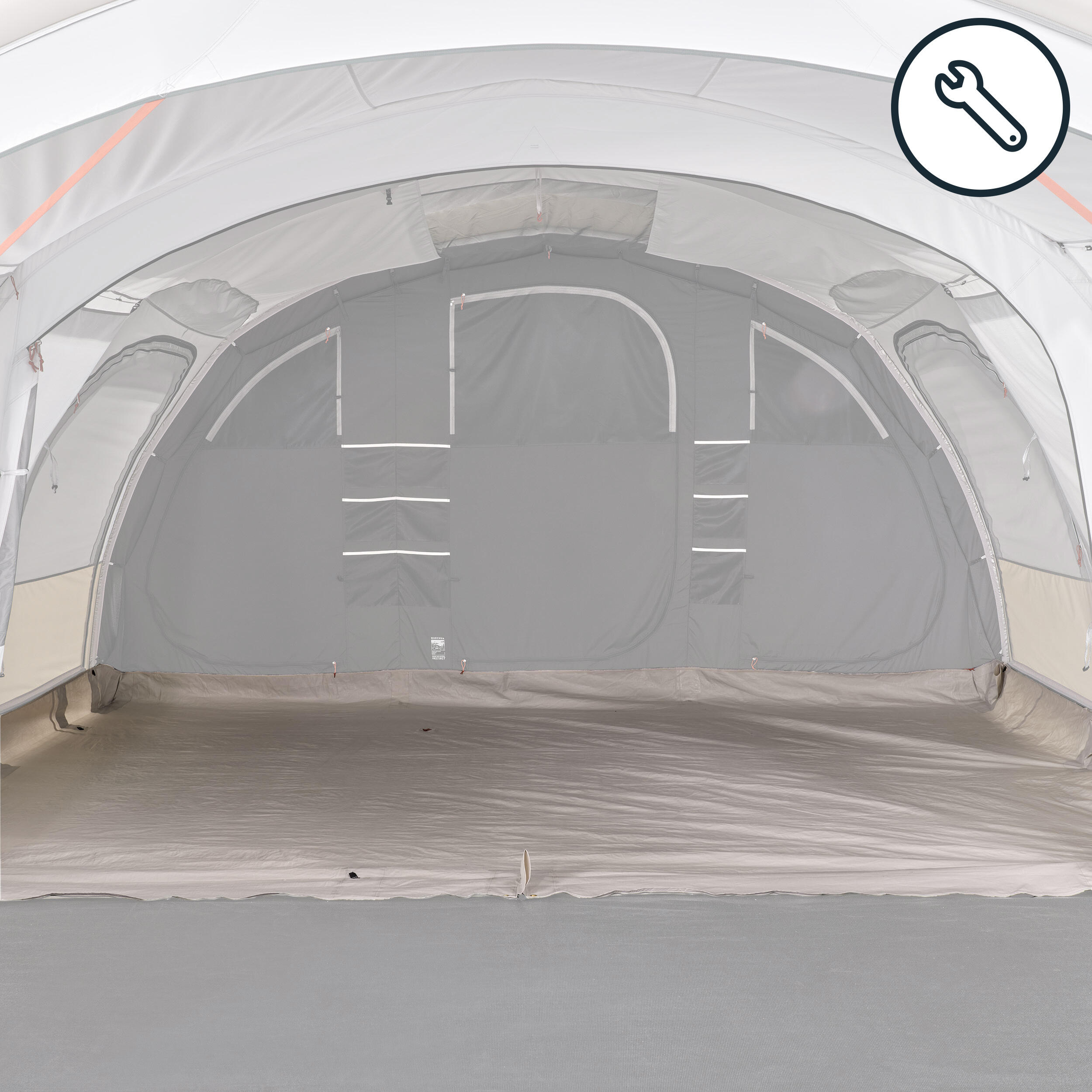
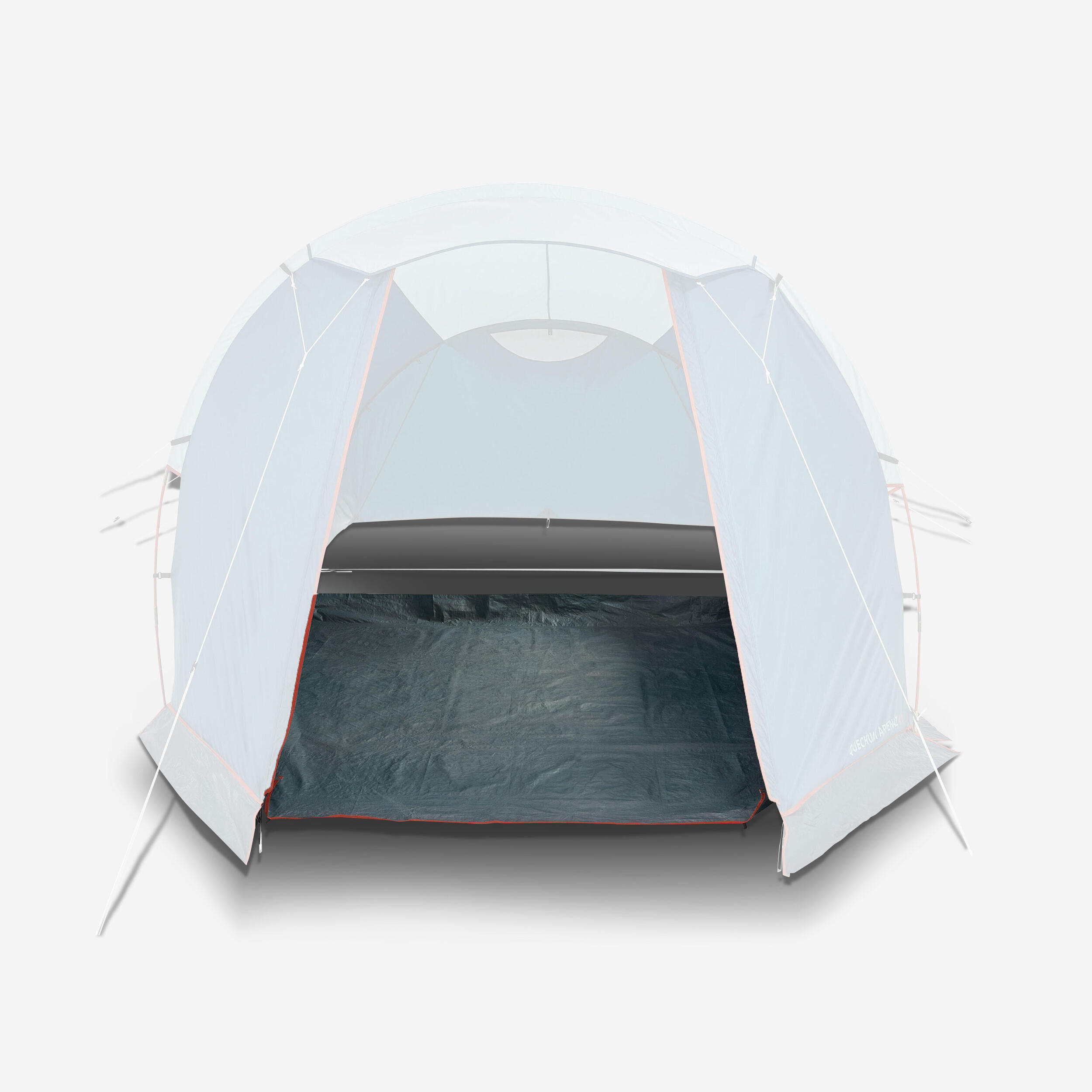
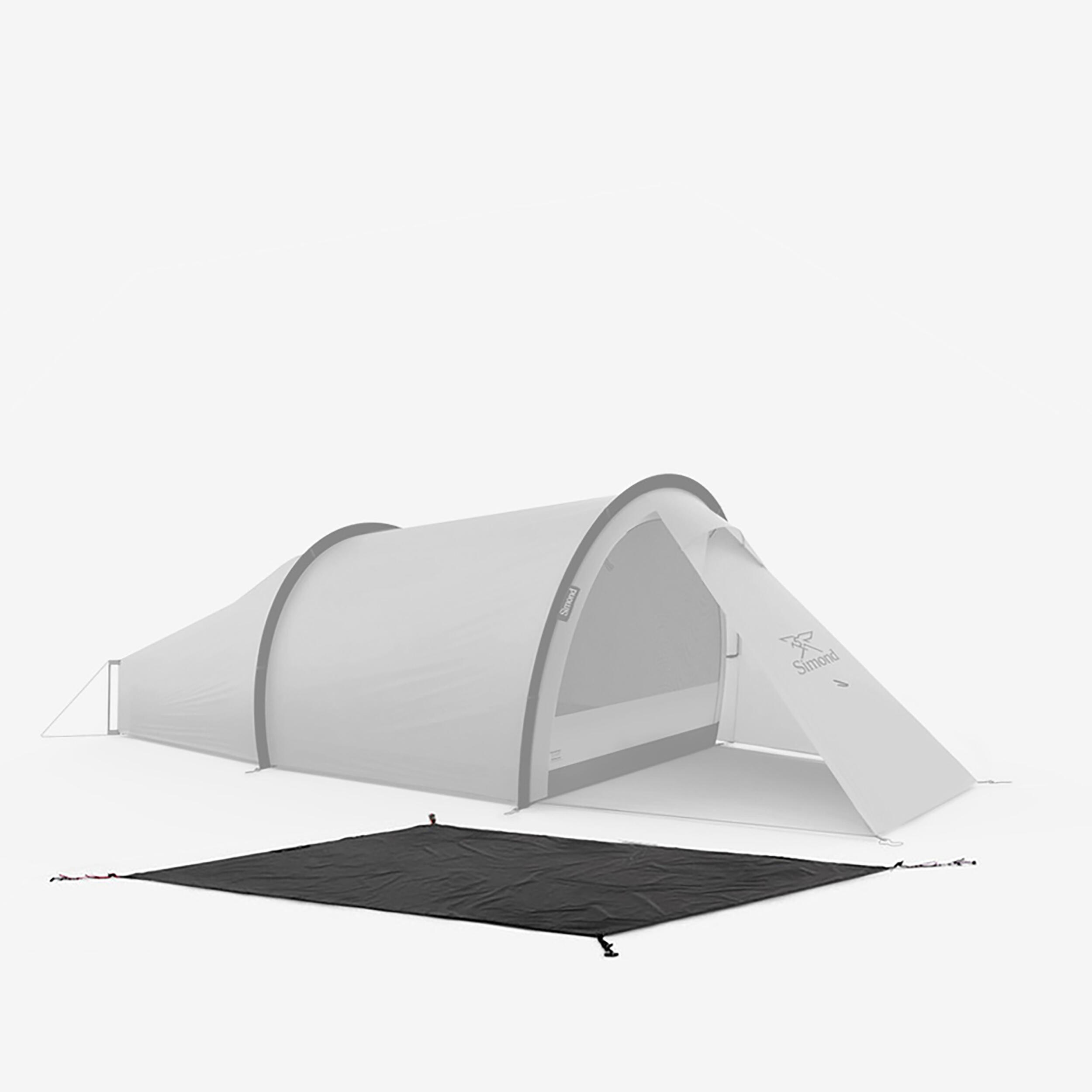
Cut or choose one slightly smaller than the tent's footprint so no edge sticks out to catch rain and funnel it underneath you. Lay it flat, clear of sharp stones, before pitching on top. A snug fit stops it sliding around during the night. With the floor protected, the inner tent stays cleaner and drier, and the whole pitch feels more solid underfoot. Tuck any spare edge under itself rather than leaving it proud, where it can catch the rain.

Can a groundsheet double as an extra structure?

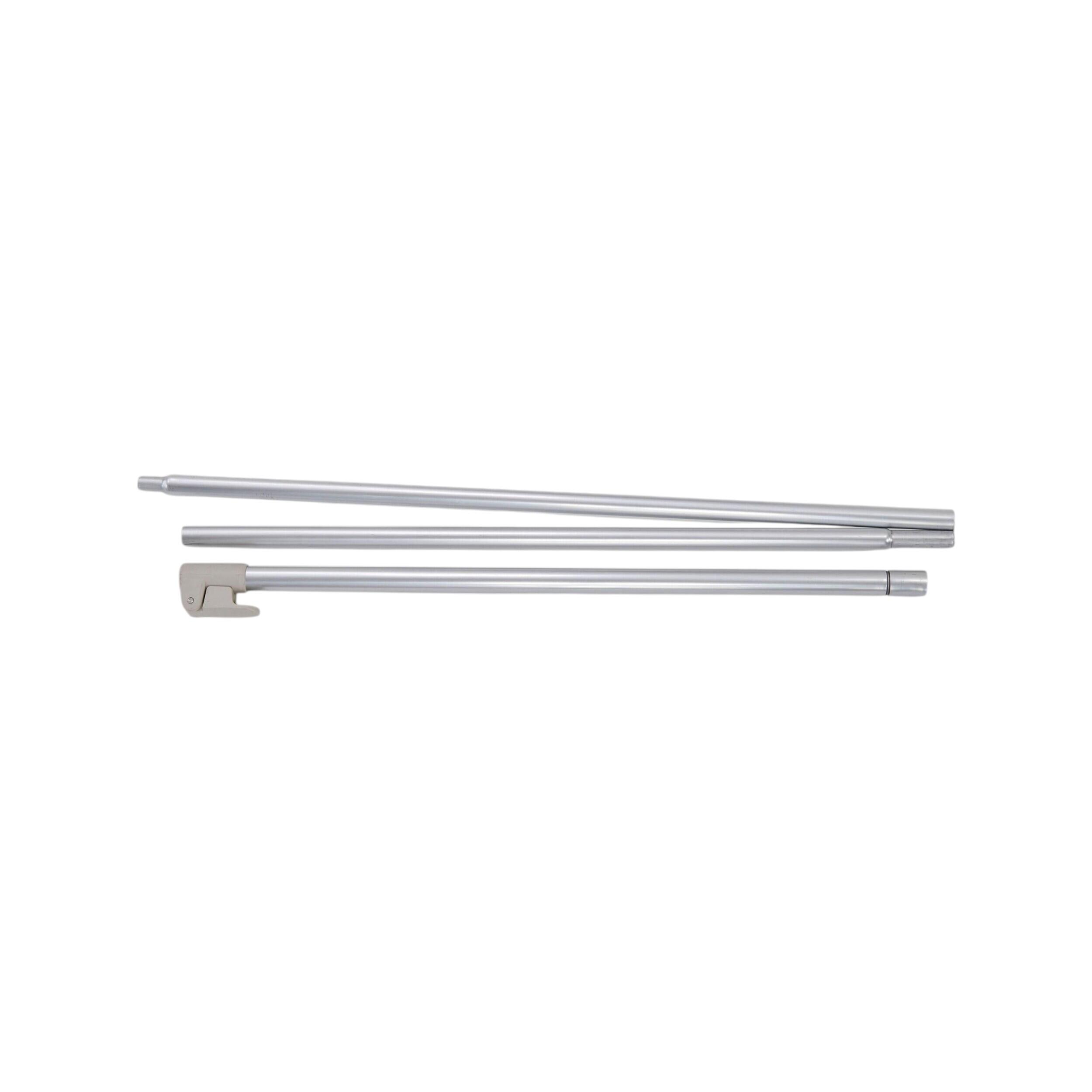
Some footprints clip to the same points as the poles or a frame brace, helping anchor the tent and hold the floor taut. Check whether your model is designed to integrate this way before relying on it. Our reinforcement bar adds rigidity to larger tents, and a well-fitted groundsheet complements it by maintaining a flat, stable base on uneven ground.
How should a groundsheet be cleaned and stored?

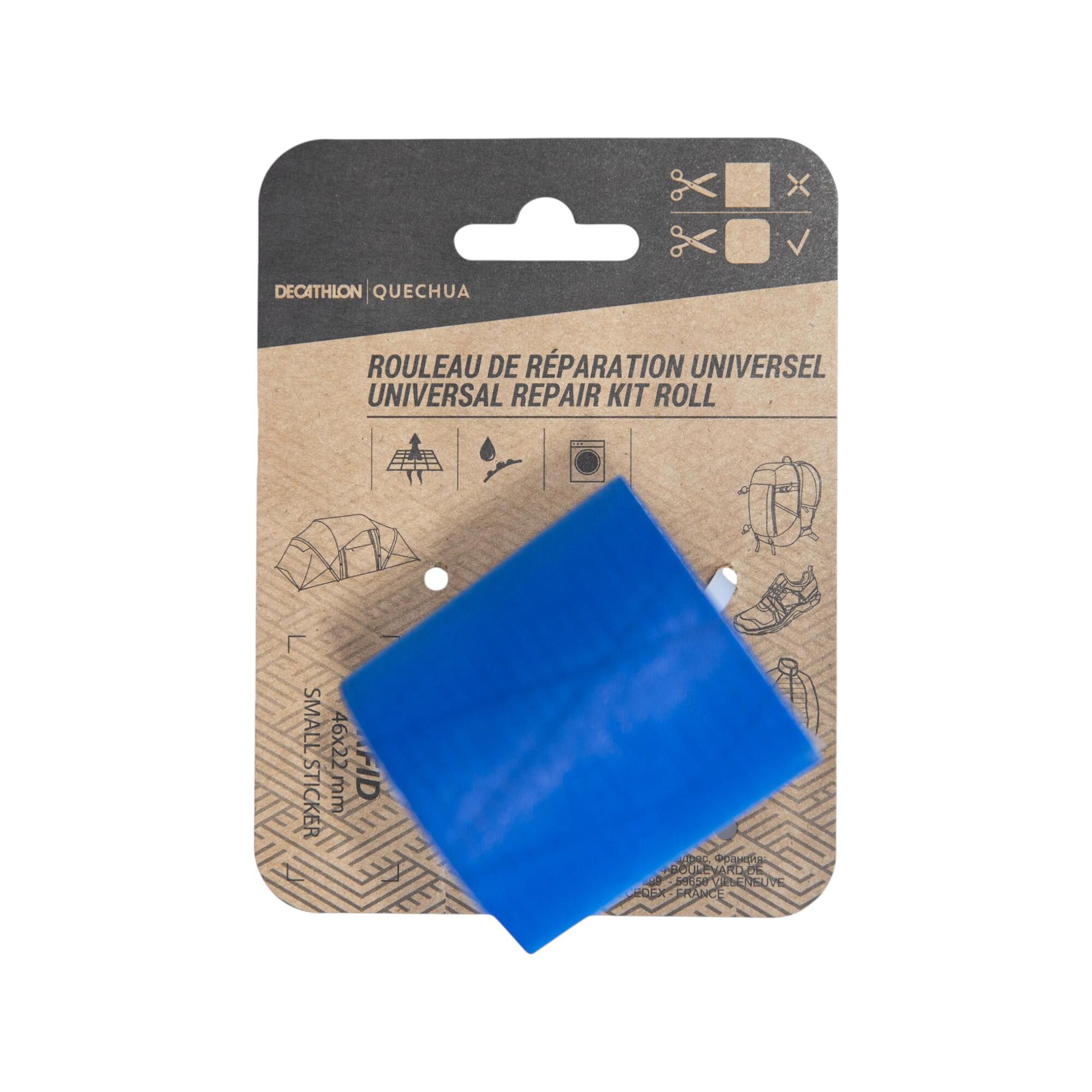
It takes the dirtiest job, so brush or hose off mud and grit after each trip and let it dry fully before folding, or it will grow mould in storage. Check for punctures and patch them with repair tape while you're at it. Stored clean and dry alongside the tent poles and fabric, a groundsheet protects the floor for many seasons. A small patch over a puncture keeps it watertight and saves buying a new one.