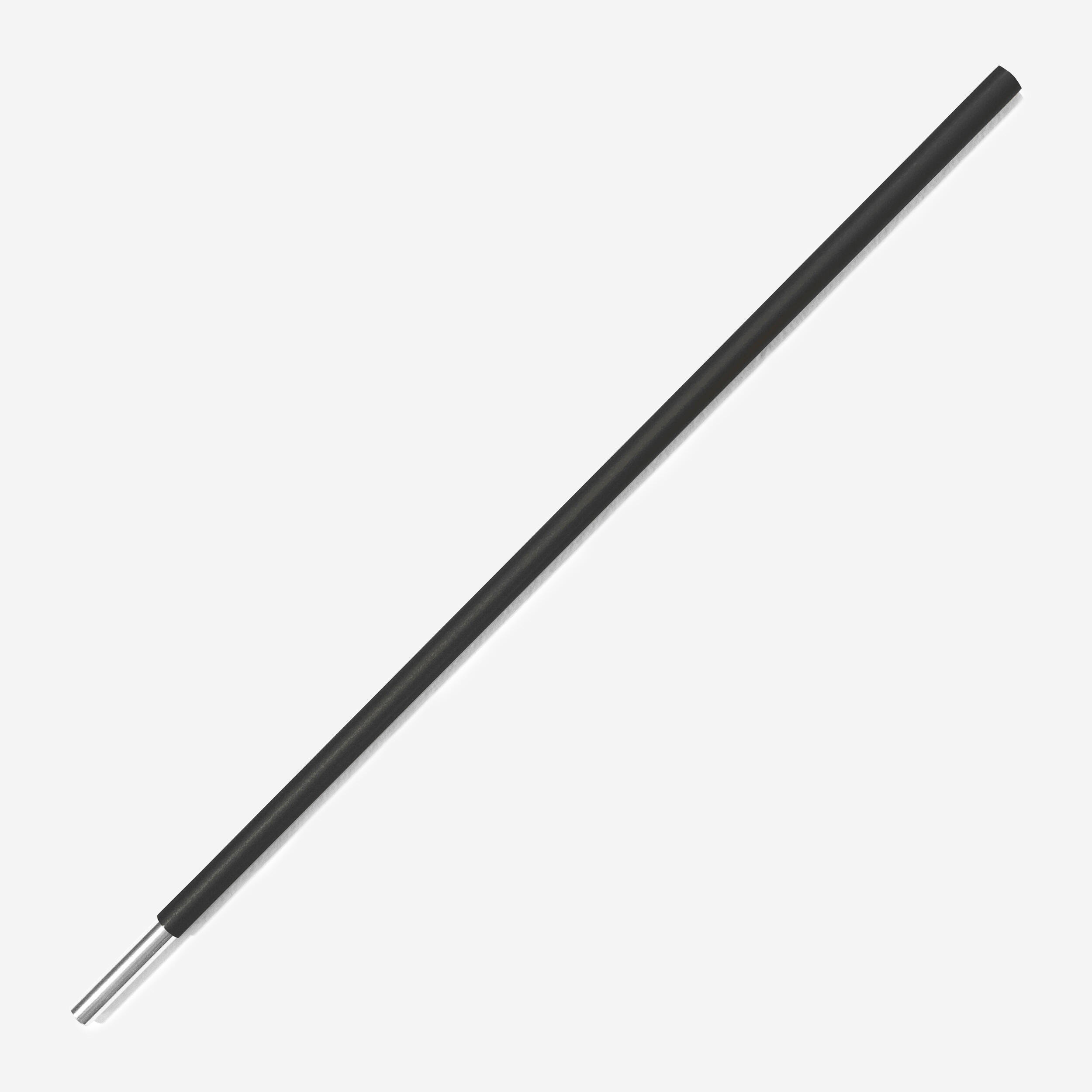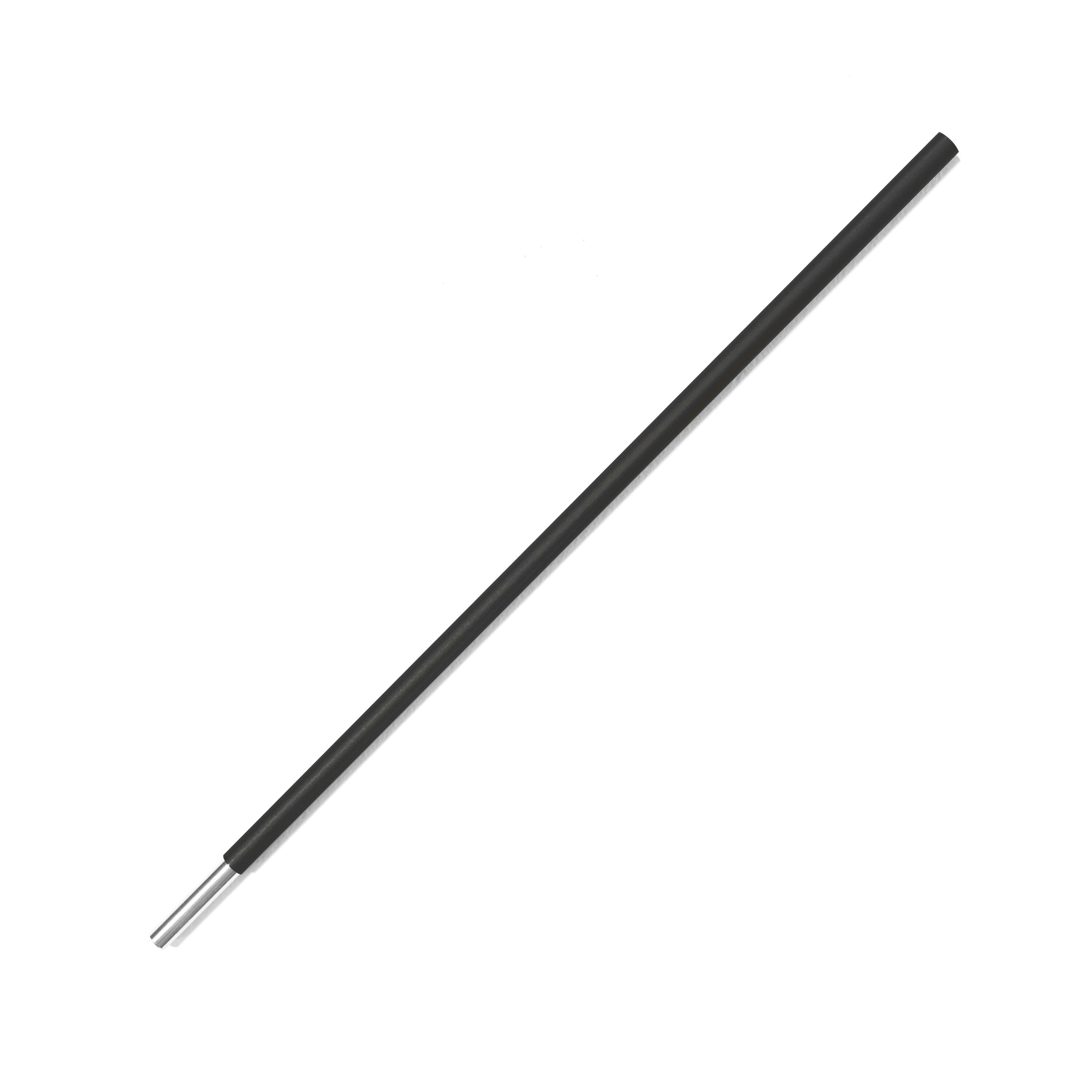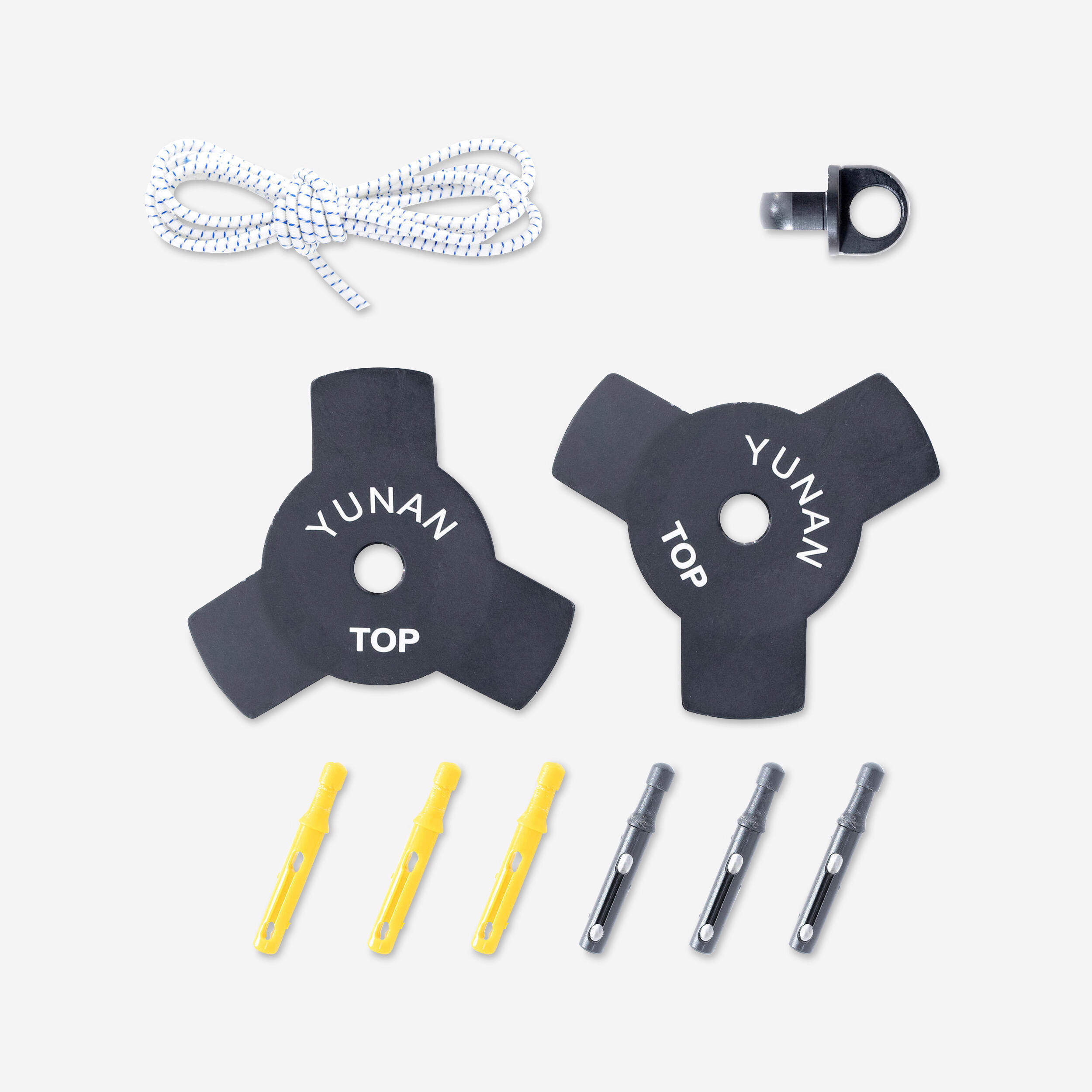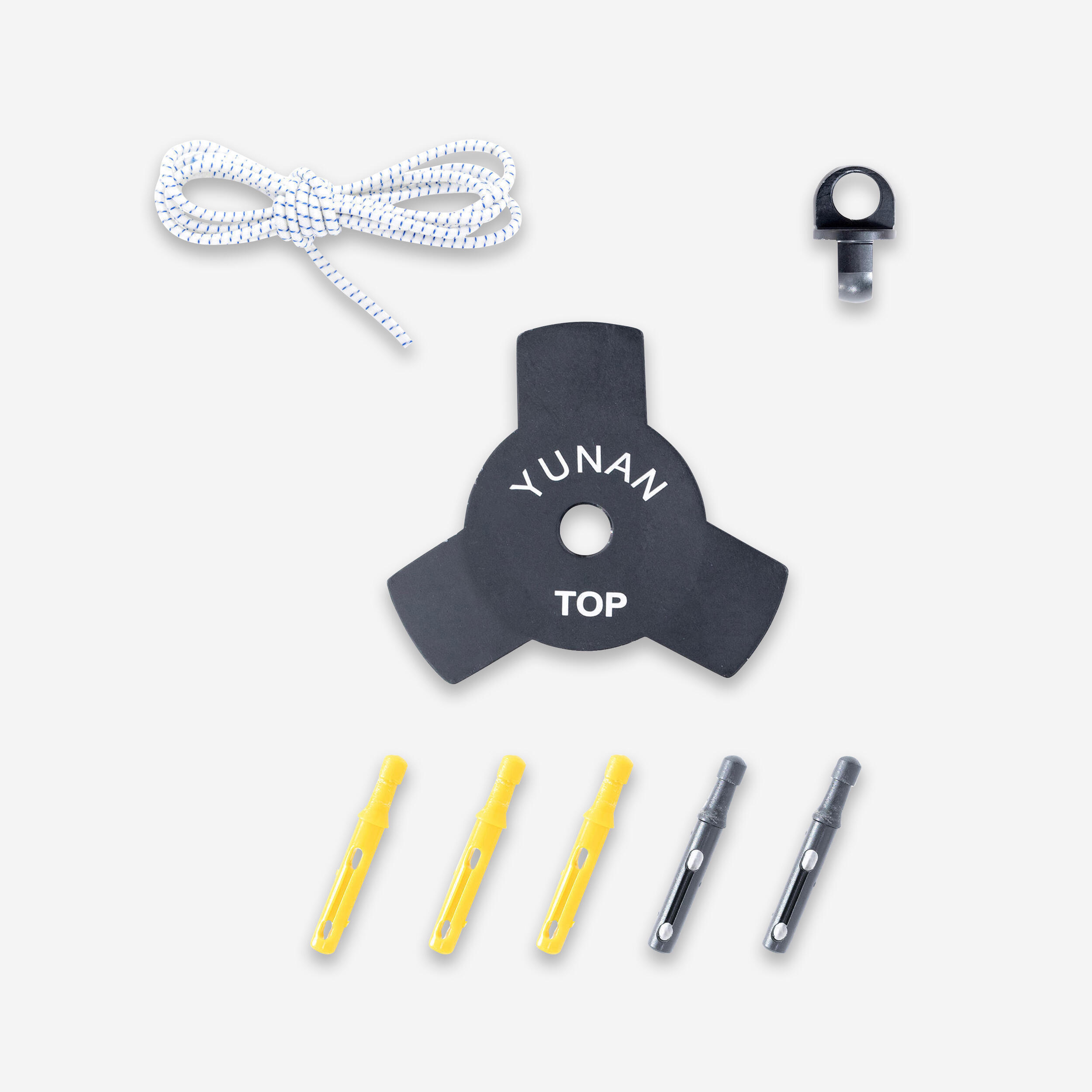
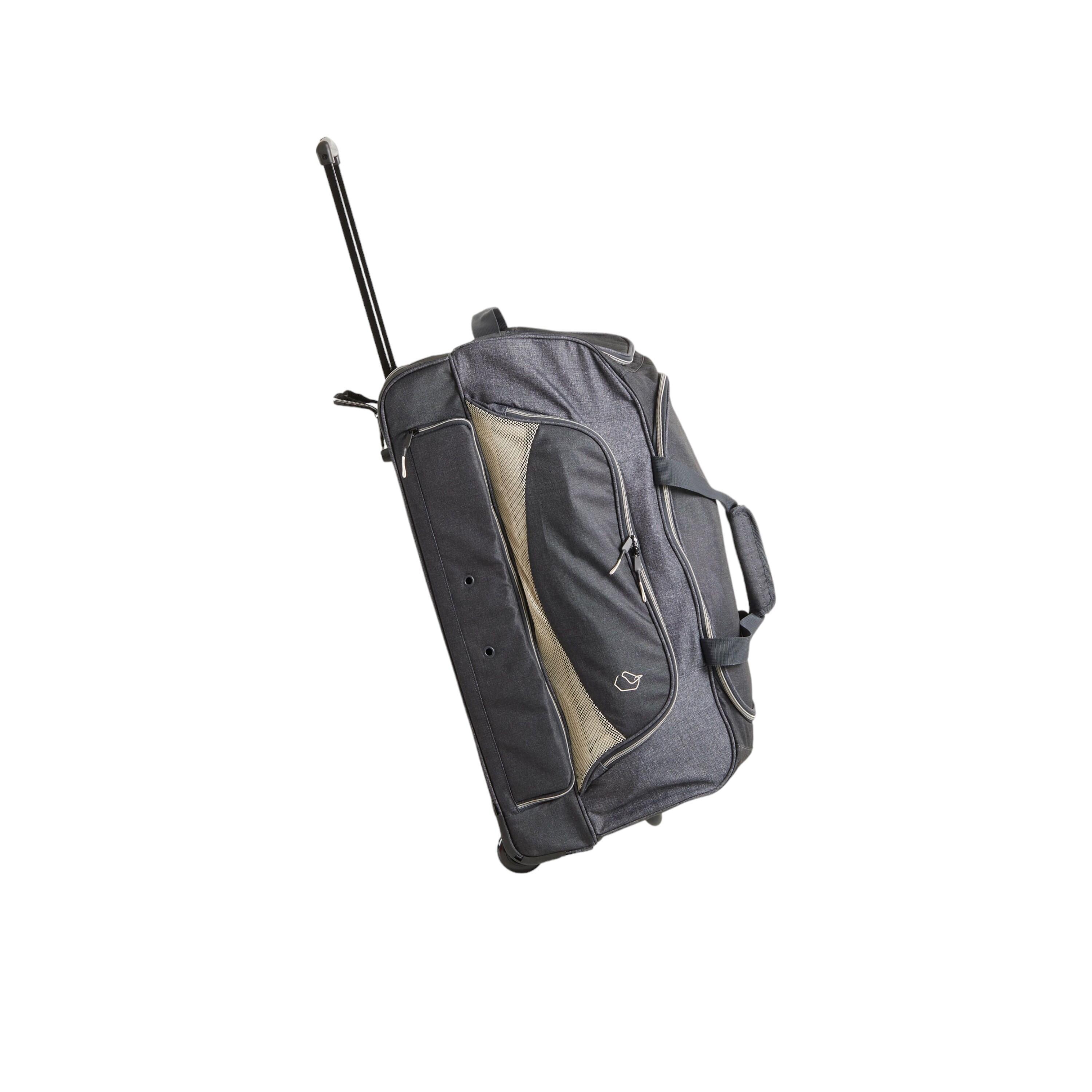
80 items
4.1/5 based on 966 reviews collected online and in stores

Tent Poles FAQs

What are tent poles made of?

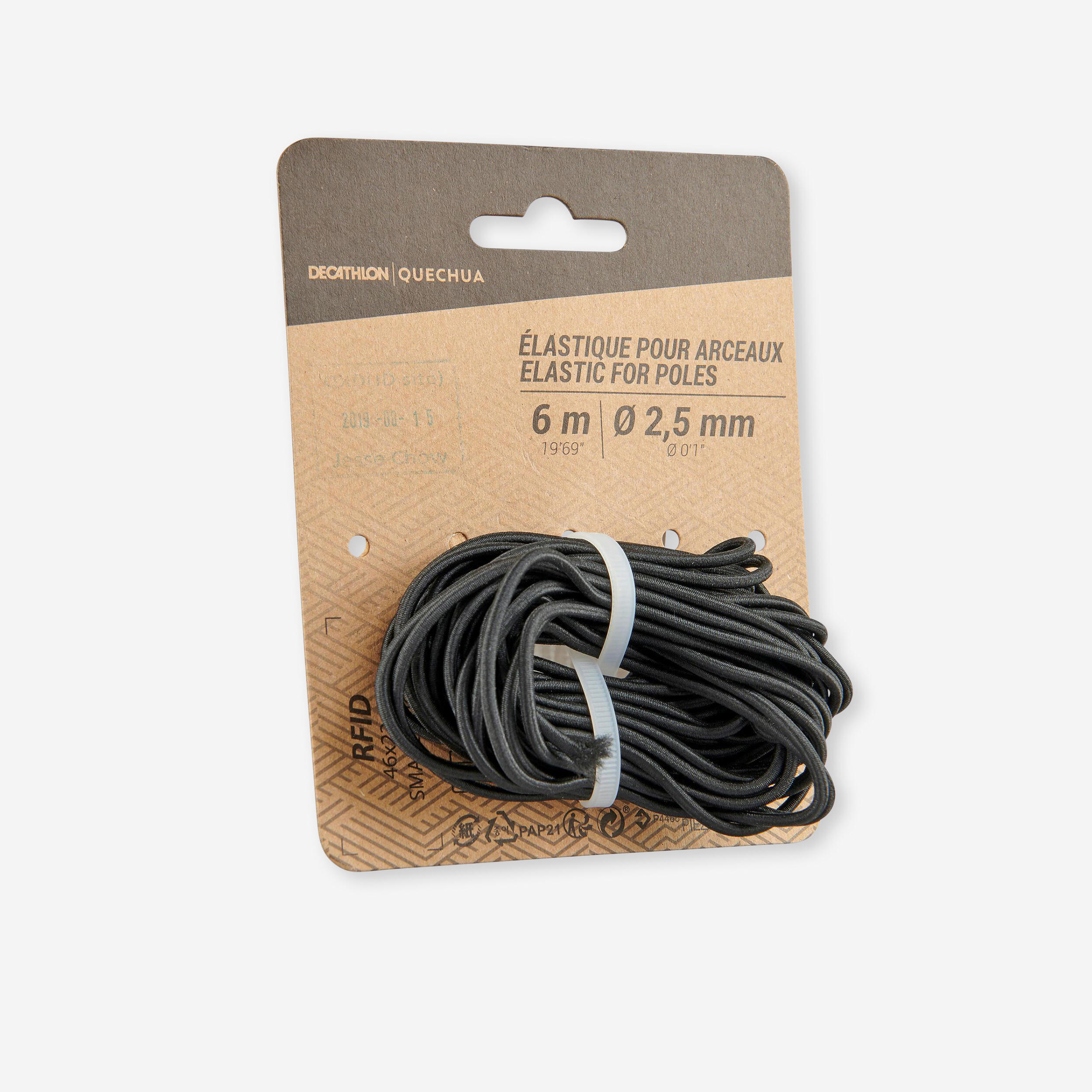
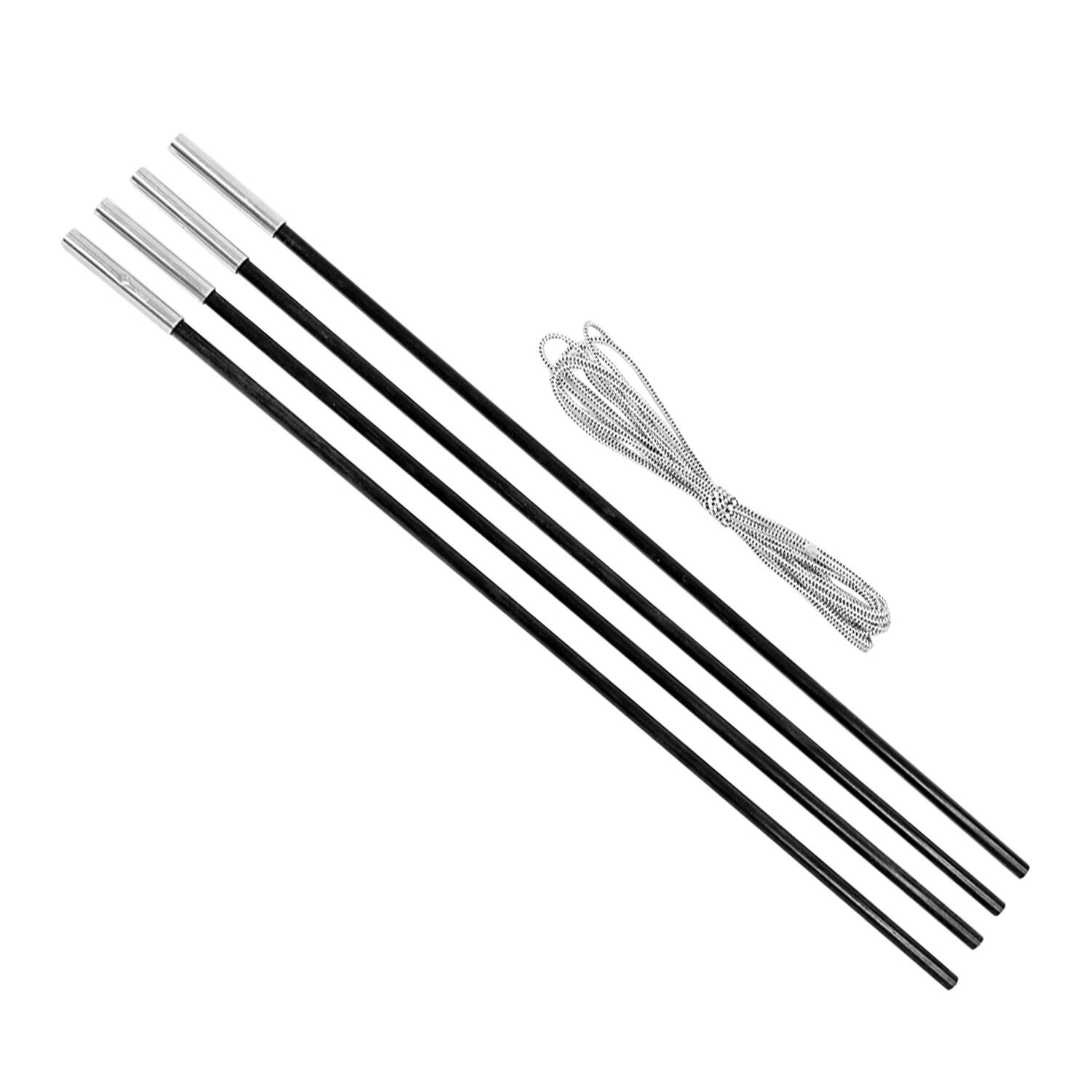
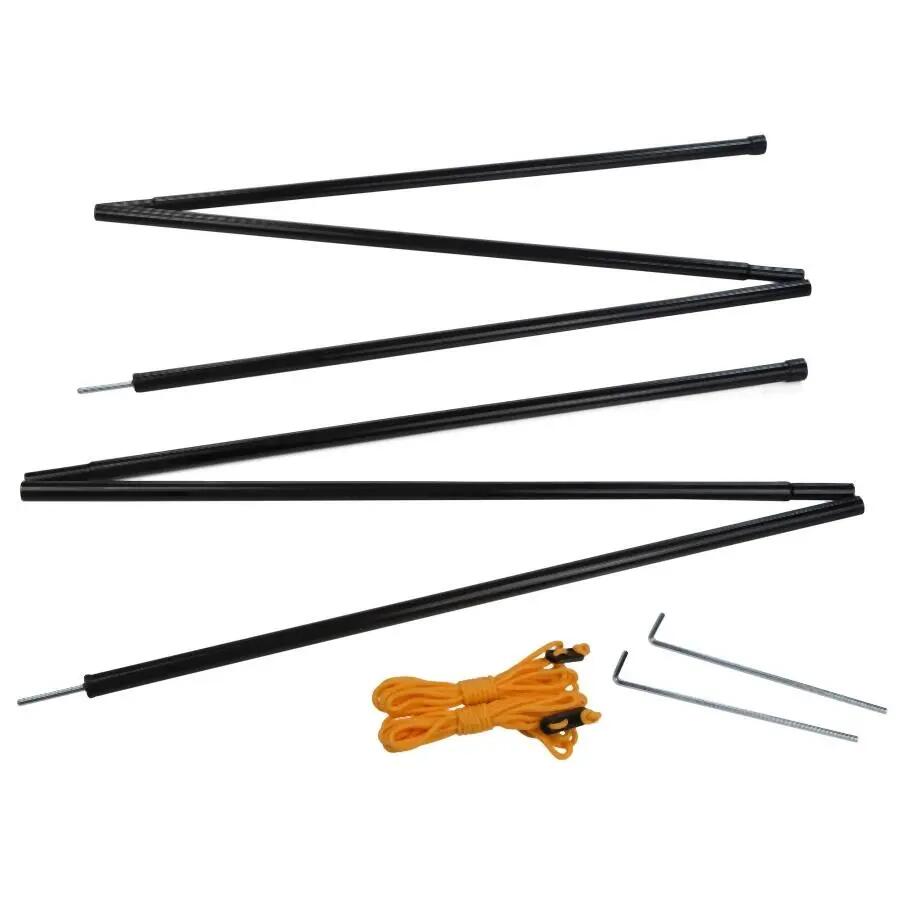
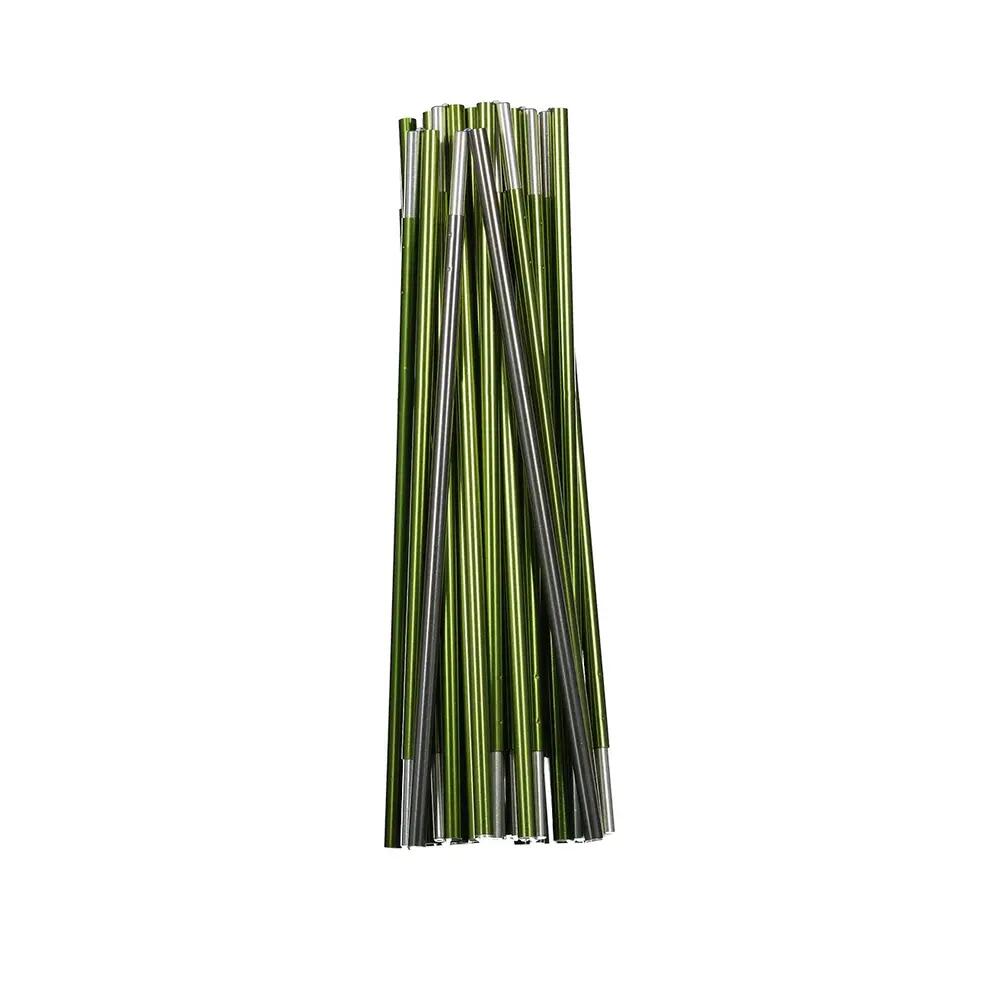
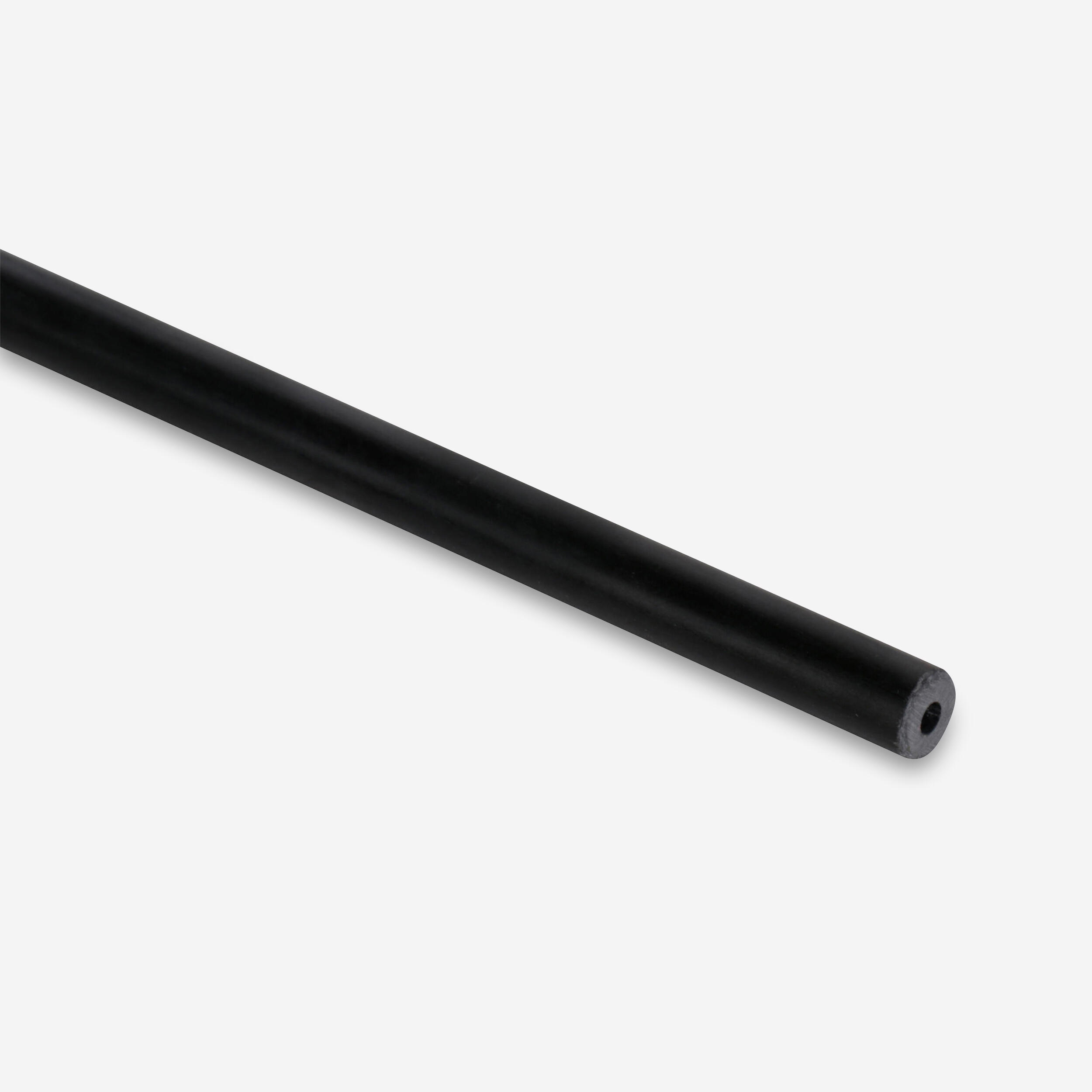
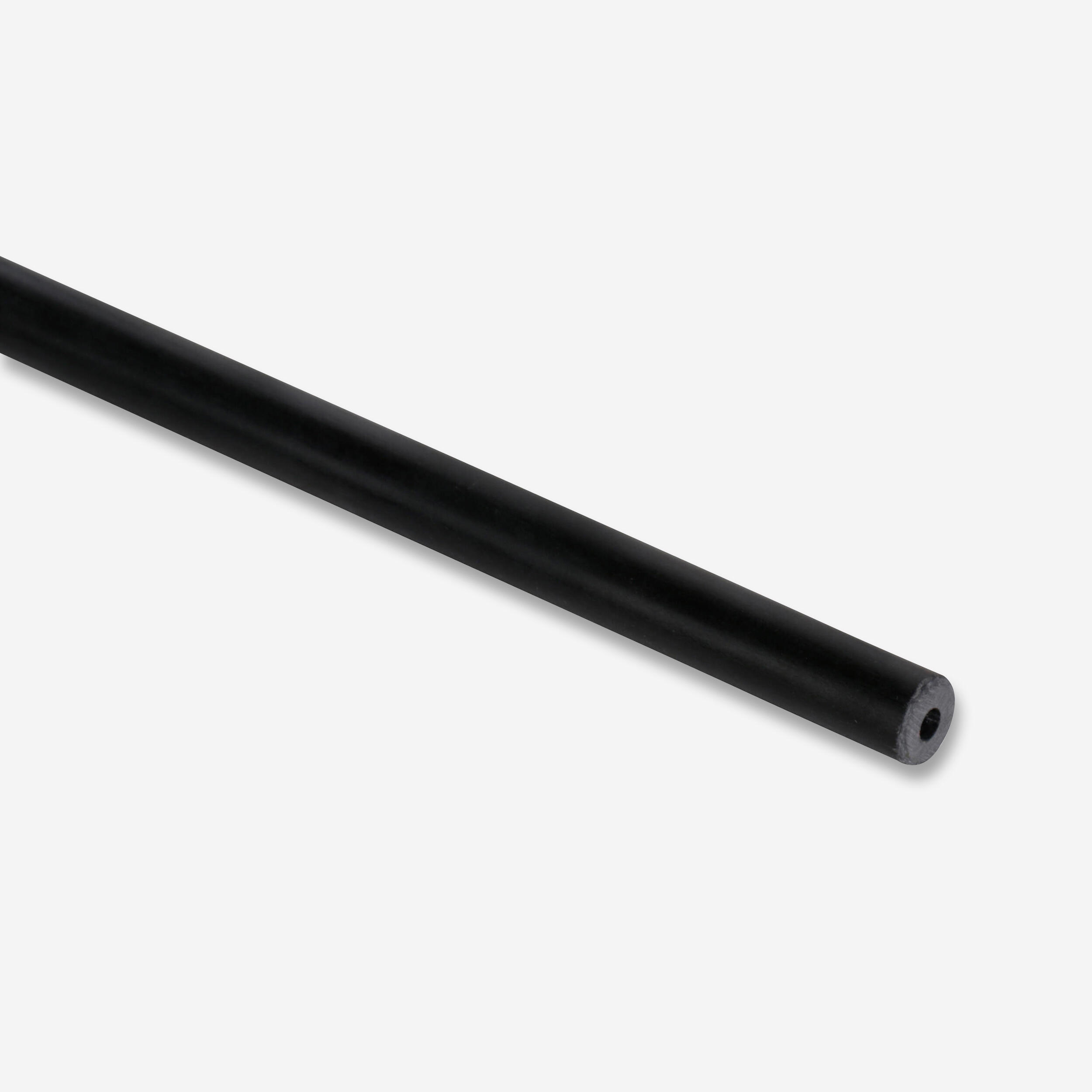
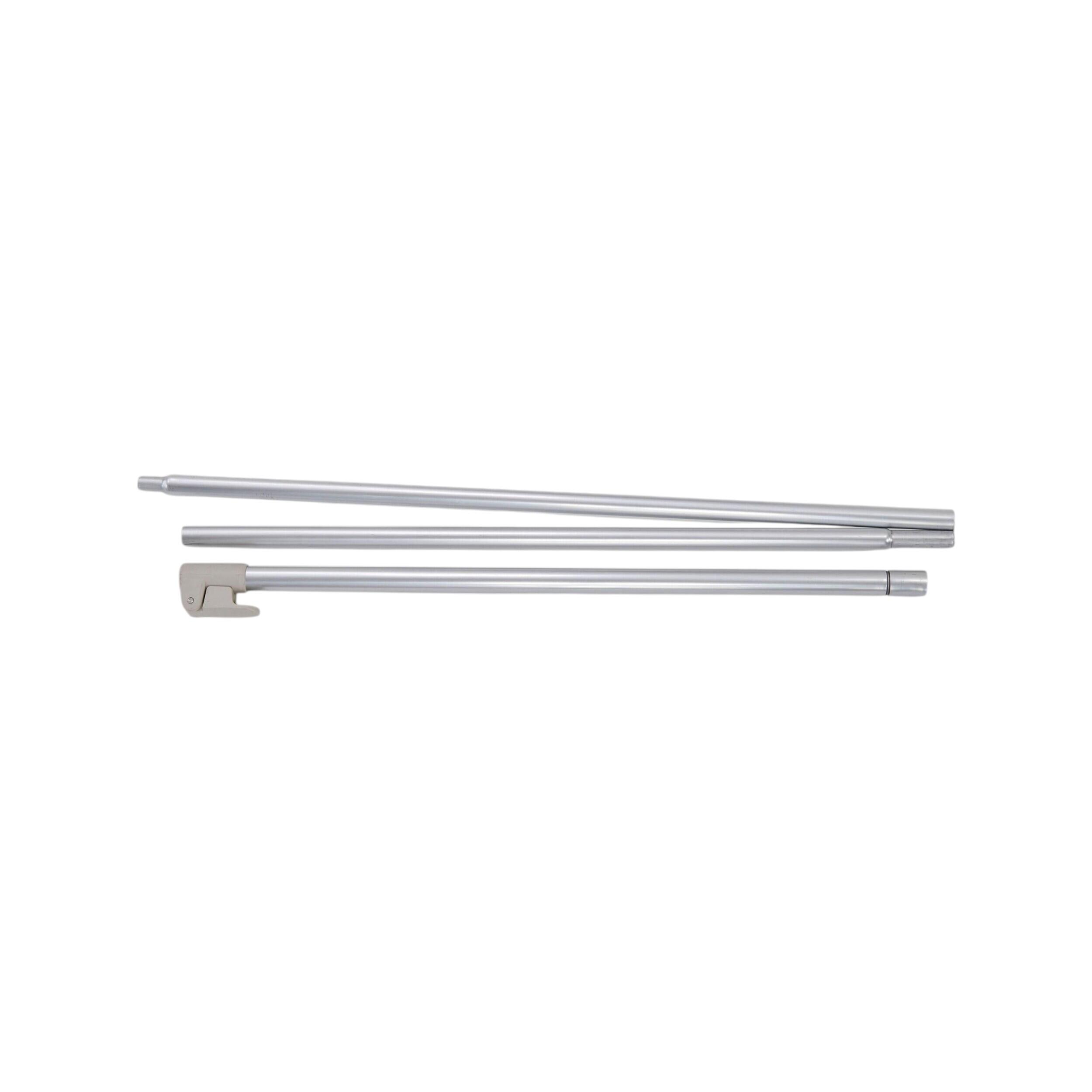
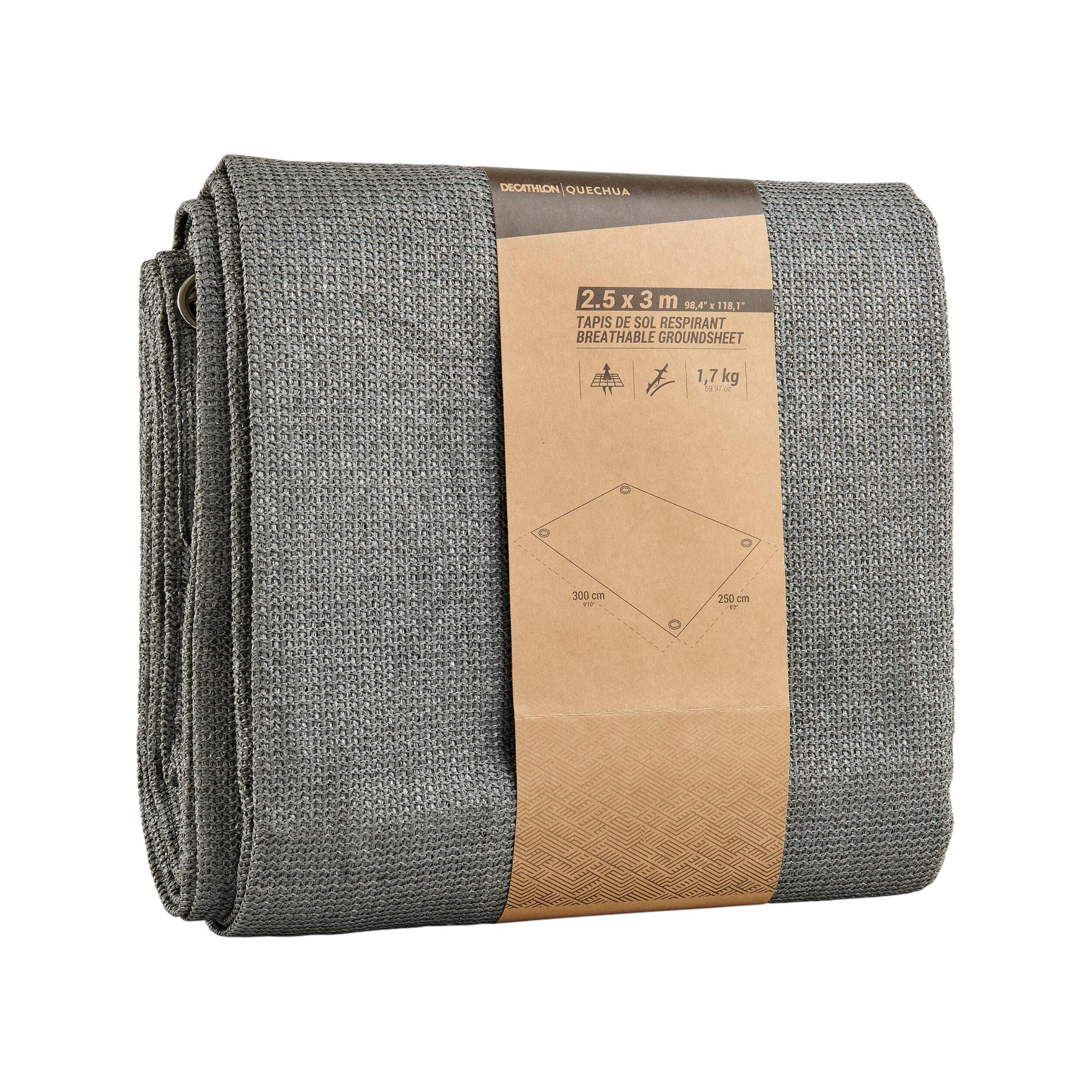
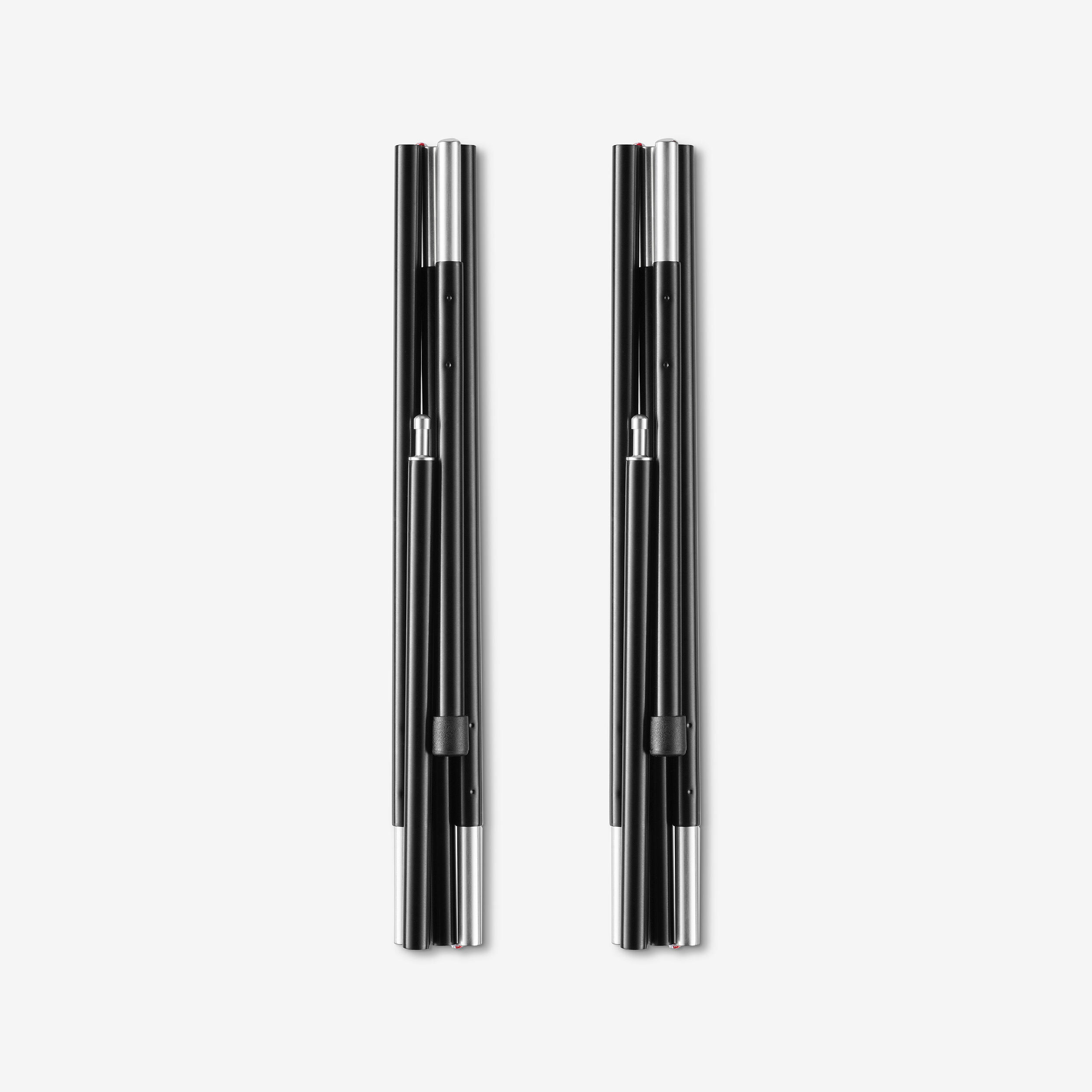
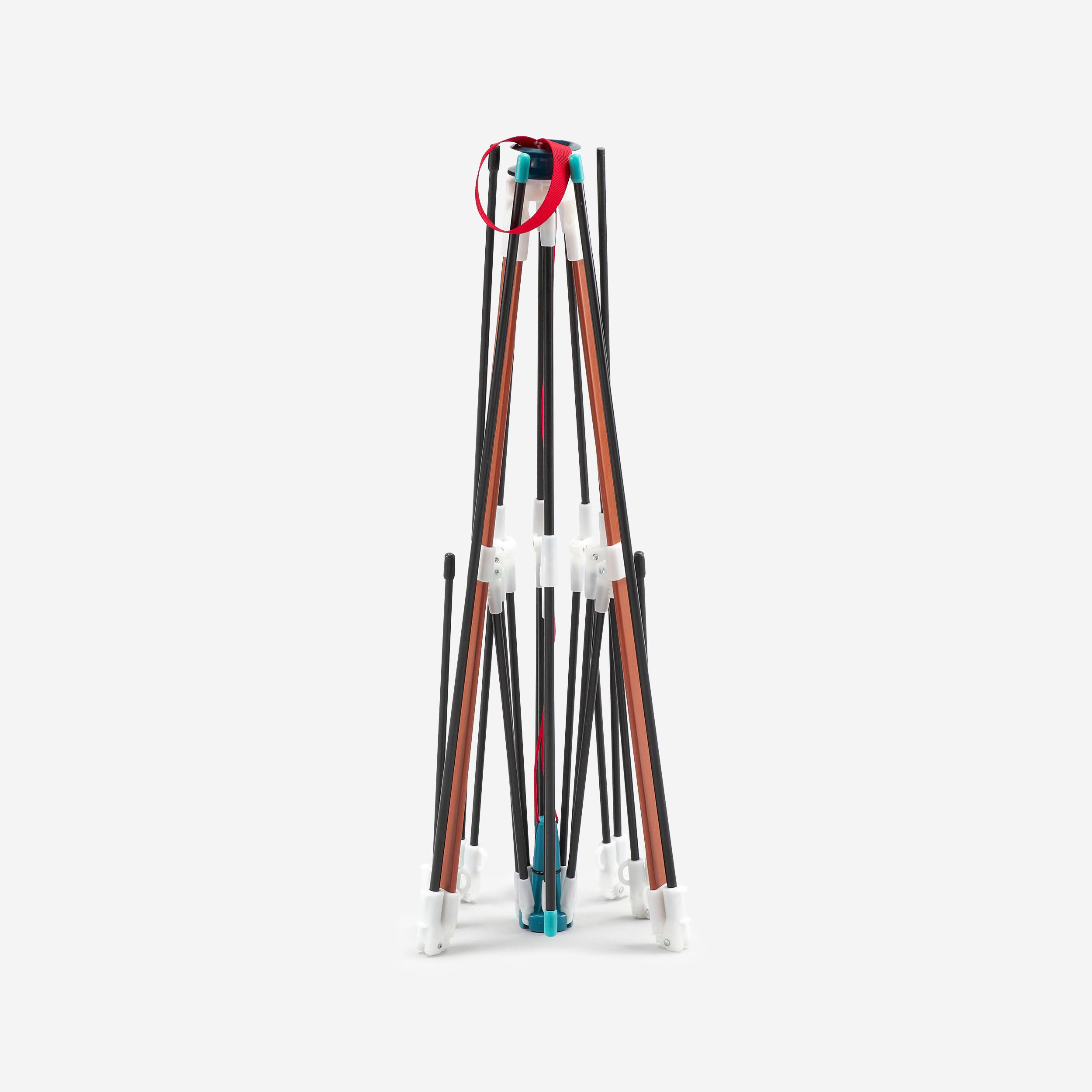
Three materials, mostly. Fibreglass is affordable, flexible and the usual choice for family dome tents; aluminium is lighter and stronger for its weight, favoured for trekking and larger tents; steel turns up on large-frame tents where rigidity matters most. Each comes in set diameters, and an internal elastic shock cord links the sections so they spring together. Pair a sound frame with a camping groundsheet underneath to protect the floor it stands on. Most poles are sold by diameter, so measure before you buy.

Which replacement tent pole do you need?

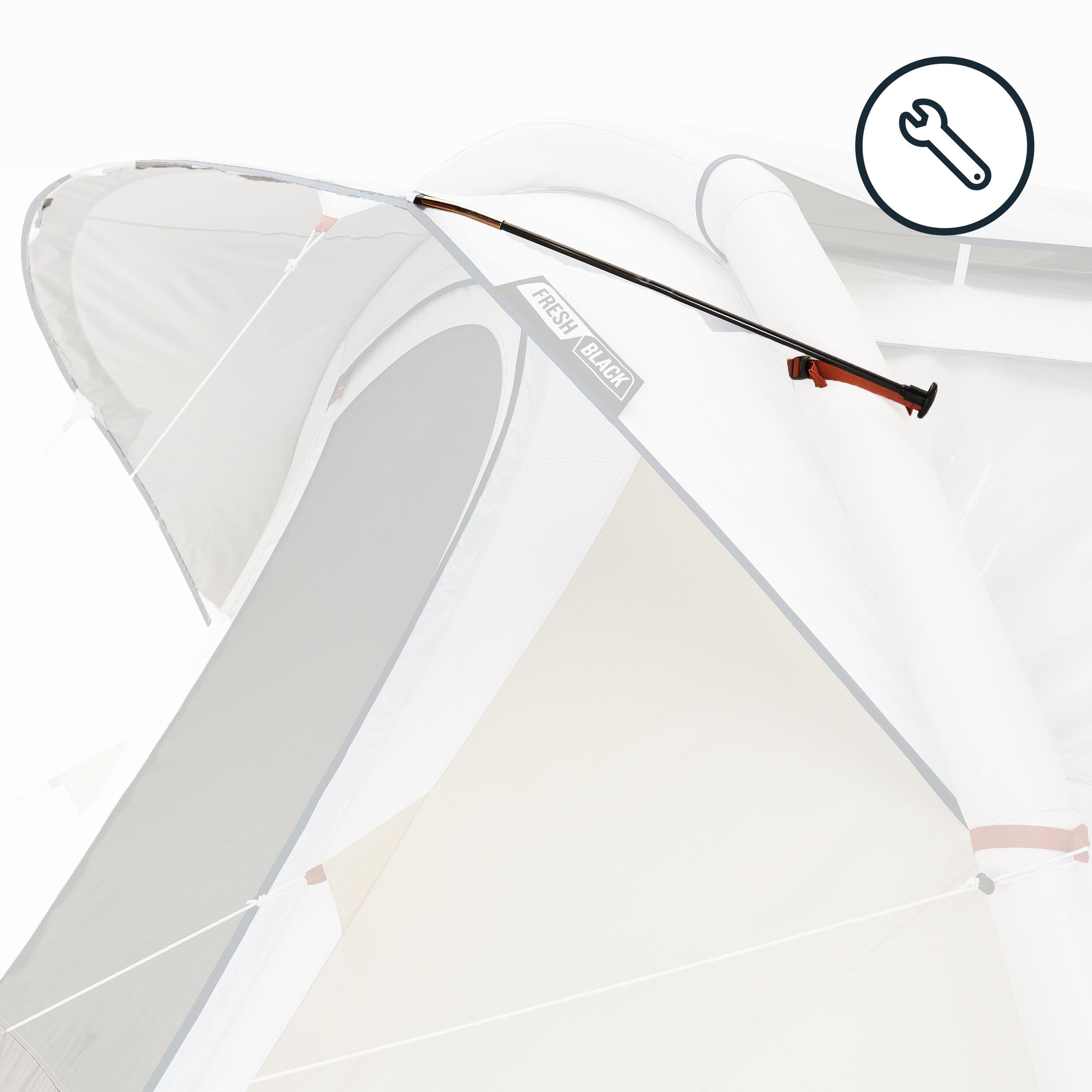
Match the material and, above all, the diameter measured across the tube in millimetres, since an 8.5 mm section won't fit a 9.5 mm sleeve. Note your tent model too, as the door and central poles are often specific to it. If in doubt, the in-store Workshop can check the part against your tent. A correct match keeps the frame tensioned properly so the inner tents hang square and the pitch stays taut. Take the measurement off a sound section, not the broken one, for an accurate match.

Can you repair a broken pole?

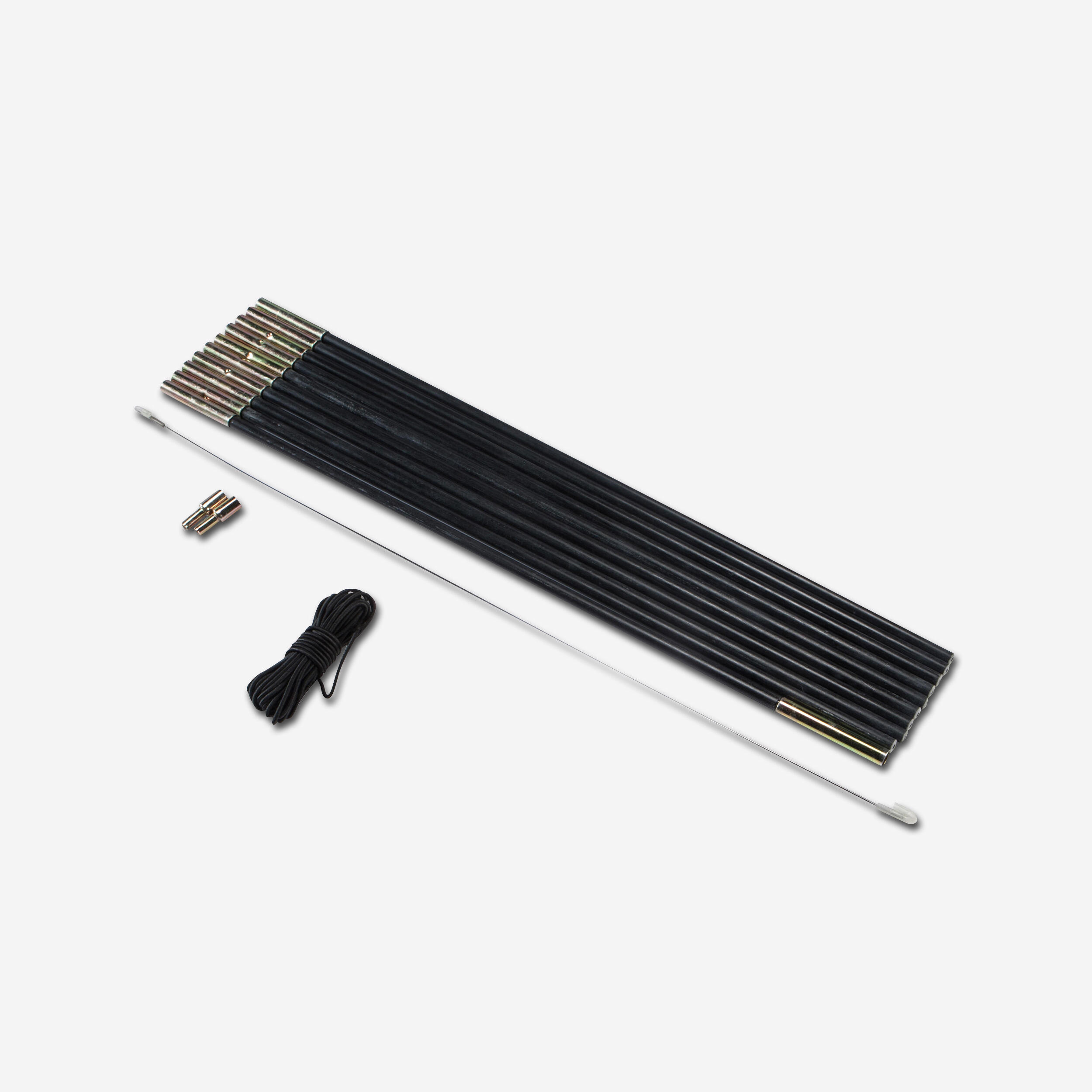
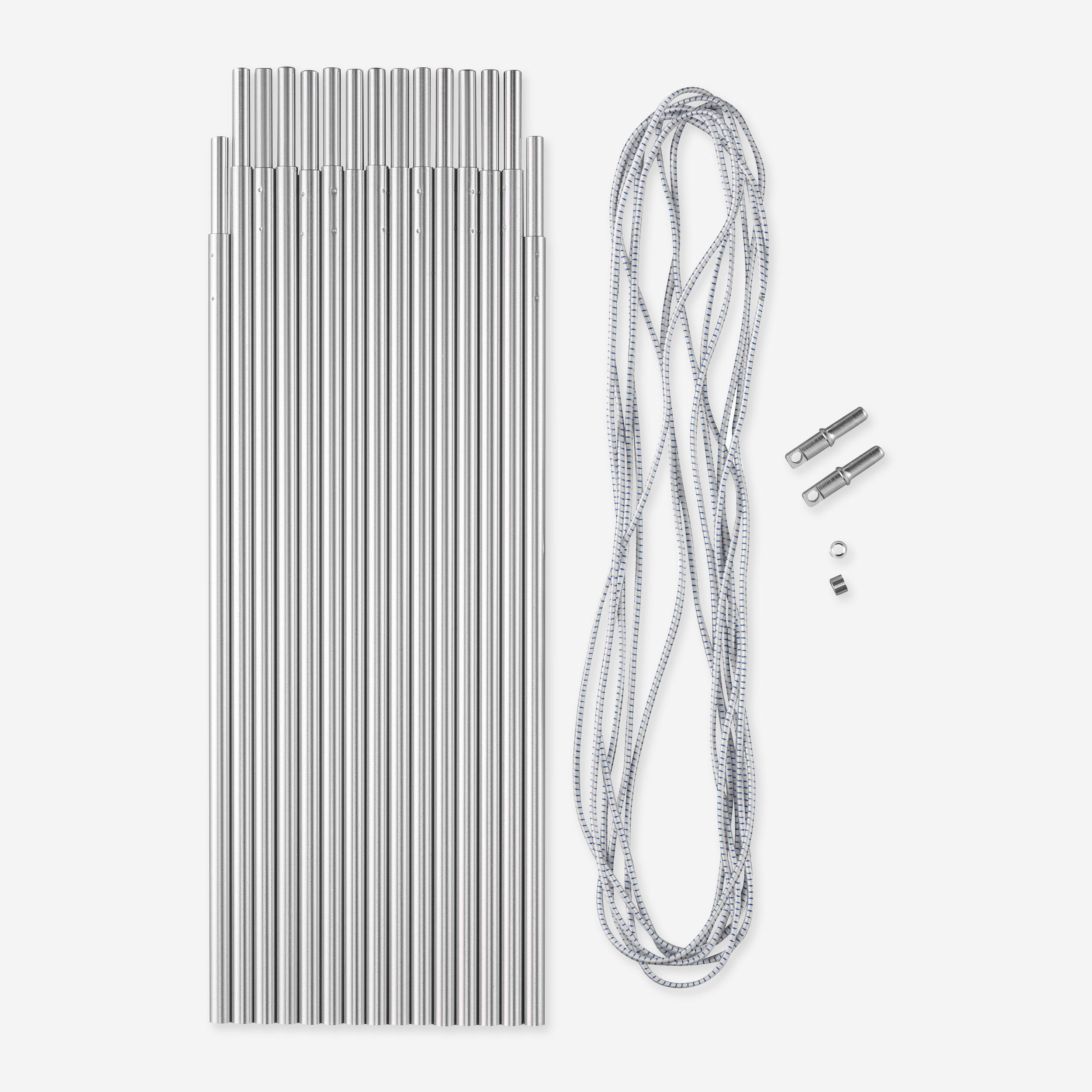
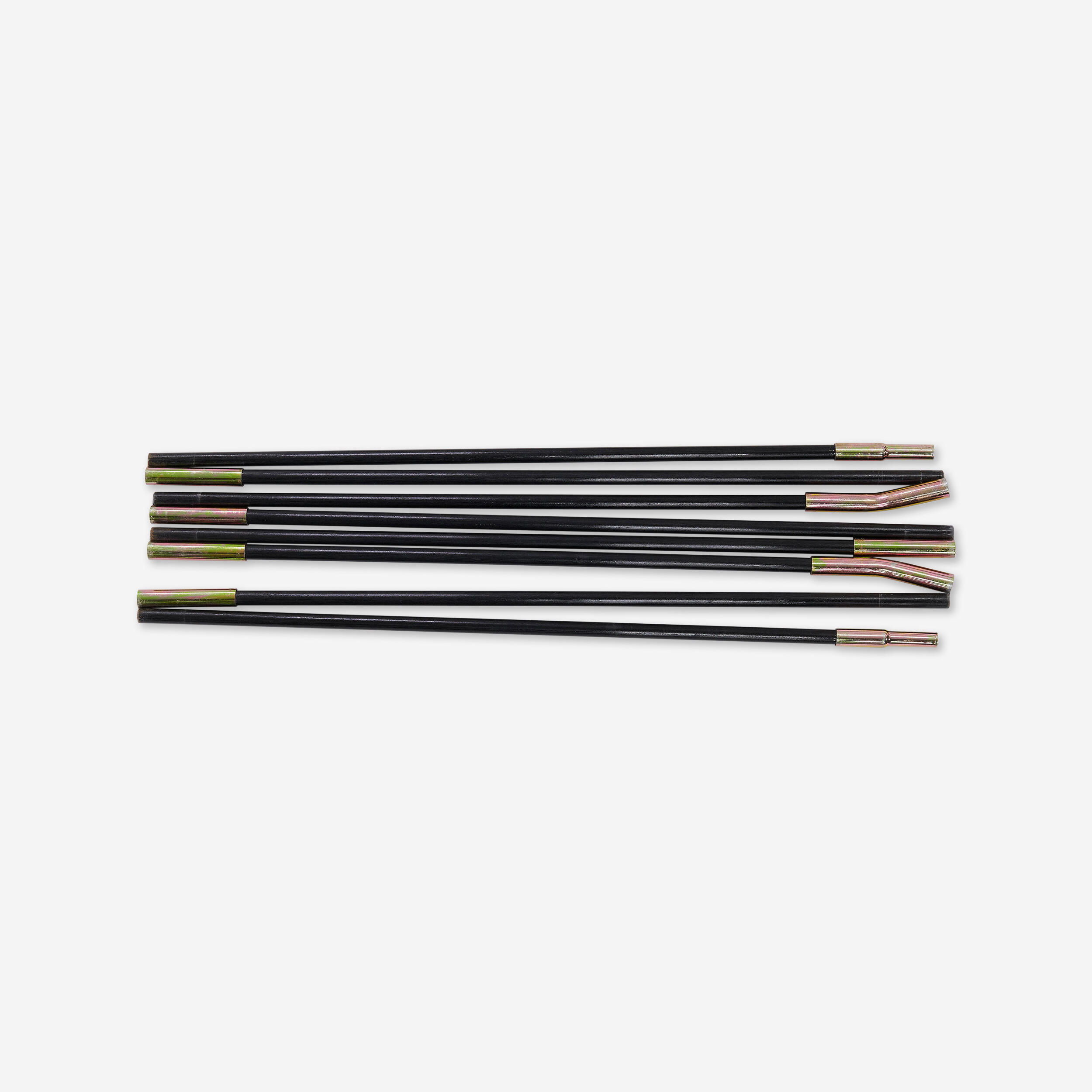
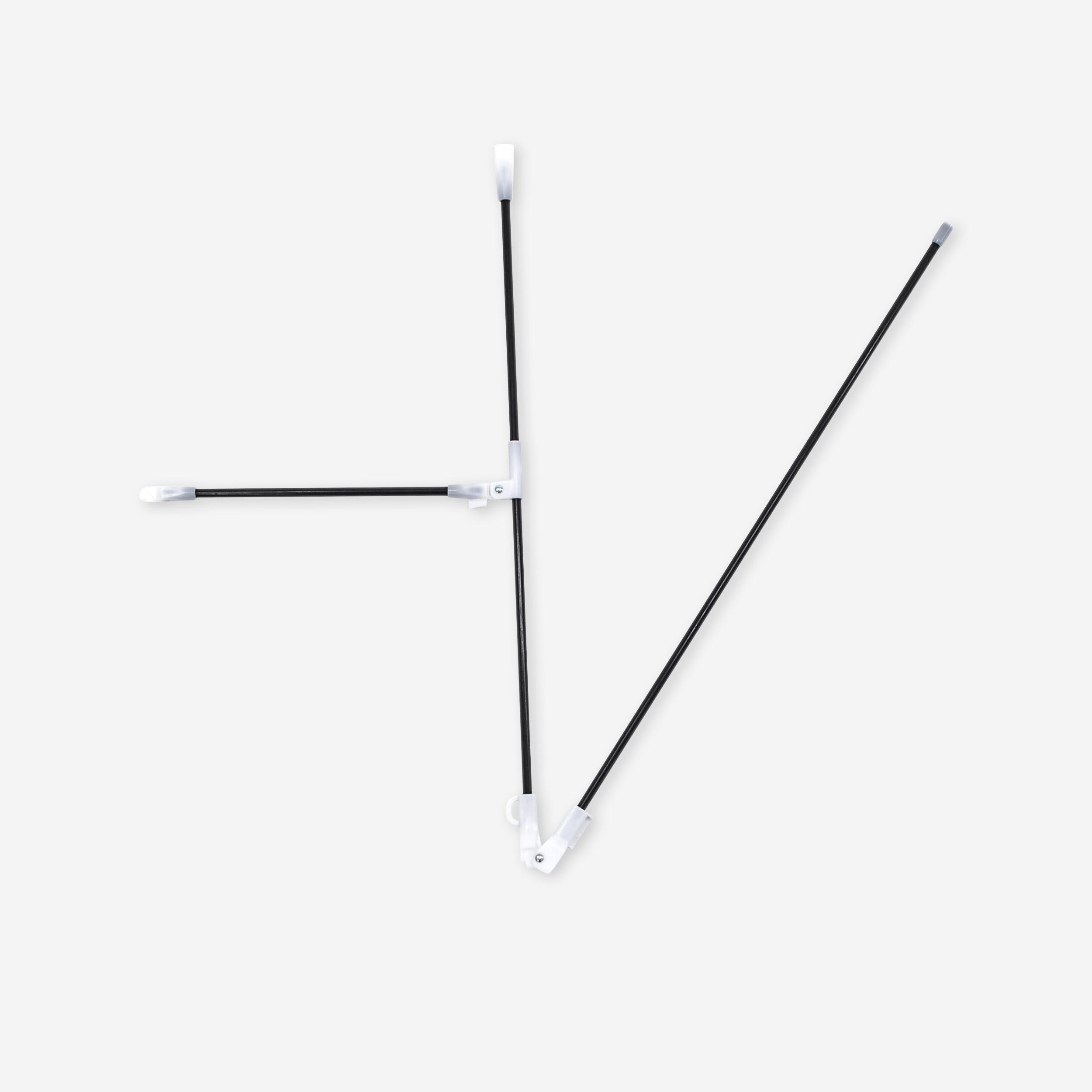
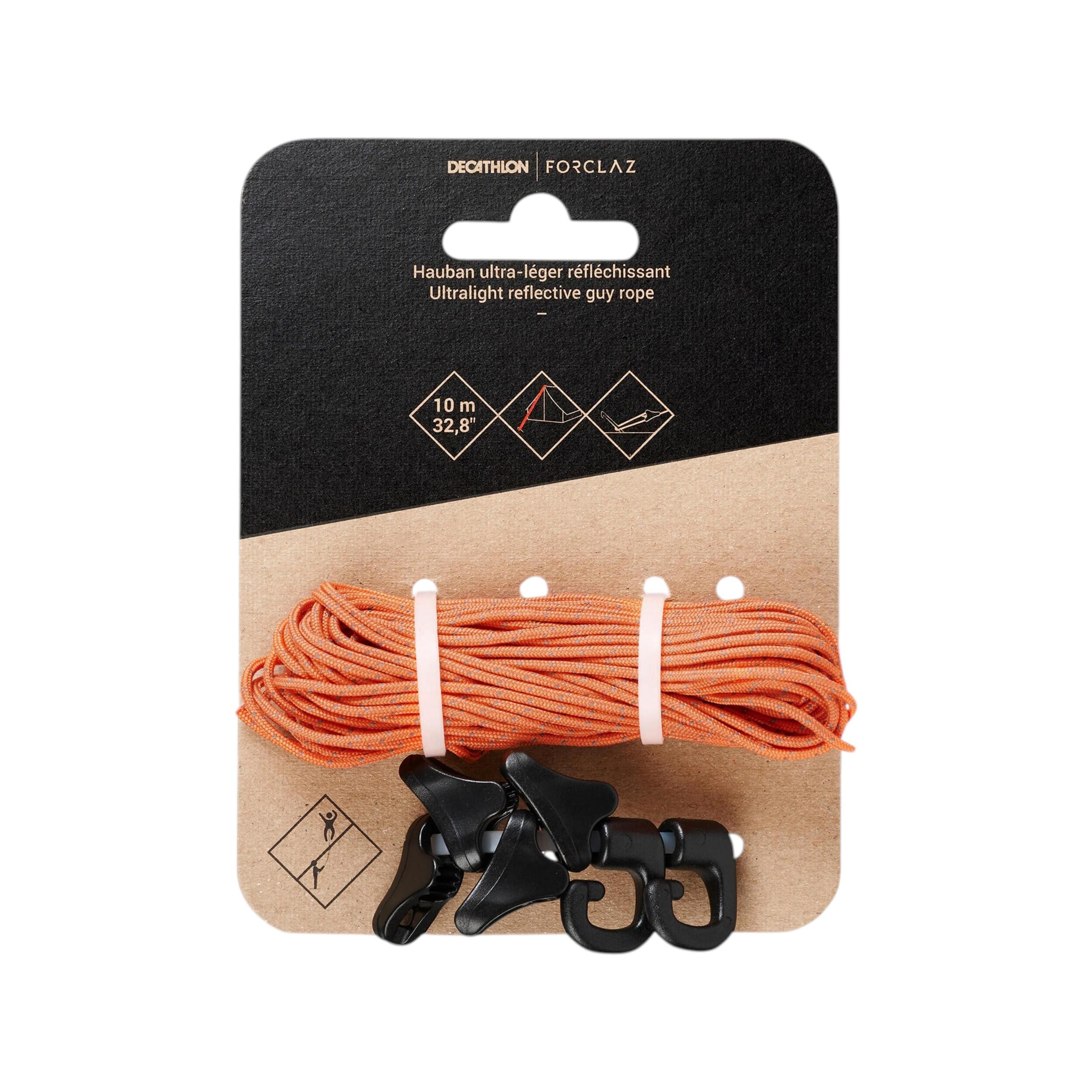
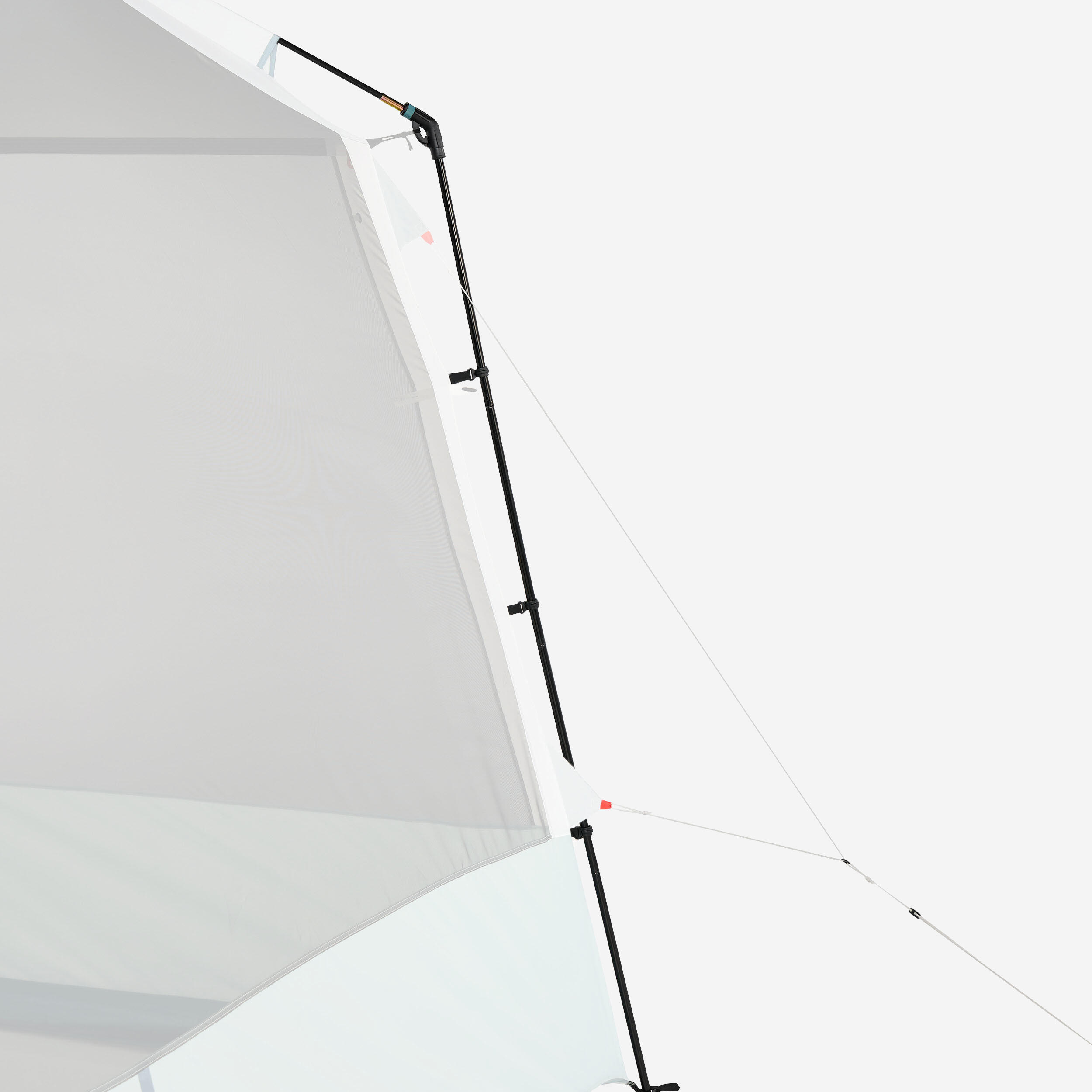
Almost always. A fibreglass or aluminium repair kit supplies new sections, and a connector to splice in where one has snapped, and a single section can be swapped without buying a whole new arch. Thread the shock cord through, fit the new piece, and the frame is sound again. A taut frame, in turn, lets the guy ropes do their job of steadying the tent in the wind.

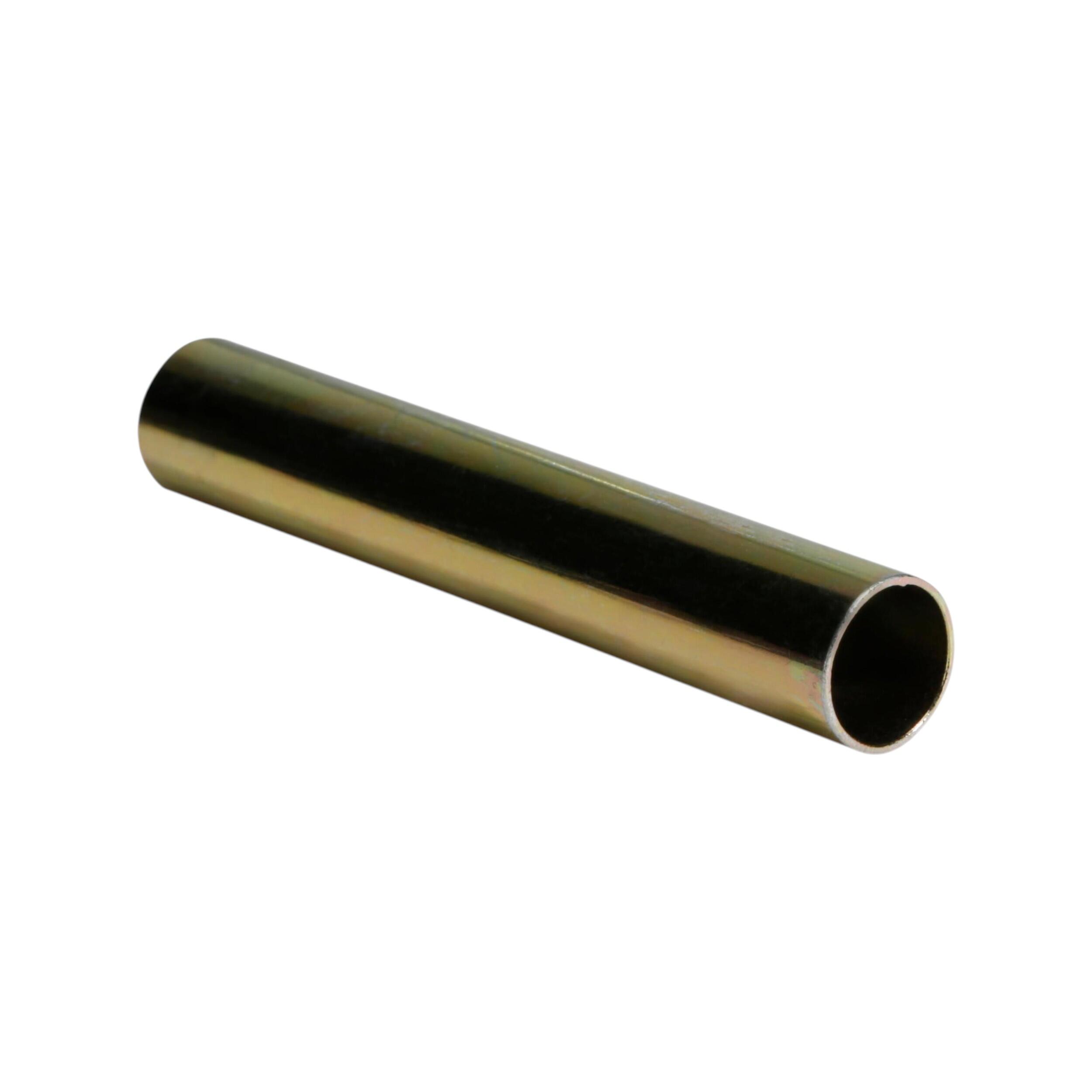
What connects two pole sections?

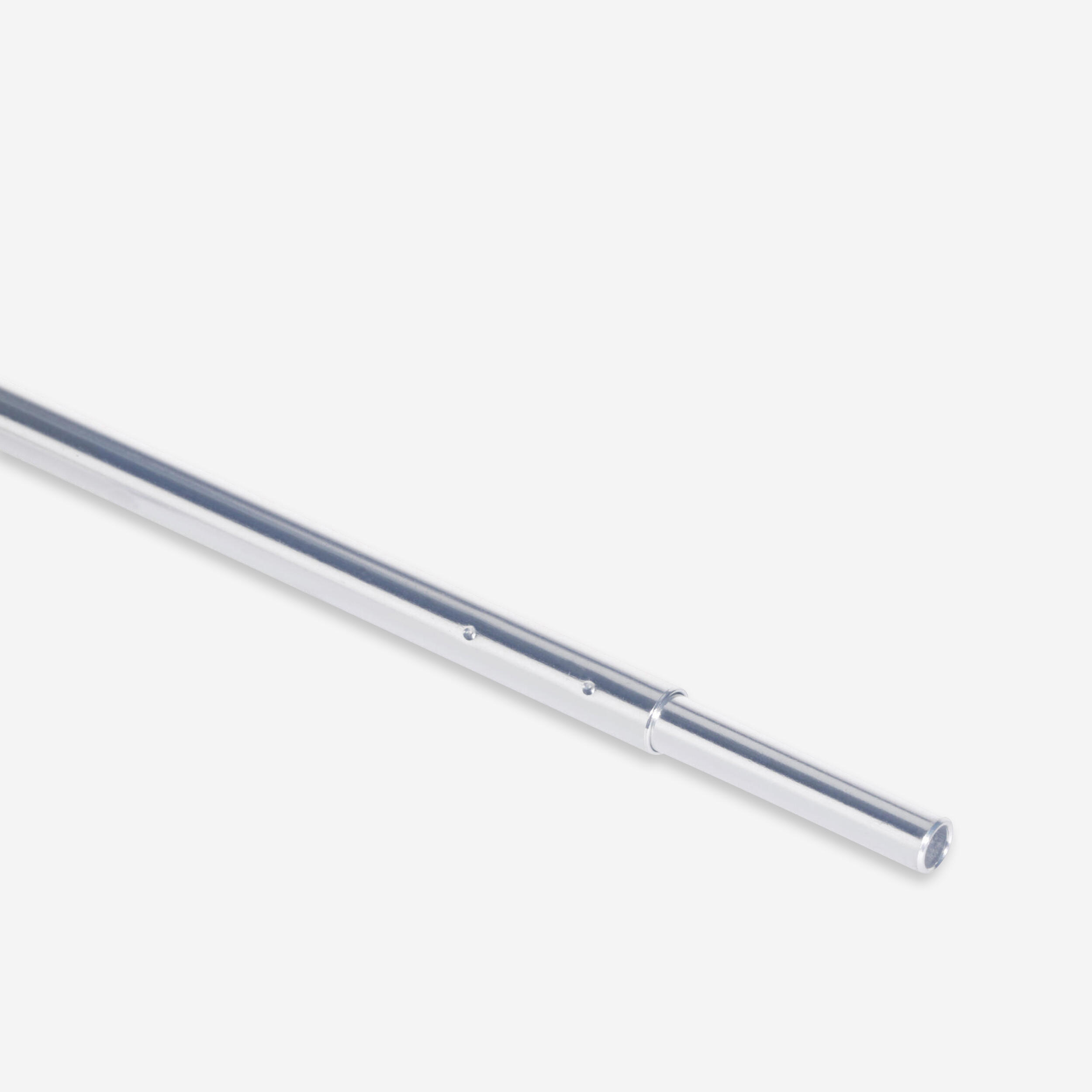
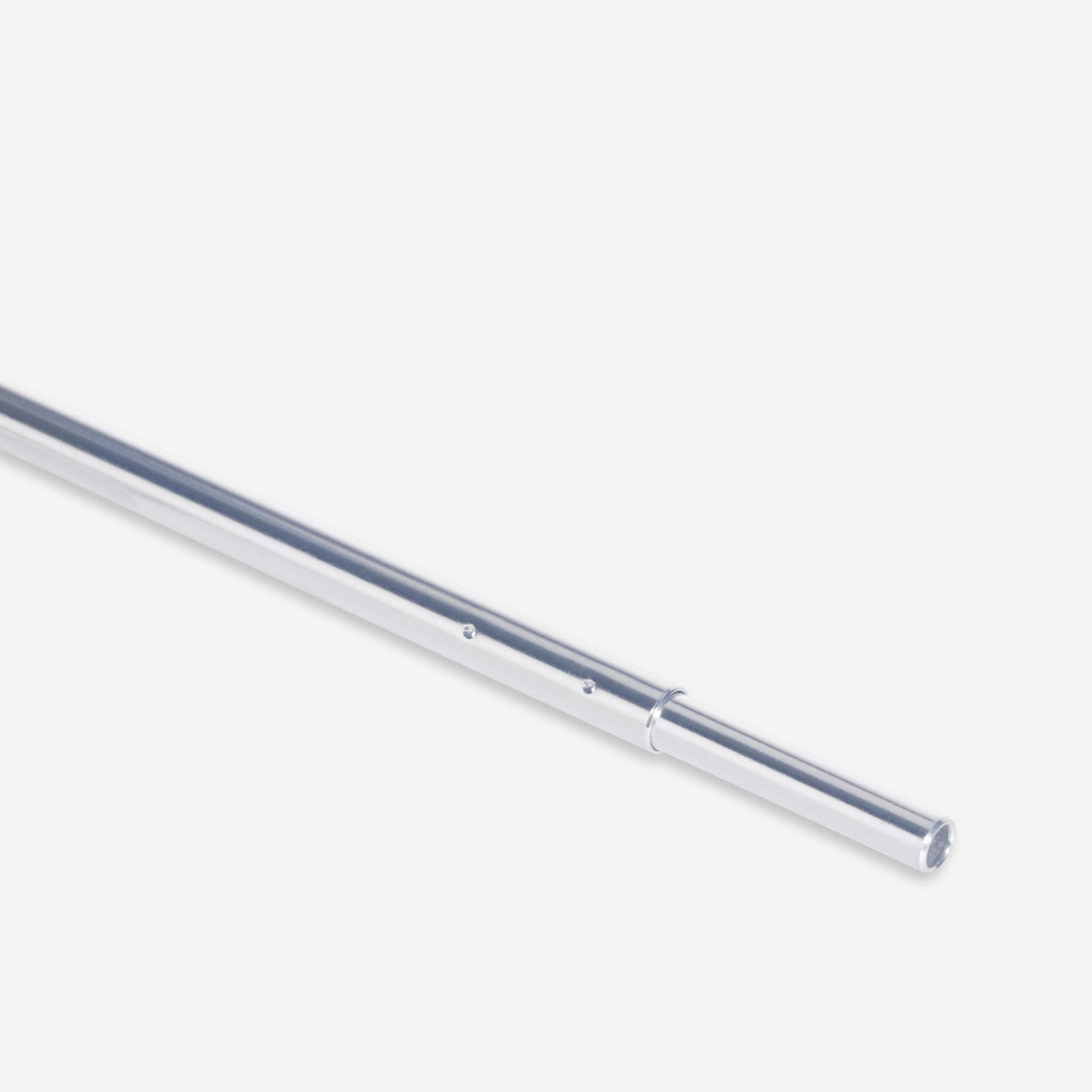
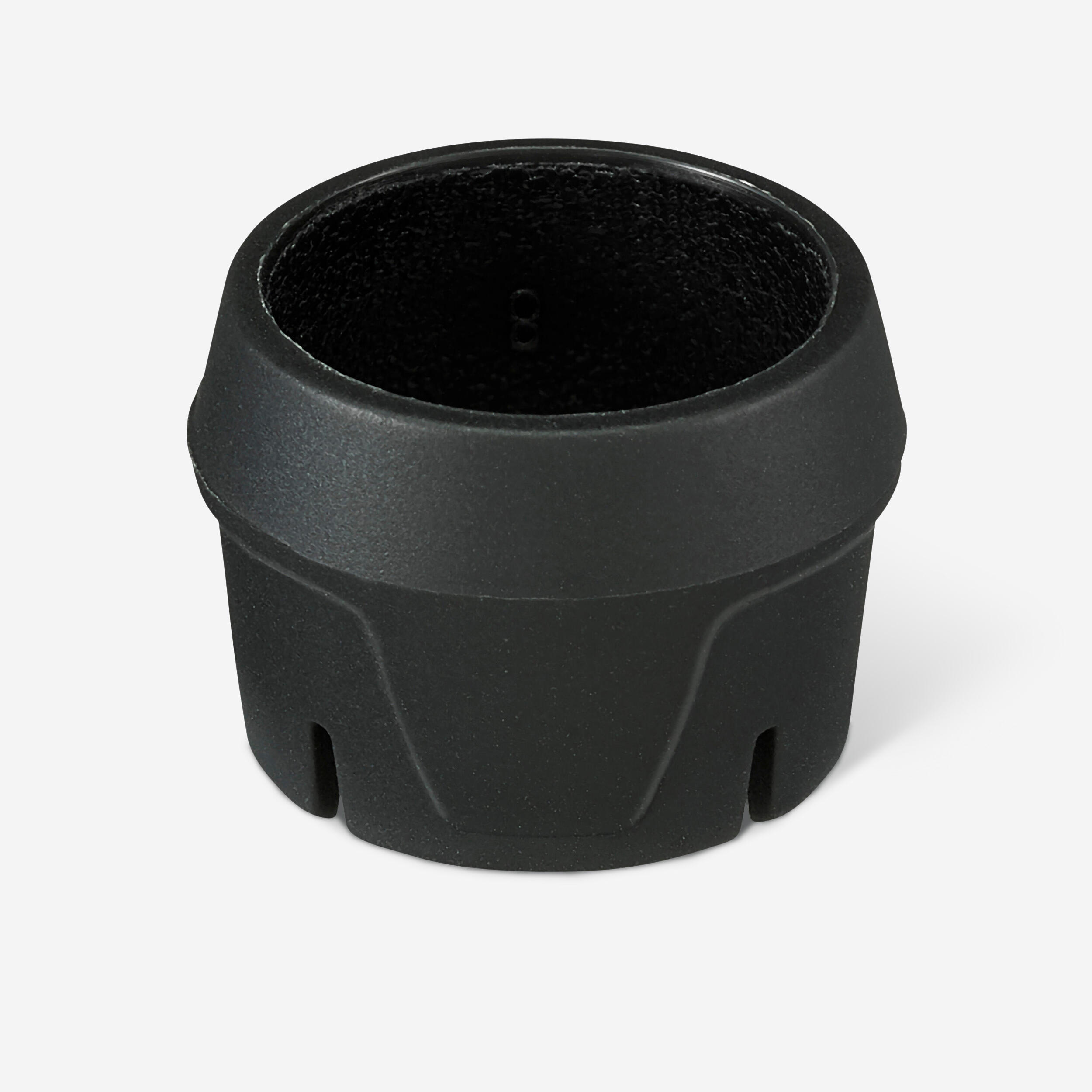
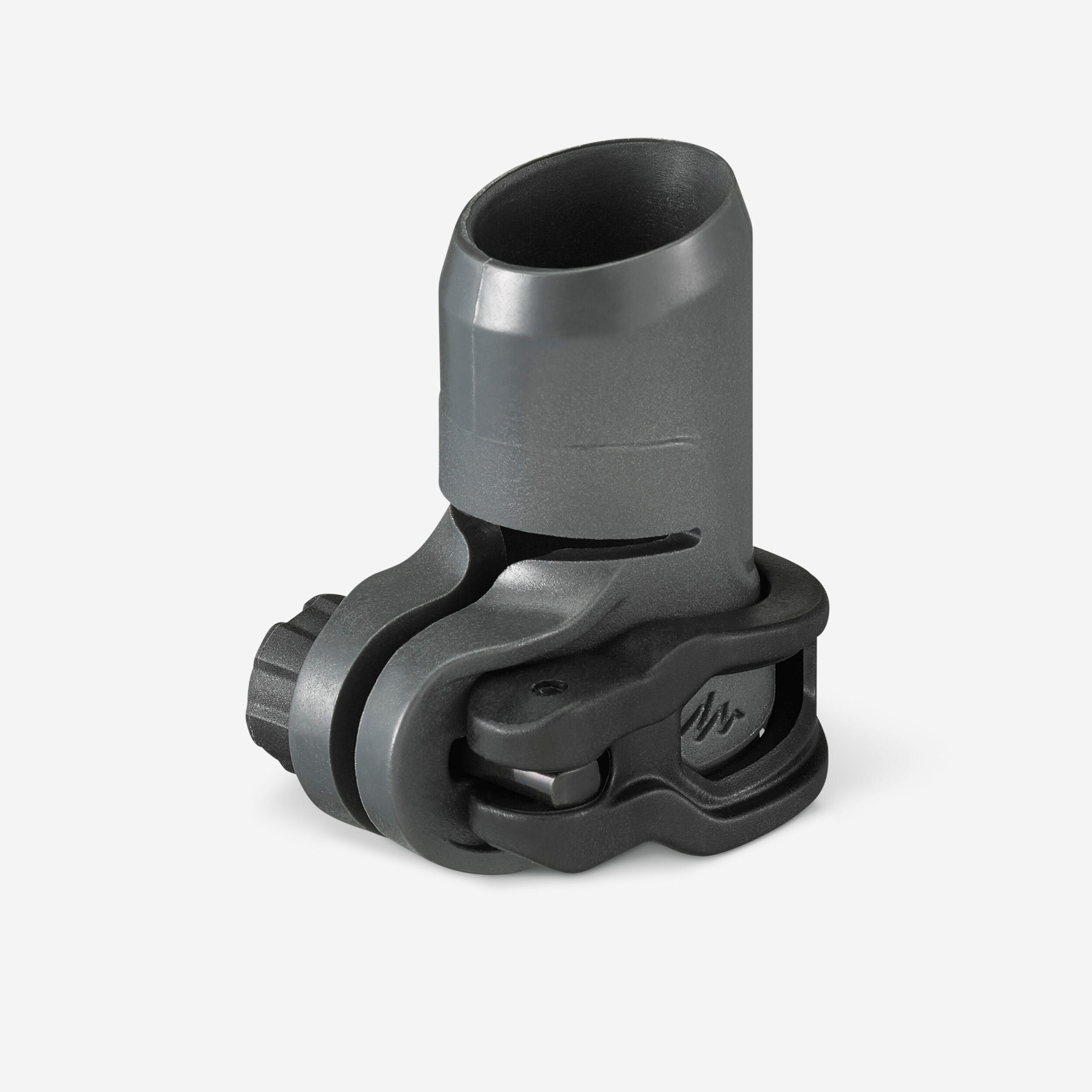
A ferrule, the short sleeve at each joint that the next section slots into, keeps the pole straight and the shock cord aligned. Damaged ones make a pole wobble or refuse to seat. Our tent ferrules supply these connectors in the common diameters, so a split sleeve is an easy, cheap fix that restores a firm, properly jointed pole.
How can tent poles be maintained?

Feed poles through their sleeves rather than yanking them, which stresses the joints, and pack them down section by section from the middle to spread the shock cord tension evenly. Dry them before storage so the metal doesn't corrode. Slide them into your tent transport bags alongside the fabric so nothing is lost, and the frame is ready to pitch next time. A quick wipe and a check for hairline cracks each trip keeps the poles trustworthy.