19 items
4.6/5 based on 23 reviews collected online and in stores

Tent Ferrules FAQs

What is a tent ferrule and what role does it play in a pole system?

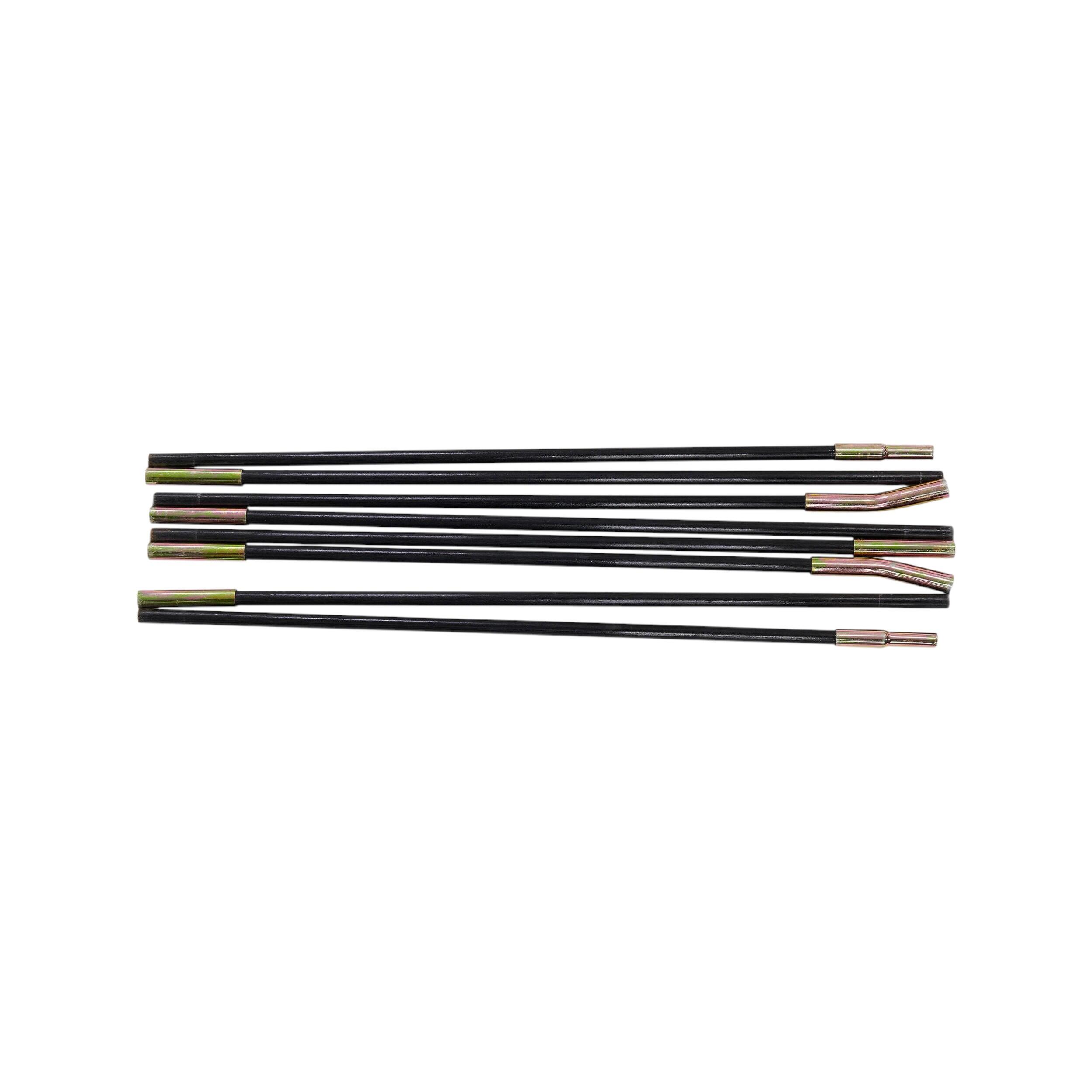
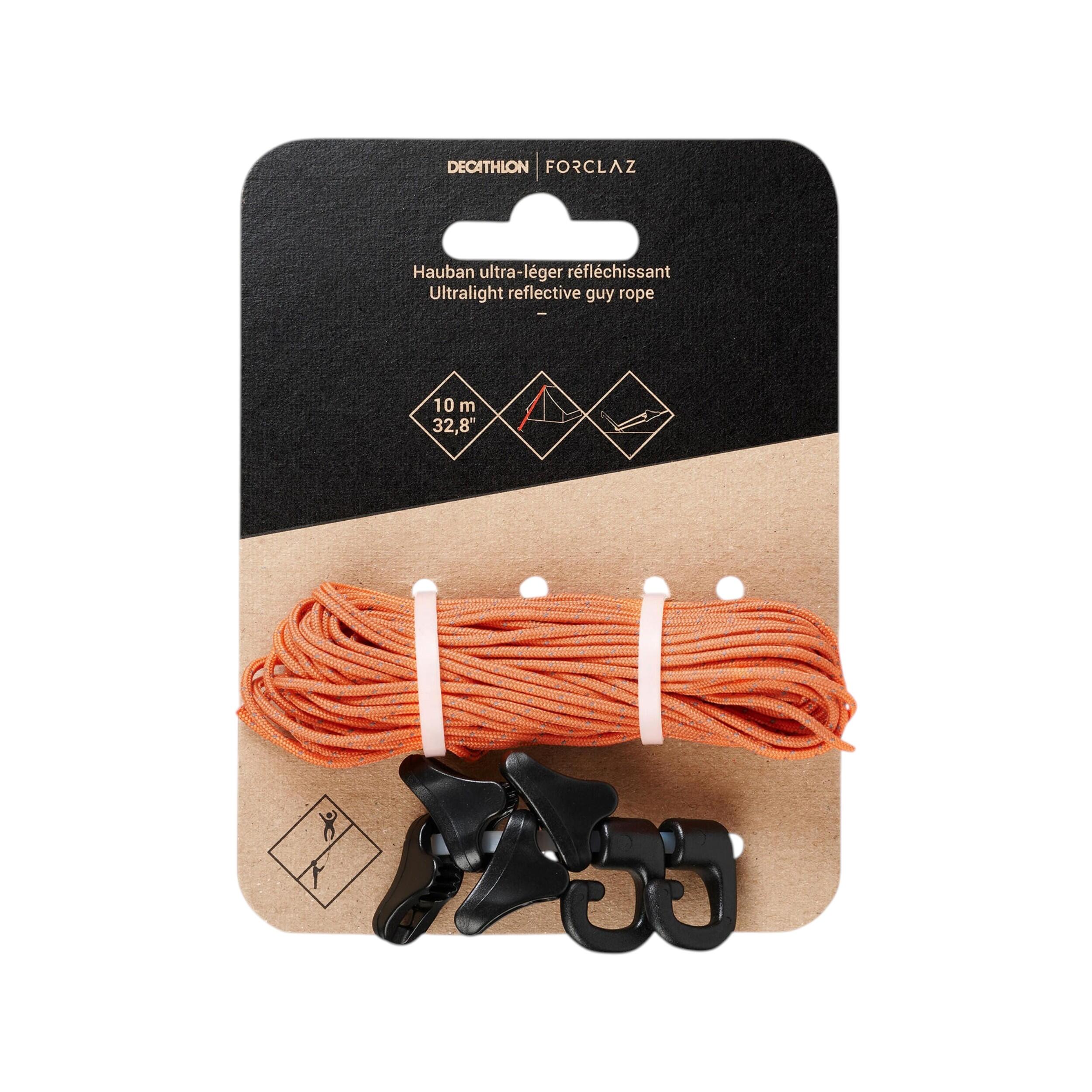
By joining separate pole sections together, tent ferrules help maintain the strength and alignment of the overall tent frame. It's a small component but a structurally critical one: the ferrule is the point where load transfers between sections, so any deformation or cracking at the collar immediately reduces the stiffness of the whole pole assembly. On a fibreglass pole, a split ferrule can let the section end splay outward under load and tear the sleeve from the inside. On an aluminium pole, a worn ferrule lets the joint move with every gust, and that repeated micro-movement builds a fatigue crack in the shaft just above the collar over time. Checking each ferrule before a trip takes less than a minute: run your thumb around the collar and press gently at the joint, and any roughness, visible cracking, or noticeable wobble is a clear signal to replace it before pitching. The anchoring kit deserves a look at the same time, since stocking replacement guy ropes alongside spare ferrules covers both the structural and anchoring sides of wind resistance in one go.

How do I choose the correct ferrule size for my tent pole?

Ferrule sizing is set by the outer diameter of the pole section it fits, and getting that measurement right is essential. A ferrule that's too small won't seat onto the shaft at all, while one that's too large will spin freely and give no structural connection between sections. The most reliable method is to place a calliper across the widest point of the pole tip, just below where the existing ferrule sits. One tip: if the old ferrule is still partly intact, measure its inner diameter rather than the shaft, since that inner diameter is what has to match the pole tip precisely. And when you need to replace full pole sections at the same time as the collars, our tent poles are listed by diameter and material to make ordering straightforward.

When should I replace a ferrule rather than attempt a field repair?

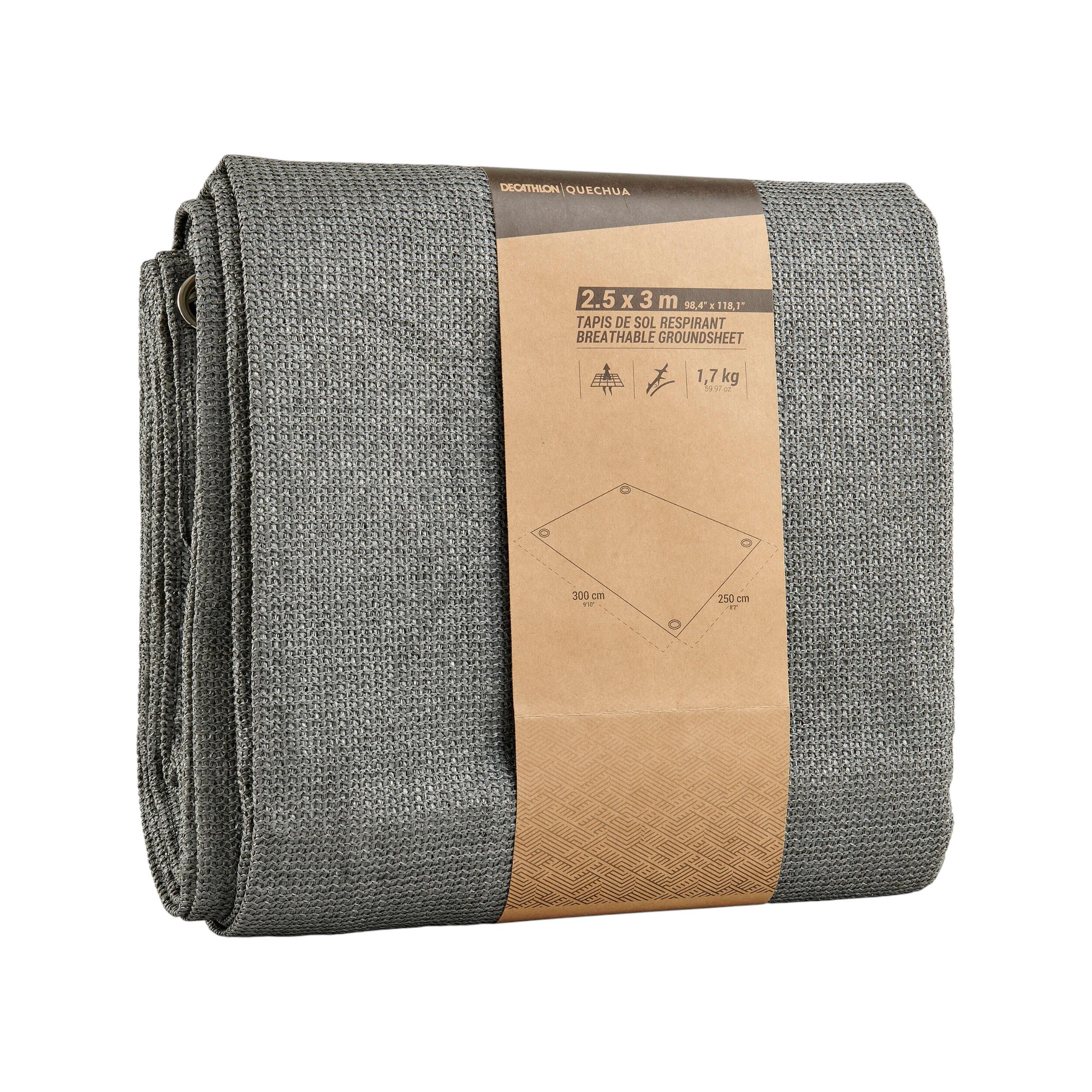
A sleeve repair or a wrap of tape buys enough integrity to finish a trip, but it's a temporary fix rather than a permanent one. Once you're home, a proper ferrule replacement restores the original load-transfer geometry and removes the weak point entirely. The signs a field repair won't hold are a ferrule sheared clean off the shaft, a crack running lengthwise along the pole rather than just through the collar, or a hub junction deformed enough that the ferrule no longer seats at the right angle; in those cases, replacing the full section is the right call. If you're gathering several shelter components before a trip, pairing new ferrules with a correctly fitted camping ground sheet protects both the frame above and the tent floor below from the most common sources of wear.

What causes tent ferrules to fail prematurely?

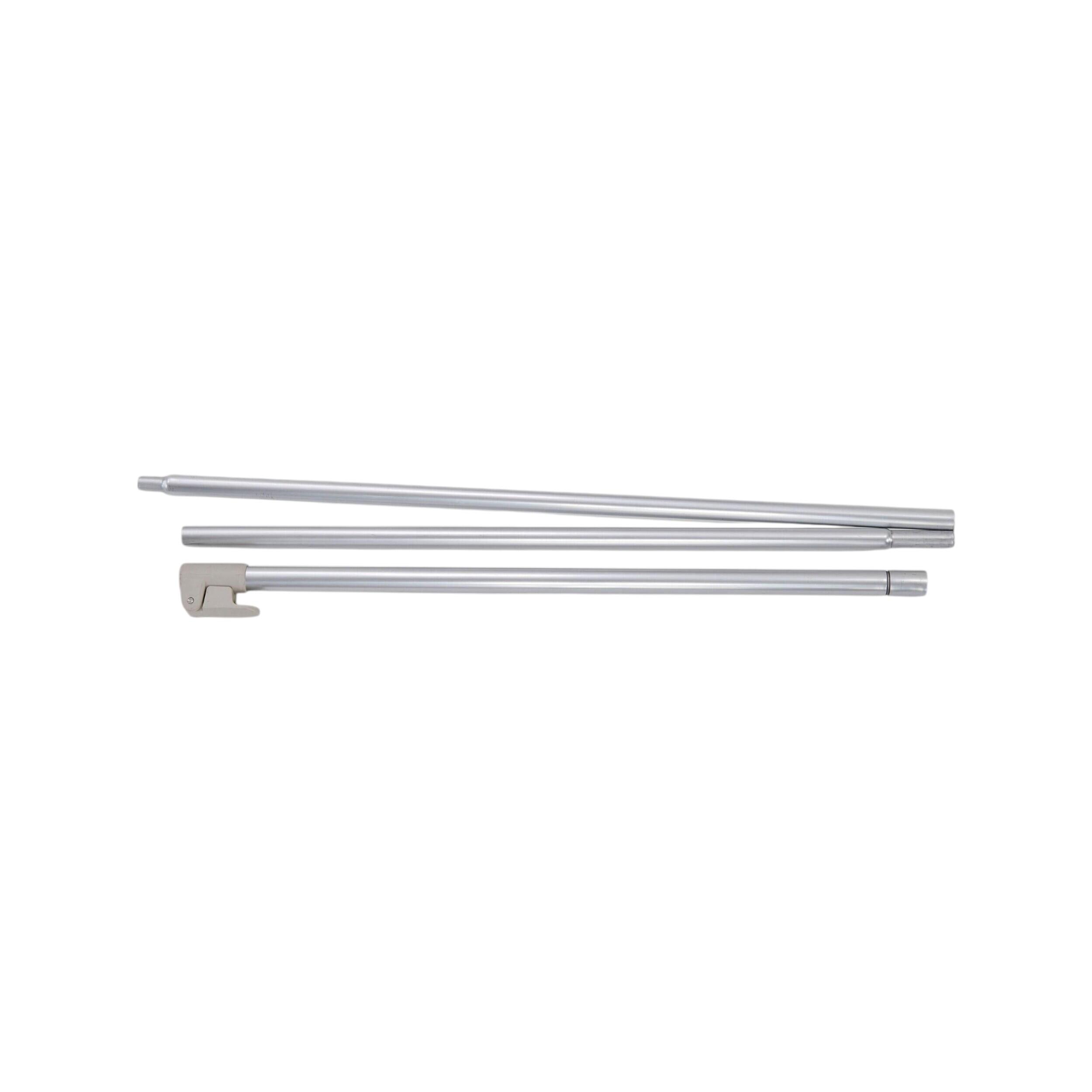
The two most common causes are poor pitching technique and storage under compression. When pole sections are forced together at an angle rather than pushed straight along the shaft, the collar takes a sideways shear load it isn't built for and cracks at its thinnest point. Storing a tent with the poles still threaded through the sleeves puts a constant bending load on the ferrule joints over weeks, slowly deforming the collar. Slack elastic cord is an indirect cause too: once tension is lost, sections rattle against each other in transit and chip the ferrule edges. If your pole ridge junction takes repeated high stress, it's worth checking whether a reinforcement bar fits your model, as it adds a secondary brace that eases the load passing through the ferrule at its most vulnerable point.

How do tent ferrules fit into the overall tent shelter system?

The pole system works as a chain of load-bearing connections, and a ferrule is the link between each pair of sections in that chain. The poles set the frame geometry that holds the flysheet at its correct tension, while the ferrules keep each pole rigid so the frame behaves as a single curved beam rather than loosely connected tubes. If one ferrule is compromised, the whole pole loses its ability to resist bending at that point, distorting the flysheet above and cutting wind resistance across the shelter. That is why a single failed ferrule can leave a tent sagging even when every other part is sound. If you camp often and want to assess the inner shelter alongside the pole system, our inner tents range covers most current Quechua models by reference number, making it practical to renew structural and fabric parts together.